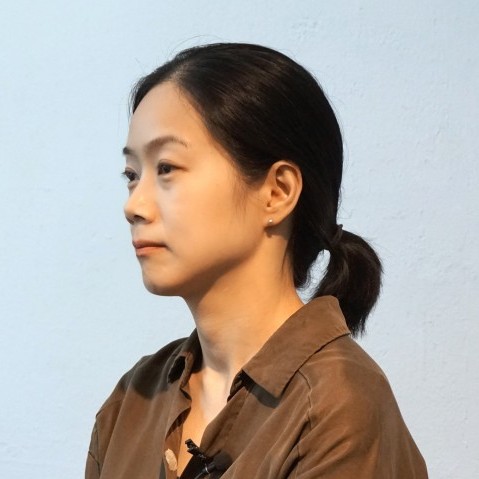
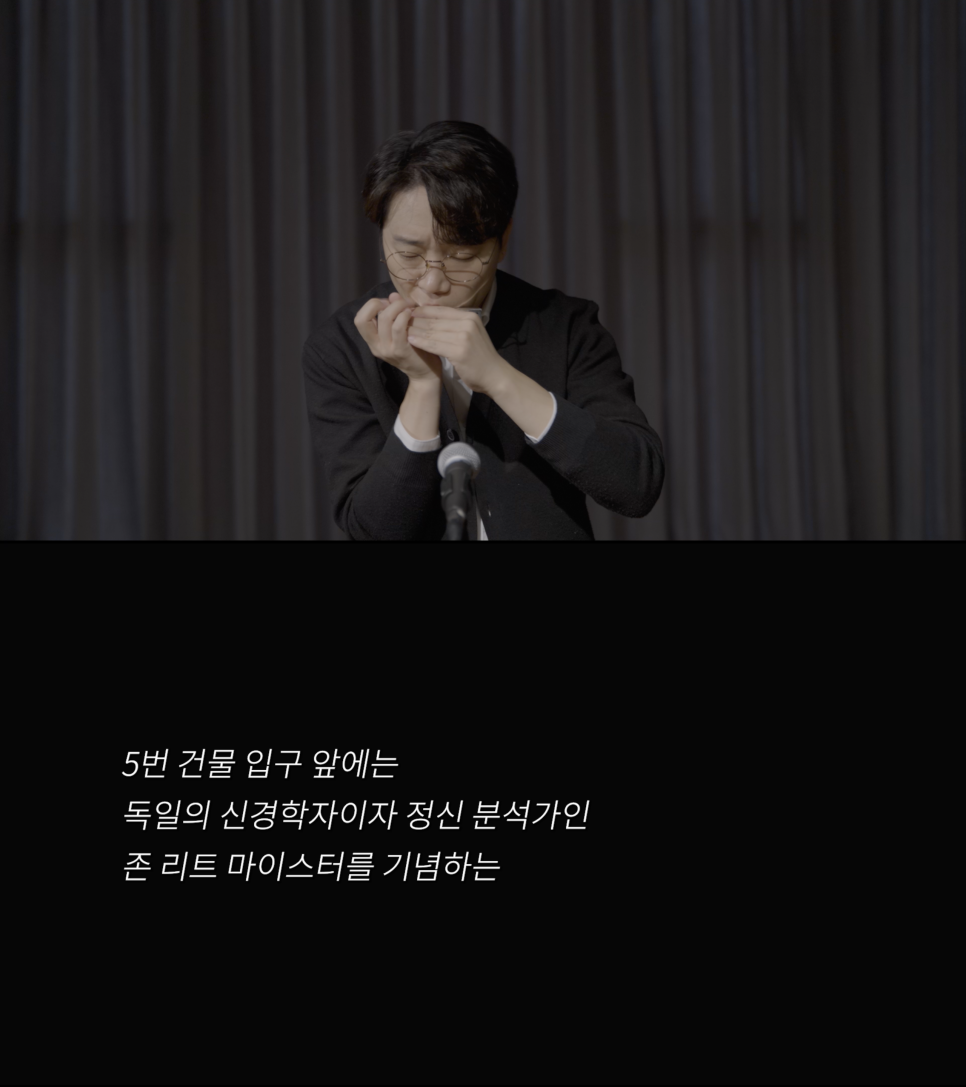
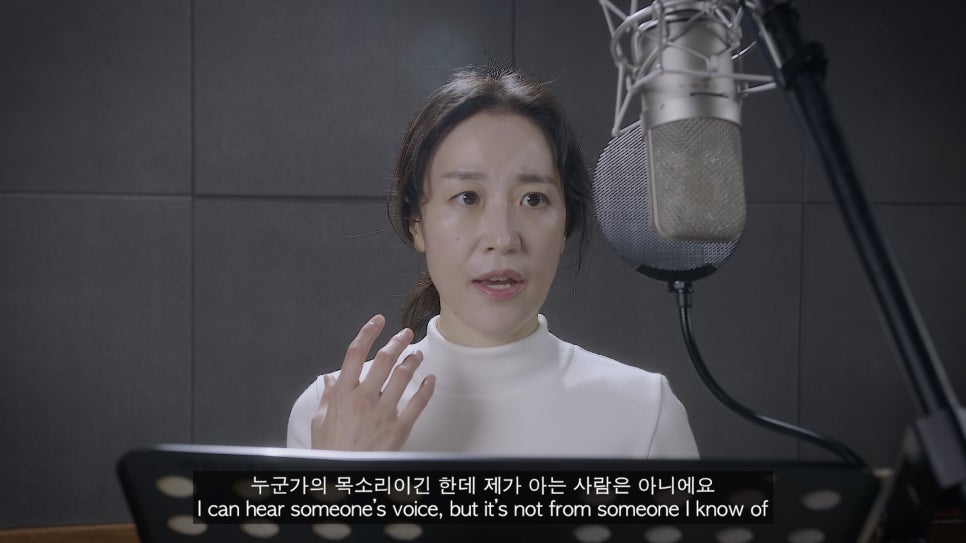
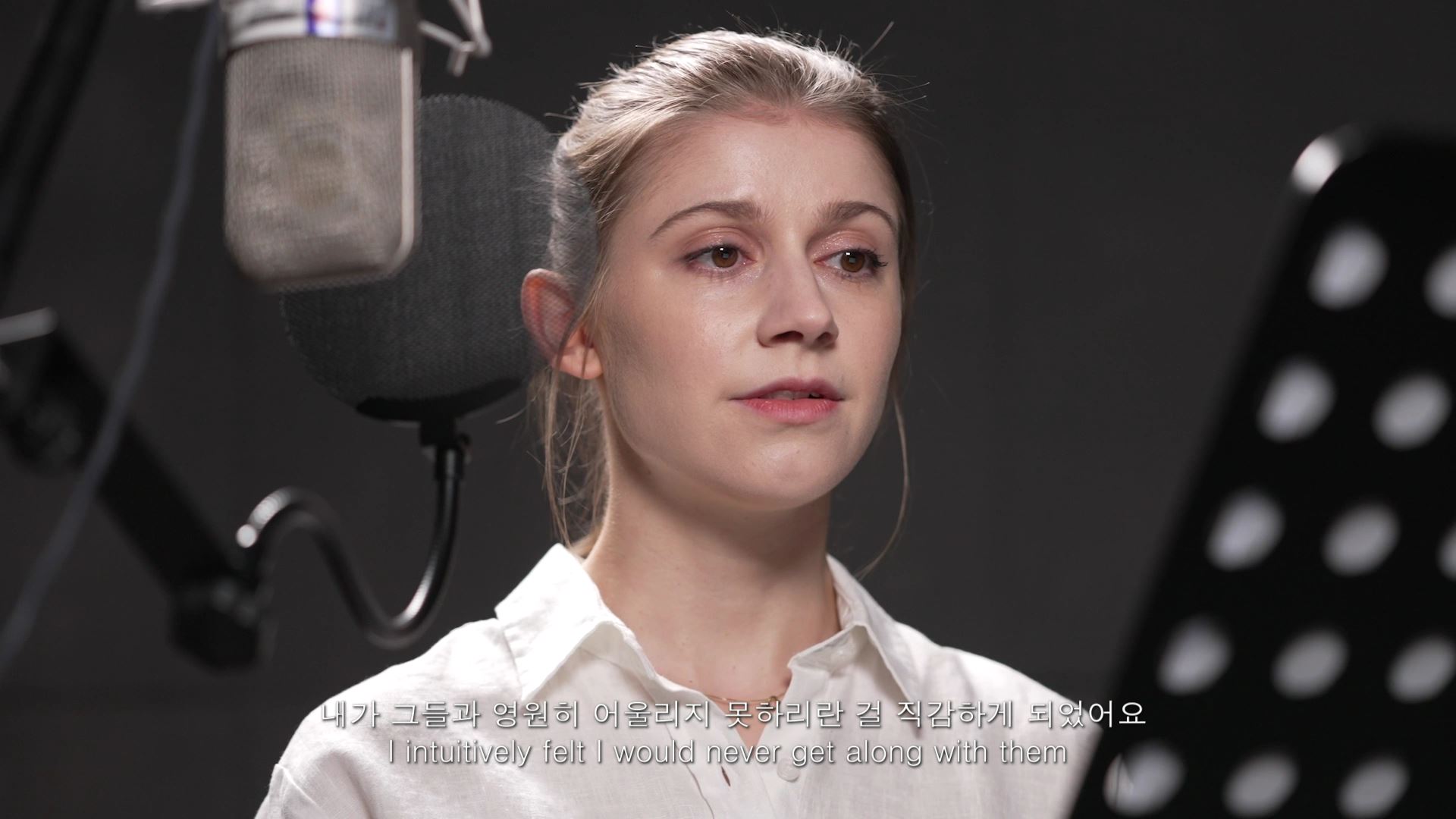
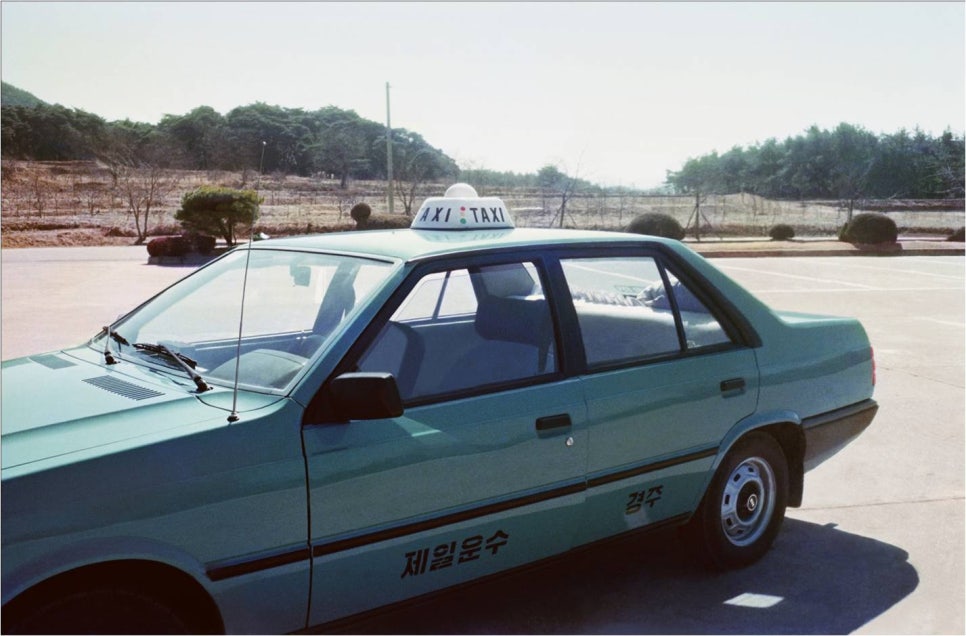
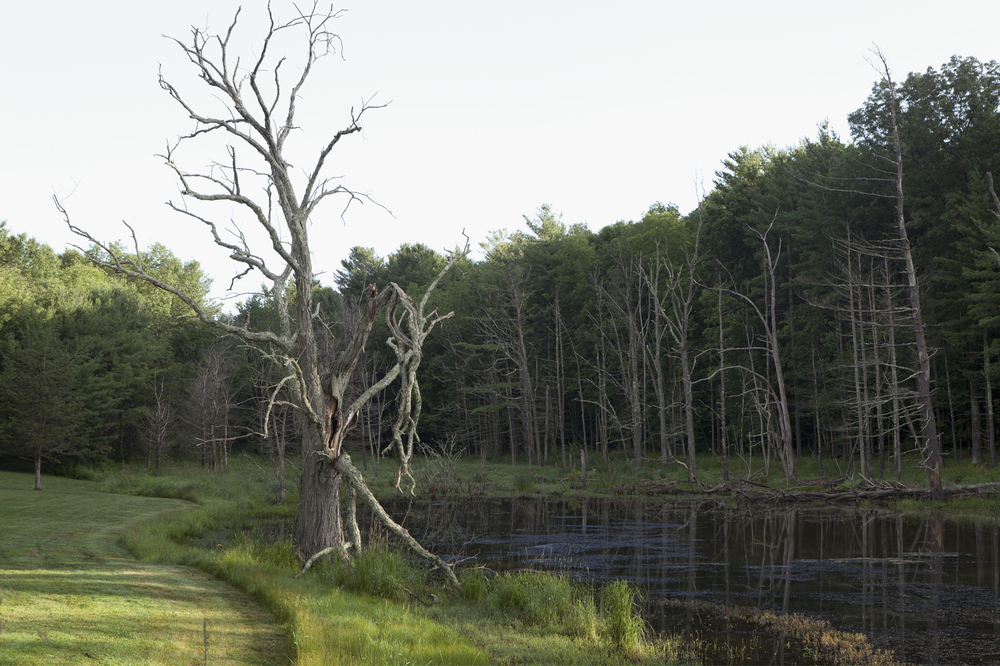
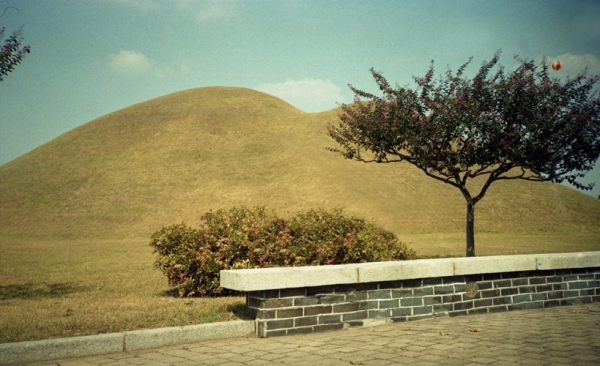
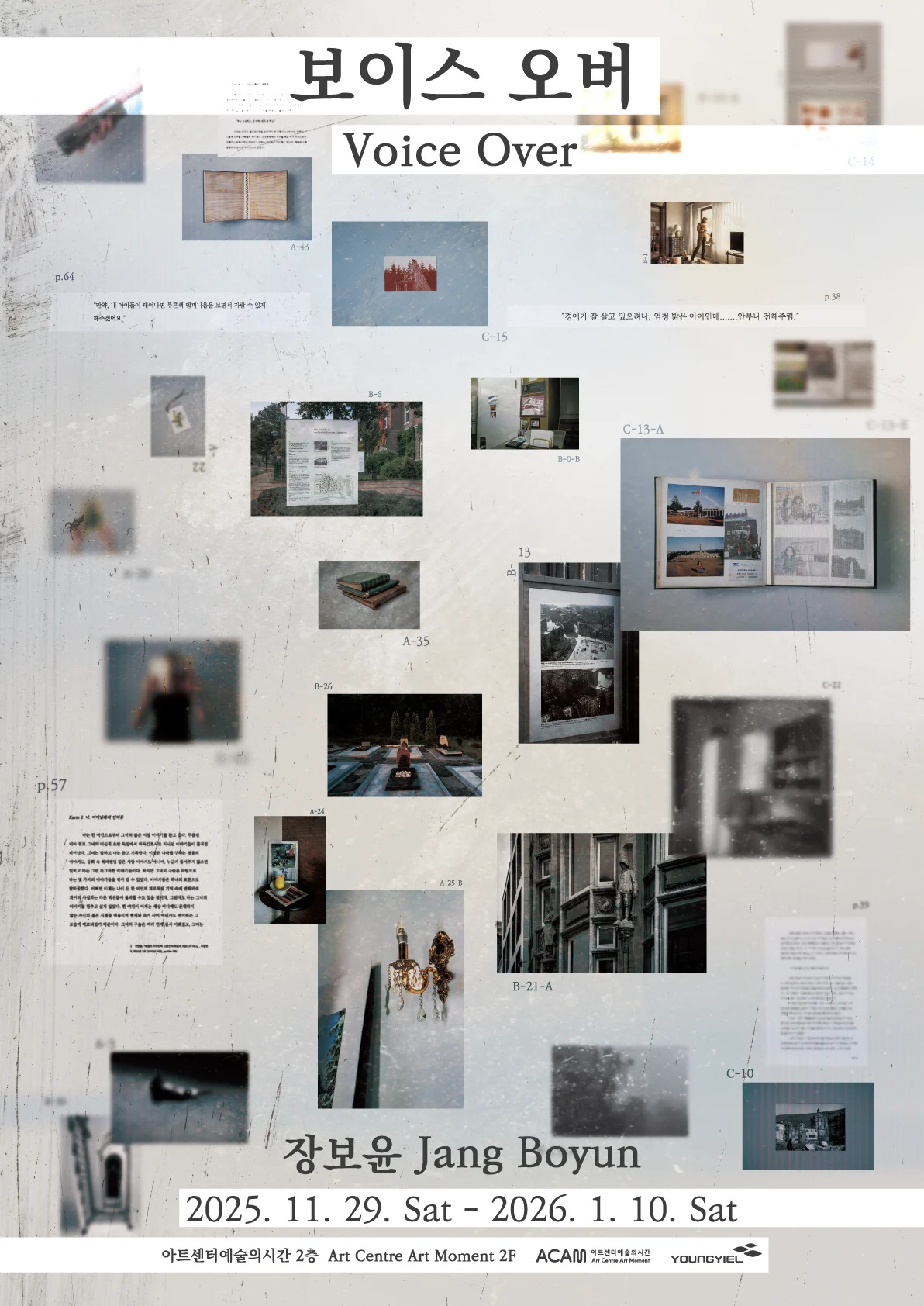
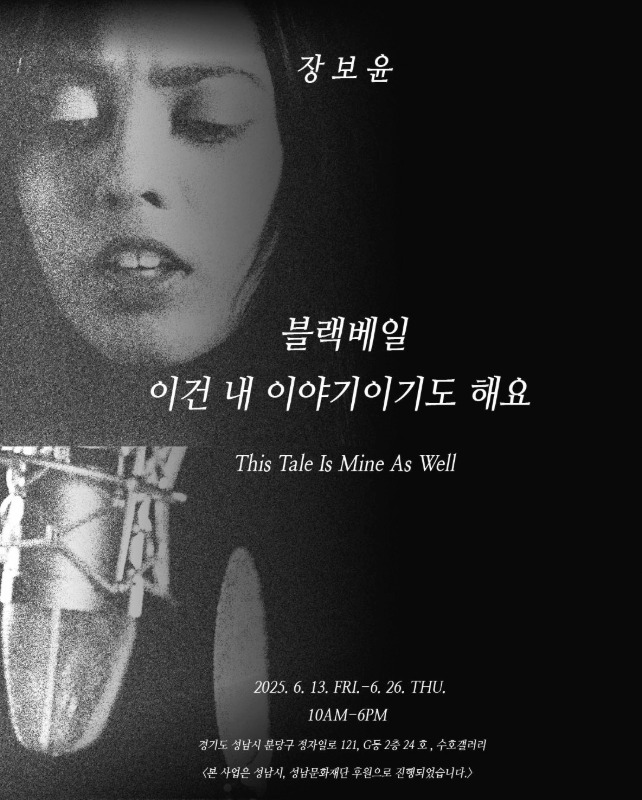
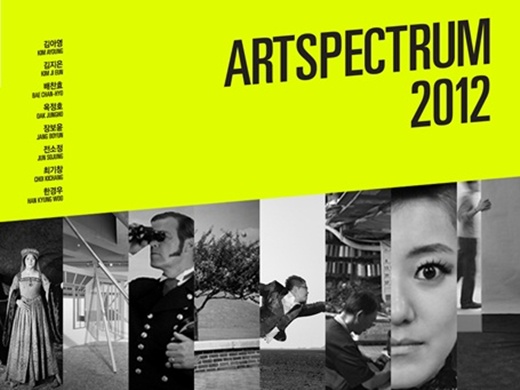
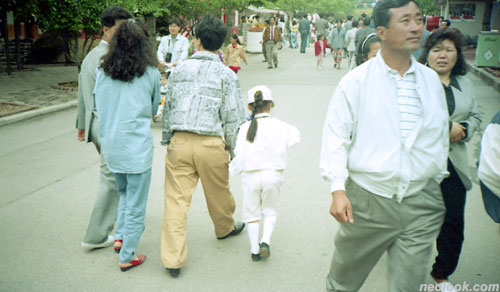
Poster image of 《Voice Over》 © Art Centre Art Moment

The Reason Is the Black Veil.

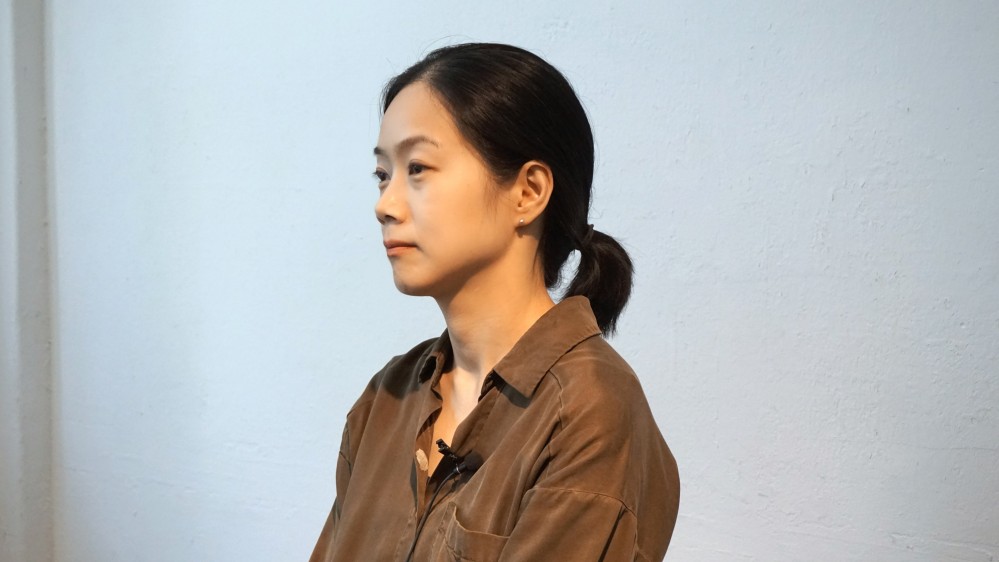
Boyun Jang stands at the point where a visual artist transforms into a storyteller. By connecting scenes into a coherent plot, she links and conveys stories dispersed across memory and record, time and space, through the working methods she has developed. In the 'Black Veil' series, she becomes a mediator of collective experience, connecting individual memories and imbuing the lives contained within them with a sense of continuity.

A storyteller is not merely someone who recounts stories, but someone who restores experience through narrative, creating the possibility of re-presenting stories once heard. In this sense, Jang consistently pursues narrative openness throughout her practice.

Her method of unfolding both historical and contemporary narratives through the intersection of fiction and nonfiction establishes a distinct artistic identity by allowing space for fiction within archival records and documented facts. As a point of connection between historical documents and fictional narratives, photography brings together scenes of Korea and West Germany (Germany), Seoul and Hamburg, across the 1970s and the 2020s.

As viewers move through the exhibition, the sequential unfolding of these scenes enables storytelling through the exhibition space itself. Each scene forms causal relationships with the next, generating temporal and spatial continuity, while the migration, labor, and lived experiences of Korean nurses dispatched to West Germany accumulate into a narrative experience.

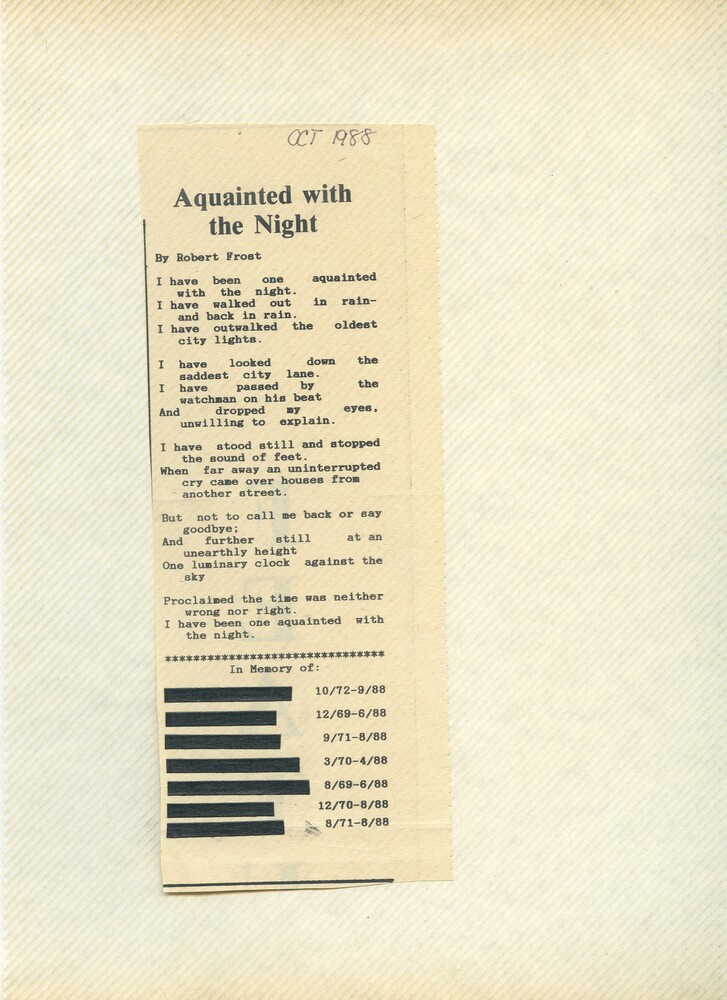
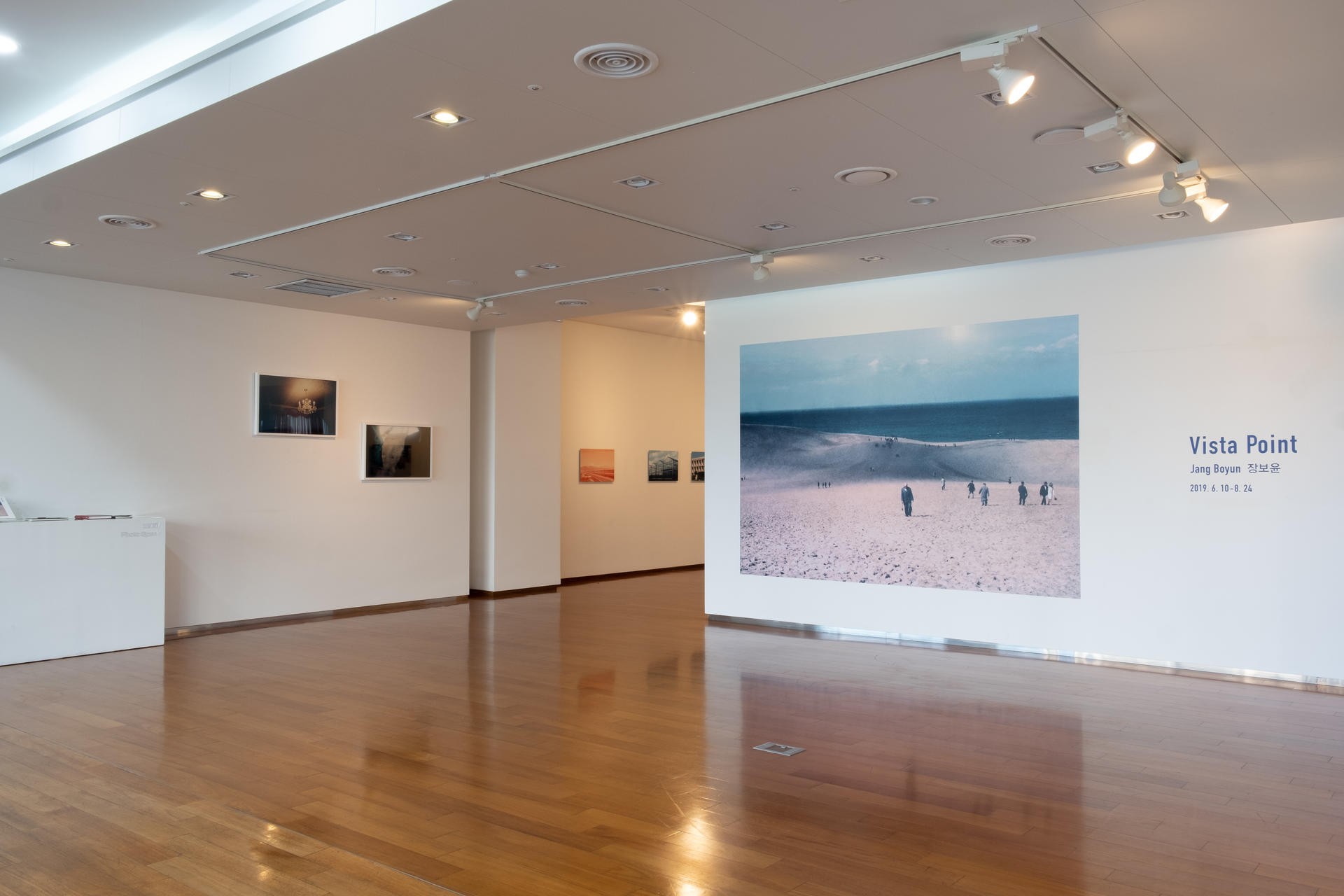
For Boyun Jang, a story often begins with the accidental discovery or acquisition of materials containing another person's private records. Much like in her previous exhibitions, including 《Preface of Memory: K's Slides》 (2009), 《Acquainted with the Night》 (2011, 2014), 《Mount Analogue》 (2016), and 《Vista Point》 (2019), the 'Black Veil' series also began with the unexpected discovery of her mother's photo album after her marriage.

Upon learning that her mother had worked as a Korean nurse dispatched to West Germany, the project expanded through the process of collecting photographs and archival materials, prompted by the gap between her mother's immigration records and her own recollections. The artist traveled to Hamburg, where she interviewed former Korean nurses who still reside there, gradually connecting the lives of the individuals she encountered.

She then developed the 'Black Veil' series by tracing how their personal histories became intertwined with the broader social, cultural, and historical allegories of the period. At the time, more than 200 Korean nurses were living in Hamburg alone, yet the artist was unable to find anyone who remembered her mother. Although her mother had once lived there, no accurate record of her remained in either Germany or Korea.

The closer the artist came to her mother, the more she seemed to dissolve into a fictional presence. Likewise, the many Korean migrant workers who left for Germany remain overlooked individuals—perhaps even figures whose existence was never fully documented or acknowledged.


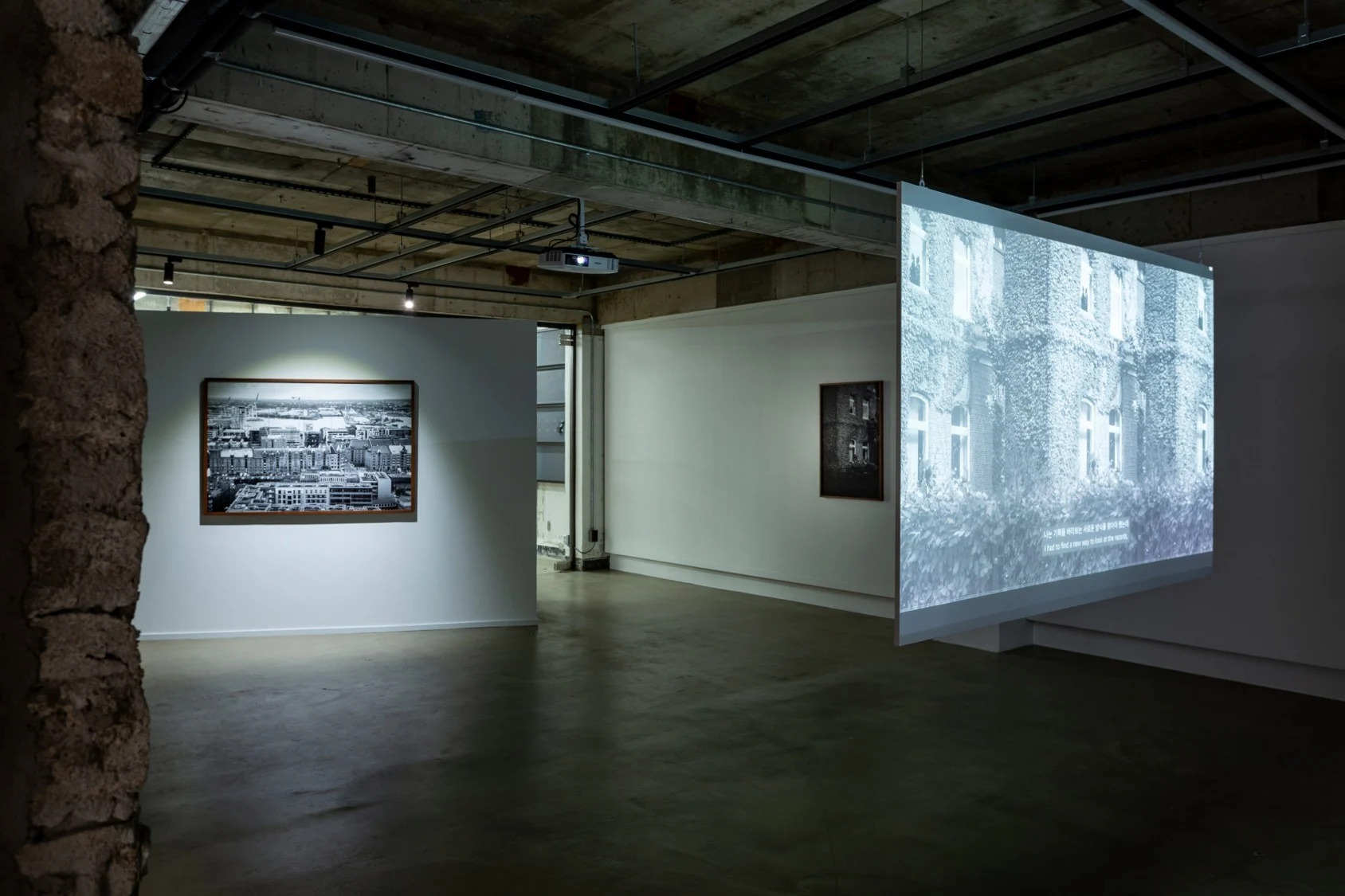
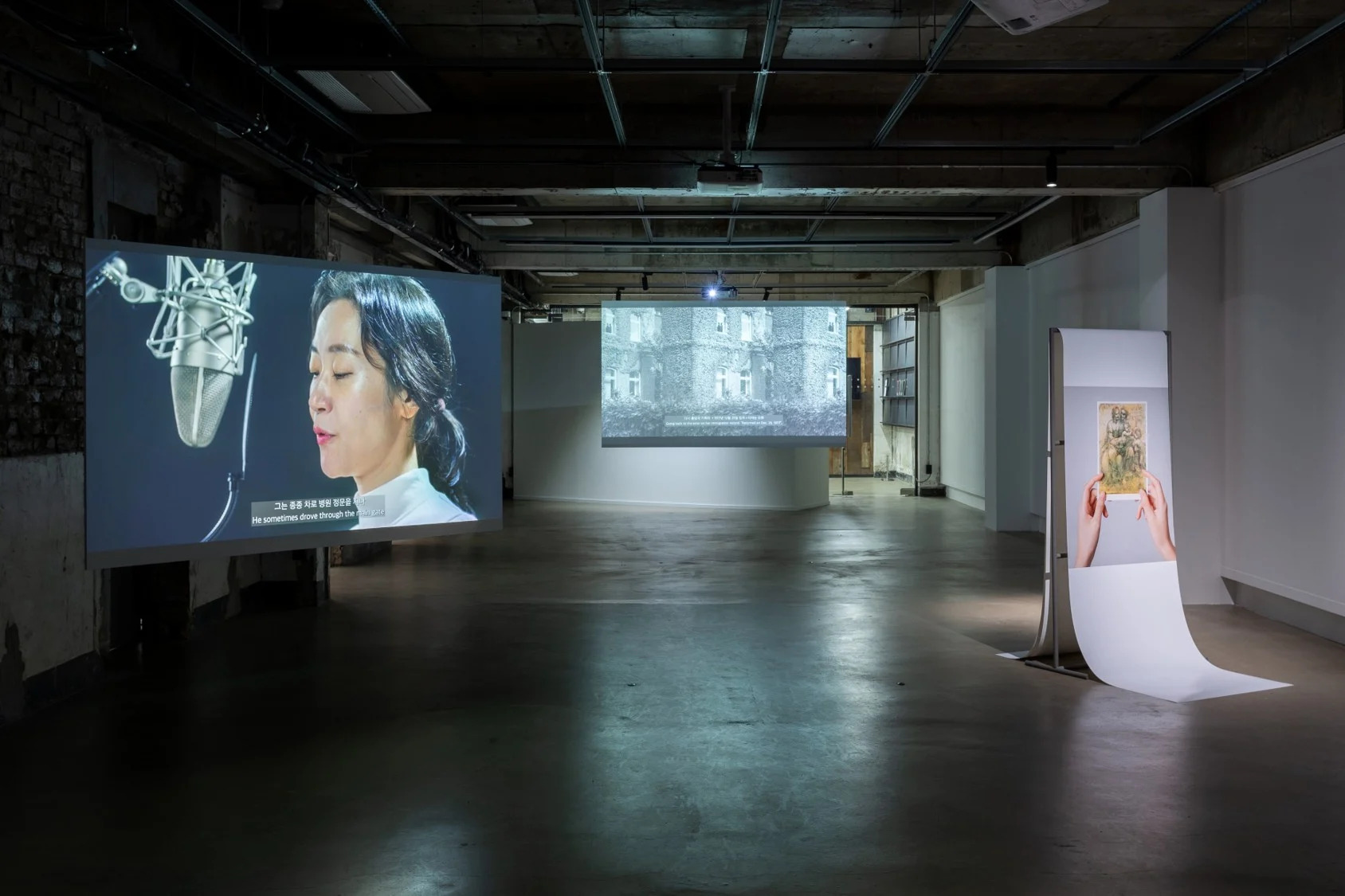
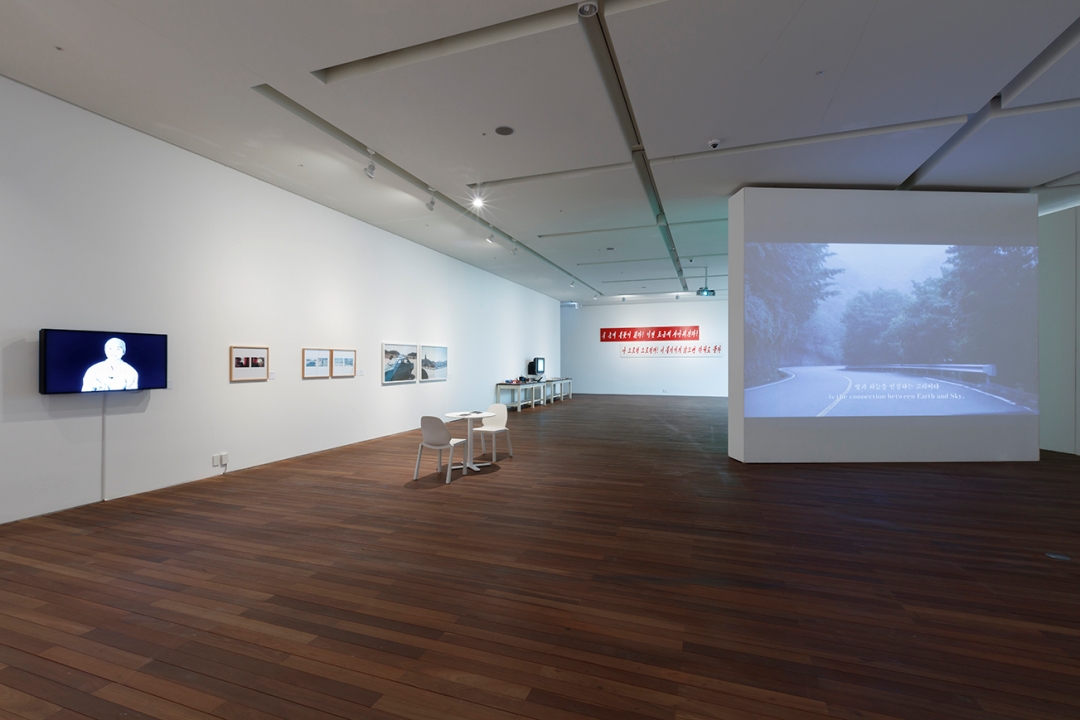
Installation view of 《Voice Over》 © Art Centre Art Moment

In the exhibition 《Voice Over》, Boyun Jang brings to a close the 'Black Veil' series, a body of work she has developed continuously from 2019 to 2025. Since its first presentation in 2021, the 'Black Veil' series has been introduced through a number of solo and group exhibitions.

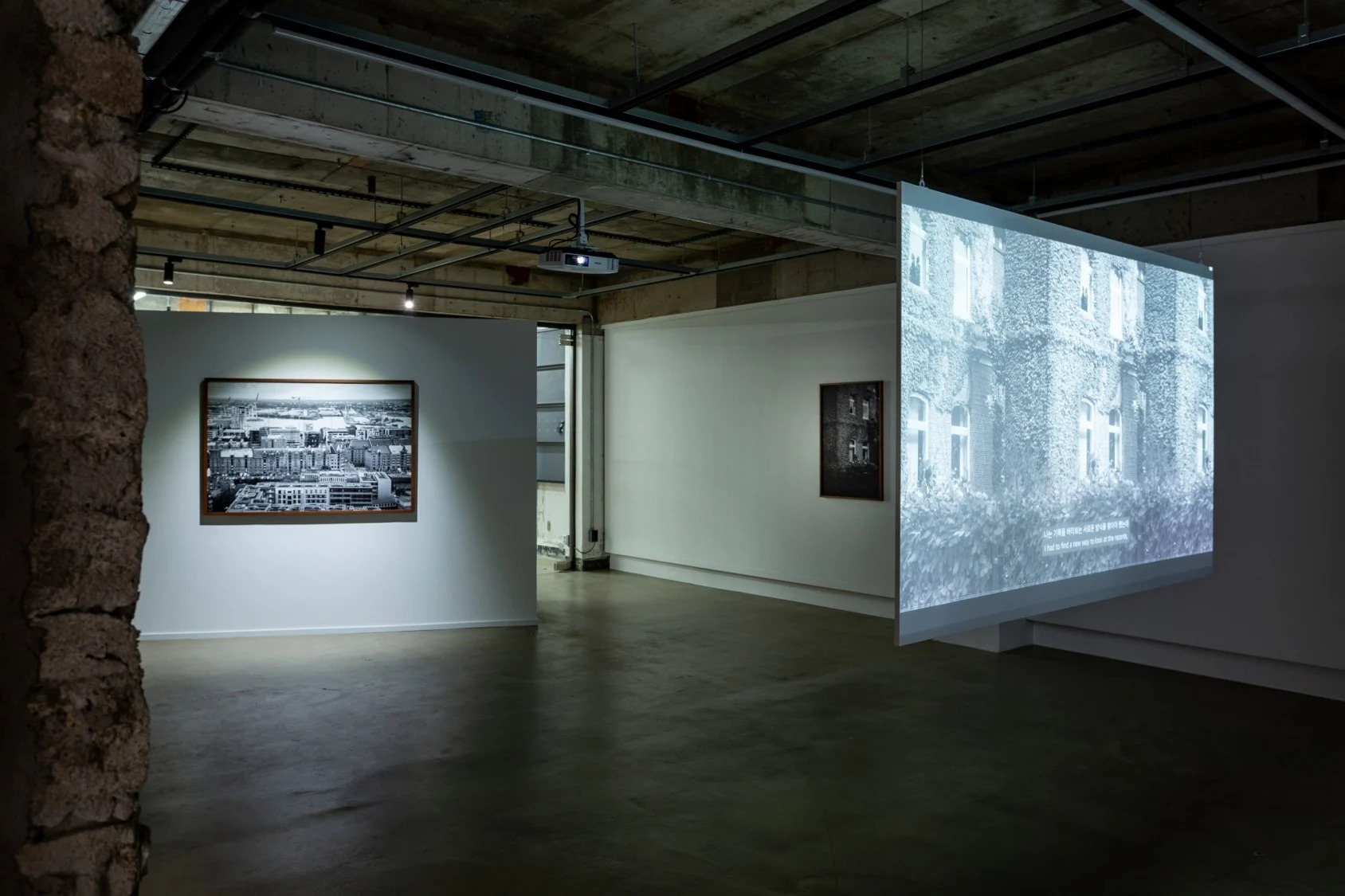
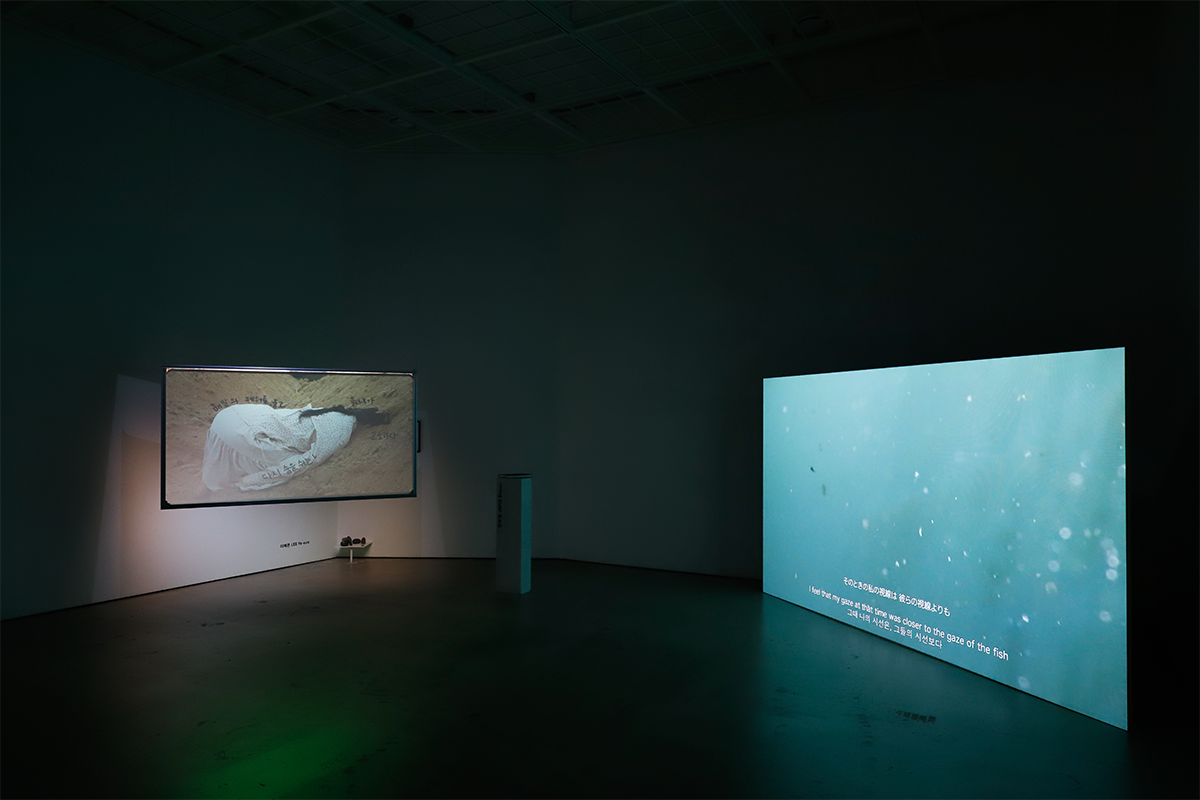
Bringing together six video works, more than thirty photographs, and accompanying texts, this exhibition offers a close examination of Jang’s artistic process while tracing the development of the 'Black Veil' series and interpreting its significance. It also follows the structure of the novel and the scenes that inspired the work, revealing the moment when an individual's narrative is transformed into a social, cultural, and historical allegory.

The title 'Black Veil' is derived from Nathaniel Hawthorne’s short story The Minister’s Black Veil. An important clue lies in the subtitle Hawthorne himself gave the story—A Parable—which amplifies the symbolic significance of the veil as a motif.

Precisely because the story is presented as a parable, the tale of a minister who appears wearing a black veil and refuses to remove it until his death opens up, rather than resolves, the possibilities of interpretation, while simultaneously concealing the meaning of its central symbol. Nevertheless, the veil has served as a signpost throughout the seven-year development of Jang’s 'Black Veil' series.

Just as the veil in Hawthorne’s story is never removed and its mystery is never fully explained, its unresolved symbolism may appear confusing as the guiding marker of a narrative. Yet, if we consider that Hawthorne’s story itself was rooted in an earlier source, Jang’s 'Black Veil' likewise begins with its own original figure—her mother, who worked as a Korean nurse dispatched to West Germany.
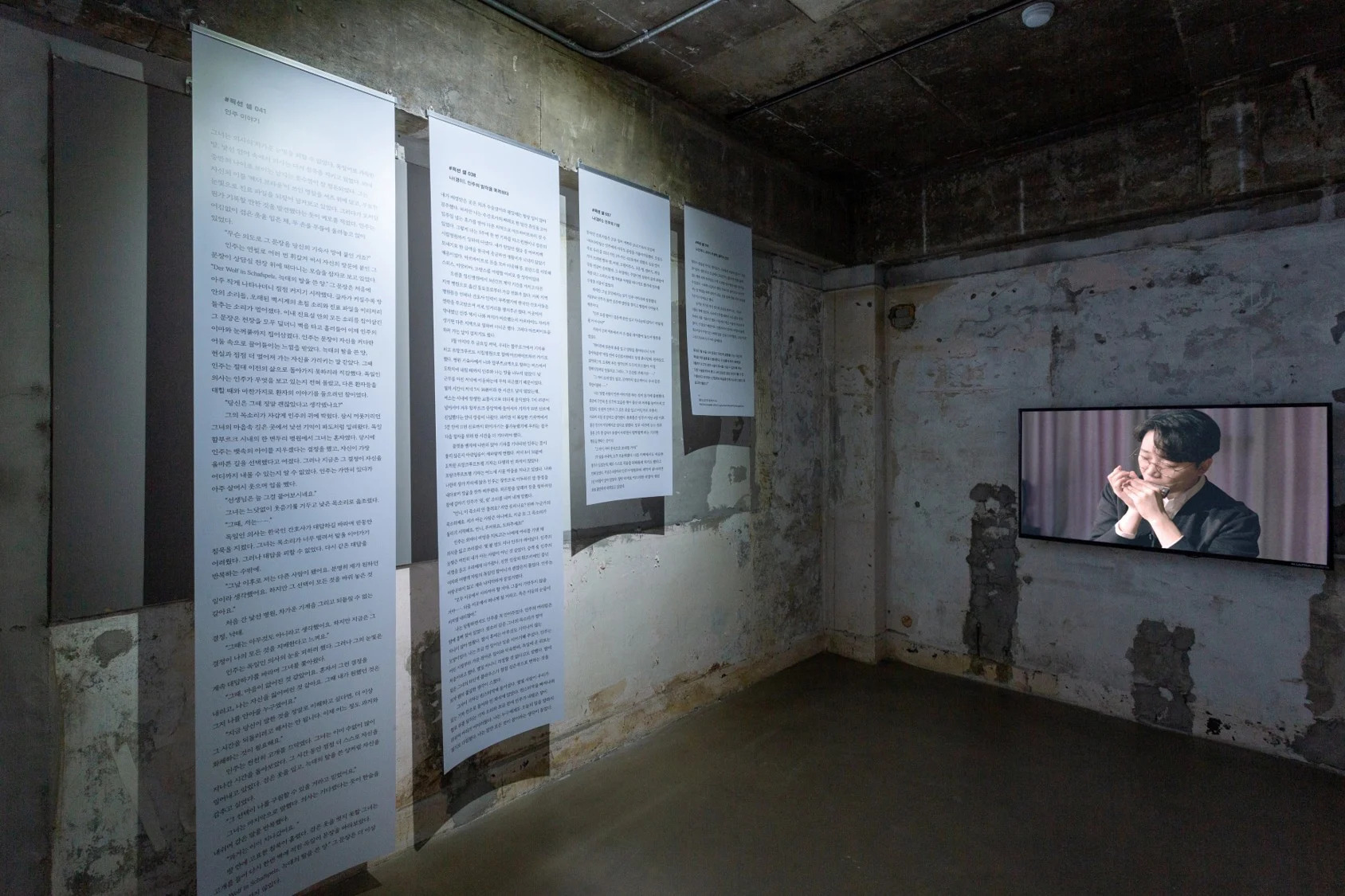
As the artist retraces her mother’s journey, the real and fictional individuals she encounters become interconnected through their stories, which in turn expand beyond them to encompass not only the experiences of more than 10,000 Korean nurses dispatched to West Germany but also the broader historical narratives linking South Korea and West Germany in modern history.


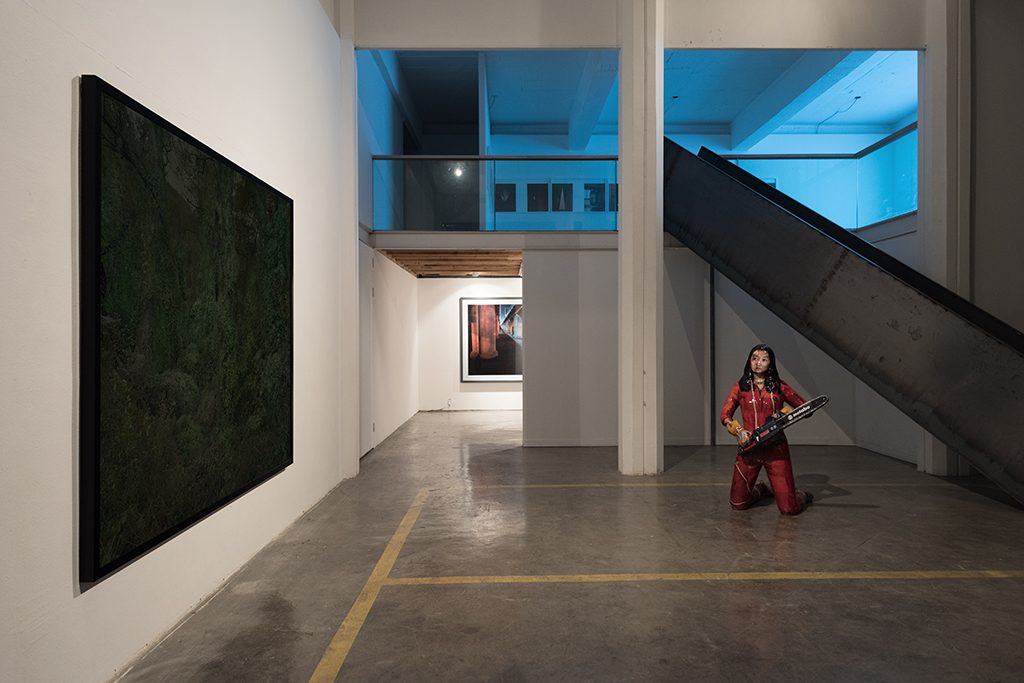
Installation view of 《Voice Over》 © Art Centre Art Moment

The novel Voice Over introduces the character Inju, who became the point of departure for the 'Black Veil' series. The artist first heard from her mother about Inju, a nurse who worked at Ochsenzoll Psychiatric Hospital in Hamburg and gradually began to behave strangely, becoming an object of fear and unease as she wandered through the hospital dressed in black clothing and a black hat.

Years later, Jang heard the same story again from Korean nurses who had worked alongside Inju in Germany. In the title 'Black Veil,' the word “black” does not signify complete darkness, like a blackout or total absence of light, but rather an intermediate realm that is neither fully illuminated nor entirely dark. The veil does not completely conceal the minister’s face, nor does it prevent him from seeing; instead, it creates an ambiguous shadow.

It functions as a device that separates one world from another, and this particular kind of darkness transforms the familiar into something strange. What, then, was the greatest fear of the Korean nurses who had left their homeland to work in a psychiatric hospital near Hamburg, West Germany?
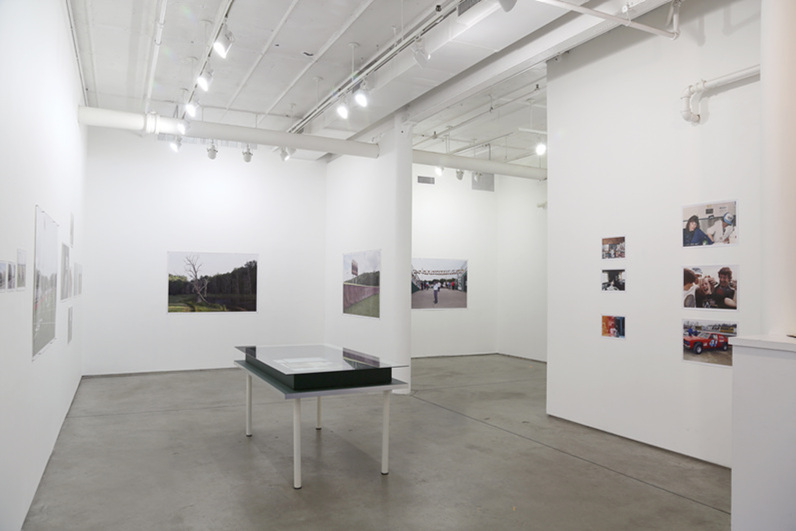
If the motivation behind their labor was simply to return home to their families and live an ordinary life without worrying about their next meal, what could have been more terrifying than the shadow of death—something that should have remained on the other side of the world—falling over the sacred place of their work, the very place that sustained their future and their families' lives?

The atmosphere associated with the world behind the veil—darkness, death, mystery, and fear—stands in stark contrast to Hamburg’s beautiful landscapes and its tranquil, leisurely foreign scenery. Once the veil is lifted from the lives of those who departed for a distant country in their youth, what is revealed includes truths absent from media reports and official records.
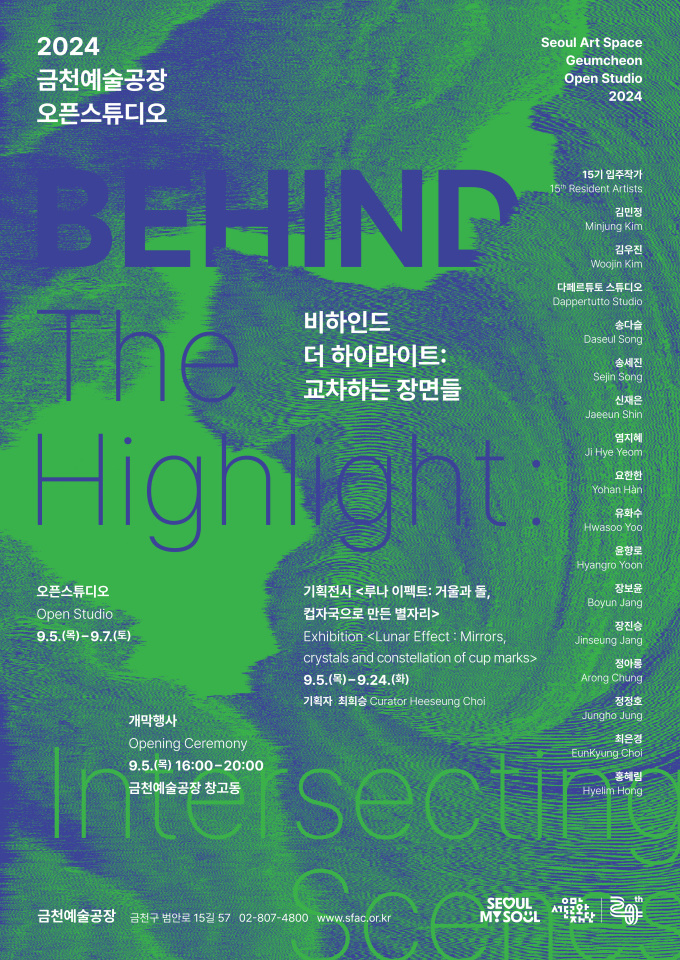
It also becomes apparent that what society wished to preserve as symbols of patriotic sacrifice had, in reality, branched into countless unforeseen paths of individual lives. Most of them likely did not leave with grand ambitions, lofty ideals, or a sense of national mission. Yet, in the end, they became people who entrusted their lives to the global currents and demands of their time.

Every story grounded in historical reality contains both a social interpretation and the private interpretations of individuals who lived through that era. The journeys and lives of those who crossed borders as young migrant workers resonate today with the experiences of foreign workers who have migrated to contemporary South Korea, becoming intertwined once again with the modern histories of their own homelands.


Installation view of 《Voice Over》 © Art Centre Art Moment

The exhibition title 《Voice Over》 refers to a narrative device in which the voice of an off-screen narrator intervenes in the story, creating a gap between what is seen and what is heard. Through the act of having another person speak or inviting the audience to read, Boyun Jang allows visual images to expand the scope of the narrative on their own.

The German, Indian, and Korean women who perform the readings do more than simply recite a text; through their voices, emotional expression, tone, intonation, and pacing, they actively convey the narrator’s psychological state and the atmosphere of the text to the listener. Jang’s 'Reading' series is structured around the relationships among a hidden narrator, an anonymous listener, and the reader who mediates between them.

For the unfamiliar reader on screen, speaking in a language that is not their own to an unknown listener, the act of reading requires self-awareness. Between “I” and “myself” lies a gap shaped by historical and social conditions, through which the self has shifted from center to periphery, from subject to object, negotiating conflict and influence.

Gazing into the uncertainty of what might unfold beneath the “black veil” that has come to cover the self, one experiences an uncanny moment of self-discovery before the veil. Rather than offering interpretation or guidance, this becomes a response to the artist’s own journey of pursuing her questions, a dynamic process that intensifies the experience created by the connection between story and life.

The Ochsenzoll Psychiatric Hospital in Hamburg, which the artist traced, serves as an allegory for the intertwined histories of Germany and Korea and the historical lives of those caught within the web of these narratives. After all, the purpose of a veil is to conceal. Even if what remains hidden is left as a secret, the artist may nevertheless reveal something of the world beyond simply by looking closely at the scenes she encountered and the stories she heard.

What we seek is the truth, yet we almost always reach an ending without ever fully confronting it. Such is the life of those who wander, migrate, and move from place to place—of the countless individuals whose names continue to drift through history. Each of our own stories unfolds without ever knowing exactly what it is we are meant to encounter.

The purpose of Boyun Jang’s journey to Hamburg in search of traces of her mother was not merely to verify historical facts or to determine whether they were true or false. Rather, it was an act of will—departing in the hope of encountering something that might reveal itself along the way. Perhaps the artist intentionally leaves open the possibility that, during this journey, she may accidentally acquire or discover that elusive “something” she has long sought within her own life story.

One day, on another journey to a place yet unknown, she may once again find herself standing before the truth she had hoped to encounter by connecting the stories of others with her own. As she herself confesses, the scene we truly wish to see may exist outside the frame of the photograph, and the story we seek to understand may lie beyond the frame of the moving image.

References