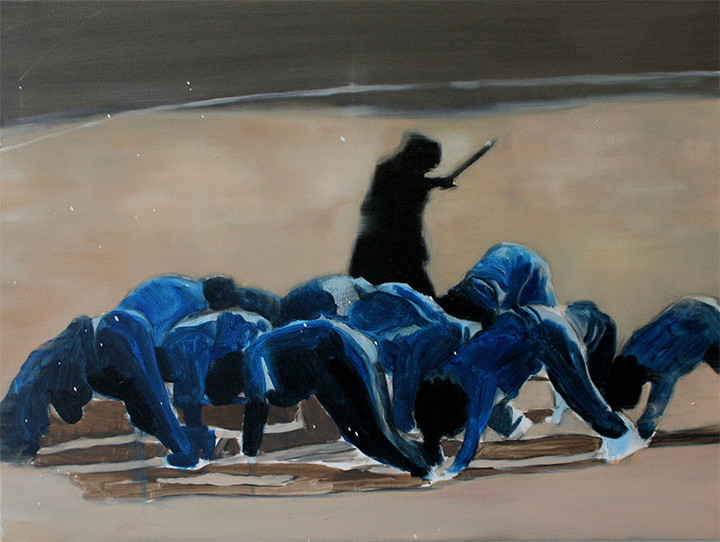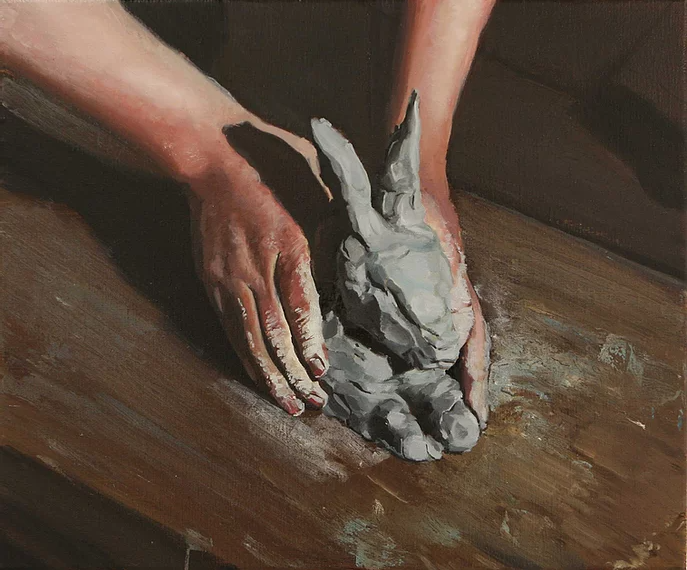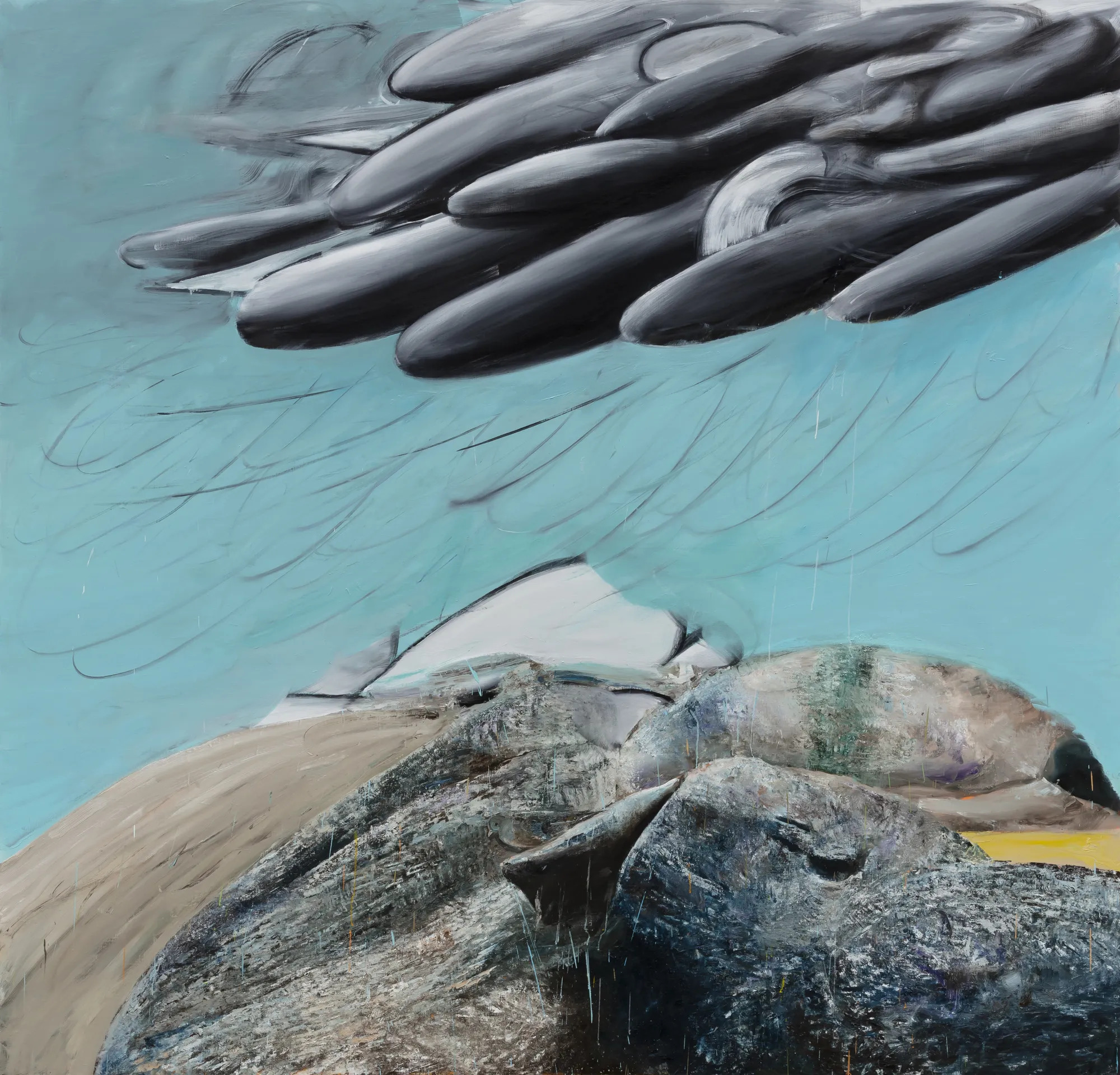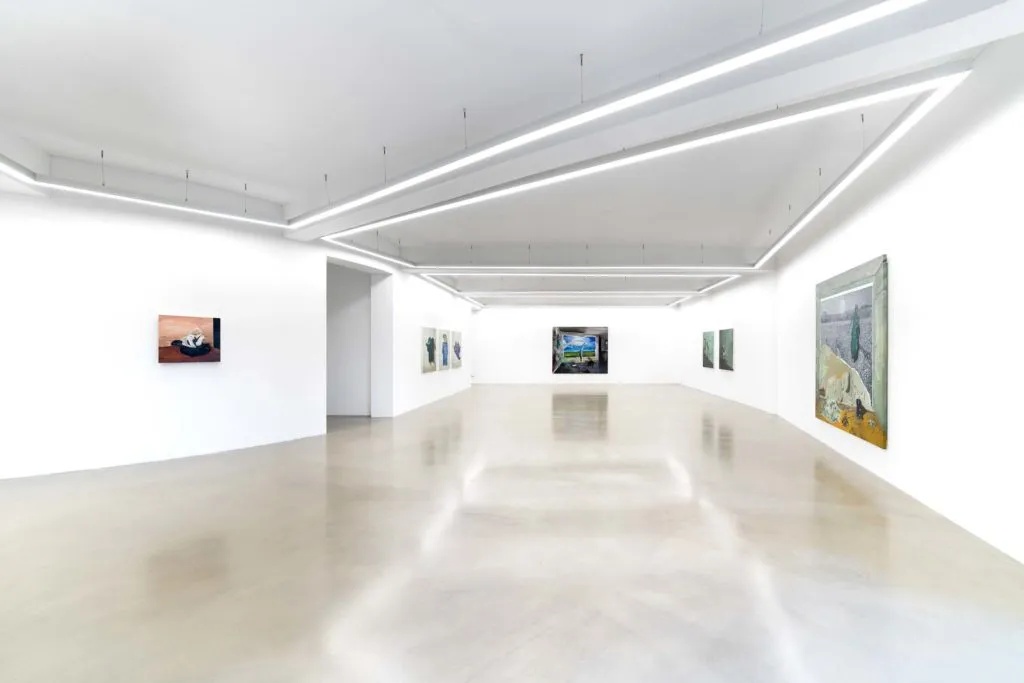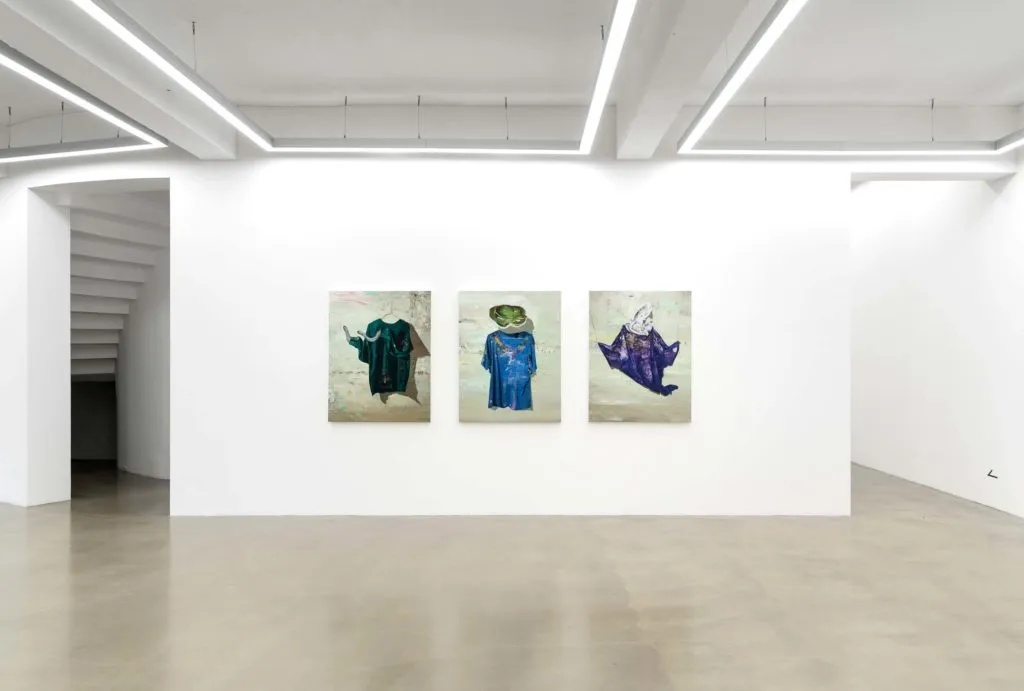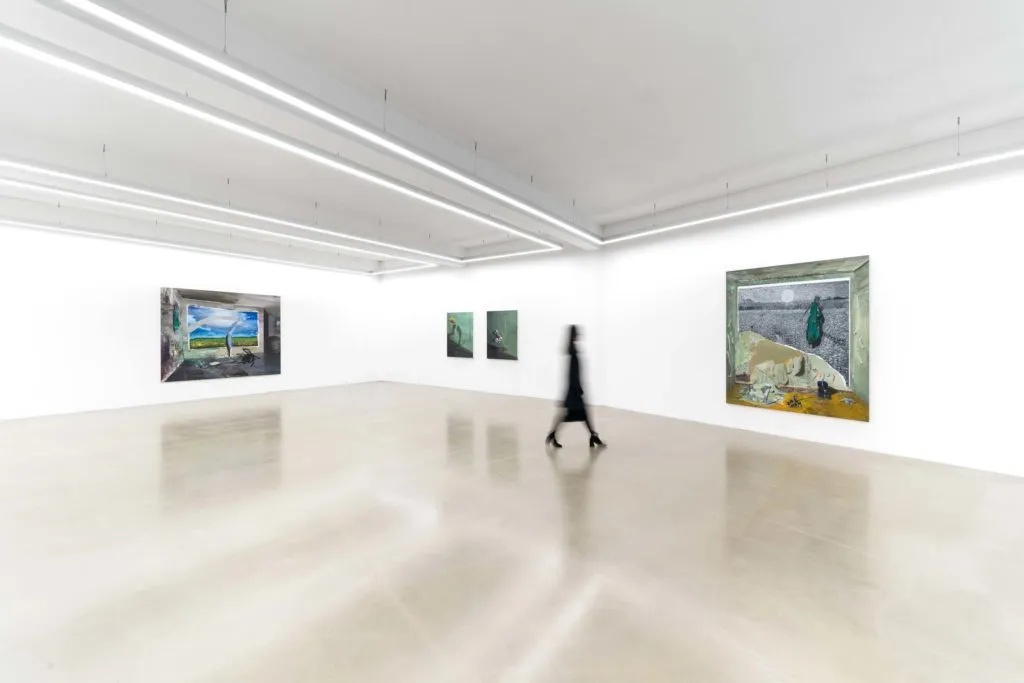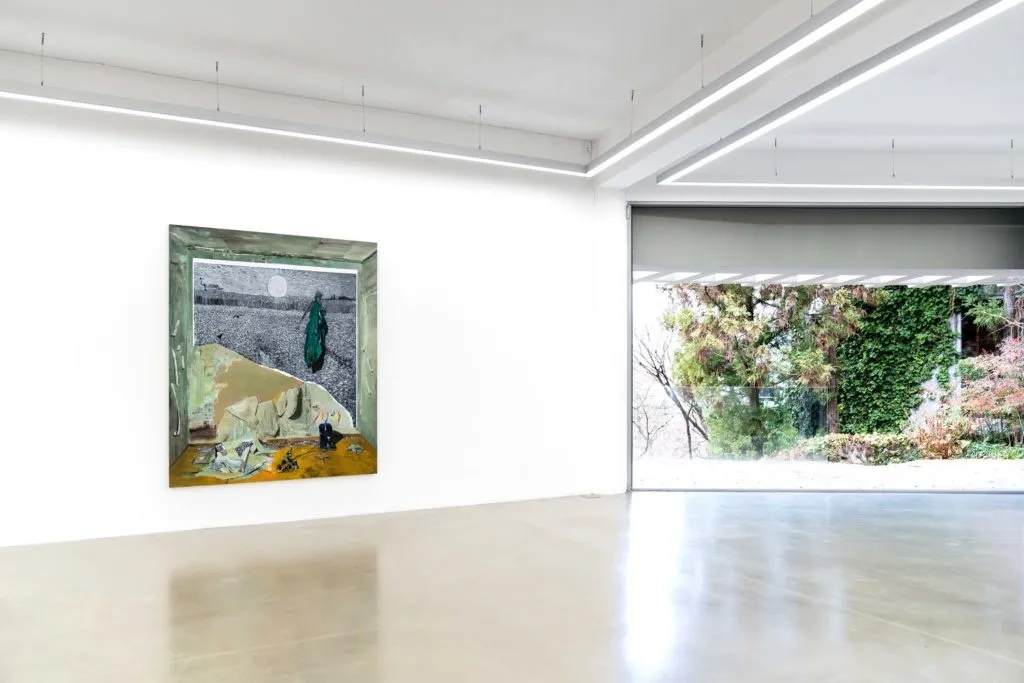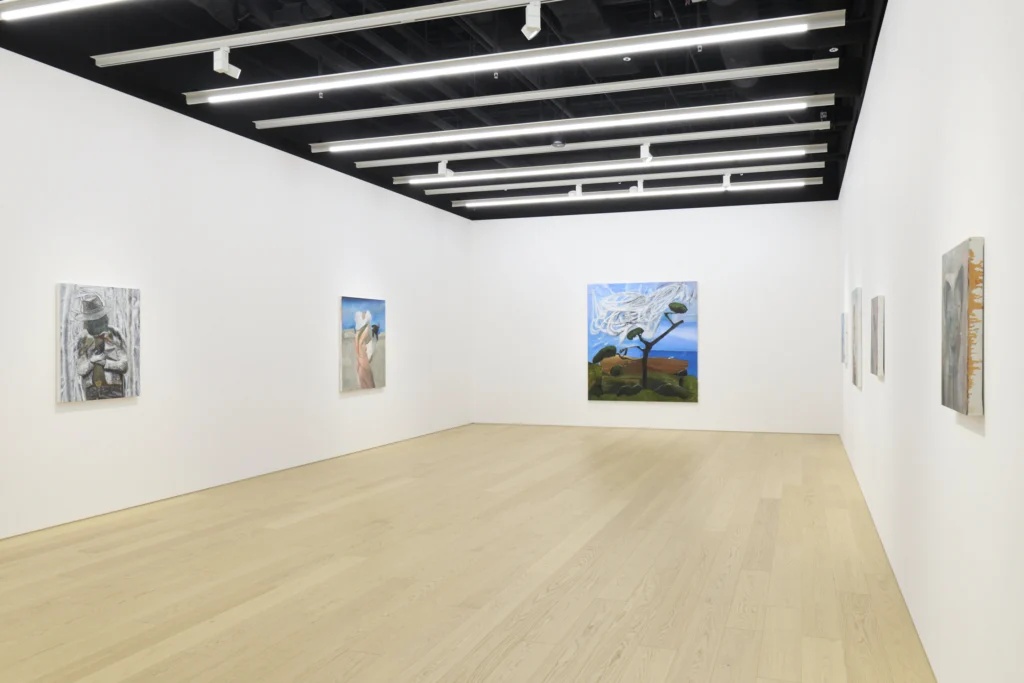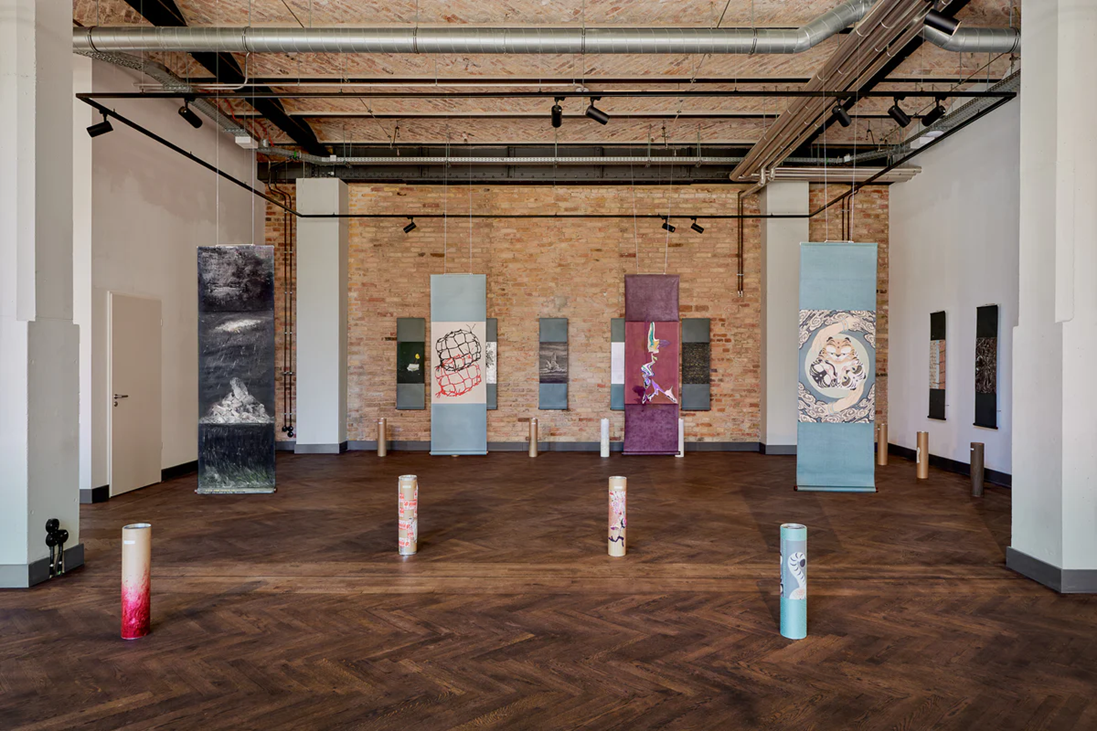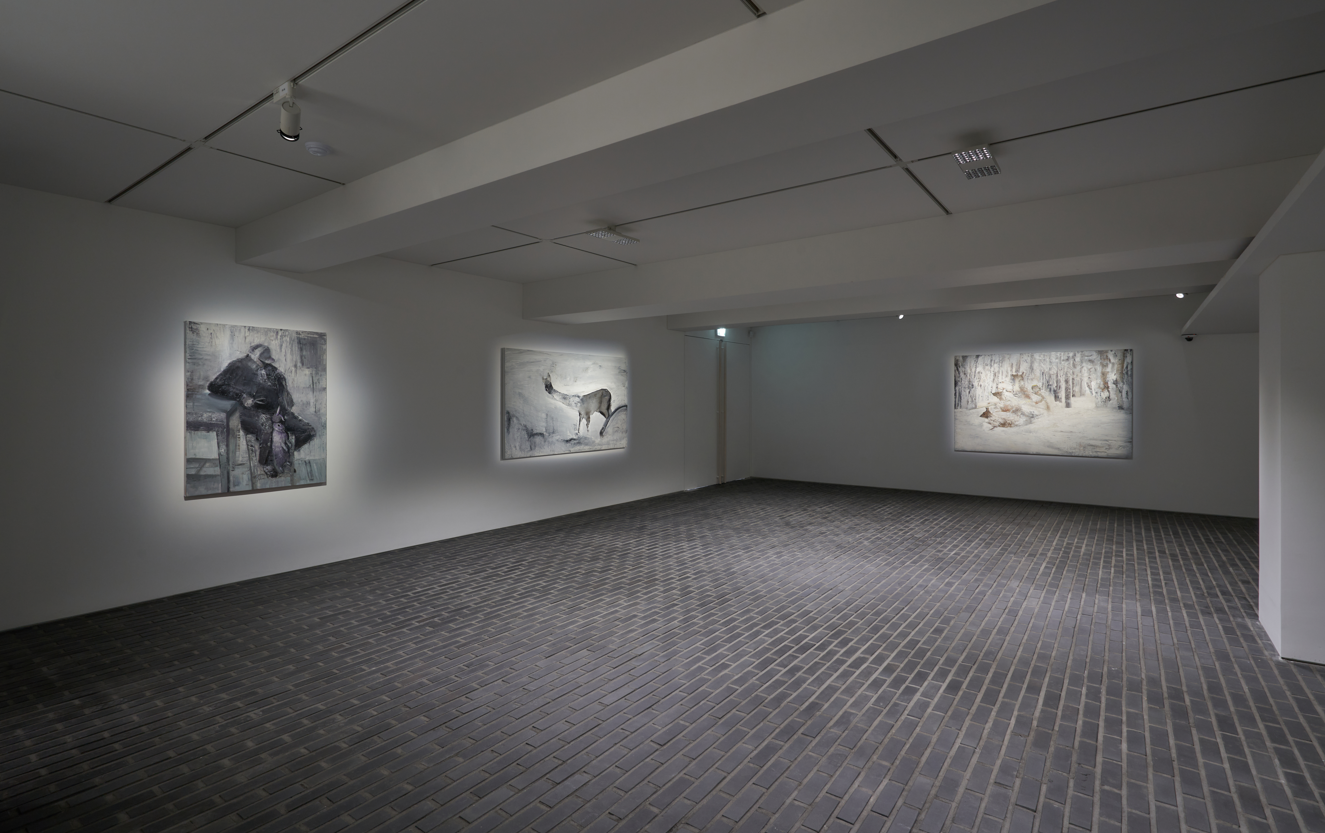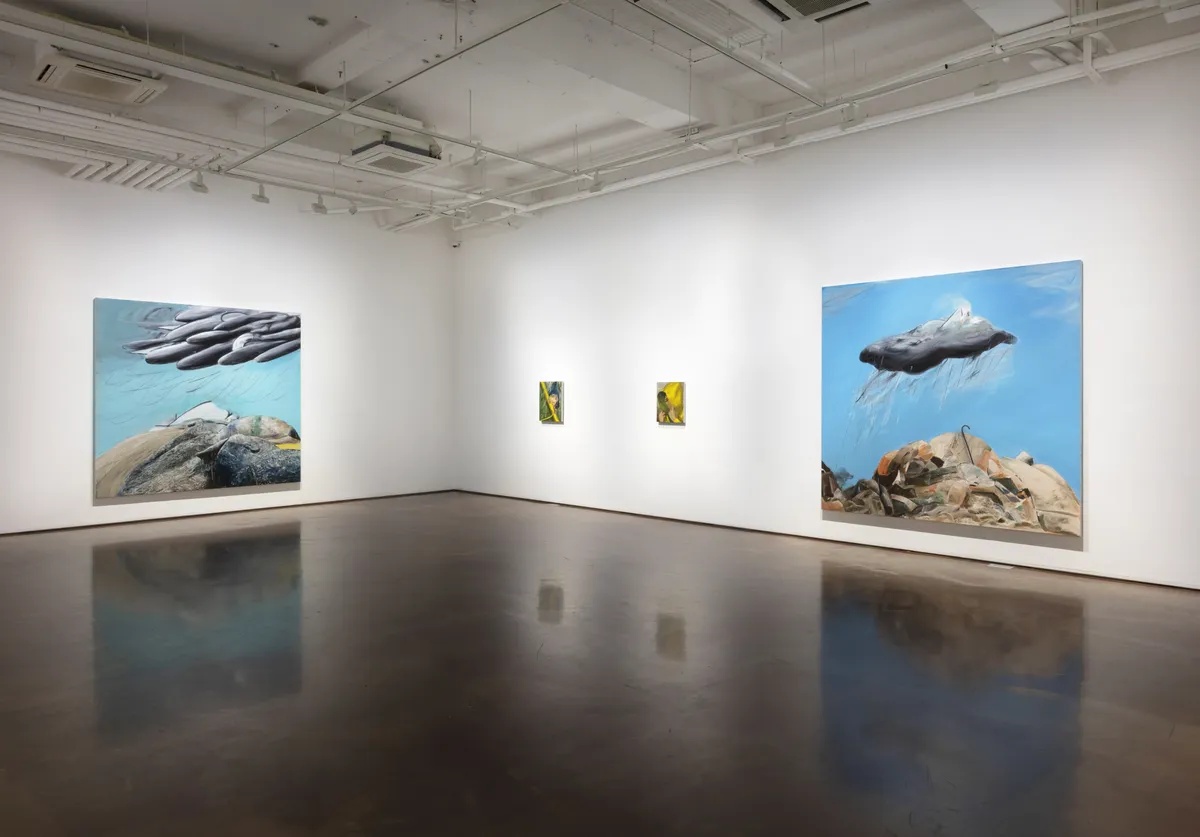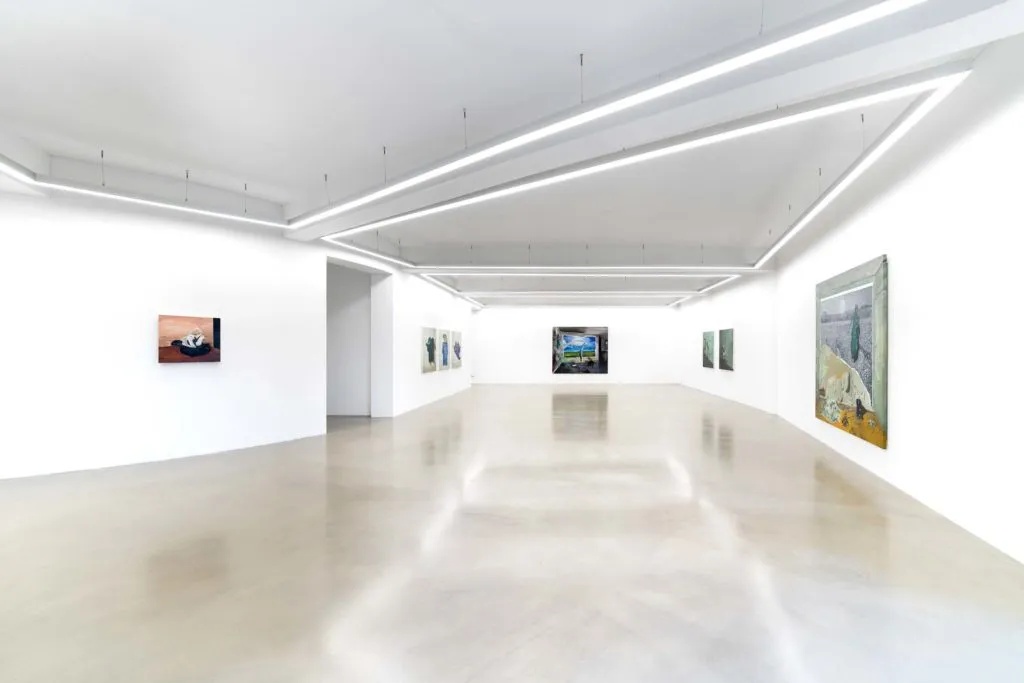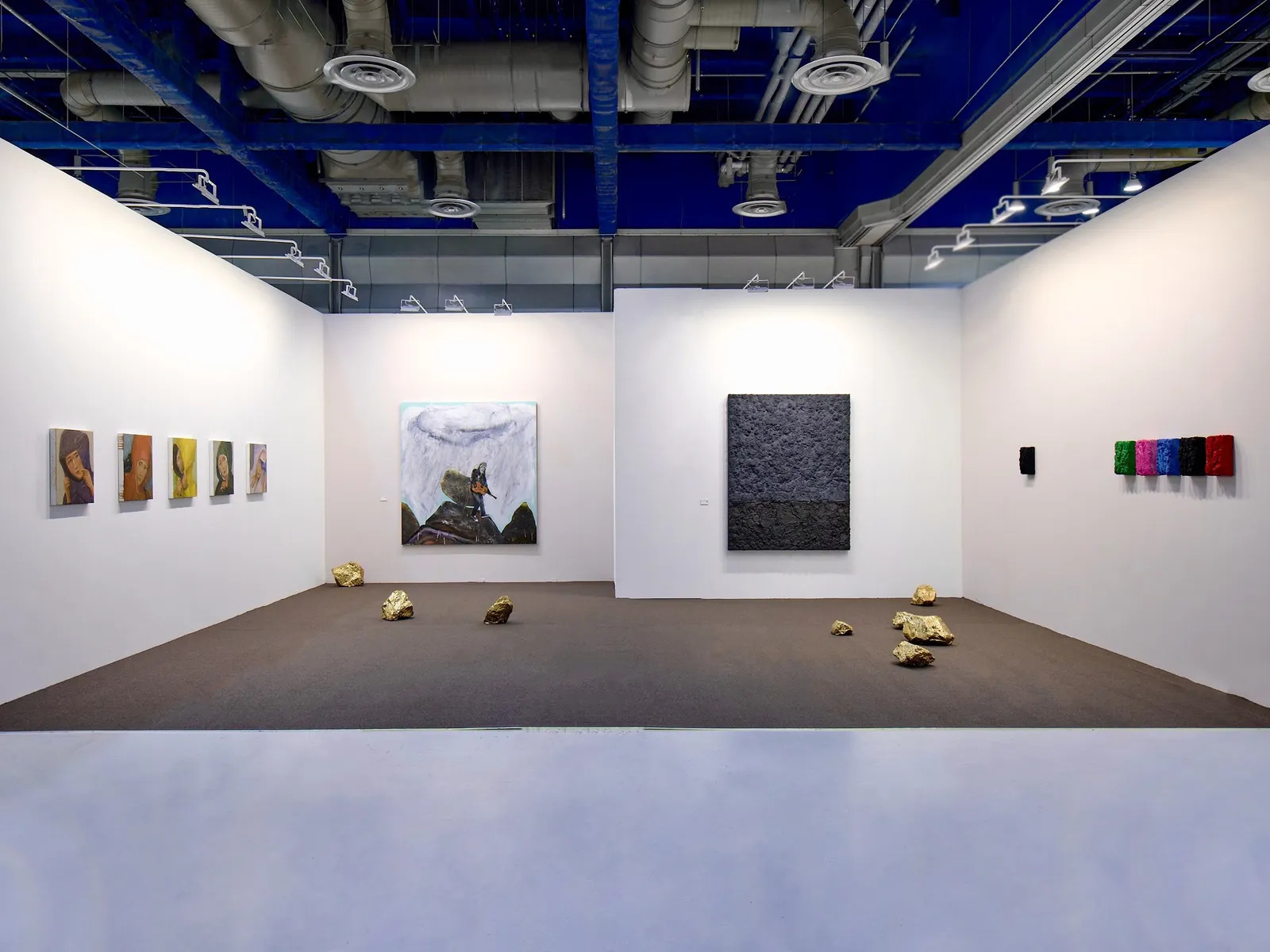

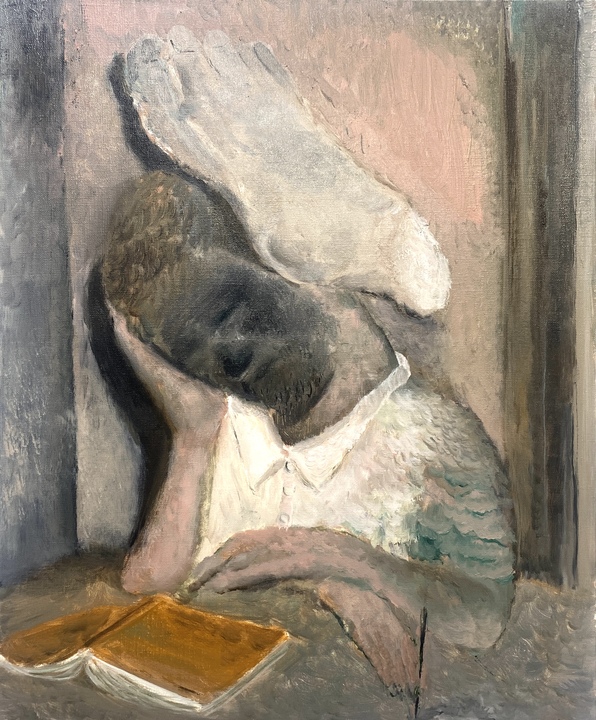
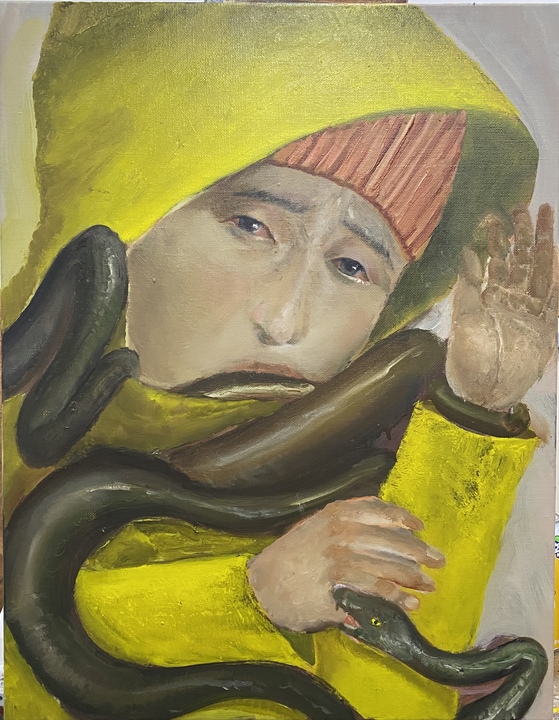
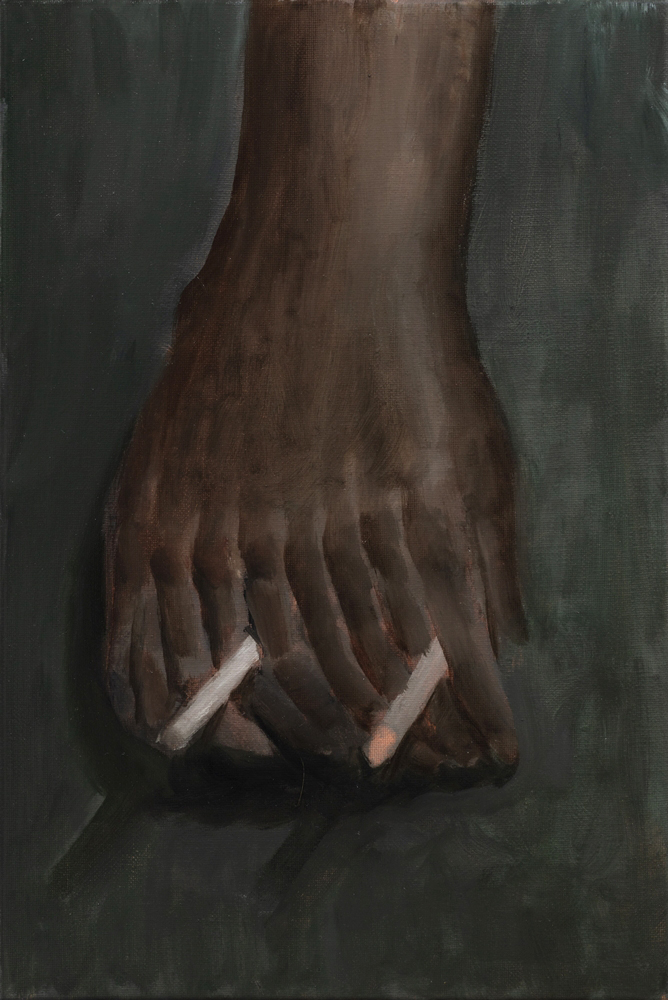
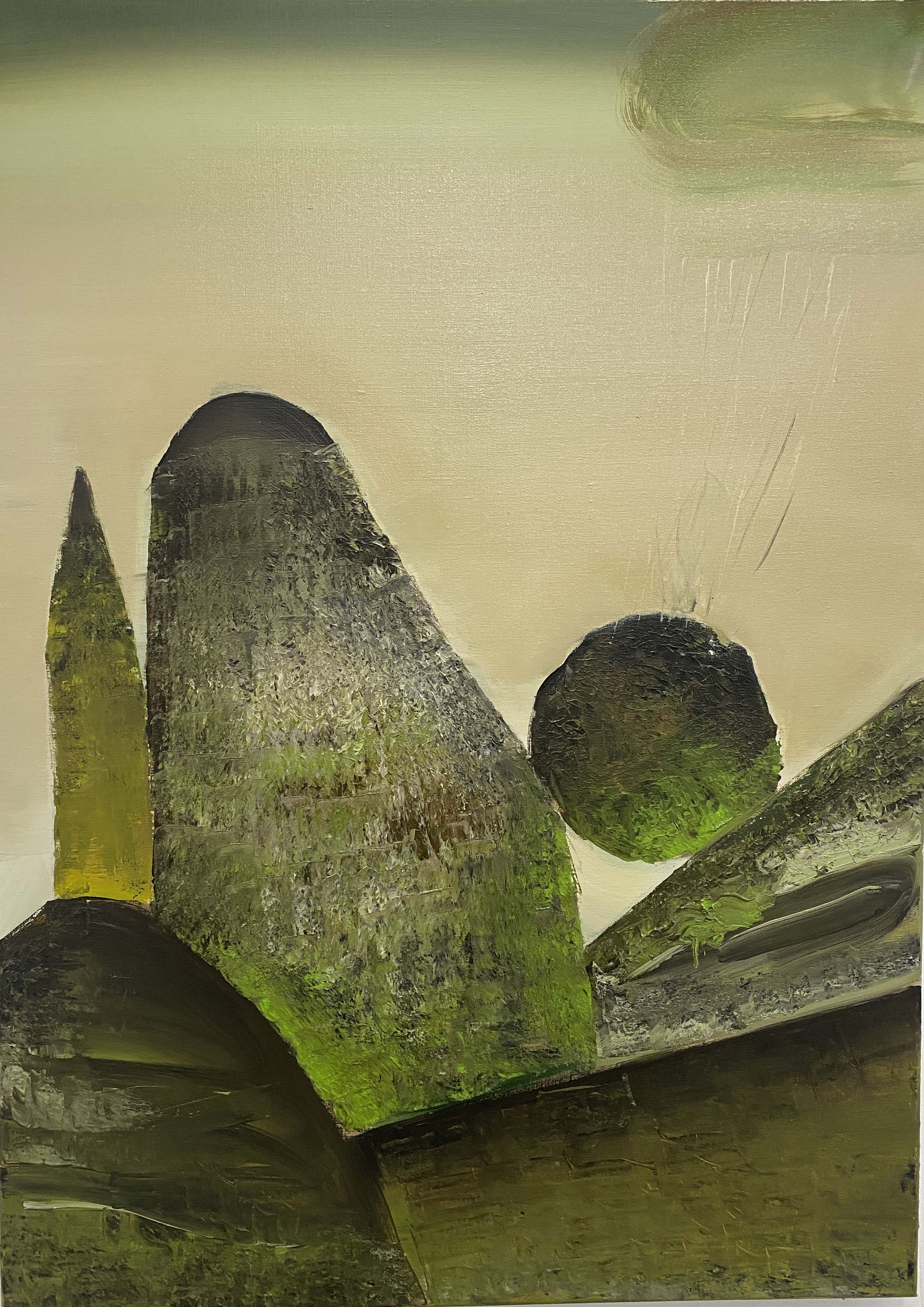
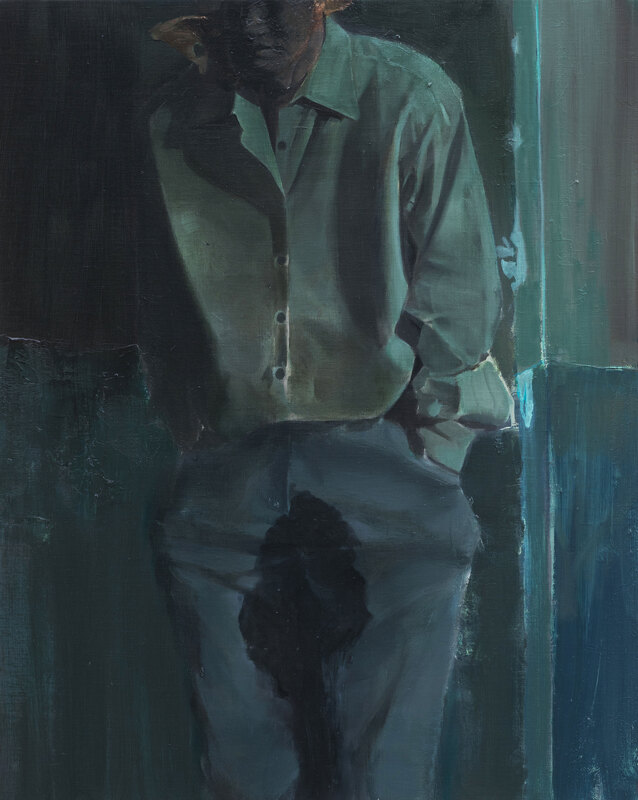
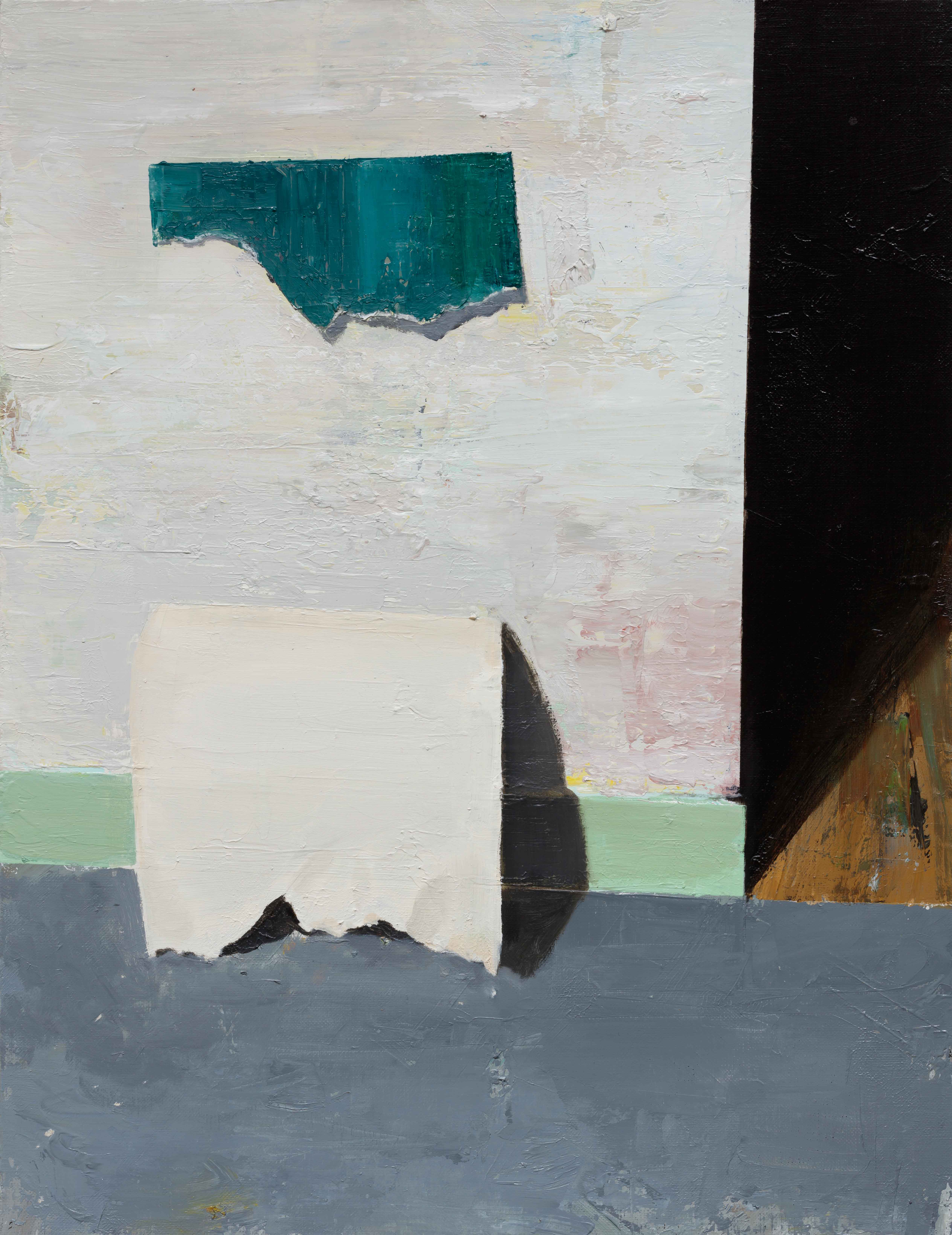
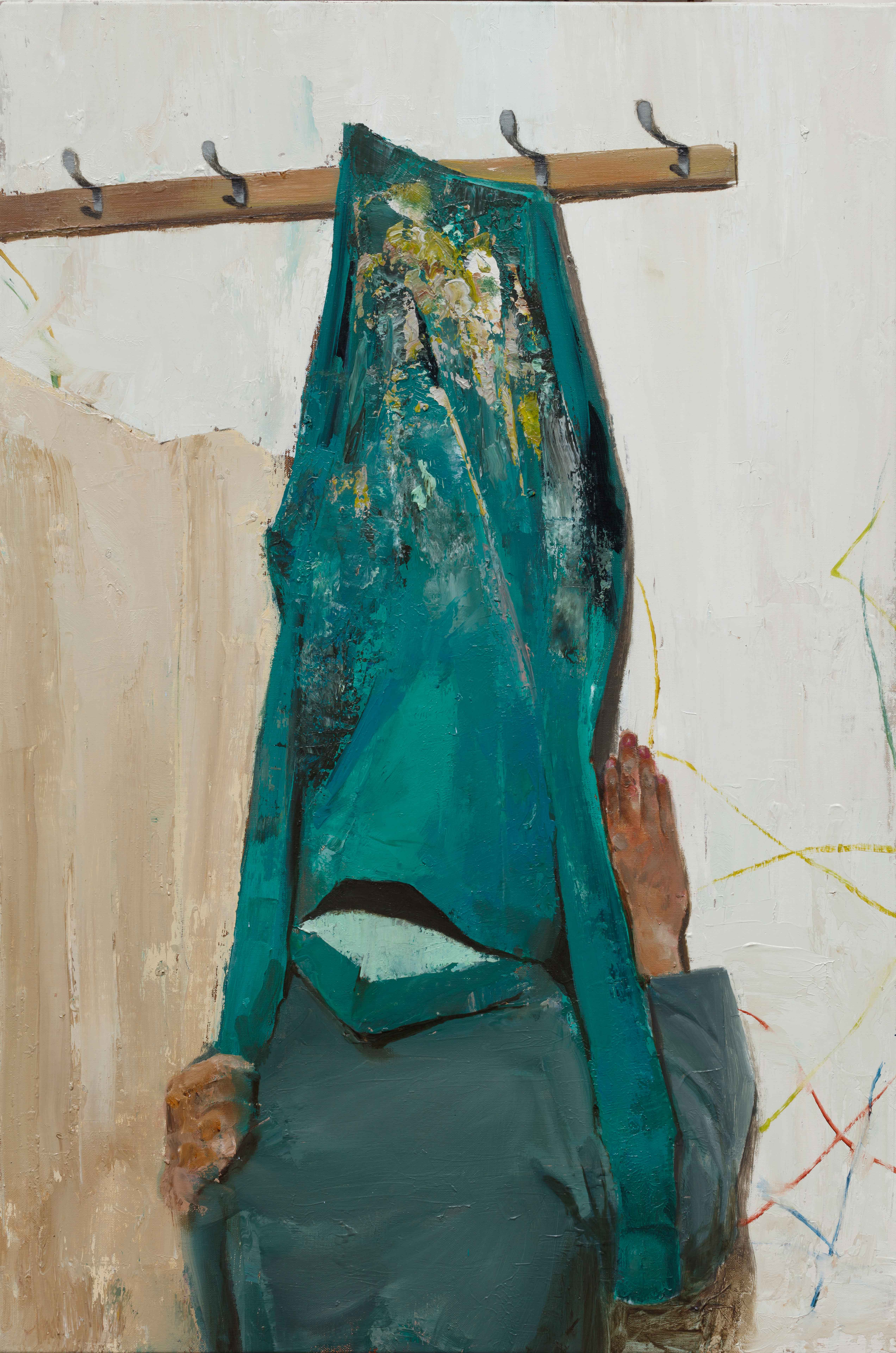
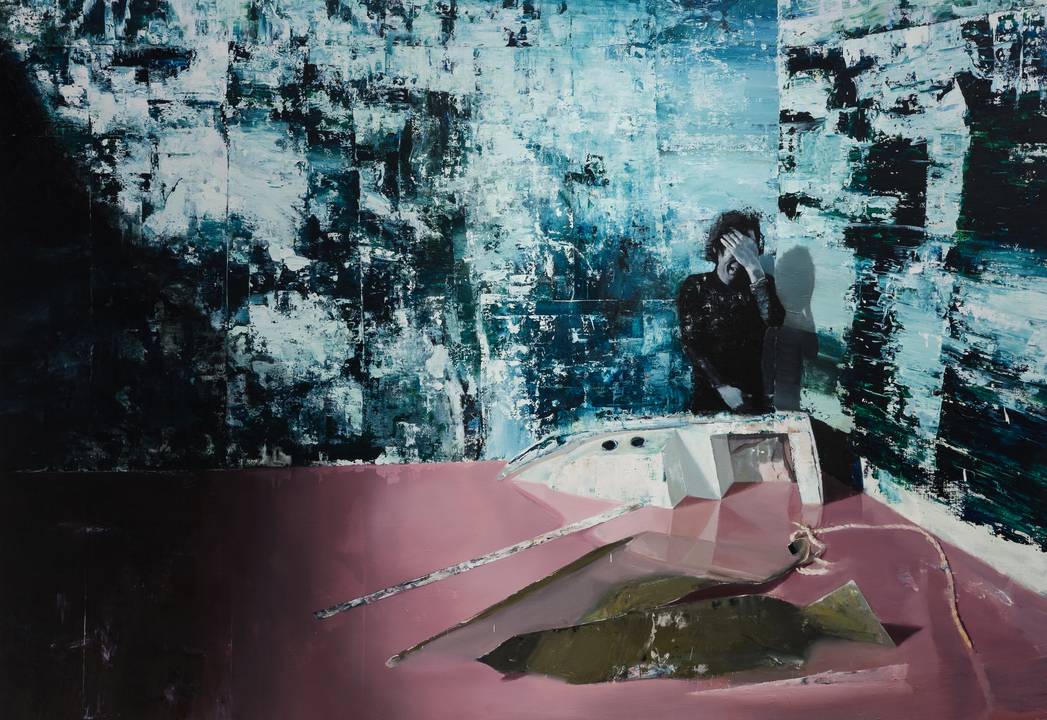
Installation view of 《CUT OUT》 © Johyun Gallery

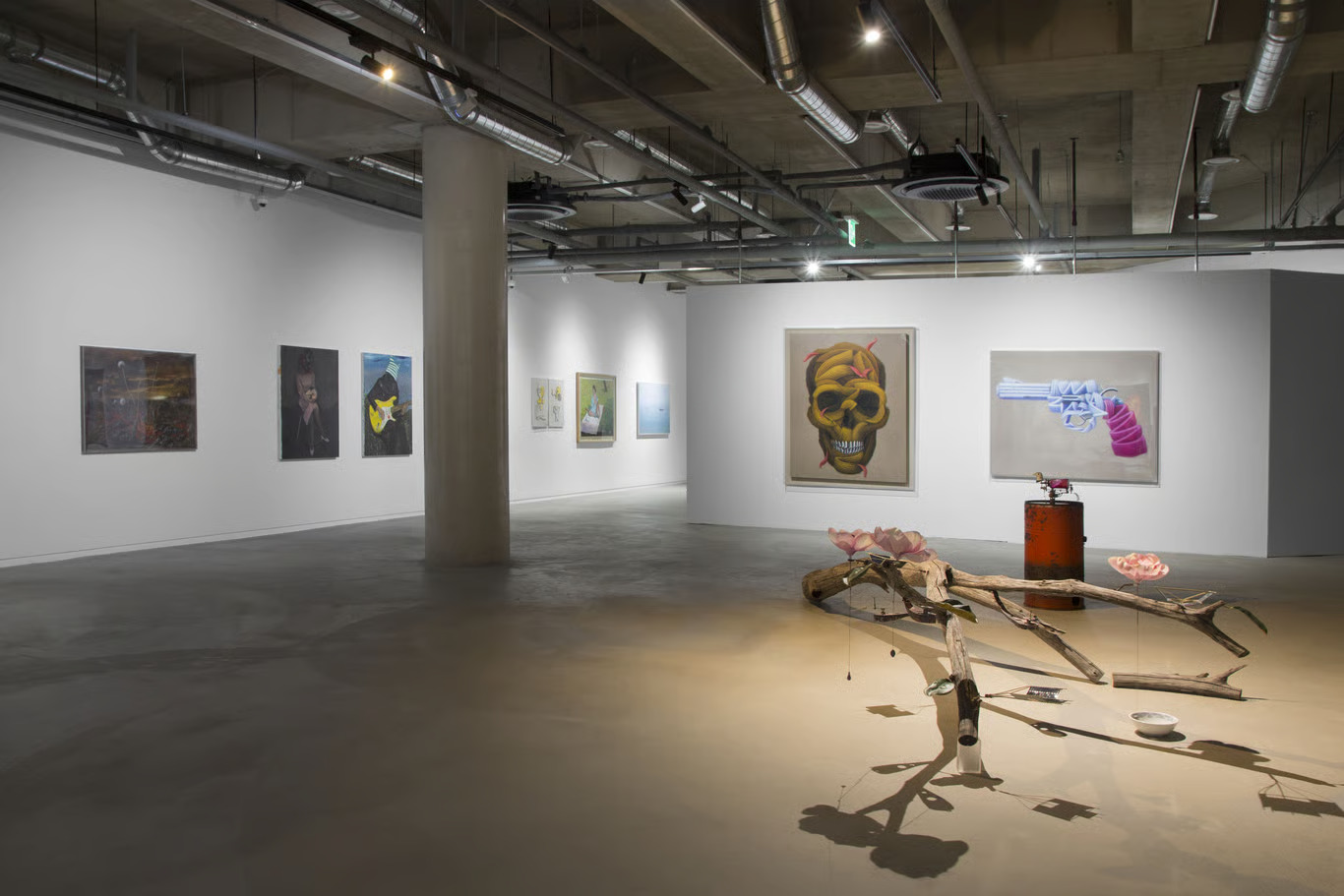
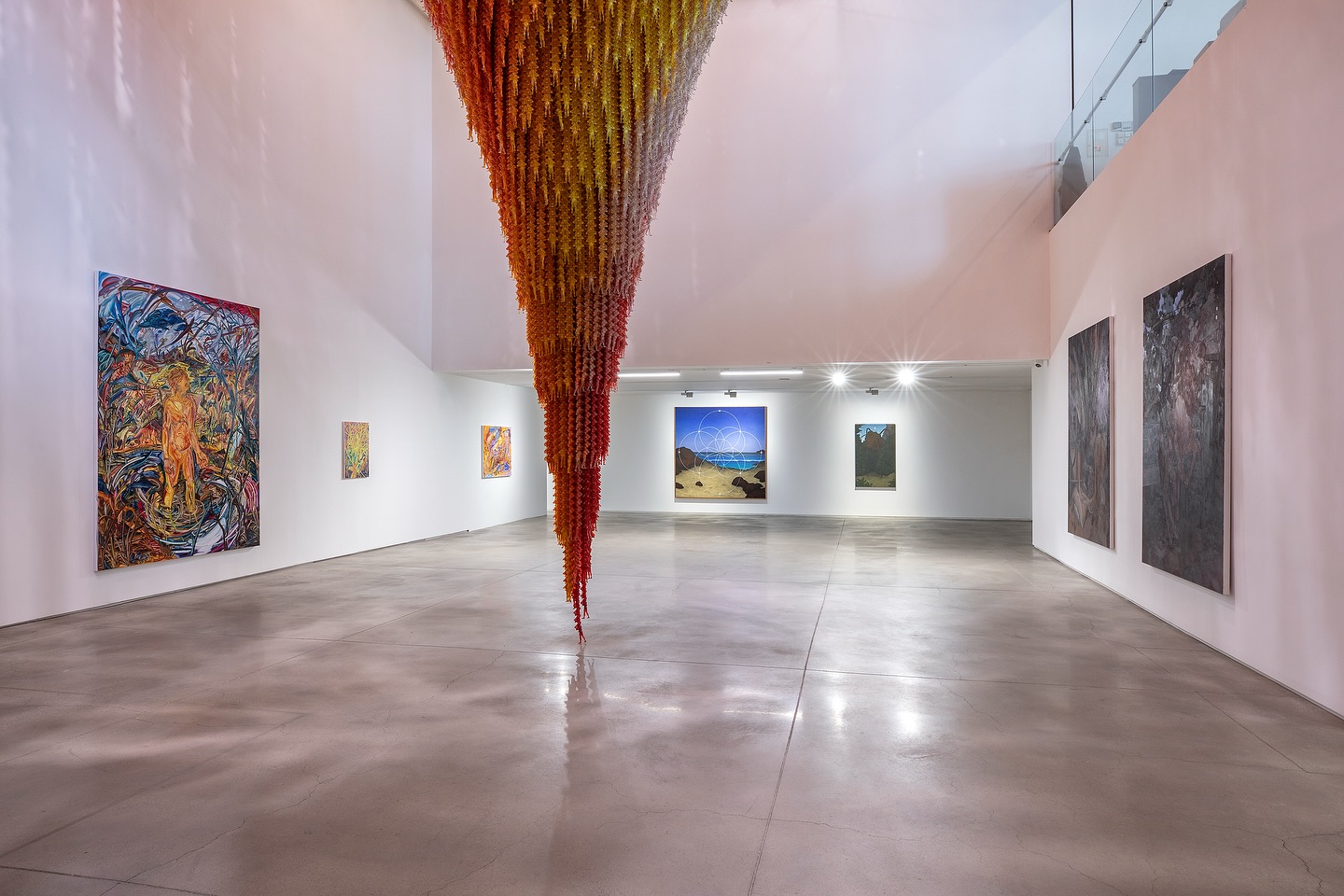
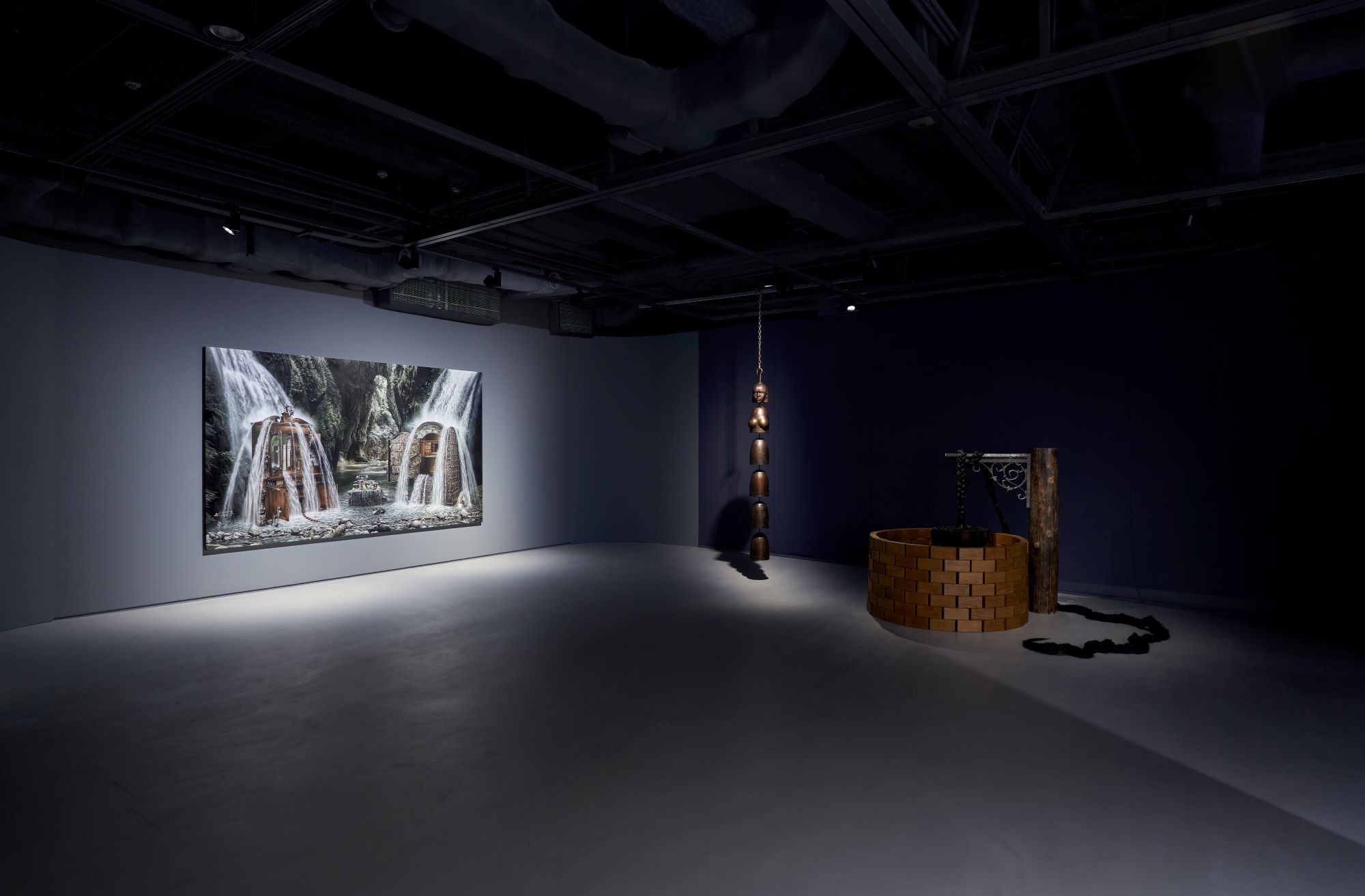
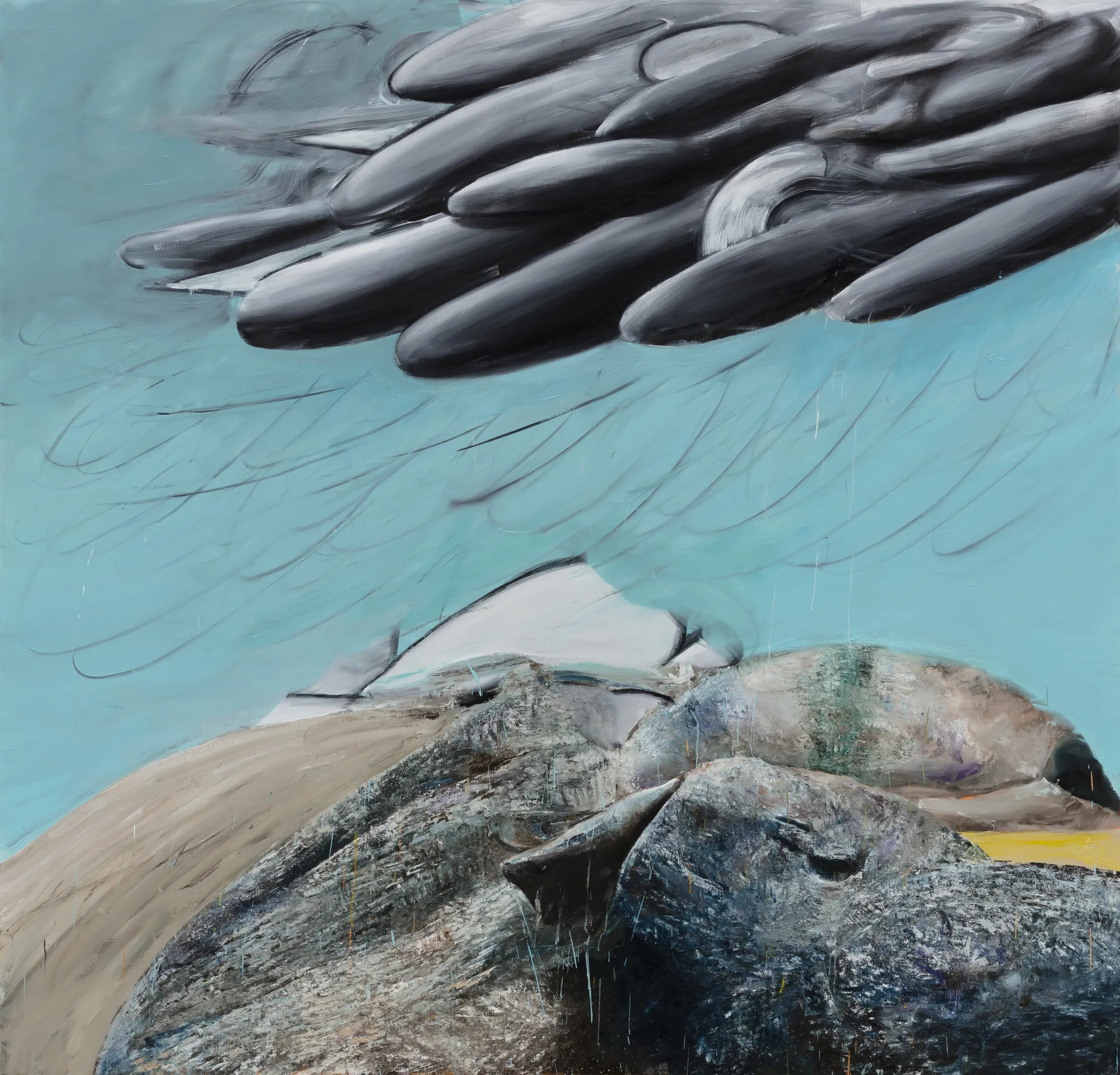
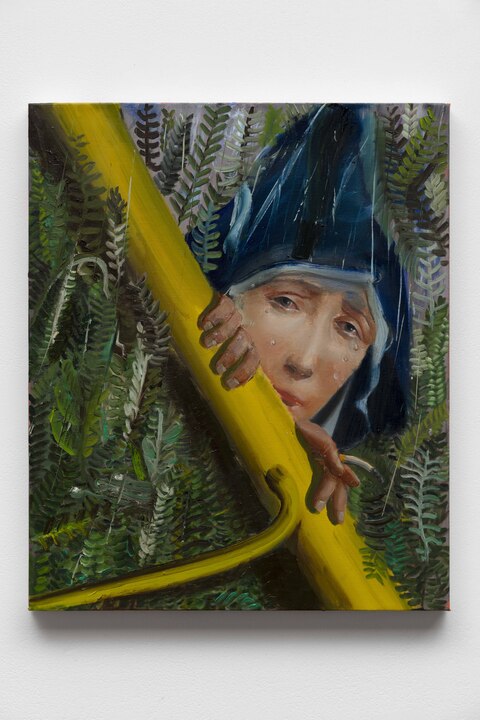
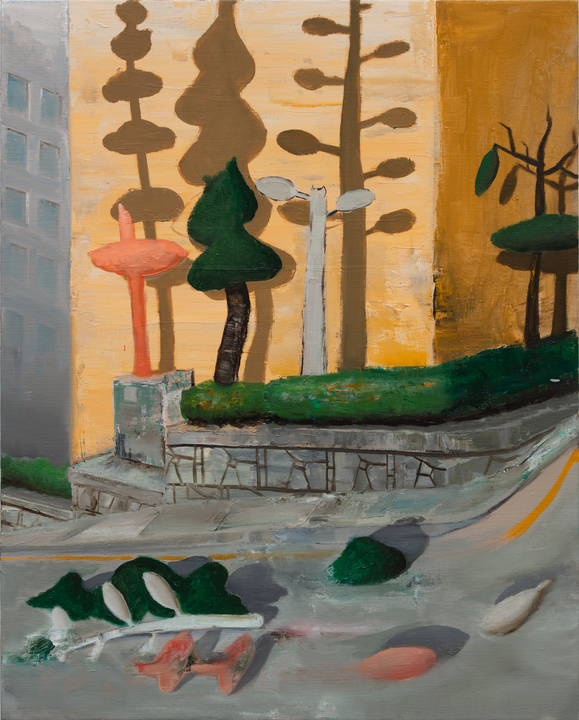
Johyun Gallery presents Jisan Ahn’s solo exhibition 《CUT OUT》 from December 12 to January 20. Marking the artist’s first solo exhibition at the gallery since returning to Korea after seven years in Europe, the exhibition features thirteen new works, including a large-scale painting.

Recognized as one of Korea’s leading young painters for his experimental attitude and expansive imagination, Ahn explores the boundary between life and death—one of the most fundamental and philosophical questions confronting human existence.

In the quiet passage of time, Jisan Ahn has questioned the nature of the images we encounter every day, expressing realities and virtualities through paintings and photographic collages. As his years working abroad seemed endless, his practice gradually shifted toward increasingly enclosed situations and heavier palettes, seeking new modes of expression.

This tendency stemmed partly from his personal disposition and traumatic memories, but also from the simultaneous coexistence of doubt and exhilaration toward the act of painting itself.

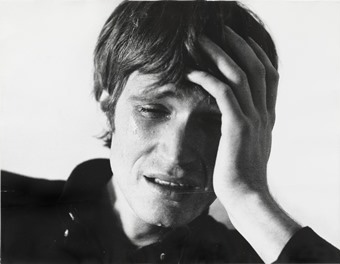
Ahn’s earlier works were primarily based on the reconstruction of images collected from various media, including the internet, films, newspapers, and magazines. As he grew weary of this process, his attention turned toward the act of objectifying things that physically existed before his eyes. It was during this period that he began researching the life and work of the Dutch artist Bas Jan Ader.

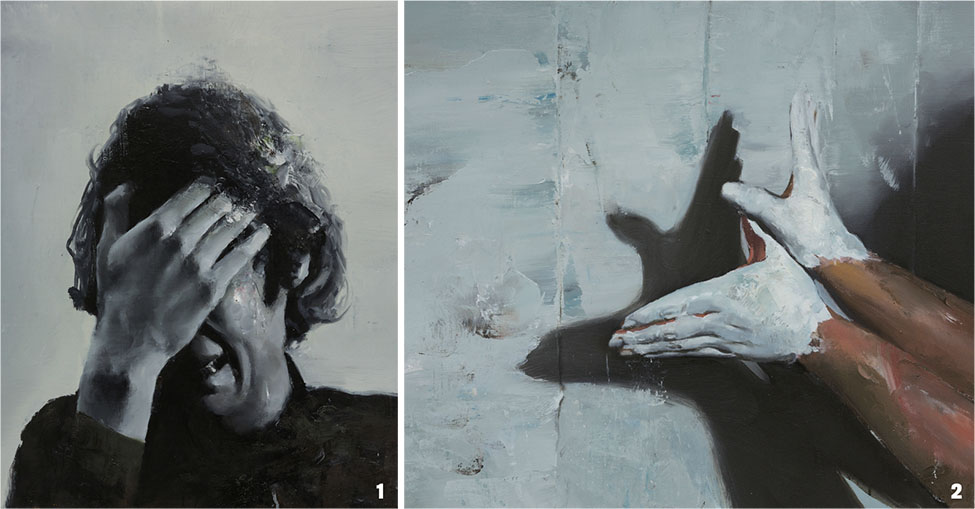
One of the starting points for the works he conceived during his time at the Rijksakademie in 2014 was the painting I’m Too Sad to Tell You. Through this work, which allowed him to indirectly experience and contemplate sorrow, Ahn encountered a creative process that felt profoundly unfamiliar, yet it became a significant turning point through which he discovered new possibilities in his practice.

Installation view of 《CUT OUT》 © Johyun Gallery

For Jisan Ahn, the studio is both the source and the site of painterly imagination. Within this space, he becomes the director of his own stage called painting, navigating between the worlds of psychology, memory, experience, and trauma.

Through the artist’s reinterpretation, images are layered with new narratives and temporalities, transforming into dramatic situations. At times, he projects himself into the scenes depicted in his works; at others, he describes them from a great distance, assuming the position of a witness observing the unfolding events.

The roughly rendered fictional spaces that appear in his paintings are often reconstructed from the actual environment of the artist’s studio or from small-scale miniatures.

To achieve the raw texture of his backgrounds, Ahn freely employs not only brushes and palette knives but also whatever materials are at hand—plastic sheets, gloves, rope, his hands, tree branches, and more—without concern for conventional notions of refinement or awkwardness. The worn work clothes featured in the 'T-shirt' series and the artificial flowers appearing in the 'Flower' series are likewise objects that exist in his studio.

Within these backgrounds, one can detect affinities with Surrealism, particularly its emphasis on the natural conjunction of accidentally discovered objects and the unexpected encounters between entirely disparate elements.

Installation view of 《CUT OUT》 © Johyun Gallery

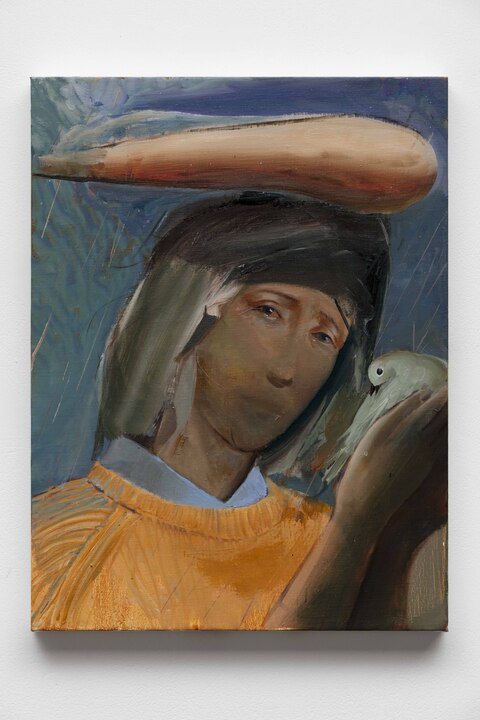
The works presented in this exhibition each contain their own narrative. One painting, depicting a woman balancing an apple on his head, was inspired by a Korean headache medicine advertisement from the 1980s. By presenting the figure as a cut-out standee, the artist sought to create an unreal and theatrical stage setting. Ahn’s practice begins by constructing a dramatic image and then translating it into painting on canvas.

This process serves as a means of recreating the essential condition of human beings living in an unstable world, while the preparatory stages allow him to internalize sensations that are easily lost in the transition to a flat surface, ultimately expanding his painterly sensibility.

Another work, showing a figure buried beneath an enormous pile of black-and-white photographs, is based on an incident that occurred during the artist’s time in the Netherlands. While living there, Ahn worked in an old studio building. After a fire broke out in a neighboring studio, the entire building was closed and access was restricted for several months.

During this period, when he was unable to work, he once fell asleep after drinking heavily. The next morning, he woke to find countless messages waiting for him on Facebook. It turned out that, in his intoxicated state the previous night, he had sent messages to a large number of people, and they were simply replying. Recalling this episode, Ahn created the 'Everyday' series.

A work consisting of torn printed reproductions of paintings by Vincent van Gogh, with their colors removed, extends the ideas explored in Ahn’s earlier 'Falling' and 'Dying' series, first presented at Arko Art Center. Through these works, the artist emphasizes the futility of assigning meaning to everything, suggesting that in the end all things fall and disappear.

At the same time, they reveal how themes of existential emptiness and mortality, long embedded in his practice, naturally converge. Birds, which occasionally appear as motifs throughout Ahn’s work, take the form of pigeons in this exhibition. The artist’s attraction to birds stems from their perpetual condition of living with the possibility of falling.

Pigeons, among all winged creatures, were chosen because they are among the most common and visually ubiquitous subjects. To Ahn, they also appeared passive and vulnerable—creatures more easily domesticated than almost any other. The physical weight of the paintings and their vigorous brushwork immediately capture the viewer’s attention, while the quietly articulated inner world of the artist offers a renewed perspective on the possibilities of painting.

Installation view of 《CUT OUT》 © Johyun Gallery

Through this exhibition, Johyun Gallery seeks to provide an opportunity to consider emerging directions in contemporary Korean art, while offering insight into Ahn’s artistic approach, which pursues the essence of painting through a distinctive visual language devoted exclusively to the medium itself.

References