Choi’s
work centers on painting, but is closely connected to an installation-based
method that composes the entire exhibition space as a single scene. In her
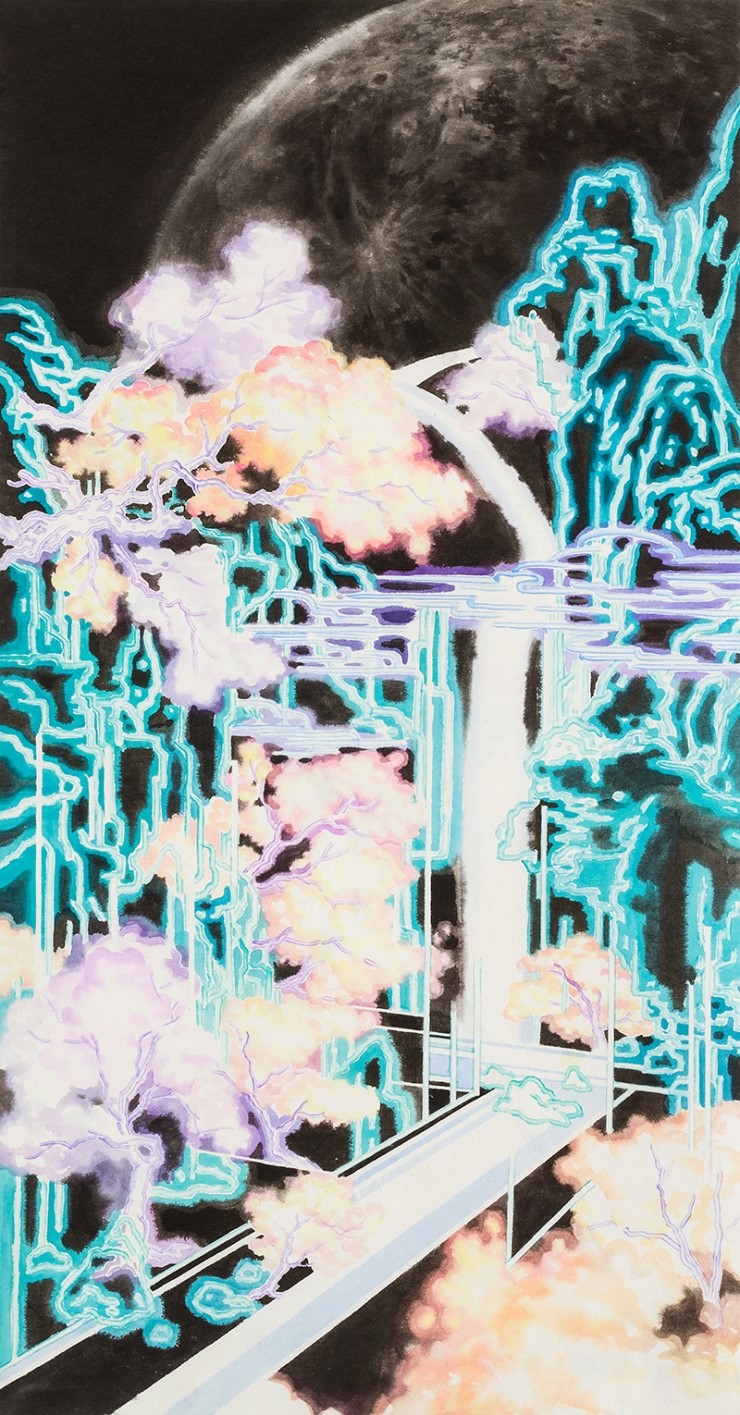
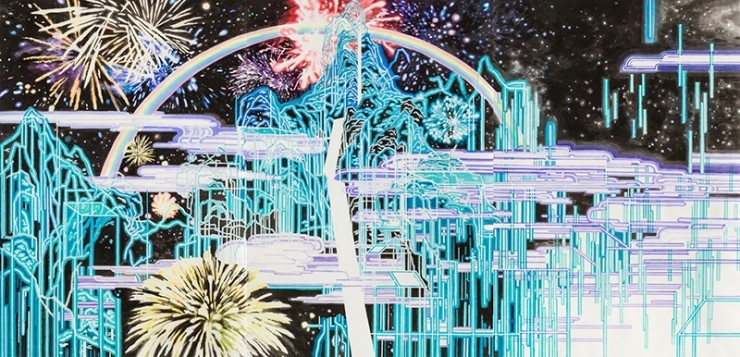
early works, she used ink and color on hanji to bring in traditional elements
of landscape painting, while combining them with images carrying personal
symbolism, such as Iceland’s exotic landscapes, night skies, rainbows, moons,
and fireworks.
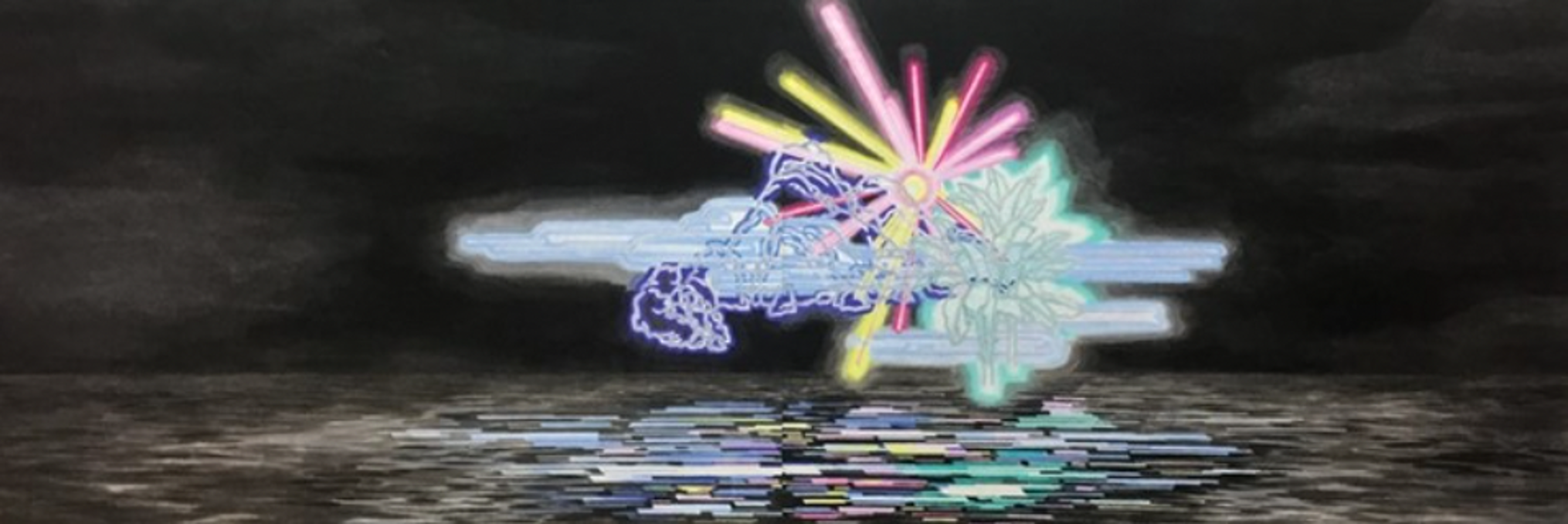
In Moon and Fall, we welcome
you, and Night Sea-Island, the materiality of
hanji, where pigment spreads and seeps into the surface, intensifies the sense
of unreality and romance more than it records an actual landscape. The
landscapes the artist paints are not objective records of places before her
eyes, but inner scenes where memories of travel, imagination, and the desire
for an ideal world are mixed together.
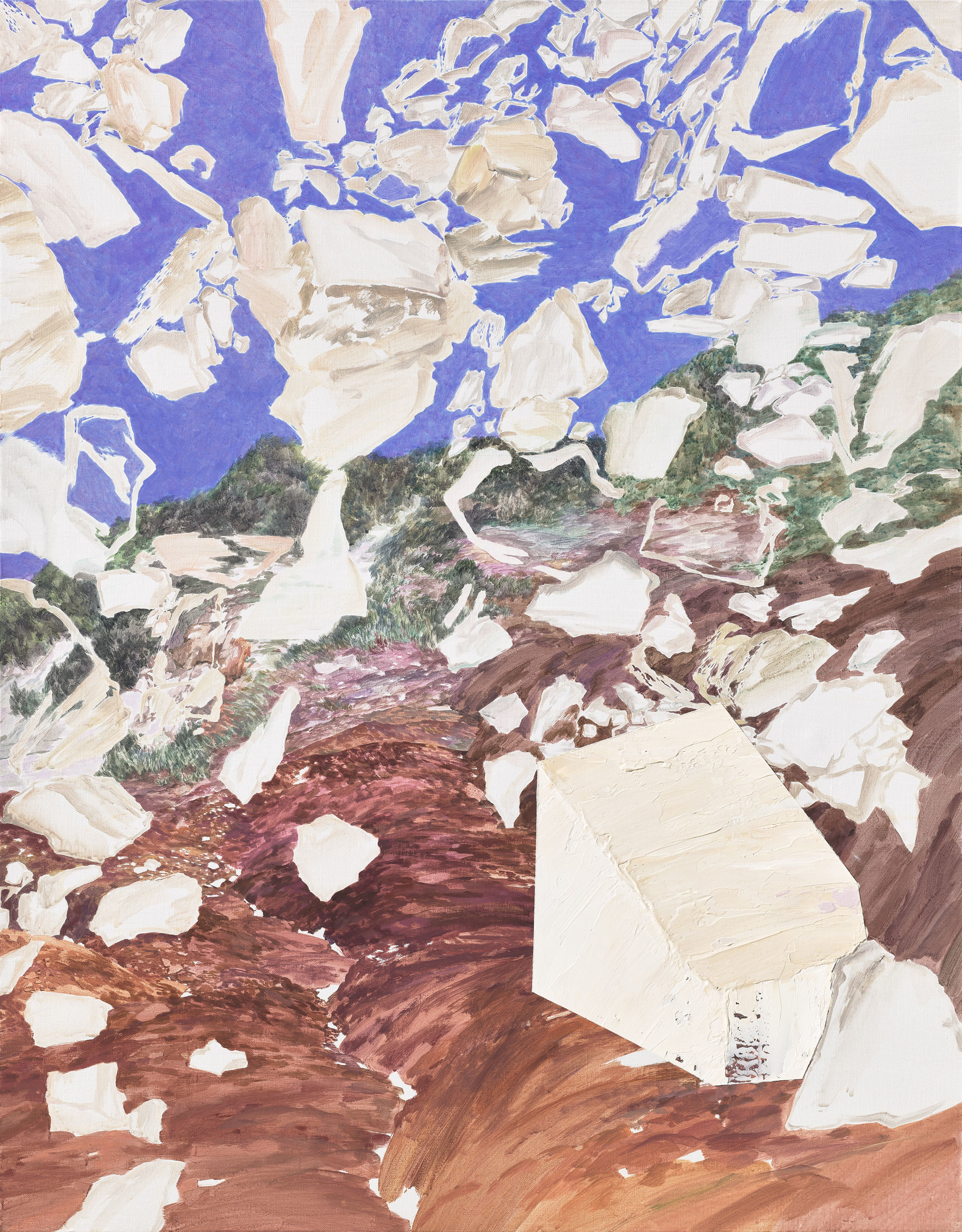
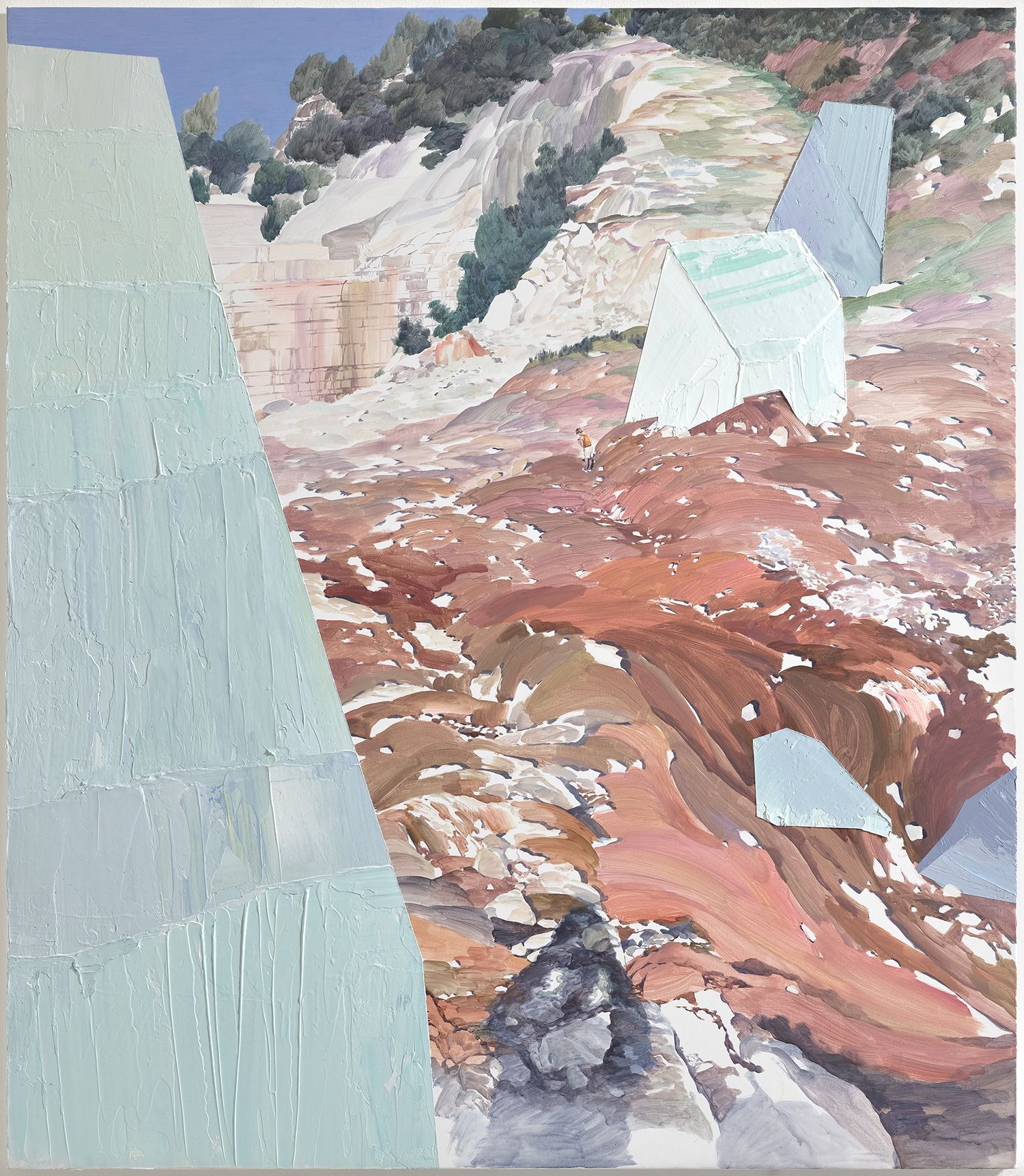
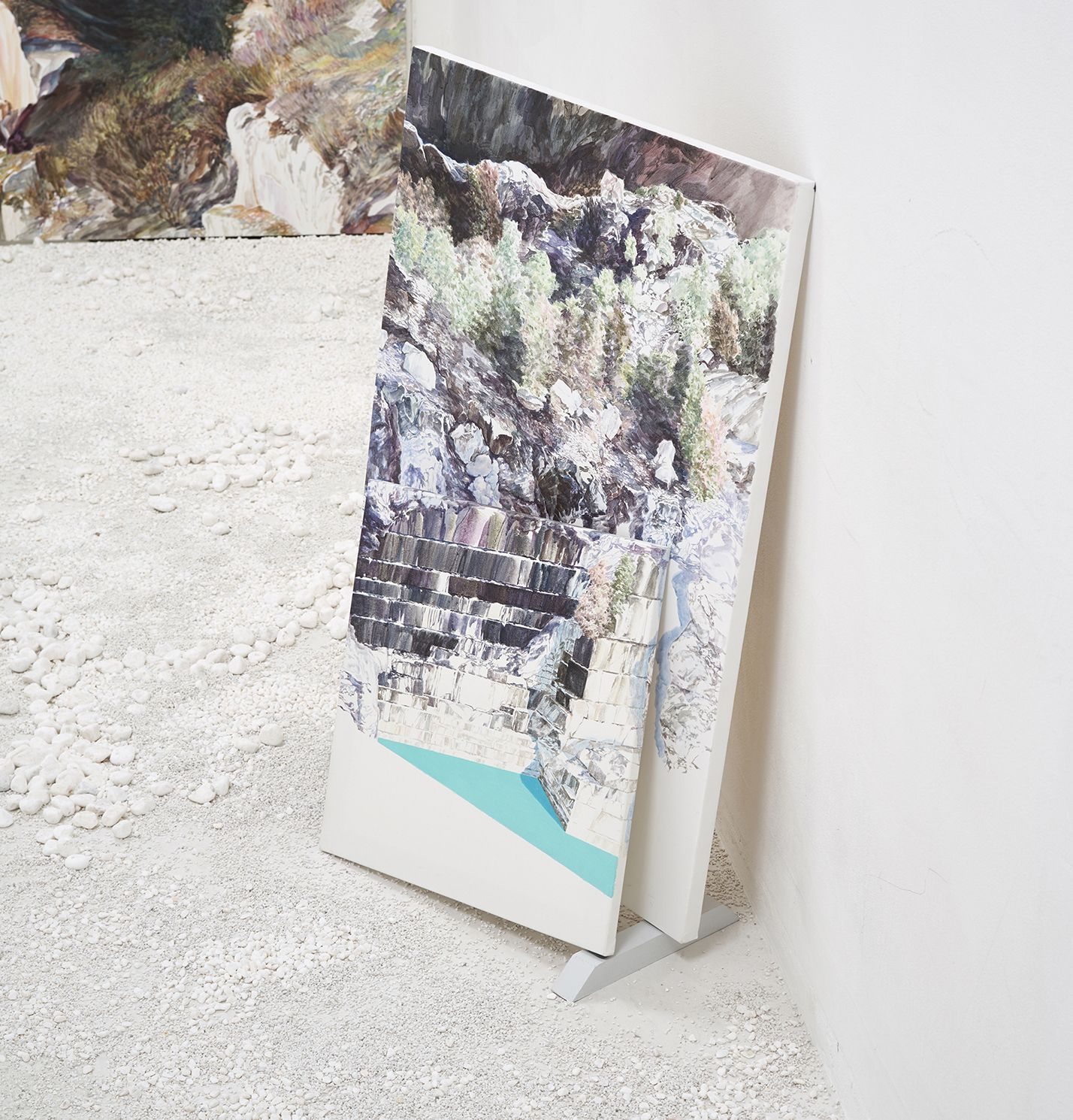
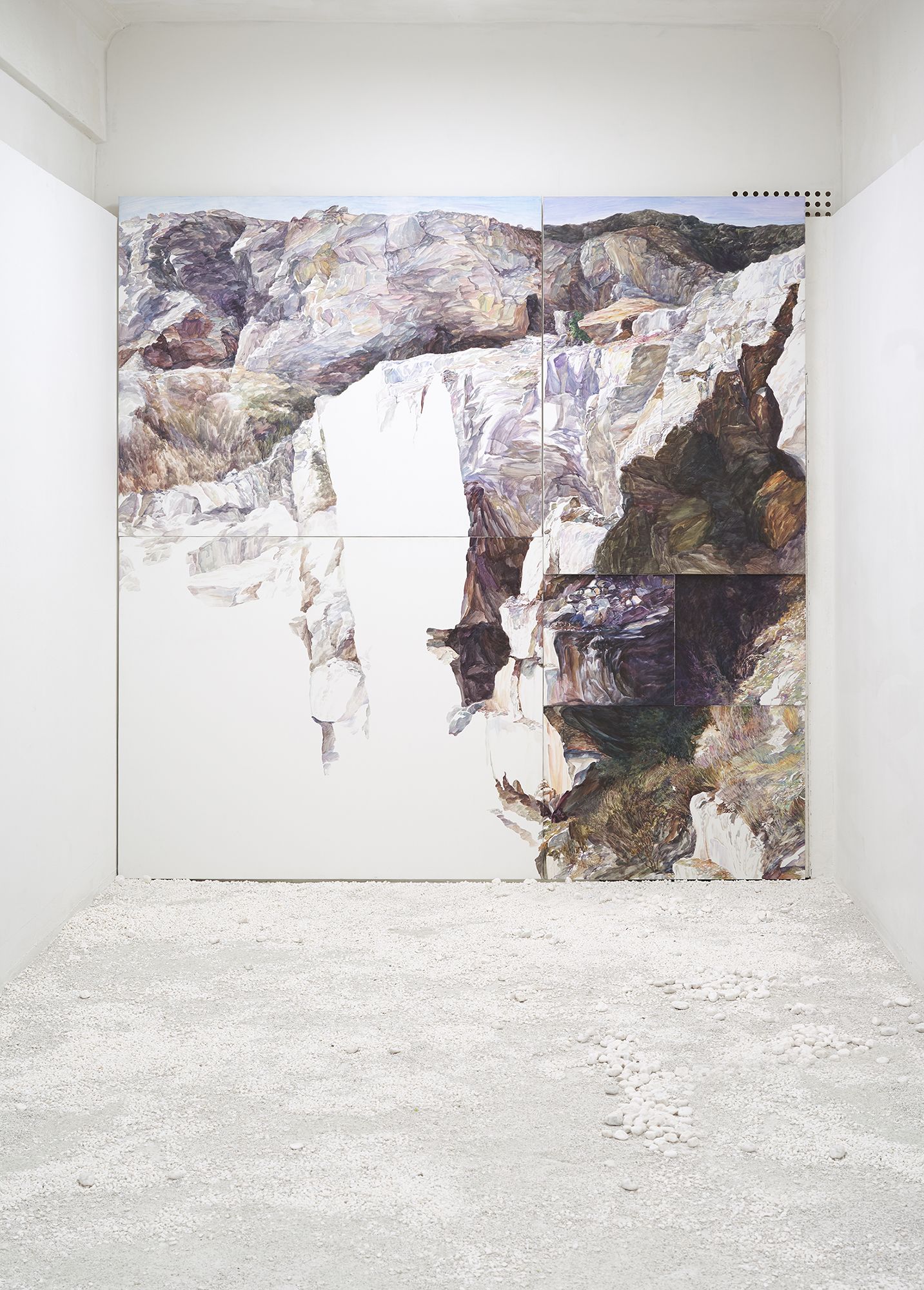
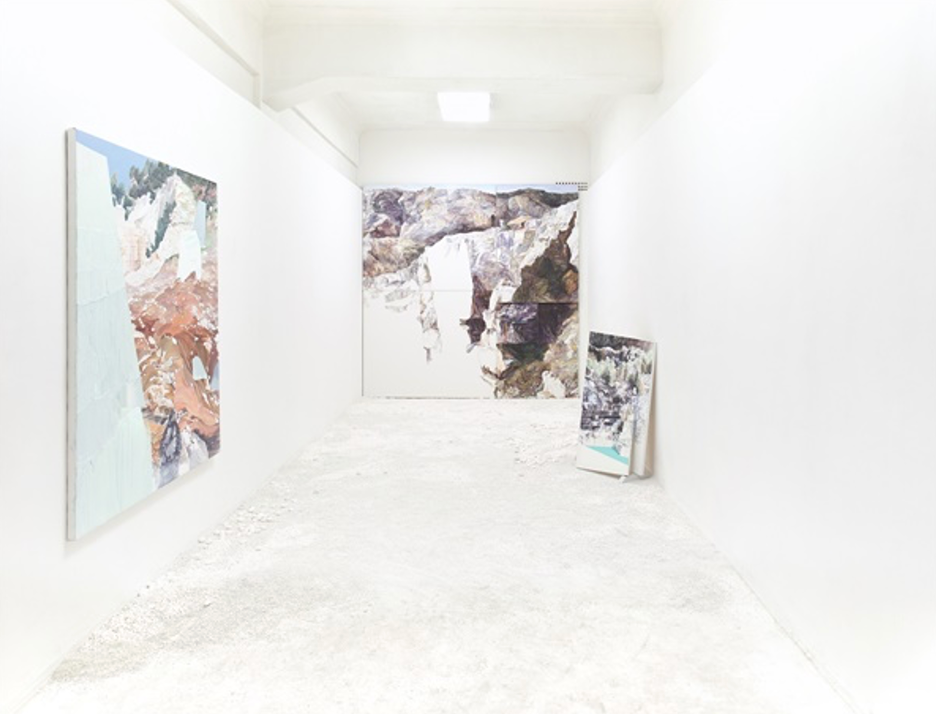
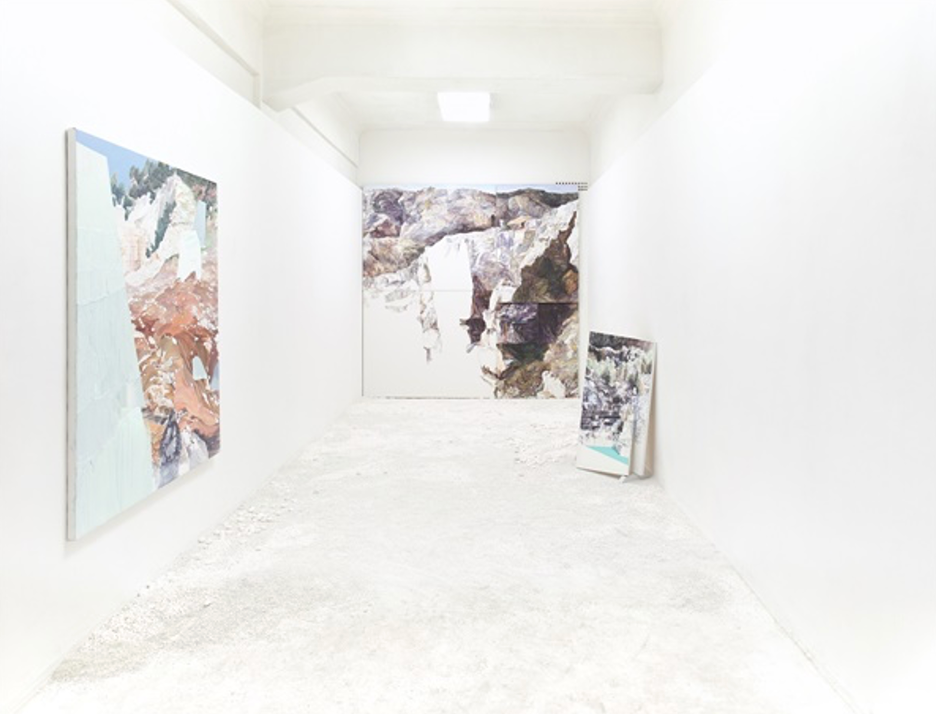
After 《A Serbian Mountain, a Quarry, Venčac》, the artist
develops a method of painting by imagining a sense of presence based on
photographs, internet images, and others’ testimonies. In order to paint a
place she has never seen in person, she collects conversations with M, jpg
files, searched images, and information about place names, constructing
painterly scenes based on them.
If A Serbian Mountain-from Marija
Curk is closer to an image of the mountain with the quarry omitted,
A Mountain, a Quarry-from Marija Curk and White
Marbles in Venčac-from
Vukasin Stancevic bring forward the traces of quarrying hidden within
the natural landscape. In this process, painting becomes not a medium for
“depicting what has been seen,” but a method of combining materials and
imagination in order to approach what has not been seen.
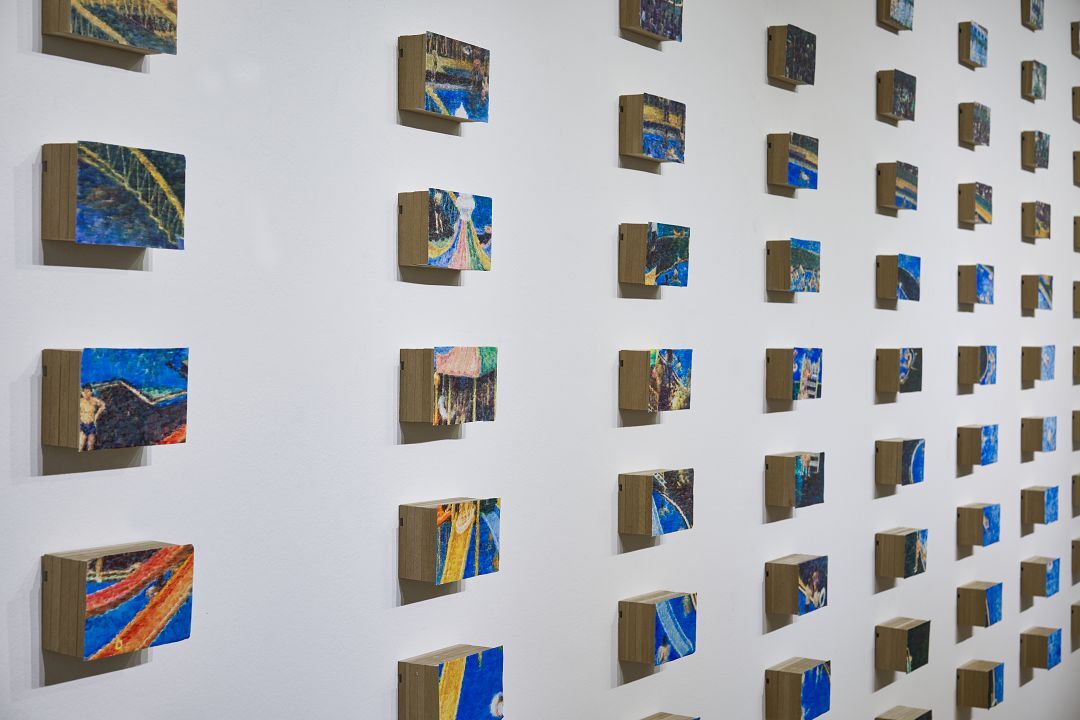
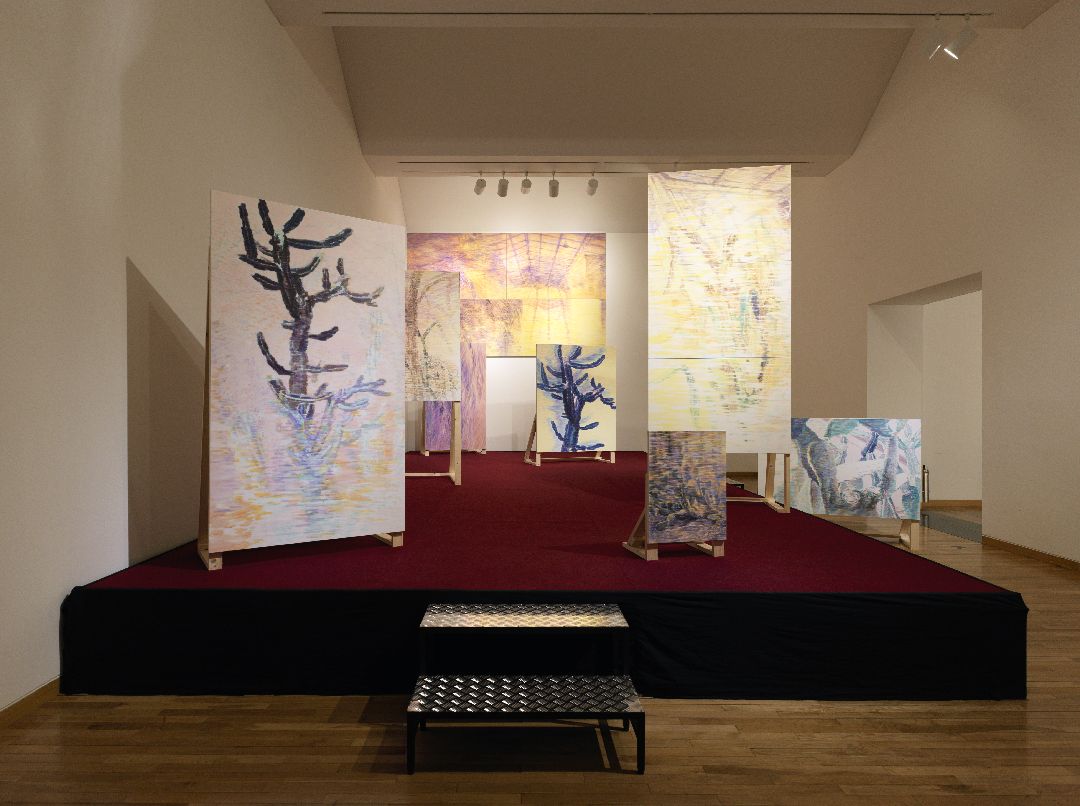
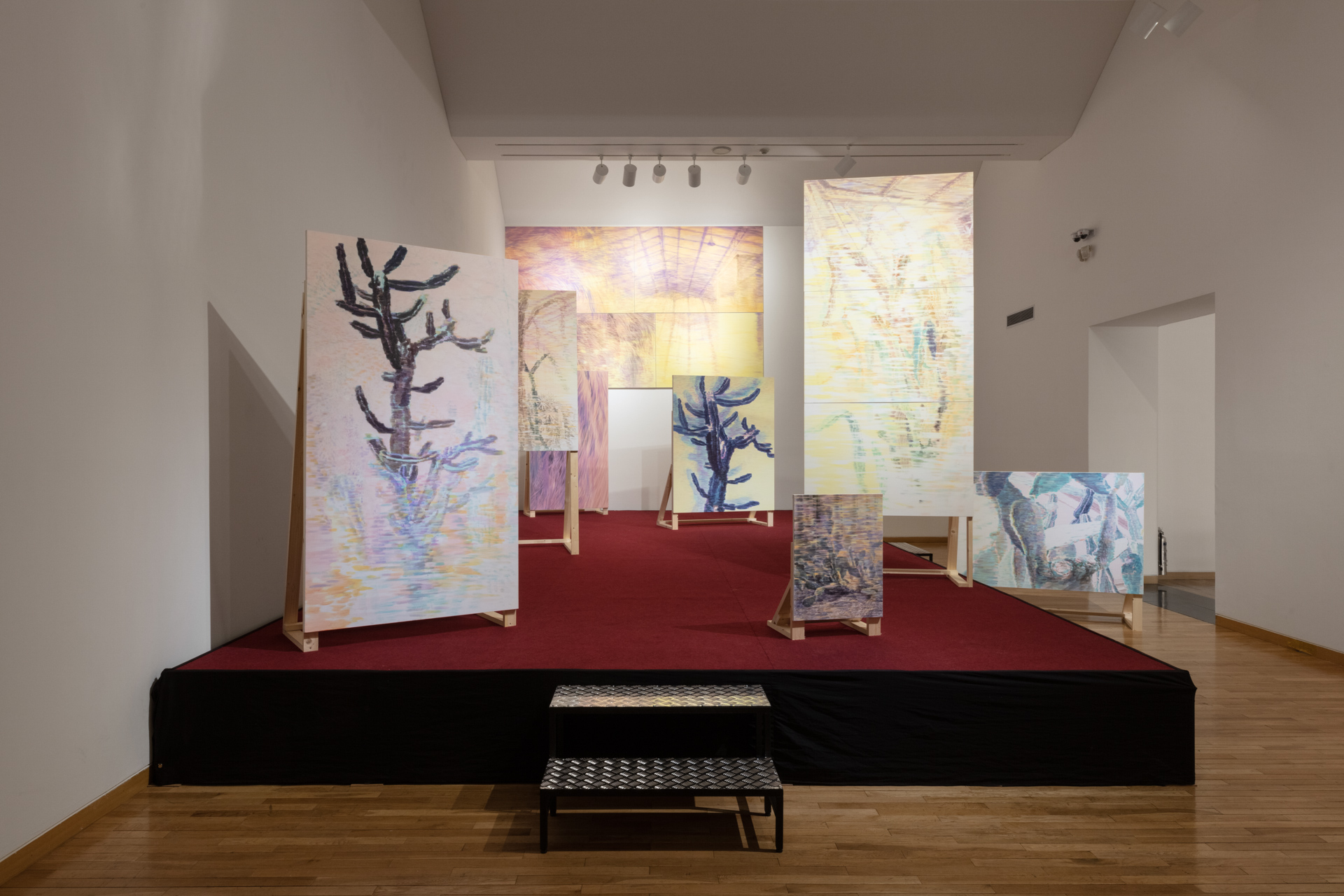
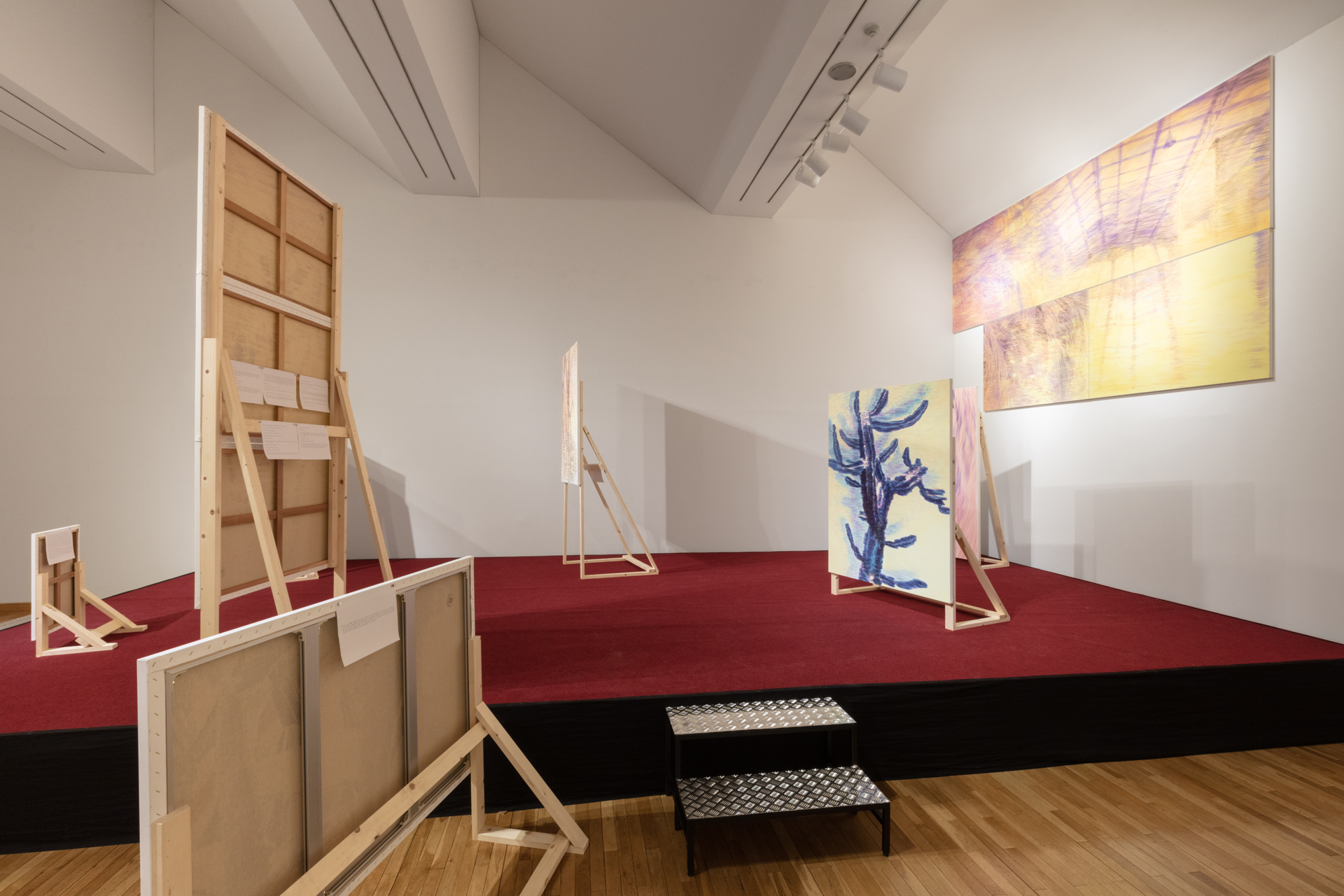
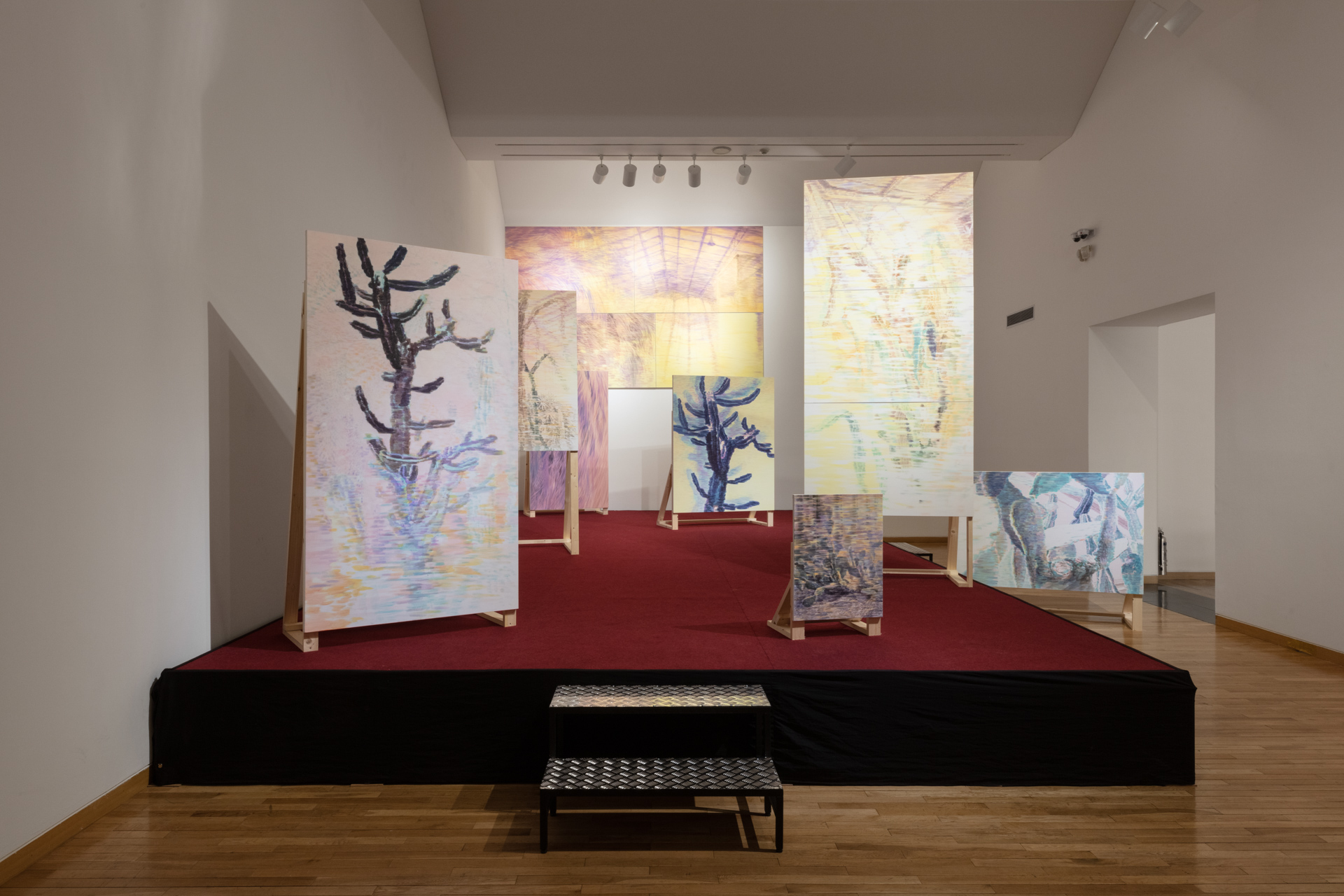
In 《Survival in Fantasy》, painting expands into
the form of installation and stage. Through postcards, interviews, field
research, and archival materials, the artist collects images of Bugok Hawaii
and reconstructs the place under the present condition in which it can no
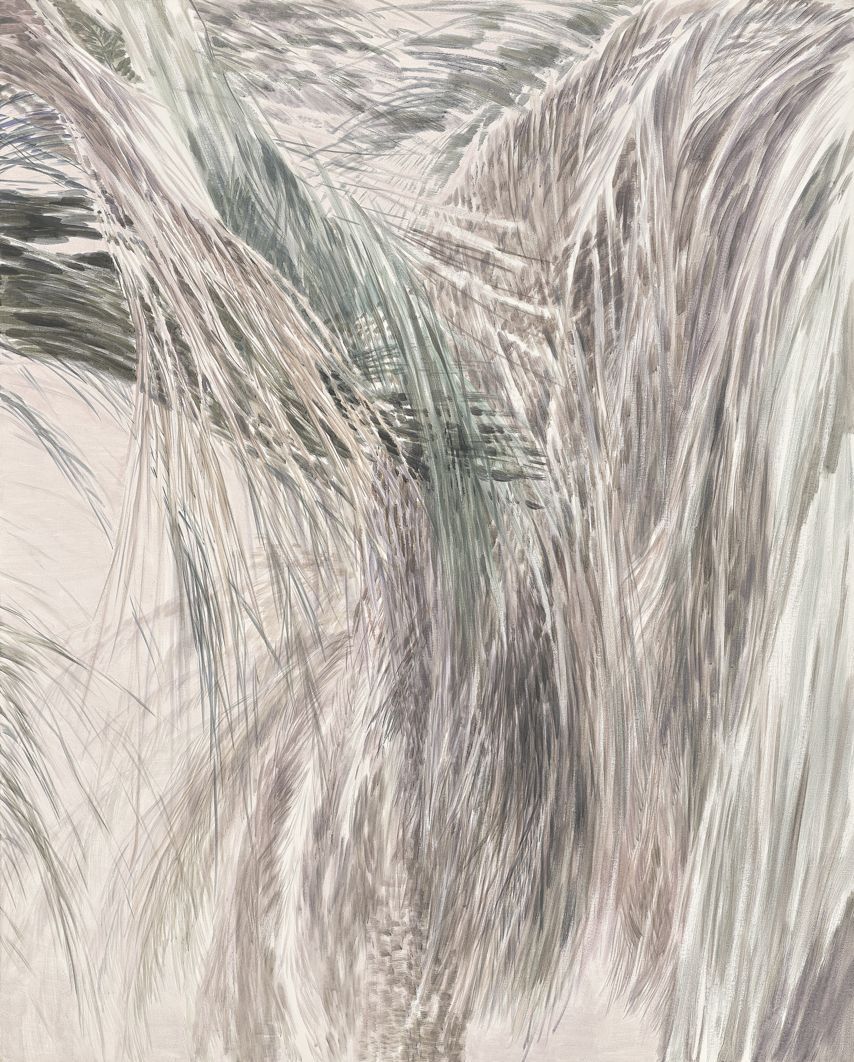
longer be physically experienced. Brushstrokes that seem to skim across the
surface reveal not the concrete appearance of Bugok Hawaii, but the
afterimages, longing, and haziness of time surrounding the place.
At the same
time, paintings installed on an actual stage are arranged so that viewers can
walk among them, allowing them to encounter the stories behind the stage where
idealized images are produced. Here, painting is not completed as a single flat
surface, but becomes an experiential scene through the viewer’s movement and
the staging of the exhibition space.
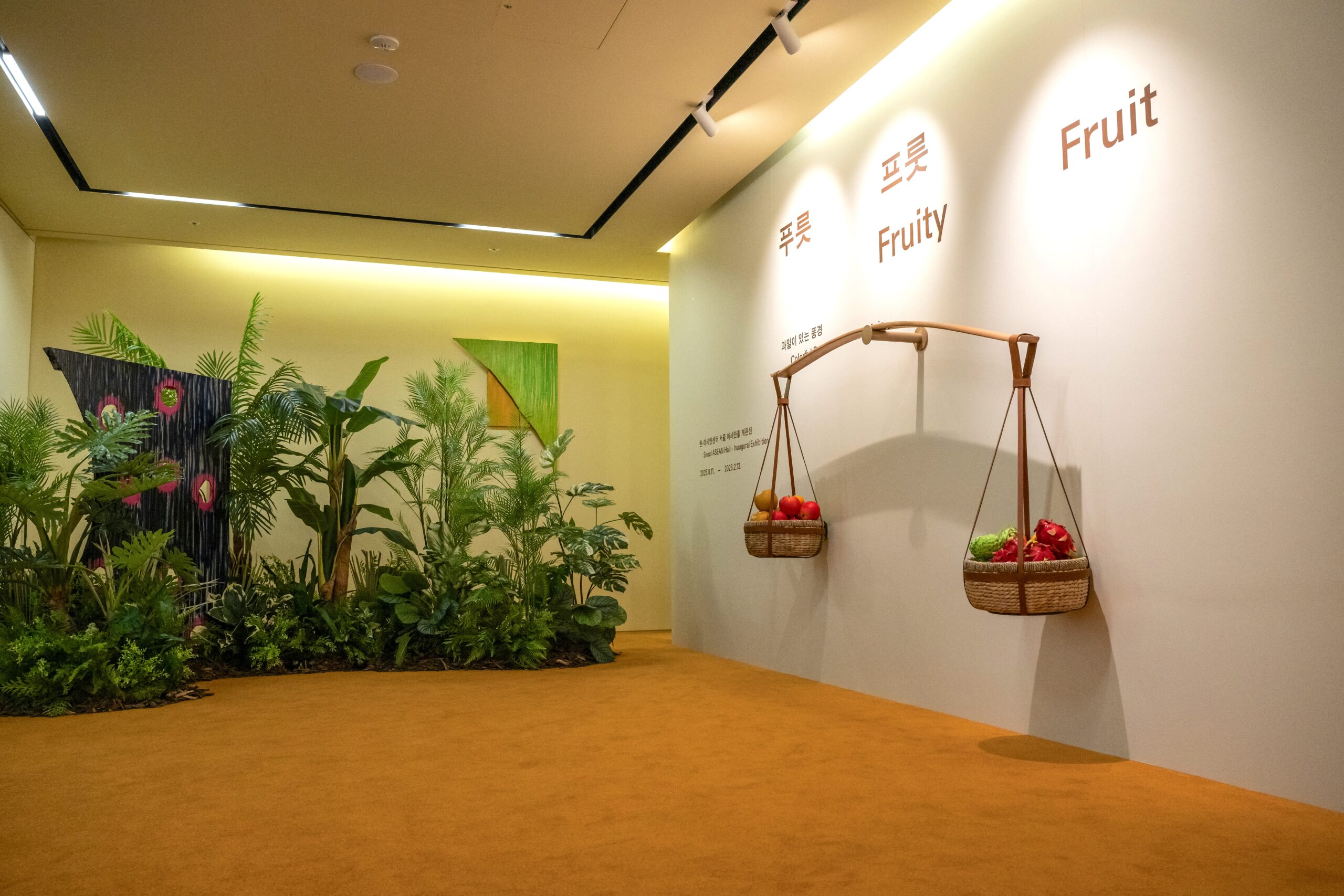
In the
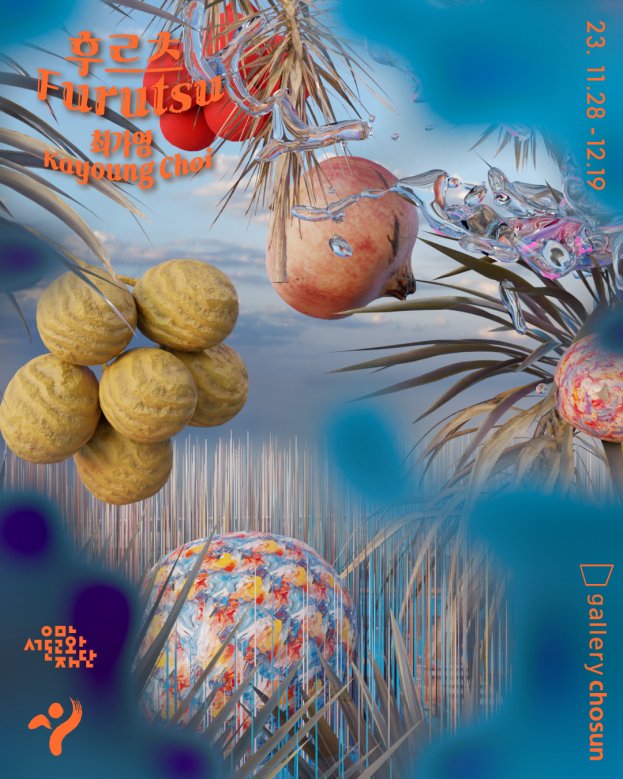
recent exhibitions 《Furutsu》 and 《Furutsu Jelly》,
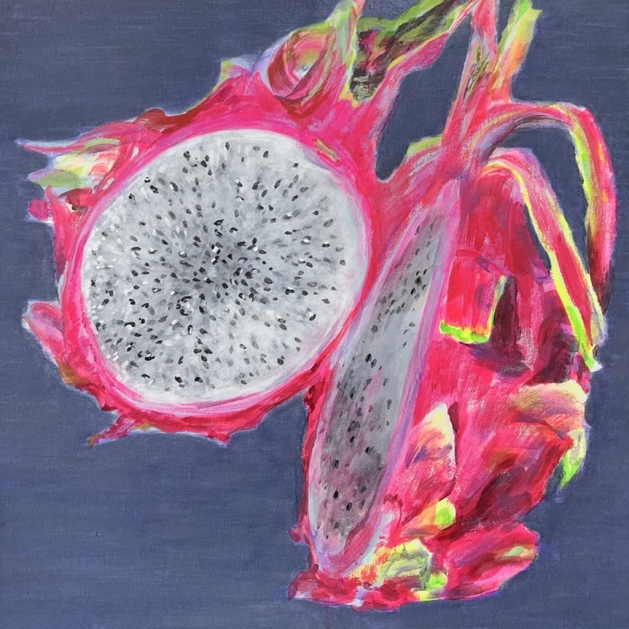
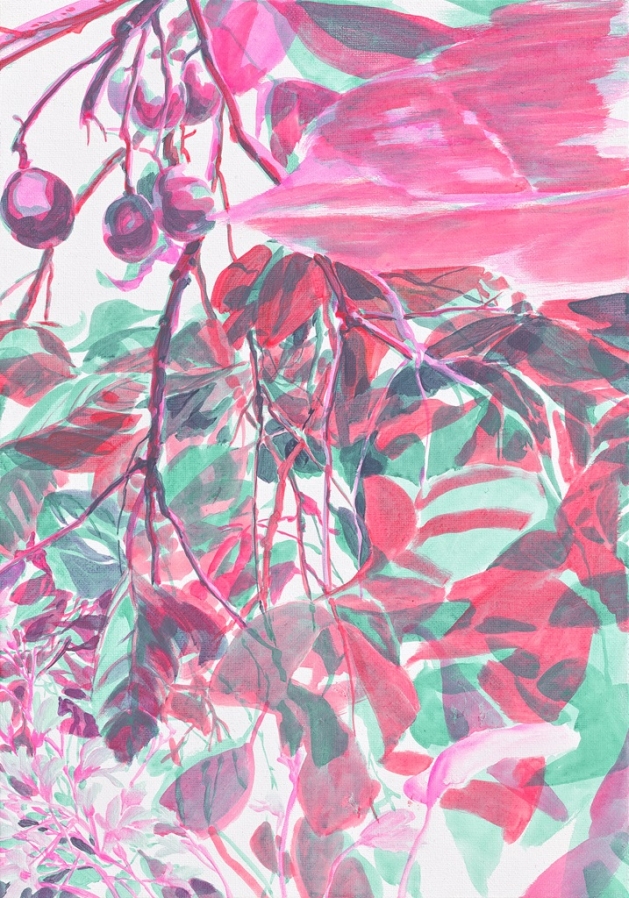
painting and three-dimensional installation become more directly connected. If 《Furutsu》 depicts “staged tropicality” and
processed sweetness through images such as palm trees, tropical fruits, and
canned cherries, 《Furutsu Jelly》 proposes an installation experience that feels as if one is
entering into the paintings.
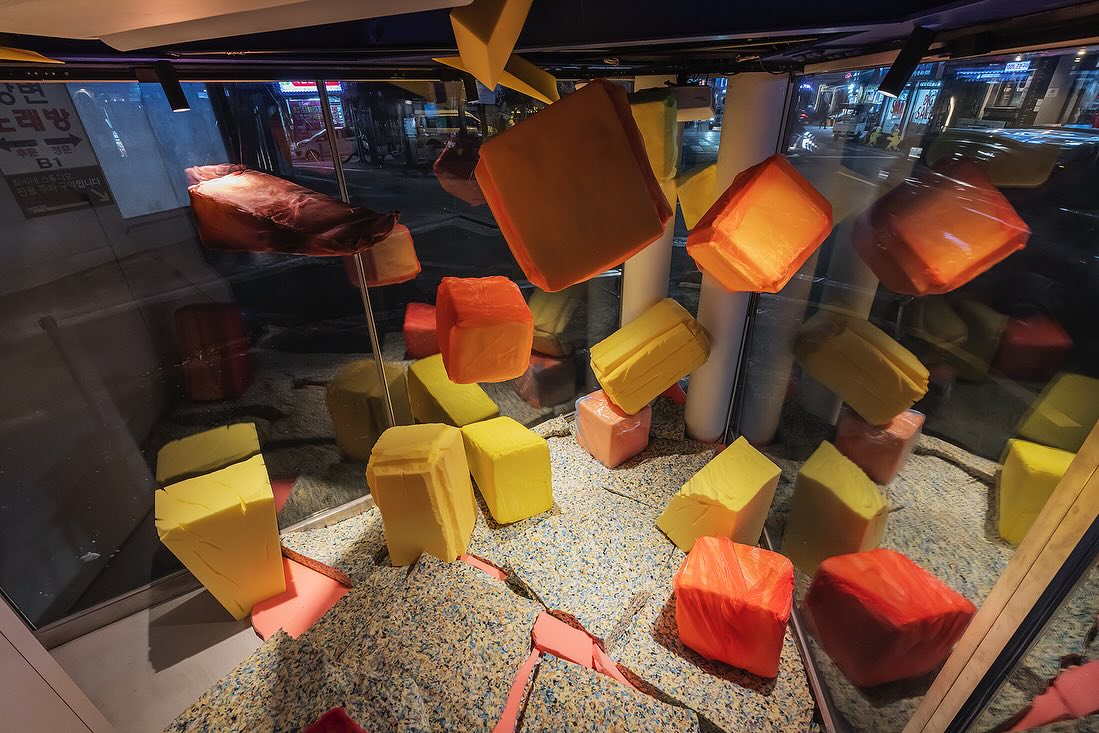
The fruit pieces from the paintings are enlarged
into monumental three-dimensional forms, and viewers find themselves in a
situation where they seem to become another “furutsu” swimming through canned
syrup. In this way, Choi has consistently experimented with how the image of
painting can be spatialized within the exhibition space and experienced again
through the viewer’s body.