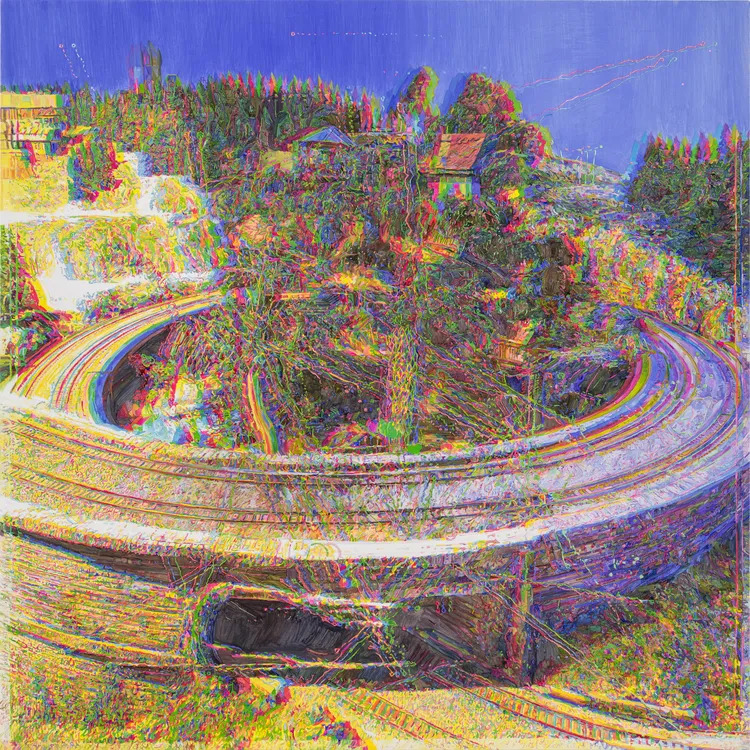
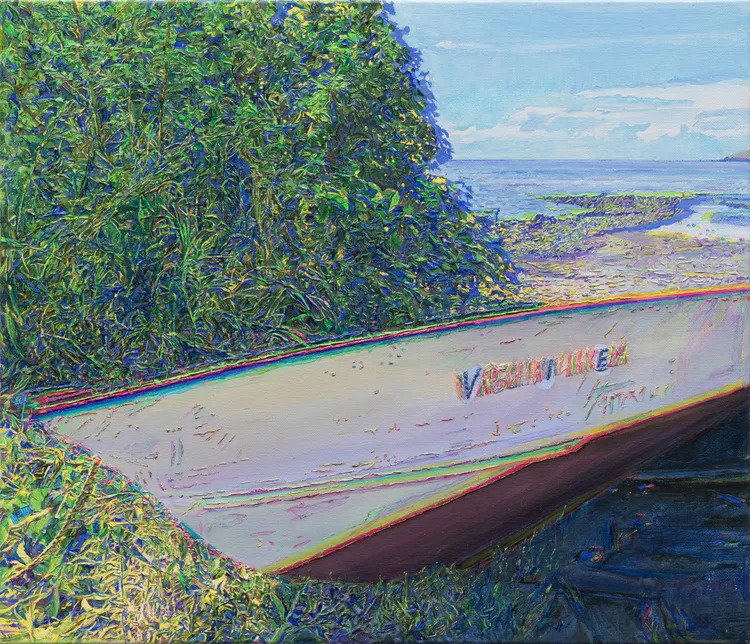
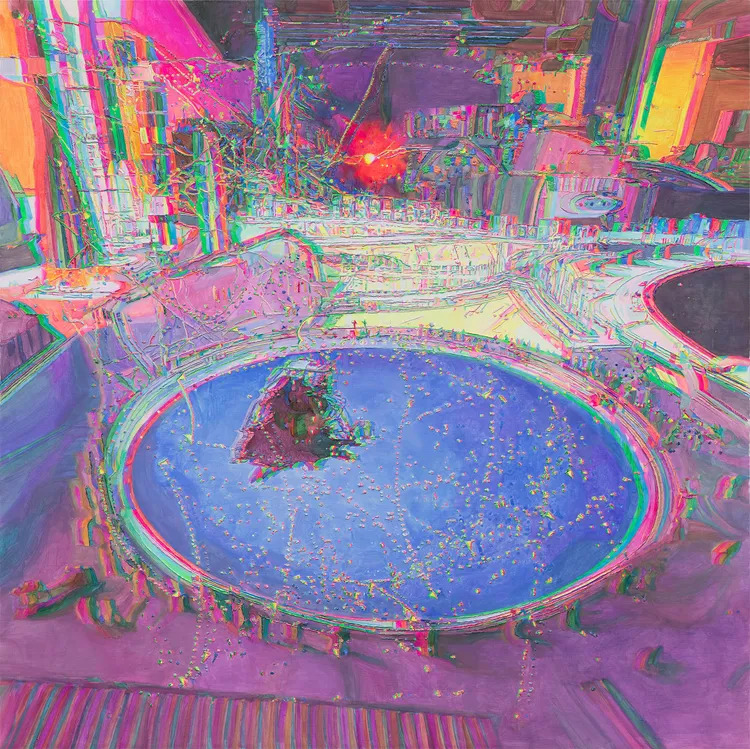
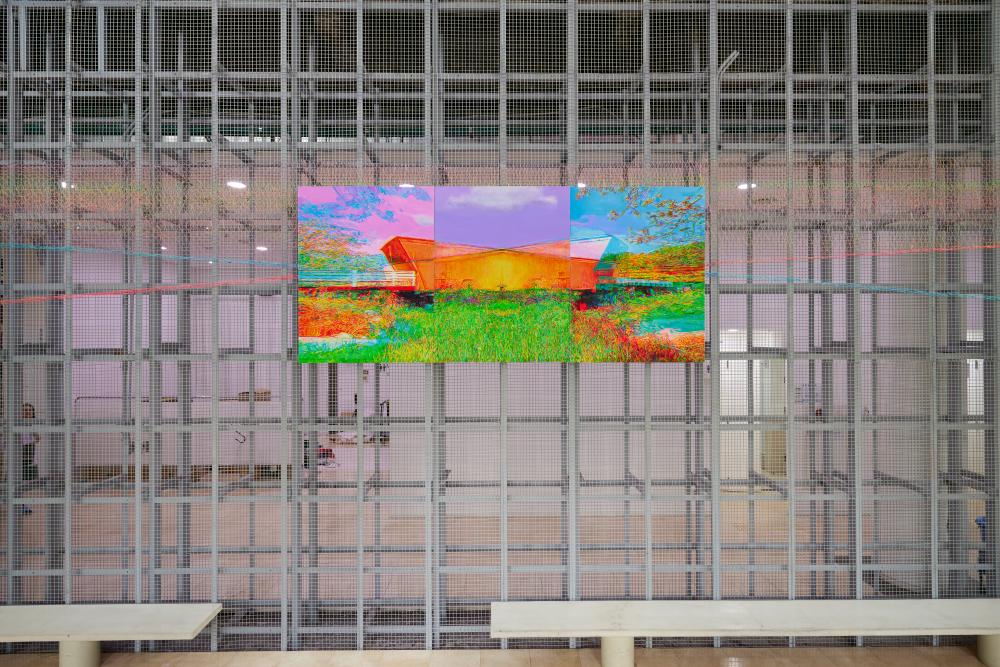
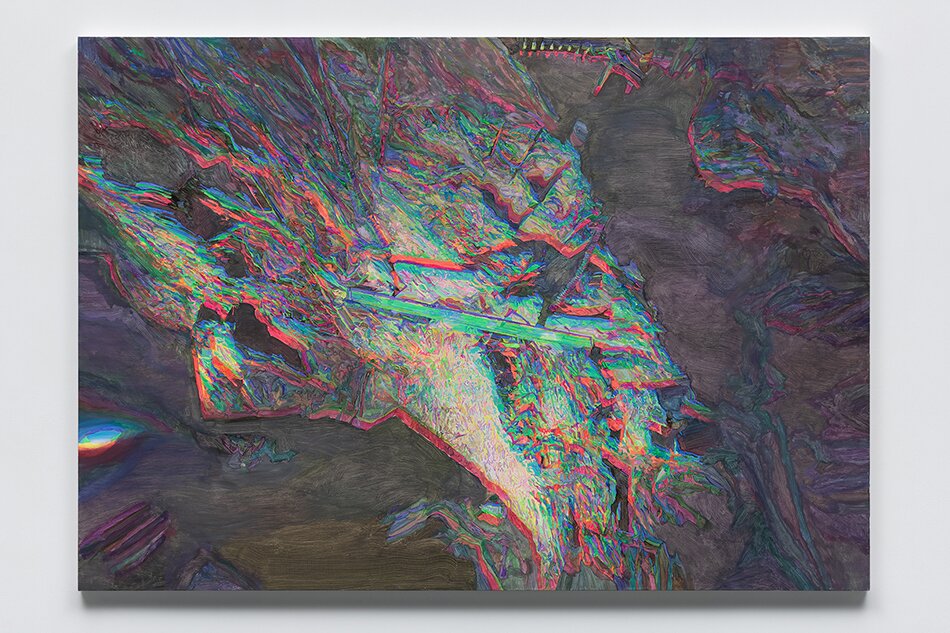
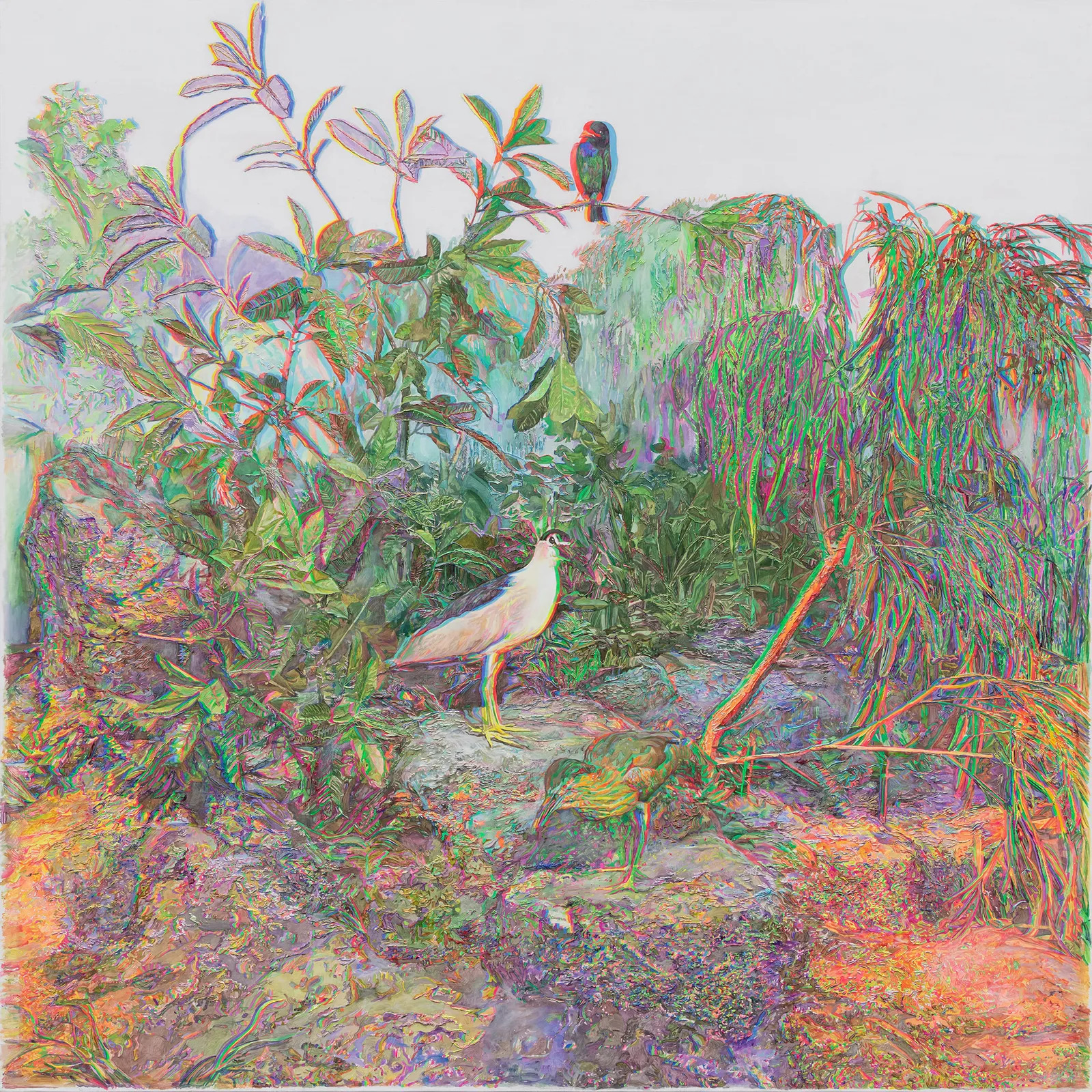
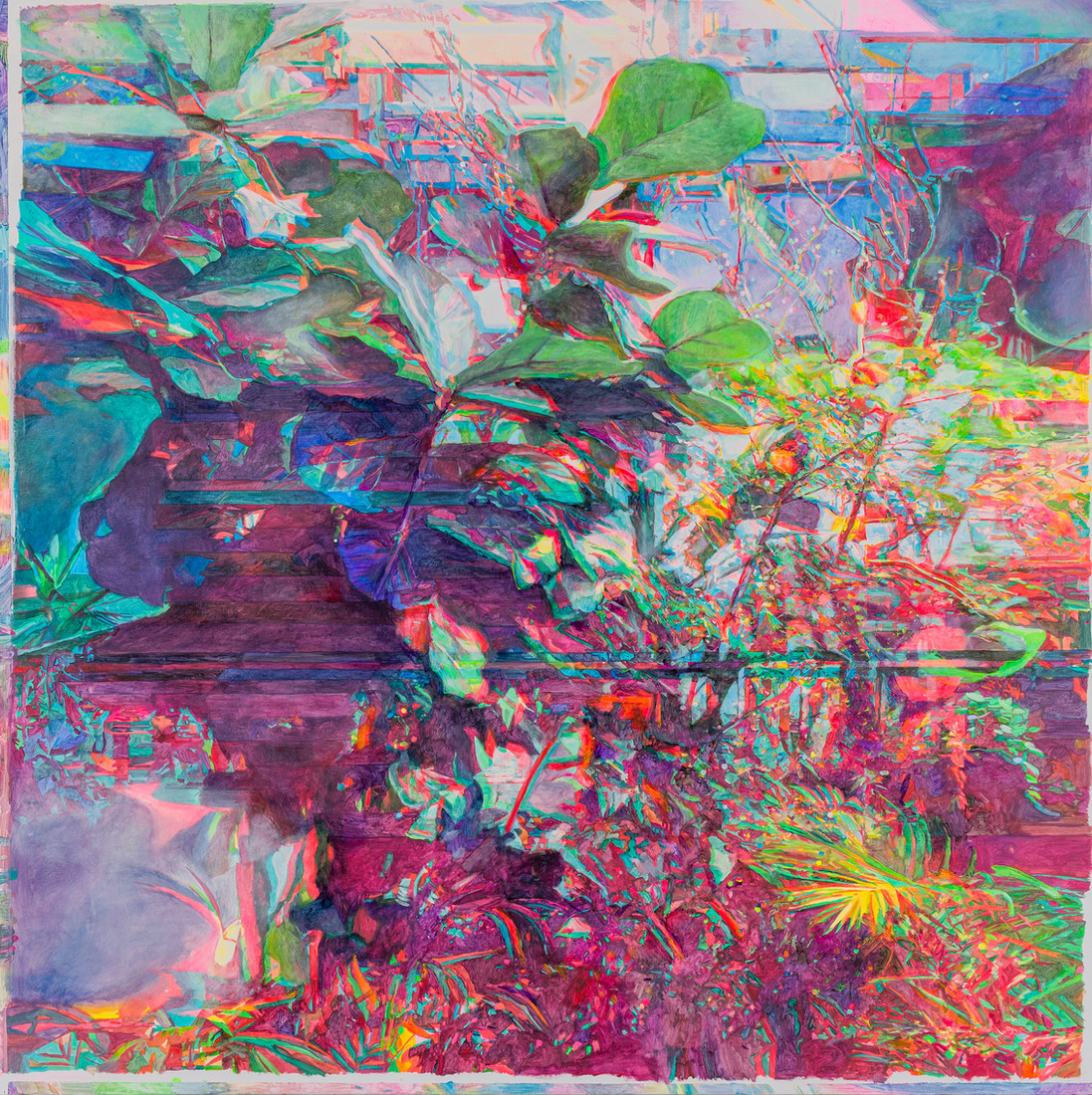
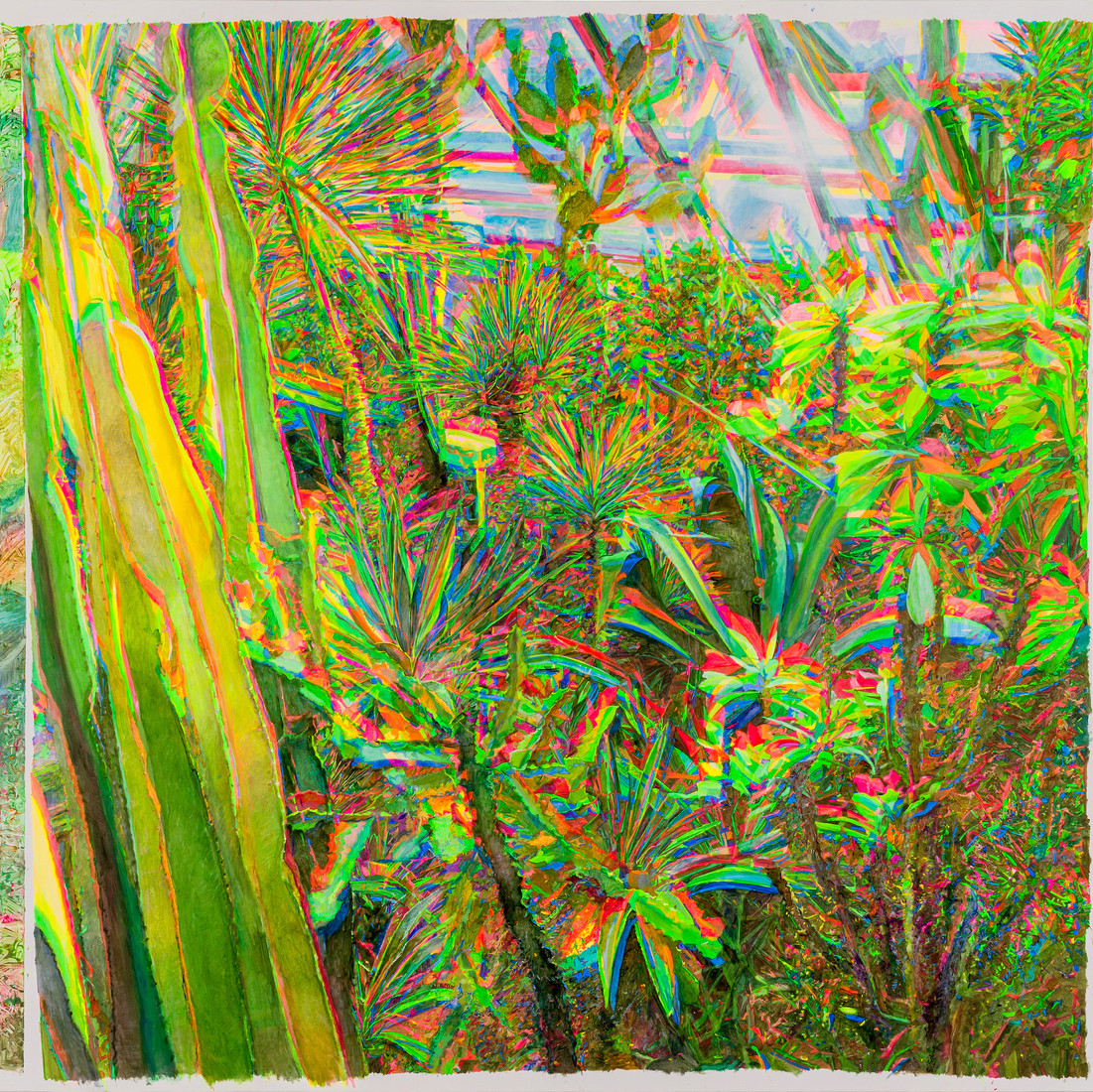
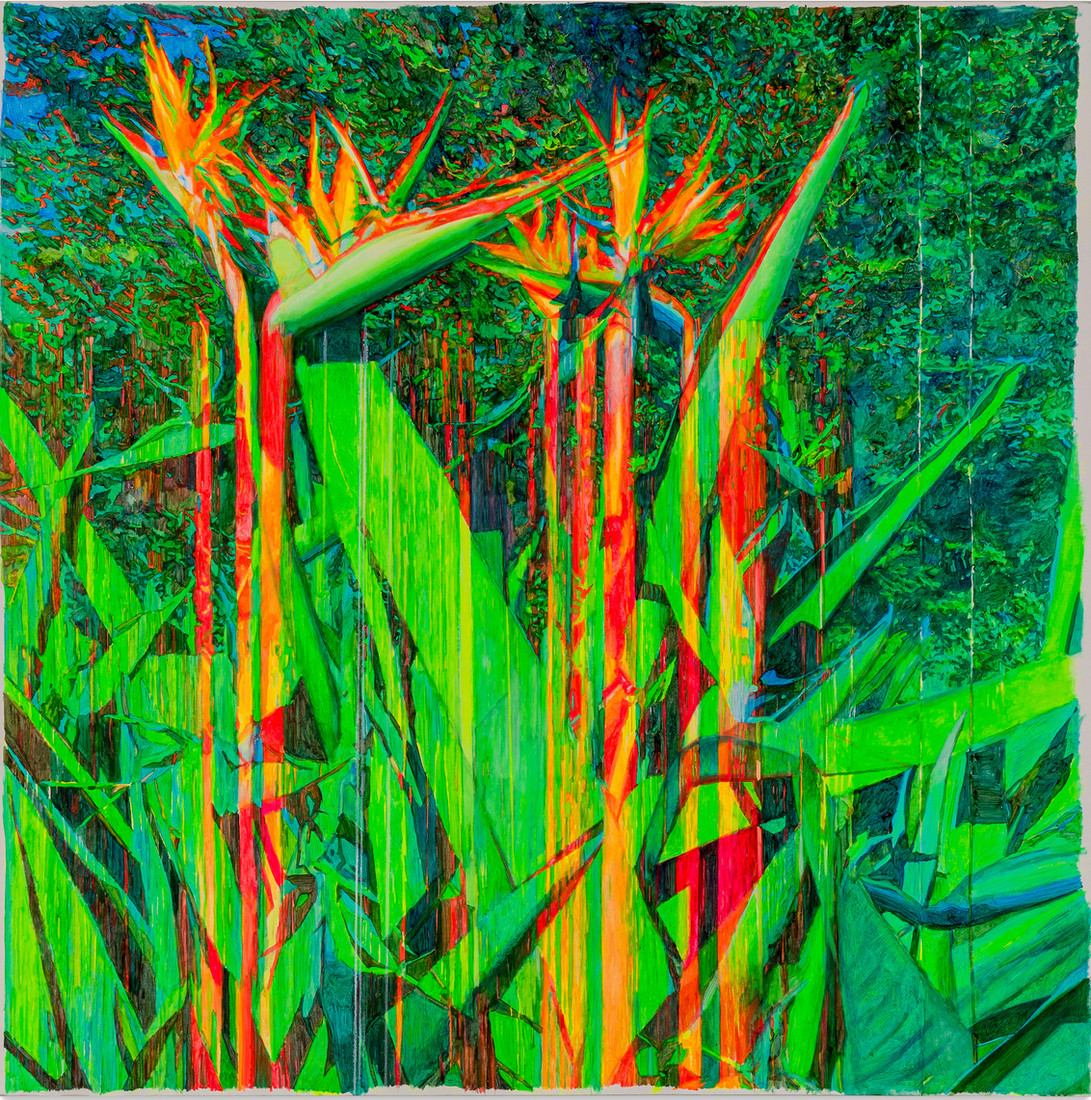
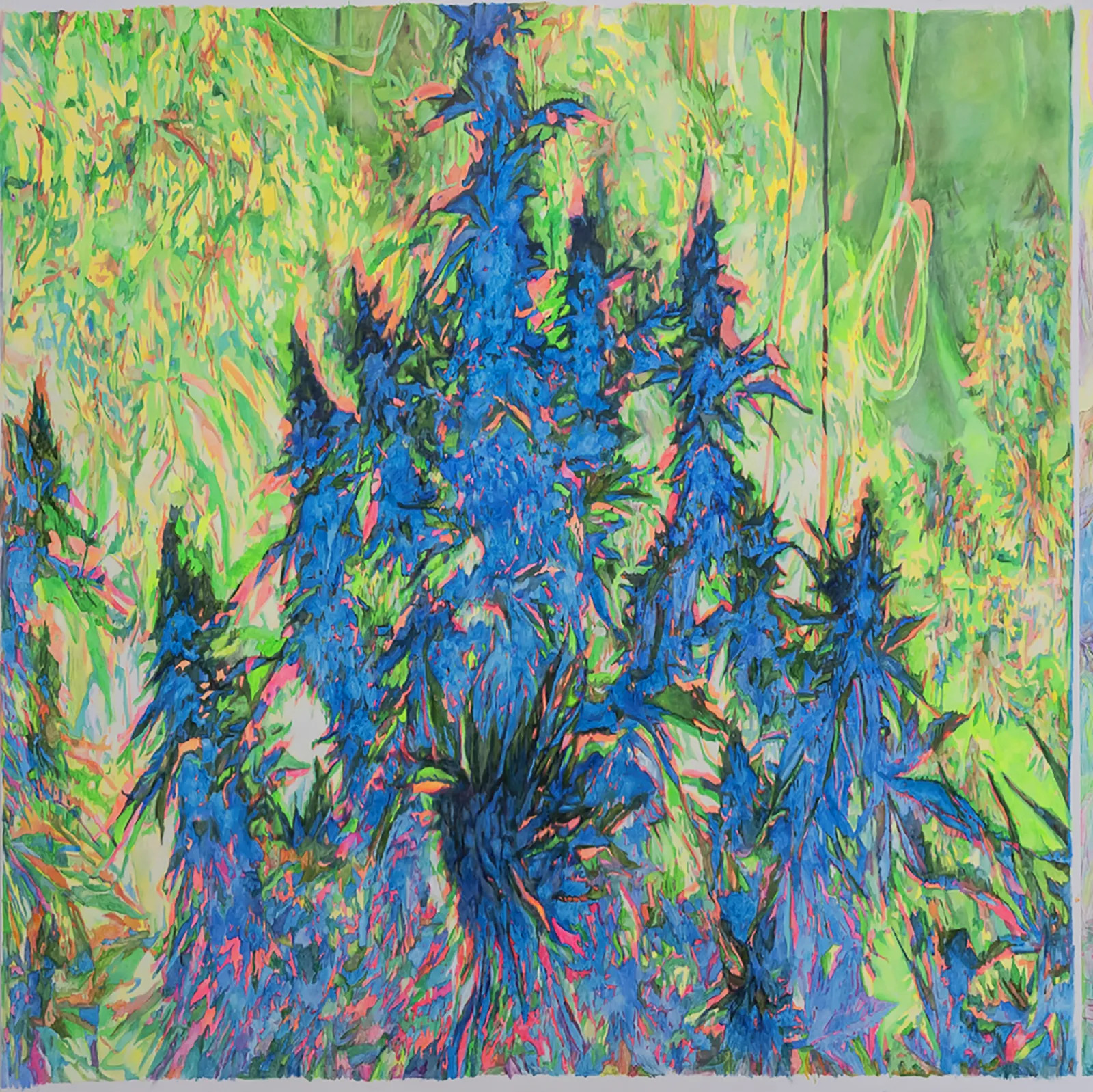
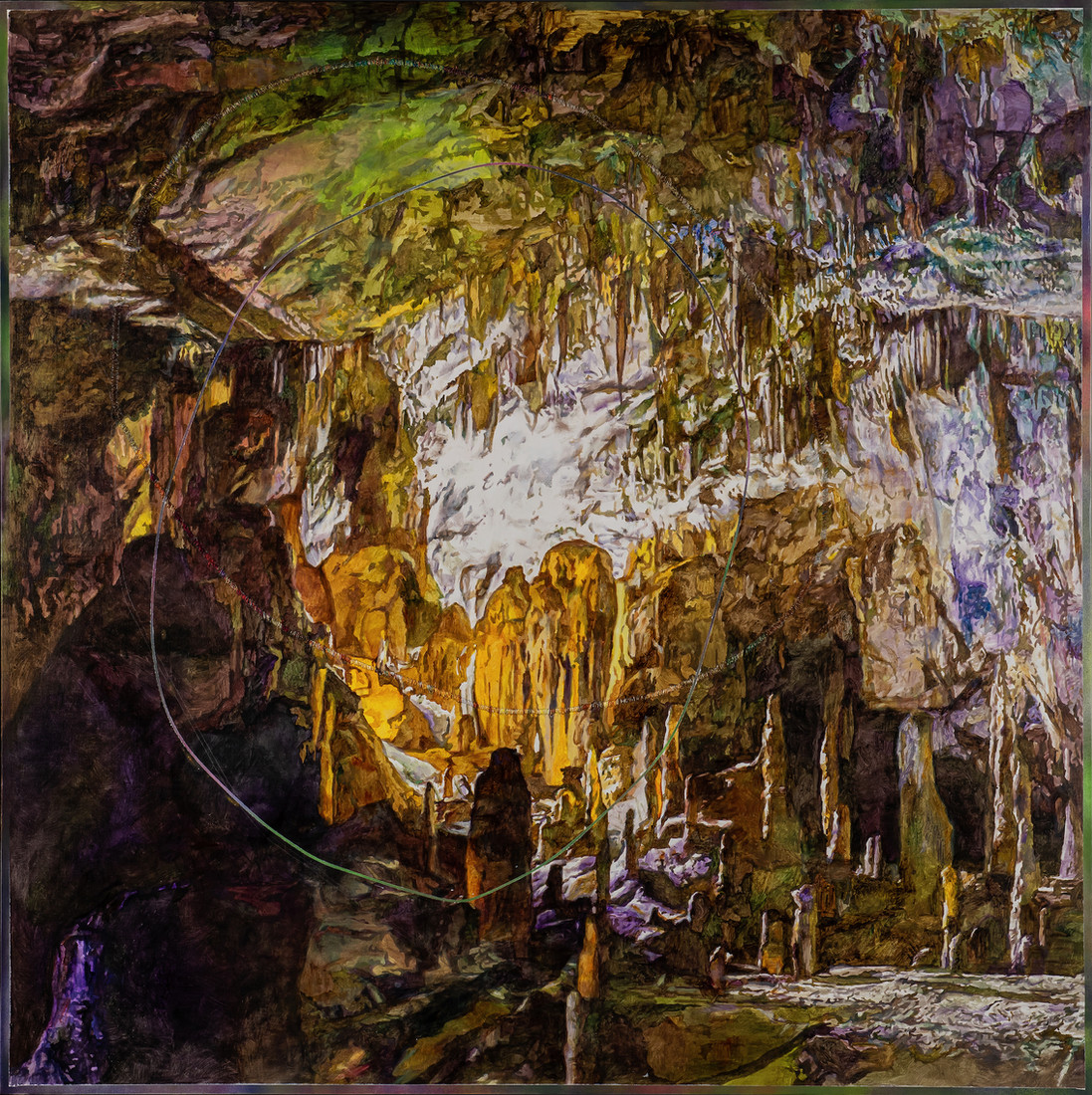
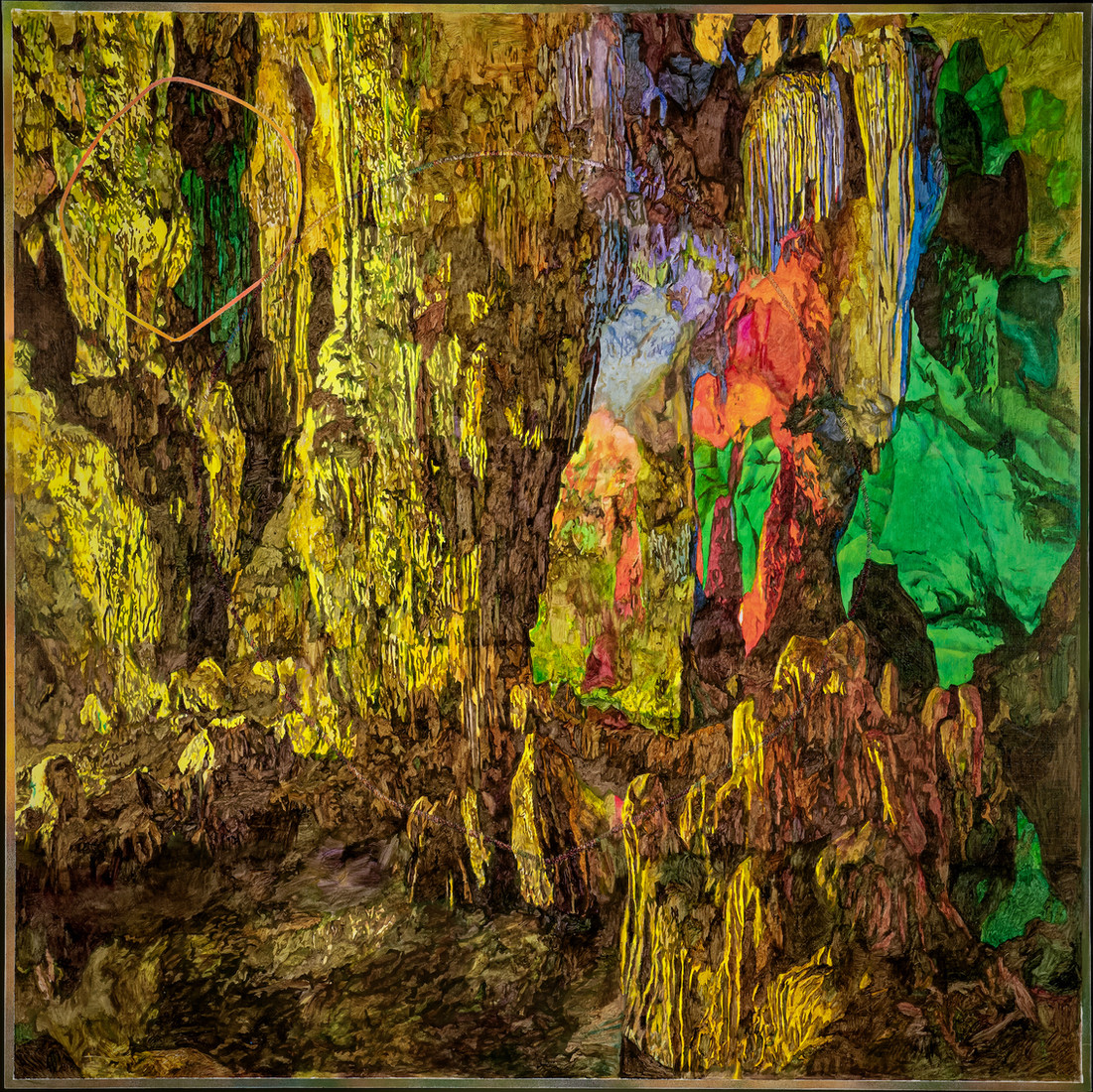
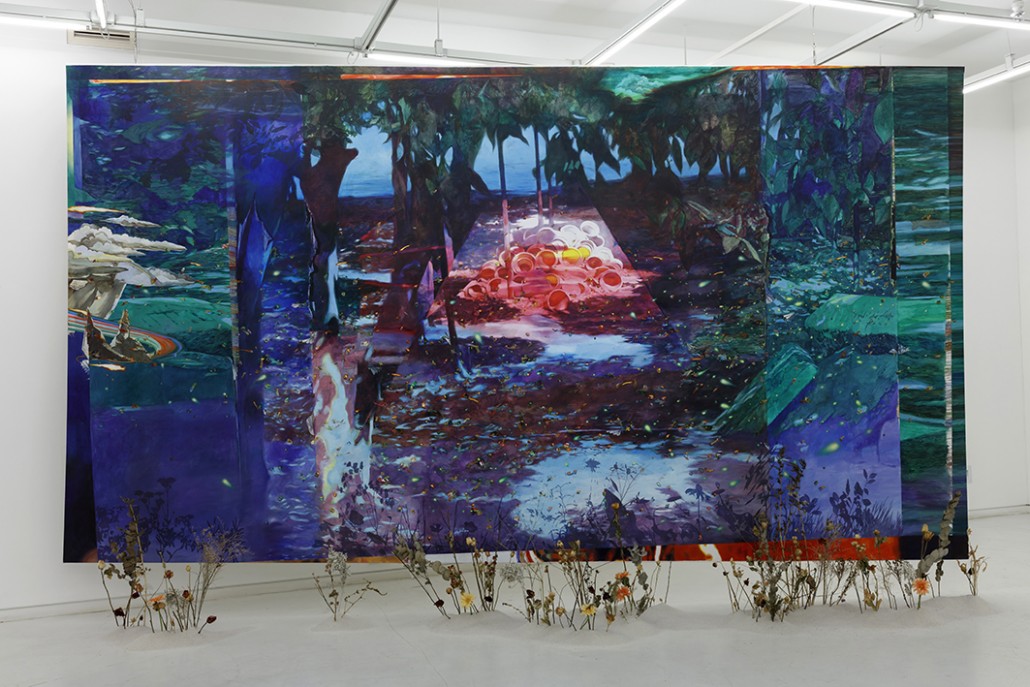
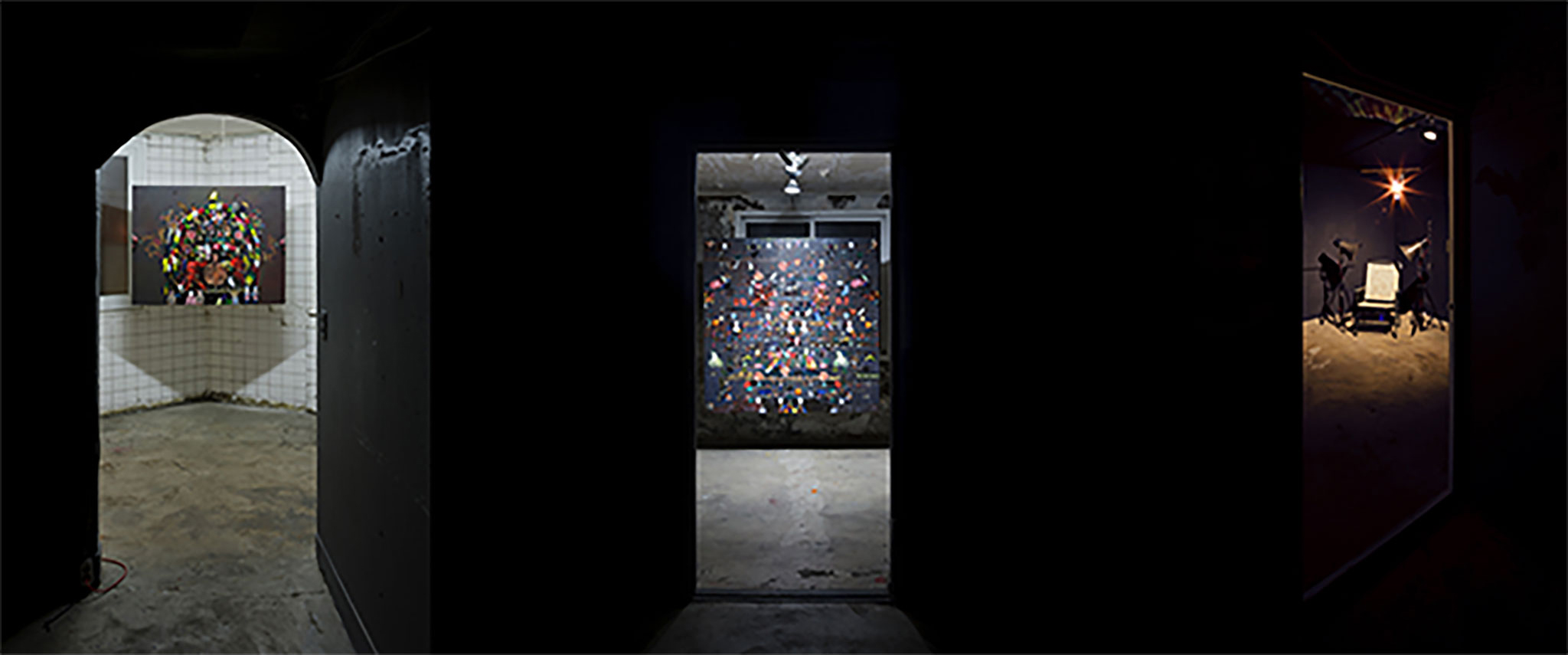
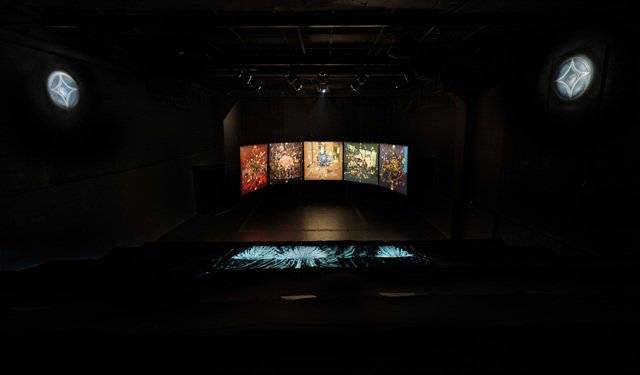
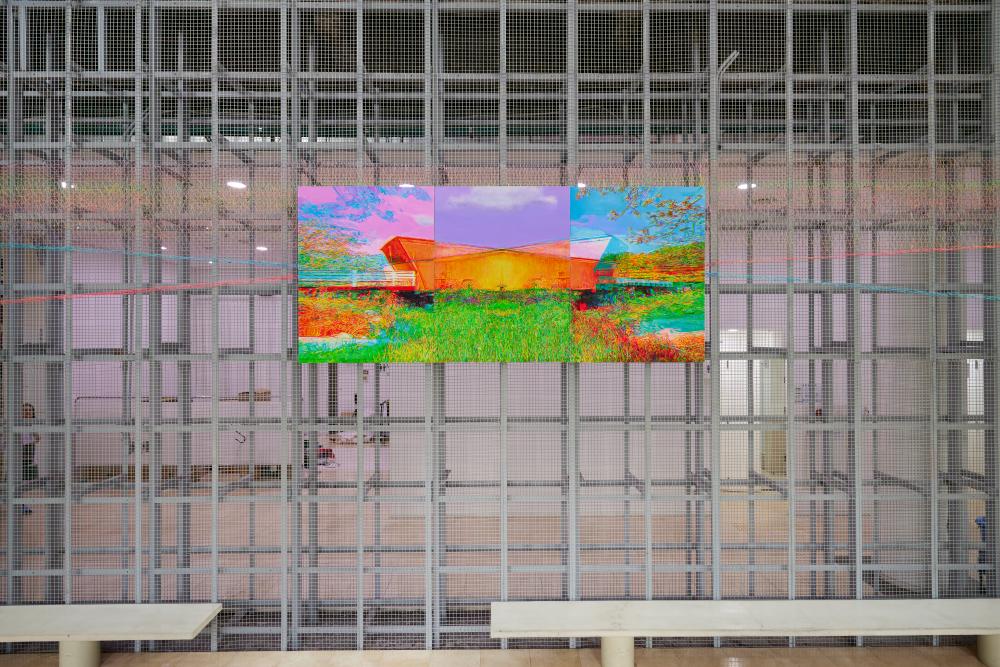
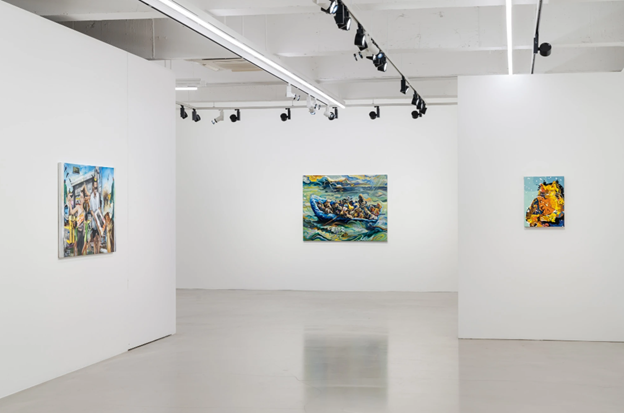
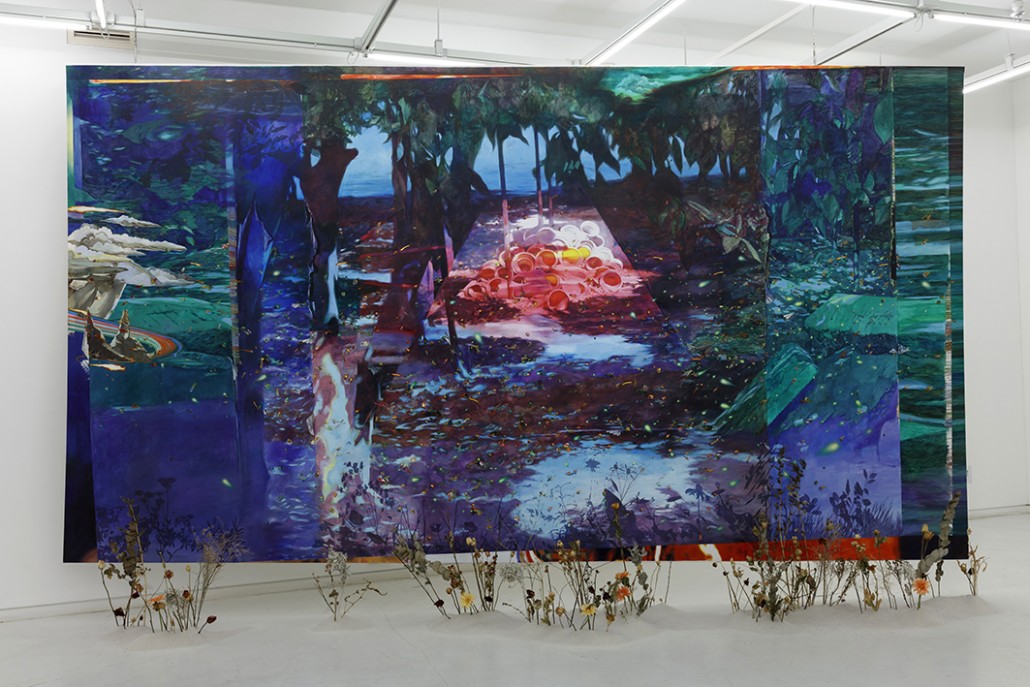
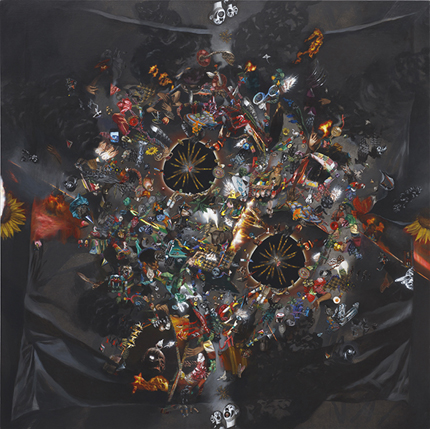
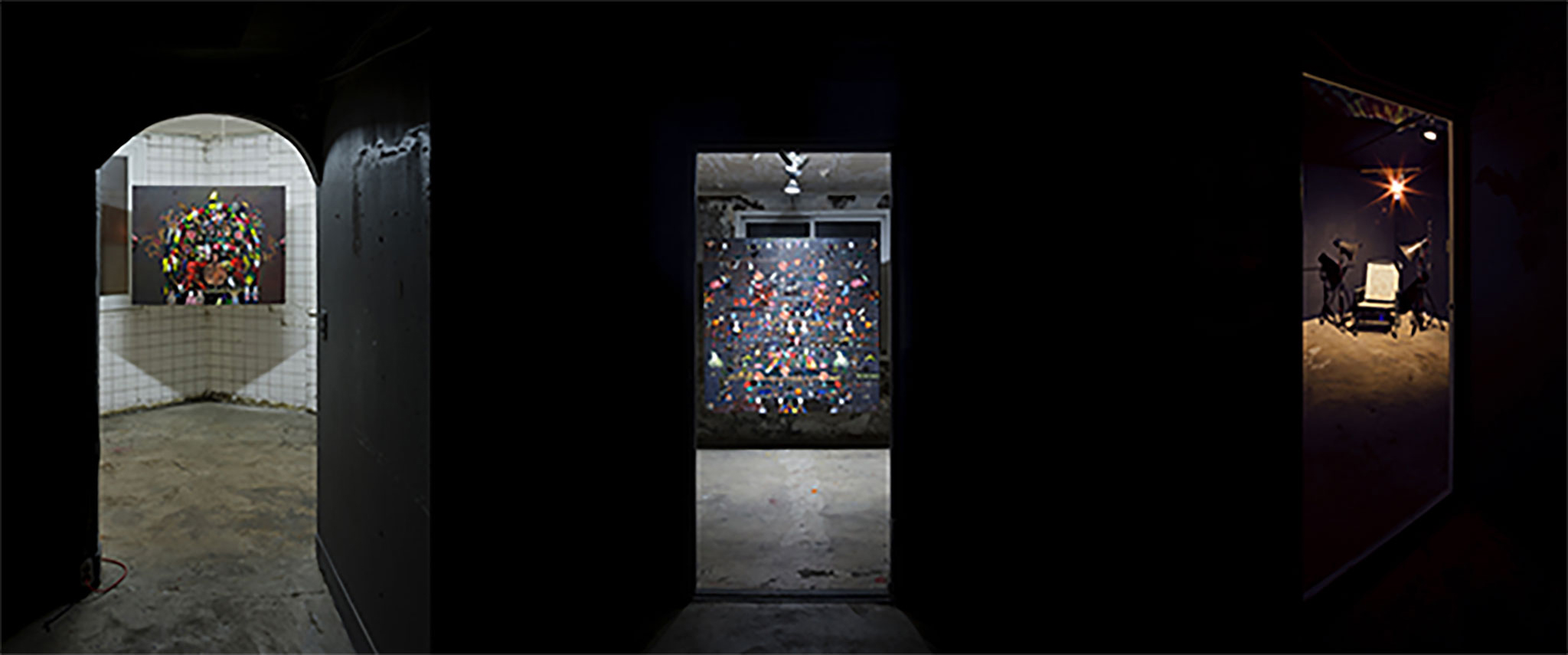
Choi Soo Jung’s practice explores liminal states where reality and fiction, order and chaos, familiarity and estrangement intersect. Drawing upon objects encountered in everyday life, fragments of memory, and symbolic imagery, she constructs worlds that resist reduction to fixed meanings.
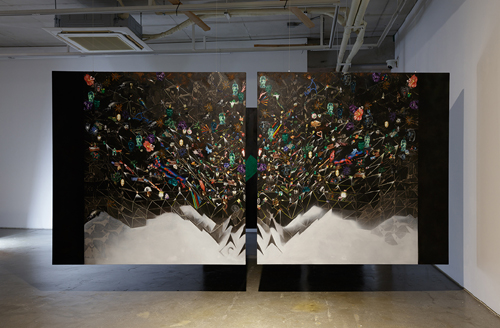
What matters in her work is not the narrative of an individual image, but the relationships and tensions that emerge through the encounter of disparate elements. Rather than leading viewers toward a single storyline, these networks of relations invite them into sensory situations in which multiple possibilities coexist simultaneously.
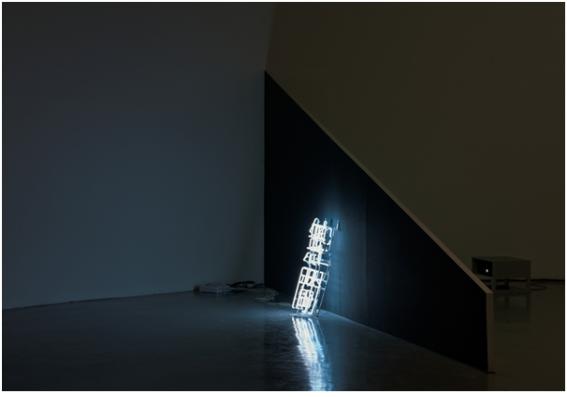
For many years, Choi has reflected on the question of distance between human beings and the world through concepts such as Mugan (無間), Gonggan (空間), and Hyeongan (玄間). Excessive intimacy can lead to sameness and repetition, while excessive distance can result in disconnection and alienation.
Choi focuses on the subtle interval formed between these two extremes, visualizing moments in which relationships emerge and perception becomes activated. In her work, space functions not merely as a backdrop but as a site of events where different beings and images encounter one another.
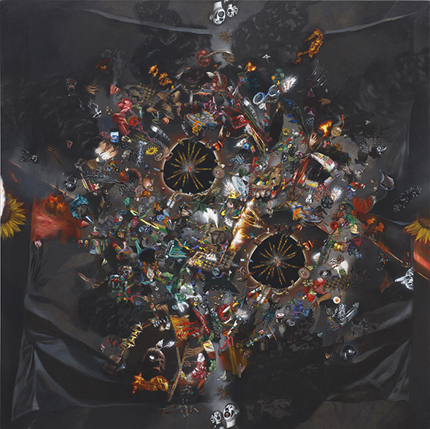
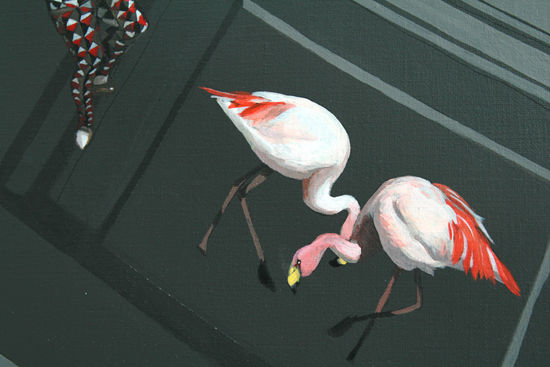
Recurring motifs such as clowns, masks, ruins, flames, minerals, and old postcards reveal processes of transformation and becoming. Among them, masks and clowns appear as symbols of metamorphosis, continuously shifting into other identities rather than remaining fixed.
These figures evoke questions of otherness and multiple selves that have long occupied the artist’s attention, extending her inquiry beyond an anthropocentric worldview toward a broader interest in worlds where diverse forms of existence coexist.
For Choi Soo Jung, art is an exploration of the processes through which different sensations, memories, and images collide and connect. The stages and masks, light and sound, and fragmented images that repeatedly appear throughout her work continually dismantle and reconfigure existing orders, placing viewers within situations where new relationships and meanings emerge.
Through these event-like structures, Choi persistently investigates the intervals that exist between beings and the possibilities of connection that arise across them.