2.
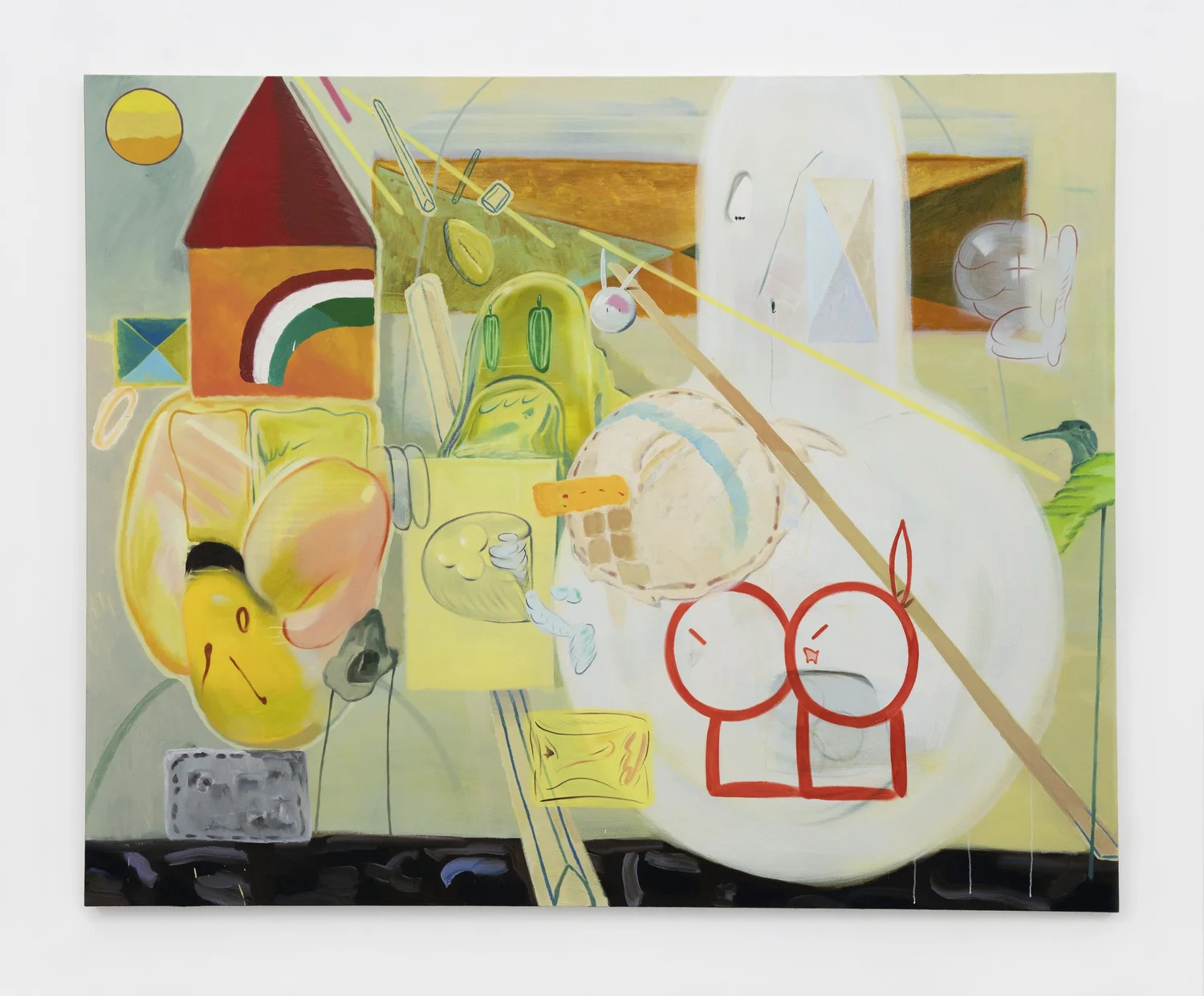
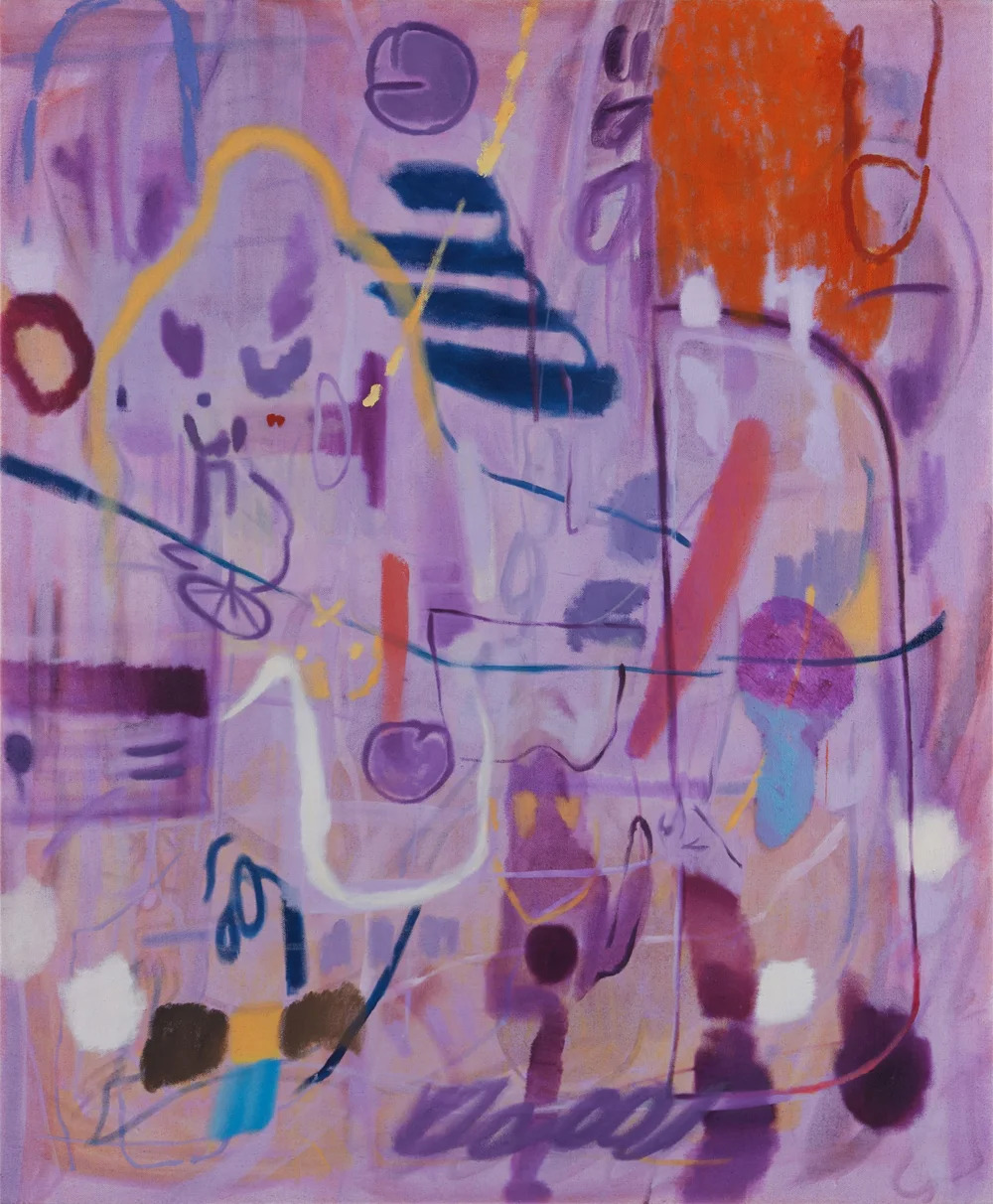
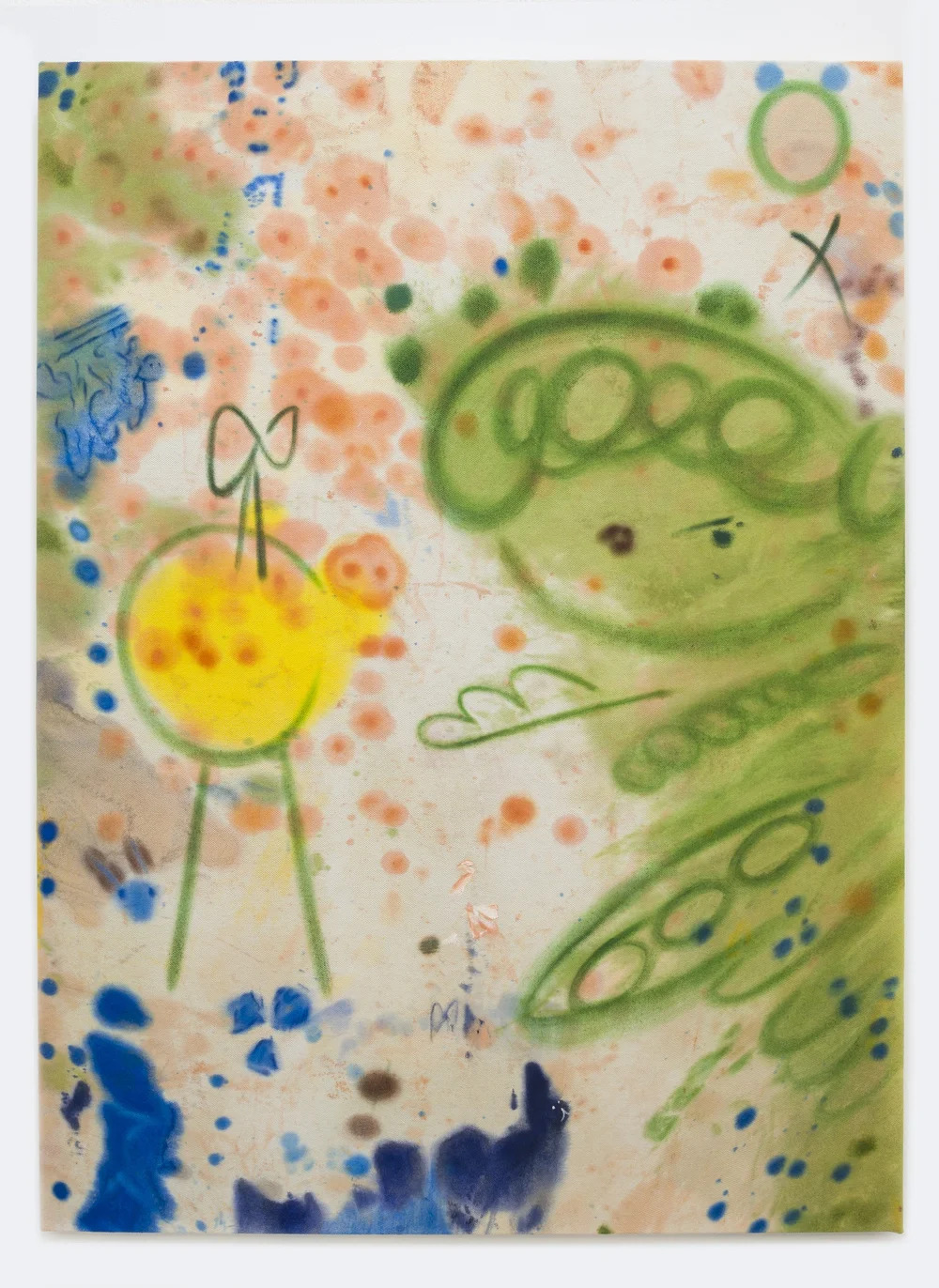
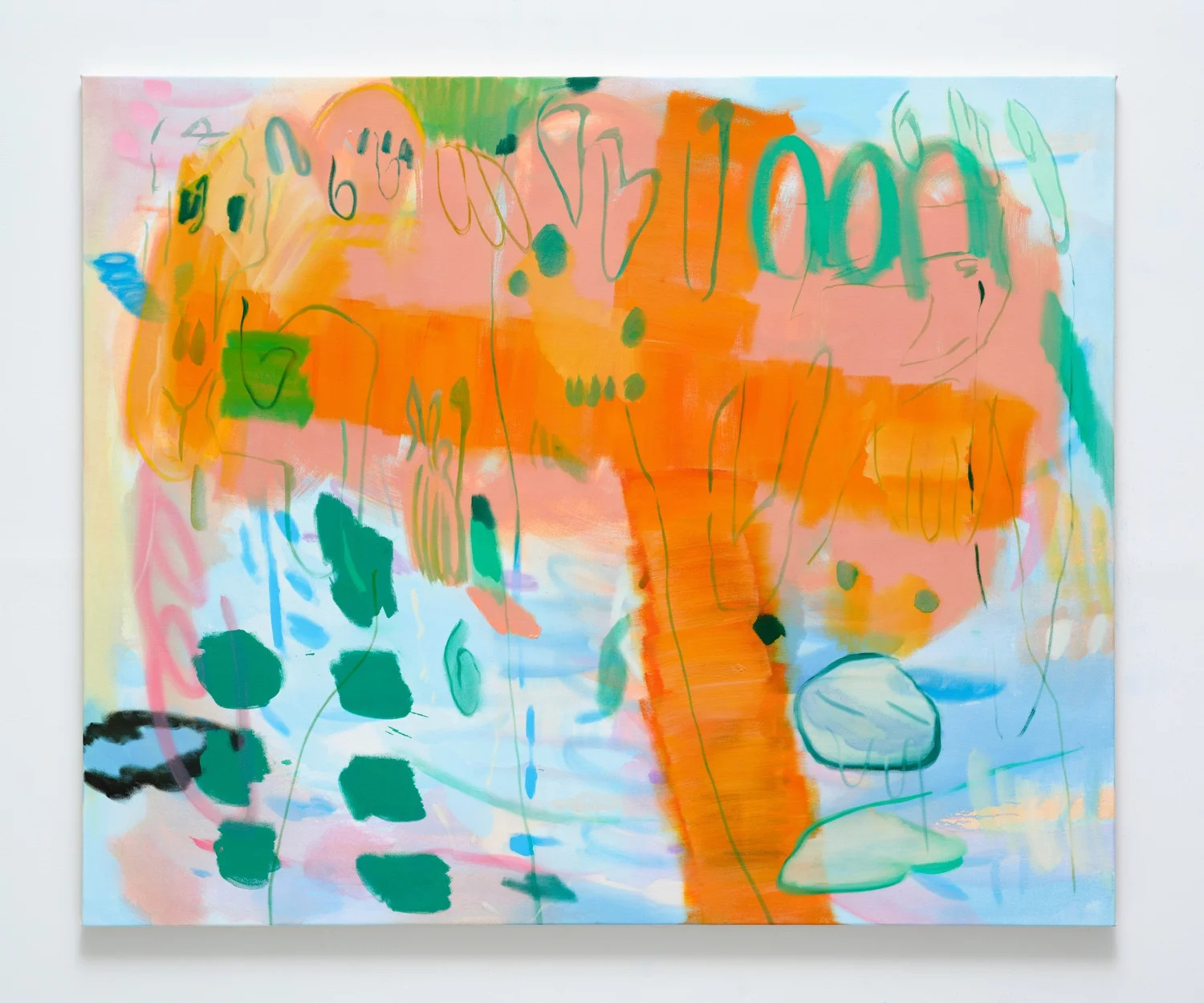
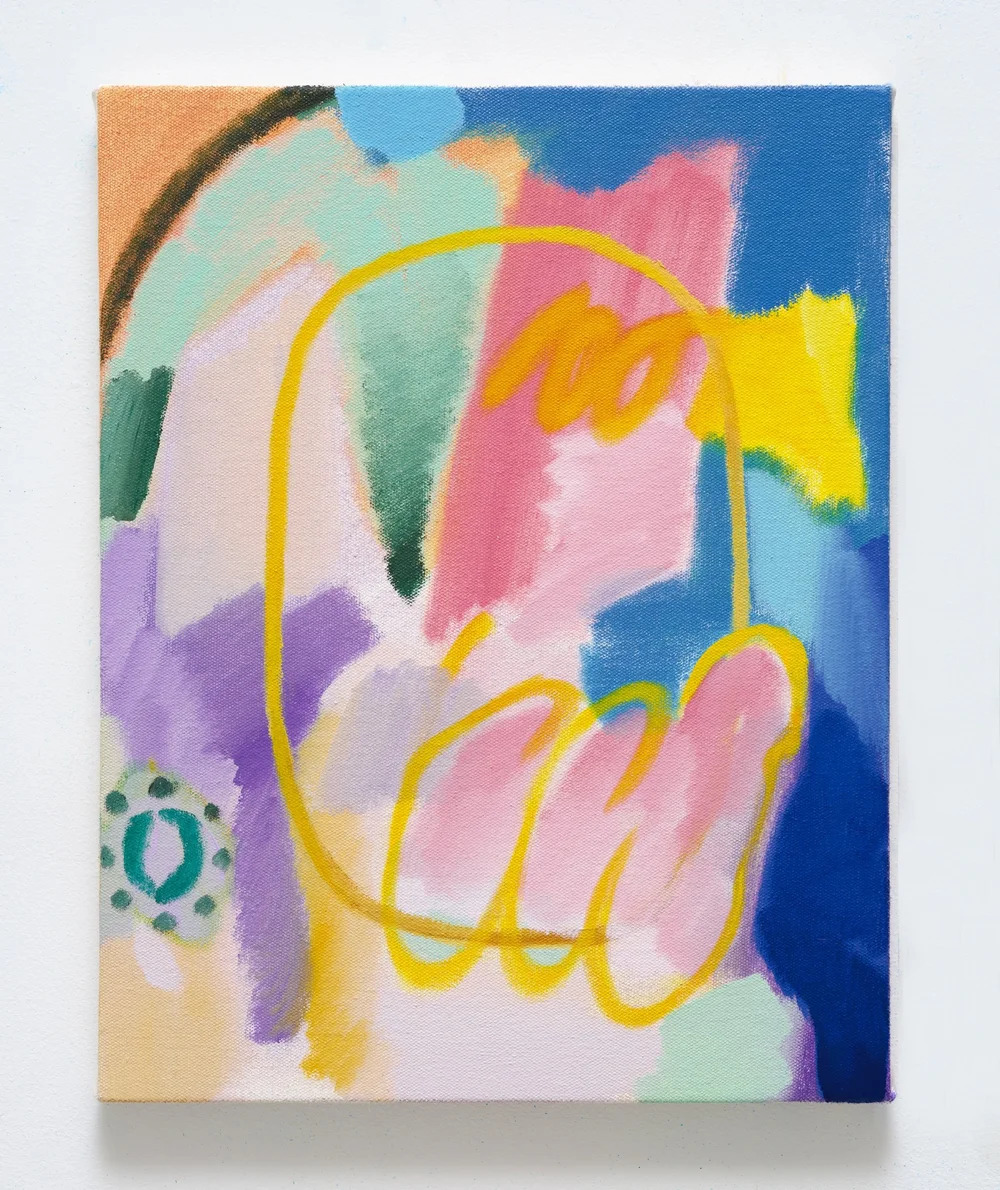
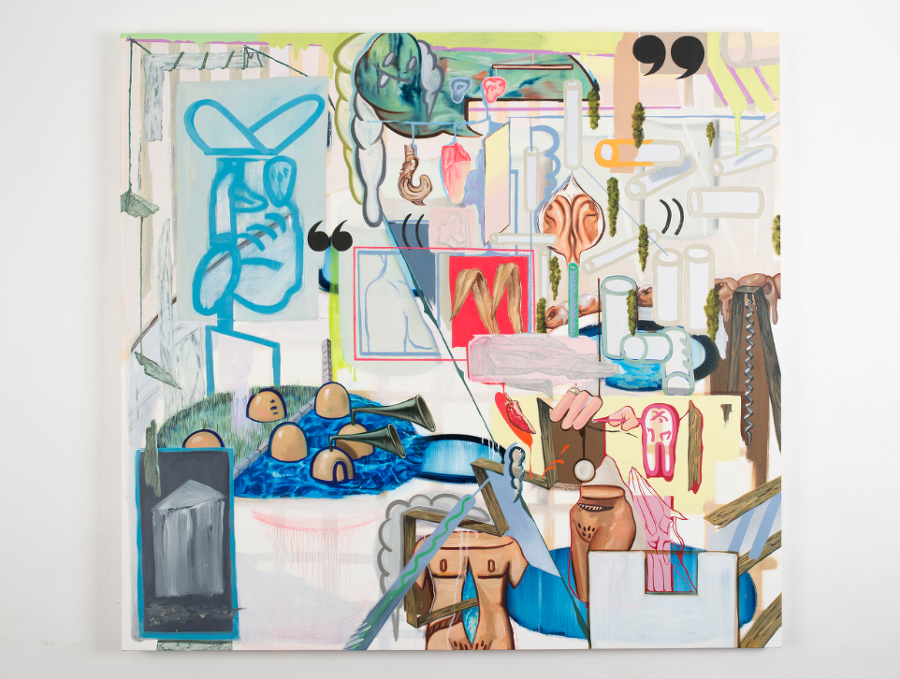
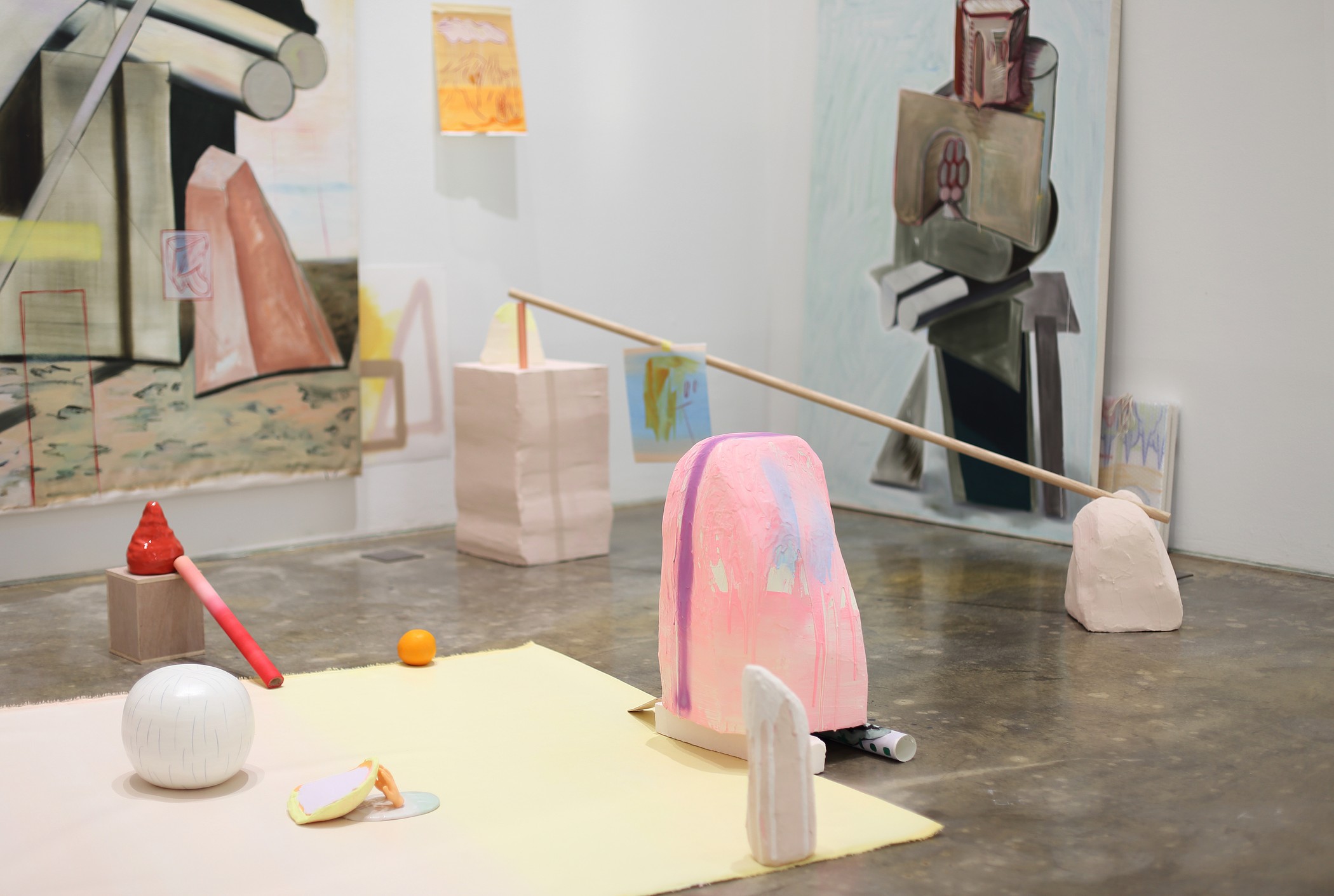
What does the term “sculptural painting” mean for Park Kyung Ryul? She has stated, “The essence of sculptural painting can be found in an attention to ‘the act of drawing’” (Artist note for 《To Counterclockwise》 [2020]). Here, the sculptural approach to the act of drawing is reminiscent of the preoccupation with making sculptural attempts in three-dimensional theatricality after modernism, and this can be seen as an analogy for the bodily act of arranging particular objects within a physical space.
Breaking away from the established environment of sculpture, when considering modernist attempts to experience the shape of “fact” through real materials in real space via the “use [of] edges and planes to shape an object,” it can be said that Park Kyung Ryul perceives paint and the canvas as one “material” and “substance” and views brushstrokes, which mediate between them and arrange them in space, as bodily acts (Rosalind E. Krauss, Passages in Modern Sculpture, The Viking Press, 1997, p. 266).
Here, although Park Kyung Ryul appears to pursue the rapid transformation to painting, it can be said that this is a three-dimensional transformation of the pictorial space that is characterized by its four edges.
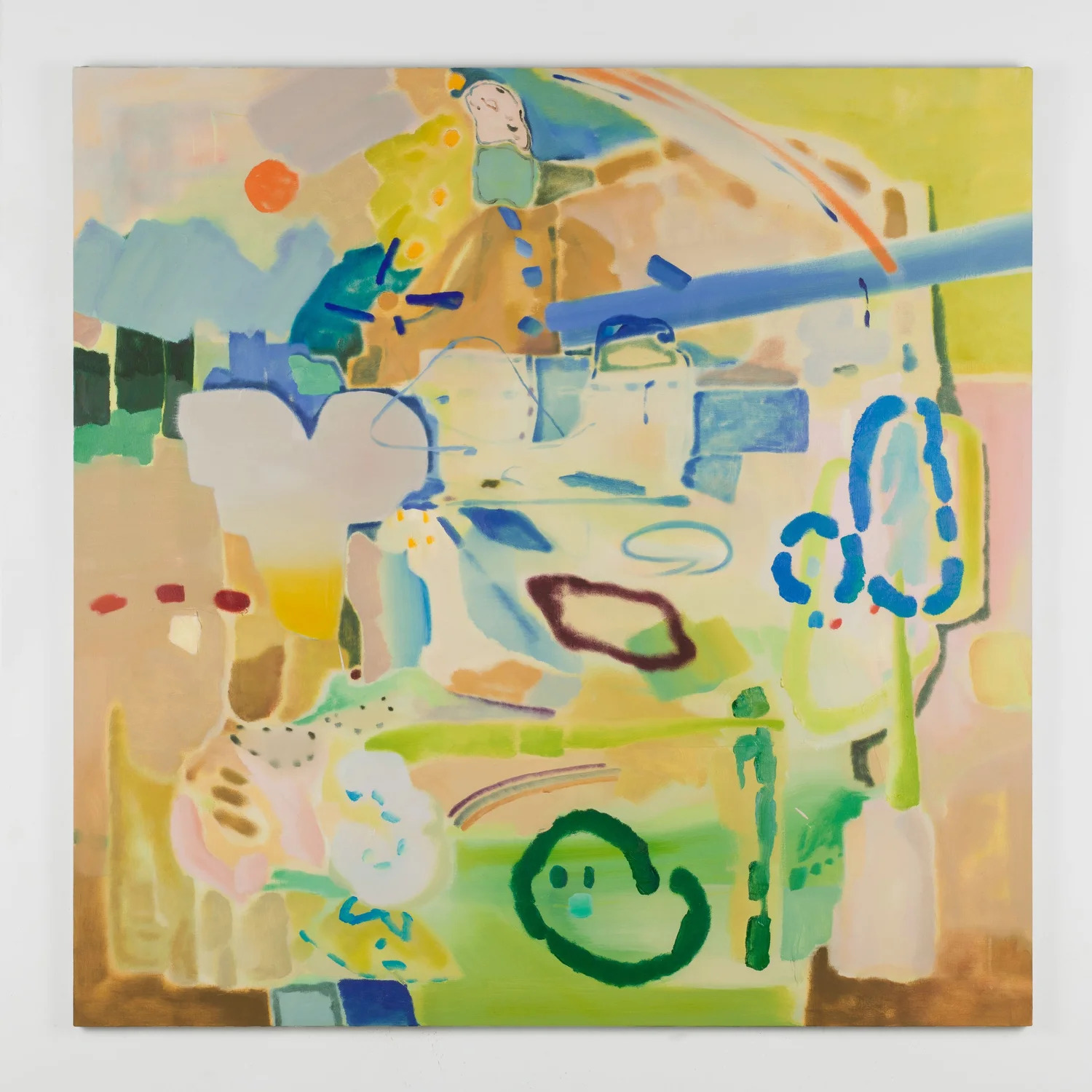
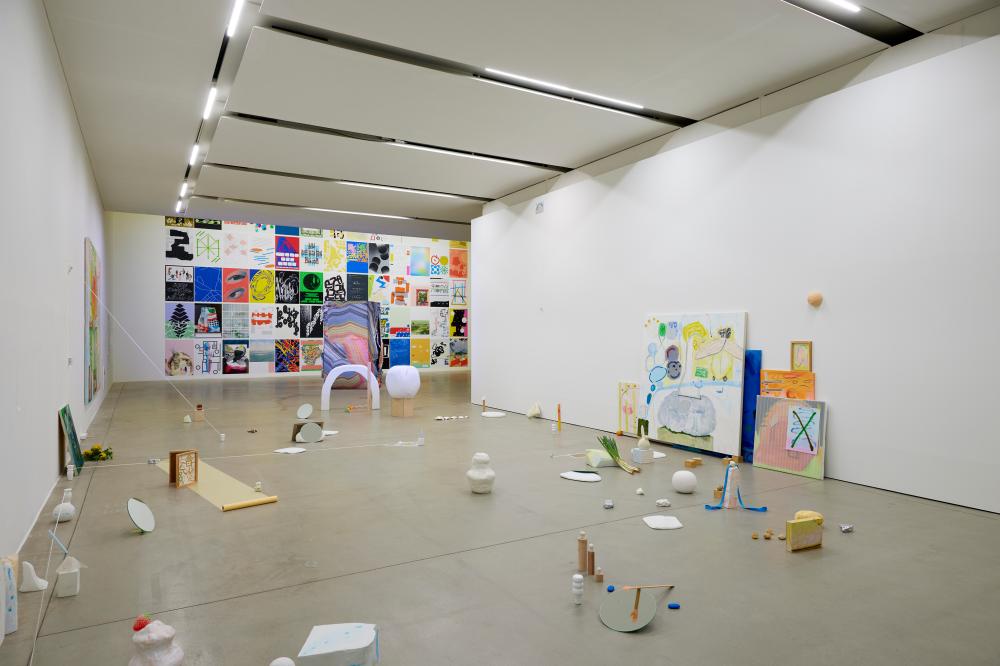
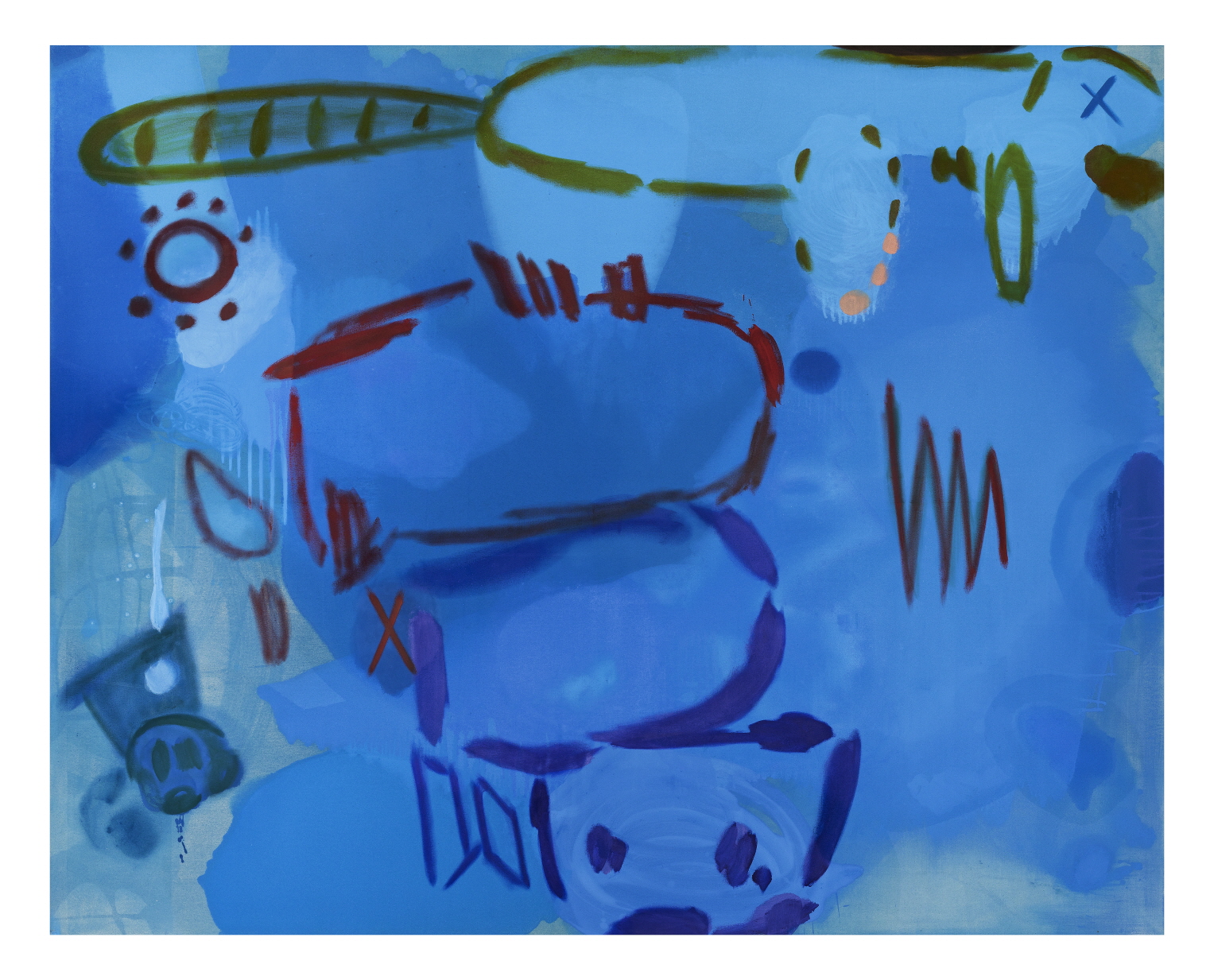
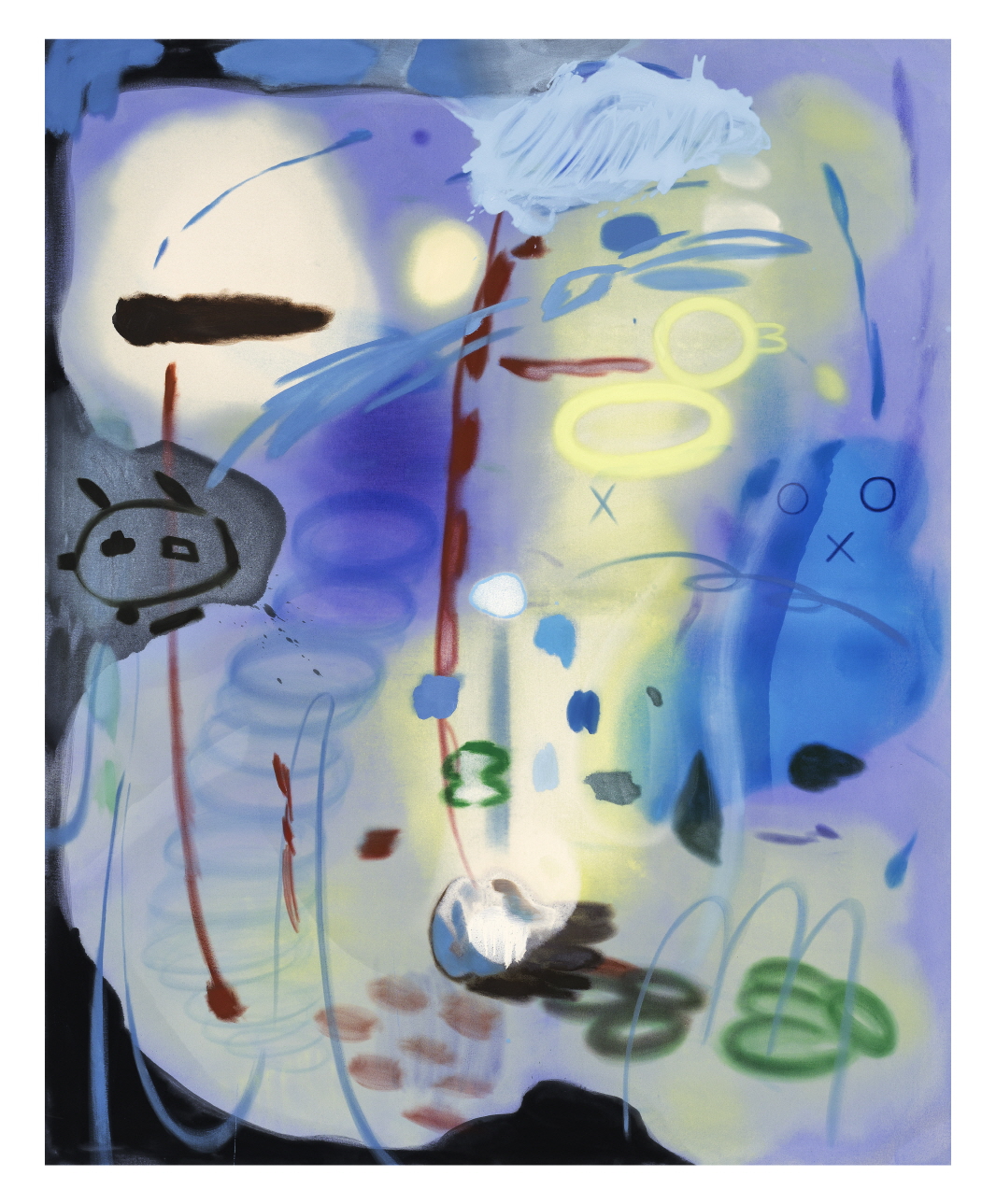
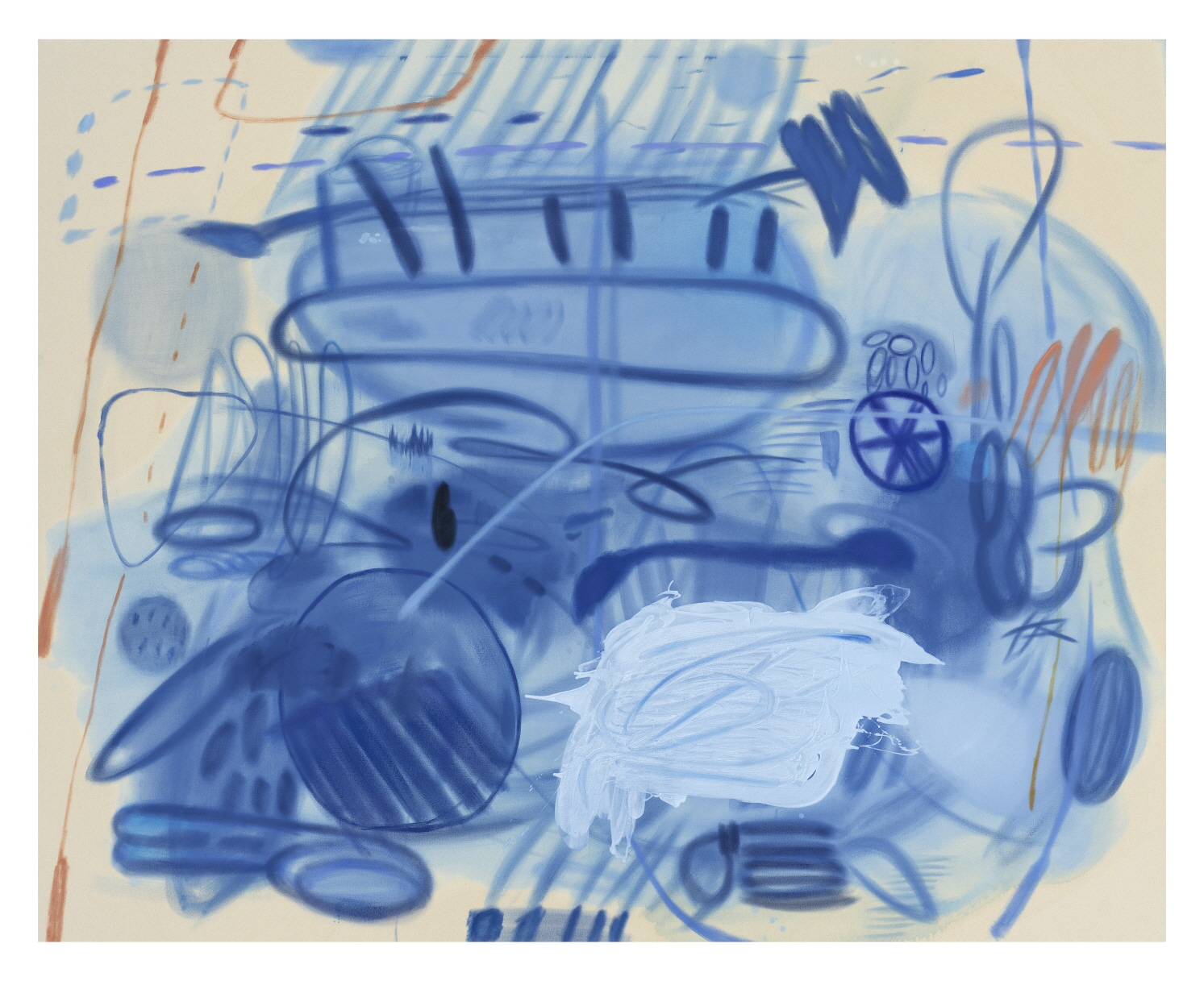
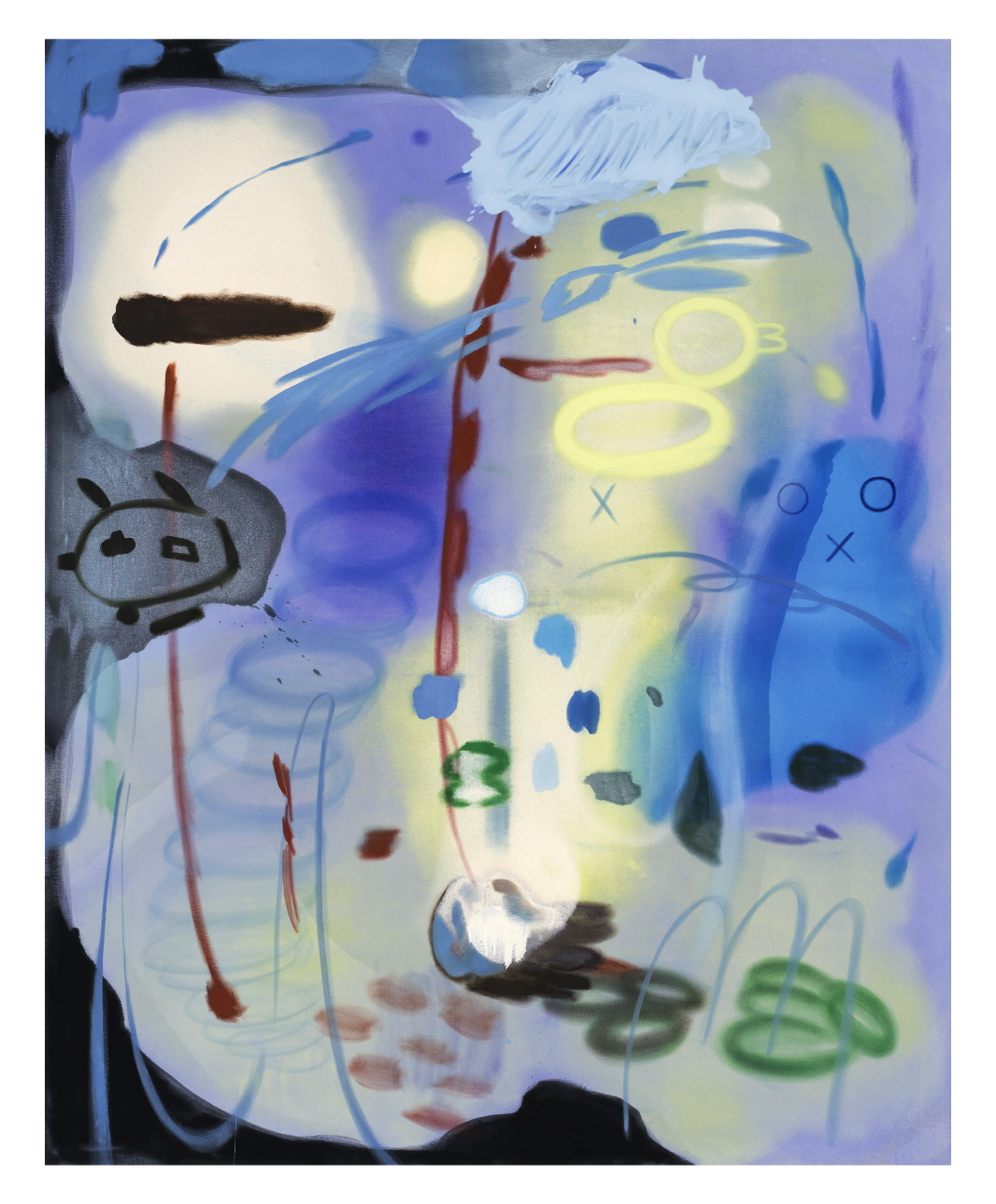
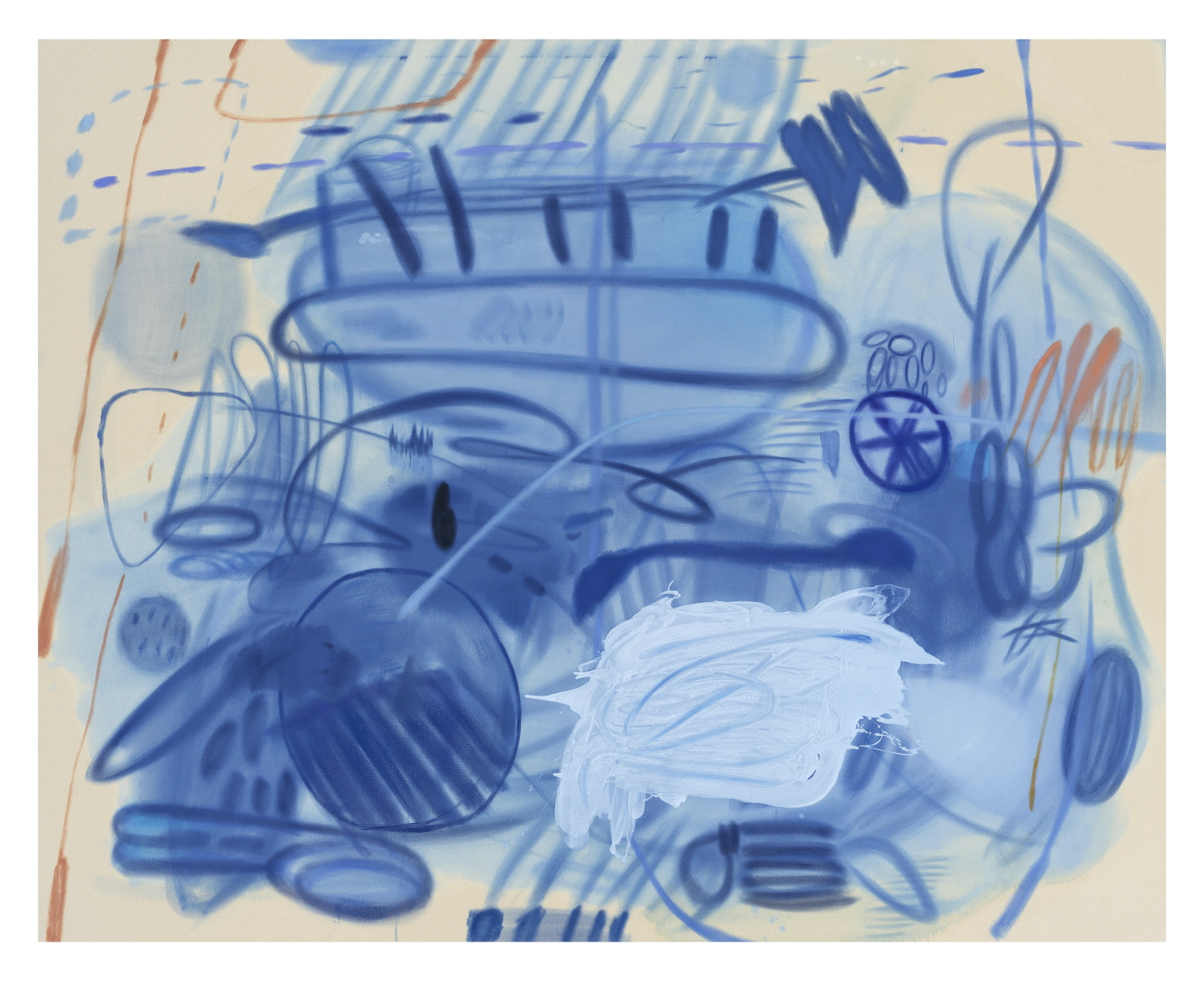
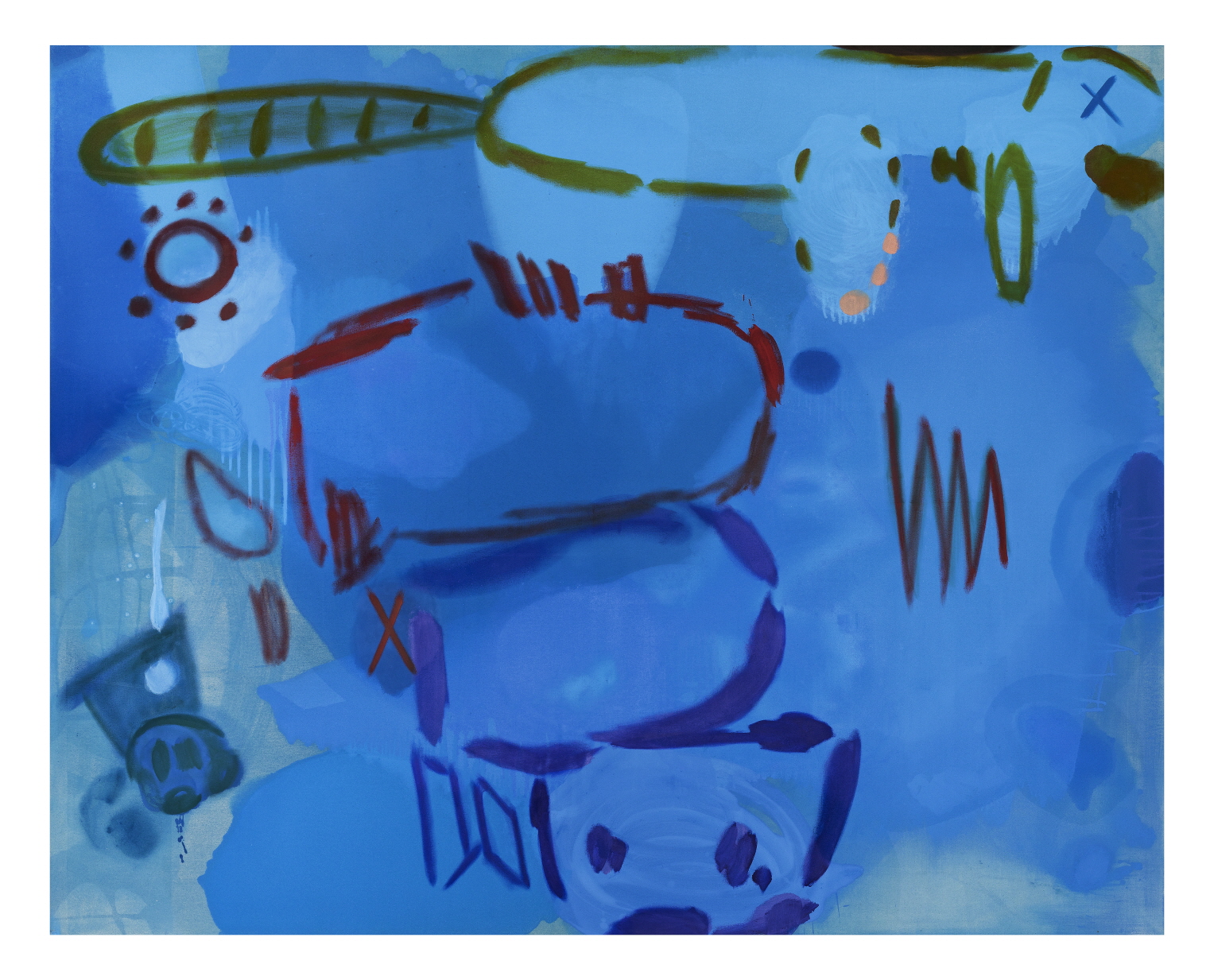
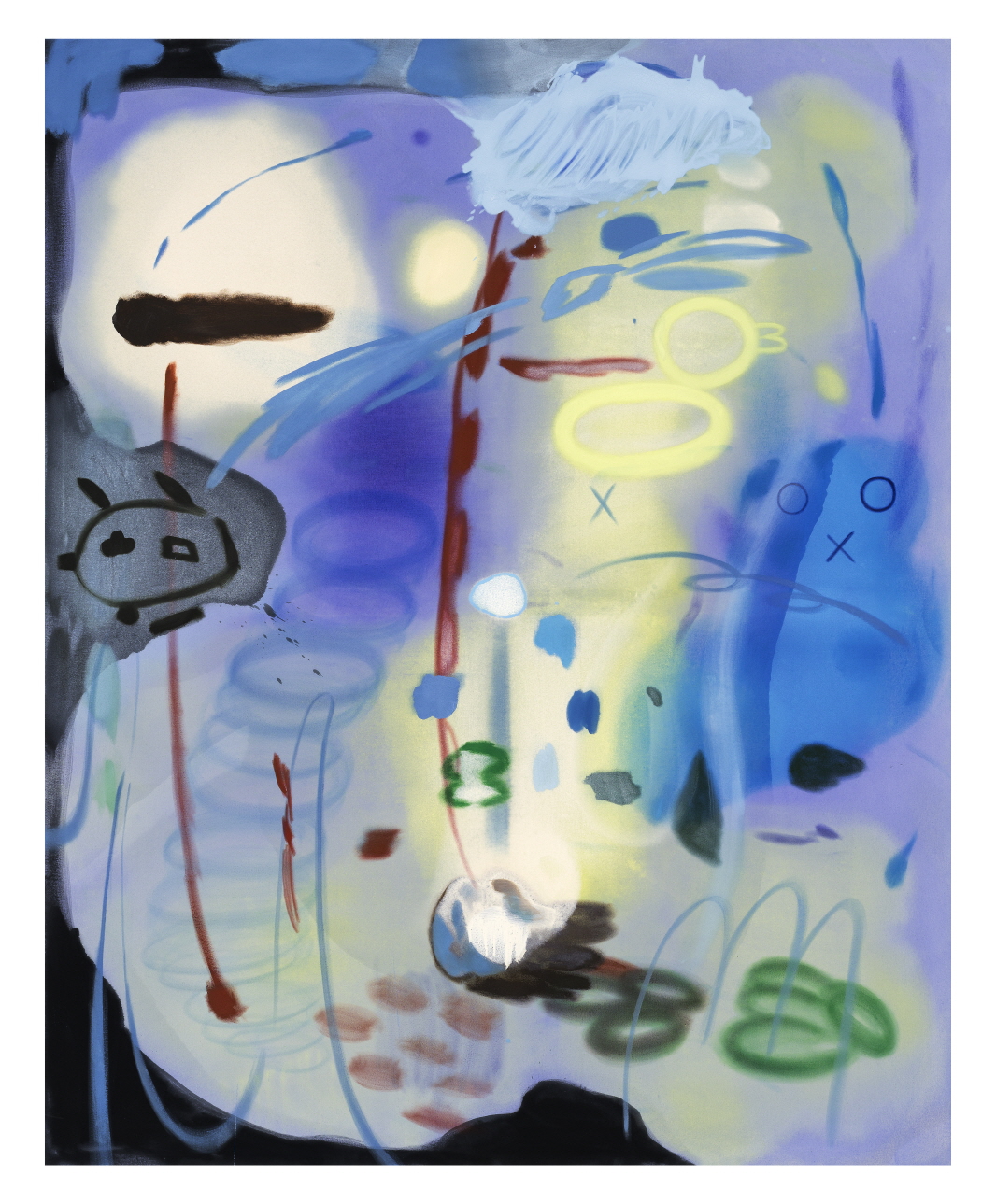
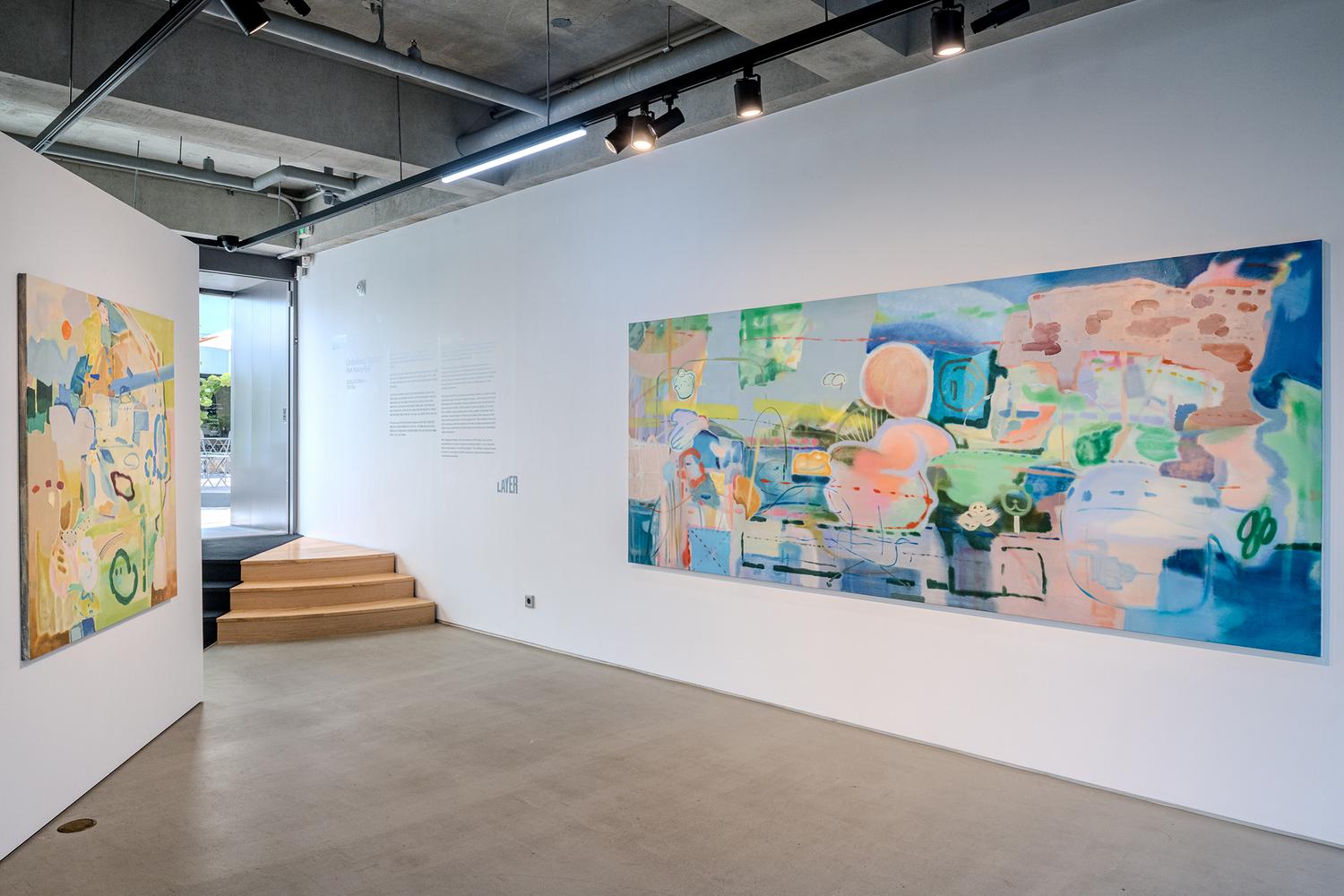
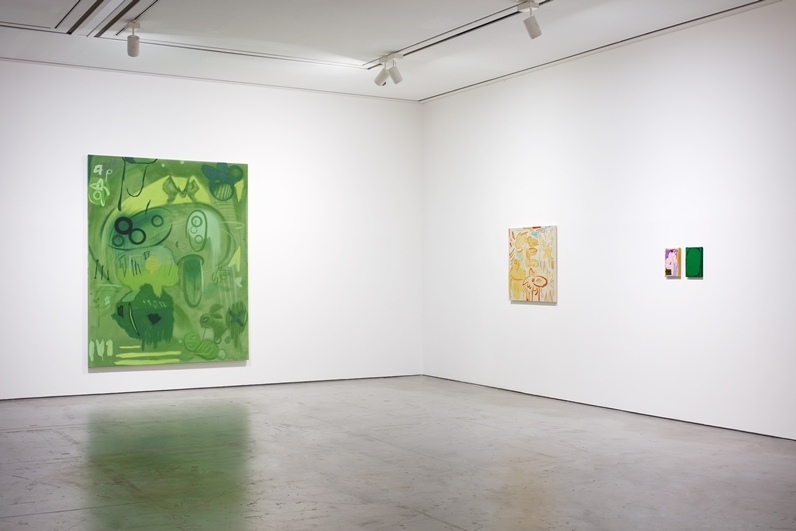
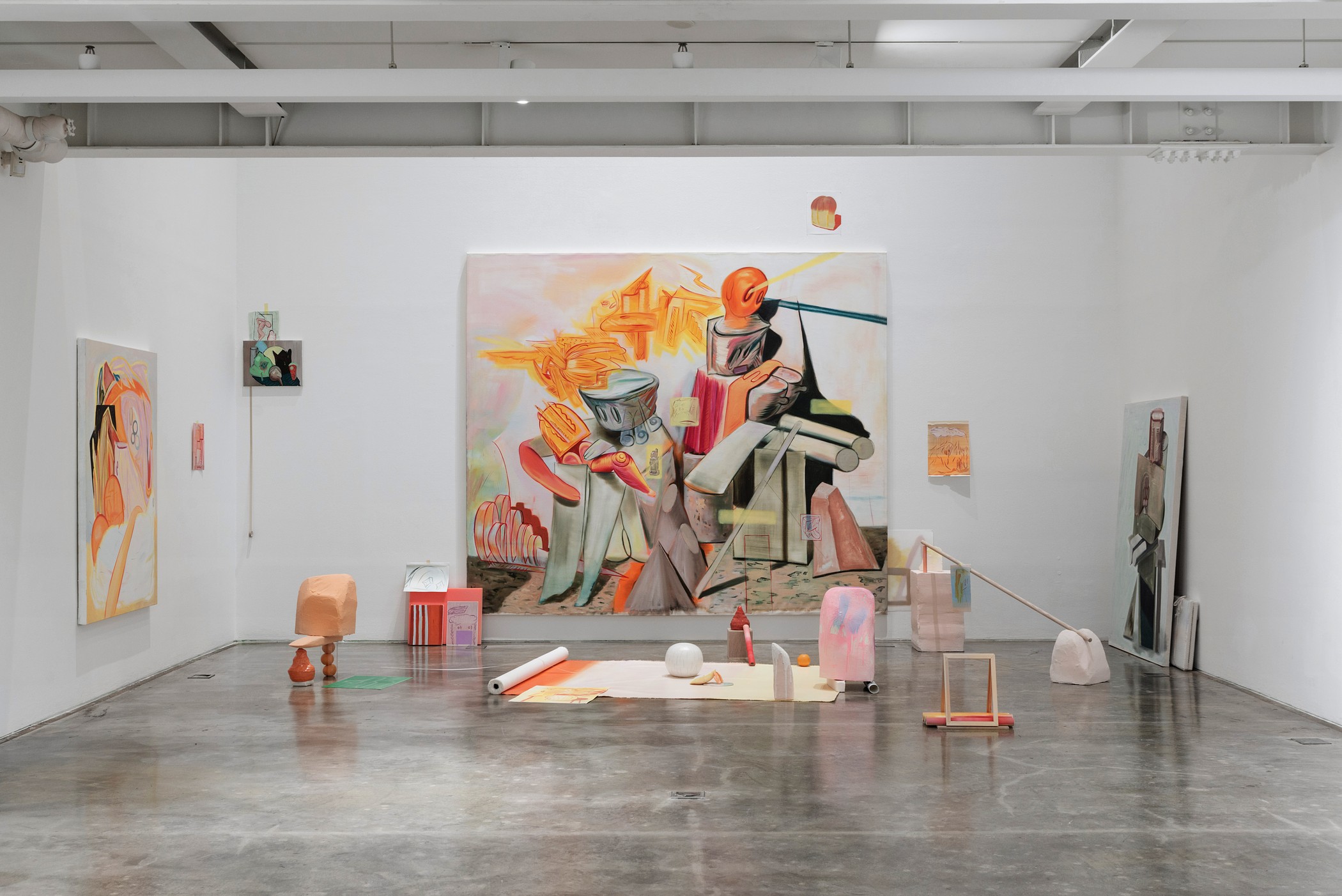
The 《Fantavision》 exhibition space is filled with canvasses that are either 182 cm x 227 cm or 227 cm x 182 cm. The title of each canvas contains the word “Picture” followed by a unique number and the parenthetical note “in blue.”
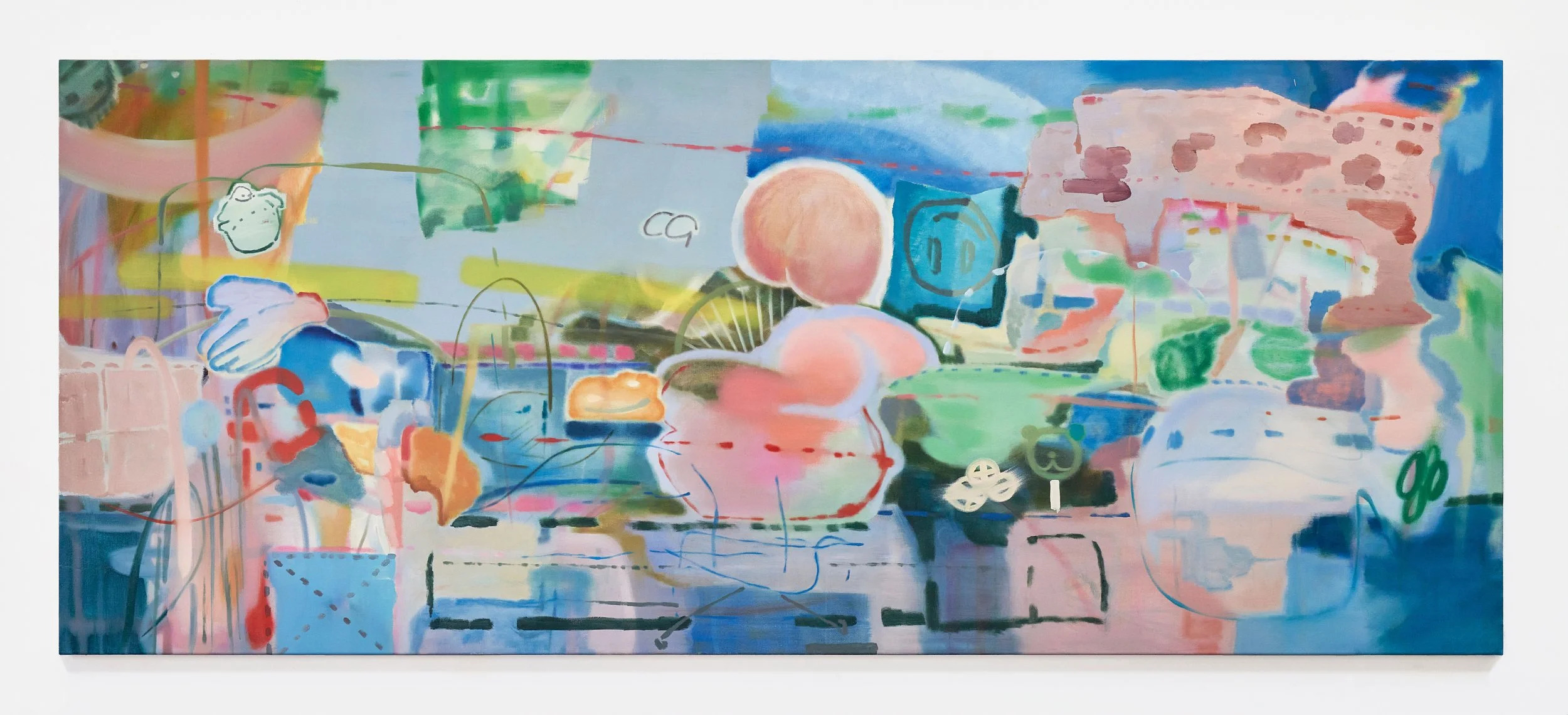
Moreover, when applying the blue paints, the artist draws on the techniques of atmospheric perspective, including sfumato, as well as Helen Frankenthaler’s soak-stain technique to create a highly immersive sense of space. For example, in Picture 94 (in Blue) (2021) and Picture 102 (in blue) (2021), the traces of the brush on the blue plain of each painting encourage the viewer to scan their surroundings and continually refocus their gaze.
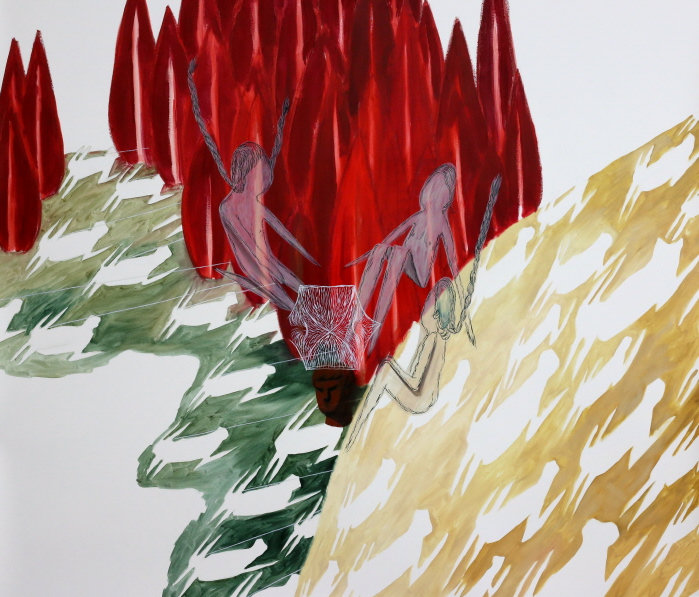
One of the paintings is painted using oil paint on a hemp canvas, and another is painted on a jute canvas. Park Kyung Ryul places great importance on the fabric of the canvas as a support for the painting. She has an intense, physical sense of the properties of the canvas cloth, which she sees as having a decisive influence on the surface of the painting.
Moreover, it is through this that she again experiments with the space of the painting. For example, she has experimented with the spatial potential of multi-dimension painting by balancing the use of blue paint, coloring techniques, and the materiality of the canvas.
The space of the painting that she has created emphasizes “transformation.” It begins with what she calls the act of painting, or rather, the brushstroke, and it causes the perception and recognition of space and object to intersect. For example, Park Kyung Ryul meticulously examines the properties and composition of the fabric as a flat support for the painting, and, through brushstrokes, she produces subtle differences on the surface.
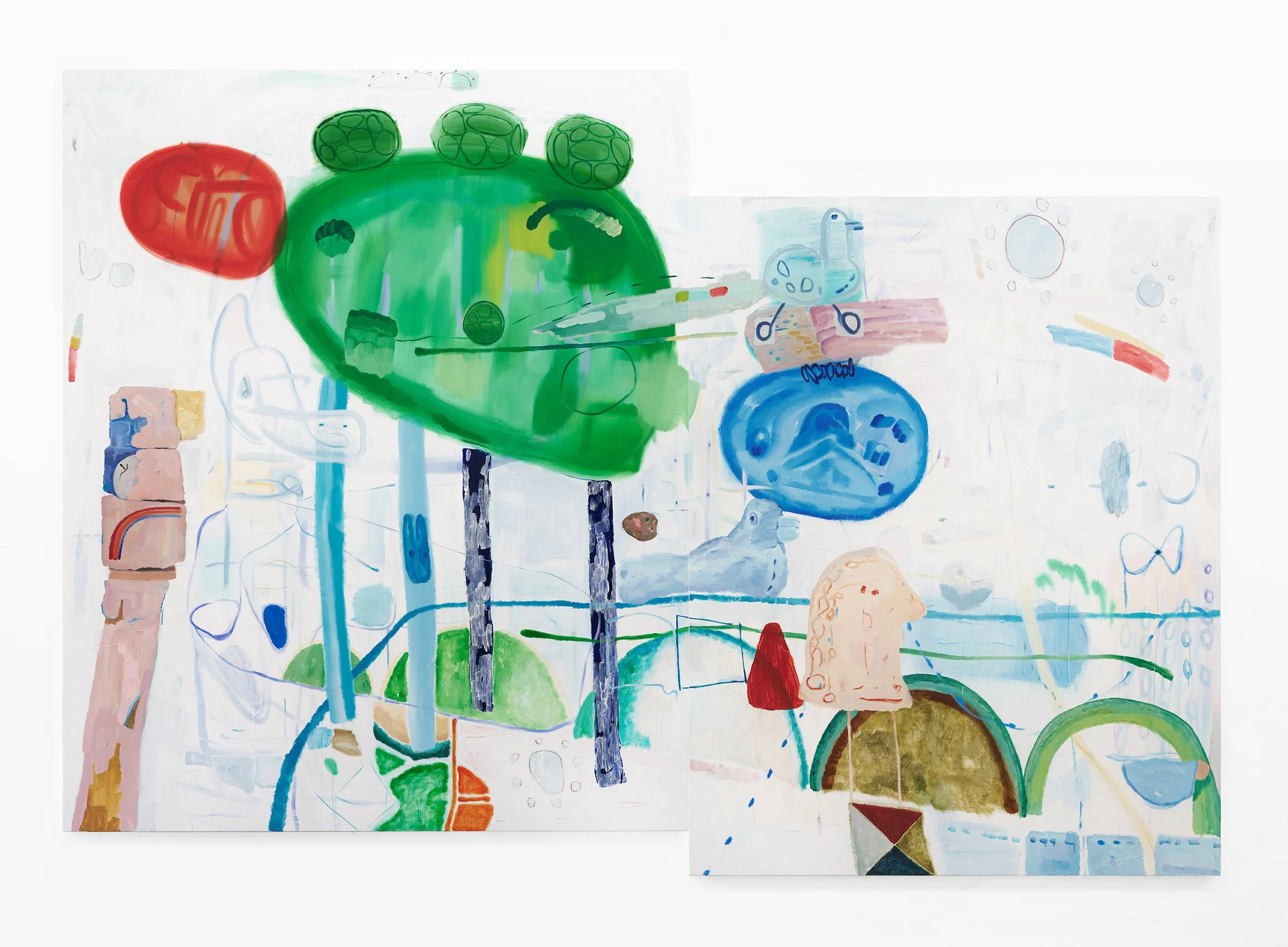
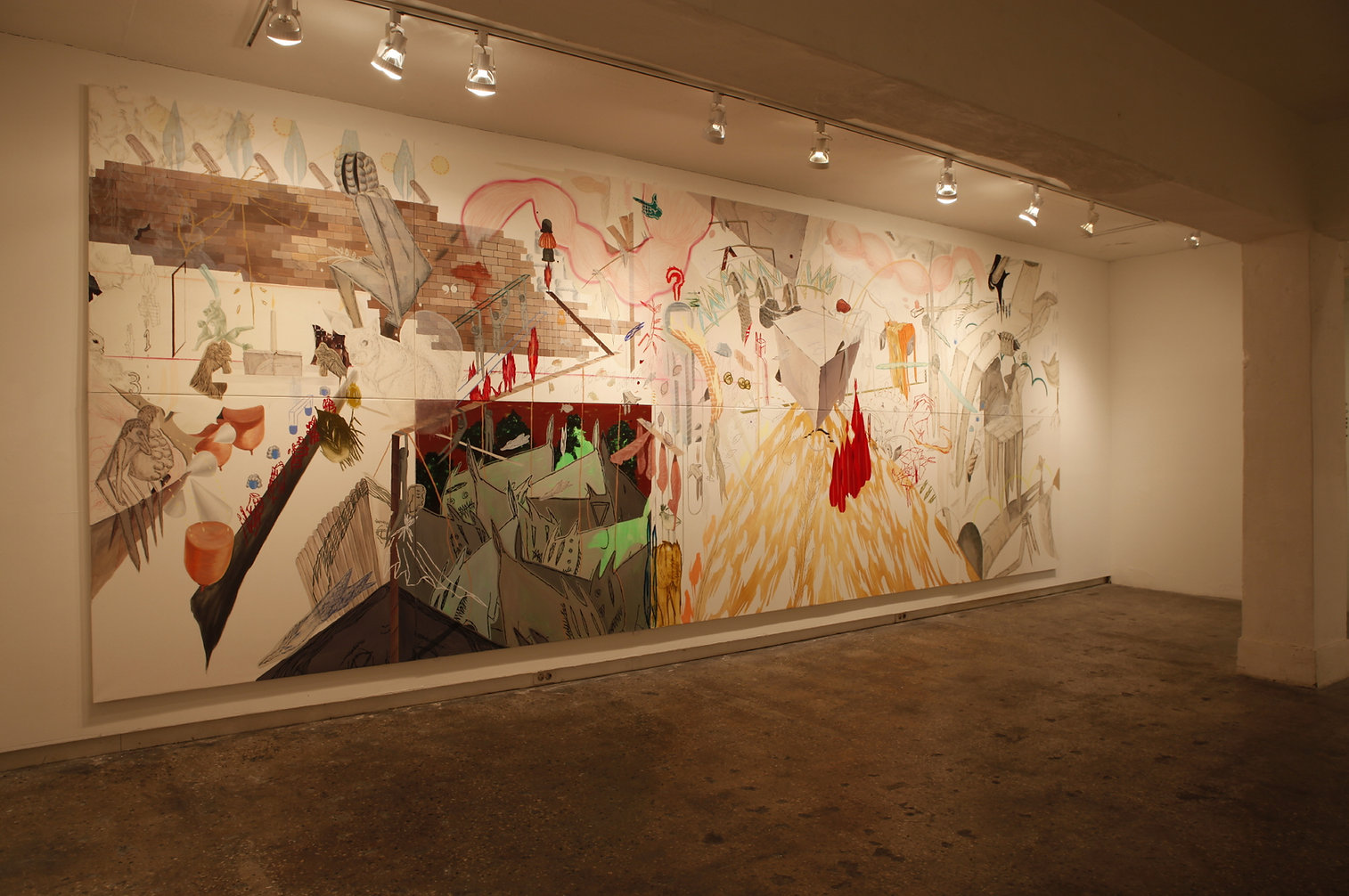
Similar to the discussion of Park Kyung Ryul’s brushstrokes, which constitute acts that are similar to the three-dimensional arrangement of sculptures that have been liberated from the display pedestal, she arranges the “brushstrokes as art objects” within the space of the painting that she has created herself.
These brushstrokes are placed on the two-dimensional surface of the canvas fabric made of either hemp or jute, and, simultaneously, a three-dimensional transformation occurs due to the fabric and materiality of the paint. Moreover, due to the physical power and technique of her actions, an unrealistic world of thought that exceeds three dimensionality is brought into existence, like the return of a visual (ghost-like) illusion.
Although highly controversial, it is reminiscent of the sculptural origin of the ancient human form that (still) lies dormant under the surface the abstract, invisible, non-directive, existing hexahedral object of minimalism that was highlighted by Michael Fried.
Park Kyung Ryul’s sculptural paintings reveal a delusional preoccupation (like a methodology) with appropriating the gaps and illogic between the perception and awareness that is inherent to three-dimensional sculptures. Moreover, she invokes the illusory elements of the medium of painting that can deftly deal with this, injecting her paintings, which mediate the dimension of sculpture, with power.