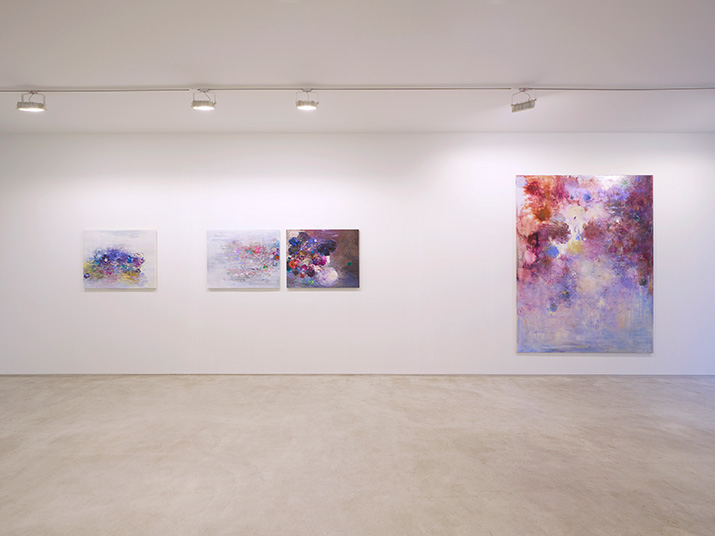
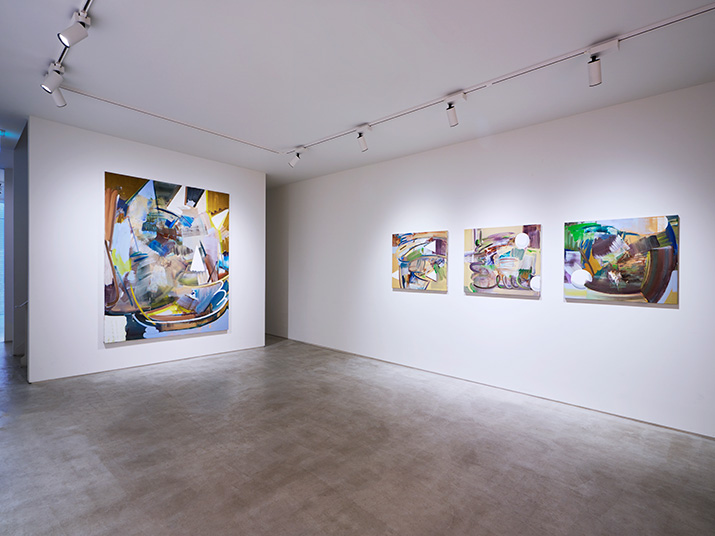
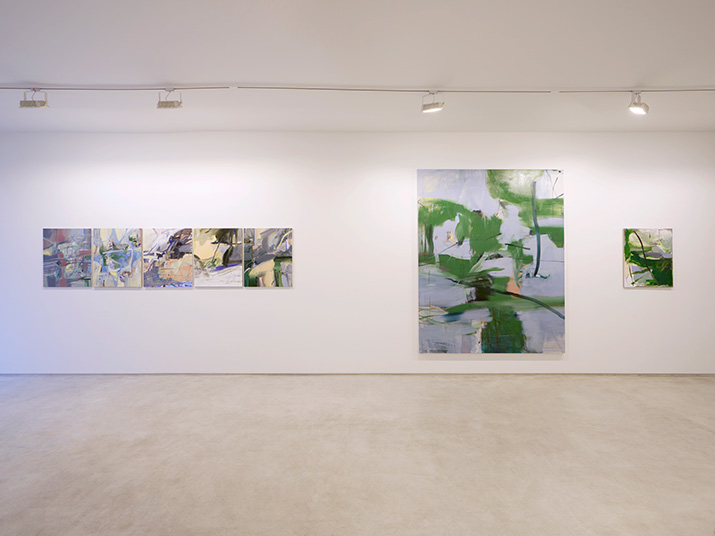
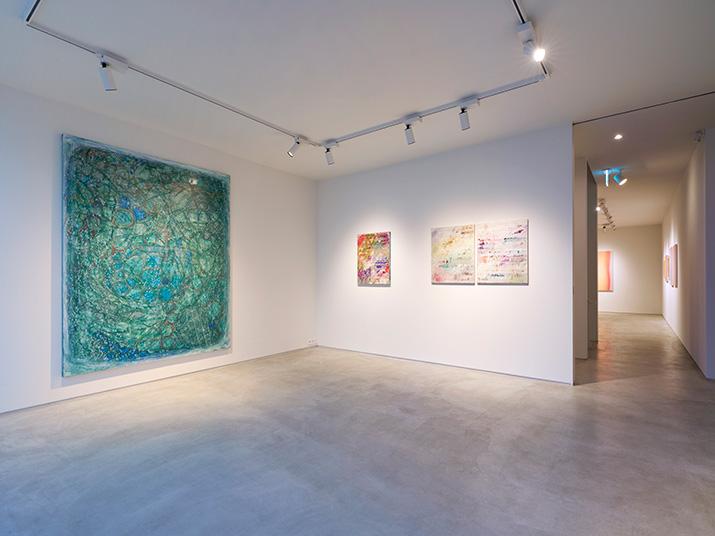
Ever since art history emerged as an independent academic discipline in the late nineteenth century, the history of abstract art has never been free from questions of gender. The established narratives of abstraction, written by authoritative scholars, clearly distinguish between leading and supporting figures, with women artists largely relegated to the margins.
The officially recognized pioneers of abstract art—figures such as Kandinsky, Mondrian, and Malevich—were all men, and the subsequent story of abstraction likewise cast male artists in the leading roles. Yet it is impossible to know how art historical narratives may be rewritten a hundred years from now.
Abstract painting has already undergone countless transformations and will continue to face new challenges. As a result, the distinction between protagonists and supporting figures will inevitably become blurred, making the history of abstraction even more compelling.
Abstraction has, in fact, been declared dead before. There were artists who proclaimed the arrival of the “last painting,” and notably, each of them presented monochromatic abstraction as painting’s ultimate conclusion. In 1921, the Russian Constructivist Alexander Rodchenko exhibited three monochrome paintings in red, blue, and yellow, claiming them to be the logical endpoint of painting.
He announced his farewell to abstraction with the following statement: “I reduced painting to its logical conclusion and exhibited three canvases: red, blue, and yellow. I affirmed: it’s all over. Basic colors. Every plane is a discrete plane and there is to be no representation.” In the early to mid-1960s, Ad Reinhardt presented black monochrome paintings whose grid structures were barely perceptible, describing them as “absolute paintings.”
He sought a self-referential form of painting that rejected all illusion—a painting that seemed to contain no meaning beyond art itself. For a brief moment, abstract painting appeared capable of serving as the ultimate expression of modernist purity through its rejection of representation. Yet the more it pursued purity, the more it became entangled in its own contradictions.
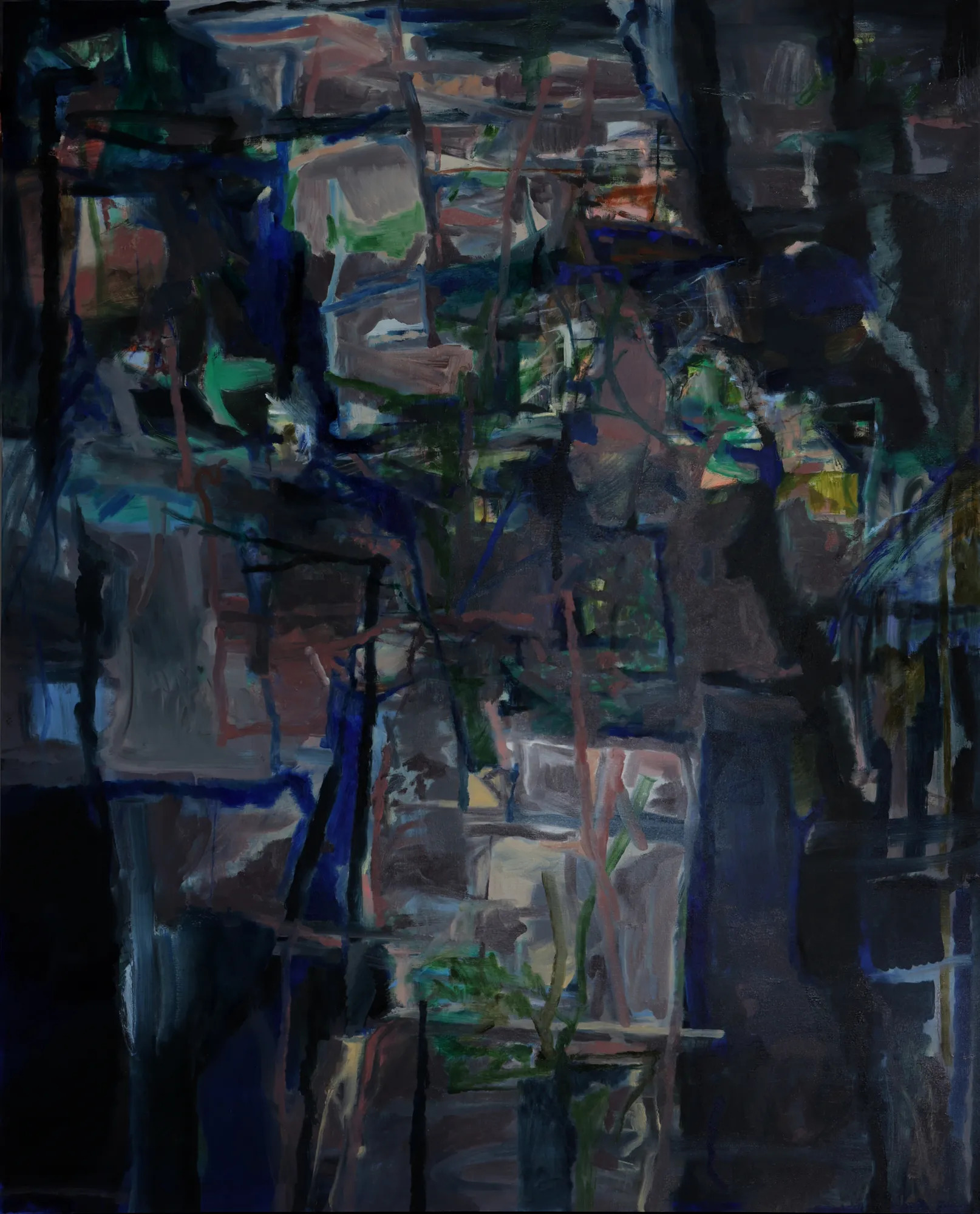
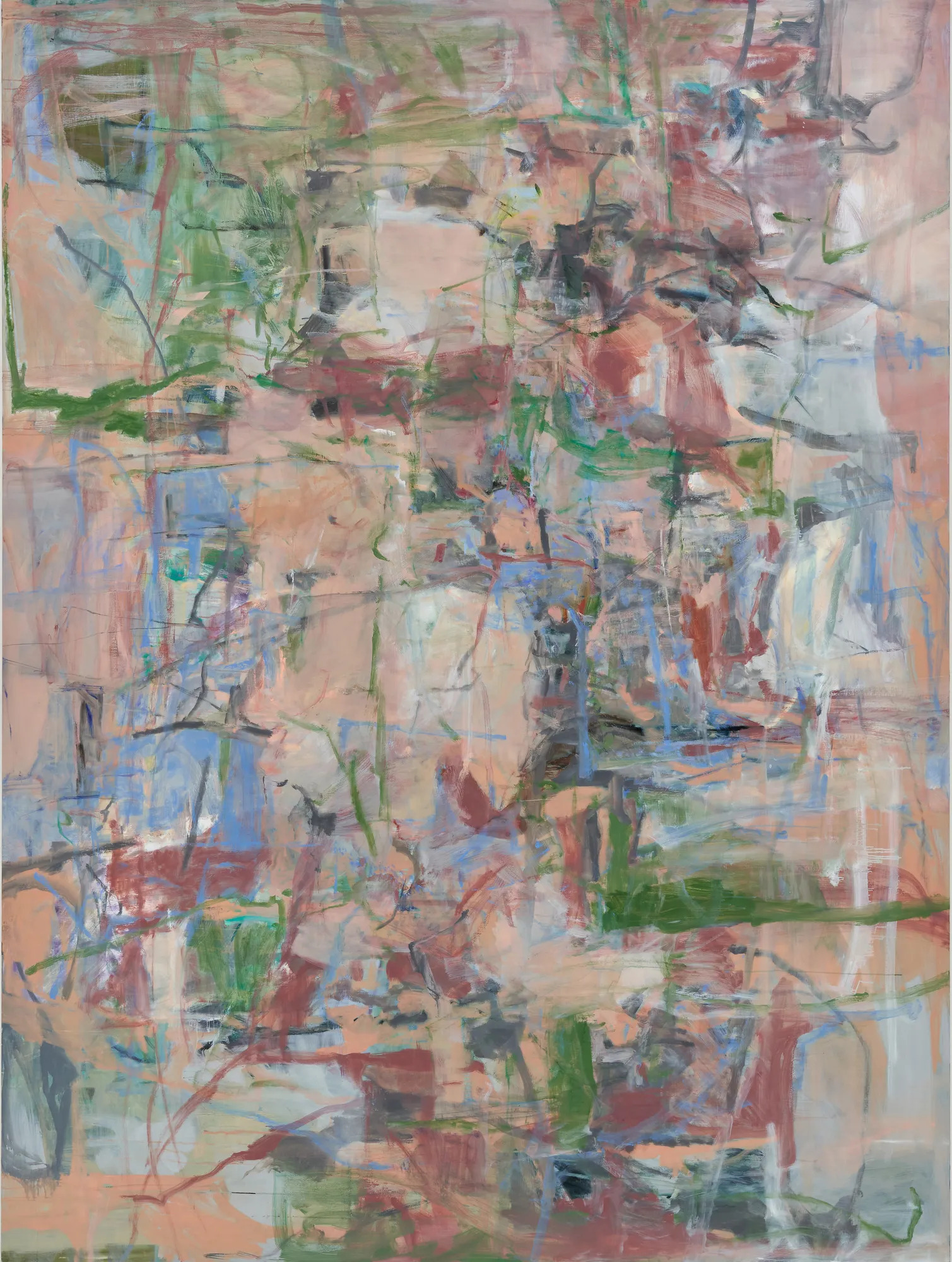
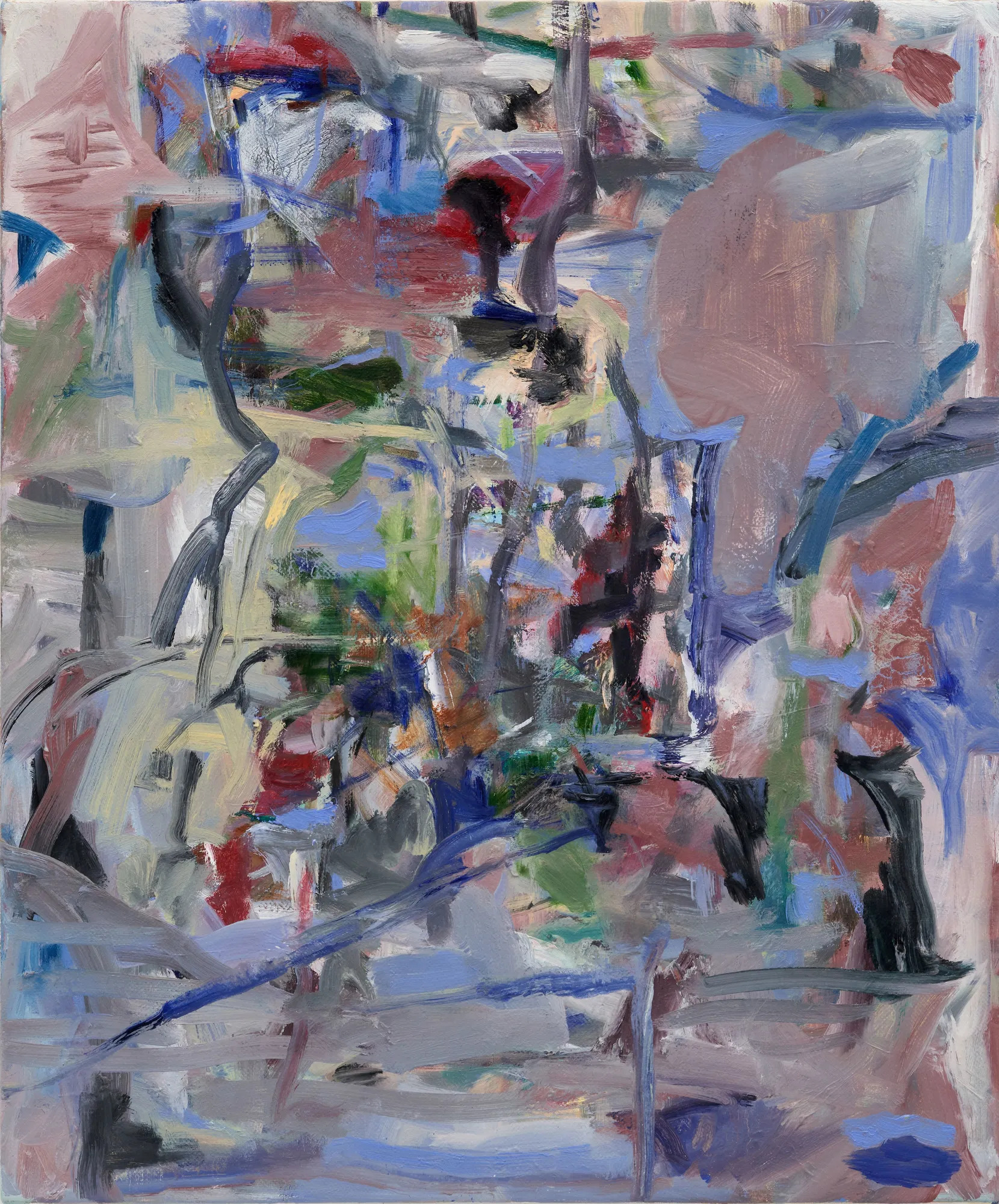
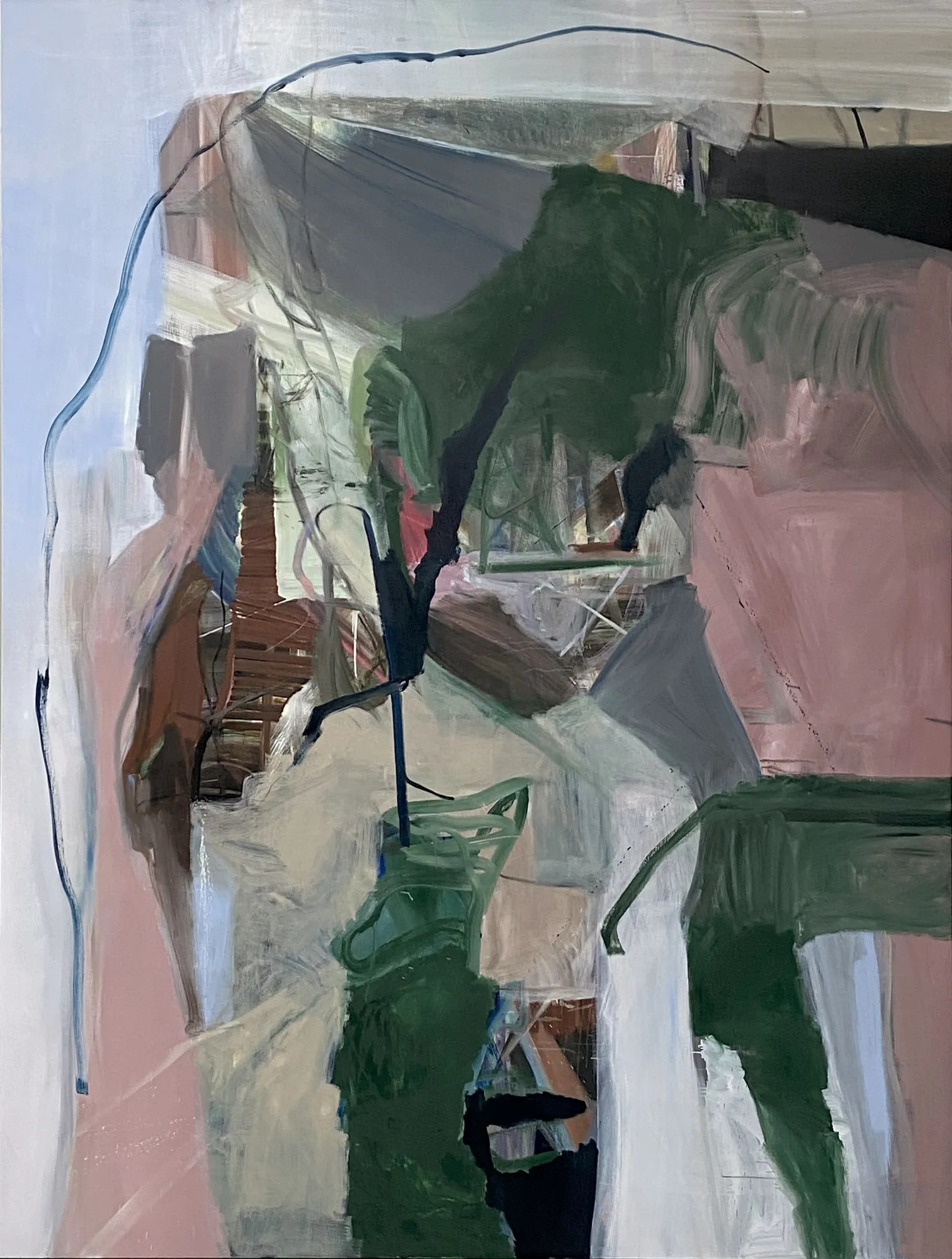
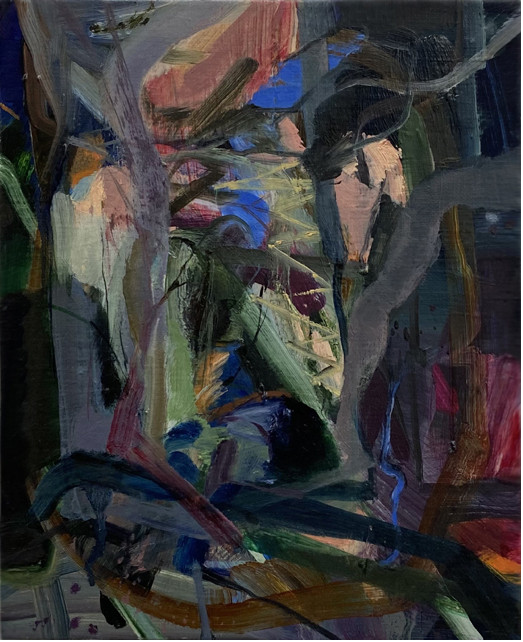
Some artists were able to fill the canvas entirely with seemingly aimless gestures, while others expanded concepts of space and time across the surface of painting, projecting them freely as questions of dimension, unconsciousness, or identity. Psychoanalytic concerns such as the body, instinct, and the unconscious—once excluded by formalist purists—eventually returned as legitimate concerns of painting.
The influences of industrialization, popular culture, the rise of feminism, and the apparatus of spectacle were likewise absorbed into the discourse of painting. Despite repeated declarations of its demise, painting has continually reinvented itself. Even in an era in which no single movement or medium dominates the art world, painting remains both serious and free.