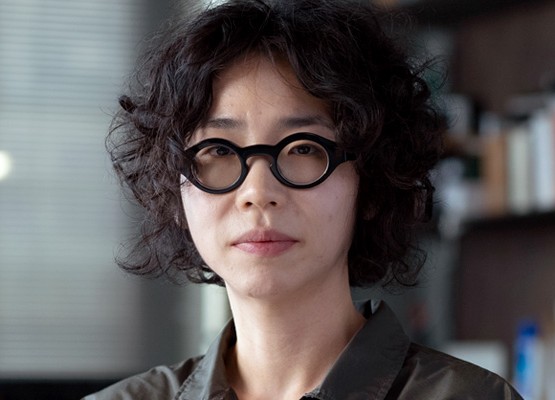
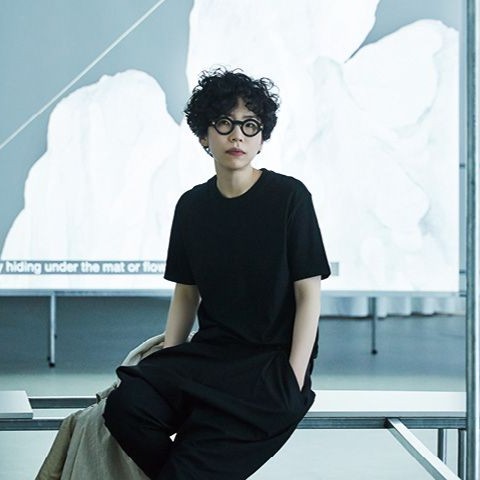
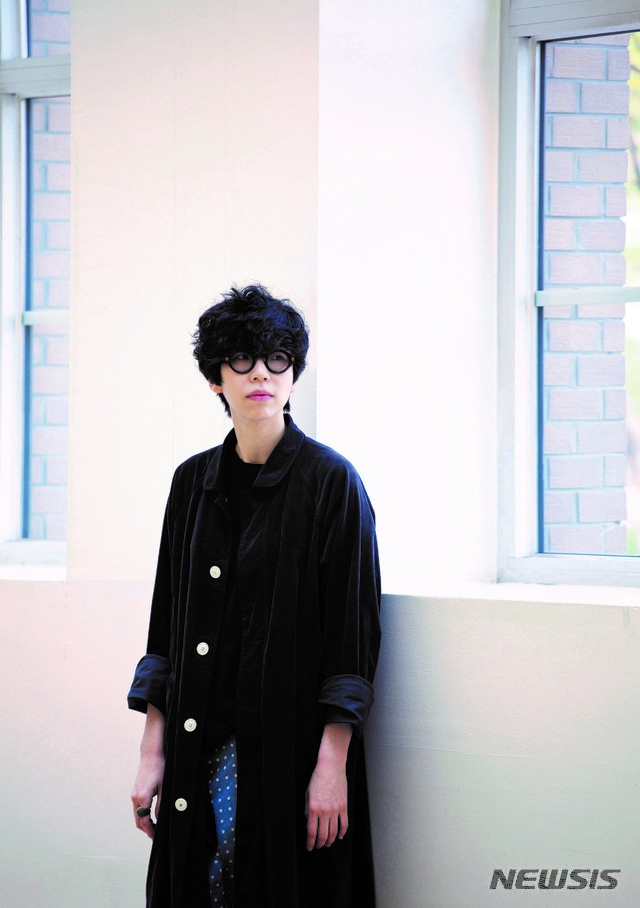
Artist Sojung Jun focuses on the concept of
time and experiences of emotions, posing a question to times present from a
microscopic point of view through the various uses of mediums such as video,
installations, performances, etc. Based on a narrative woven from creative
applications of interviews, historical resources, and ancient texts, her work
is about disassembling things in order to newly reassemble them as a way to
extract artistic meaning in the process.
In this exhibition Kiss me Quick, Jun
borrows the title from the menu of Café CERTA – a collage of the Louis Aragon’s
novel Le Paysan de Paris (Paris Peasant, 1926) that collects a changing
city as individual elements – to transcend time and space based on reflections
realistically critical in nature, so that she may stir colorful sensations and
playful whims within the walls of the exhibition space.
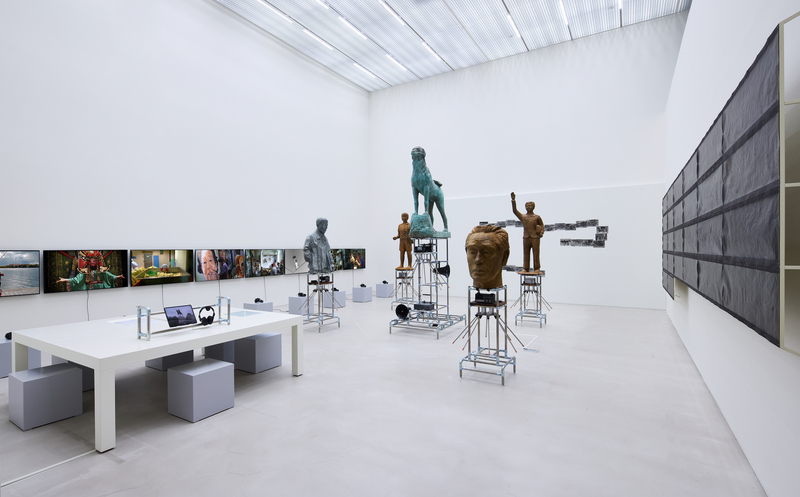
Jun showcases three new
works at SongEun as a way of showing ideas she has been developing for the past
year or two, presenting her experiences and contemplations in regards to modern
life about the displacement of time and space, the act of leaving and staying,
language and translation, the unstable and the non-visual, etc. that were
impressed upon her from stories of those around her, and thus exploring them in
a multi-leveled time and space.
The exhibition contains collaborative pieces
with various contributing principals such as a choreographer, spatial designer,
mathematician, cook, composers, etc., with participating pieces mutually
reacting to each other to provide synthetic experiences that lead to searching
for conditions of creation and exploring the possibilities of conversation, and
a unique language and culture of mediums.
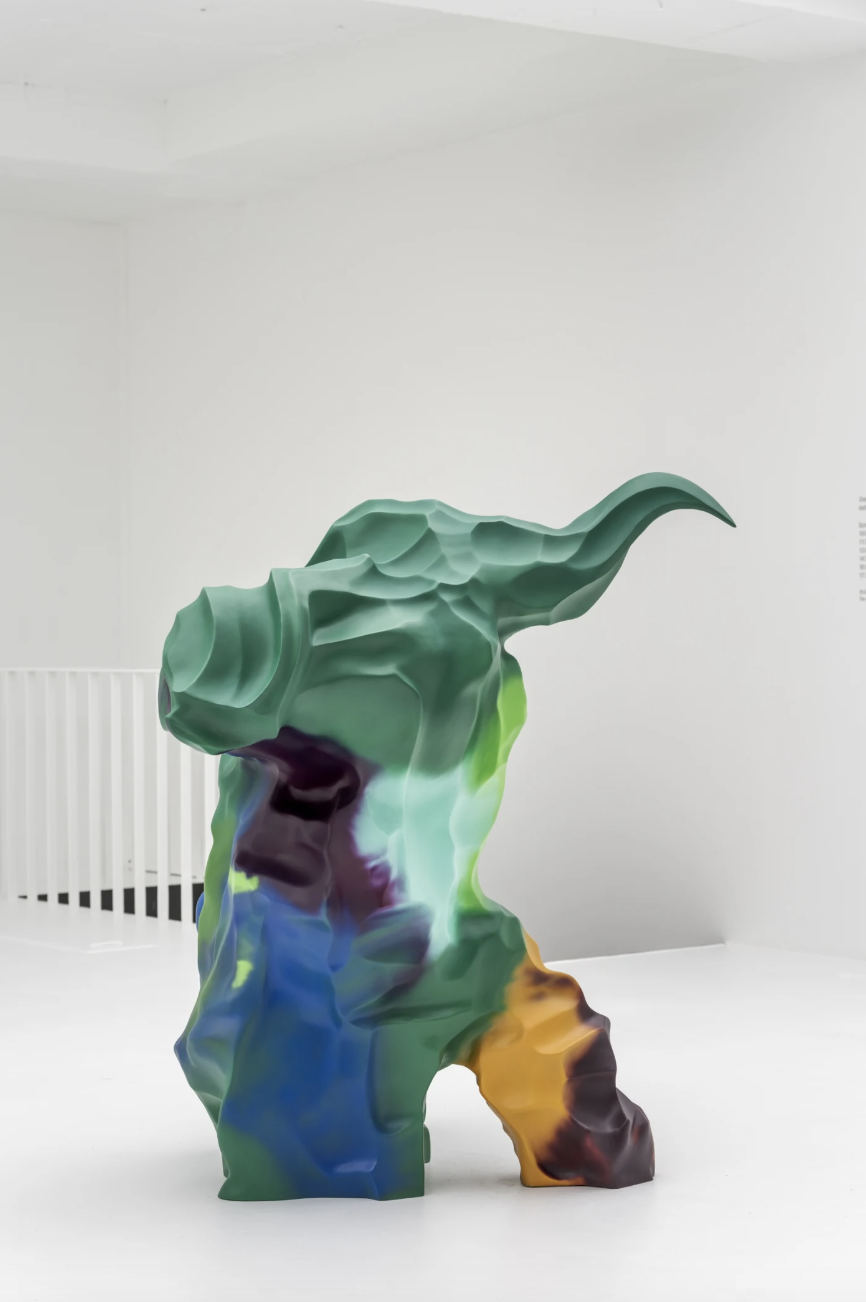
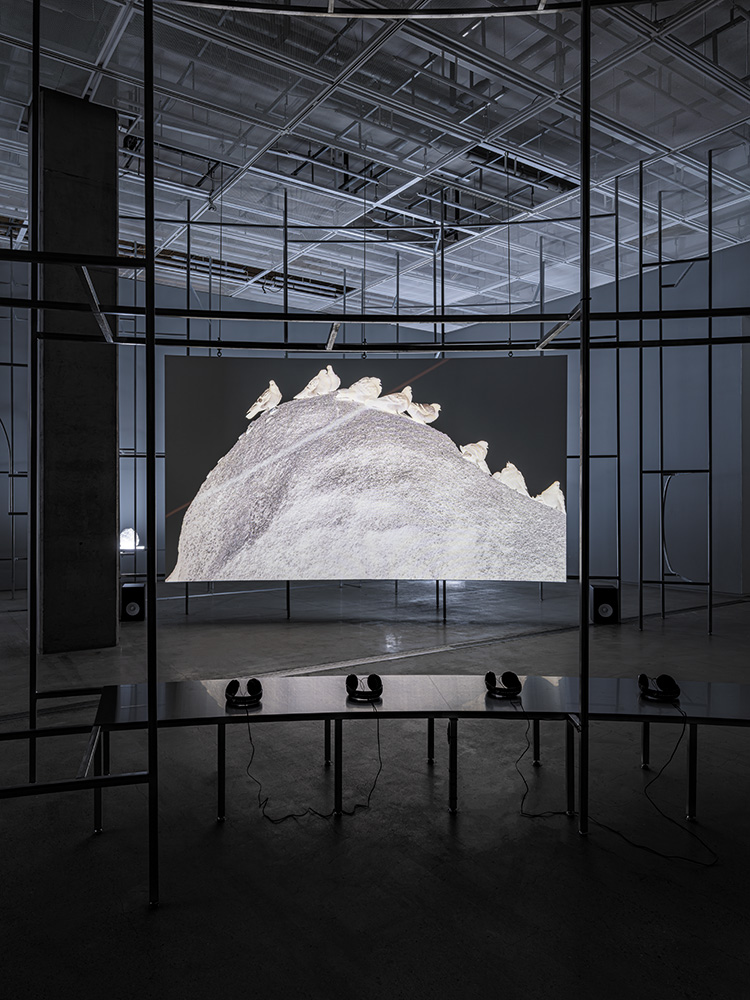
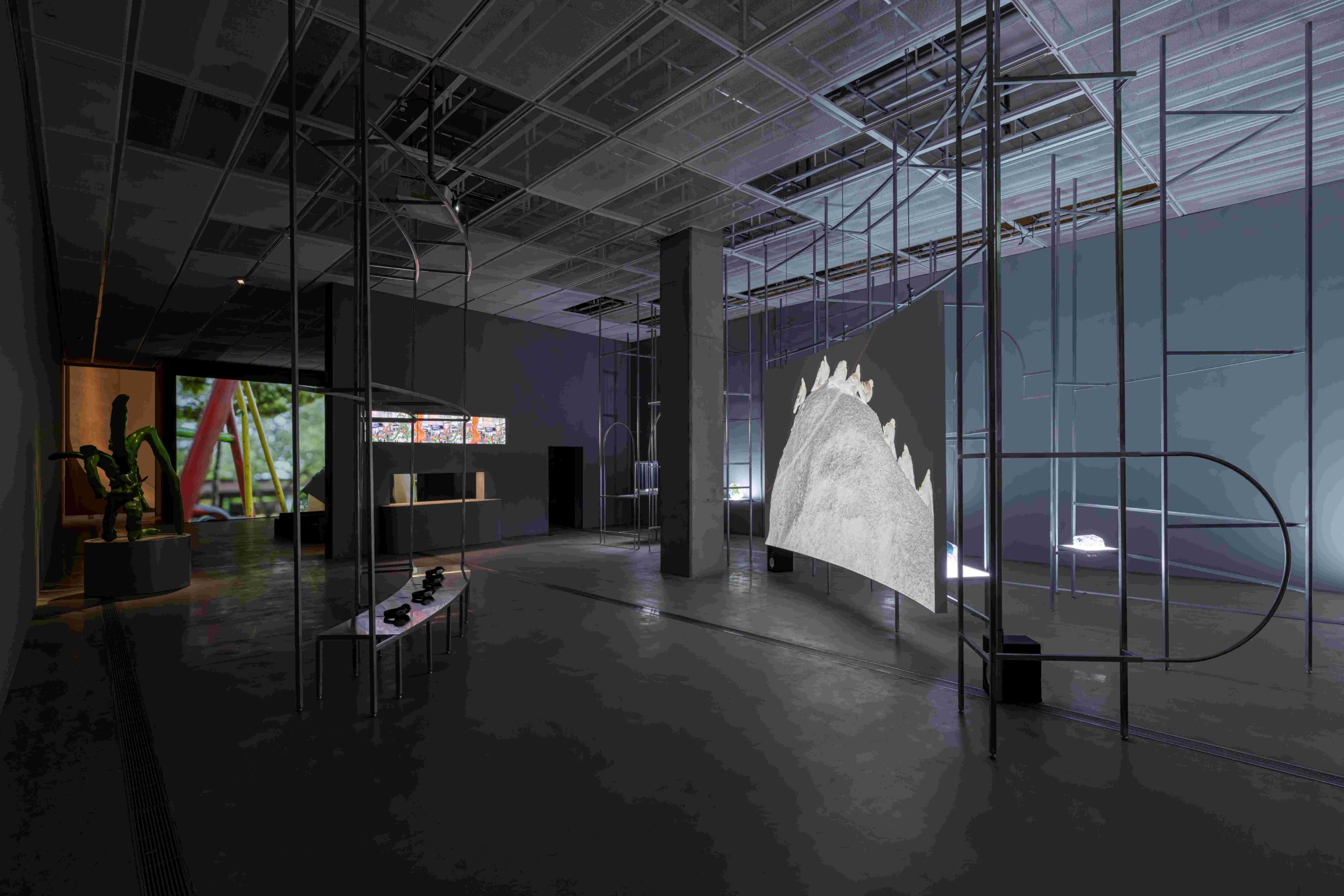
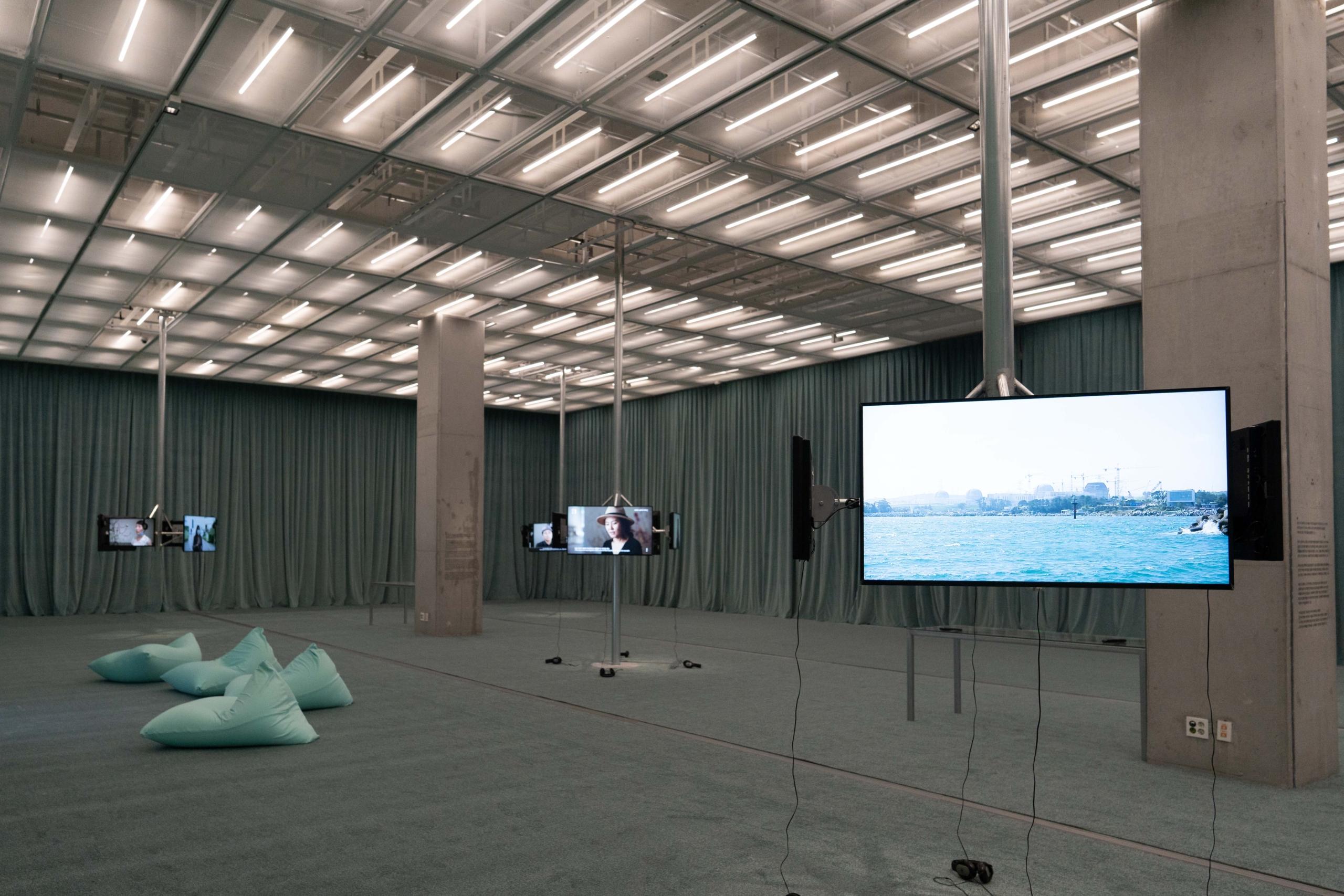
Entering into the dark exhibit space of the
second floor once is faced with a blaring flash, seeping out from between the
cracks created by the gigantic structures laid about. With the mezzanine floor
serving as a medium, the structures situated across the second and the first
room on the third floor with sound, drawings, and videos make up this one work,
starting with Jun’s drawing just right of the entrance. This installation
work Metaphysical Dissection (2017) was first
inspired by the visually impaired dancer Huan Casaoliva from Barcelona, who
recorded the touches gathered when he experienced Barcelona blind folded and
art critic and philosopher Denis Diderot’s book Letter on the Blind for
the Edification of Seeing (1749), who asked readers to suppose a person,
after being taken apart, is left with only one of the five senses.
Jun
experiments with Diderot’s idea and records her “touch” experiences of
Barcelona during her residency there with drawings and text. With this
experience, Jun asked scenography designers (Hilgeut), composers (Soo-Jung
Shin, Daehoon Jang), and the cinematographer (Kyeong-Yeob Choo), to make their
own translations into this space with architectural structures, sound, and
video respectively. The lights, structures, sound and videos installed inside
the exhibit space become the stage for a , and the viewers not only meet the
various forms of dissonance that result from the onstage sensory intersections,
but also become separate principals that absorb and analyze these inputs with
their senses.
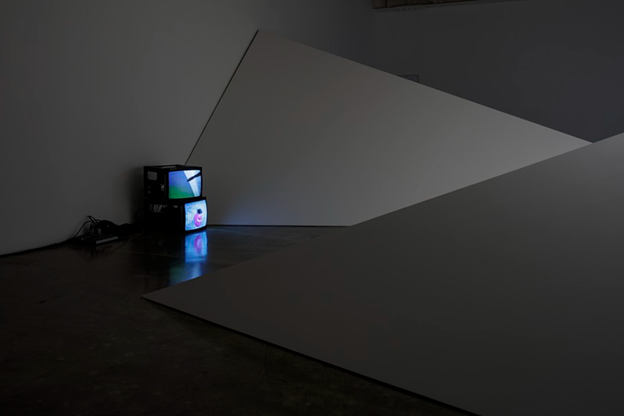
Far inside of the third floor, in the second
space, the video Interval. Recess. Pause(2017) is
shown. This is a piece about three Korean adoptees the artist met during her
residency at the Villa Vassilieff- Pernod Ricard Fellowship in France. These
adoptees have very vague memories of Korea but were able recollect their images
of uncertainty and other existing memories resulting from their senses. While
their memories exist clearly not of images, but of the senses in color, sound,
taste, smell and more, the artist either adds or subtracts them into images
that differ in time and space, focusing on the constructing of individual or
collective sensory memories and their potential.
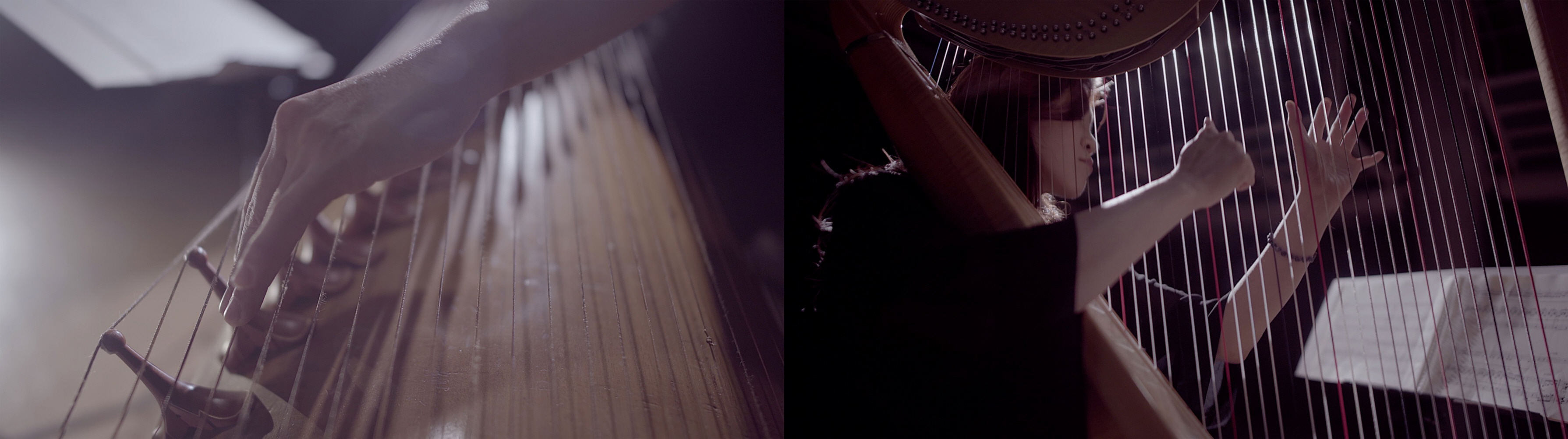
The video alternates between
testimonials of the adoptees of their memories and choreographer Olivia
Lioret’s interpretative moves of the excerpts from Theresa Hak Kyung Cha’s
book Dictée (1982). The structure and rhythm
of Dictée “sensed” by the artist plays out in variation through the
video.
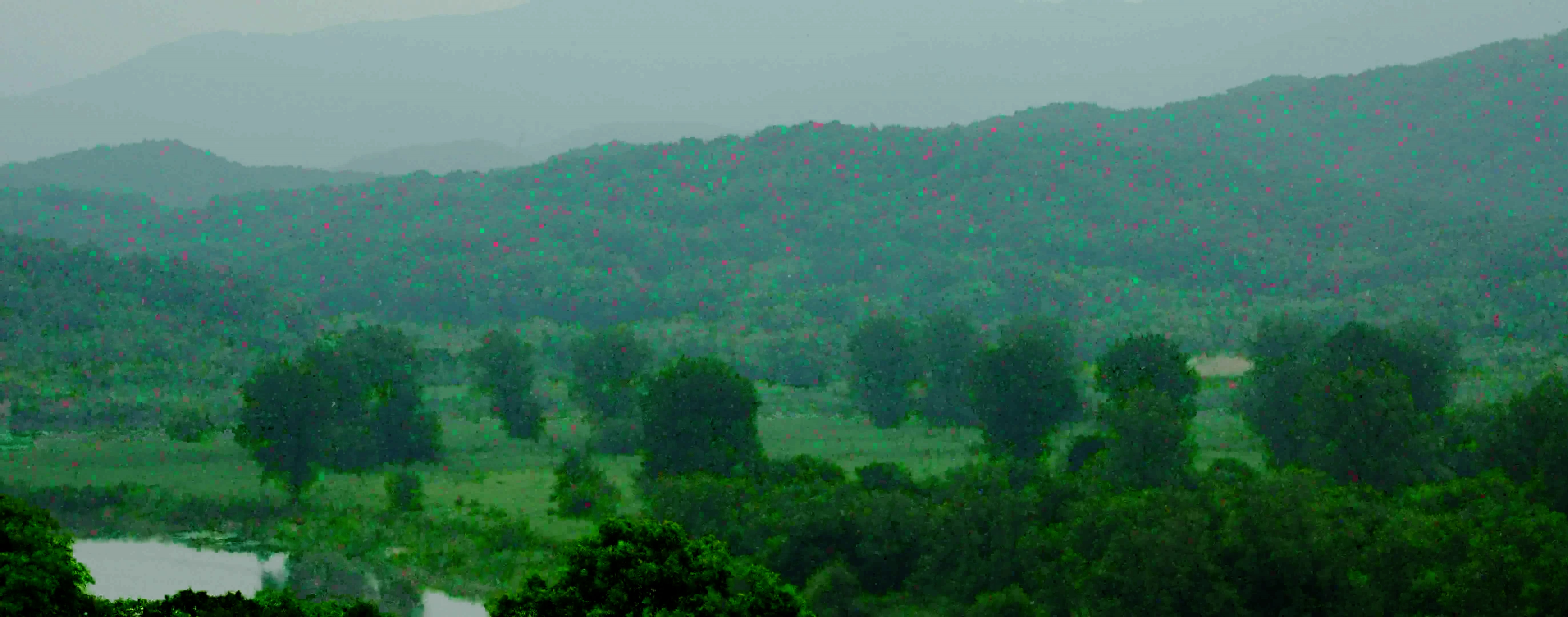
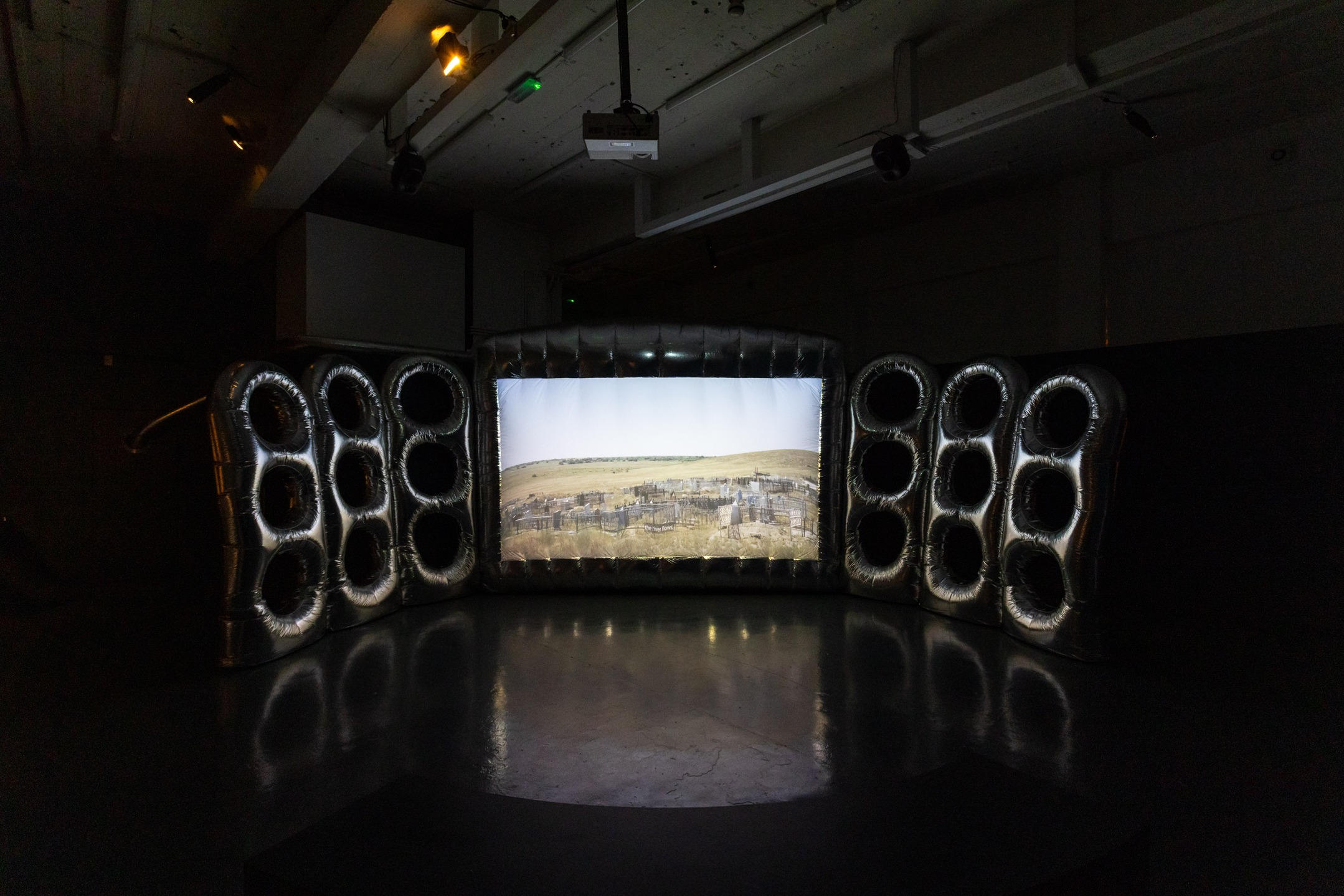
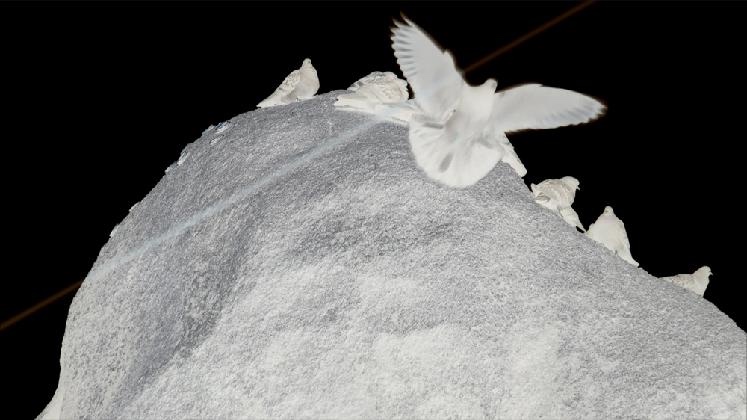
Jun’s La Nave de Los Locos (The
Ship of Fools, 2016) departs from the 1984 released novel of the same
name by the Uruguay-born refugee novelist, poet, translator and author
Christina Peri Rossi. If Peri Rossi’s novel derives from her self-awareness of
her meson-like identity formed through her experiences as an asylum seeker, a
woman, and a homosexual, Jun’s video is an attempt to insert the novel’s
storyline into current context.
Centered around the text written in a letter
format addressed to Peri Rossi, the video that weaves together the artist’s perspective
of looking at Barcelona as an outsider and her experiences about boundaries and
moving is a way of viewing, from varied angles, the figurative ‘ship of fools’
that is found all too often in this globalized world, and broadens the story
from what initially was a physical state of moving, to a contemplative one.