Exhibitions
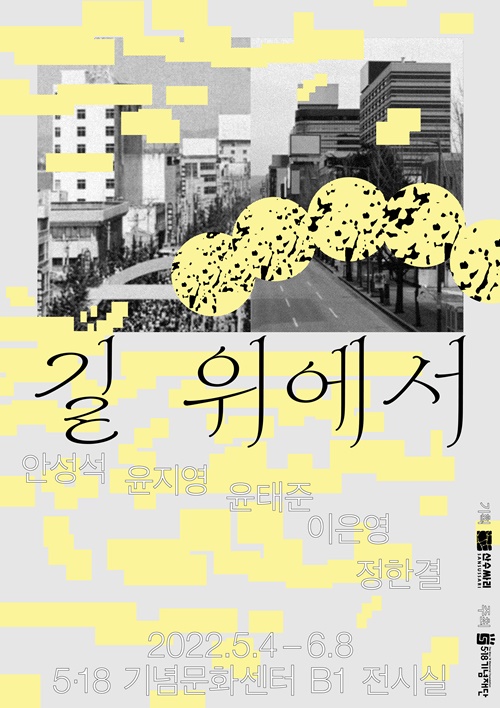
《On the Road》, 2022.05.06 – 2022.06.08, 5.18 Memorial Cultural Center
May 04, 2022
5.18 Memorial Cultural Center
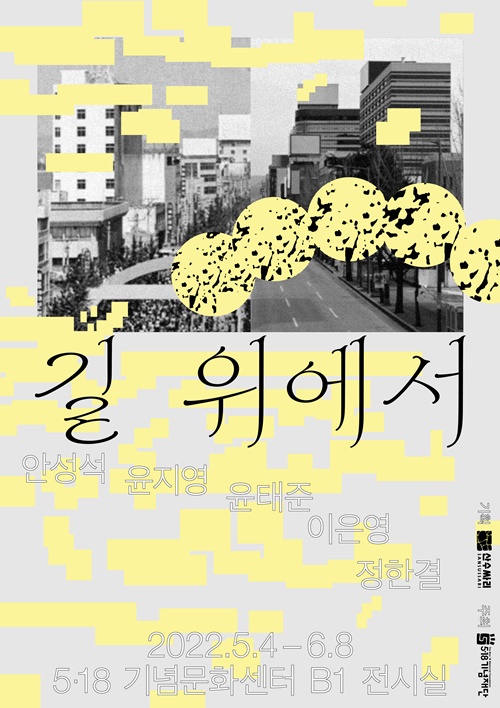
Exhibition Poster © 5.18 Memorial Cultural Center
The
5.18 Memorial Foundation (Chairman: Jung Dong-nyeon) presents the youth-curated
exhibition 《On the Road》, which runs from April 4 to June 8. Curated by Sansusari (Kim Minji
and Kim Hanra), the exhibition features works by five artists: Ahn Sungseok,
Jiyoung Yoon, Yoon Taejun, Lee Eunyoung, and Jung Hangyul. The exhibition stems
from a critical awareness of the ambiguous perception and attitude of younger
generations toward the May 18 Democratic Uprising, attributing this phenomenon
to broader social conditions.
Curators
Kim Minji and Kim Hanra of Sansusari noted, “This phenomenon mirrors the
military regime’s concealment of events and suppression of public discourse in
May 1980. Although May 18 was officially recognized as a national commemoration
day in 1997, misinformation and distortion continue to circulate, exacerbating
the pain of those who experienced the uprising and causing confusion and
misinterpretation among younger generations. With this exhibition, we seek to
address the challenge of an aging firsthand witness generation, and as history
becomes the responsibility of those who did not experience it, we ask: What can
we say? How can visual art and text—both inherently flat and
interpretive—engage with this history?”
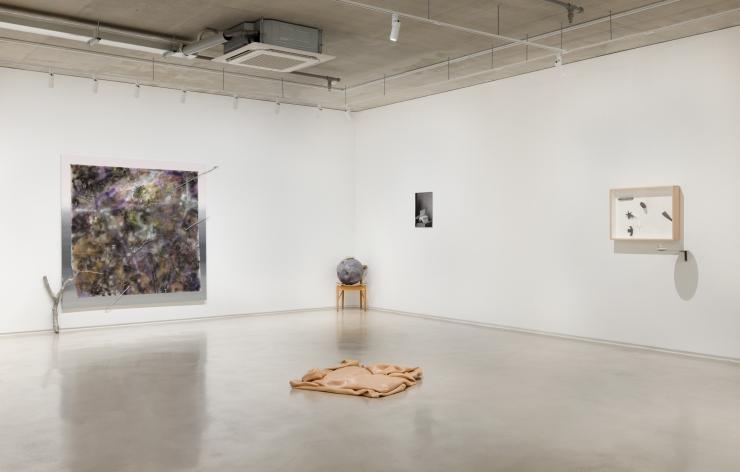
《On the Road》 begins with a physical space
shared by both the firsthand and non-experienced generations—the streets of
Gwangju. Walking through or observing these streets, the participating artists
reinterpret their discoveries through personal reflections and bodily
expressions, transforming them into a new visual language. The curators
explain, “By shifting the weight of historical discourse from 1980 to the
present moment in which this exhibition takes place, we reaffirm the position
and agency of the speakers of today.”
The
curators further note, “As regional boundaries blur, younger generations feel
increasingly detached from the location of historical events. Many
non-experienced individuals, regardless of their place of birth, distance
themselves from history, seeing themselves as outsiders. To challenge the
perception that the May 18 Democratic Uprising belongs solely to the people of
Gwangju, we aimed to present diverse perspectives by including artists from
various regions, including Seoul, Gwangju, and Gyeongsan.”
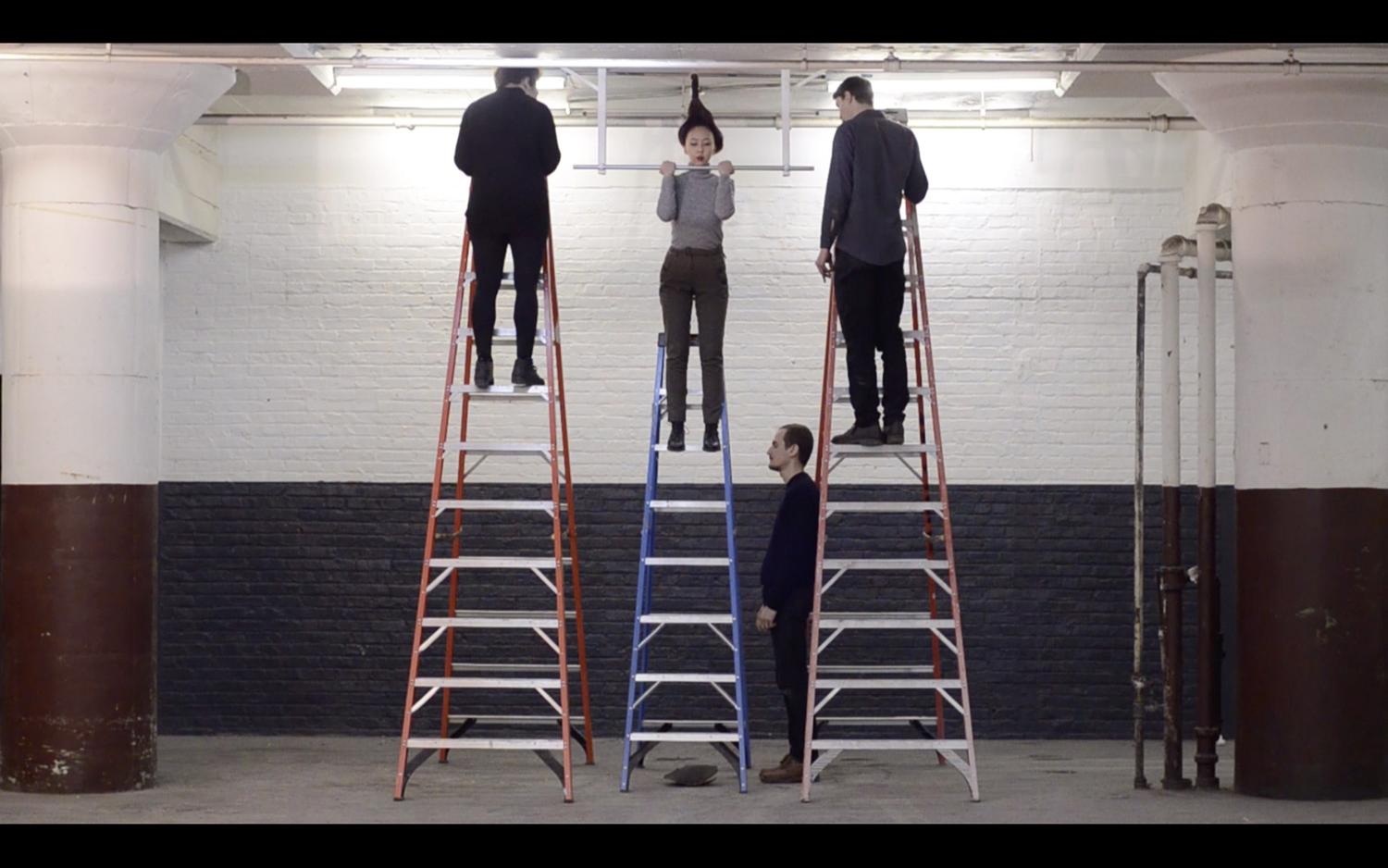
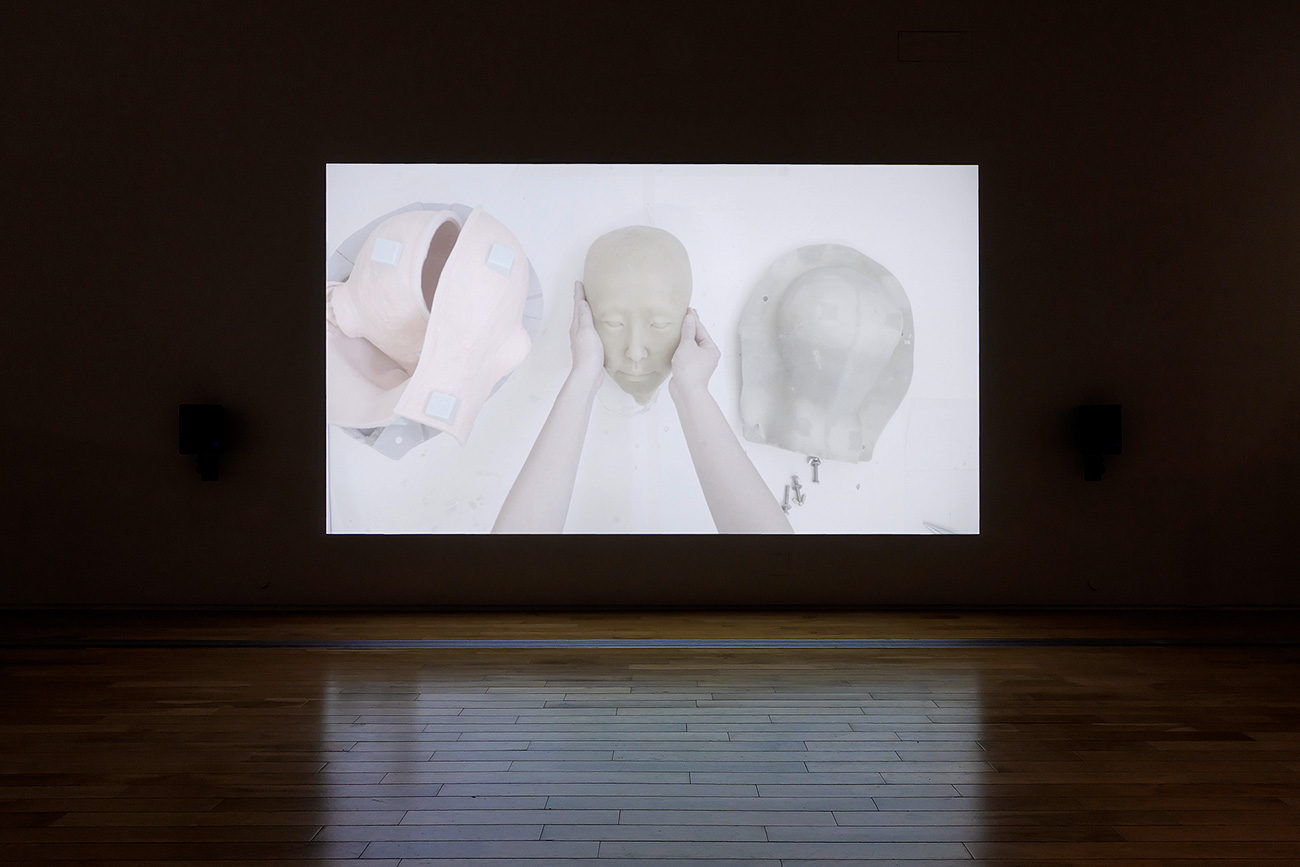
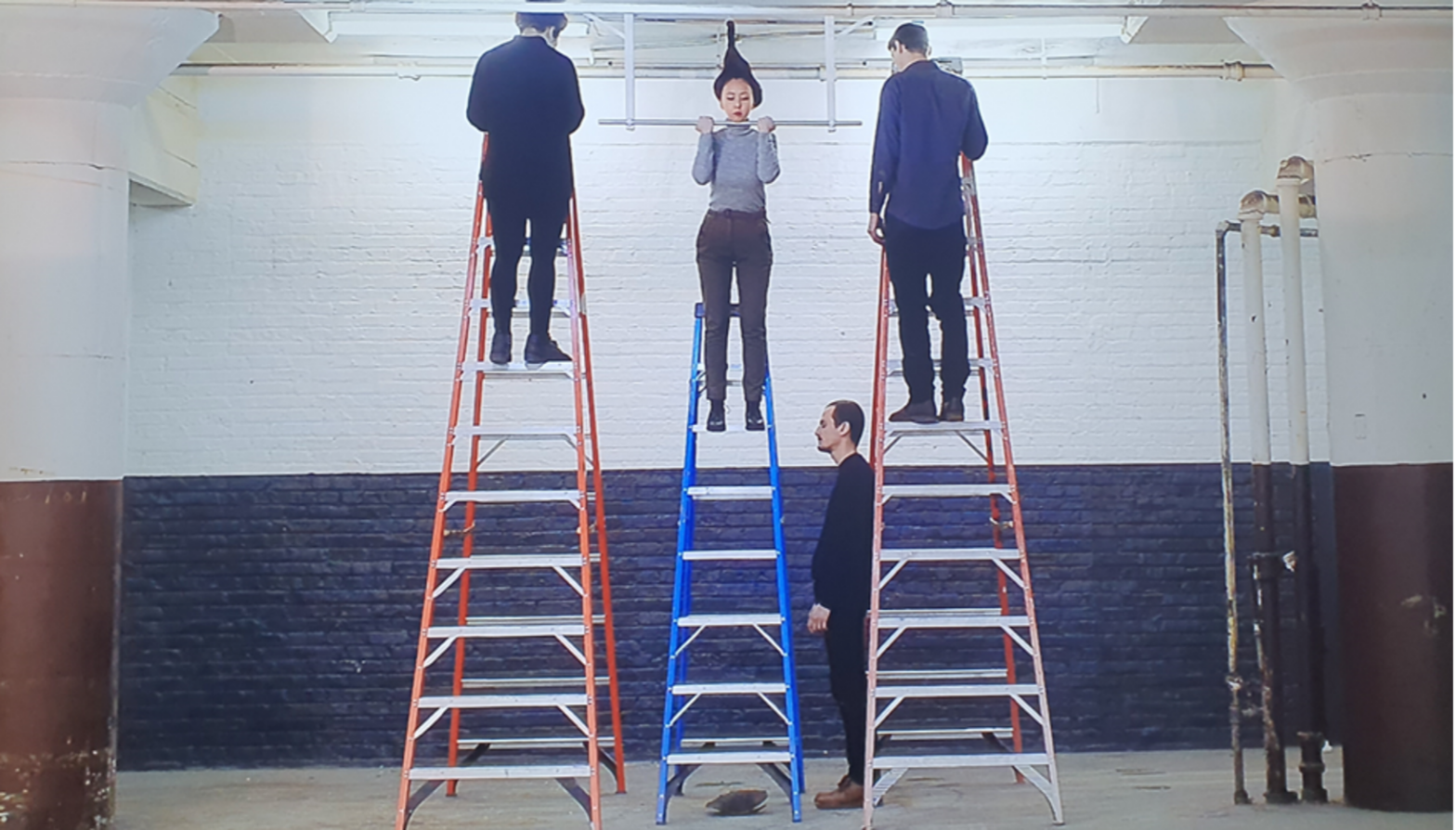 윤지영, 〈달을보듯이보기〉,
2013-2014, 단채널비디오, 퍼포먼스, 2분45초 © 윤지영
윤지영, 〈달을보듯이보기〉,
2013-2014, 단채널비디오, 퍼포먼스, 2분45초 © 윤지영
Participating
artist Ahn Sungseok explores the question of whether the concept of the
“square” as a symbolic space for democracy remains relevant today. Through
photo montages and a single-channel video work, Ahn questions the role of
public squares in contemporary and future generations, examining whether they
will continue to function as spaces of communal solidarity or whether
individuals will seek alternative paths beyond collective movements.
Jiyoung
Yoon presents Seeing things the Way We See the Moon, a
performance video in which she entrusts her safety entirely to the actions and
timing of others assisting her. Through this work, she examines structures that
justify cycles of sacrifice and interrogates the normalization of such systemic
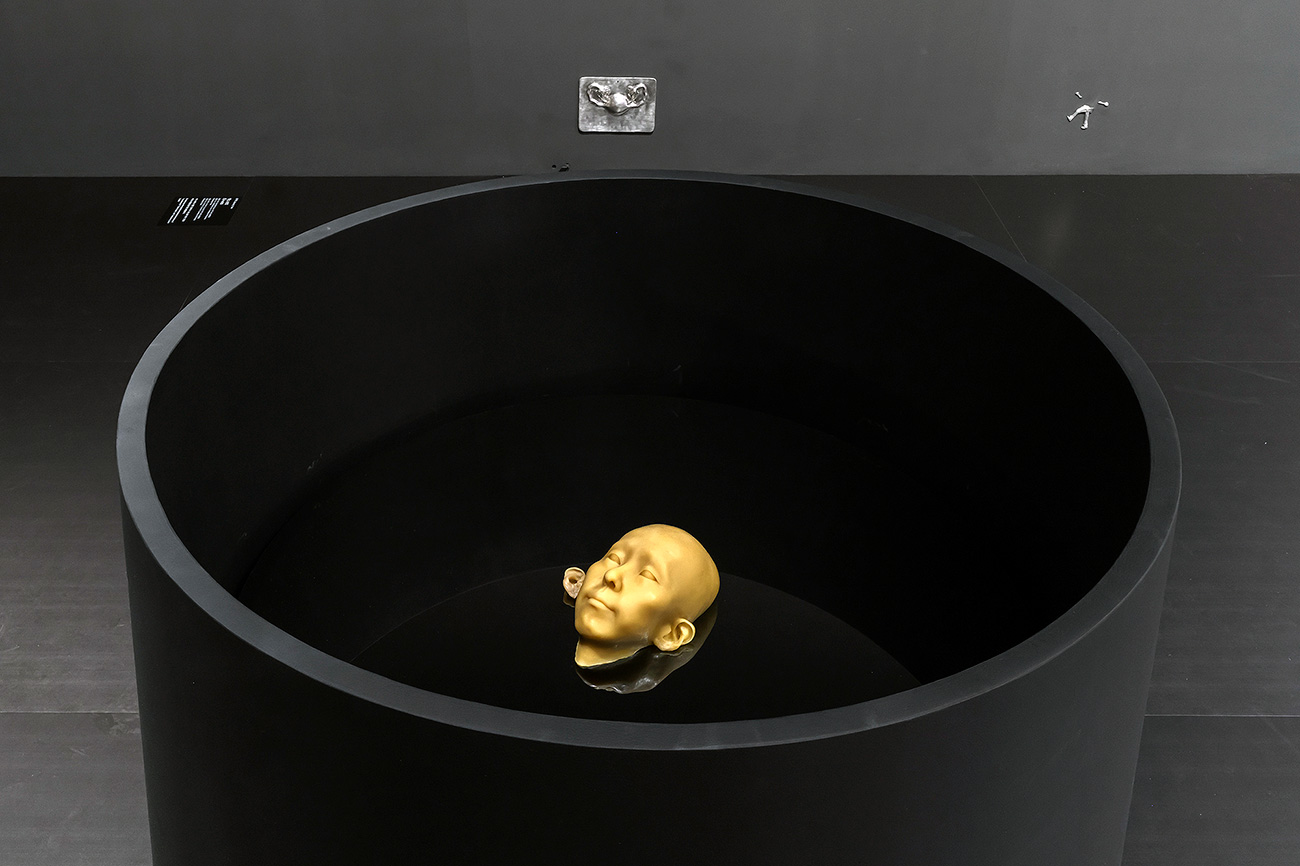
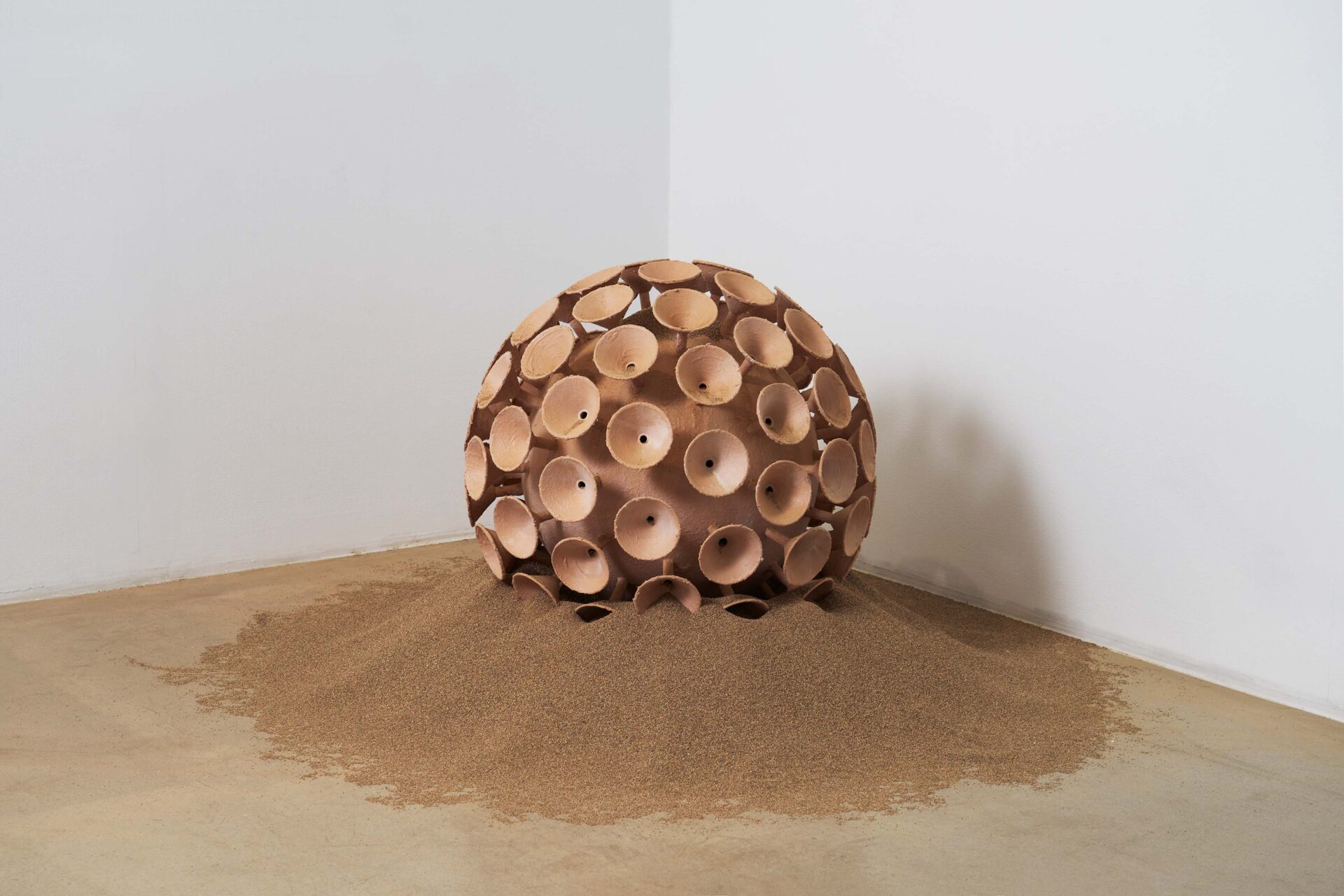
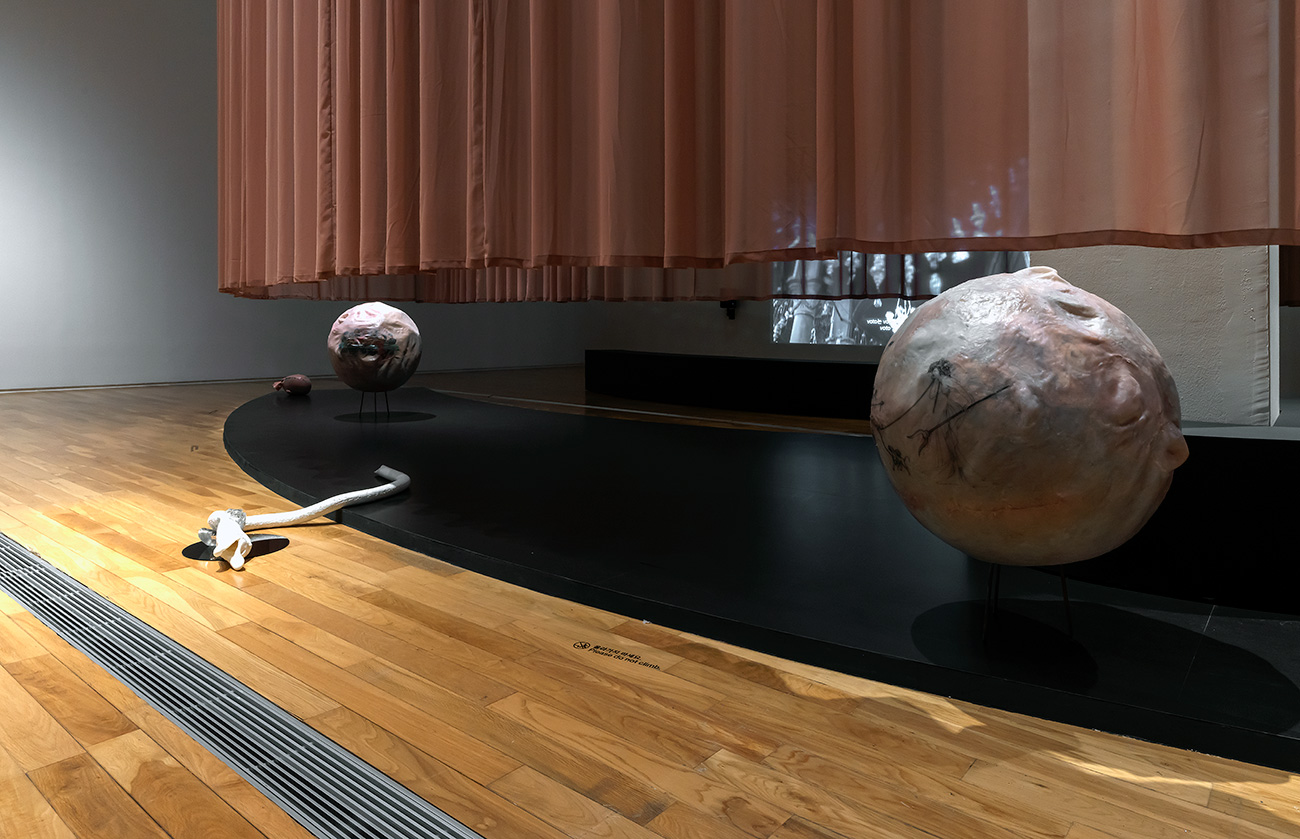
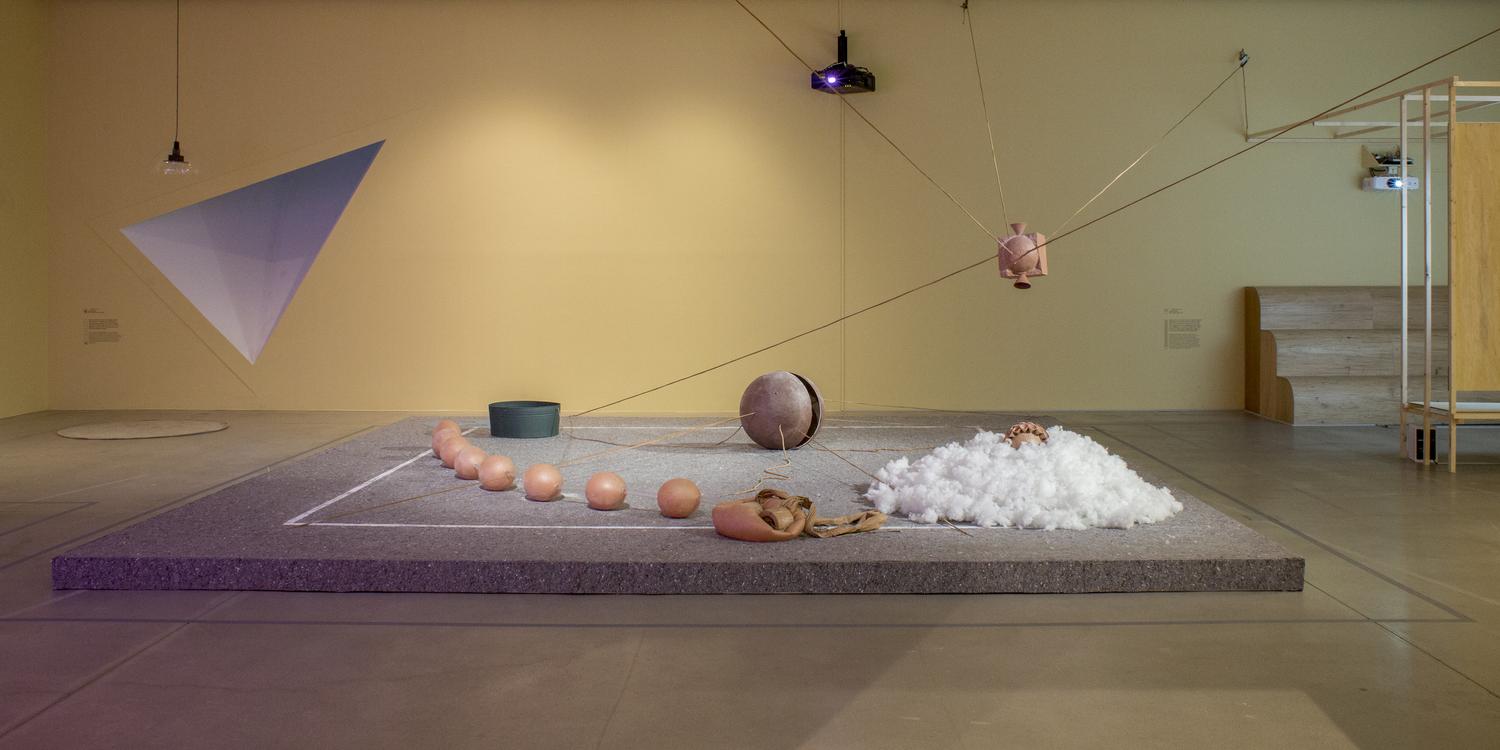
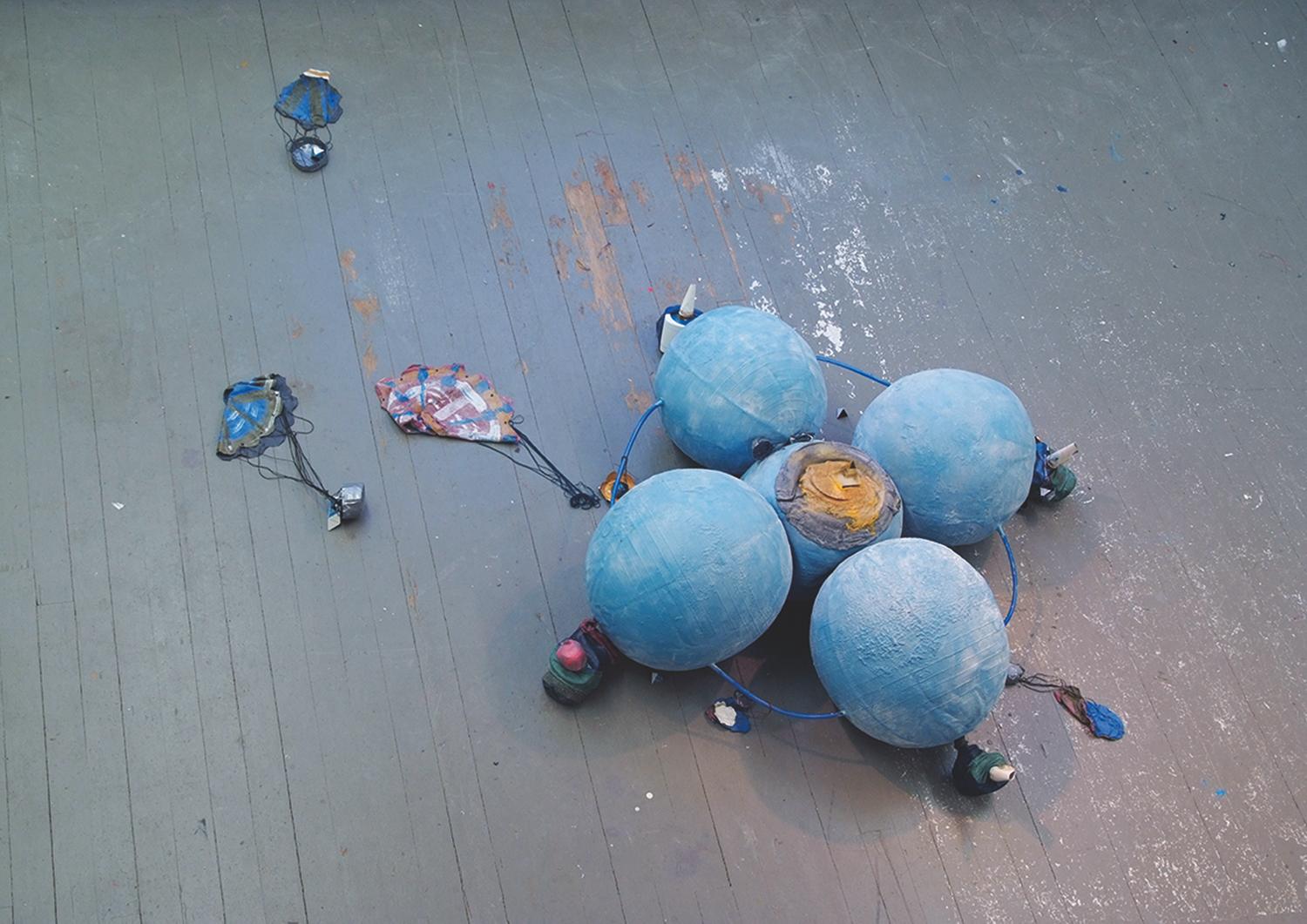
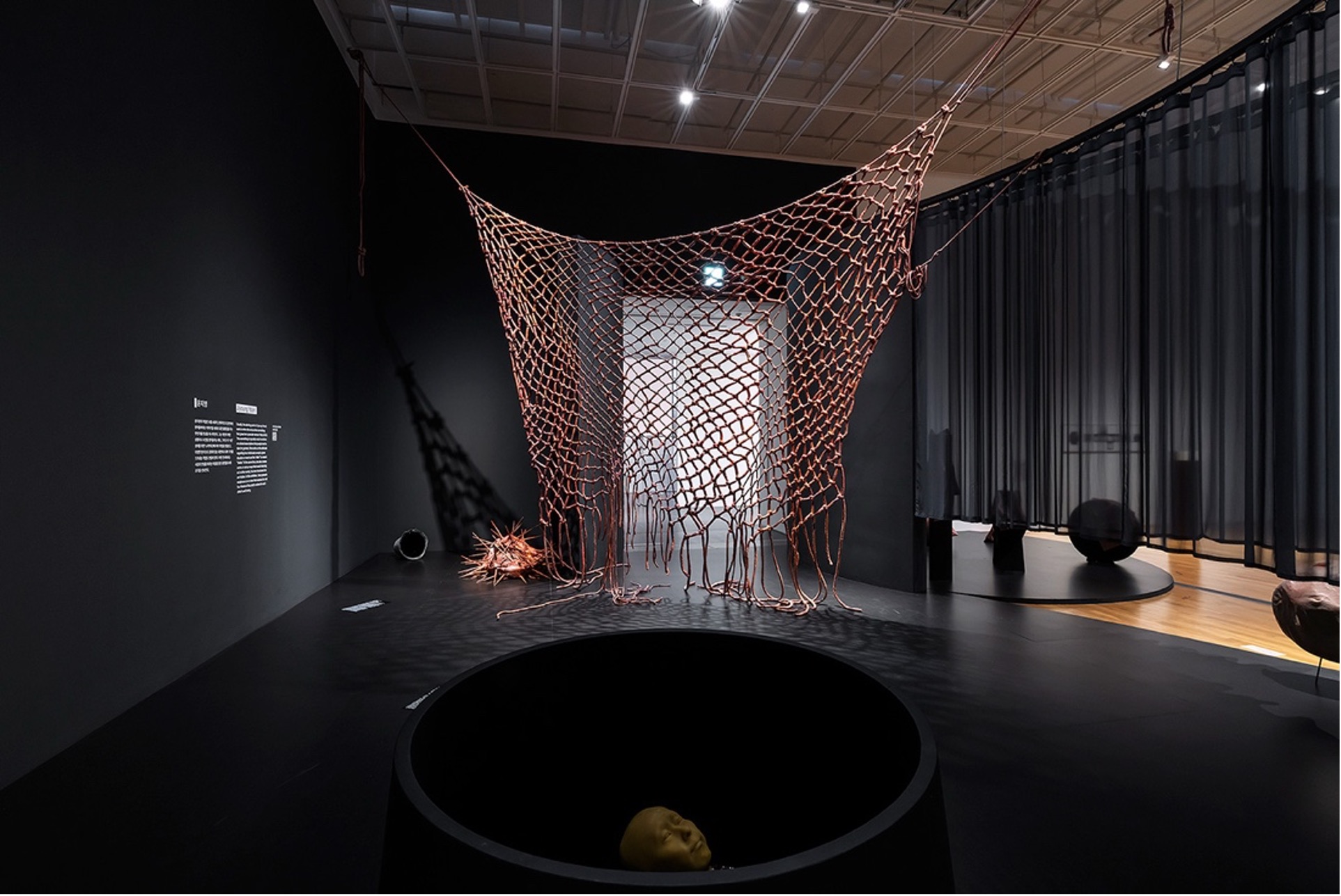
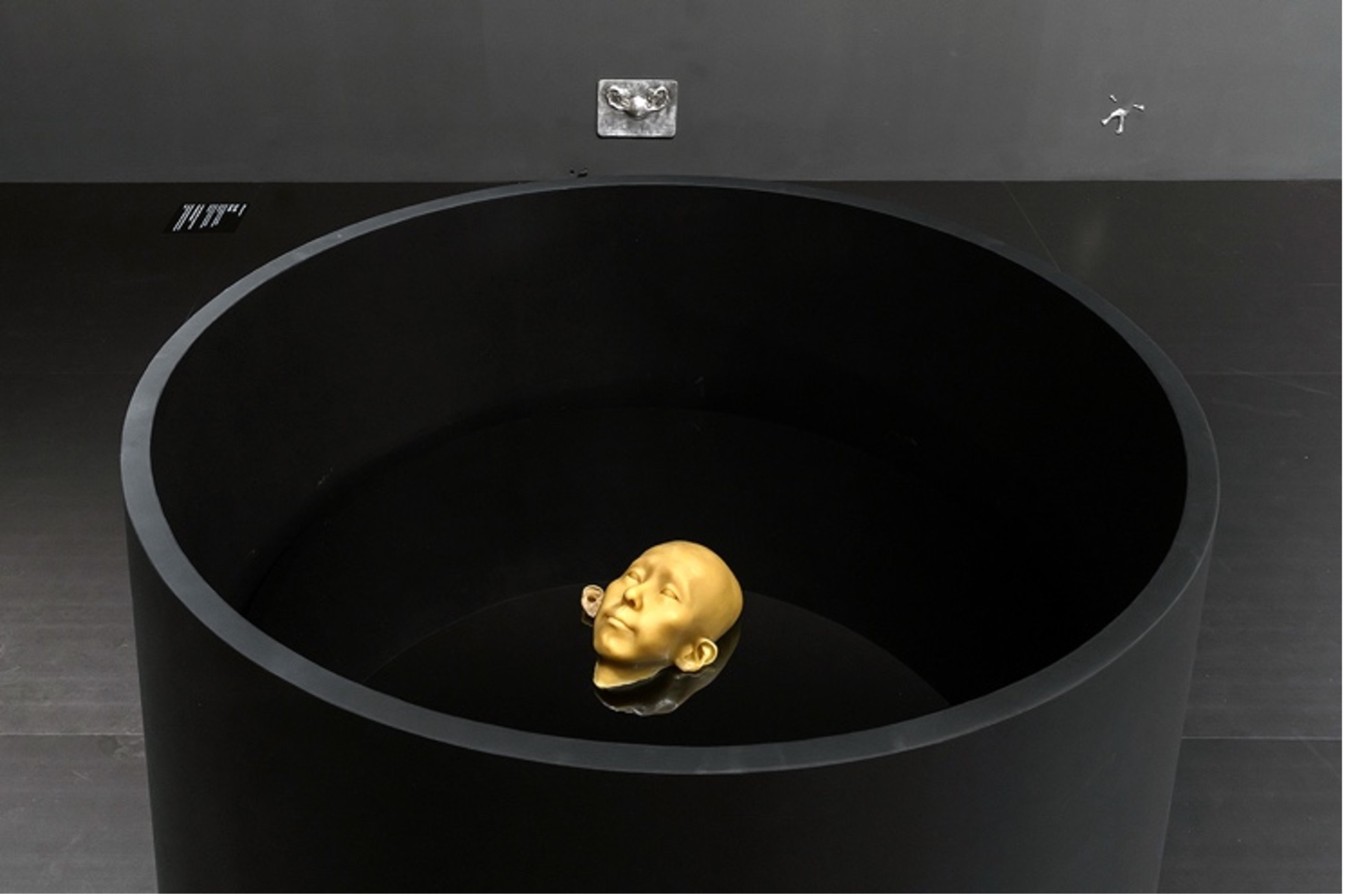
exchanges. Additionally, her work There is No Developmental Net of a
Sphere explores how non-experienced generations perceive and
construct historical knowledge through indirect, intuitive means.
Yoon
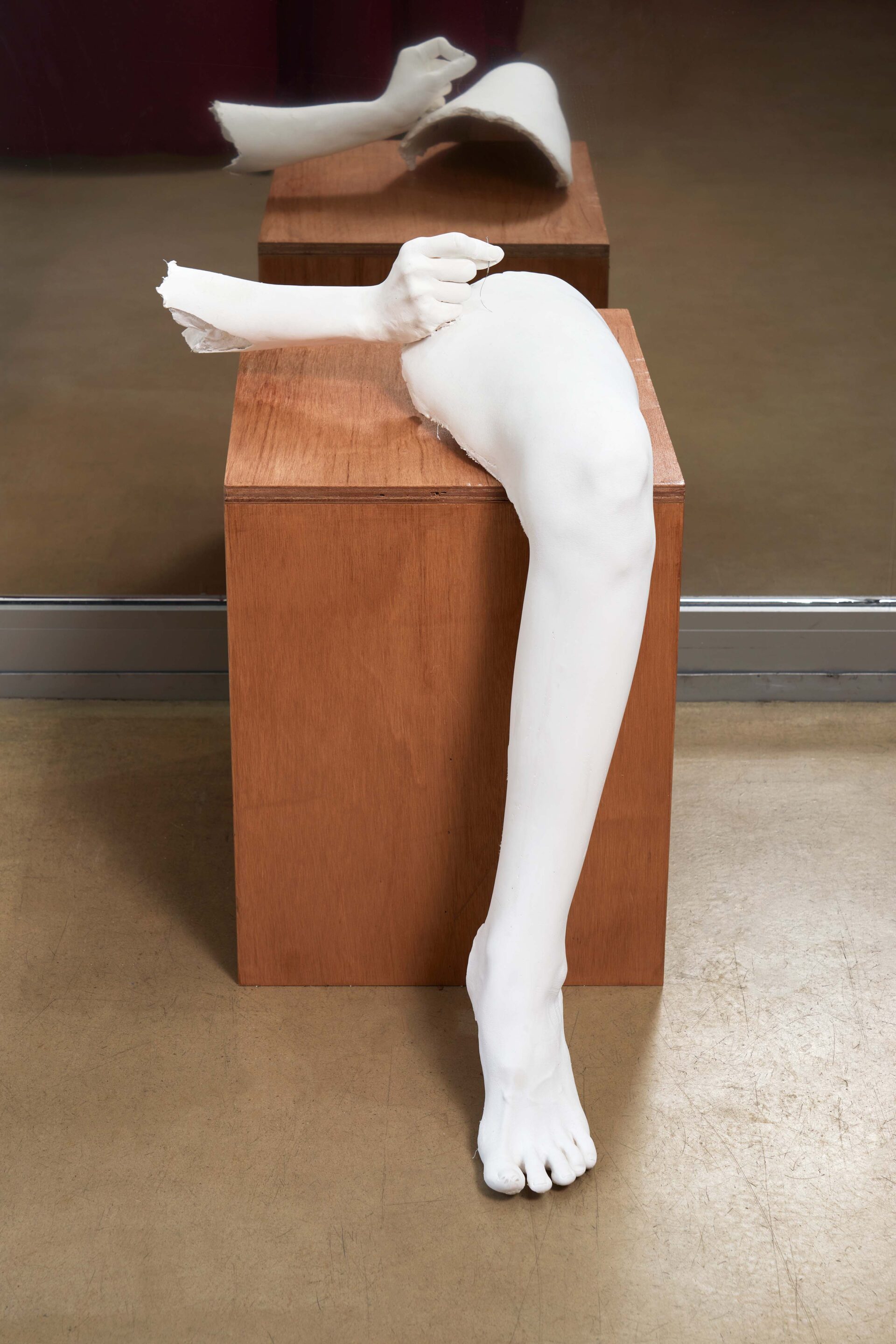
Taejun employs photography and 3D imagery to depict flowers, fire, fruits, and
hands—symbolic elements that serve as metaphors for the May 18 Democratic
Uprising and its participants. His work particularly focuses on the unresolved
grief surrounding the missing individuals whose bodies were never recovered,
offering a unique visual approach to remembrance and mourning.
Lee
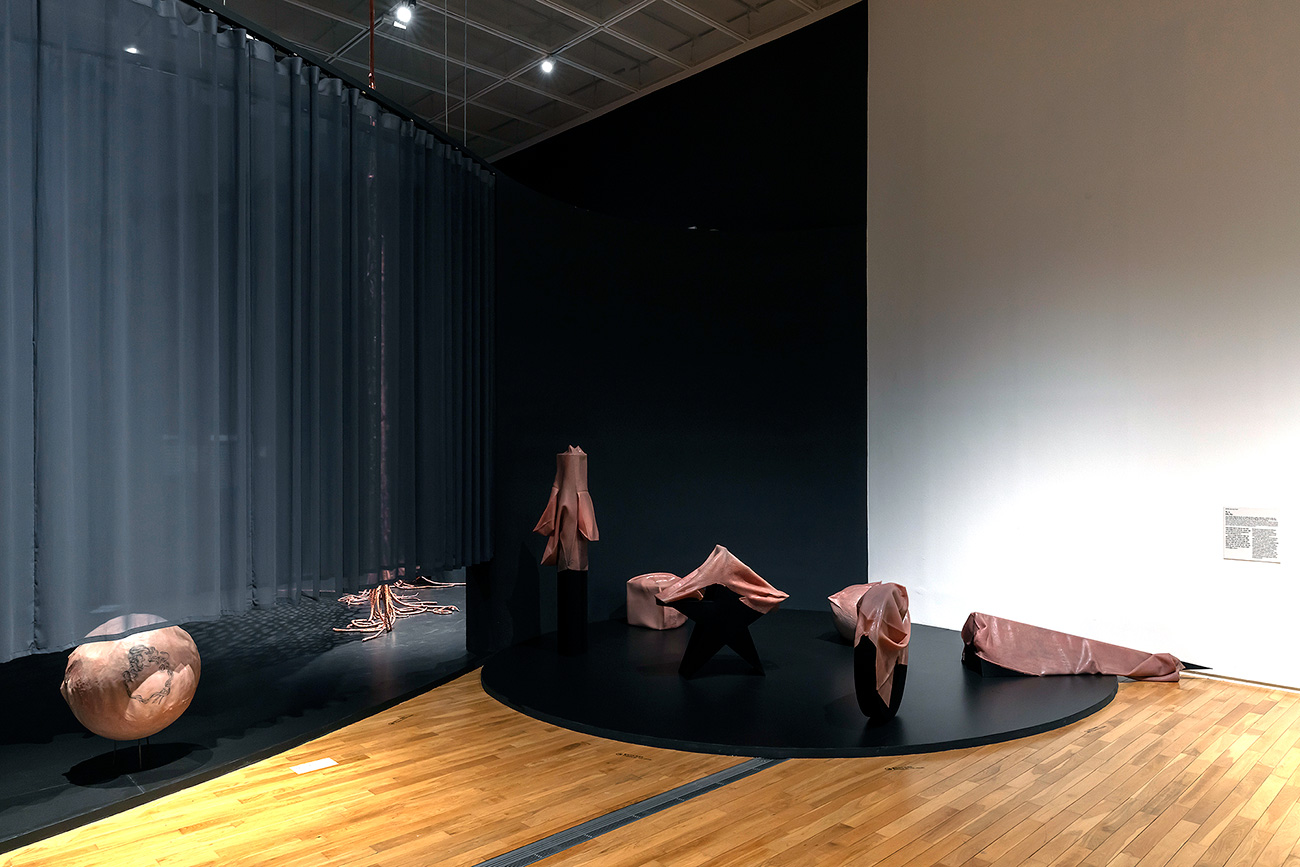
Eunyoung, as a member of the non-experienced generation, reflects on the
fragmented historical narratives she encountered in textbooks, the present-day
Gwangju she visited as an adult, and the firsthand testimonies she later read.
Her work questions what has been erased or forgotten and reconstructs these
absences through metonymic representations.
Jung
Hangyul investigates traces of the May 18 Democratic Uprising that remain
scattered throughout Gwangju. His work processes images of historical sites and
monuments, along with texts from eyewitness testimonies and archival records,
highlighting the passage of time and the gradual erosion of collective memory.
Lastly,
curators Kim Minji and Kim Hanra conclude, “We have stood before May 18 in
Gwangju and must now carry its history forward with clear voices. Regardless of
birthplace, the present and future will ultimately be defined by
non-experienced generations. We hope that this history does not become
enshrined or dismissed as a relic of the past but continues to engage current
and future generations through active discourse.”
The
exhibition runs until June 8.