“The feeling of wanting to draw is incredibly complex. I draw because I have something to say. I draw because something is beautiful. I draw because something is wonderful. I draw because I miss it.”
I have rarely encountered a confession from a painter that is so honest, sincere, and deeply moving. This single statement leads me not only toward the motivations and energies that drive the artist sitting before me, but also toward the inner lives of countless artists I have never met and intimate moments from lives I have never lived. It stirs something deep within.
Furthermore, it encompasses the very reason painting has persisted—from prehistoric times when images were painted on cave walls to the present day, when a major art magazine might name an NFT rather than a person as the most influential cultural figure of the year.
Above all, by making “wanting to draw” the subject of the sentence, Moon points toward a fundamental truth: that the desire to draw is what makes possible everything else that art history, critical discourse, and contemporary art theory seek to explain.
If painting is indeed the most human of artistic forms, it is not simply because great works exist, but because painters themselves have laughed, cried, despaired, and rejoiced in response to a desire they could neither suppress nor fully comprehend.
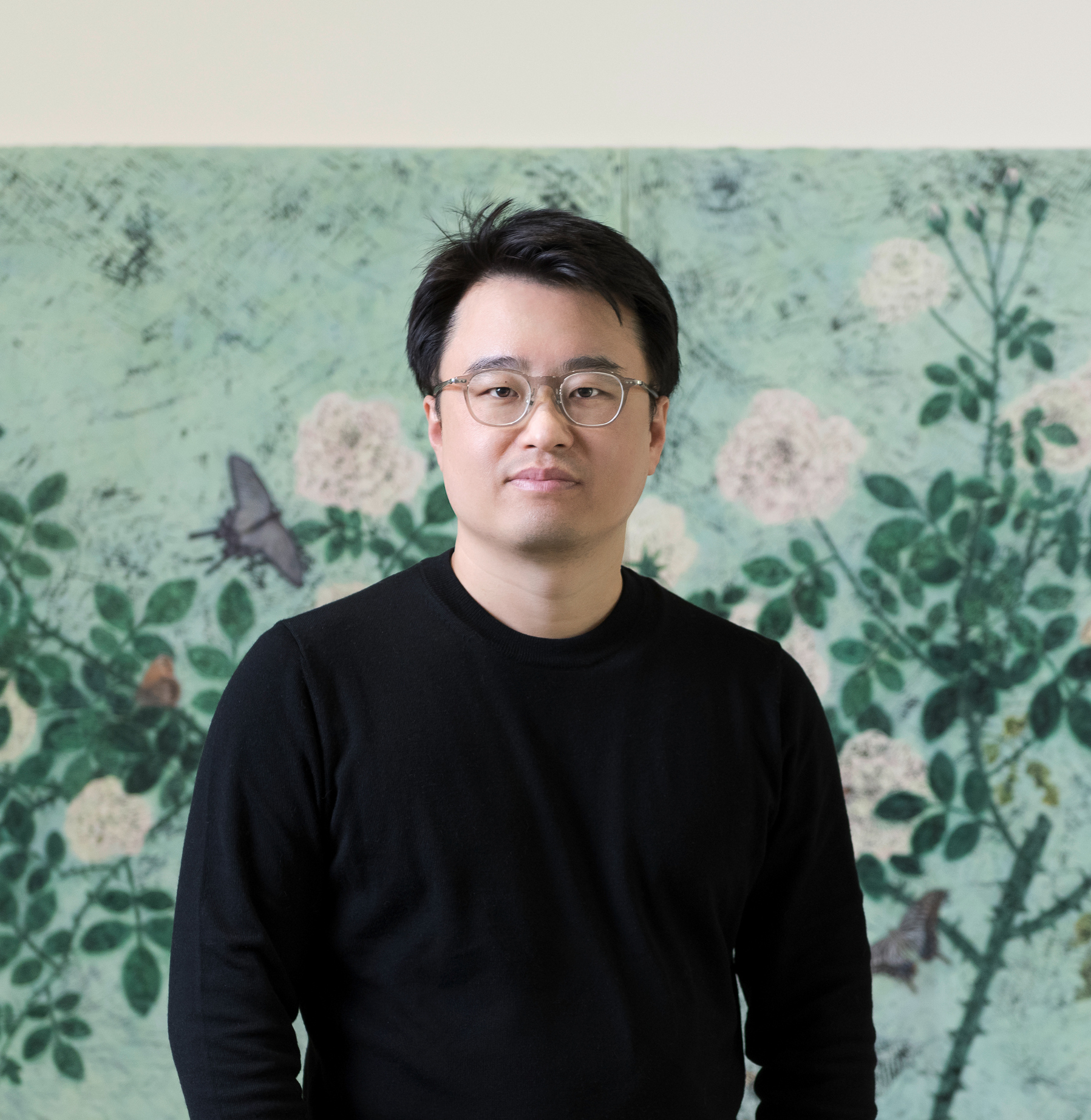
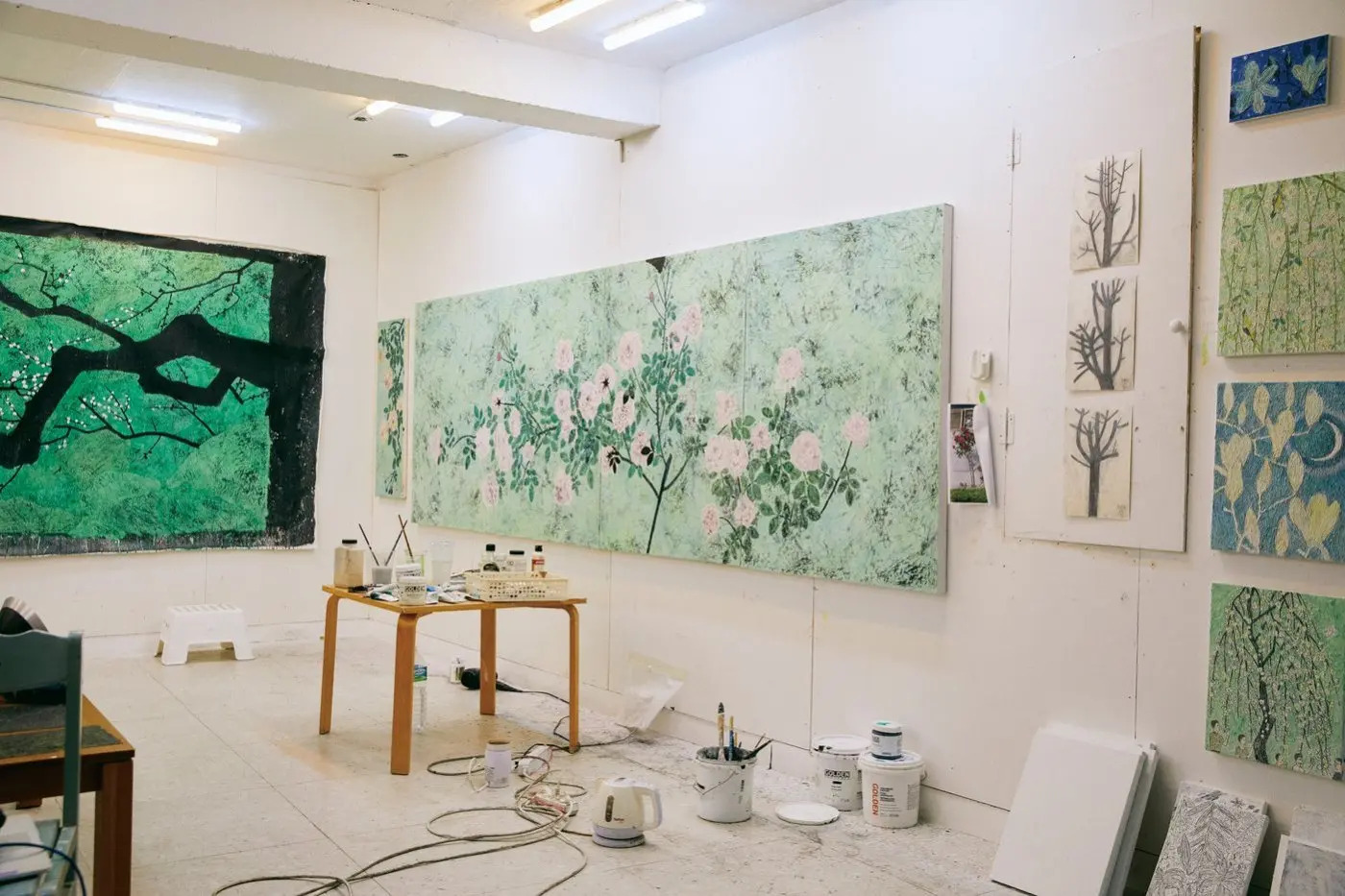
About five years ago, Moon relocated from Seoul to Busan for precisely this reason—to prevent the desire “to draw” from being overtaken by the obligation “to produce.” His studio, a space where the scent of paint seems embedded in the walls, is a place where brushes and pencils coexist with unfinished works in a state of productive tension. It is also, in a sense, a bunker designed to preserve the painter’s desire in its purest form.
By physically distancing himself from the complexities of the art world, Moon found a new freedom. He explained that it was only after settling in Busan that he was able to develop the new techniques and visual language that appeared in his 2019 solo exhibition at Kukje Gallery. Inviting me to sit in a sunlit corner of his modest studio, Moon served a cup of fermented coffee, whose slightly earthy flavor carried a distinctive appeal.
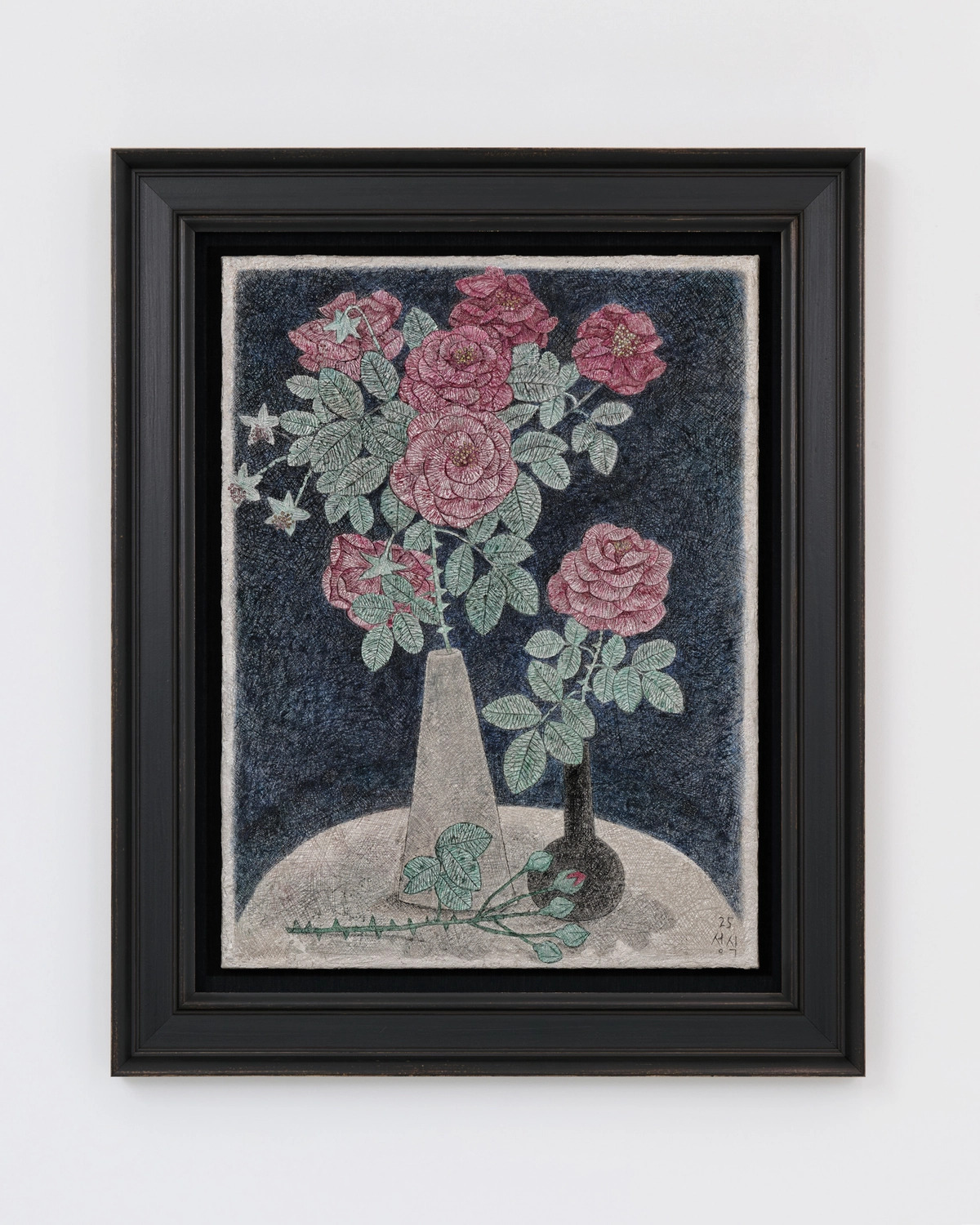
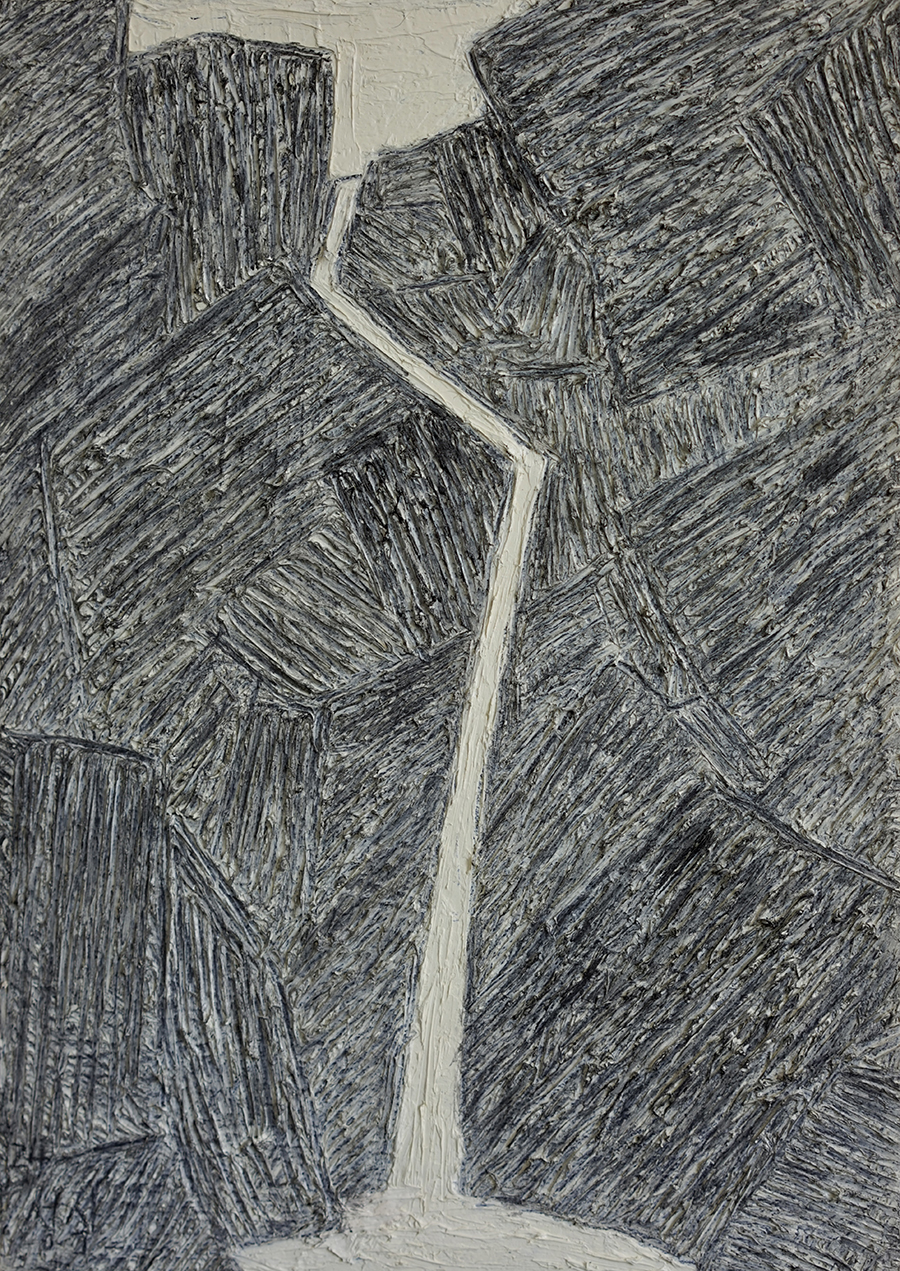
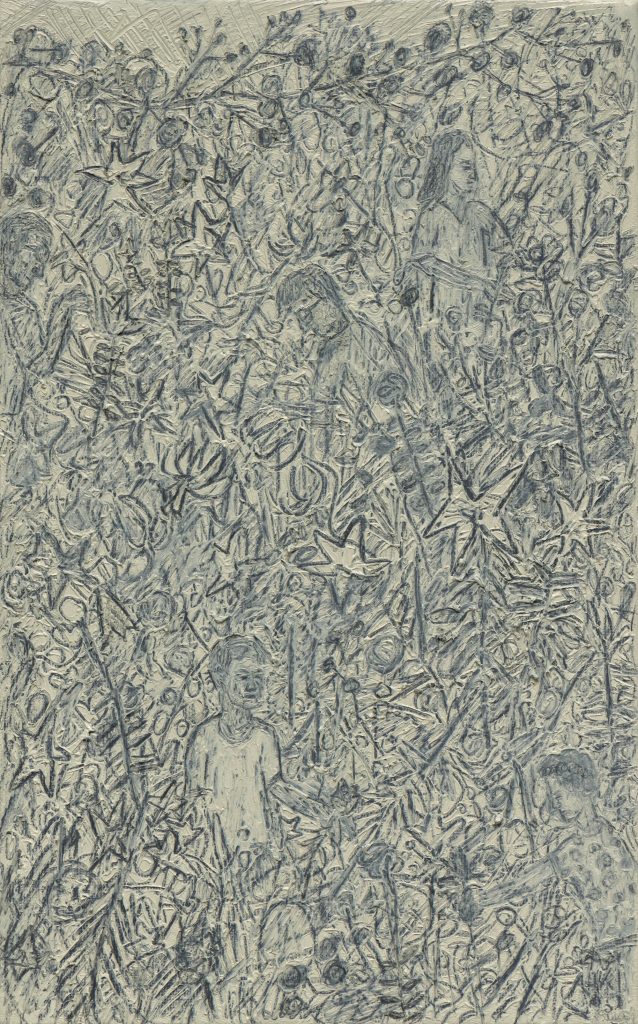
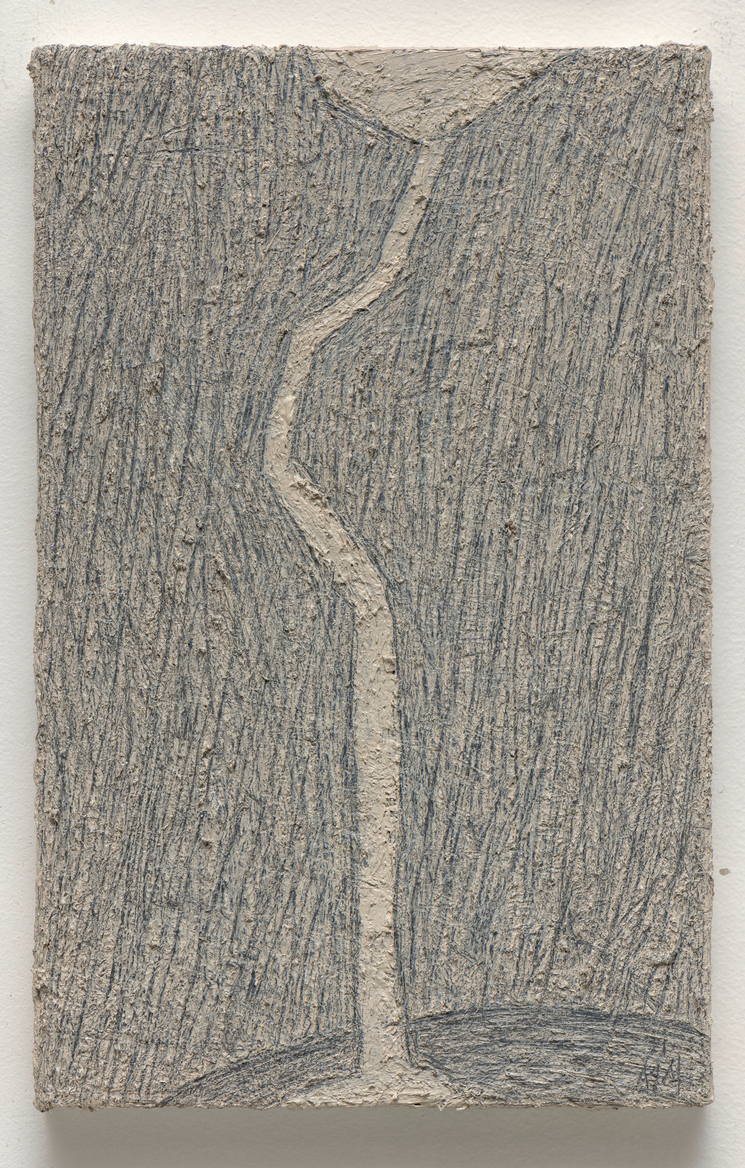
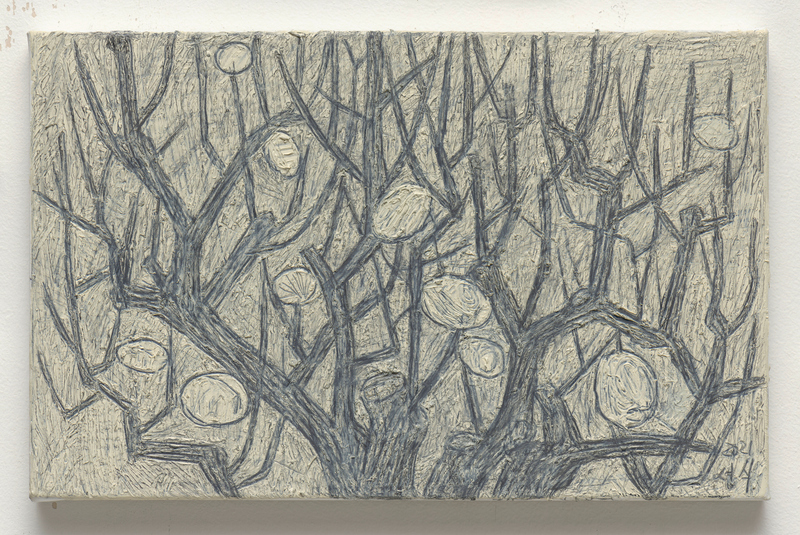
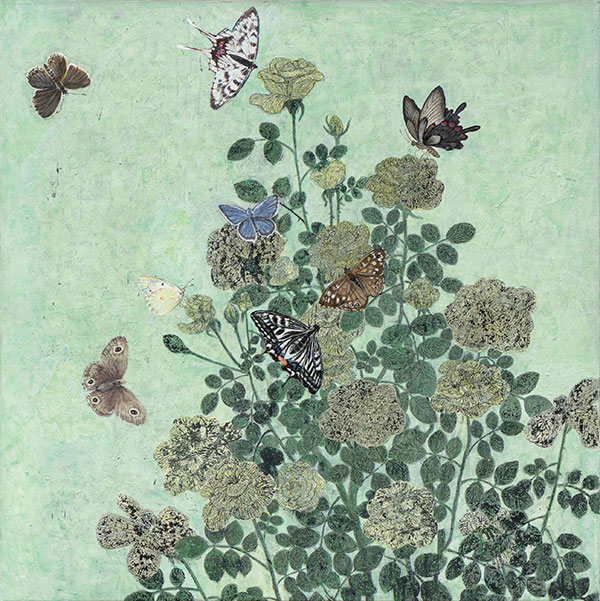
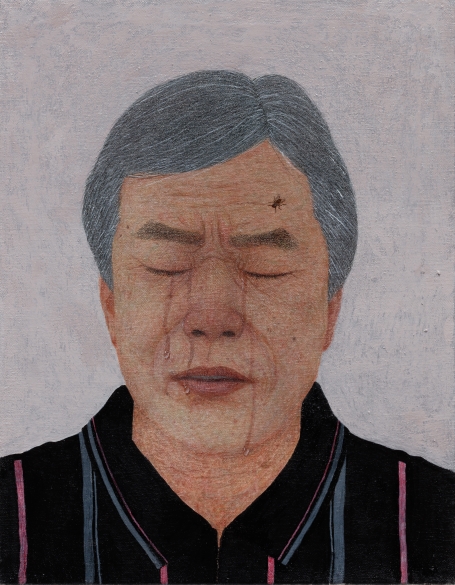
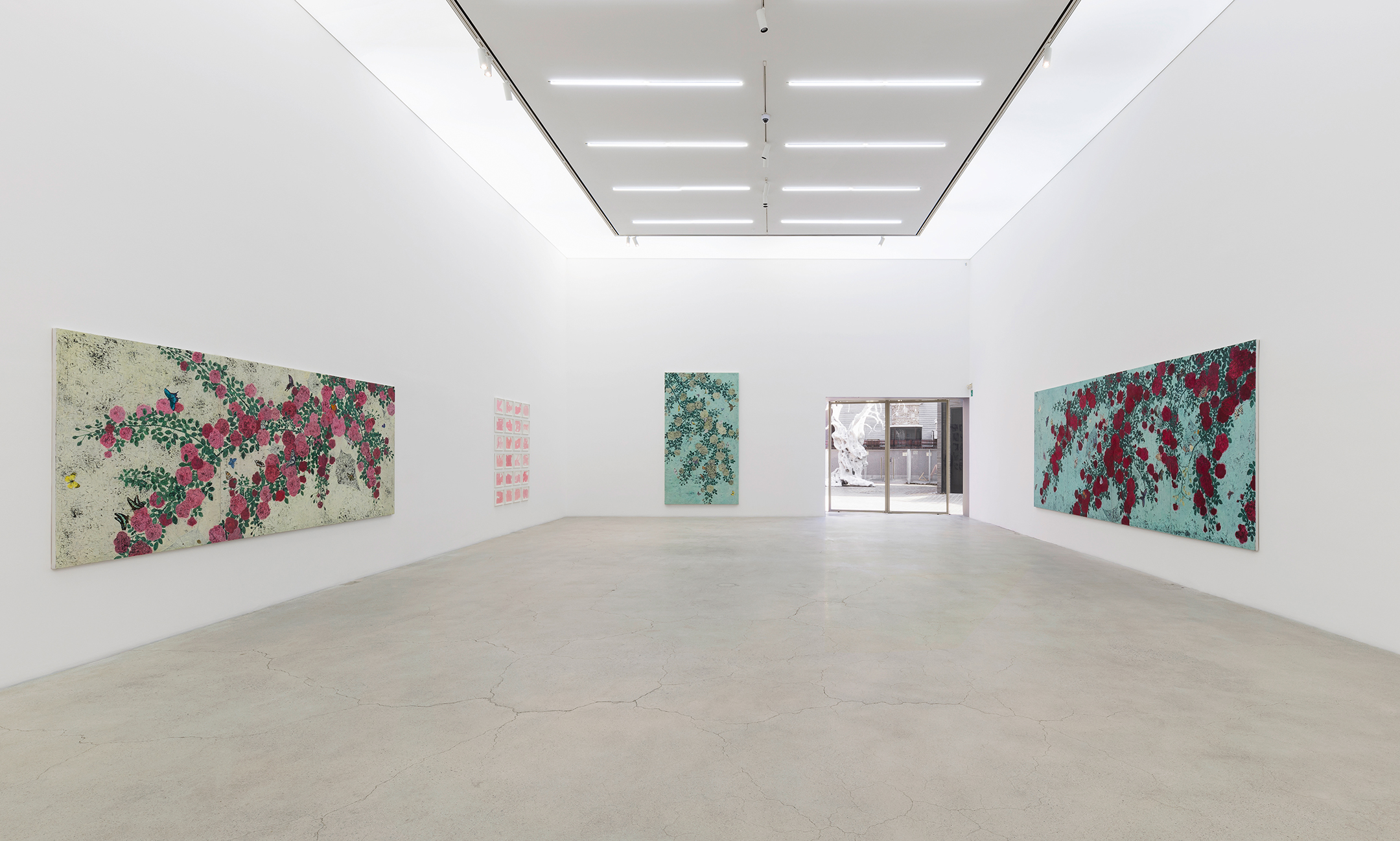
Yet even in this setting, he admitted with a sigh that preparing for exhibitions remains far from easy. Several large-scale works employing scratch techniques derived from both Eastern and Western artistic traditions, along with numerous intimate drawings made by scratching into an oil-painted surface with pencil, announced the arrival of a new chapter in Sungsic Moon’s practice.
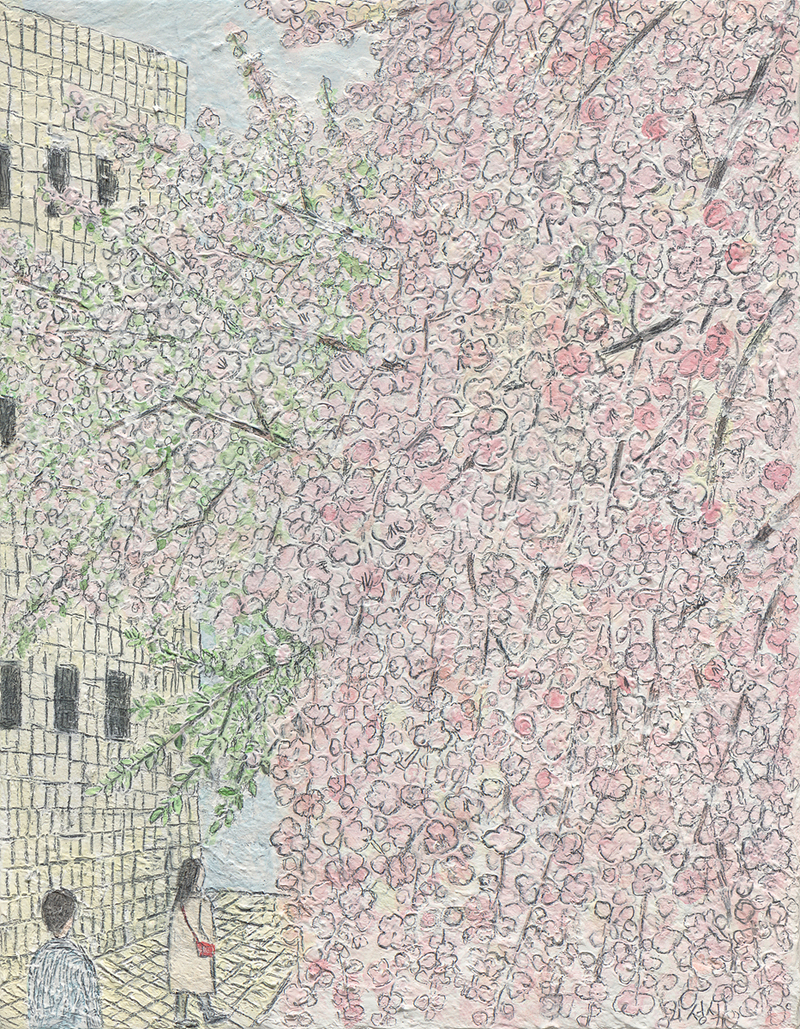
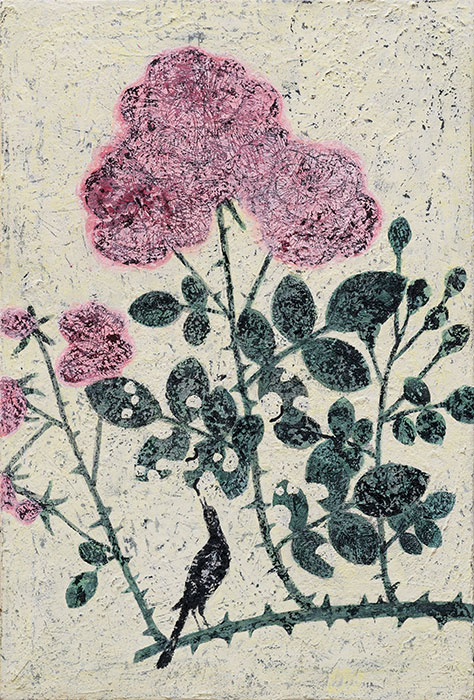
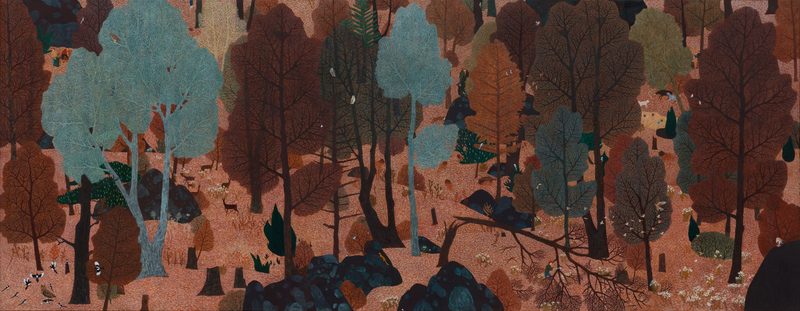
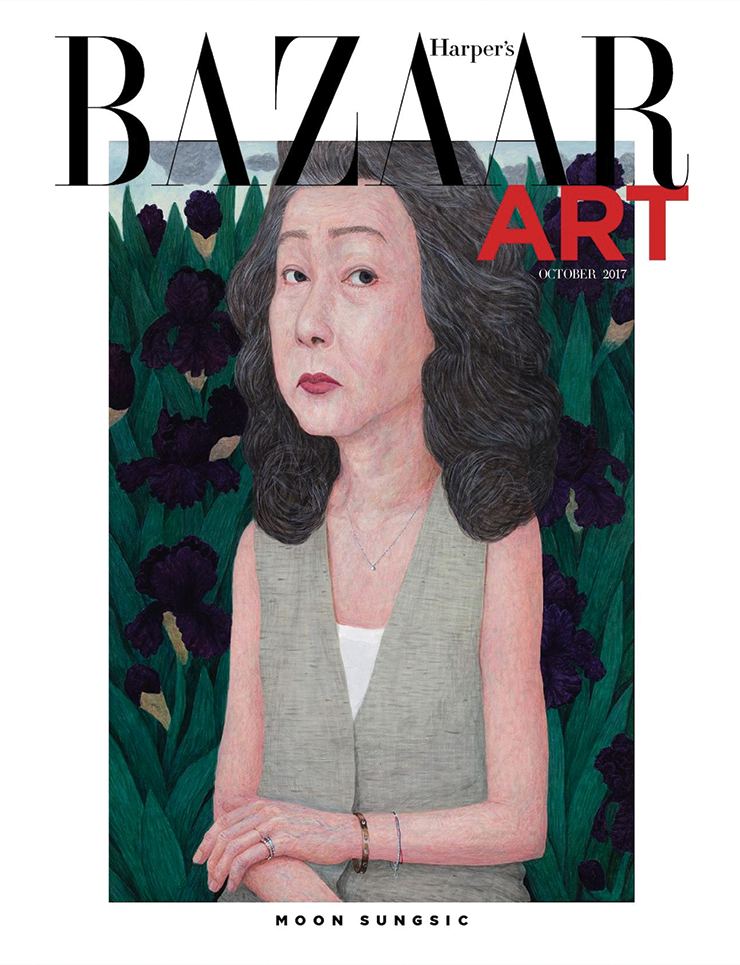
Compared with his earlier signature works—pencil drawings that rendered sharply honed memories through seemingly casual lines, or oil paintings that disregarded conventional perspective in favor of meticulously filling every corner of the canvas with obsessive detail and brushwork—these new works are less virtuosic or polished. Instead, they breathe with a distinctive modesty and vitality.
In his first solo exhibition in Busan, opening on January 21, Moon will continue to develop this approach, presenting what he describes as “technically advanced works, with deeper blacks, additional bleeding effects, and expanded scratch techniques.”
Yet more significant than the question of how formally resolved these paintings have become is what they signify: that the artist has gained, however tentatively, a sense of confidence in a newly discovered path. Viewers encounter paintings illuminated by a quiet conviction, one earned through sustained encounters with curiosity and uncertainty.
“I spent a long time thinking about what it means to be myself. In Busan, I feel as though I’ve come a little closer to that. If originality lies in the methodology through which I see and interpret the world, then my conclusion so far is that it all comes down to line. Every line contains both chance and necessity.
I came to believe that the essence lies in expressing something through the act of drawing lines in different ways, while everything else is merely something I devise through clever planning. That realization led me to develop these drawings made with pencil on an oil-painted ground. Because the work must be completed before the paint dries, it also requires a greater degree of intuition.
Rather than describing an object by following its appearance, I translate what impressed me into intuition and idea. In the past, I was overly cautious about making gestures. Only now do I feel that I understand that sensation. For a painter, the ability to move—to draw a line with force and confidence—is tremendously important. Through that process, I found courage.”
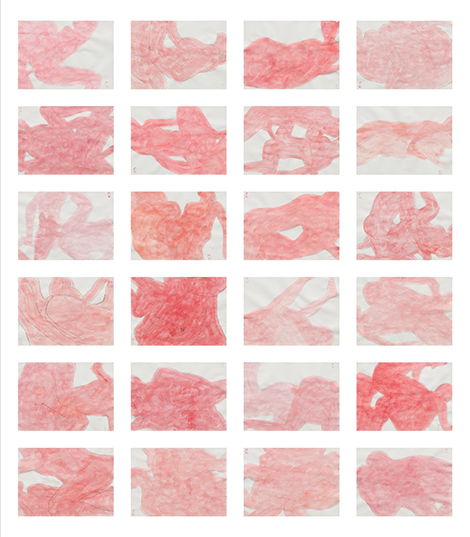
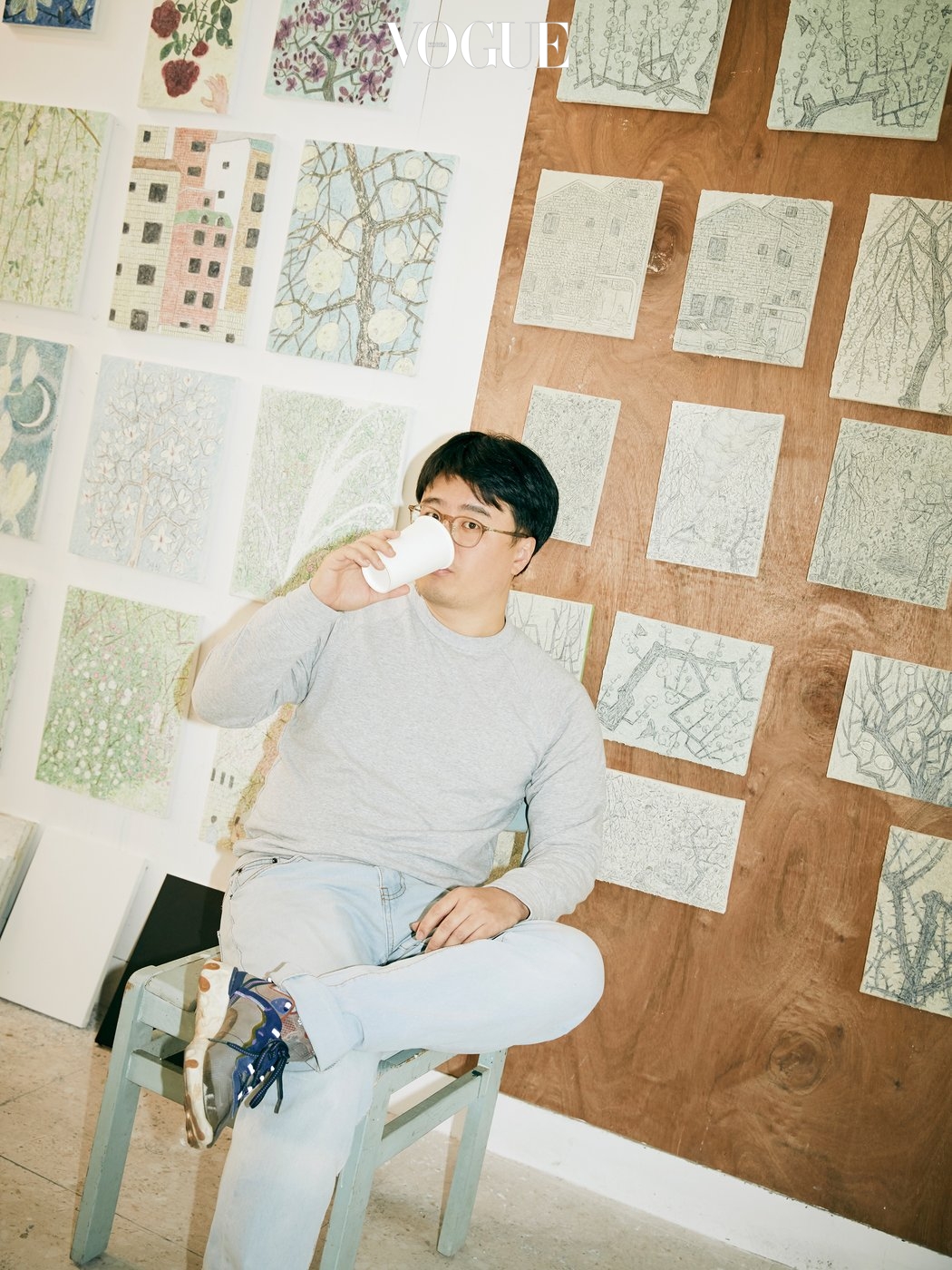
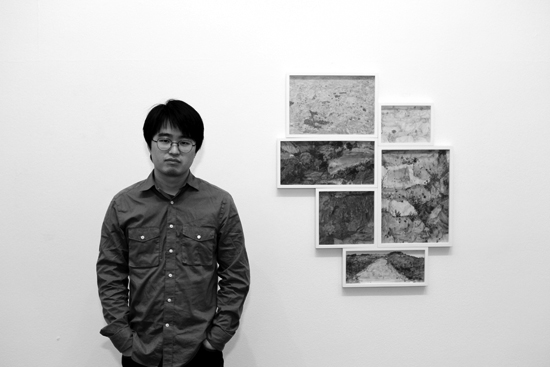
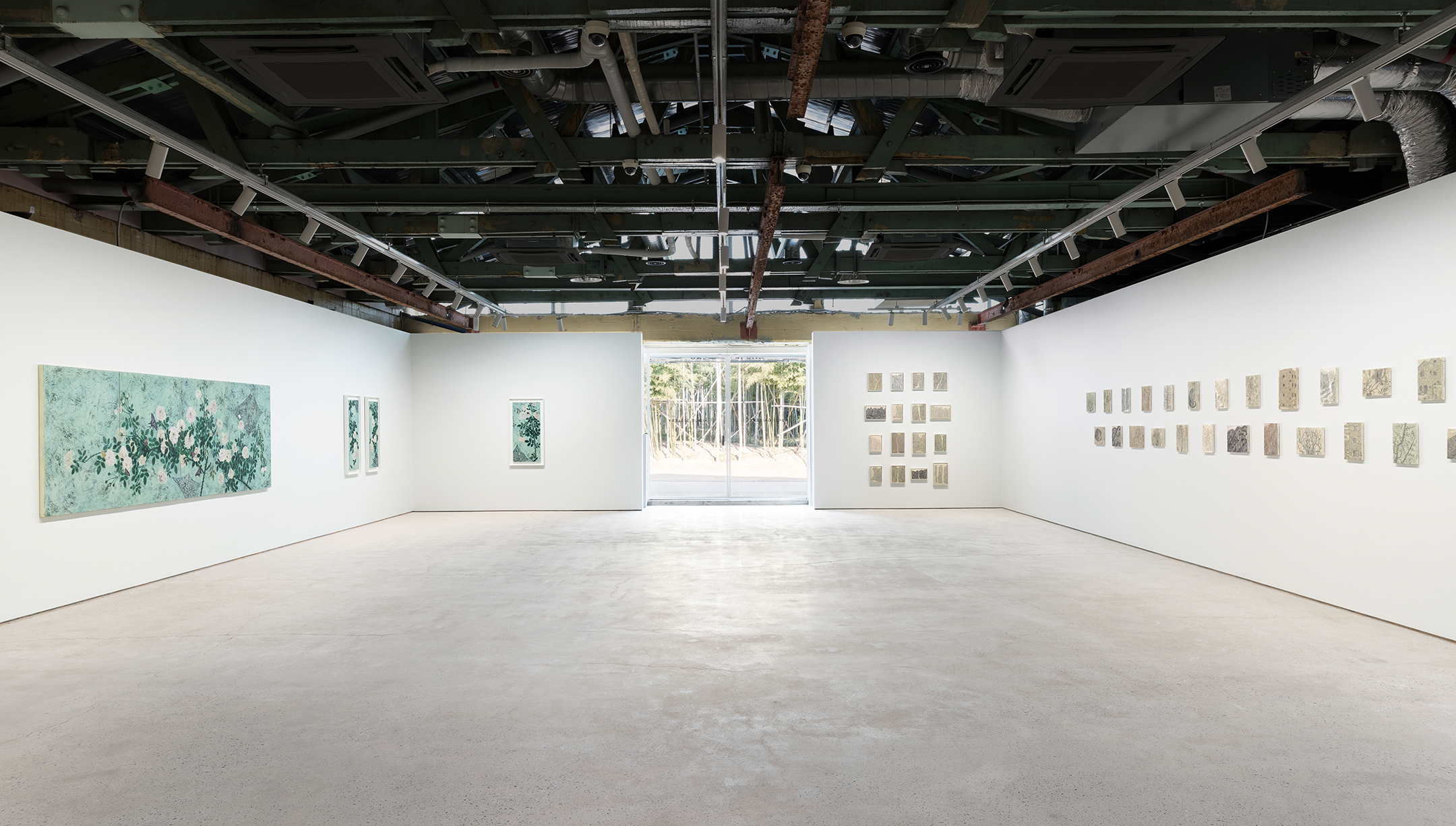
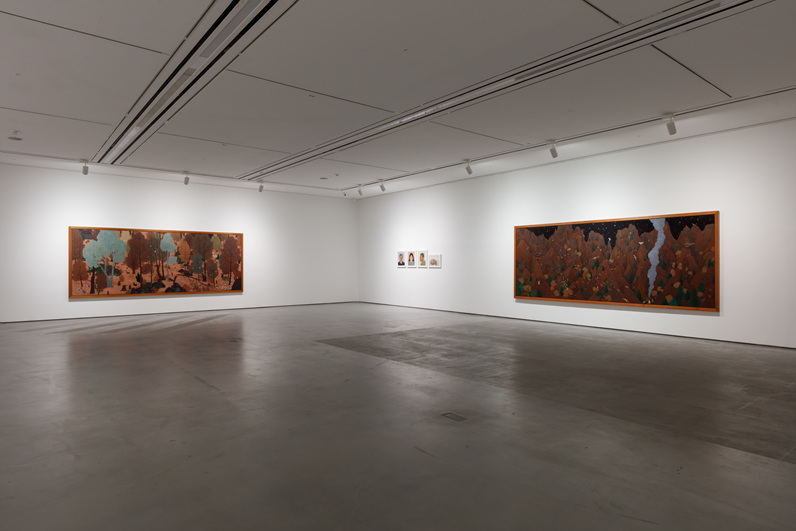
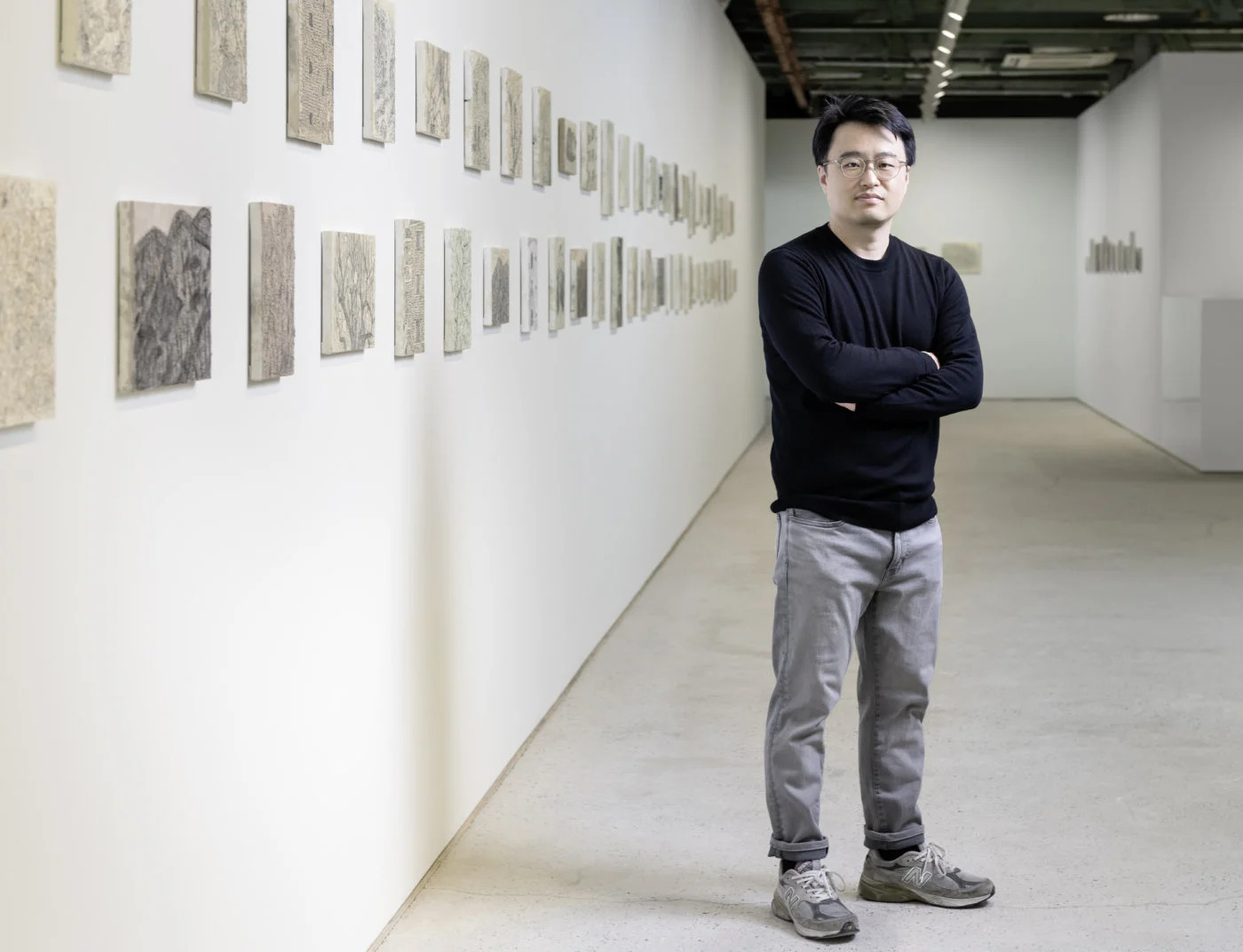
The dozens of drawings, roughly A4 in size and densely arranged across walls of lauan plywood, are therefore traces of the “clues to courage” that Moon has discovered.
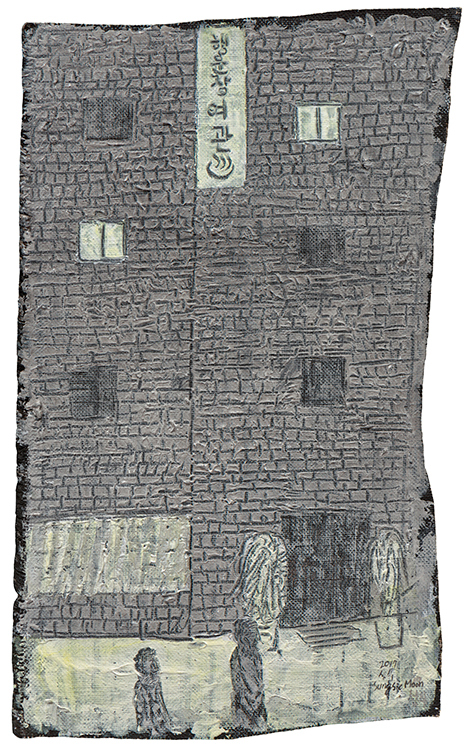
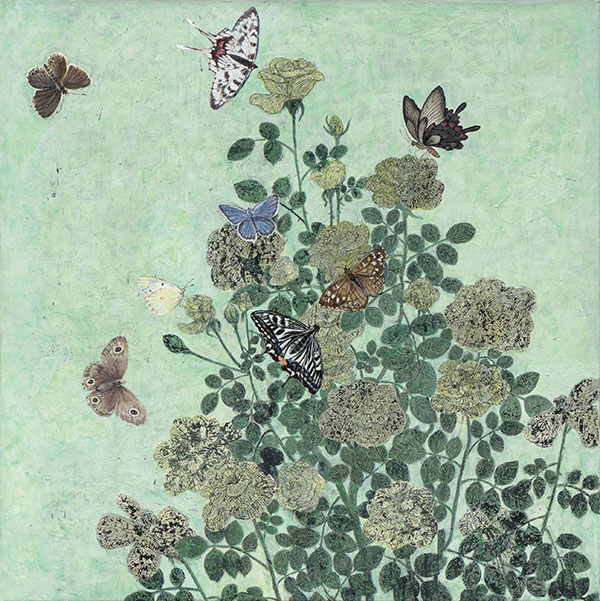
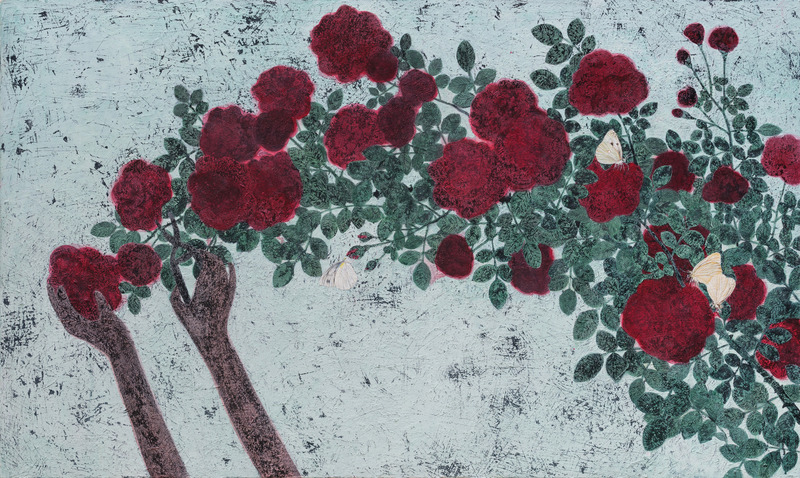
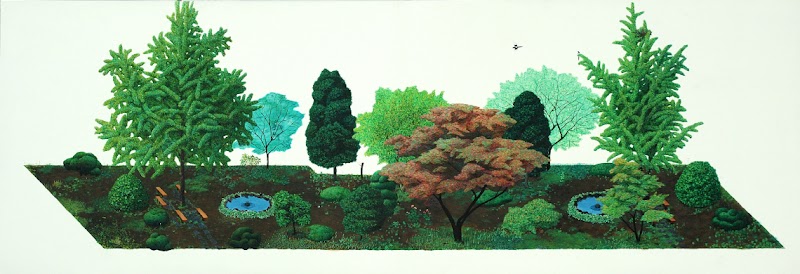
Flowers, gardens, waterfalls, mountains, clouds, brick houses, embracing couples, cats, orchards, tree stumps, flowering trees, and family members gathered for his mother’s seventieth birthday celebration—these are fragments of everyday life encountered in passing, scenes that “become part of the past as soon as today ends,” subjects that are “so ordinary and trivial, yet profoundly fair.”
Such motifs are among the most universal elements that constitute the world. Yet Moon’s ability to recognize their particular universality and transform it into painting remains one of his defining strengths. Since childhood, observing life, fate, and the countless major and minor problems of existence has been a kind of amateur philosophy for him.
As he puts it, these were not the concerns of a great philosopher but “the reflections of an ordinary human being.” Such reflections became visual examples of life’s uncanny qualities and inherent ambiguities, unfolding across the canvas.
What has changed is this: whereas the earlier works depicted memories deeply embedded within the painter himself, accumulated and preserved over long periods of time, the current works transform vivid scenes captured through the painter’s gaze into memories belonging to the painting itself.