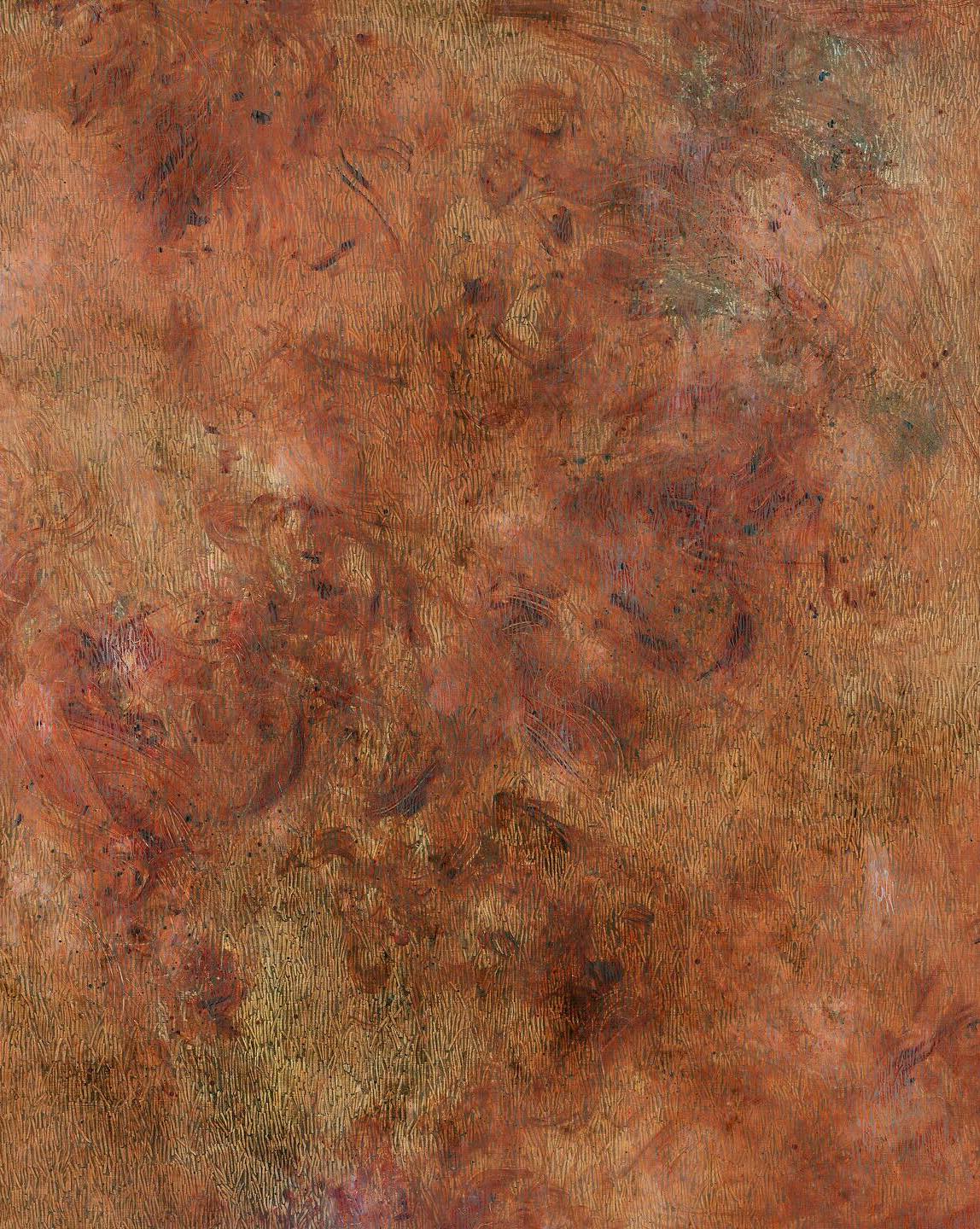
Ko Woori
develops her artistic practice through the process of recording the changes of
unstable emotions that arise within human relationships and retracing where
those emotions come from. For the artist, relationships with others are an
inevitable condition of life, but they are also sites of emotional friction
that lead to discomfort, anxiety, fear, and stress.
In her early works, Ko
transferred this inner confusion into bodily actions on the surface, dealing
with emotions before they are organized into words or narratives. In works such
as Flexible Mark (weigh)
03(2017), Flexible Mark (Crack) 02(2018),
and Exterior2 04(2018), the canvas appears not simply
as a ground, but as a surface where emotions collide, become scratched, and
peel away.
The works from this period can be understood as attempts to create
“cracks” within the ambivalent emotions experienced in human relationships, and
to search through those cracks for points of contact between herself and
others.
In the
solo exhibition 《Unknowing ·
Border · Moment · Crack · Exterior》(Alternative Space
NOON, 2018), this concern becomes concretized through the issues of “exterior”
and “border.” The artist creates multiple layers on the surface through the
processes of painting, crumpling, wetting, and scraping the canvas, projecting
onto it the inner emotions she has not fully recognized and the ambiguous
things surrounding them.
At this point, the work is not about representing a
certain object, but is closer to a bodily struggle to find “sincerity” and
“essence” in order to understand others and enter society. The use of the hand,
fingertips, fingernails, and the edge of the hand changes according to the
intensity of emotion, while the presence and absence of paint and the peeling
of the surface visualize the process through which emotions arise and
disappear.
Since the
2020s, Ko Woori’s interest has shifted from “anxiety within relationships” to
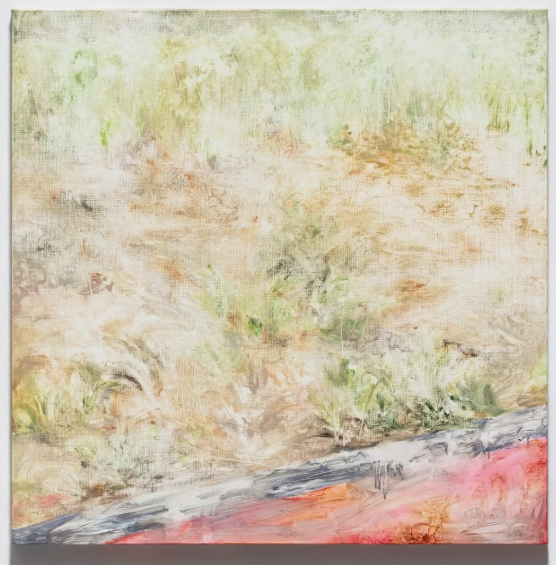
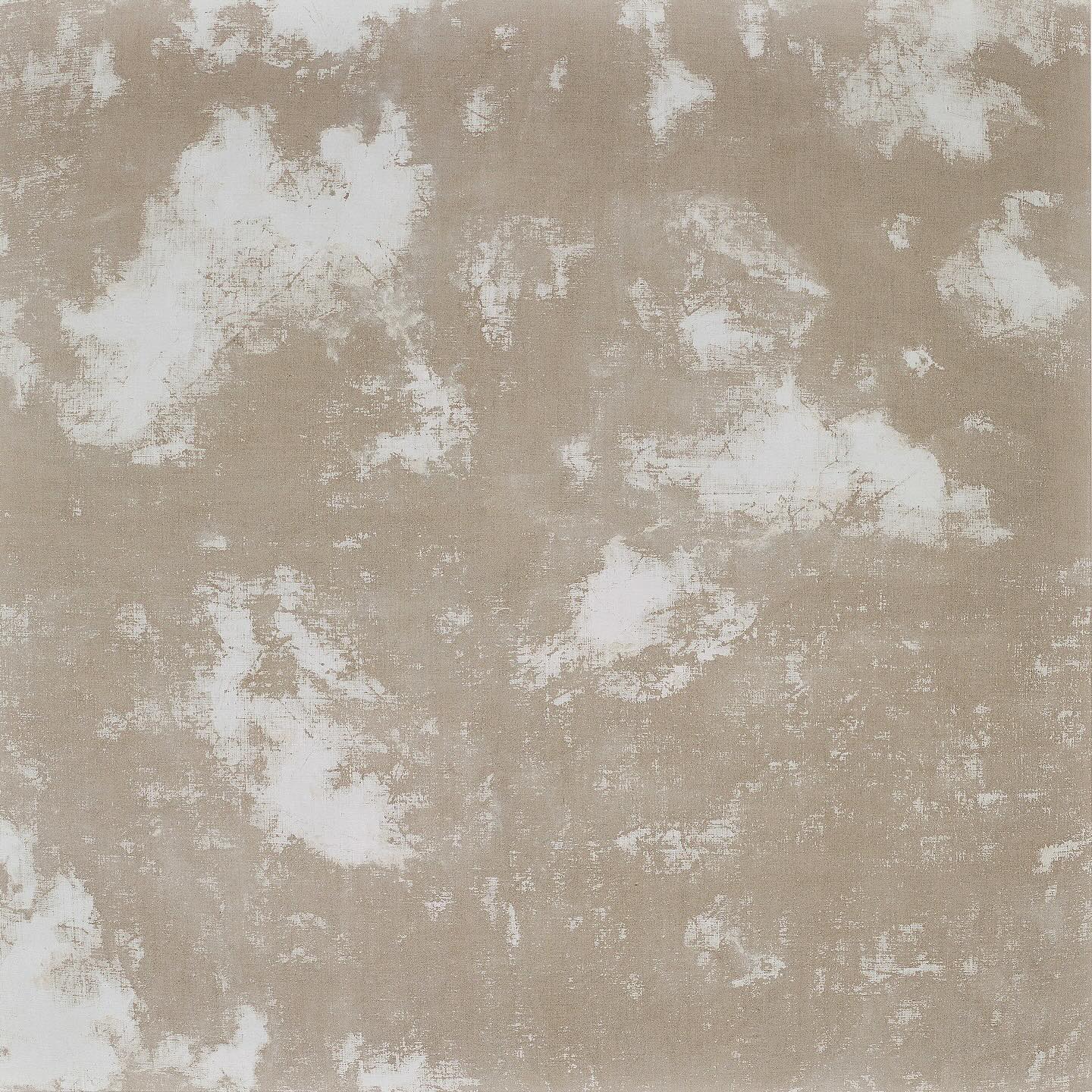
“relationships that remain connected nonetheless.” In the ‘Uncatchable,
Sentimental’(2022) series, emotions that cannot be captured remain on the
surface through the performance of the hand and the process of erasure.
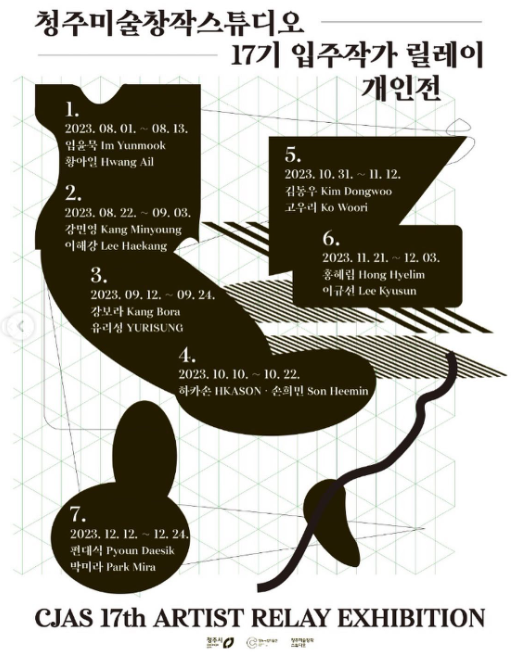
In the
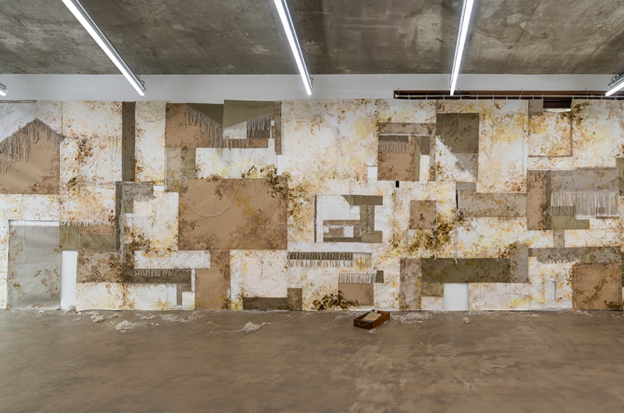
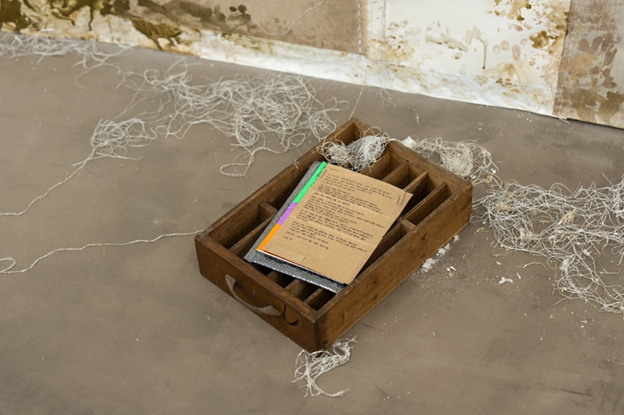
solo exhibition 《Toward the
trivial and pitiful but beautiful》(Cheongju Art Studio,
2023), an attitude of facing and unraveling the anxiety of entangled
relationships through canvas and sewing comes to the fore.
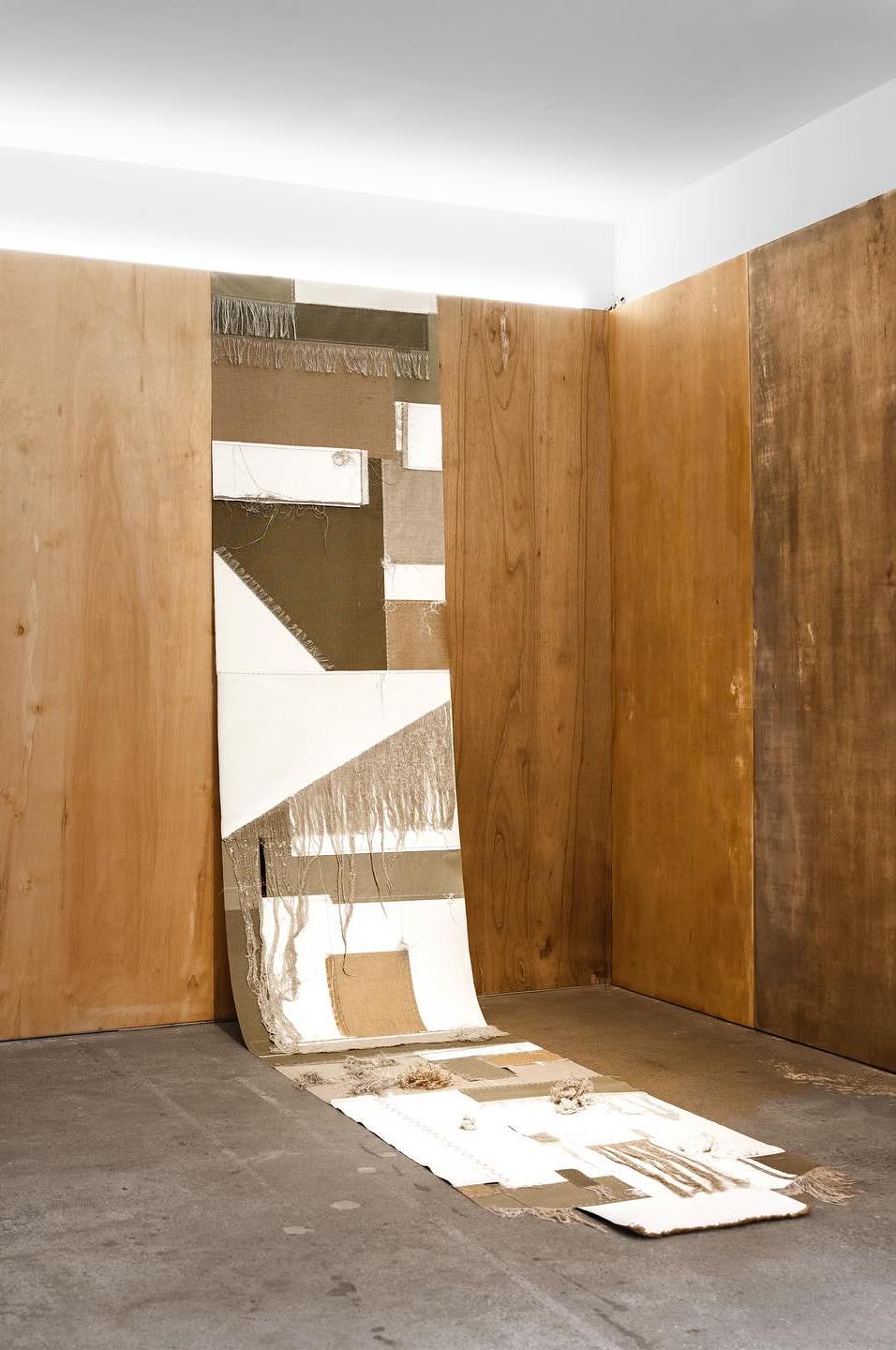
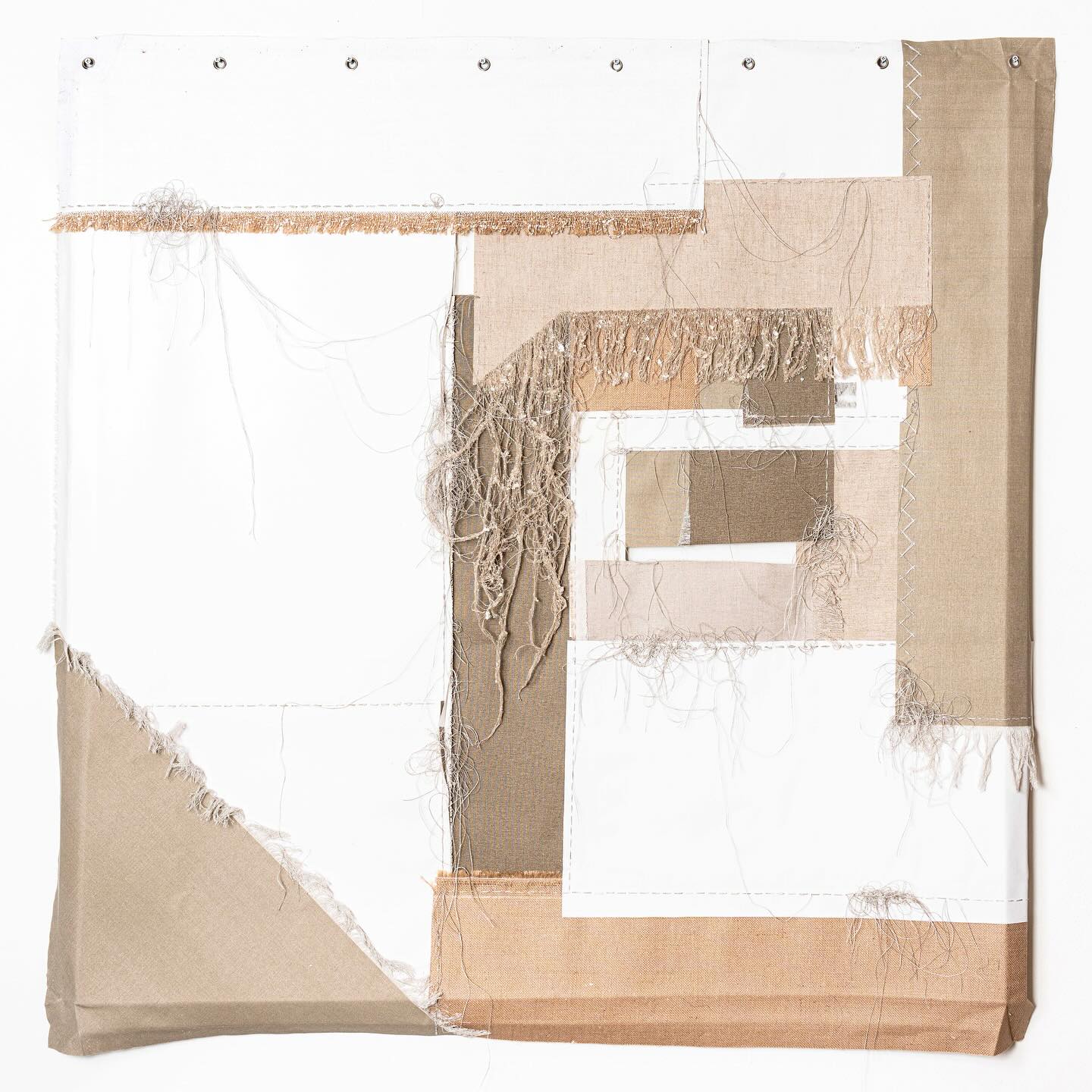
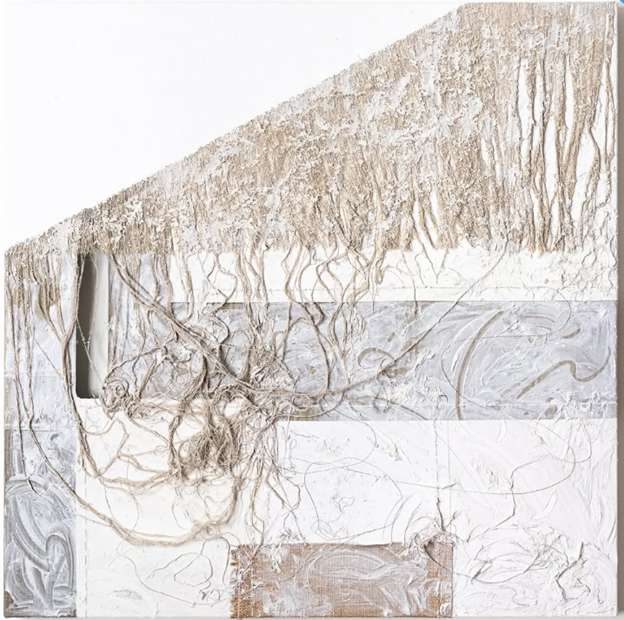
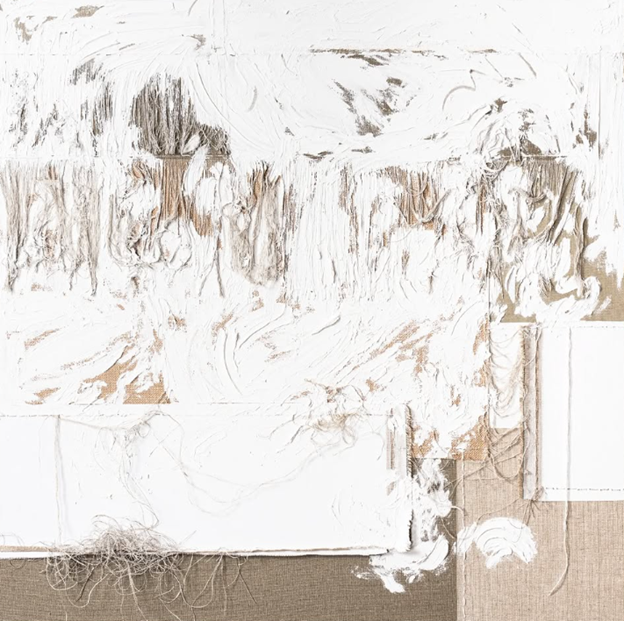
Works such
as The trivial and pitiful but beautiful 6(2023), in
which traces of the hand and layers of material are added onto stitched canvas,
do not simply heal or suture the wounds of relationships, but simultaneously
reveal the anxiety and attachment that arise because things remain connected.
This
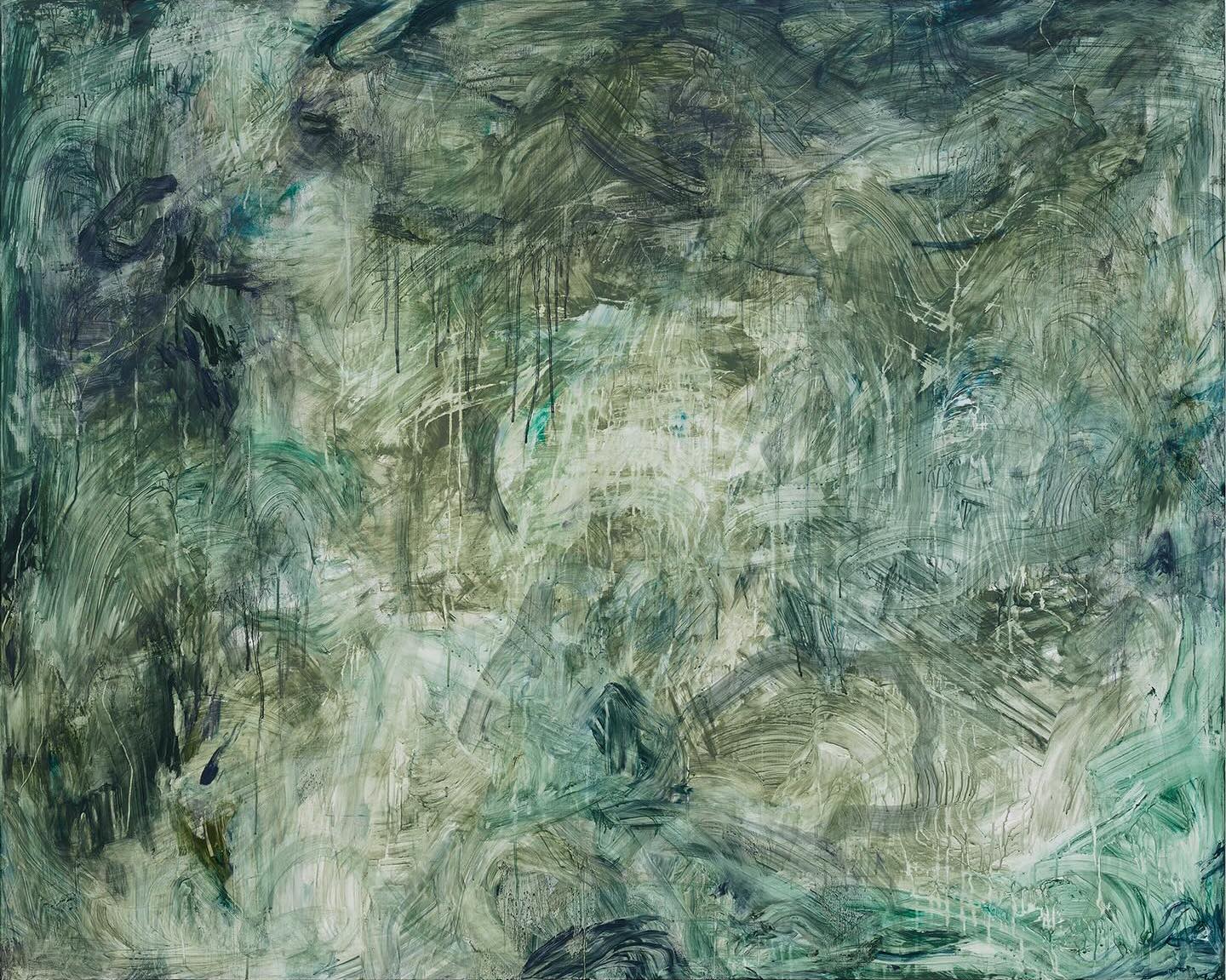
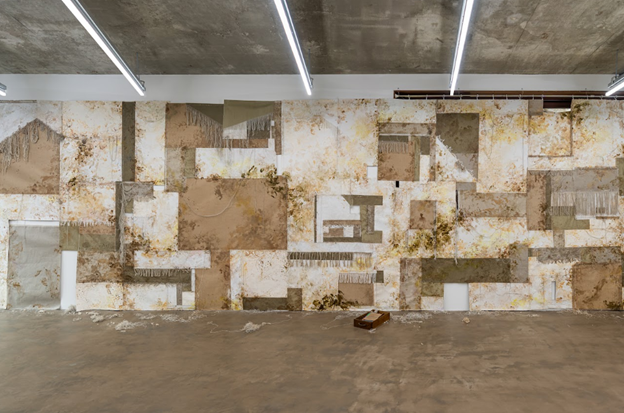
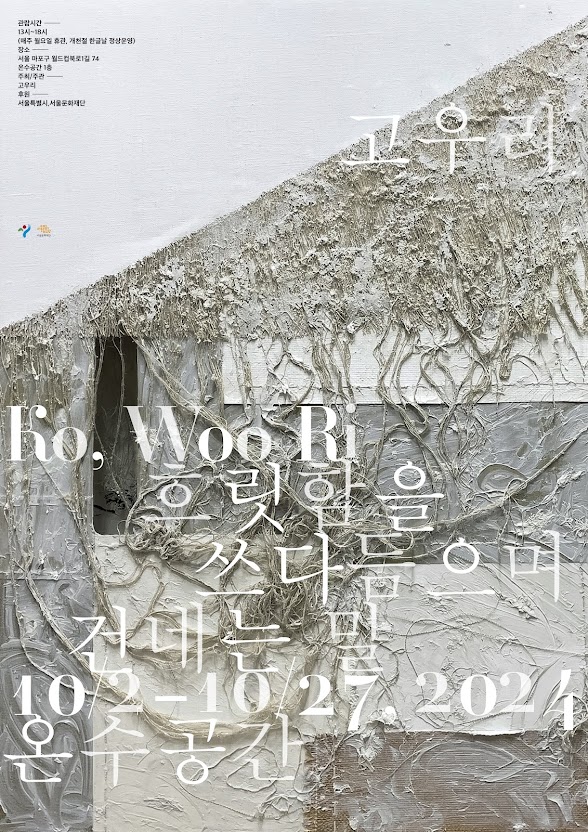
trajectory expands further in her recent solo exhibitions. In 《Whispers upon Stroke of a Blur》(ONSU-GONGGAN,
2024), Ko Woori treats painting as something like a “friend” or “mother body,”
continuously adjusting the distance between painting and painting, between I
and you.
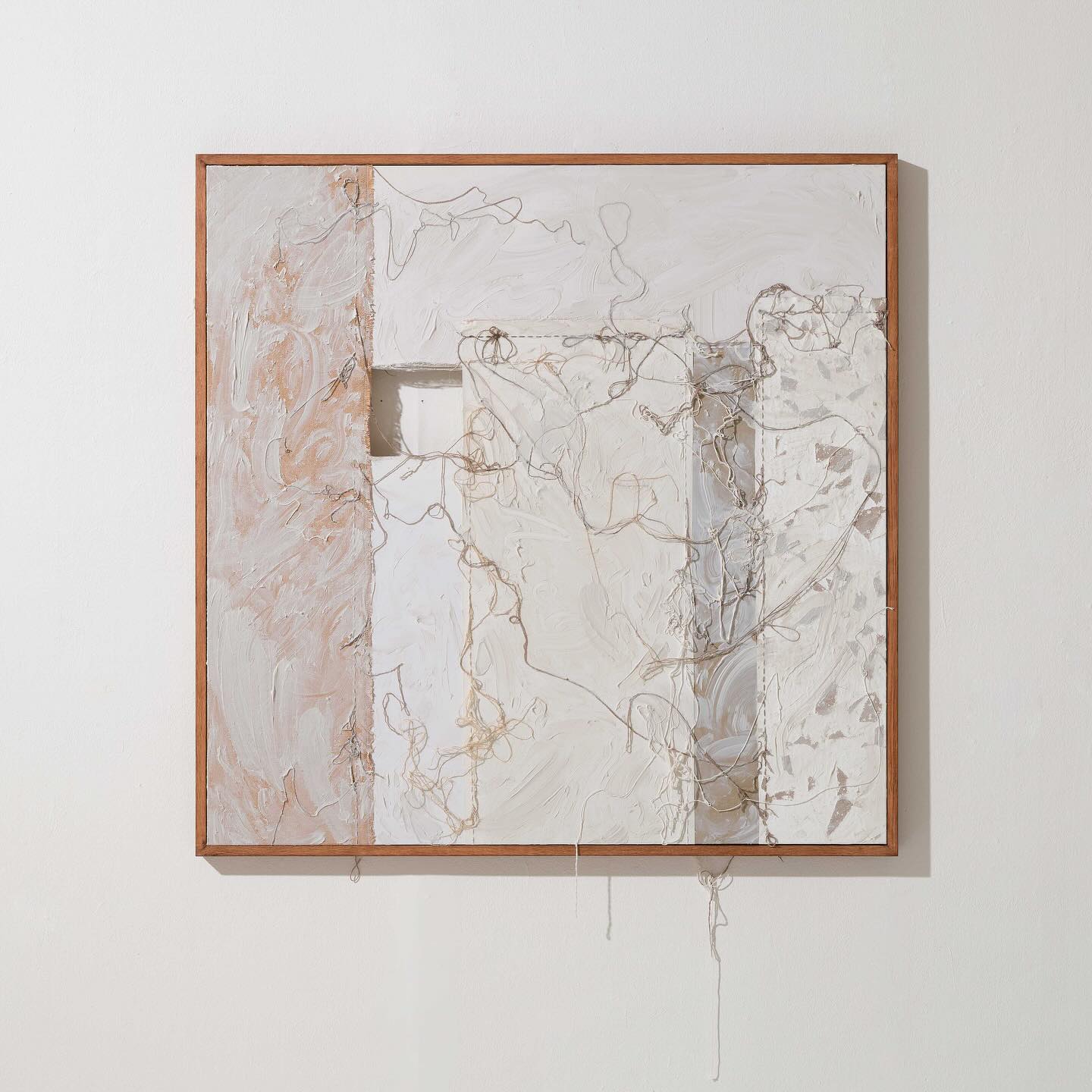
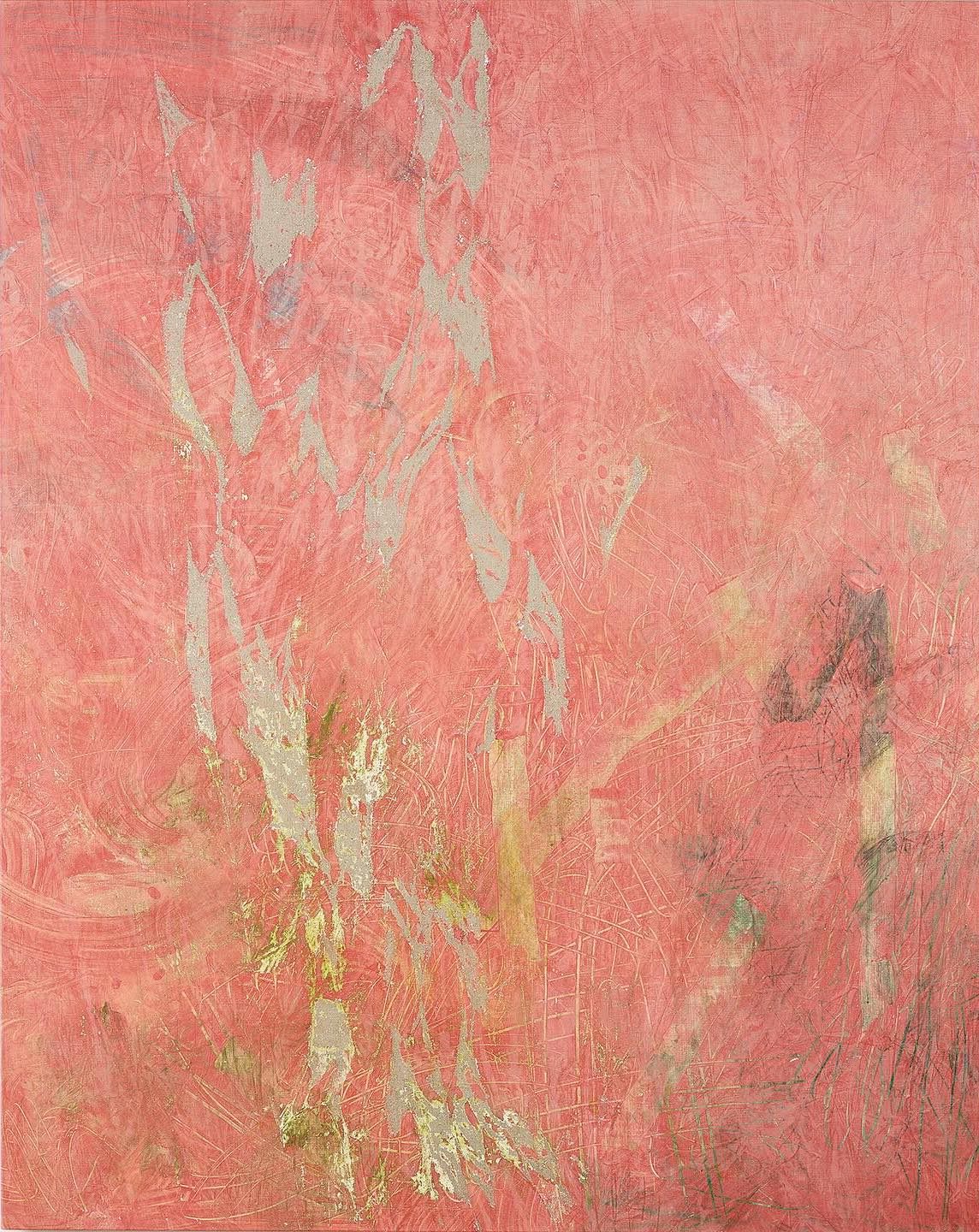
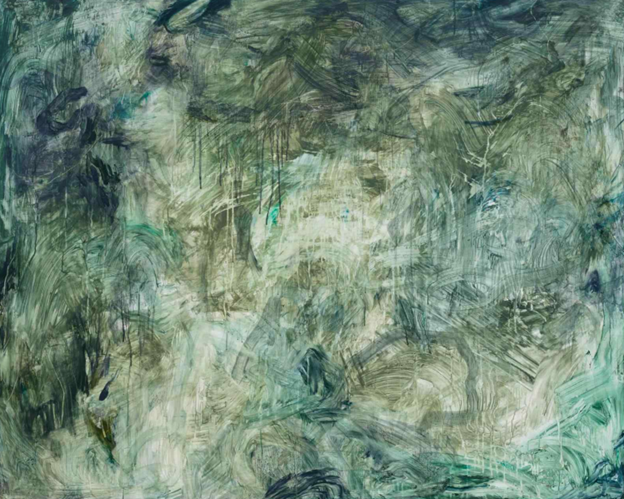
Untitled-Connected
Words(2024), Blurred Language, Connected
Gestures(2024), Connected Words-Review
1(2024), and Connected Words-Review 2(2024)
show relationships of memory, recollection, resemblance, and difference through
the body of the canvas that has been cut and reconnected.
In 《I Lost Friends Last Summer》(Sohyunmun,
2025), through the process of sewing together with women, Ko reexamines her own
work, which has been read through femininity, while ultimately shifting the
center of her concern toward “human beings,” “relationships,” and “emotions.”
For Ko Woori, relationships are not something that can be fully understood or
resolved, but an incomplete state that must be continuously faced and
reconnected.