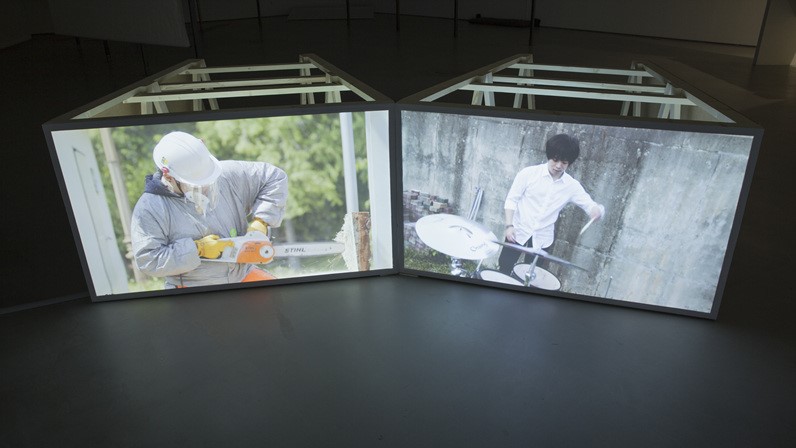
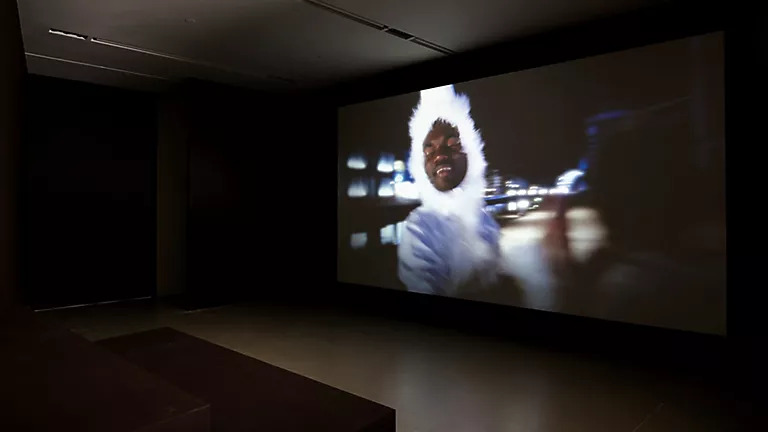
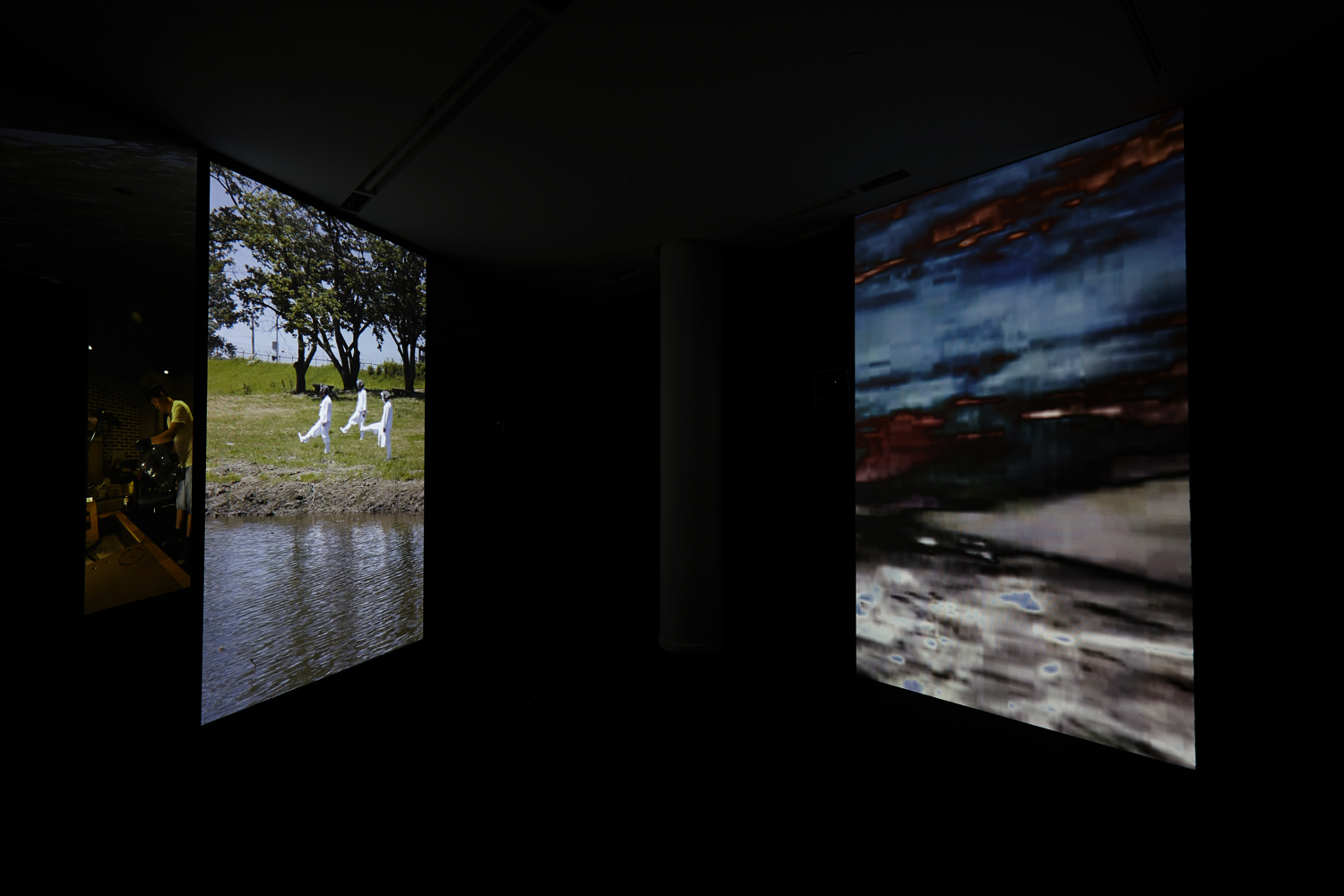
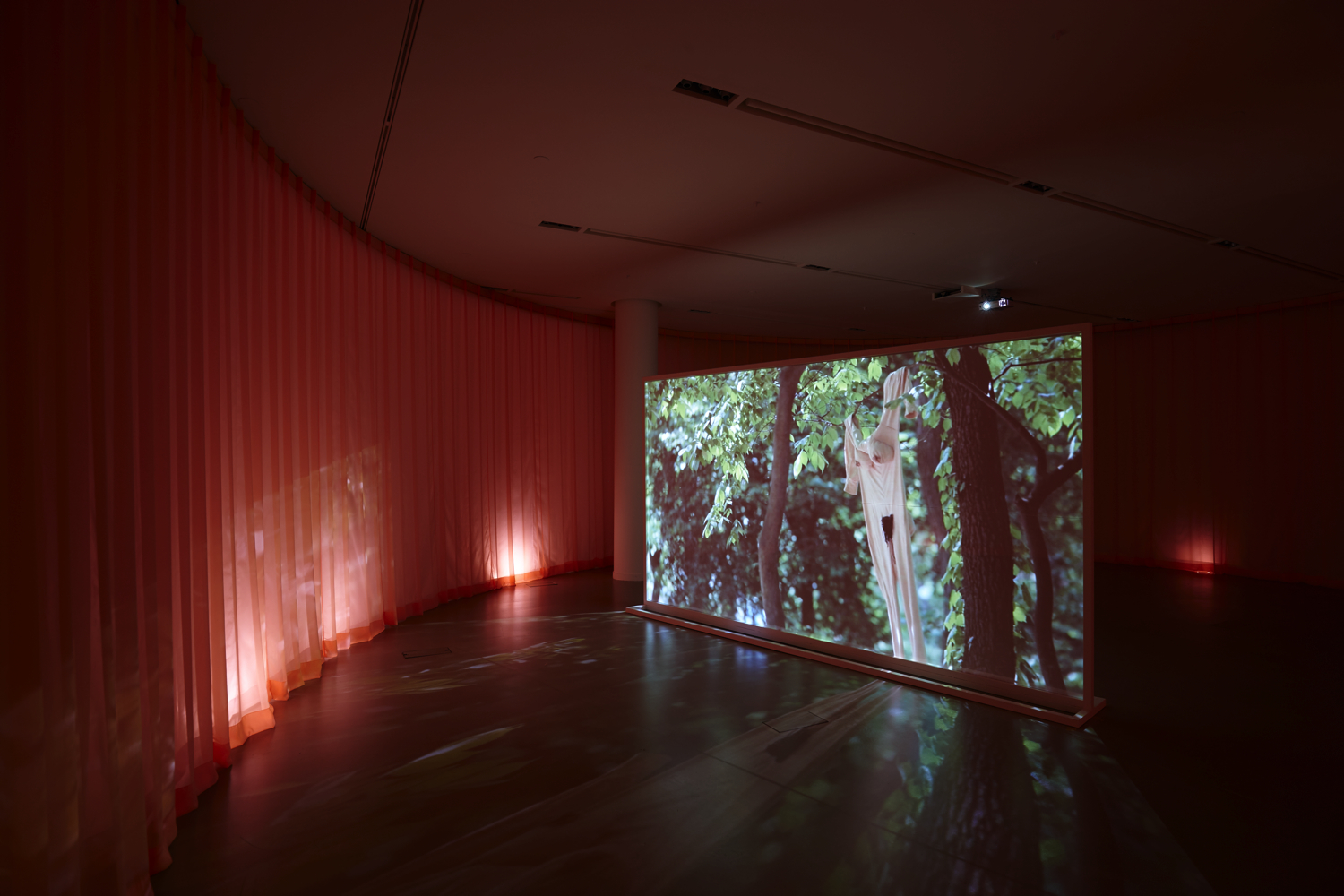
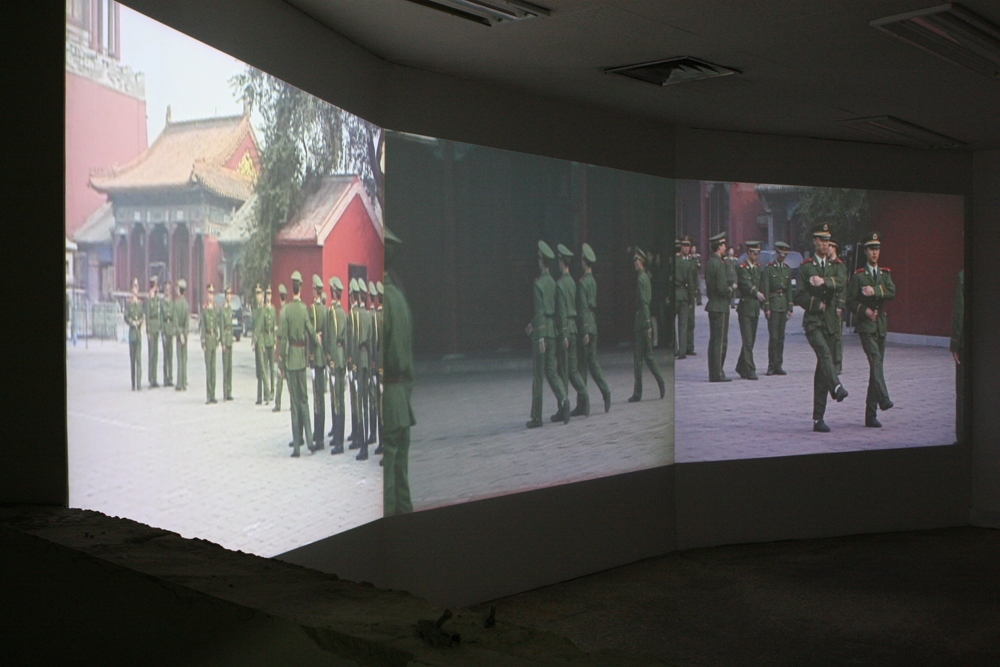
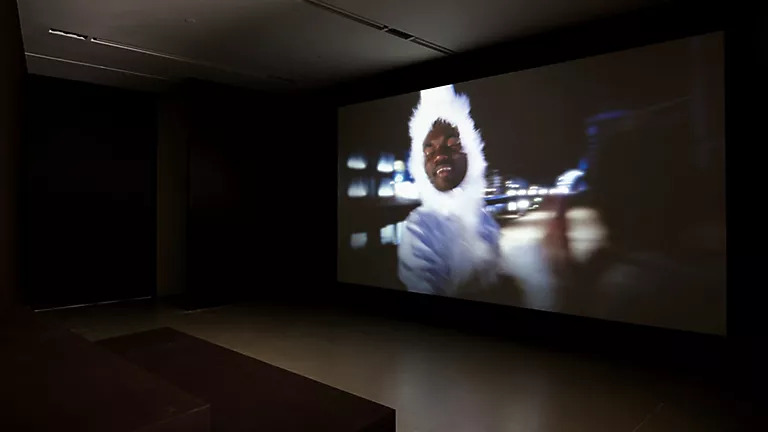
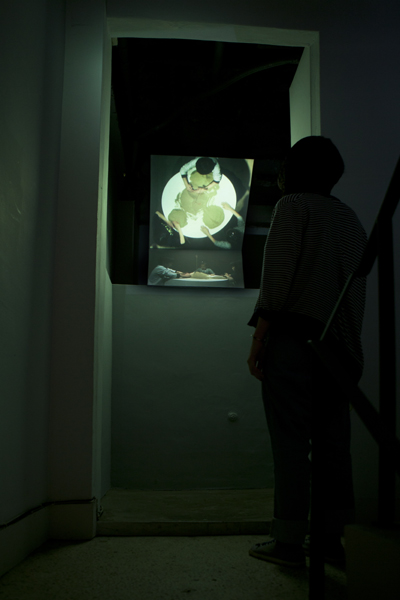
It had been quite some time since I last saw a solo exhibition by An Jungju, and 《Ten Single Shots》 marked that long-awaited return. Although traces of the artist’s long-standing interests could already be observed in works such as Drills, which documented military drills witnessed in the Forbidden City in 2005, and Their War - Pakistan, it was nevertheless unexpected to see the motif of war games brought so prominently to the forefront.
Yet what exceeded expectations was that the artist’s characteristic way of handling image, subject matter, and sound remained intact within each work, while becoming even more refined and structurally sophisticated.
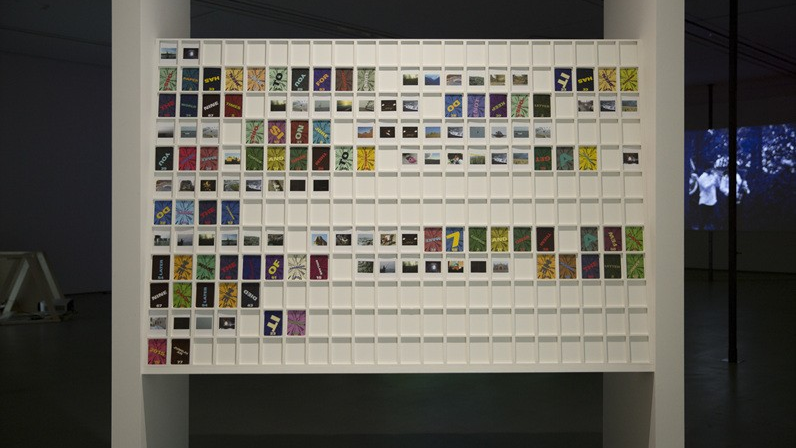
At some point, everyone has likely wondered why children’s play songs begin with lyrics such as “Over the bodies of fallen comrades,” or where games like “The Rose of Sharon Has Blossomed” — in which players search for those who move — actually originated. But just as such curiosities quietly fade from our minds, An Jungju’s questions only seemed to deepen, eventually taking form through artworks.
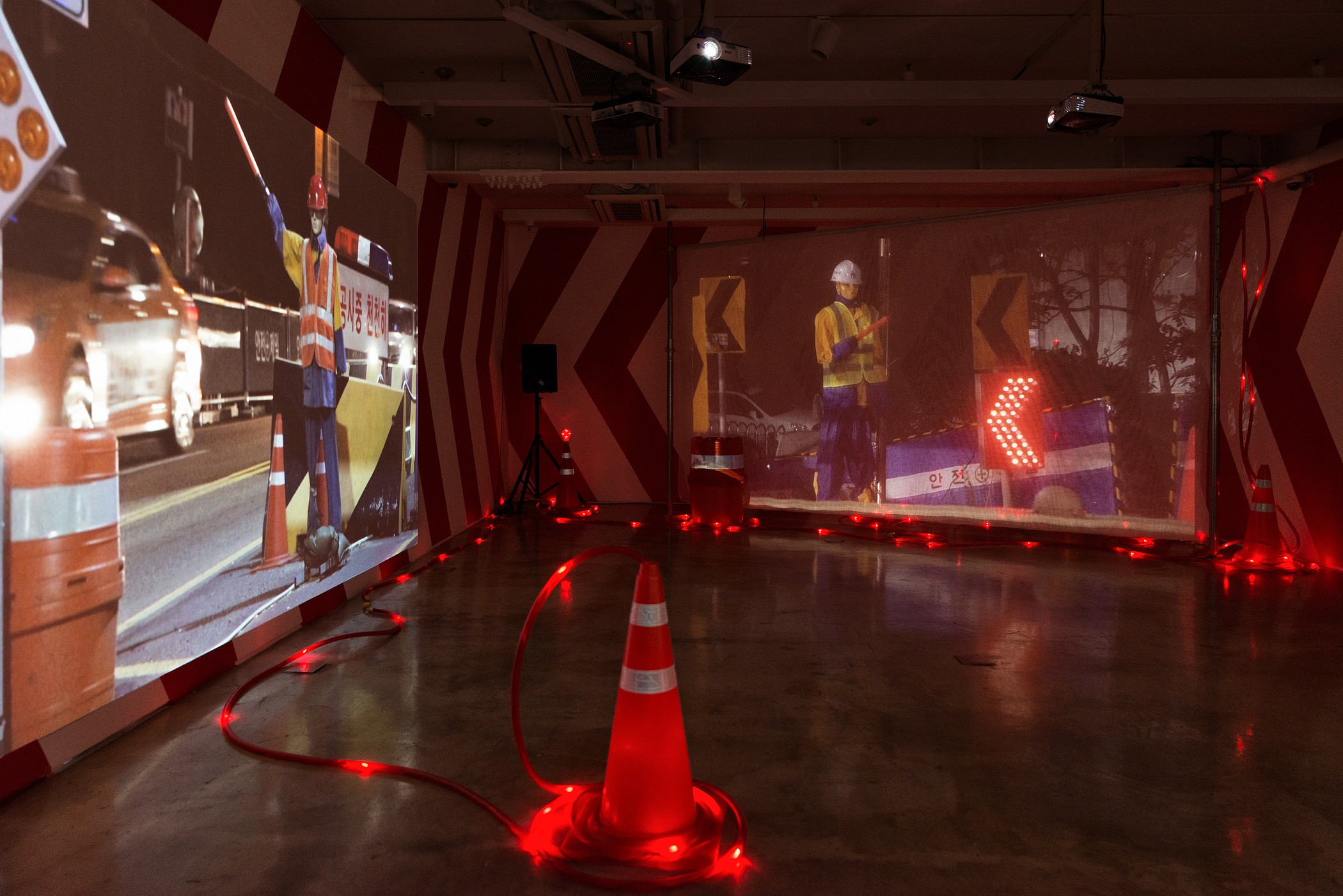
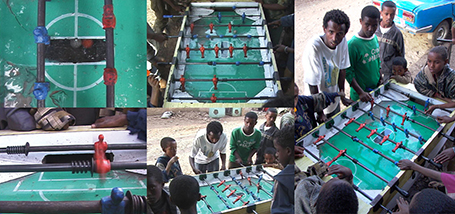
In Sleep Well Dear Comrade and All for One, One for All, familiar games are transformed into vividly rhythmic combinations of moving image and sound. In particular, the careful spatial composition — including the scale, placement, and arrangement of the screens — greatly heightened the experience of viewing the works.
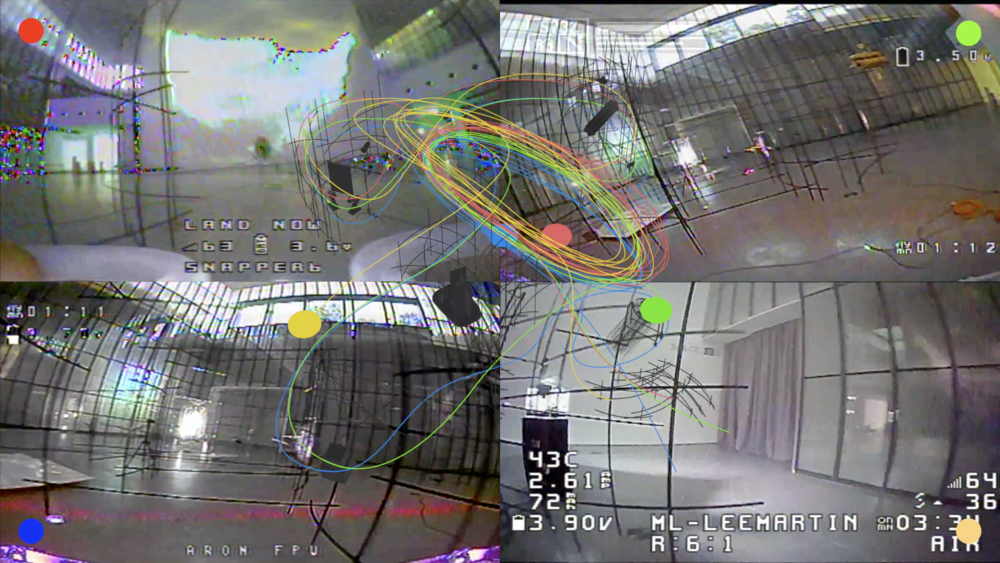
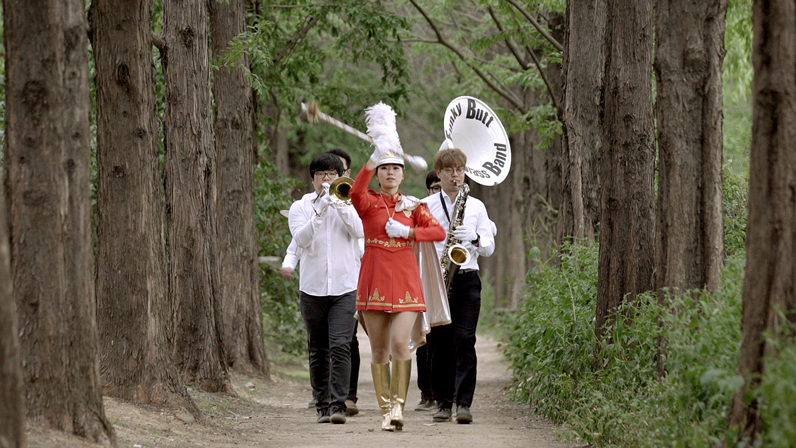
Most intriguing, however, was the new direction revealed in the exhibition’s central new work, the six-channel video Ten Single Shots. The scale had expanded, and the work conveyed a far stronger sense of structure and systemization.
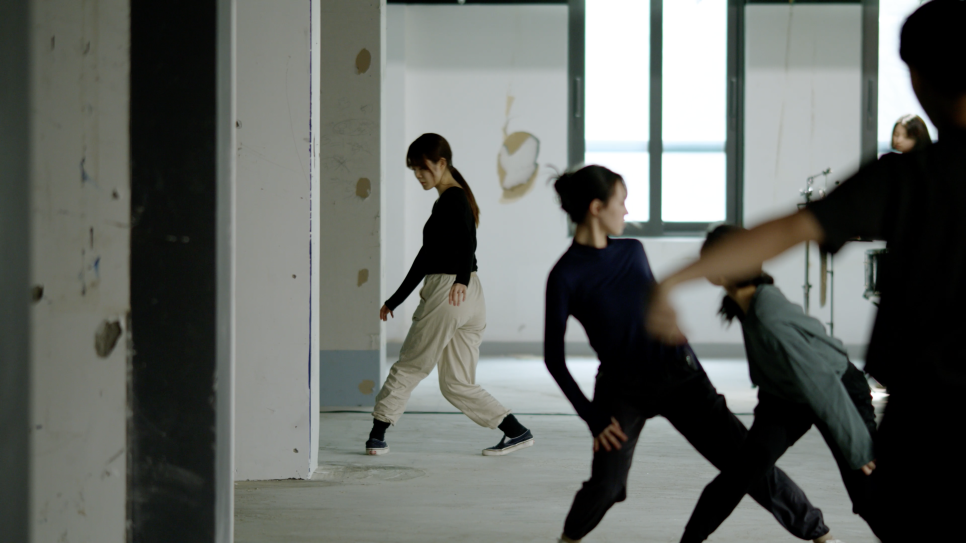
Carefully orchestrated temporal sequences, the movements of professional dancers, and deliberately choreographed camera motions marked a significant departure from the artist’s earlier methods. Fortunately, these new experiments succeeded in bringing forth a visual language rarely seen before in An Jungju’s work.
In this sense, Ten Single Shots carried a much heavier emotional weight than the artist’s previous works. Yet rather than feeling burdensome, it came across as though An Jungju had accumulated countless internal concerns and thoughts over a long period, only to finally exhale them all at once in a single deep release. Still, after this outpouring, one question remained: would An Jungju be able to relax and loosen that tension once again? I found myself wondering.
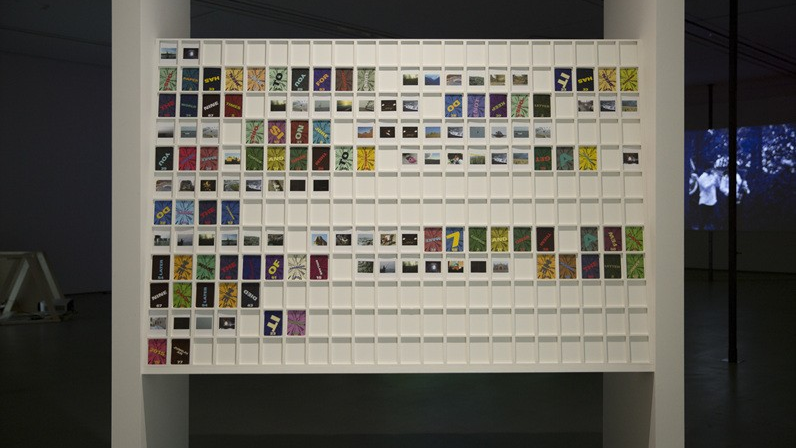
When An Jungju announced that 《Distant World》 would present unexpected new works, I felt both excitement and an inexplicable sense of concern. It had not been long since the artist’s previous solo exhibition, and already another entirely new body of work was being introduced. These works were certainly not video pieces, yet they were also difficult to categorize strictly as photography.
If one had to define them, perhaps they could best be described as printed installations. Fortunately, contrary to my concerns, the exhibition revealed a light and wandering sensibility. It was reassuring to once again encounter the kind of image-making An Jungju does so well — loosening stiff shoulders, releasing tension, and quietly initiating conversations through images.
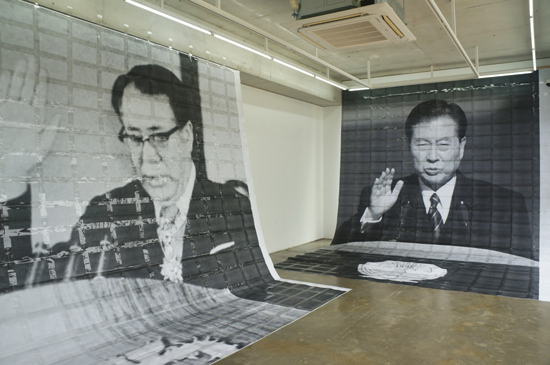
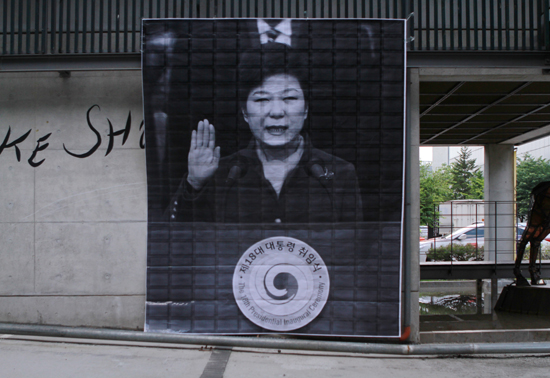
《Distant World》 deals with former and current Korean presidents, from Syngman Rhee to Park Geun-hye. Each figure appears raising a right hand while reciting the presidential oath: “I solemnly swear before the people that I will faithfully execute the duties of the President by observing the Constitution, defending the nation, striving for the peaceful reunification of the homeland, promoting the freedom and welfare of the people, and advancing national culture.”
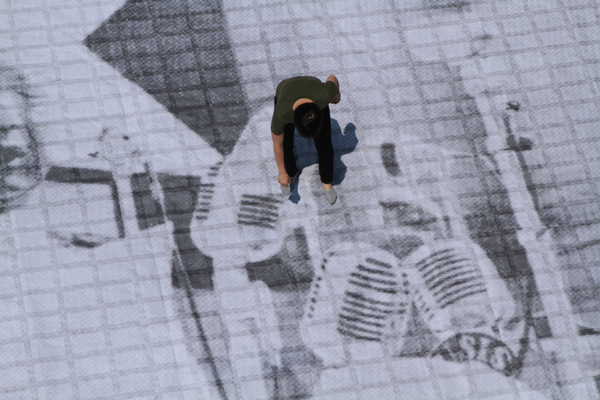
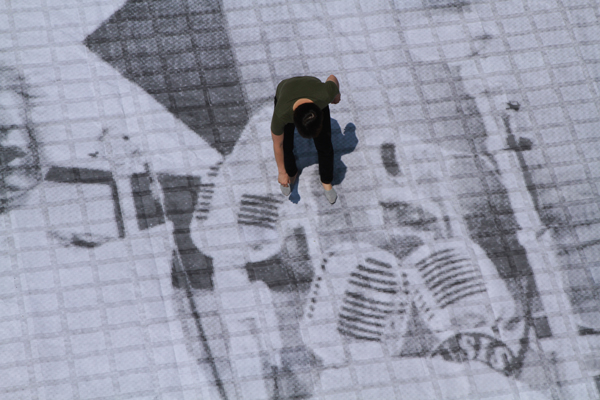
An Jungju enlarged images found on the internet and printed them onto A4 paper — mostly recycled sheets printed on the reverse side. The artist then taped each sheet together one by one to create enormous banner-like paper images. While individual sheets reveal little of the complete picture, standing before the assembled image of presidents taking the oath evokes complicated emotions.
Moreover, with the recent local elections and upcoming by-elections still fresh in mind, the work inevitably recalls not only the past and present of South Korea, but also the countless incidents and upheavals embedded within its history. To put it grandly, the images of the presidents within the work summon the turbulent trajectory of modern Korean history.
Although these are not video works, An Jungju’s distinctive style remains present here as well — thankfully so. Rather than searching for perfectly composed photographs, the artist sourced image materials from archives and databases; instead of carefully editing and framing polished prints, the images were enlarged and printed on the backs of recycled sheets of paper.
The process of manually taping together fragmented image pieces also does not differ greatly from the artist’s earlier methods of fragmenting images within video works. In the fluttering wind and under the scorching sunlight, these images will inevitably deteriorate, just as the promises within those presidential oaths themselves have faded over time.
Yet if one goes further and considers that it was ultimately “us” — scattered and individual like those countless sheets of recycled paper — who elected these presidents, would that be an excessive projection? What, then, will viewers read from these images? Unlike viewing photographs through a monitor screen, the physical presence of these images is striking, and the questions they pose are far from simple.