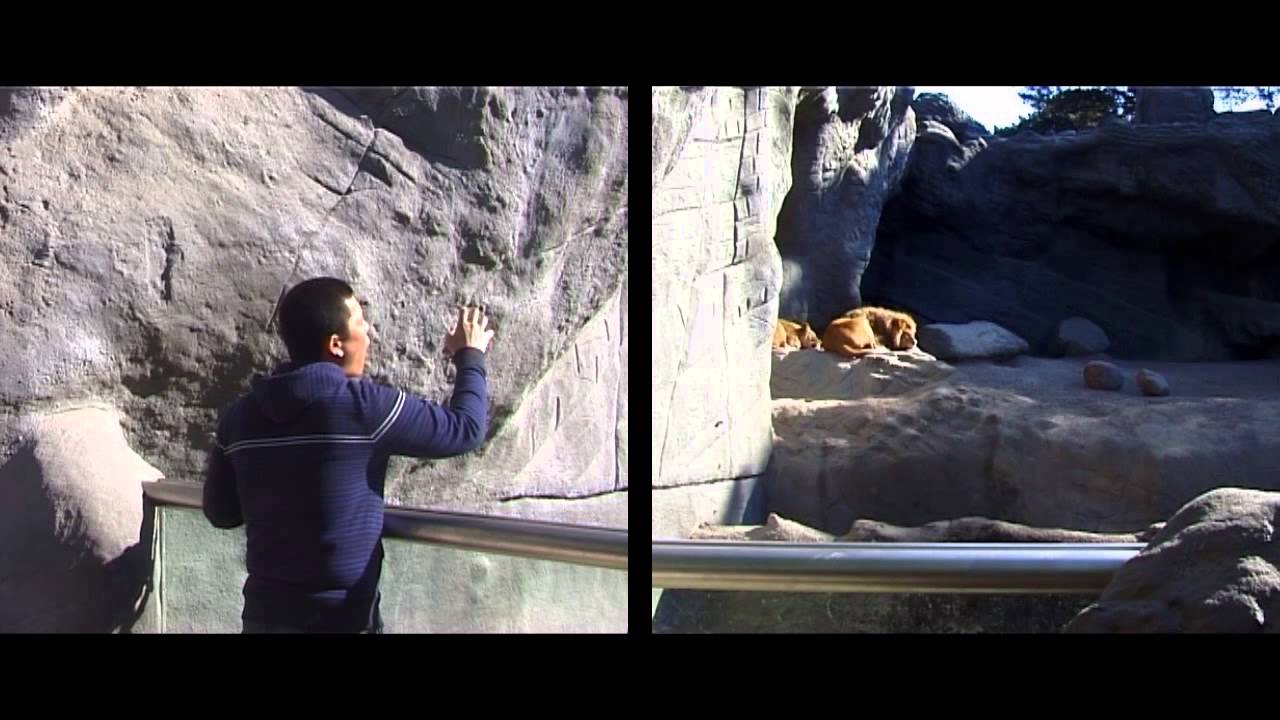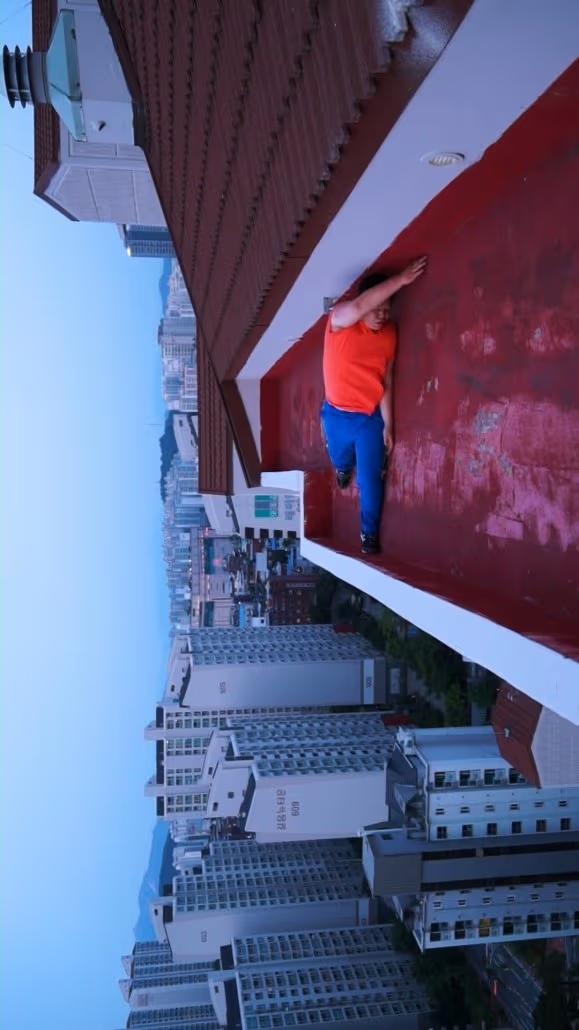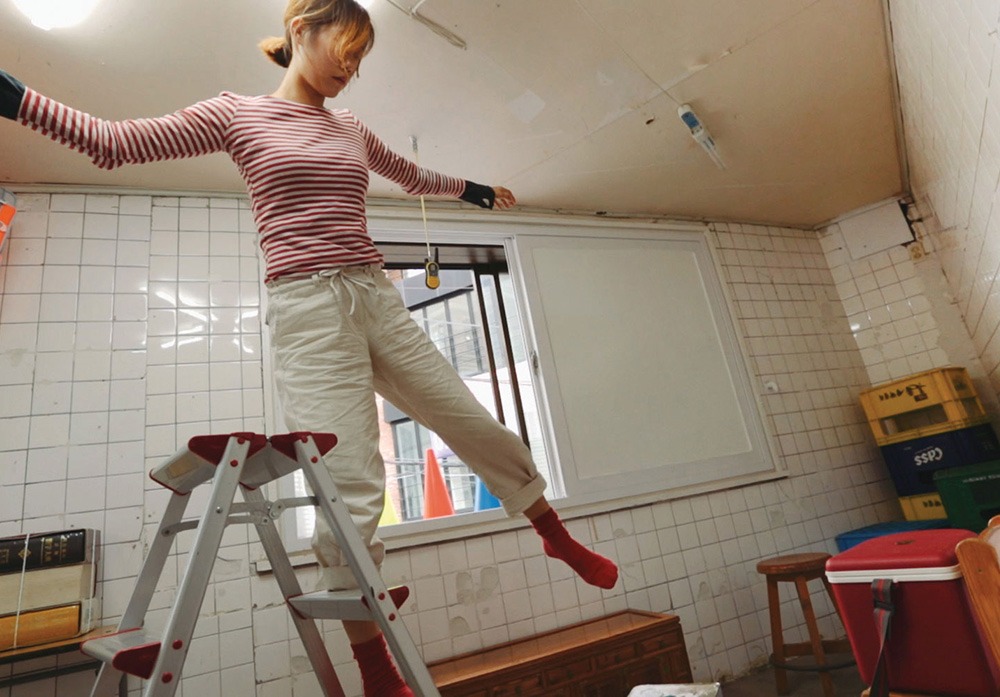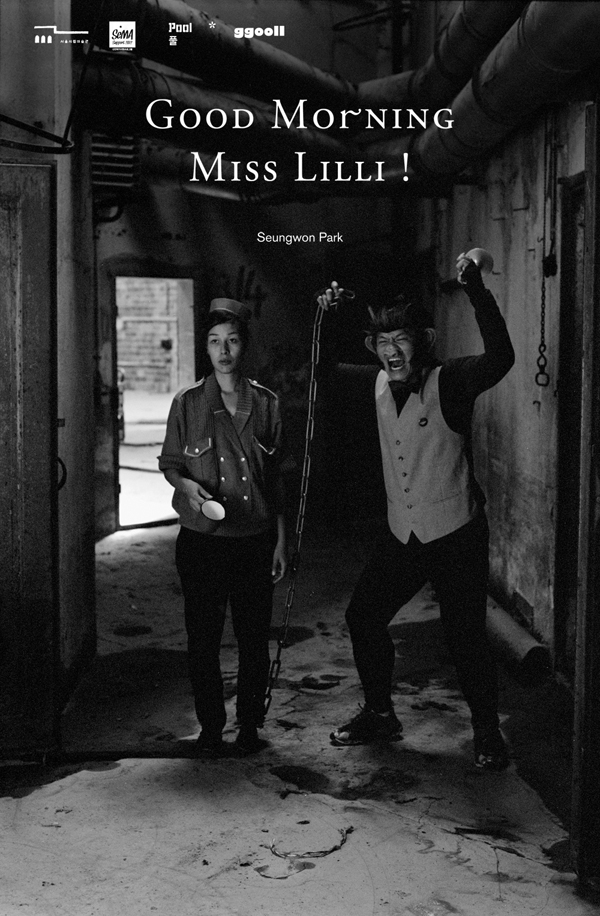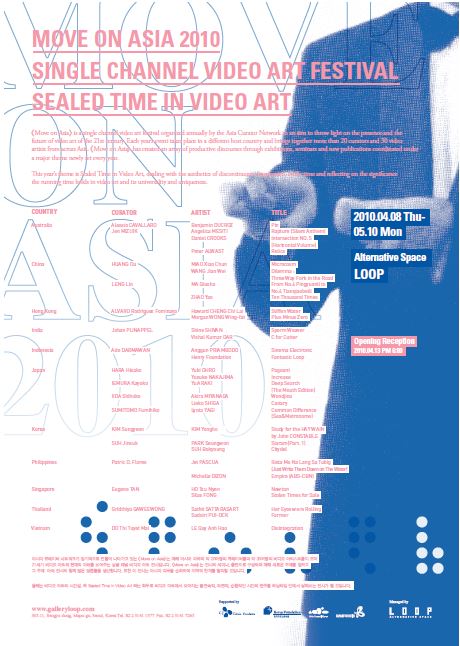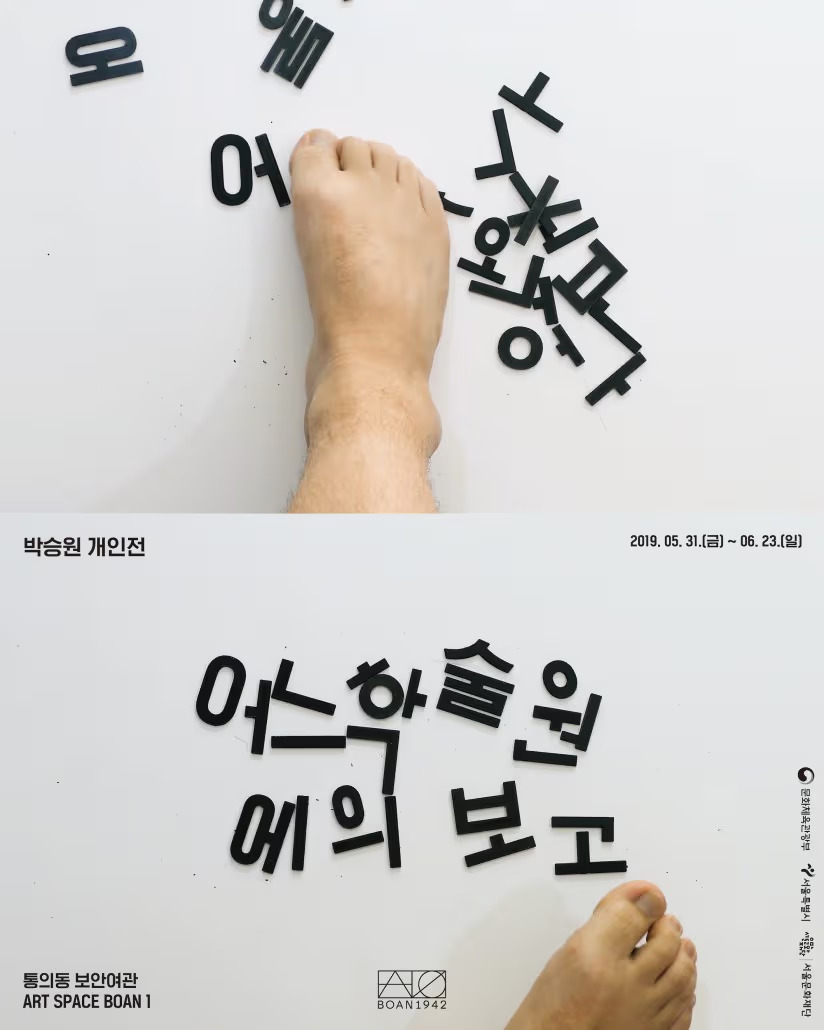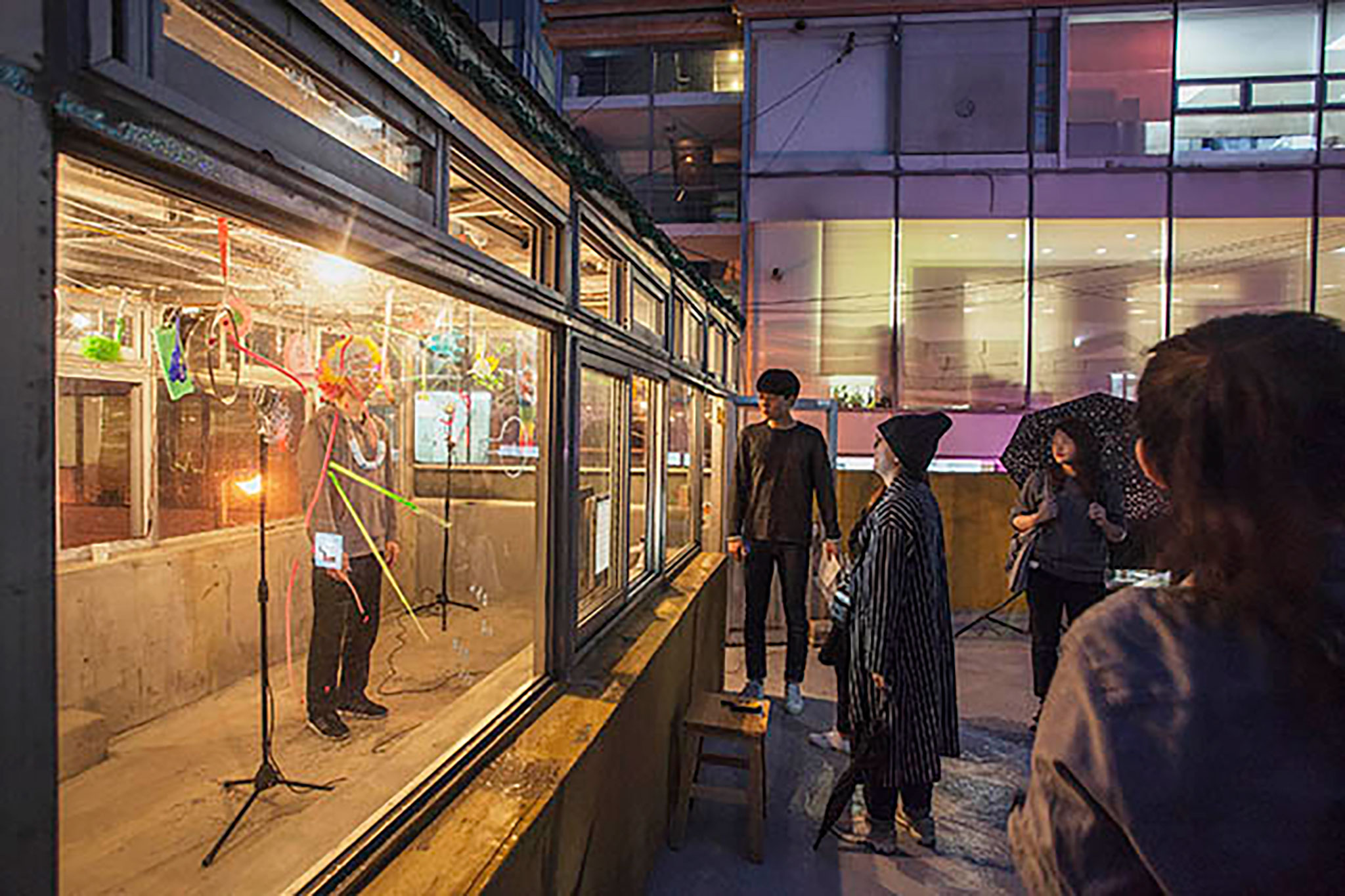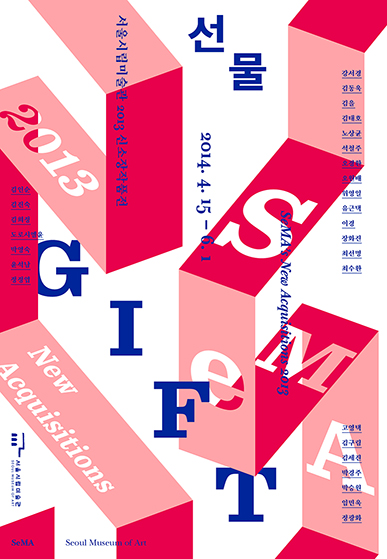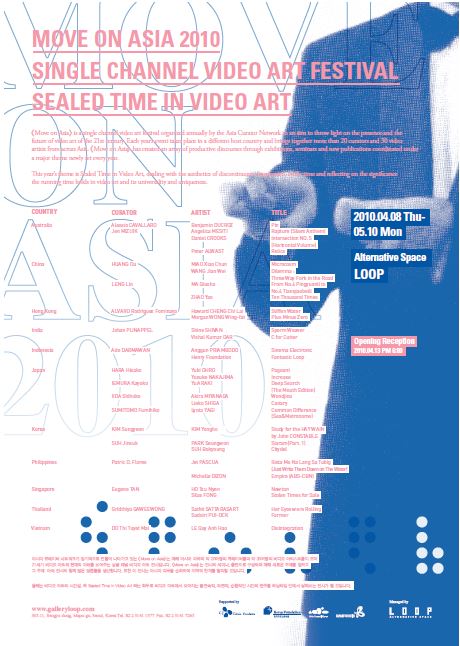

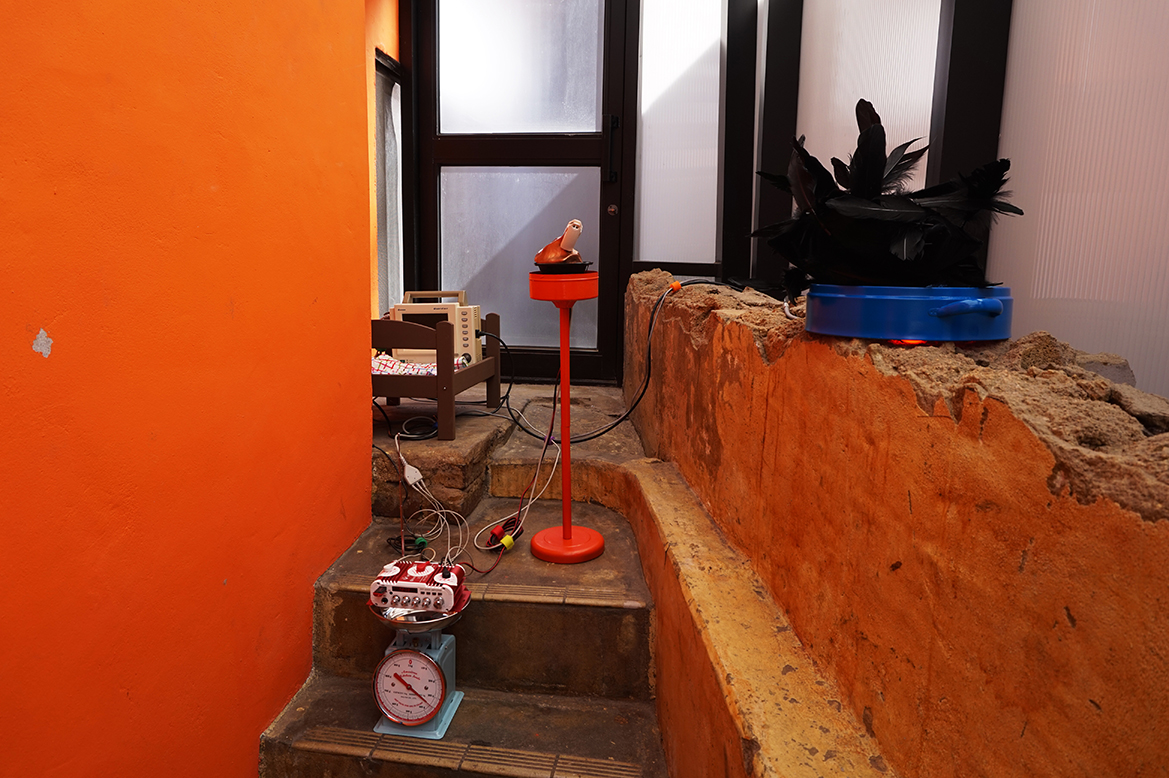
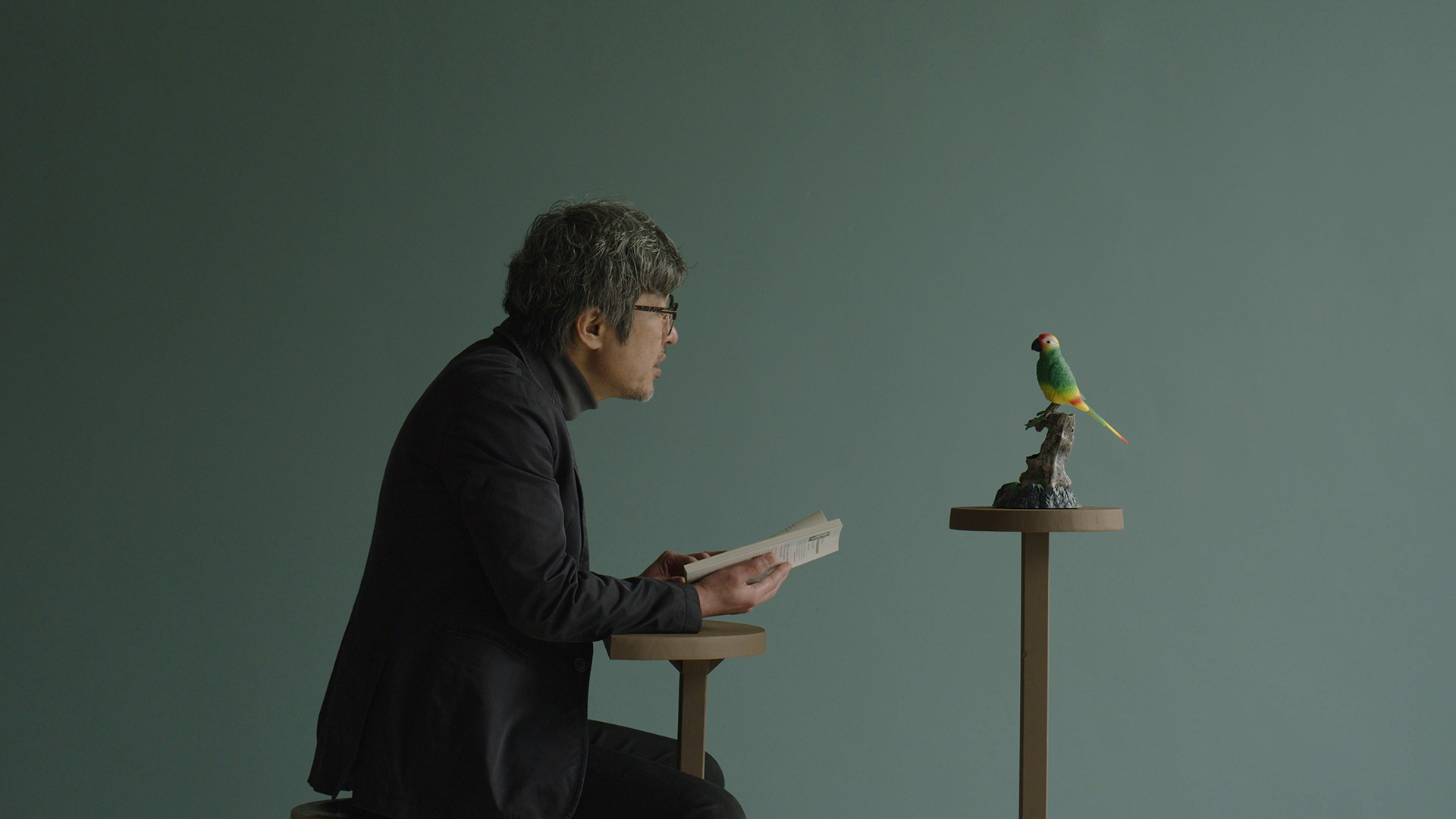
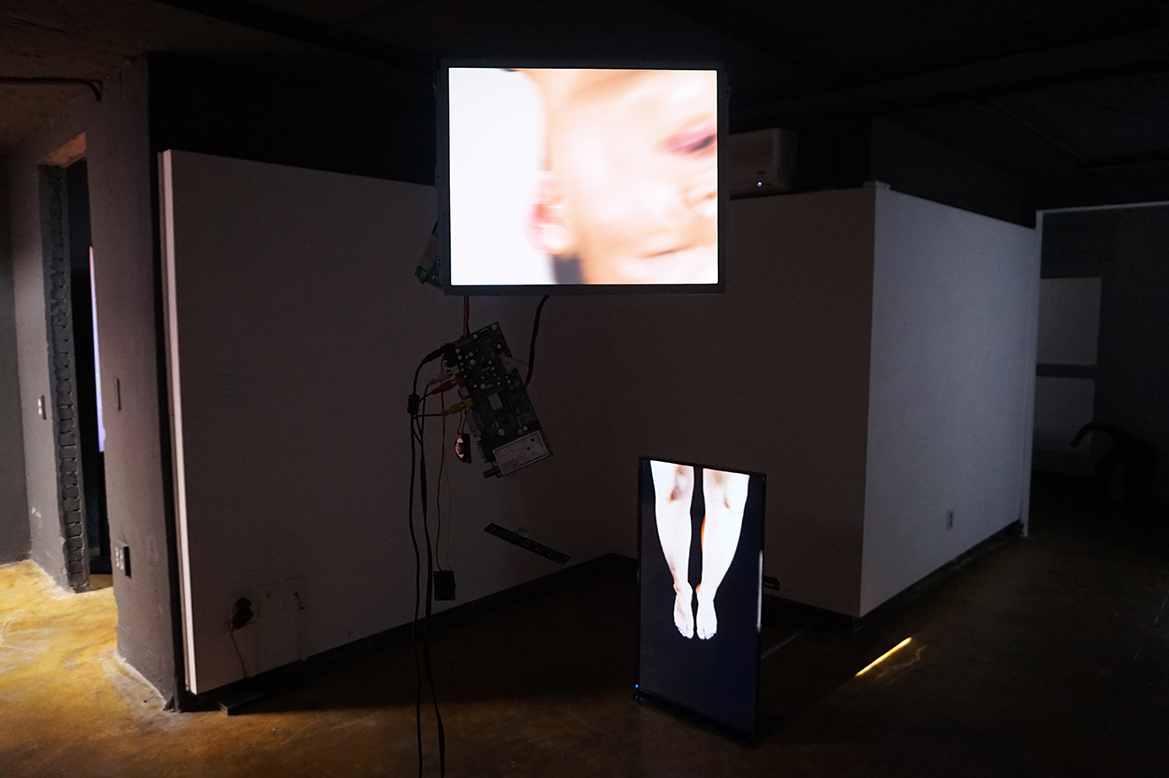
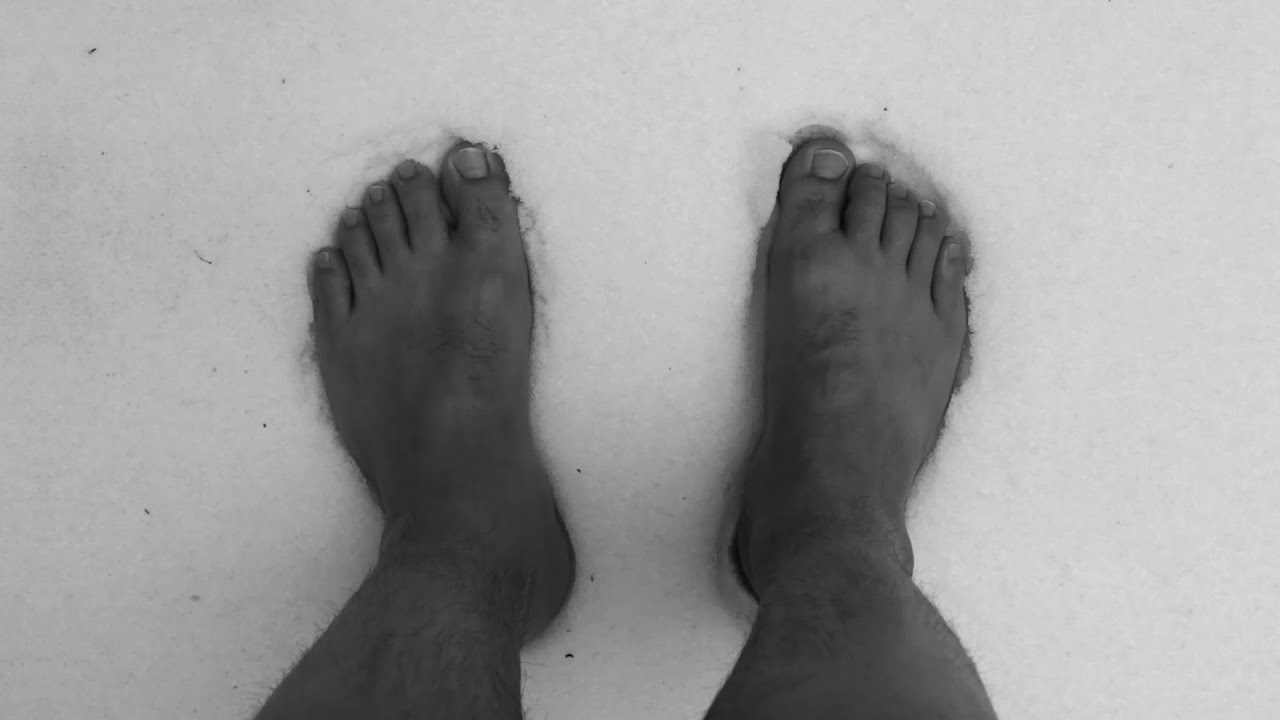
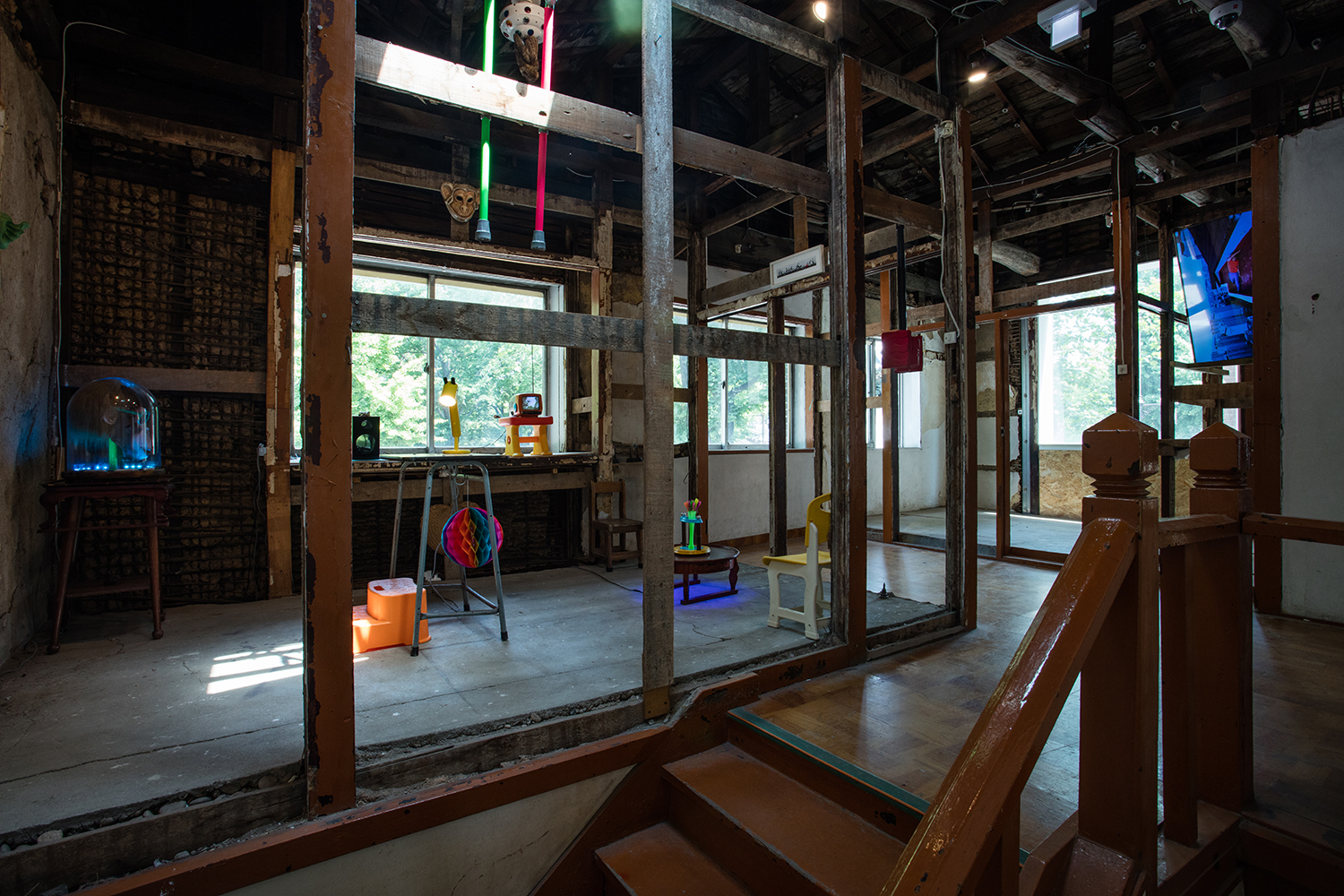
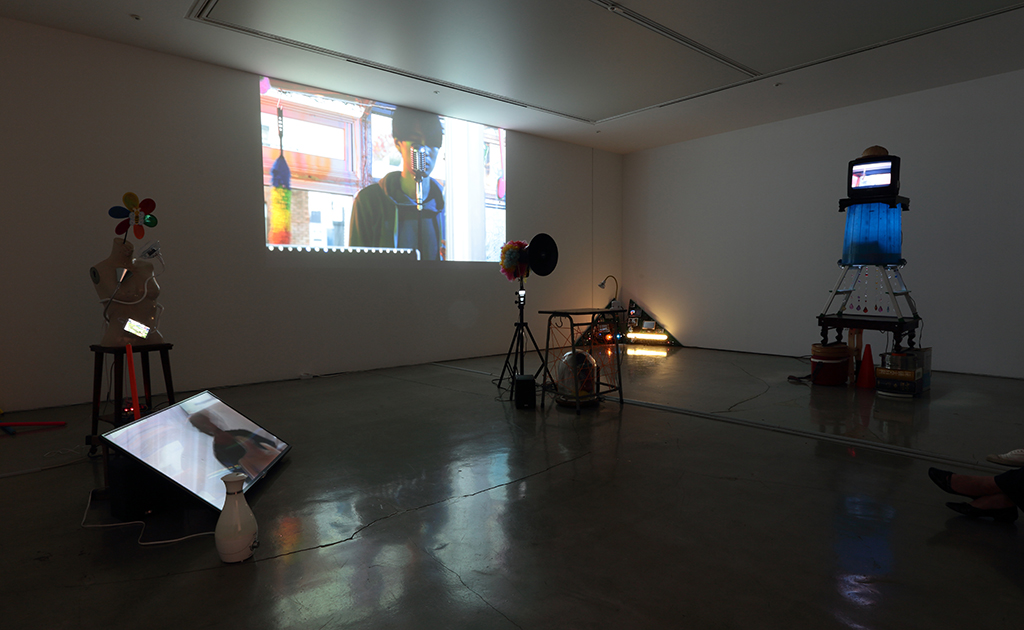

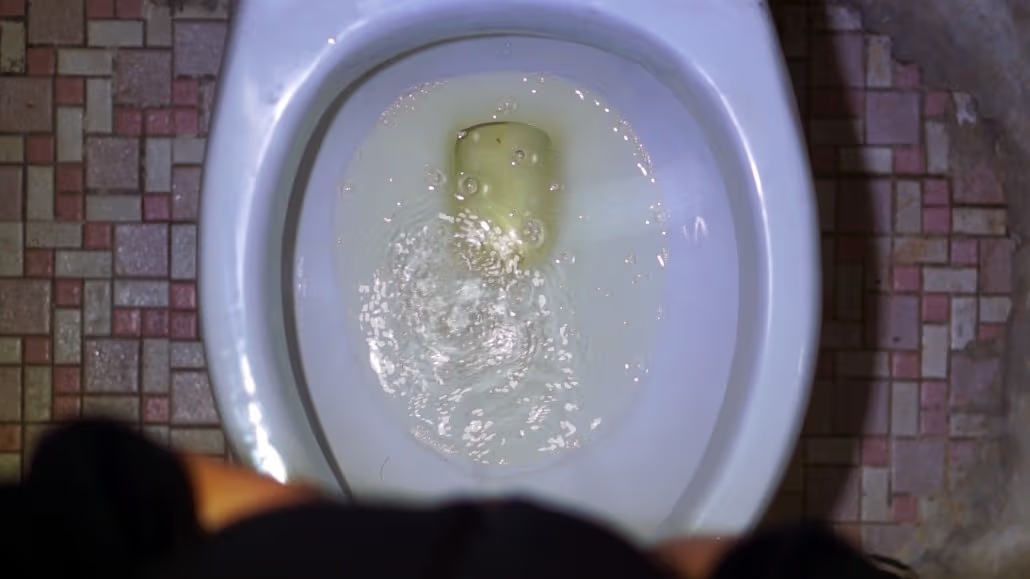
Poster image of 《Move On Asia 2010》 © Alternative Space LOOP

The nineteenth-century author Charles Lamb wrote, “Nothing puzzles me more than time and space. And yet, nothing troubles me less than time and space, because I never think of them.”

What is time? Is time an ever flowing stream filled with waters of dreams as described by an old hymn?

The advent of new technologies and media in the 20th century catalyzed the rise of new genres in contemporary art such as video art, digital art and interactive art. Art has progressed to embrace not only lines, planes and space, but also time. Time takes shape when intertwined with space. By the theory of relativity, every observer uses a different yardstick, against which time is measured.

There exists no absolute, objective length of time that can create an identical sensation in people. From a psychological point of view, the duration of emotional experience varies for each individual to a greater extent. Time is much more than what is measured in the units of minutes, hours and days. It is a concept transcending experience, both first-hand and indirect, amid an interaction between an artwork and a spectator.


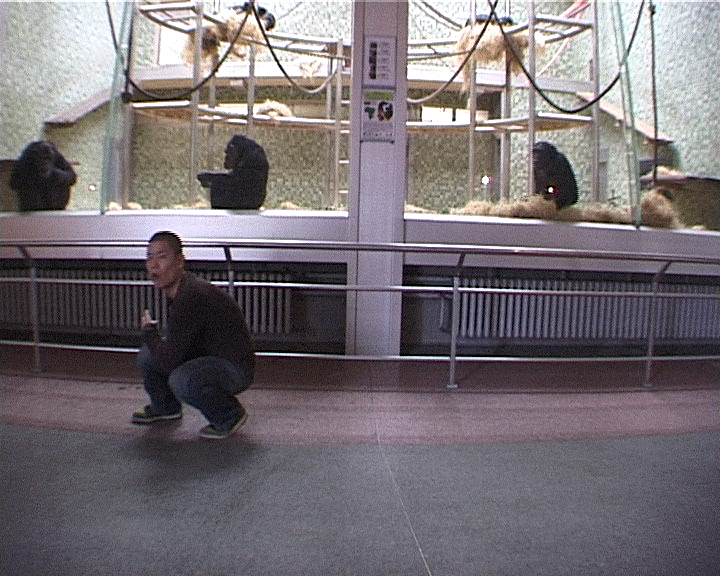
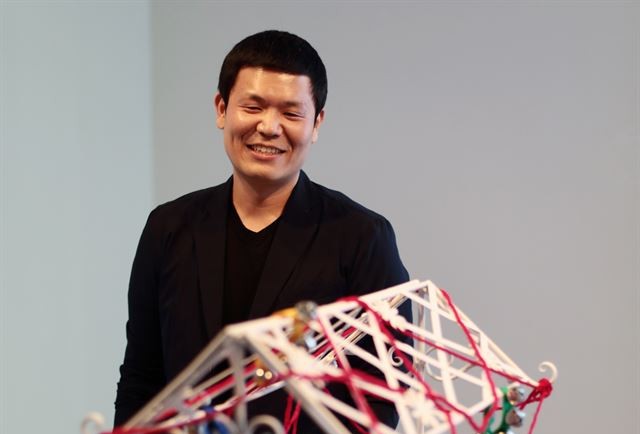
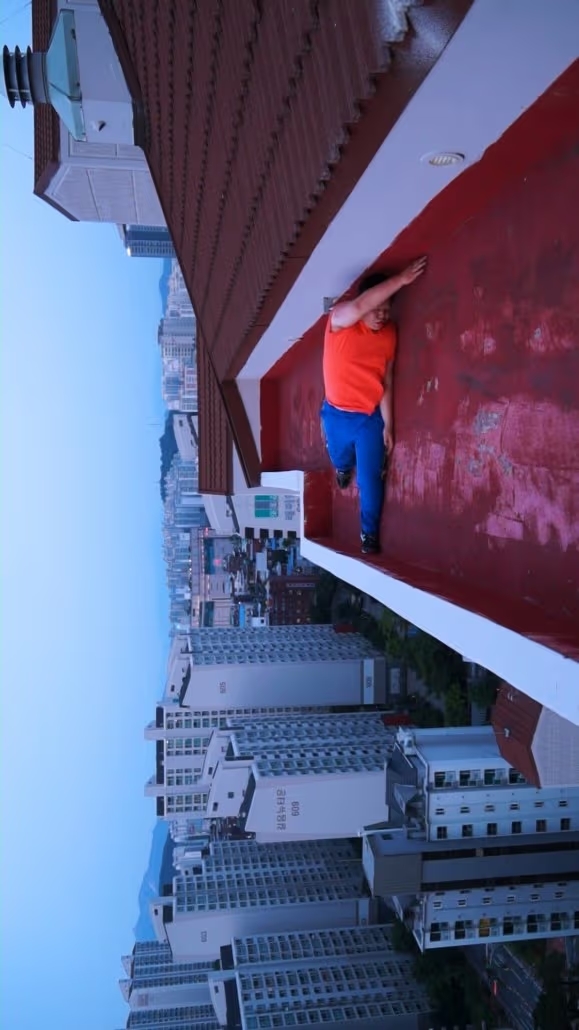
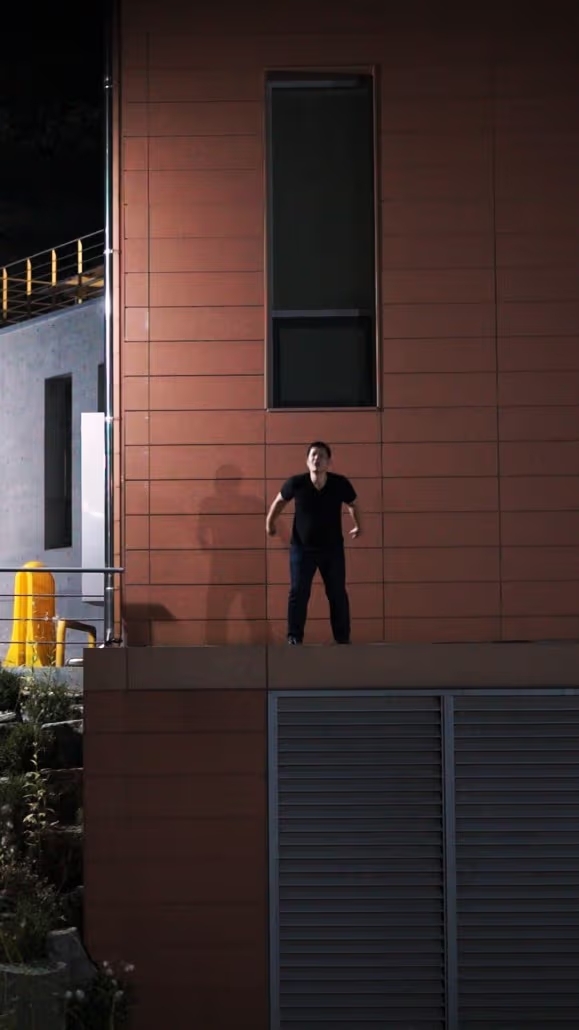
Seungwon Park, siaraM-part.1, 2008 © Seungwon Park

Video art is similar to movies and TV programs in that each piece has a running time demarcated by the front and back ends and that it is interpreted through the flow of time.

However, it involves an intrinsically more complicated concept of time that clearly stands apart from conventional genres of art. Time in video art is characterized by simultaneity and promptness often experienced through TV, unlike the traditional narrative within the boundaries of linear time and illusion of time found in movies.

Furthermore, it demonstrates the fragmented, uncertain, indeterminate and discontinuous nature unseen in TV. Since 1980s, video technologies have made great strides, which enabled video artists to control, cause a crack in, split and put a stop to time in their works as well as freely manipulating linear time.

This time-related input plays an active role in providing unique experience to observers rather than simply delivering the context of a piece. Another words, time manipulated and warped by a video artist is recognized by a spectator as more than physical time and absorbed into each individual’s inner concept of time.

These two concepts cannot but clash, and the spectator ultimately ends up following the flow of his/her own emotions rather than the flow of time demonstrated by the art piece. It is more dramatically apparent in the genre of interactive art.

The horizontal co-existence of internal linear time created by sequencing codes that put an artwork into operation and create images and external linear time resulted from the involvement of a spectator provides an undisturbed realm of time to help the artwork achieve its original purpose.

The film director Andrei Tarkovsky said in his book that video images are fragments of sealed time. This exhibition contemplates on the significance of sealed time (or running time) in video art and delineates the wideranging ways of materializing time through manipulating and metamorphosing the concept to see how spectators respond to this intrinsic attribute of video art and how such experience in turn influences the relationship.

References