

Solo Exhibitions (Brief)
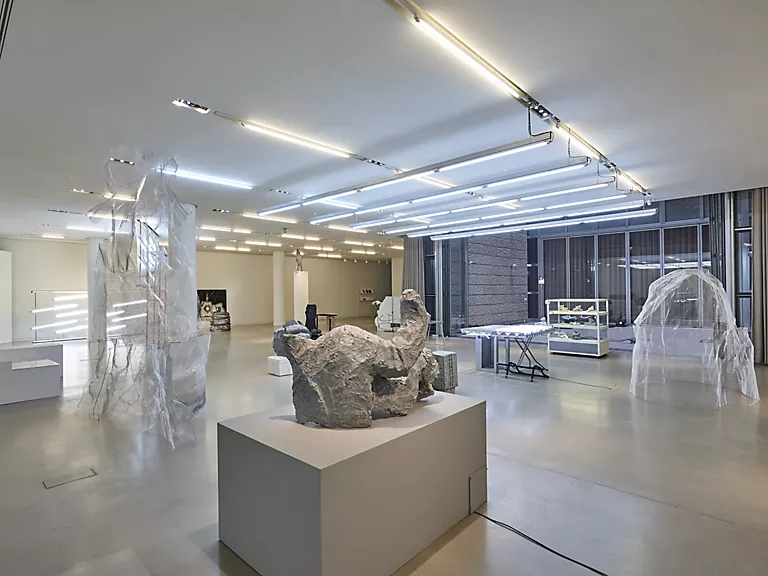
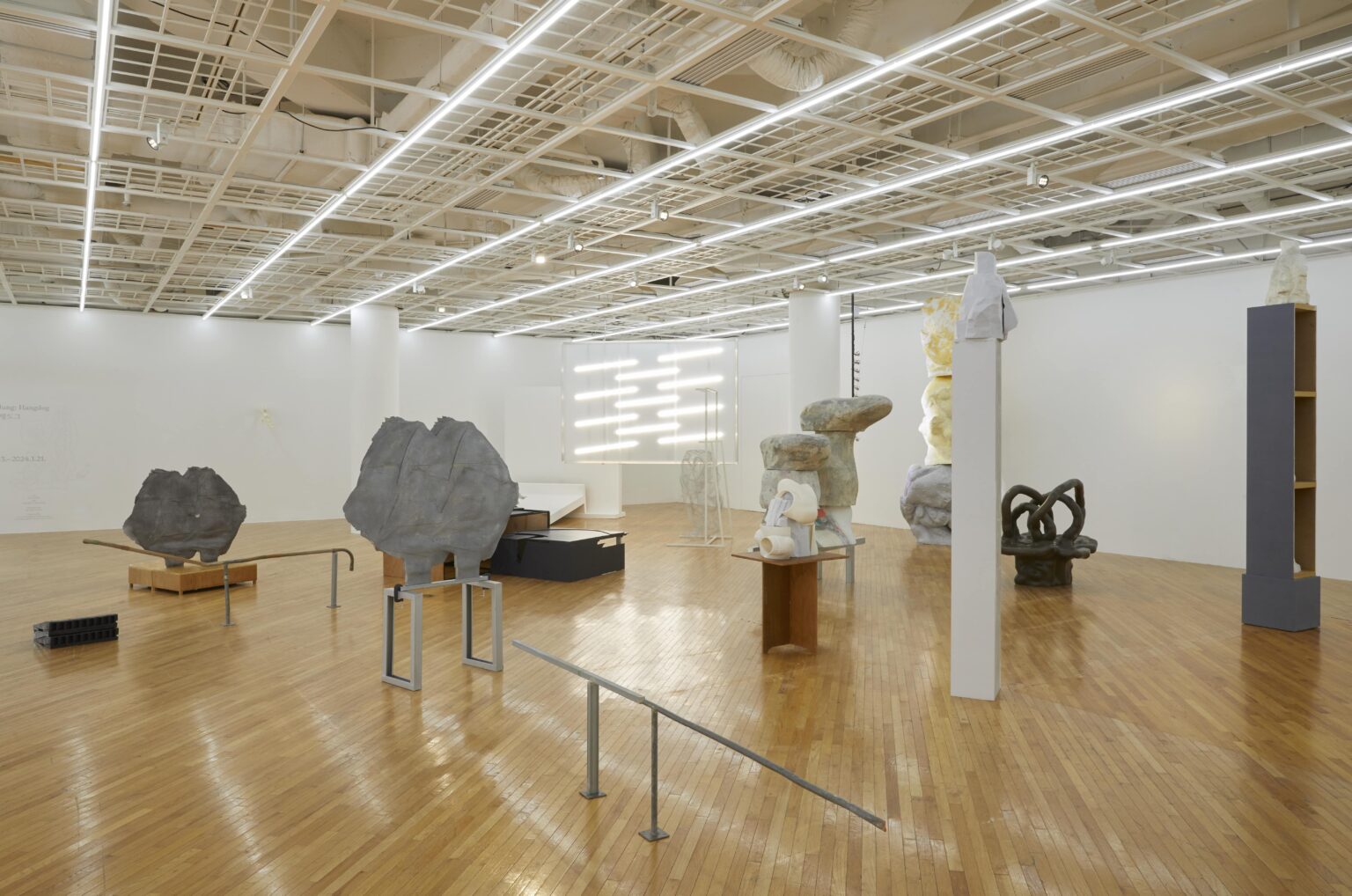
Jihyun Jung has held solo exhibitions at Gallery Skape, Seoul
(2010); Project Space Sarubia, Seoul (2011); Insa Art Space, Seoul (2013);
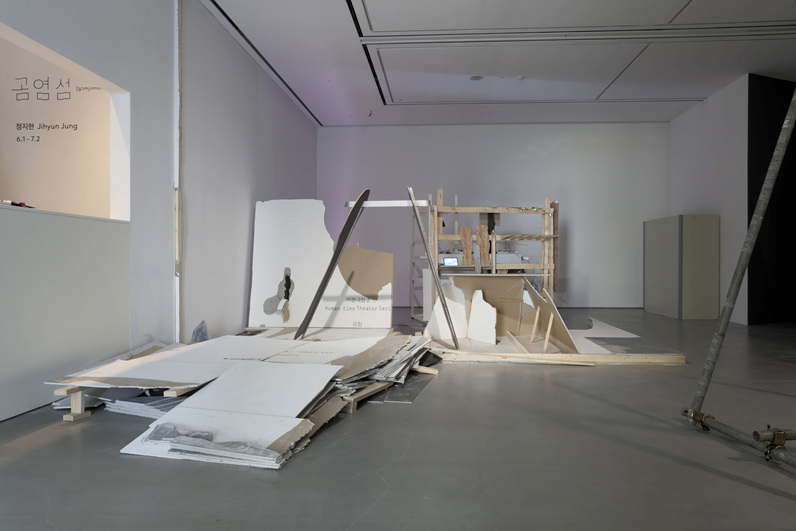
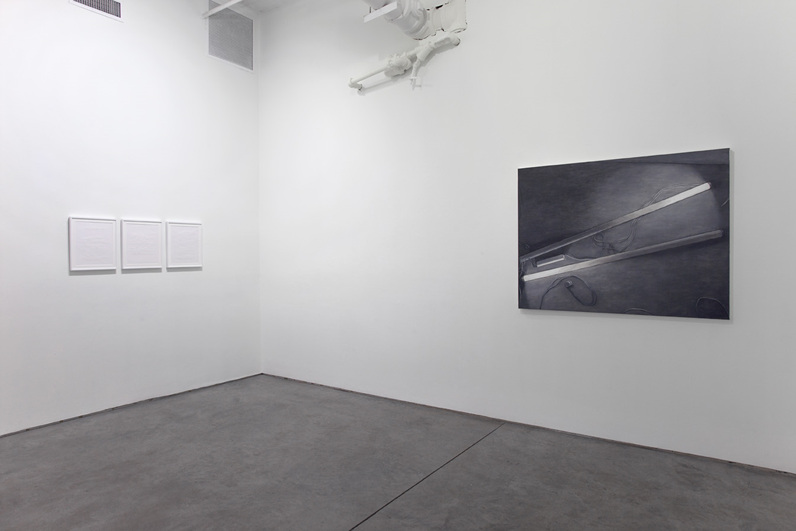
Sindoh Art Space, Seoul (2014); Doosan Gallery, New York (2015) and Seoul
(2016); Atelier Hermès, Seoul (2019); Incheon Art Platform, Incheon (2022); and
Art Sonje Center, Seoul (2023).
Group Exhibitions (Brief)
Jihyun Jung has participated in group exhibitions at major
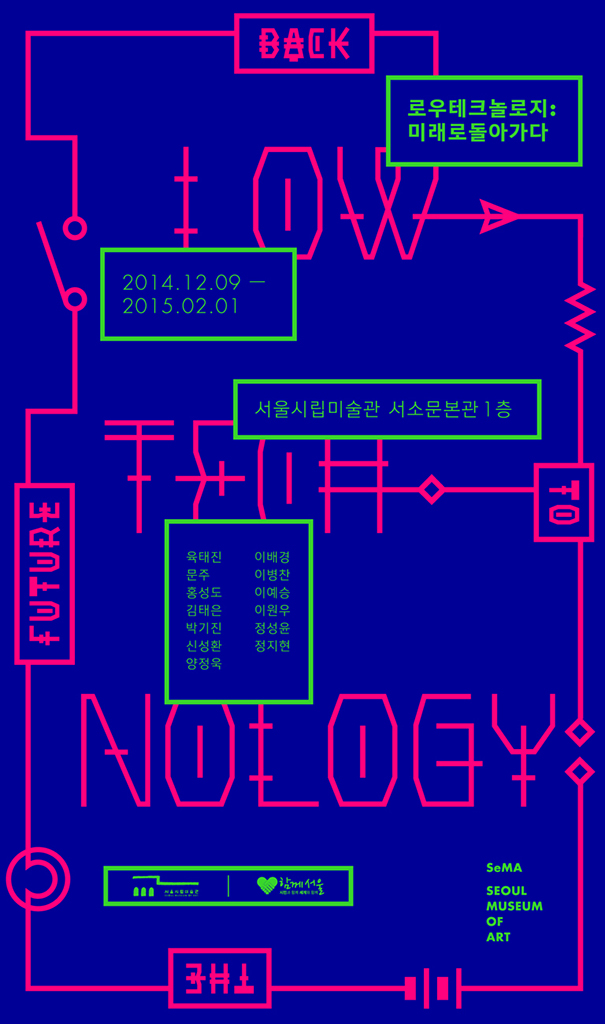
institutions including Leeum Museum of Art, Seoul (2024); Seoul Museum of Art
(Seoul, 2014; Buk-Seoul Museum of Art, 2022; Nam-Seoul Museum of Art, 2021);
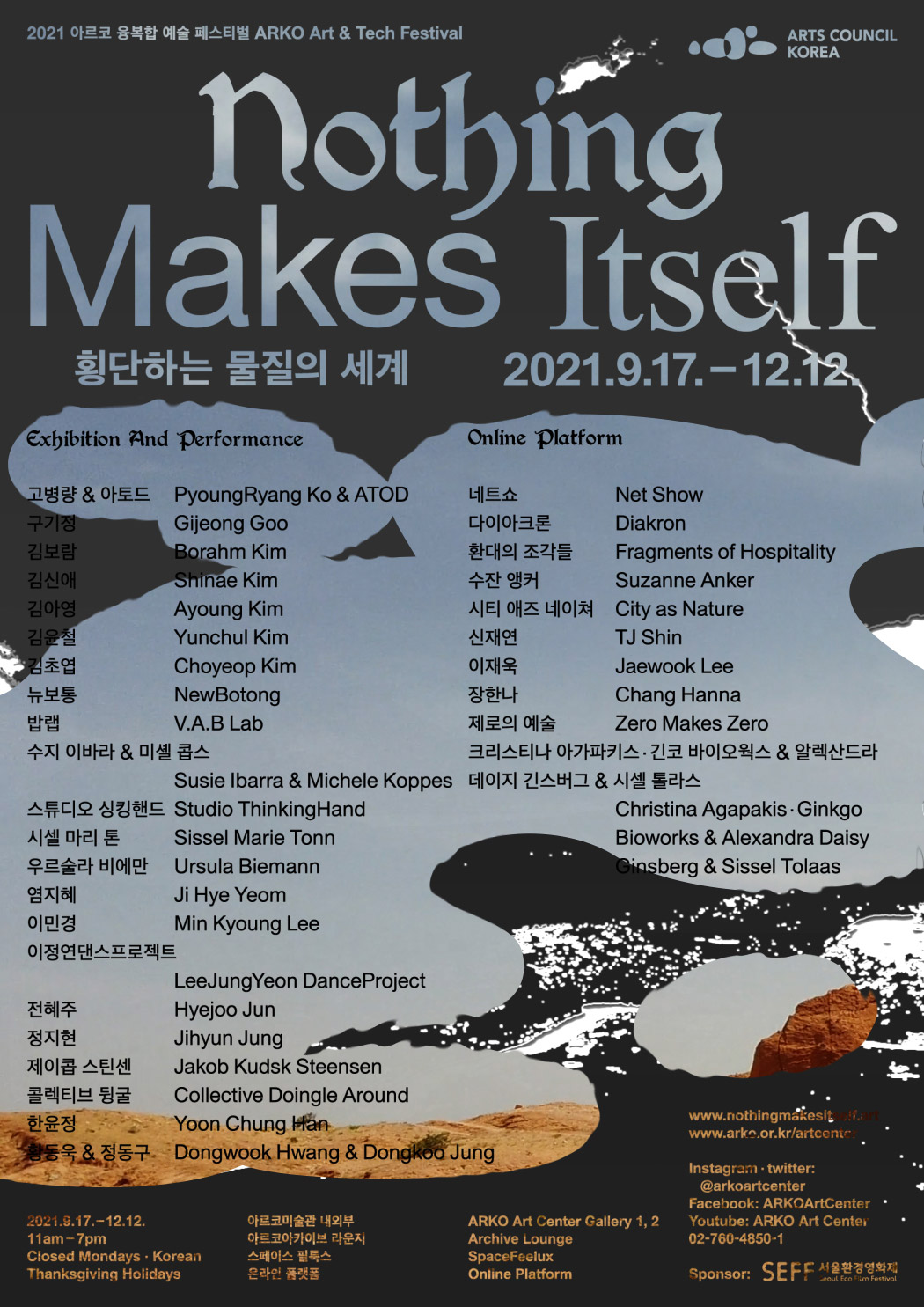
Arko Art Center, Seoul (2021); Art Sonje Center, Seoul (2017, 2018); Doosan
Gallery (Seoul, 2013, 2014; New York, 2019); Queens Museum, New York (2015);
the 11th Gwangju Biennale, Gwangju (2016); and The Showroom, London (2017).
Awards (Selected)
Jihyun Jung received the Kim Se-Choong Young Sculptor Award in
2023 and was awarded the Ministerial Prize for the public art project
My Neighbors! by the Ministry of Culture, Sports and Tourism
in 2021. He was also selected for the Sindoh Artist Support Program and the
Arts Council Korea AYAF (ARKO Young Art Frontier) in 2013, and was named a
Mercedes-Benz Korea Artist in 2012.
Residencies
(Selected)
Jihyun Jung has participated in residency programs at Incheon
Art Platform (Incheon, 2022), SeMA Nanji Residency (Seoul, 2021), CAN
Foundation (Seoul, 2020), ACC Creation Center (Gwangju, 2017), Seoul Art Space
Geumcheon (Seoul, 2015), and Doosan Residency New York (New York, 2015).
Collections
(Selected)
Jihyun Jung’s work Filing Public Parts
(2018) is in the collection of the Seoul Museum of Art, and his works are also
held in other public and private collections.