I once
found myself thinking:
War
fills myth, and myth fills history.
Written
down, the thought does not seem entirely wrong.
Human
beings wage wars to fulfill material or ideological desires. If war is the
eruption of violence inherent in humanity, then myth may be understood as the
aesthetic symbolization of that violent nature. From the dawn of ancient
cultures and the birth of civilization, myth has occupied the foundation of
belief that undergirds each civilization.
Myth forges communal bonds within a
culture, and the visual expressions that symbolically represent it become
naturally embedded in that civilization. When we encounter a particular pattern
or color palette and immediately associate it with a certain culture, this is
the result. Ancient Greek mythology offers a distant example; Chinese and
Indian myths provide closer ones.
In the
case of our own people, however, the situation feels less satisfying. One might
even suspect that the starting point of the cultural complex we experience lies
in the absence of myth. Our myths seem to have been erased and forgotten. What
little we know amounts to stories such as Dangun being the son of a bear, or
Park Hyeokgeose being born from an egg.
The
absence of myth signals a rupture between ancient and modern culture.
Conversely, it suggests that if our indigenous myths were restored, our culture
might become richer and more layered. In this light, recent research on
Goguryeo mural paintings—an area that has drawn significant attention—becomes a
deeply meaningful endeavor.
Much of
myth is structured around war. The origin of the desire that fuels war lies
both in the group to which humans belong and in the rulers who dominate those
groups. The countless soldiers sacrificed to the ruler’s ambition—and the
families surrounding them—are pushed aside from grand justifications and
ultimately forgotten.
On the
battlefield, war is reality; with time, it is forgotten. Later rulers may
glorify or diminish its value. The masses, however, remain forgotten. A
glorified war becomes myth, and myth becomes history.
Our
understanding of history from five hundred or a thousand years ago comes only
through records written by those who followed someone else’s command. To assume
that these records convey truth is, inevitably, naïve. Not only five hundred
years ago—even one hundred, or fifty years ago—history can at times transform
into myth.
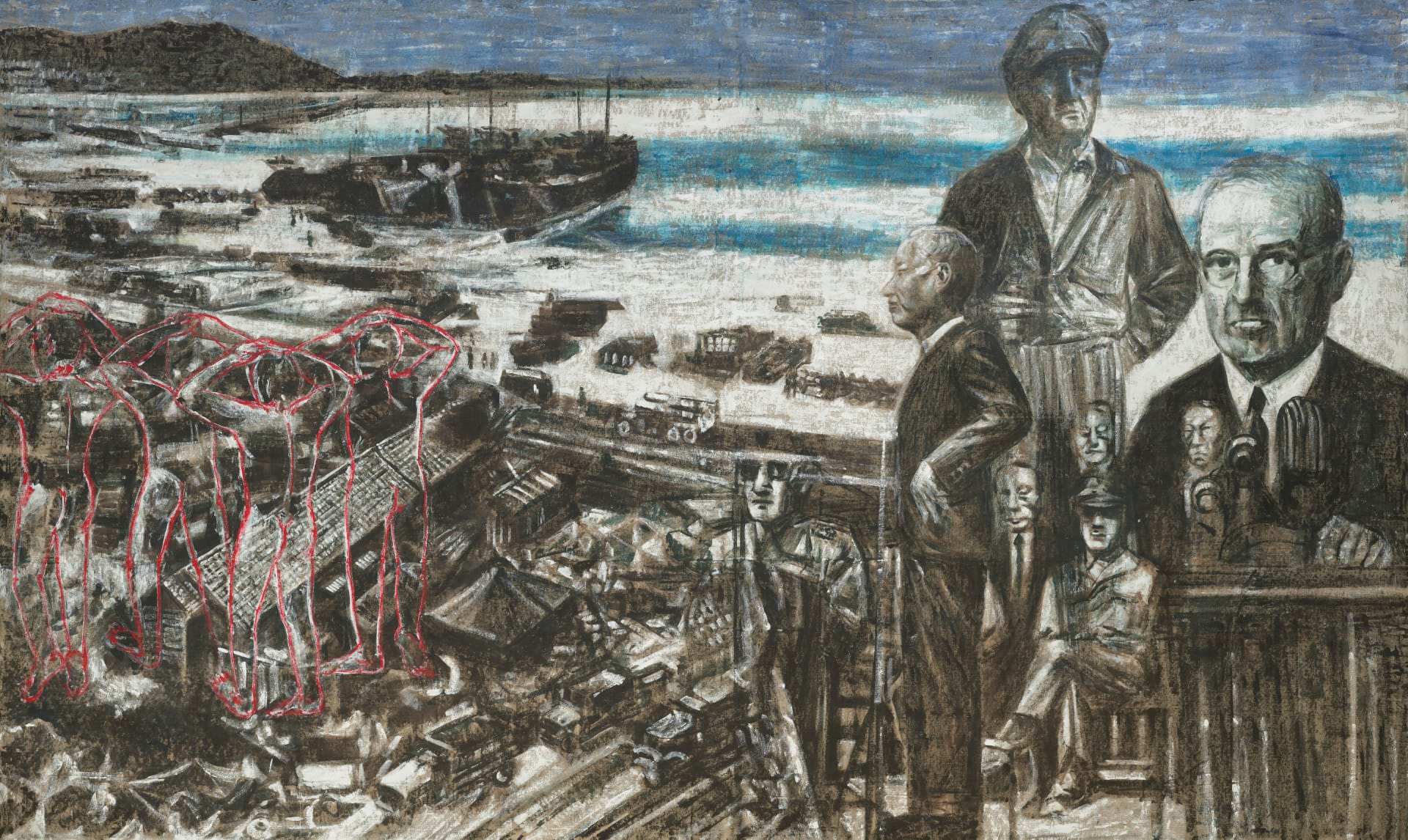
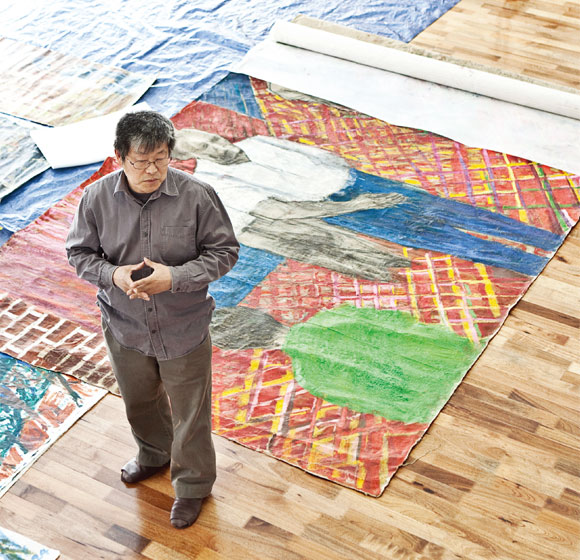
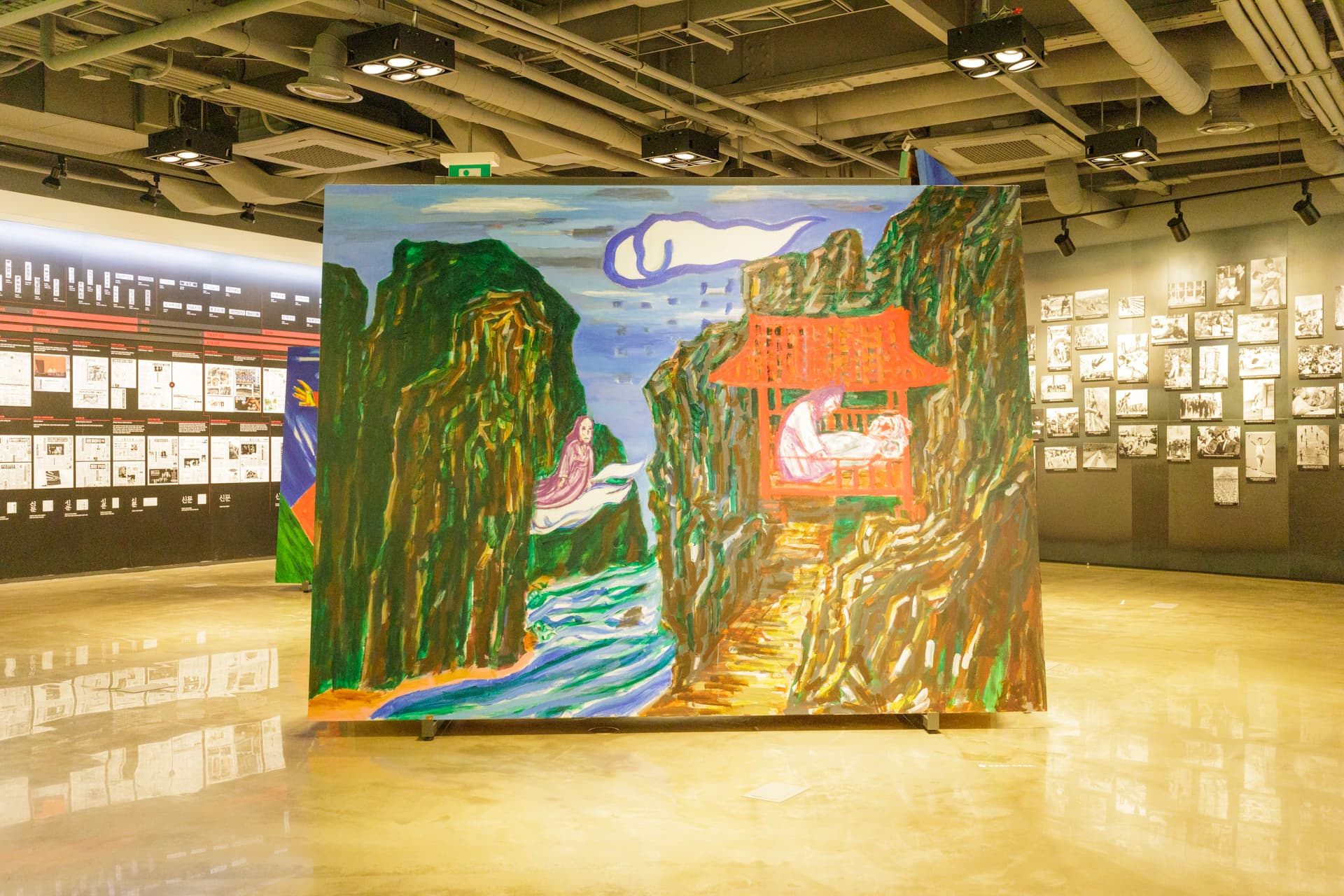
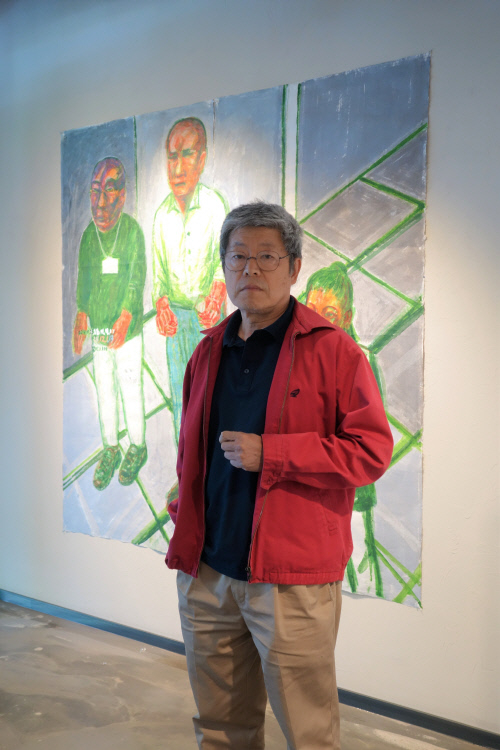
Seoyongseon
is widely known for his paintings depicting diverse events and scenes from
Korean history. His works span conflicts and wars from the Joseon dynasty to
contemporary society. These subjects feel unfamiliar precisely because they are
not themes that typically attract general interest. Within them, however, we
discern the artist’s deliberate message.
He
believes that the art he practices can serve as a means of newly recording
history. He regards art as capable of visualizing history—including war—and
seeks for his paintings to become not myths for glorified victors, but new
myths for the forgotten.
Rather
than focusing on commanding generals of events such as the Imjin War, the
Donghak Peasant Revolution, or the Imo Military Mutiny, Seoyongseon turns his
attention to soldiers, militia members, and other minor, powerless figures. He
does not paint war as a blind hymn of praise. Instead, he highlights the masses
who were sacrificed without understanding amid ideological conflicts. By
portraying these forgotten crowds—the nameless common people—he awakens us to
the brutal afterimages of wars whose superficial outcomes alone we tend to
remember.
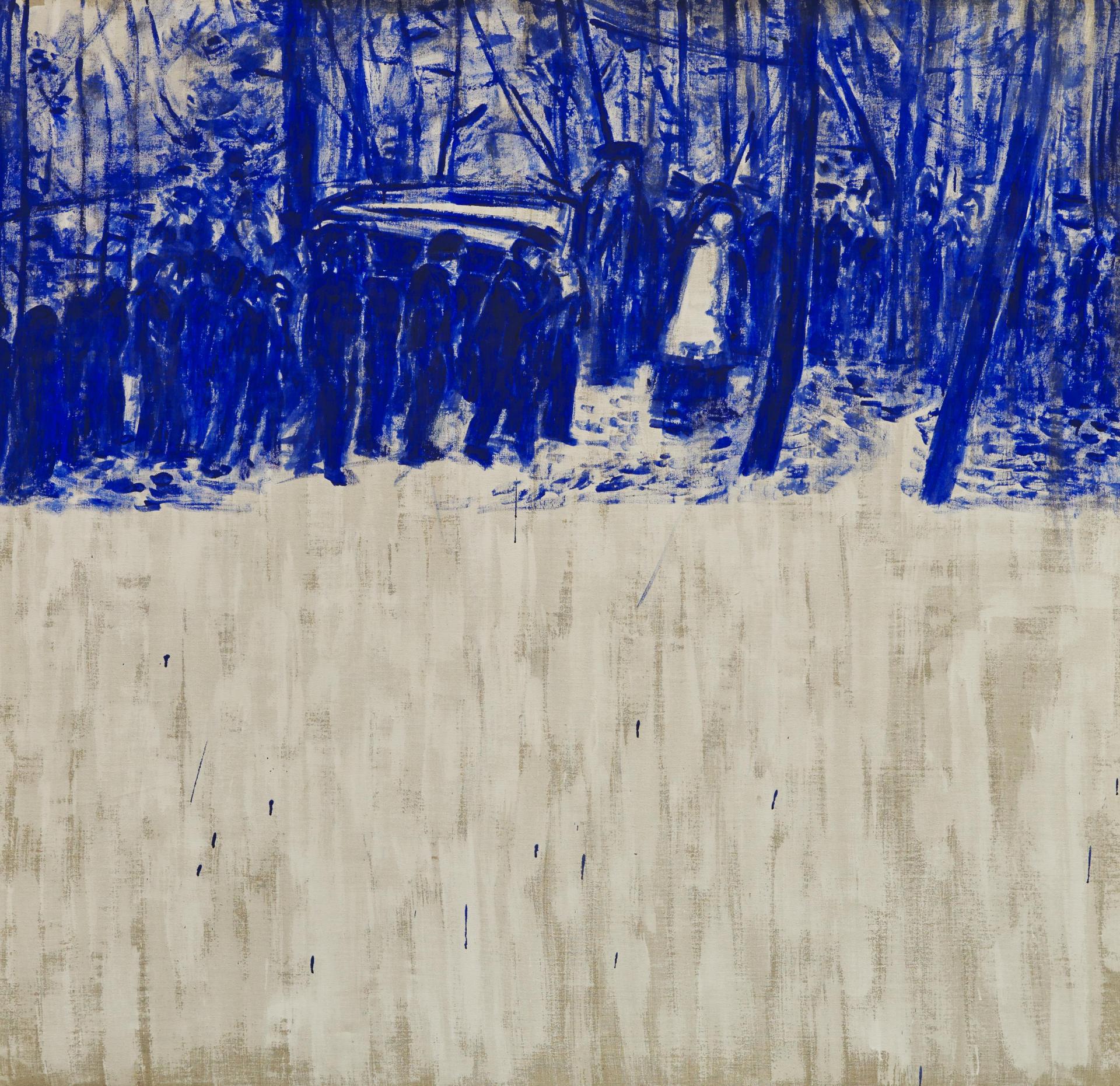
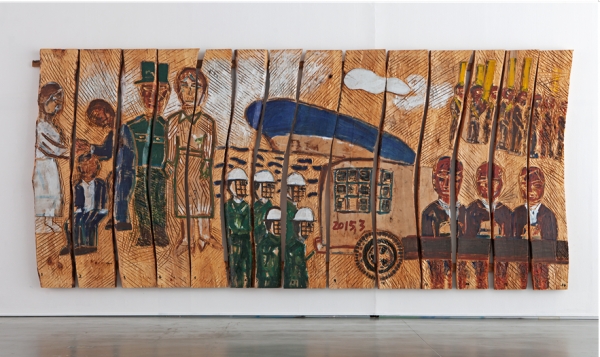
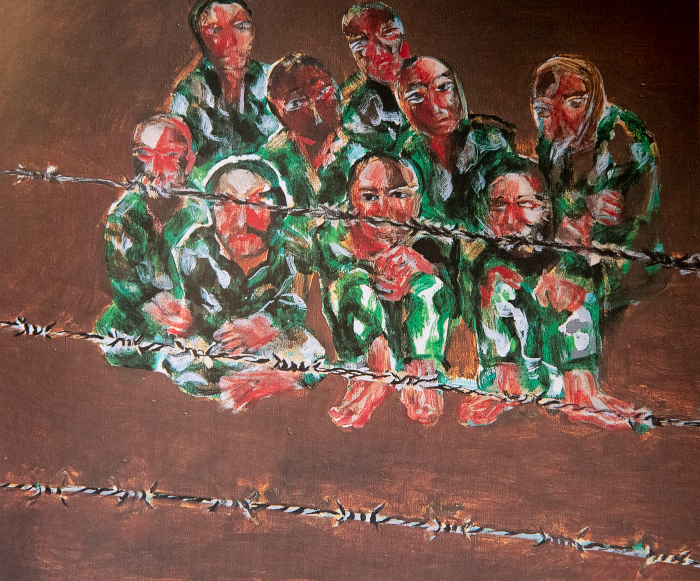
On his
canvases appear starving peasants, prisoners confined in camps, collaborators,
and those facing execution. Instead of grandiose battle scenes, he often
depicts fleeting, easily overlooked moments. In doing so, Seoyongseon presents
a mode of representation that departs from conventional forms.
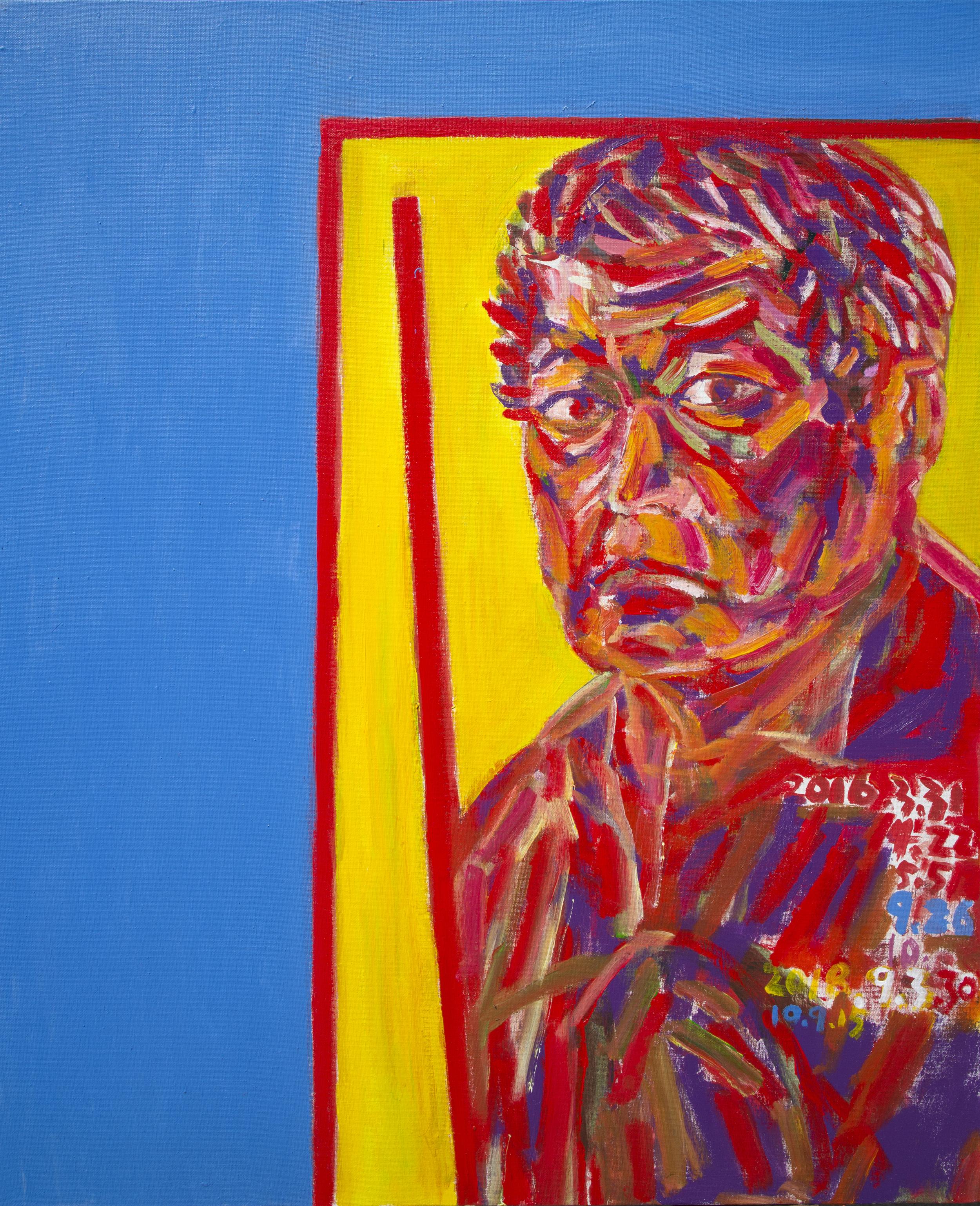
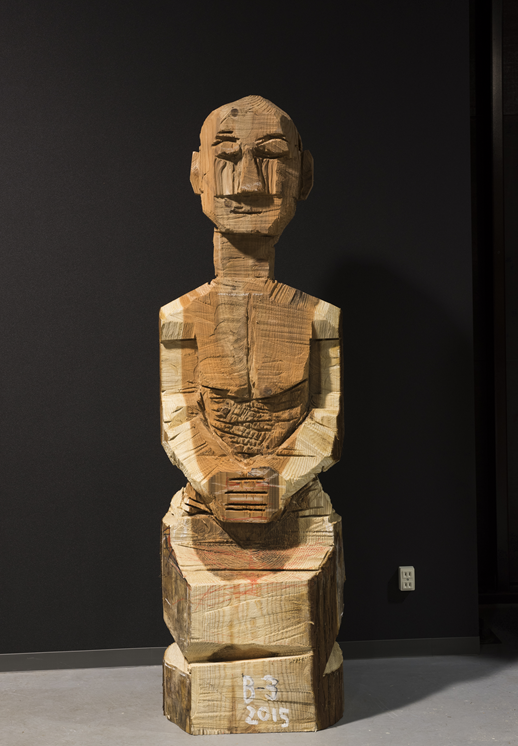
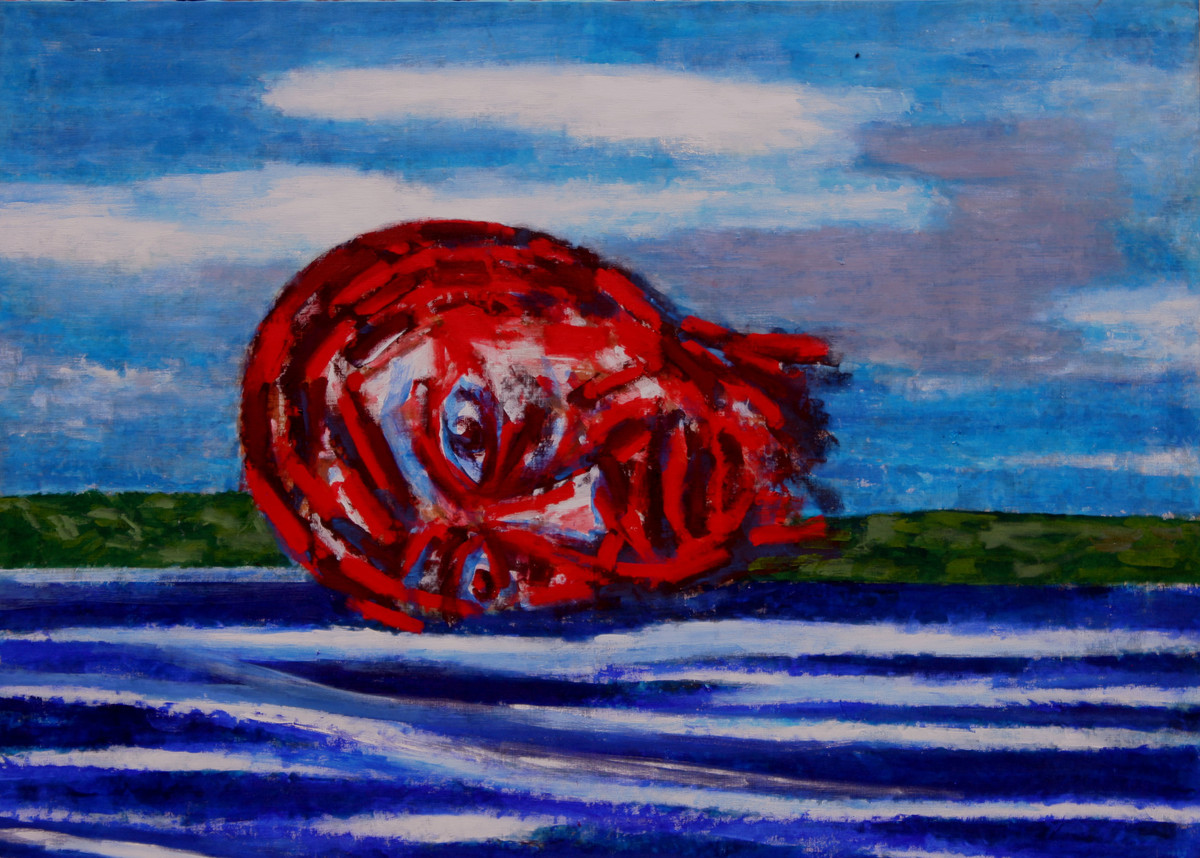
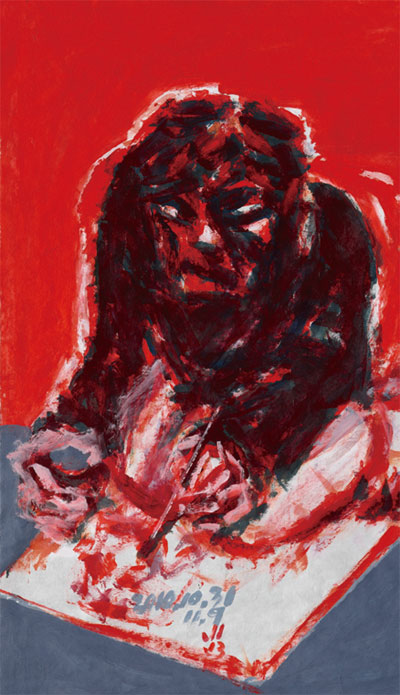
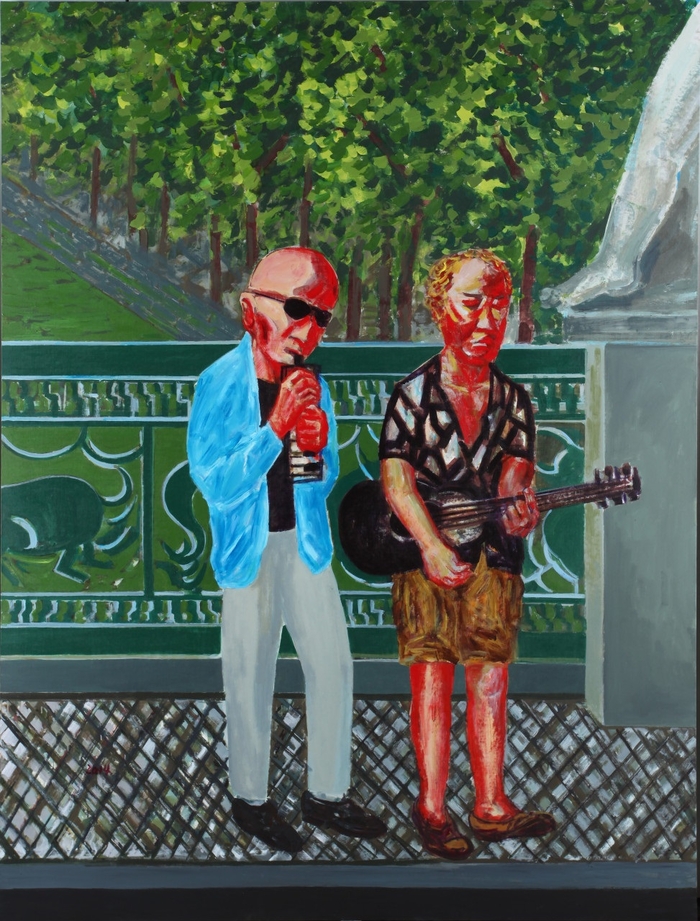
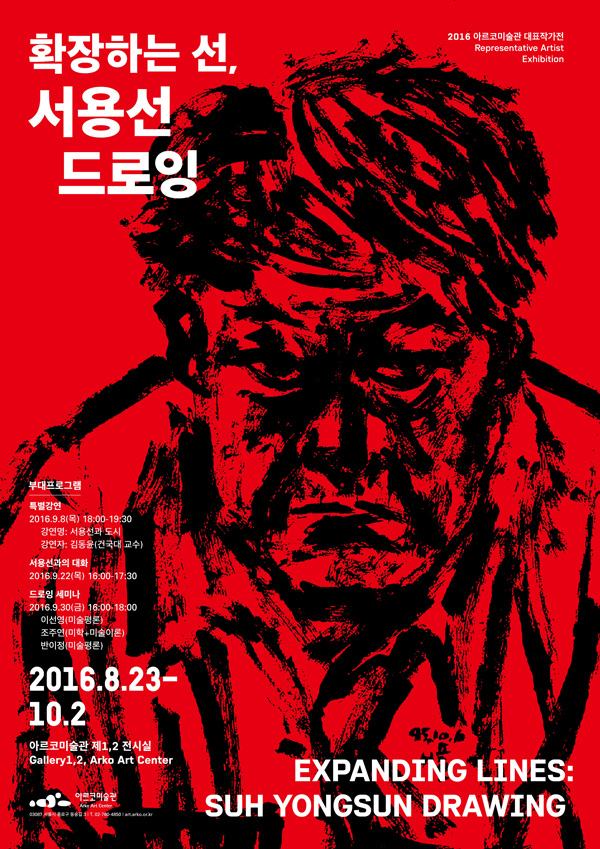
His
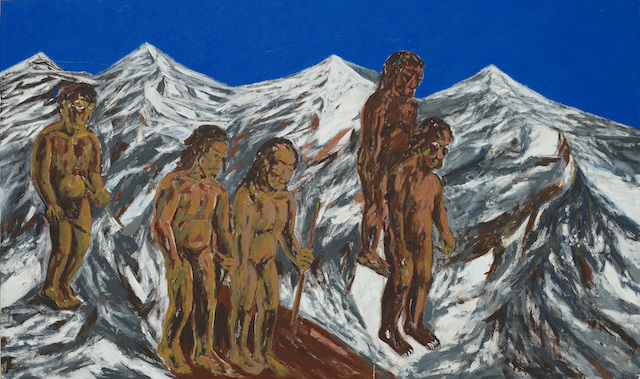
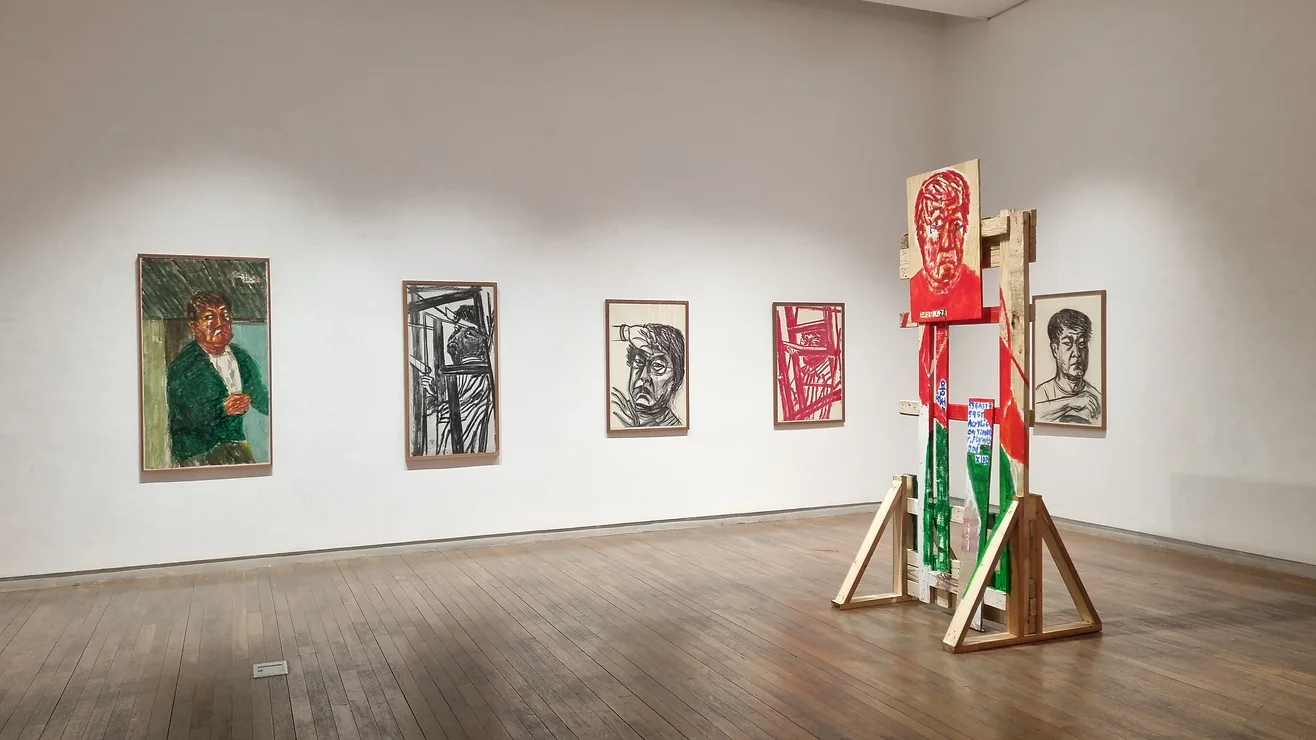
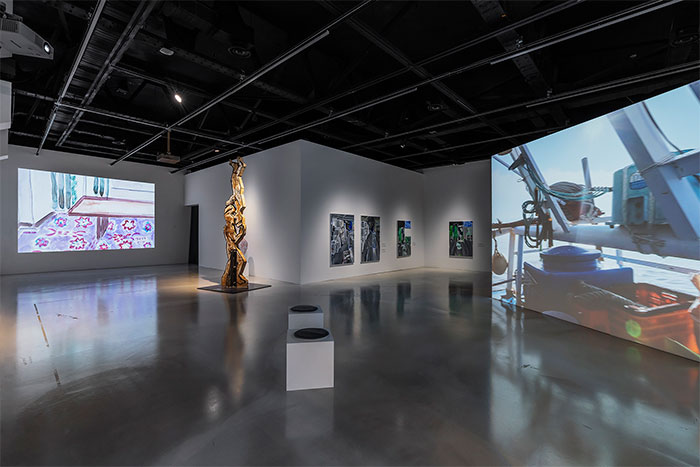
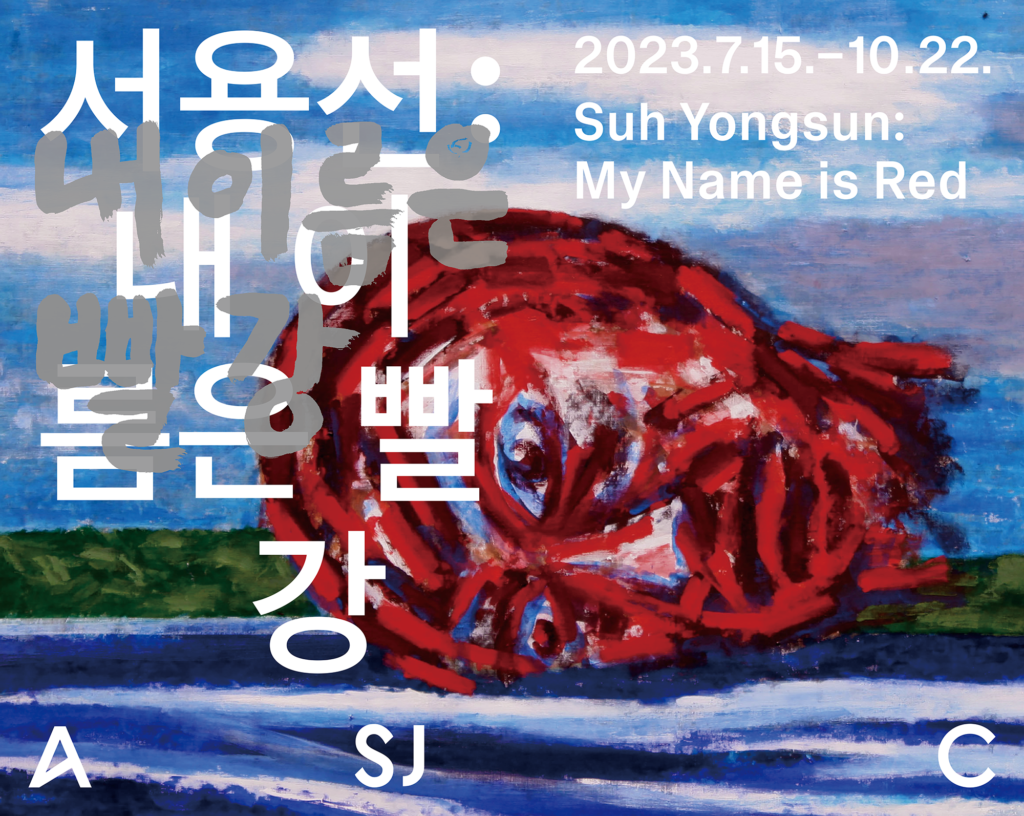
paintings are not easy to behold. Rough brushstrokes and blood-red hues that
seem to stop one’s breath permeate his work. ‘The Diary of Prince Nosan
(Danjong)’ series from the early 1990s deals with the unjust death of Danjong,
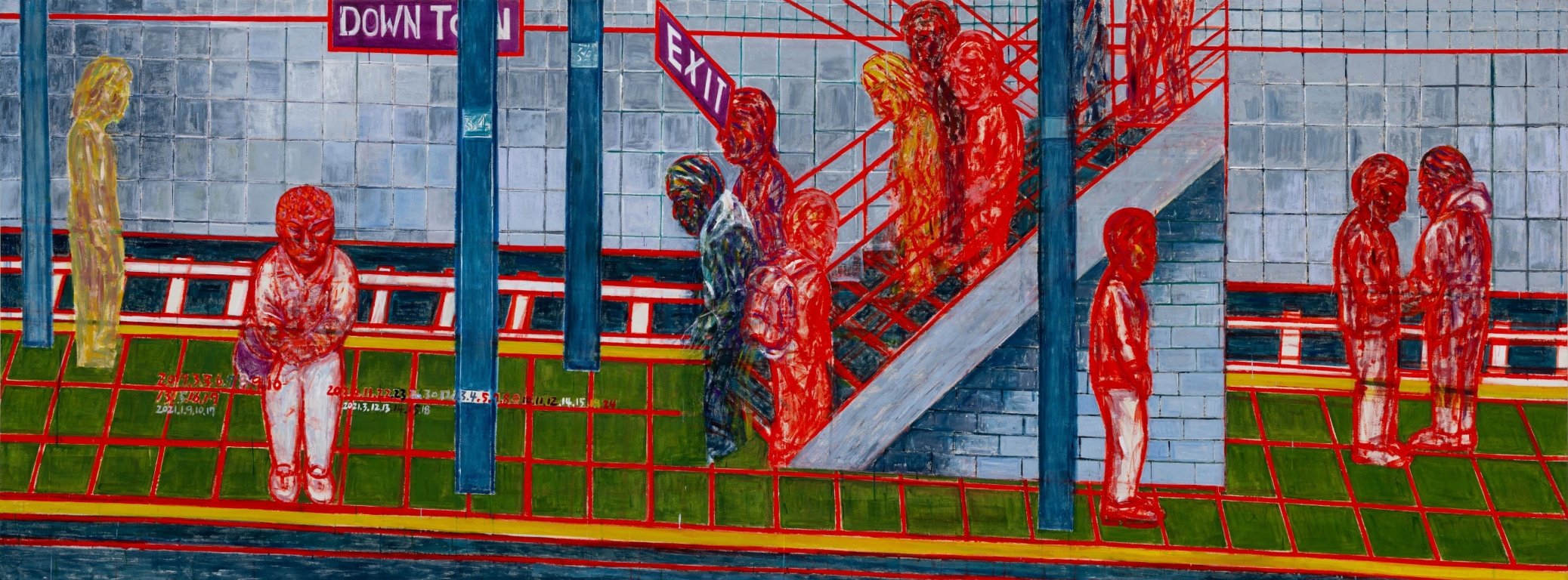
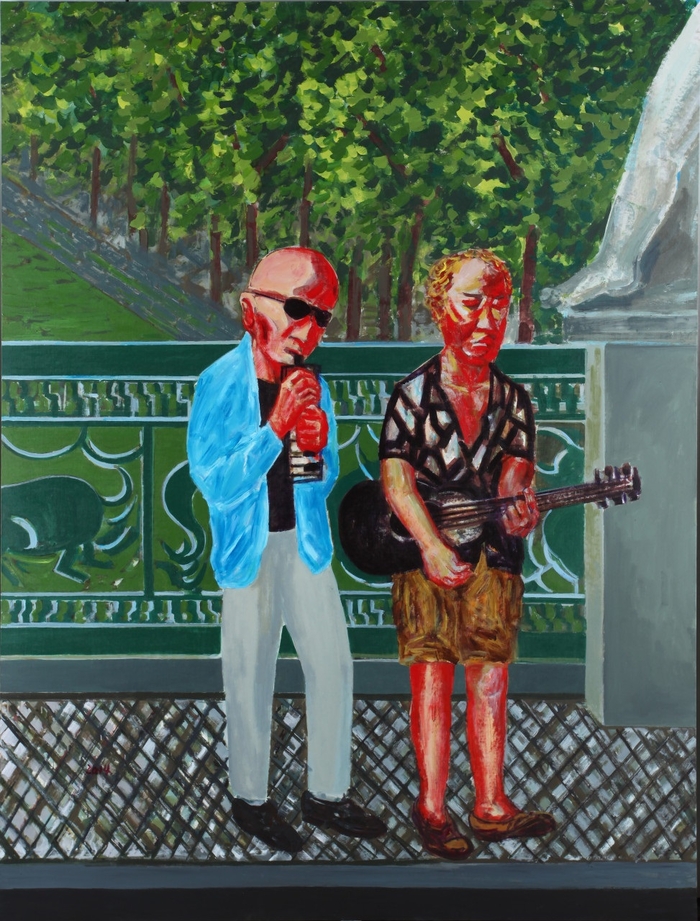
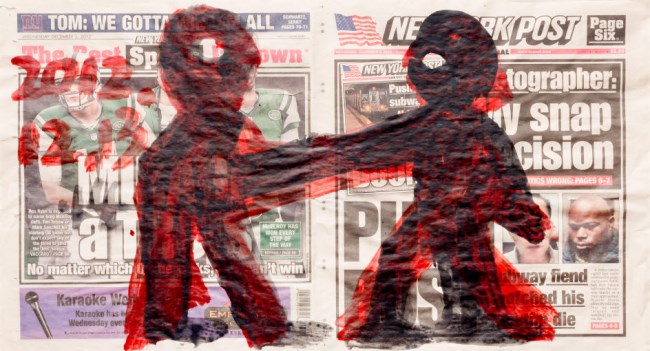
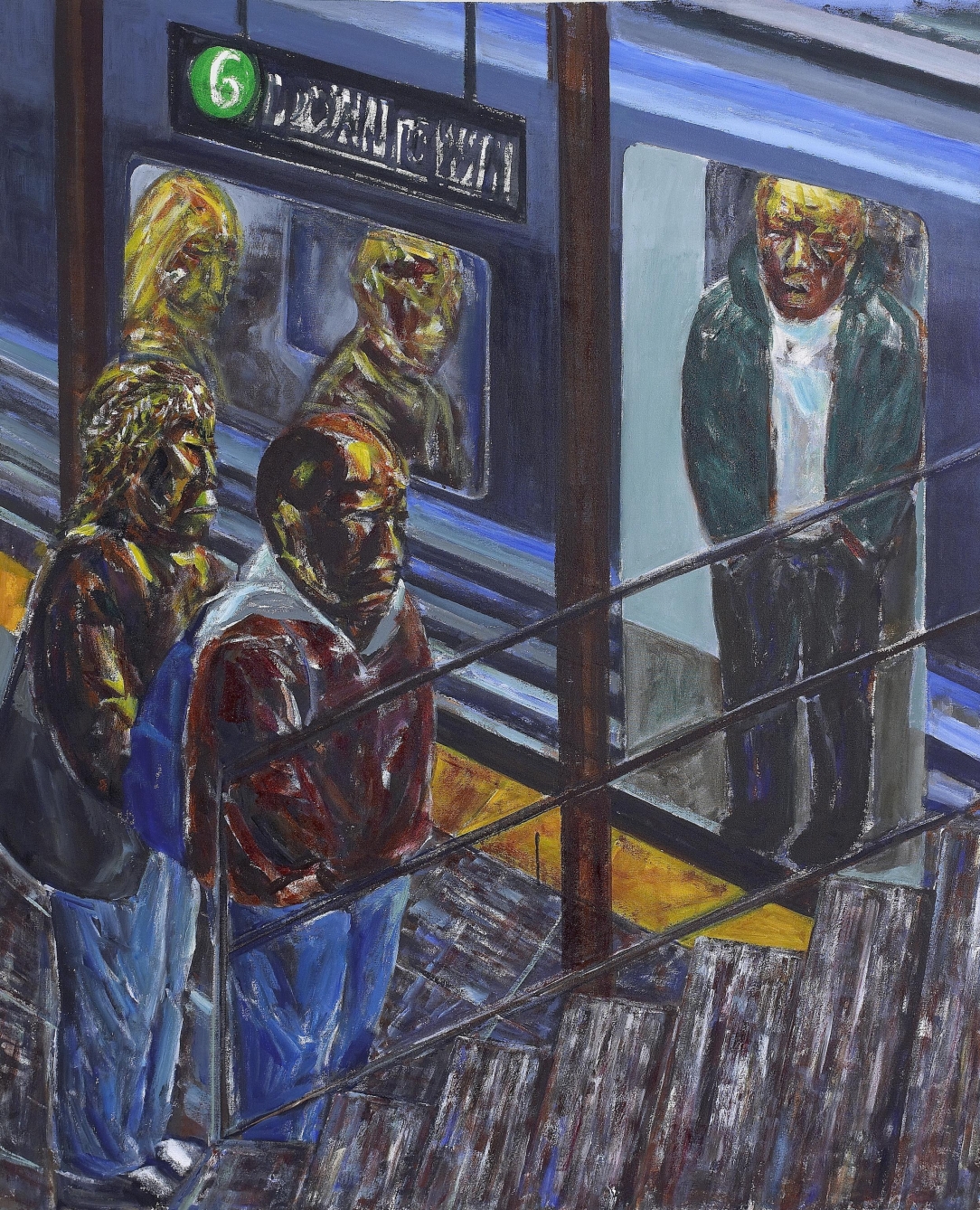
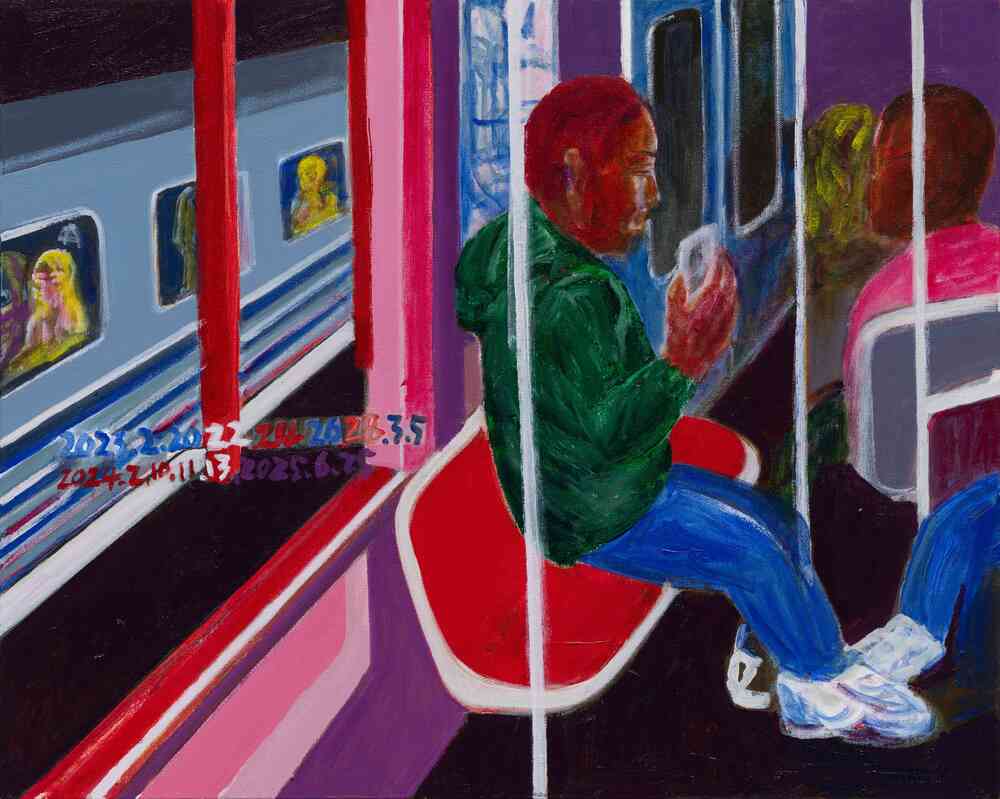
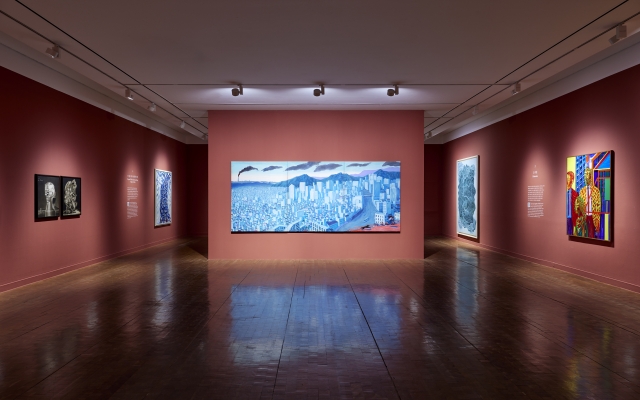
who perished tragically while harboring deep sorrow. The Cities and People
series, produced from the late 1980s to the mid-1990s, portrays the
expressionless crowds of the subway—figures embracing loneliness amid
abundance, solitude within the multitude.
Viewing
art is often assumed to mean contemplating beautiful, comforting works and
expecting a gentle sense of repose. Yet Seoyongseon’s paintings sometimes
contain unsettling scenes, prompting viewers to avert their gaze. In an era
shaped by refined lines, his primitive modes of expression may feel unfamiliar.
Yet we come to recognize a consistent aim: the artist seeks to create a visual
myth imbued with truth.
Just as
he elevates Danjong—the powerless figure who was forced to fade away—rather
than King Sejo, the victor of history, and focuses on expressionless modern
individuals in subway stations, Seoyongseon’s work reflects his attempt to
create new myths through the medium of war. These figures, together with the
nameless crowds in his war paintings, emerge as new icons of our history.
The
artist thus attempts a new approach to historical narratives that have been
transmitted to us in a largely one-sided textual form. His work is not merely a
visual rendering of war; it aspires to restore distorted images of our
history—an image-making practice that allows us to see our past anew. Alongside
the act of translating ancient myths into painting, this may be understood as a
step toward the restoration of our own mythology.
In
recent years, numerous exhibitions by artists associated with realism have been
held. Seoyongseon’s work may appear similar in its engagement with history.
While those artists seek to revisit Korea’s modern and contemporary history by
foregrounding social consciousness and historical awareness—often
reinterpreting Minjung art for a new era—Seoyongseon is concerned with the
creation of new images of our history. The red-hued icons etched into his
canvases reveal the energy and message he projects, and therein we encounter
Seoyongseon’s distinctive metaphor.
With
the presentation of Seoyongseon’s exhibition 《The Memories of the Future》, Ilmin Museum of Art
hopes that this exhibition—moving one step beyond the artist’s intention of
‘painting stories’—will contribute to the enrichment of our cultural history.