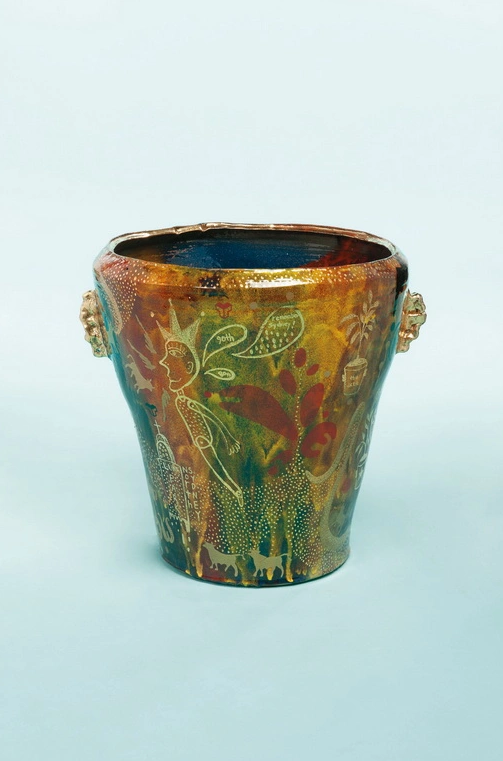
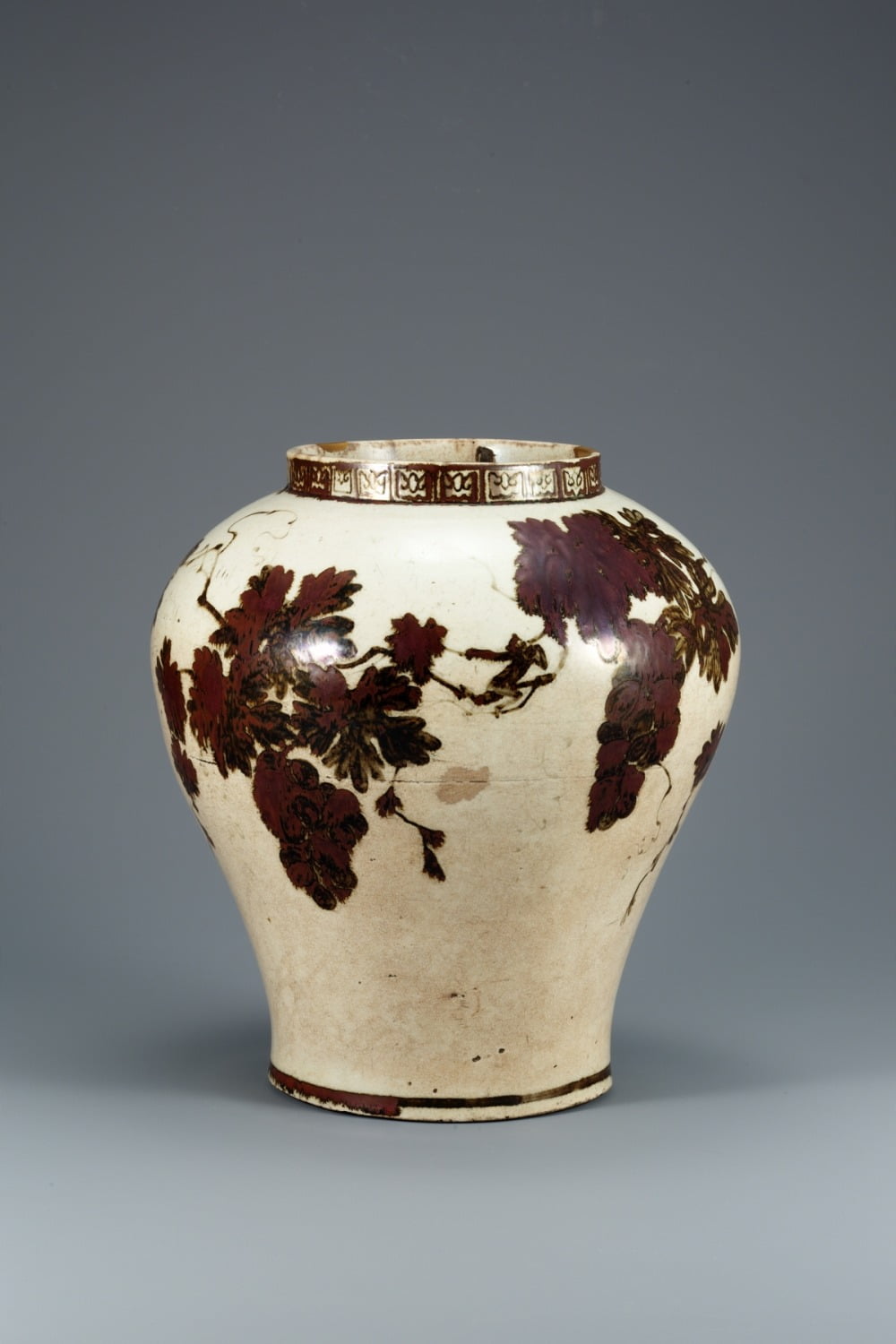
White Porcelain Jar with Underglaze Iron Design of Grapes and Monkeys, Joseon, late 17th century–early 18th century, height 30.8 cm, National Treasure © National Museum of Korea

I like museums as much as I like art museums. In daily life, I live with my antennae sensitively attuned to the splendid and inventive expressions of contemporary art and to sharp, urgent issues, but I also enjoy visiting museums to look at old artifacts.

Most of them are truly “things aged by time,” some thousands of years old, others at least hundreds of years old. They are things with tenacious vitality, having left the hands of the first skilled craftsman and survived through the hands of many users. Now they are inside glass display cases, but in the past, they were things someone used and cherished. Therefore, the forms and surfaces of these objects fully contain the varied lives and stories of their users. Even if they have lost their original luster and color, the elegance, texture, and color of objects that have absorbed time can never be approached by even the finest newly made things.
Yet museum artifacts are attractive not only because of their sense of long time or the skill and labor that are difficult to reproduce even with today’s technology. Nor is it simply because they are beautiful and highly valuable artifacts. They are precious materials for understanding our lives and culture. Looking at artifacts feels like taking a time machine and traveling into the past. The landscapes in which people of that time must have lived are drawn diachronically before our eyes. There is pleasure in reading what people of each period desired and what kind of life they hoped to live. Reflecting on the present through the past is precisely the reason we go to museums.

Religious and ritual objects such as Buddhist statues and paintings, as well as gold crowns and metal vessels, are truly refined and impressive in their outstanding craftsmanship and labor. However, when I look at artifacts that people of the past used in everyday life, such as jars, rice bowls, soup bowls, plates, kettles, liquor bottles, cups, teabowls, and storage vessels, I feel more fully the aesthetic consciousness pursued by Koreans.

When I look at ceramics, gyubang crafts, and minhwa at museums, I find a sense of kinship and comfort in the fact that the lives people of the past lived and the dreams they longed for are not so different from ours today. Among old ceramics, gyubang crafts, and minhwa, peony motifs appear especially often. Because they bloom around Gogu every year, they are also called “Goguhwa,” and because of their large and auspicious form, they are also called the flower of flowers, the king of flowers. The mass of yellow stamens hidden inside layers of petals looks like golden coins, so it is easy to understand why people of the past assigned the meaning of wealth and glory to peonies among all flowers.

Across all times and places, flowers symbolize beautiful women, so when flowers are painted or embroidered together with birds, they complete a design signifying good fortune in marriage and harmony between husband and wife. Whether in the royal court or among ordinary women, regardless of status, how often must people have recalled the auspicious meaning of the motif and wished for its realization whenever their eyes met a peony pattern, as they embroidered peonies stitch by stitch with red thread over long hours, or placed and used paintings and crafts decorated with peonies throughout the home?

The desire to earn a lot of money and become rich, and the wish for one’s descendants to continue and prosper for generations, are no different from our wishes today. Grapes symbolize abundance because they bear many fruits on one branch. The word mande, meaning vine, was understood to share meaning with jason mandae, or “descendants for ten thousand generations,” and the clusters of fruit symbolized fertility. People of the past believed that if paintings or crafts depicting grapes were placed in the home, the family would prosper and descendants would flourish.

The wish for promotion, success in examinations, and advancement in life was also the same as it is now. Fish signify fertility and harmony between husband and wife. Yet when a fish bends its body into a U-shape and leaps above the water’s surface, it becomes eobyeon seongryong, “a fish transforming into a dragon,” signifying success in life and appointment to office. Fish leaping into the sky, fish caught on a hook, and fish in a fishbowl are also forms of the “chosen fish,” that is, of selection and appointment.


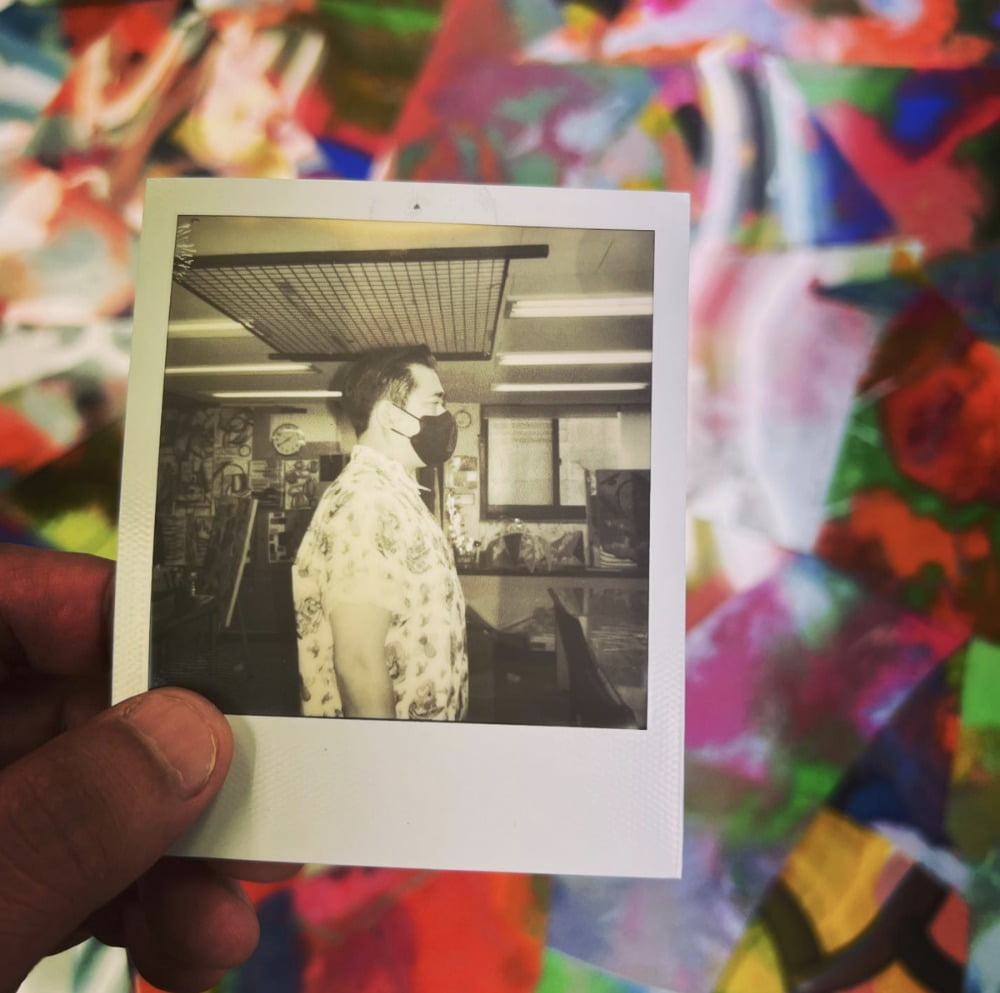
Instagram screenshot © Junyoung Kang

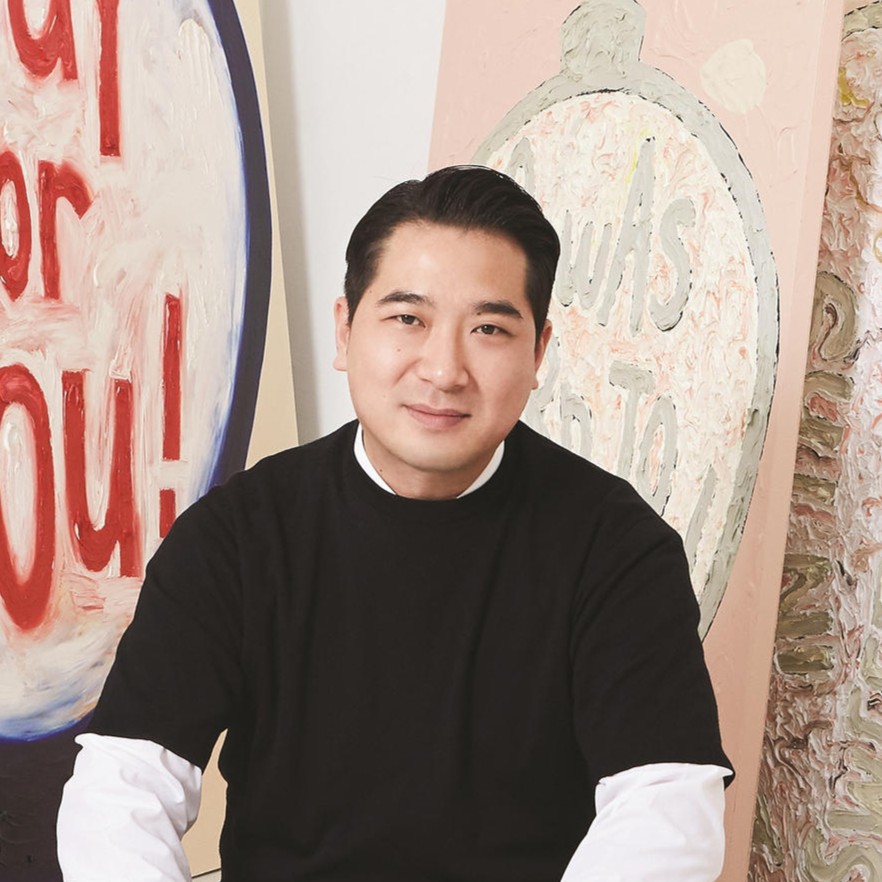
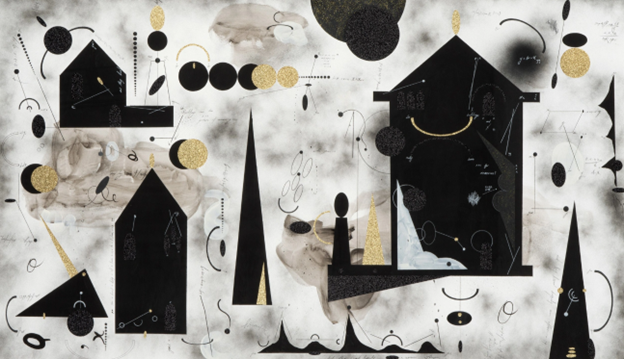
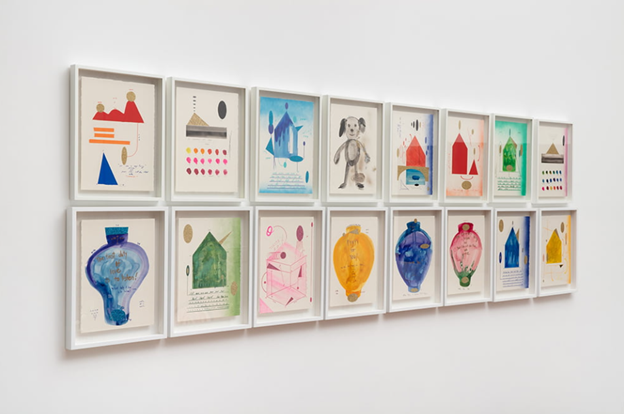
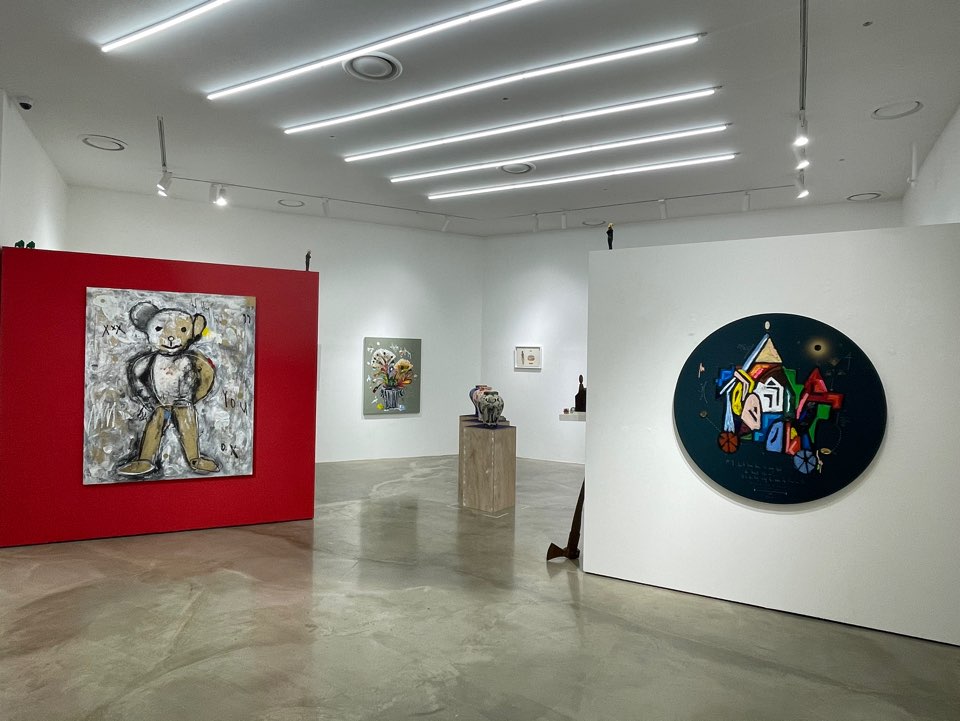
Artist Junyoung Kang traverses a wide range of media, from ceramics, painting, drawing, and media to hip-hop. If one hears that he majored in ceramics and makes ceramics, one might expect an image of an artist whose work is static and grounded in craftsmanship. Yet he DJs, rides longboards, collects art toys and limited-edition sneakers, and is a typical MZ kid sensitive to the latest pop and street culture and fashion. His ceramics, drawings, and installations, reminiscent of graffiti, are, in today’s words, “hip.”

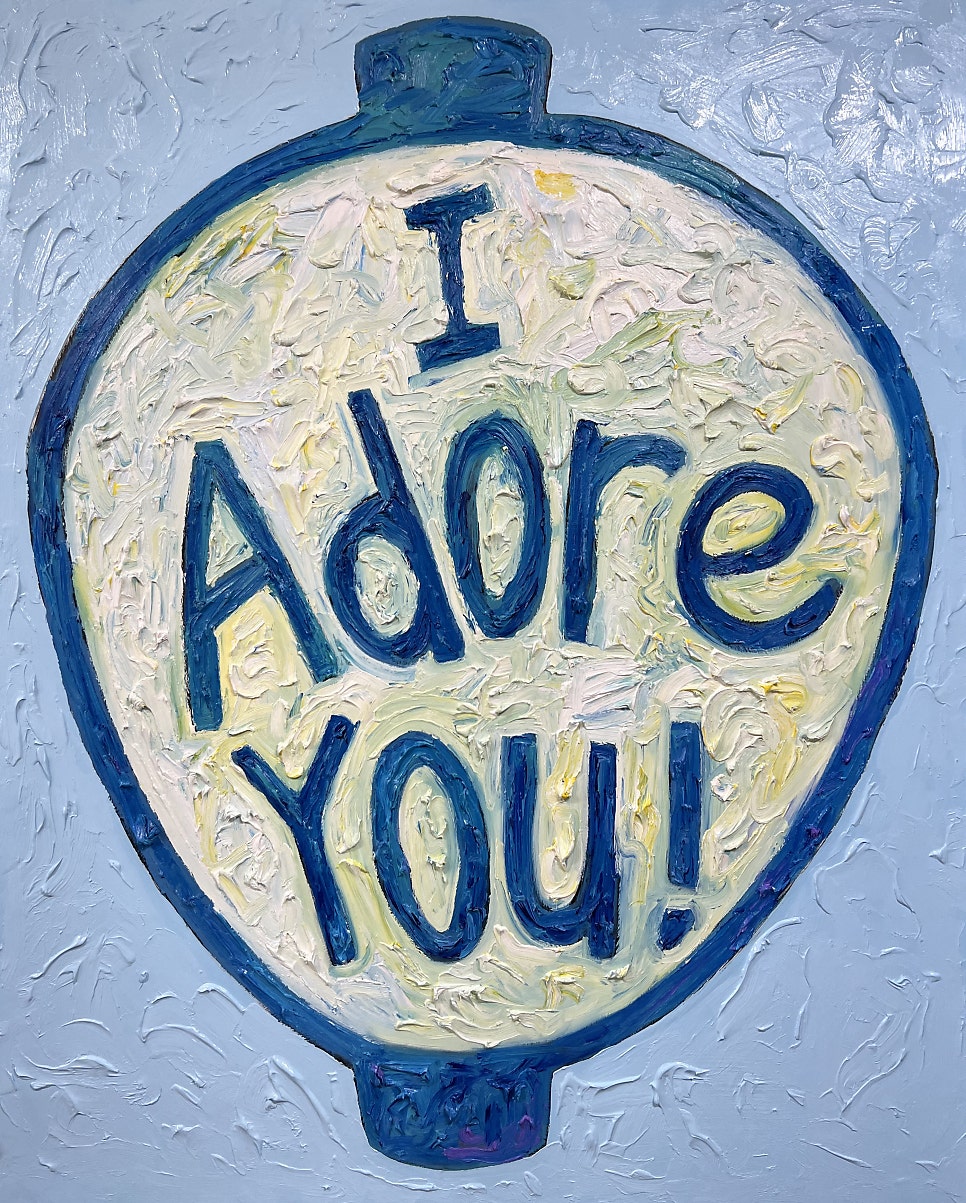
Junyoung Kang’s work is about “family.” In contrast to its colorful and lively sensibility, its subject is traditional and conservative. The artist studied abroad from an early age and lived far away from his family. Whenever he came home during vacations, his grandmother warmly embraced her grandson, who lived far away and must have seemed lonely. His father was an architect. Through him, Kang opened his eyes to contemporary art. If his father had been the center of the family, after his passing the artist became the head of the household, and later, through marriage, he gained a new family, a wife and child.

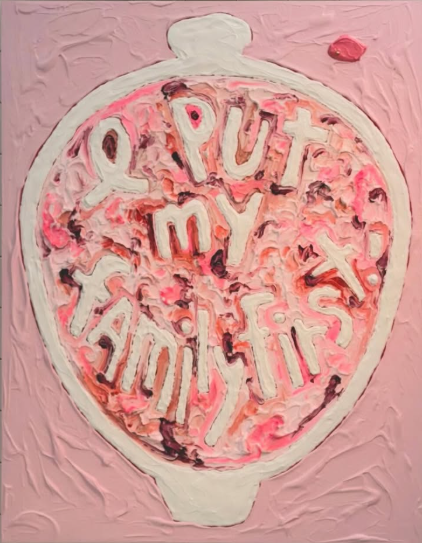
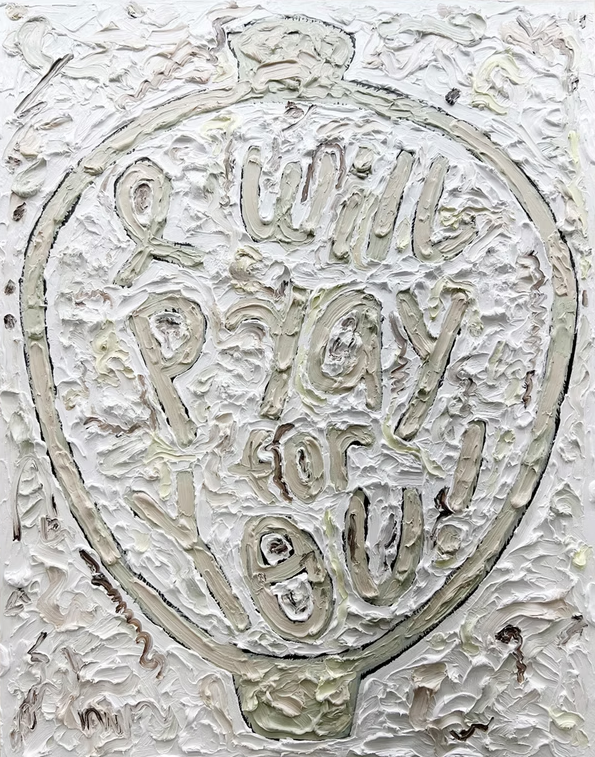
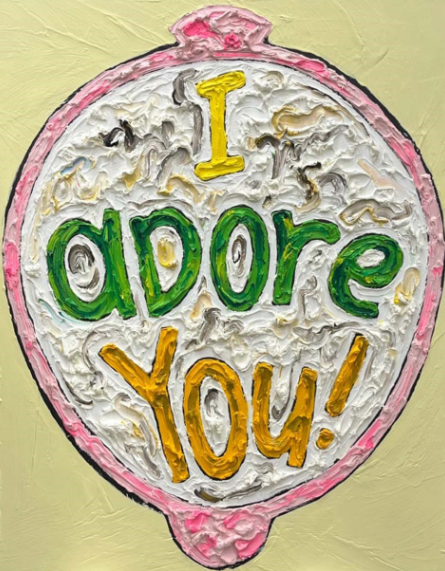
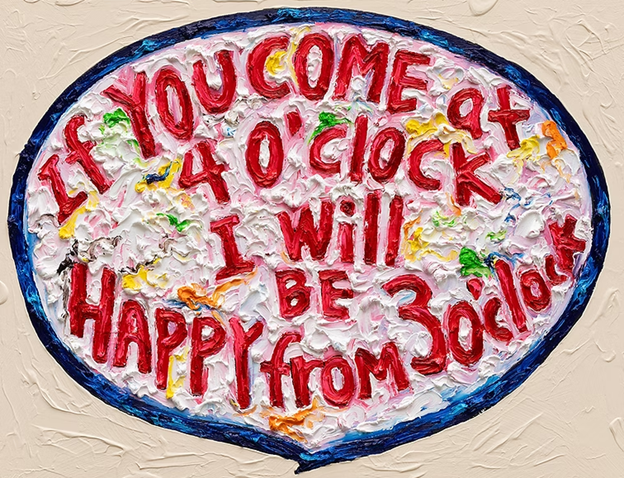
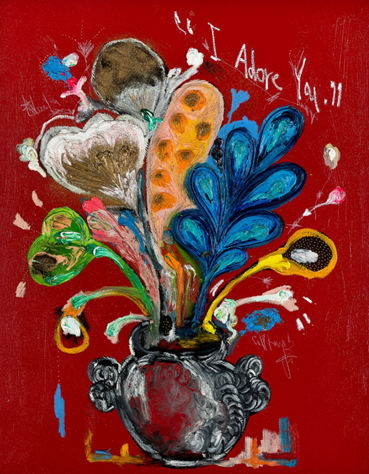
Like many Koreans of the 1970s and 1980s generations, he stands between generations, at times as his father’s son and his young son’s father, as his mother’s son and his wife’s husband, carrying out his roles while experiencing complex emotions within various family relationships. As himself and as the head of a family, he writes and prays every day, like keeping a diary, inscribing catchphrases of wishes and positivity on canvas and on the surfaces of ceramics, hoping for the well-being and peace of his family.


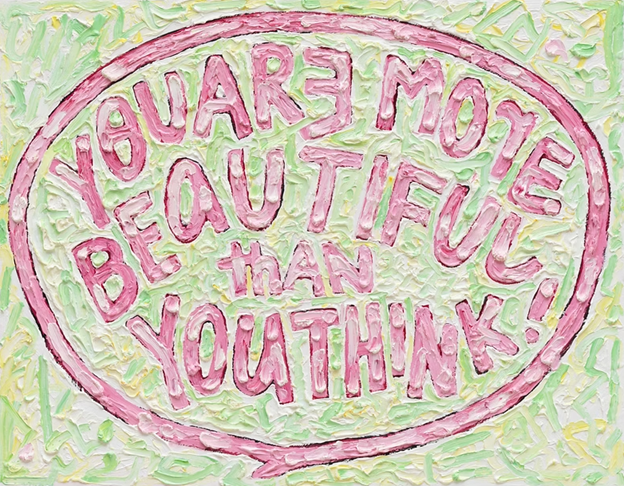
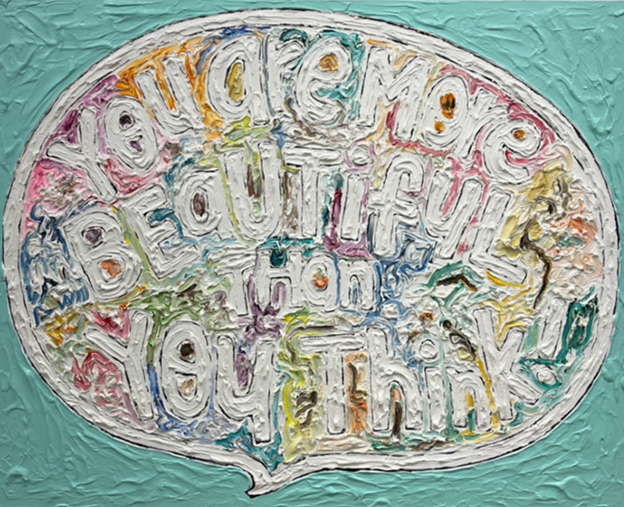
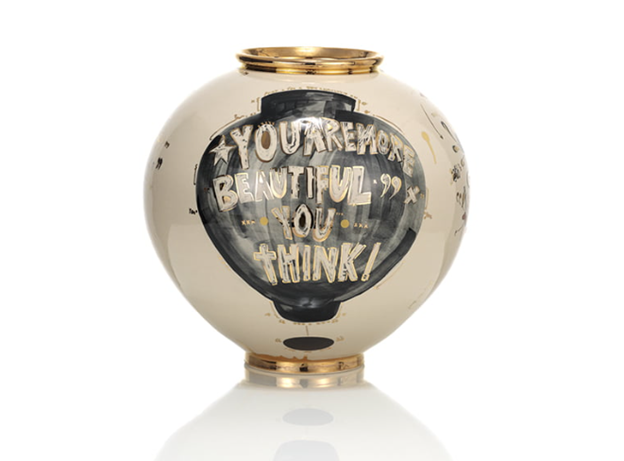
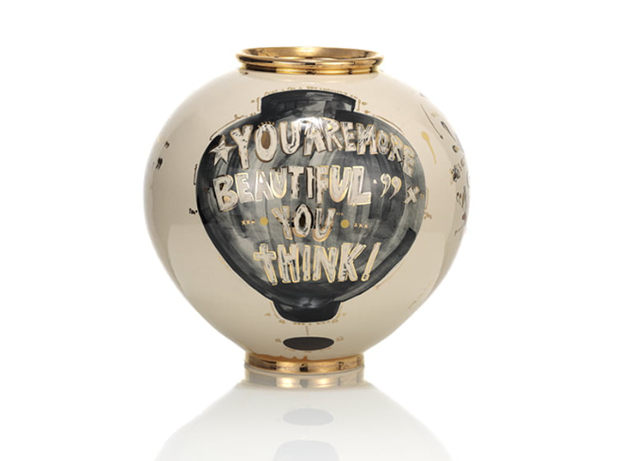
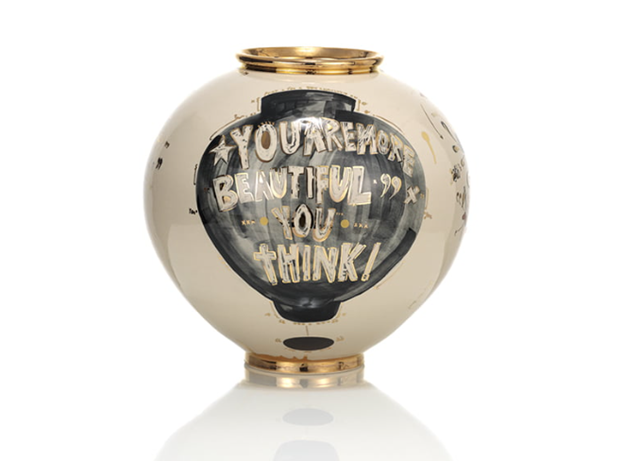
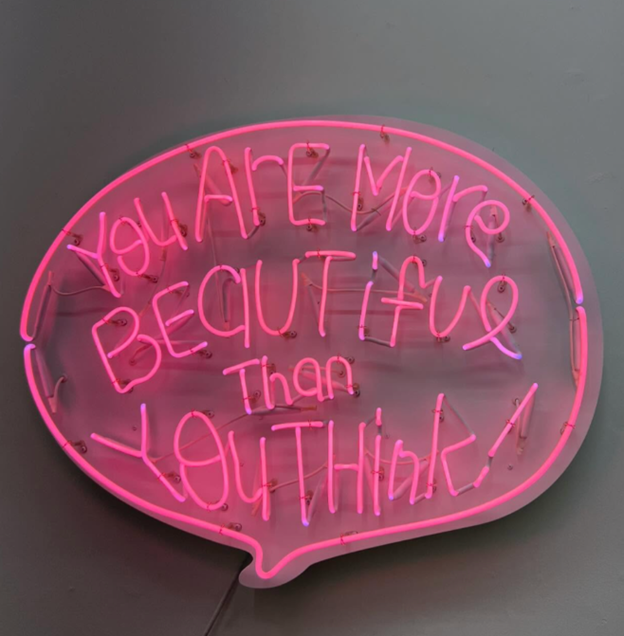
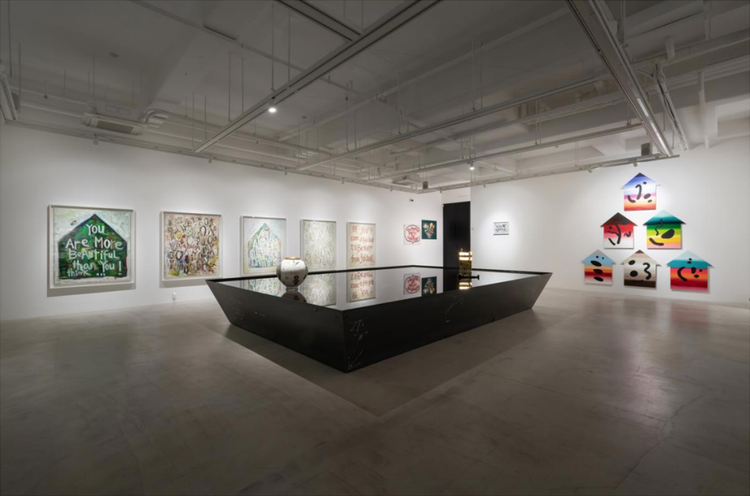
Junyoung Kang, You are more beautiful than you think!, 2019, gold painting on white porcelain, 50 x 50 x 50 cm © Junyoung Kang

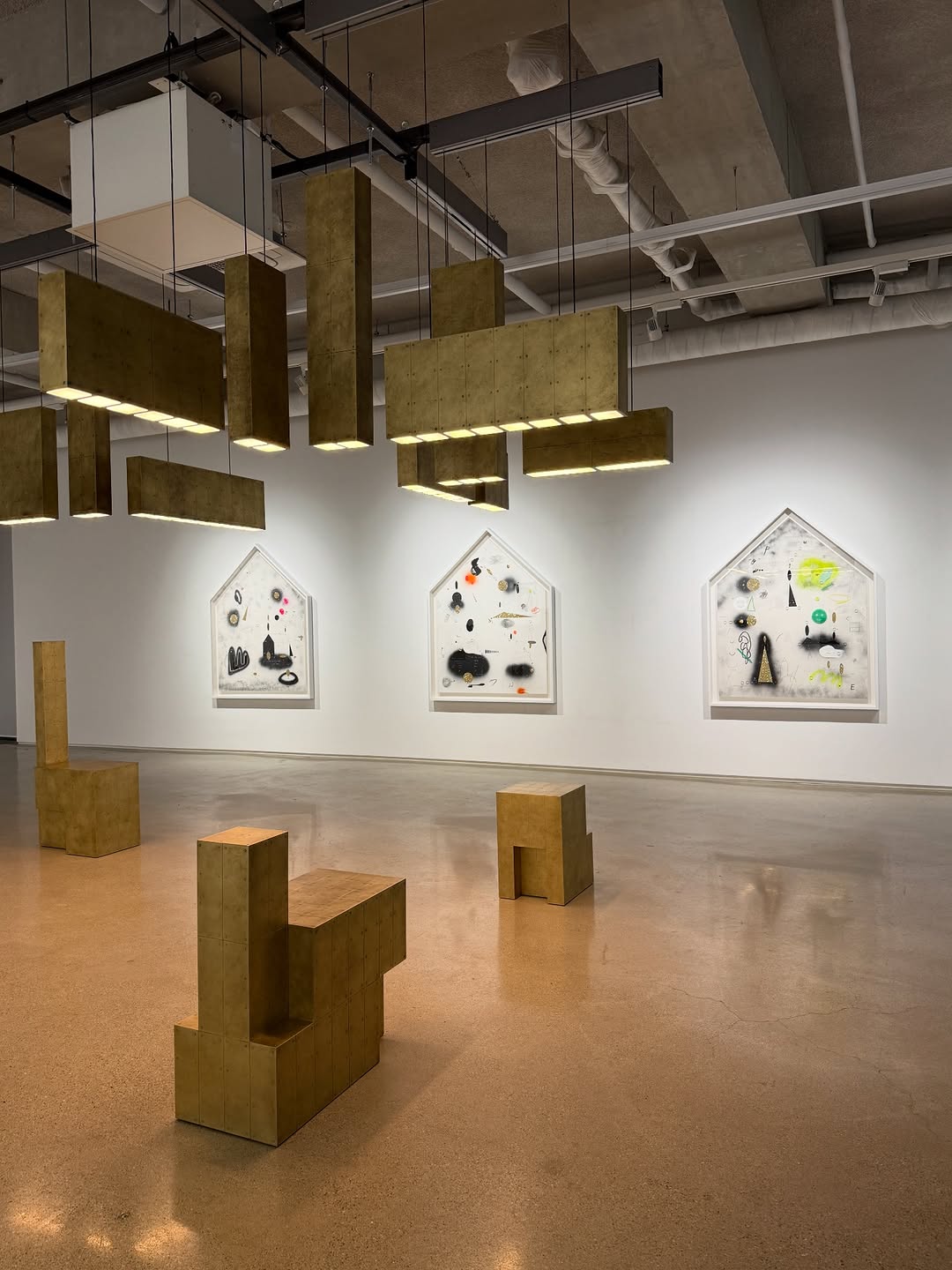
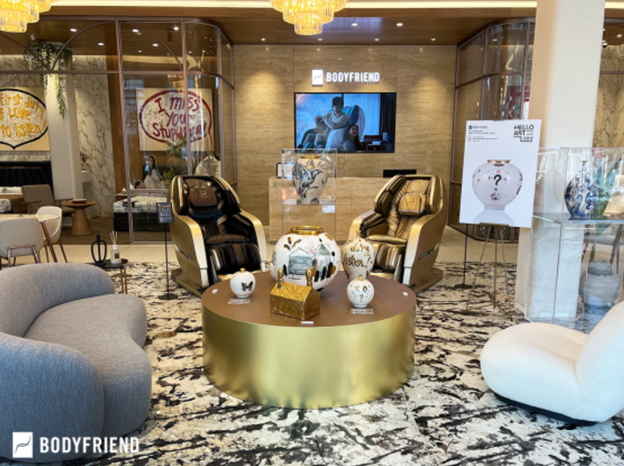
For him, “home” is both a major motif connecting memories of the past and present and a symbolic space that encompasses family. Home is a boundary for the comfort and rest of family, and at the same time another vessel that fully contains the conflicting emotions and collisions that take place within the family. It is the artist’s personal space, but when the work becomes someone else’s possession and is hung in their space, the collector will be reminded again of “home,” family, and love each time they pass by and see it. Just as people of the past painted motifs symbolizing wealth and glory on minhwa, ceramics, clothing, and gyubang crafts, and wished for blessings and their fulfillment whenever they saw them from time to time.


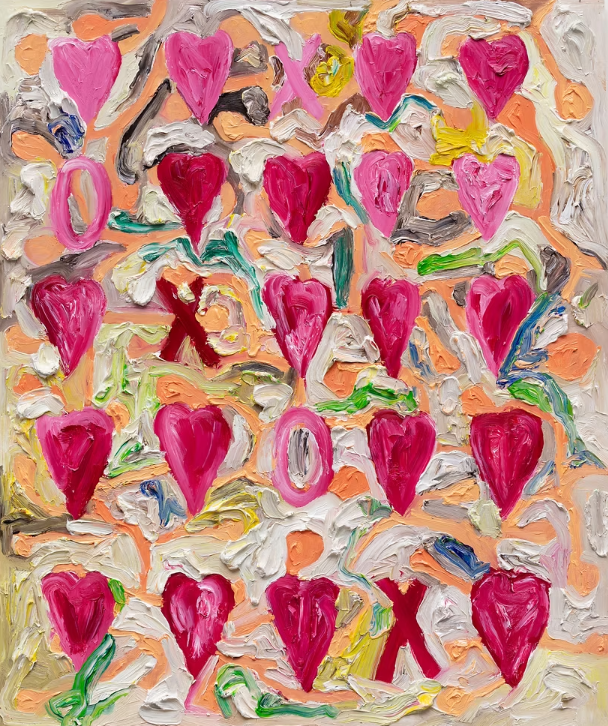
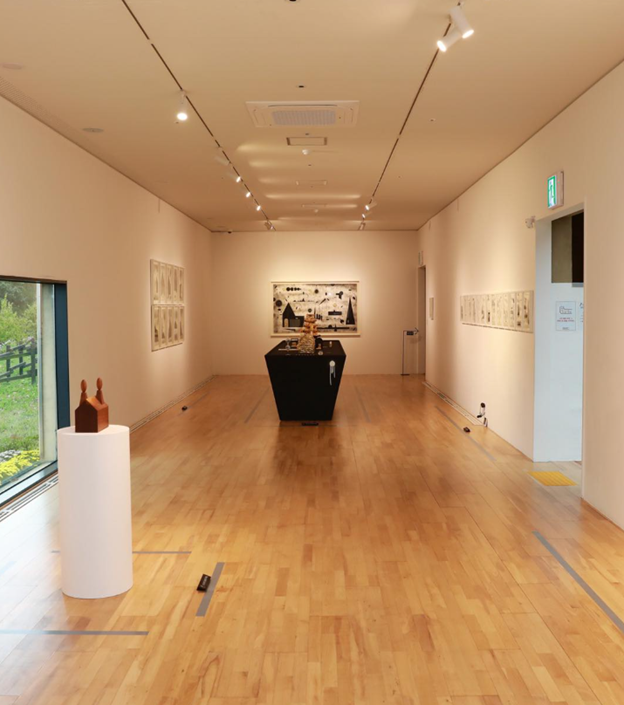
Installation view of 《“O” & “X” and us》 © 2GIL29 GALLERY

The phrases Junyoung Kang writes using jars, speech bubbles, and the outline of the house as speech bubbles: “I love you…” / “I was born to love you” / “The moonlight speaks for my heart…” / “You make me smile” / “You are more beautiful than you think!” and others appear to my eyes exactly like the peonies, grapes, fish, birds, and flower patterns that people of the past painted on pictures and ceramics. Looking at the pursuit of blessings and happiness I have found throughout museums, and then looking at Junyoung Kang’s work today, I come to wonder whether, even if times and generations have changed, the act of living as humans and the things we desire are really so different.

References