LISEOK’s
work begins with reconstructing the relationship between nature, humans, and
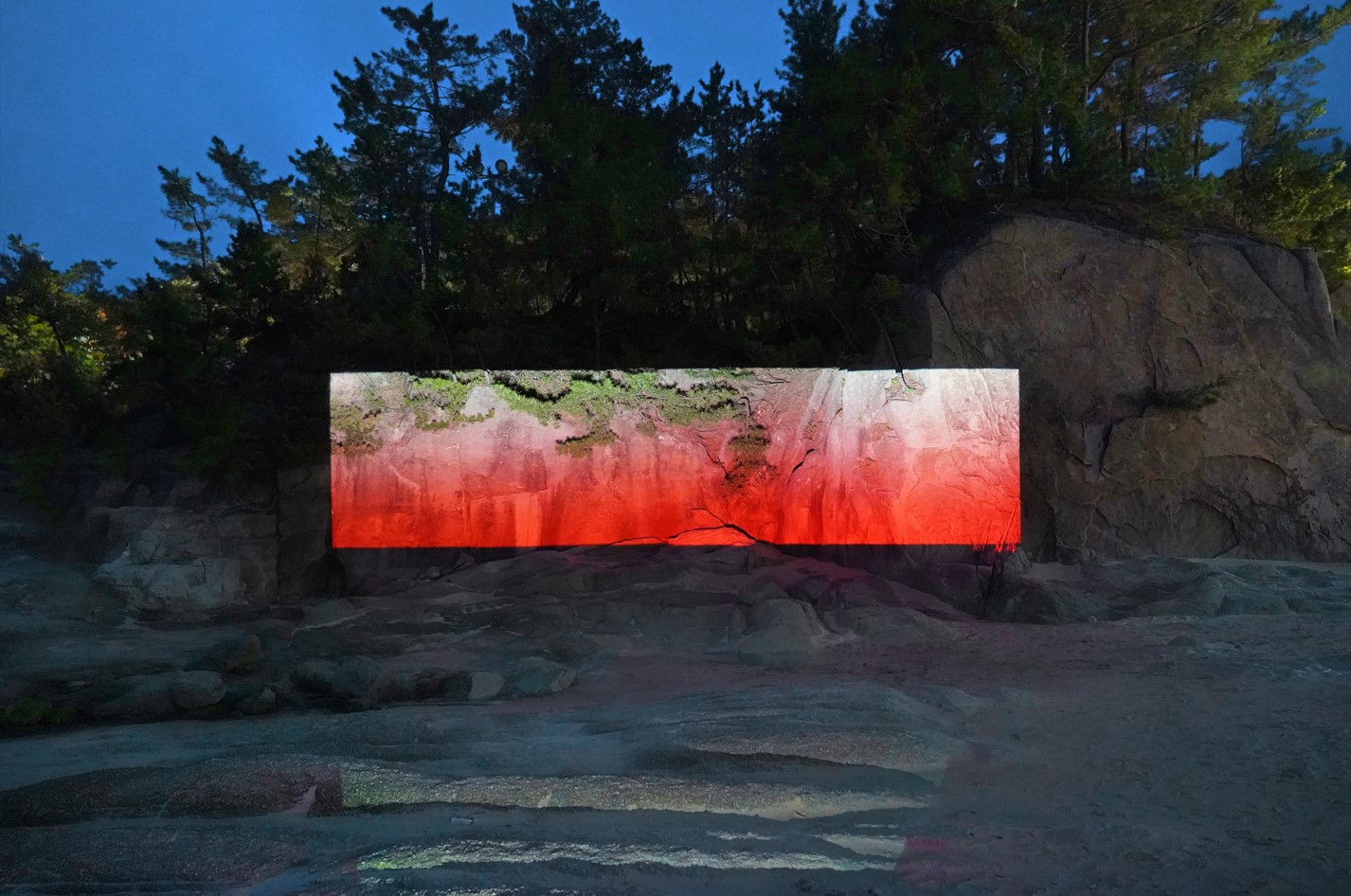
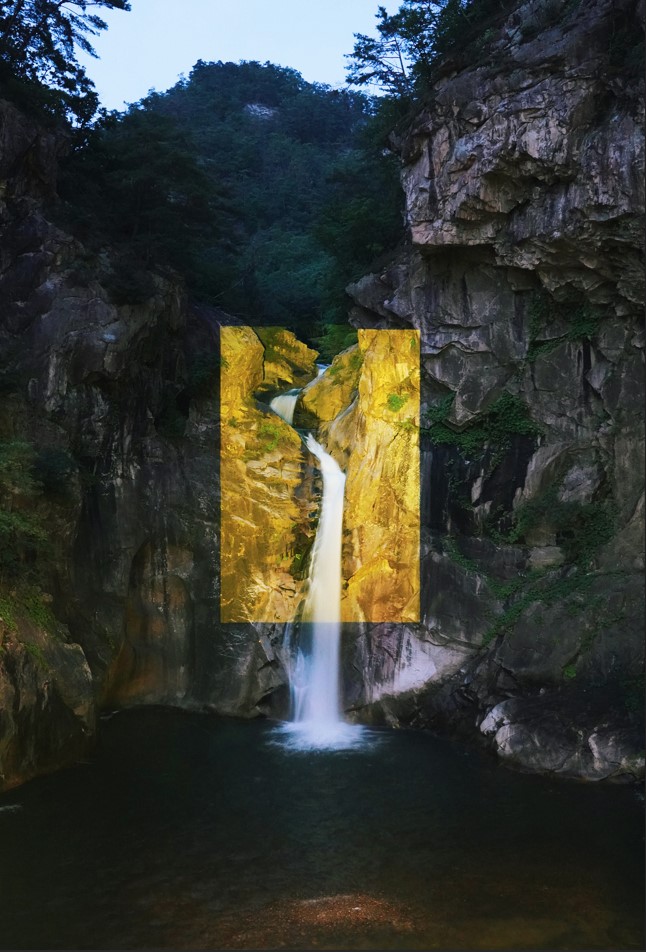
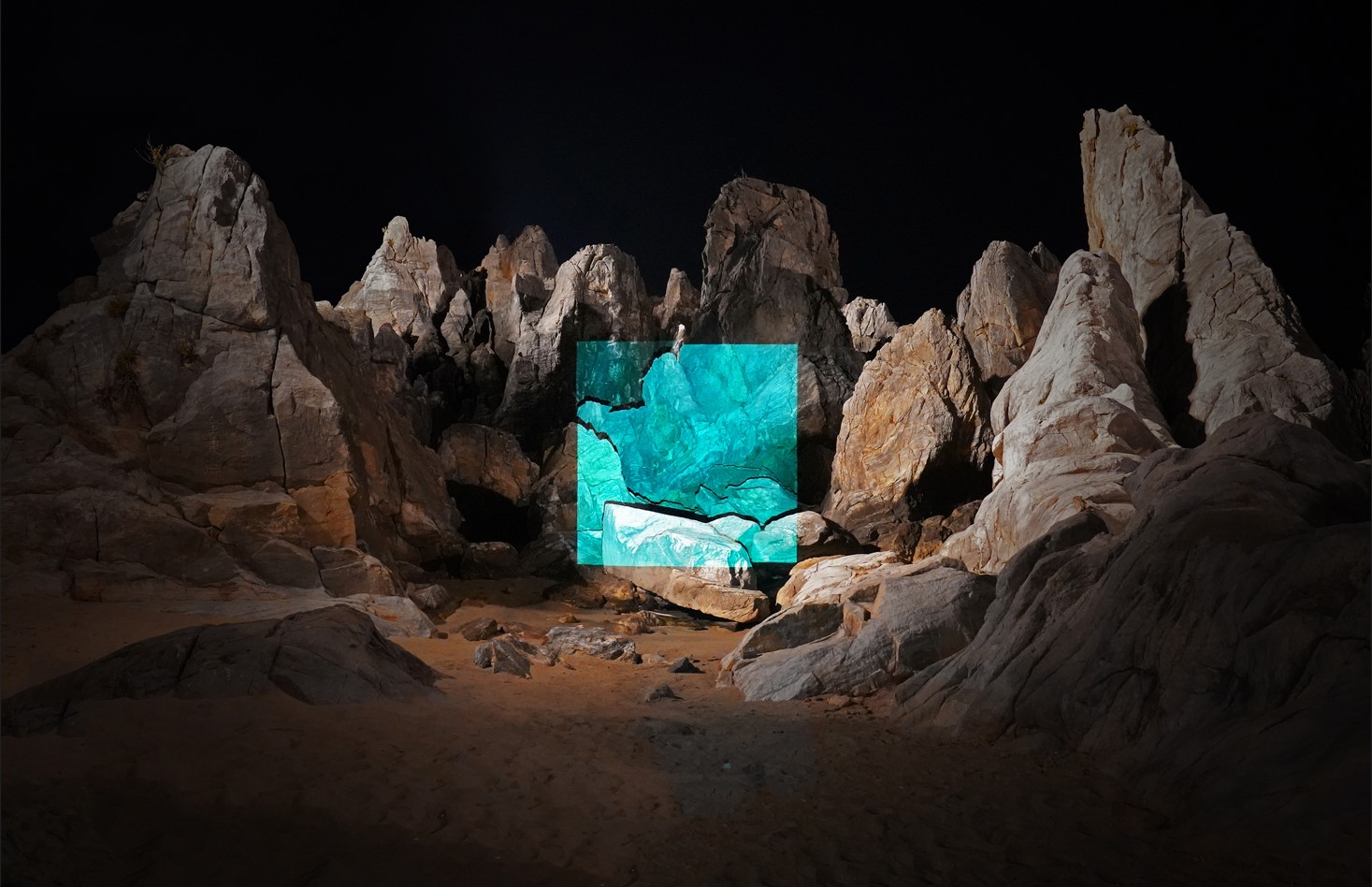
technology through the concepts of “light” and “frame.” He assumes nature as an
infinite entity, and by imposing the finite boundary of a “frame” onto it, he
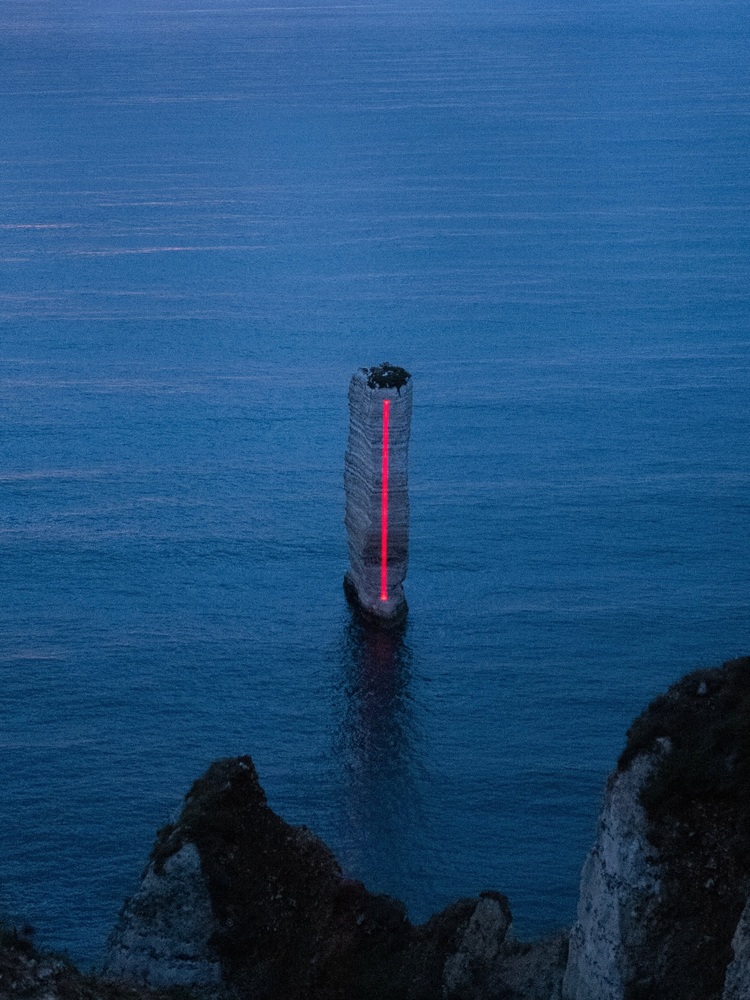
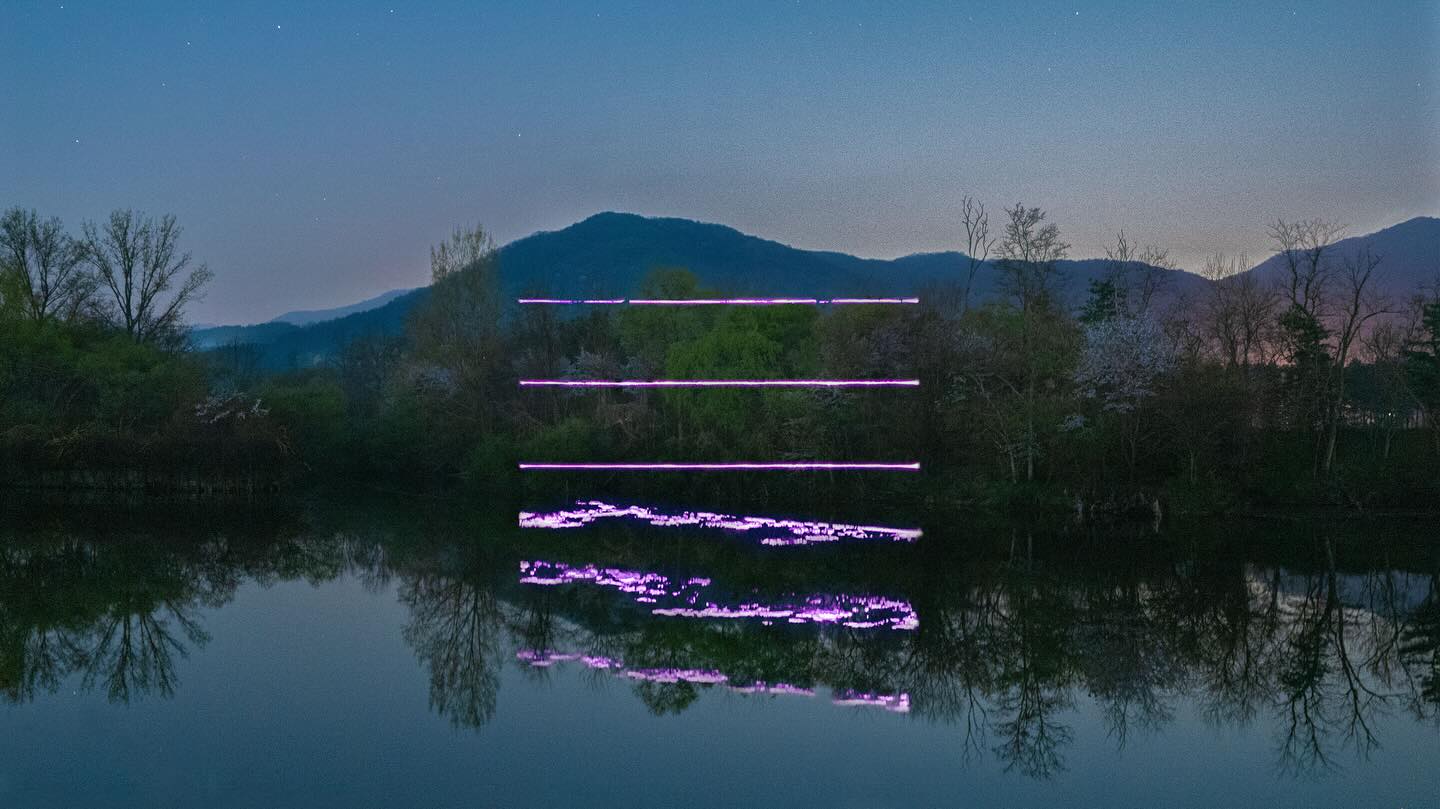
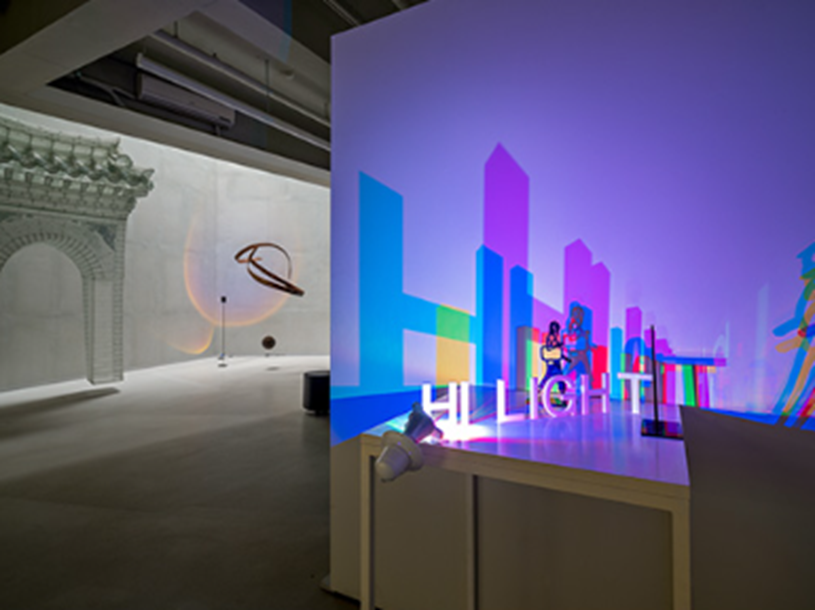
questions the very way we perceive nature. As seen in the ‘FRAME’ series, which
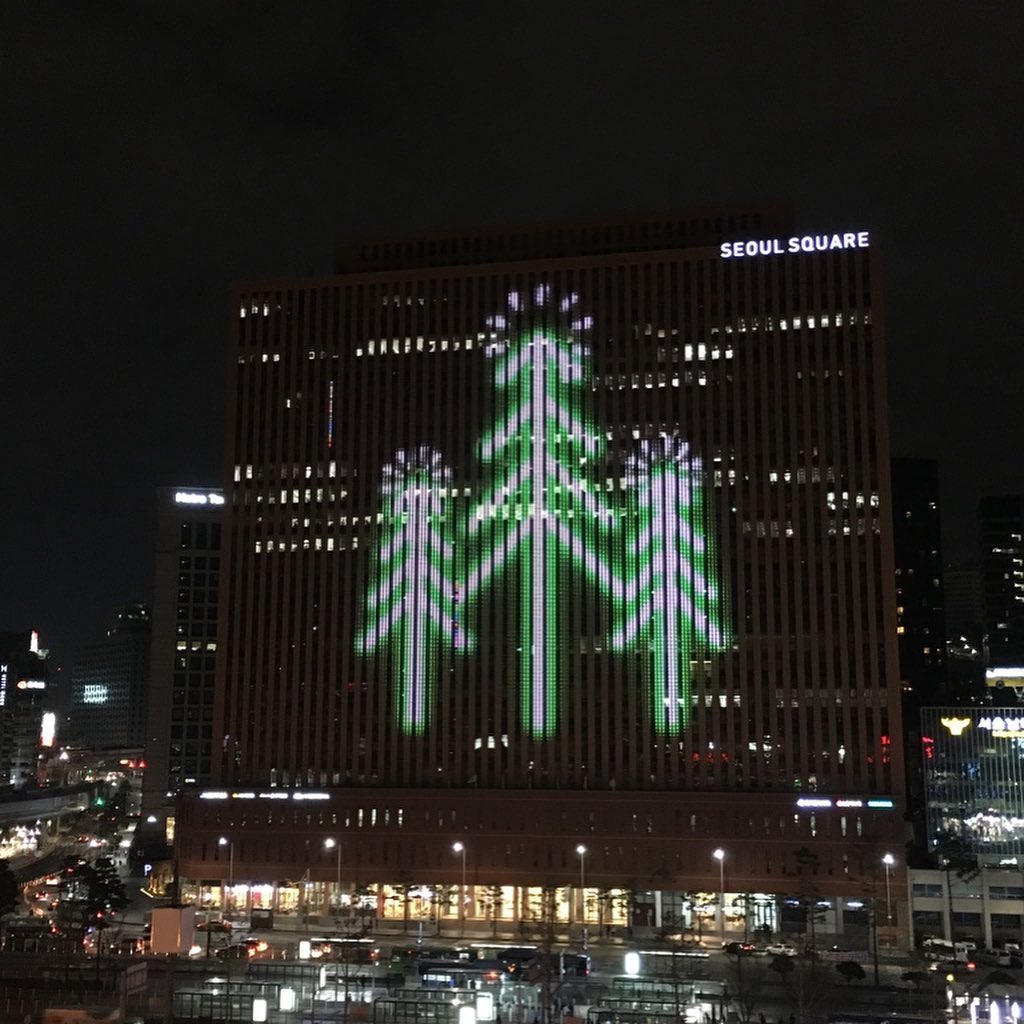
began in 2018, the artist intervenes in natural landscapes with artificial
light to create scenes where reality and unreality intersect, transforming
familiar landscapes into unfamiliar sensory experiences.
This
approach expands beyond simply representing nature to revealing the perceptual
structures through which humans view it. In works such
as FRAME2021-CHT(2021), light functions not as a tool
to illuminate nature, but as a device that cuts across and segments it. Through
this, the artist exposes moments where nature and humans, environment and
technology collide and intersect, while exploring the dissonance in perception
that arises in between.
In the
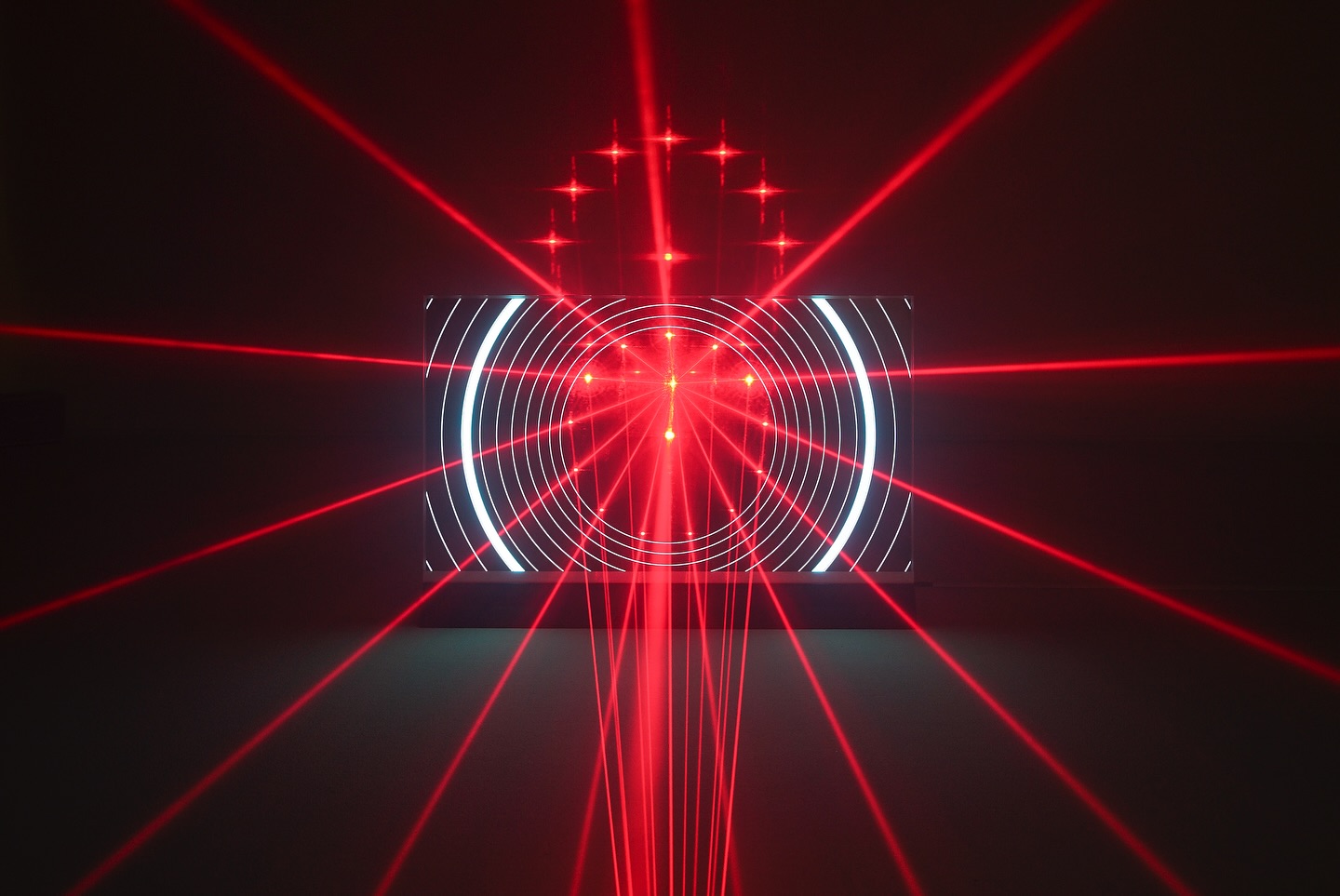
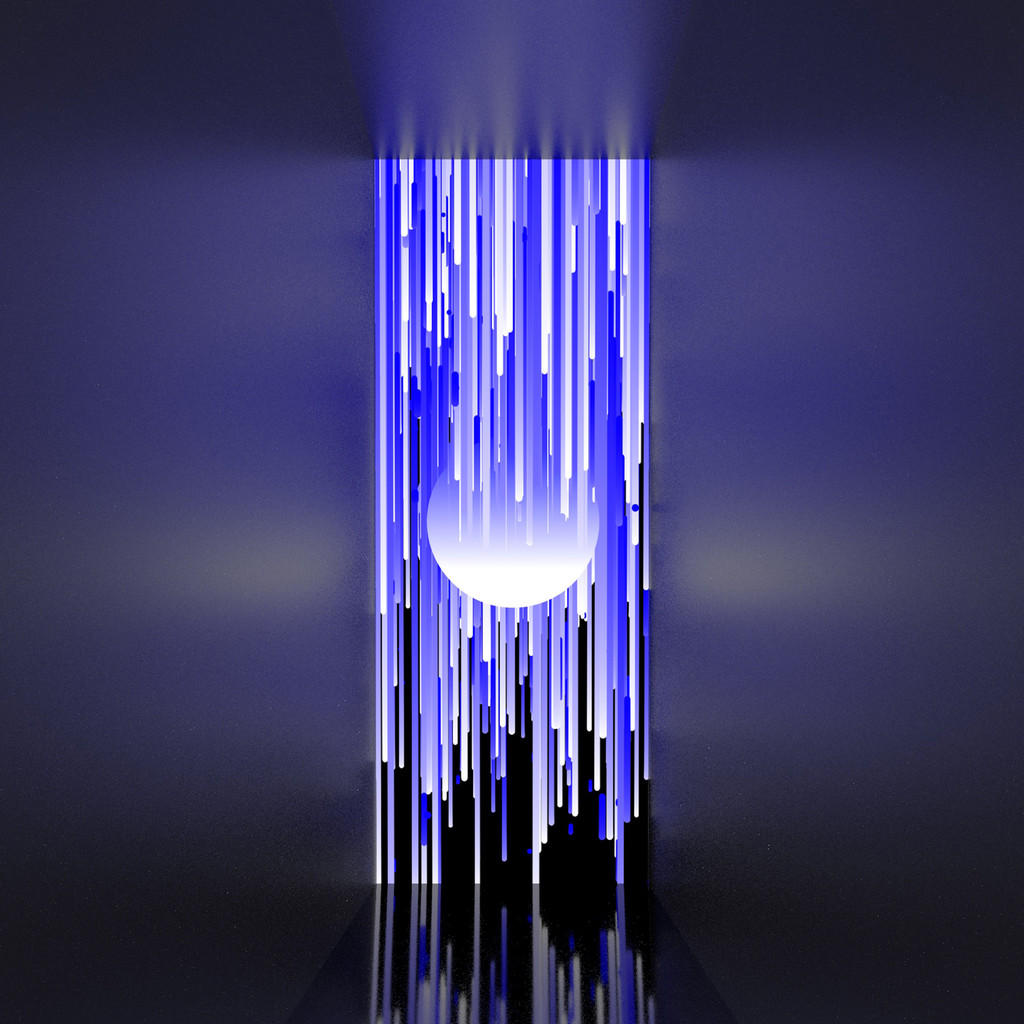
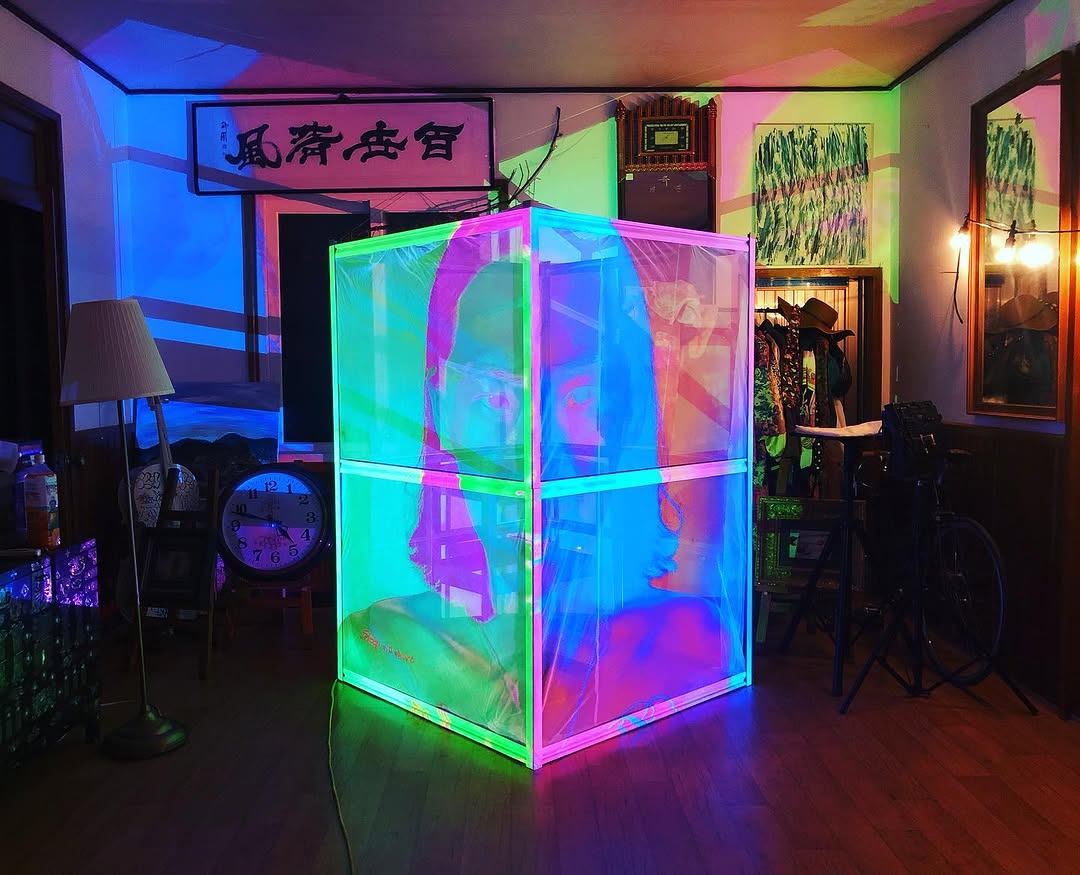
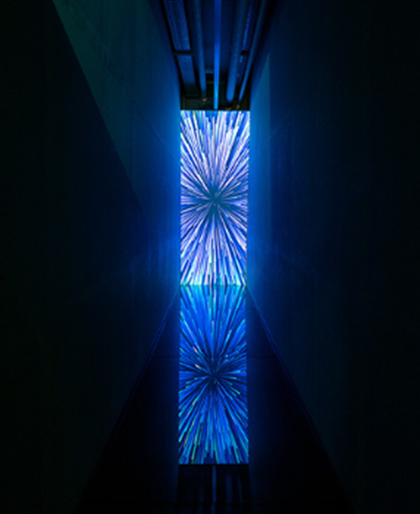
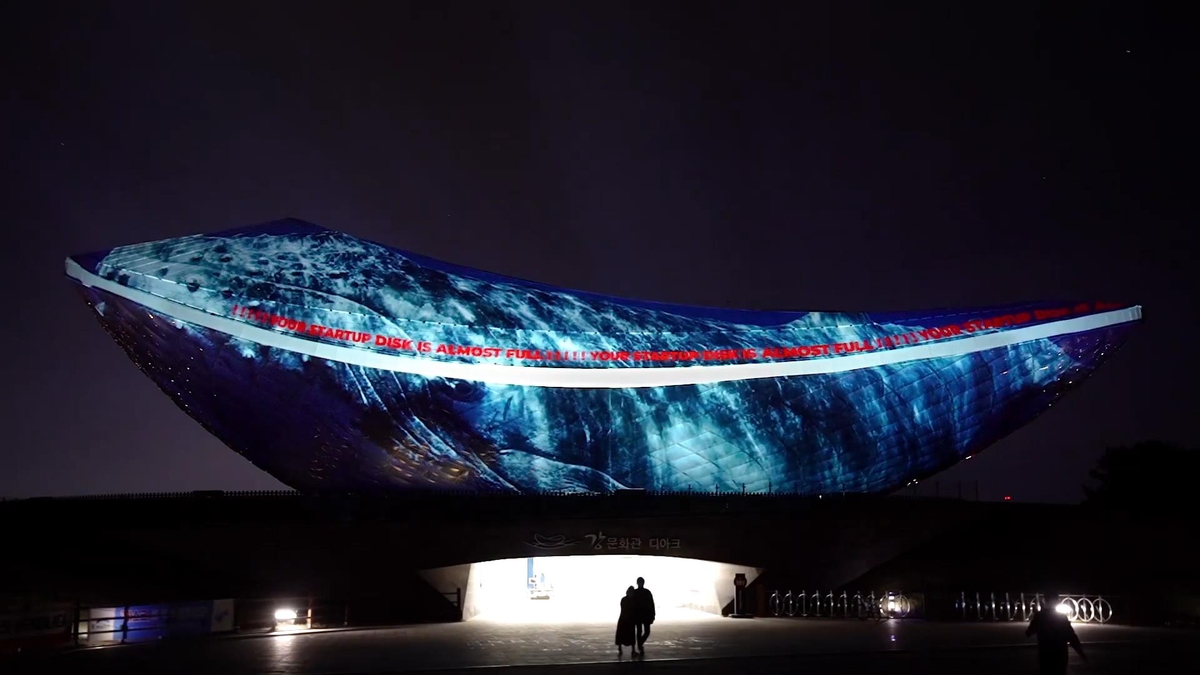
2022 work ENTER(2022), this line of inquiry extends to
the relationship between technology and humans. Set against the backdrop of a
“hyper-connected” society accelerated in the aftermath of COVID-19, the artist
focuses on the idea that while artificial intelligence may surpass human
capabilities, the domain of “sensation” still remains uniquely human. The
structure of a narrow, elongated passage leading to a screen metaphorically
suggests a threshold into a new world, visually conveying the anxiety and
confusion of confronting a technology-driven reality.
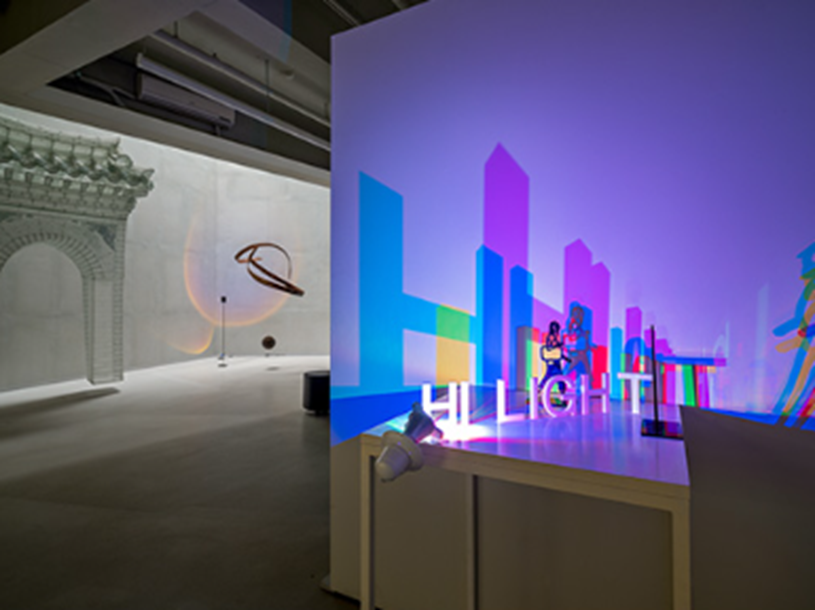
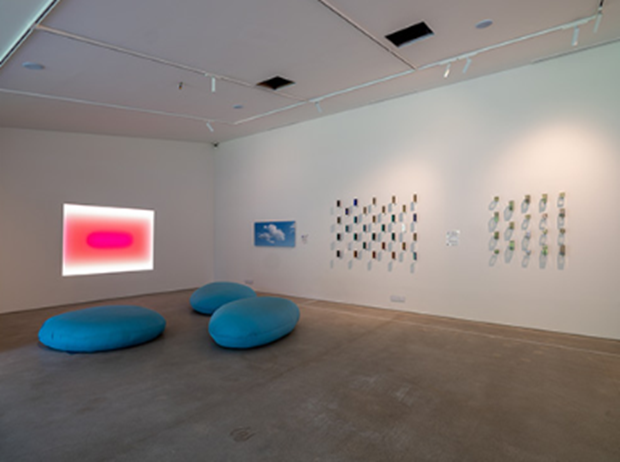
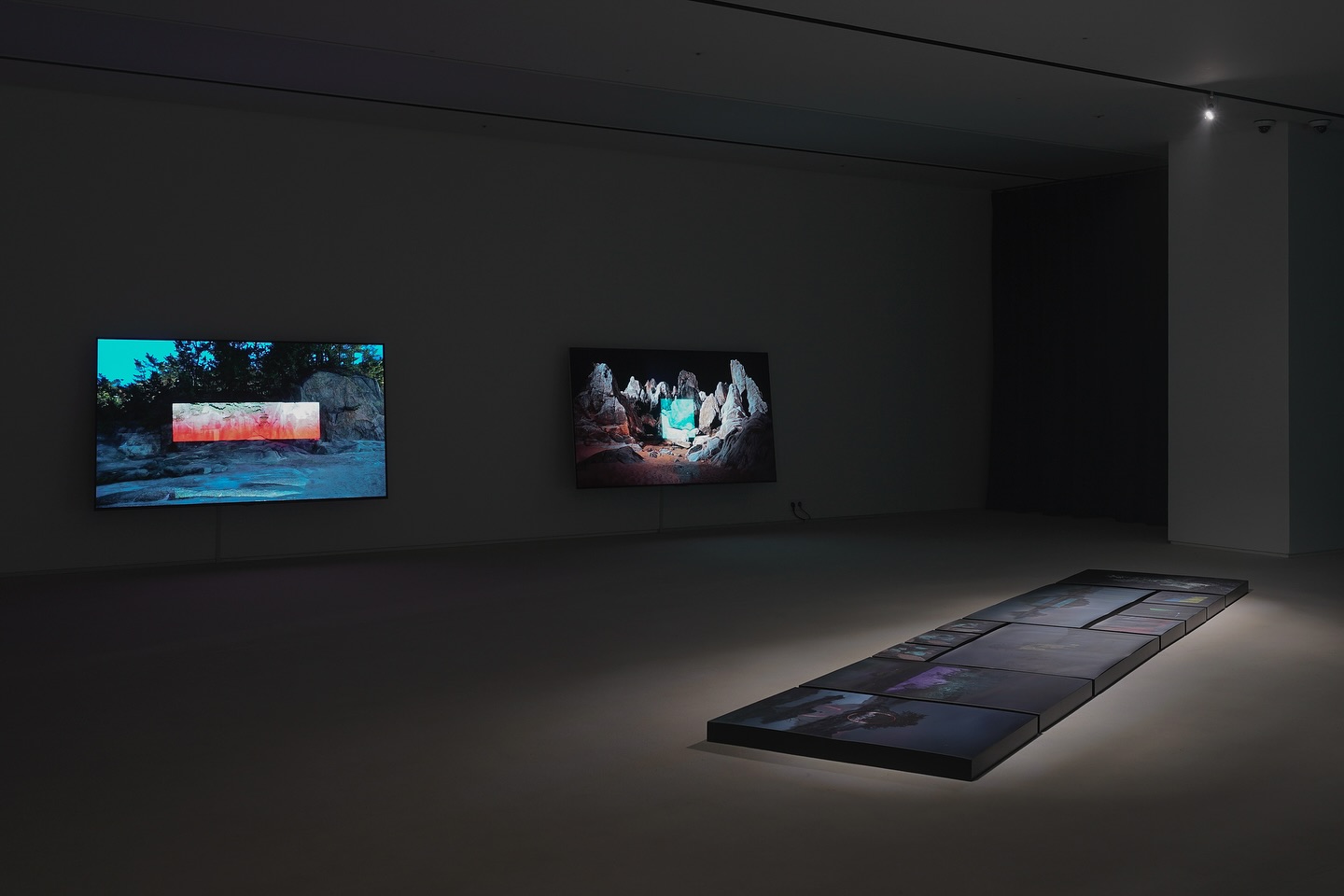
In the
recent solo exhibition 《FRAME: The Edge
of All Grounds》(Art Space Hohwa, Seoul, 2024), this
exploration of the relationship between nature and humans becomes more
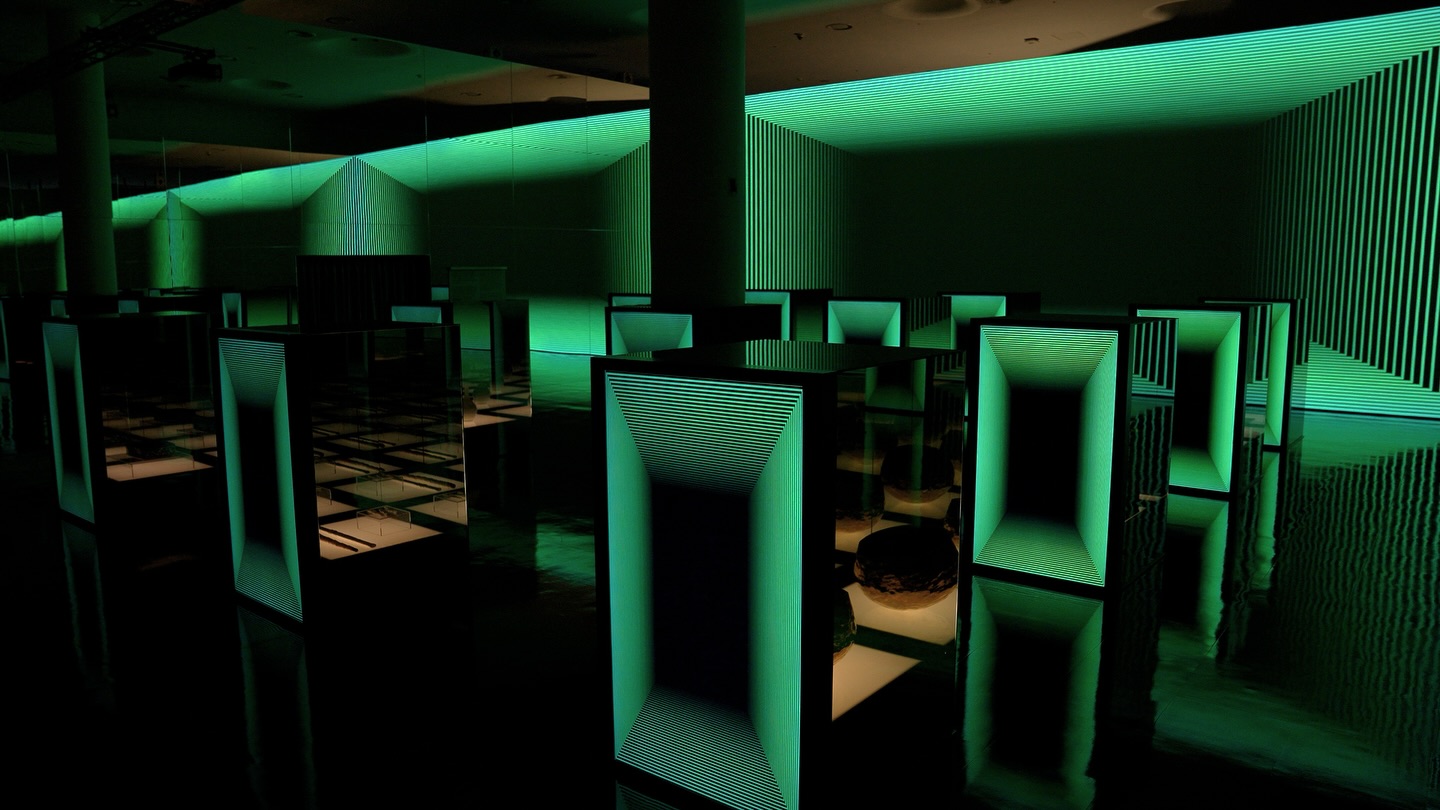
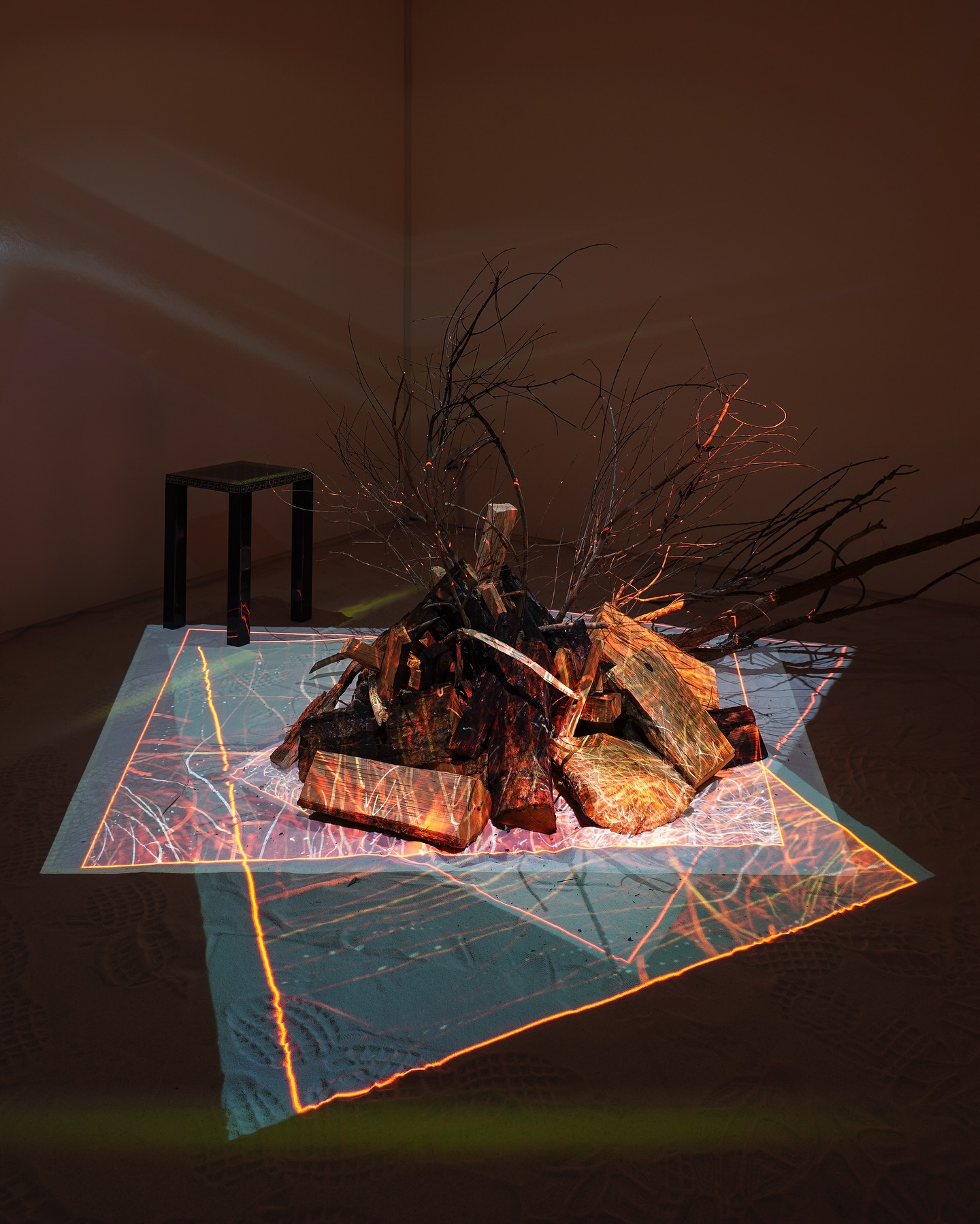
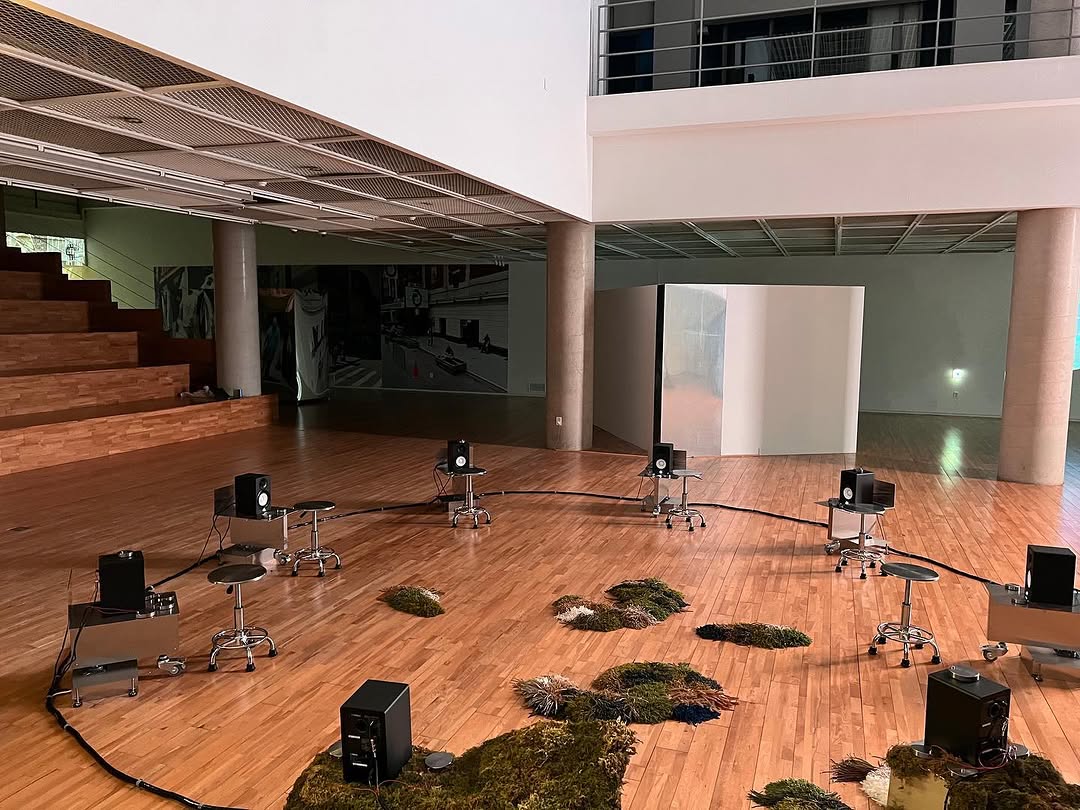
structurally articulated. Into the Frame(2024)
and Bruised Flame(2024) combine themes of hyper-connectivity,
sensory loss, and cycles of creation and extinction, presenting the
relationship between nature, technology, and humans as a complex sensory
structure. In this process, the artist’s focus shifts from viewing nature to examining
the very conditions in which nature and humans coexist.