Exhibitions
《Non-camera Research: Color of Yeongdo》, 2025.10.15 – 2025.11.28, Saemo
April 27, 2026
Saemo
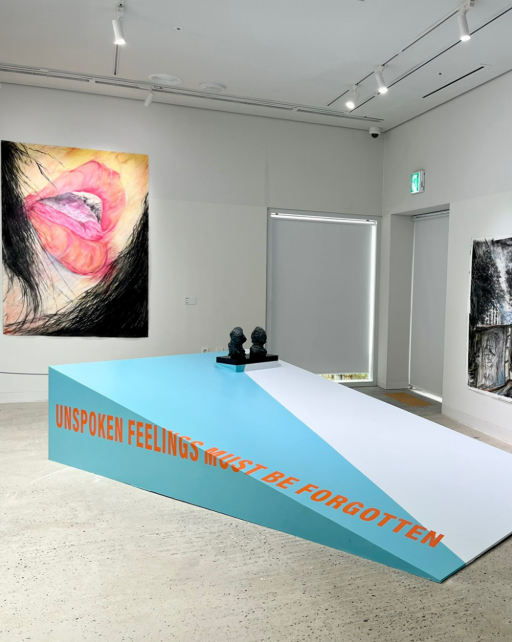
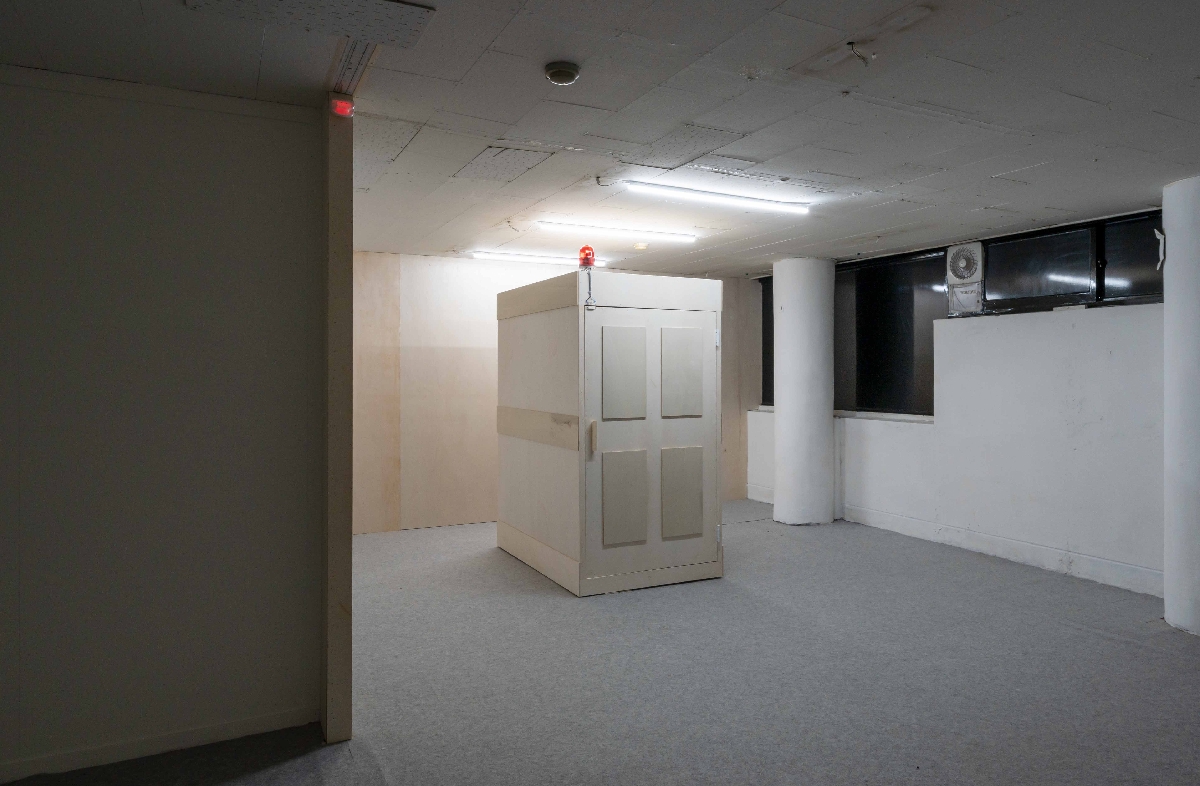
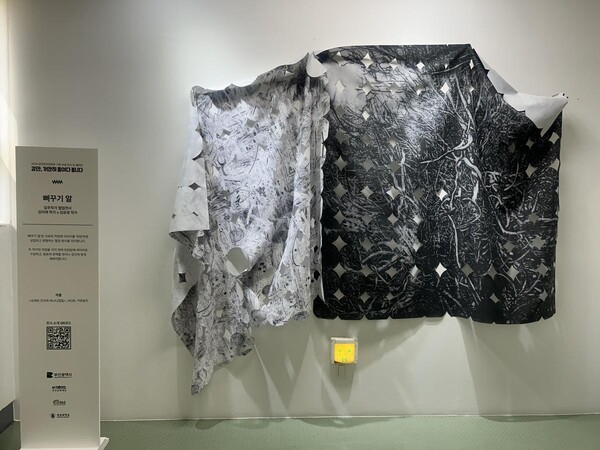
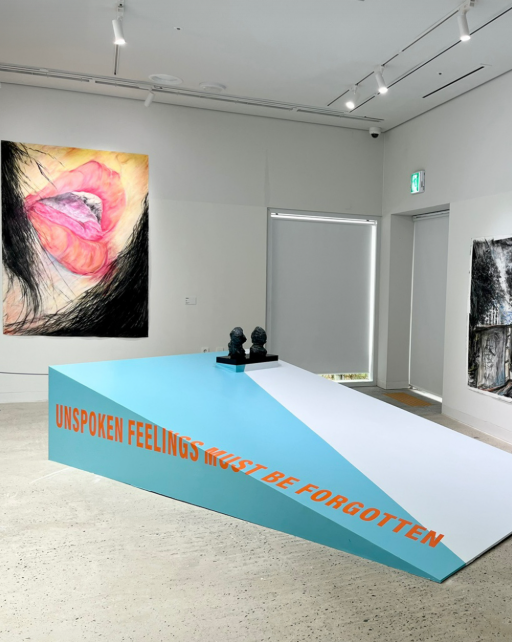
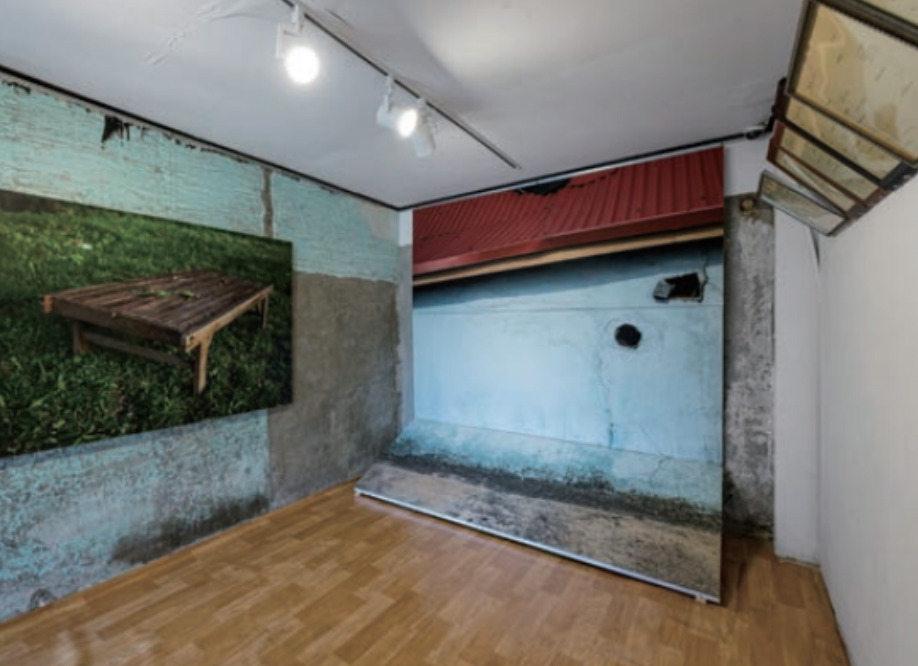
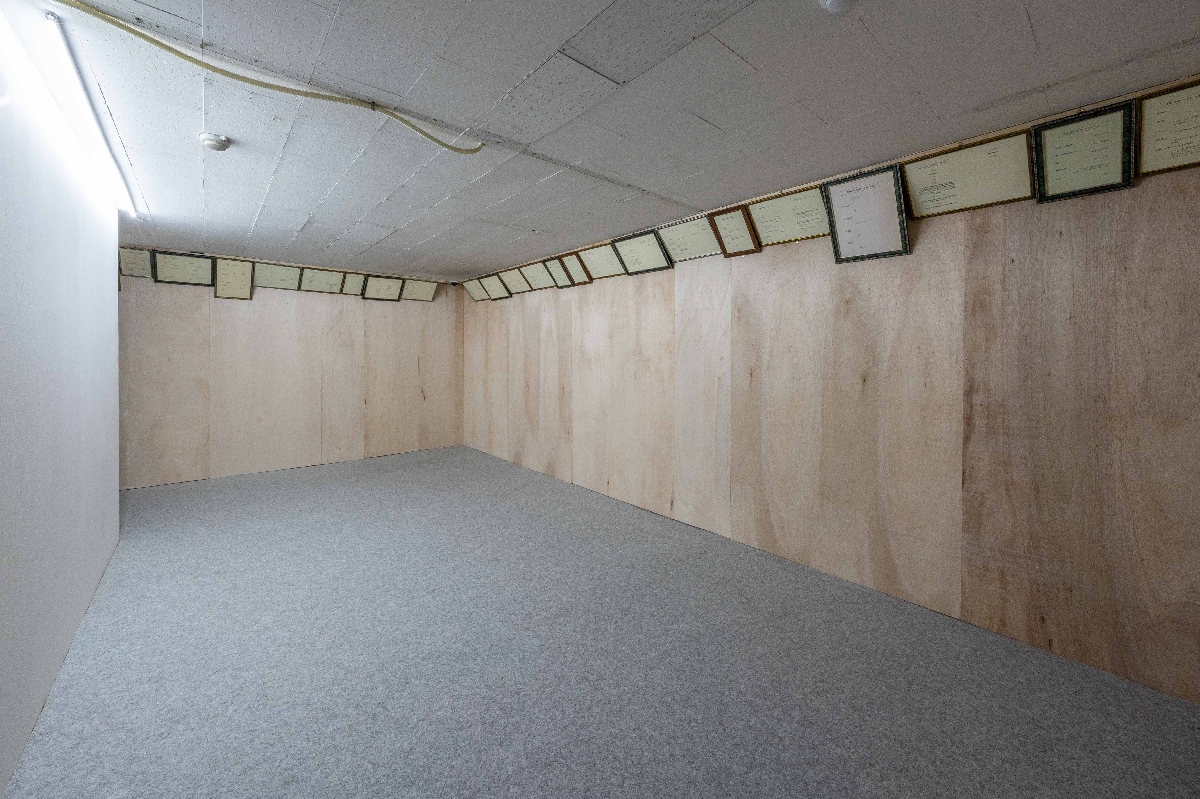
Installation view of 《Non-camera Research: Color of Yeongdo》 © Saemo
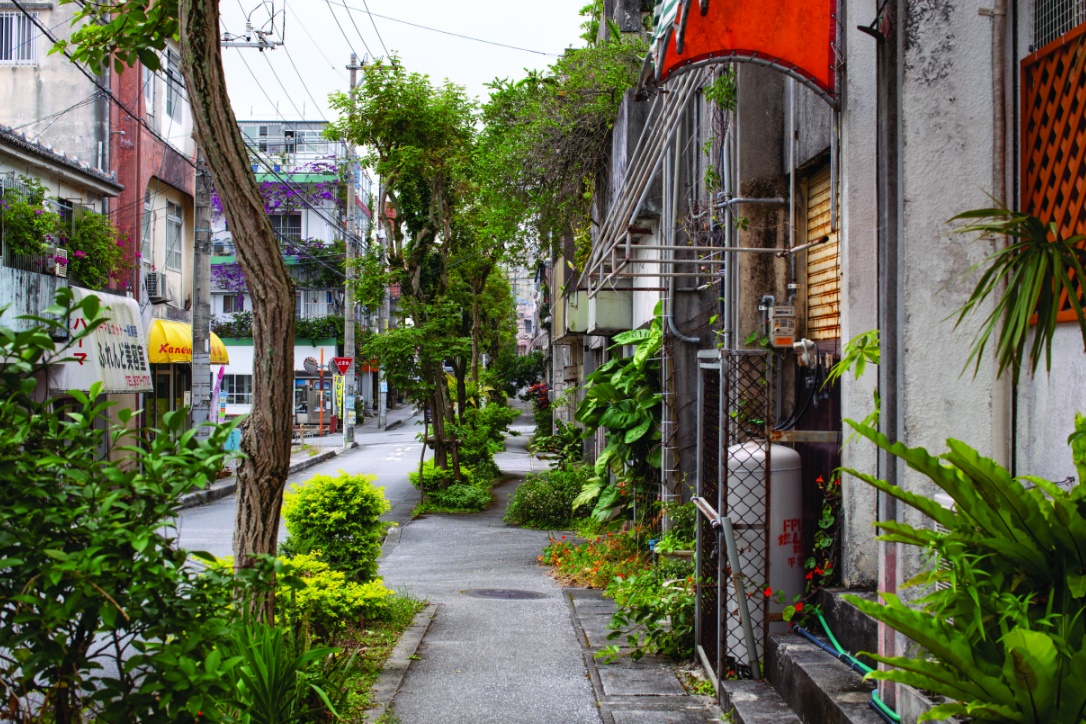
Yeongdo is a representative tourist destination of Busan, yet at the same time it is a region facing population decline and extreme aging. At once, Yeongdo is a space of labor as a center of shipbuilding and marine industries, and also a place layered with memories of refuge and migration. The complex and multifaceted locality of Yeongdo—having undergone the rapid flows of industrial decline, tourism, and development—is revealed through overlapping landscapes: the murals of Huinnyeoul Village and its rainbow-colored stairs, the massive ships and cranes of the shipyards, rusted chains and parts piled along the streets, large-scale apartment complexes rising high against Bongnaesan Mountain, and work clothes spread across rooftops.
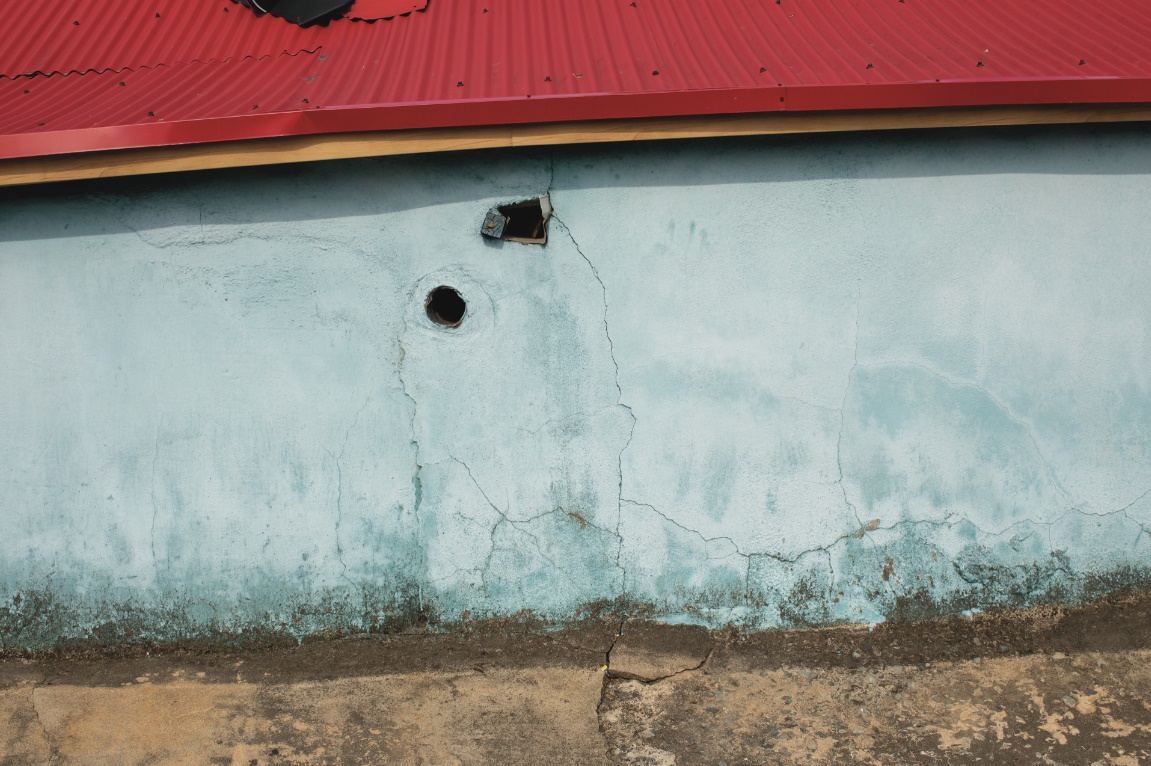
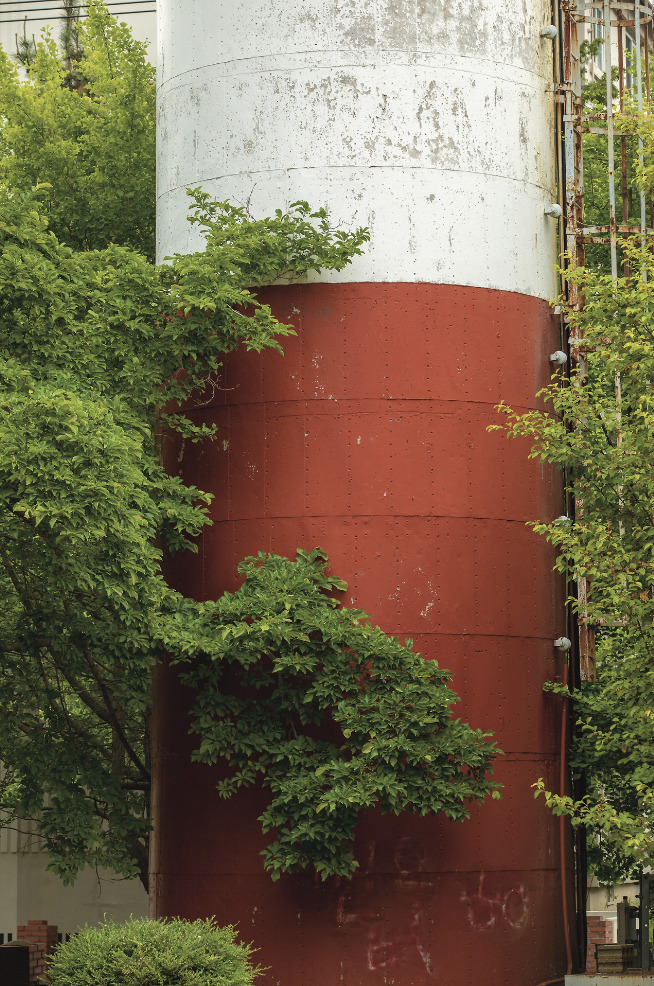
《Non-camera Research: Color of Yeongdo》 is an exhibition that visually explores the history, memory, and present life of the region by using “color” discovered in the place of Yeongdo as a starting point. The colors found within Yeongdo’s landscapes contain traces of the lives, labor, and histories of those who have passed through it. The rusty brown of ships, the blue paint layered over them, the vivid colors of murals covering old cement walls in Huinnyeoul Village, the blue and gray-toned workwear, the red of cranes, and the yellow of safety helmets—all of these colors serve as important clues symbolizing the past and present of Yeongdo.
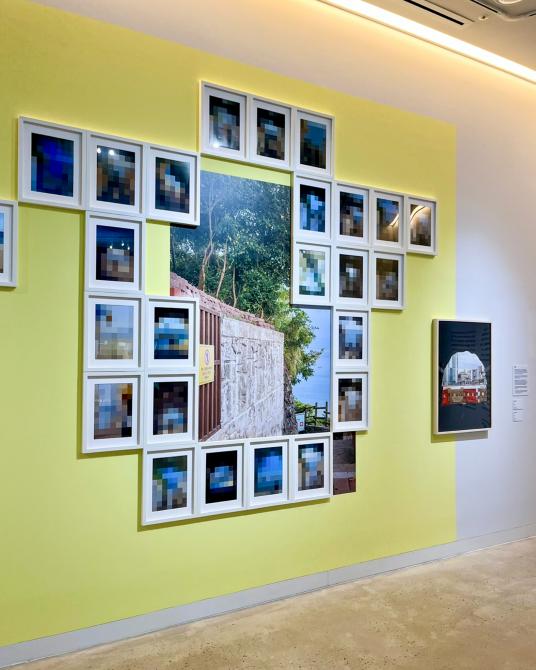
Installation view of 《Non-camera Research: Color of Yeongdo》 © Saemo
《Non-camera Research: Color of Yeongdo》 does not approach Yeongdo through representational research methods, but rather as a process of reading the city’s inherent colors. “Non-Camera” avoids surface-level interpretation and visual representation, instead recording the very process of spatial transformation as material. It discovers the unique colors that constitute the history and present life of Yeongdo, and visually unfolds their distinct names and narratives within the exhibition.
Part 1, “Yeongdo Today: Tourism, Island, People,” surveys the present condition of a changing Yeongdo. Kwon Hahyung, Jeong Hyunjoon, and the project team “Ending Again to Zero” (Park Seongdeok, Song Gicheol), all active in the Busan–Gyeongnam region, created new works from their own perspectives for this exhibition.
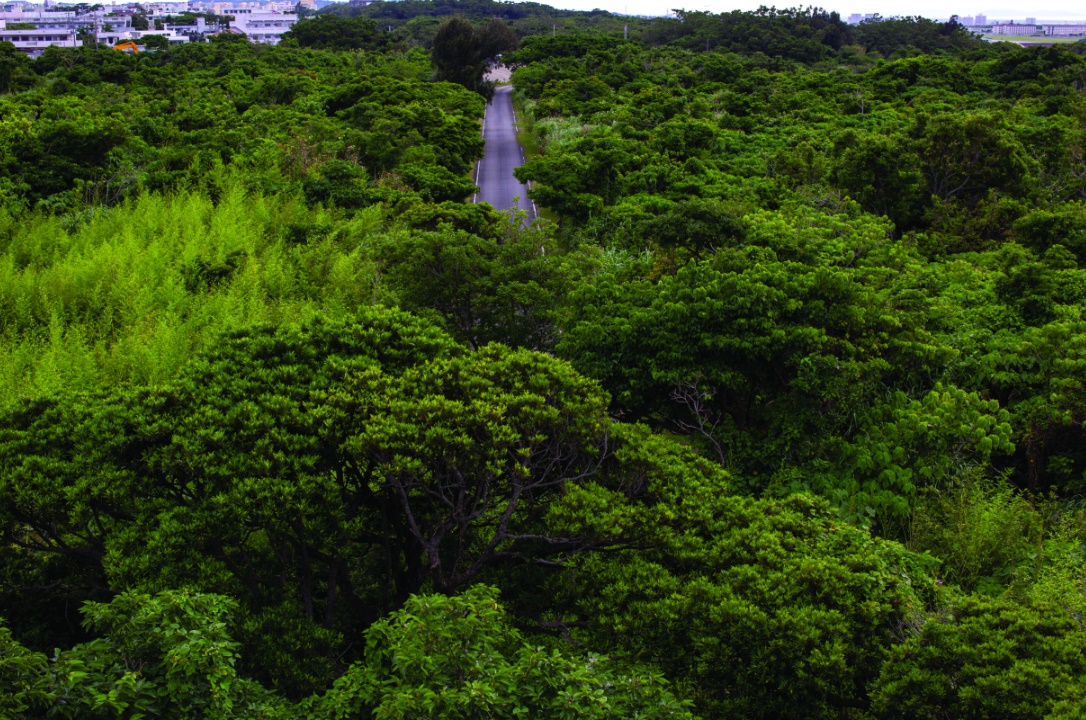
Kwon Hahyung reveals the gap between the lived reality of Huinnyeoul Culture Village—now emerging as a major tourist destination—and its consumption as a “photo zone,” while Jeong Hyunjoon presents narratives of Yeongdo, where Bongnaesan Mountain and large apartment complexes coexist, through video. The project team “Ending Again to Zero” presents an installation composed of blue objects collected from Yeongdo, addressing population decline, aging, and the invisible presence of people.
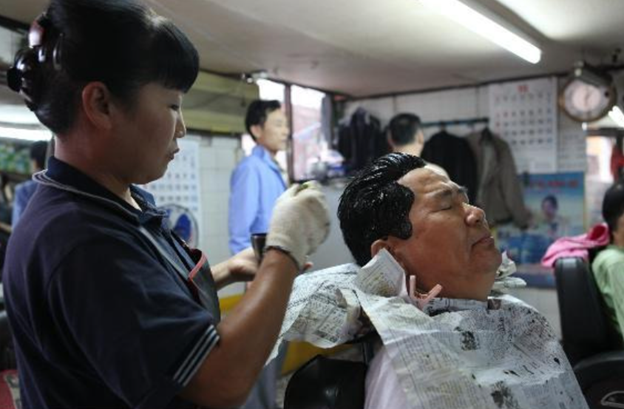
Part 2, “Yeongdo’s Time: People, Labor,” revisits the accumulated time and labor of Yeongdo. Photographs of the “Kkangkkangi Ajumma” from the 1970s by the late first-generation documentary photographer Choi Min-sik document the resilience of female shipyard workers. Lee Seongeun presents the stories of life and the sea through photographs of haenyeo (female divers) from Yeongdo along with their writings. Artist Park Euntae depicts the lives of ordinary working people through painting, while Choi Daejin presents a series of paintings and sculptural installations based on drawings of his hometown, to which he has returned.