“To answer that question, we would have to interview the great frigatebird, but as far as I know, no one has managed to do that yet. There are, however, people who devote their lives to studying those birds, and according to their view, the females actually choose the balloon that points to the best nesting site. From the standpoint of survival, that idea certainly makes sense. But if we follow that line of thinking, we are once again led back to the truly mysterious matter of the blue-footed booby’s courtship dance. That dance appears to have nothing whatsoever to do with building nests or catching fish, both of which are essential to the bird’s survival. Then what is it related to? Shall we bravely call it religion? Or, if we do not have the courage for that, may we simply call it ‘art’? Tell me what you think.”
— Kurt Vonnegut, Galápagos, translated by Park Woonghee, Iphield, 2001, pp. 94–95.
The work of contemporary artists often serves not as the kind of aesthetic amusement we commonly expect from the word “art,” but rather as the starting point for discussions surrounding creative techniques that include visual beauty. Whether beautiful or not, at the center of the techniques created by humanity lies the “question of survival.” Furthermore, according to evolutionary psychology, art is not merely a form of surplus activity that emerges after survival is secured, but a skill that strengthens the very techniques of survival itself.
When evolutionary psychology discusses the universality of human psychology and the emergence of early art, it refers to geometric patterns that imposed order upon dangerous natural spaces, ornamentation and decoration that arose for reproduction and courtship, and cave paintings created for collective hunting rituals. These universal human efforts toward survival, and the byproducts that accompany them, continue to emerge incessantly even today.
At this moment, as we enter a new era, countless voices continue to erupt outside Gwanghwamun concerning “survival” and whatever each individual believes to be absolute. In relation to this “question of survival,” Ilmin Museum of Art seeks to create an opportunity for concrete discussion about what artists specifically are doing today.
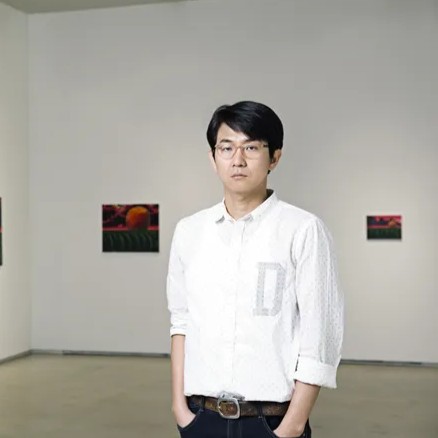
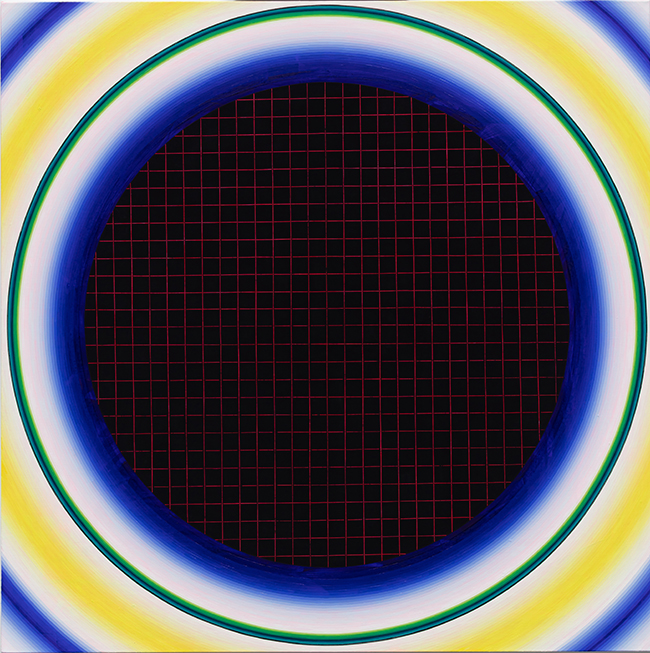
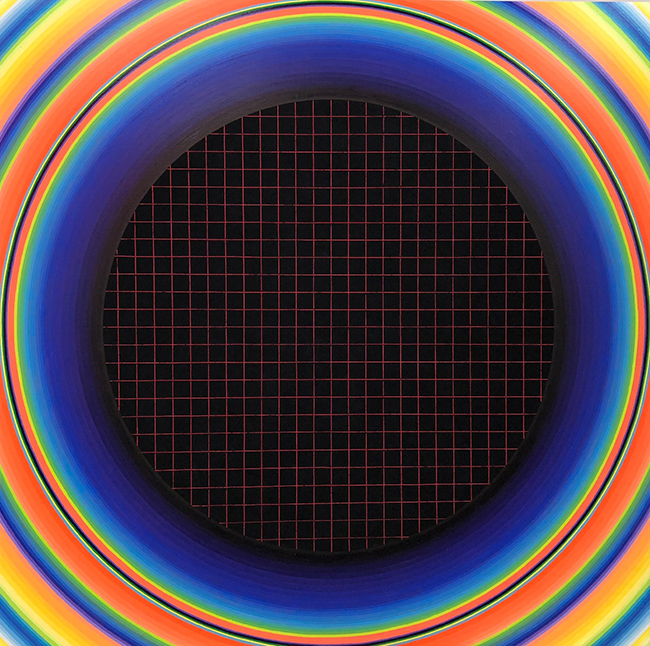
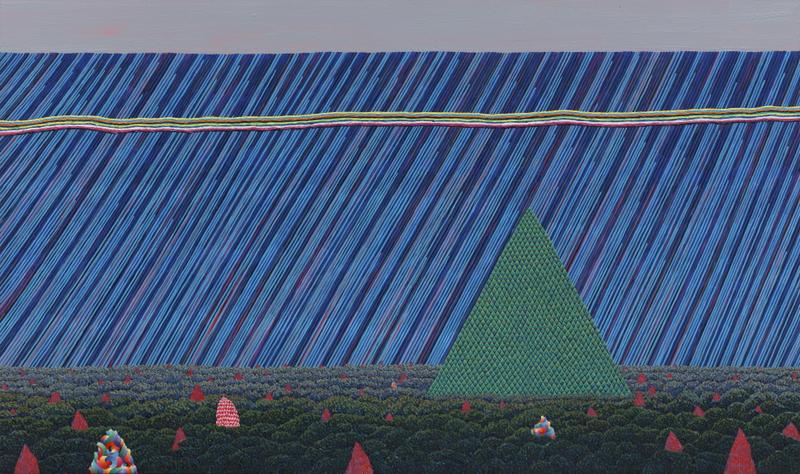
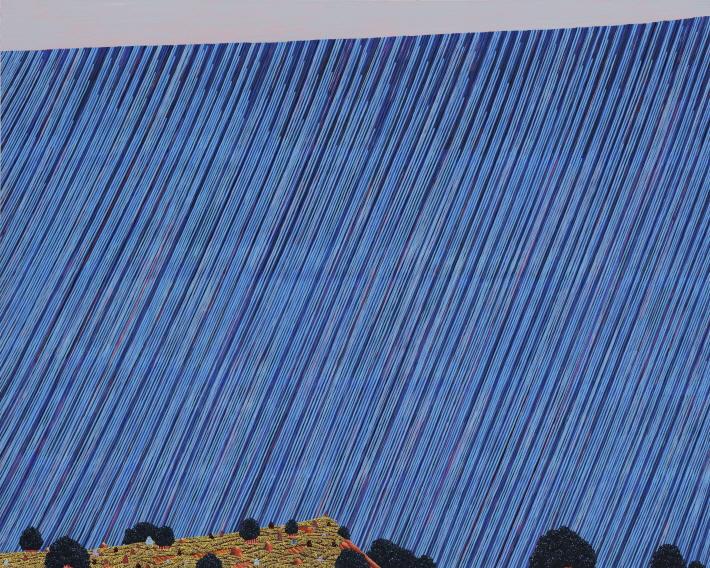
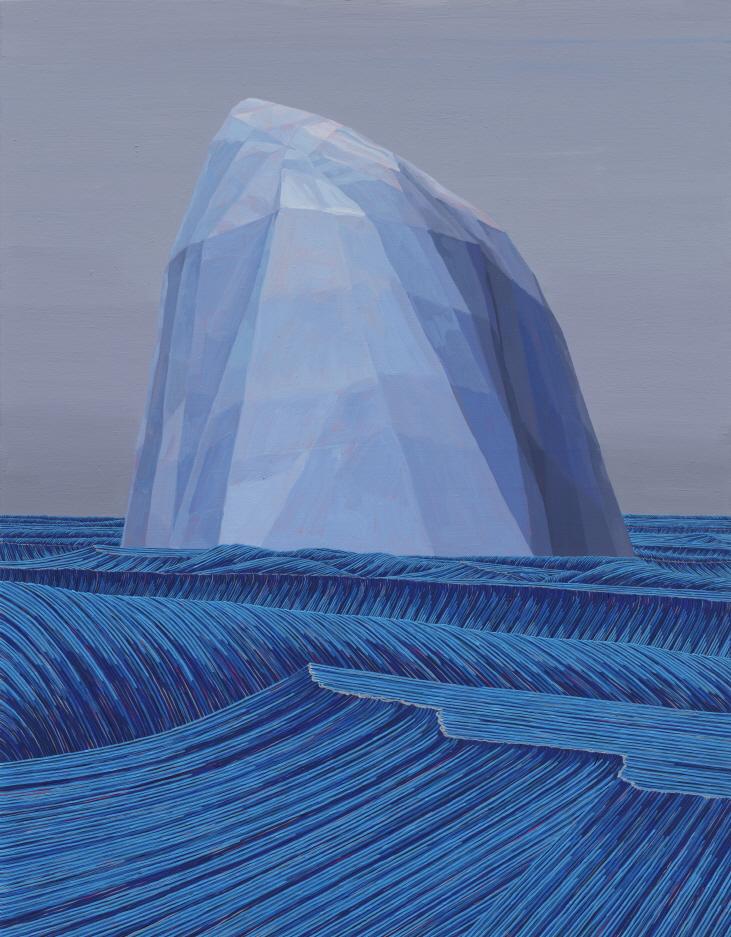
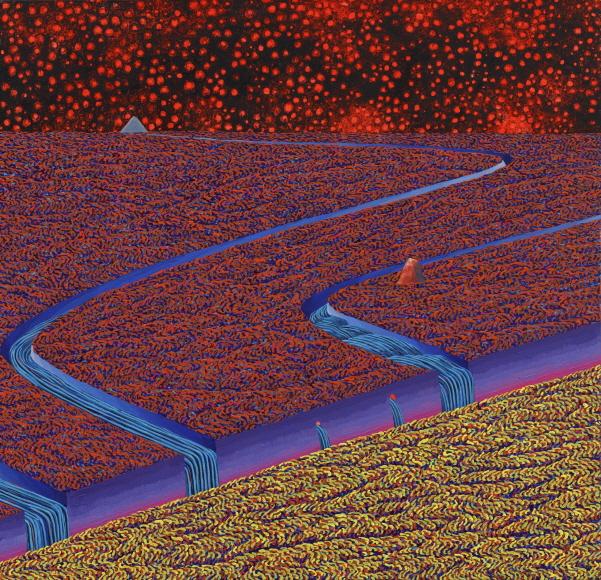
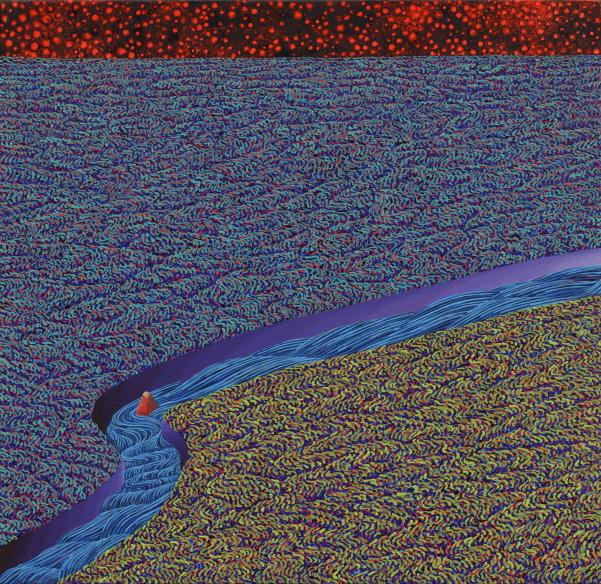
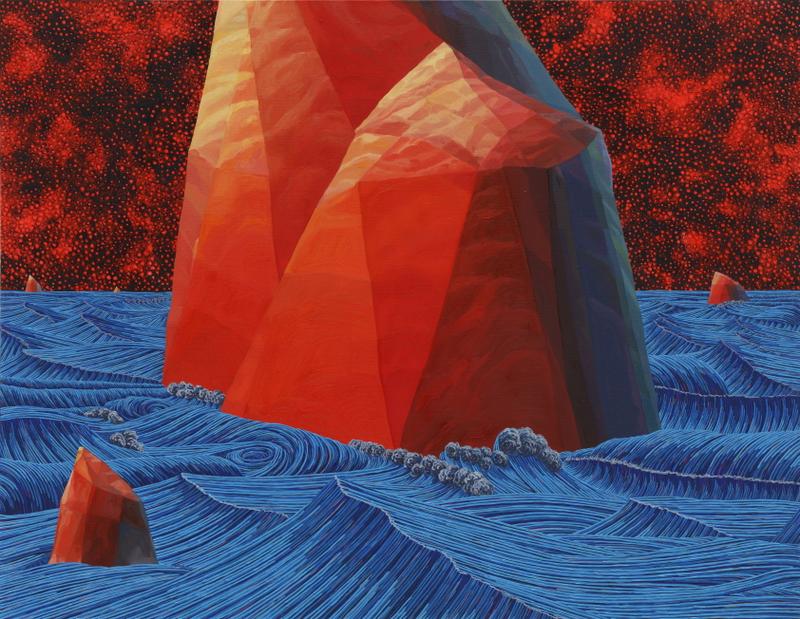
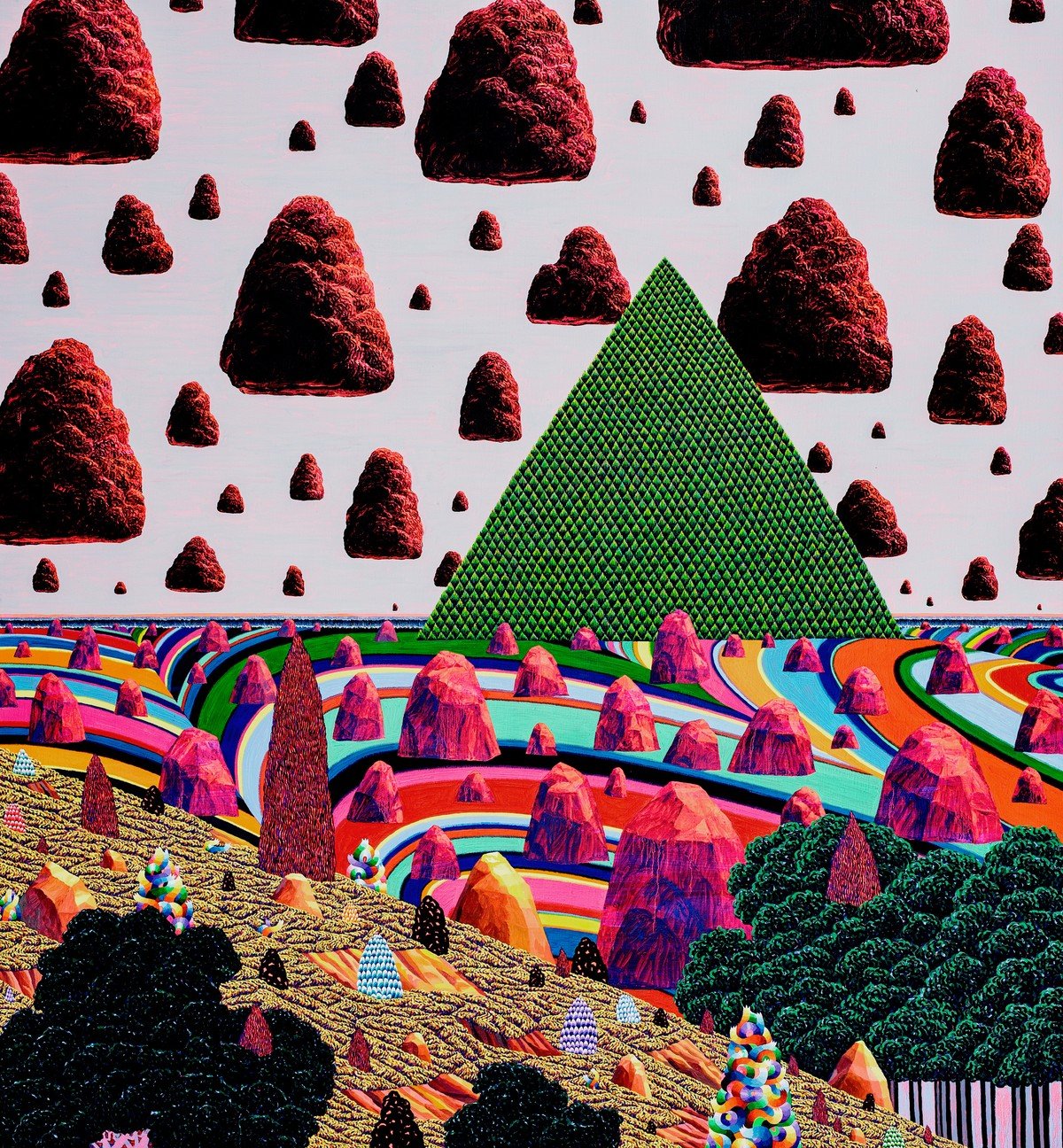
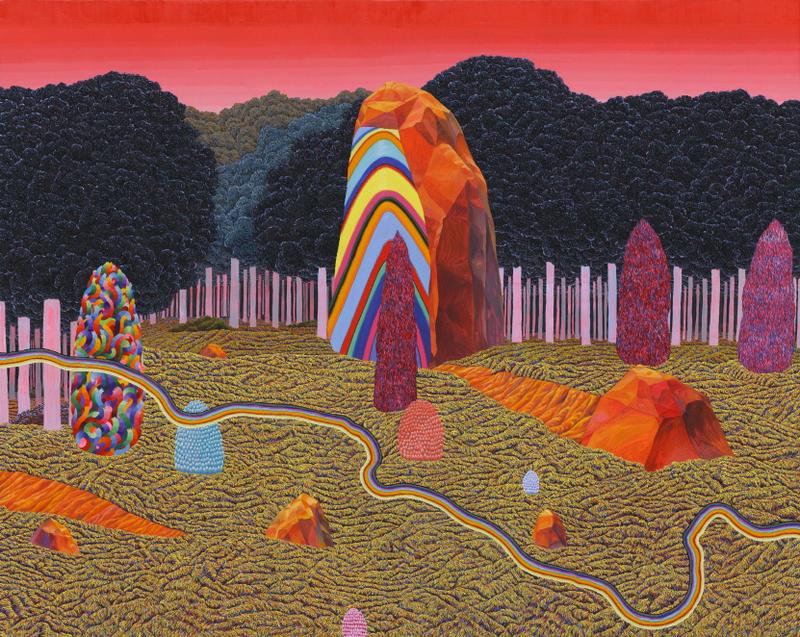
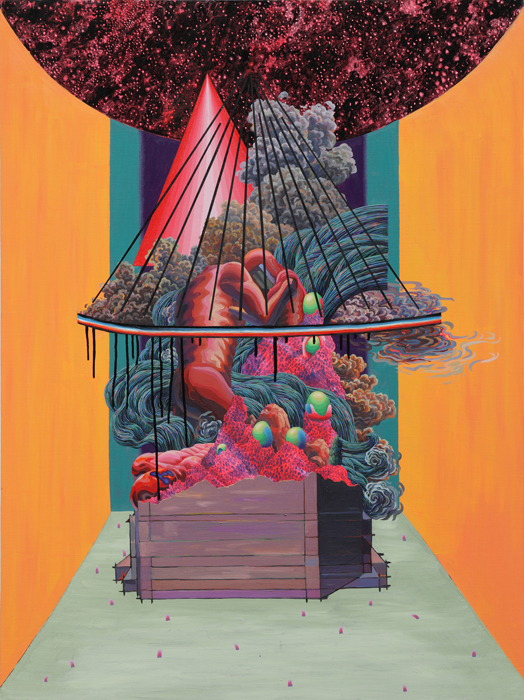
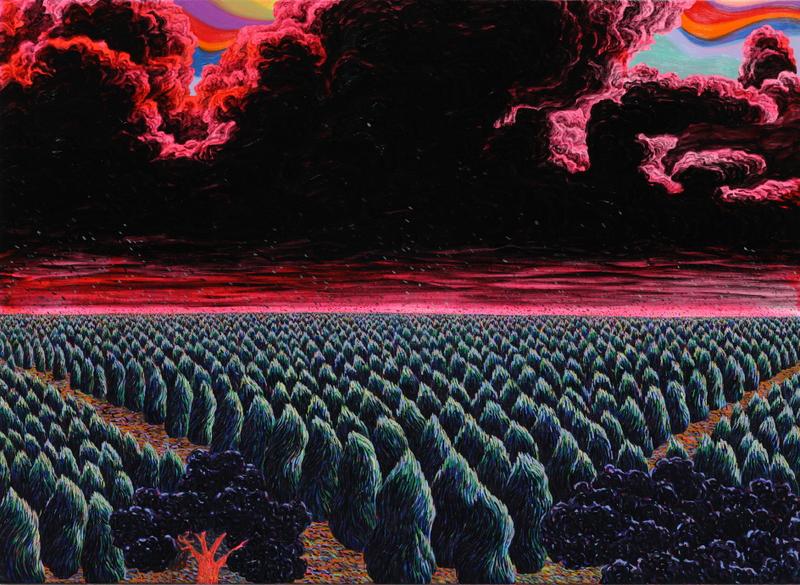
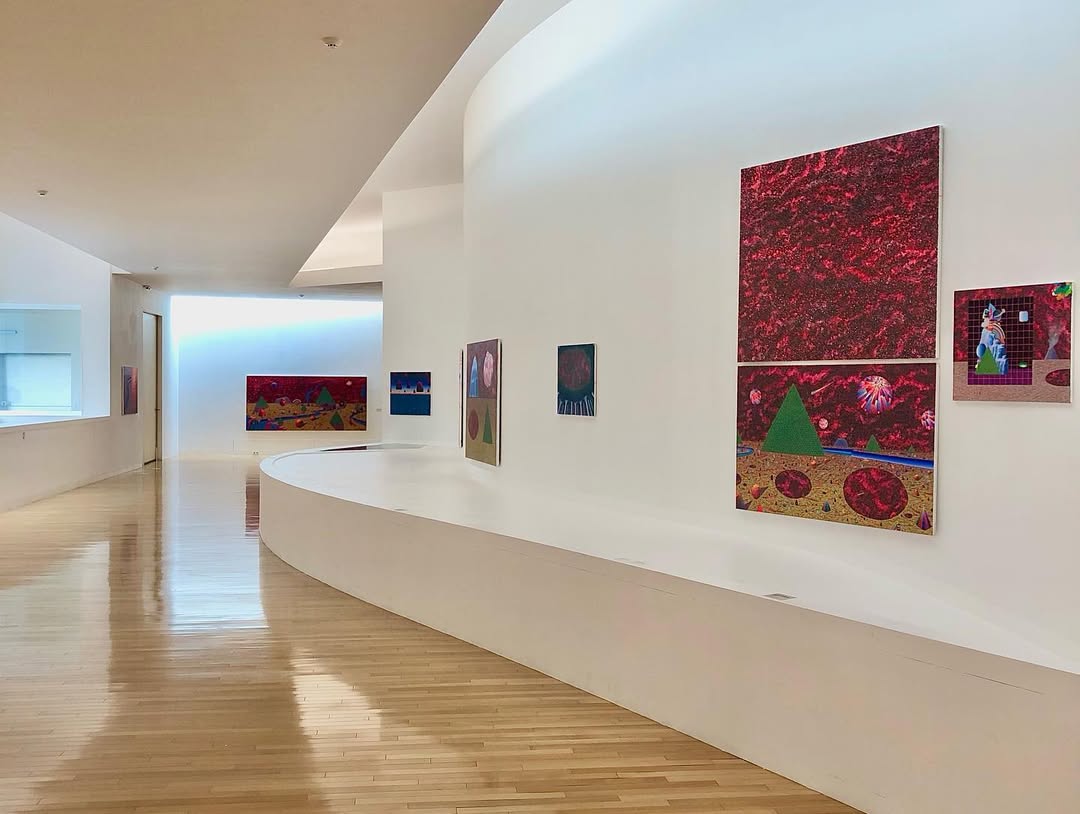
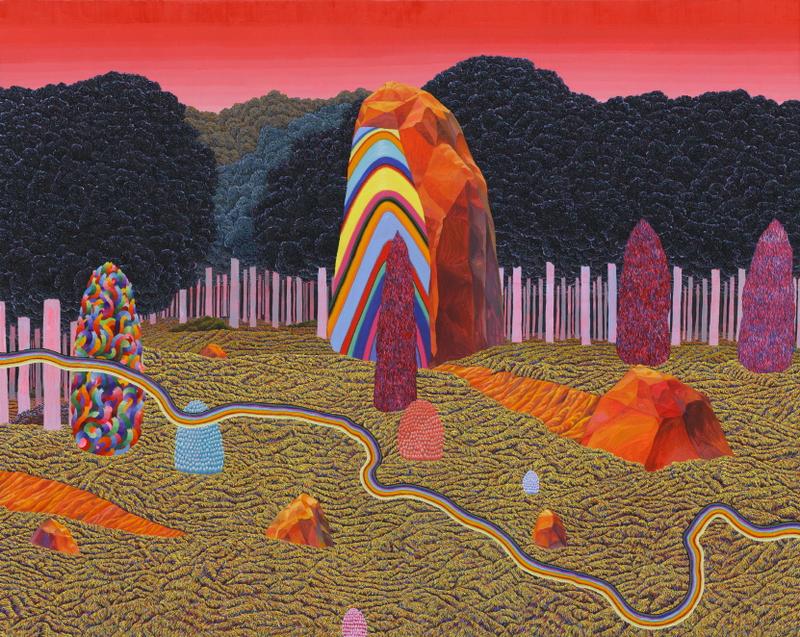
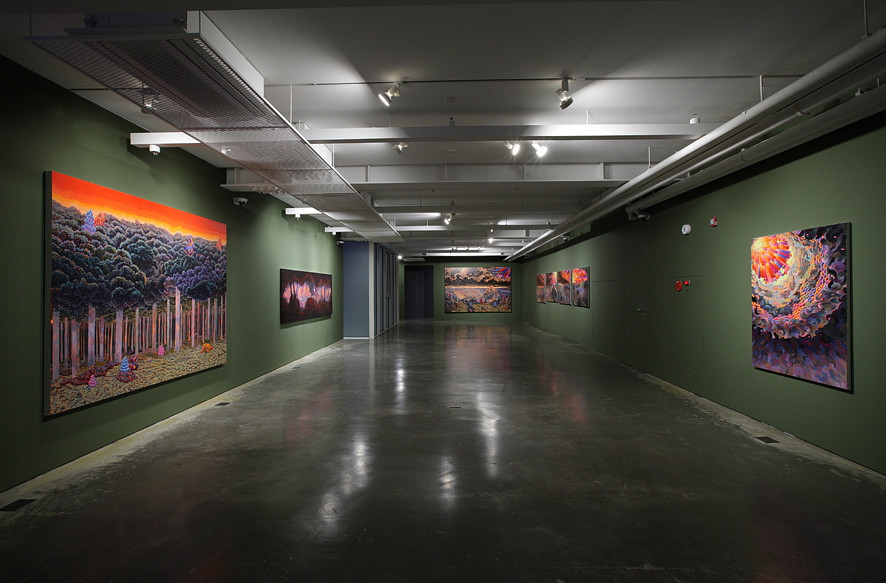
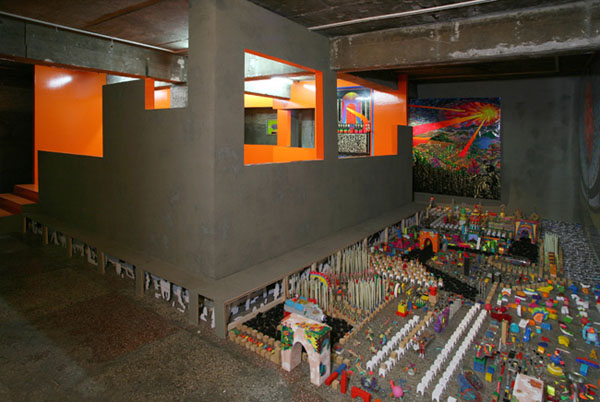
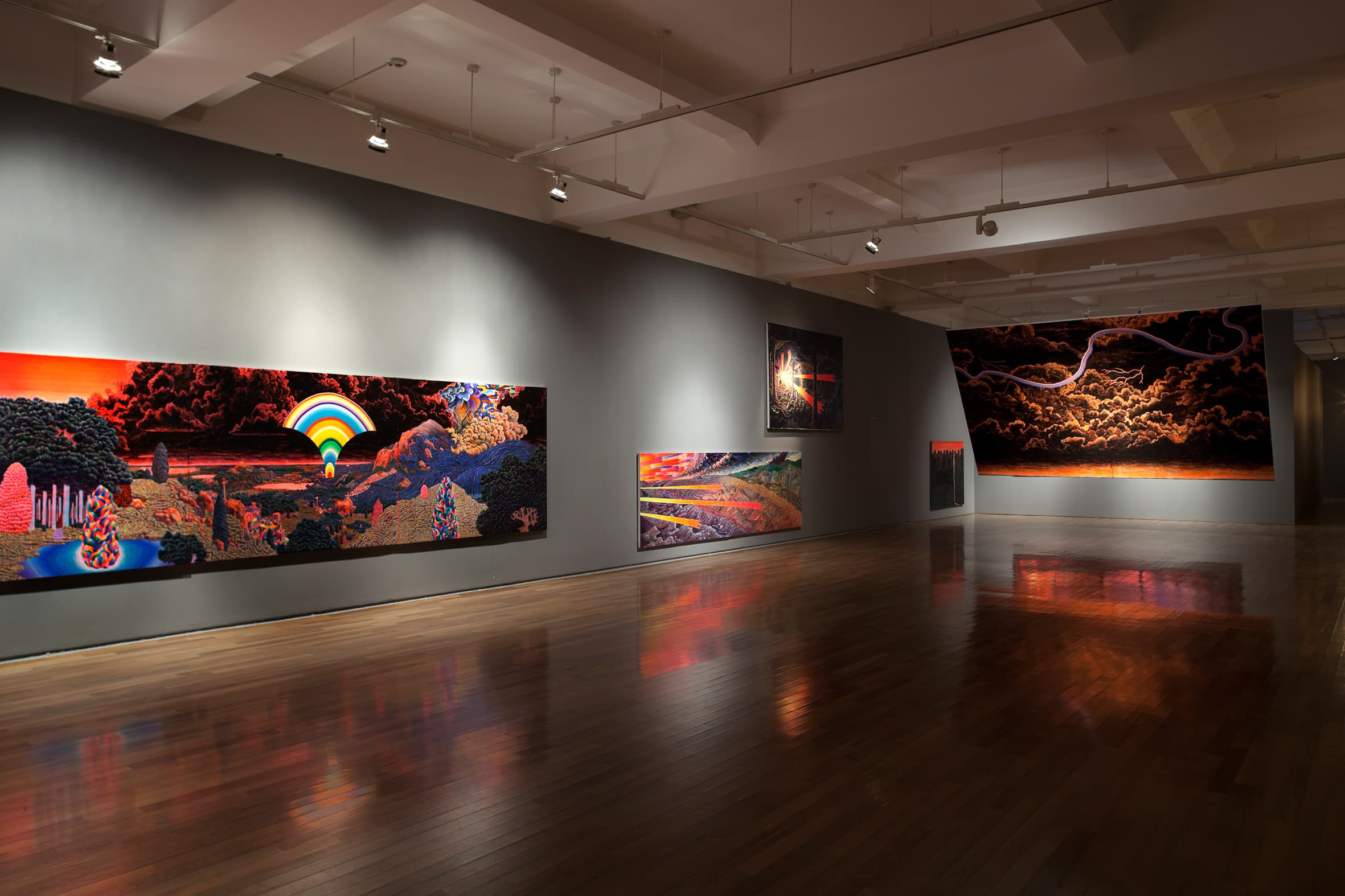
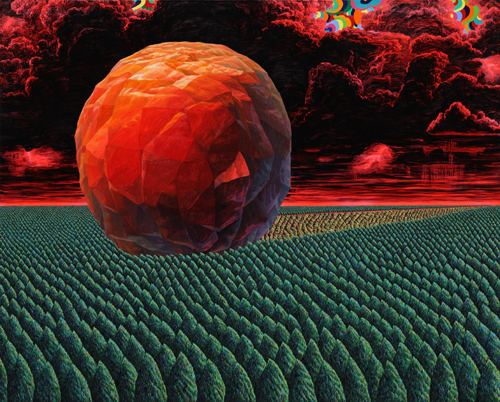
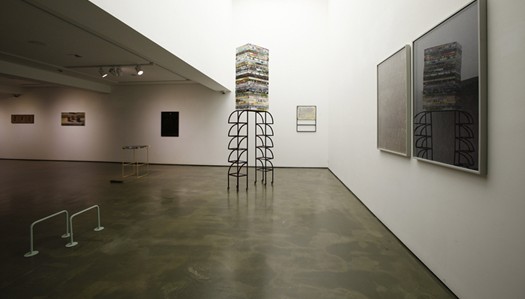
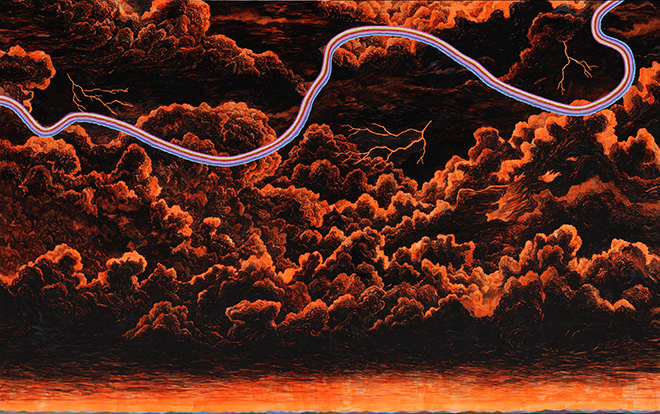
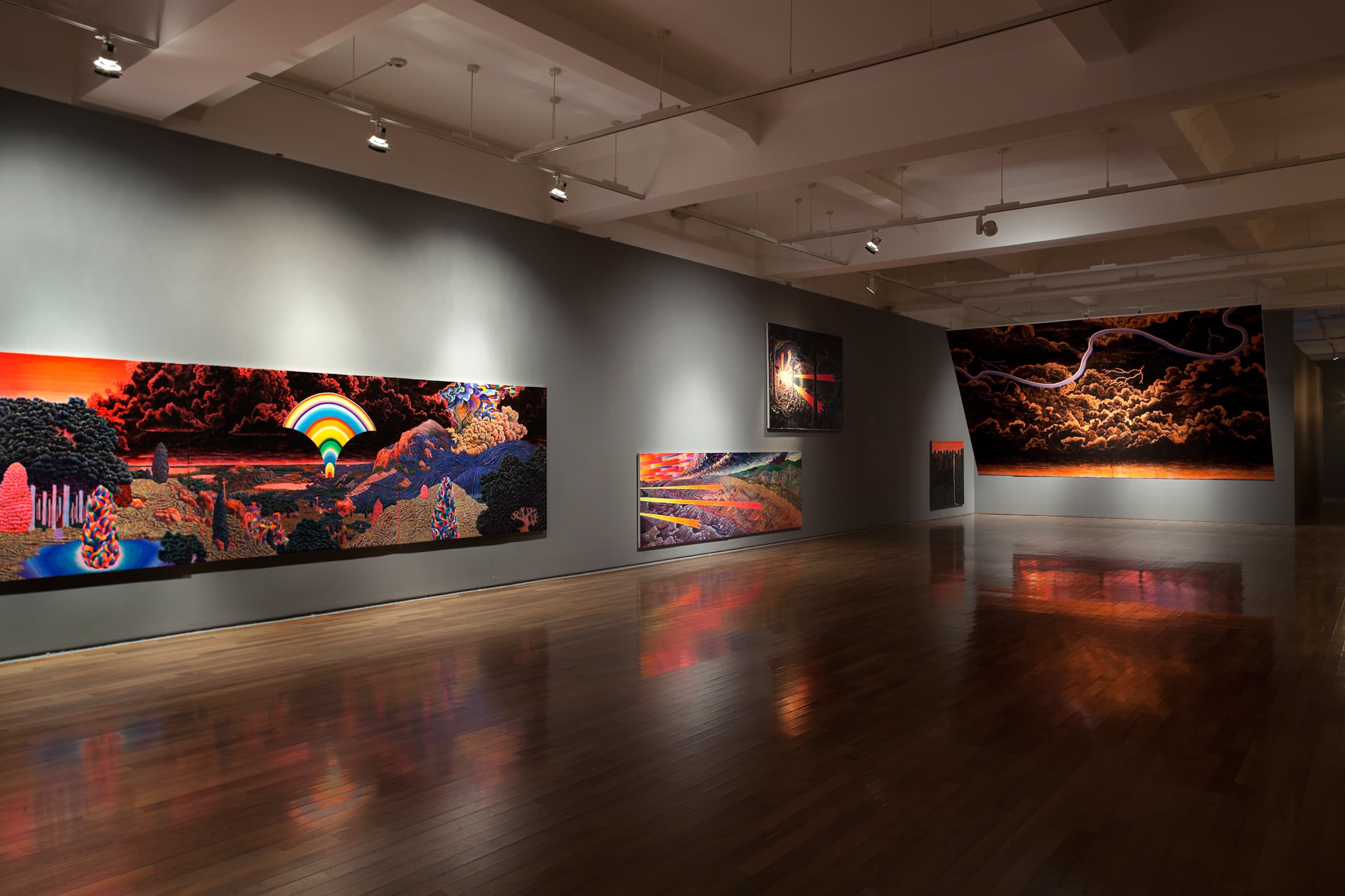
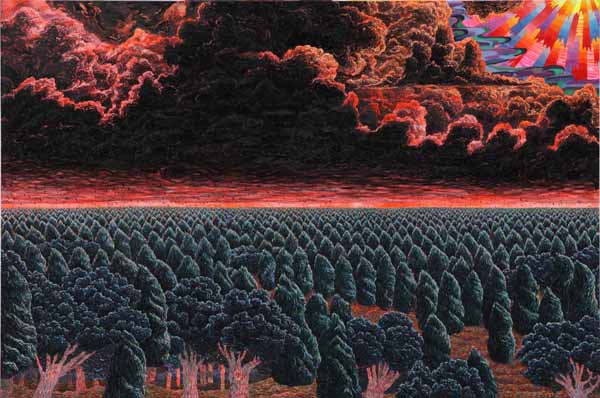
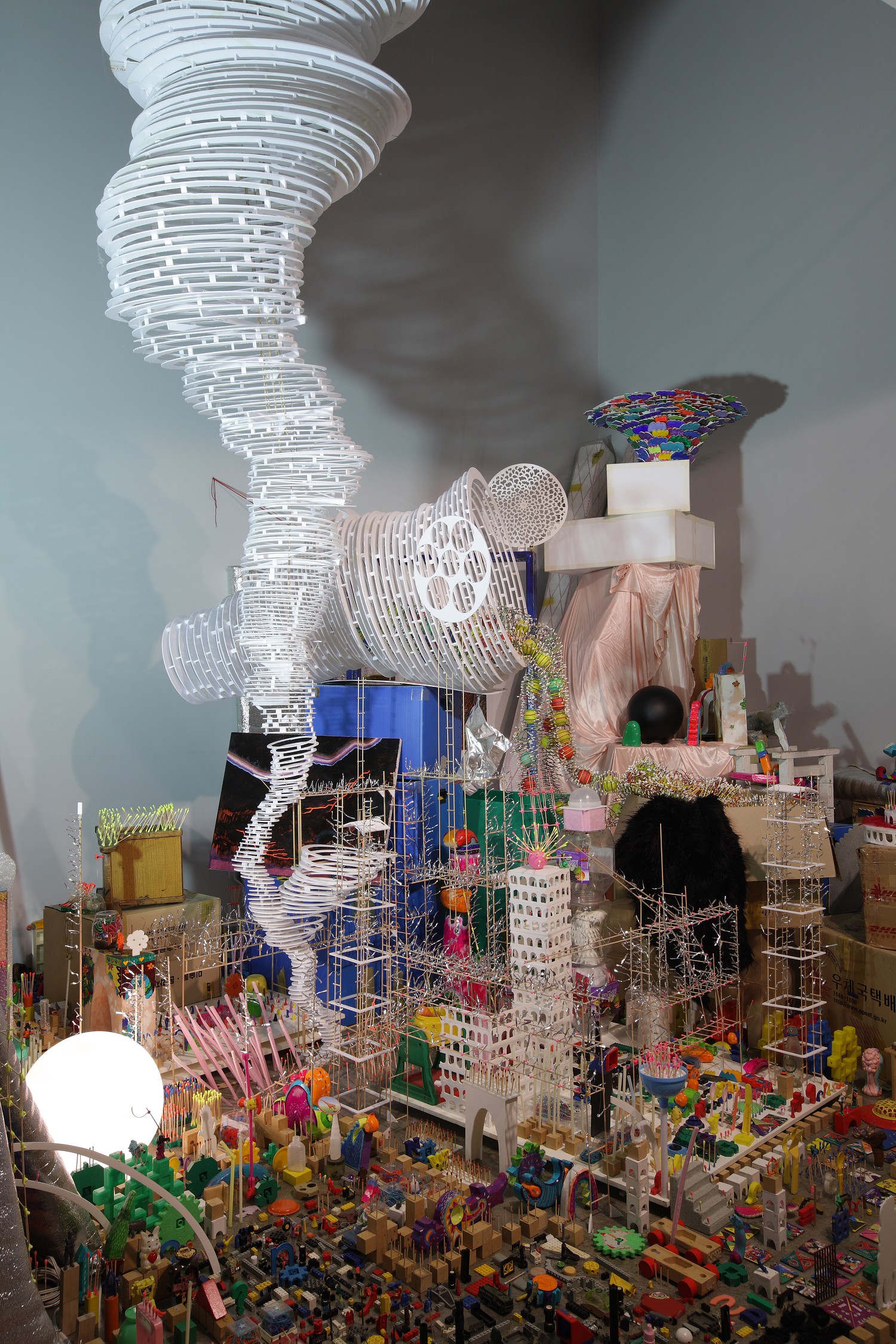
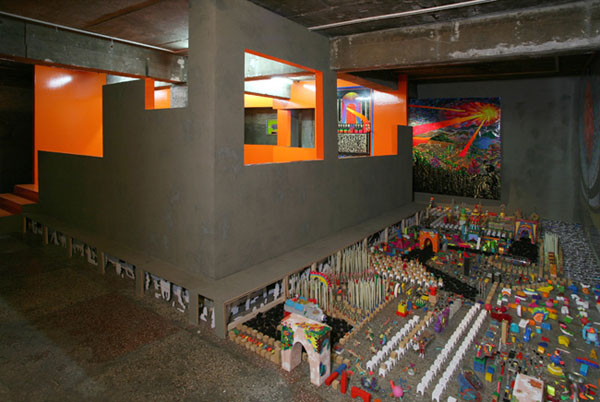
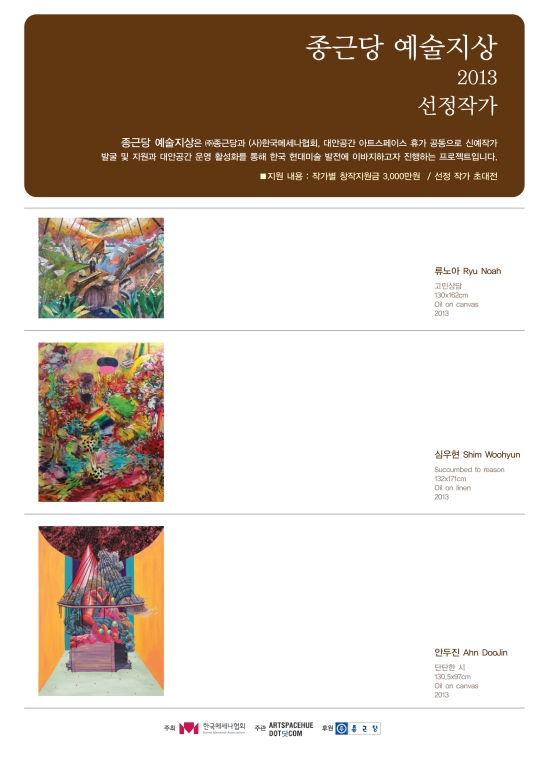
The five artists—Will Kim, Kang Soyoung Liilliil, Hojun Song, Ahn Doojin, and Soyoung Chung—each present creative techniques for survival in their own distinct ways. Stories about possessing the greatest power, inventing machines related to it, leaving behind records, surviving within competitions of power, and constructing monumental points of sublimity for shared experiences are expressed through diverse visual forms including painting, video, and installation.
Of course, the works will be exhibited while displaying beautiful (or dominant) appearances. While these may be understood as techniques devised for survival within the collective sphere commonly referred to as the “art world,” what the artists ultimately seek to share are stories about survival within a much broader reality.
Passages from the novel Galápagos will be presented alongside the works in the exhibition. Galápagos (1985) by Kurt Vonnegut is a science fiction novel depicting the process through which humans who journeyed to the Galápagos Islands of Ecuador—the setting closely associated with evolutionary theory—survive by evolving into fish over the course of one million years after humanity on Earth is wiped out by a meteorite.
Techniques developed through art are not primary acts such as securing food, shelter, or overcoming environmental dangers, but rather techniques that support those primary acts and “enhance” the resulting condition of survival. Therefore, the connection between the primary survival behaviors depicted in the novel and the techniques addressed in the artists’ works will present an intriguing point of convergence for discussions on the relationship between art and survival.
Humanity has maintained the same physical structure since the emergence of hominids—the form of humans from 100,000 years ago—without the kind of biological mutation depicted in Galápagos. However, individual techniques shaped by human emotions and psychological structures have continuously evolved. This exhibition brings together works that exemplify how such techniques appear in contemporary artistic forms, offering opportunities for discussion and perhaps suggesting another direction in the search for survival. The survival techniques possessed by each individual are as diverse as their appearances, while at the same time sharing the universality of humanity as a whole.
Within the exhibition, the artists employ certain isolated situations or visual stagings for the purpose of visual explanation in their works, but they do not focus on extreme human emotions nor propose logical methods for sustaining life under isolated conditions. Rather, each work—and the collective body of works—functions as a device for stimulating the invention of creative and individual methods. The works, either independently or in combination with those of other artists, propose new techniques that may contribute to collective survival. Through such visual stimuli, the exhibition hopes that viewers will share their own individual strategies, allowing a step toward the evolution of survival techniques to emerge from within themselves, rather than being seized from the outside.