Exhibitions
《Leaving the School》, 2022.03.25 - 2022.04.23, Artside Gallery
March 06, 2022
Artside Gallery
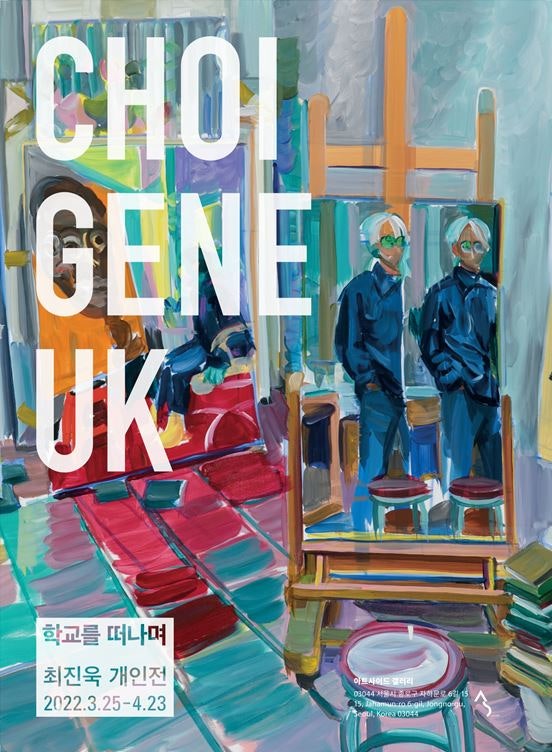
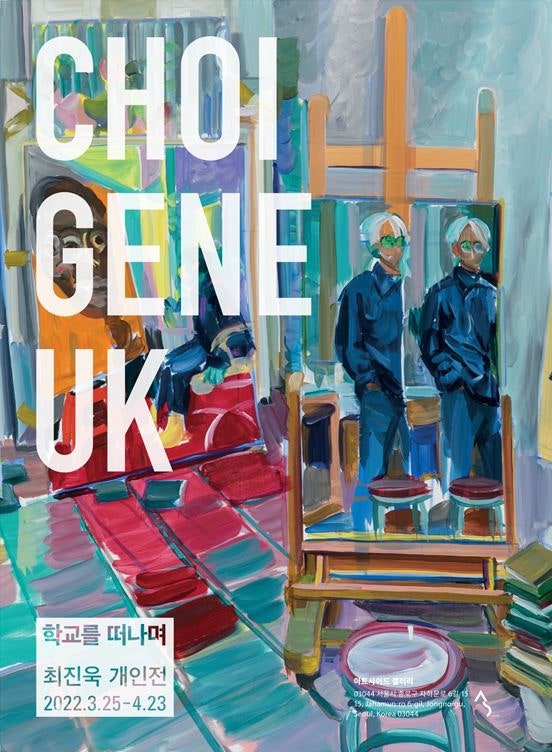
Poster image of 《Leaving the
School》 © Artside
Gallery
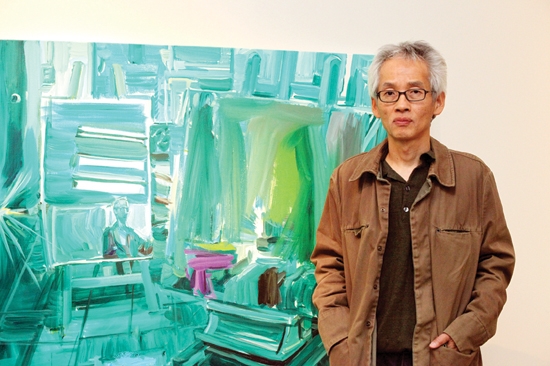
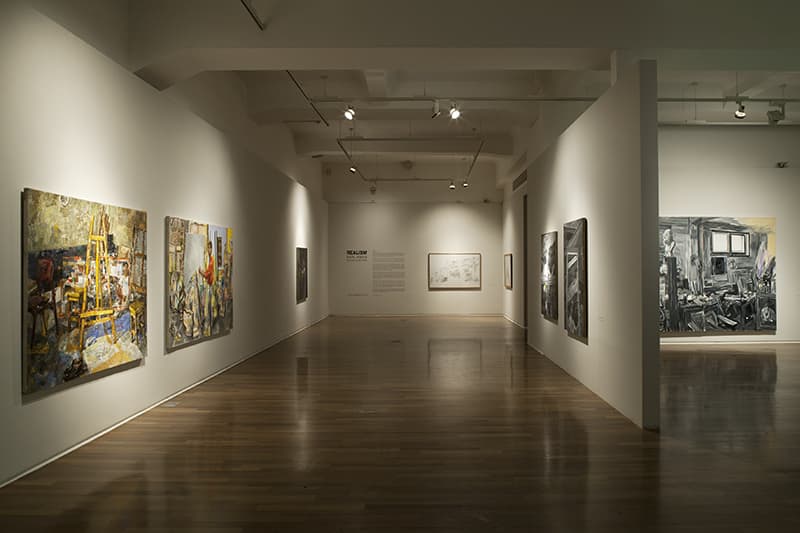
Artside Gallery presents a solo exhibition by Choi Gene Uk, 《Leaving the School》, from March 25 to April 23, 2022. This exhibition
features works that reflect what the artist has seen, heard, and felt as he
departs from his long-held position as a professor after many years spent with
students. A mid-career artist, Choi Gene Uk has consistently depicted his
immediate surroundings.
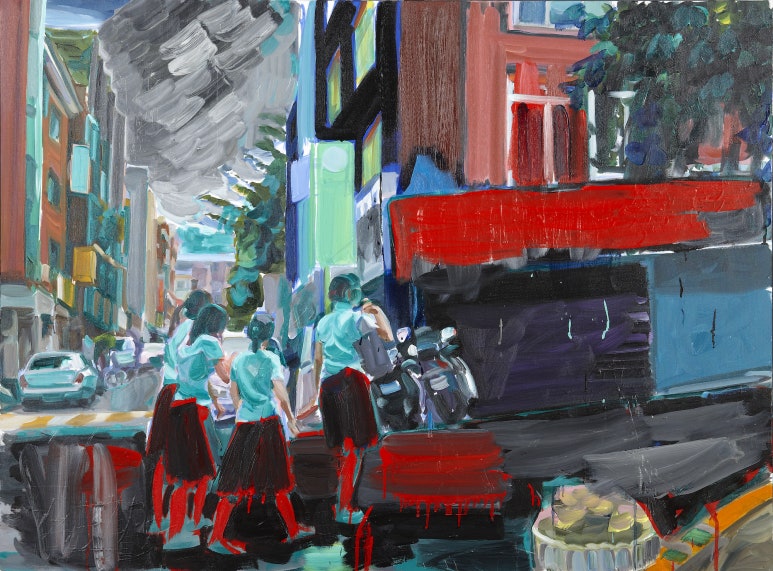
He captures fleeting moments of everyday life,
rendering the objects within them with striking vividness. His paintings have
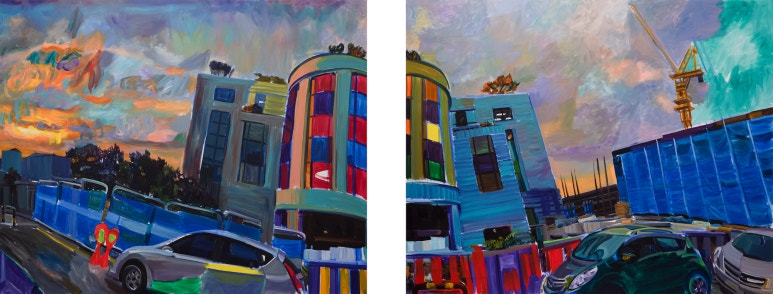
portrayed scenes that may appear ordinary—neighborhoods, classrooms, the
Provisional Government of the Republic of Korea in Shanghai, and landscapes of
Gyeongbokgung Palace—yet through concrete depictions of contemporary reality,
his work conveys historical nuance.
This curated exhibition densely translates
the realities the artist has recently encountered, along with the emotions
derived from them, onto the canvas. The unassuming scenes, imbued with the
artist’s gaze, prompt viewers to reflect on the acceptance of imperfection.
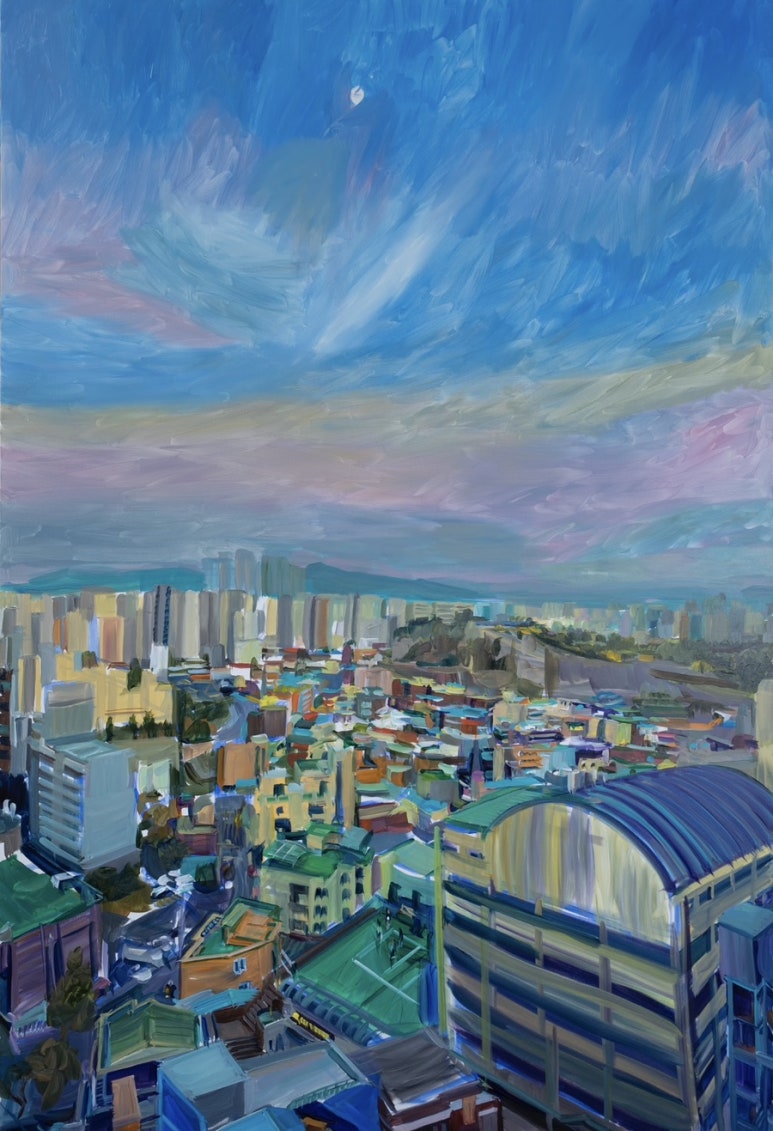
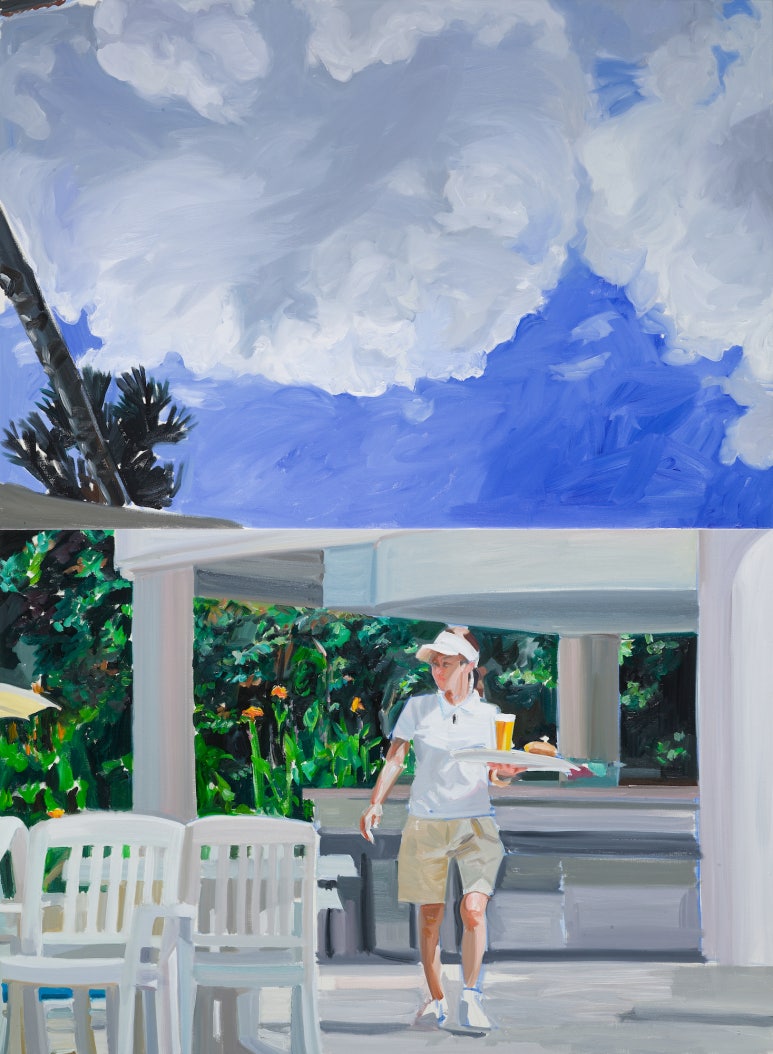
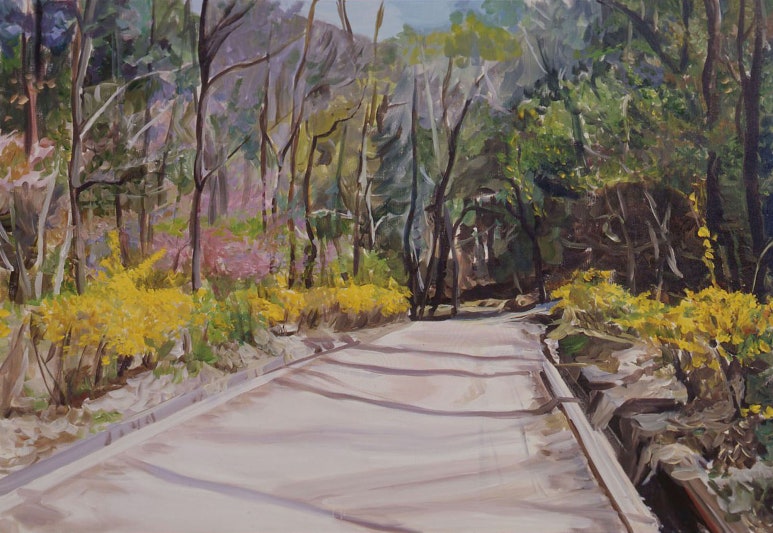
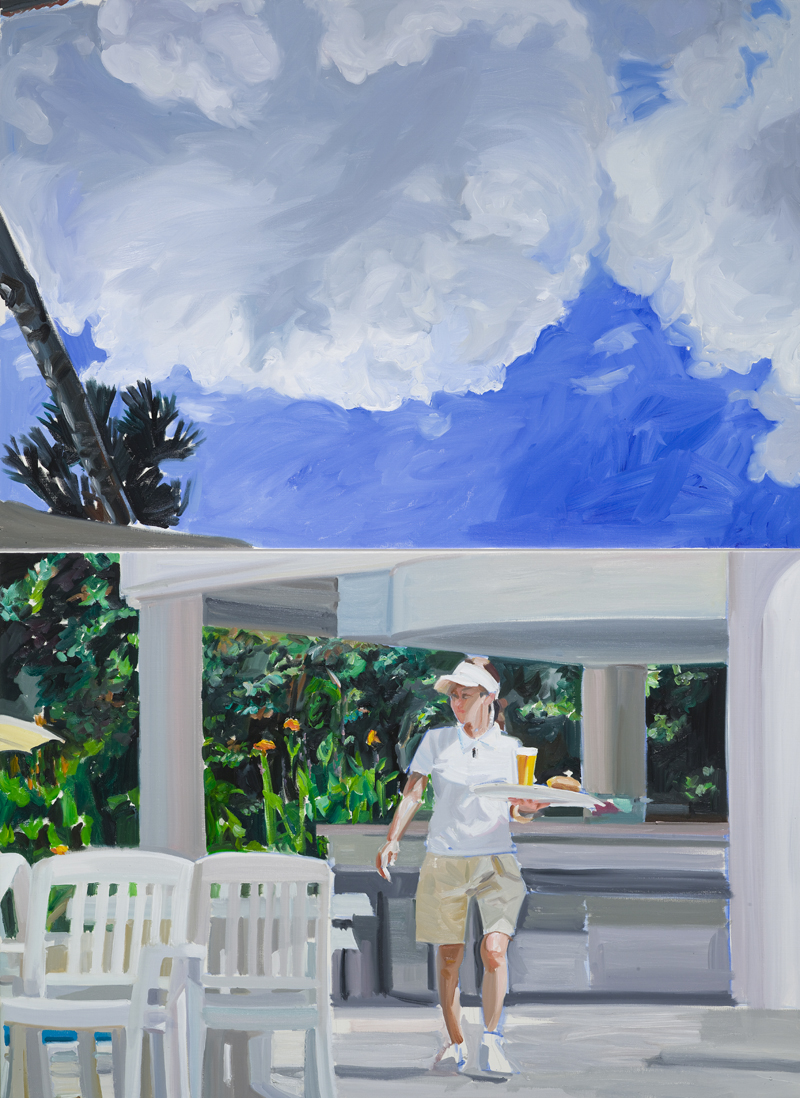
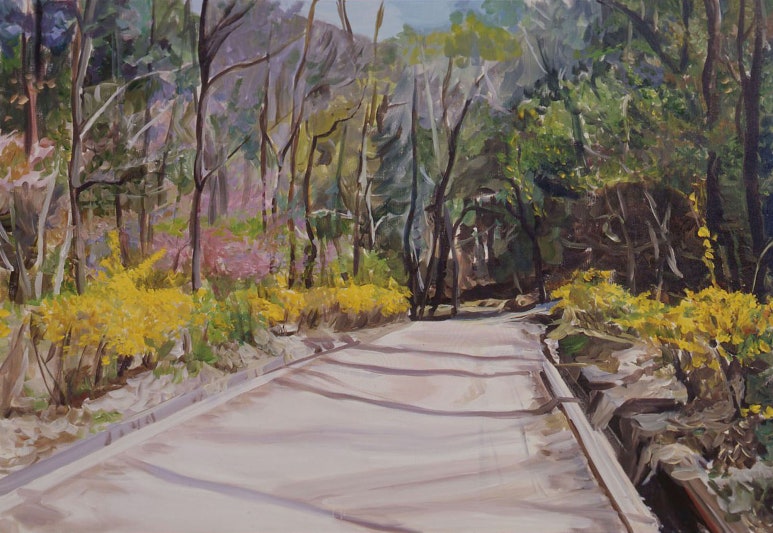
At first glance, Choi Gene Uk’s works evoke Western
Impressionism in their ability to capture instantaneous impressions. While fine
lines are scarcely visible, his characteristic bold brushstrokes vividly convey
the dynamism of figures and the movement inherent in objects. These are further
enriched by a vibrant sense of color that fully occupies the pictorial surface,
creating the impression that the scenes are unfolding directly before the
viewer.
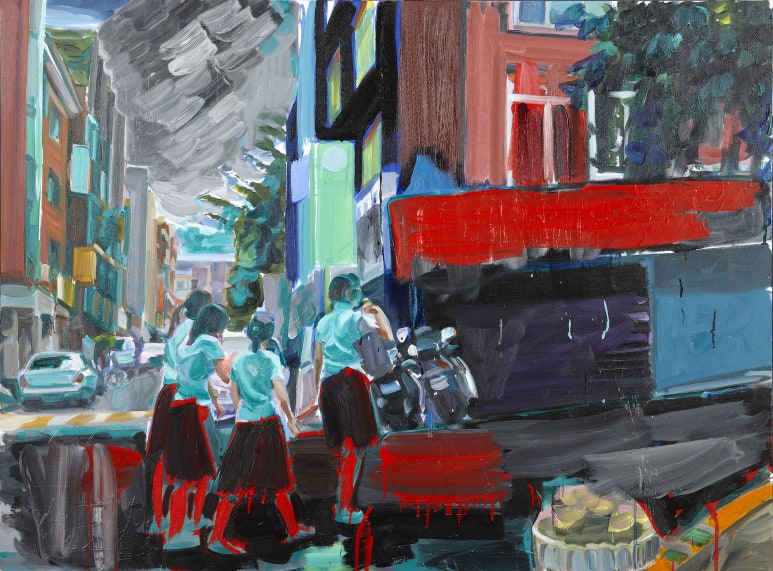
Sketch-like immediacy combined with contrasts of primary colors
heightens the essential qualities of the depicted objects, clearly transmitting
not only the weather but also the overall atmosphere of each scene. This is why
his paintings feel realist, even without meticulous detailing.
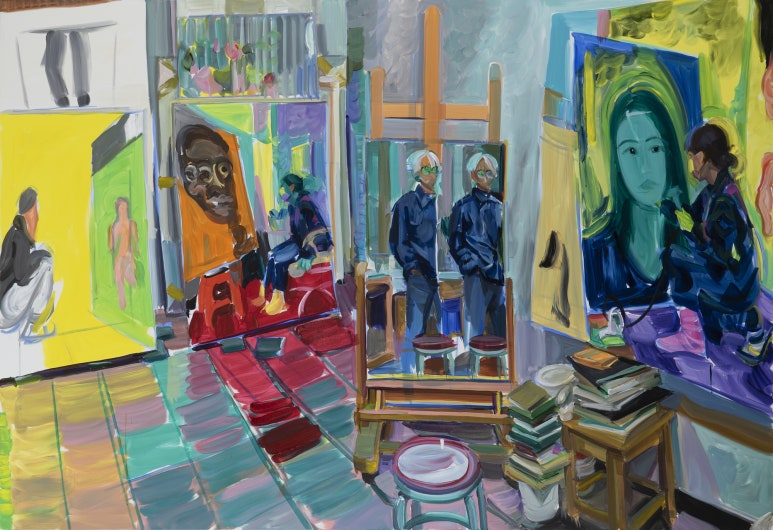
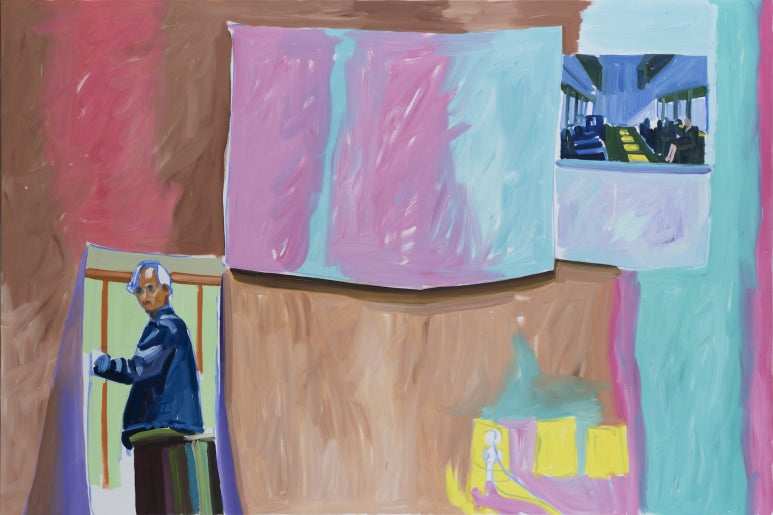
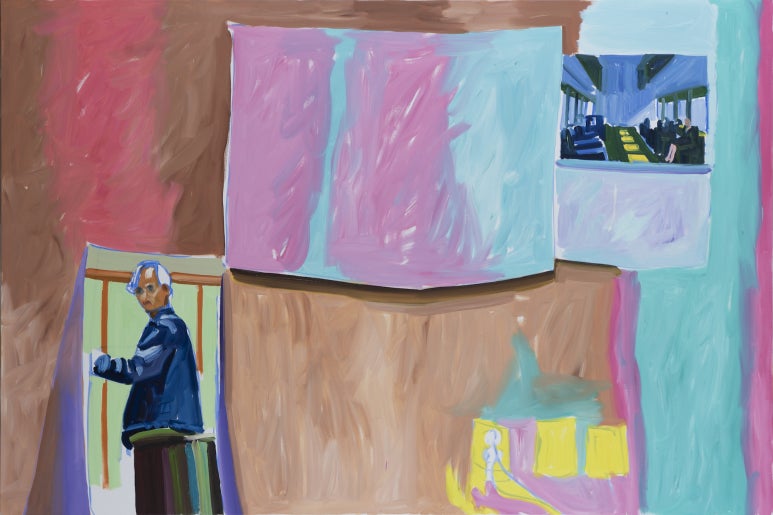
Choi Gene Uk, 374 Leaving the School
3, 2021 © Choi Gene Uk
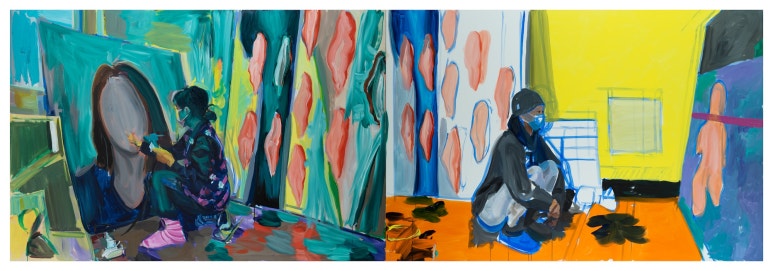
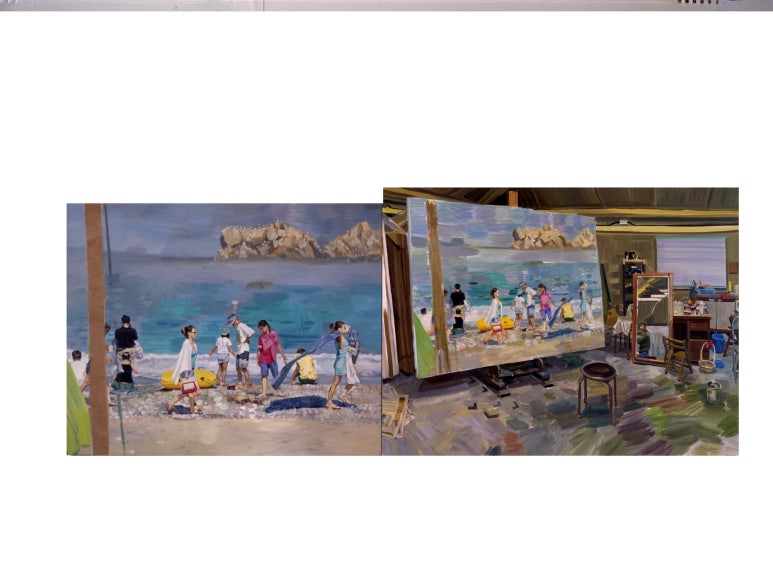
In this exhibition, the artist confronts himself
within each situation without reservation. After leaving his teaching position,
he has spent more time in his studio, and as someone who has long depicted his
surroundings, moments with former students and scenes from his studio naturally
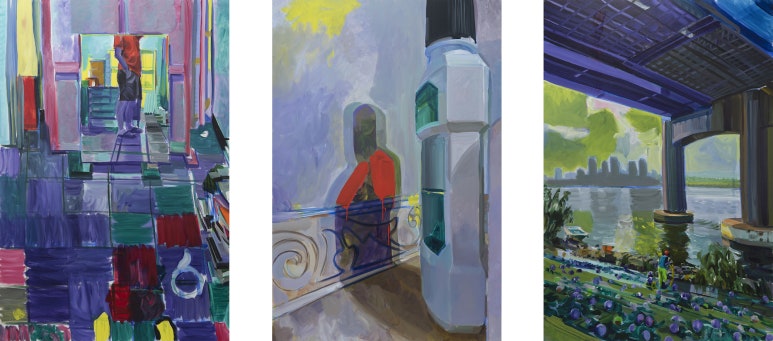
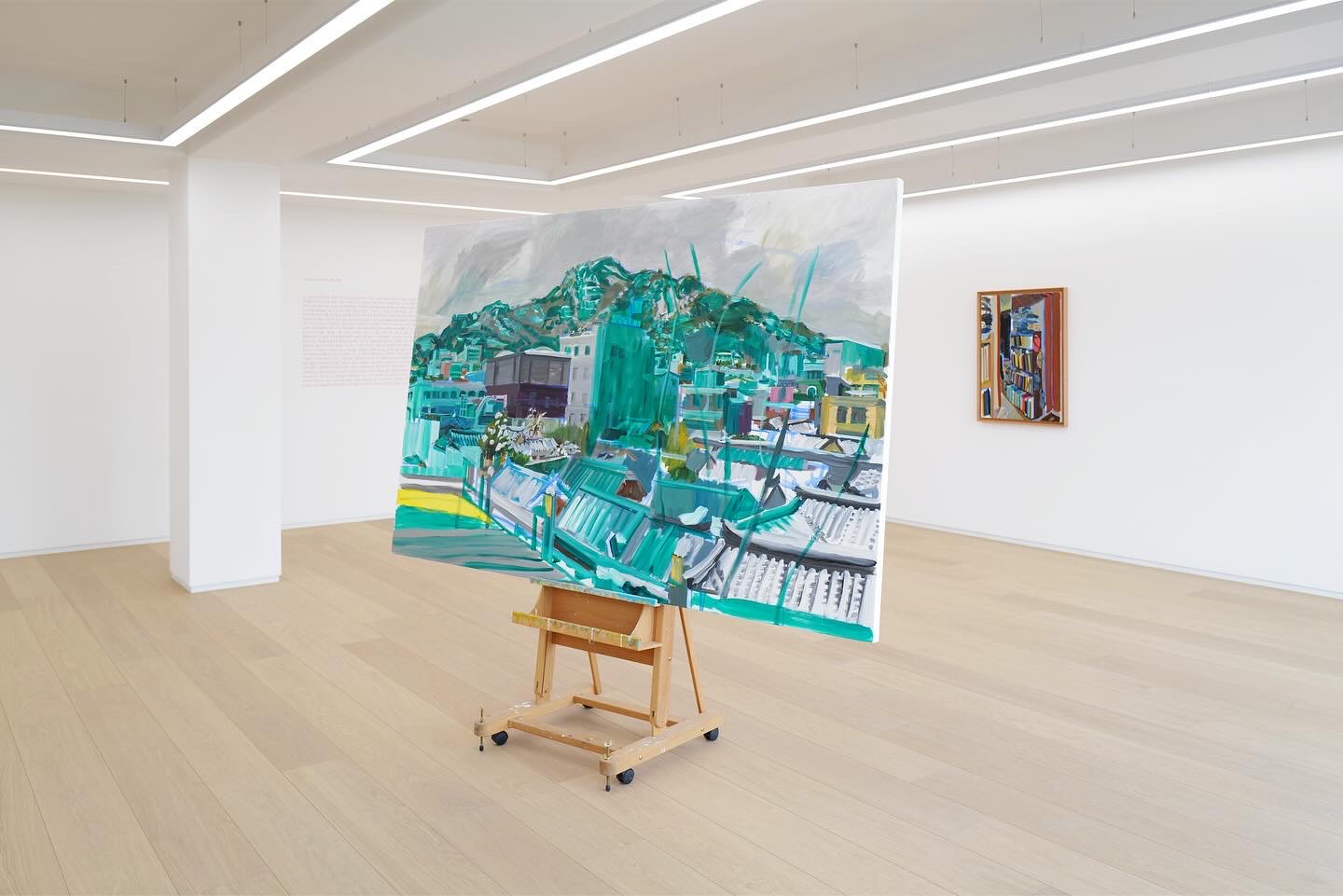
became subjects of his work. In the ‘Leaving the School’ series, studio
interiors are depicted repeatedly.
In particular, the exhibited work
374 Leaving the School 3 presents a reintegration of time and
events by placing the artist at the center of the composition, flanked by
students on either side. Having long embedded modest truths into his paintings,
these completed works remain unmistakably characteristic of Choi Gene Uk.
Rather than relying on technical virtuosity, he reveals his emotions in a raw
and unembellished manner, candidly portraying the emptiness and confusion that
anyone might face when confronted with the life transition of retirement.
Understanding this distinctive approach and engaging deeply with the works
lends particular significance to the exhibition.
By focusing on the inner currents of the artist
through this exhibition, viewers are offered an opportunity to rediscover Choi
Gene Uk’s sensibility—one that allows even the sight of a blade of grass to
stir the heart—as well as the value of the time he has spent quietly recording
life while steadfastly maintaining his own palette over many years. Throughout
his life, Choi Gene Uk has remained unswayed by trends, preserving his own
style. His sincere and unwavering depictions of the self and the spirit of the
times resonate deeply with audiences.
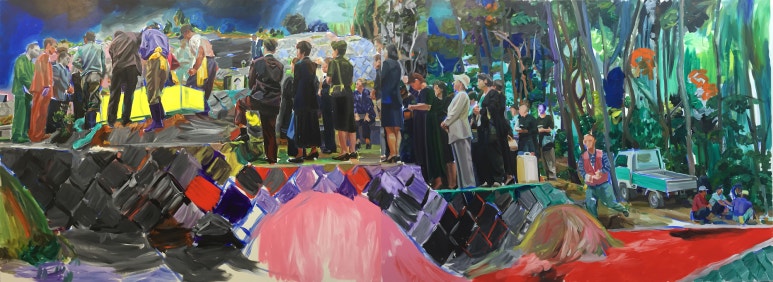
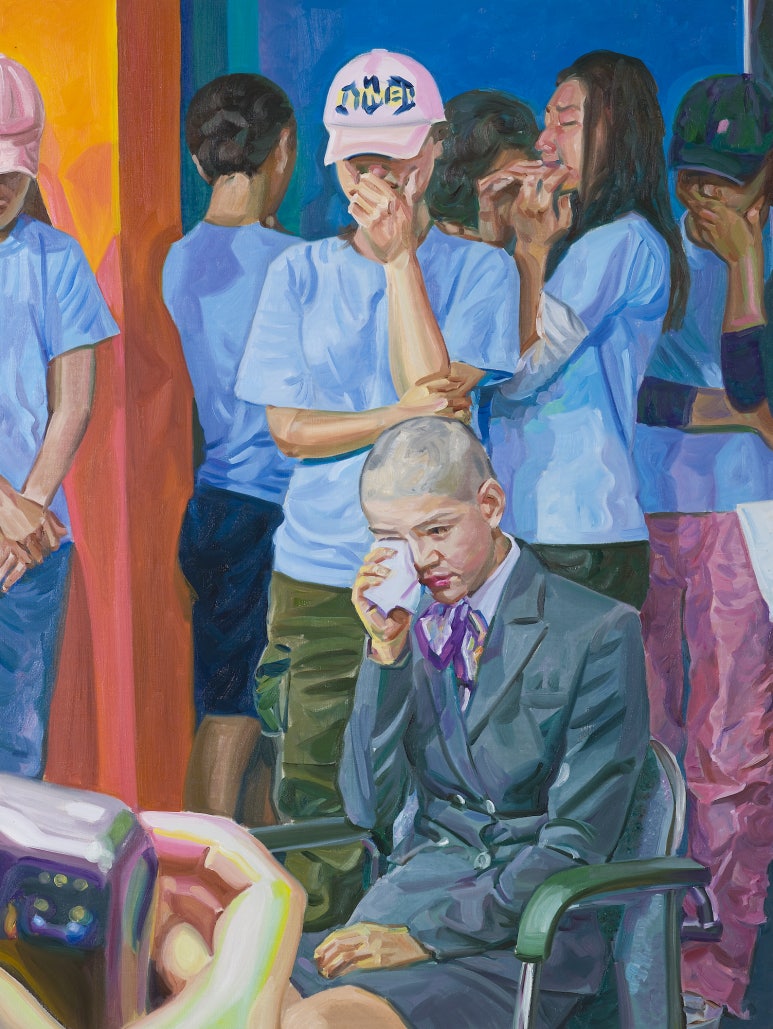
Among the exhibited works, 379 Blood, Sweat,
and Tears-Triptych presents a triptych: a reworking of an earlier
piece depicting the 880,000-won generation as ‘Sweat,’ a reimagining of a work
portraying the head-shaving ceremony of KTX crew members as ‘Tears,’ and a
family photograph taken with his daughters in 1992 completed as ‘Blood.’
Spanning six meters in width, this work powerfully conveys the social realities
encountered through the artist’s gaze directly to the viewer. Other exhibited
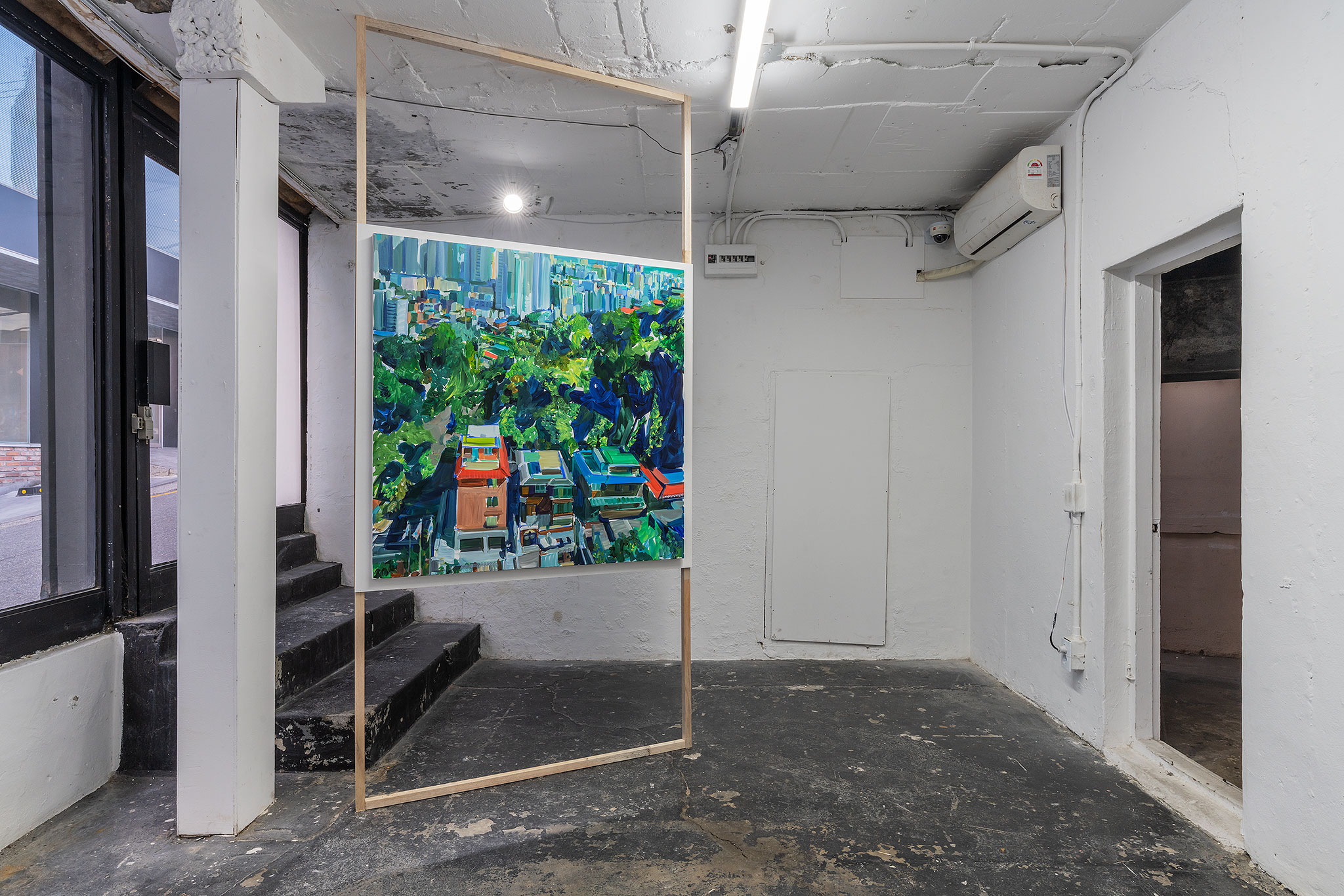
works include 384 Korea’s Three Major Landscapes, which
depicts the sacrifice and struggle involved in protecting press freedom; the
‘Hopper Calendar’ series, which renders studio interiors through a distinctive
color sensibility; and 381 The Painting Close to Ceiling.
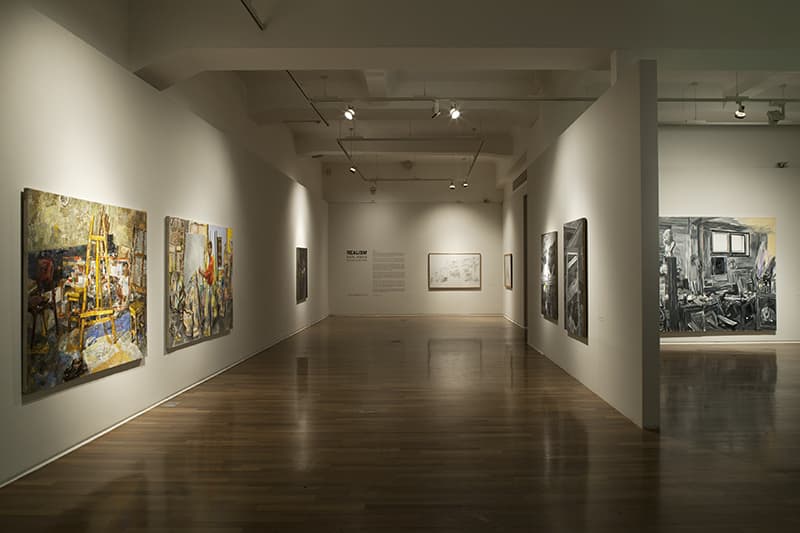
Through approximately 23 paintings that invite viewers to construct their own
interpretations and narratives, the exhibition reveals the vitality of life
embedded in Choi Gene Uk’s works—works that have persistently and faithfully
captured the world around him.