Articles
[Critique] Art, Life, and the Life of Making Art
2021
Hyunjung Ahn | Art Critic
If Western Minimal Art pursues simplicity of exteriority—an emptied painting—Korean Dansaekhwa, grounded in the peninsula’s distinctive history and tradition, explores archetypal origins and is characterized by self-meditation rooted in nature. Unlike the first-generation masters (born during the 1930s Japanese colonial period) whose market prices continue to break records, the post-Dansaekhwa artists who follow them reinterpret contemporary consciousness through artistic awareness and the spirit of material engagement.
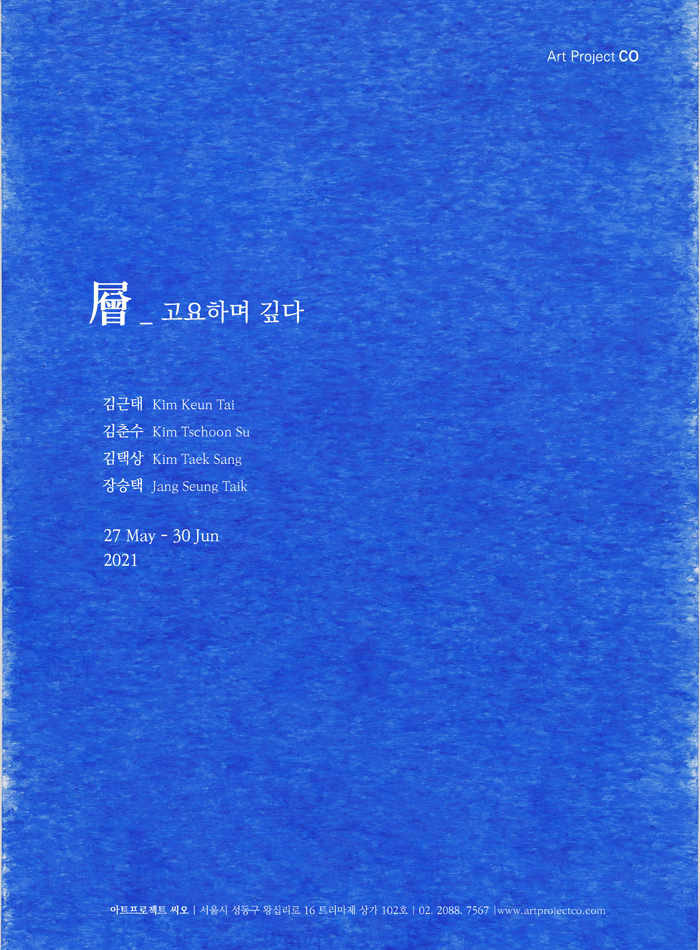
Born after the 1950s, their sensibility appears future-oriented, as if carrying the unresolved tasks left by Western Minimalism that concluded in the 1970s. Rather than a collective movement, the individual styles of post-Dansaekhwa painters remain ongoing processes. The exhibition 《Layer_ Tranquility & Depth》, offering a glimpse into the worldviews of representative post-Dansaekhwa artists Kim Keun-Tai, Kim Tschoon Su, Kim Taek Sang, and SeungTaik Jang, will be presented at Art Project CO (Director Lim Eun Hye, located in Seongdong-gu Trimage) for one month beginning May 27.
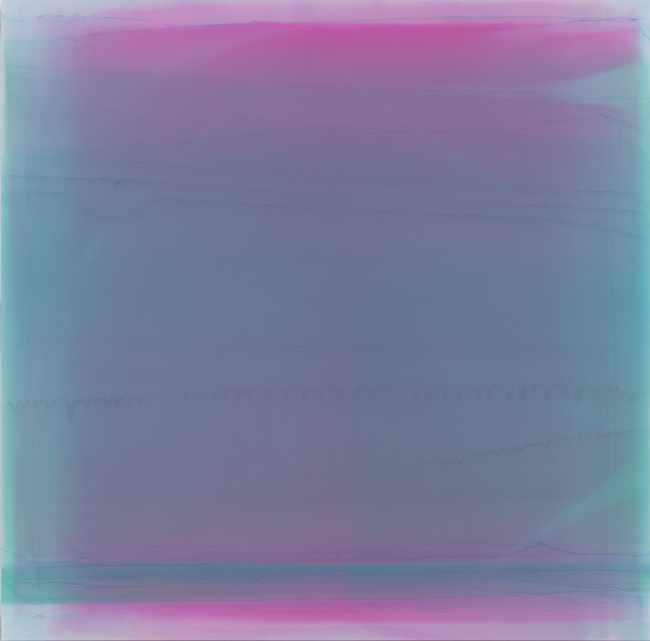
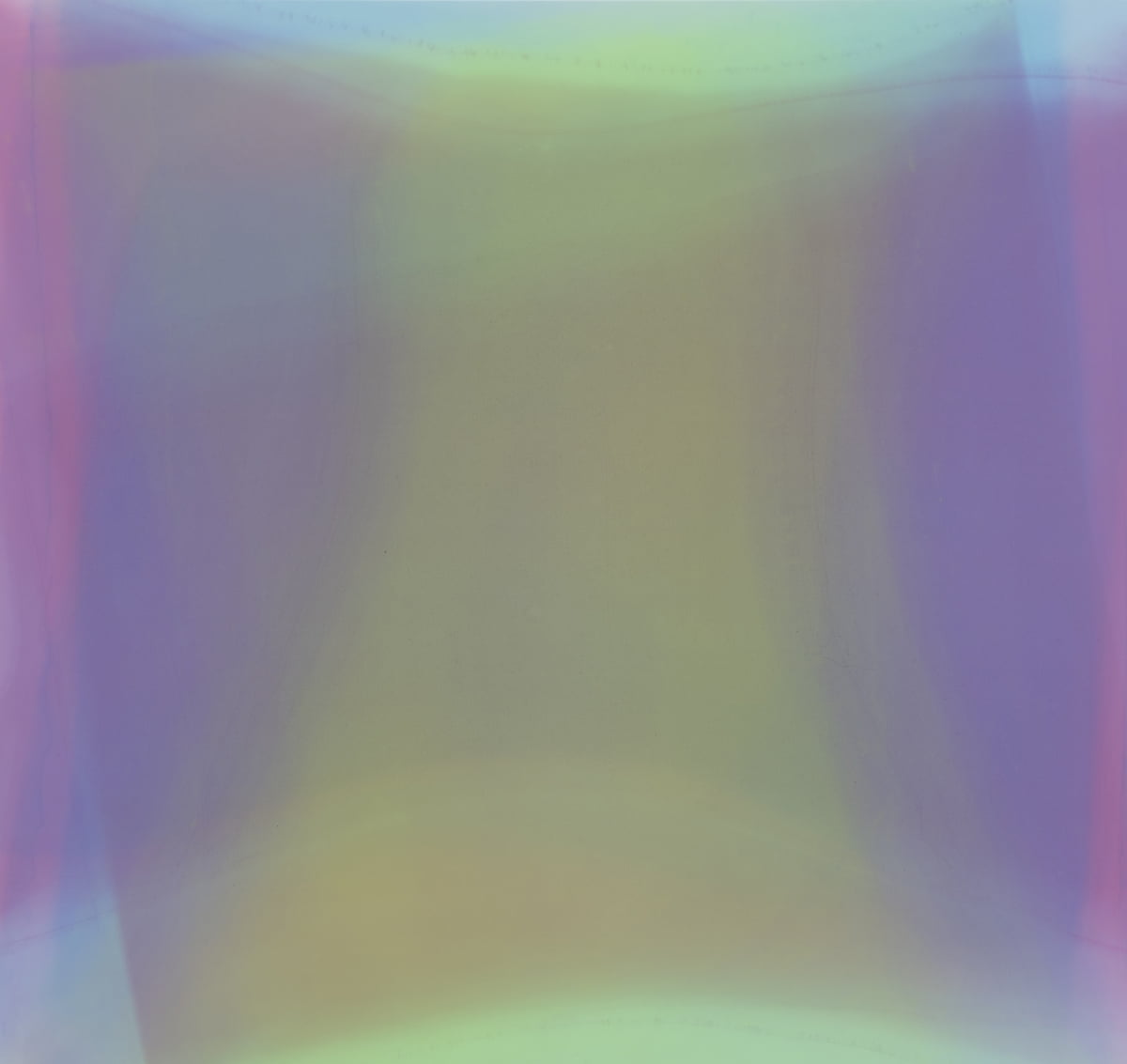
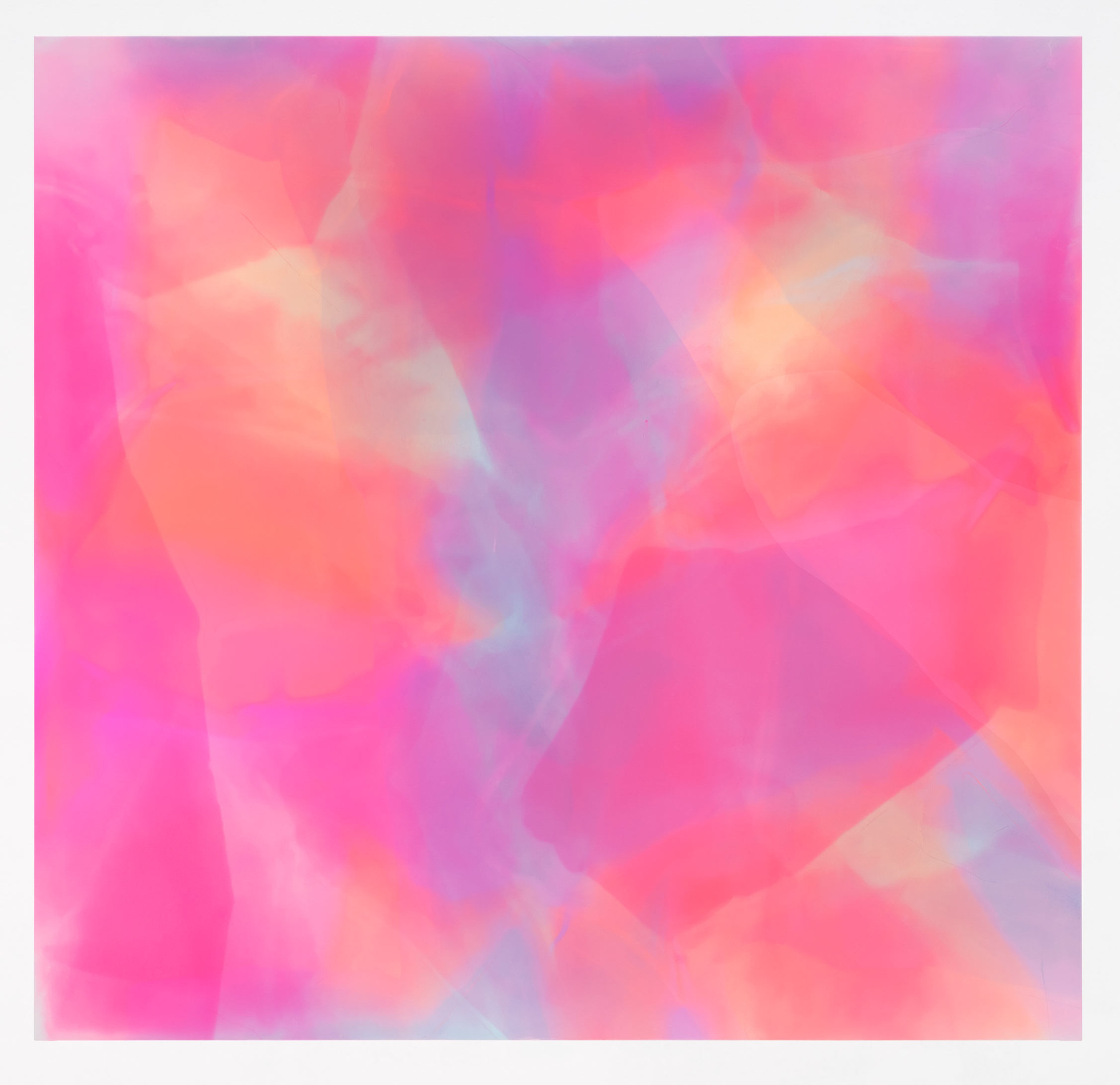
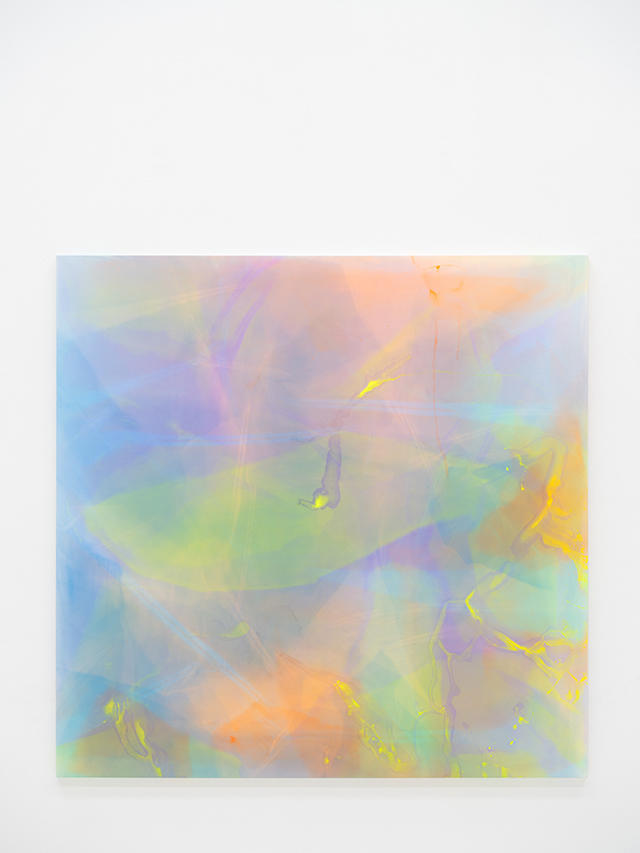
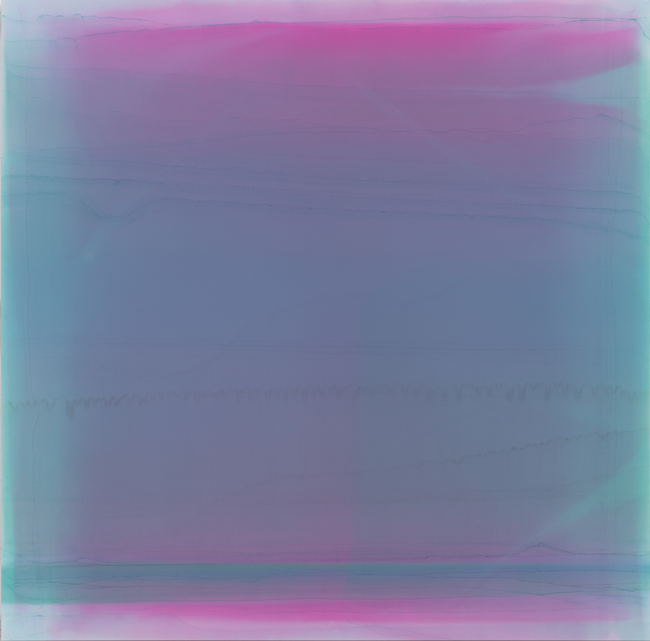
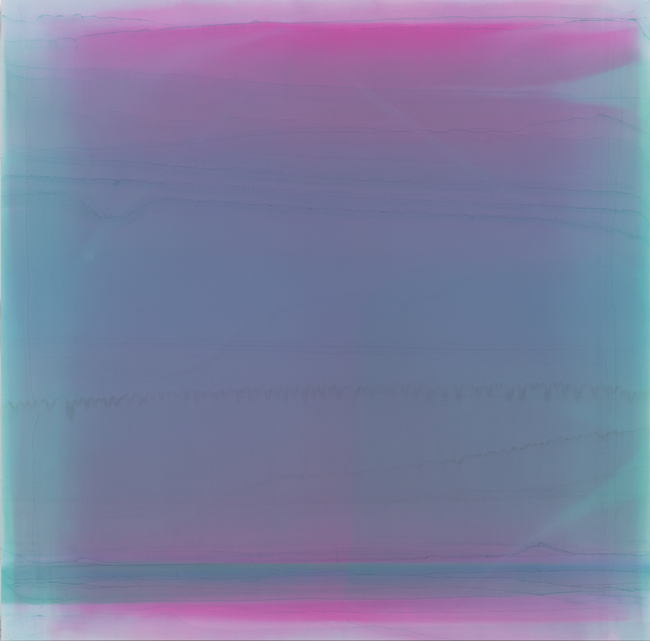
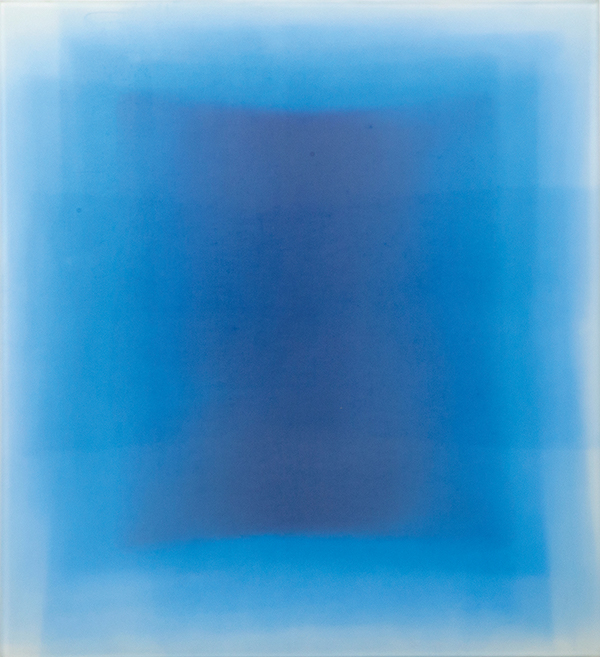
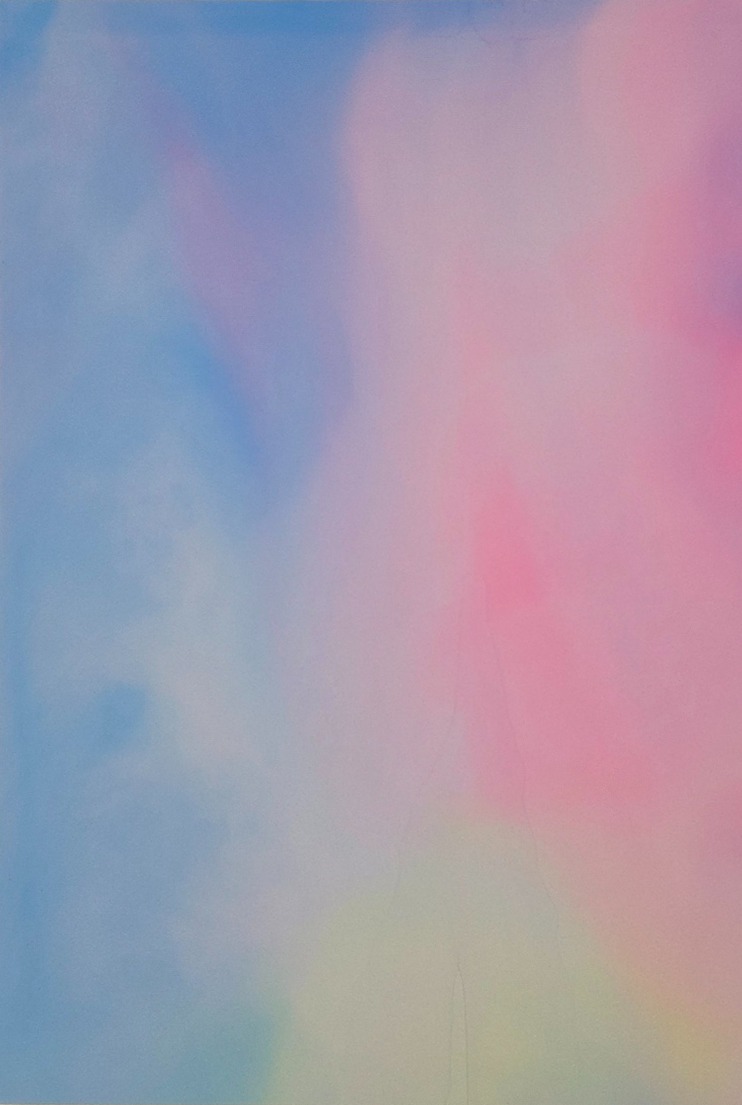
Kim Taek Sang, Aurora-204, 2019-2020, Water and acrylic on canvas, 134 x 135.5 cm © Kim Taek Sang
An Exhibition Reinterpreting a Non-Dominating View of Nature
Dansaekhwa internalizes Korean spiritual values based on a traditional view of nature that does not seek to control it. Its defining characteristics include the materiality of pigment—the tactile visual experience of the surface itself—the accumulation of time, and the repeated act of layering paint over long durations, emphasizing both action and process. Such performative repetition produces a paradoxical duality of emptiness and fullness. Within the works of post-Dansaekhwa artists, this duality contains reflections on the Zeitgeist and inward meditation, forming new layers of creation.
Having witnessed more than two decades of changes in the art world, Art Project CO director Lim Eun Hye states, “Dansaekhwa is not an ending but a beginning.” “To commemorate our opening in May, we organized an exhibition featuring four artists—Kim Keun-Tai, Kim Tschoon Su, Kim Taek Sang, and SeungTaik Jang—who each construct monochromatic abstraction in distinct ways,” she explains. “Focusing on their shared spirituality and their similar yet differentiated layered modes of expression, we titled the exhibition 《Layer_ Tranquility & Depth》.”
The four invited artists create refined yet simple aesthetics that translate natural sensibility onto the canvas through contemplative making. Repetitive acts of applying paint, allowing time to permeate canvas fabric, and layering oil paint and stone powder through repeated gestures produce results that appear empty yet full, quiet yet resonant—what may be called “layers of meditation.”
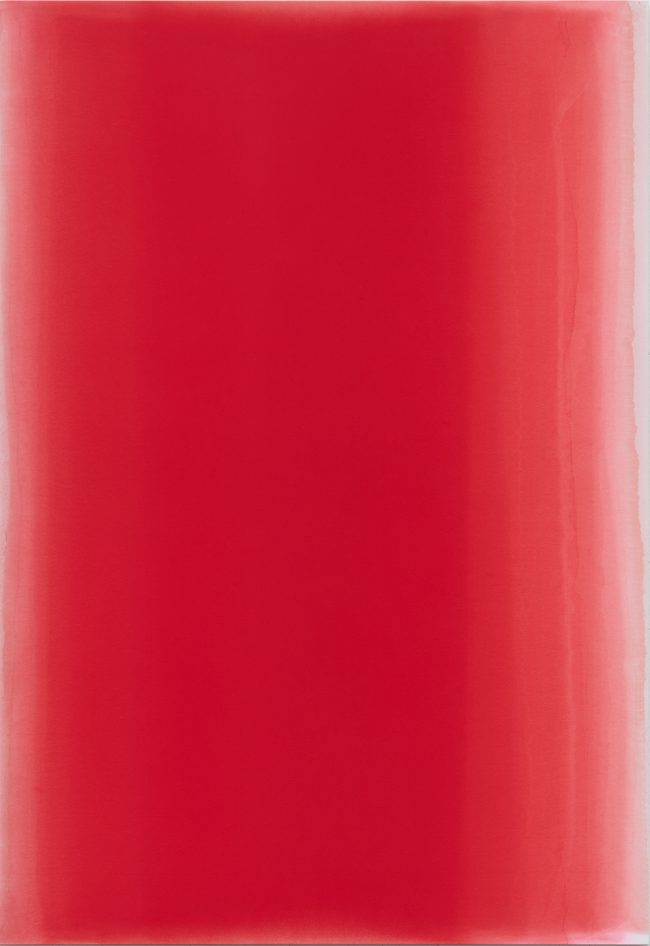
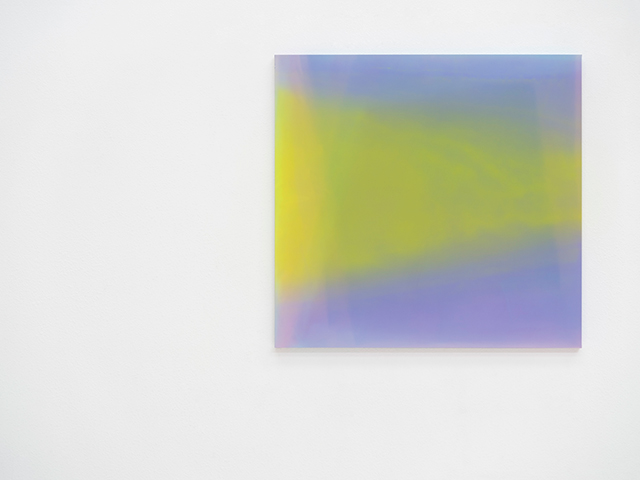
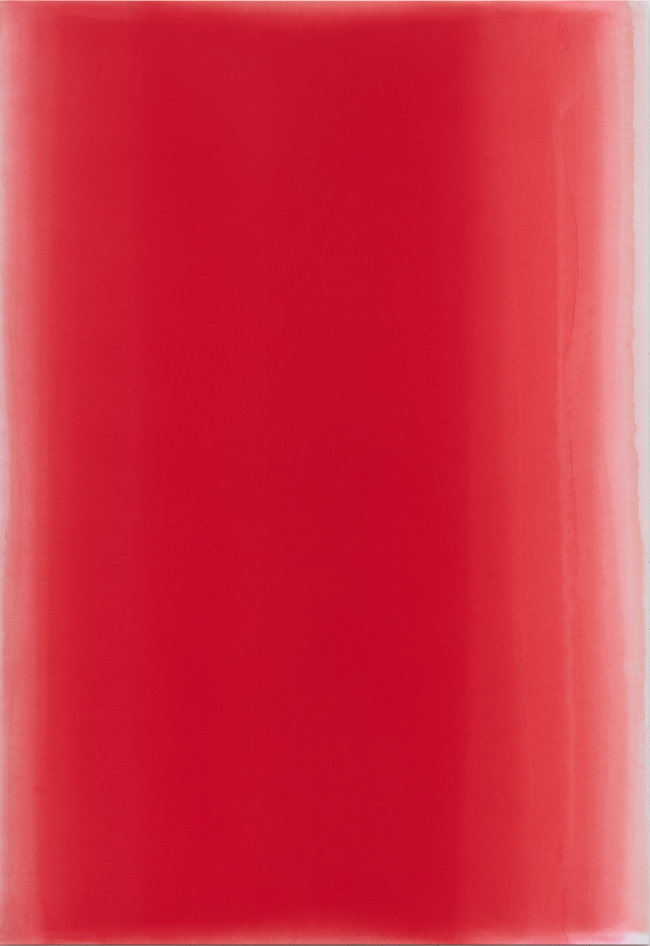
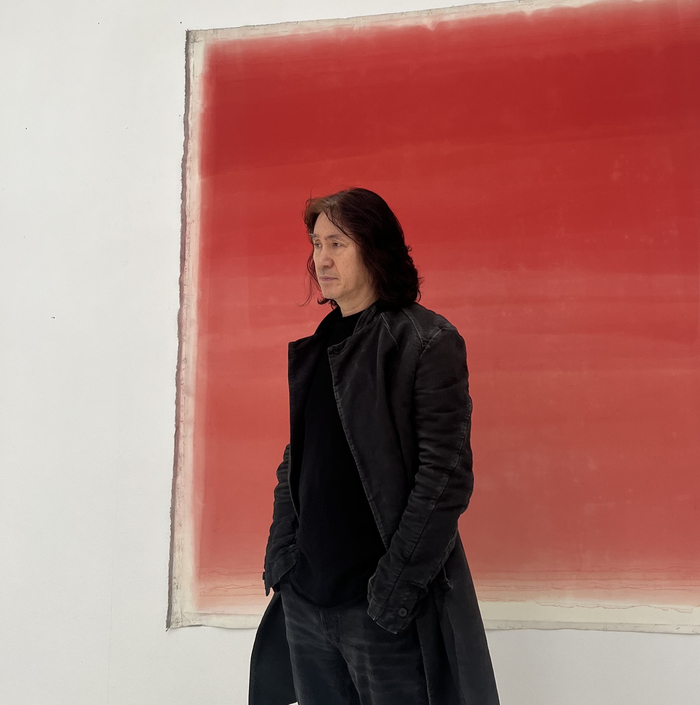
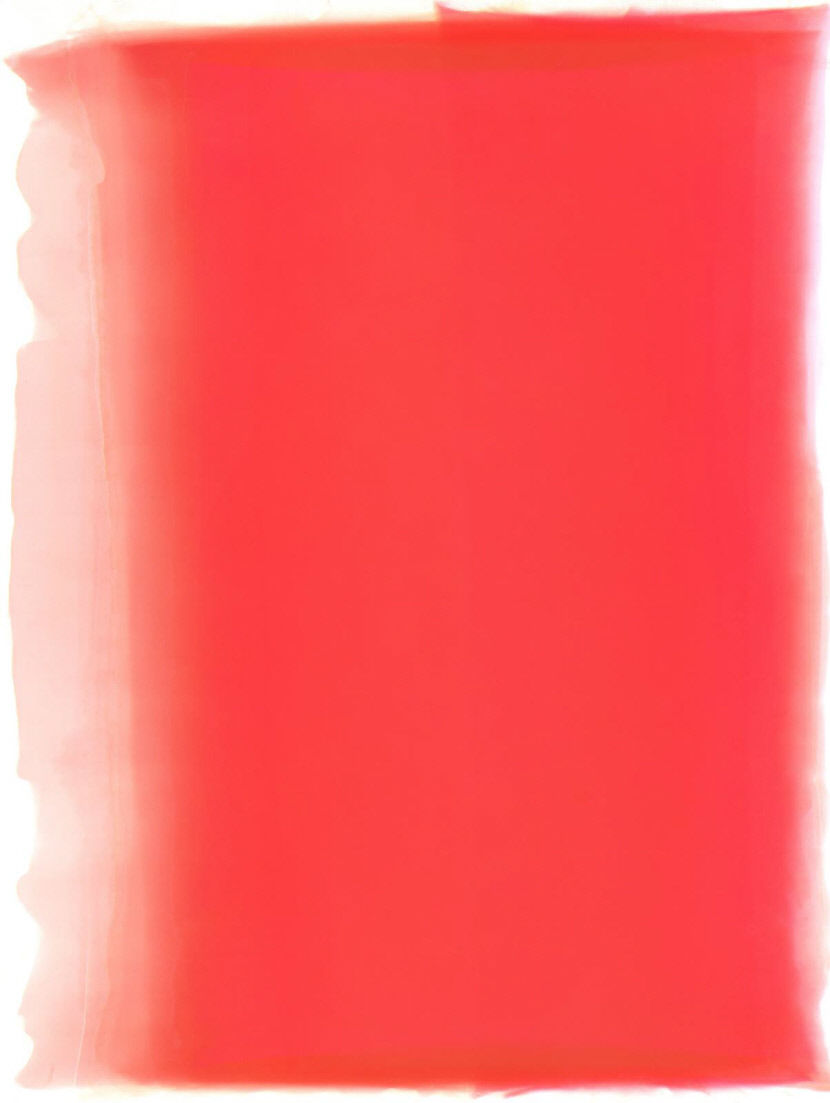
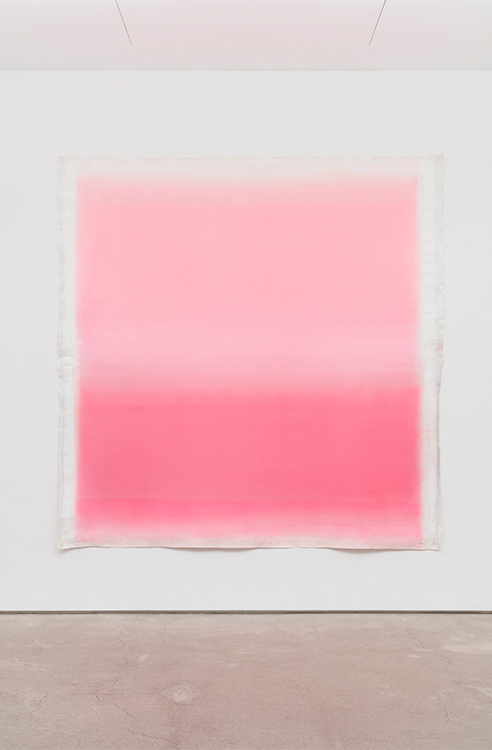
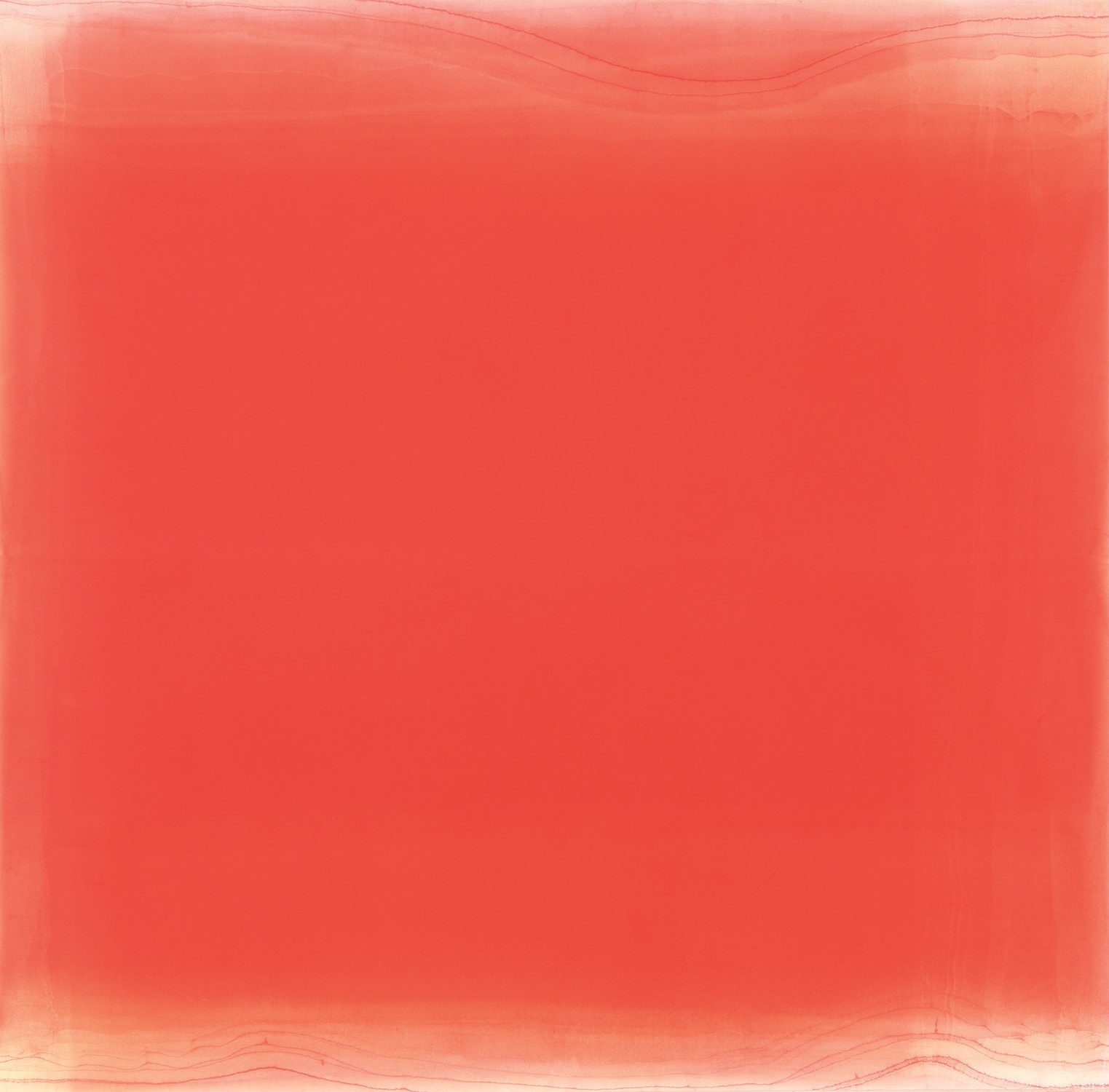
Kim Taek Sang, Breathing light-red in red 1, 2020, Water and acrylic on canvas, 94 x 136 cm © Kim Taek Sang
Painters Crossing the Monochrome
Kim Keun-Tai (b. 1953) transfers the texture of stone onto canvas by mixing oil paint and stone powder in a distinctive manner and applying it horizontally onto cotton canvas. Emphasizing compromise and fusion with the medium in both method and process, he poses questions about multiple strata moving toward non-figuration. Inner questions shaped by lived experience unify the works within a calm yet experimental visual language.
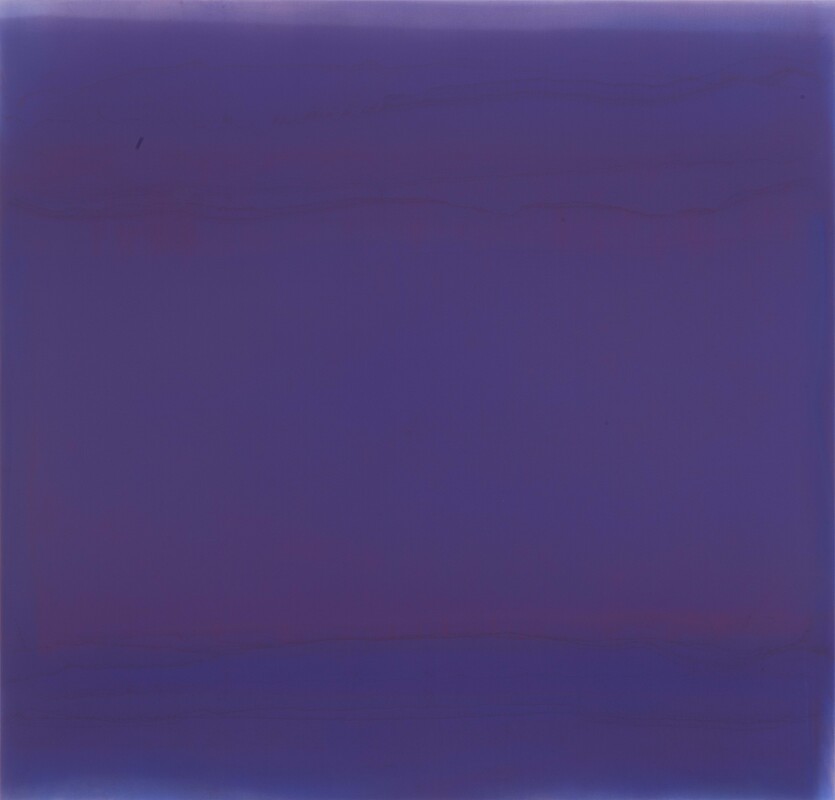
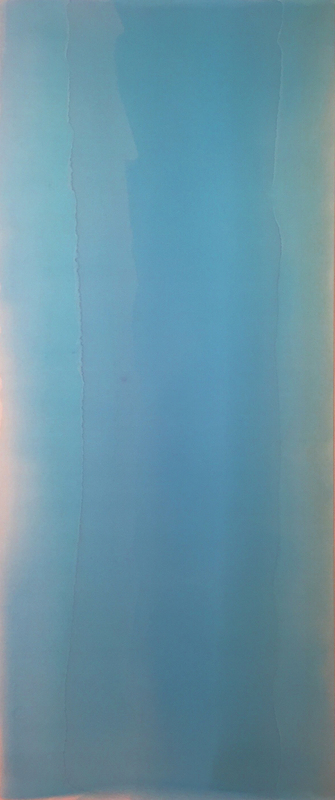
Kim Tschoon Su (b. 1957) presents a deep blue paradox containing the full spectrum of natural light in his ‘Ultra-Marine’ series. The feast of white and blue energy is so profound that it forms a silent layer beyond speech. Color becomes a metaphor that transcends language, while unknowable forms invite imagination, and the paint applied directly onto the surface transforms the artist’s actions into multilayered thought.
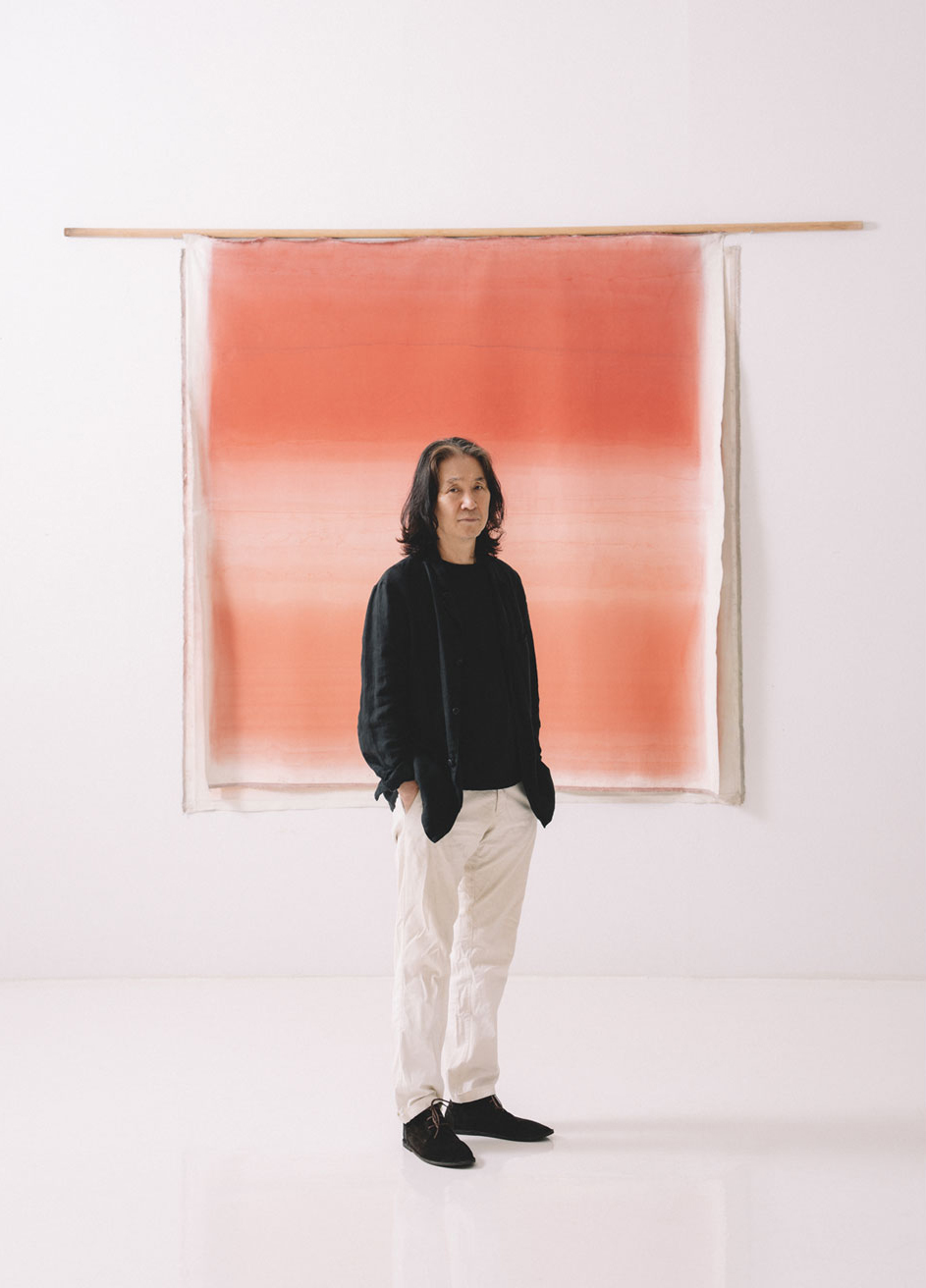
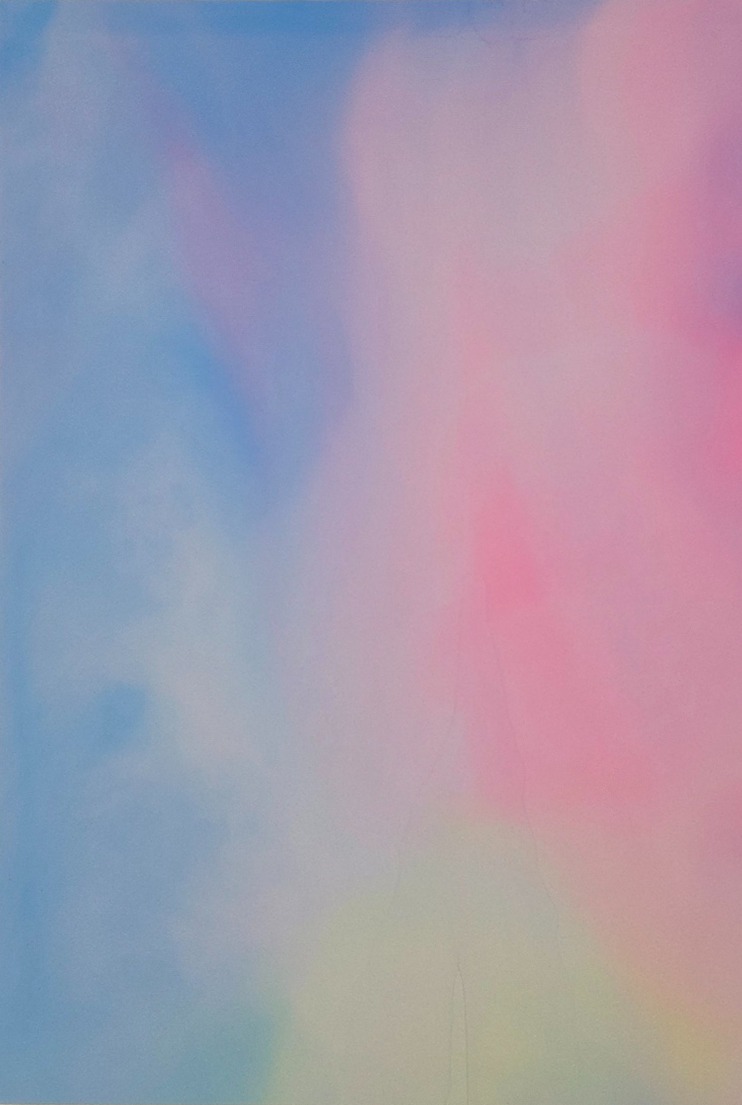
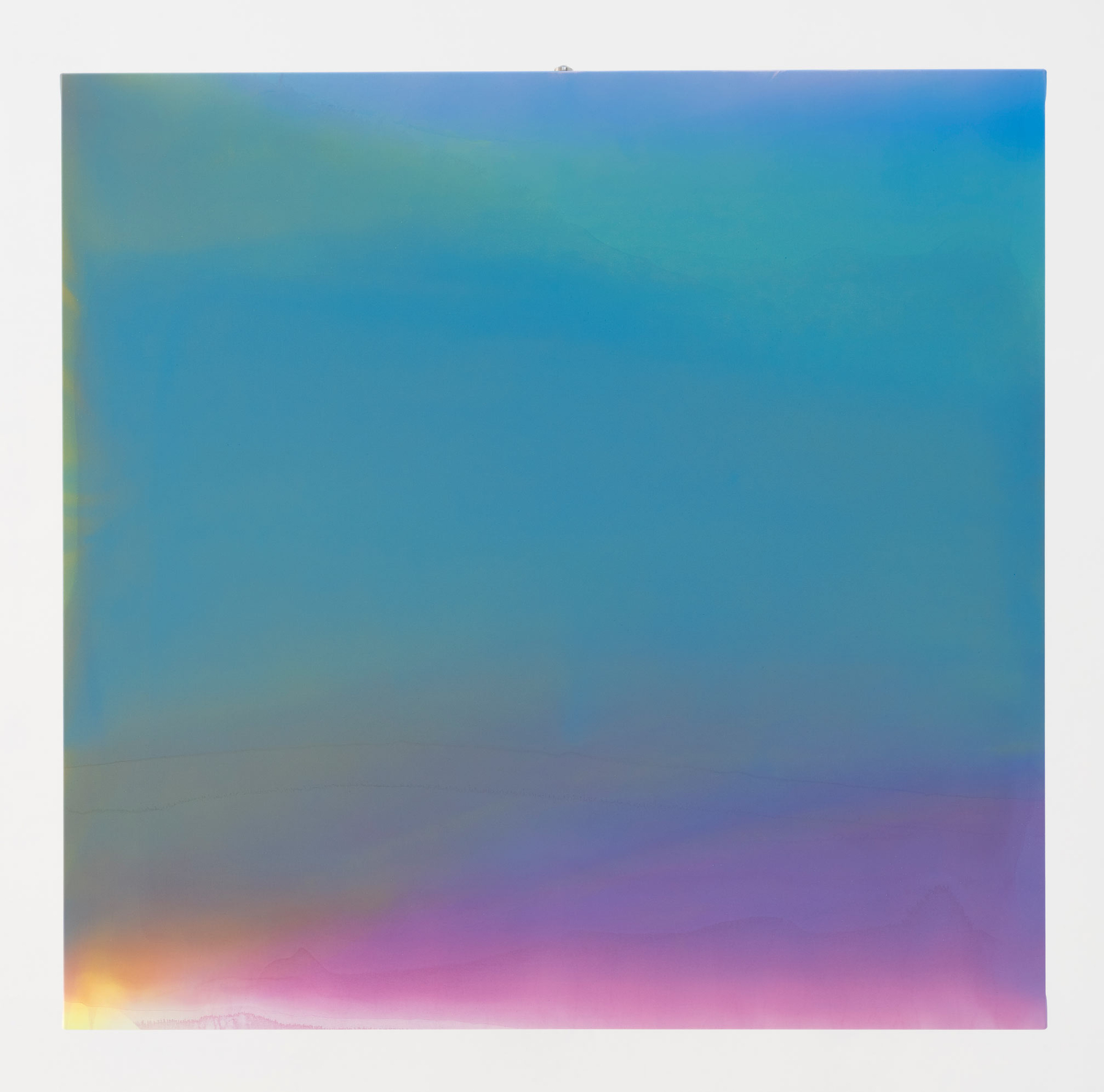
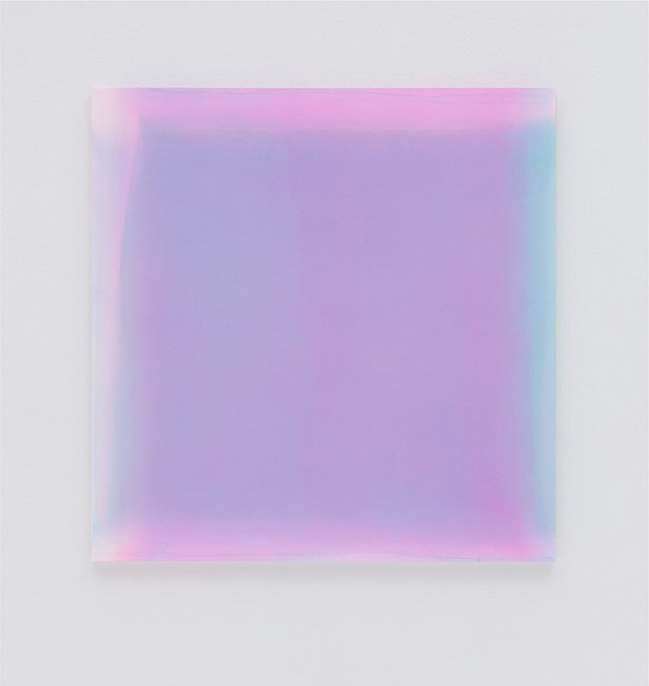
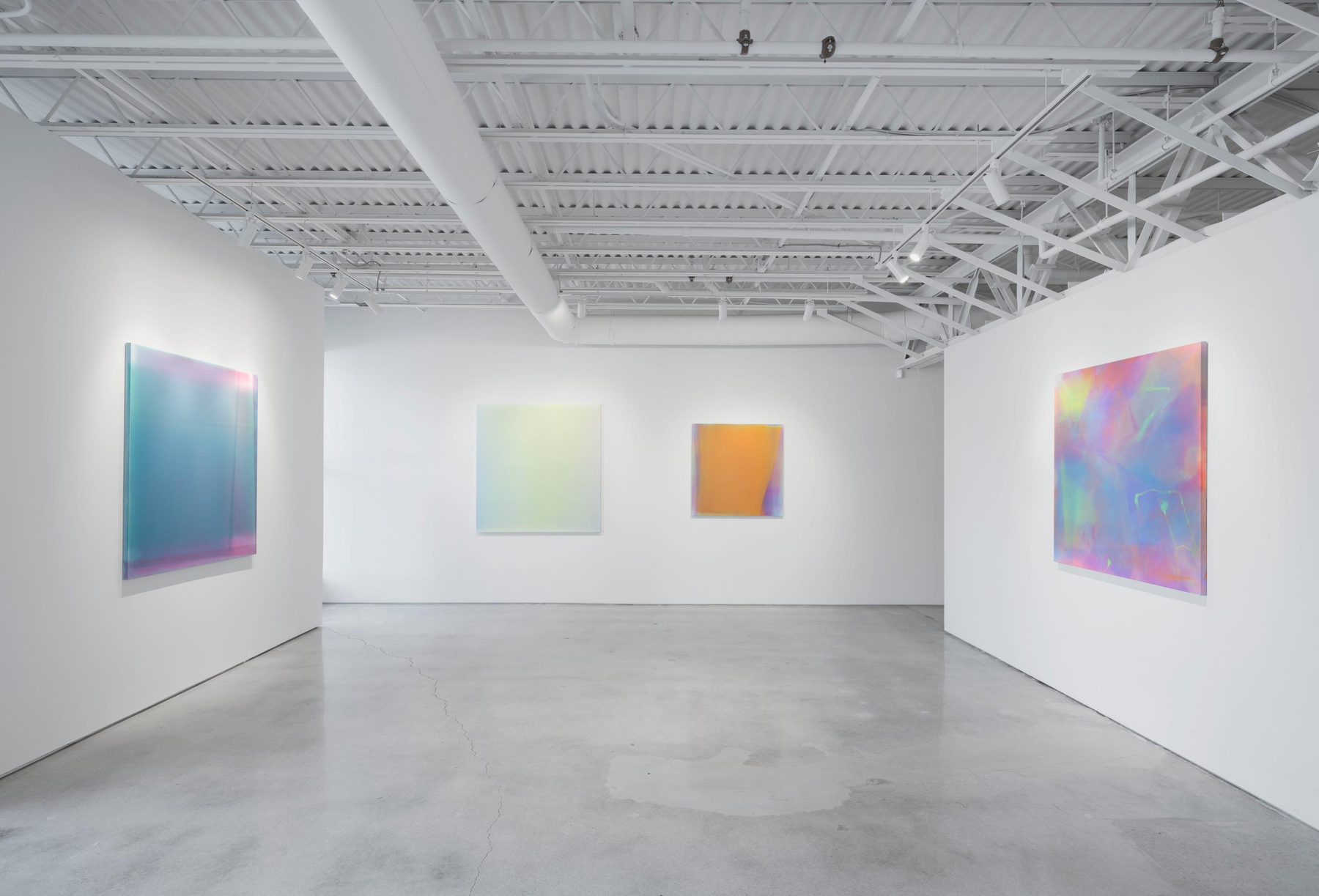
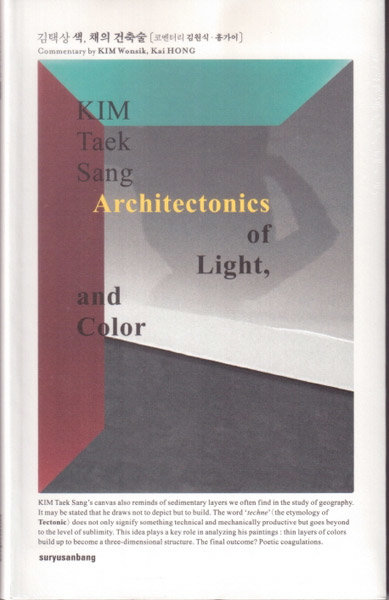
Kim Taek Sang (b. 1958) produces works that seem to contain all colors of nature. Like reflections on water, the interplay between pigment and water slowly dries within subtle flows across the canvas, absorbing light, wind, and time. Freedom discovered alongside healing invites meditation that is less conceptual and more open, less fixed and more layered.
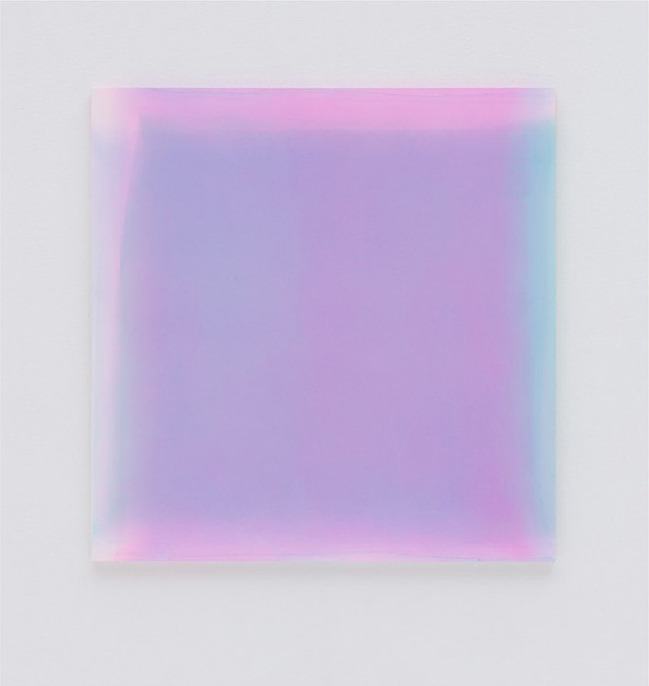
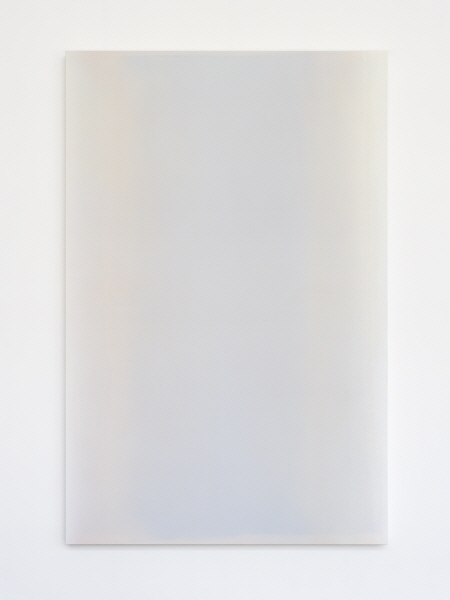
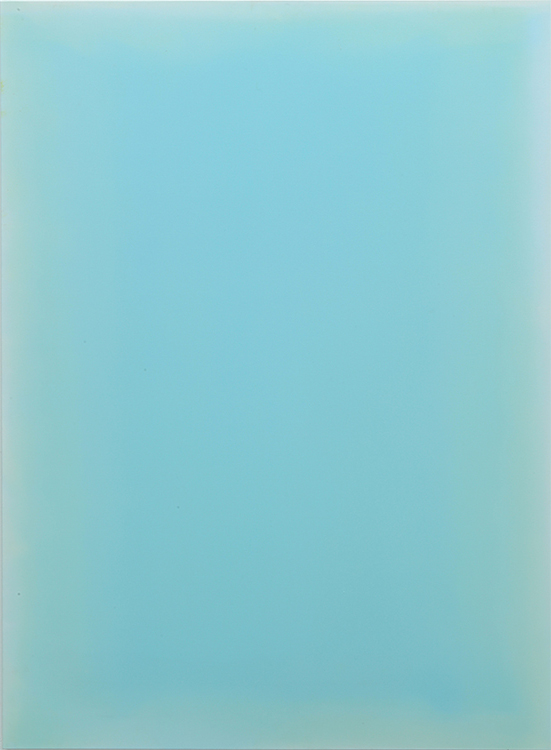
SeungTaik Jang (b. 1959) creates works resembling the skin of dignified painting. Prisms of light scattered across plexiglass, countless accumulations of painted layers, and colors formed through addition exist without discord. Time spent permeating, colliding, and responding to one another gently touches the depths of our perception through refined simplicity.
Through this exhibition, which poses profound questions about the depth of “layers,” we look forward to encountering the next generation of abstract artists representing Korea.