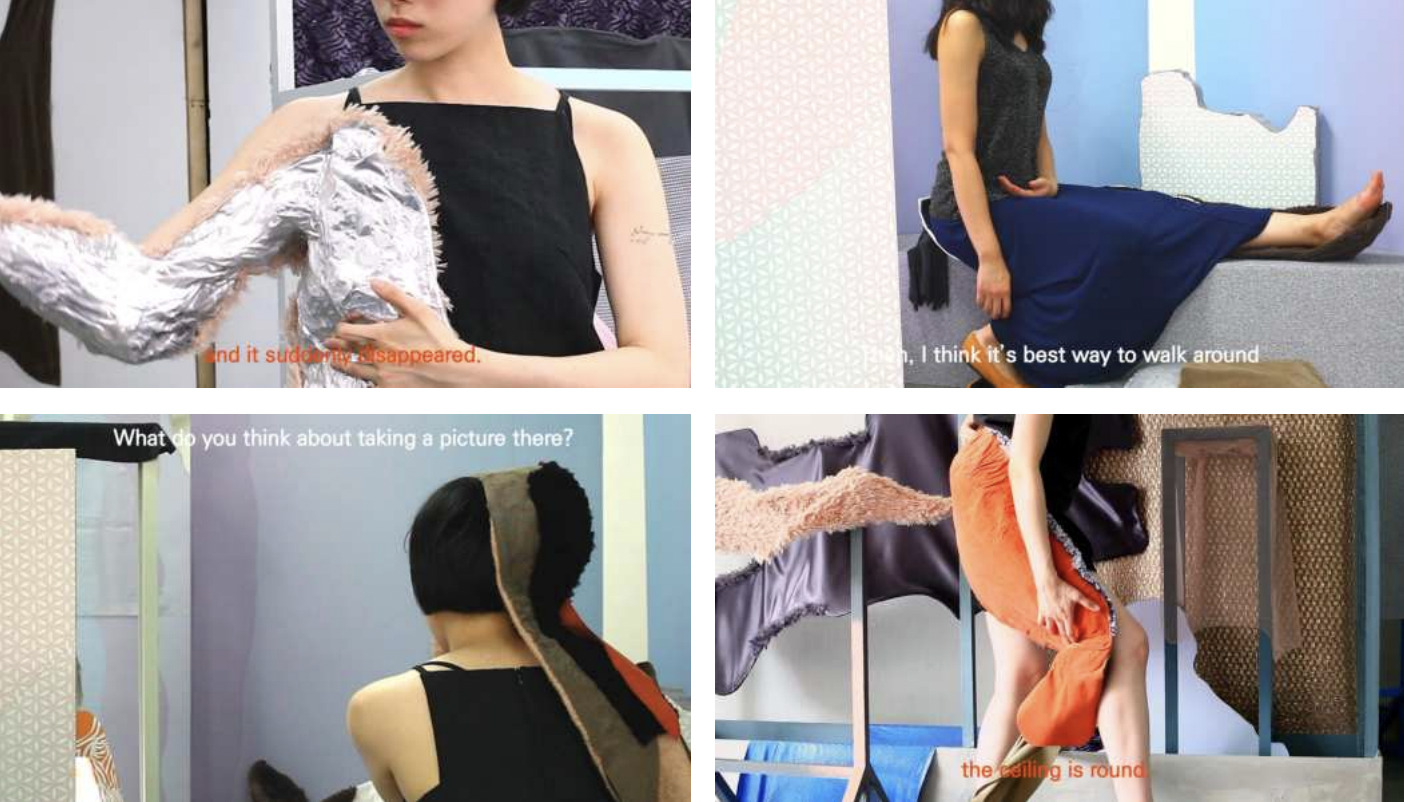
Today, discussions on disembodiment mediated by digital devices naturally connect to the “expansion of perception.” Terms such as virtual reality, quasi-presence, and disembodiment have become embedded in our lives. In a situation where experiments across media are diversifying and distinctions between genres are becoming increasingly meaningless, 《10 Pictures》 summons the traditional experience of moving the body rather than finger-scrolling, and the sense of presence. The planar media that are “typically” hung/placed here and now move beyond images that have enforced “seeing/being seen,” and guide viewers toward moments in which they capture and experience the multiple layers and depths implied by the image itself.
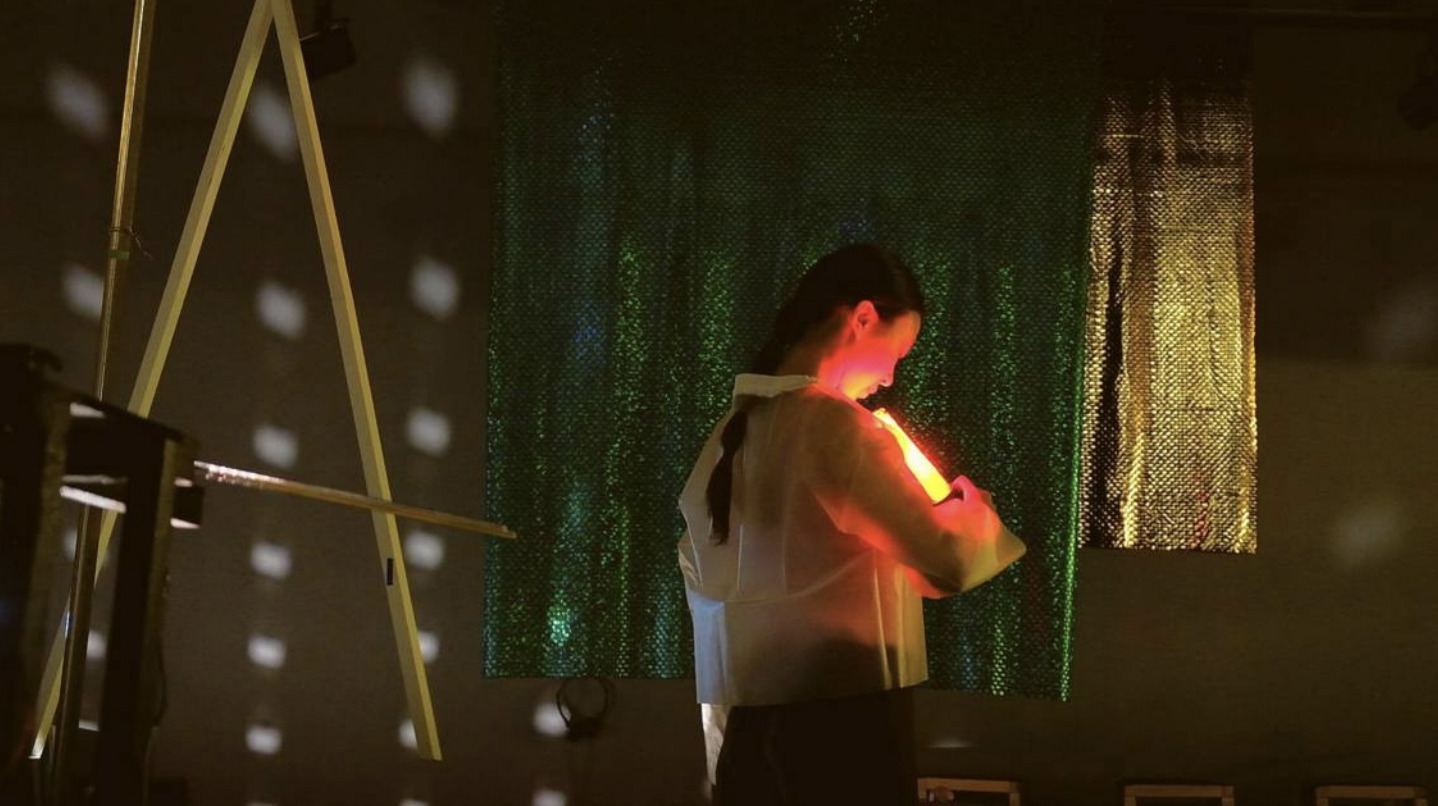
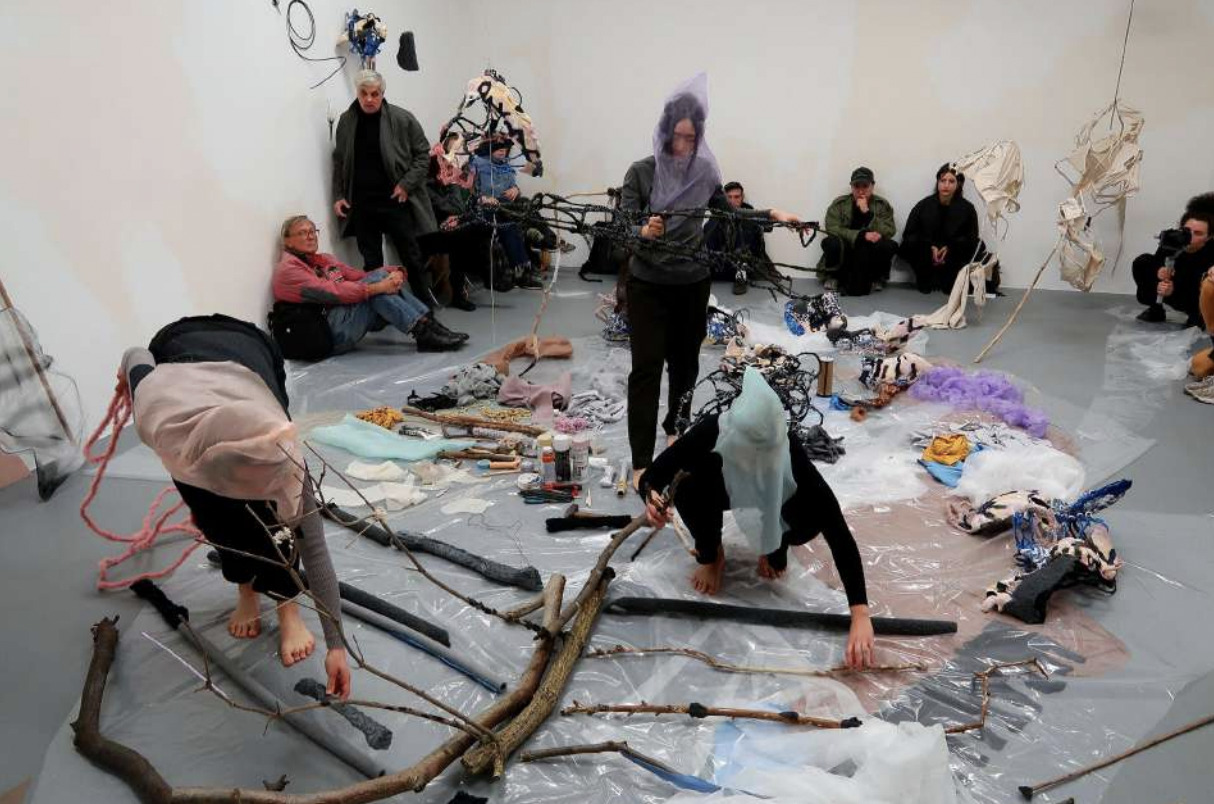
If we view these images not as complete in themselves, but as media that continuously shift through relationships with immaterial elements such as situation, time, light, and movement, if we view them as performative media drawn through the “movement of the hand” and read/shown through the “movement of the body,” then we can expand our understanding of images as media completed not through rational thought but through experience, perception, and embodiment.
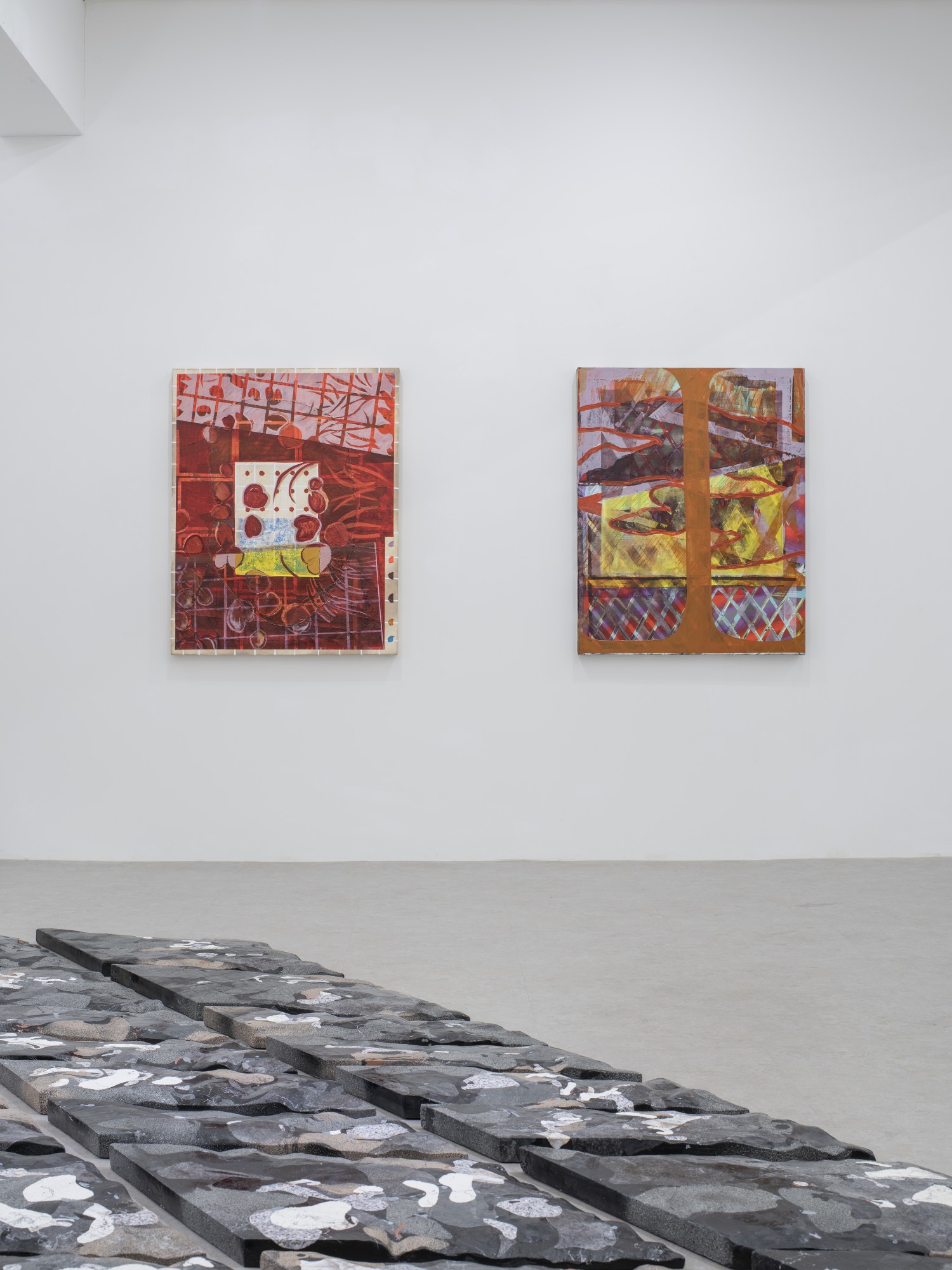
At the same time, while works that connect with immaterial elements as a way to overcome the limitations of flatness may propose a new visual field, there is also an ongoing movement that attempts expansion by generating multiple layers of depth within the flat surface itself. Attempts to create multiple layers within the surface allow the image to be viewed not as a fragmentary picture but as an architectural structure-space. Alongside multiple layers, another approach is the overlapping of multiple viewpoints.
The three-dimensional/deconstructed surface created by superimposing viewpoints that cannot be contained within a single frame allows images to be viewed as a pictorial structure-space in itself, moving beyond the conventional perspective of images as illusion or absolute flatness, while expanding the possibilities of reading images.
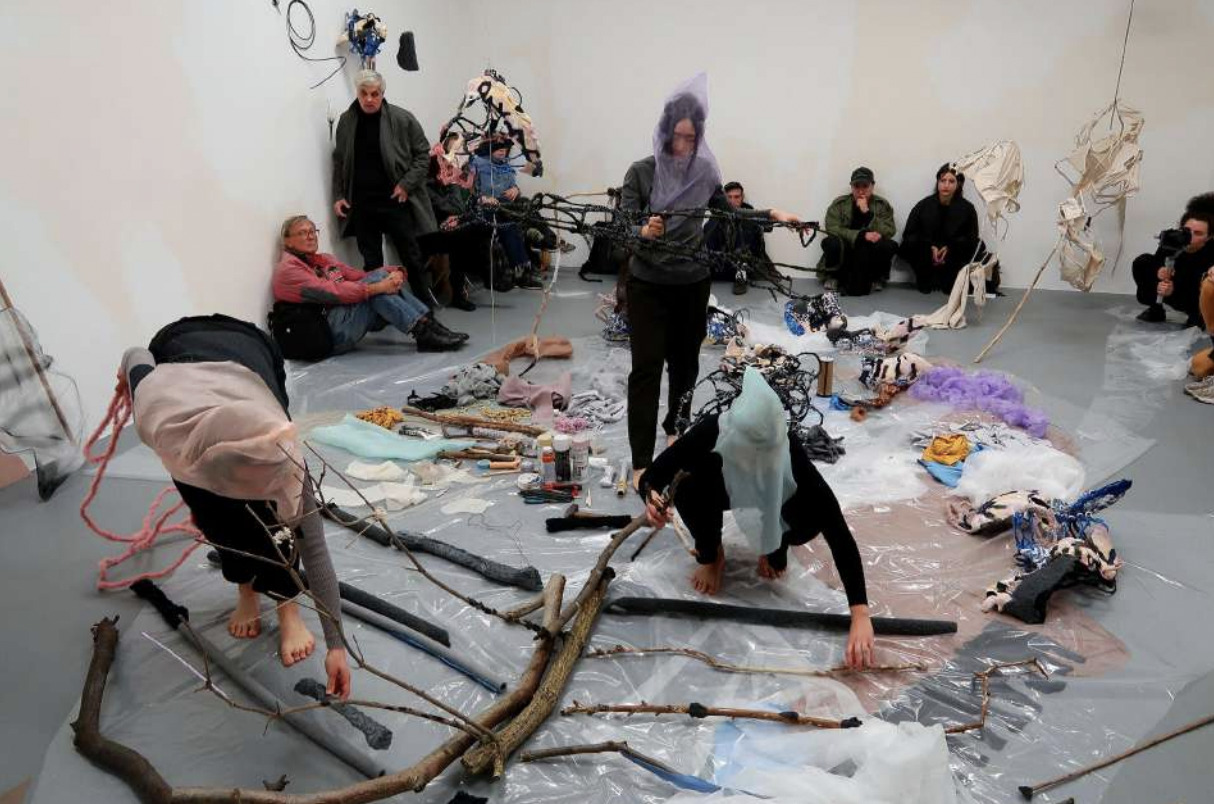
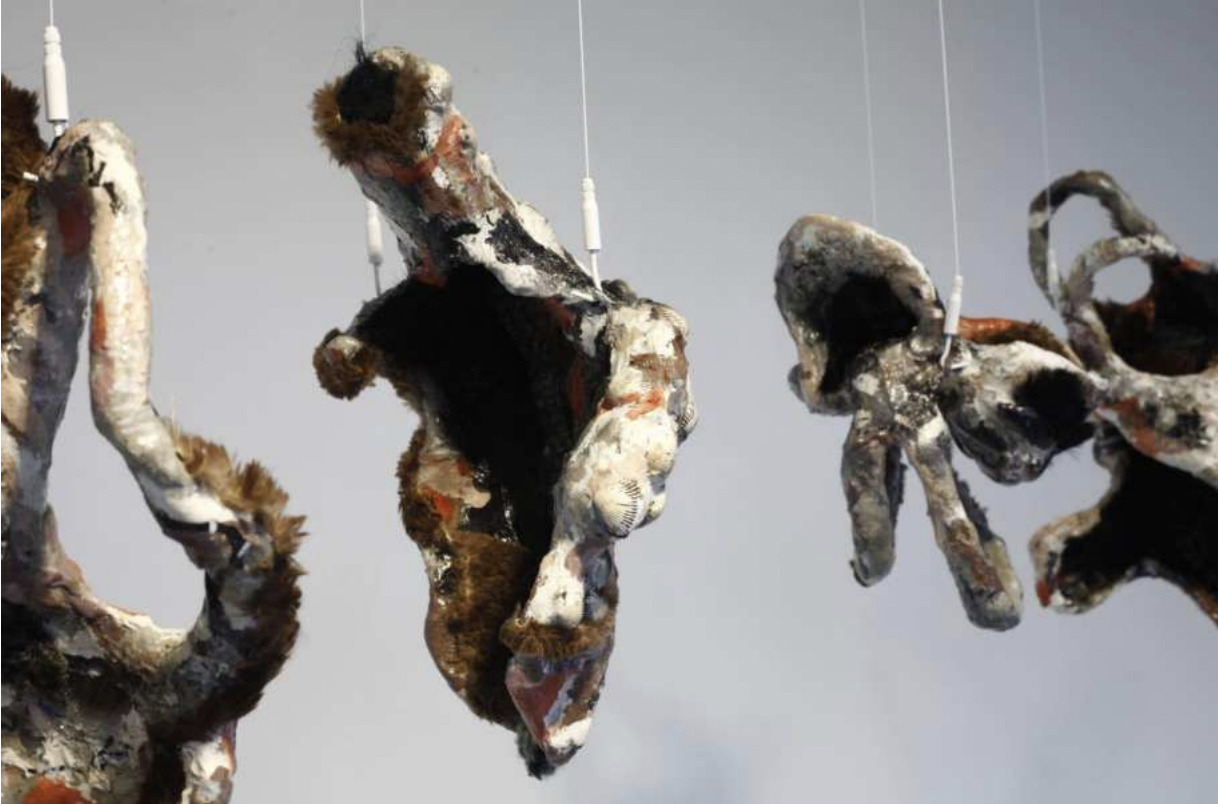
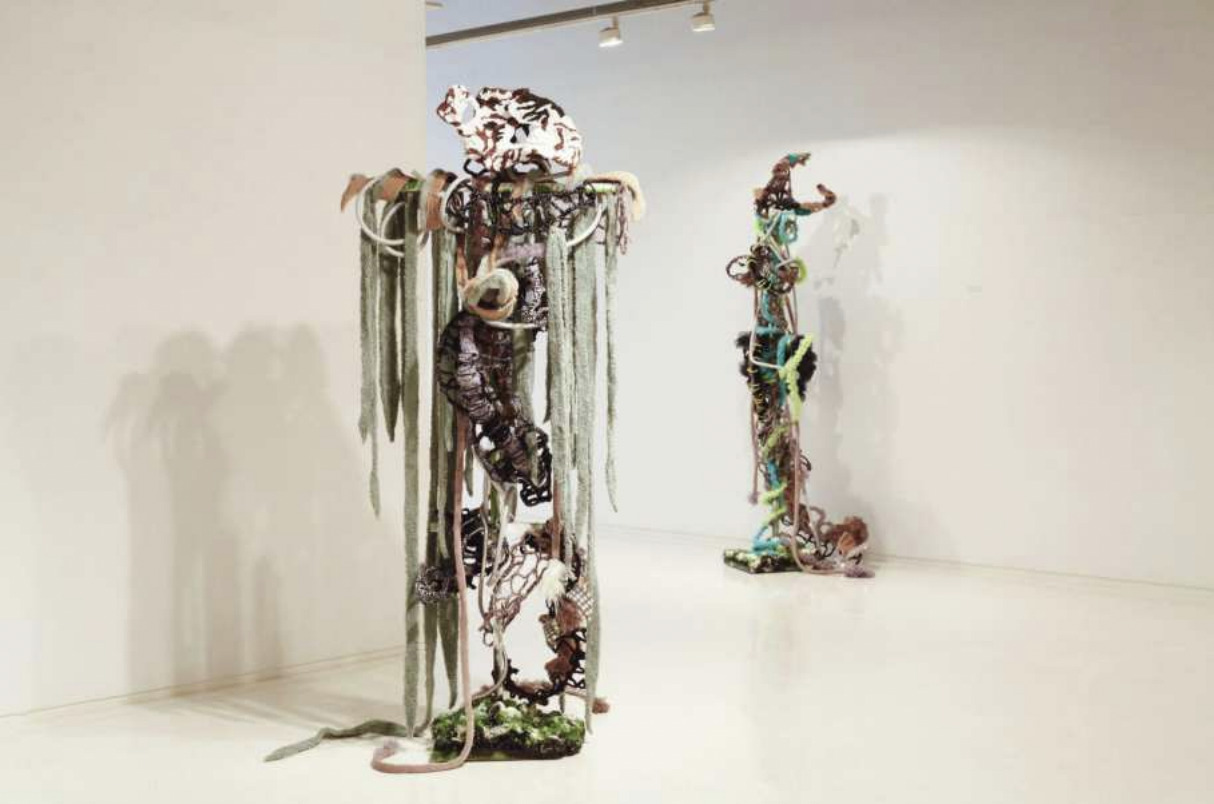
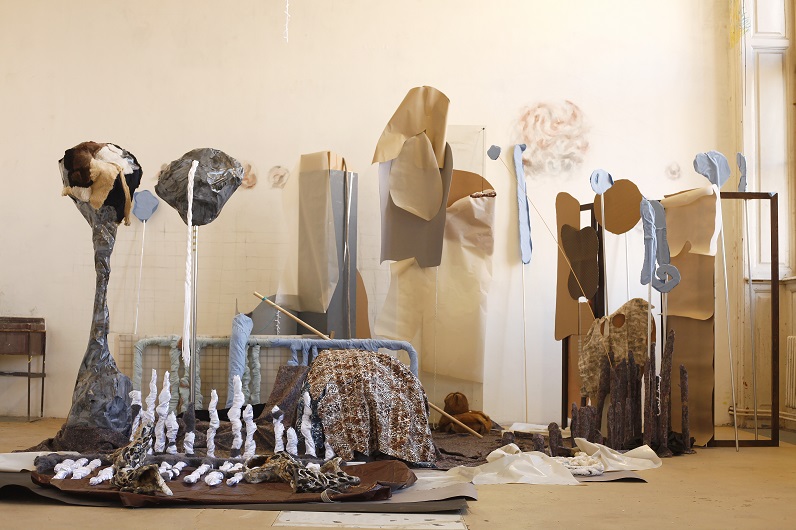
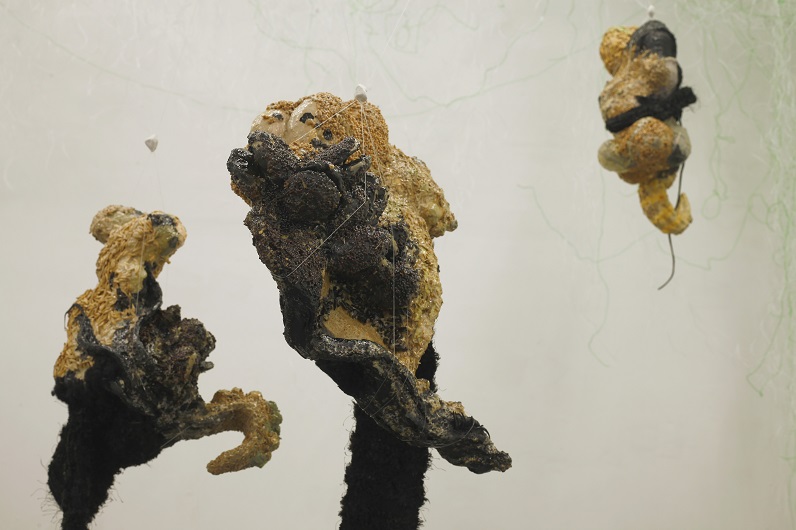
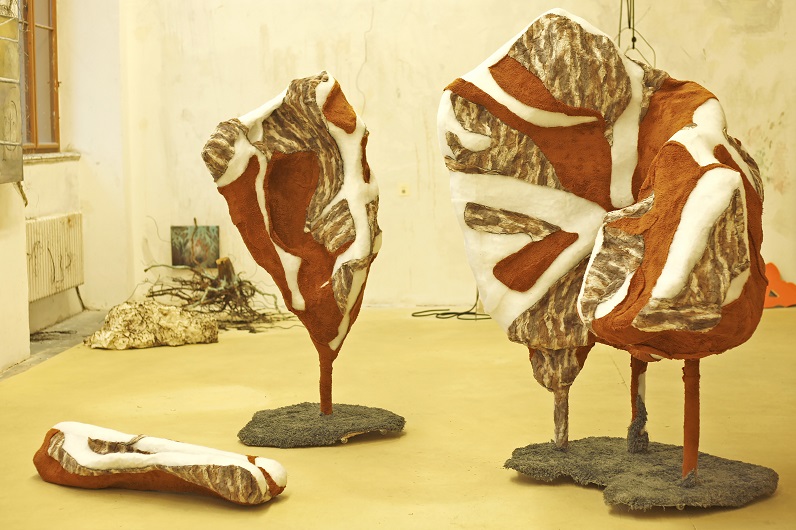
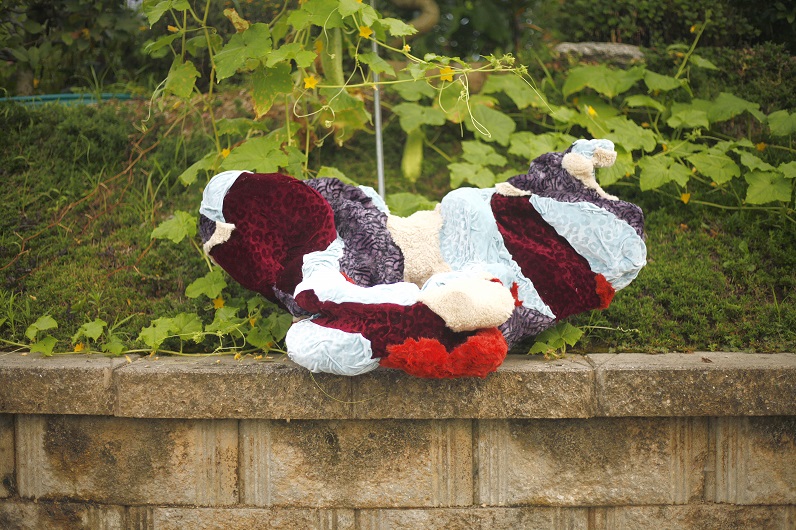
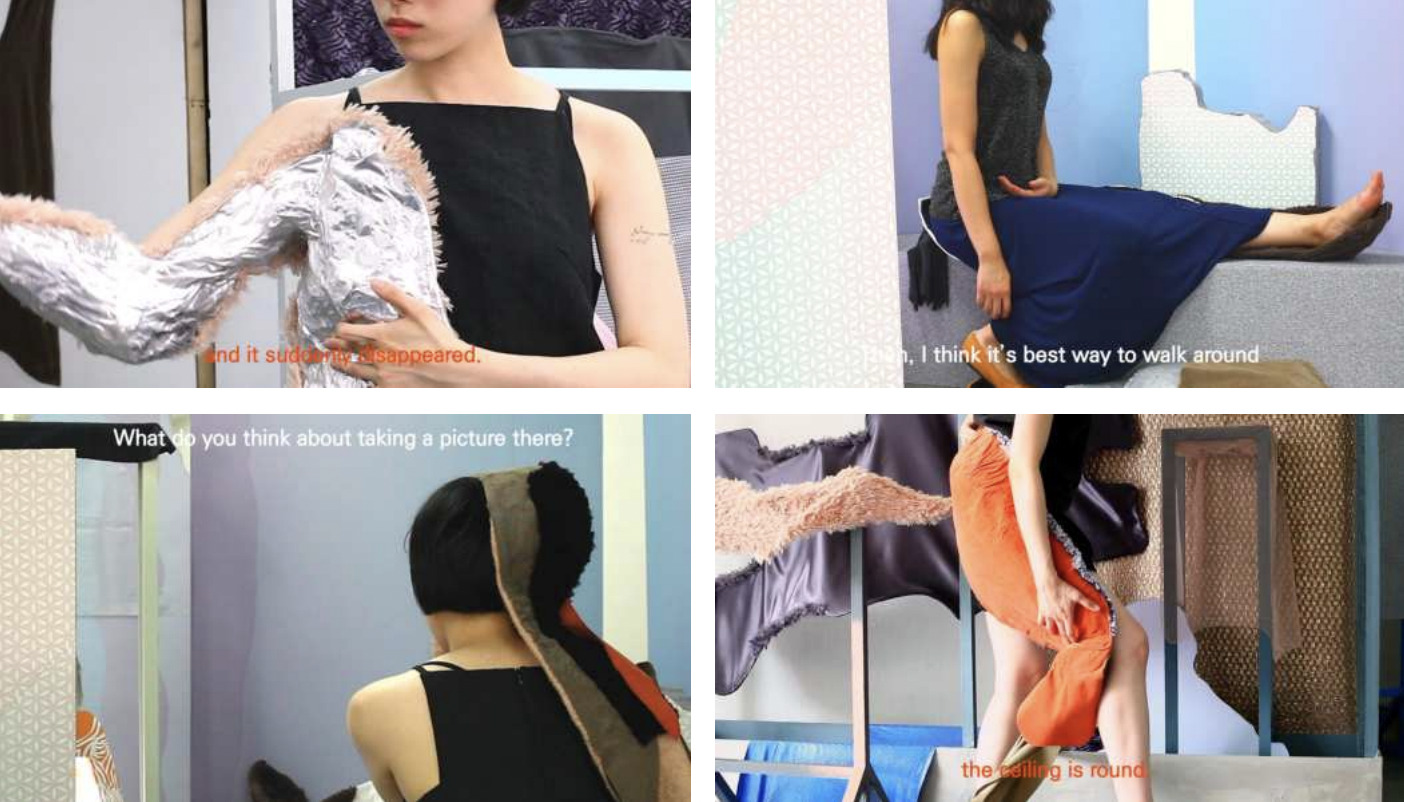
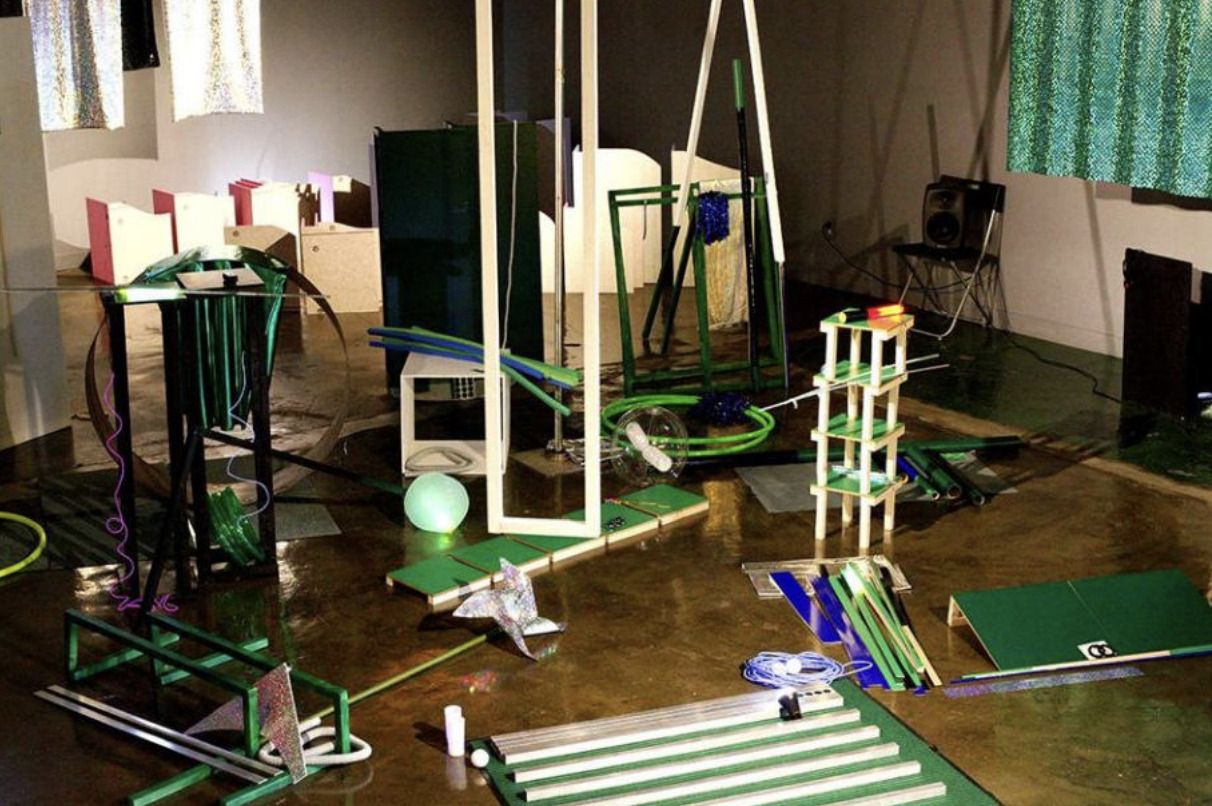
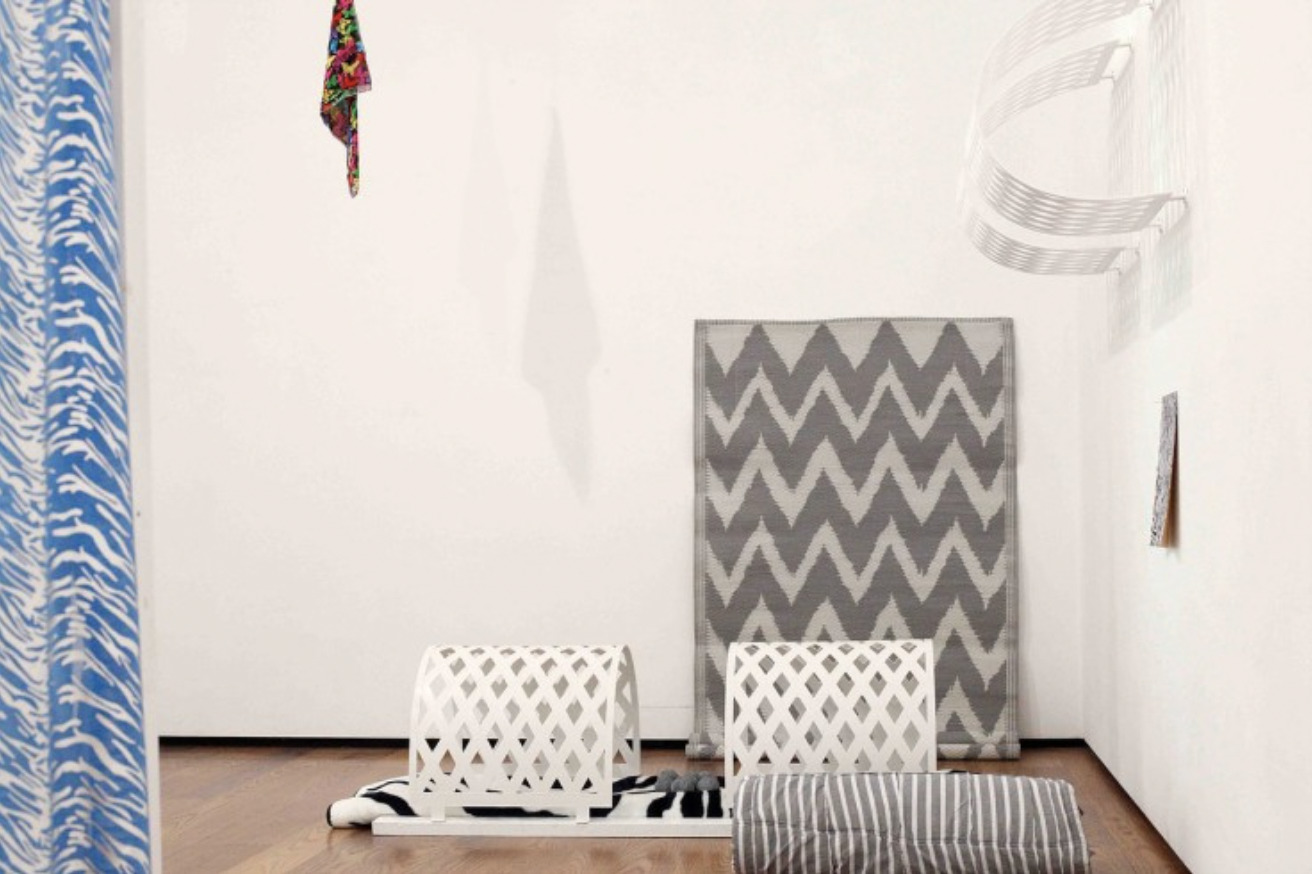
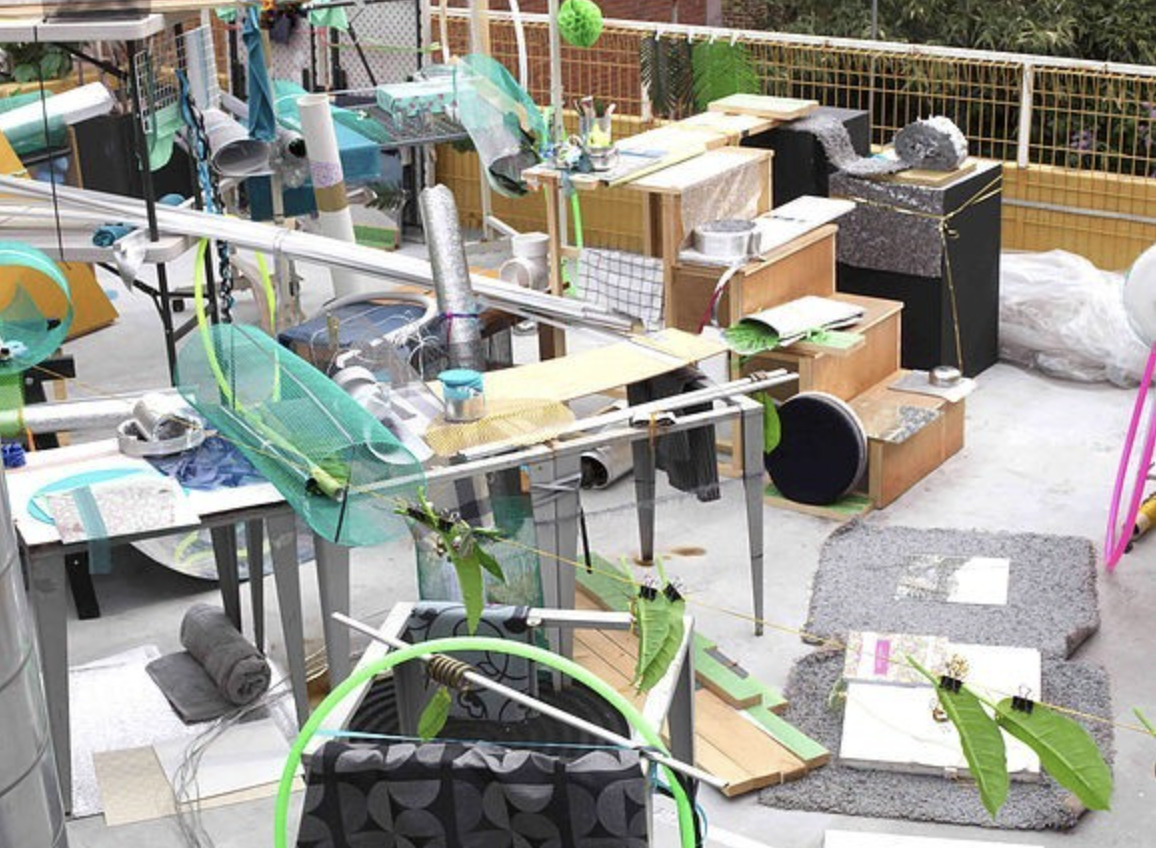
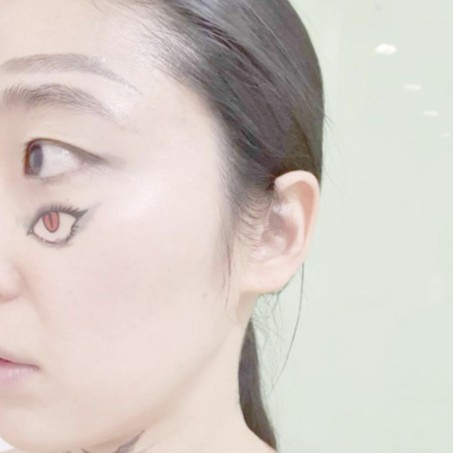
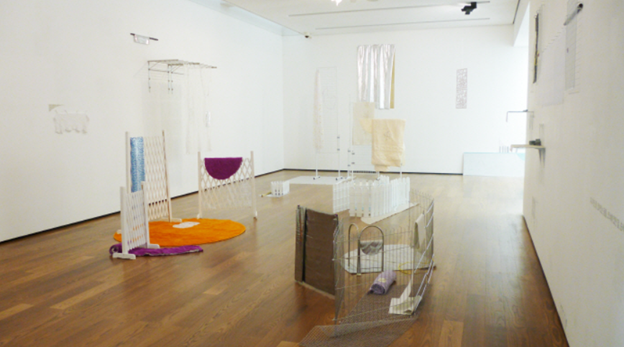
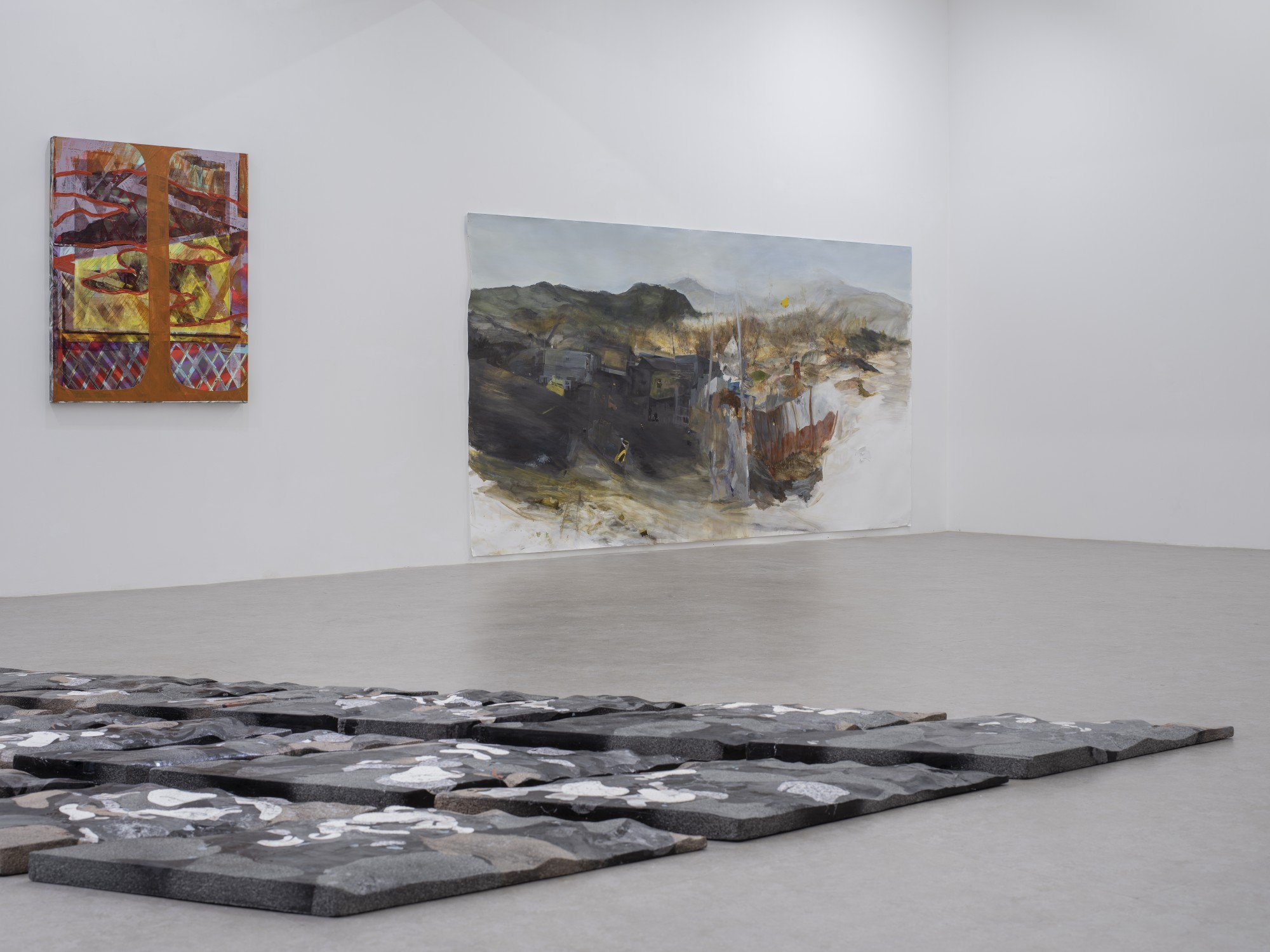
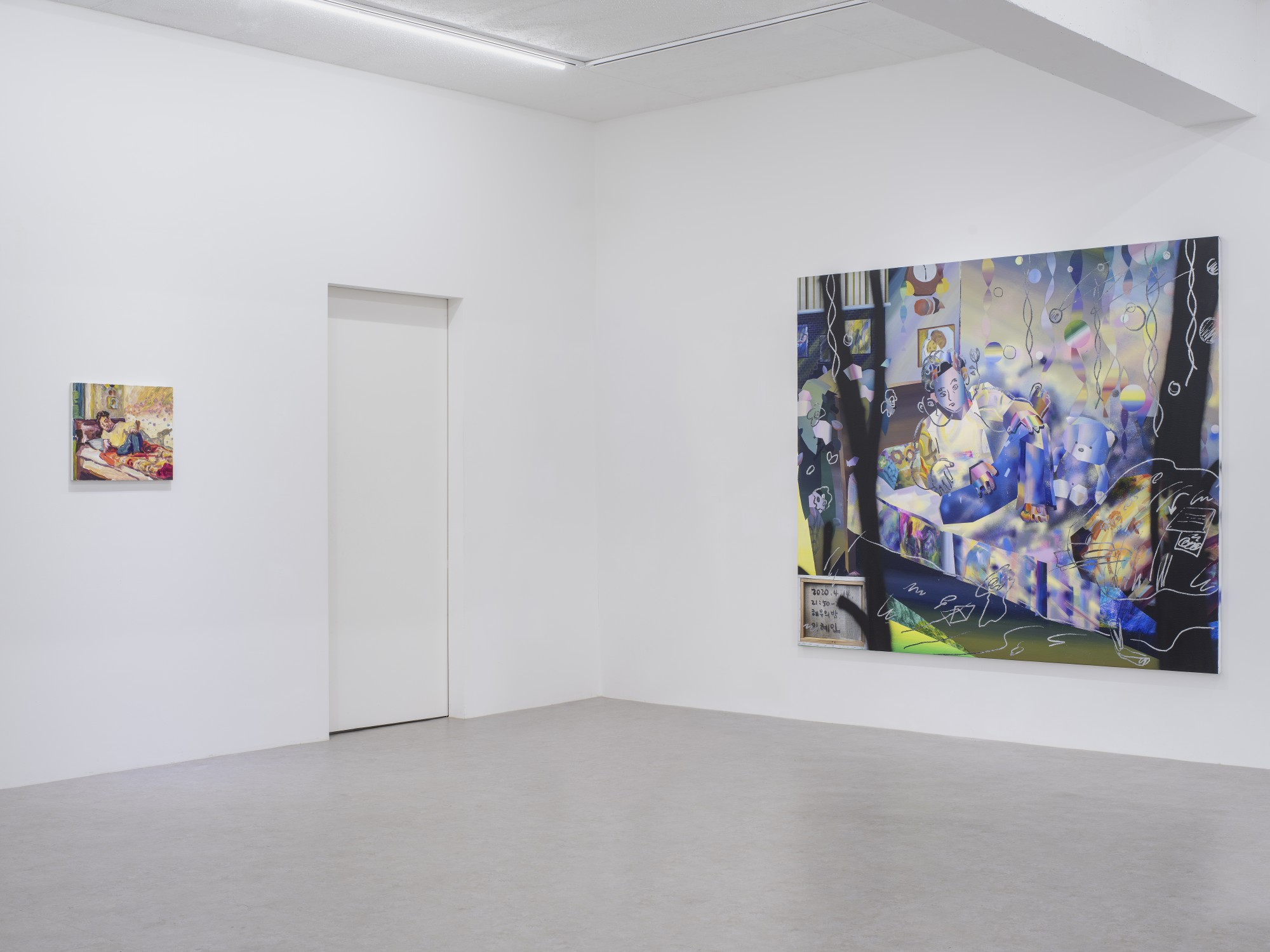
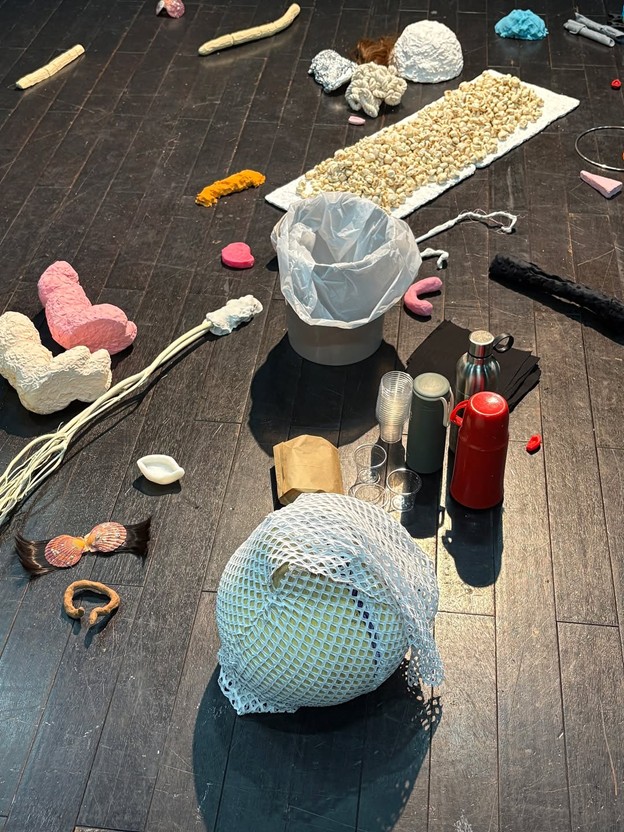
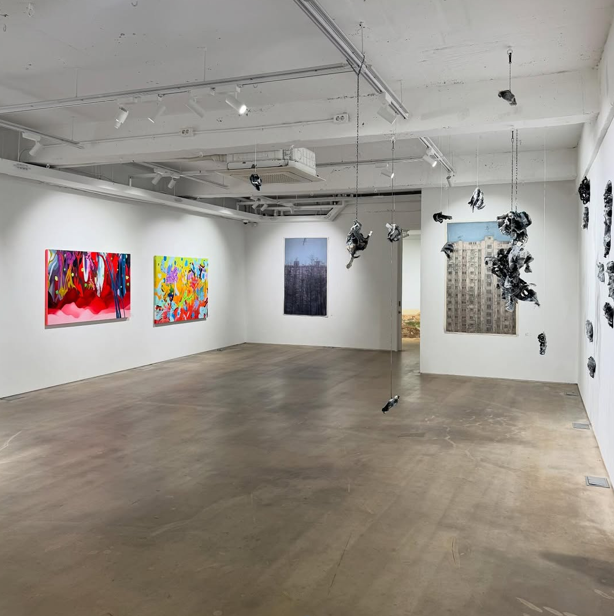
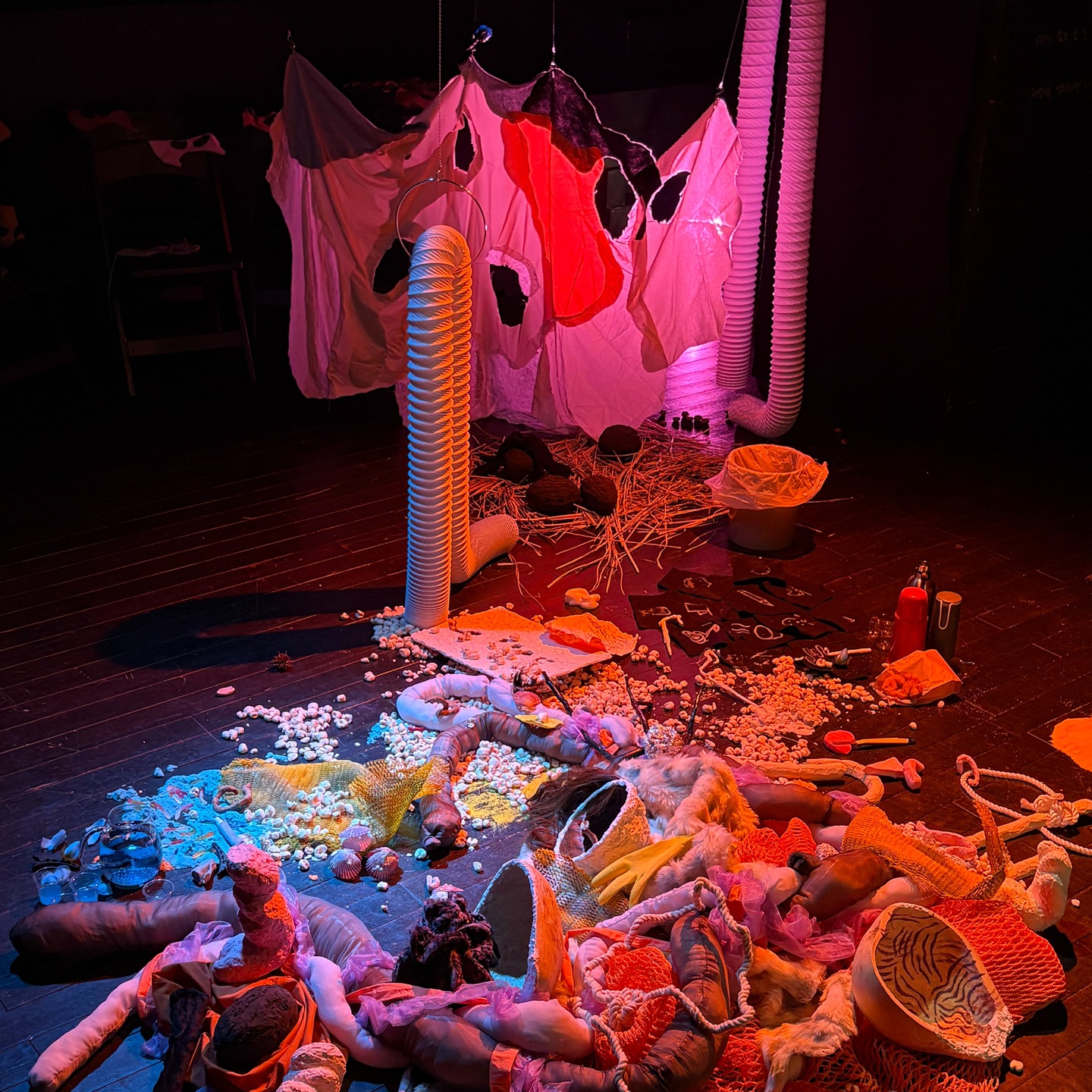
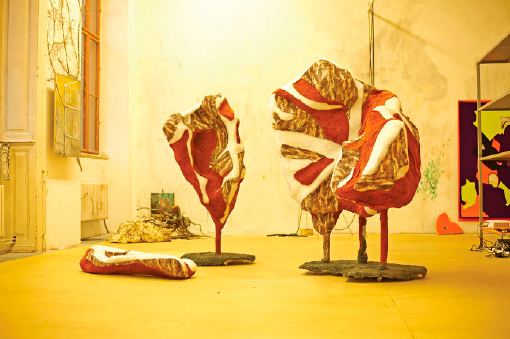
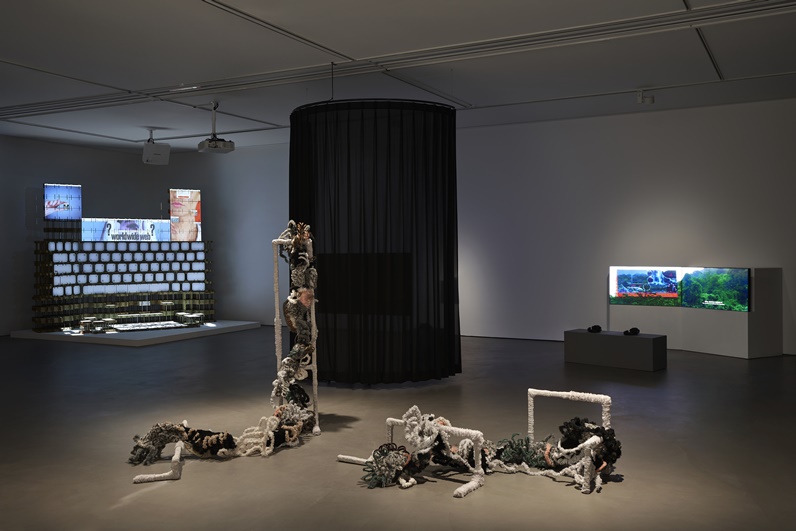
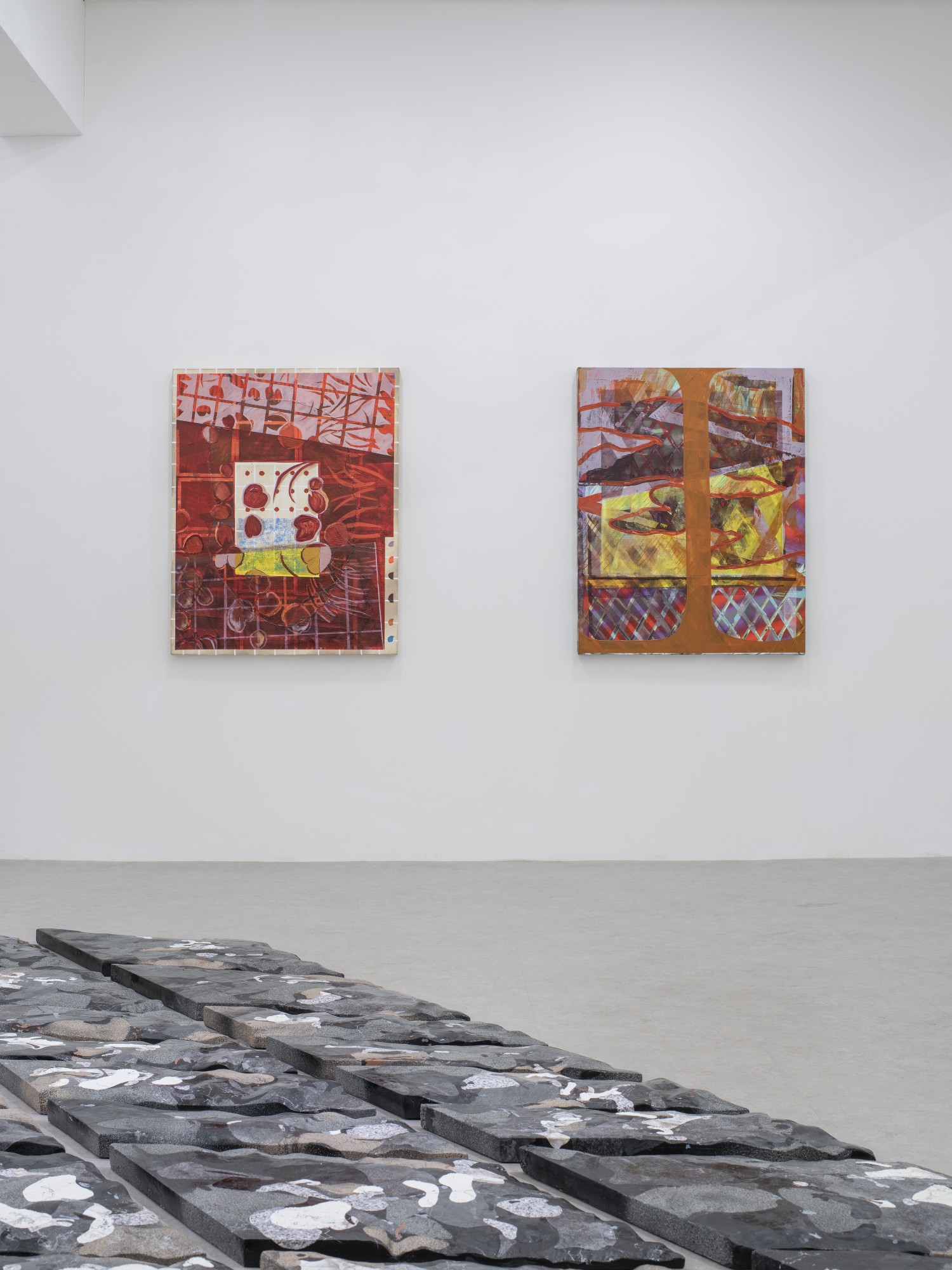
Starting from an attempt to understand the other and implementing multiple perspectives within a single image is Lee Hyein; Jeong Haslin attempts to create the internal structure of painting through layers built from the most fundamental elements of form; Park Sejin explores spatiality created by brushstrokes within the flat surface, temporality created by light reflected upon it, and visuality from different angles through layered representation; and Lim Jeong Soo mediates the realization and intervention of movement through image-objects that exclude concreteness. The space created by these artists will serve as an expanded field of images and another proposal regarding contemporary media and interpretation.
This exhibition expects that the ten images by four artists will be read as different works and exhibitions depending on each viewer’s perspective and experience. Through this, it aims to view images no longer as complete media, but as performative media that imply future temporality. If this is a stage without seats, would it not be best to move freely and view the images from the place that feels most comfortable? If observing and looking at the world was the beginning of images, then images are still, in some way and by some means, moving forward.
[1] Reference: National Institute of Korean Language Standard Korean Dictionary. https://stdict.korean.go.kr/search/searchResult.do?pageSize=10&searchKeyword=그림.
[2] Douglas Crimp curated «Pictures» (1977) and published an essay of the same name (1979), calling for changes in the issues of media, image production, and the roles of artists and viewers in the late 1970s. Through this, he proposed “picture” as a concept capable of encompassing new media at the time, such as performance and video.