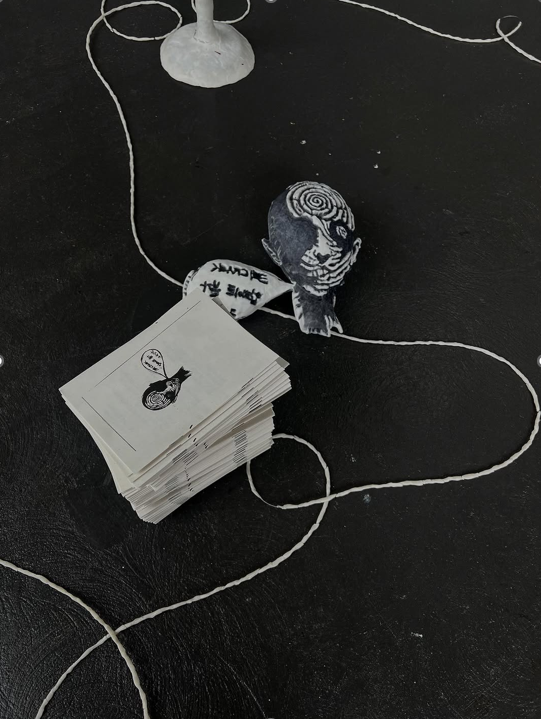
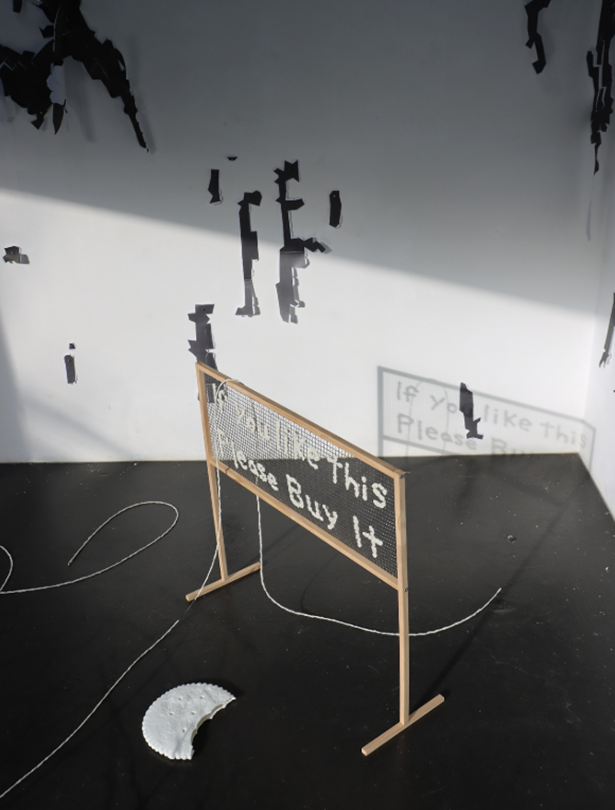
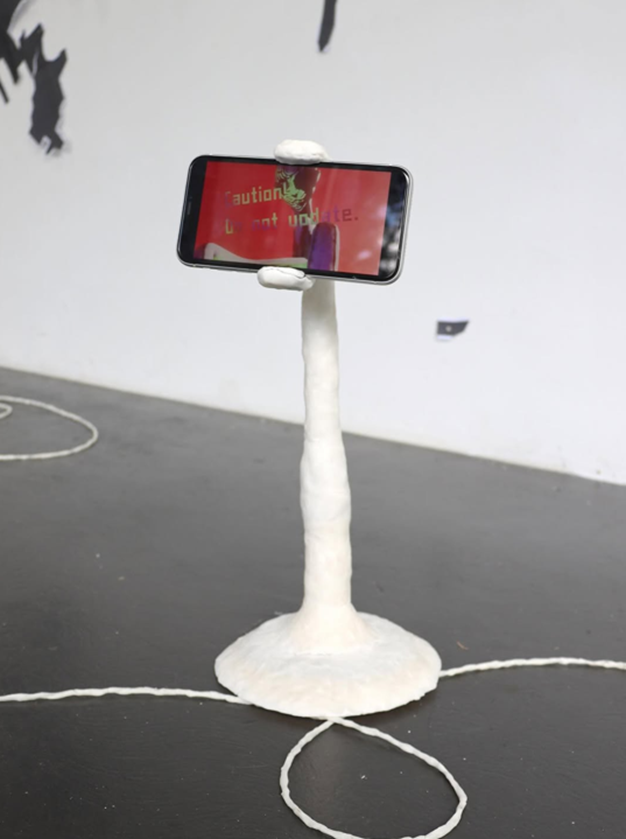
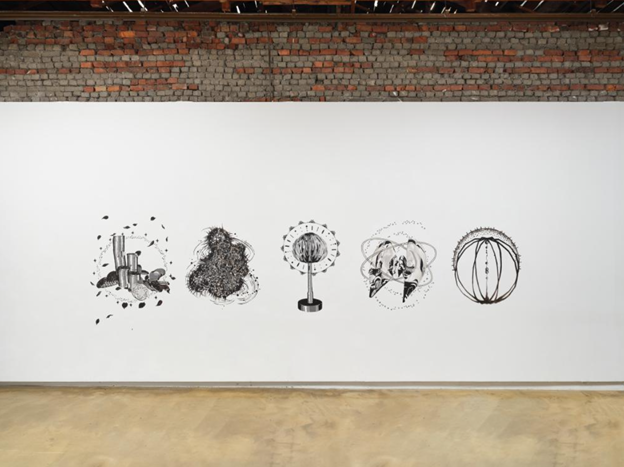
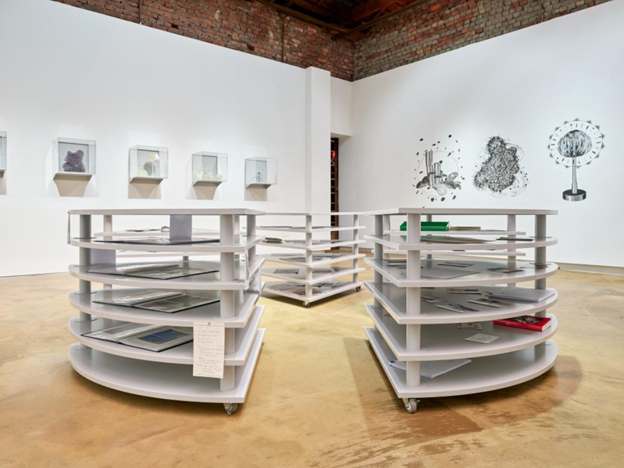
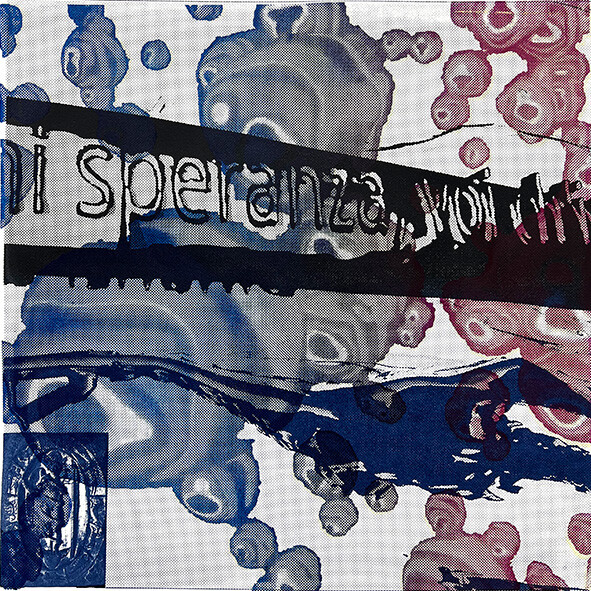
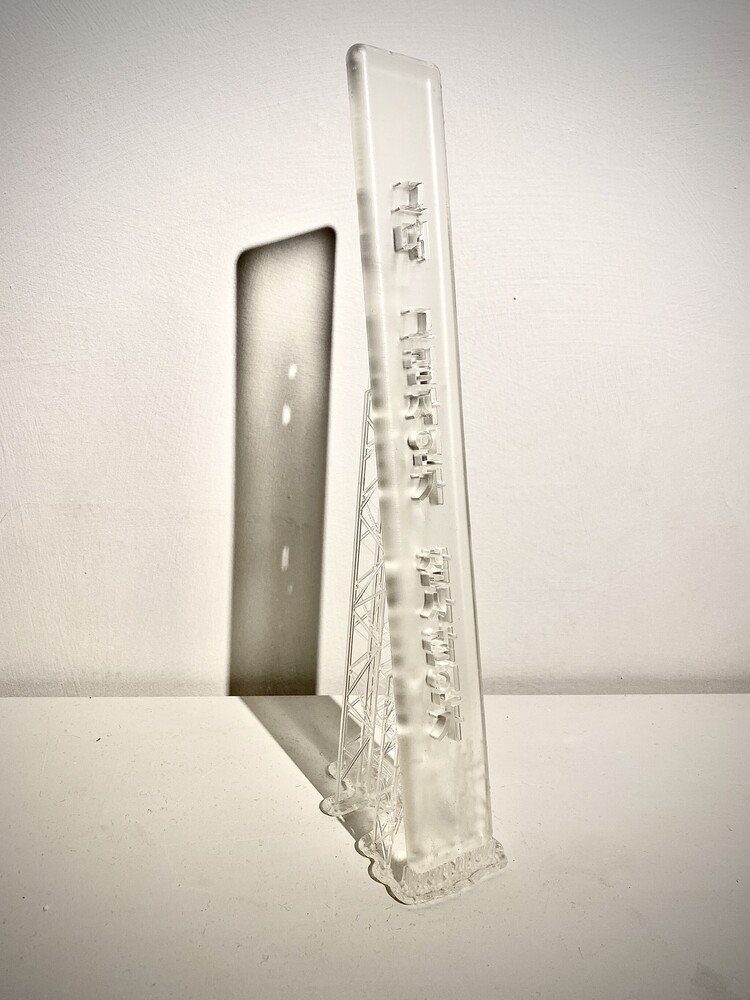
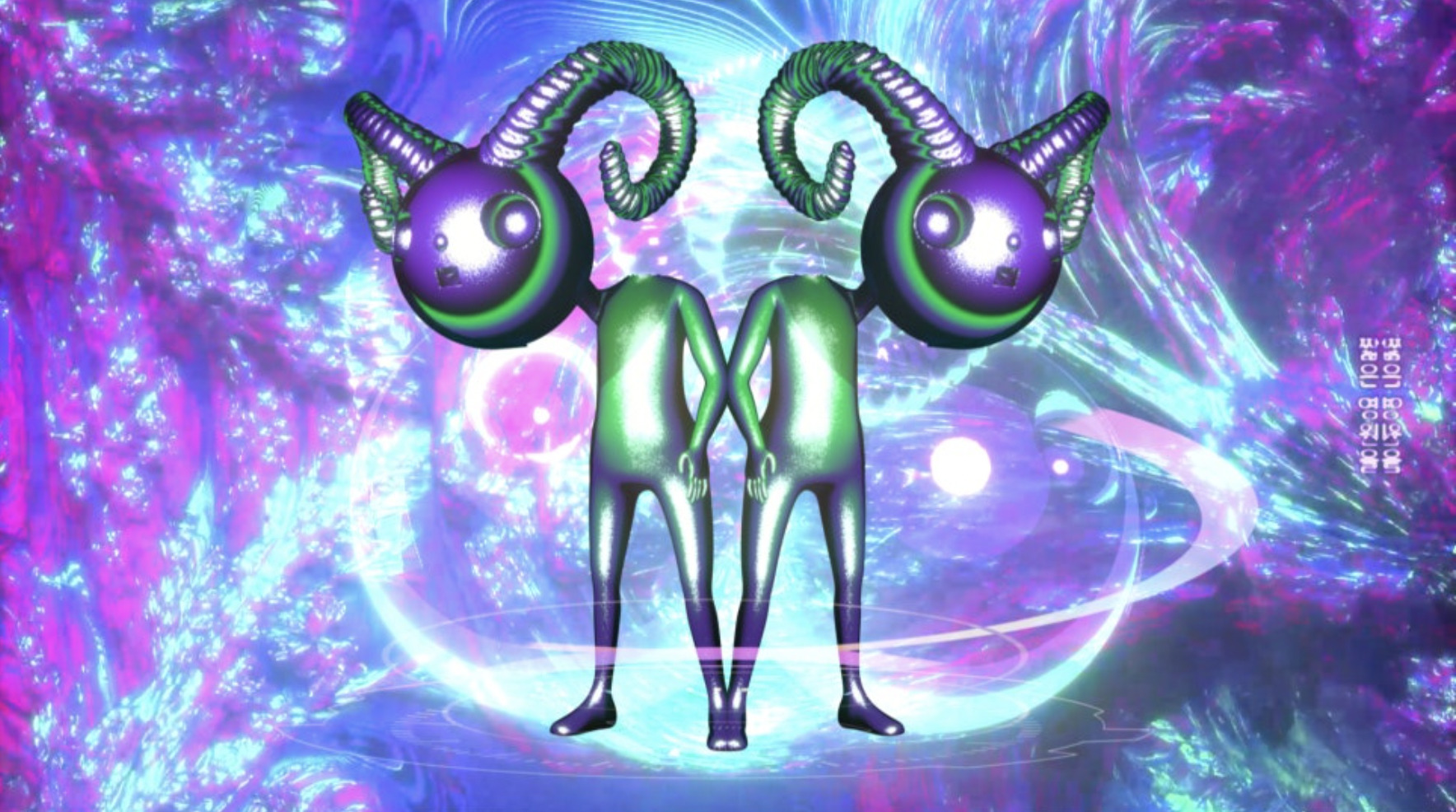
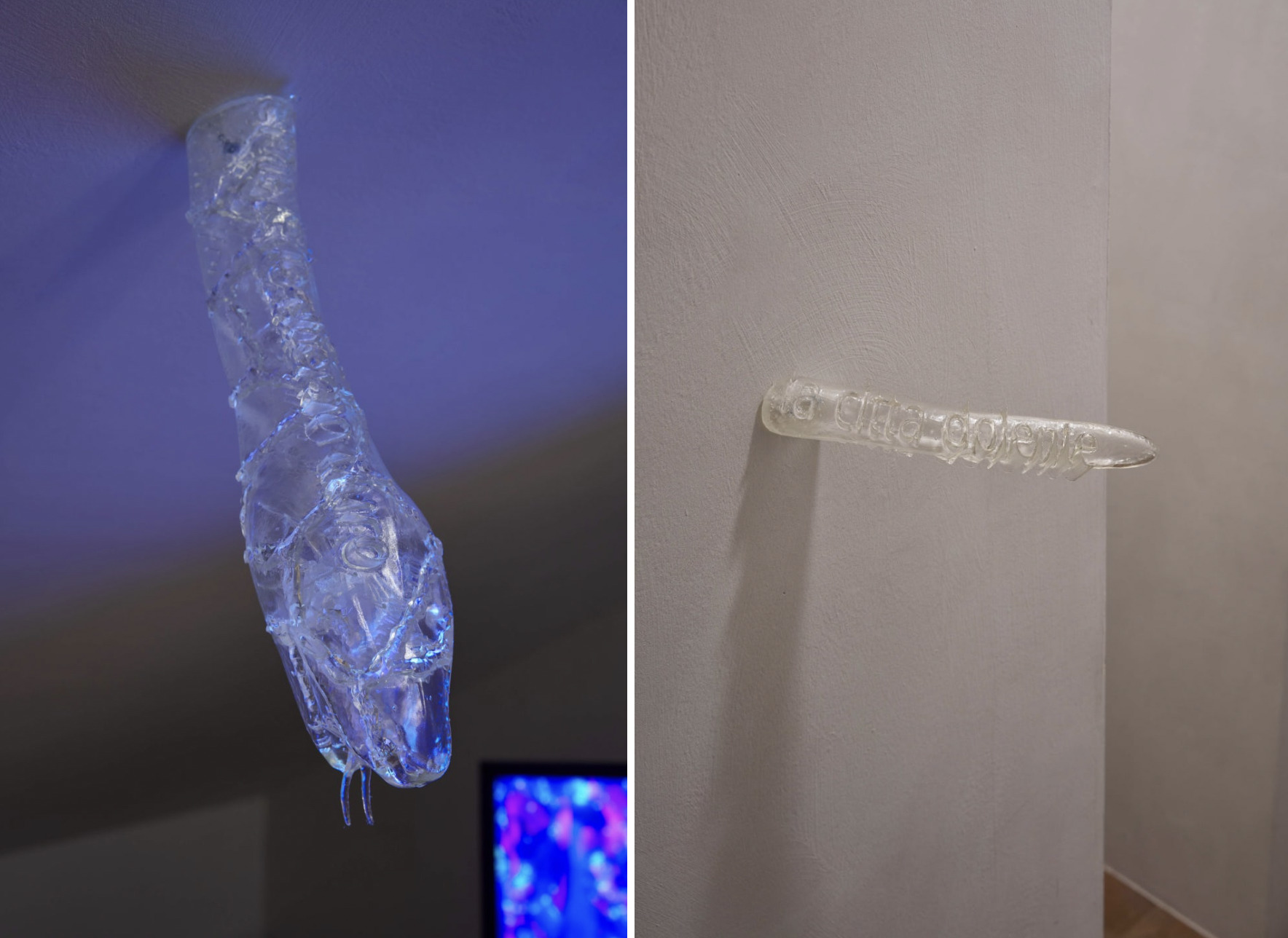
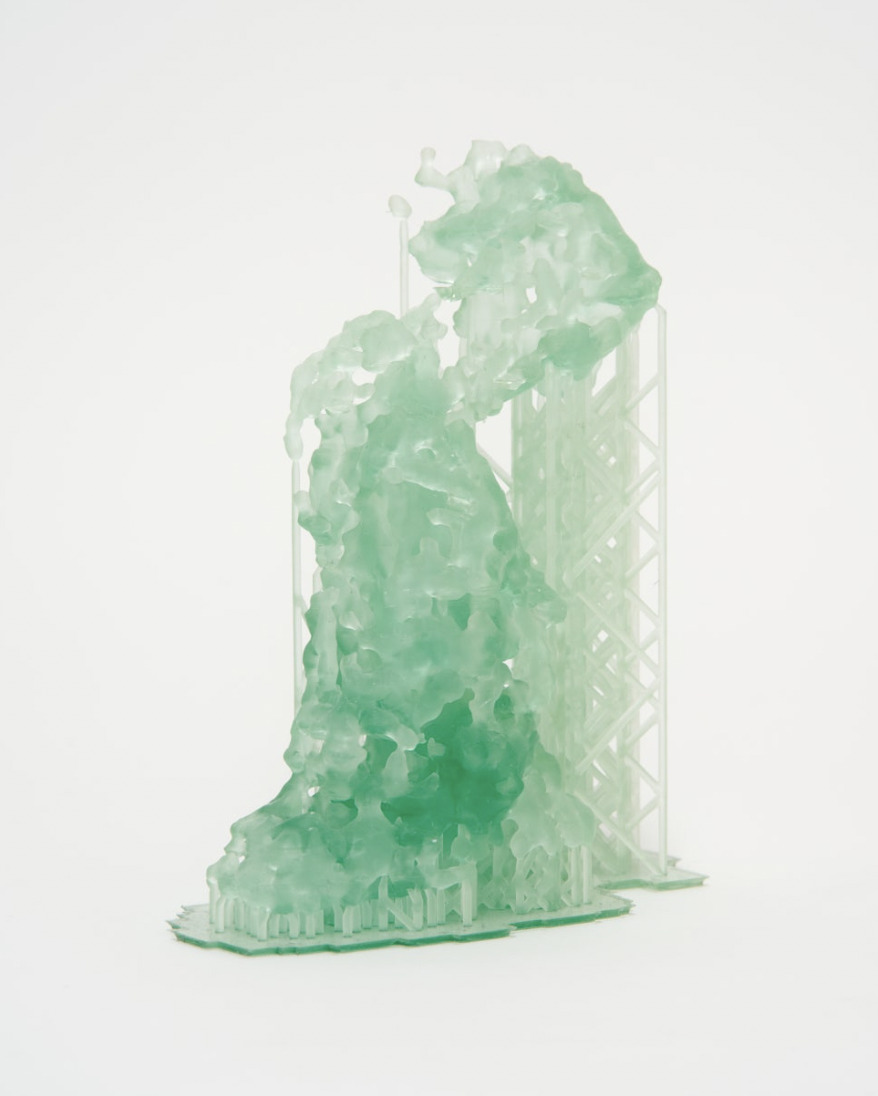
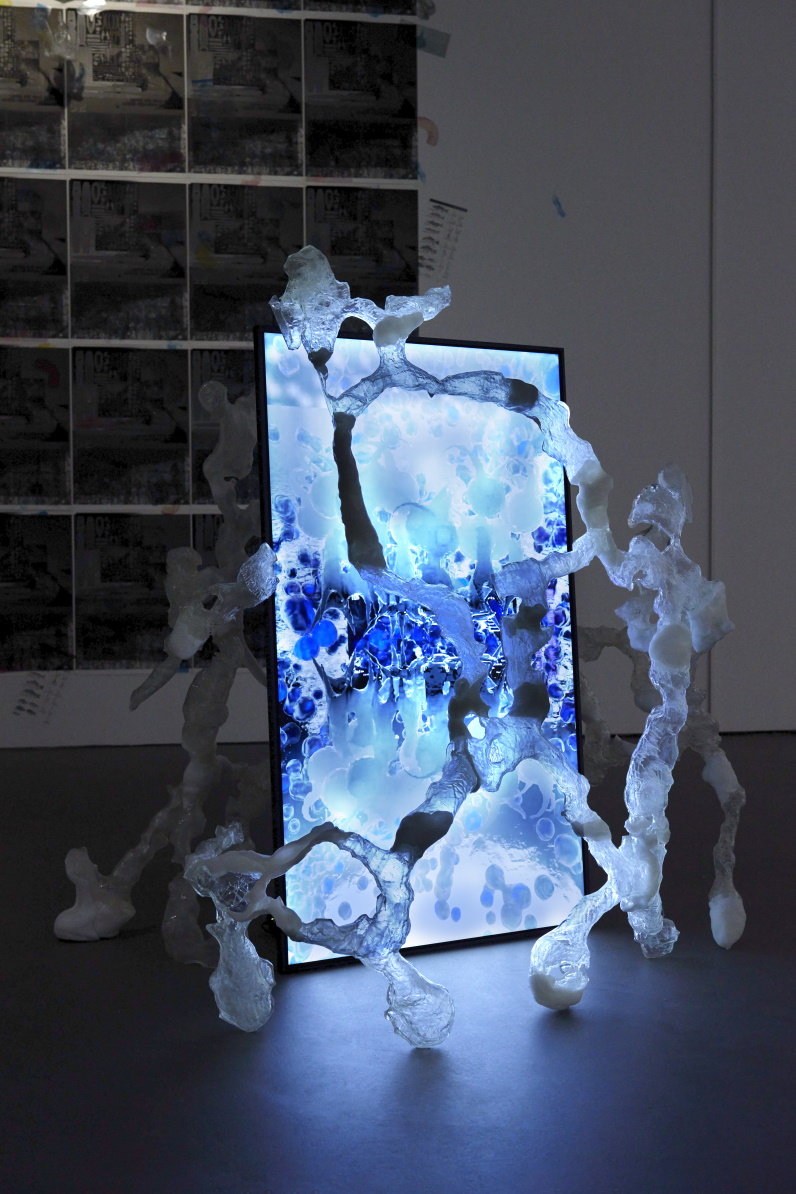
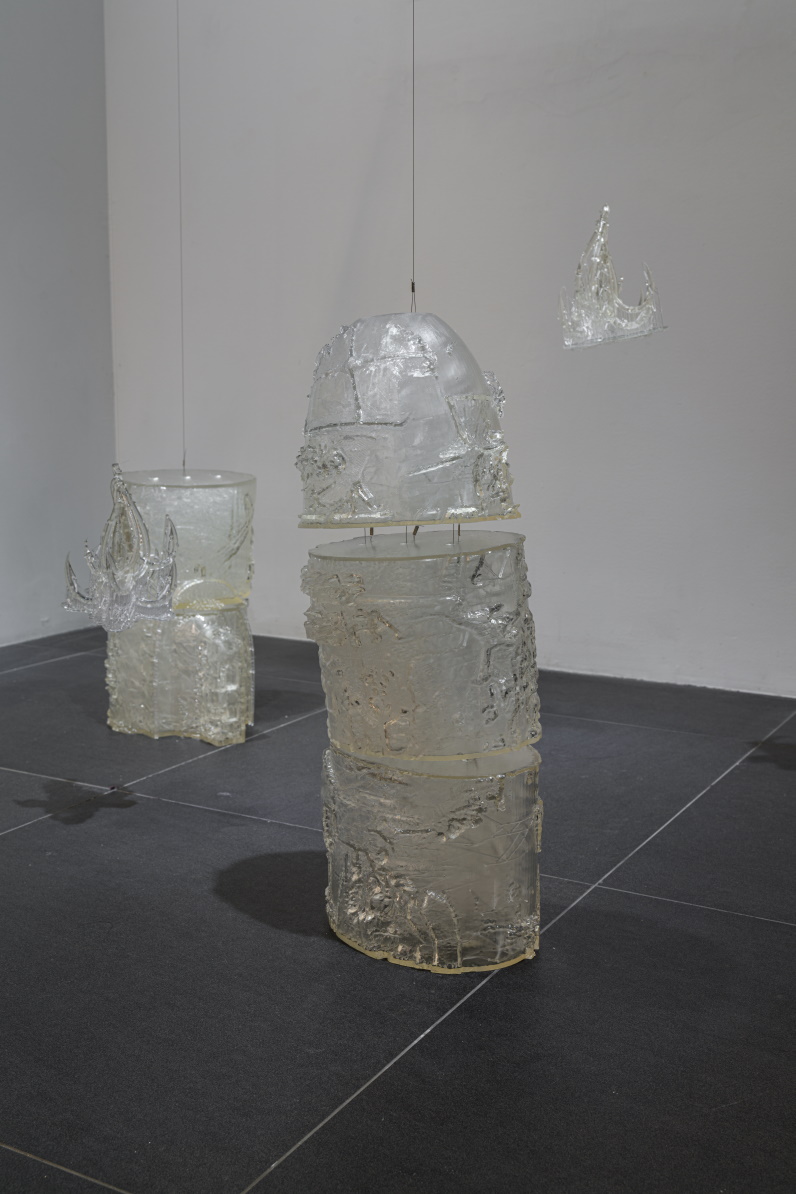
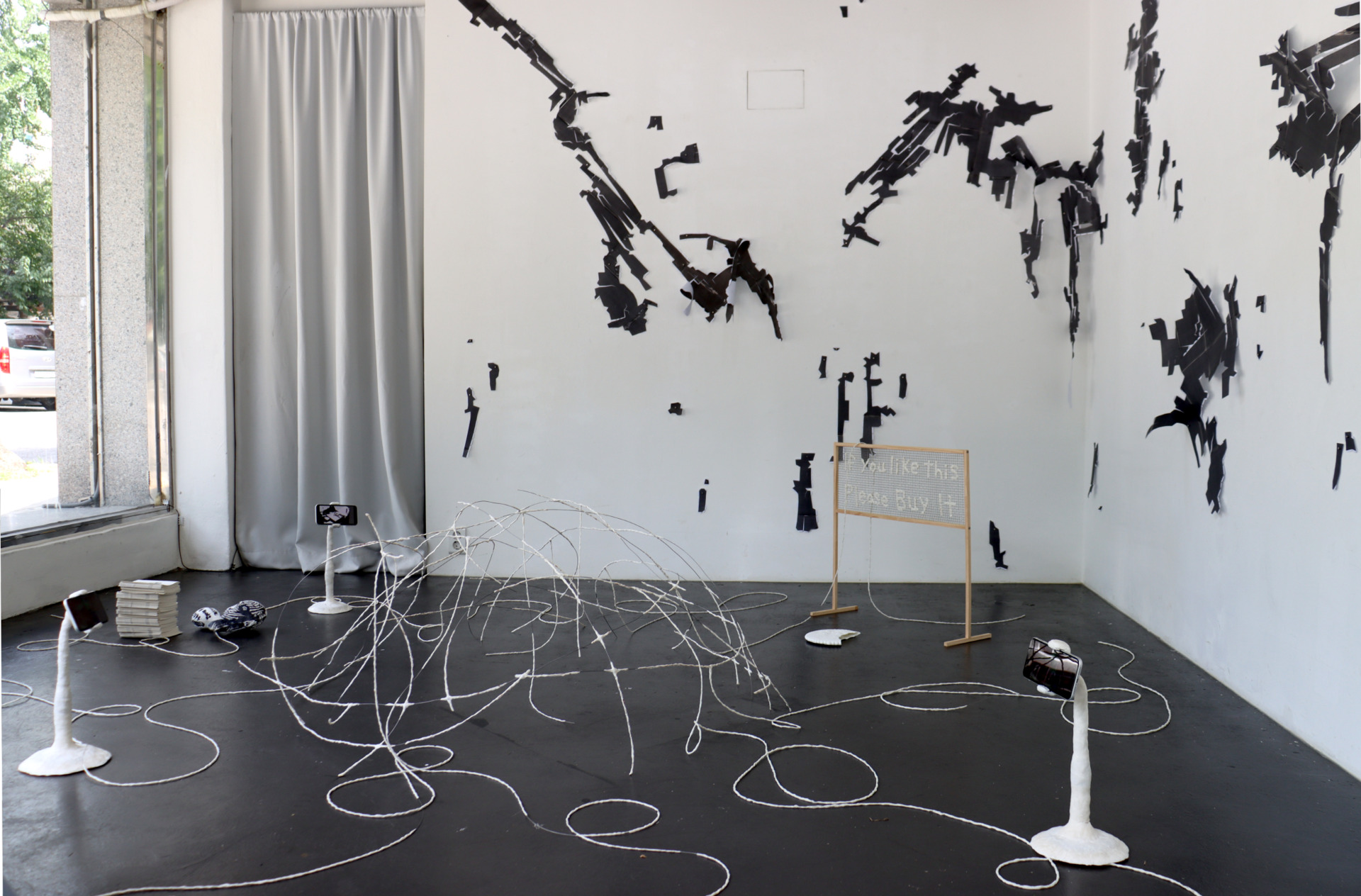
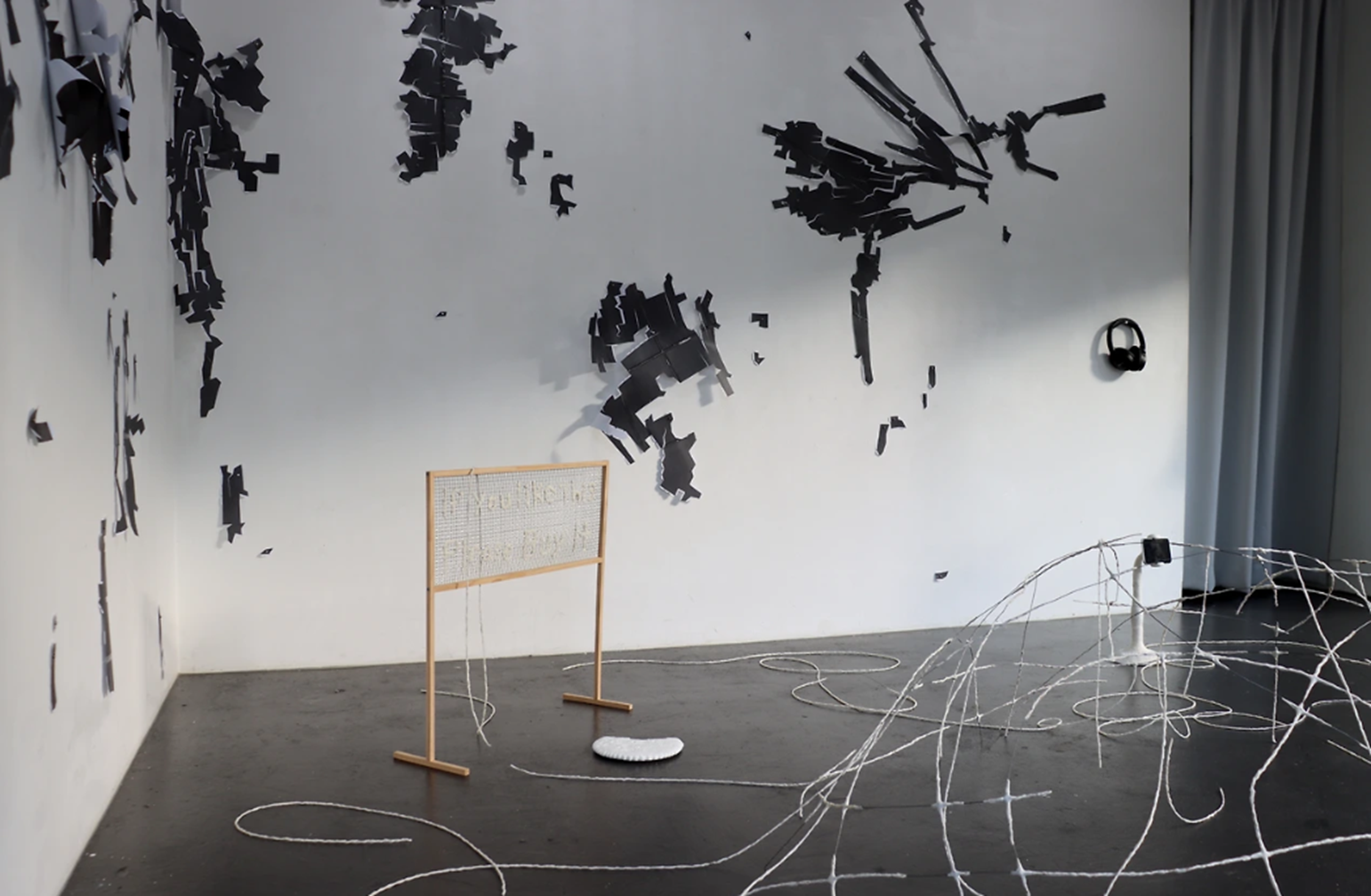
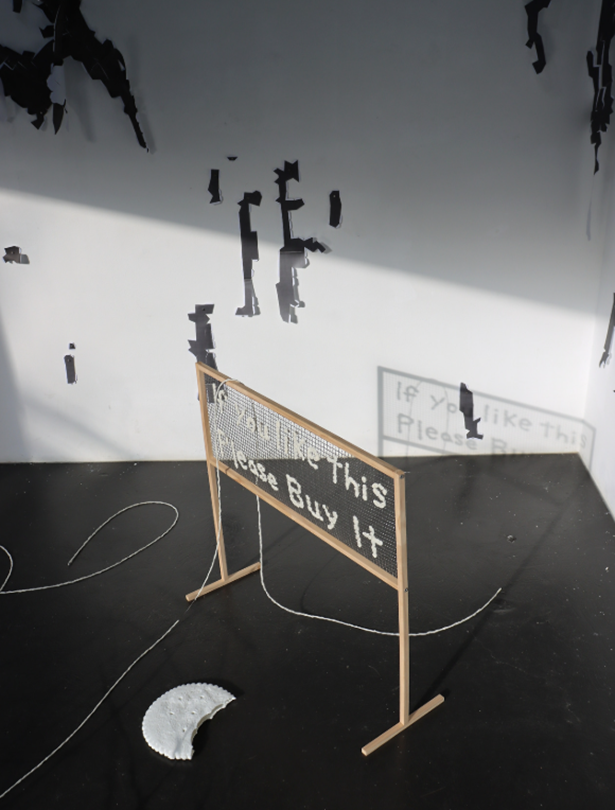
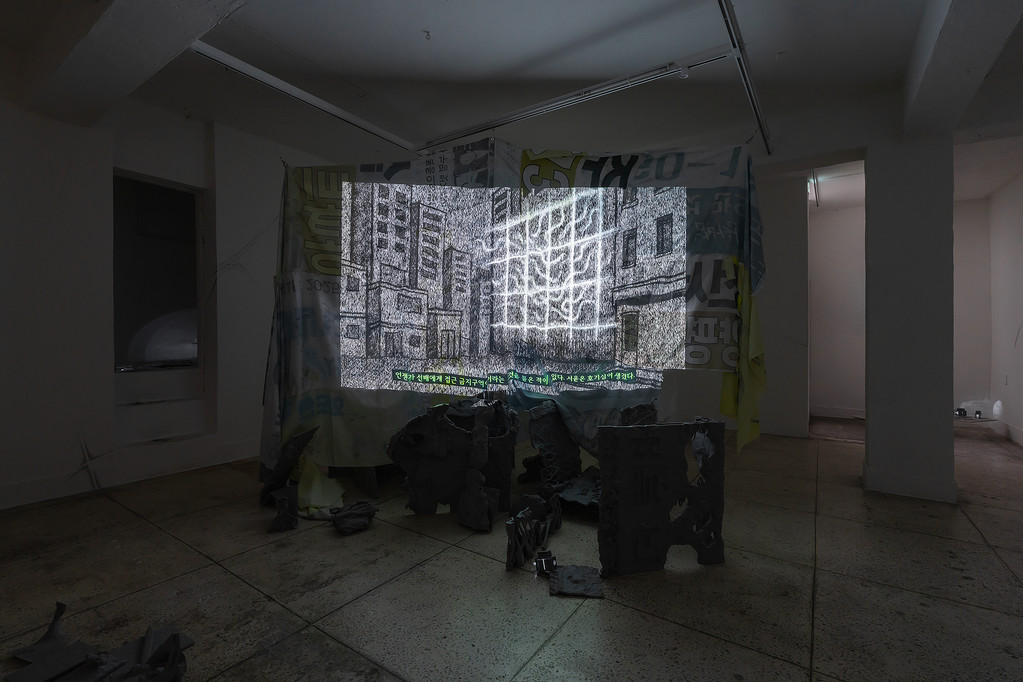
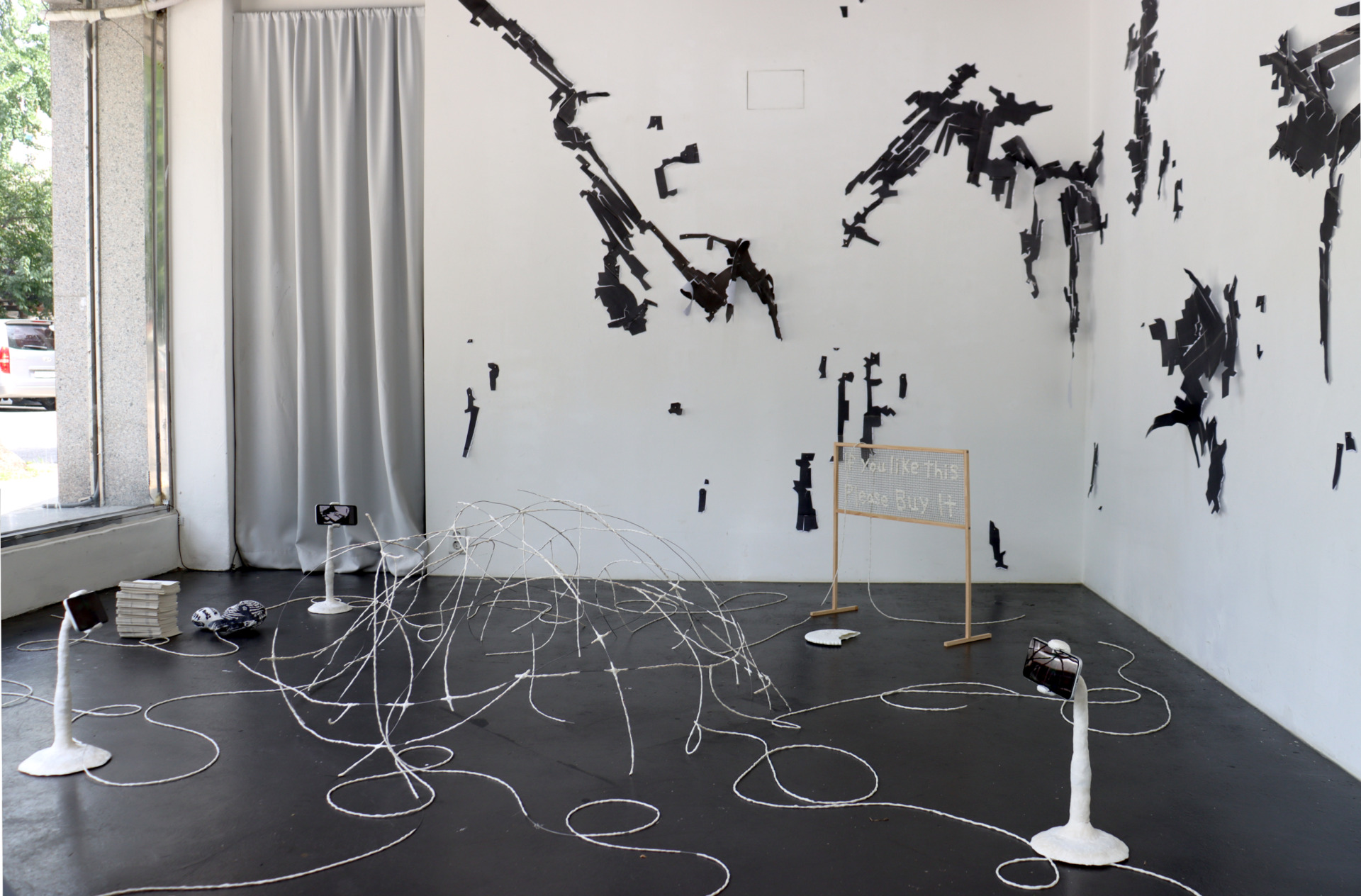
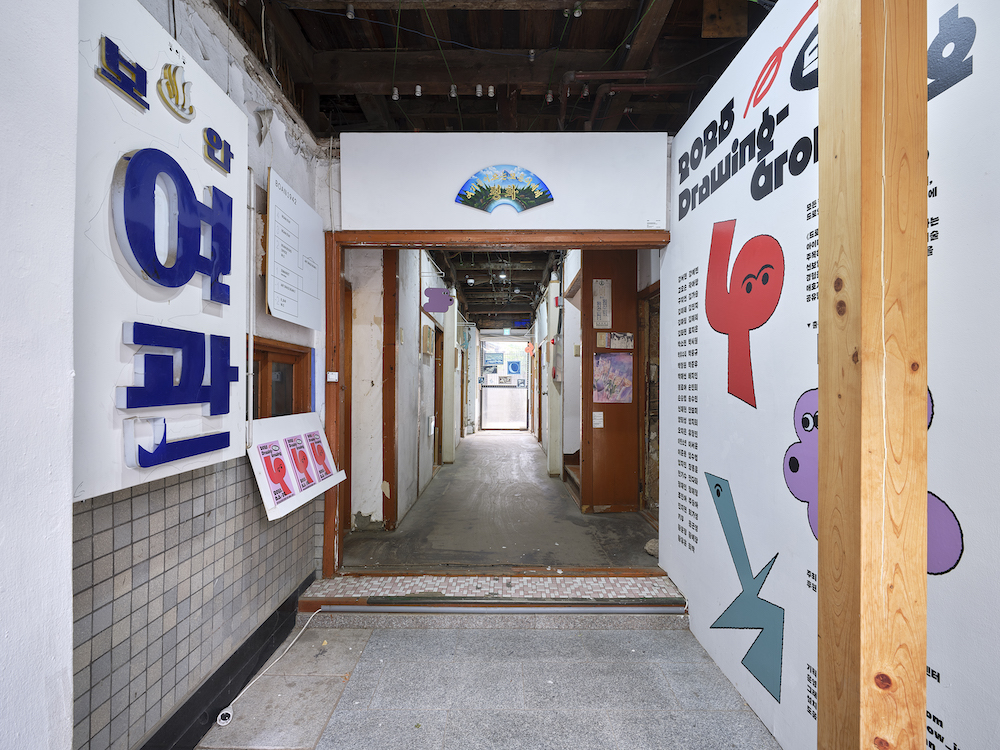
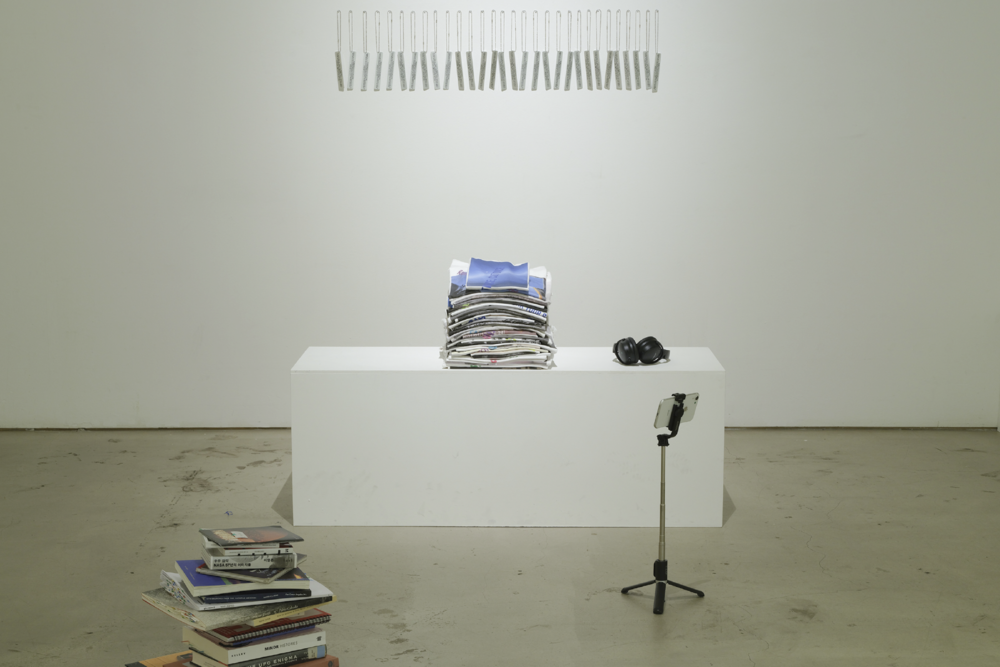
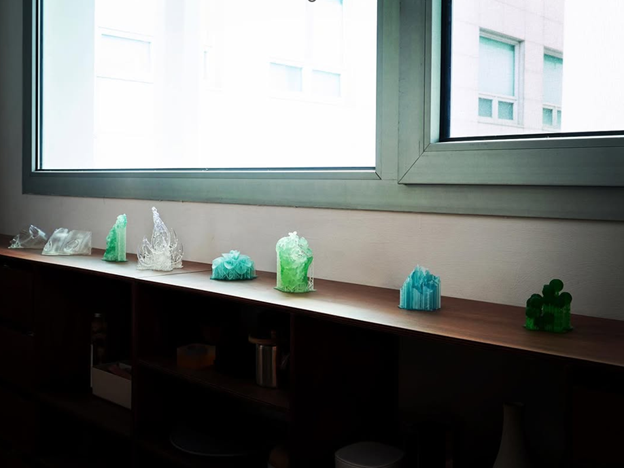
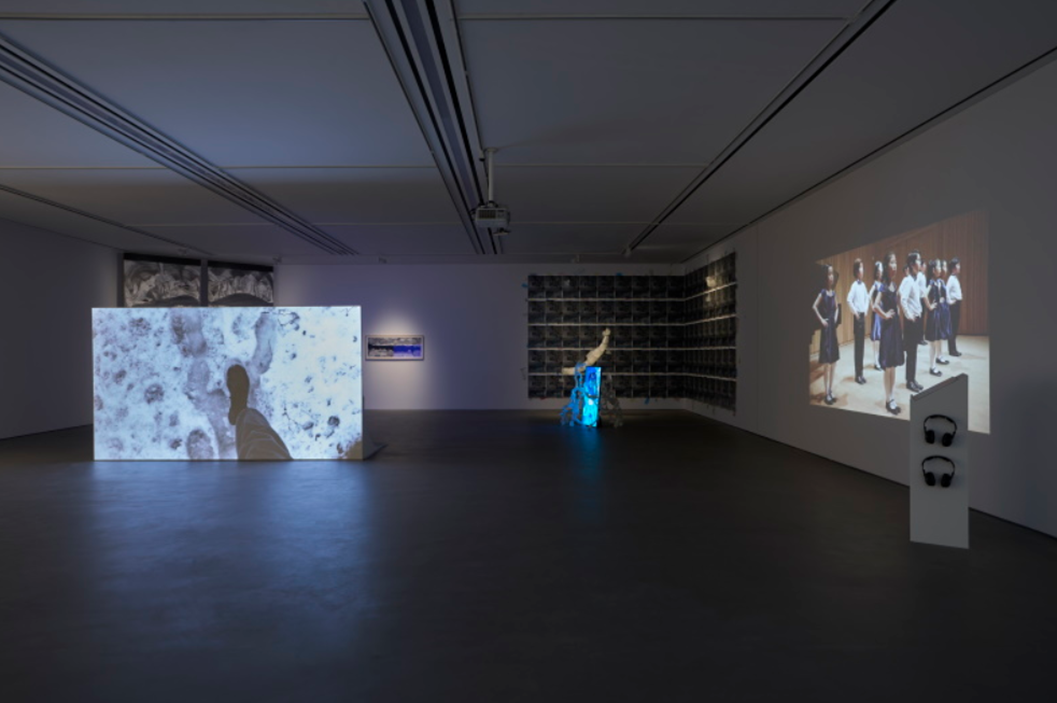
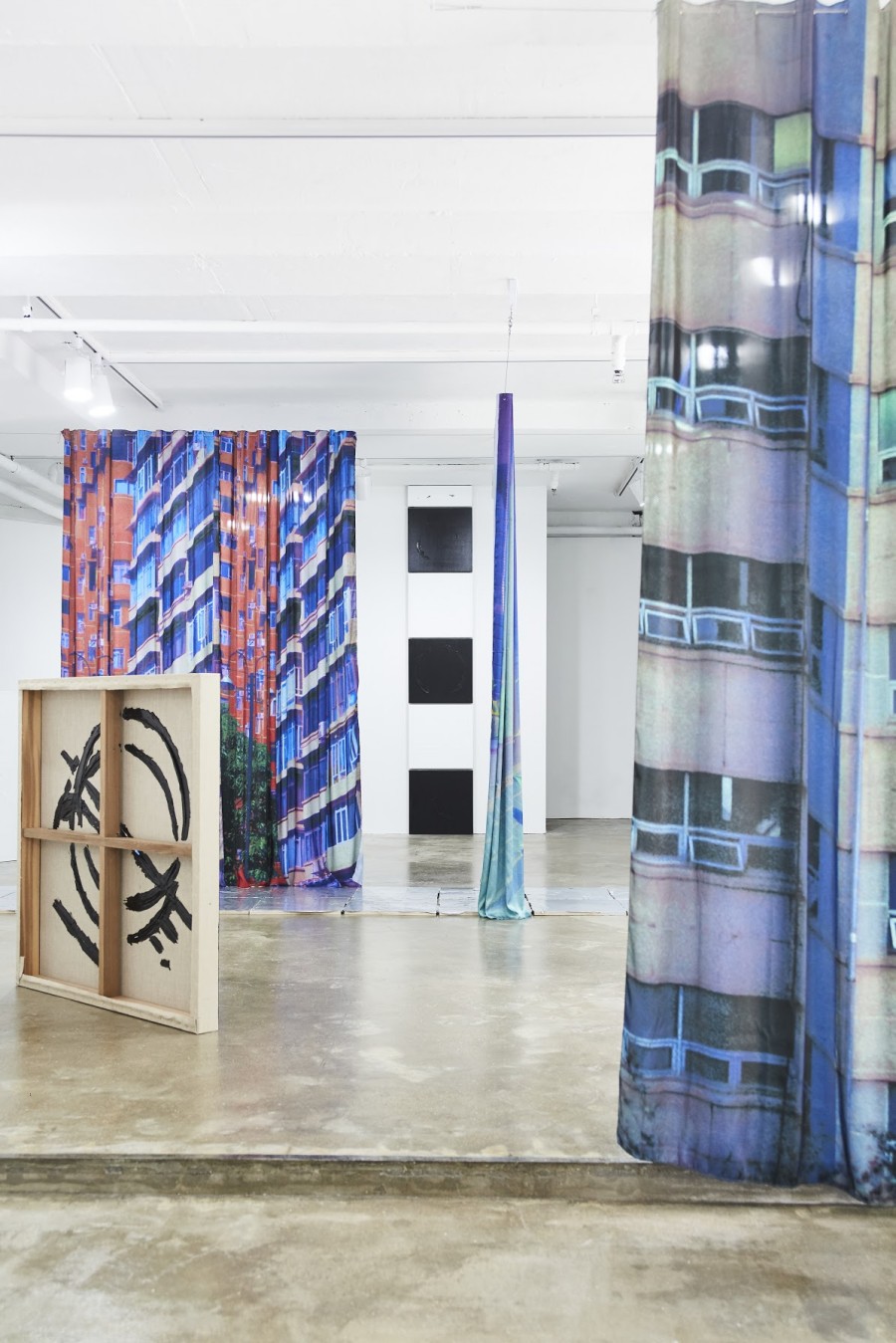
Installation view of 《Crack》 (Mihakgwan, 2025) © Mihakgwan

out-dated human

Hajin is an omitted human in a world where a new type of humanity called Flesh has emerged. In this world, humans are converted into a kind of data and are managed by a central government, and as managed entities, humans must be updated over time in order to maintain their value. In this world, there are humans who receive timely updates like Flesh, and those who do not. Those who fail to receive updates are called Bone. Hajin wanted to become Flesh, but cracks formed in her body, preventing her from being updated, and eventually she fell into the state of Bone. She is an omitted human.

A human omitted from updates. A human omitted from management. A human omitted from the world. What value does she have? Is it possible for an omitted human to have value when excluded from all conditions that grant value? If such a human can possess value, what kind of value would it be? Can we call it value in a universal sense?

In this exhibition, JOO SLA presents a novel of the same title, “Crack: Updates Are Not Available.”(2025). Through the character Hajin, she poses the questions above. In this clichéd world reminiscent of SF novels or films, humans who have become robots or machines cannot be protagonists. As is often the case, the protagonist in SF is the human who survives in a dystopia—no, the human who is “left behind” as human, the one who retains (or is judged to retain) humanity—in other words, the “omitted human.” Then the following question arises: could omission be another word for humanity? And another question follows: what, then, is humanity? Or from another perspective: why must humanity be preserved?

Setting aside this endless chain of questions for a moment, let us follow the clues that JOO SLA has laid out in the exhibition and the novel, with the hope that we might, perhaps by chance, encounter an answer.

Installation view of 《Crack》 (Mihakgwan, 2025) © Mihakgwan

Bone and Flesh. This world divides humans into two categories. Although a crack exists between the two states, crack itself does not signify a completed form but rather a process of becoming Bone, and thus humans can be divided into two states: Flesh and Bone. Freshness (flesh) refers to hardware equipped with the most up-to-date software after being updated, and at the same time, the human body (flesh) is no longer an organic body composed of skin, sensation, sweat, saliva, blood, flesh, muscle, and organs, but rather an entity functioning as a component of society, a data unit that processes specific tasks—in other words, a human as data.

JOO SLA does not focus on the confusion of identity arising from the crack between the two. She assumes updating as inevitable and leads us toward a rather pessimistic conclusion. The novel “Crack” does not present a moral narrative of a protagonist restoring humanity to those who have lost it through the separation of bone and flesh, nor does it celebrate the liberation of humanity. By introducing Hajin as an “omitted human” at the beginning, the audience and reader naturally empathize with her, but like the central server in the novel, in a world where bone and flesh are no longer necessary, Hajin is merely an error that fails to function as data.

Memory. As Hajin becomes Bone, she quietly murmurs, “...I don’t want to live recalling the past....”(Crack, p.7) To recall the past is to retain memory, which is equivalent to having the ability to reflect. Reflection is a uniquely human ability: humans condense experiences and store them in the mind as memory. This is the only thread that secures individual continuity from past to present. Yet when one becomes Flesh, individual memory seems to disappear.

A world without personal memory! How efficient and pure it would be. Without individual memory, people no longer mistake themselves as special beings different from others. Therefore, no events occur—from trivial arguments to creative acts circulated under the name of art. Society is safe, relationships are peaceful, and communication is transparent. No seeds of conflict can sprout. Conflict grows from the soil of individual memory. Here, without memory, there is no conflict, no events, no life.



Installation view of 《Crack》 (Mihakgwan, 2025) © Mihakgwan

Synchronization. Failing to update means failing to synchronize with this world. Failure to synchronize does not simply signify outdated machinery; it also includes human aging and mental decline. Humans who fall behind the pace of change gradually age in their failure to synchronize. This differs slightly for each individual but approaches silently day by day, no less than physical aging. For example, within the flow of human society, governments manage individuals from birth to death according to a “life cycle.”

By dividing growth into stages, they promote appropriate education, economic activity, marriage, and childbirth, encouraging or supporting humans to produce labor. Minimizing those who fall outside this system and incorporating them into society is likely the government’s goal. Alternatively, one may fail to synchronize by failing to keep up with changes in the world, technological developments, or political shifts. We often describe those who fall out of sync due to failed updates as having been left behind.

Hajin, who was an omitted human unable to become Flesh, realizes the absurdity of the world the moment she becomes Bone and attempts to sever its cracks, but ultimately fails. Yet is it truly a failure? Through failure, she is no longer bound to the past, no longer swayed by unnecessary emotions, and transcends the body that will inevitably age and decay, shining eternally as an entity. The choice is yours. Will you update?


Text. Seulbi Lee

References