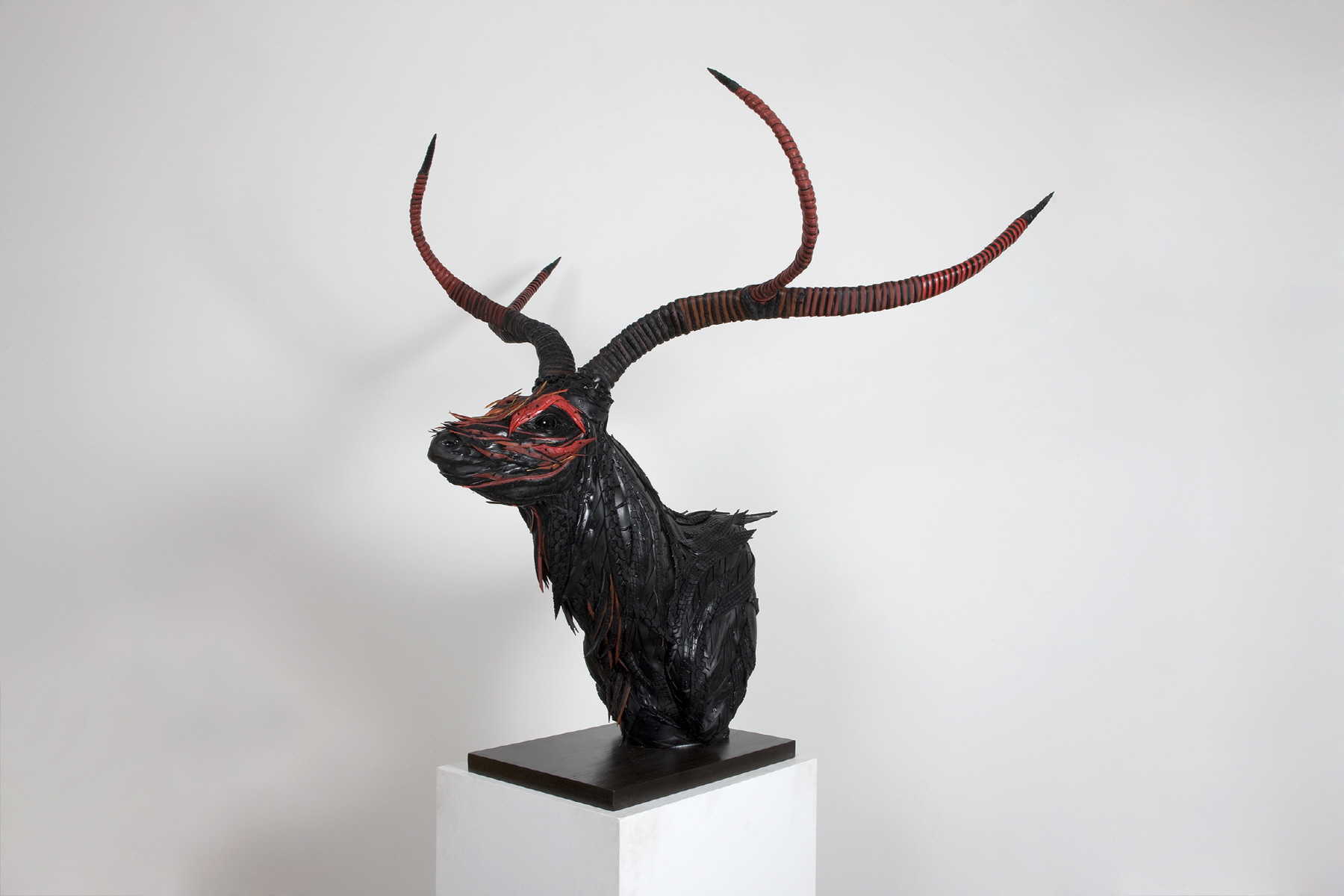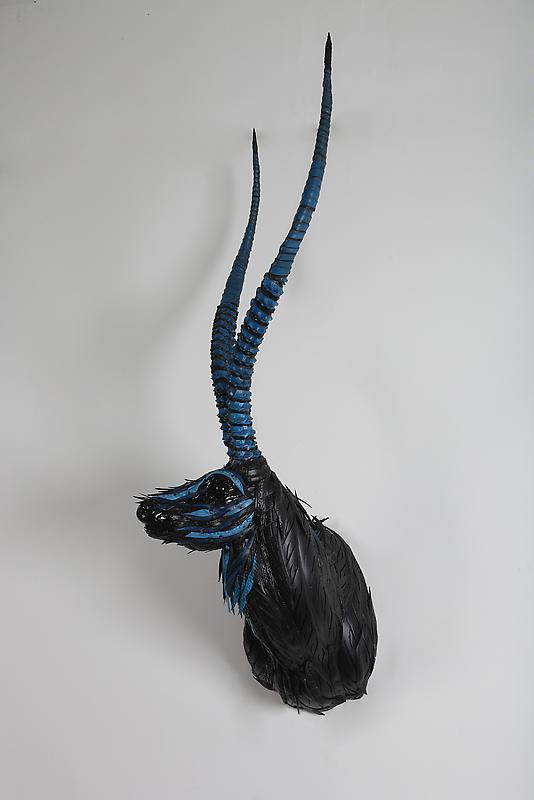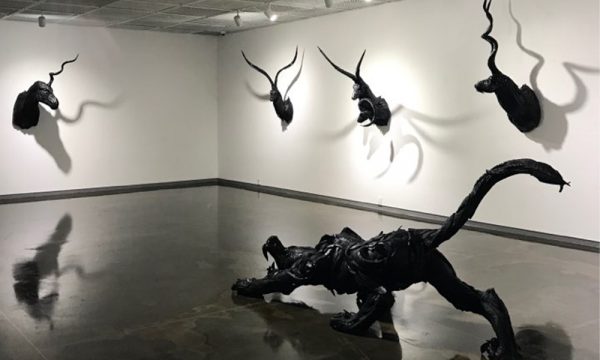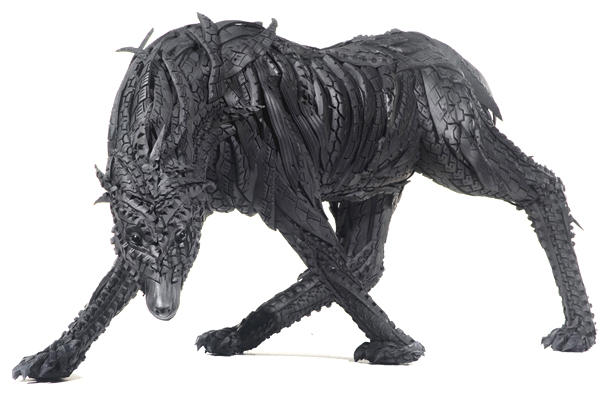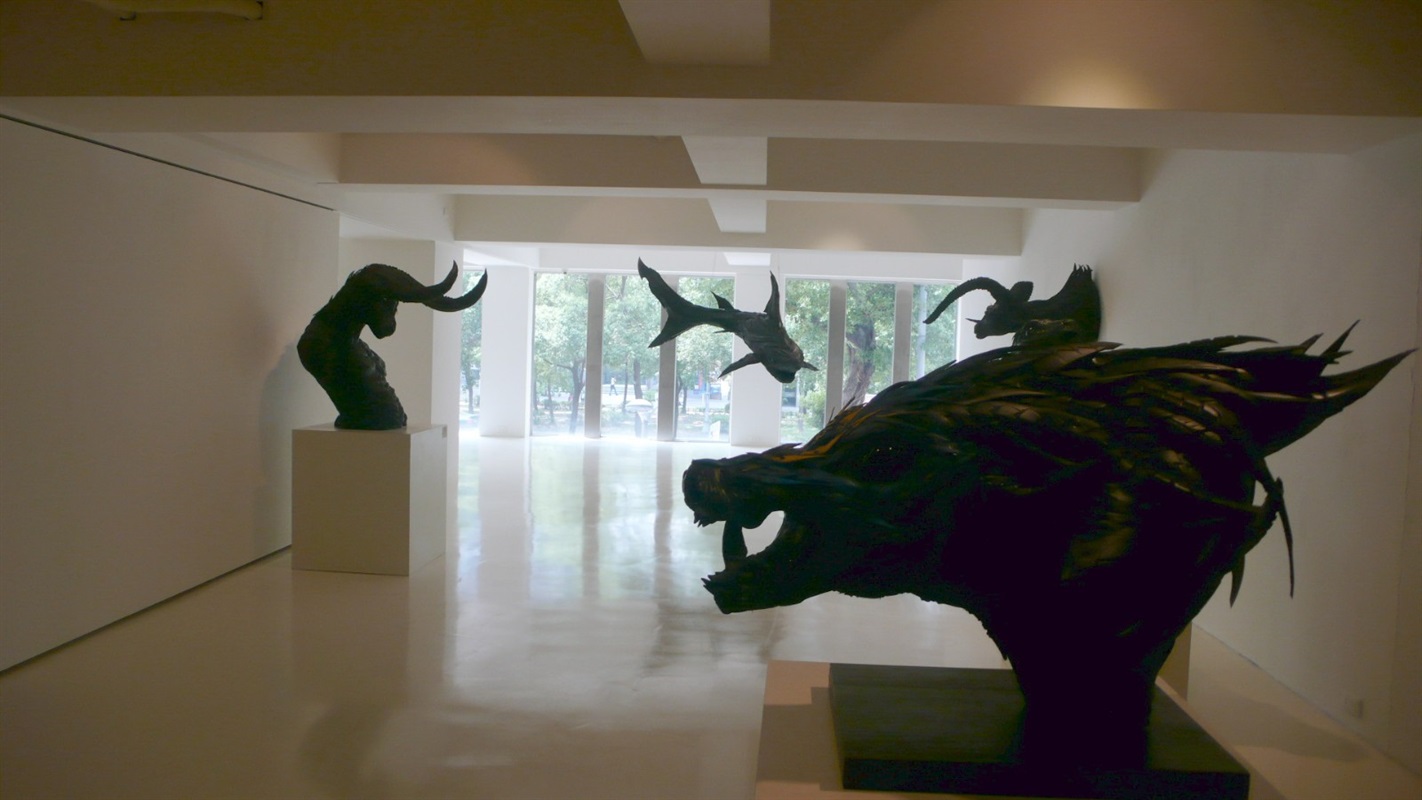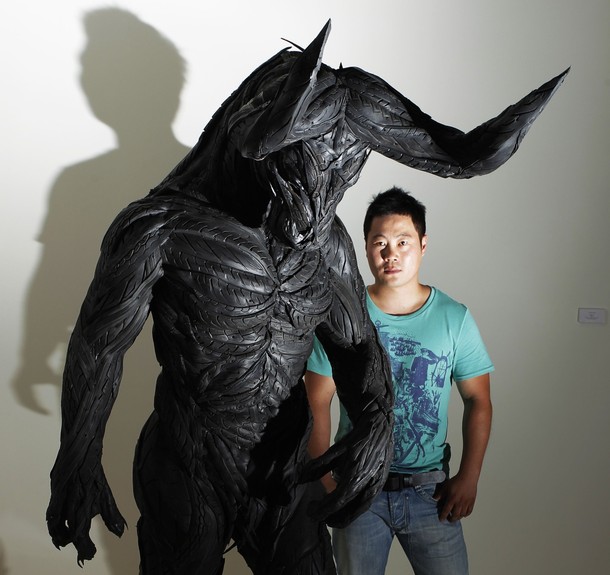


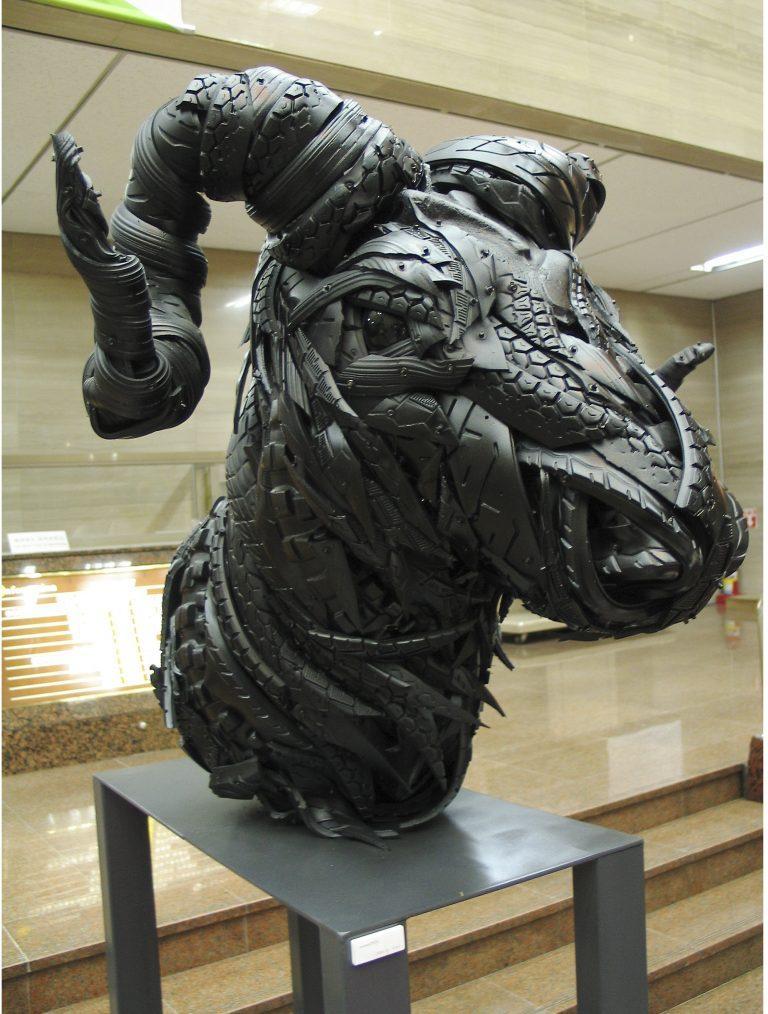
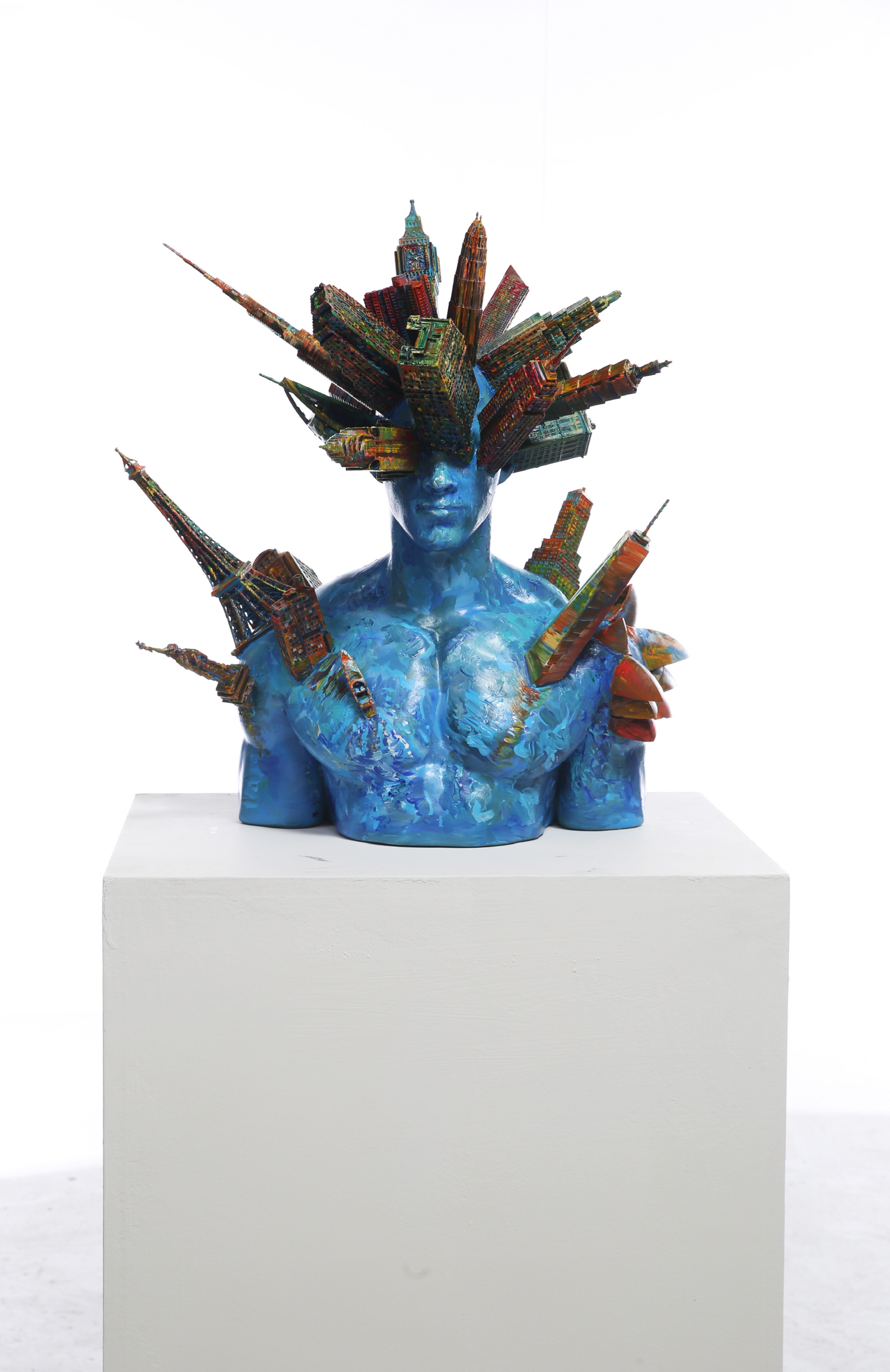
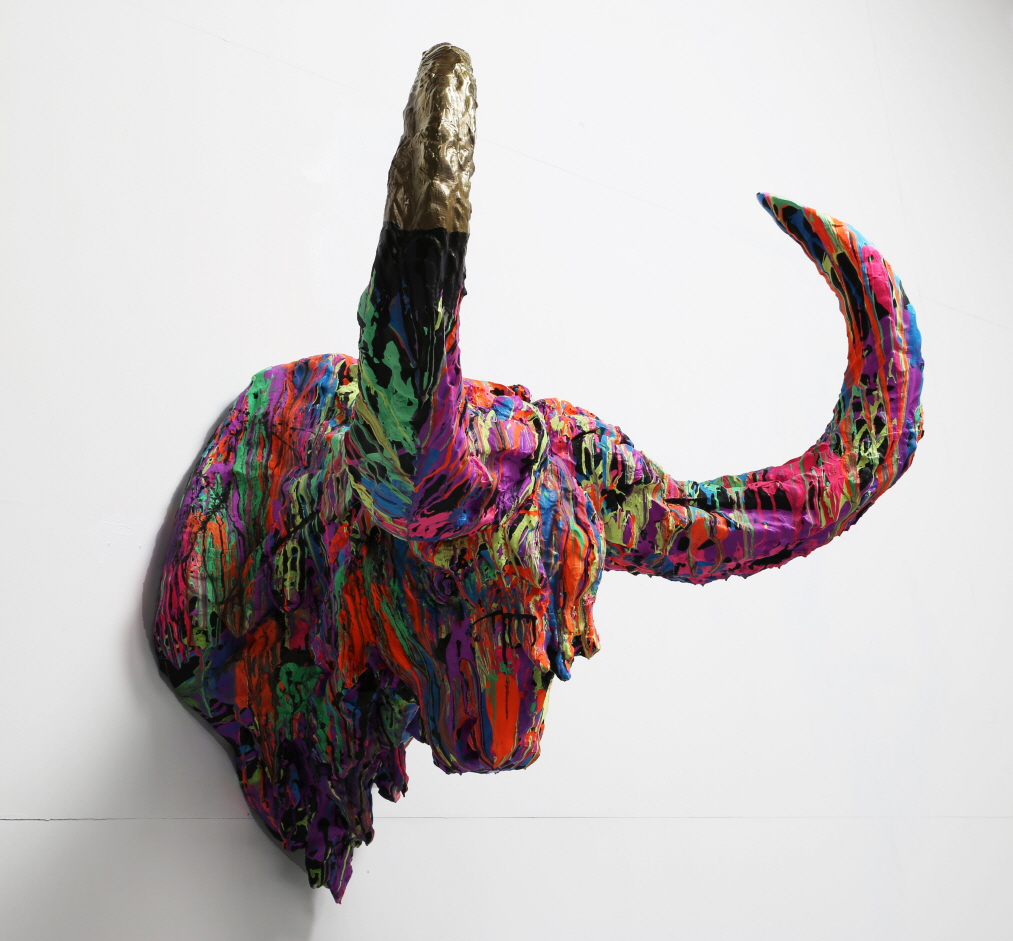
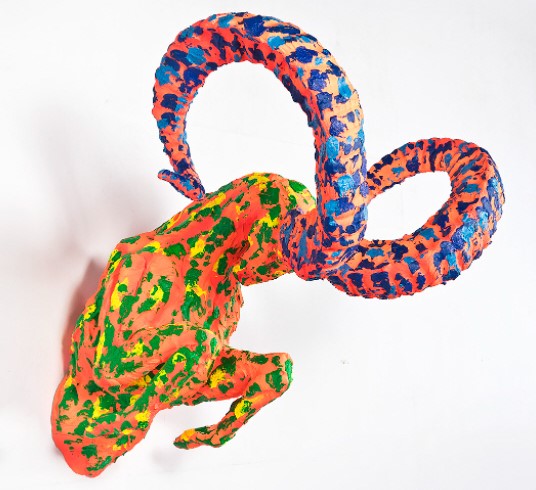
Ji Yongho, Deer Head 12, 2010 © Ji Yongho

What should art think about now, and along what path should it proceed? The past century was, for humanity, a century of trials unprecedented in history. It was such a distinctive era that it necessitates recognition as a separate term—[20th-century human]. It produced a new type of human: one who had “erased” the humanity that had existed as a natural being until the 19th century, one whose “mind was denied its function,” a “scientific human” educated within the accelerated time and space of modernity, and a “symbolic human” who moves according to signals.

All forms of education standardized individuals into the [social human] required by 20th-century society, producing what might be called bolt-on-man—humans fixed into place—and generating mass-produced humans as educational products. This is clearly a mutated form of humanity. Such mutated humanity can only survive by further mutating, and in doing so, it transforms its entire environment.

Within systems where mutated humans educate others, more mutated humans continue to be produced. As individuals lose their sense of mind to these mutated forms and attempt to assert their existence as spiritual beings, they become increasingly alienated. Ultimately, one must pay a significant price either to reject civilization or to live with a sound mind and spirit, or to exist as a cultural being.
 
The art of the past century was undoubtedly a mutated art that accompanied the scientific and technological revolutions that dominated its time, advancing alongside them and even leading their expression. Or perhaps it was an art afflicted by a neurosis for “newness,” pursued by those who sought to carve out new destinies.

Otherwise, we must ask: what can be salvaged from the art pursued by artists of the last century? 2010—this is a numerical sign that indexes the end of the previous century. Today is a different today from yesterday, and the 21st century is a different century from the 20th. We must discard in order to move forward, let go in order to become lighter, and erase in order to think anew and tell new stories.

We must abandon the knowledge that accompanied the problems of physics and the social sciences, which were identified as issues within Western modern art of the past century. Furthermore, we must erase everything seen through the “scientific eye,” which served as the starting point of 20th-century modern art.

In short, we must cleanse not only the methodological premises introduced from the natural sciences, but also the analytical ways of seeing the world and objects shaped by scientific knowledge structures. Only then can we return to the “eyes of the natural human,” and from this human-centered starting point, perceive a new century and embark on a new path for art from the standpoint of 2010.
 
Through lived experience, we have come to understand the world and carry a cultural history that has struggled to preserve the perspective of the ‘natural human.’ We are people who, grounded in a thoroughly human-centered awareness and concern, have respected the “in-between”—between nature and human, and between human and human—rather than transforming nature into a mutated or humanized form.

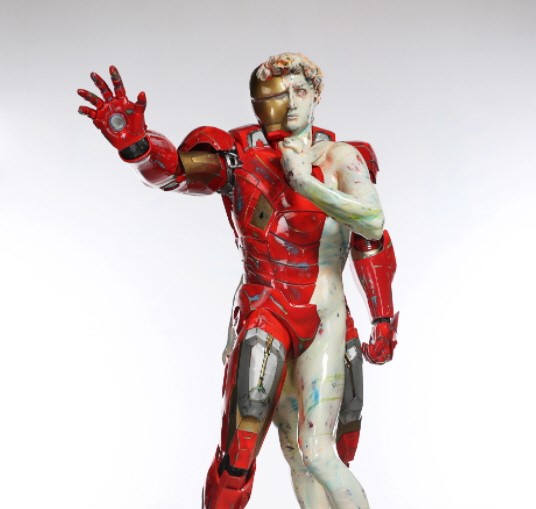
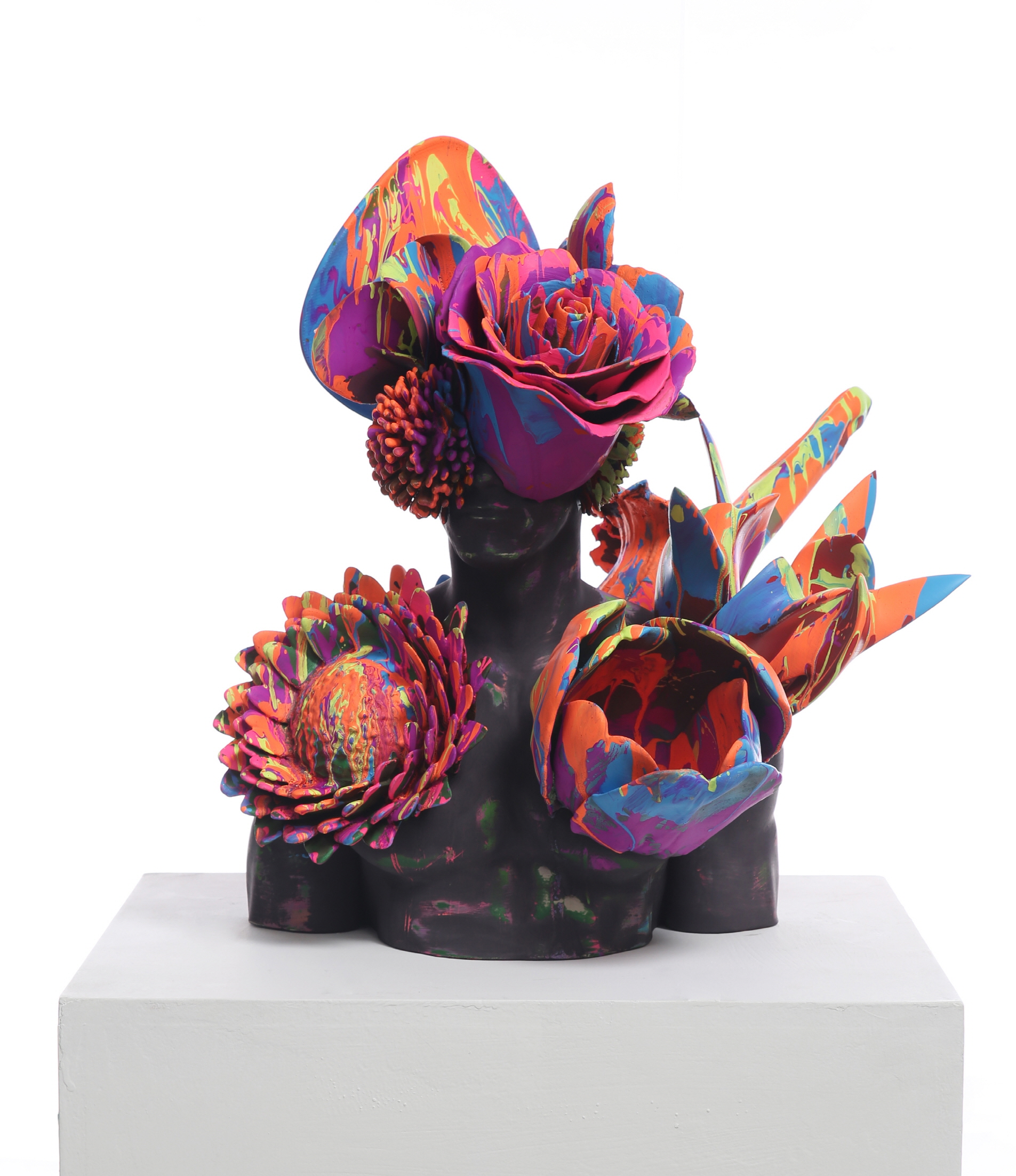
Yet, without sufficient social discourse, civilization has compelled us to transform the ‘natural human’ into a scientifically defined human, fundamentally altering our way of life. The 21st century should not proceed as a reaction against the 20th century, but rather as an era that begins from the human spirit that seeks the path art must take. The preceding reflections, though perhaps somewhat lengthy, arise from observing and conversing directly with the passionate work of two young artists.

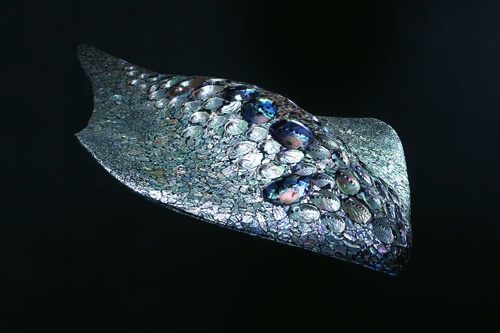
They aim to aid in understanding their work, to bring closer the ideas underlying their experimental expressions—ideas that might otherwise be obscured or remain distant to third-party viewers—and to invite those who engage with their work into a shared dialogue. Now is the time to open ourselves to the awareness that the world exists within us, and that our art exists within the world. Both artists and viewers must recognize that understanding must connect to the world.

Therefore, we must cleanse the past era, recover our lives, and, through a restored perspective, come to see a new world. The world exists within us. The problems of the world reside within our own, and our problems exist within the world; thus, any theme or form of expression we pursue must become a language that connects to the world. In this sense, the exhibition of these two artists should be understood as [world–self–expression].


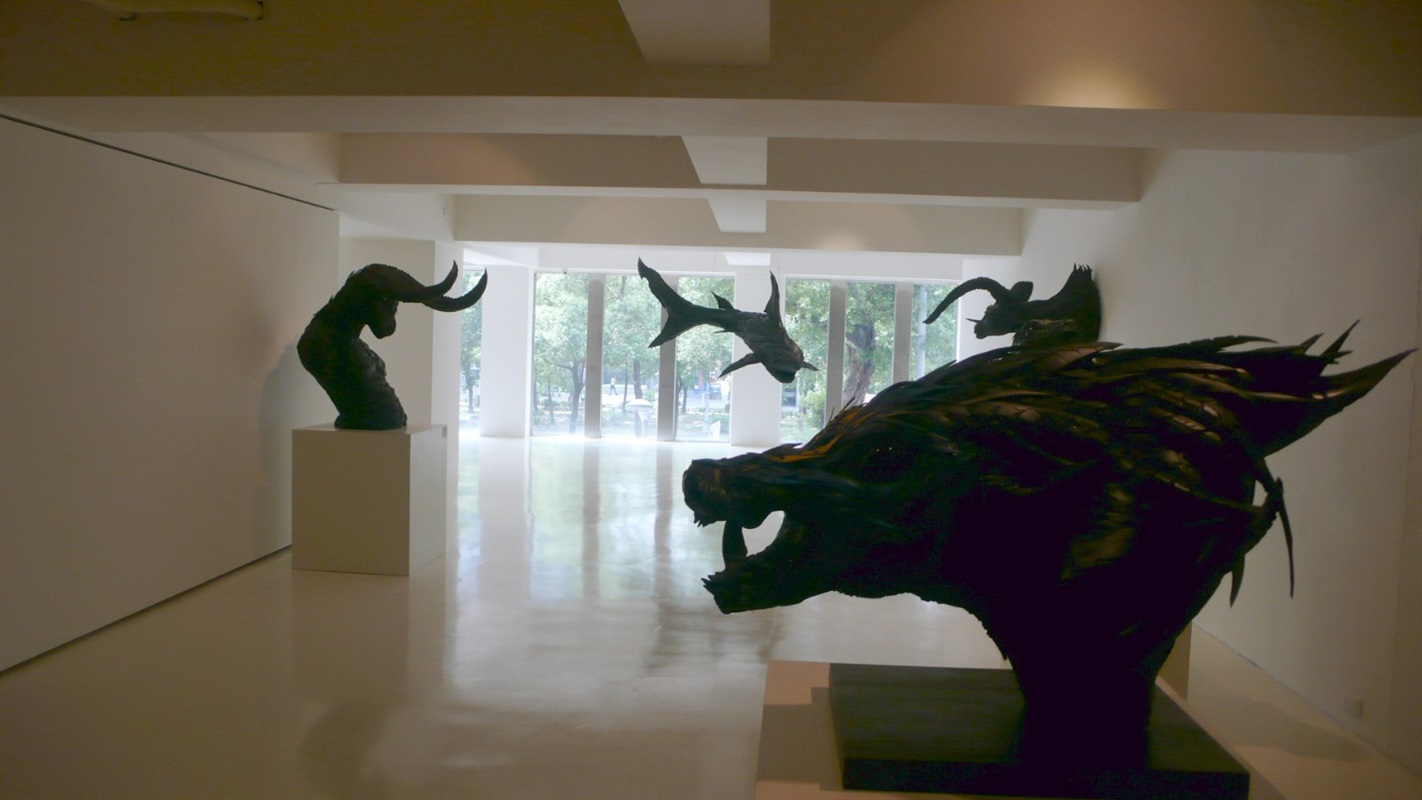
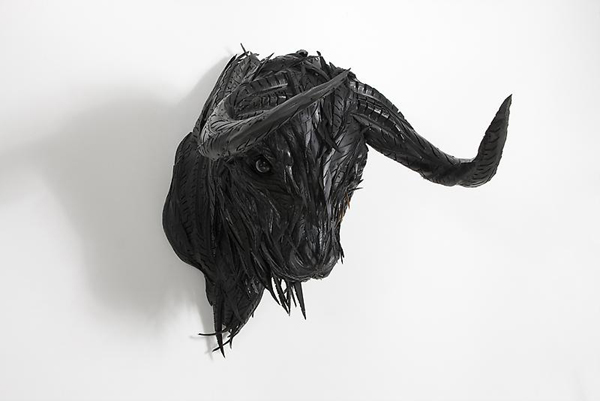
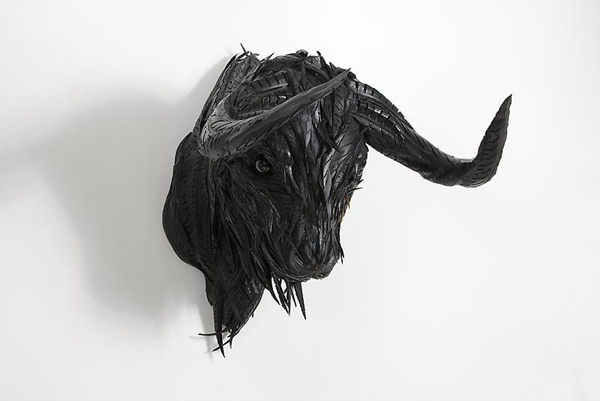
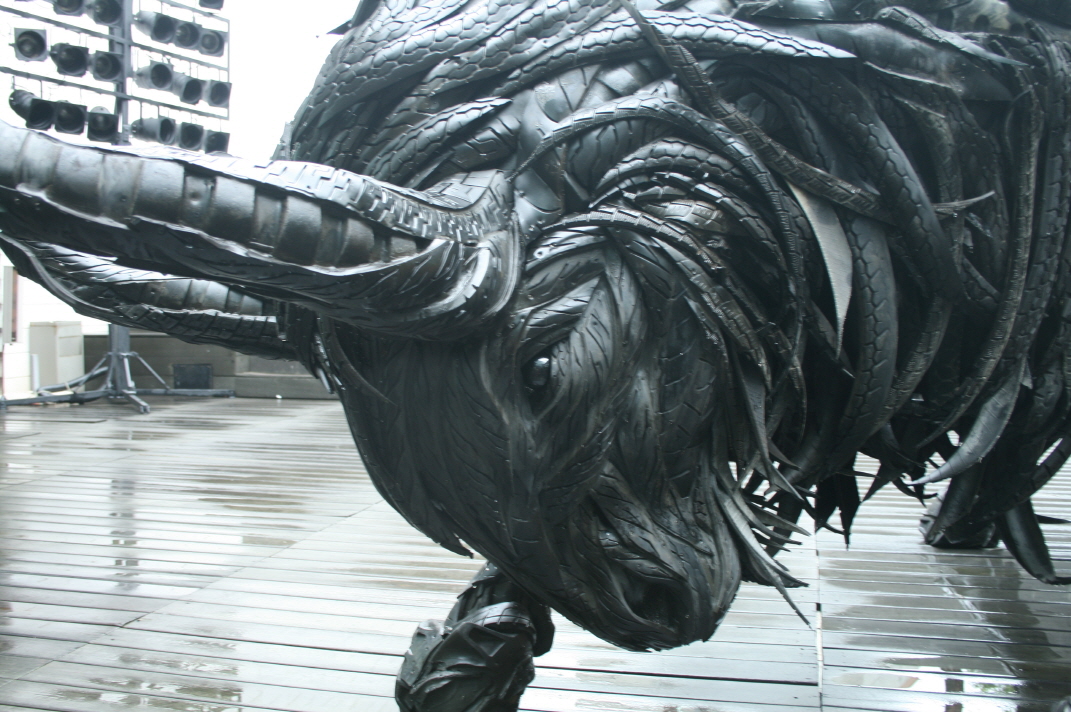
Ji Yongho, Buffalo Head 7, 2010 © Ji Yongho

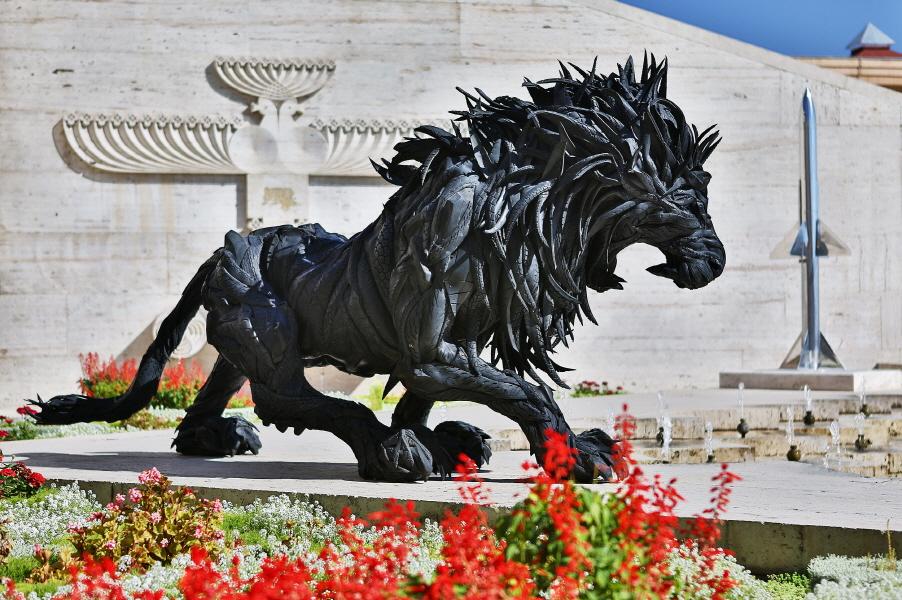
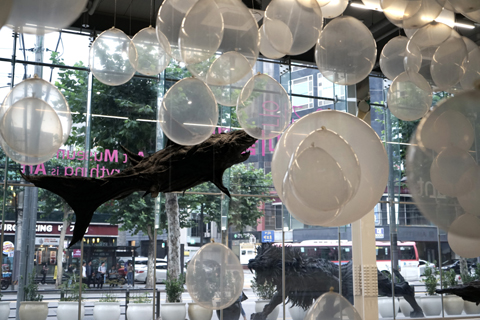
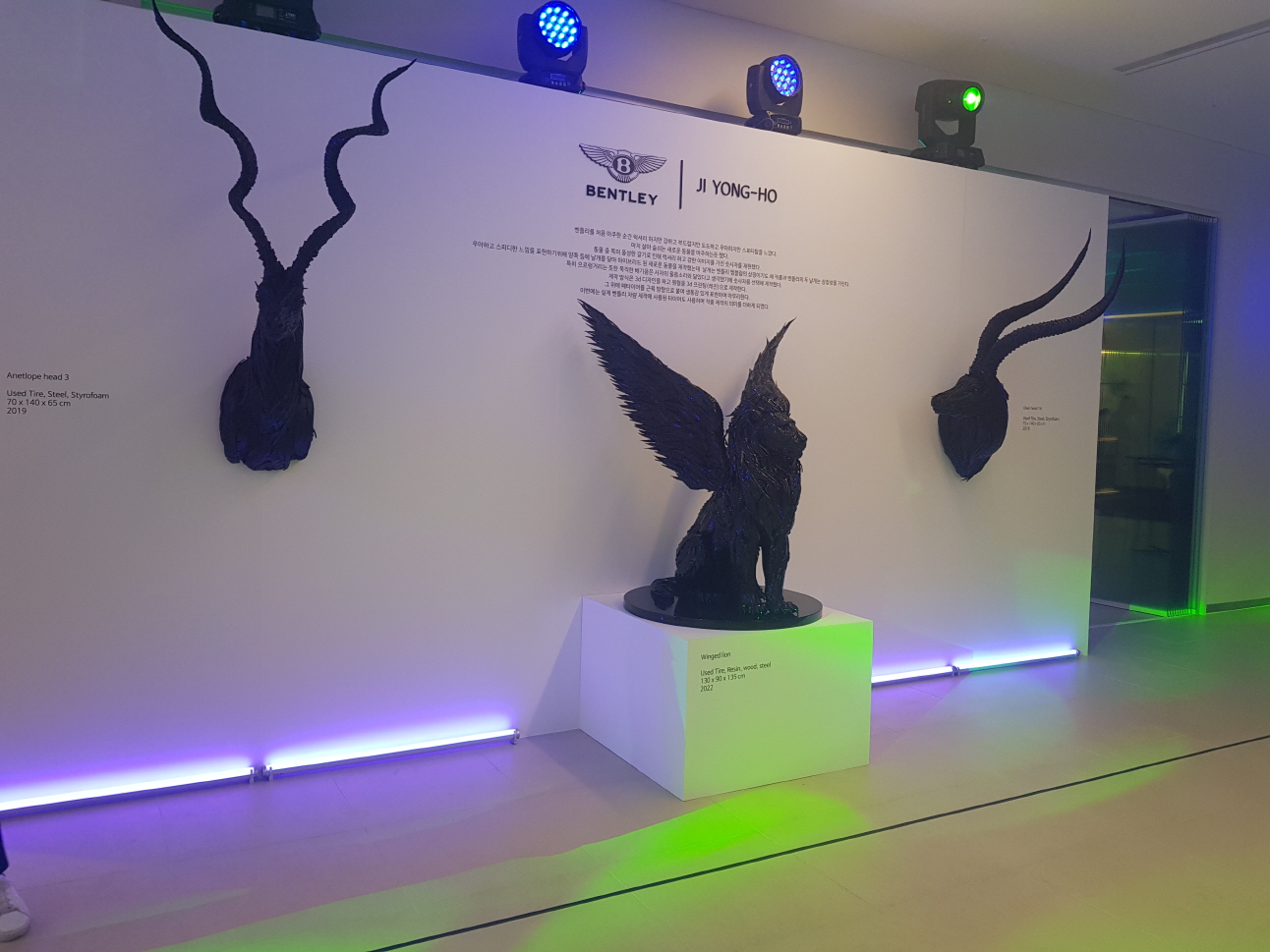
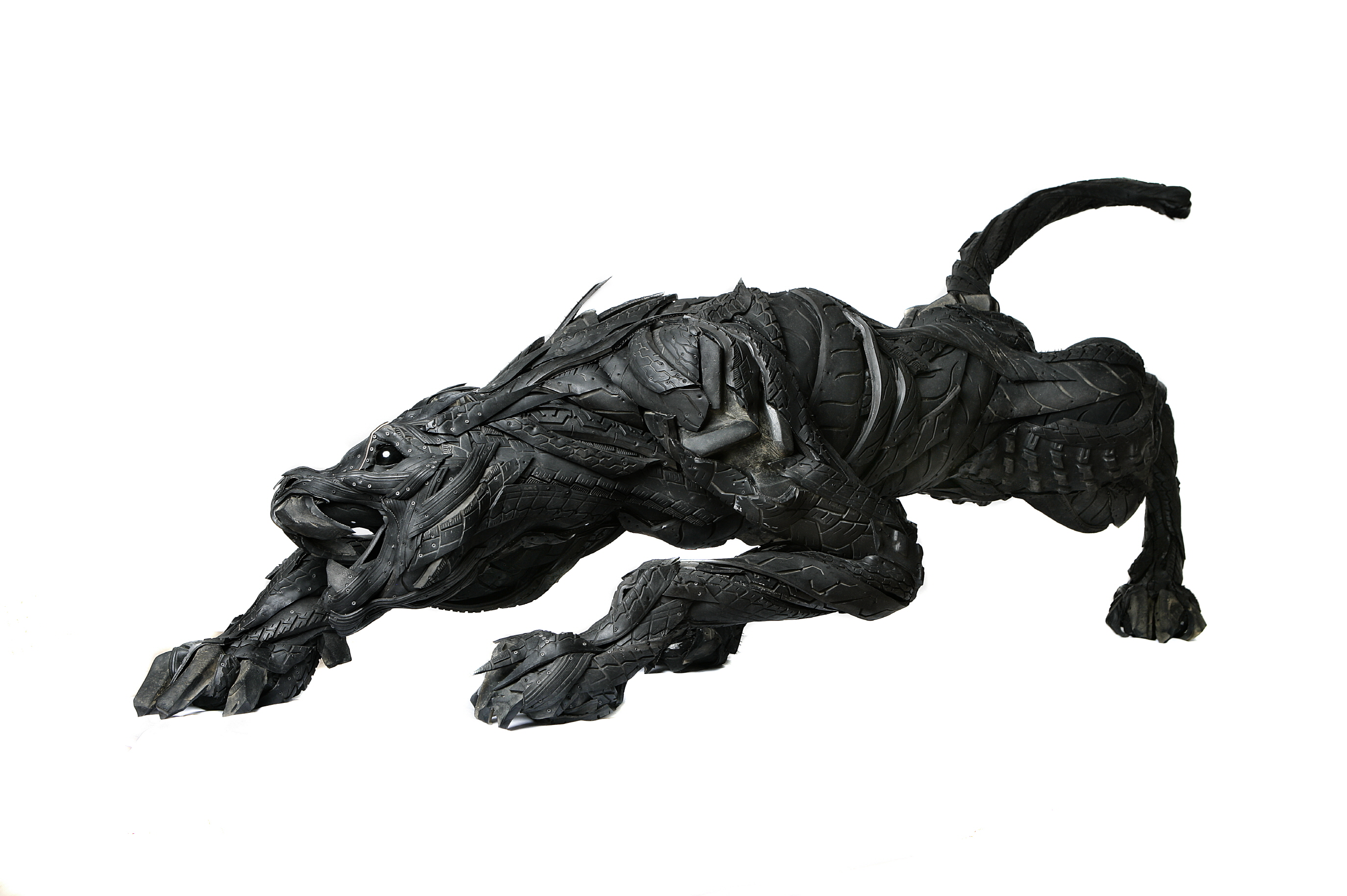
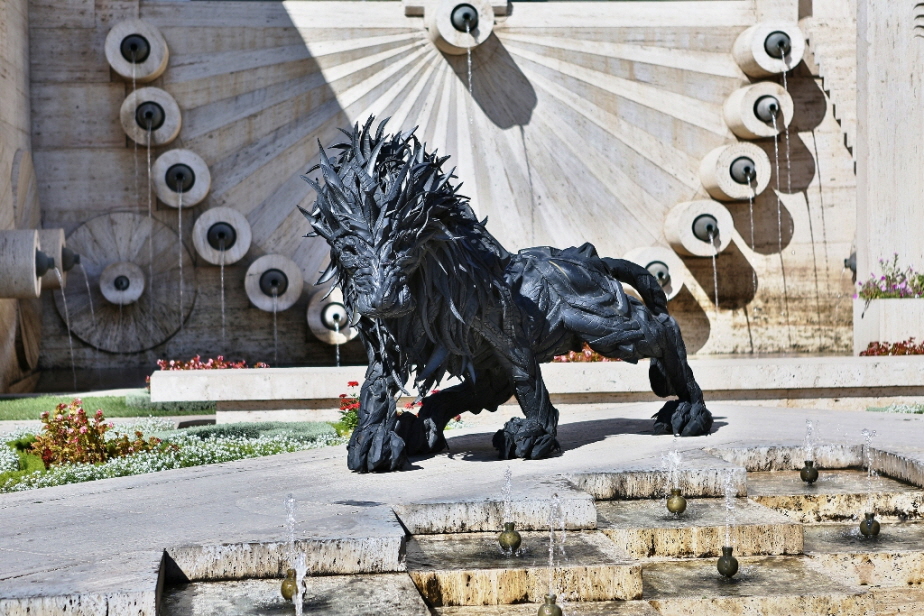
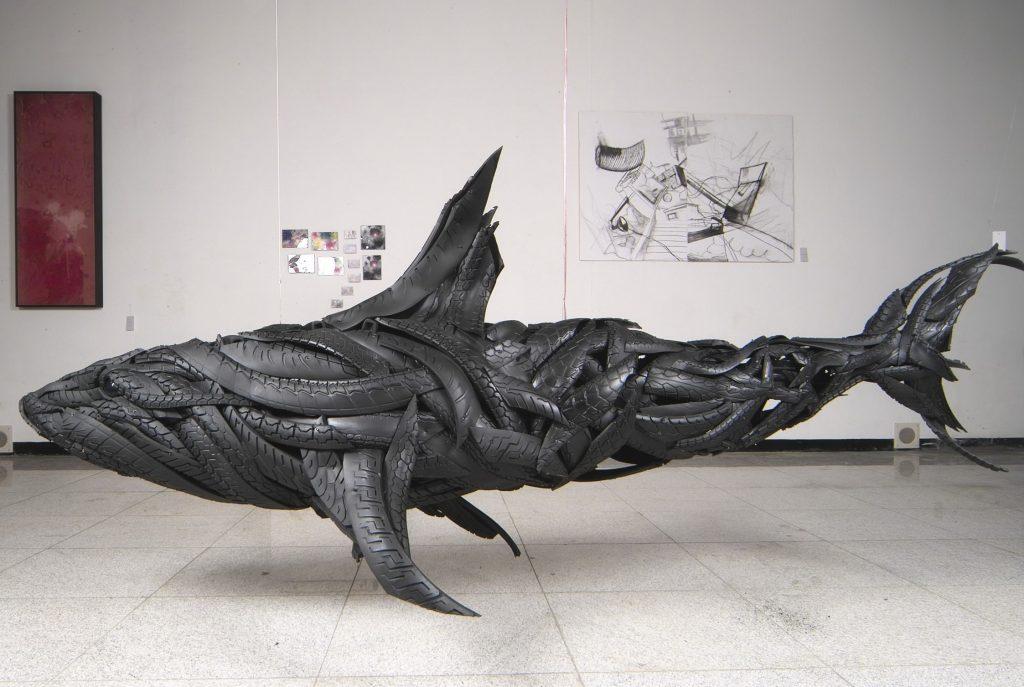
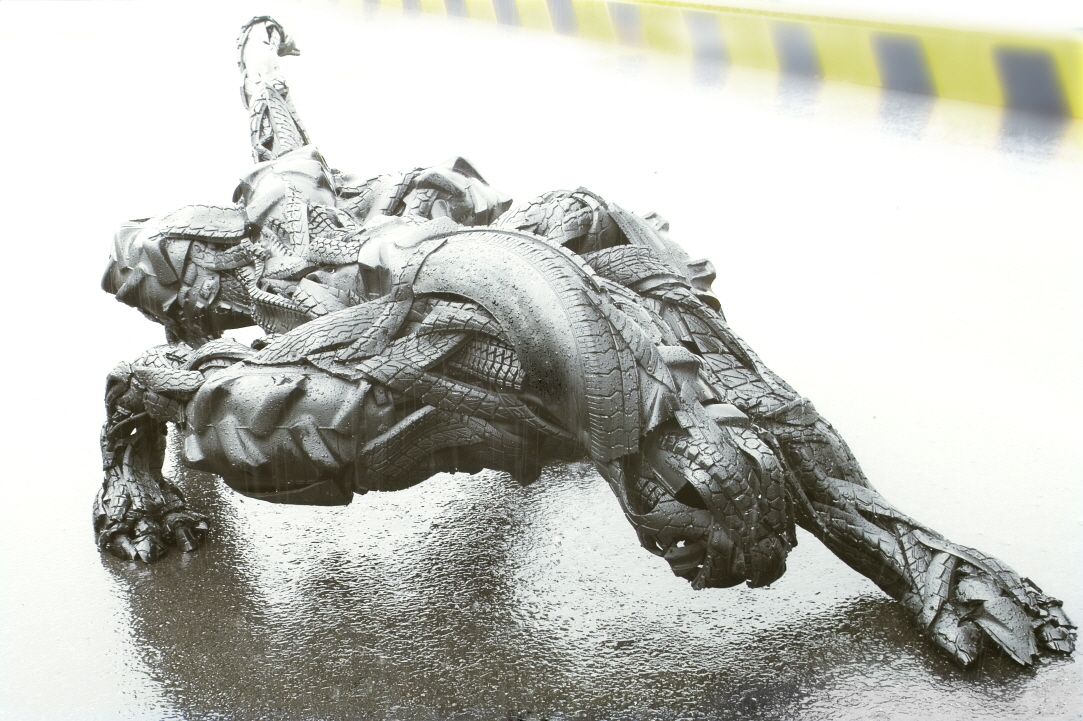
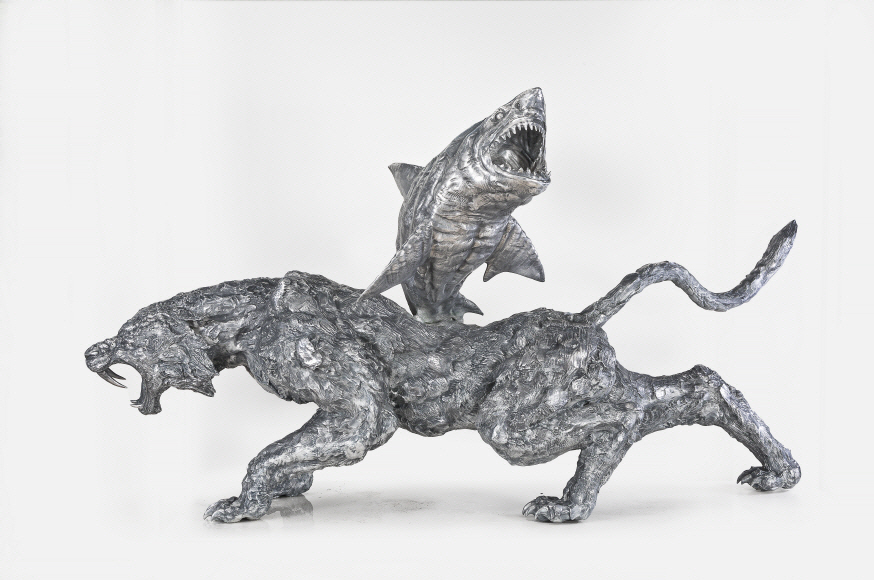
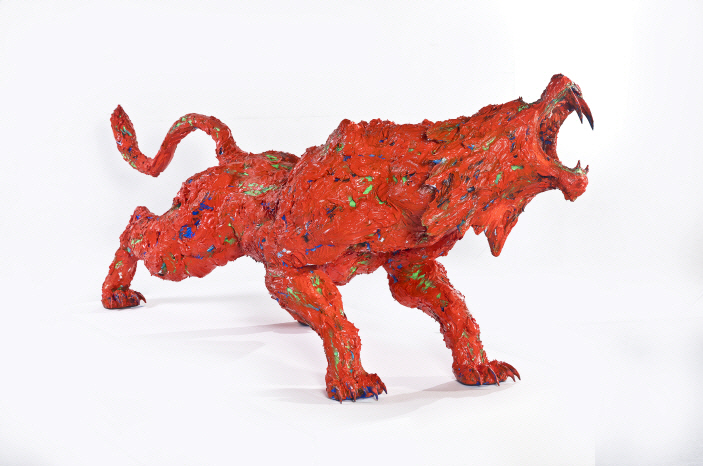
Ji Yongho’s work should be understood as a powerful warning to humanity. The symbols that confront human beings are not merely warnings about the extinction of animals, but rather speak to a crisis within human civilization and culture—one that must coexist with other forms of life. The predatory behavior of humans, worse than that of beasts, is ultimately leading to the devastation of their own world.

Humanity’s war games, driven by increasingly advanced tools of civilization, are racing without brakes toward a terminal fate in which humans hunt one another. In a world like Mondo Cane, where all animals are consumed, the piled-up bones resemble junkyards filled with mountains of discarded tires, evoking the fate of humankind.

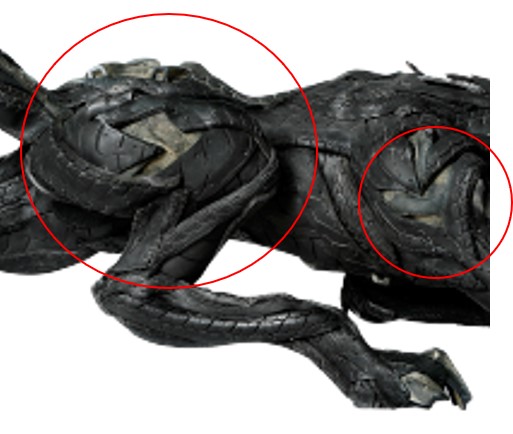
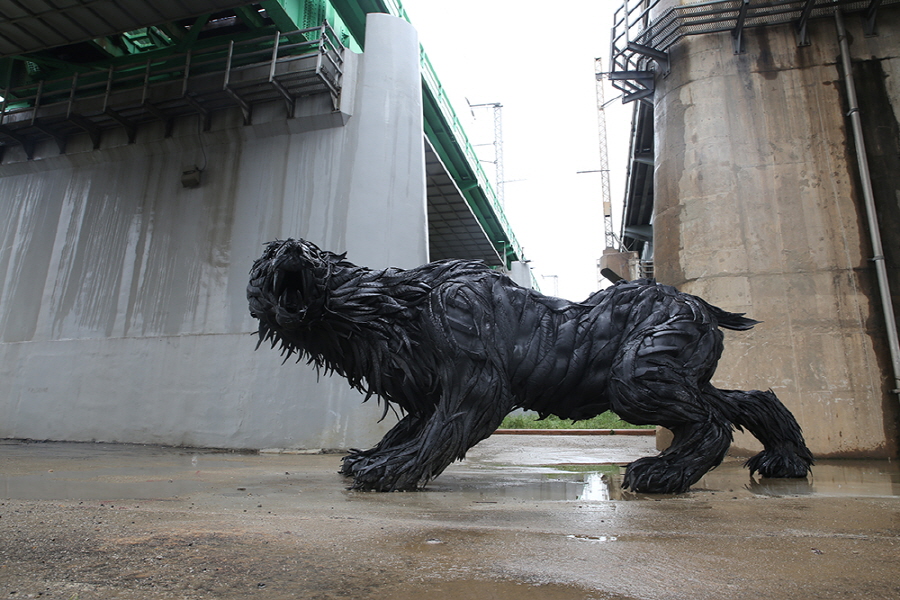
More than carnivores, it is the mutated forms of ‘herbivorous humans’ transformed into ‘carnivorous humans’ that have led to this disappearance. The powerful forms in which the bones of vanished animals are reborn through the artist’s hands—clothed in the tough, resilient musculature of tires—invite the viewer into deep contemplation.
 
The tire is an extension of human leg muscles. Art performs a prophetic function: it reveals and warns against the brutality hidden within the human interior, concealed beneath the veneer of culture and civility. If we imagine these symbols coming to life within a virtual reality, would they be depicted as their original animal forms?

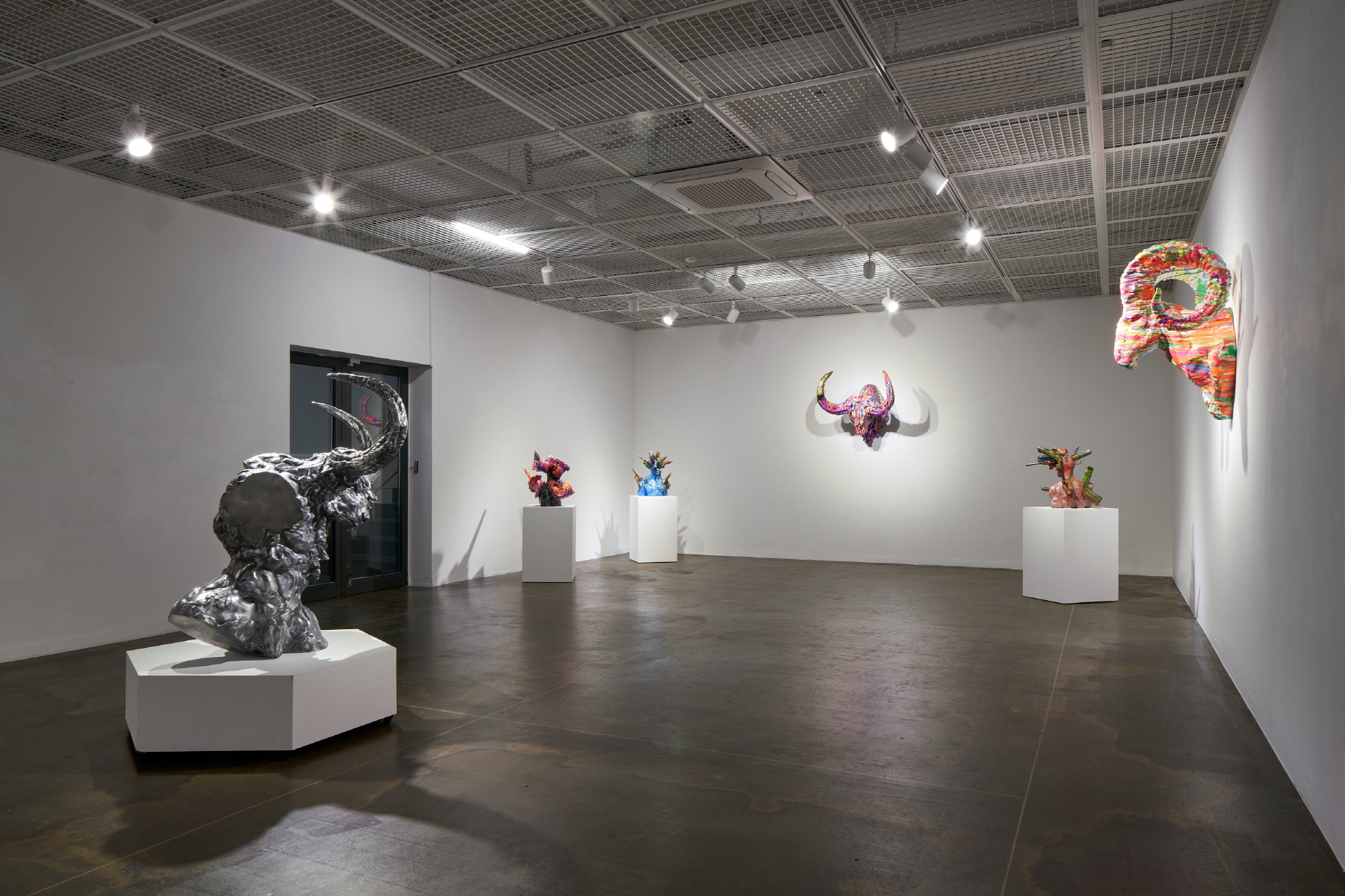
Or would they emerge as mutants—new species possessing genetic traits necessary to survive in this altered age, fighting against and devouring humans? The latter would be depicted as massive collectives rushing into densely populated human regions, annihilating humanity in order to restore peace to the earth. Ultimately, every world imagined by humans may be portrayed as a triumph of humanity, yet it is clear that through Ji Yongho’s work, a new symbolic realm is being opened.

Finally, one might suggest to viewers encountering his work that approaching it without imposing language—engaging instead with a meditative mode of perception—allows access to a deeper structural level of meaning. Tires, as extensions of muscle, have enabled humans—once the slowest of beings with fragile legs—to become the fastest, conquering space through augmented physical power. Thus, within his work, the tire is perceived as a symbol of muscular force imbued with immense power.

References