LISEOK (b. 1988) has developed a multidisciplinary practice spanning photography, media, and installation, capturing familiar landscapes as unfamiliar scenes in order to awaken dulled senses and expand rigid frameworks of thought.
 
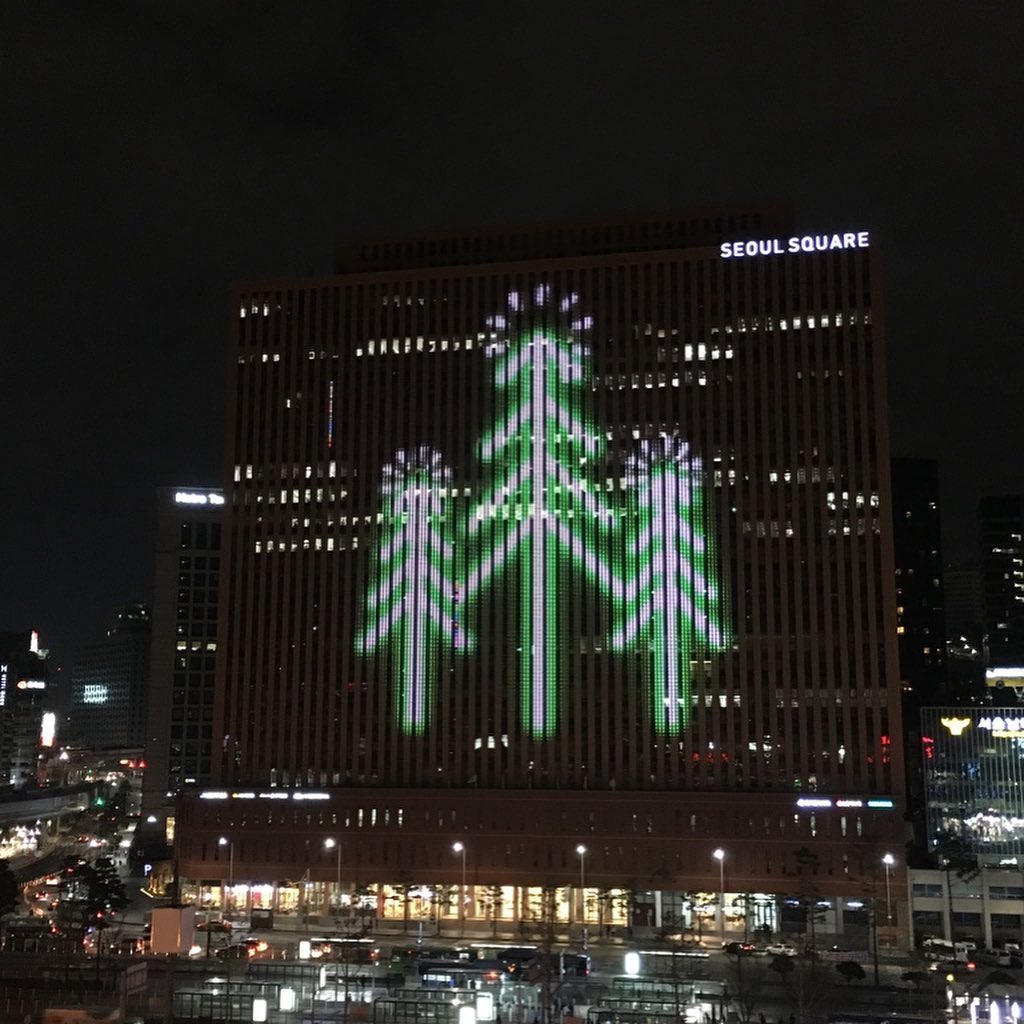
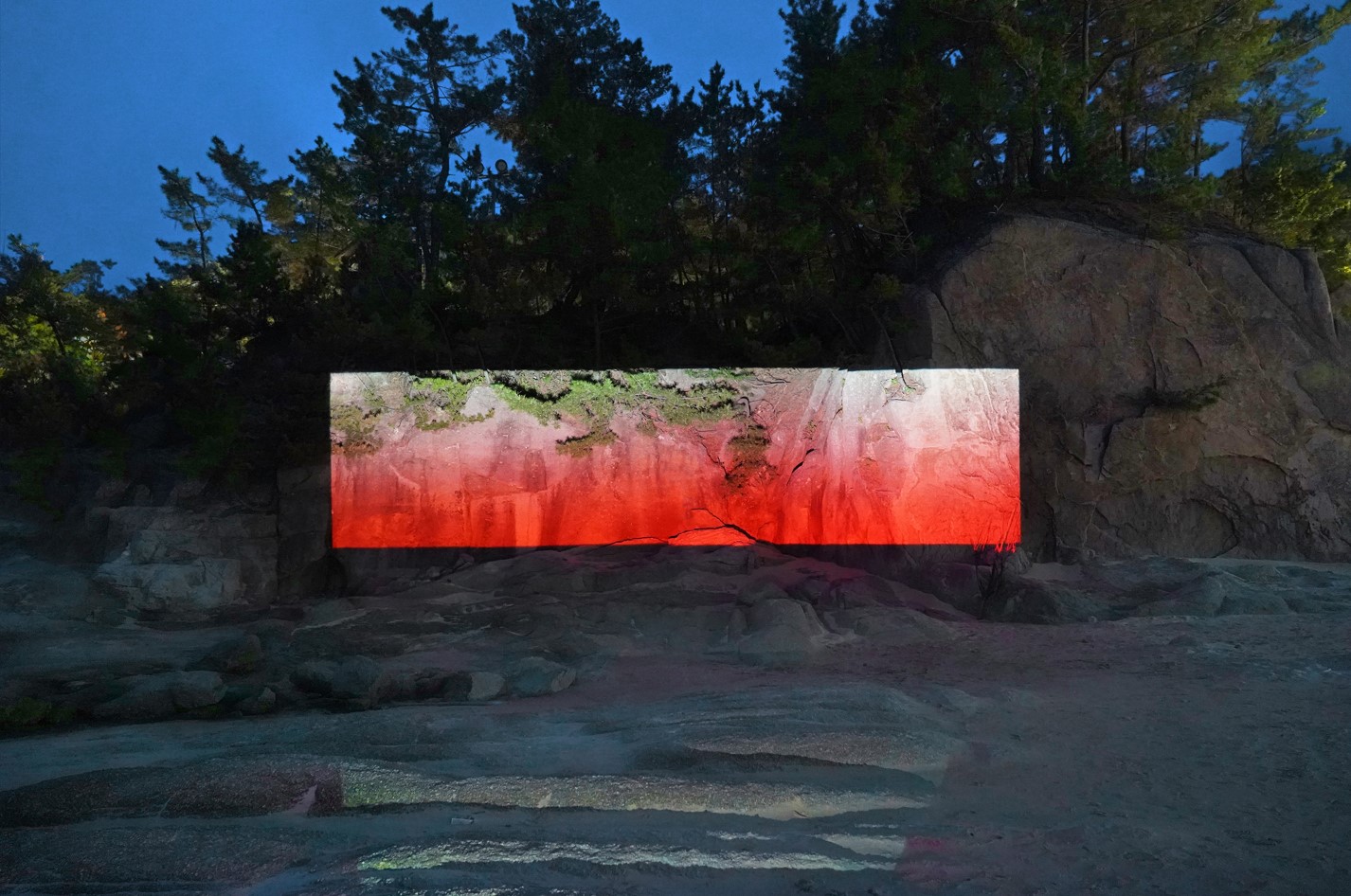
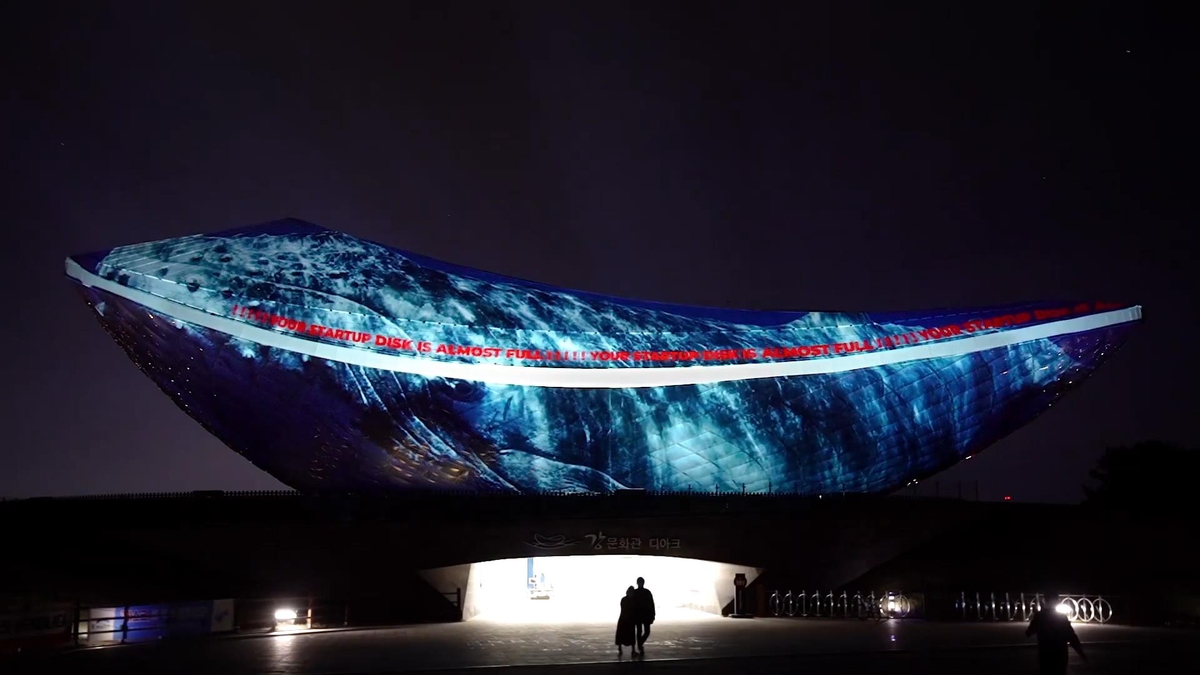
In particular, the artist experiments with projection mapping techniques—casting images onto the surfaces of objects and architectural façades—within natural environments, reflecting on the organic relationship between humans and nature while addressing the loss of tangible, lived sensations in rapidly changing contemporary society.


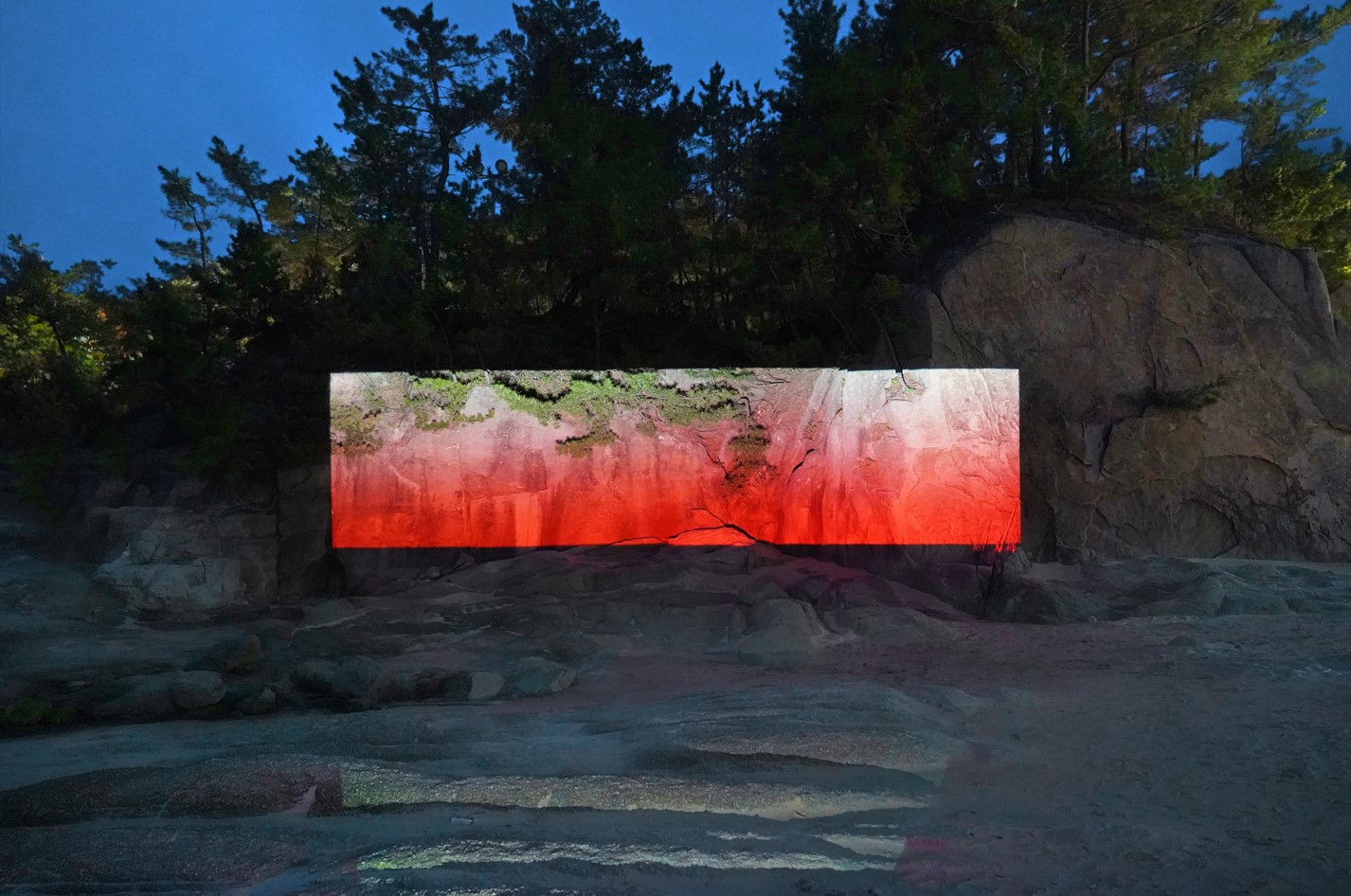
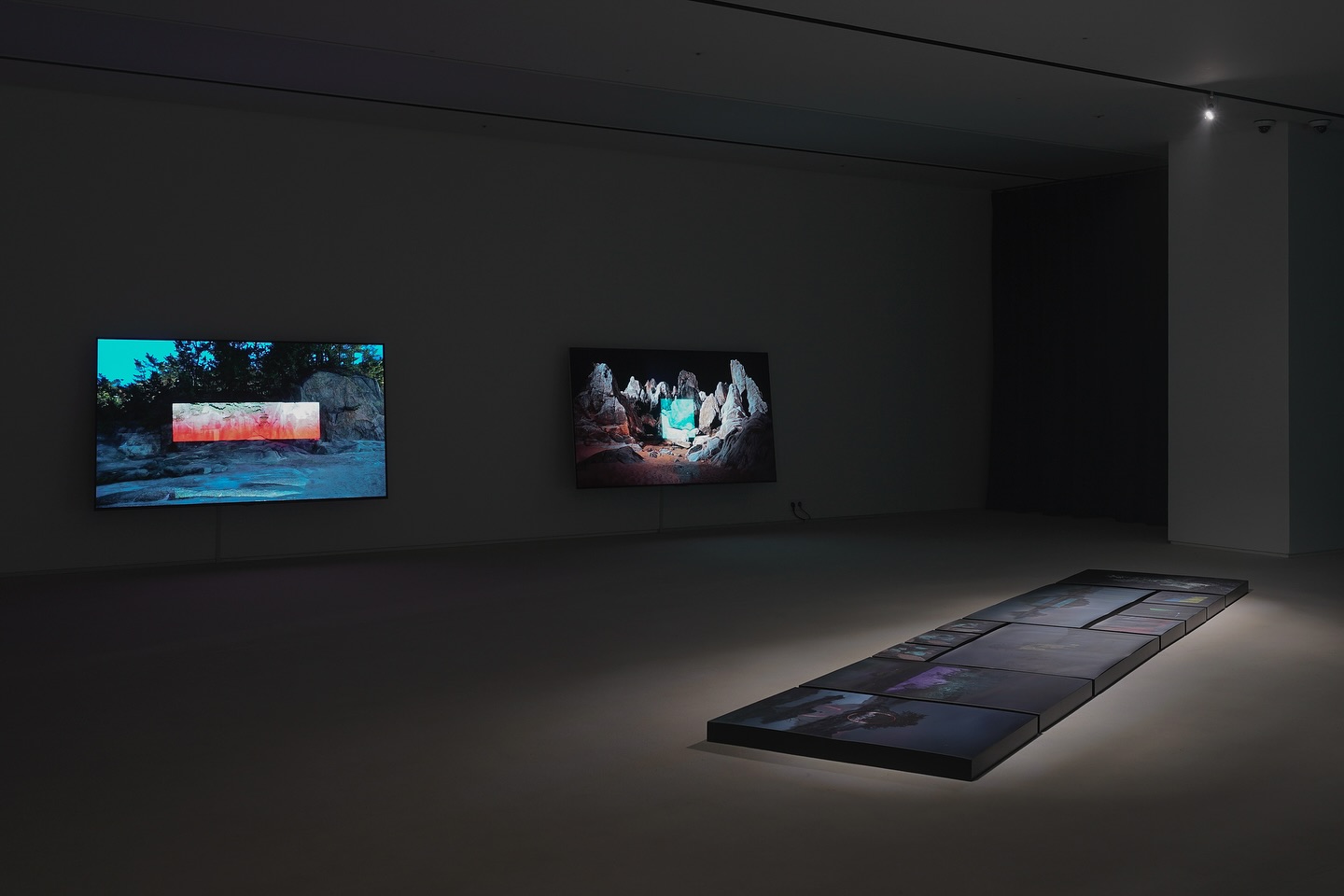
LISEOK, FRAME2021-SON, 2021, Video installation, 4K, LG OLED display devices, 98.9×171.9cm © LISEOK

LISEOK has long engaged with themes of nature, environment, and climate. In approaching these subjects, the artist sets the finite boundary of a “frame” upon the phenomenon of nature—rooted in infinity—focusing on moments where nature and humanity, art and the times, and environments intersect and collide.


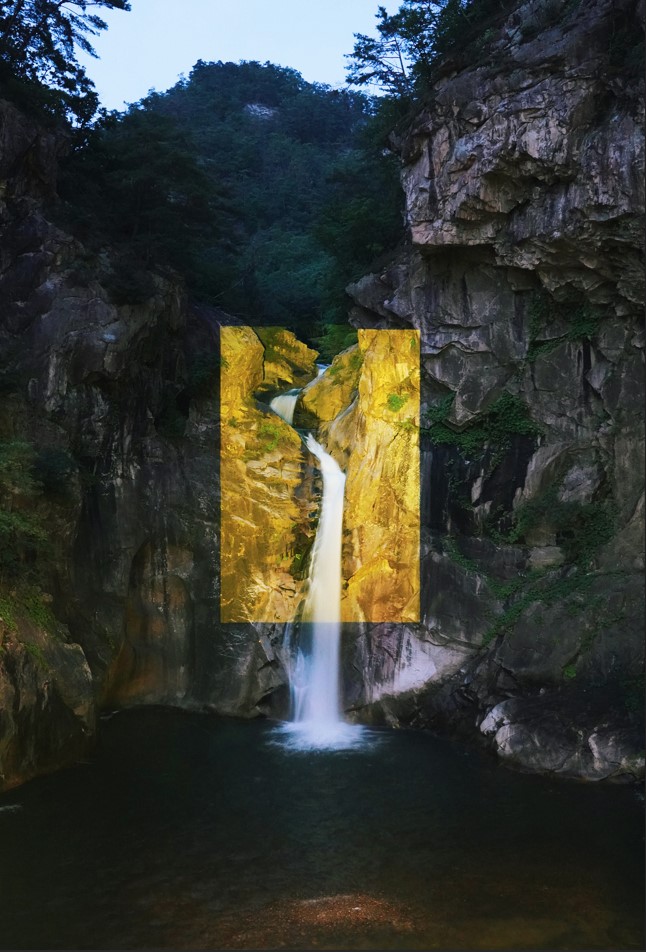
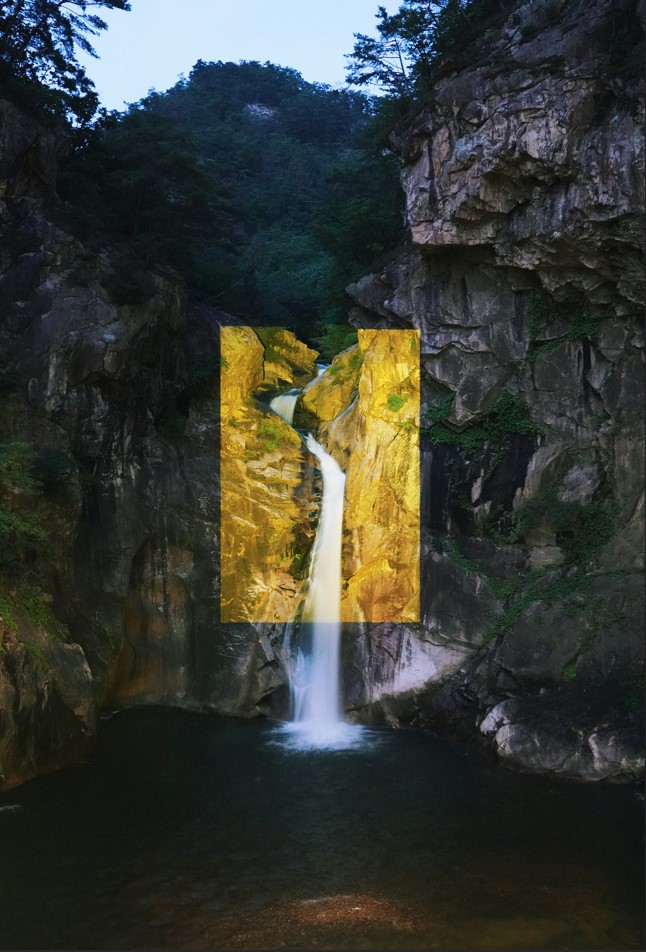
LISEOK, FRAME2021-SAM, 2021, Video installation, 4K, LG OLED display devices, 107.1x61.8cm © LISEOK

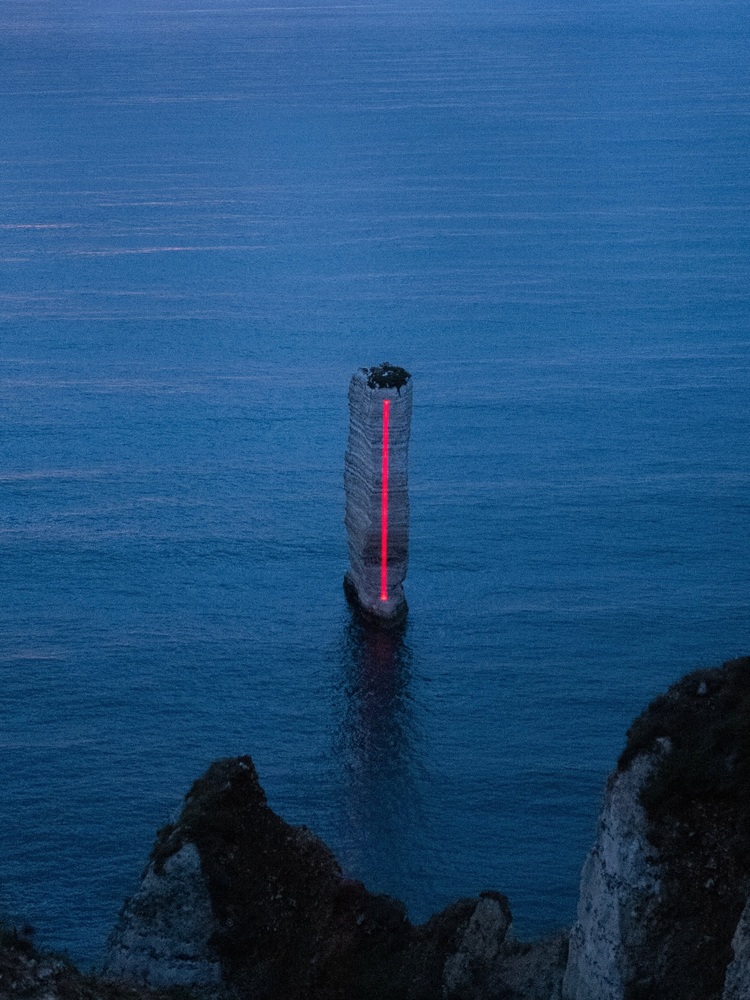
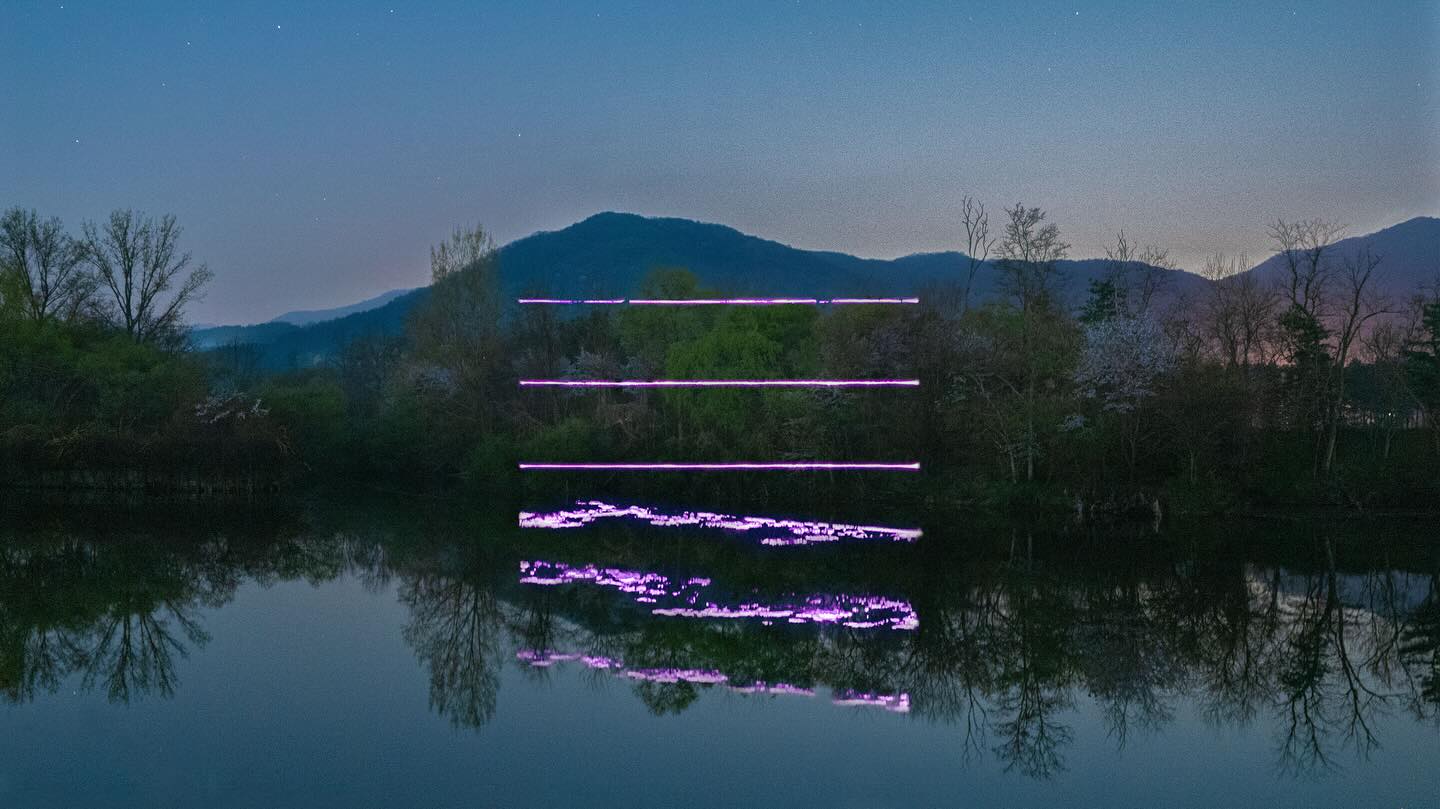
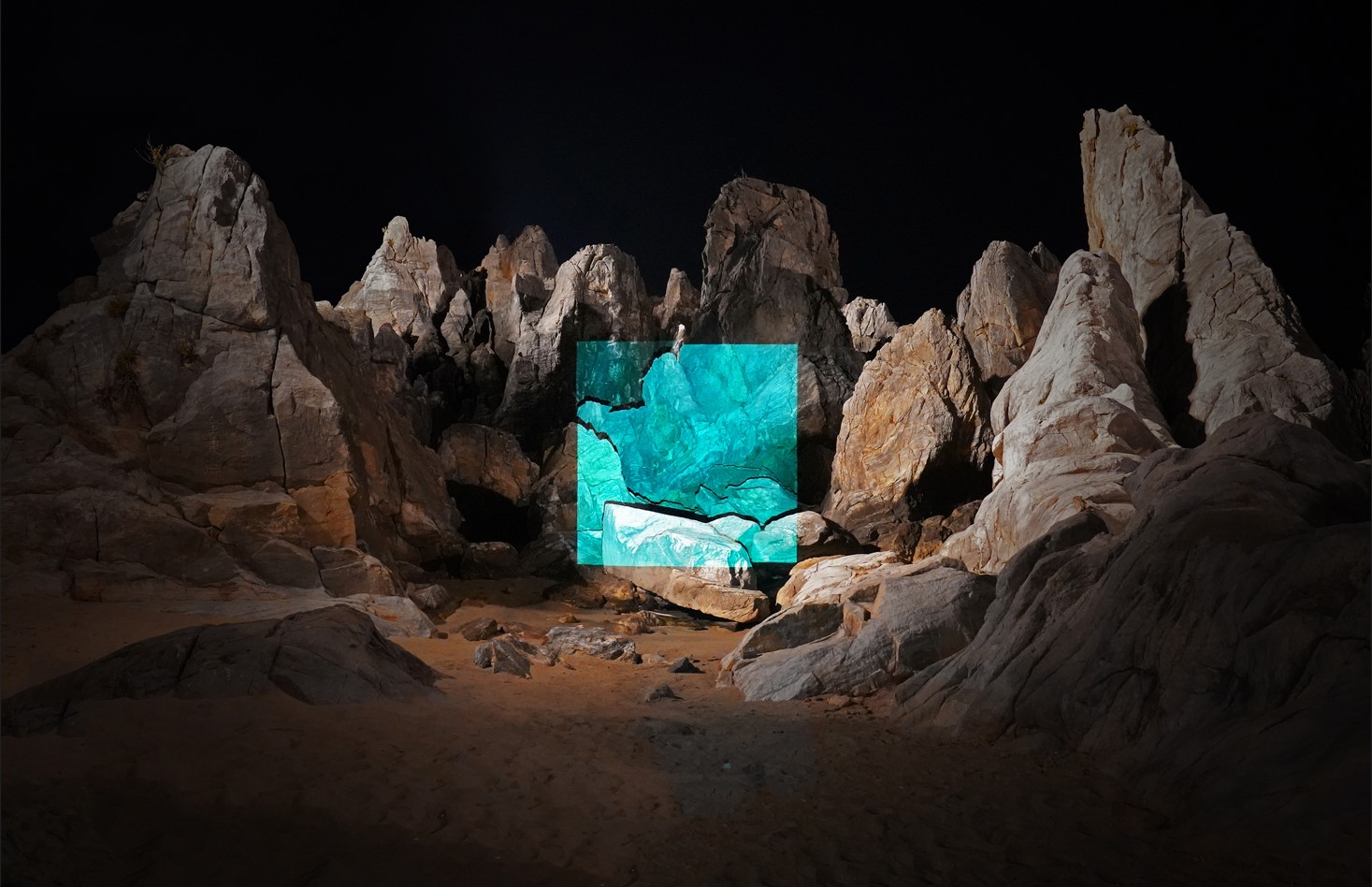
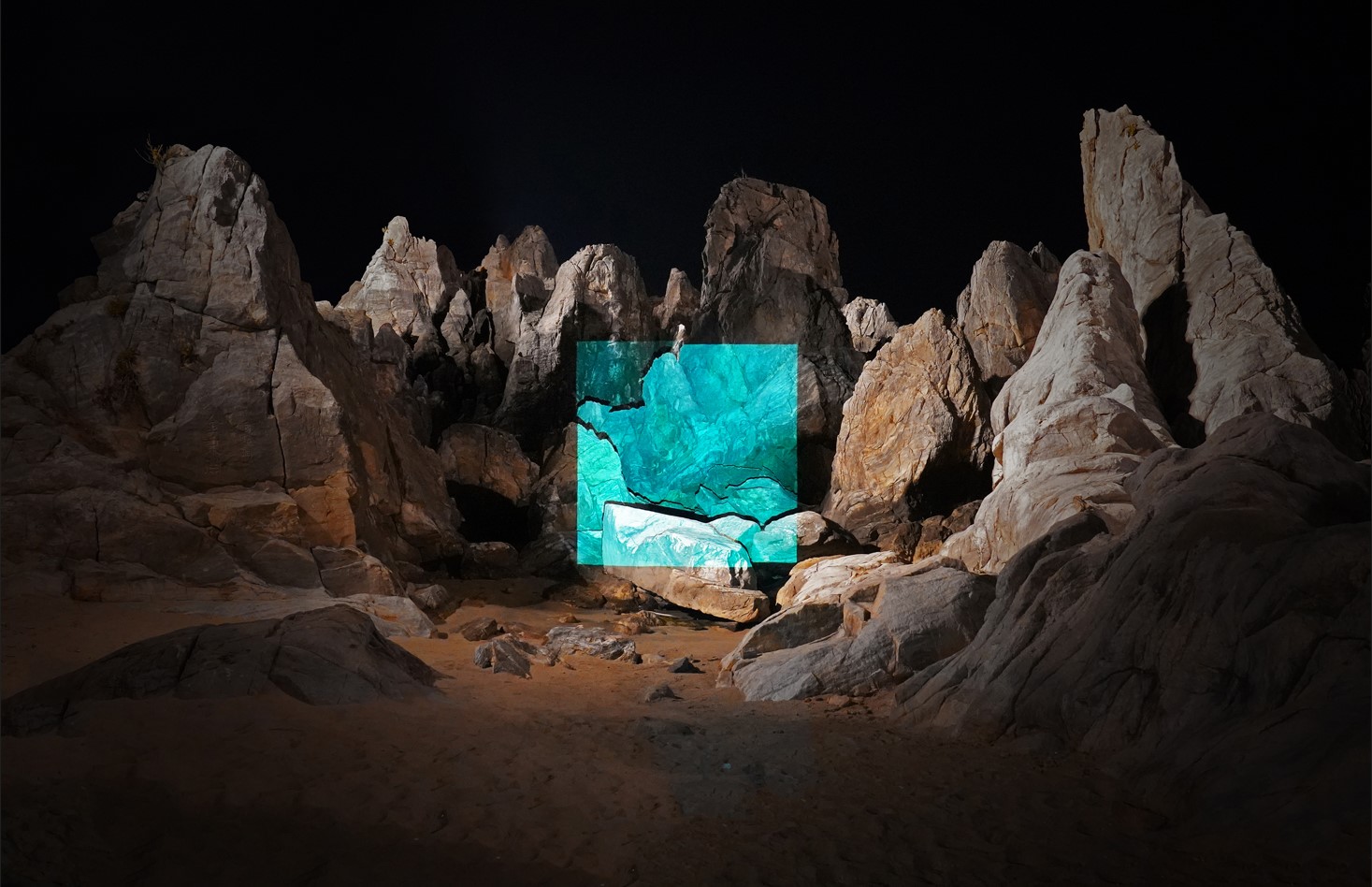
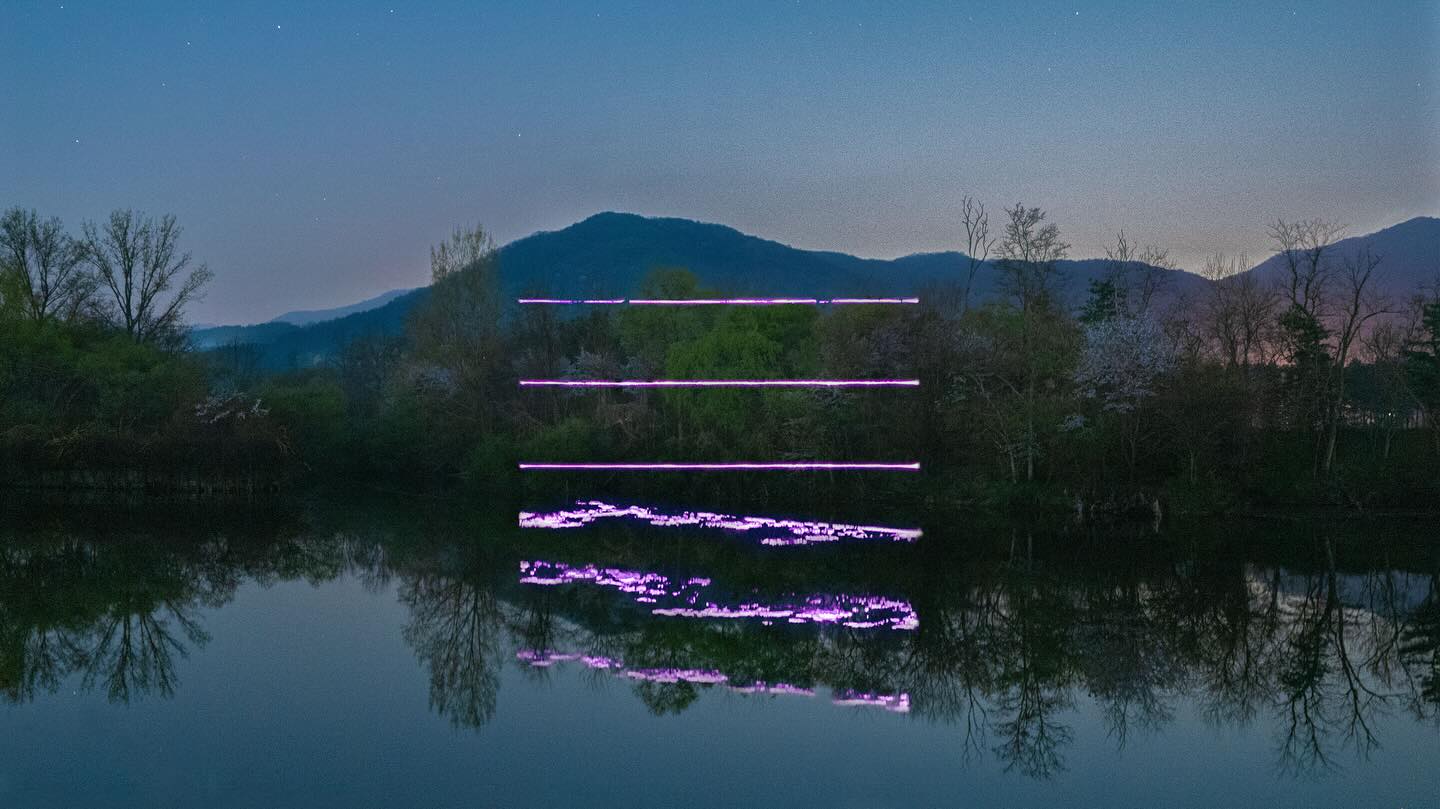
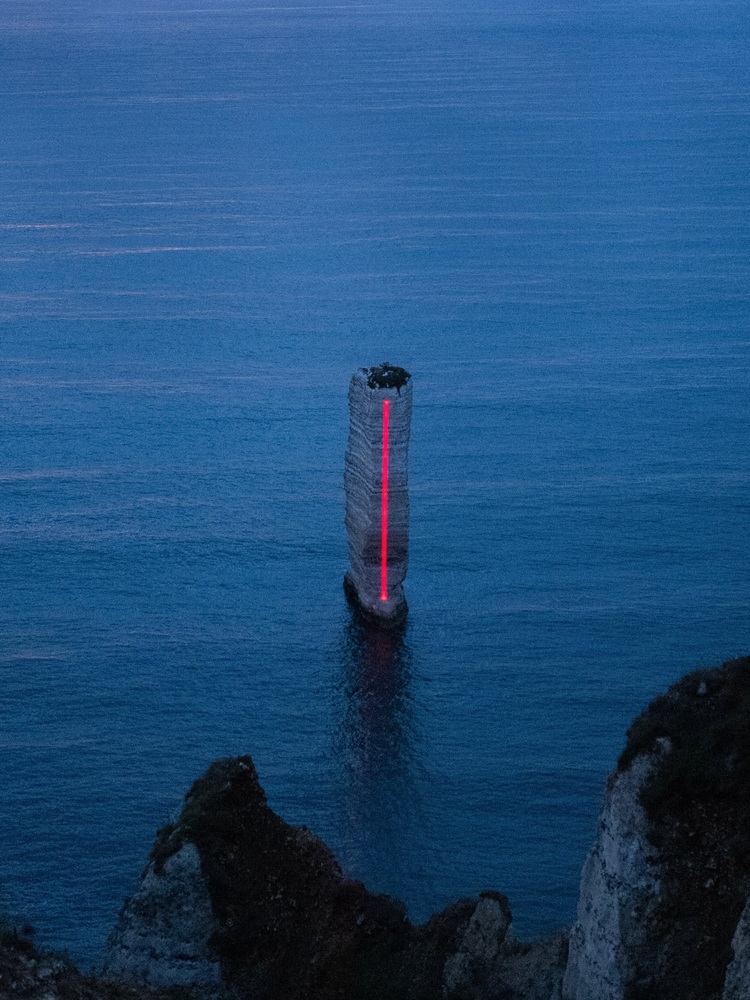
The concept of the “frame,” which runs through LISEOK’s artistic practice as both an idea and a formal element, emerges from the encounter between natural environments and artificial elements such as light and digital technology. Produced through 3D mapping techniques and projection technologies, artificial light cuts across the very center of mountains, rocks, and trees, functioning as a meticulously constructed, surreal window that penetrates the boundary between reality and unreality.
 
Initiated in 2018, LISEOK’s ‘FRAME’ series is a representative body of media work in which artificial lighting is installed within natural settings to capture specific scenes. The series represents an attempt to connect nature and humanity, actively engaging natural elements while carefully introducing controlled artificial interventions.


LISEOK, FRAME2021-CHT, 2021, Video installation, 4K, LG OLED display devices, 97.6x171.2cm © LISEOK

His media installations—often understood as a form of land art—are realized in ways that do not harm the natural environment. For instance, light, the primary medium of his work, is immaterial: it is temporarily placed upon a subject and then disappears. Furthermore, by utilizing solar energy, LISEOK achieves a self-sustaining artistic practice, generating and consuming energy independently.
 
The ‘FRAME’ series, which seeks to bring art and the environment into dialogue, raises questions about harmony with nature and the role of art, while also prompting reflection on contemporary environmental issues and the interconnectedness between humans and nature.


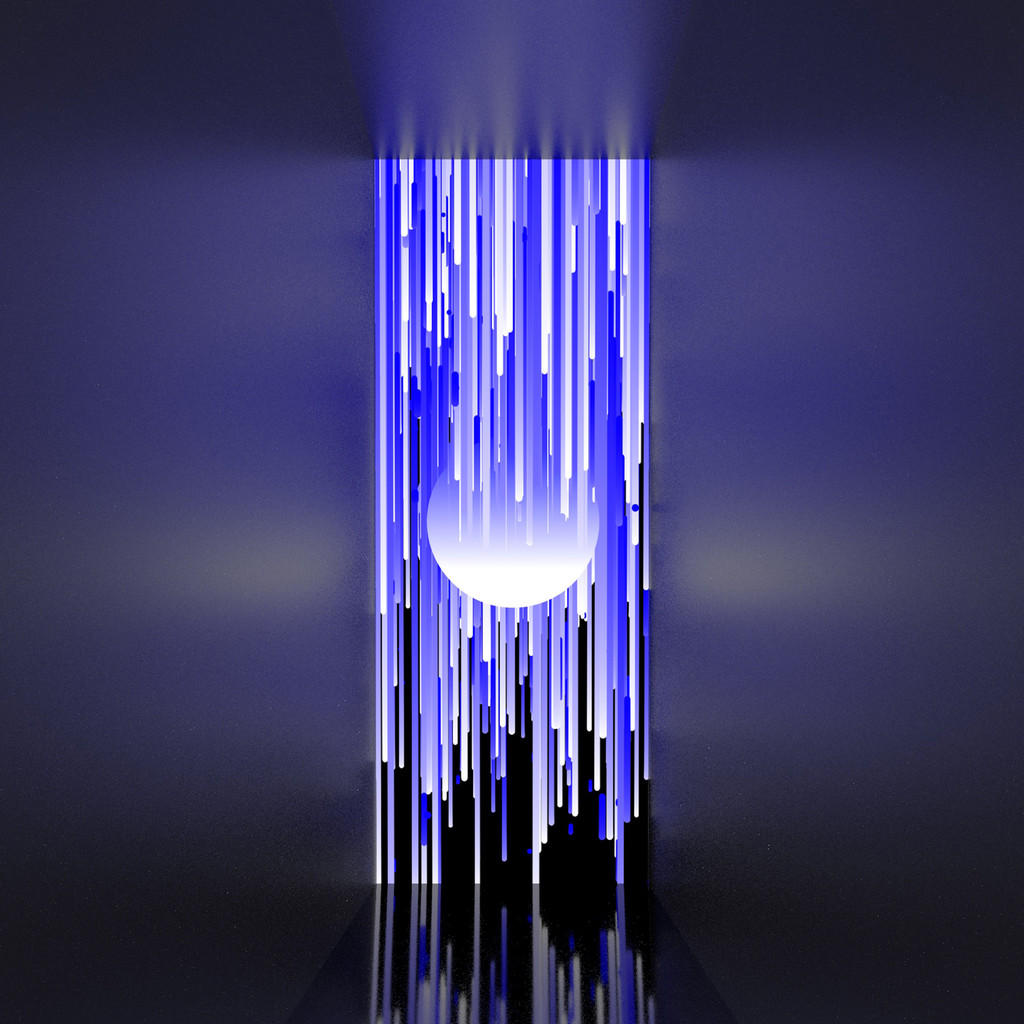
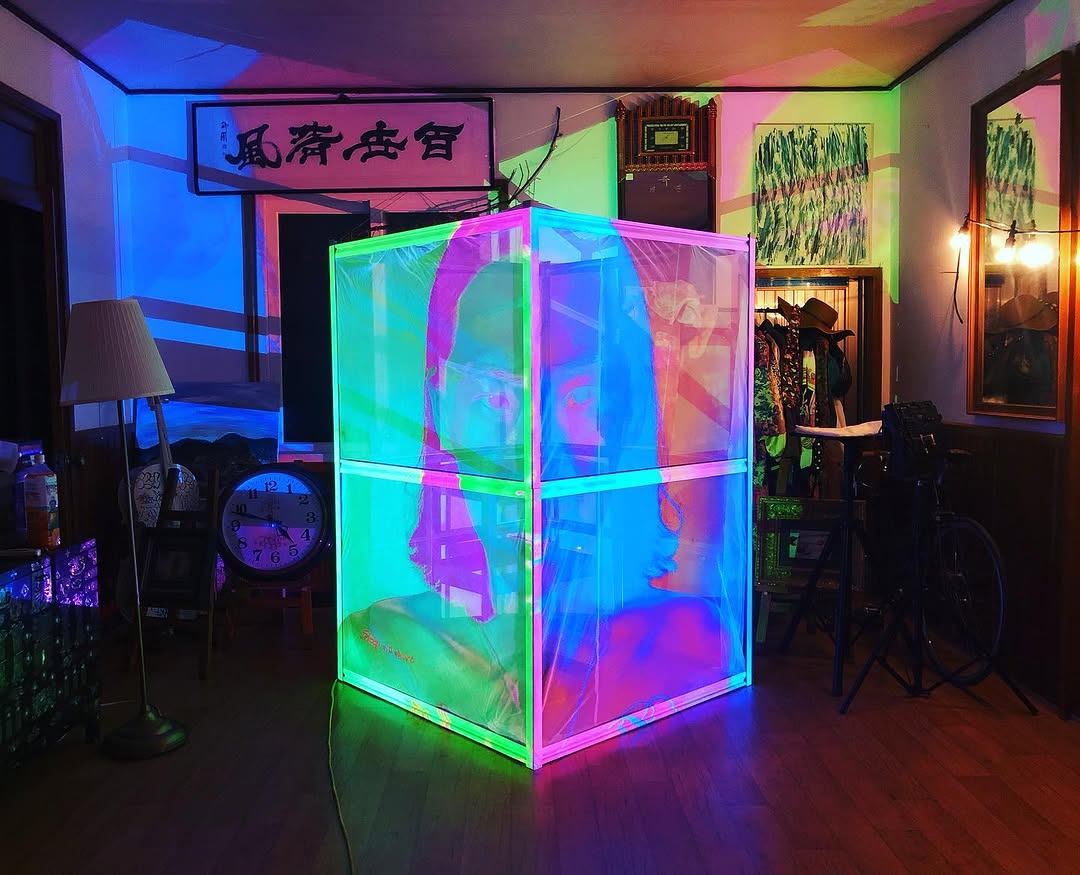
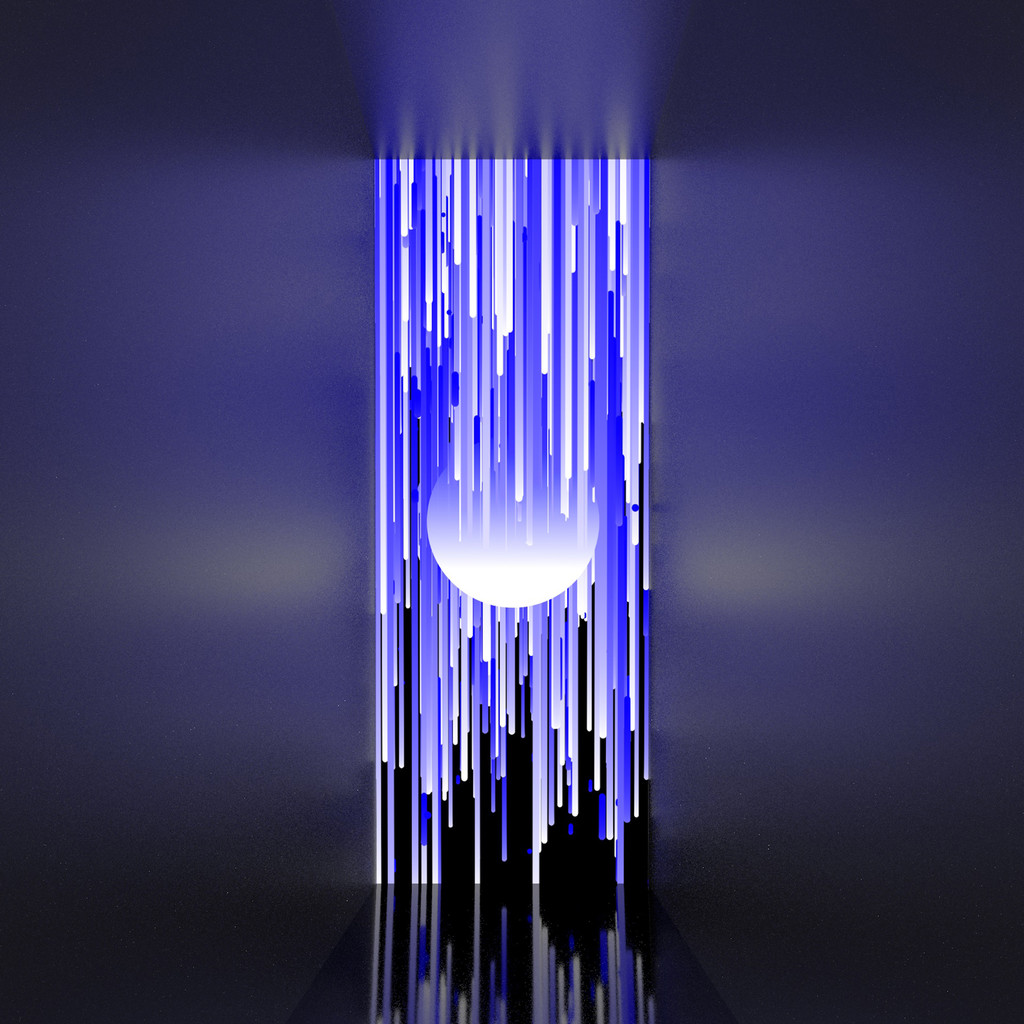
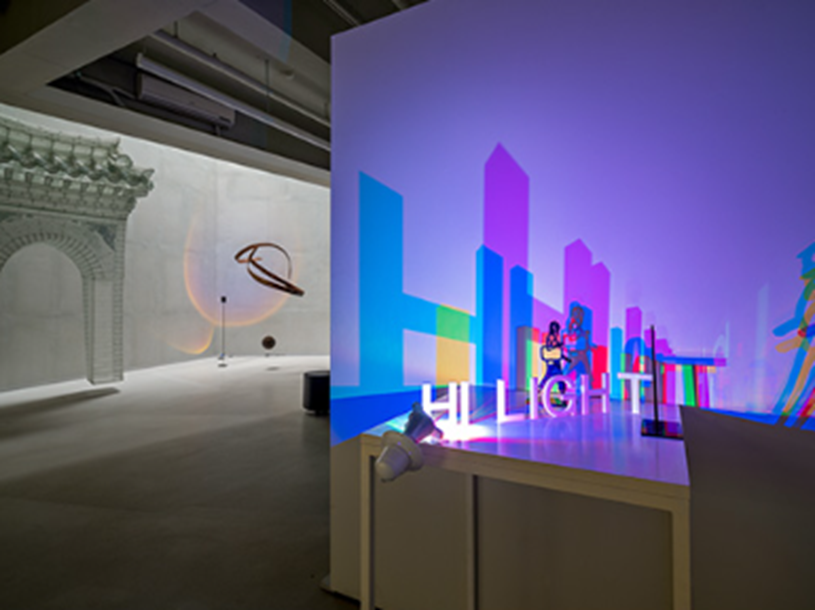
LISEOK, ENTER, 2022, Projection installation, glass, 3min. © KOO HOUSE MUSEUM

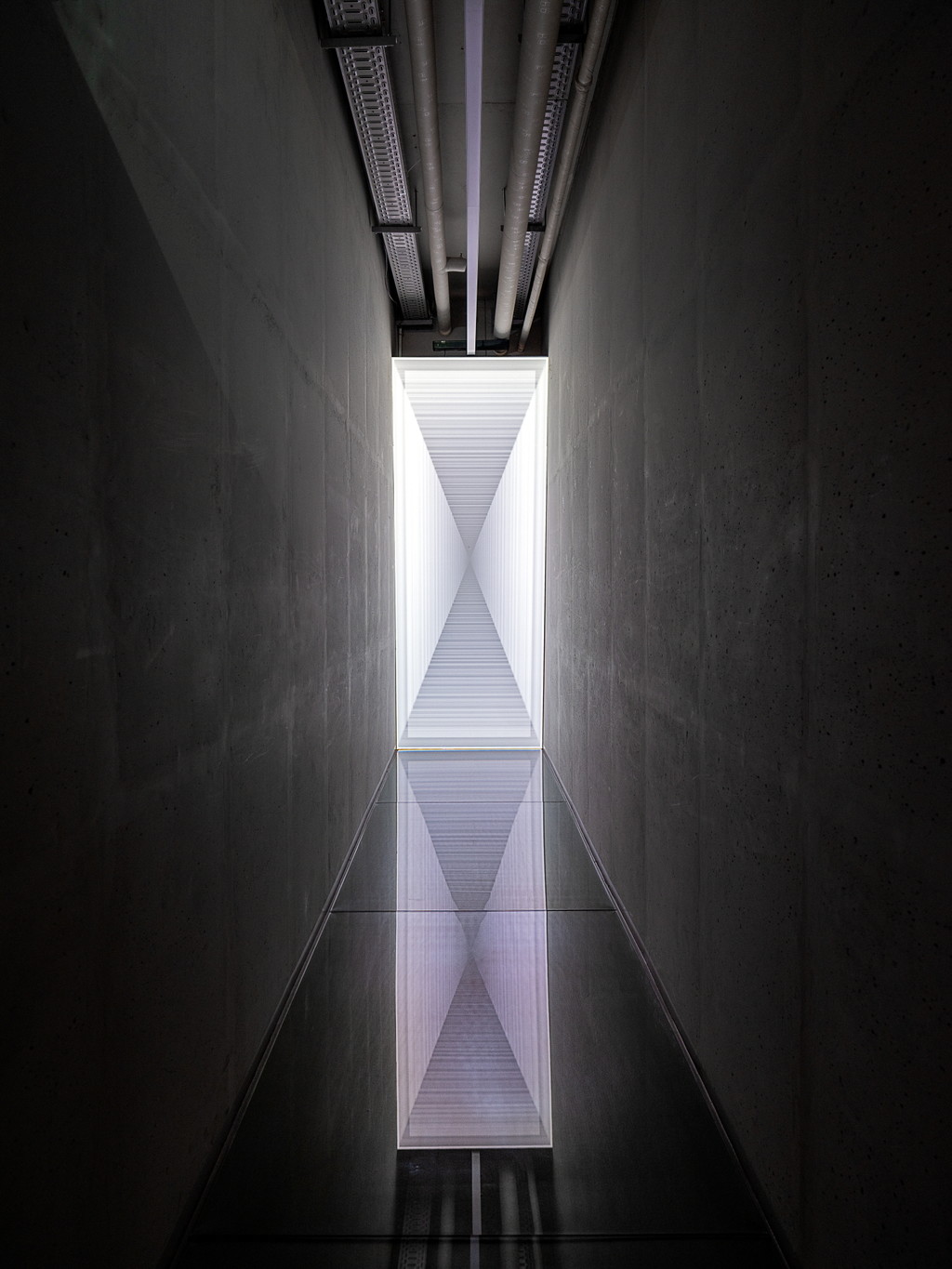
Meanwhile, in the 2022 work ENTER, the artist installed video accompanied by a grand, immersive sound within a narrow, corridor-like entrance, posing questions about the era of “hyper-connectivity” accelerated by the COVID-19 pandemic and advances in science and technology.
 
LISEOK argues that while artificial intelligence may surpass human limitations, it has yet to acquire the realm of sensory experience. He suggests that although the act of “feeling” undeniably exists, even humans do not fully understand its principles—and therefore cannot teach it.
 
Fearing the consequences of a world governed by such an absence, the artist expresses this sentiment by stating, “The door through which I wish to enter that world is very narrow.”


LISEOK, ENTER, 2022, Projection installation, glass, 3min. © KOO HOUSE MUSEUM

Reflecting this idea, the narrow, corridor-like entrance leading to ENTER functions as a passage toward a “gateway.” At its end, a tall and narrow screen presents chaotic imagery accompanied by a powerful, immersive sound.
 
Within the screen, a blue sphere transforms into a rectangle, then into a white rectangle and elongated blue rectangular forms, or into images of explosions—conveying the artist’s sense of confusion about how to confront and embrace a new civilization.


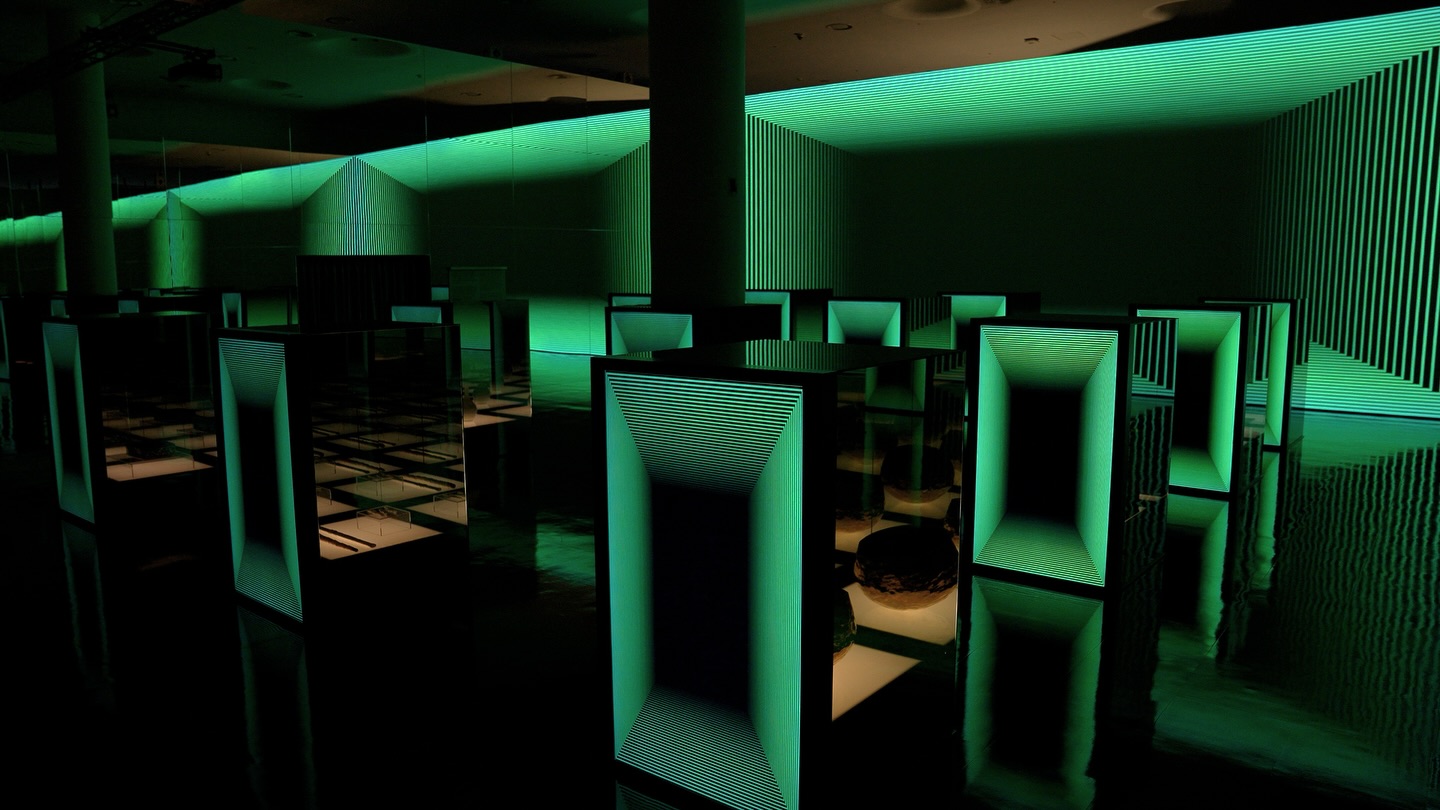
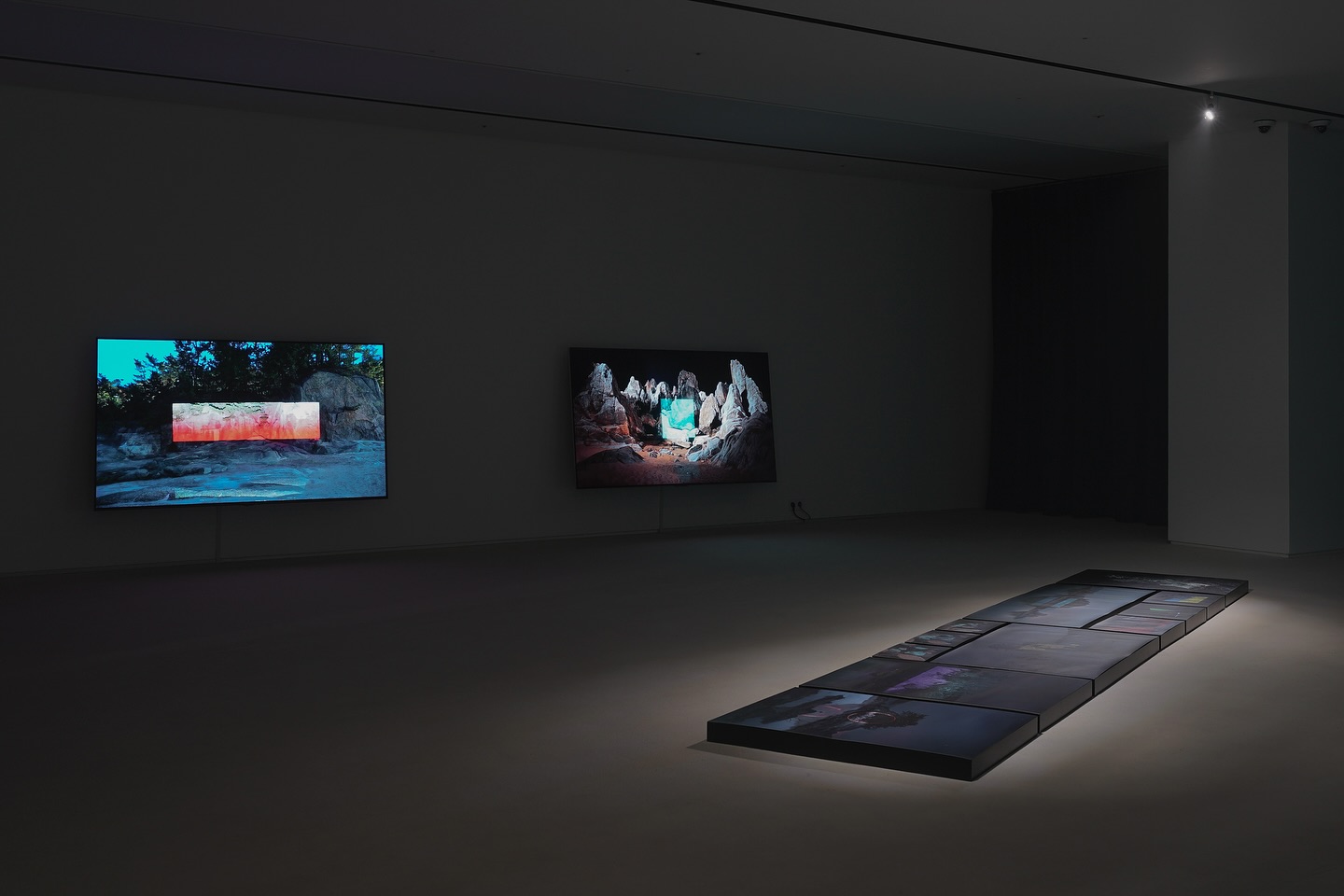
Installation view of 《FRAME: The Edge of All Grounds》 (Art Space Hohwa, 2024). Photo: Jeong Jihoo © LISEOK

In 2024, LISEOK’s solo exhibition 《FRAME: The Edge of All Grounds》, held at Art Space Hohwa, further expanded his long-standing exploration of the organic relationship between humans and nature.
 
In his work, the visual boundaries between the inside and outside of nature—constructed through the frame—function as a platform that renders visible, in an estranged manner, the gap between nature and the disorienting sensations and realities of a rapidly changing contemporary society.
 
Departing from traditional ways of viewing nature, the deliberate installation invites viewers to look down upon the works from their own vantage point. This arrangement subverts the synesthetic impressions of nature embedded in our collective memory, ultimately prompting a reconsideration of the inverted relationship between humans and nature.


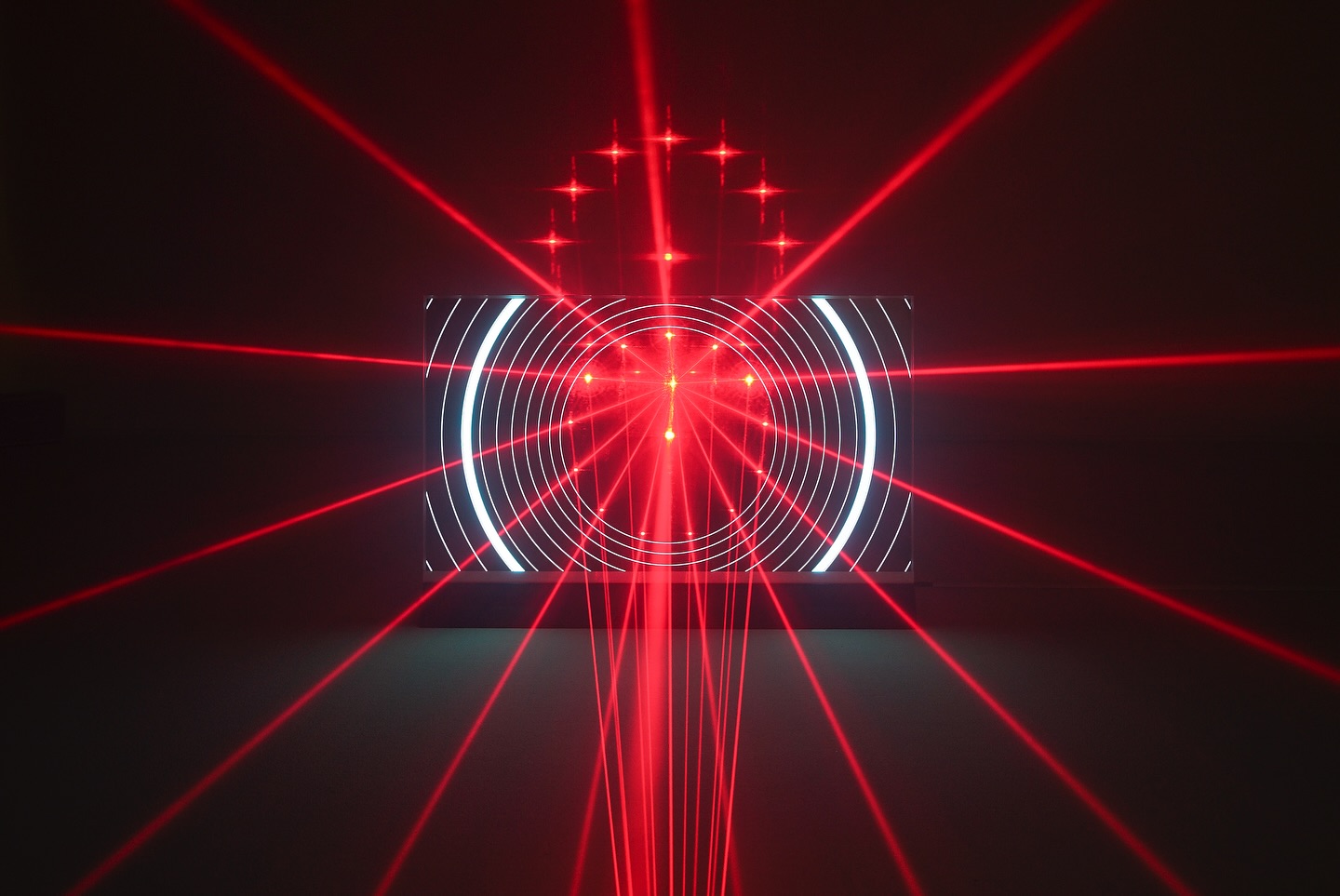
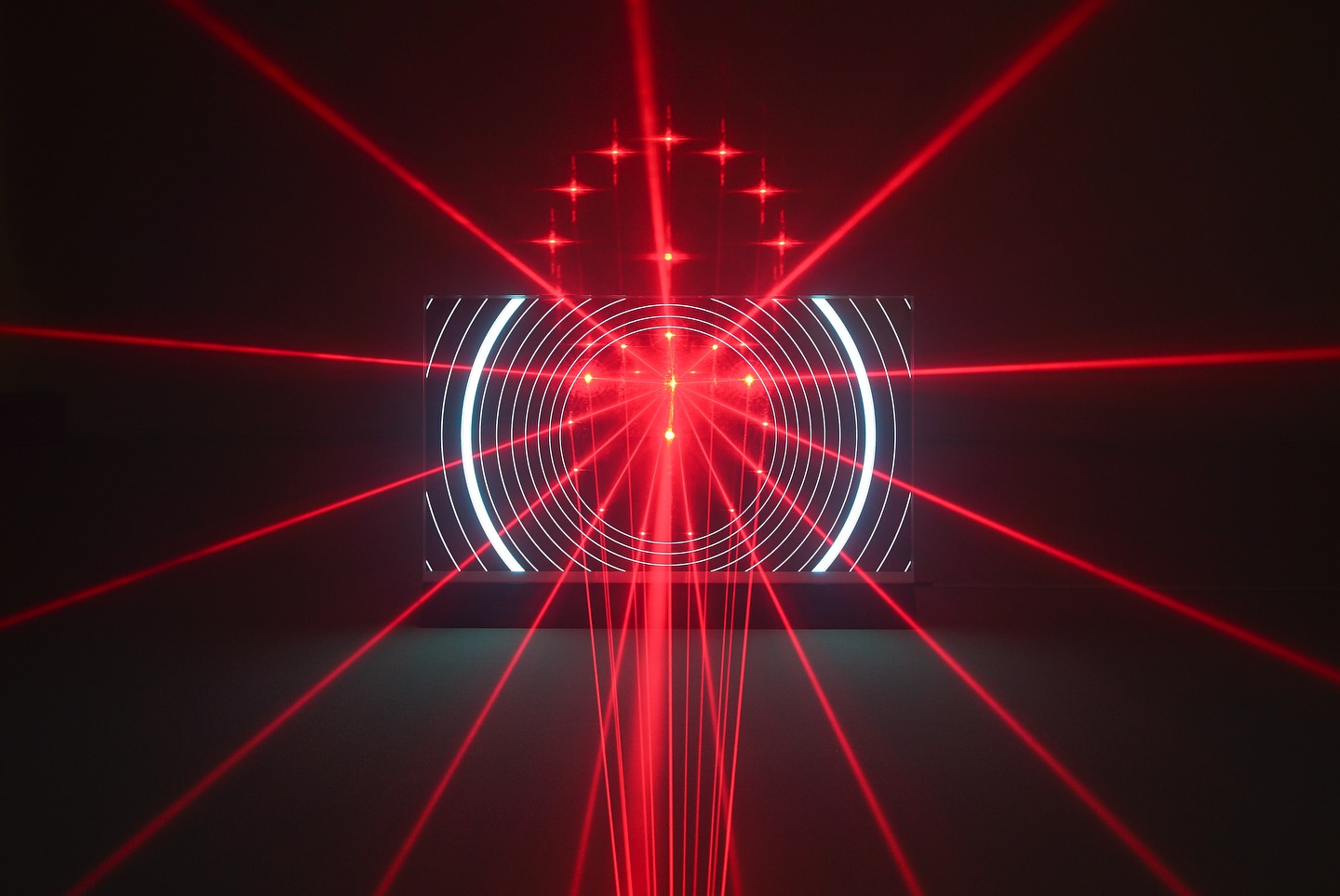
LISEOK, Into the Frame, 2024, LG TOLED (Transparent display device), laser display system, 3-minute motion graphic and electronic sound, Variable installation. Photo: Jeong Jihoo © LISEOK

His new artwork unveiled in this exhibition, Into the Frame (2024), captures the fear of the hyper-connected era where everything is linked through the internet, and the resultant sensory loss regarding nature, within a third space and on screen.
 
The abstract illusions of endless lines transitioning from one world to another provide a unique experience that goes beyond merely captivating the viewer’s gaze with spectacular beauty, offering an opportunity to transform the way one perceives the essence of existence.


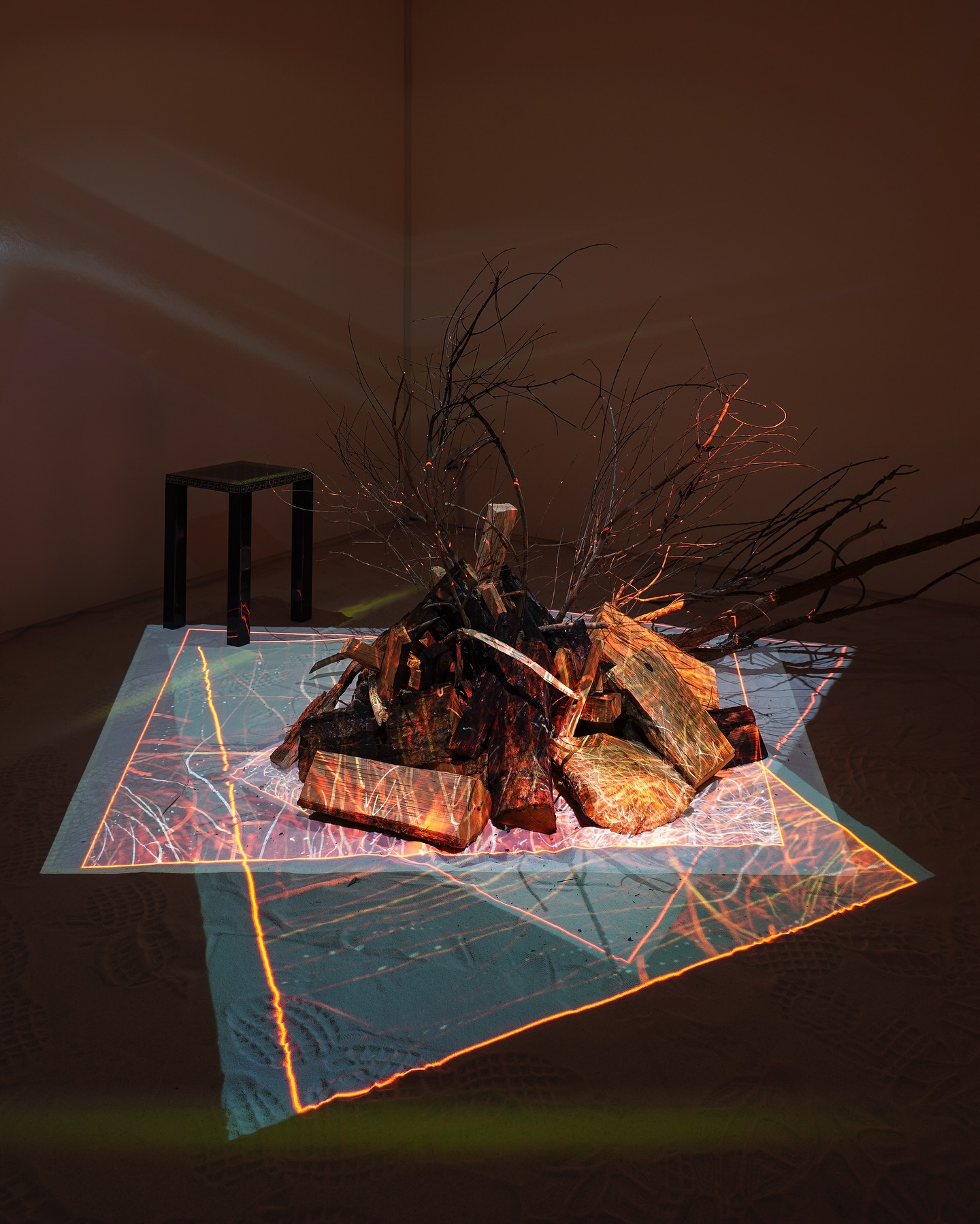
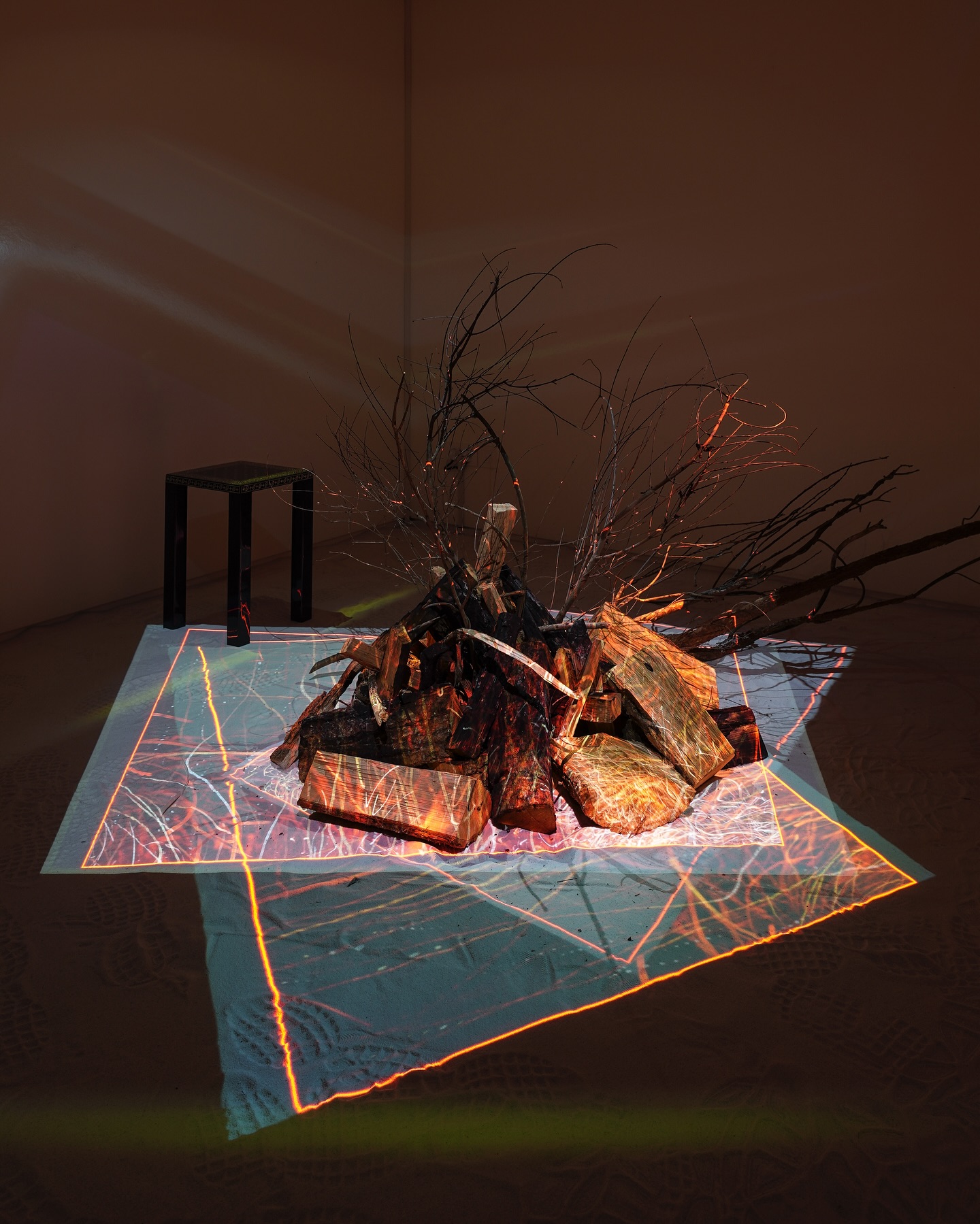
LISEOK, Bruised Flame, 2024, 3 LG Probeam lasers, Projection on Firewood pieces, Monophonic sound, Variable installation. Photo: Jeong Jihoo © LISEOK

Alongside this, the media installation Bruised Flame (2024) uses the primal sensation evoked by the image of burning logs as material. It reinterprets the shape of flames that vigorously rise and then fade away through projection, questioning the coexistential relationship between nature and humans through the cycle of creation and extinction.


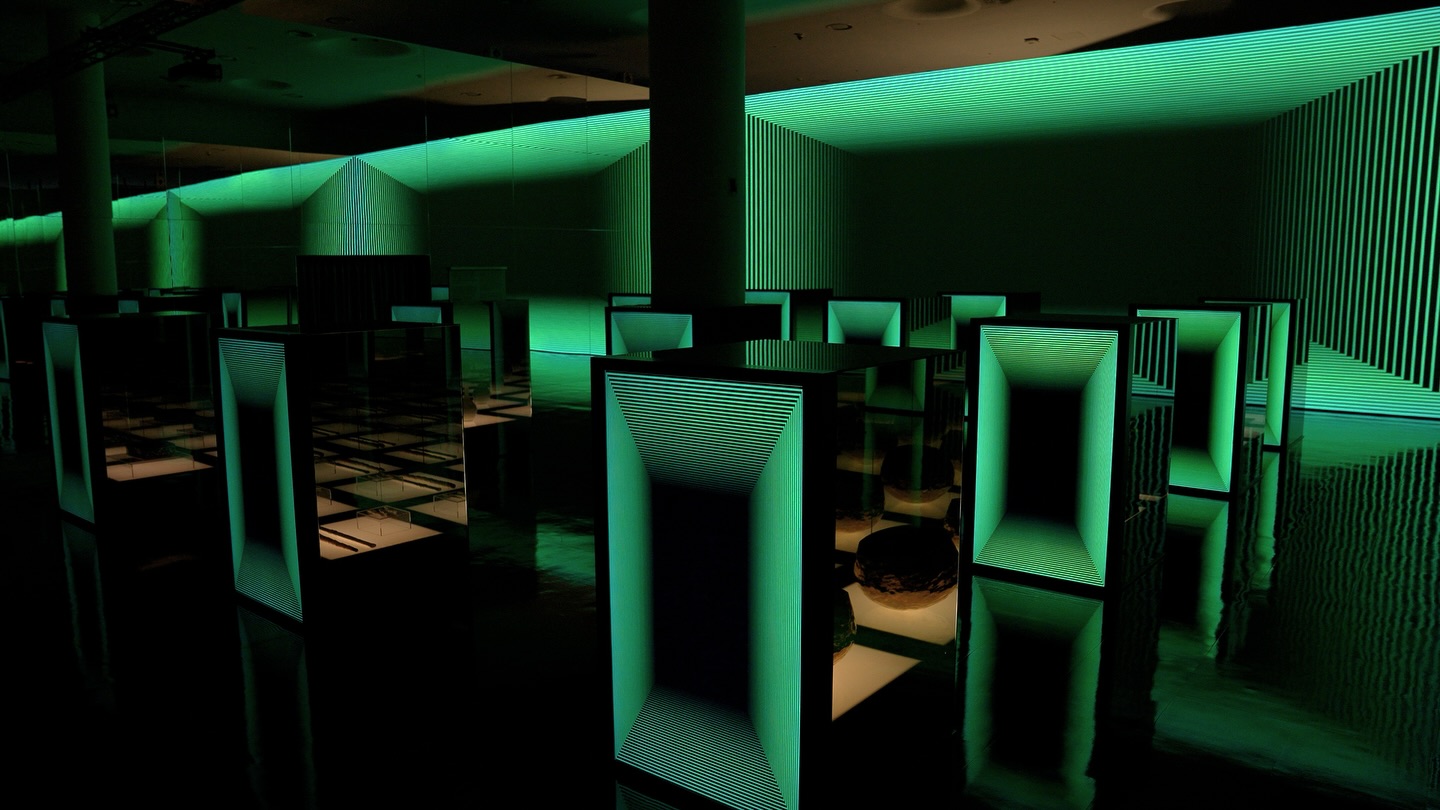
LISEOK, MUNYEE, 2025, Multi-channel media installation (11 monitors, synchronized as a single display)
7680 × 3240 px video, stereo sound
Duration: 2′40″ © LISEOK

Alongside his exploration of the relationships between nature and humans, and technology and humans through digital media, LISEOK has also developed works that reinterpret bodily movement and patterns through light and sound.
 
For instance, in MUNYEE (2025), presented in the group exhibition 《Heritage: The Future Fantasy》 hosted by the Korea Heritage Service, he translates the movements and patterns of Taekwondo poomsae—guided by verbal cues—into minimal expressions of light, while incorporating recorded kihap (yelling) sounds into the audio.


LISEOK, MUNYEE, 2025, Multi-channel media installation (11 monitors, synchronized as a single display)
7680 × 3240 px video, stereo sound
Duration: 2′40″ © LISEOK

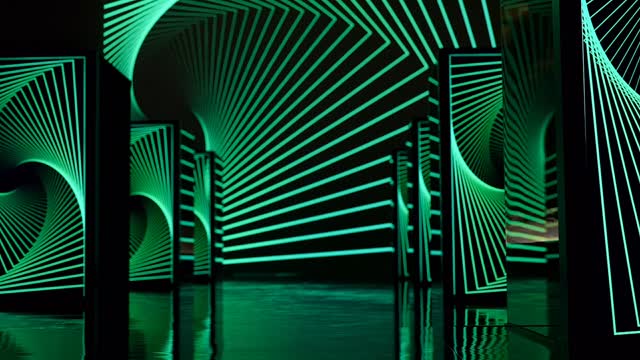
In MUNYEE, a media installation composed of eleven monitors, the movements of Taekwondo poomsae, translated into light, take shape within brief moments of stillness. The motion fades, but its grain remains, gathering into a single motif.
 
The sound is layered with recorded kihap (yelling), transformed into subtle sonic textures that echo the work’s physical rhythm. Pattern becomes a vast fabric woven with light: restrained gestures, muted colors, and a quiet vibrancy that blooms within empty space.


LISEOK, FRAME, 2024 © LISEOK

In this way, LISEOK uses the medium of light to think through and connect relationships between nature and humans, technology and humans, and art and technology. By presenting his works as multisensory compositions that incorporate not only visual but also auditory elements, he invites viewers to sense and reflect on the organic interconnectedness within this world.
 
In other words, his practice brings into contact inherently intertwined yet paradoxically conflicting realms—such as technology and nature, and humanity and art—awakening essential sensibilities that have become dulled, and offering an opportunity to reconsider contemporary environmental and social issues.


LISEOK, FRAME2025, 2025 © LISEOK

”A familiar landscape, unchanged and returning day after day, eventually settles into a still image. I look for an opening within that inertia. To discover something new, I begin by seeing the familiar from a different angle. I linger on that turning point.”
 
”The same object can feel completely different depending on the light. I use that light to build ‘FRAME’ on my world across the landscape, and to pull the unfamiliar from the places our eyes have grown numb to. To me, light is not merely a tool but a language of its own.” (LISEOK, from the video regarding the project ‘Framing the Unfamiliar’)


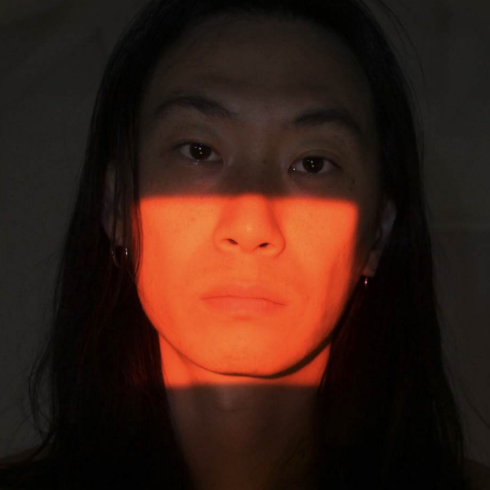
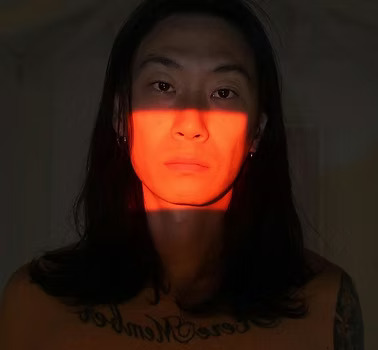
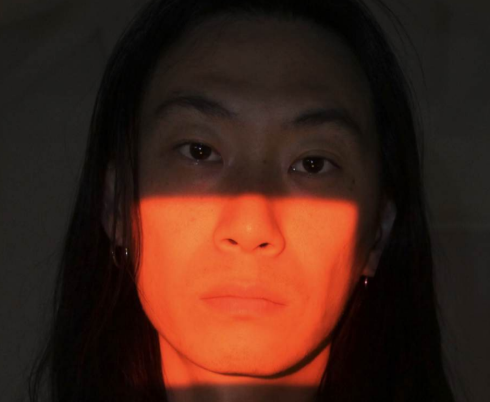
Artist LISEOK © LISEOK

LISEOK studied visual design and began his career with an invited media performance at the MAXXI National Museum of 21st Century Arts in Rome, Italy, in 2015. Since then, he has been working as a multidisciplinary artist, moving across a wide range of fields including art, international organization campaigns, performance, fashion, and the public sector.
 
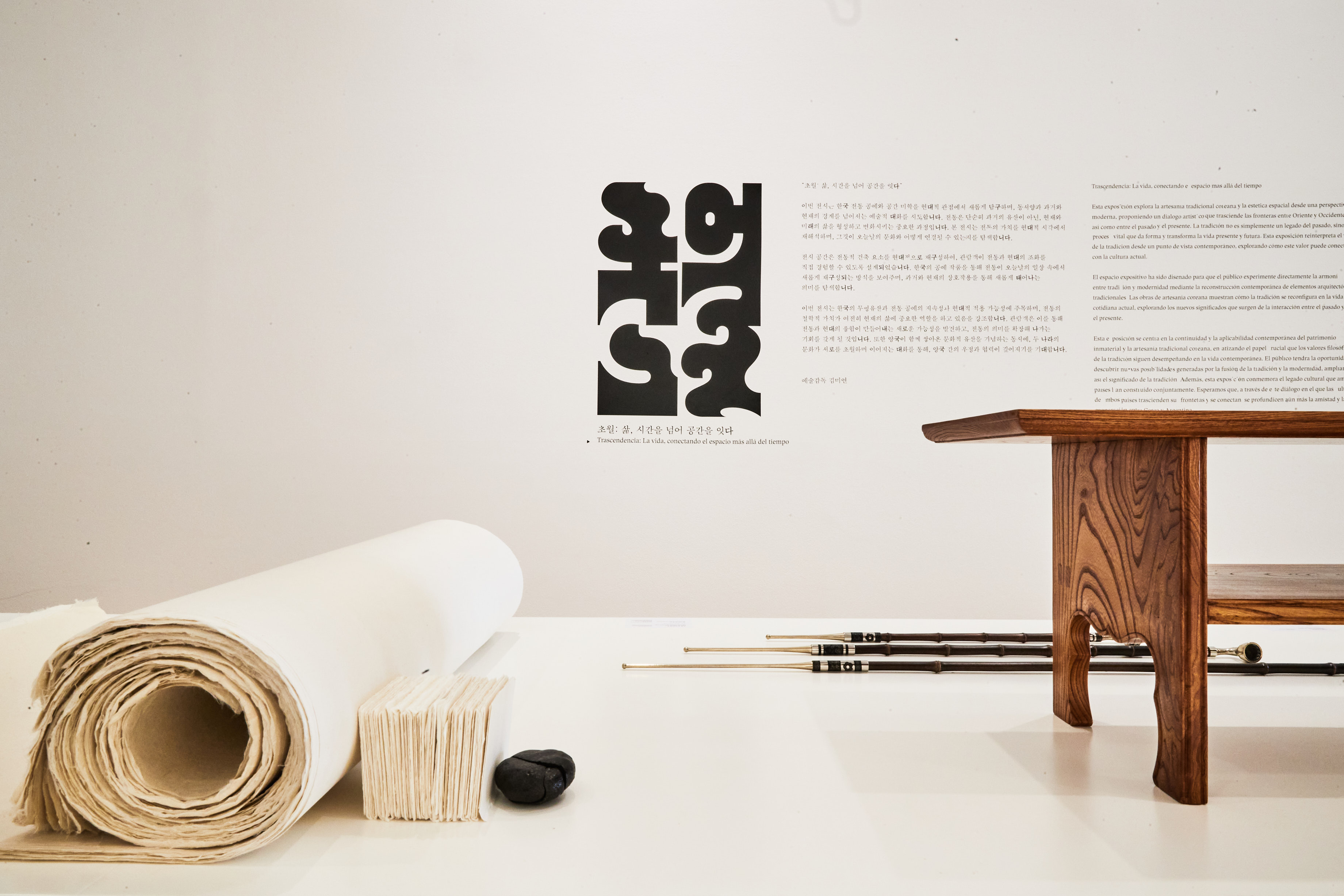
His recent solo exhibitions include 《FRAME: The Edge of All Grounds》 (Art Space Hohwa, Seoul, 2024). He has also participated in numerous group exhibitions, such as 《Heritage: The Future Fantasy》 (DDP, Seoul, 2025), 《Transcendencia: La vida》 (Korean Cultural Center in Argentina, Buenos Aires, 2024), and 《Hi, Light》 (KOO HOUSE MUSEUM, Yangpyeong, 2022).
 
In addition, LISEOK has collaborated with various global brands including Jordan, NIKE, and Porsche, and has participated in media façade projects such as the PyeongChang Olympic Cauldron, Oil Tank Culture Park, and Daegu Arts Center. Most recently, he served as the visual director for Speed (2026) by the Seoul Metropolitan Dance Theatre.

References