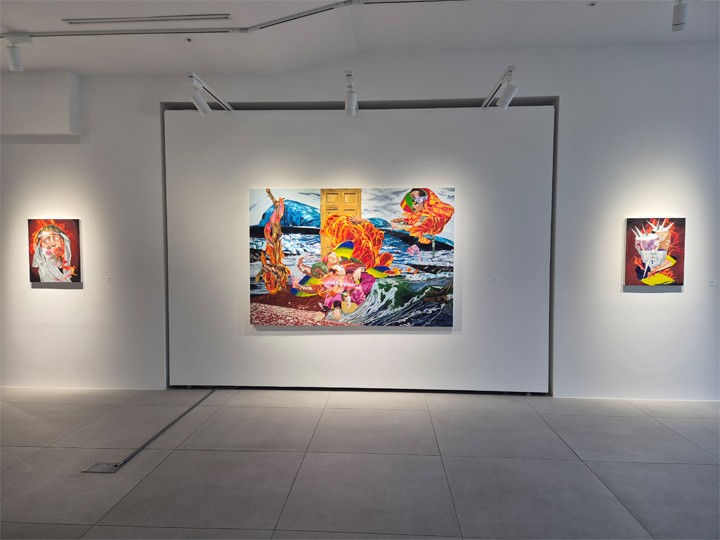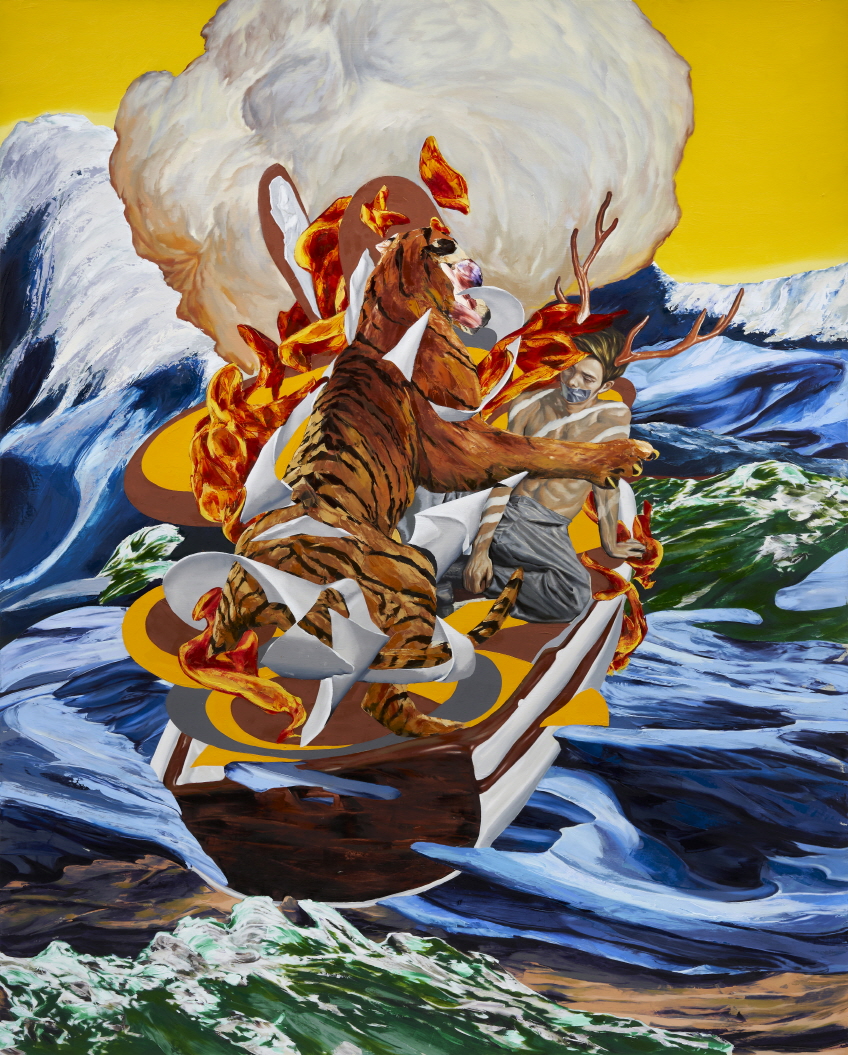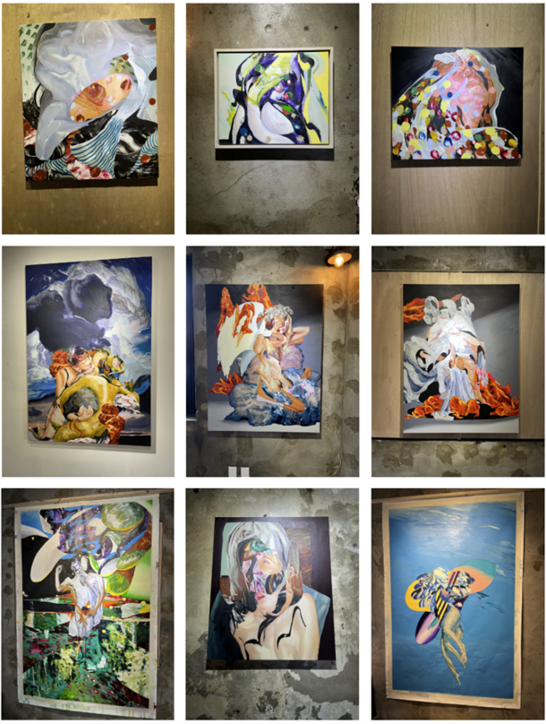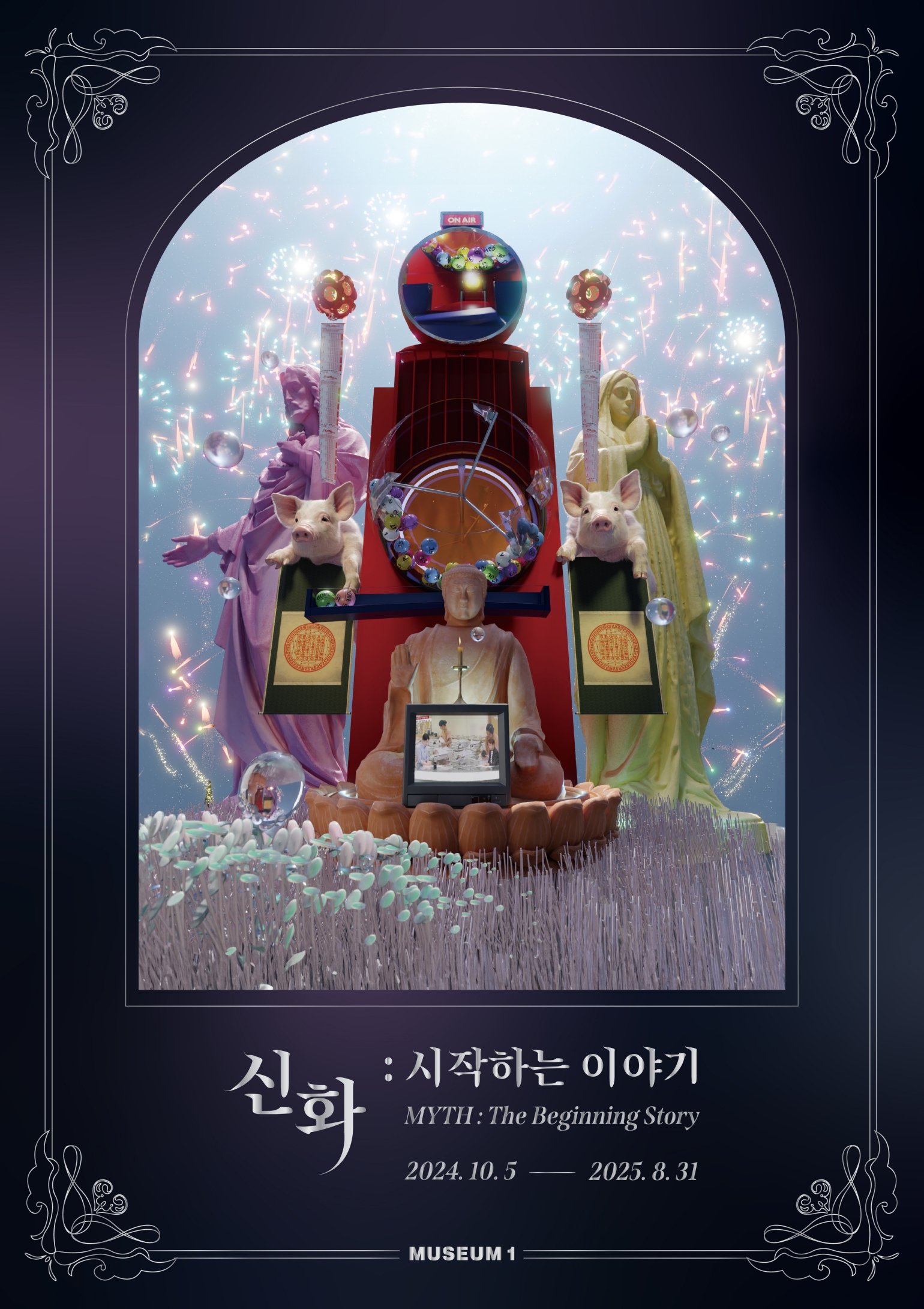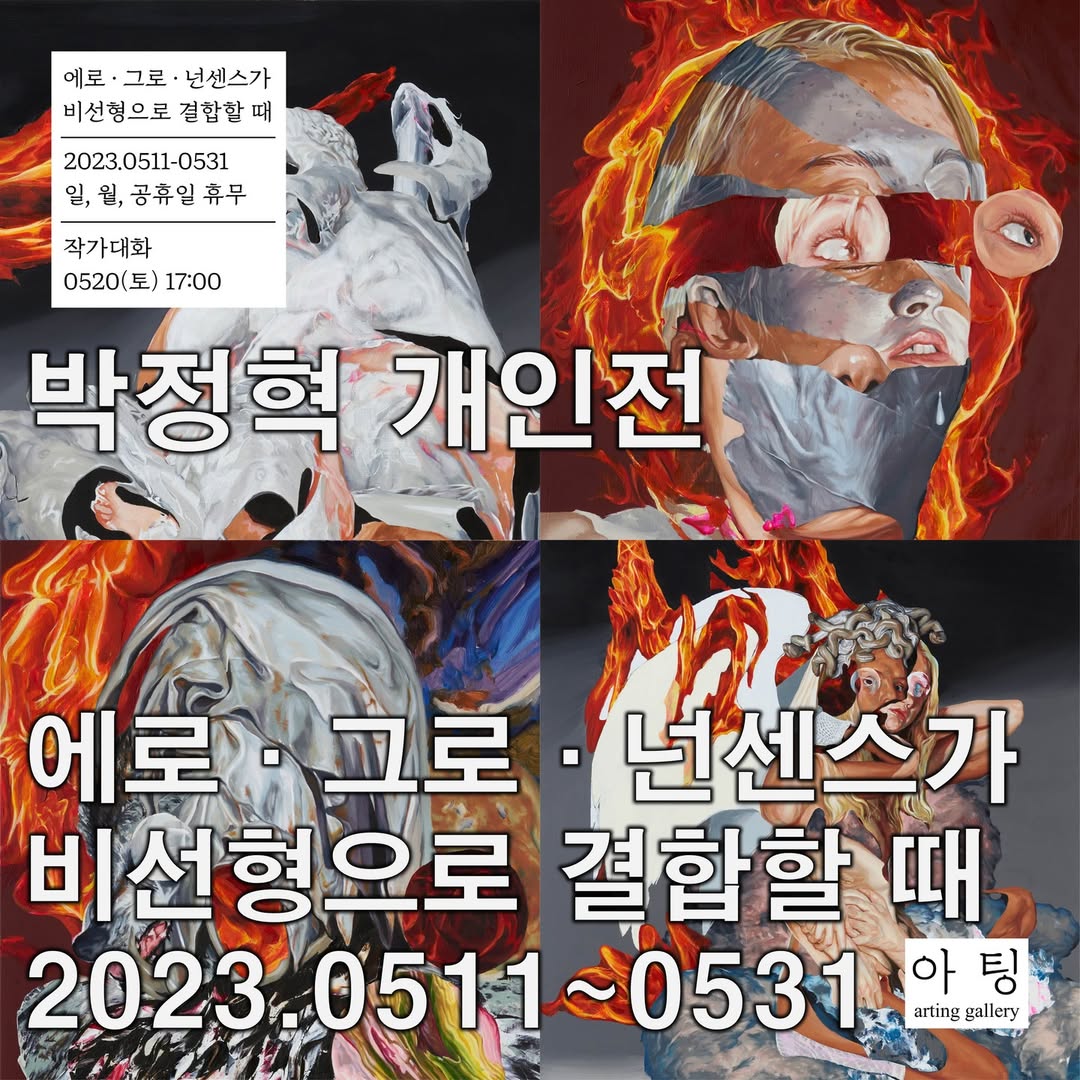


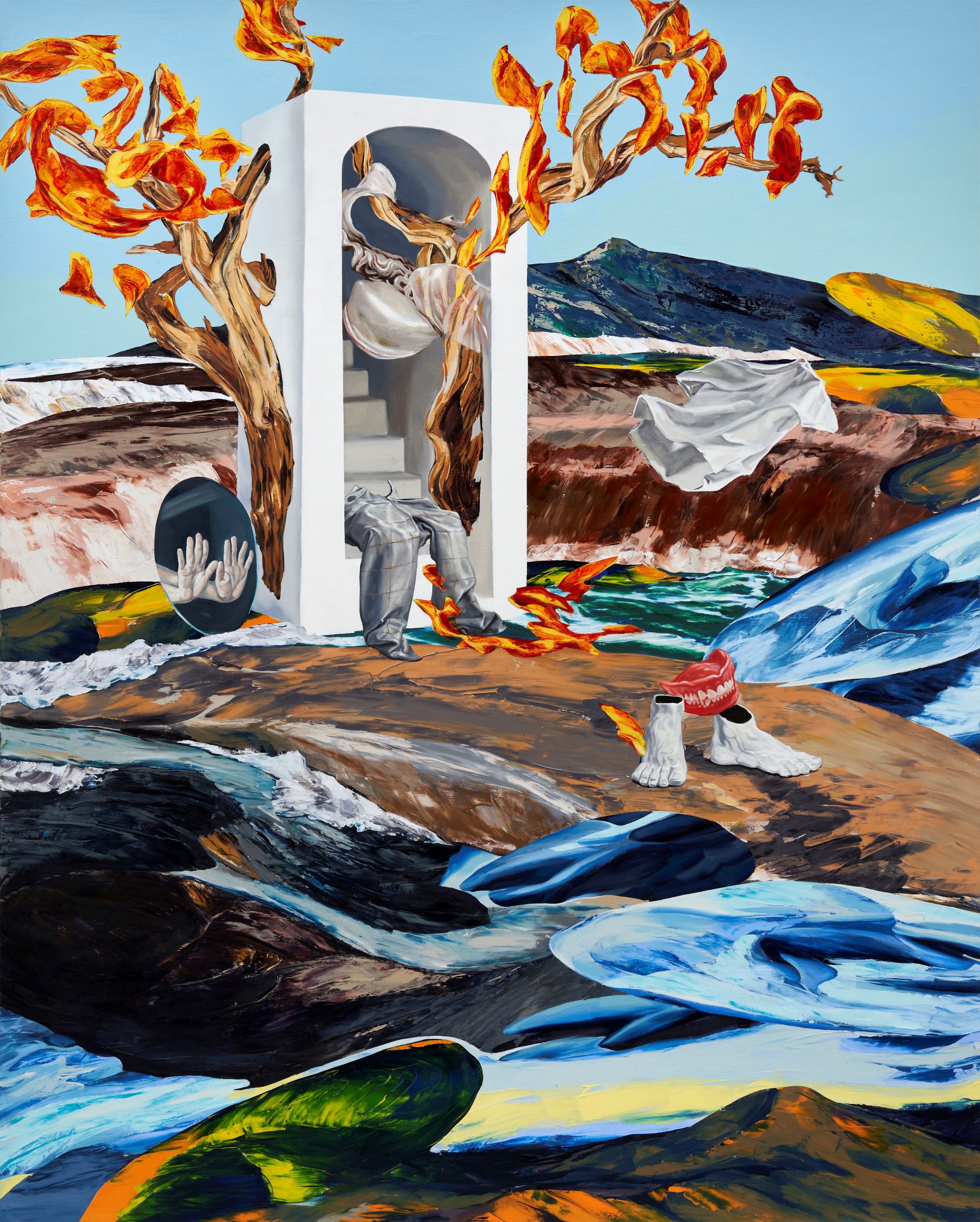
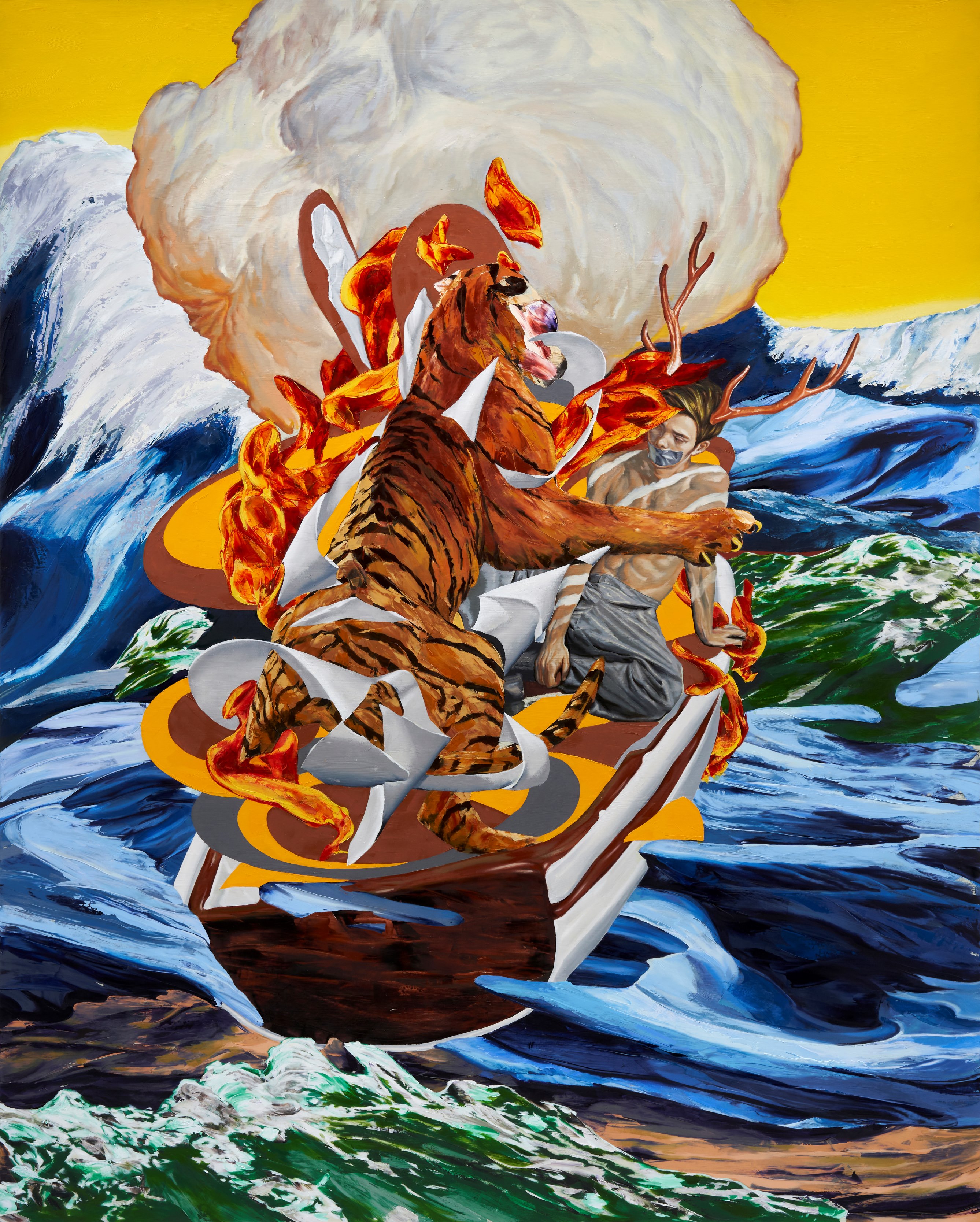
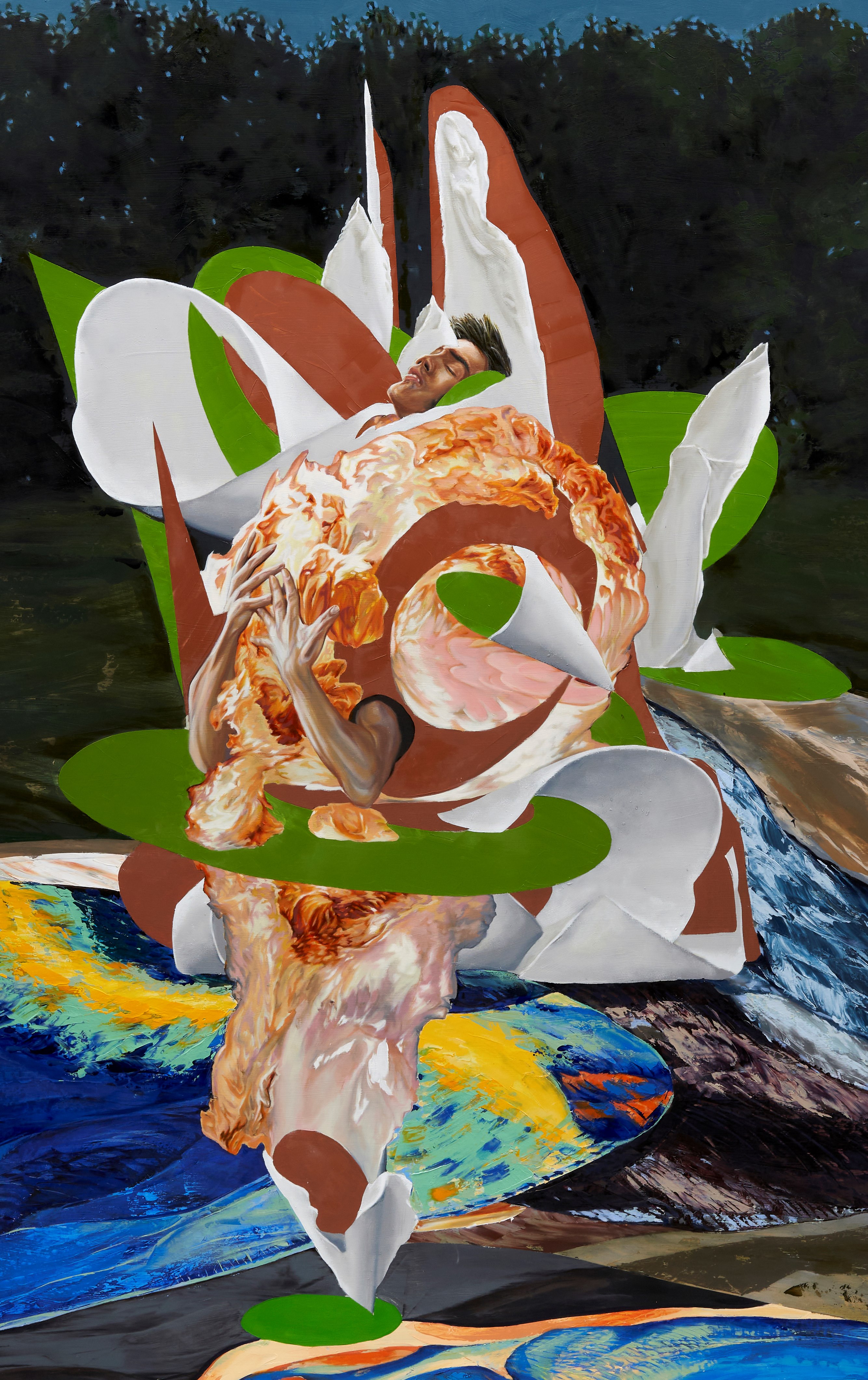
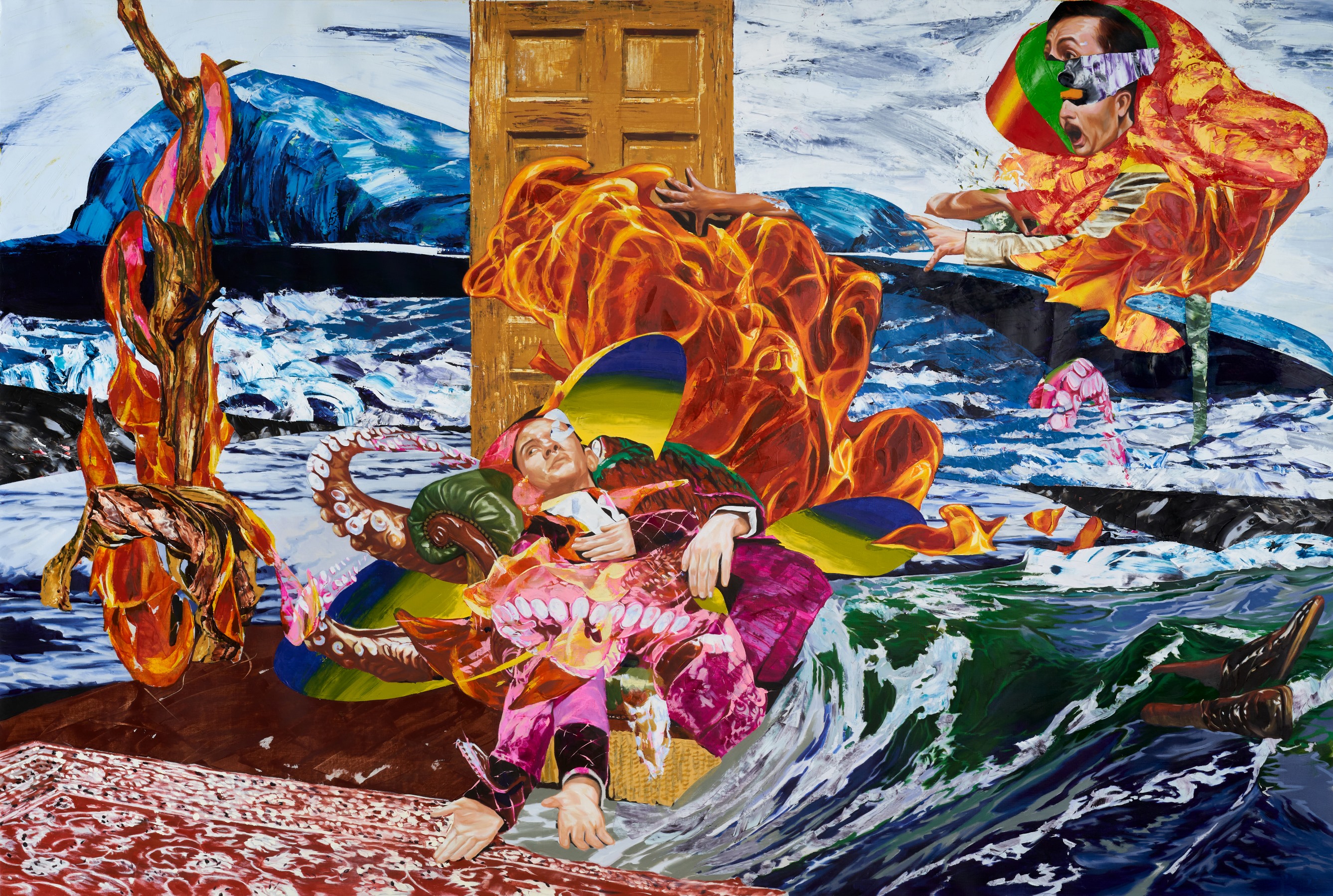
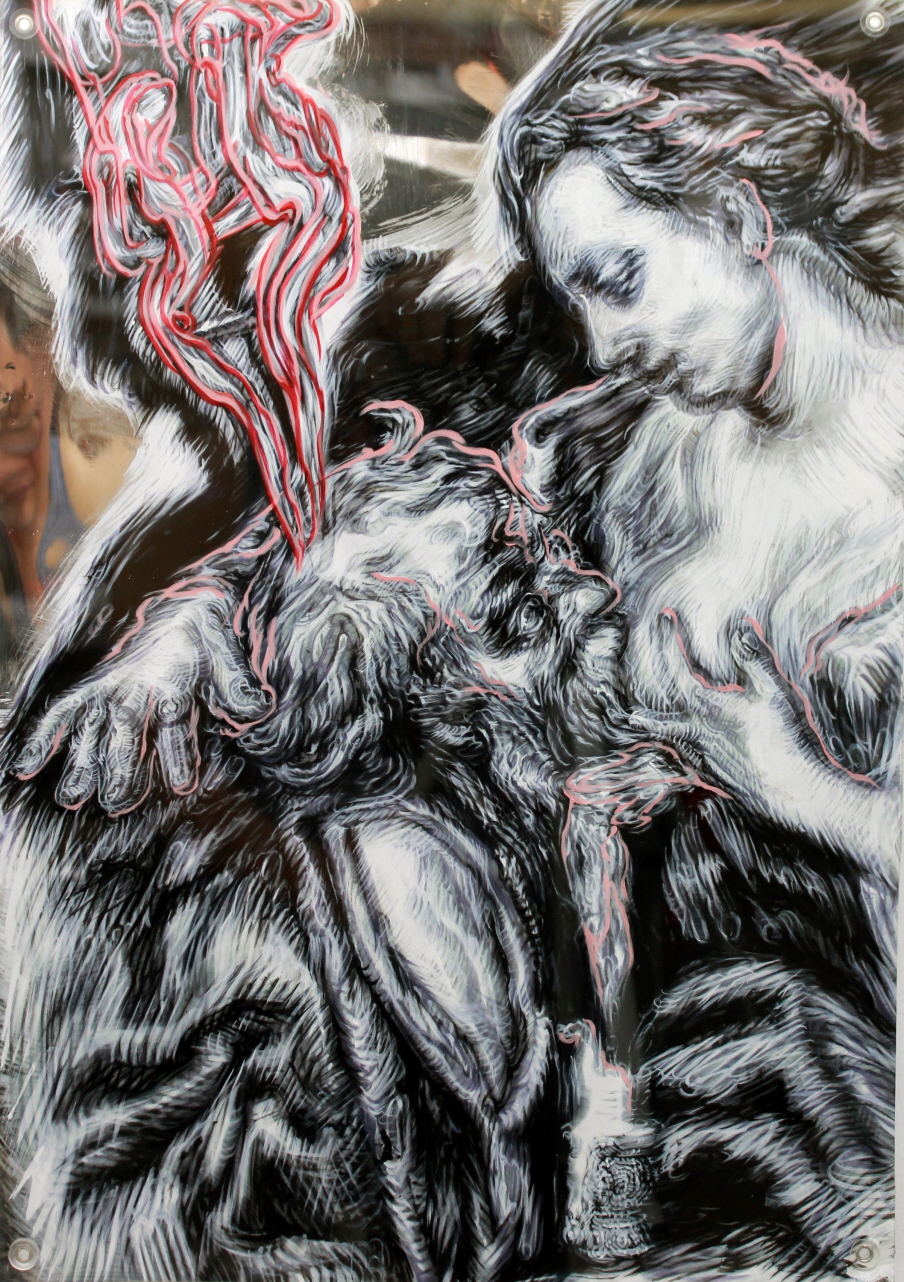
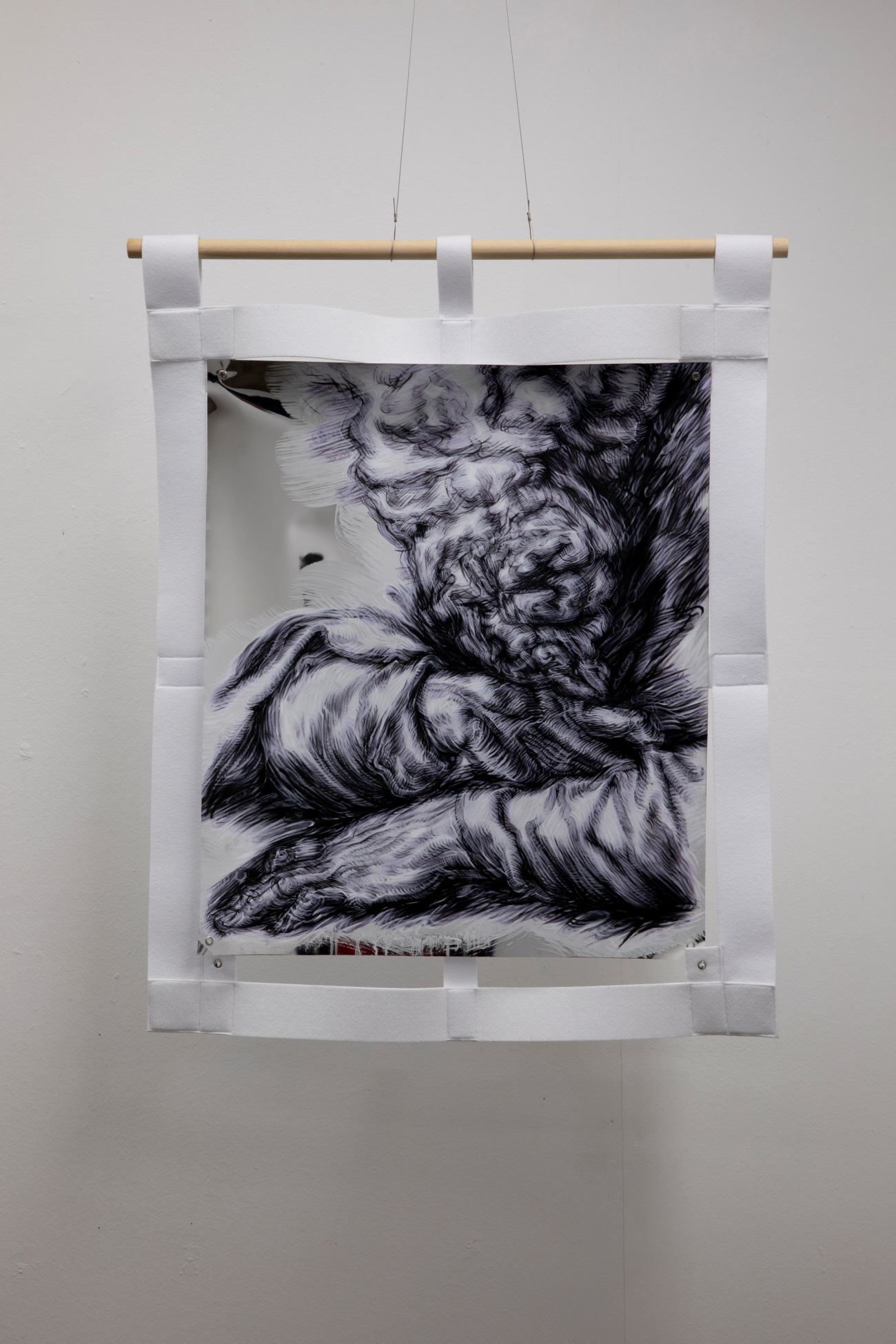
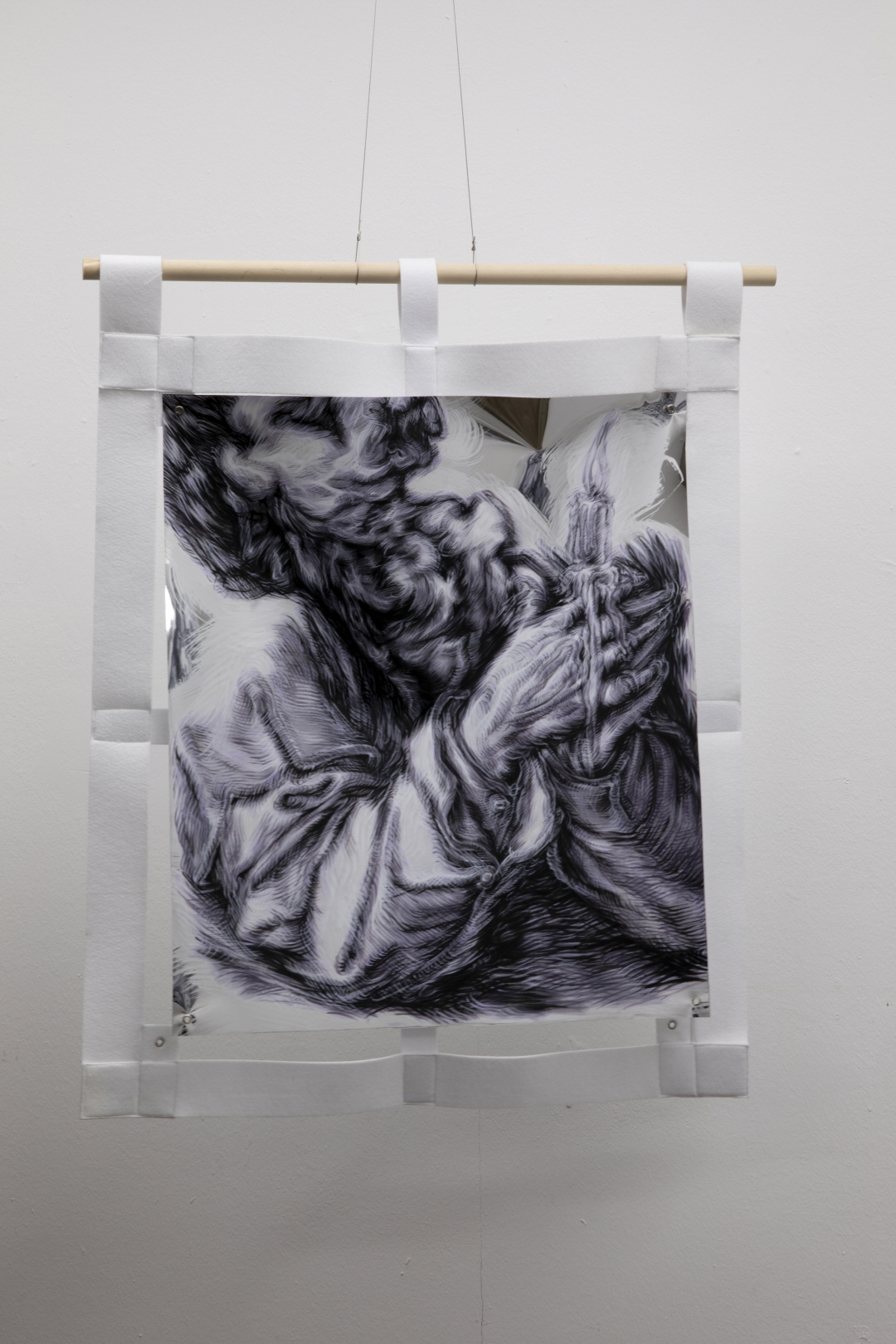
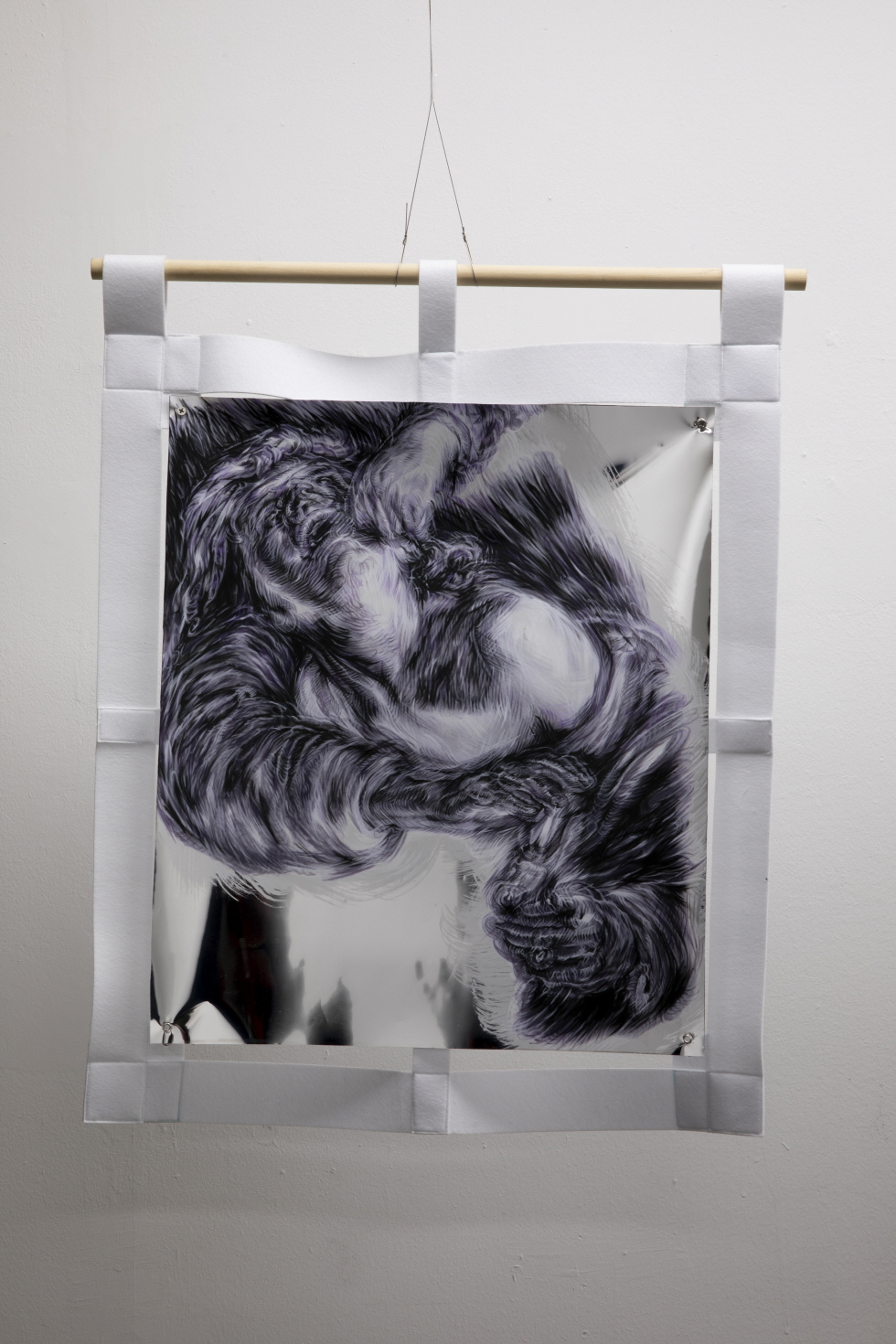
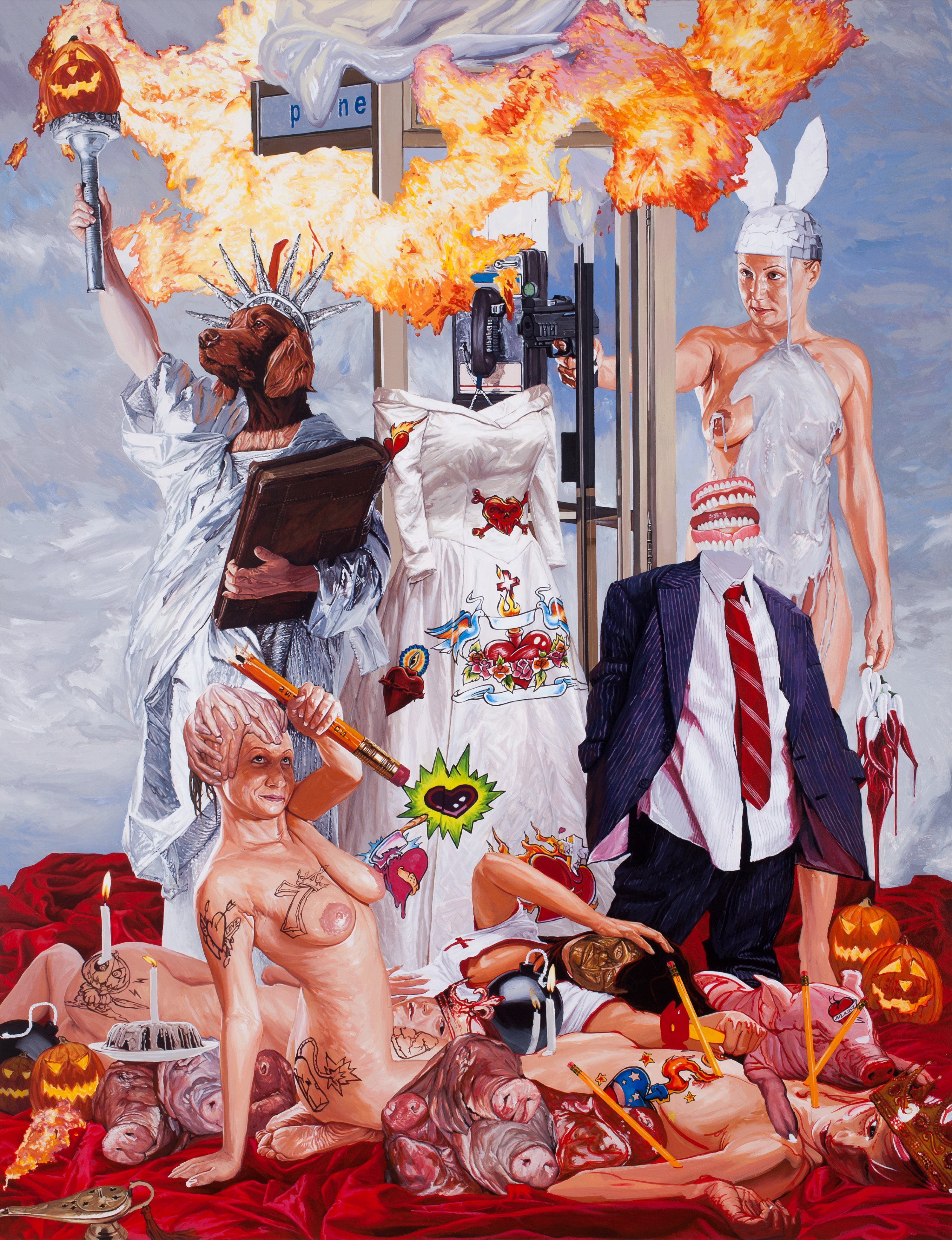
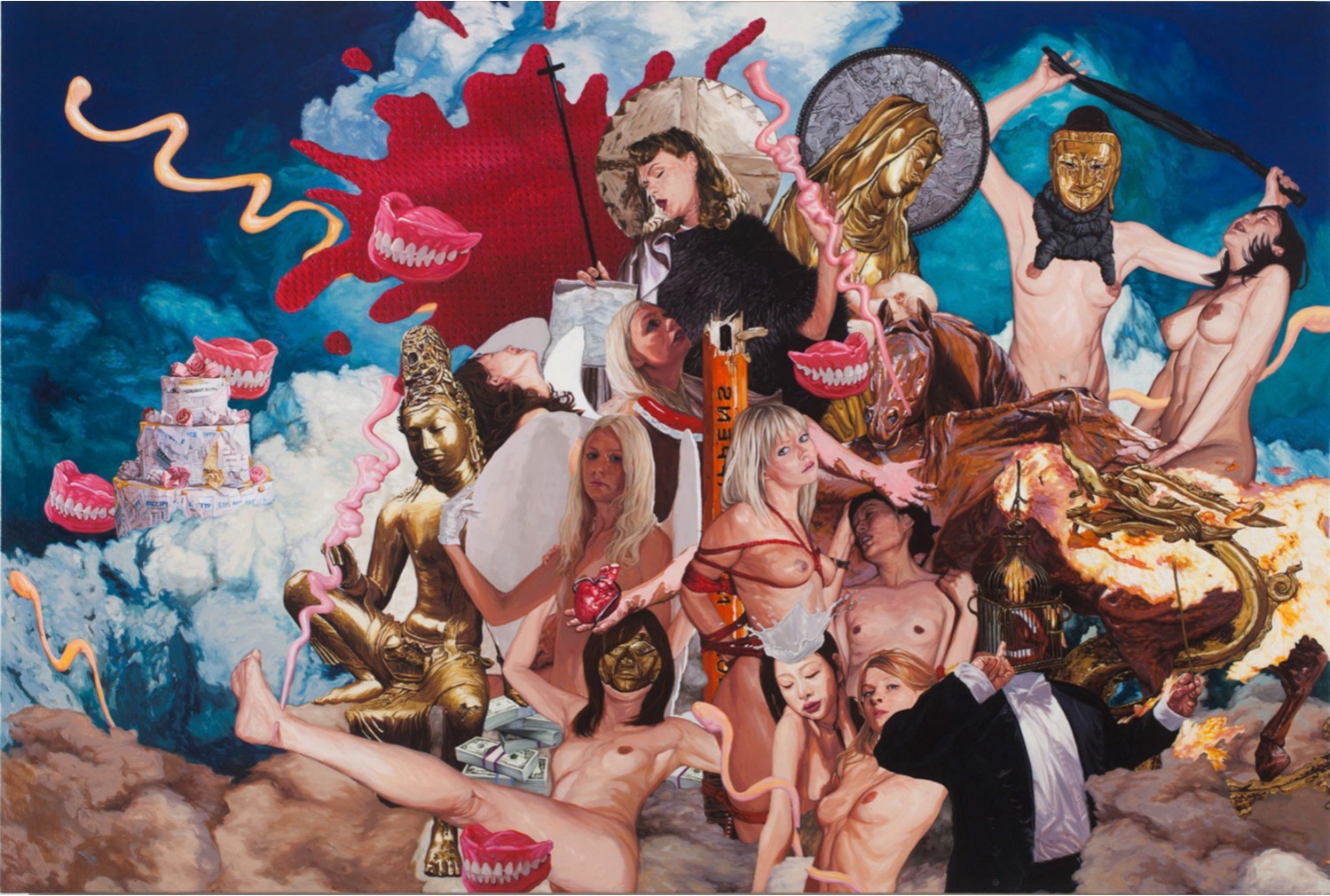
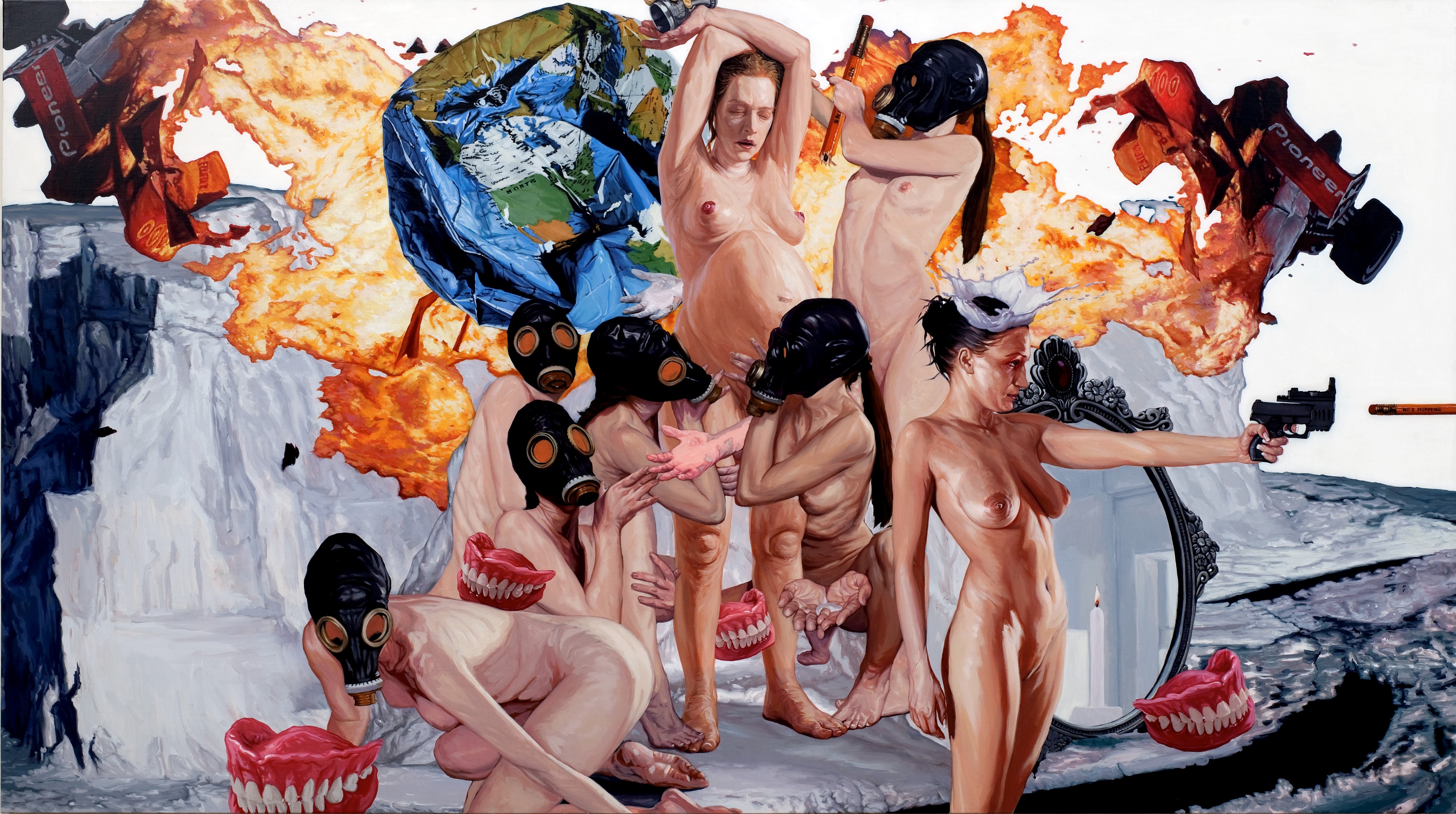
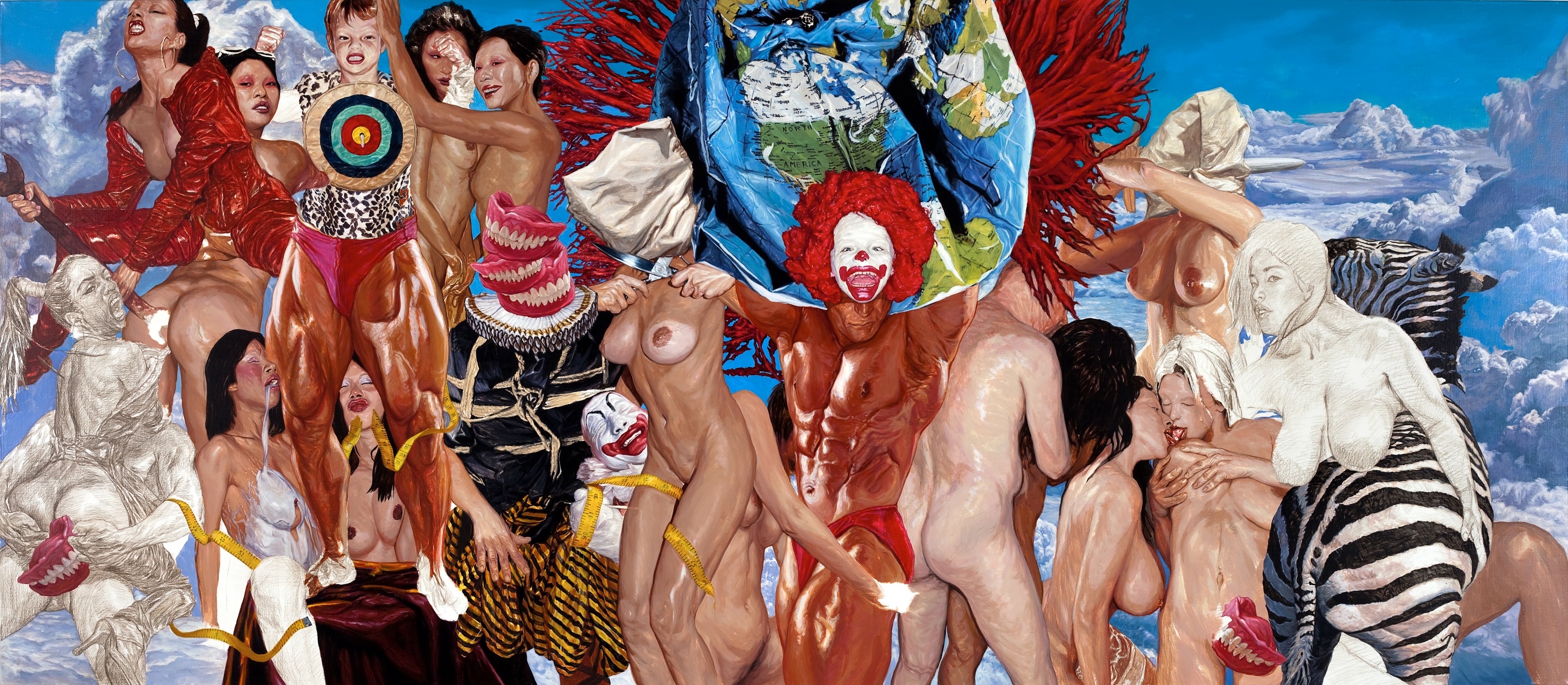
《Myth : The Beginning Story》Exhibition Poster ©Museum 1

Museum 1, an art museum located in Centum City, Busan, will host 《Myth: The Beginning of a Story》 from Saturday, October 5, 2024, to Sunday, August 31, 2025. The exhibition features approximately 100 works by 18 artists (or teams) from five countries, spanning a variety of genres, including painting, photography, installation, video, and media art.
 
《Myth: The Beginning of a Story》 explores how our lives, as we move beyond the consuming and consumptive lifestyle and seek to discover our own identity, can become valuable historical events. This trilogy, following the previous exhibitions 《Technique of Healing》 and 《Signs of Loss》, explores how contemporary generations (especially younger generations) view the structure of the world and its systems, and what the older generation, and indeed art, can contribute to this understanding.
 
Modern myths demand that the public demonstrate its value. Today's society, in its fierce competition, forces us to demonstrate our hard work and persistence in order to win and gain recognition. In other words, the definitions of individual value established by groups and the hierarchies of human beings established by the system can be seen as replacing the role of myth. The essential purpose of this exhibition is to reject the pressure of social standards we don't agree with, and to break free from the shackles of illusions created by society and groups for the purpose of control and consumption, thereby restoring the essence of life and the autonomy of the self.
 
Our lives sometimes take everything away beyond our capacity, yet our destiny is to never stop running. Tomorrow may bring us unexpected challenges, but we must persevere today, quietly moving toward the turning point. This is why we chose the subtitle, "The Beginning Story."
 
There is no act more valuable in our lives than loving ourselves. I hope this exhibition will provide a valuable opportunity for visitors to confront their inner selves, ask questions about their lives, and simultaneously find answers.


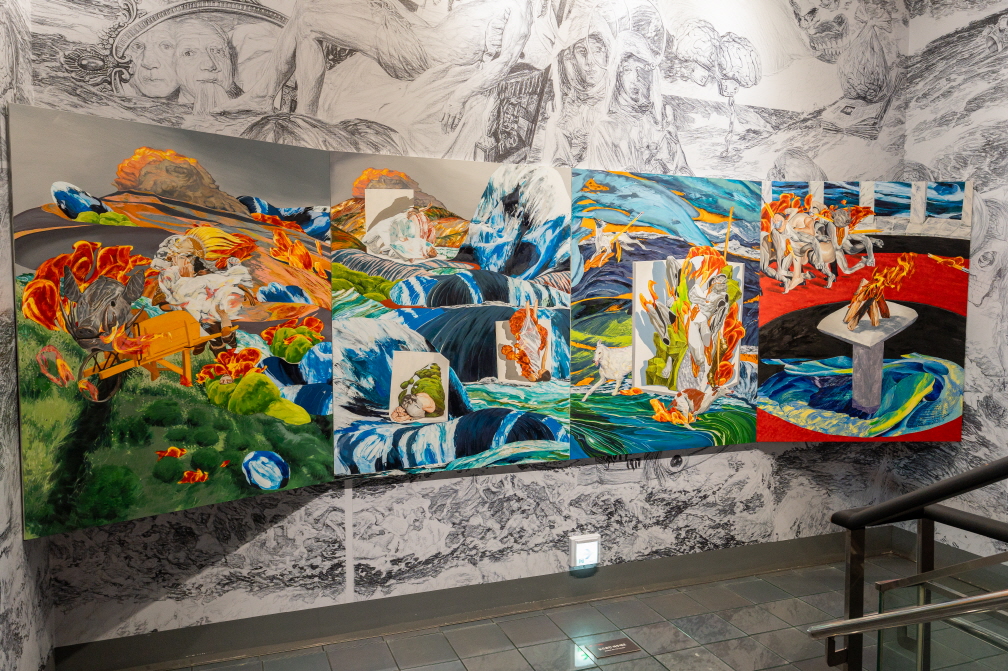
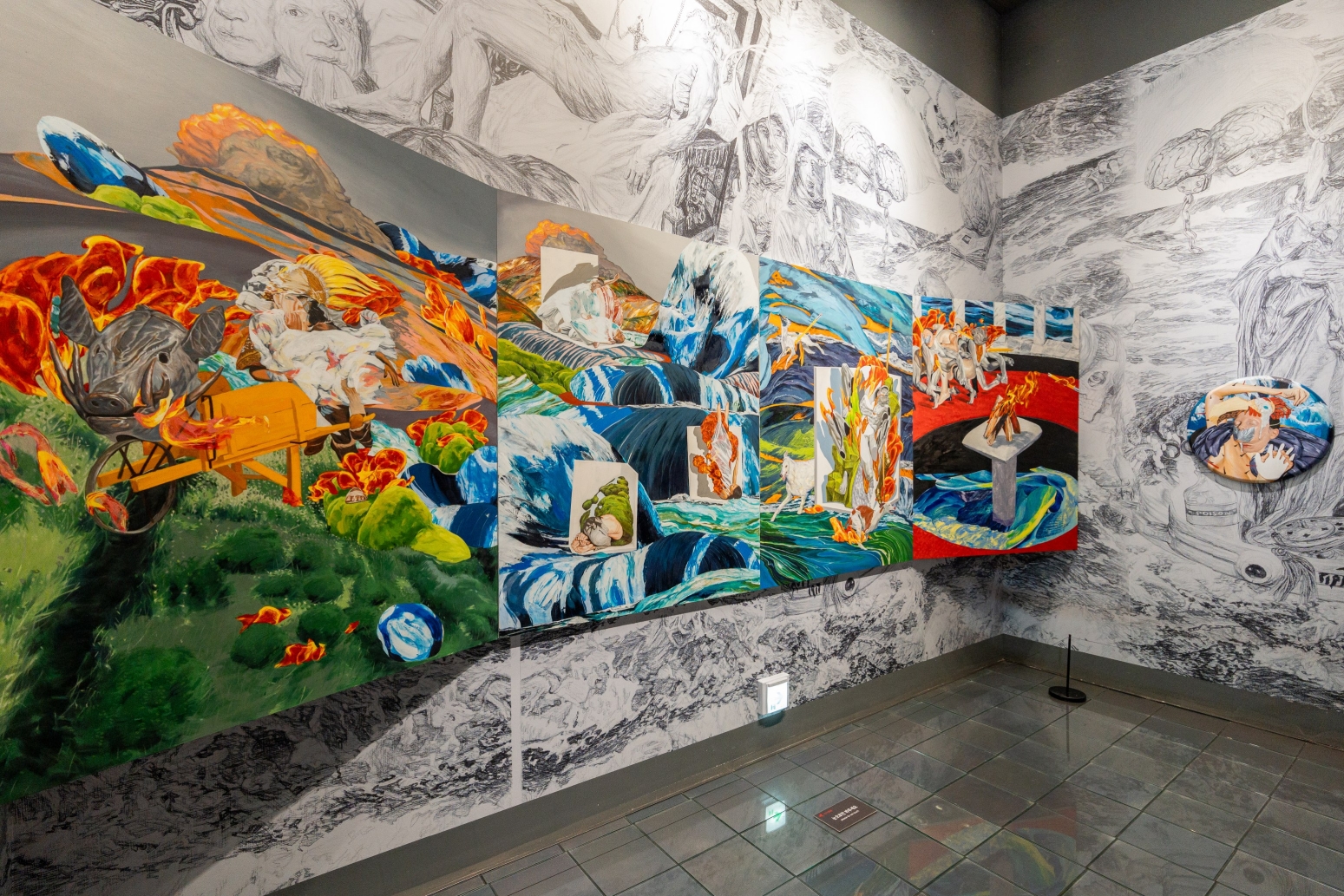
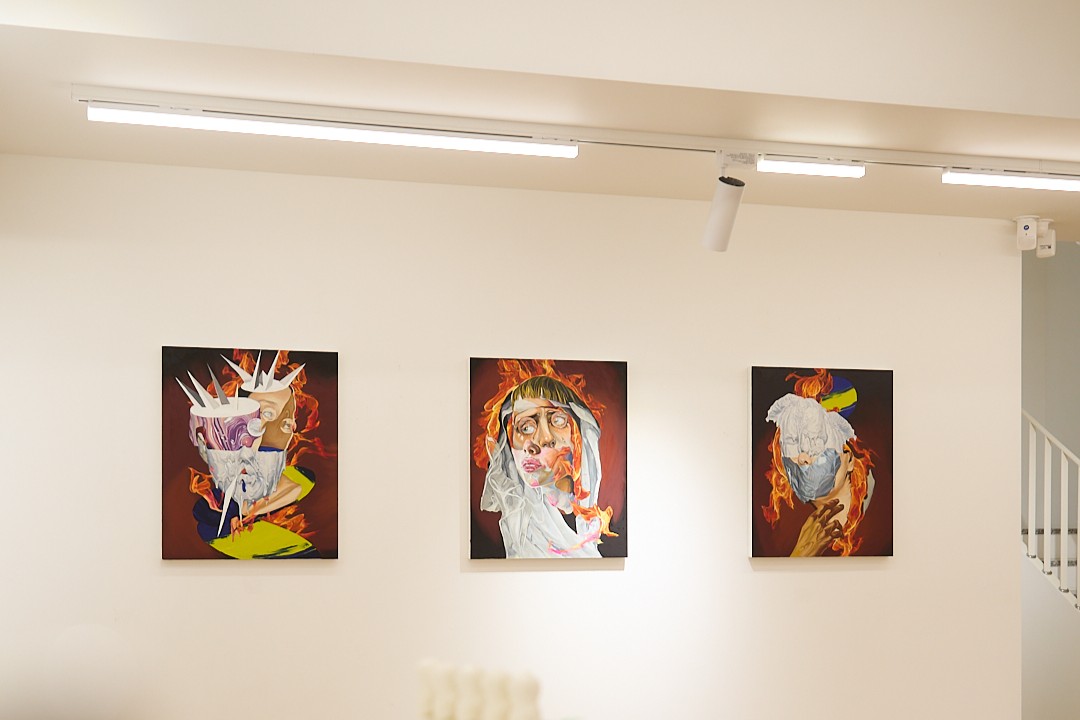
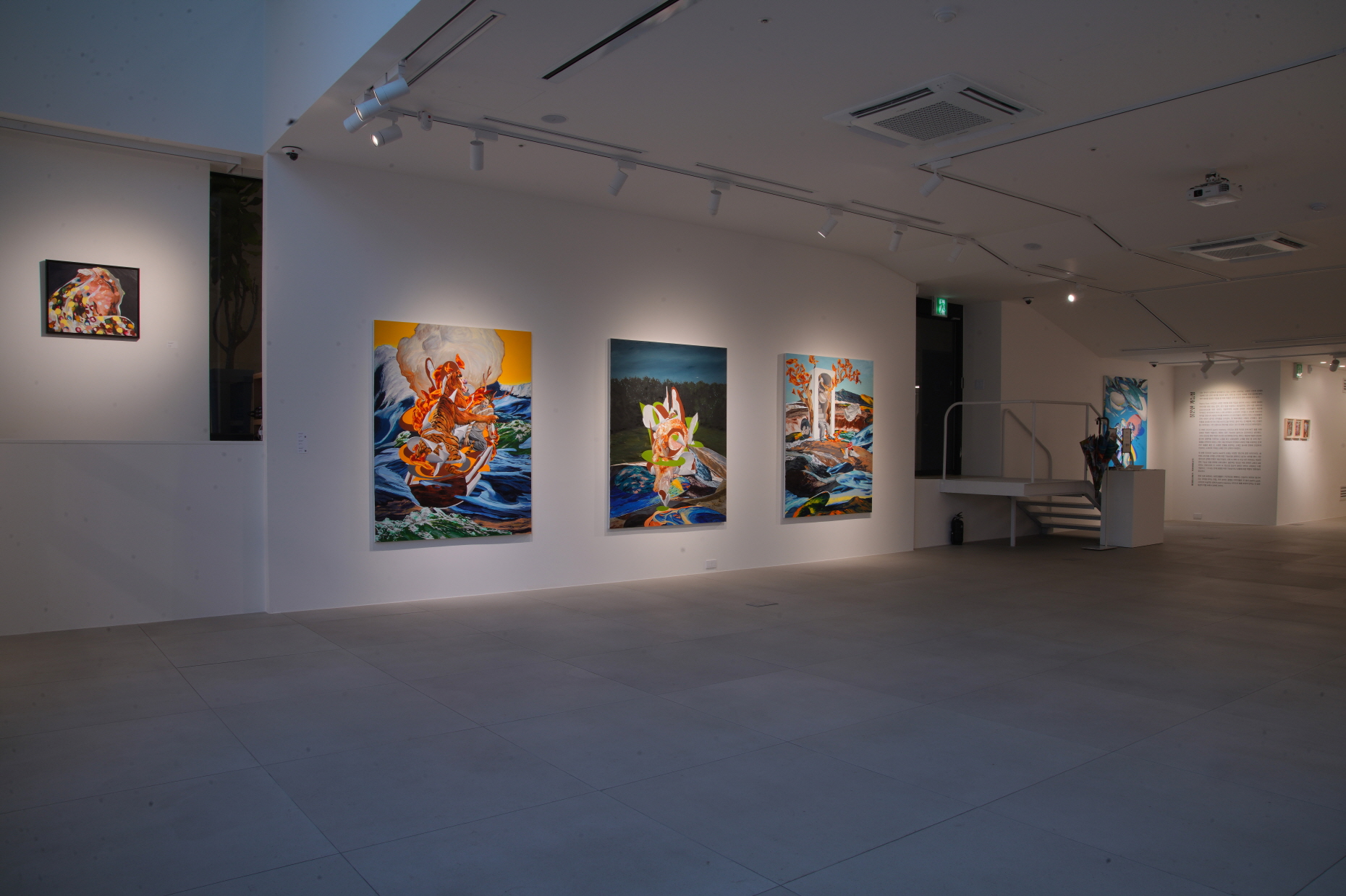
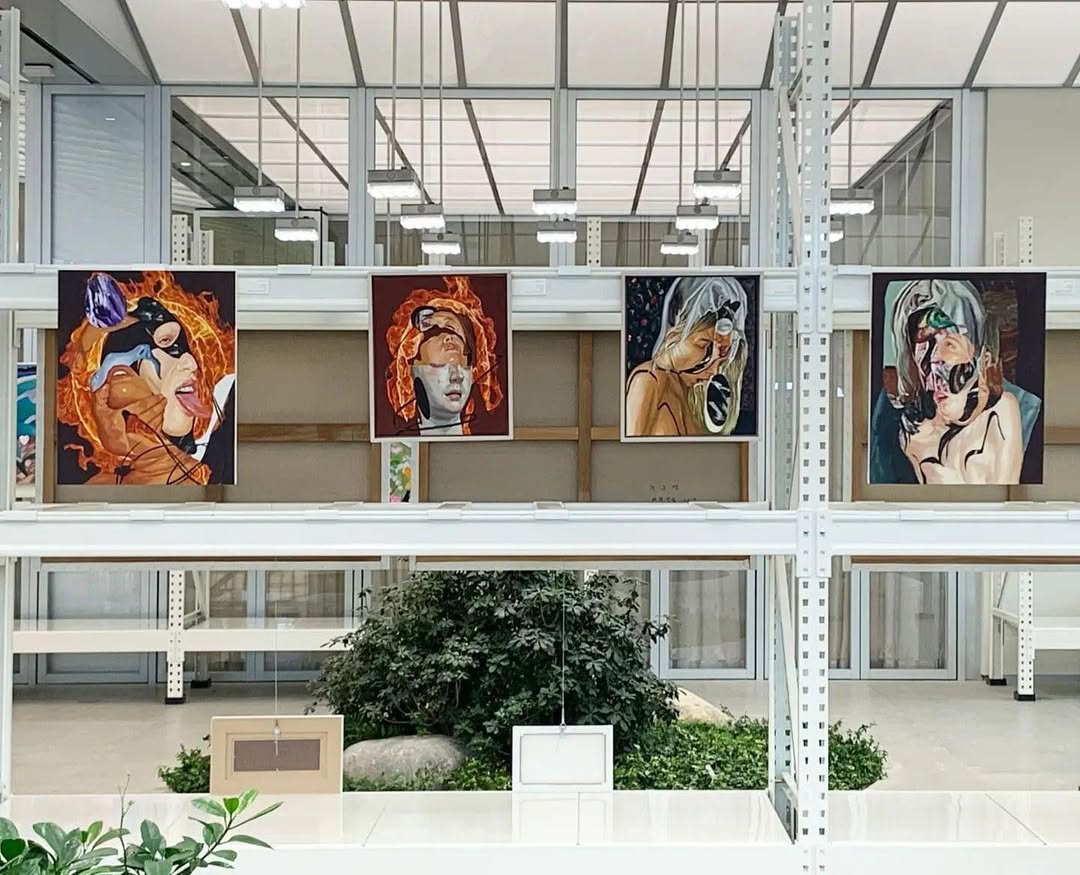
《Myth: The Beginning of a Story》Exhibition view : Park Jung Hyuk ©Museum 1

 Exhibition Preface – Sanghoon Yoon (Director of MUSEUM1)

There are various purposes and reasons for establishing and operating exhibition spaces, but the nature of the space and exhibitions at Museum 1 differs slightly from that of traditional art museums. Museum 1 focuses solely on the communication between the audience and the artwork. Therefore, we prioritize bridging the gap between modern art and the general public over grand historical discourses or aesthetic forms. We usually focus on tracking, engaging with, and connecting with the lives of younger generations in a detailed and nuanced manner.

This approach may seem somewhat unfamiliar in the established art scene. However, Museum 1 believes that our approach to visual art will ultimately transform the public’s perception of modern art and contribute to the broader expansion of the Korean art scene. This exhibition, prepared with this perspective in mind, forms a trilogy connecting《Technique of Healing》 and 《Signs of Loss》. We wanted to consider how contemporary (especially) younger generations perceive the world and the structure of systems, and what the older generation and art itself can offer them.


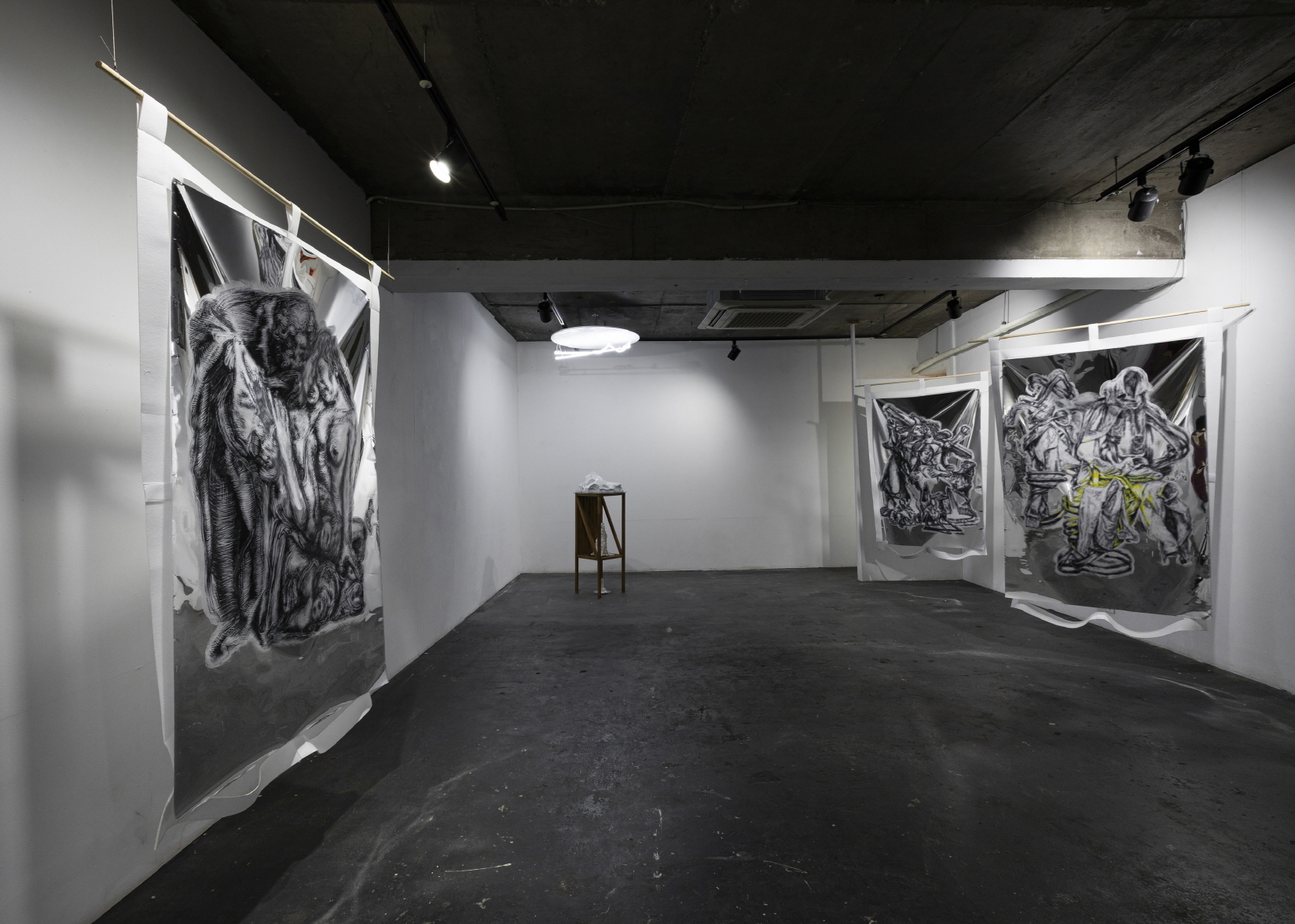
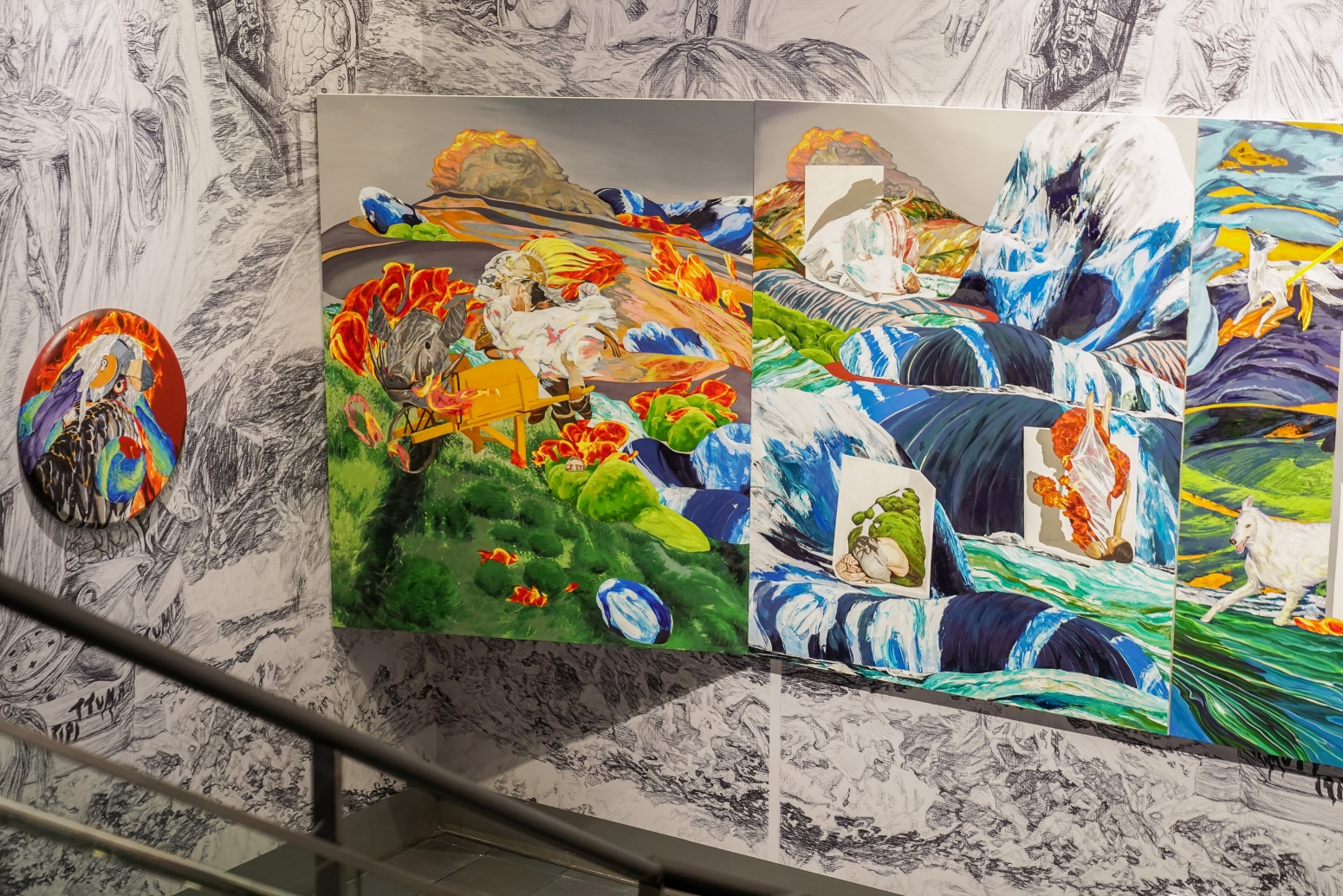
《Myth: The Beginning of a Story》Exhibition view : Park Jung Hyuk ©Museum 1

Myth refers to ancient stories based on specific ethnic groups or civilizations, characterized by their shamanistic nature. In contrast to legends or folktales, a myth is based on events directly experienced or witnessed by people of that time and has been adapted over a long period from their perspective. This is why a myth effectively reflects the lives and thoughts of the people from that era. However, since no systematic and independent scriptures remain, a myth has gradually lost its influence and is now regarded merely as a folktale, having lost its religious significance.
 
In the exhibition, ‘Myth’ is used as a metaphor to conceal the dystopian elements lurking beneath the surface of modern society. The narrative of the myth from the past has a certain enlightening quality. However, it suppresses individual thought and enforces conformity, pressuring people to conform to predetermined value standards. Furthermore, Kafkaesque brutality was deliberately inserted to provoke their psychology.

The reason why the image of the absolute is portrayed as excessively violent and selfish in most myths is that the essence of myth is not the ‘god’. I see this as a kind of political tool created for the convenience of the group or ruler at the time. Stories featuring gods as the main characters would have been an effective way to control the masses who feared the curses of the afterlife. A myth did not exist solely in ancient times. After the Middle Ages, stories of war heroes or great and wise kings were exaggerated and adapted, continuing as another form of myth closely related to human history.


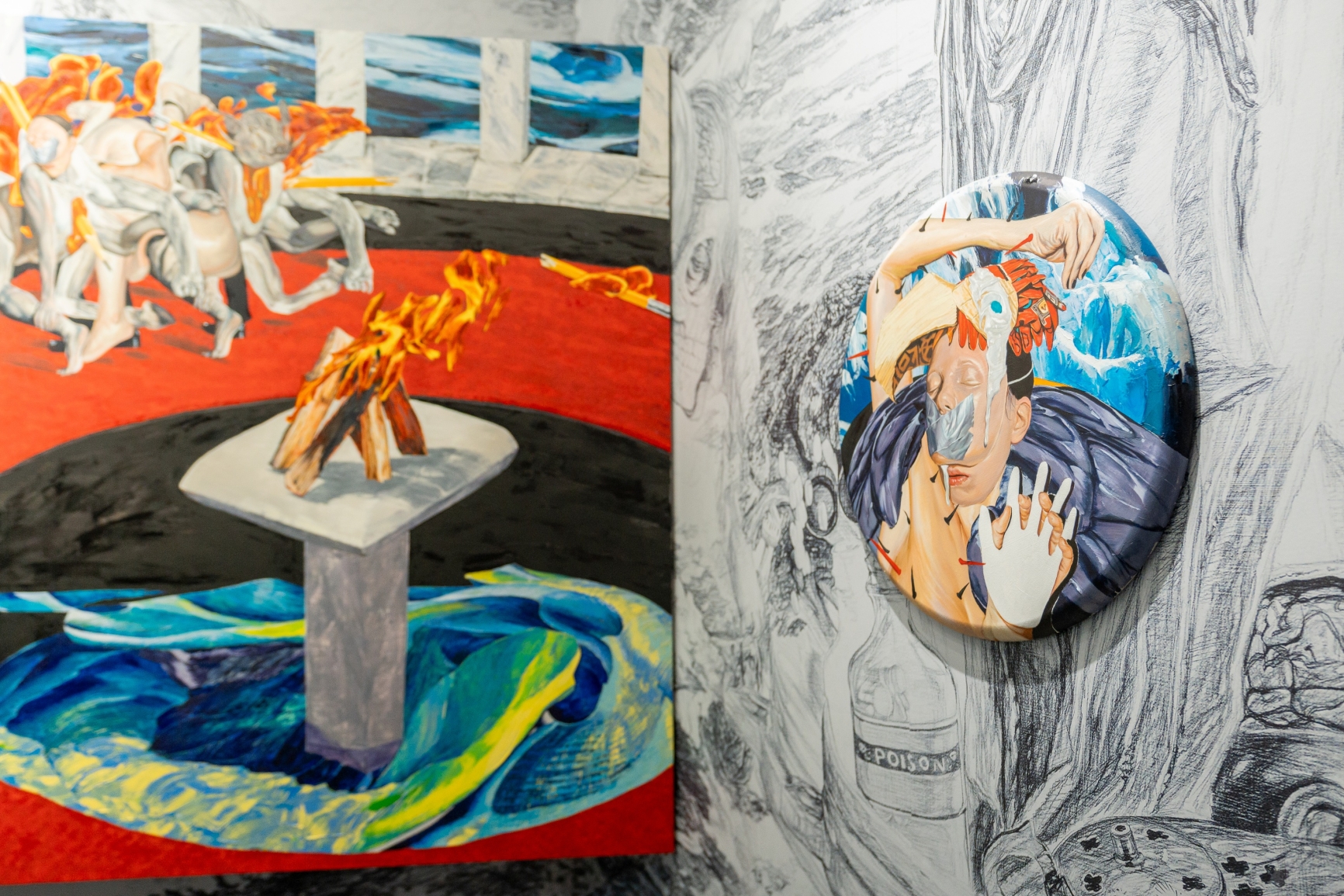
《Myth: The Beginning of a Story》Exhibition view : Park Jung Hyuk ©Museum 1

Although humans have replaced gods, the practice of showcasing figures that surpass ordinary human abilities to gain admiration and envy from the public, while also inducing feelings of relative inferiority, has persisted.
 
When we define a myth as something without real substance that stirs up the masses, violates free will, but which has the characteristic of being unverifiable in its own time, the myth’s denial of existential humanity has become more extensive in modern times. For example, it is replacing the role of myths such as SNS, media, artificial intelligence, capitalism, and post-colonialism. In other words, it also takes on the roles of myths related to collective definitions of individual value regulations and the human classes set by the system. Moreover, these elements are being used with an unprecedentedly powerful shamanistic character in our lives today.
 
Modern myths demand that the public prove their value. In the midst of fierce competition, the pressure and urgency to demonstrate how hard one has worked to achieve victory and gain recognition are growing stronger. As a result, people are unable to bridge the gap between themselves and the monstrous heroes created by the system, leading them to view themselves as failures. Consequently, younger generations refuse even to start the long journey of life. Our lives sometimes take away more than we can handle, but nonetheless, it is our destiny to keep running. We don’t know what challenges tomorrow may bring, but we must continue living today steadfastly.

The grand and exaggerated stories created by modern myths can sometimes become unnecessary elements in our lives, even draining our will to persevere. That’s why we have chosen ‘Myth’ as the main theme of the exhibition, and paradoxically, subtitled it ‘The Beginning Story’. This is not about myths as fictional stories that ended in the past, but about personal stories that each of us is creating anew. It means that escaping a life of consumption and materialism to seek one's own identity can truly lead a valuable history. The essential purpose of this exhibition is to recover the essence of life and personal autonomy by breaking away from the illusions created by society or groups for control and consumption.


《Myth: The Beginning of a Story》Exhibition view : Park Jung Hyuk ©Museum 1

This exhibition was curated with the intention of rejecting societal standards we do not agree with. Additionally, it was prepared with the hope that humanity with a healthy mindset will continue in the long run. Of course, art cannot directly change an individual's harsh reality or guarantee a bright future. Nevertheless, if the visitors think about how valuable their lives can be in themselves through art and the voices of artists, this exhibition can be considered somewhat successful.

We want to love life itself rather than obsess over the means and processes of life. Because there is nothing more valuable in our lives than loving ourselves. We hope that this exhibition will be a valuable time for visitors to face their inner selves, ask questions about their own lives, and find answers. If that happens, then through this time, an individual’s life will become a myth and a history.


Participated Artists

Koh Woo-jung, Goo Gi-jeong, Gu Ji-eun, Kim Yong-min, Park Jung-hyuk, Shin Mee-kyoung, An Yu-ri, Yoon Jeong-mee, Yoon Jong-seok, Lee Tae-soo, Jeong Seong-jin, Choi Jung-eun, SINA, 308 Art Crew, Andrea Arice, Hiroshi Takagishi, ZHENG MAHLER, Kachi Chan

References