Sla Cha’s
practice begins with observing the systems and images that operate within the
virtual world of games. Rather than focusing on narrative, she pays attention
to functional elements and visual structures such as the form of items,
inventory systems, maps, pets, and magical devices, translating these into
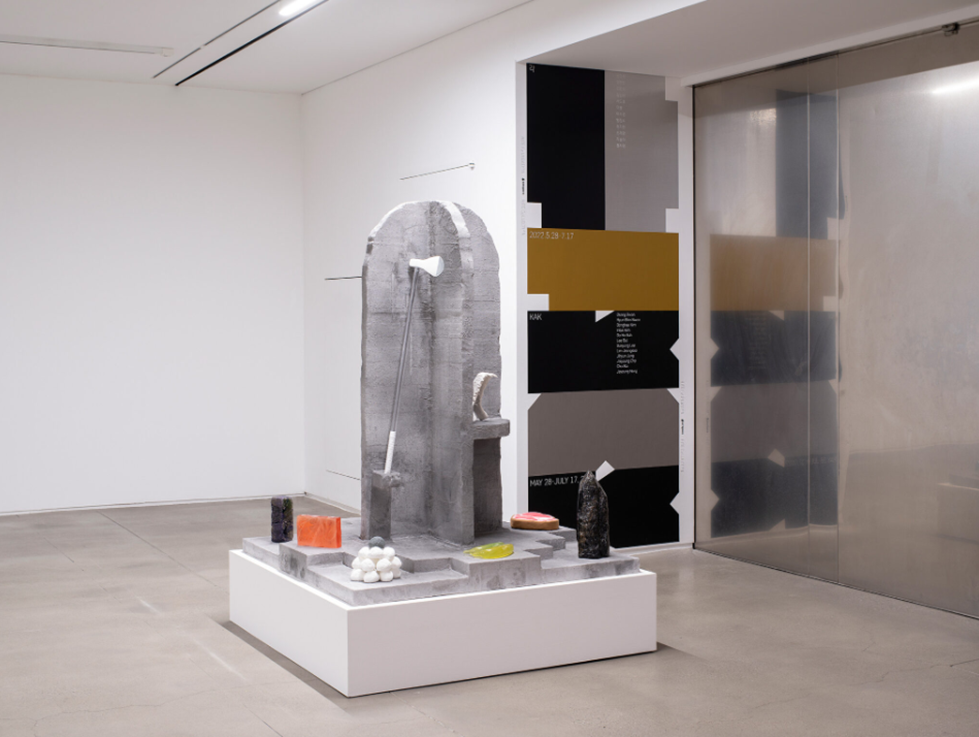
physical sculpture. This interest is clearly demonstrated in her solo
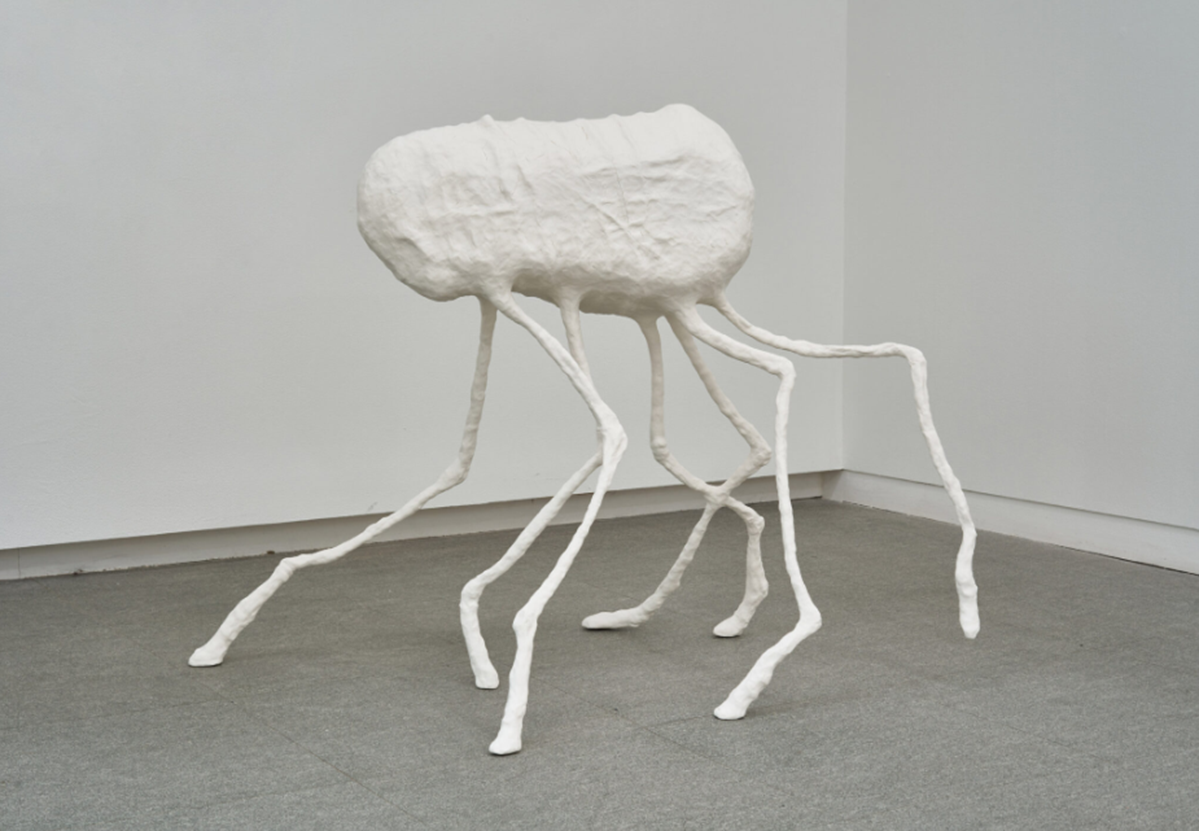
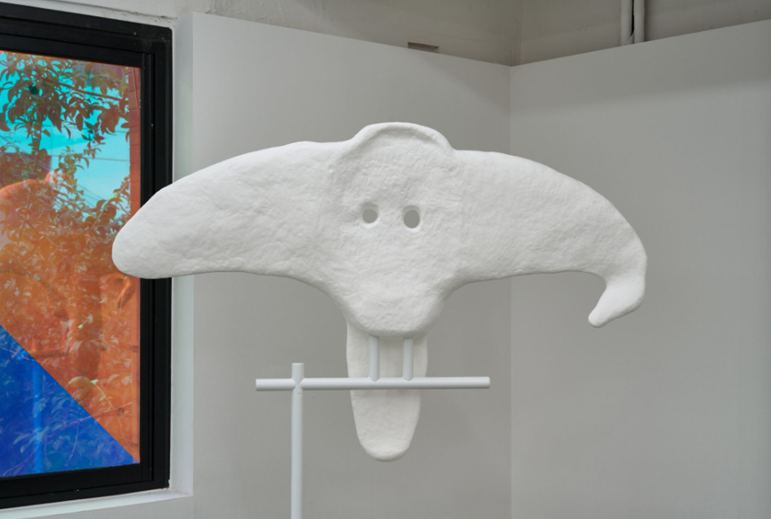
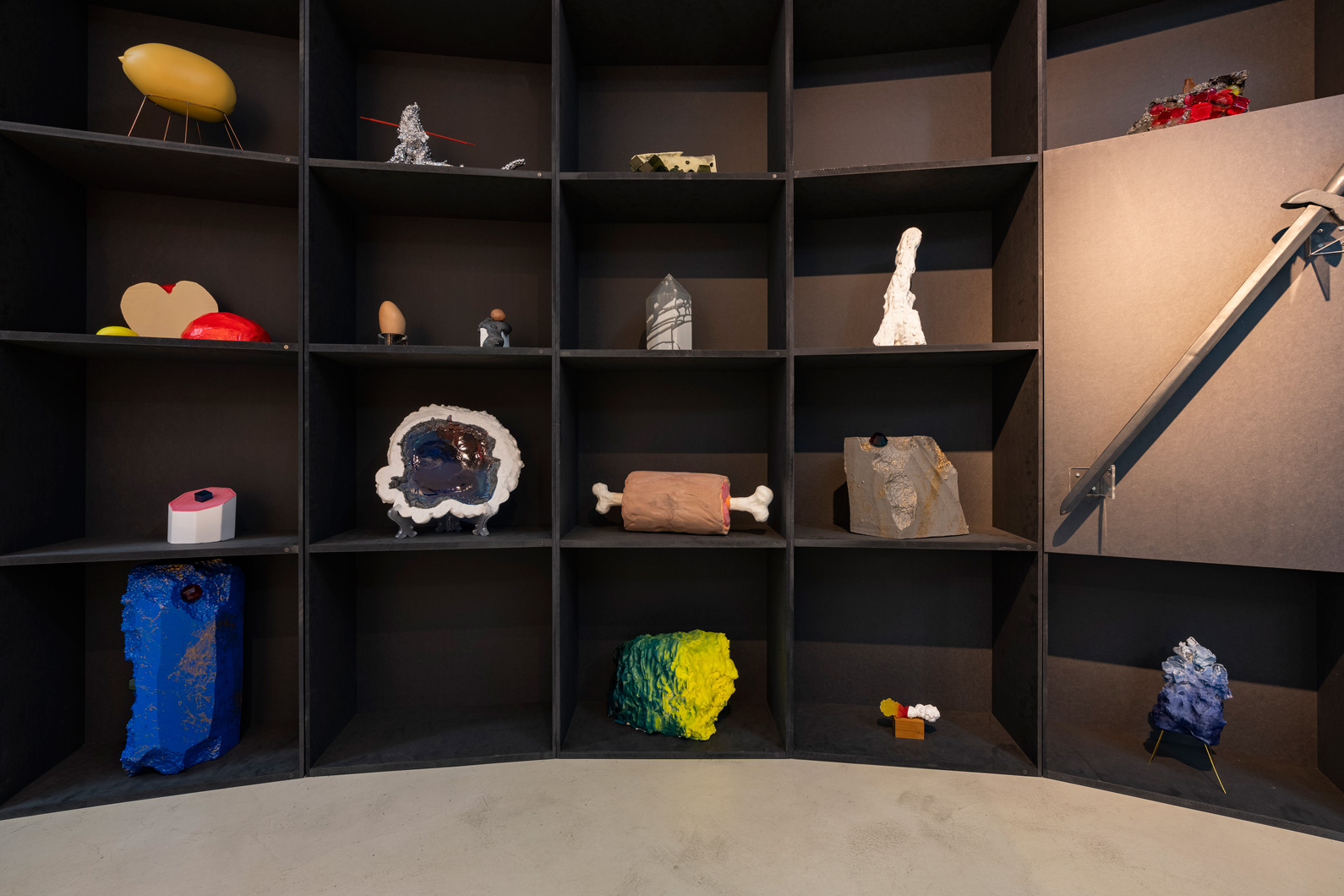
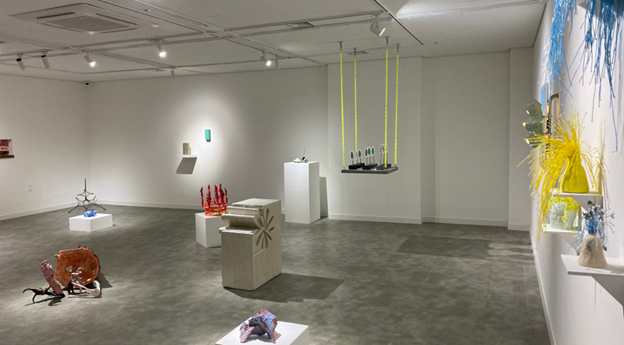
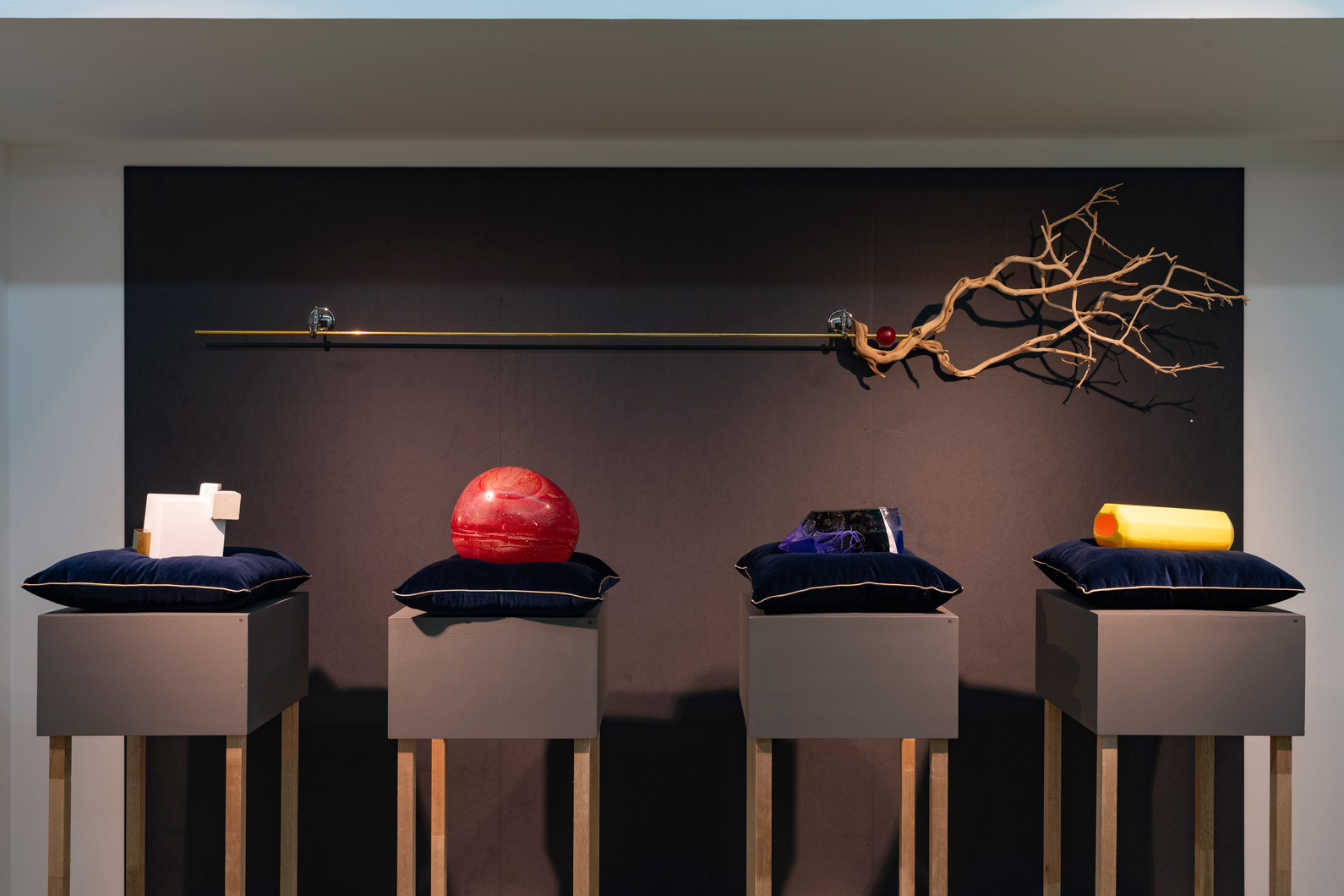
exhibition 《Ancient Soul++》(Taste House, 2018), where she adopted the format of an inventory
window to arrange 84 object-based sculptures. Here, individual works do not
function as complete, autonomous sculptures, but rather as components within a
system that generate meaning through their relationships with one another.
The artist
extends this method of collecting and arranging into a broader mode of thinking
that runs throughout her practice. As noted in her master’s thesis, the
processes of producing, exhibiting, and storing artworks are perceived as
analogous to selecting, collecting, and organizing items within a game
inventory. While these selections may appear accidental, they can be understood
as manifestations of unconscious preference. The accumulation of such
selections forms not only the meaning of individual works, but also an
overarching “context” and “atmosphere” across her practice—one that remains
fluid and relational rather than fixed.
In her
later works, this conceptual framework expands toward questions of belief and
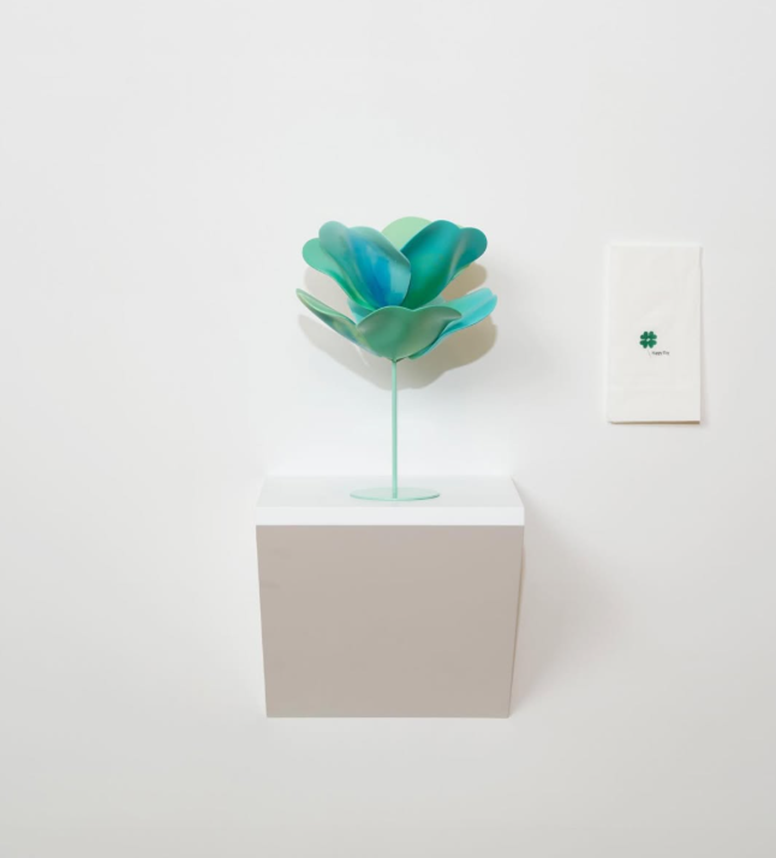
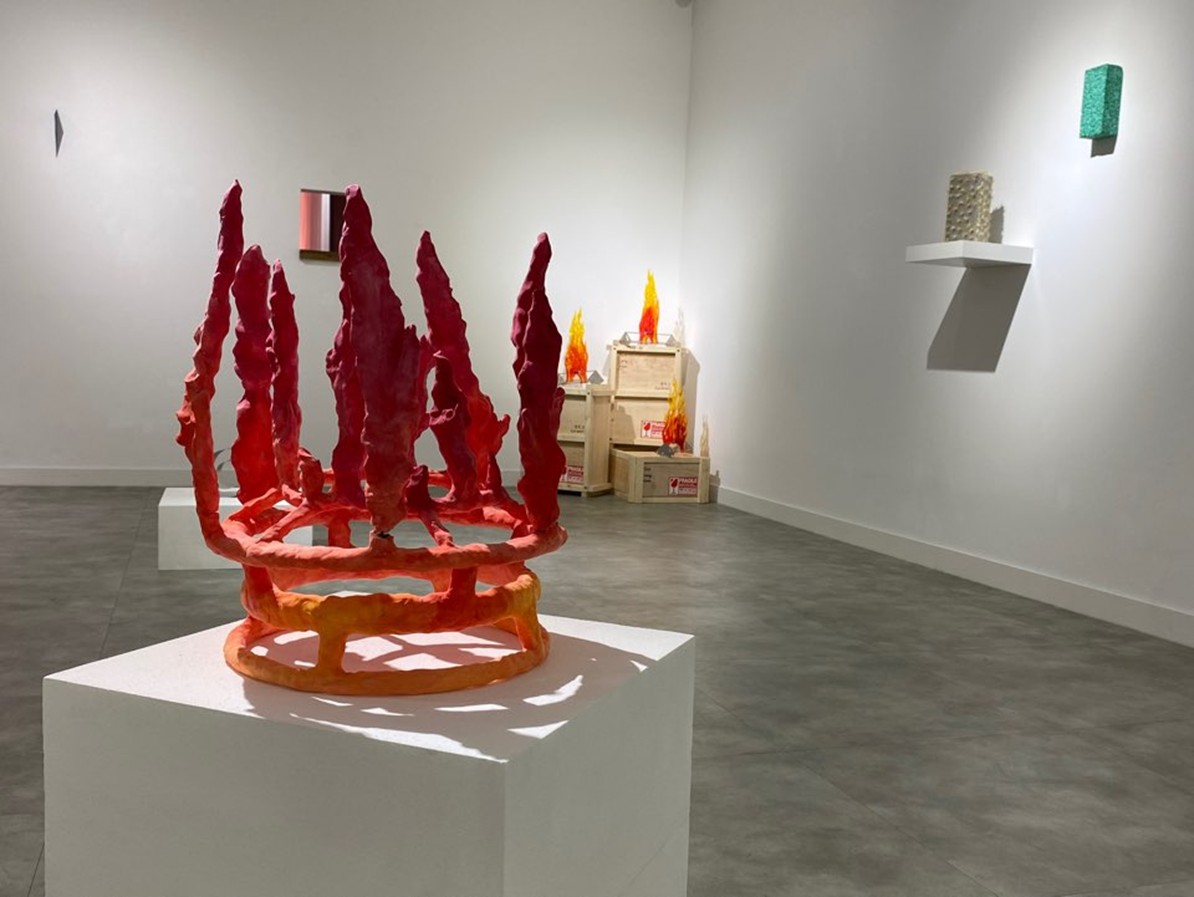
desire. In Double Luck(2024), the work begins from the
idea that certain objects provide psychological comfort simply through their
presence, treating repetitive acts of collecting and recording as a form of
superstitious practice. Here, the artist materializes wishes and prayers,
shaping the very sensation that something “might come true” into sculptural
form.
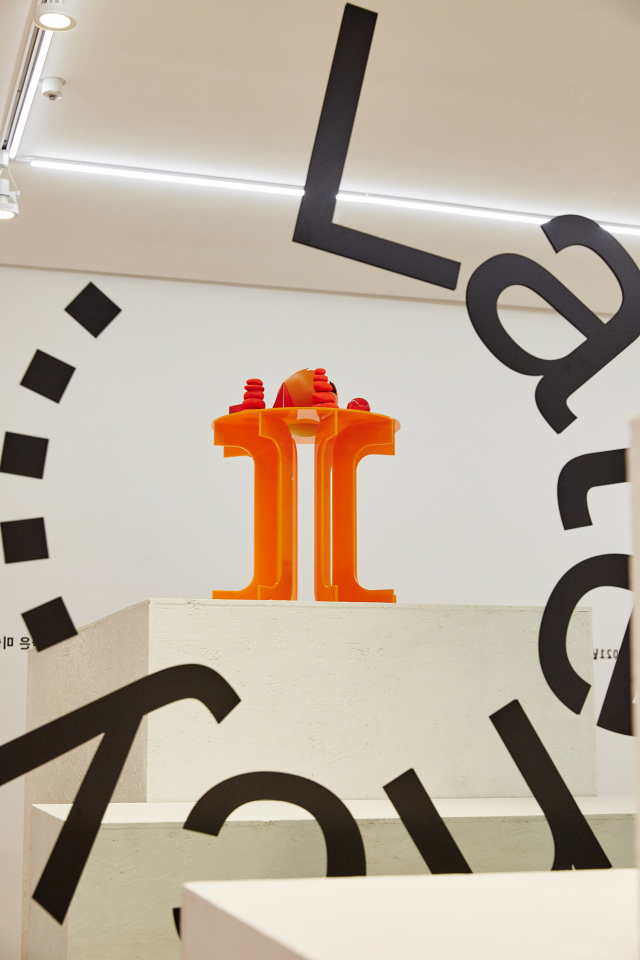
Similarly,
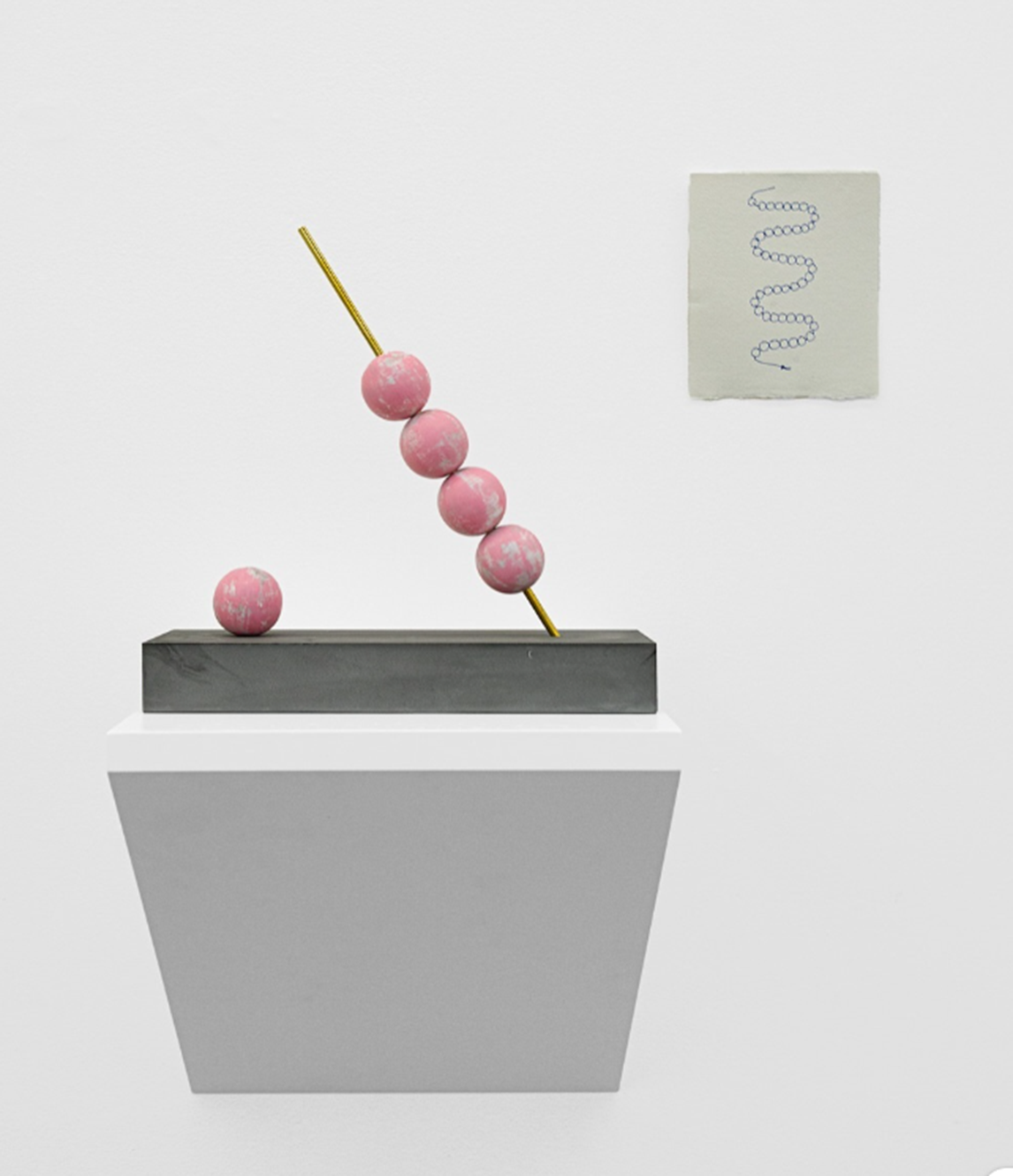
in Threading Beads 珠 [zhū] – Pink(2024), the
repeated act of handling prayer beads is evoked, revealing layers of
repetition, ritual, and accumulated desire. In this way, Cha’s work, which originates in the
systems of games, gradually expands toward more internal dimensions—such as belief, hope, and
repetitive action—ultimately
addressing immaterial sensations through material form.