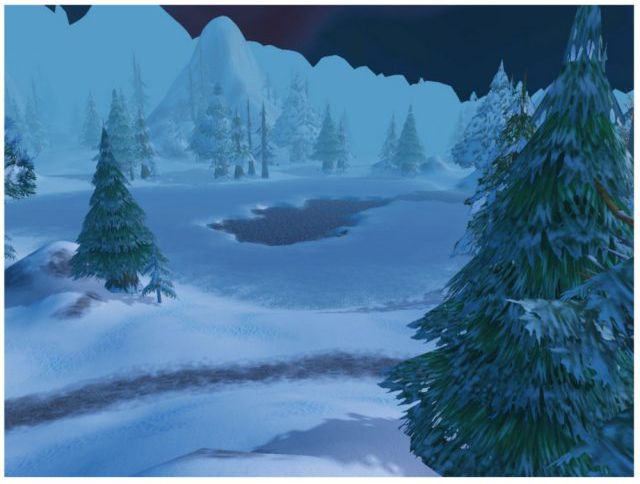
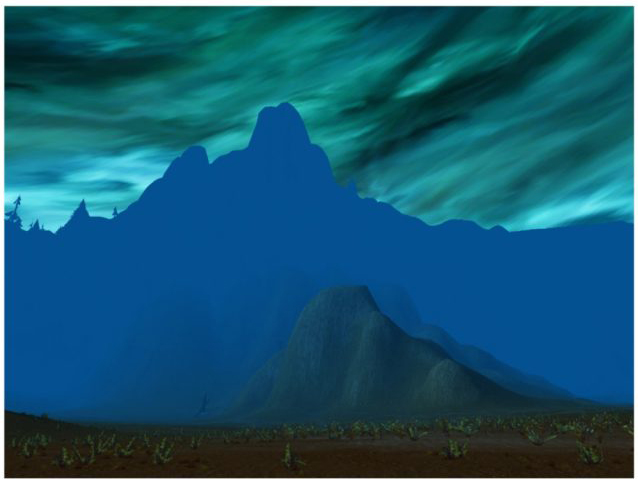
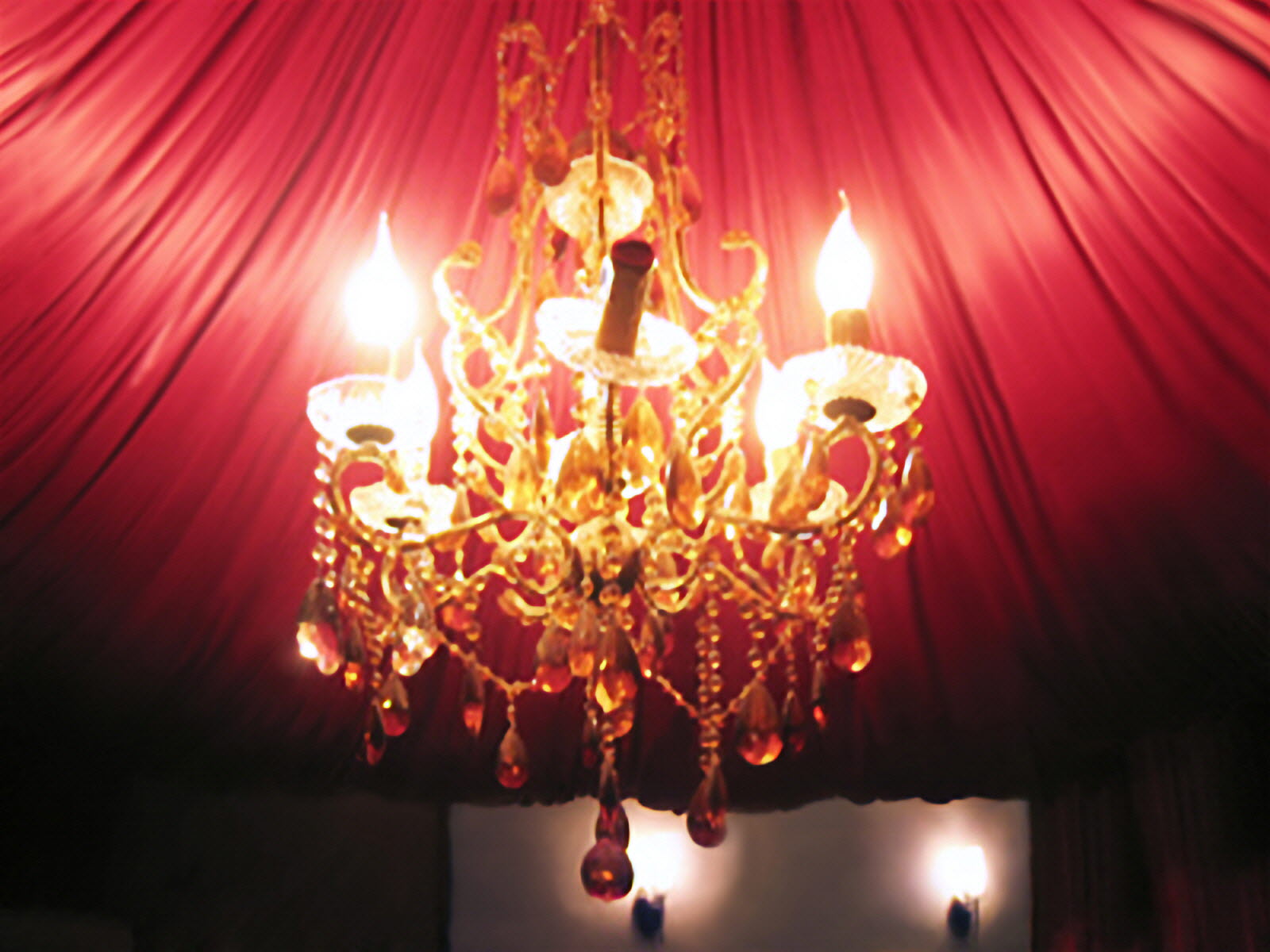
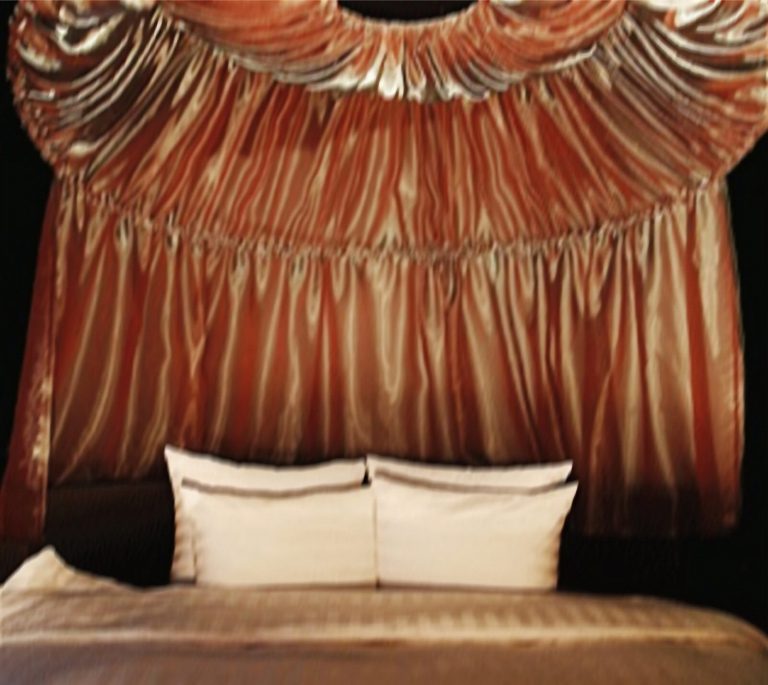
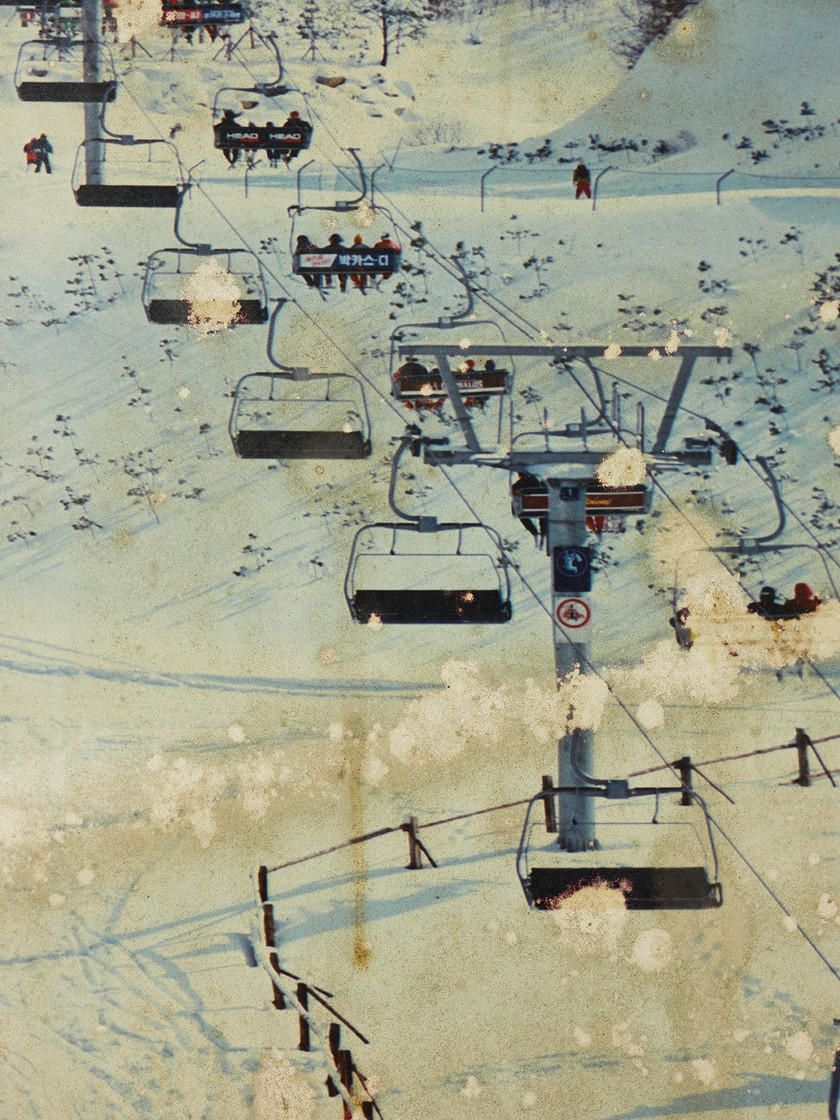
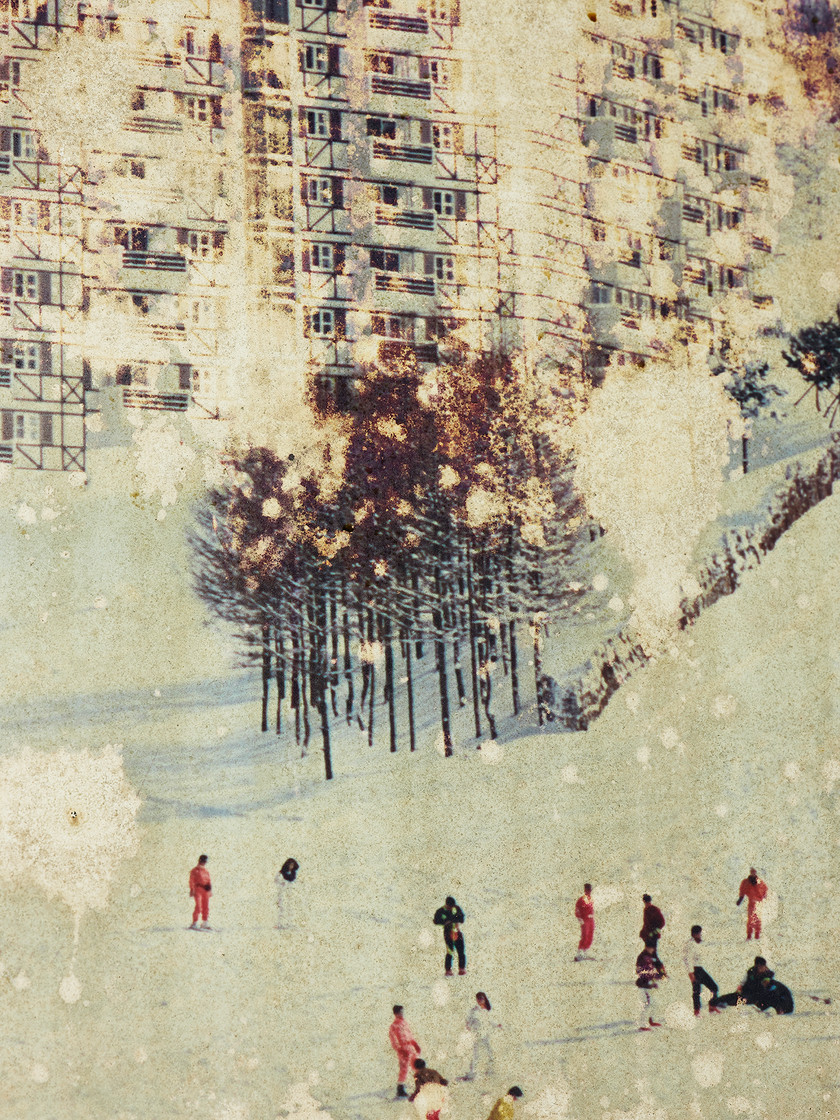
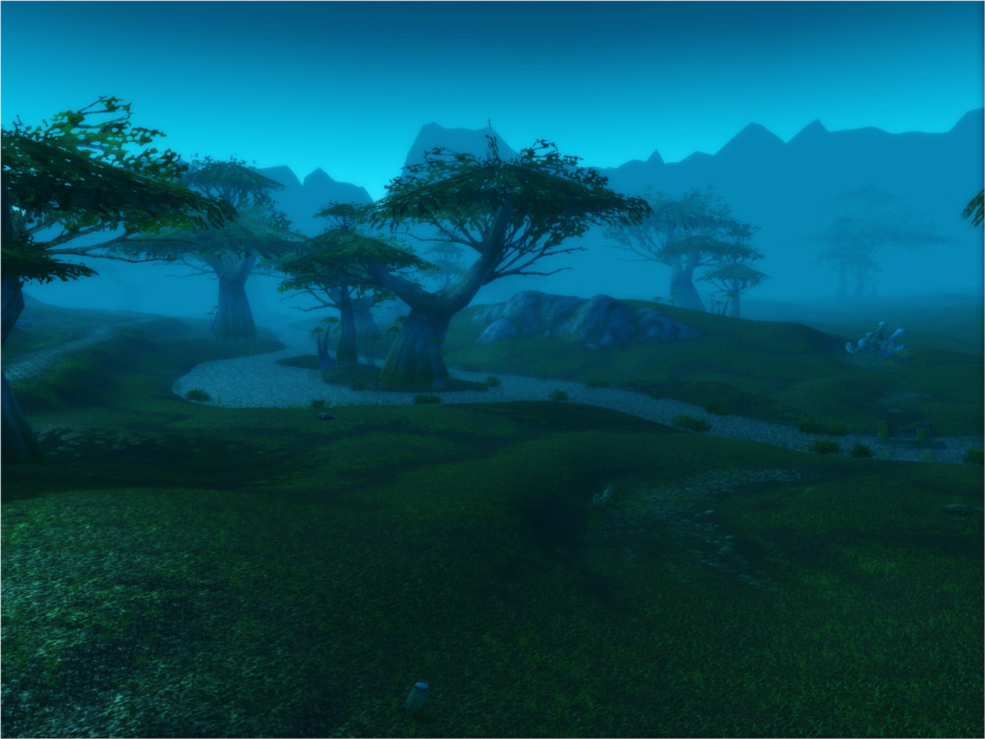
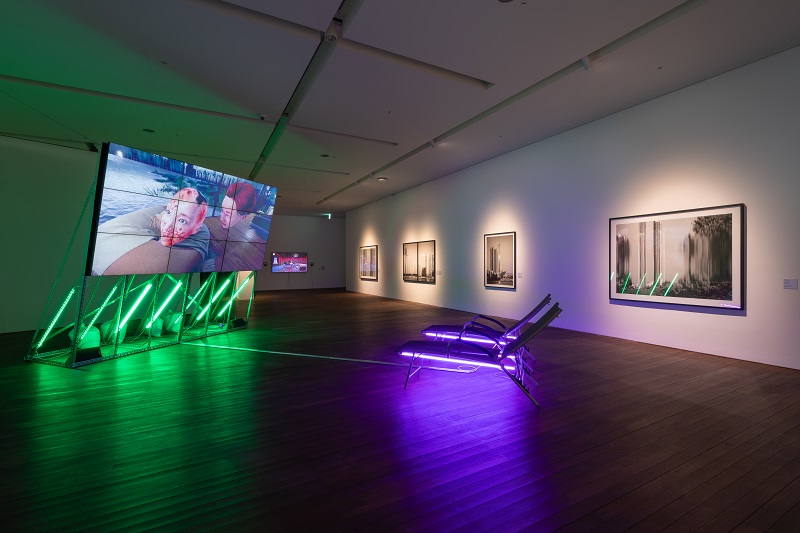
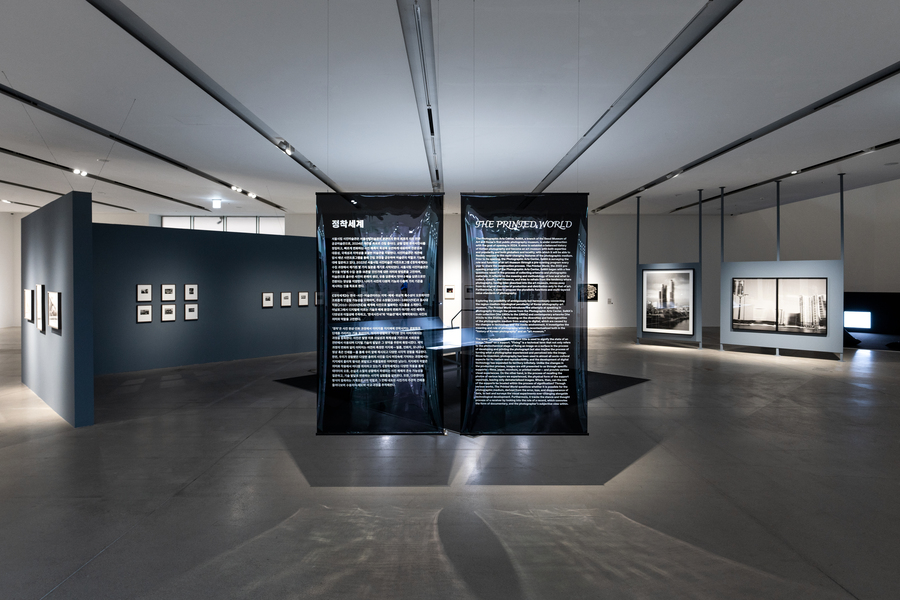
I have long been interested in a wide range of fields, from historical events and incidents to networks and the development of digital imaging technologies. From my earlier series ‘First as Tragedy, Then as Farce’ to ‘Low-Cut’ presented in this exhibition, my work goes beyond simply documenting specific spaces through photography.
Instead, I have focused on introducing physical and electronic errors into the process of digital image reproduction, and through the resulting distortions and noise, visualizing the vulnerabilities that lie beneath contemporary society. On one hand, these images may appear damaged; on the other, they may seem to incorporate new aesthetic elements. Through this duality, I sought to question the uniform ways of viewing temporal and regional issues.
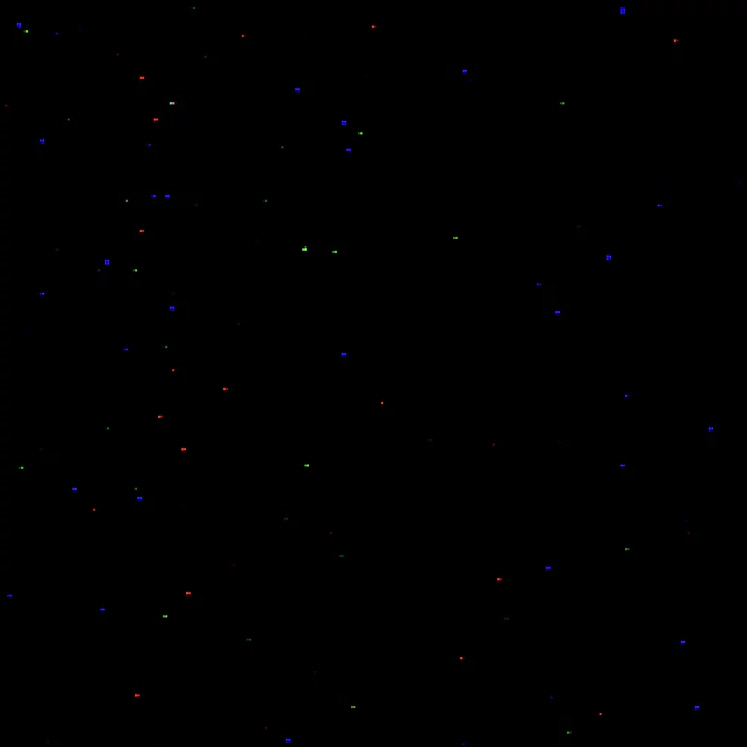
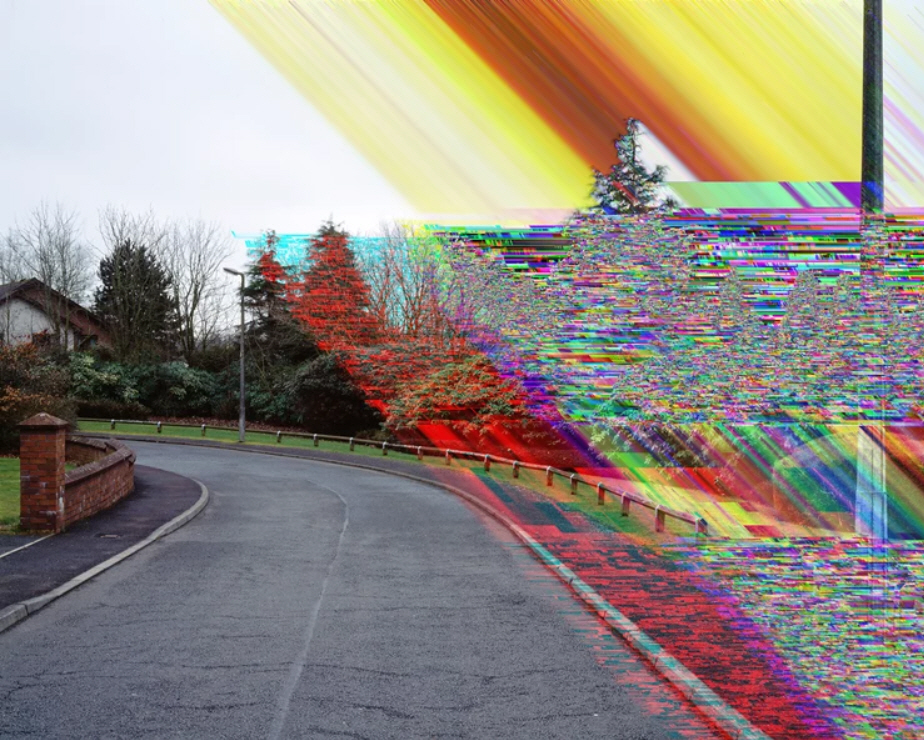
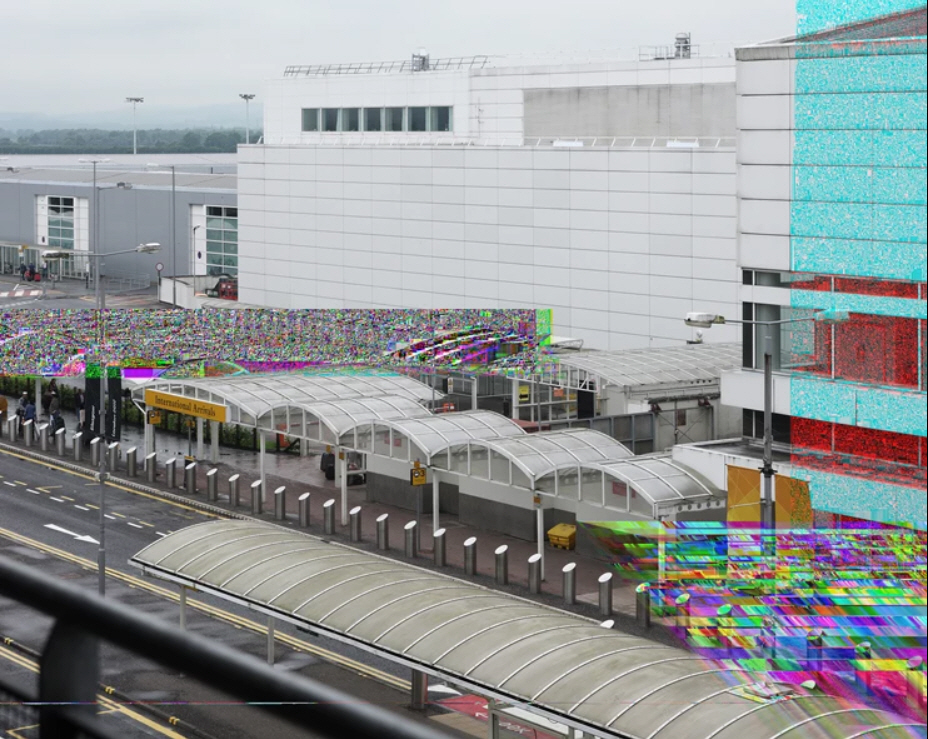
In my previous work, ‘First as Tragedy, Then as Farce’, I explored the social repercussions of bomb terrorism through the manipulation of digital images. I located the reason why such acts create massive societal impact in the density of contemporary cities. Just as cities composed of high-rise buildings—designed for efficient spatial use—can suffer severe damage even from small explosions, commonly used image file formats such as JPG and PNG employ data compression algorithms to save storage space, yet, like densely packed cities, they are highly vulnerable to even minor alterations, resulting in significant image degradation.
By modifying and corrupting photographs of terrorist sites using a code editor, I ultimately aimed to address the shared vulnerabilities of modern urban structures and digital imaging technologies.
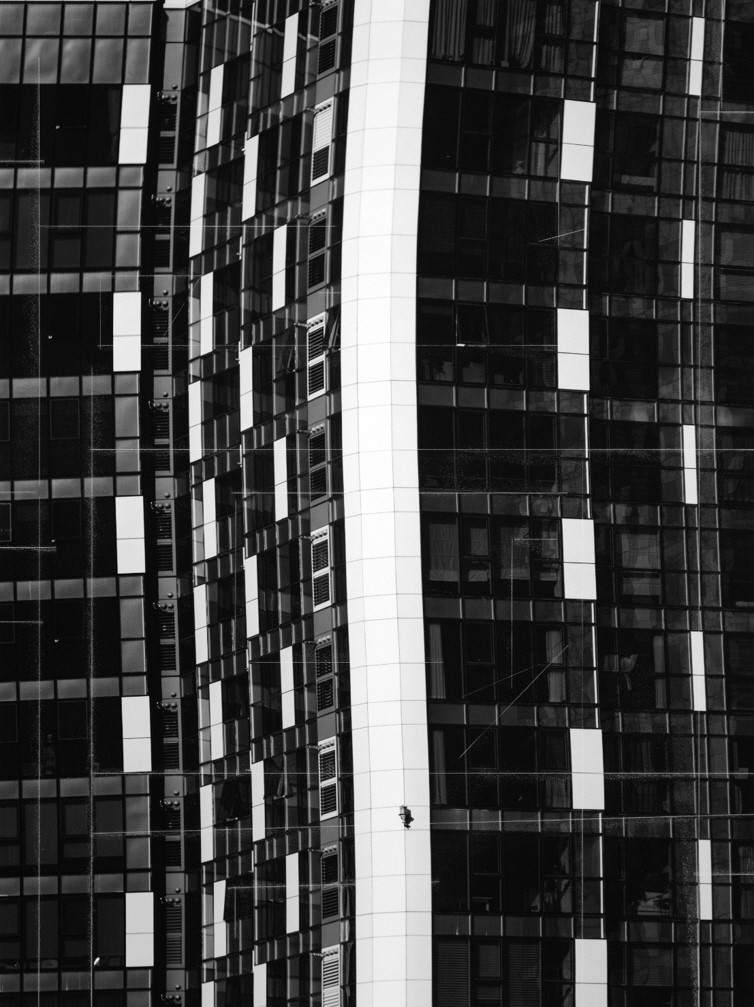
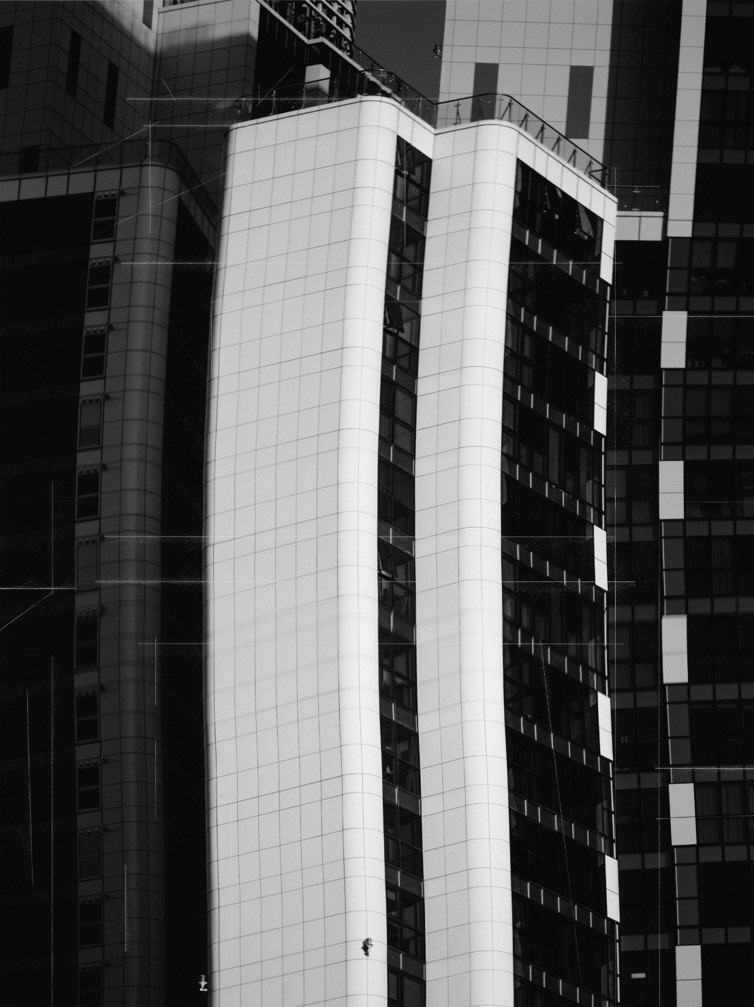
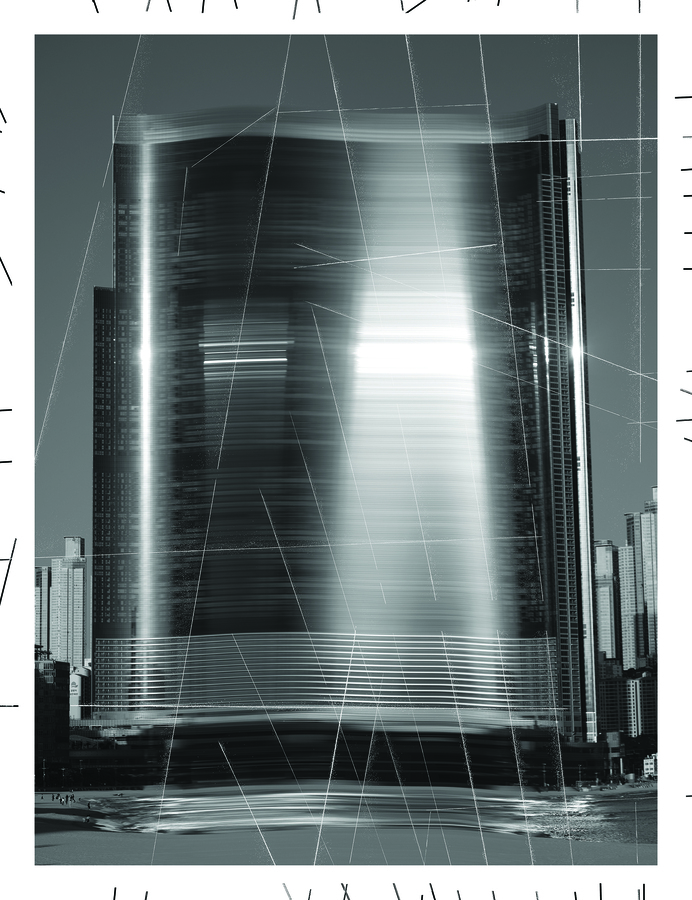
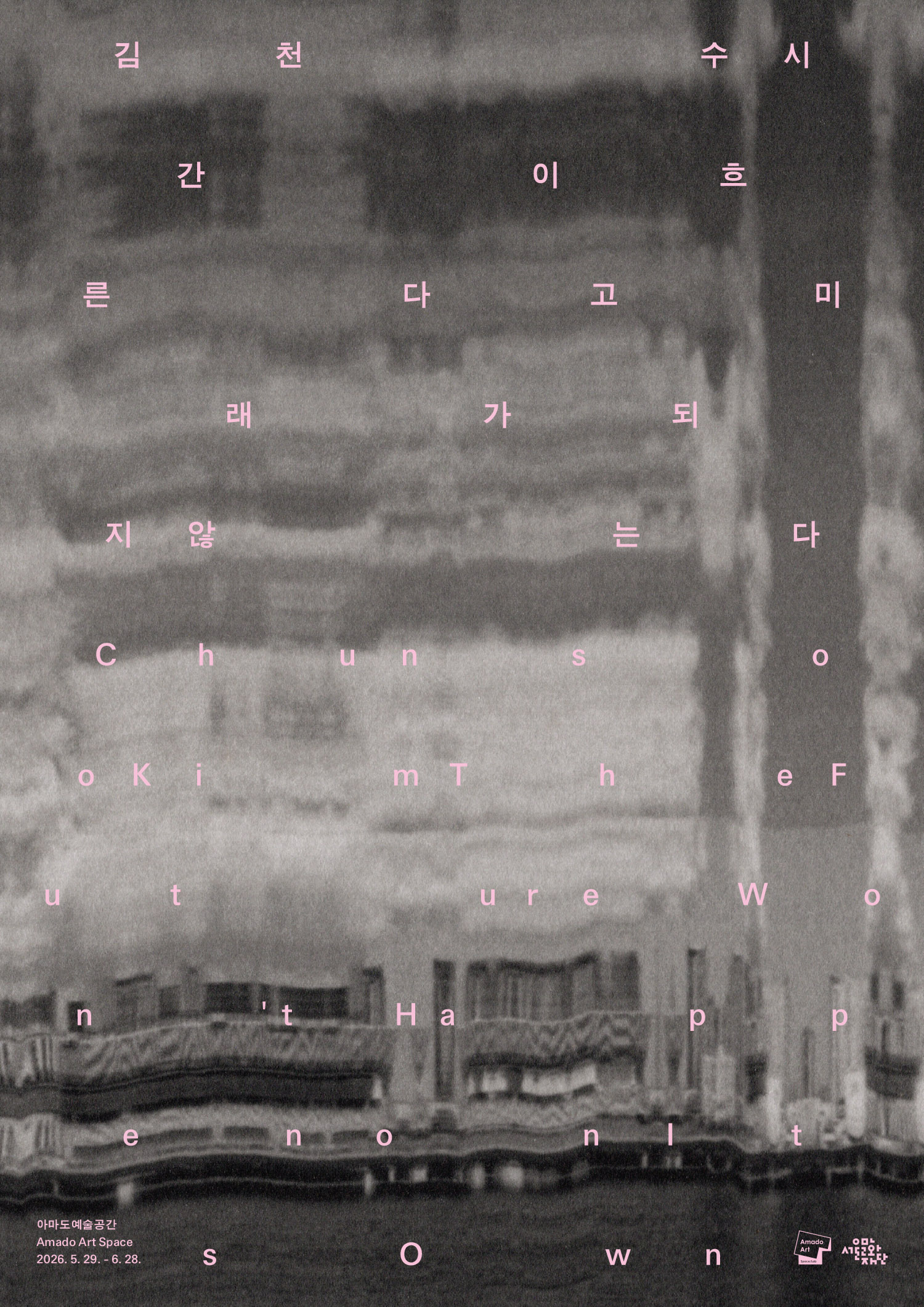
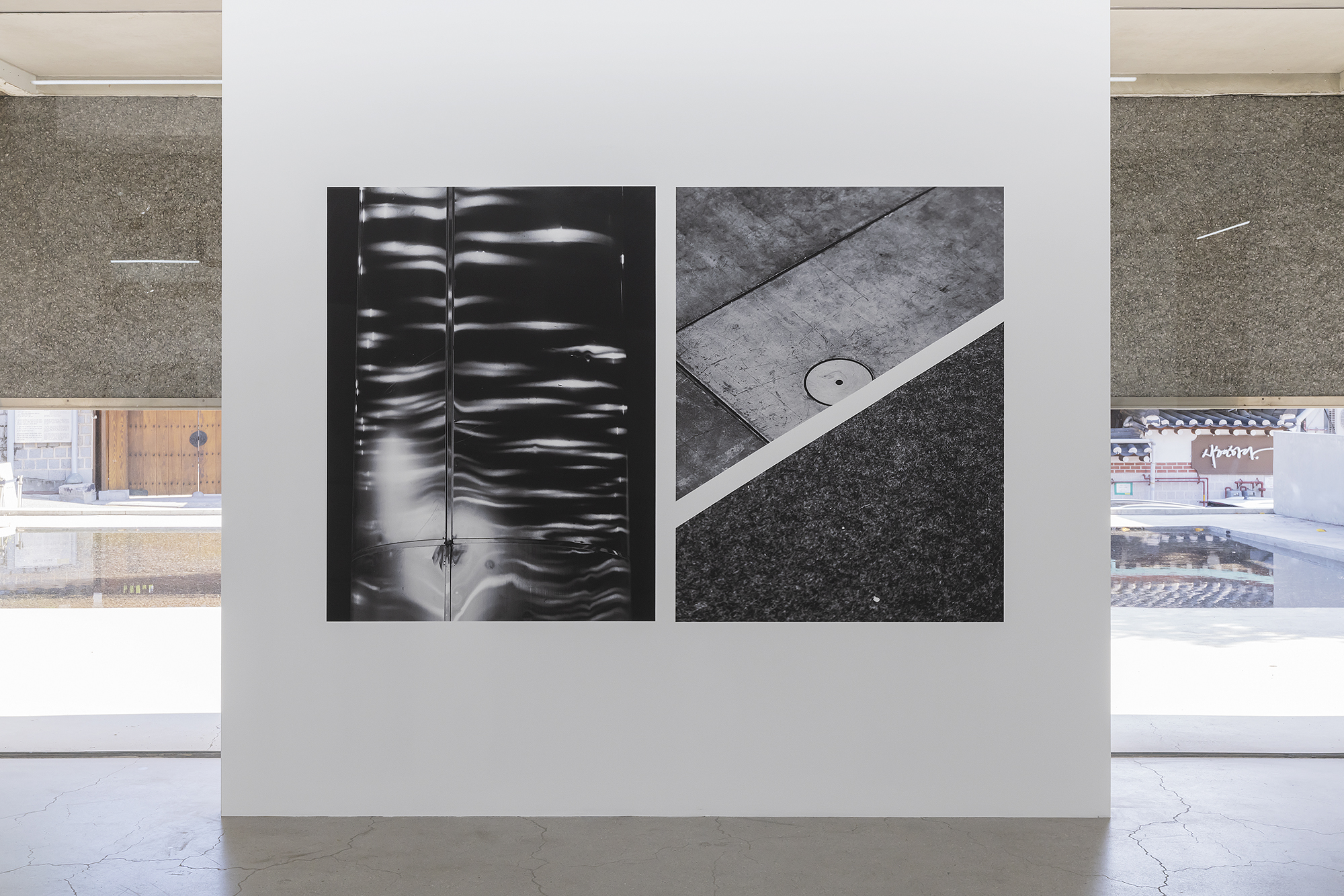
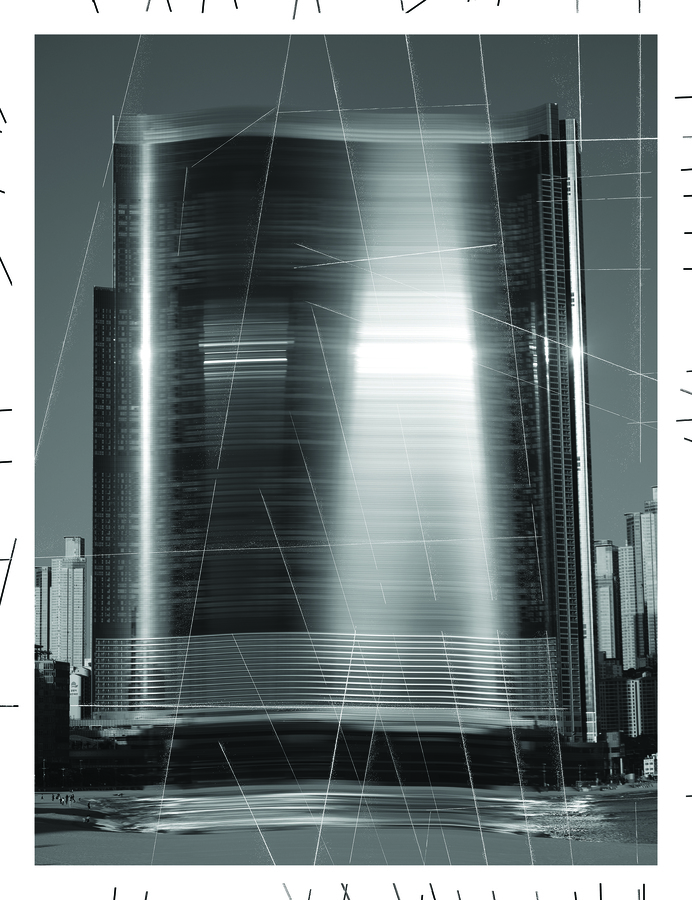
In the ‘Low-Cut’ series presented in this exhibition, I likewise draw a parallel between the increasing density of cities shaped by redevelopment and the inherent limitations of high-resolution digital cameras that integrate advanced technologies. High-resolution image sensors, which are designed by densely packing a large number of pixels into a small area, produce distortions and noise under certain conditions due to physical limitations. Such distortions become especially pronounced when photographing high-rise buildings rather than low structures.
In the ‘Low-Cut’ series, I overlay ink lines—used at construction sites to divide space and mark straight lines—onto images that have undergone morphological distortions caused by delays in data processing during shooting. As cities have continued to evolve toward greater density, various incidents and accidents inevitably accompany the process of redevelopment. I extracted lines from photographs included in newspaper reports covering such incidents and reintroduced them as ink lines onto these imperfect images.
Through this process, I superimpose traces of the past—often absent from collective memory—onto images of completed architectural structures. In doing so, I aim to reveal the hidden memories embedded in the overlooked layers of urban space. At the same time, I intend for the white ink lines to either emphasize the disrupted present within the image or function as guiding lines that attempt to restore order.