The Hand and Eye of the Digital Nomad
The transformations brought about by virtual space in our daily lives are manifold. Sitting in front of a computer, I find it both fascinating that I can travel the world without the aid of my feet, and somewhat pitiful that my feet simply swell with little to do. Compared to the feet, the role of the hand has expanded tremendously. The hands of those adept at handling a keyboard and mouse go beyond passively following the commands of the eyes; as if wings had sprouted at their fingertips, they explore new worlds. In the digital age, the hand connects people and the world, at times even blurring the boundaries between self and other.
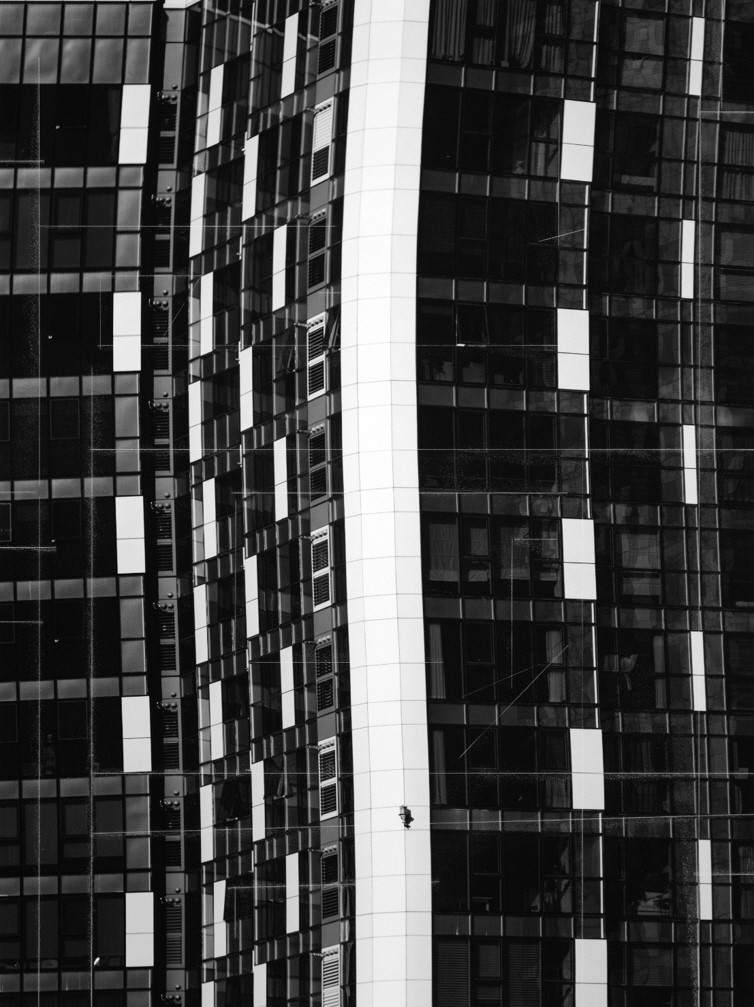
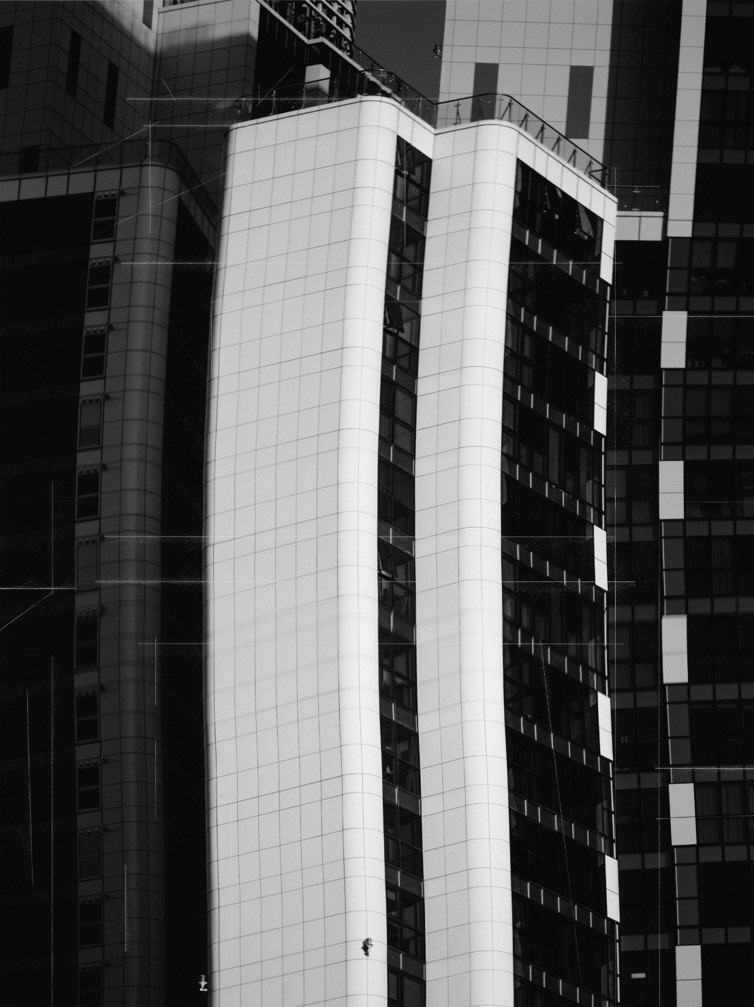
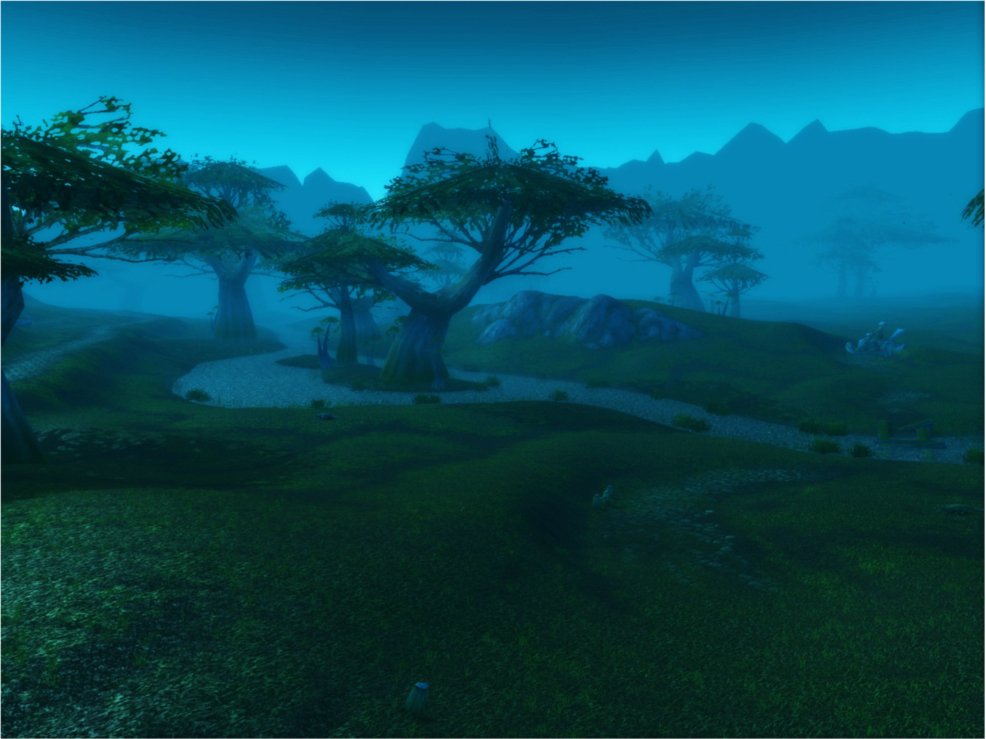
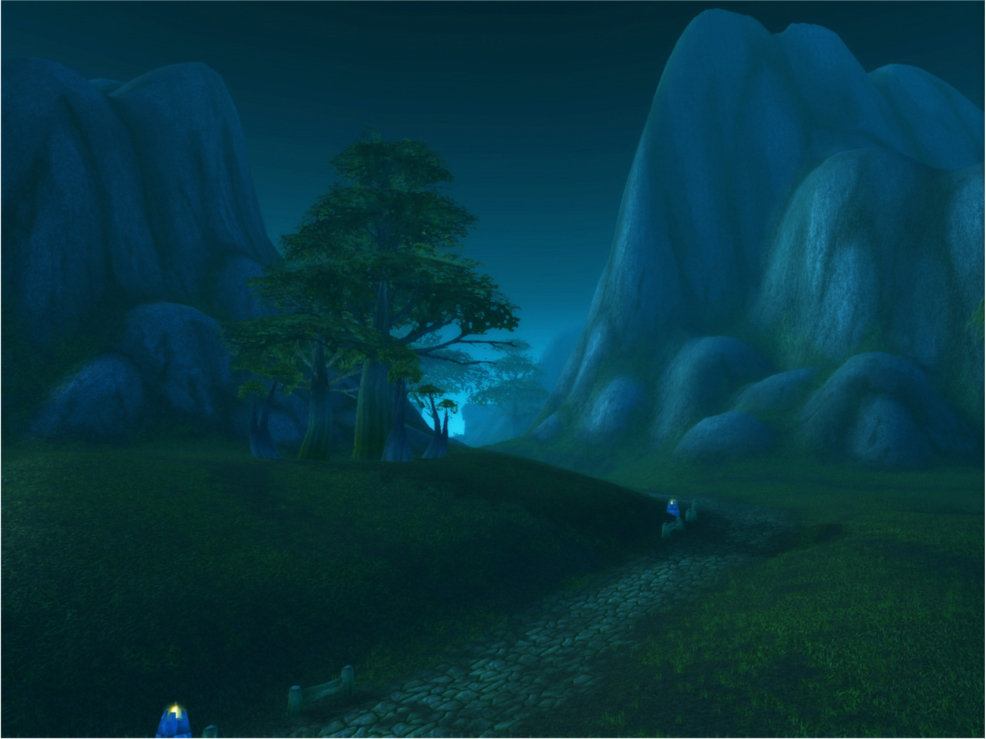
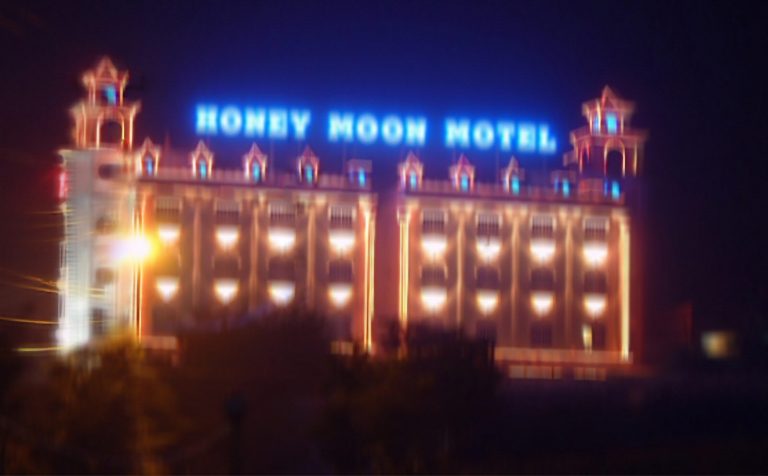
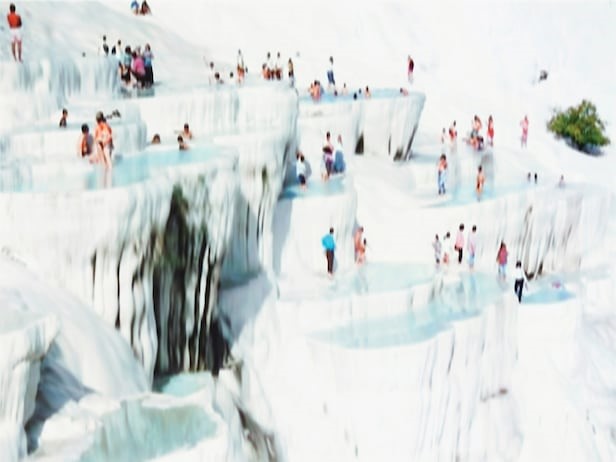
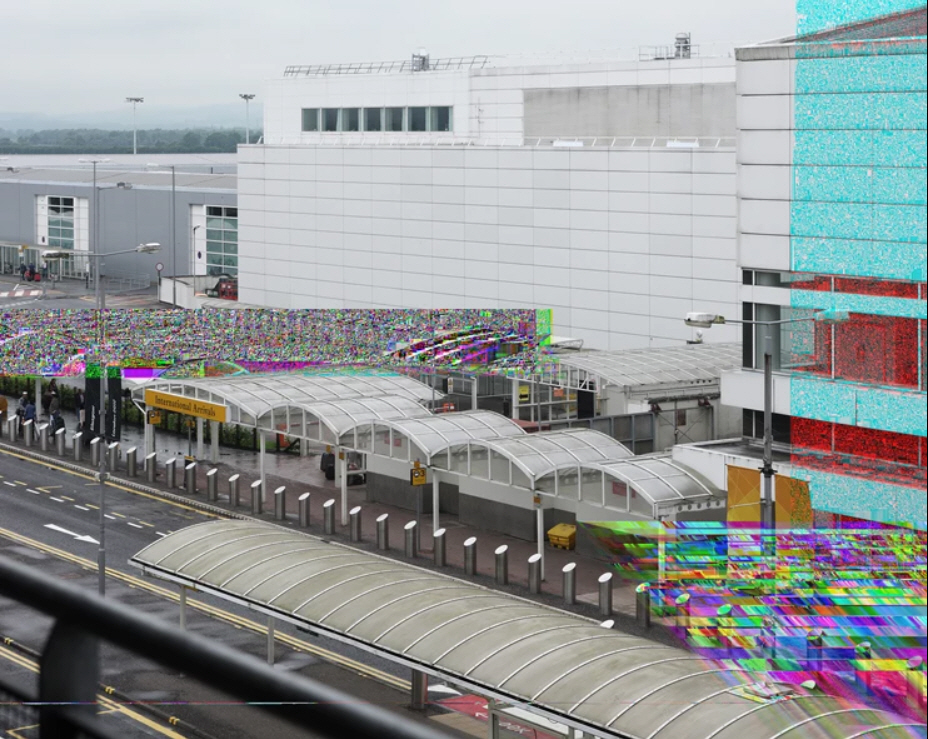
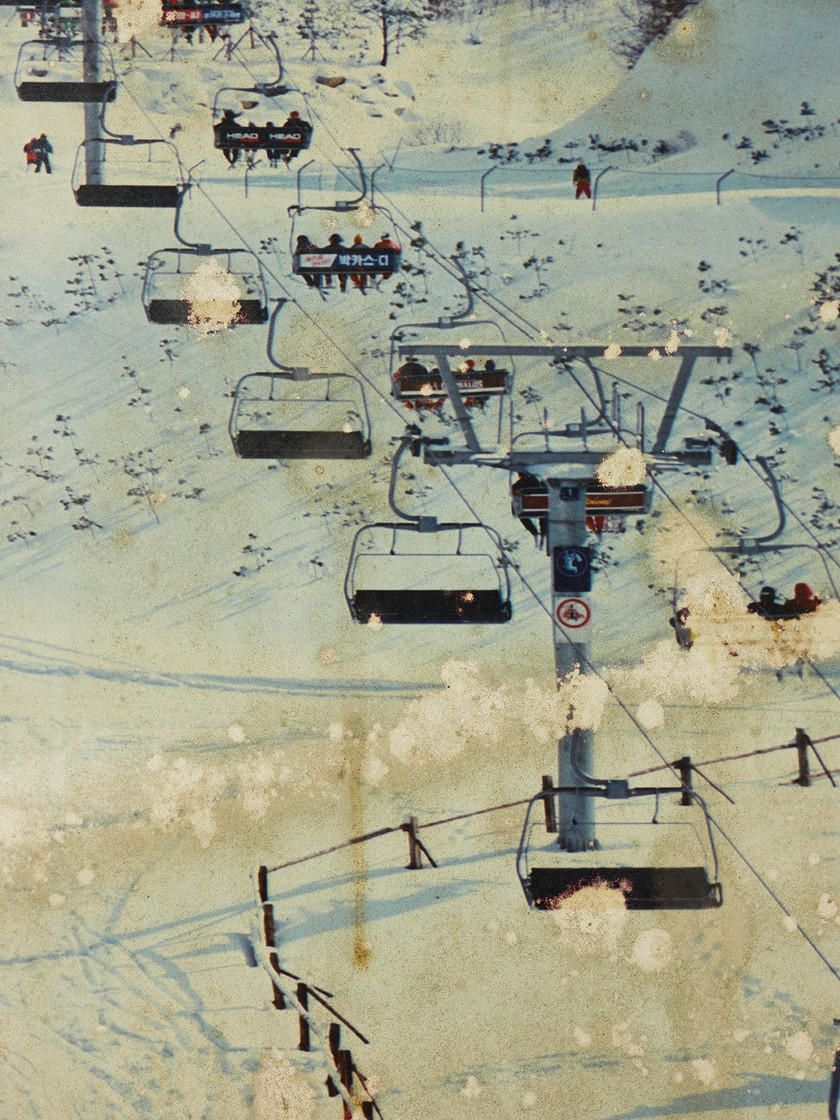
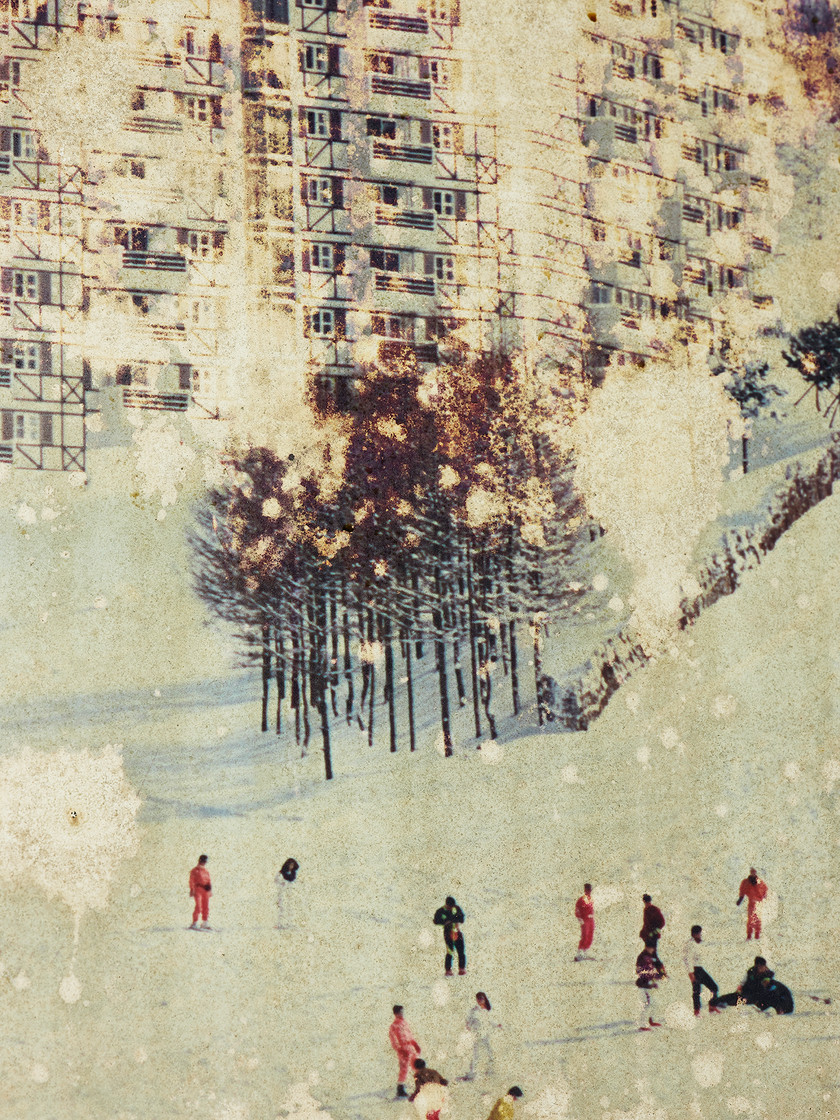
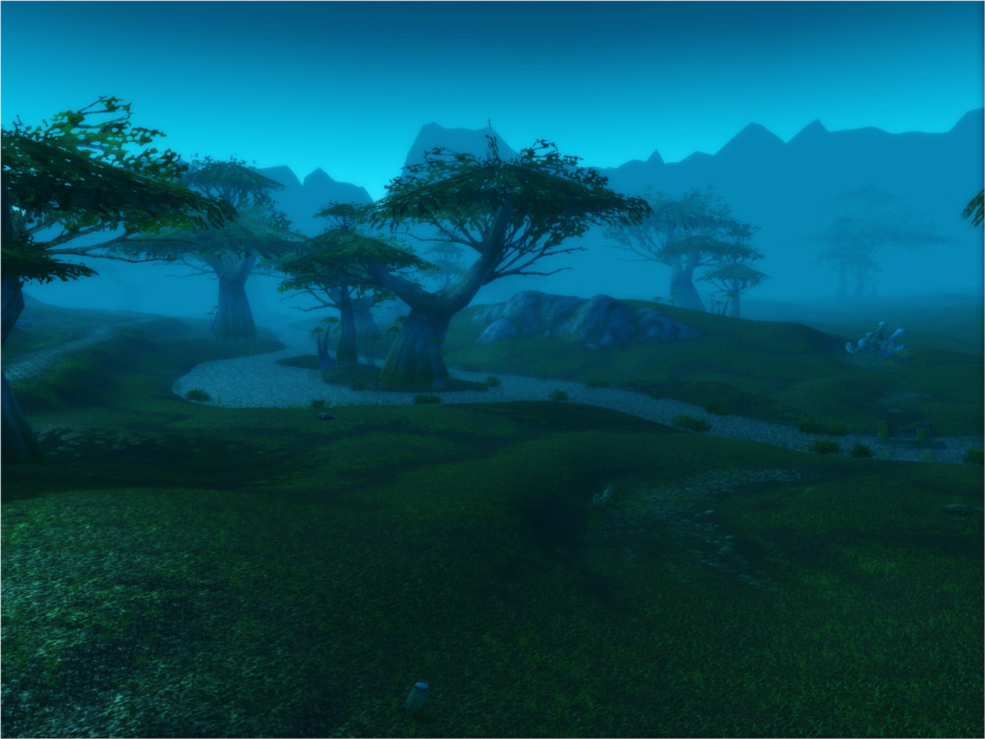
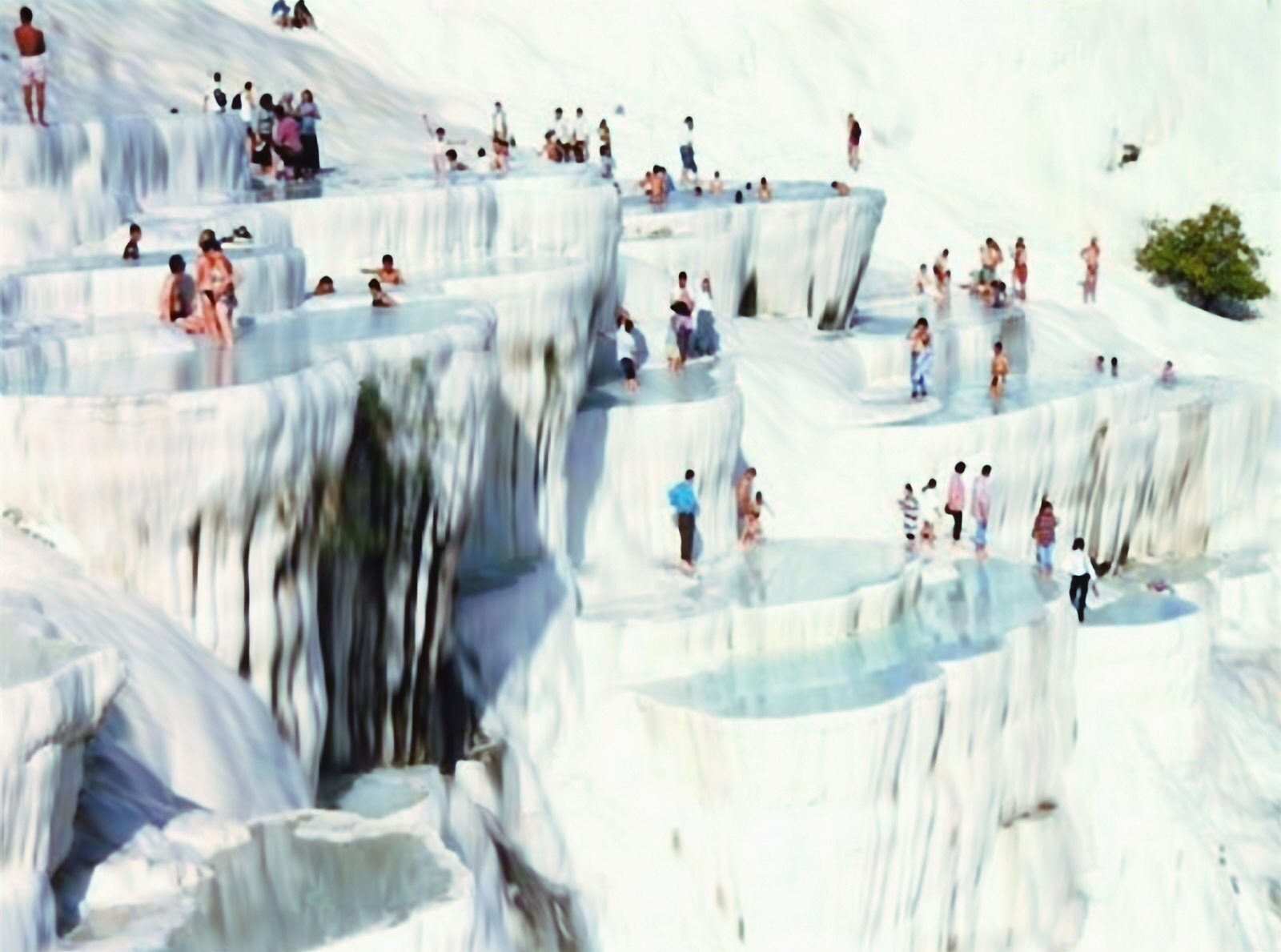
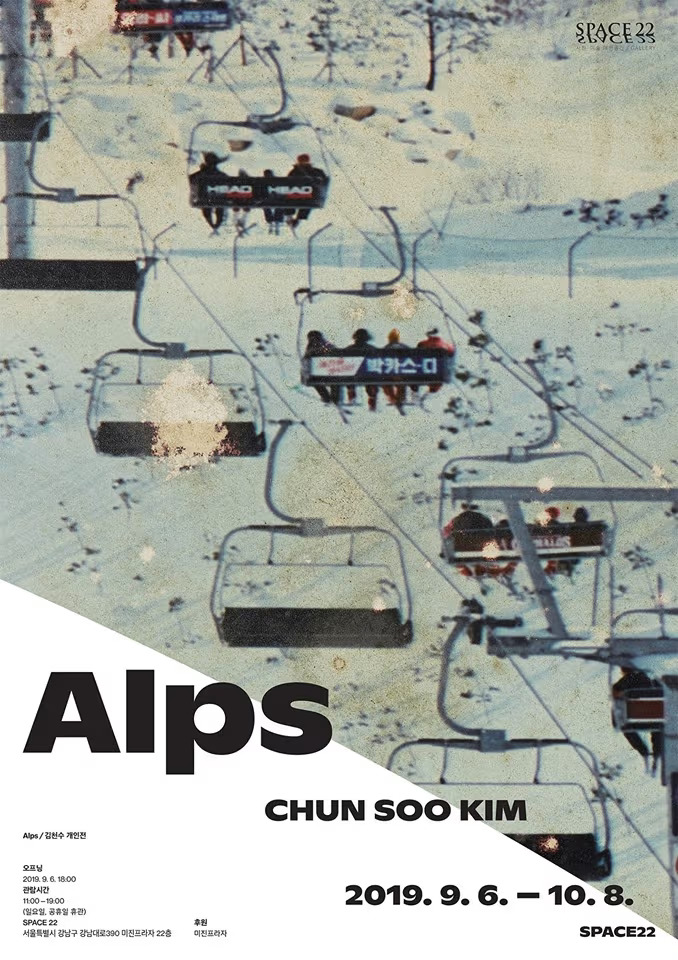
Kim Chunsoo’s ‘Resort’ series suggests how agile and lively the artist’s hands have become in front of the computer. Instead of pressing the shutter of a camera, he clicks the right button of a mouse. The scenes that form the basis of his photographs—images that seem like memories of past vacations or places one wishes to visit in the future—were originally someone else’s travel snapshots. Through web surfing, the artist collects travel photographs of the world uploaded by others, with a sense of longing. He then removes traces of the original subjects one by one, inserting his own curiosity and anticipation into them.
The resorts he constructs begin as evidence of others’ pasts and are completed as his own hopeful desires. Thus, his photographs are at once reality and imagination. If the transformation of someone’s memory into desire, and someone’s past into the future, is mediated by the artist’s hand, then we, as viewers, are able to partake in that journey through our eyes alone.
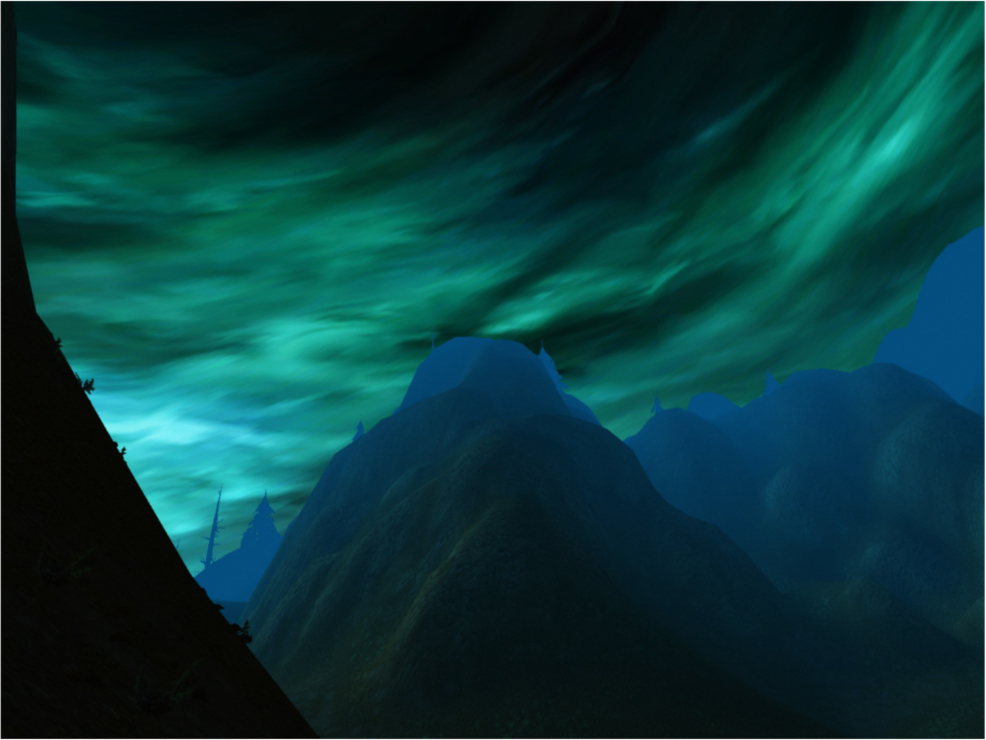
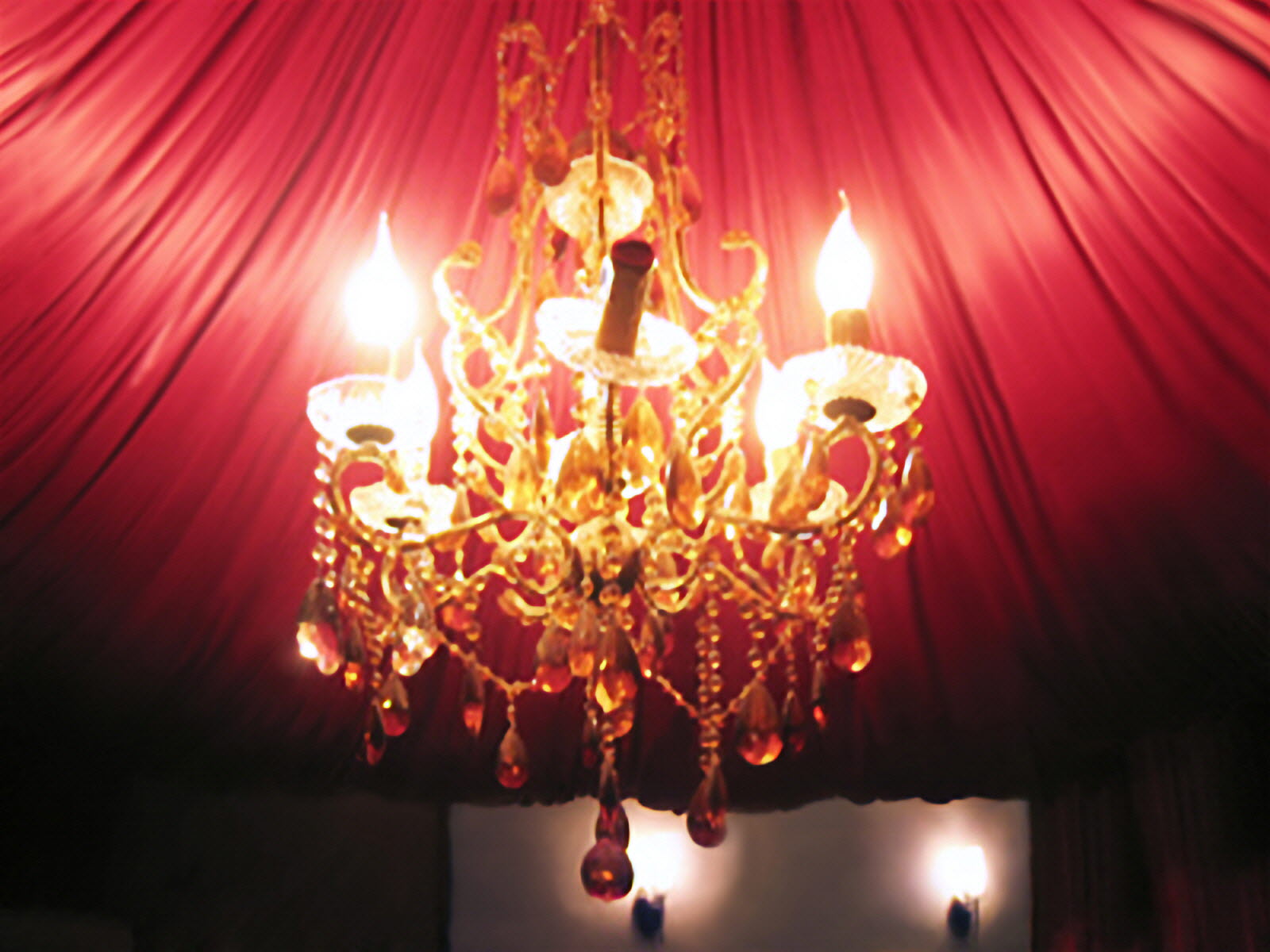
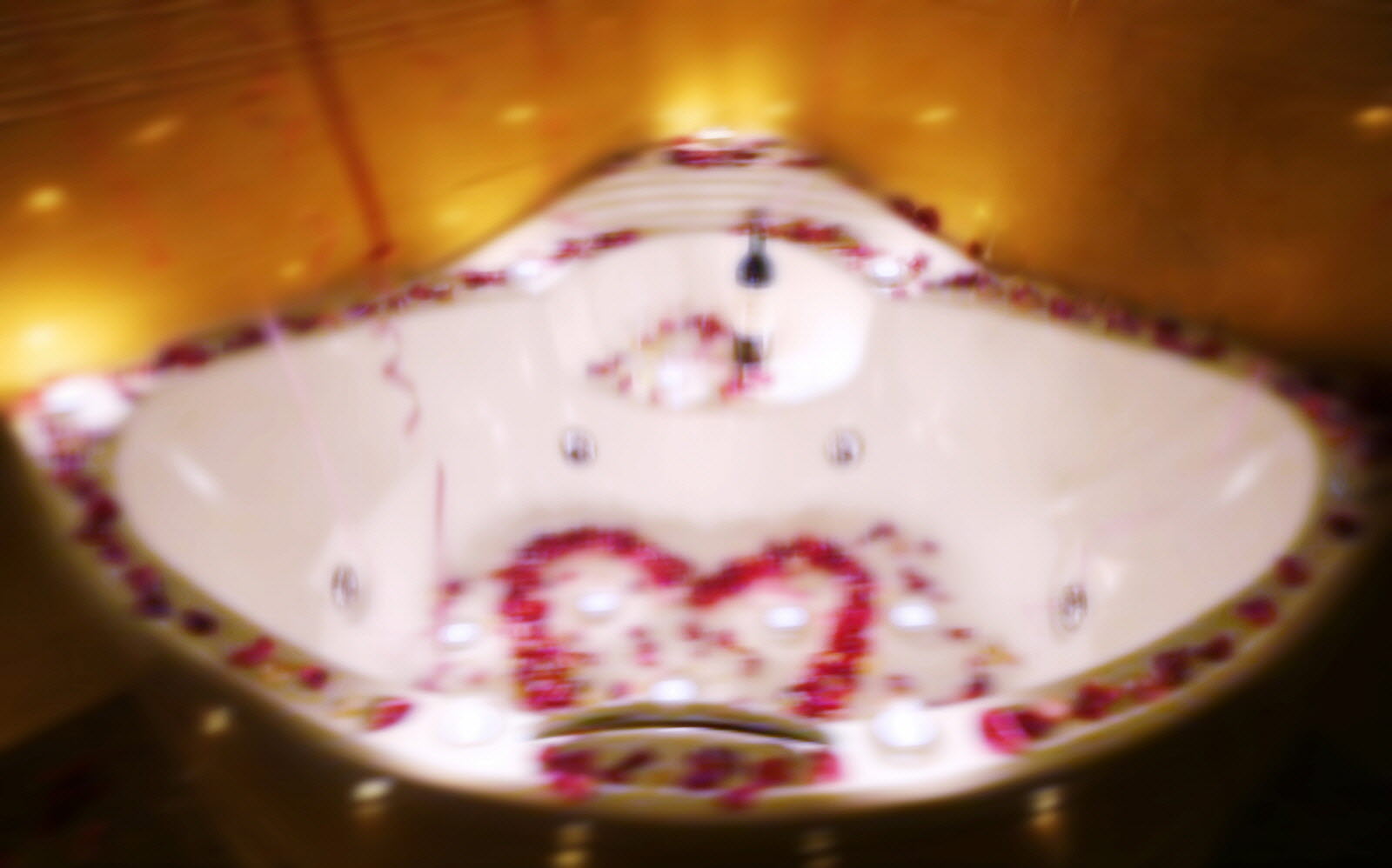
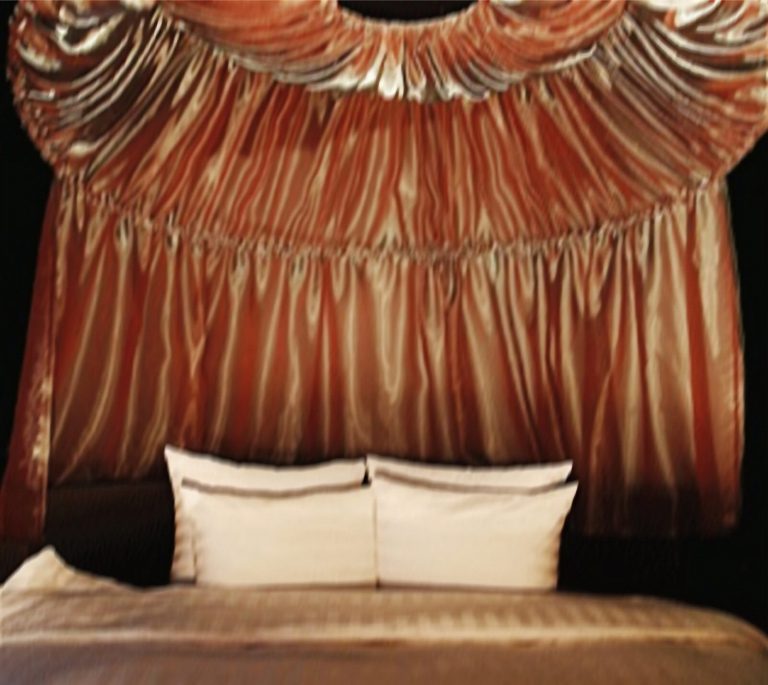
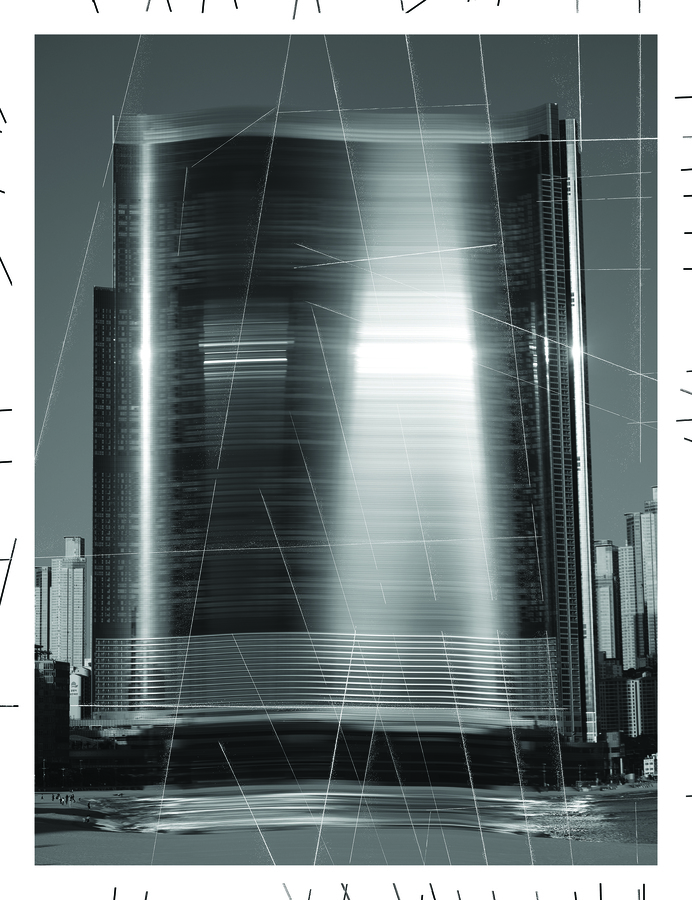
The images formed in the human eye are inherently blurred, much like Kim Chunsoo’s works. While a fixed gaze can produce partial clarity at the center, vision becomes increasingly blurred toward the periphery. We are able to perceive objects clearly because we move our eyes, expanding the range of what we can see sharply and assembling it in the mind. In other words, we do not see clearly—we think clearly. Kim Chunsoo’s photographs explicitly reveal a unit of visual perception that our eyes perform unconsciously.
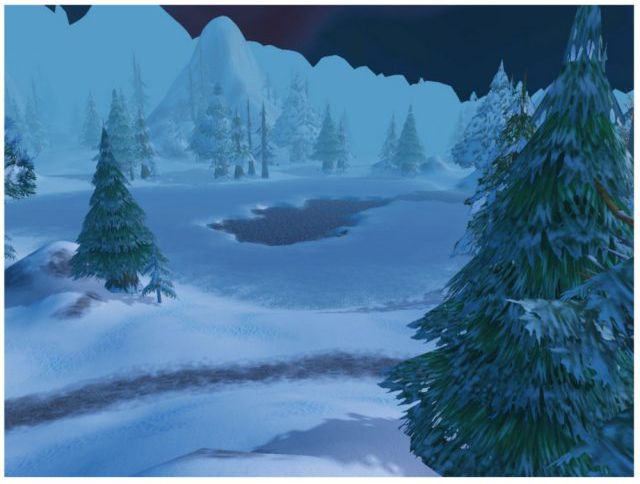
The imagined and future-oriented souvenir images he creates manipulate the scale and sharpness of the subject, leading us to perceive the world through vague contour information. As a result, contrasts in color are intensified, while fine details nearly disappear. Nevertheless, we are still able to recognize where the scene is and what the figures within it are doing without much difficulty. Rather, we begin to fill in the omitted or hidden information ourselves, constructing our own sense of leisure within the image.
Kim Chunsoo’s working attitude, in a sense, disseminates the mindset of the digital nomad living in an age of hobby labor. If the value of traditional landscape or souvenir photography lay in the complete possession of a particular time and space, Kim Chunsoo’s photographs shift the emphasis of leisure away from possession and toward experience.
For him, the pleasure of rest does not necessarily arise from standing on new ground and pressing the shutter of a camera, but can instead be replaced by the excitement and languid narratives associated with downloading images by clicking a mouse. In his photographs, the deserts of the pyramids and the snowy fields of Whistler are reduced to entities that cannot be fully possessed by anyone; as a result, anyone viewing his work can design their own free and personal vacation.
Through Kim Chunsoo’s hand, we come to realize that our eyes are capable of selectively completing any stage of the process—collecting information, sensing emotions, thinking, and translating these into action. Our eyes can now find a place to rest anywhere in the world. That is, if we choose to believe, as Paulo Coelho suggests, that “the purpose of life is to fully enjoy it.”