Exhibitions
《Motel Tour》, 2007.08.31 - 2007.09.13, Space Vava
August 29, 2007
Space Vava
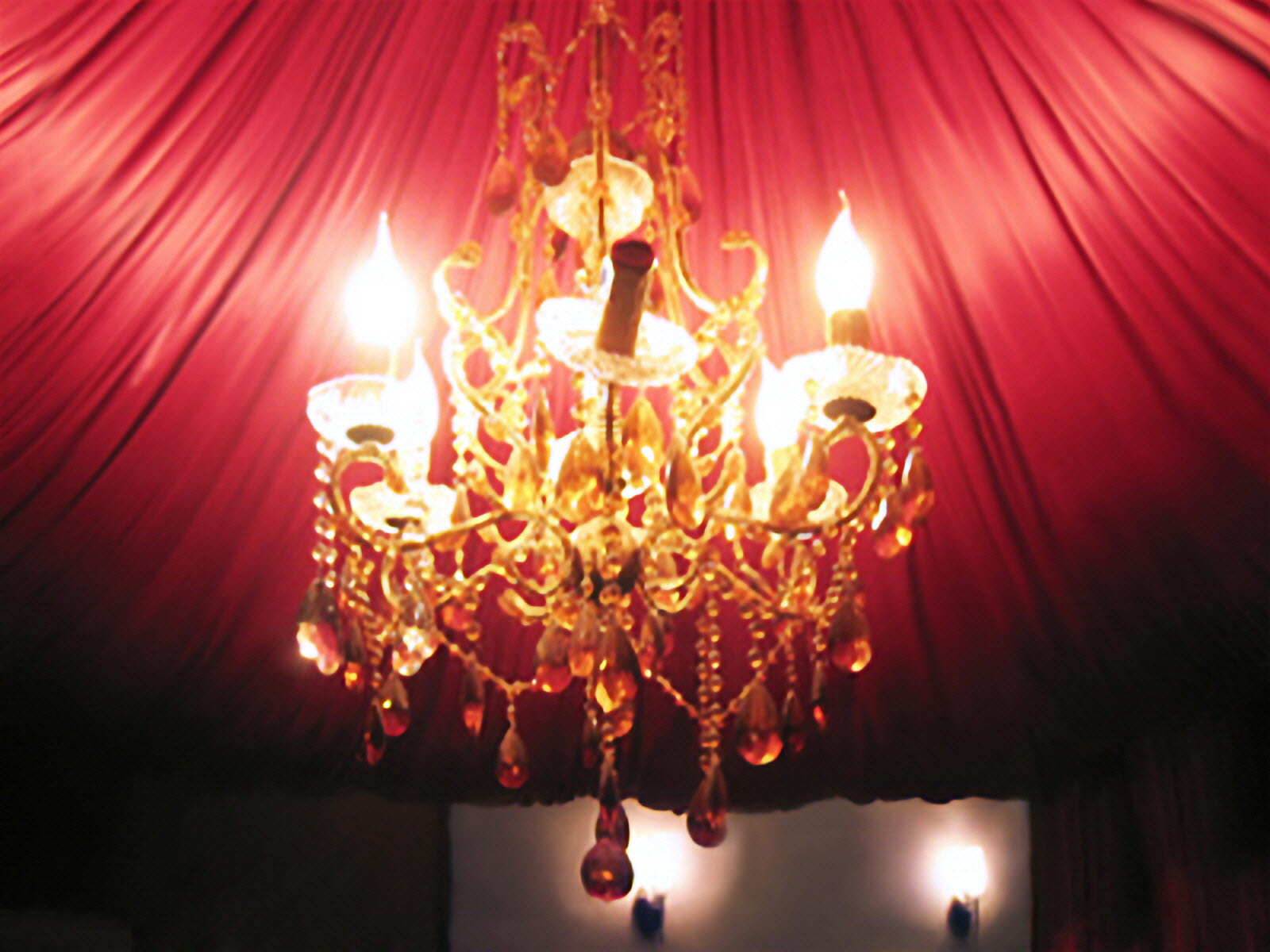
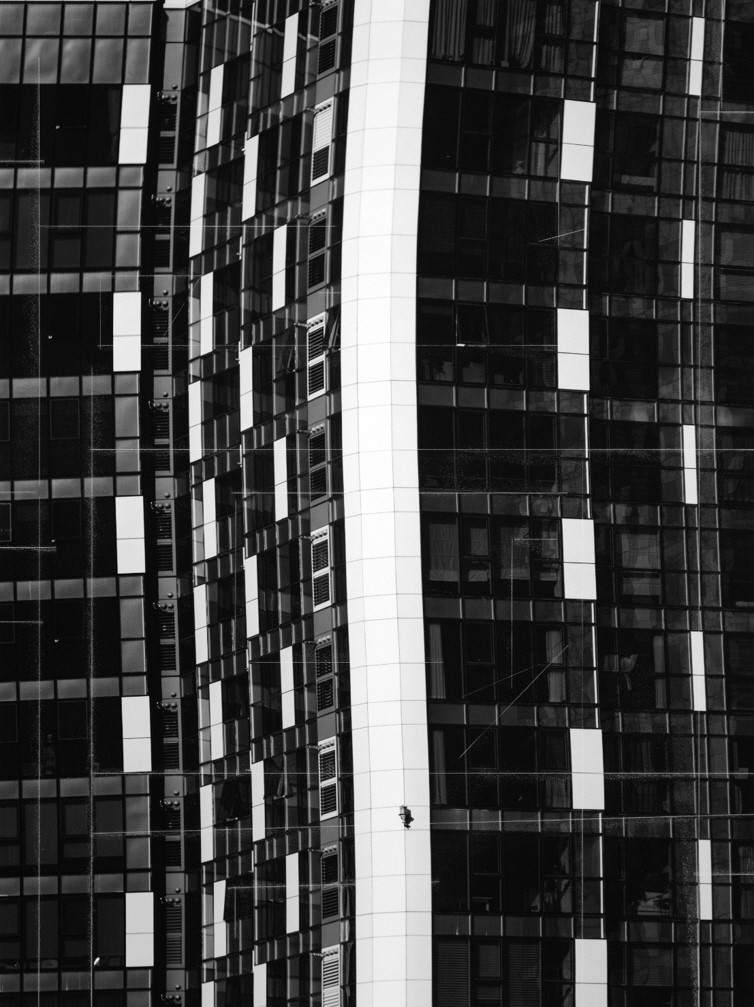
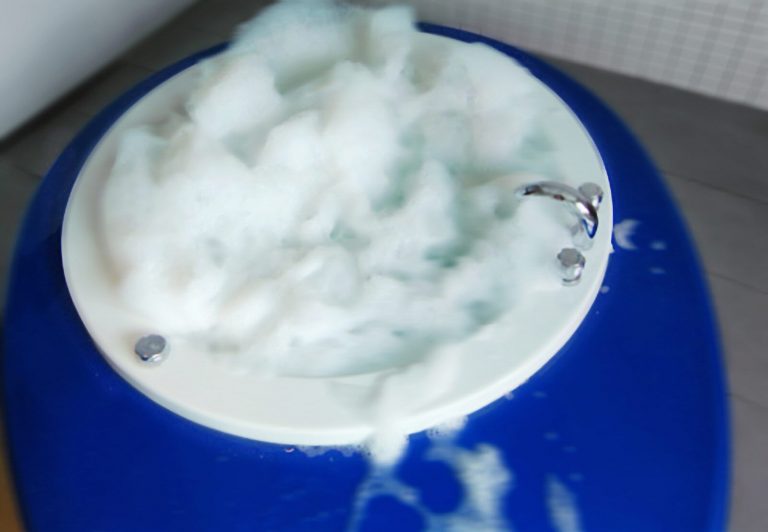
Kim Chunsoo, Motel Tour #02, 2006 © Kim Chunsoo
If the twentieth century was the age of mechanical reproduction, today can be described as the age of digital reproduction. Mechanical reproduction produces thousands of identical copies at the same time, operating through ceaseless repetition. As such, it is governed solely by rationality, calculation, sequence, and order. In this regard, the German critic Walter Benjamin argued that mass-produced mechanical reproductions, as well as modern art, have lost their aura (spirit).
Digital reproduction, however, connects the “spirit” of producers and consumers through participation and transformative replication, as the expression of the mind itself is reproduced. Through digital reproduction, spirit, thought, and ideas are transmitted and extended. In other words, whereas mechanical reproduction approaches the viewer as a closed and completed form of replication, digital reproduction is an open form that is only completed through its encounter with others. Applied to art, this suggests that works produced through digital reproduction assemble fragmented elements into a new whole, forming an image that embodies the artist’s new ideas.
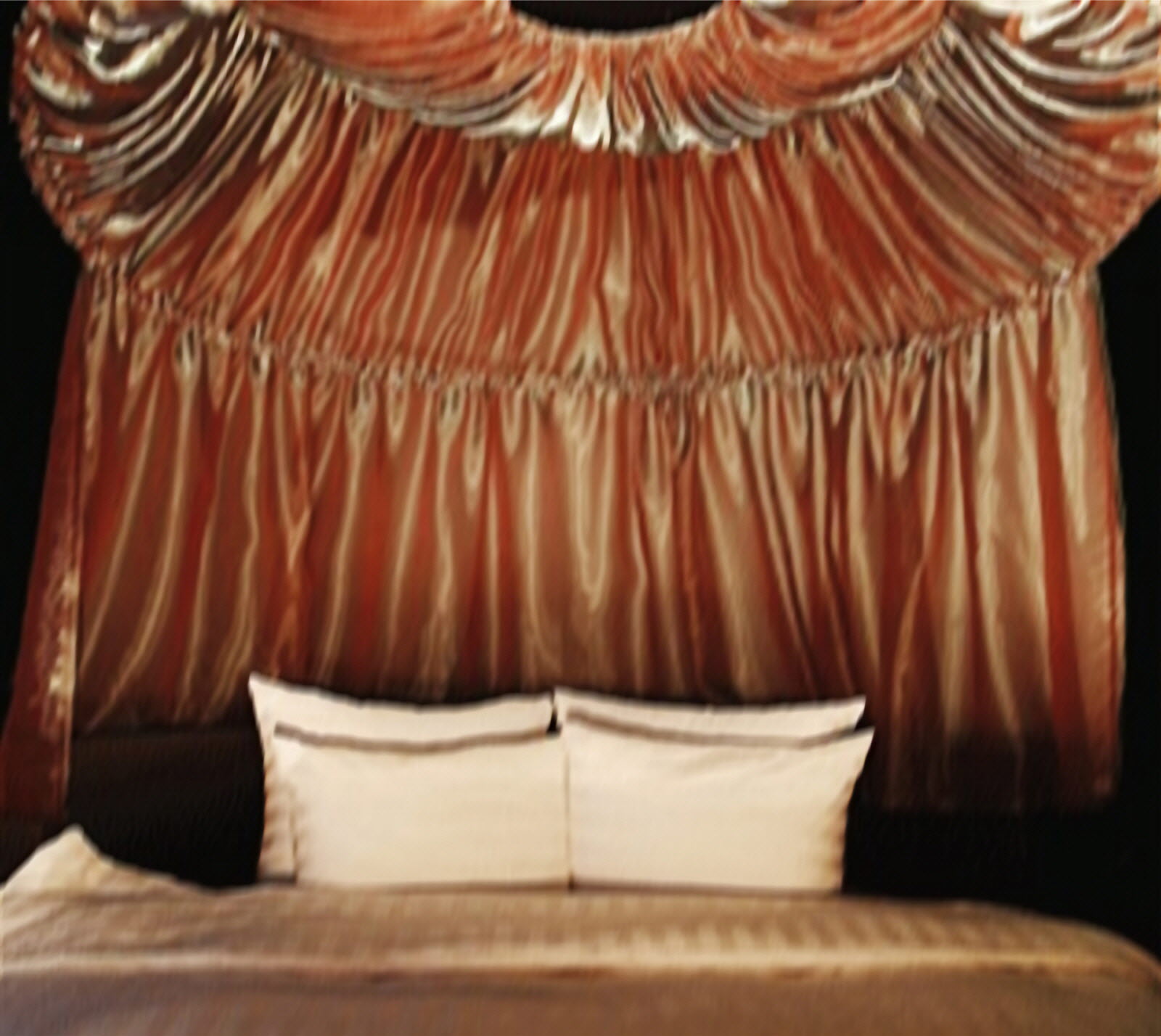
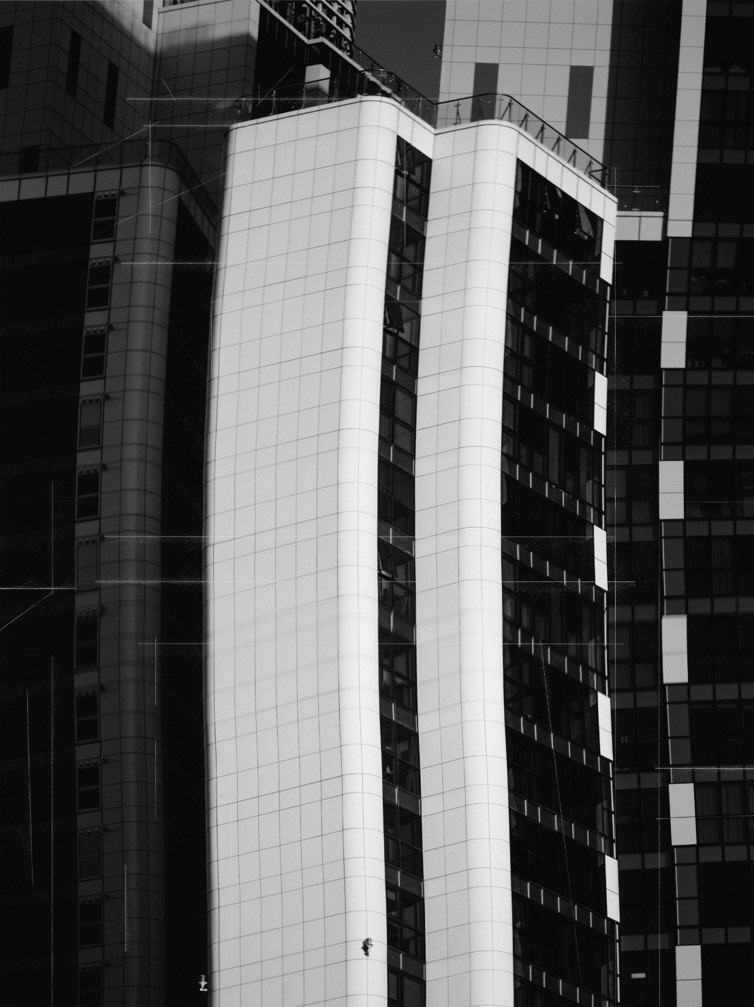
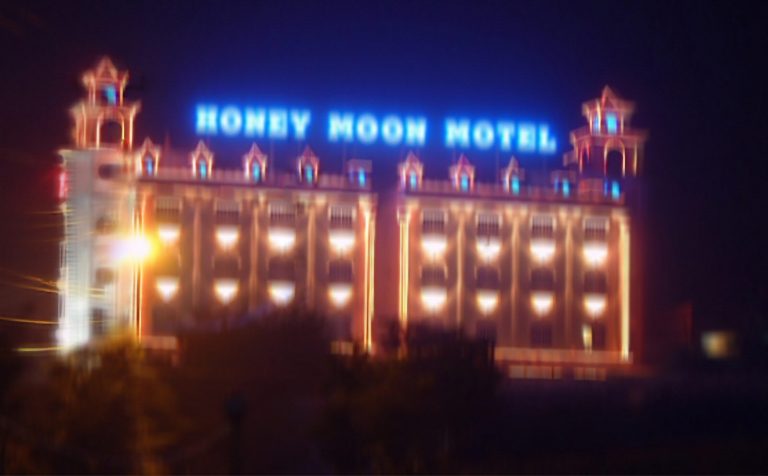
Kim Chunsoo, Motel Tour #15, 2006 © Kim Chunsoo
Kim Chunsoo’s work exemplifies a type of art produced through reproduction in the digital age. Kim Chunsoo’s ‘Motel Tour’ consists of photographs made using images uploaded by users to the Daum café “Motel Tour” (http://cafe.daum.net/moteltour). This site is a membership-based platform where young couples who have visited motels (love hotels) share and provide information about their experiences for other couples.
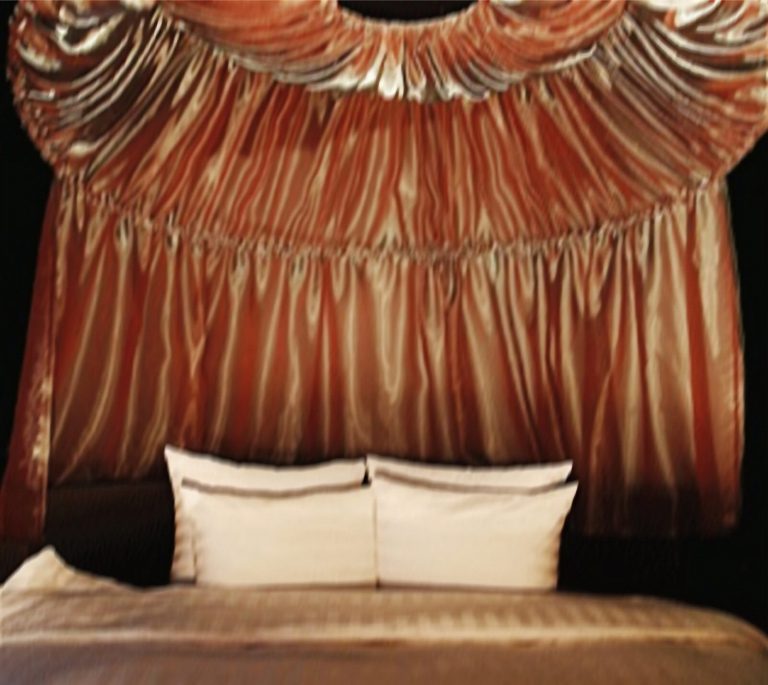
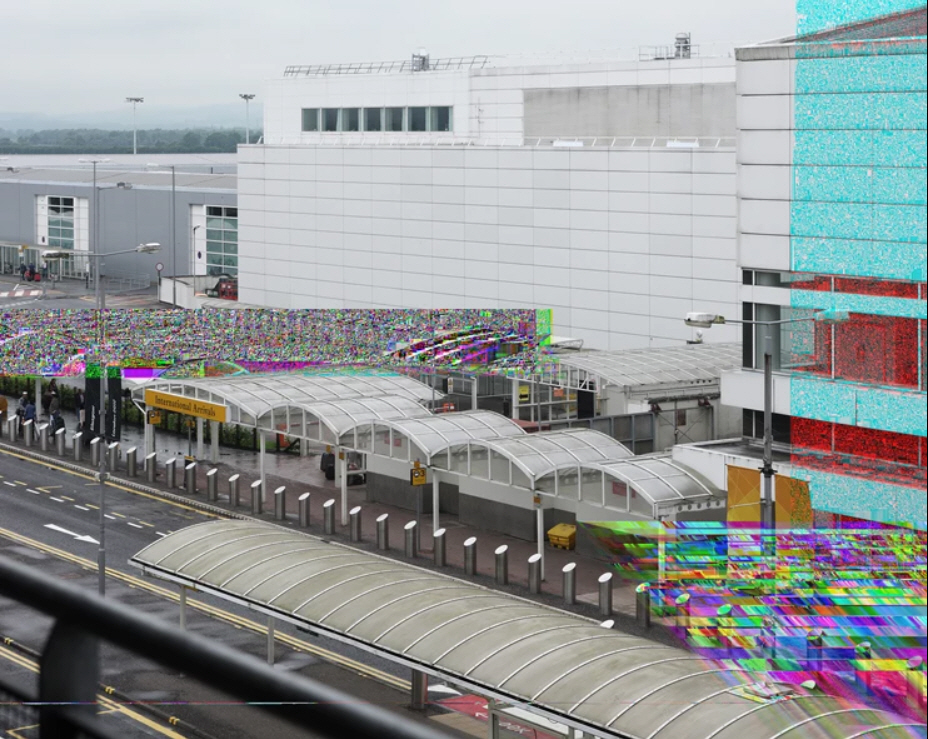
Because anyone can easily contribute content simply by registering as a member, most of the images uploaded are not well-made photographs taken by photography professionals, but rather extremely ordinary images captured from the perspectives of everyday users. Many of them are out of focus, blurred, or taken from awkward angles. However, these seemingly poorly taken photographs, when combined with the space of the “motel,” create a peculiar atmosphere. The motel is no longer merely understood as a lodging facility, but is increasingly established as a discreet, sexually charged space.
Although sexuality is a fundamental human desire, it is often concealed and suppressed rather than openly expressed. The motel functions as a space where such desires can be freely experienced. These characteristics of the motel are, in fact, conveyed even more effectively through blurred and fragmented images—devoid of human figures—in which the “motel” space itself becomes the subject.

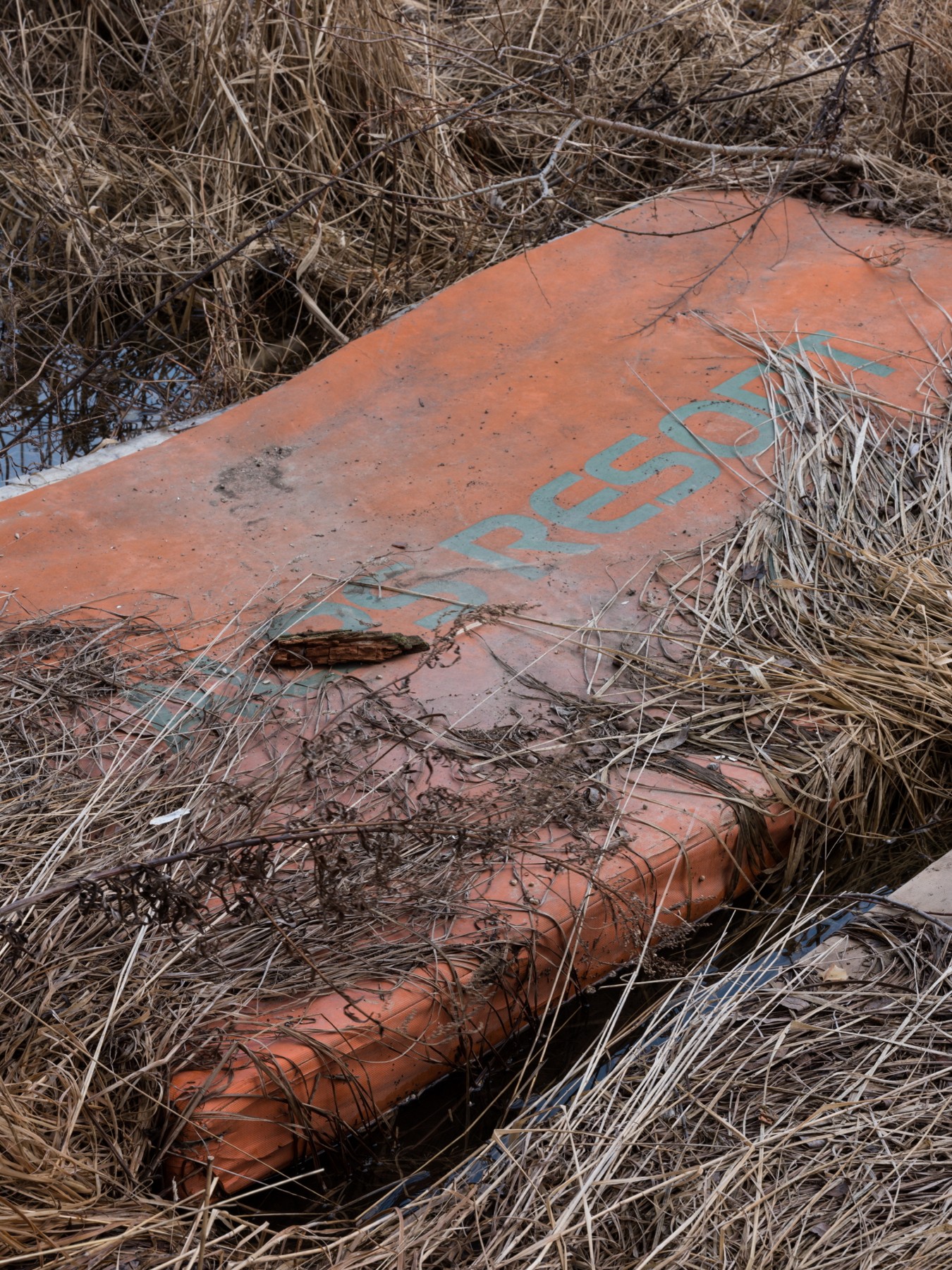
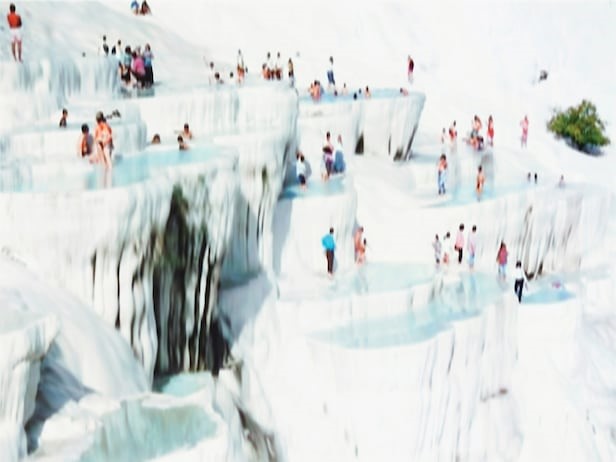
Kim Chunsoo, Motel Tour #24, 2006 © Kim Chunsoo
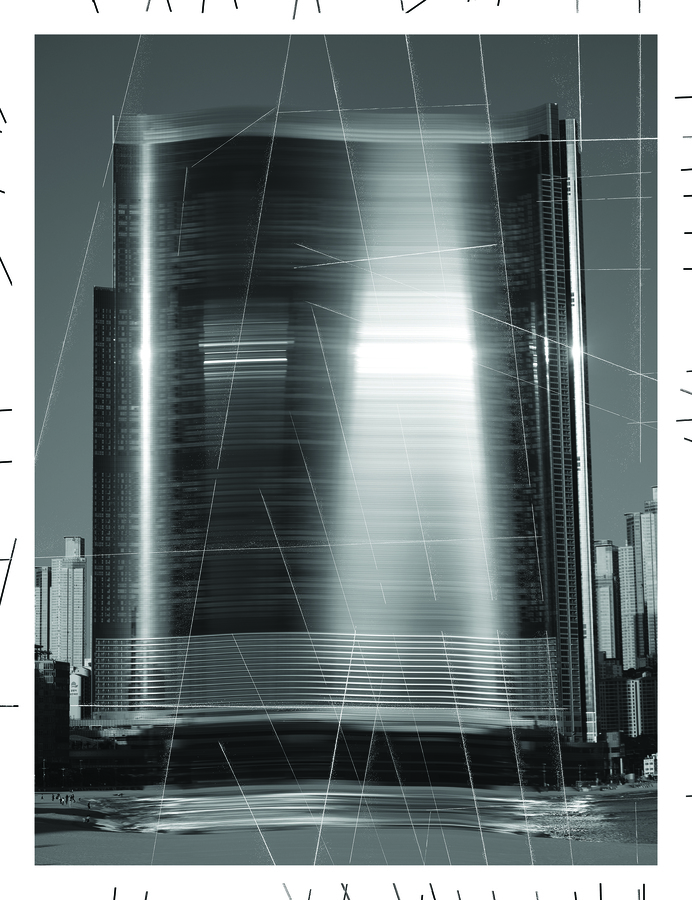
Kim Chunsoo applied digital transformations to these images, amplifying their inherent characteristics. By enlarging, cropping, and altering the original images, he reconstituted them into digitally reproduced photographs in which the dreamlike atmosphere of the motel and the voyeuristic gaze directed toward it are intensified.
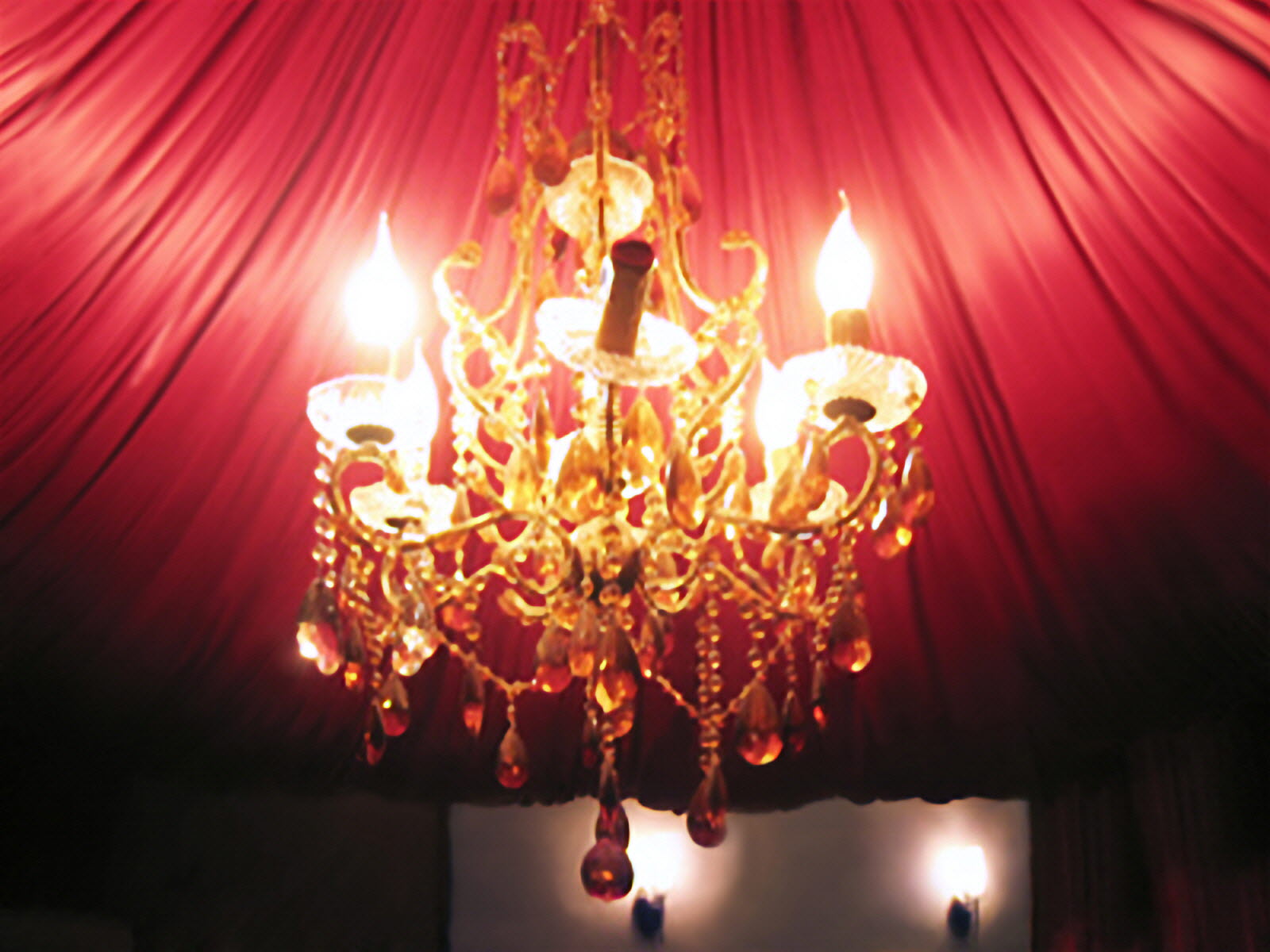
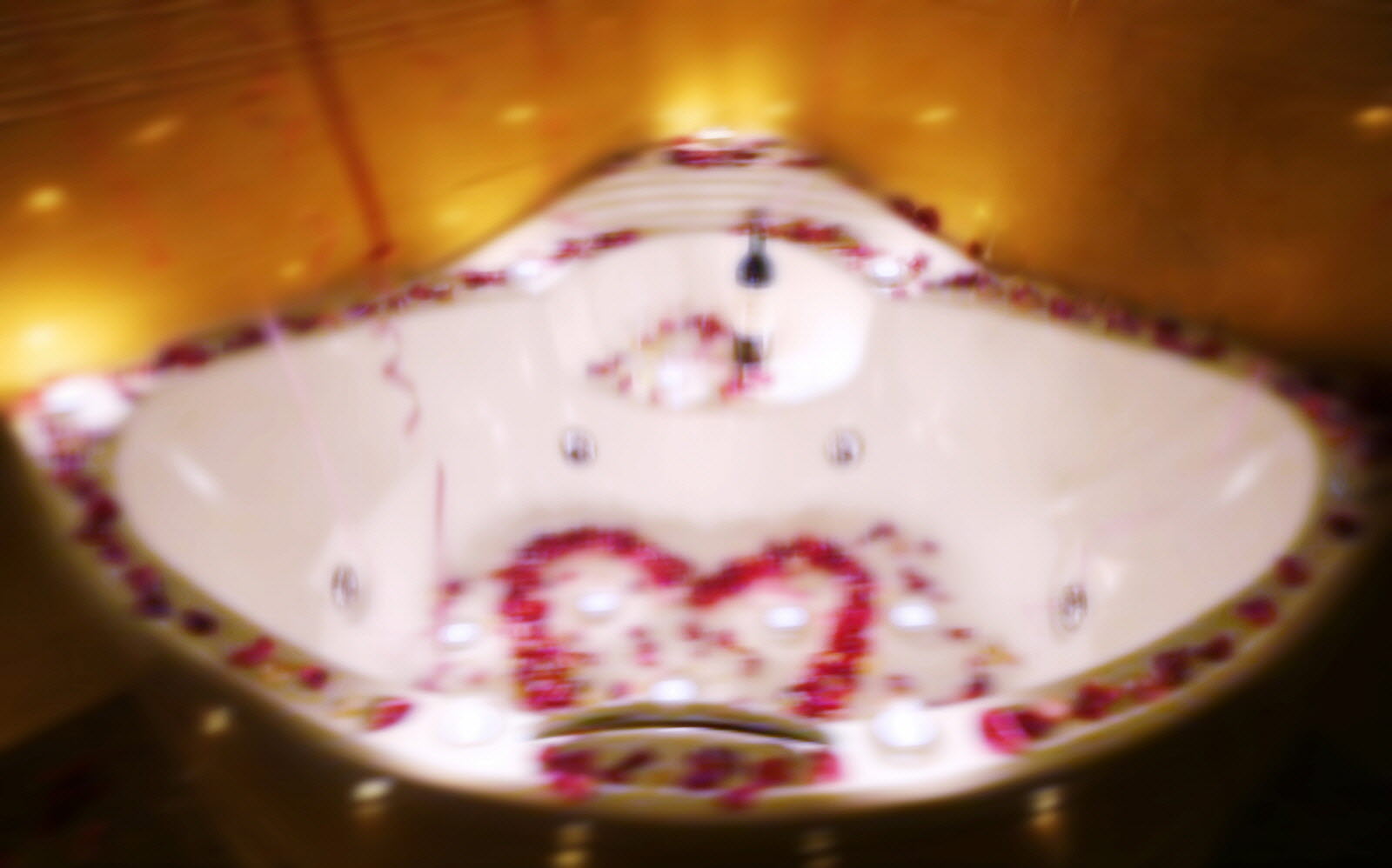
In images of motels illuminated by dazzling lights, one senses a world that feels less like reality and more like fantasy, prompting the viewer to imagine what might be taking place within. Likewise, photographs of lavish chandeliers set against glossy red fabric, or shell-shaped bathtubs adorned with flower petals captured with a blurred focus, evoke sexual fantasies and stimulate voyeuristic desire.
In the digital age, the internet has integrated people’s knowledge and information technologies to produce a new kind of digital intellectual. These individuals form horizontal networks within this space, connecting and aligning themselves with one another. Kim Chunsoo operates as one such intellectual within this environment, utilizing sources obtained from others to create new knowledge in the form of photographs. By acquiring knowledge about veiled spaces (motels) through the openly accessible realm of the internet, and further enhancing it with his own distinct sensibility, he demonstrates an expansion of artistic practice in the digital age.