







Solo Exhibitions (Brief)
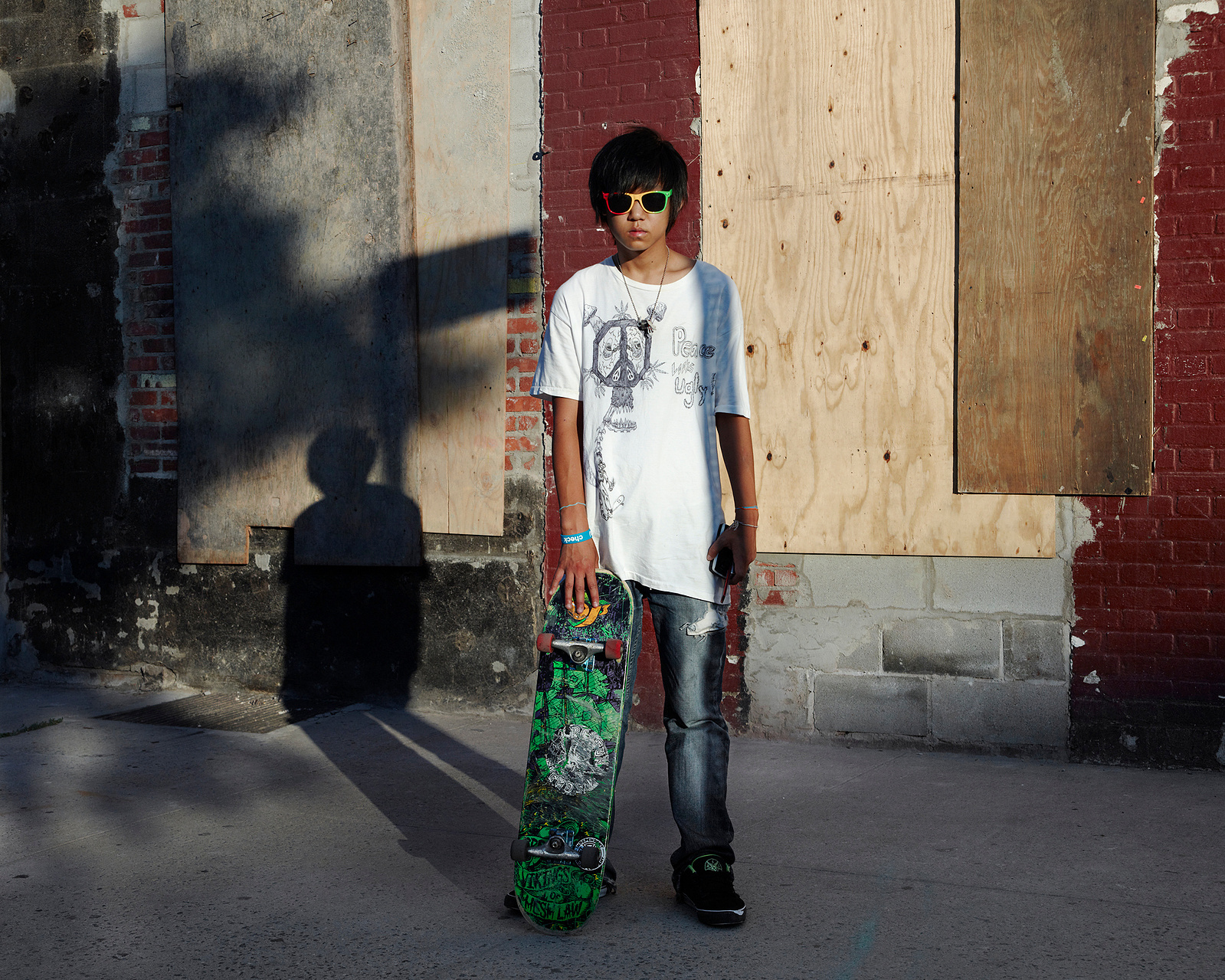
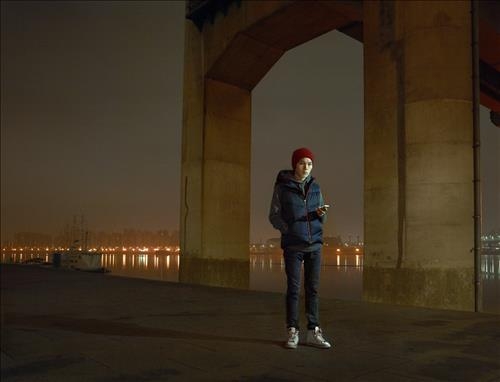
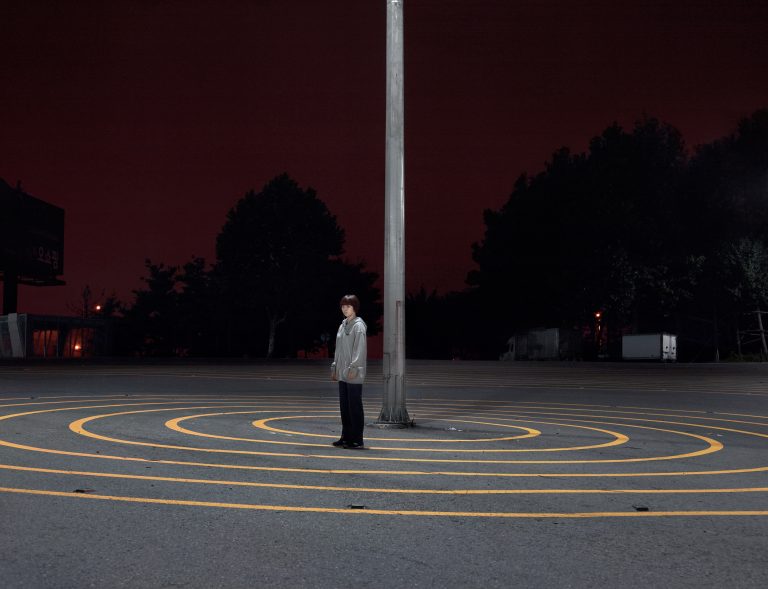
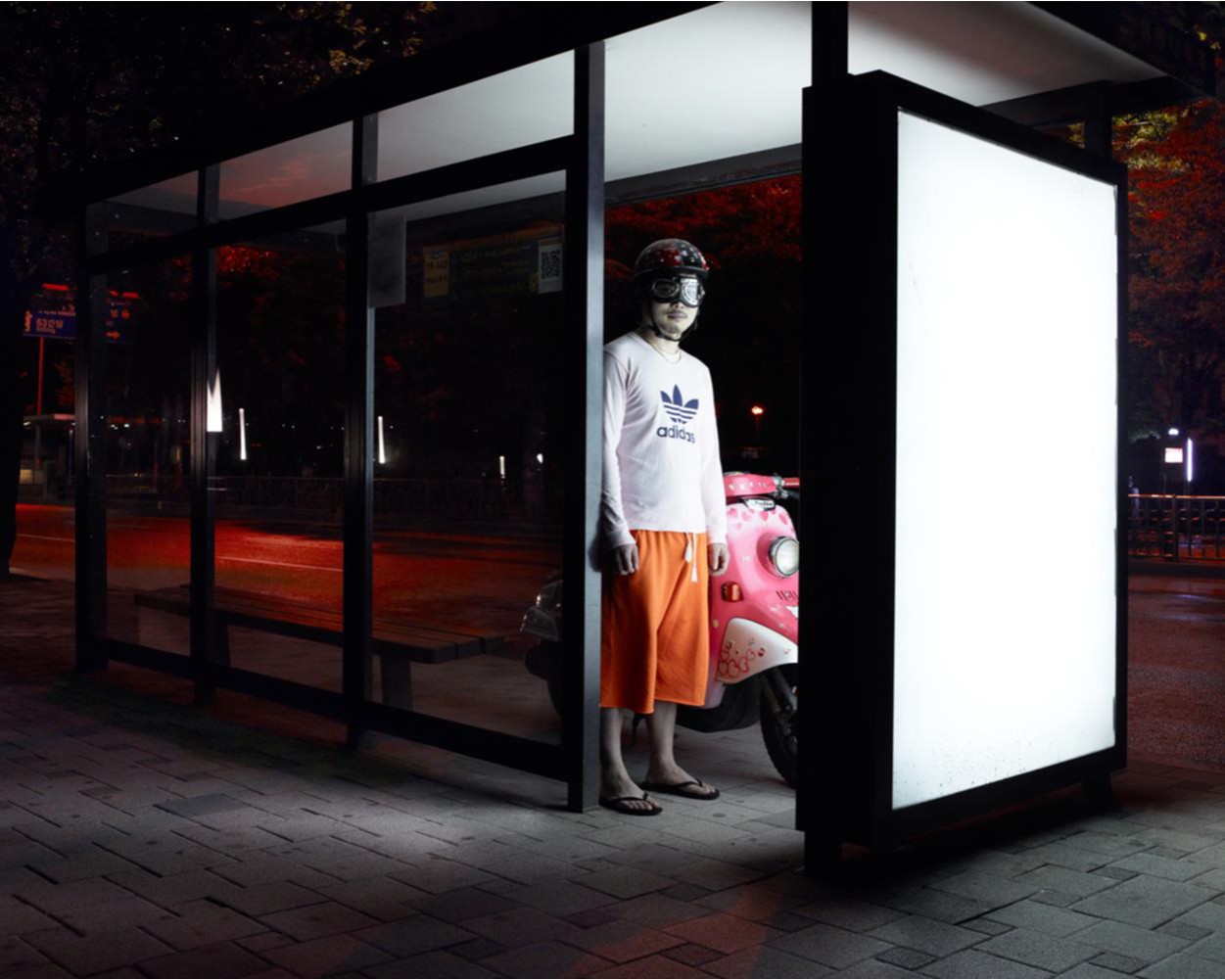
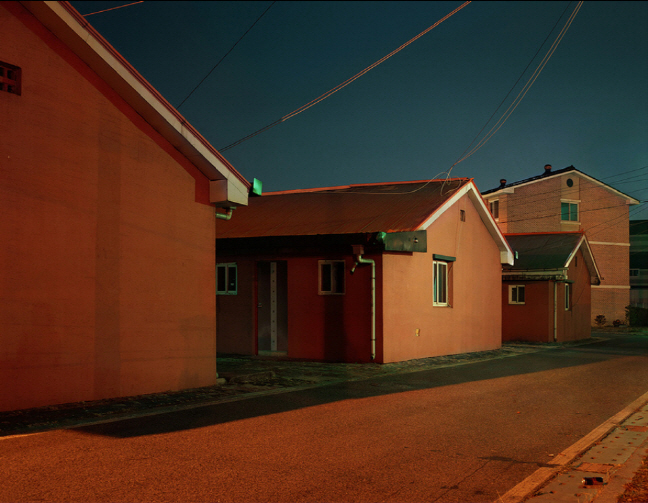
The solo exhibition ‘Day Break’ (2011~) shooting people who’ve met by chance in urban spaces at late-night was held at Gallery lux(2012, Seoul, Korea) and Ilwoo Space(2013, Seoul, Korea).
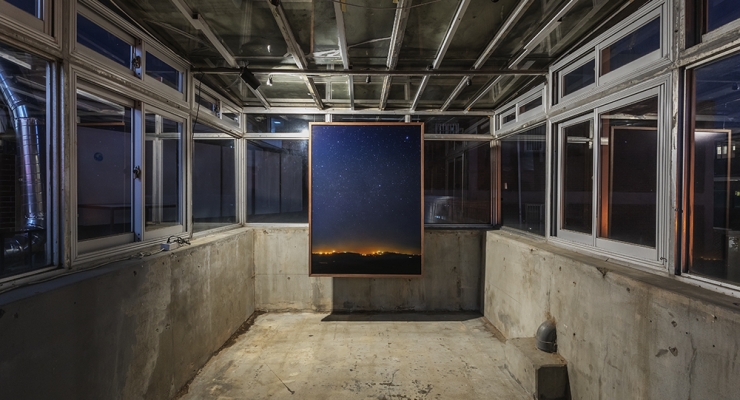
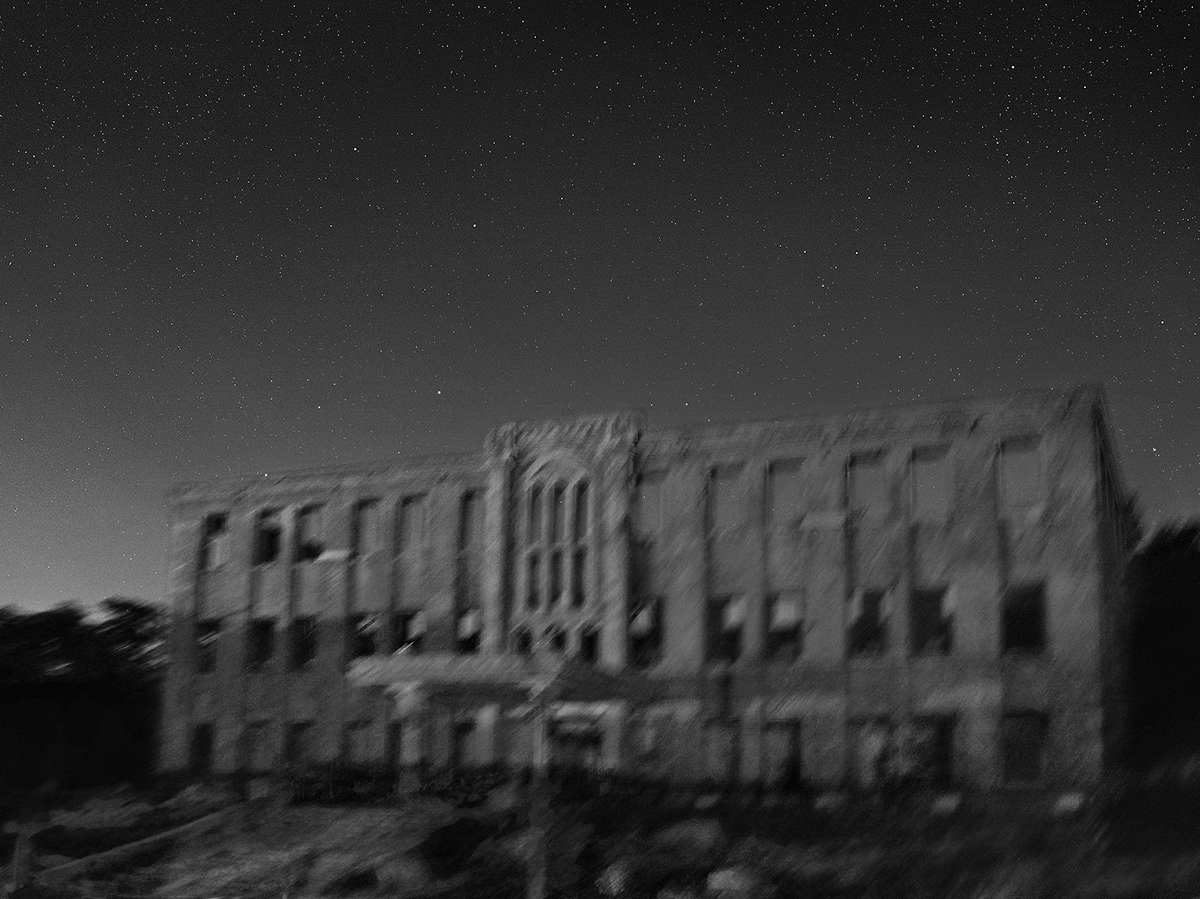
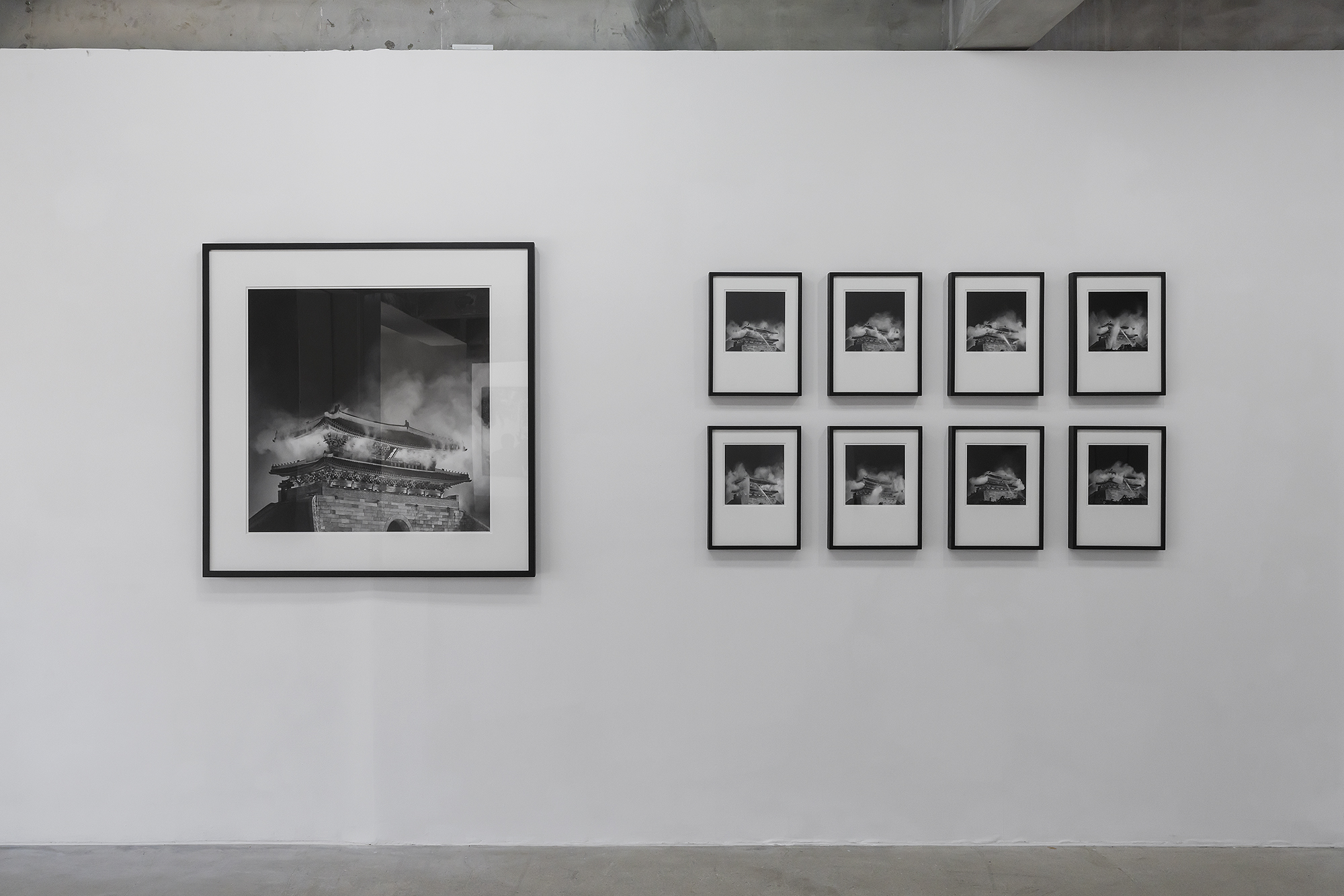
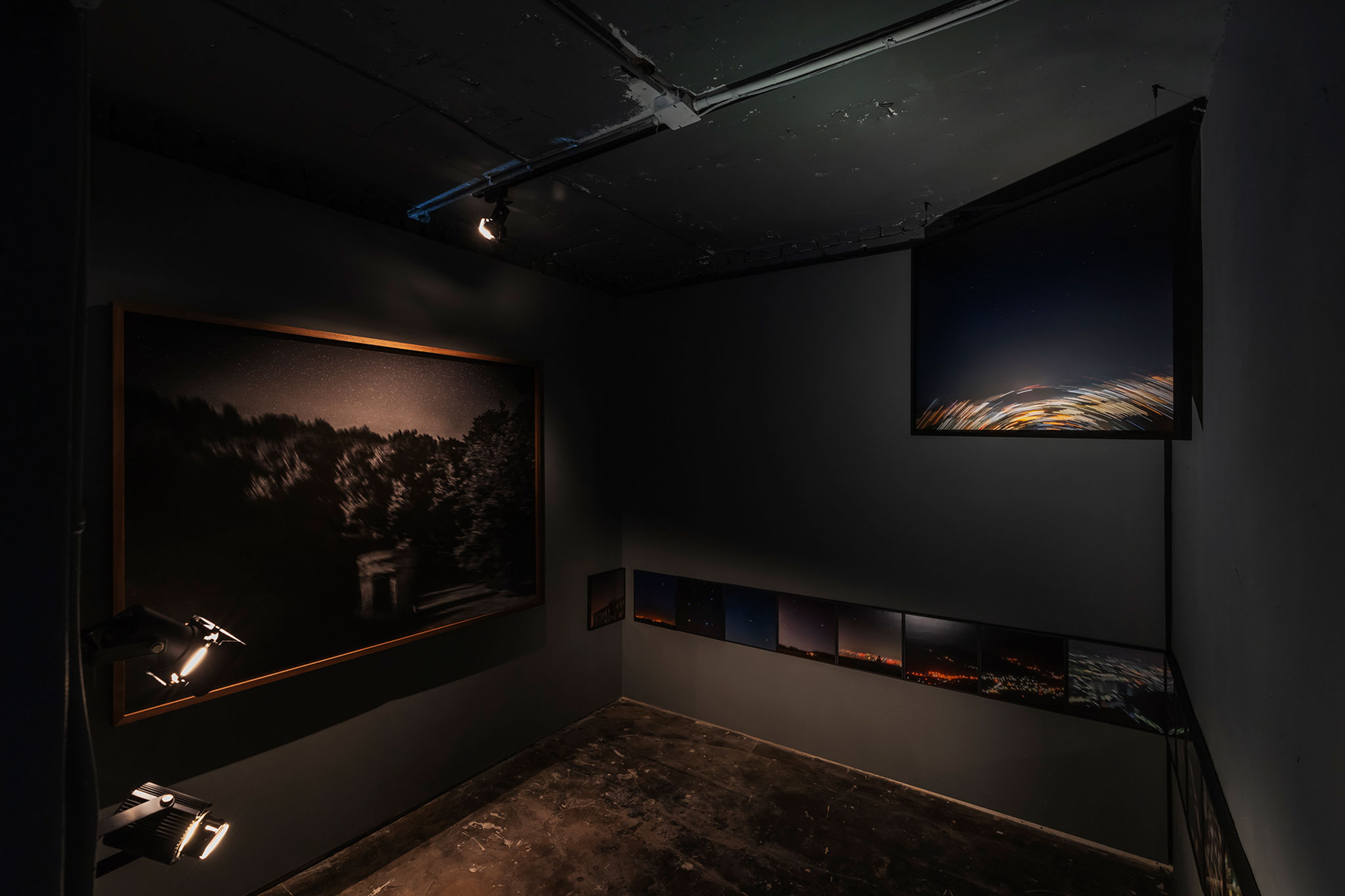
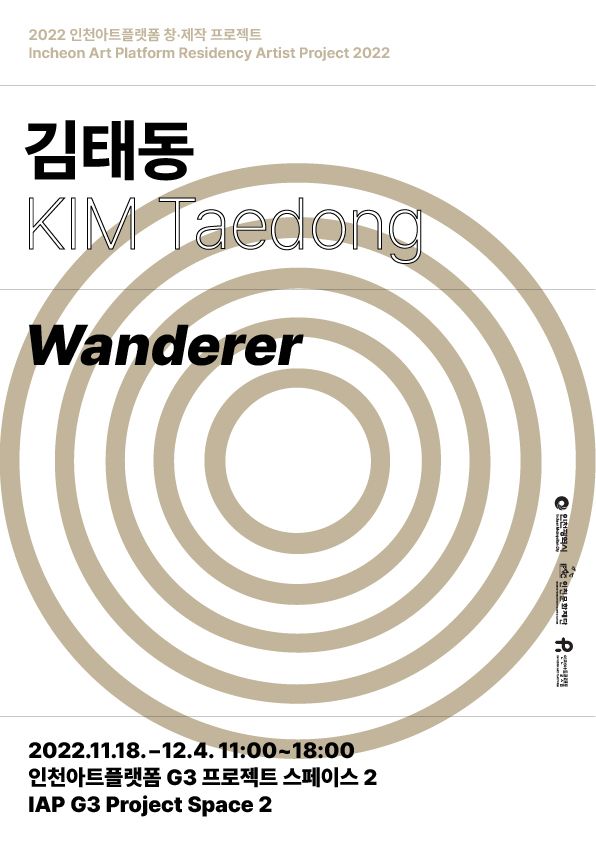
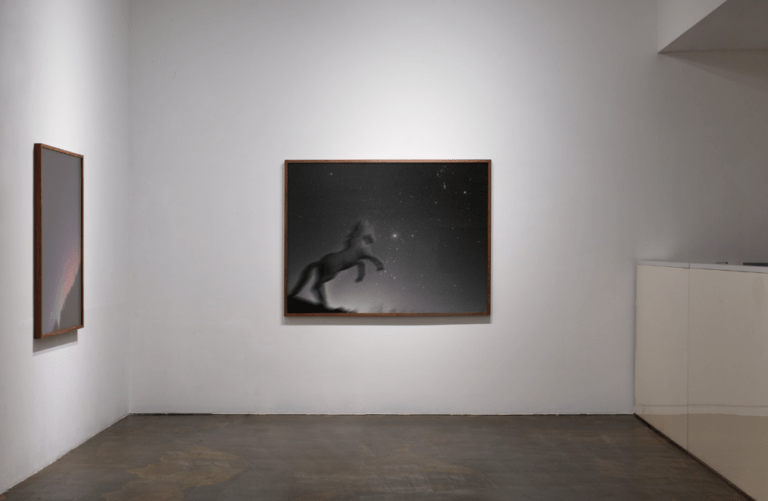
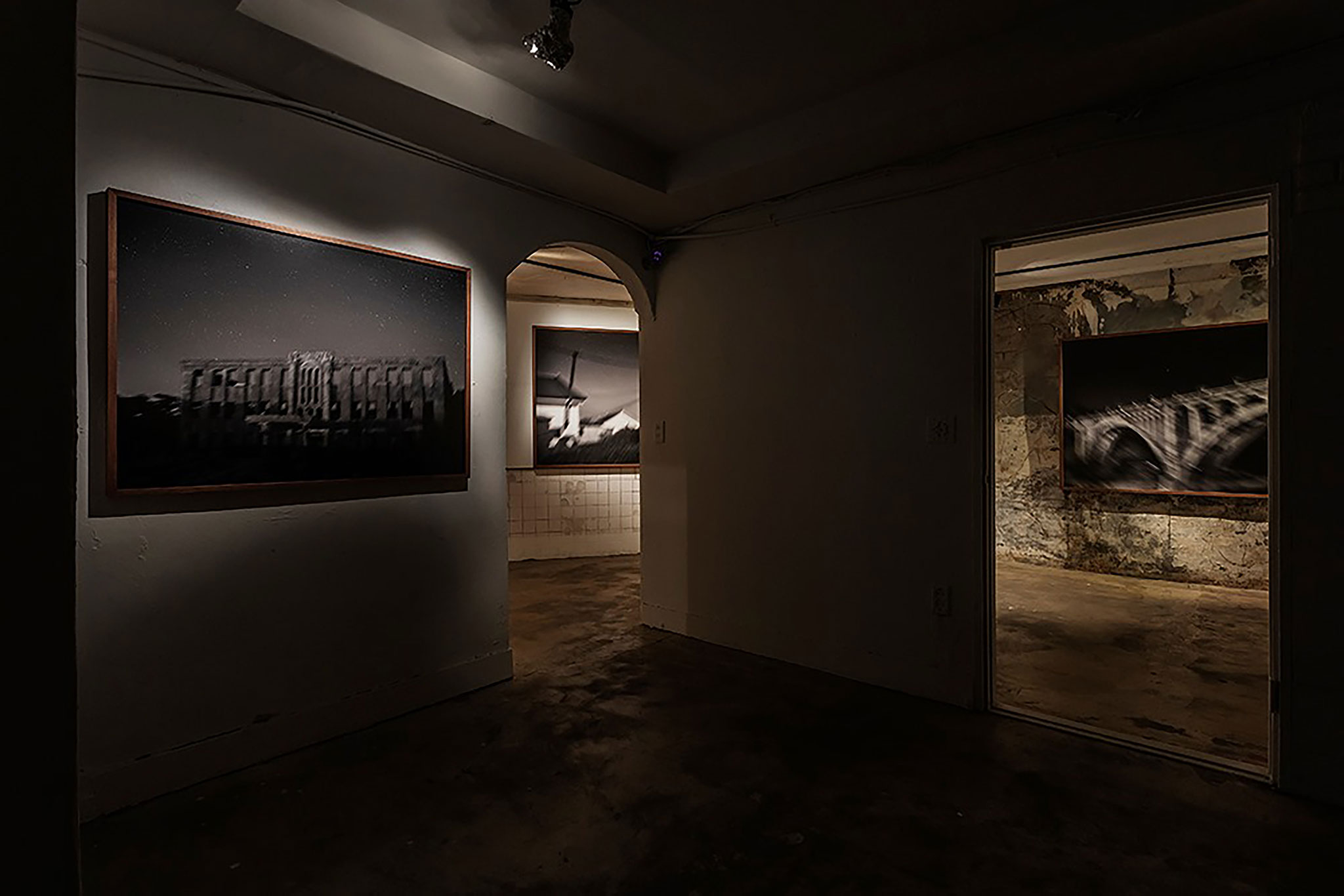
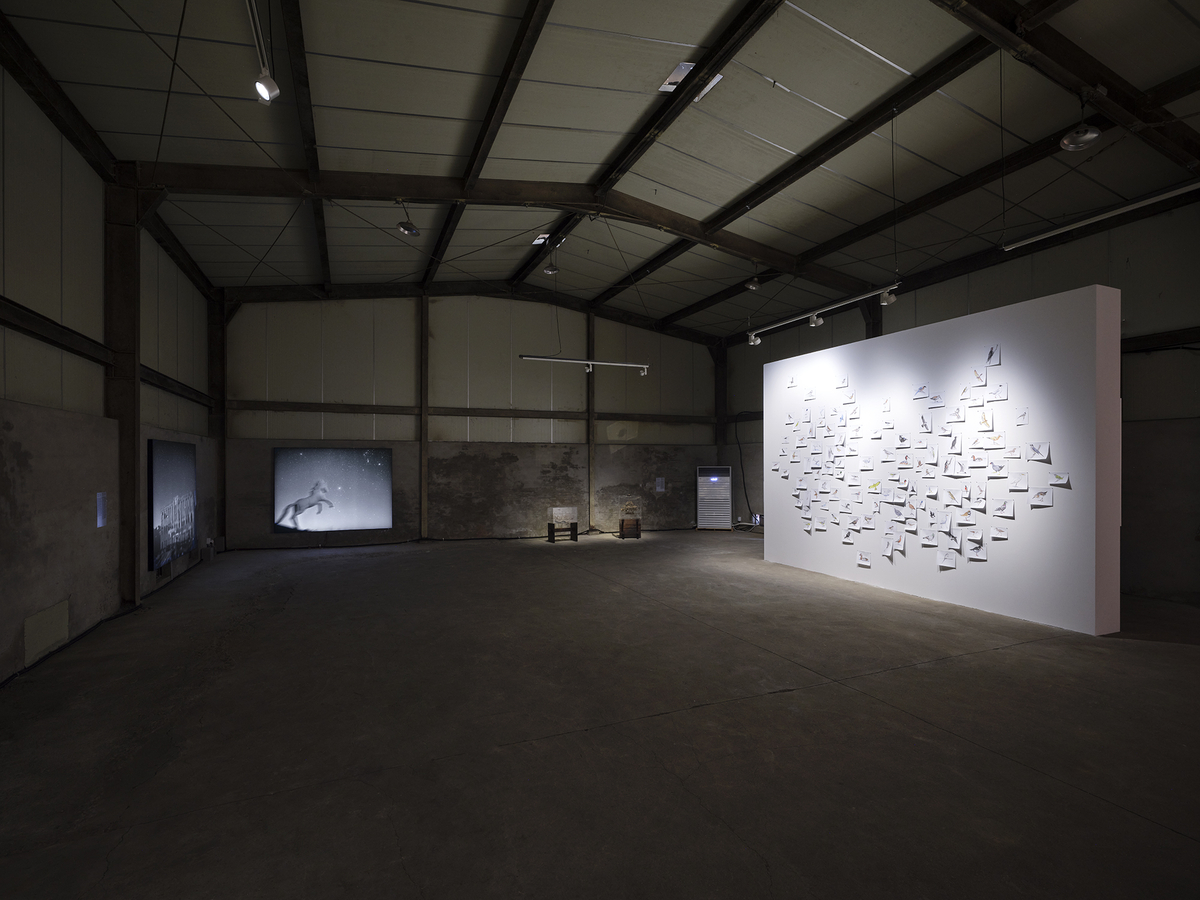
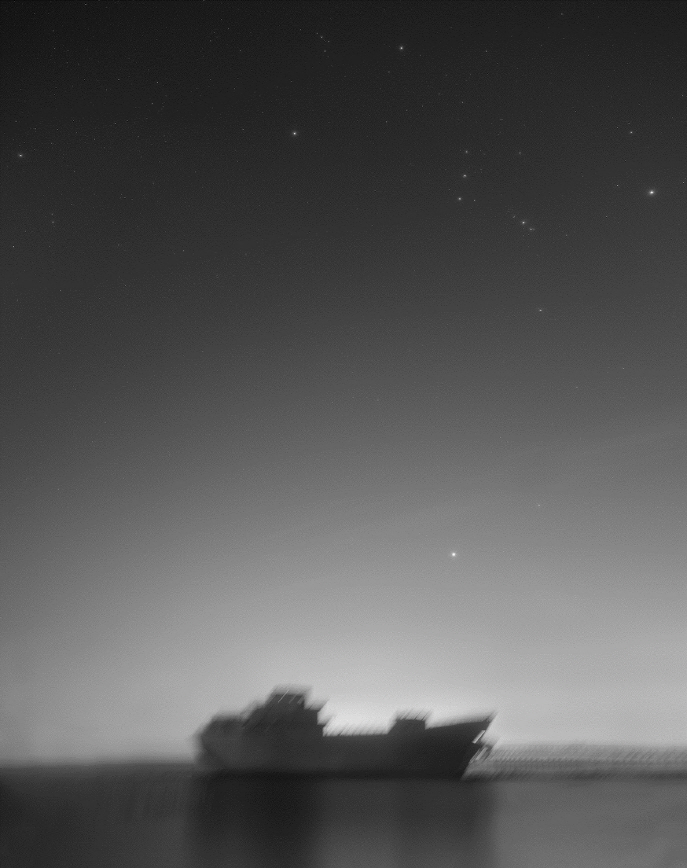
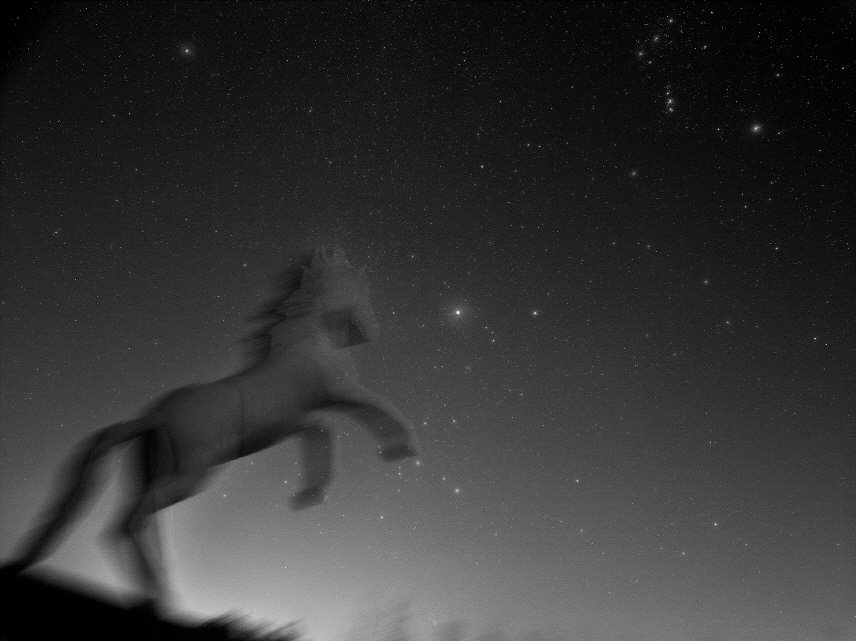
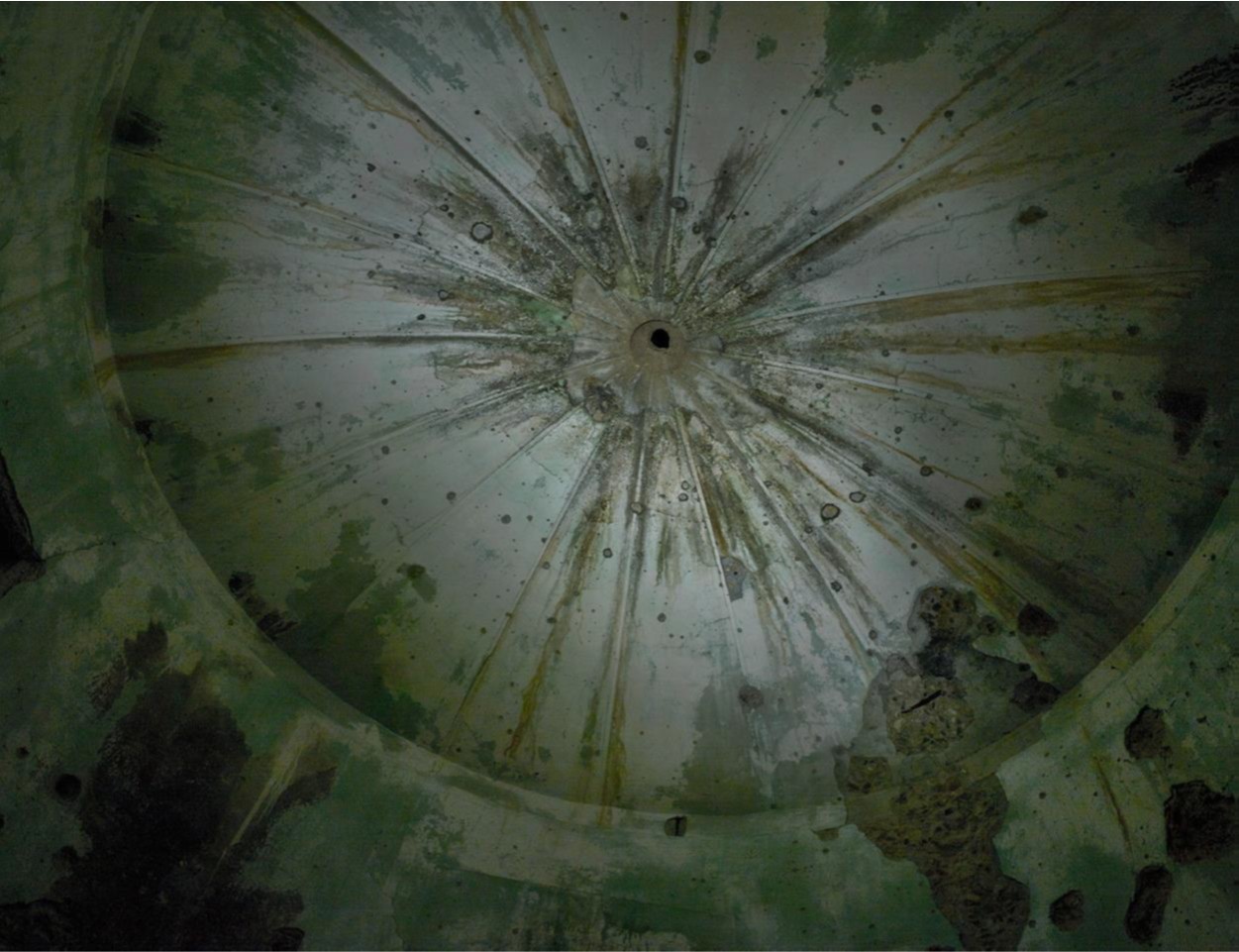
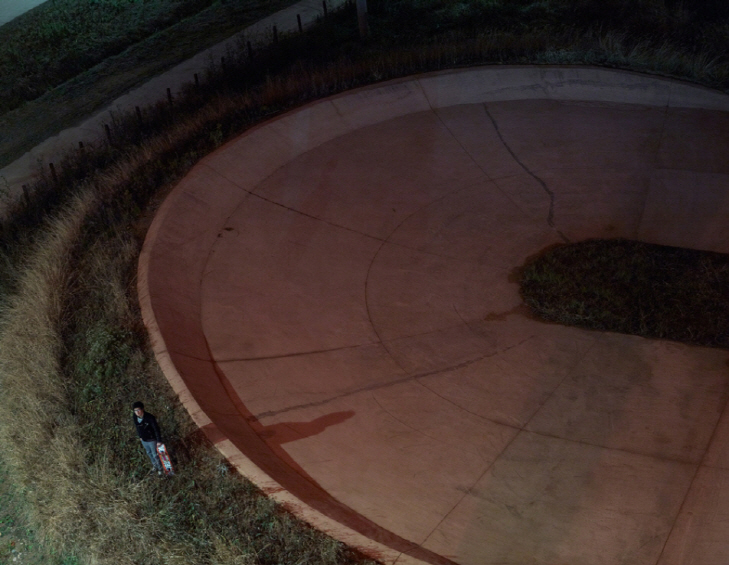
The exhibition held at Amado Art Space(2019, Seoul, Korea) and UARTSPACE(2020, Seoul, Korea) was showcased the series of ‘Rifling’ (2015~), one of the war-related works, and ‘PLANETES’ (2017~) that show consideration of the stars and shaky targets.
Group Exhibitions (Brief)
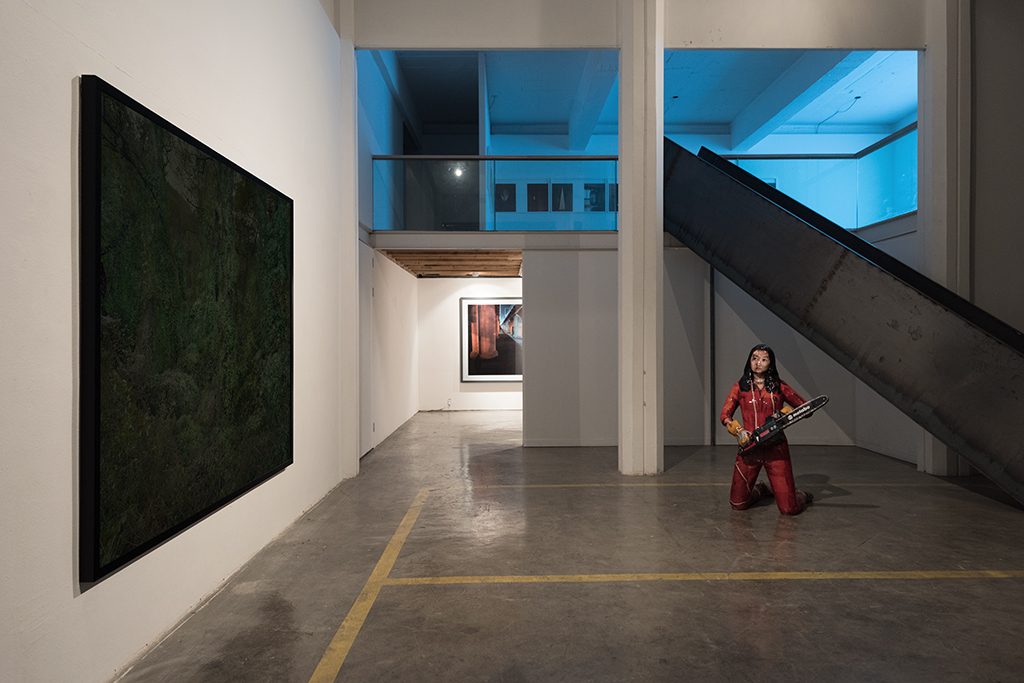
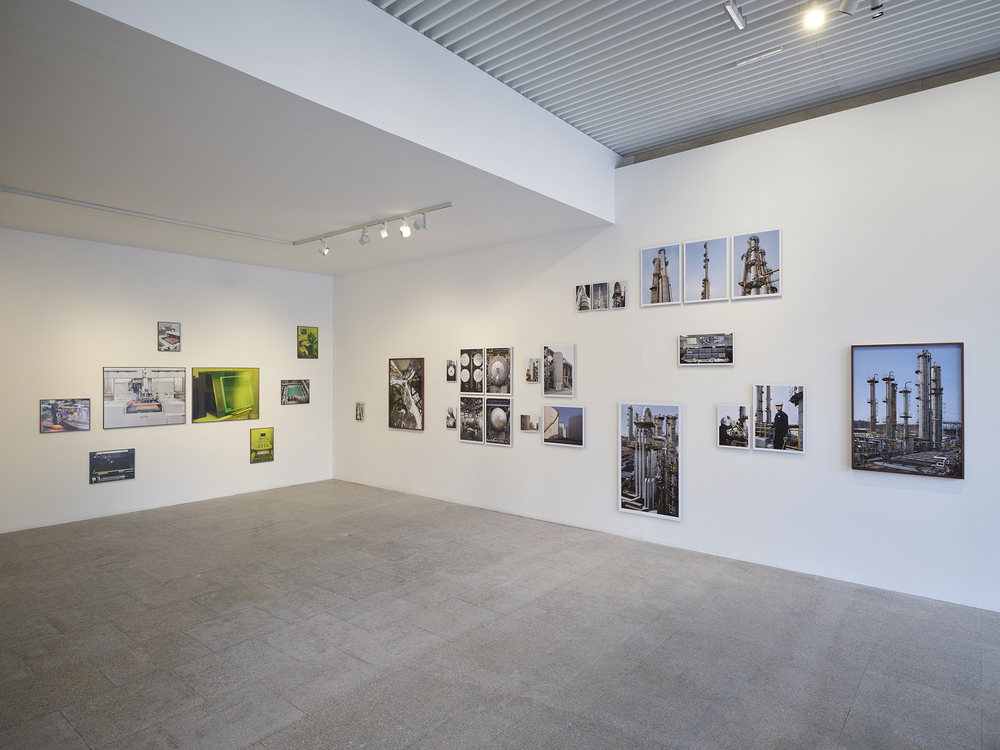
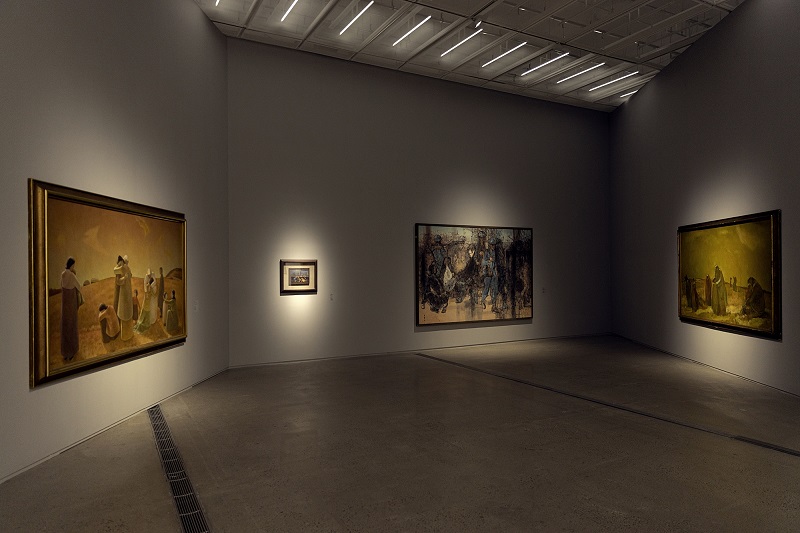
Kim Taedong has participated in a wide range of group exhibitions held at Culture Station Seoul 284(Seoul, Korea), National Museum of Modern and Contemporary Art(Seoul, Korea), Hara Museum(Tokyo, Japan), Ullens Center for Contemporary Art(Beijing, China), Art Sonje Center(Seoul, Korea), and Buk Seoul Museum of Art(Seoul, Korea).
Awards (Selected)
Kim Taedong was awarded at the 6th Amado Photography Award(Amado Art Space, Korea), the 4th Ilwoo Photography Award(Ilwoo Foundation, Korea),and was selected the final artist of the year of the 4th KT&G SKOPF(KT&G Sangsangmadang, Korea).
Collections (Selected)
His works are in collections of various museums such as Gyeonggi Museum of Modern Art(Ansan, Korea), Smith College Museum of Art(Massachusetts, USA), SK Ecoplant(Seoul, Korea), ILWOO Foundation(Seoul, Korea), Australian War Memoria(Canberra, Australia) and the National Museum of Contemporary Art(Gwacheon, Korea).