Kyungmin Sophia Son’s
practice begins with a reconsideration of the position of the human within the
conditions shaped by technological development and the post-Anthropocene world.
Based in London, she explores transhumanism, interspecies relationships, and
interactions with non-human entities, proposing a perspective that moves beyond
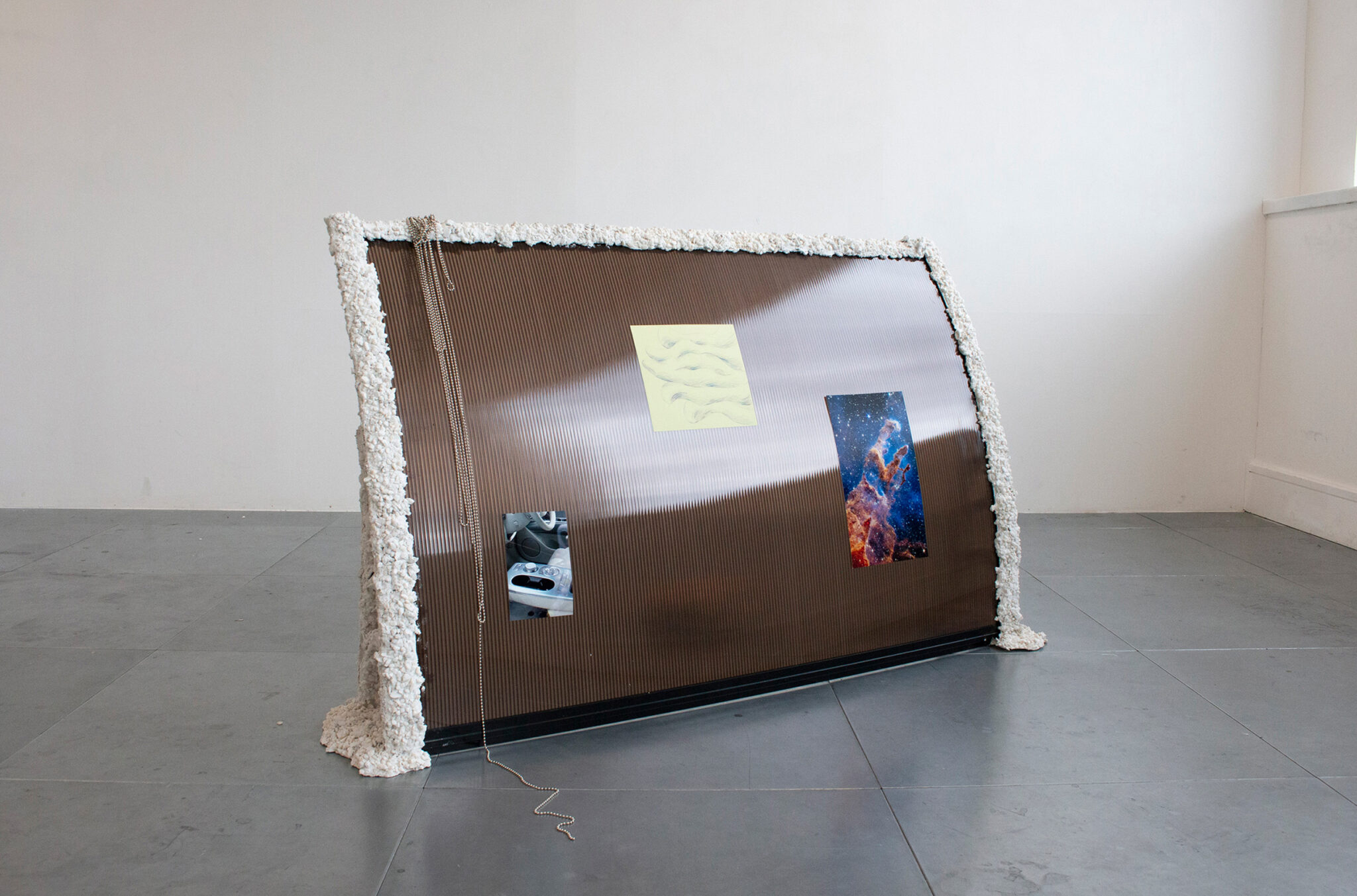
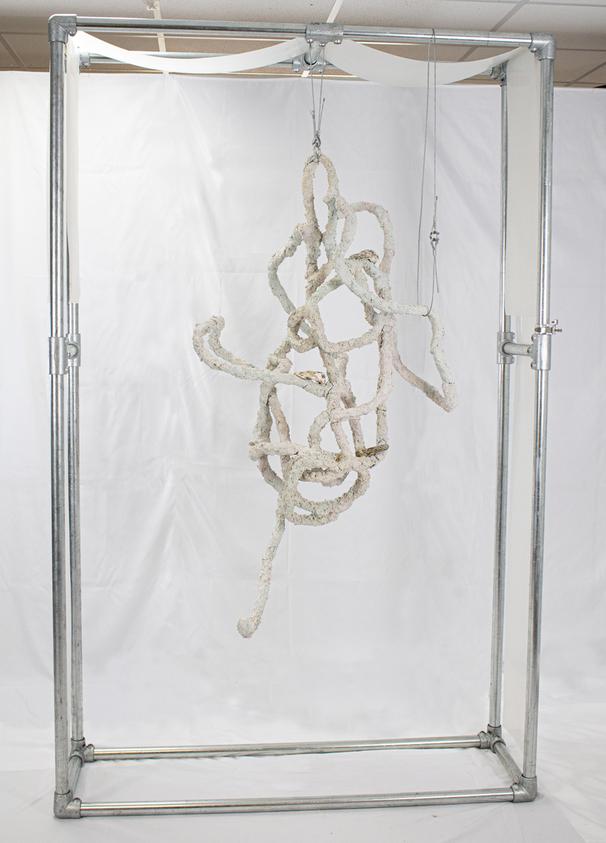
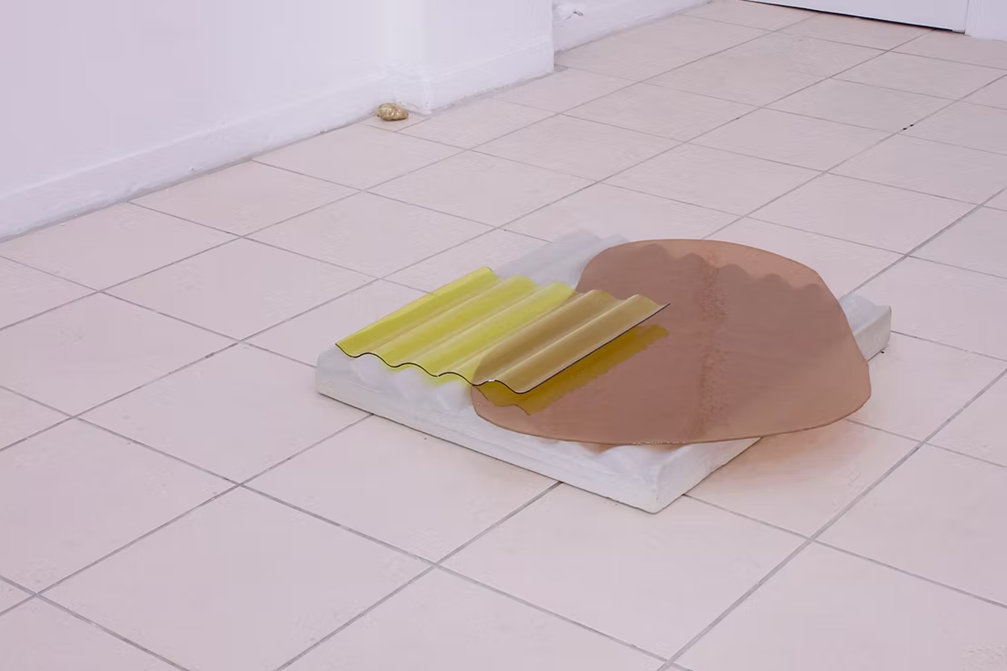
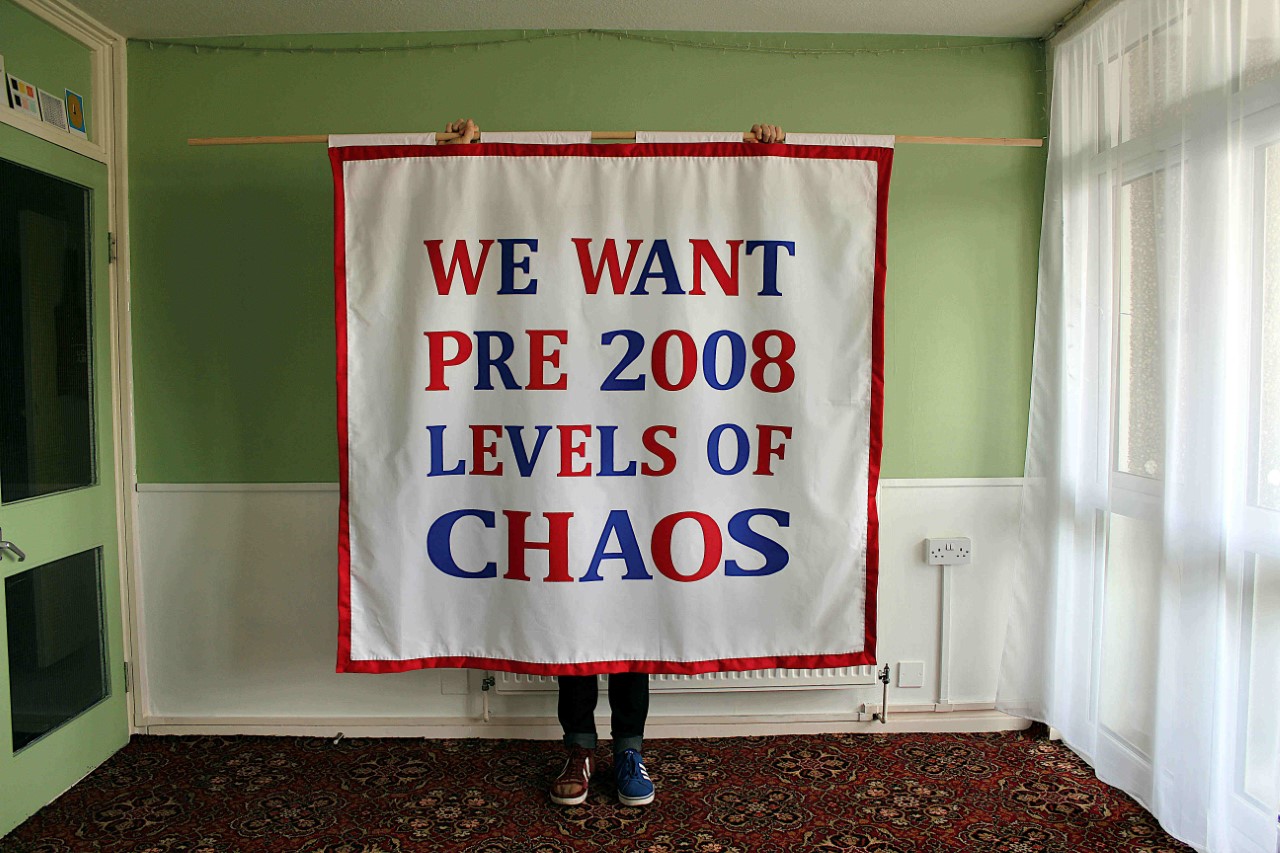
anthropocentric frameworks of understanding. As seen from Believe
me / Life Attitude(2017), she juxtaposes industrial materials and
everyday objects to construct a line of inquiry that blurs the boundaries
between humans and matter, life and non-life.
This line
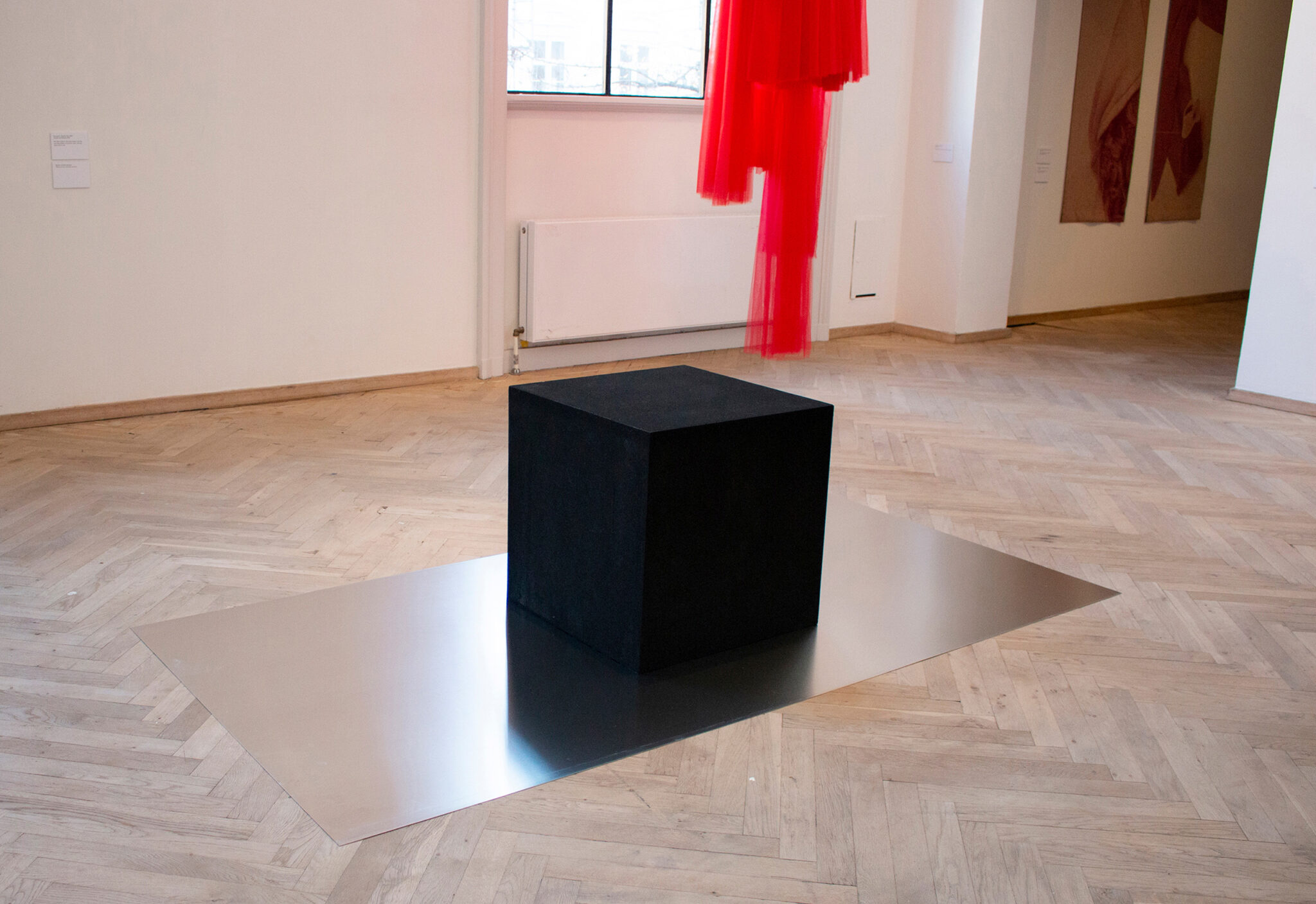
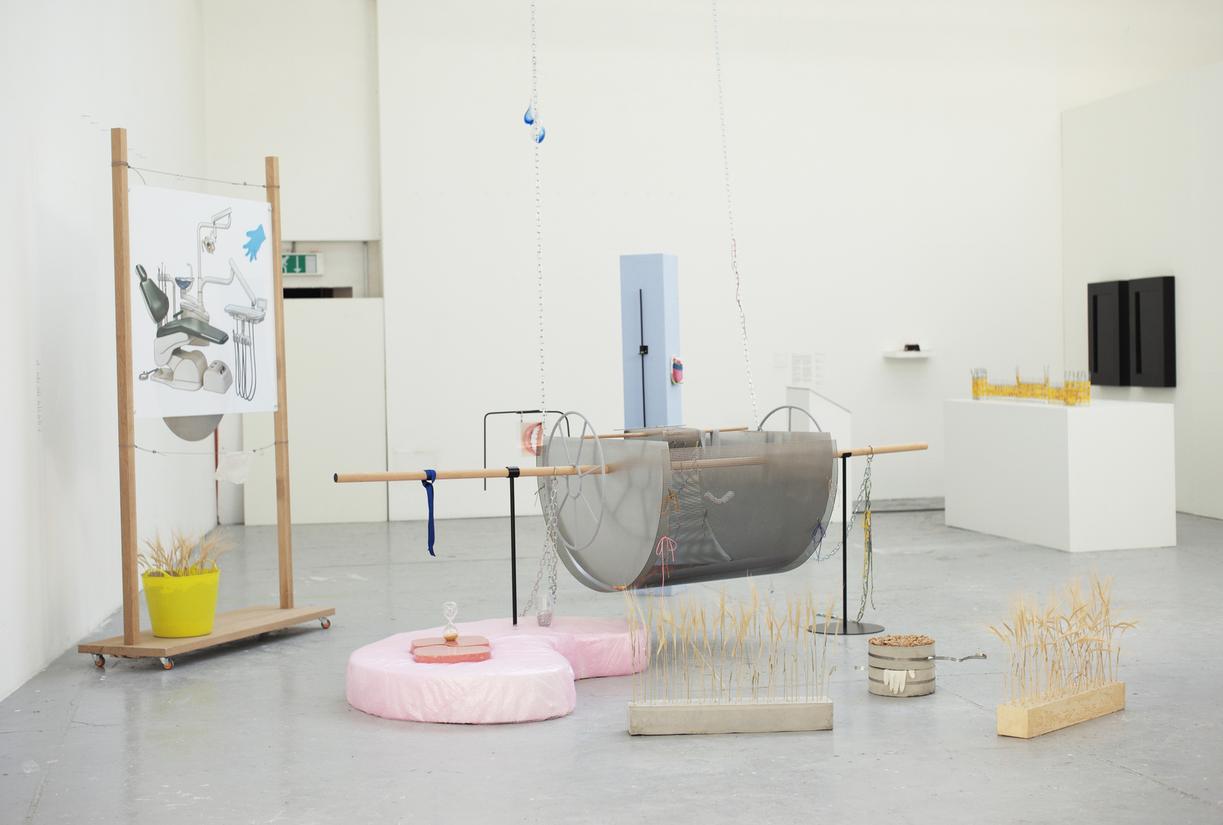
of inquiry becomes more explicit in IF YOU ARE LUCKY YOU WILL SEE
IT(2018). The work assumes a condition in which nature and
technology, past and present coexist simultaneously, disrupting the linear
structure through which humans perceive time and space. Through the
intersection of ancient Greek temporality and contemporary sensibility, the
artist reveals that the present moment is the result of multiple layers of time
overlapping.
This
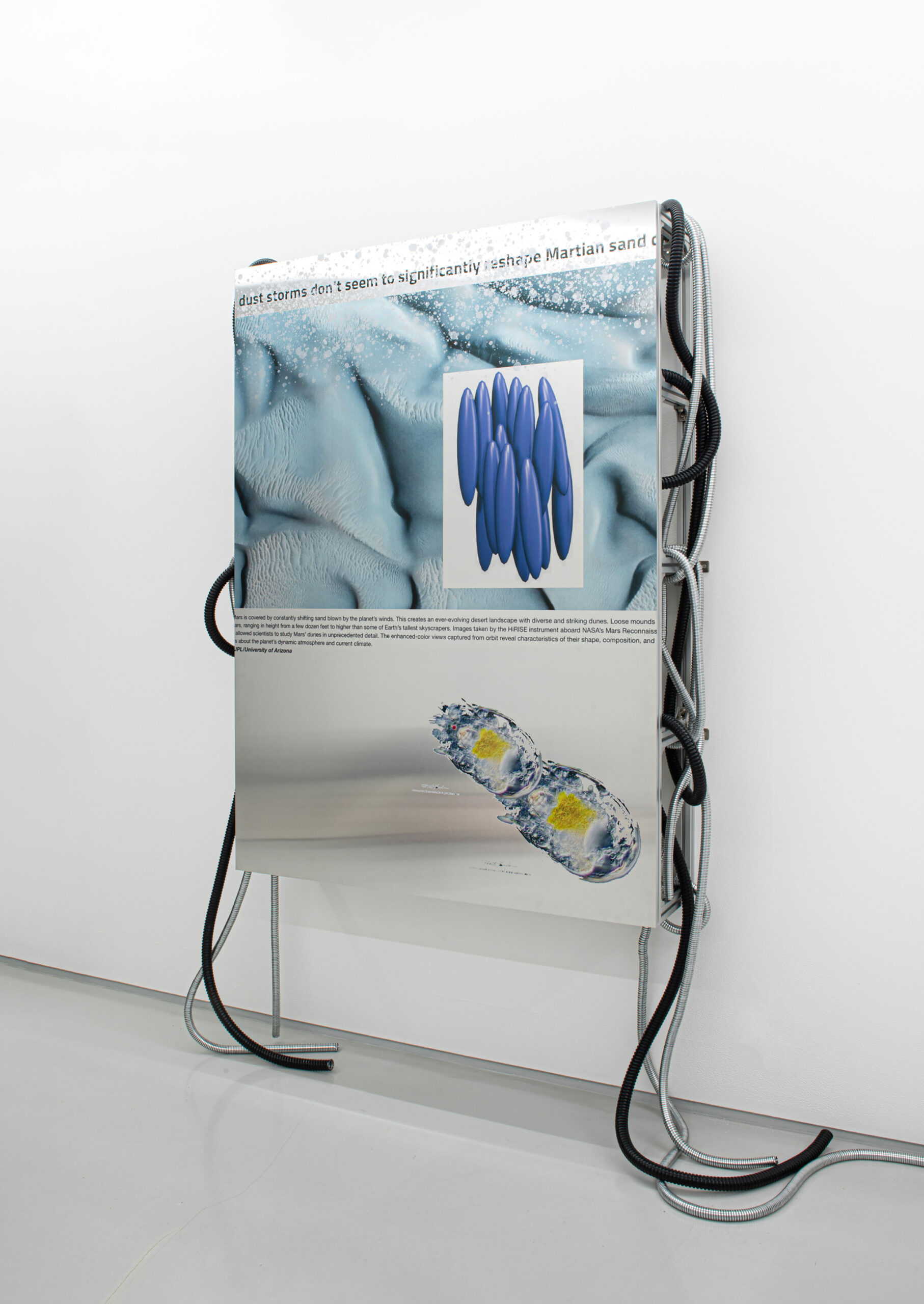
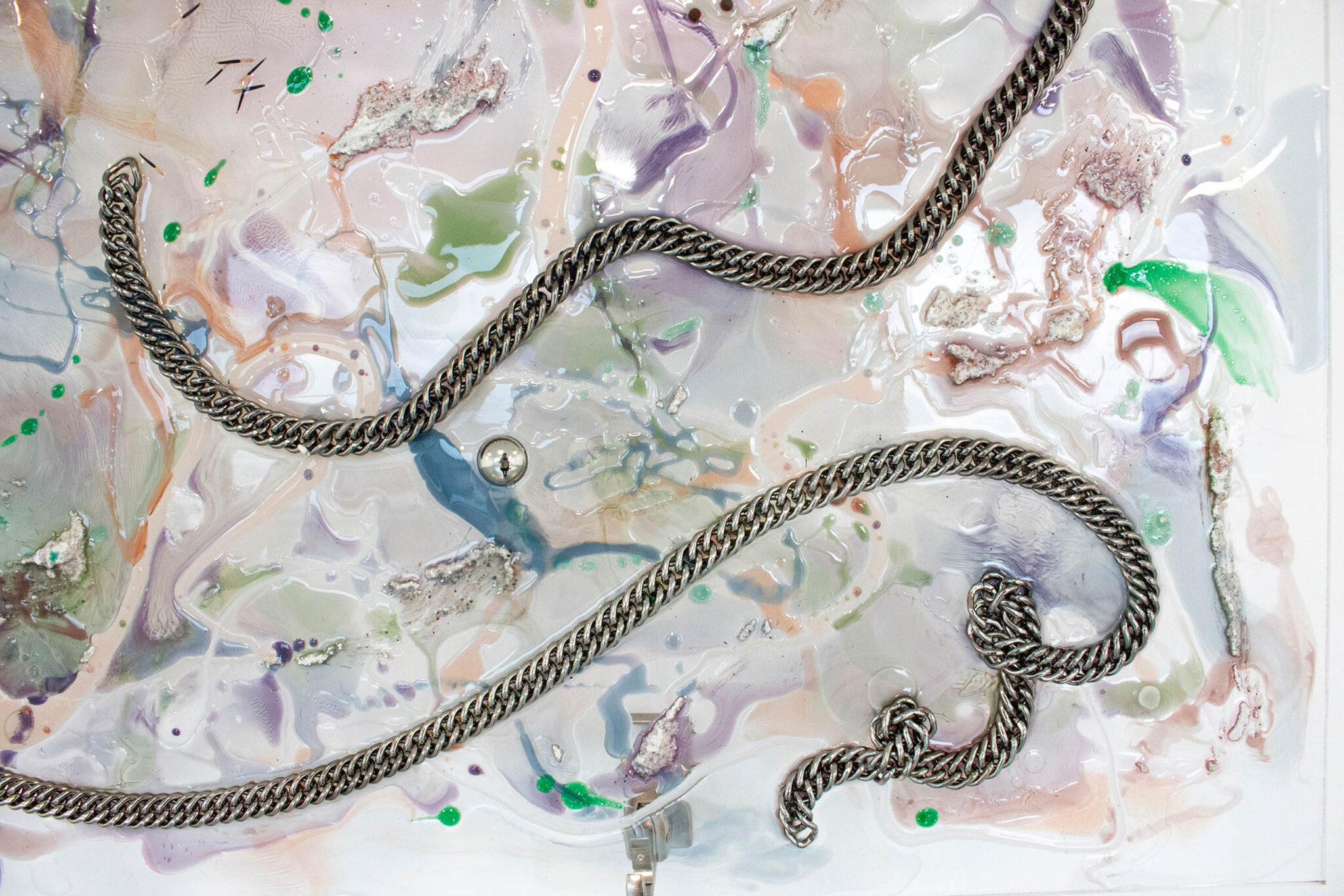
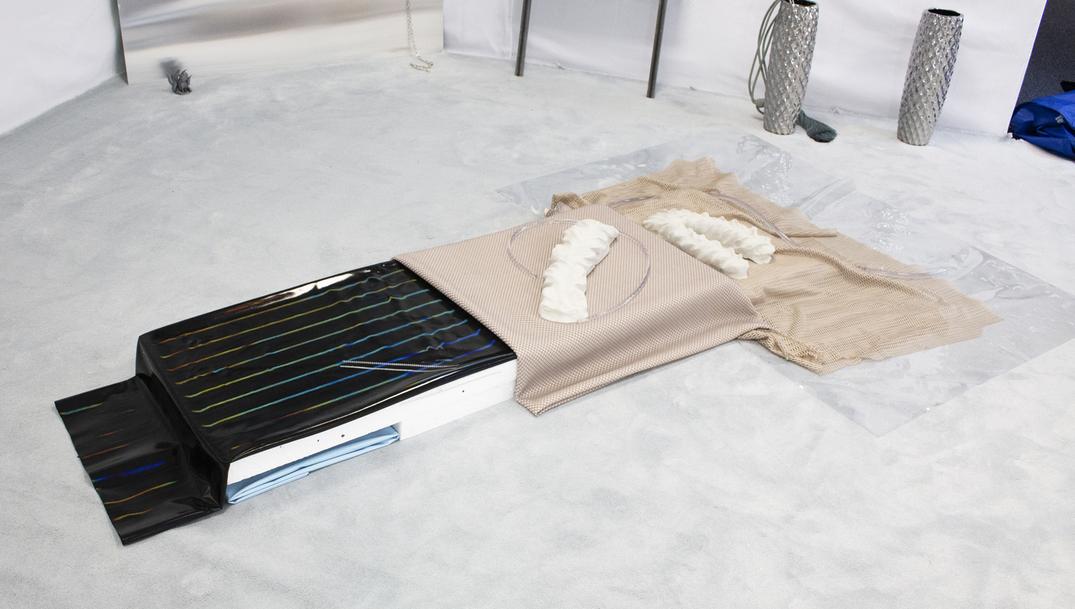
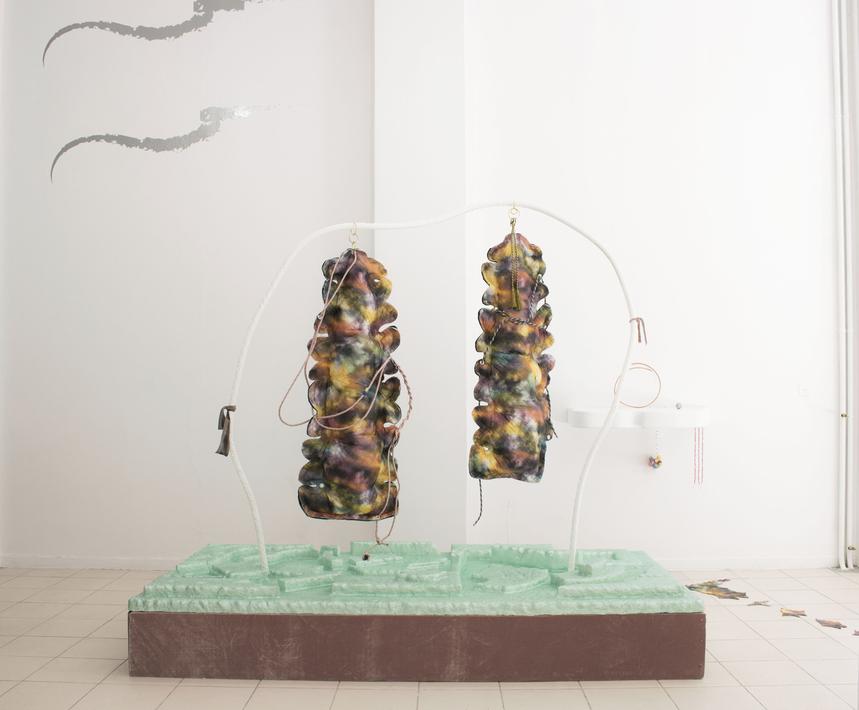
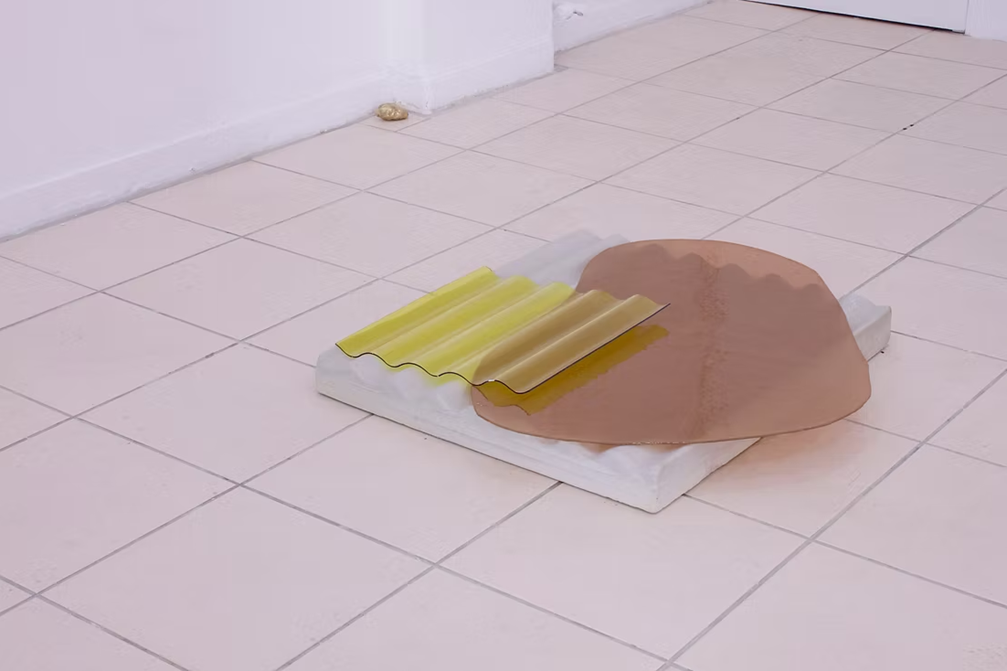
exploration further expands in the ‘How to Sense the Invisible’(2019) series,
particularly in Dune(2019)
and Metamorphosis(2019), where she focuses on states in
which individual entities cross boundaries, mutate, and coexist. Here, the
world is understood not as a fixed structure but as a constantly transforming
and reassembled network of relations, within which humans are also situated.
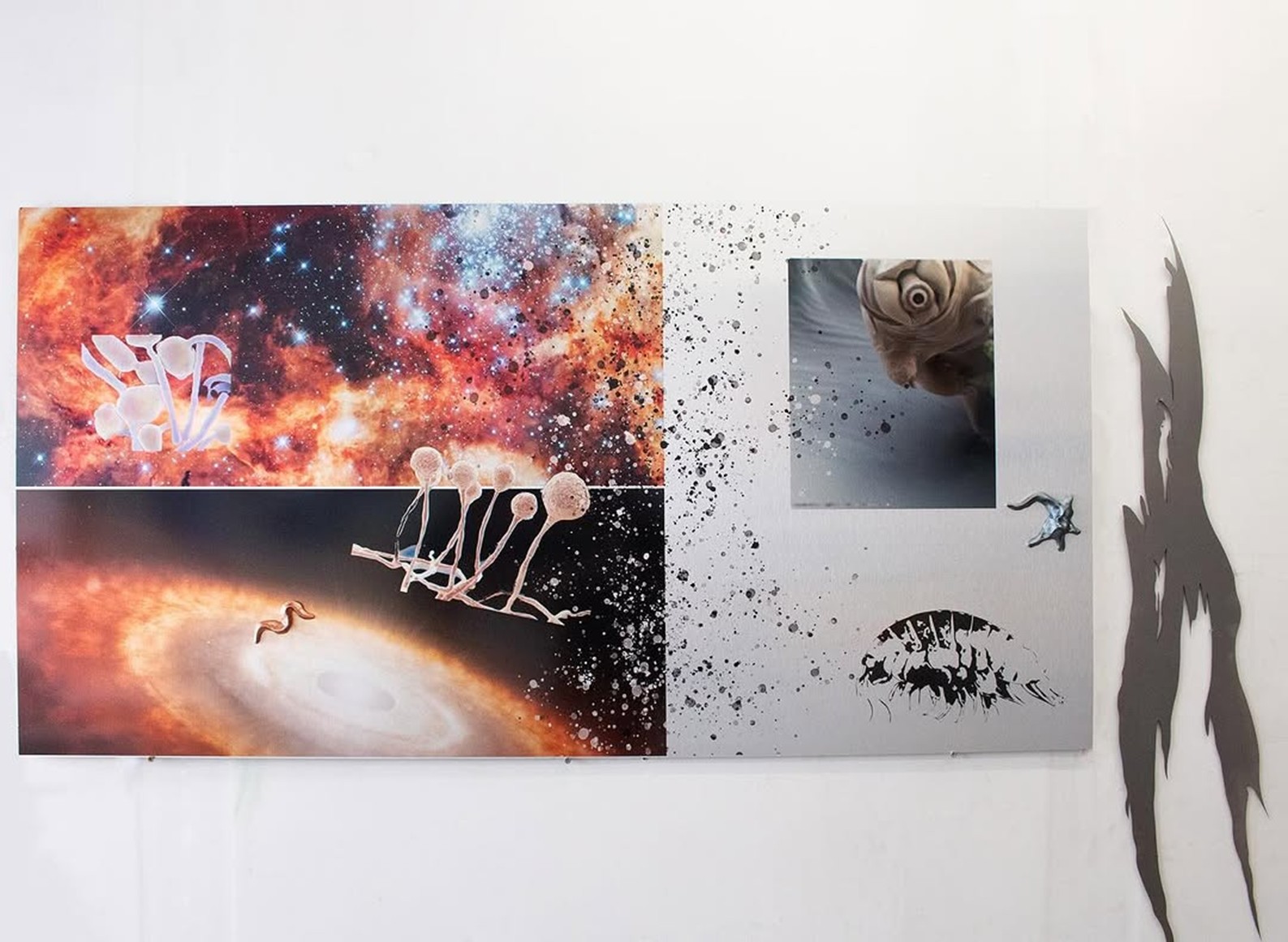
The artist operates across both microscopic and macroscopic scales, visualizing
forms of connectivity that function beyond human perception.
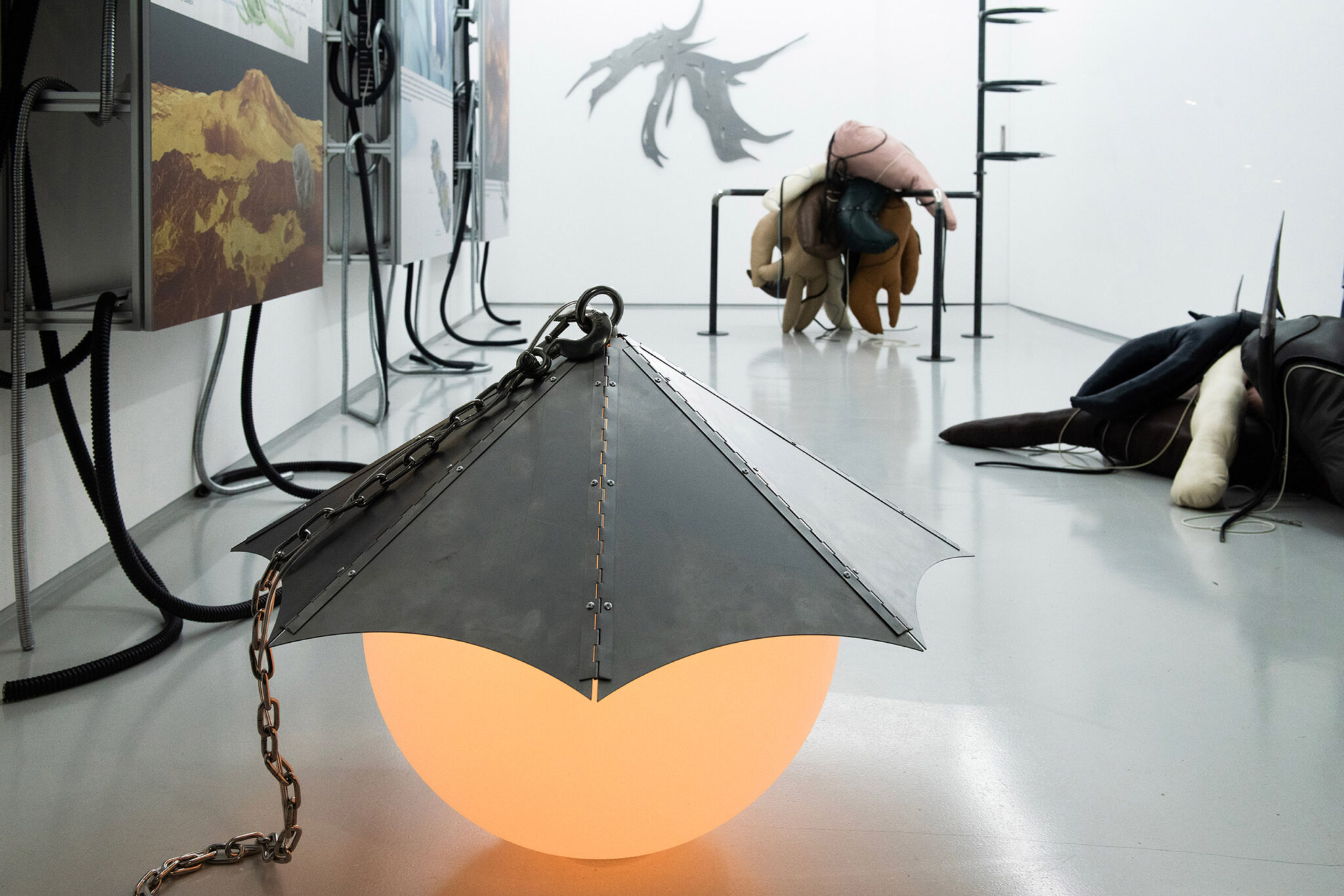
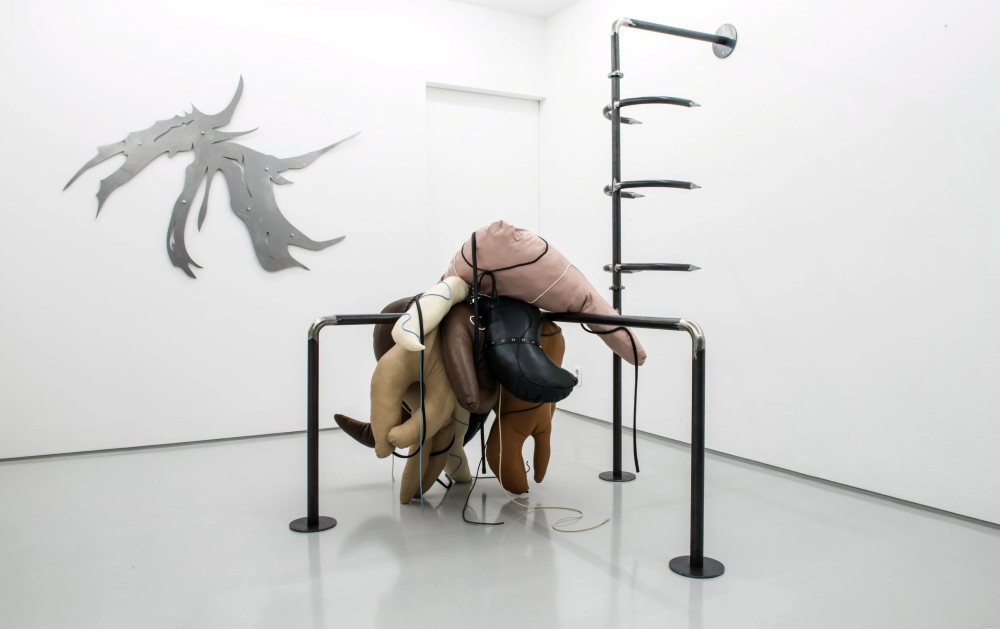
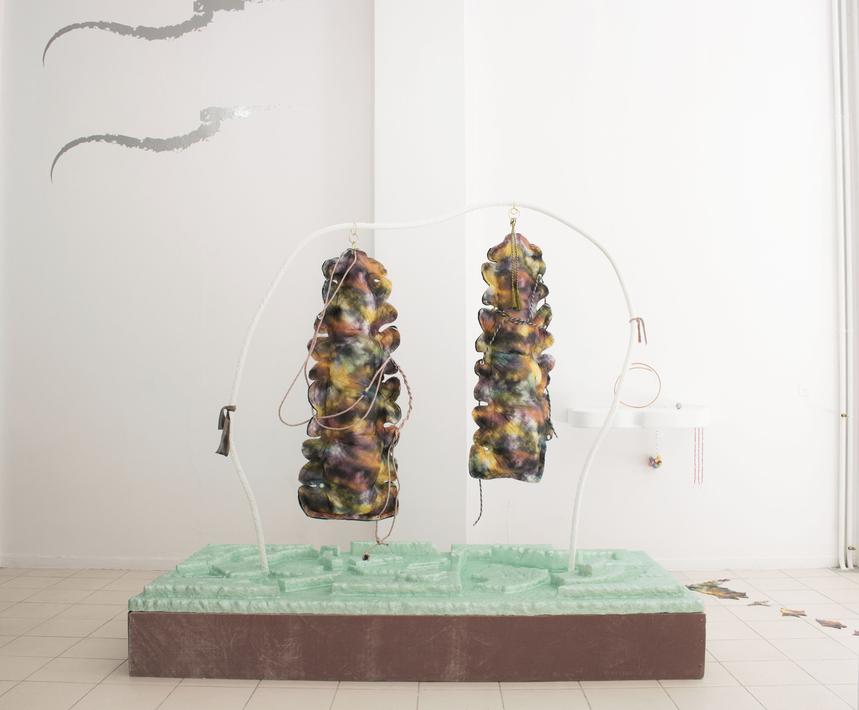
In her
first solo exhibition 《Swelled Sun:
How To Sense The Invisible》(CYLINDER ONE, Seoul, 2023),
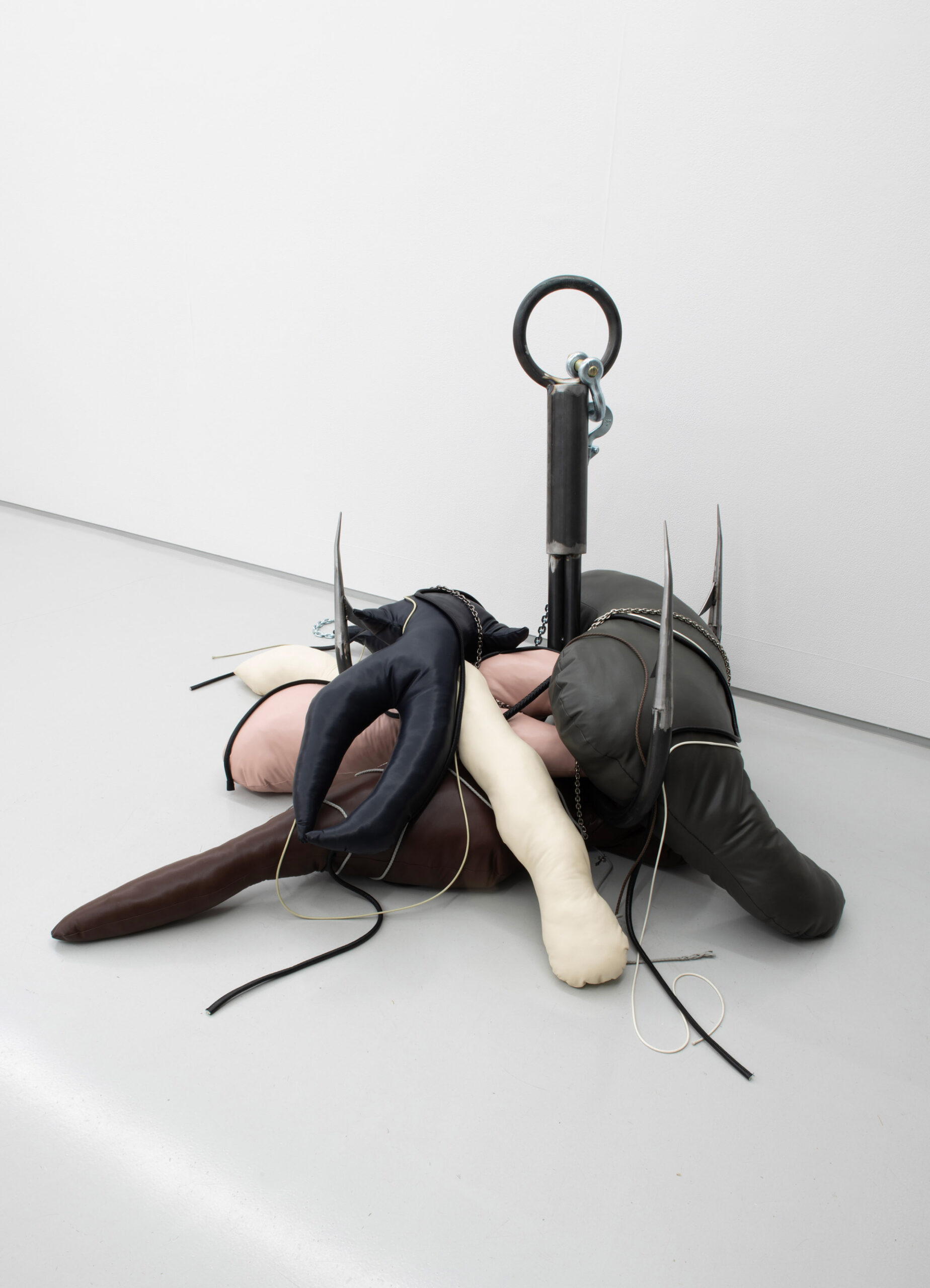
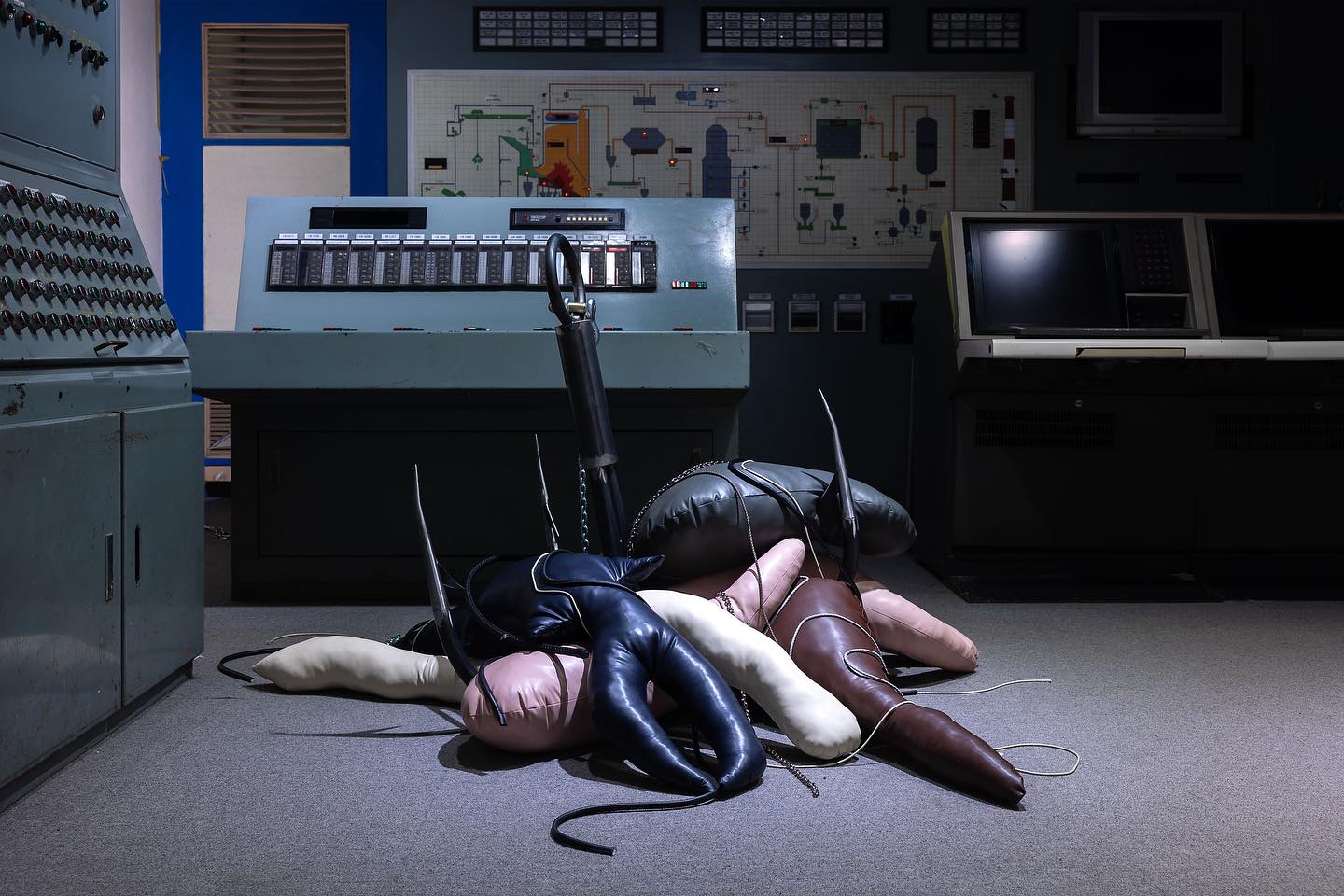
along with works such as Survivor (on the
horizon)(2023) and The Sun (a system of
friction)(2023), this inquiry is presented as a more integrated
structure. By traversing relationships across the Earth’s surface, the deep
sea, and outer space, she proposes a complex ecology in which human and
non-human entities are entangled, prompting reflection on the conditions of a
world shaped simultaneously by technology, capital, and environmental change.