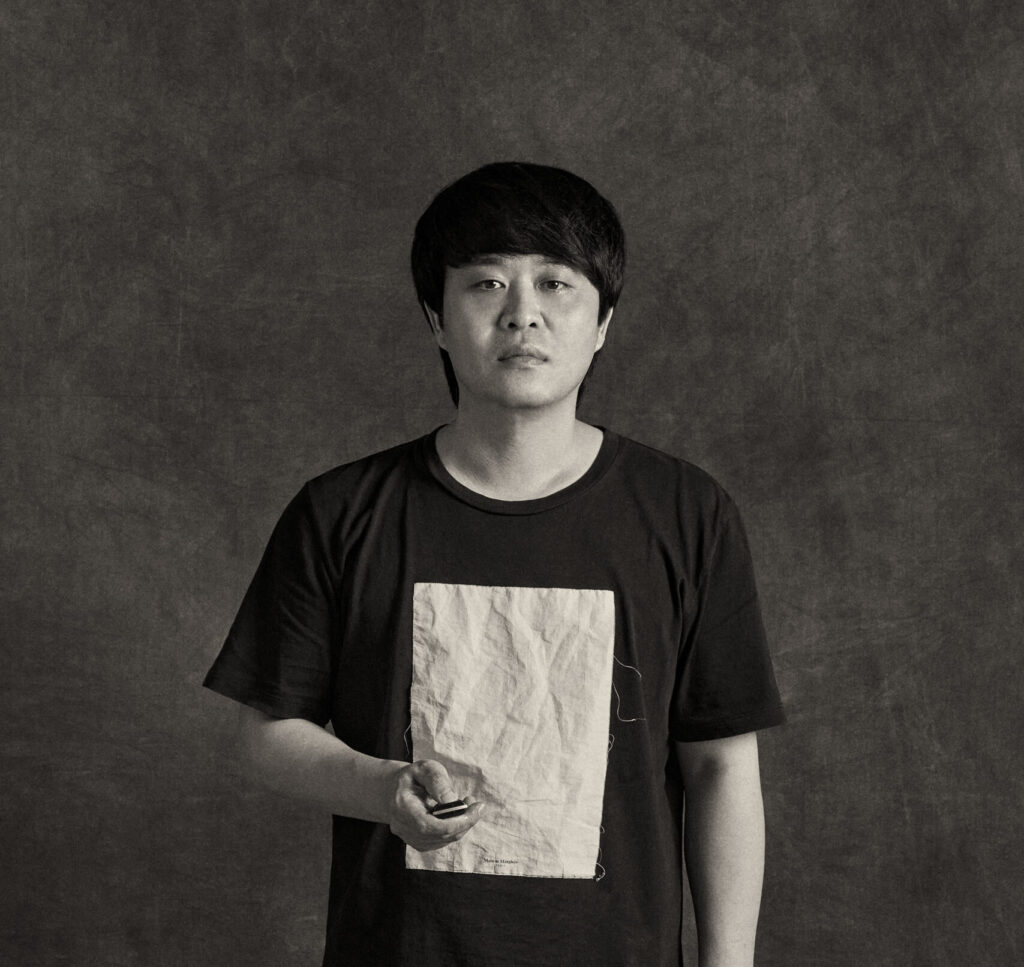
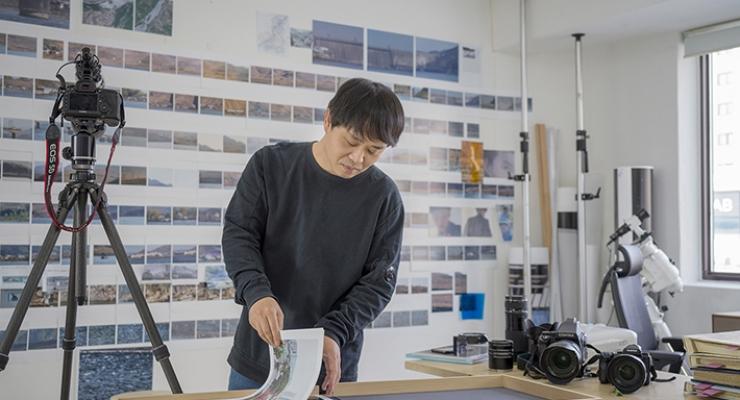
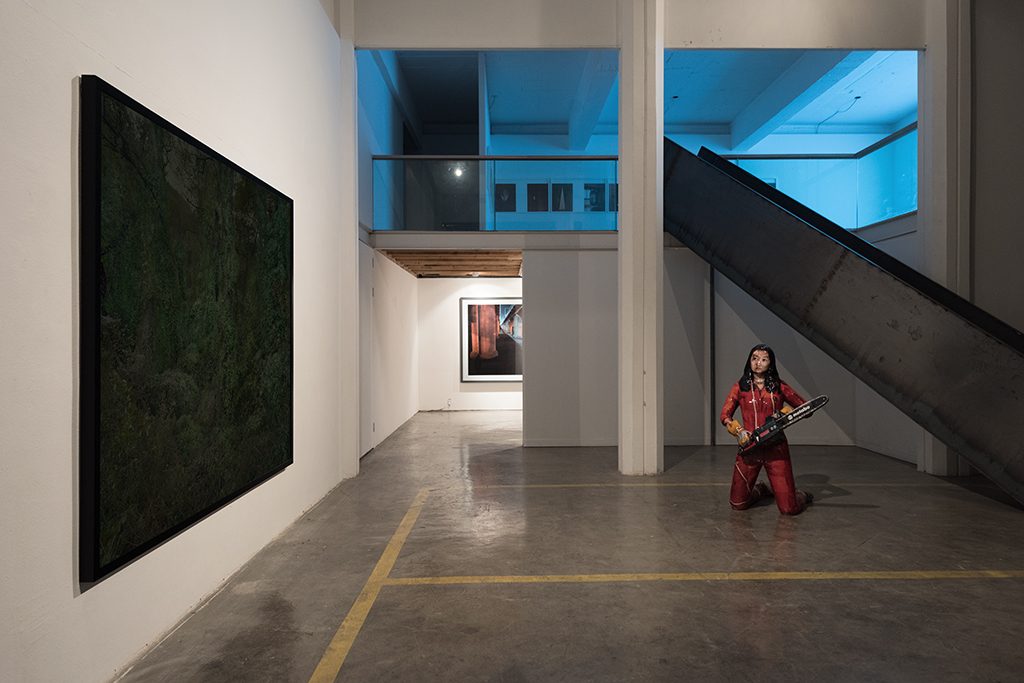
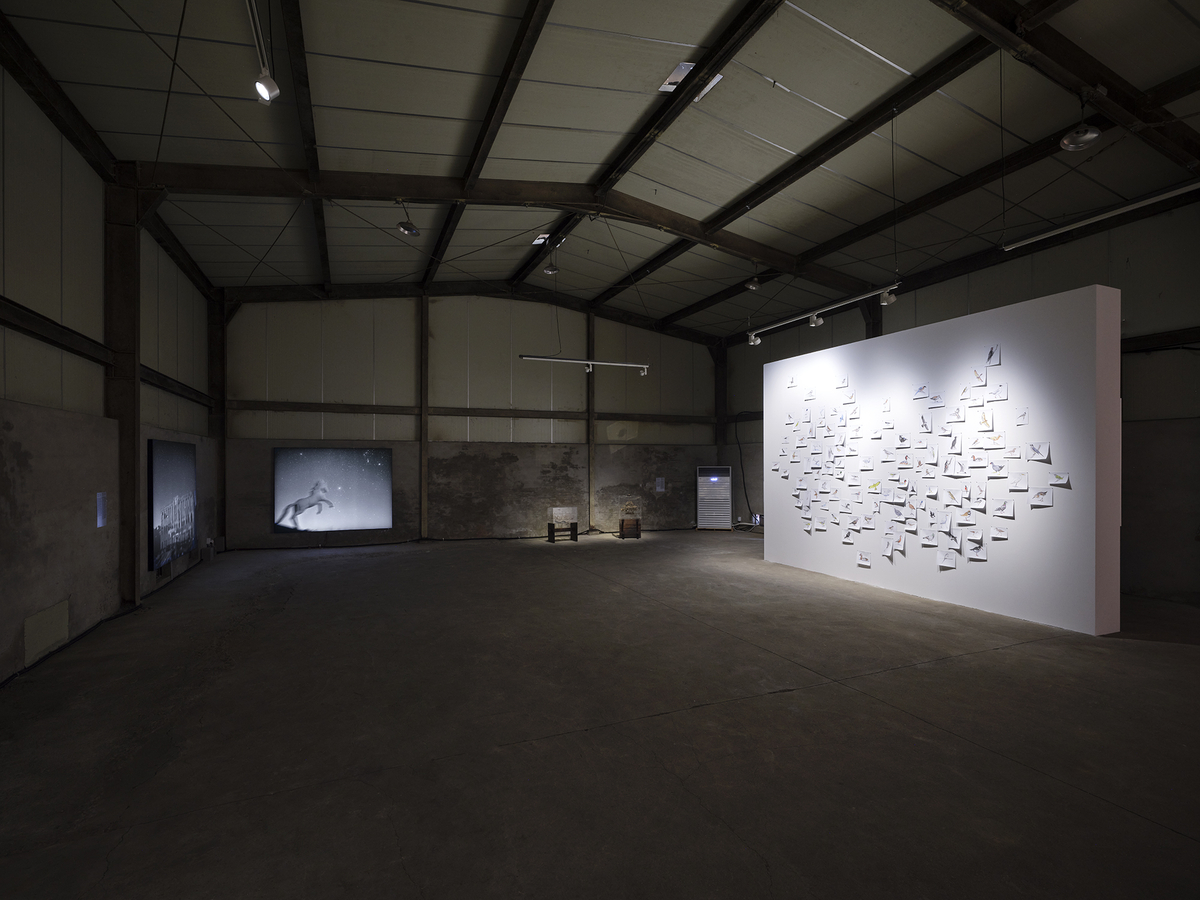
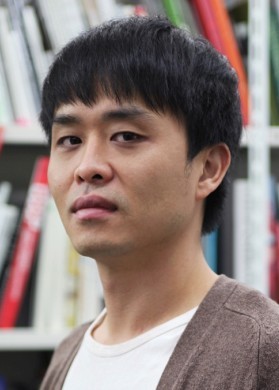
The artist, Kim Taedong, makes an effort to capture extreme situations and the ordinary daily life of the people in an unusual atmosphere. He does not use special materials or subjects for his art. However, he just puts attention to what he sees around in daily life, contemplating how to present the artworks.
He captures various boundary areas like between city centers and the outskirts as well as the time between days and nights. Similarly, he demonstrates the divided border area between North and South Korea or the history between the past and the future. In any kind of place, there exists an uneasy and awkward atmosphere floating on the border. In this state, people always exist like endless stars.
“It is still valid that uniqueness of perspective, even if there is no original photograph itself.
It may be the exact same photograph or a completely different one.”
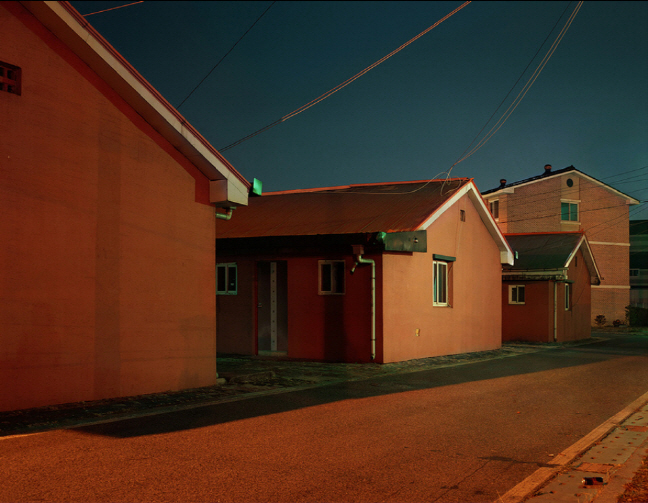
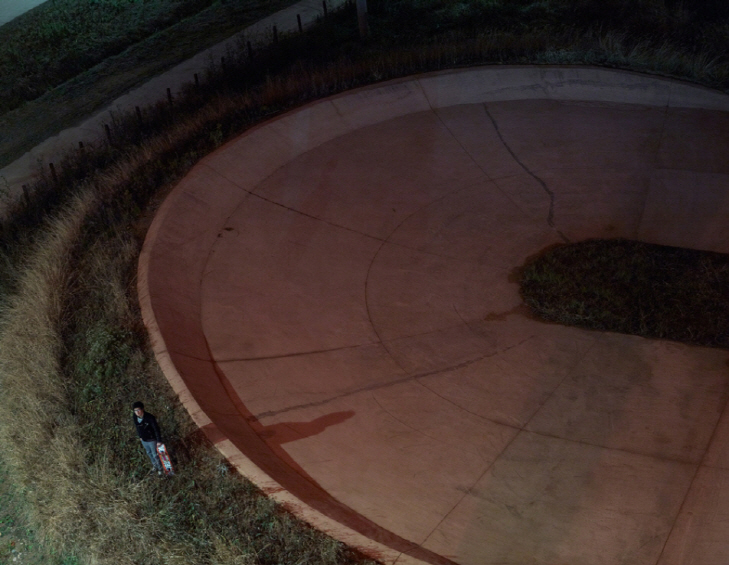
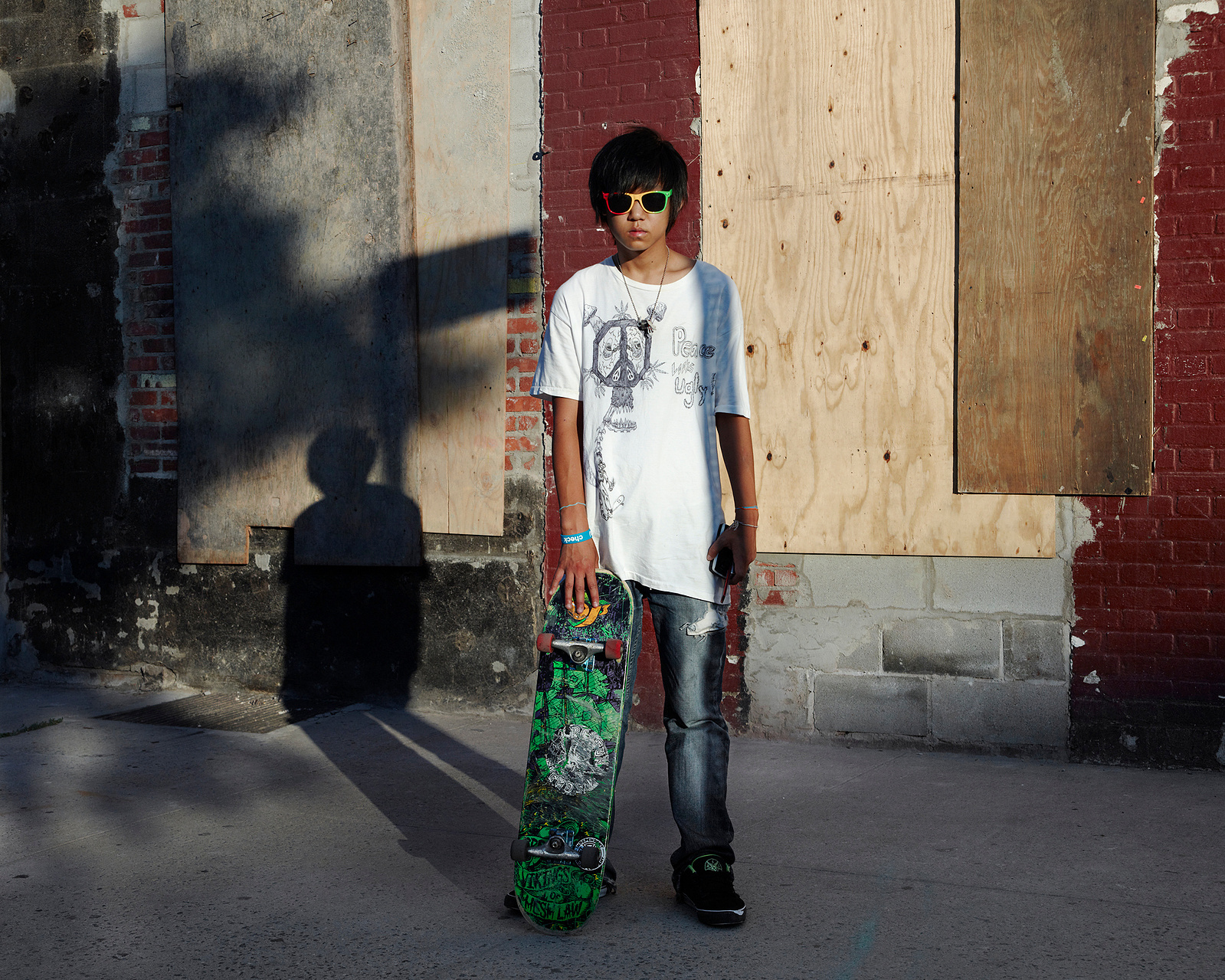
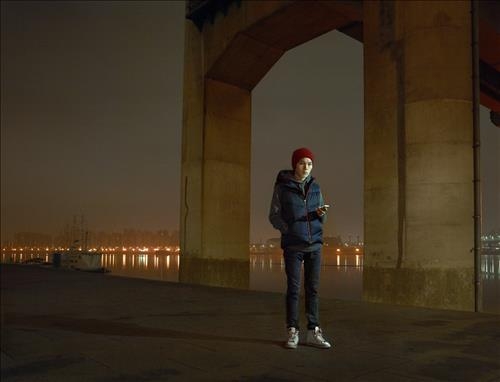
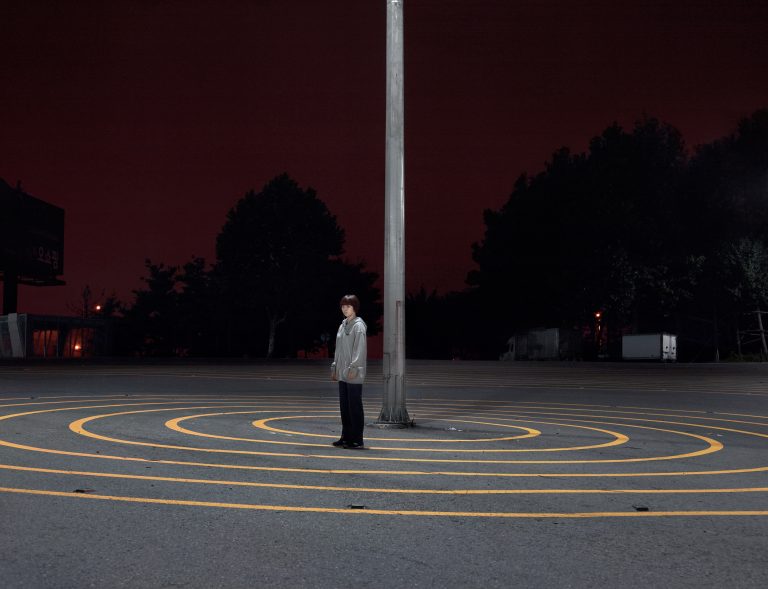
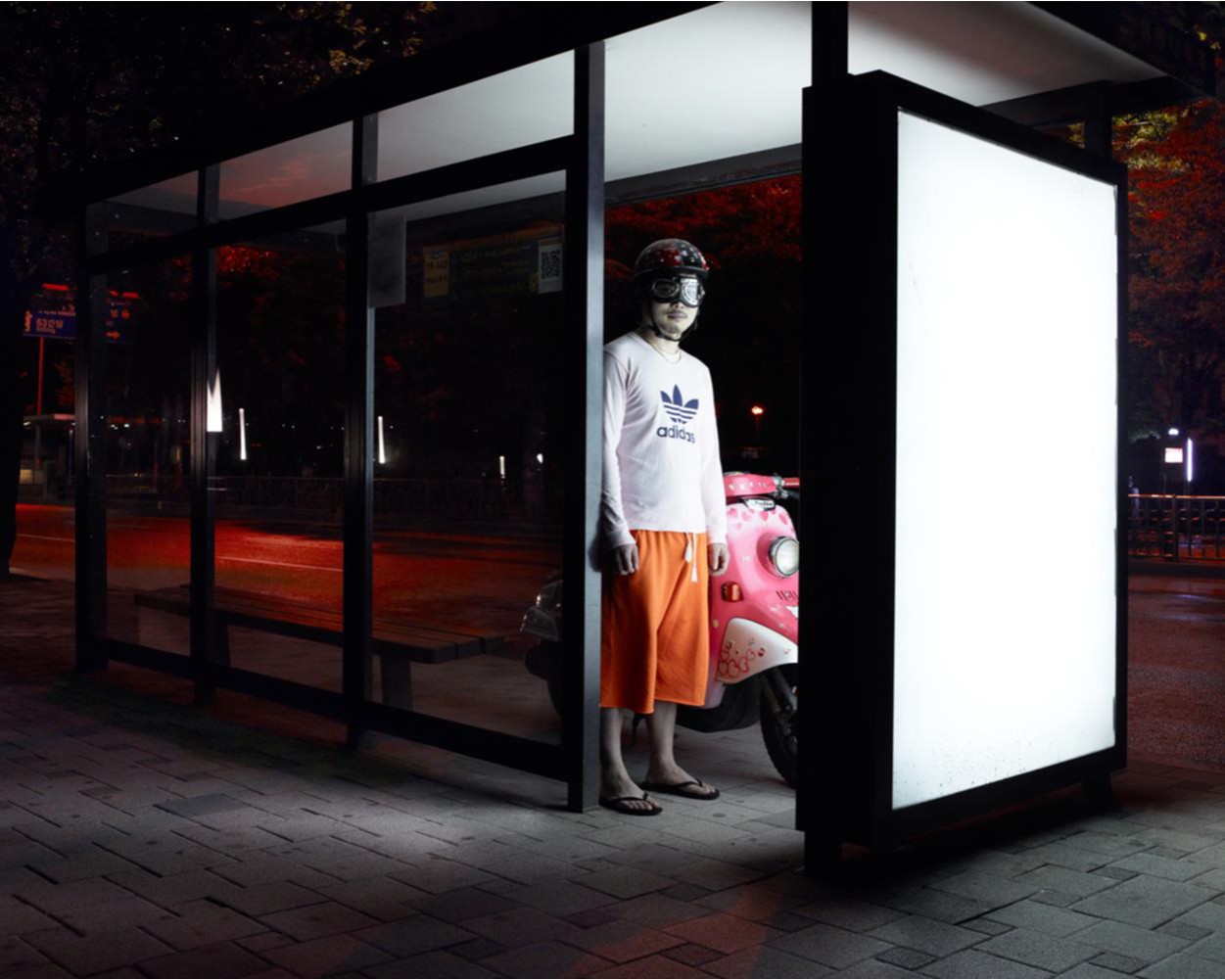
Kim Taedong has received a lot of attention for his ‘Day Break’ (2011~ ) series, which expresses the strange atmosphere evoked by the urban space at dawn. After midnight the city illuminated only by artificial light becomes a stage different from the lively daytime routine. He wanders around Seoul at nighttime for filming inspiration, selects an appropriate place, and invites passerbies who suddenly appear in his filming and asks them for a pose. The people who come out in his photography are normal people who pass by during his art activities.
In the ‘Day Break’ series, the characters and spaces in the photos form an unbalanced confrontation, and a gap is widened so that unfamiliar tension and discomfort prevent premature understanding. The sleek sense of the perfectly tight confrontation does not deliver any meaning to the audience, but it catches the eye intensely. Even though the people’s poses are fixed, the photos of them seem to look around the city and out of the city with their shimmering eyes making them vivid portraits at night.
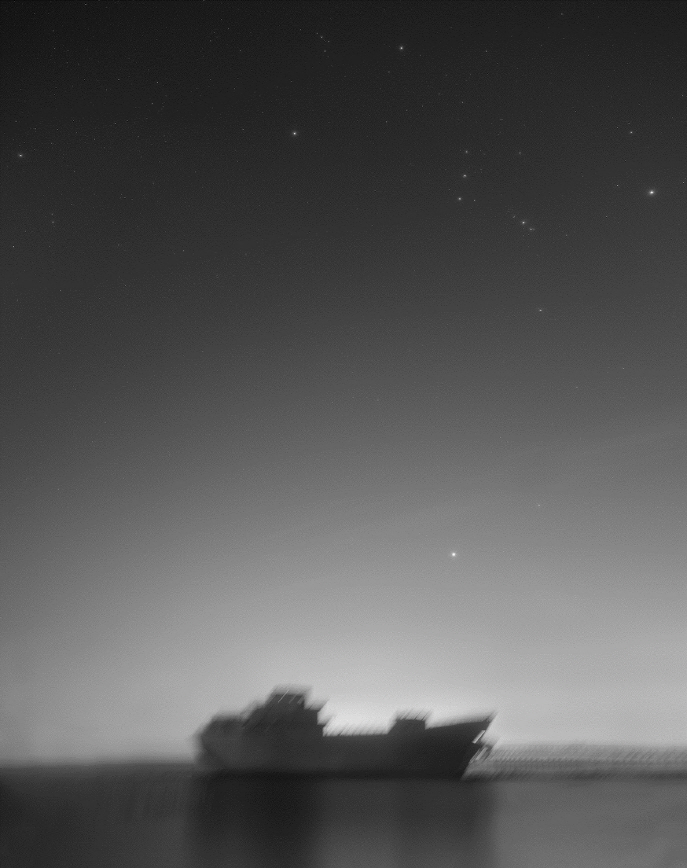
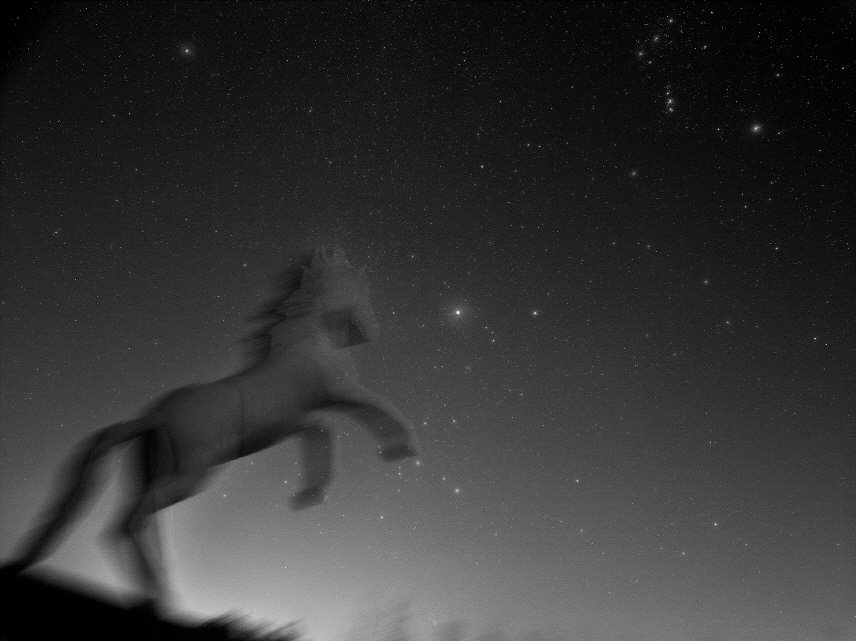
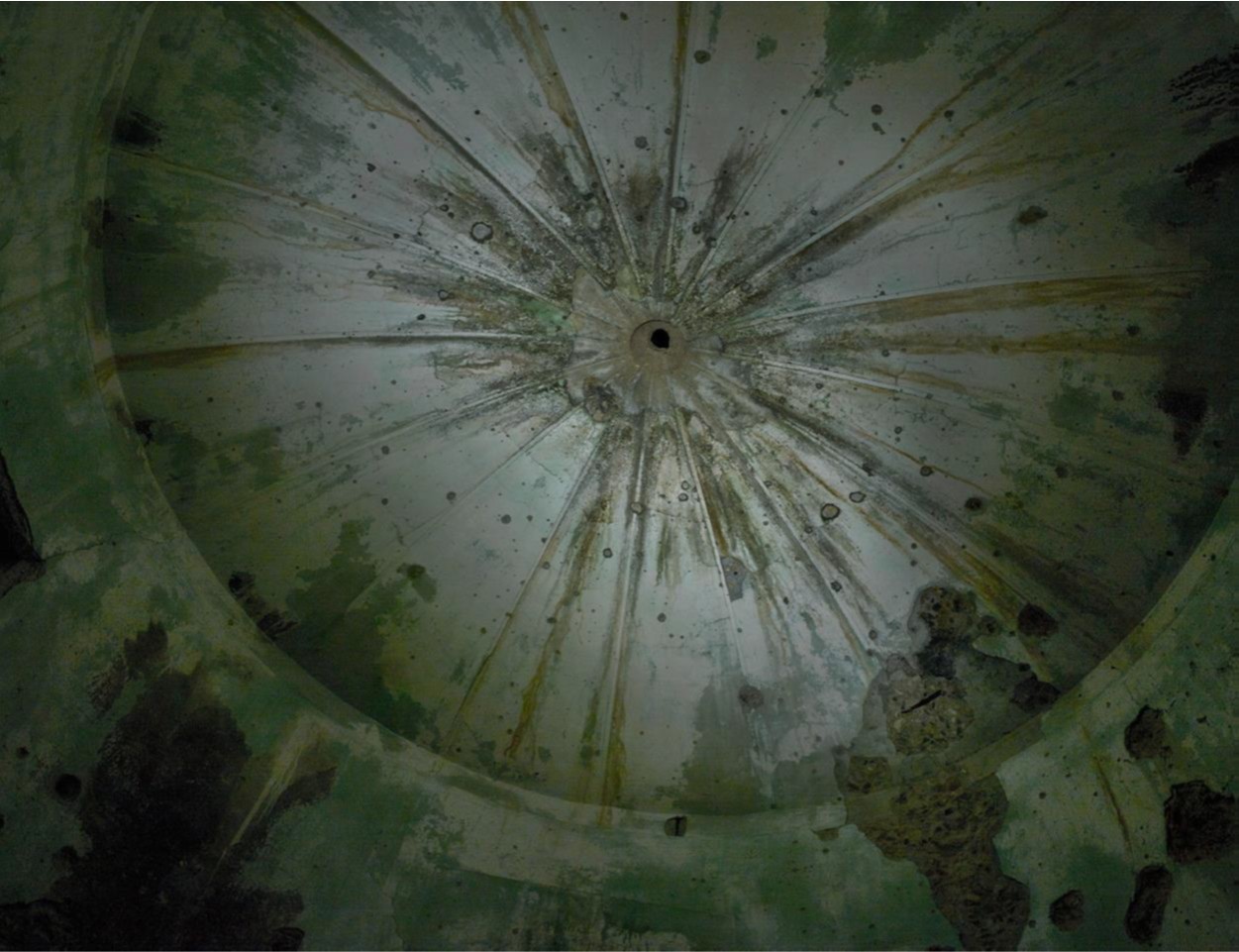
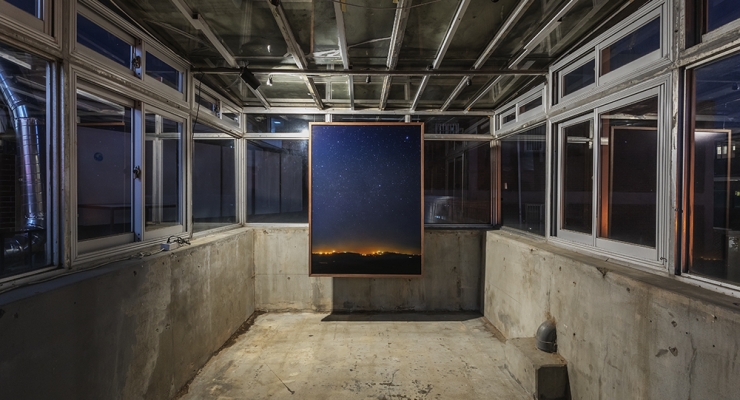
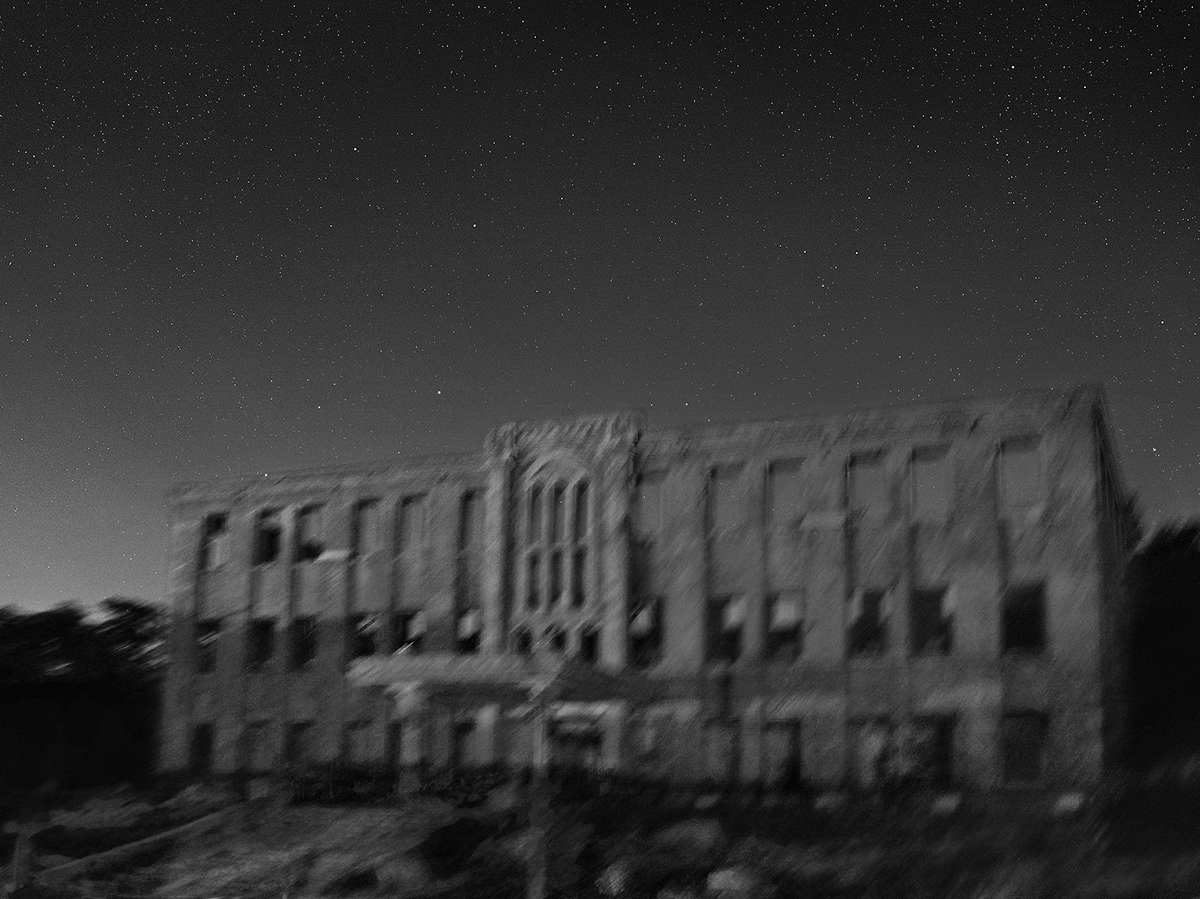
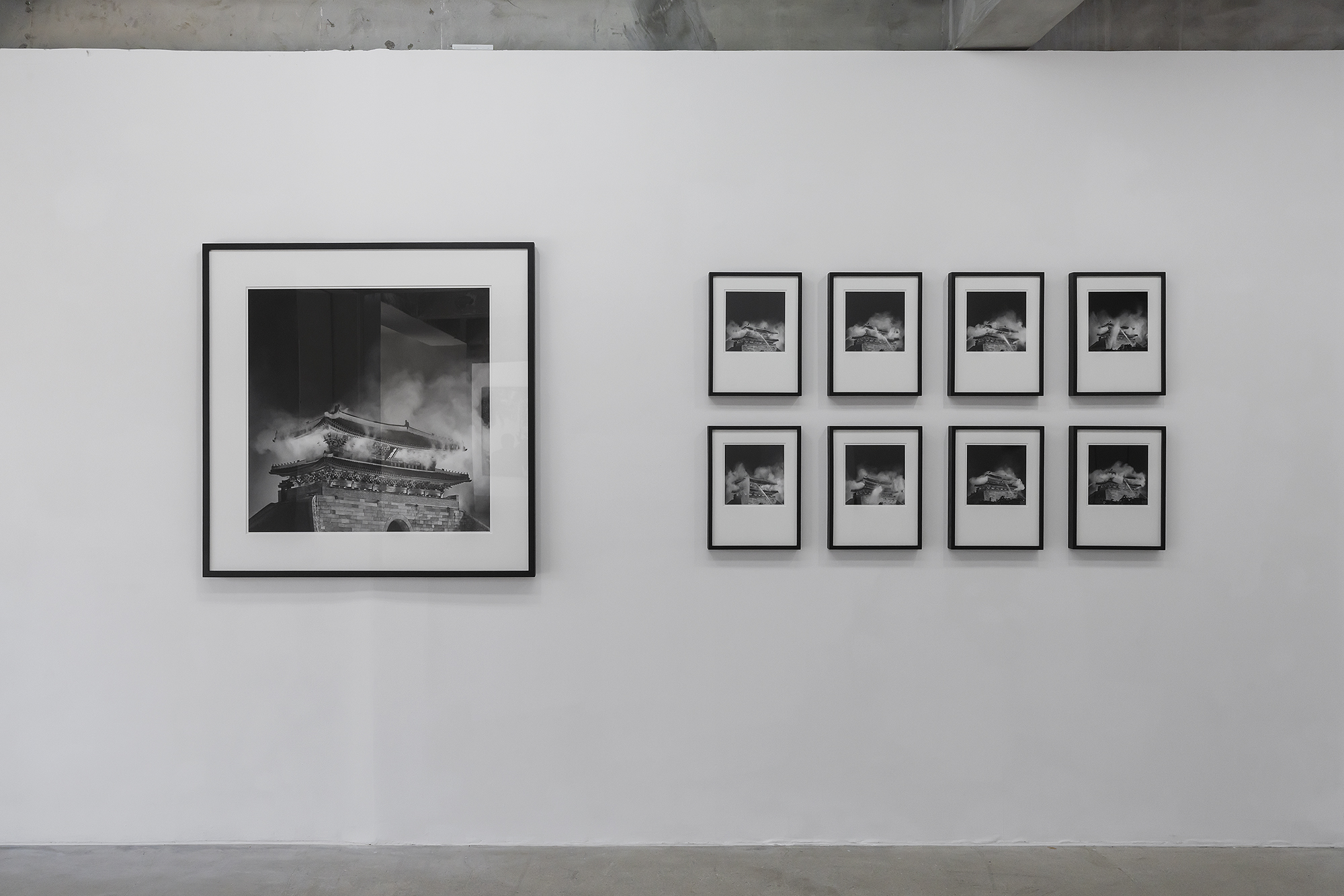
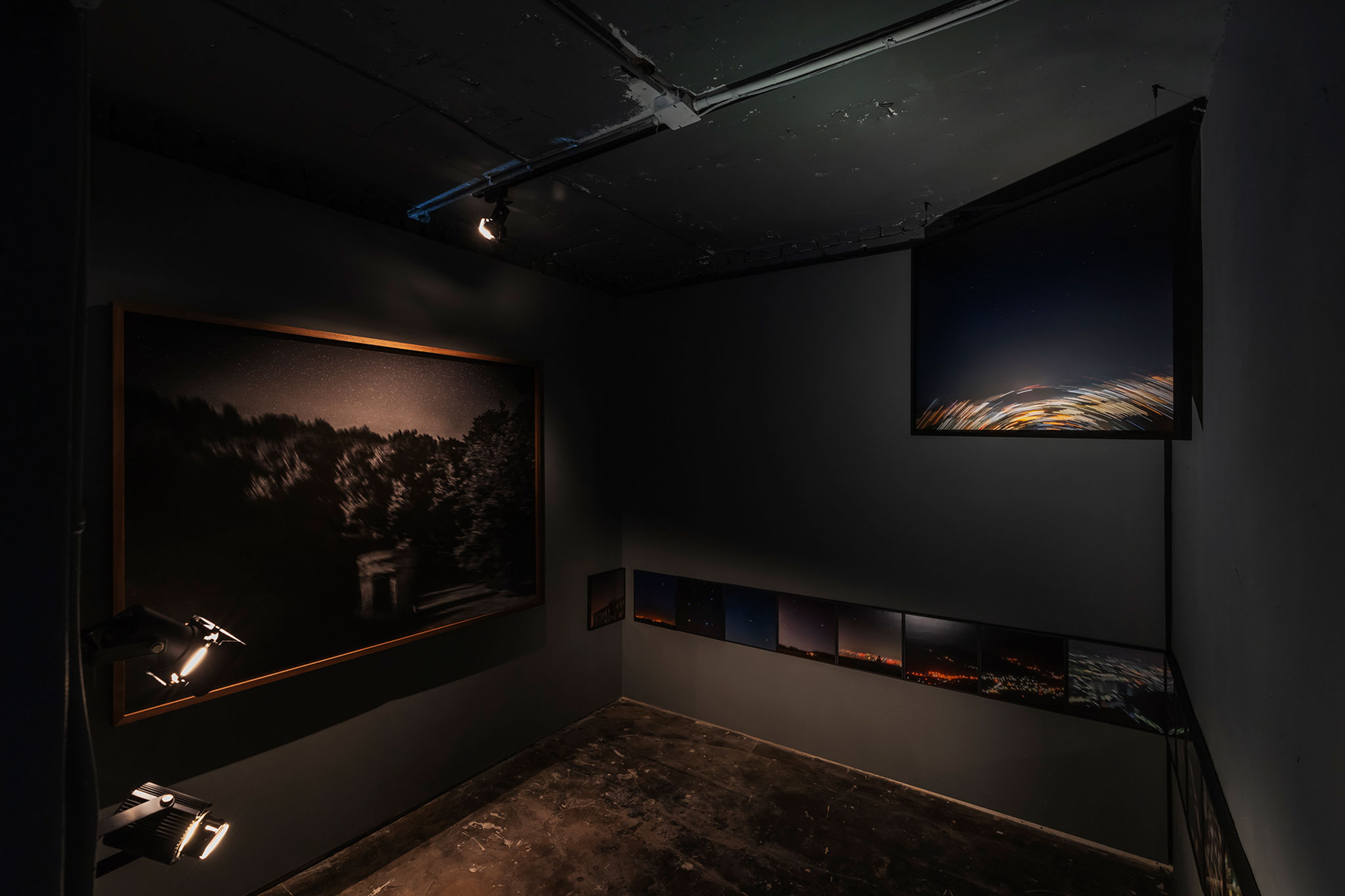
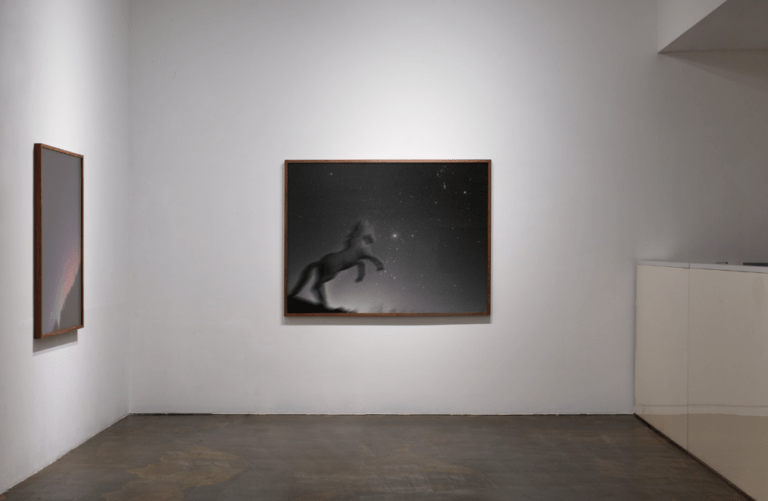
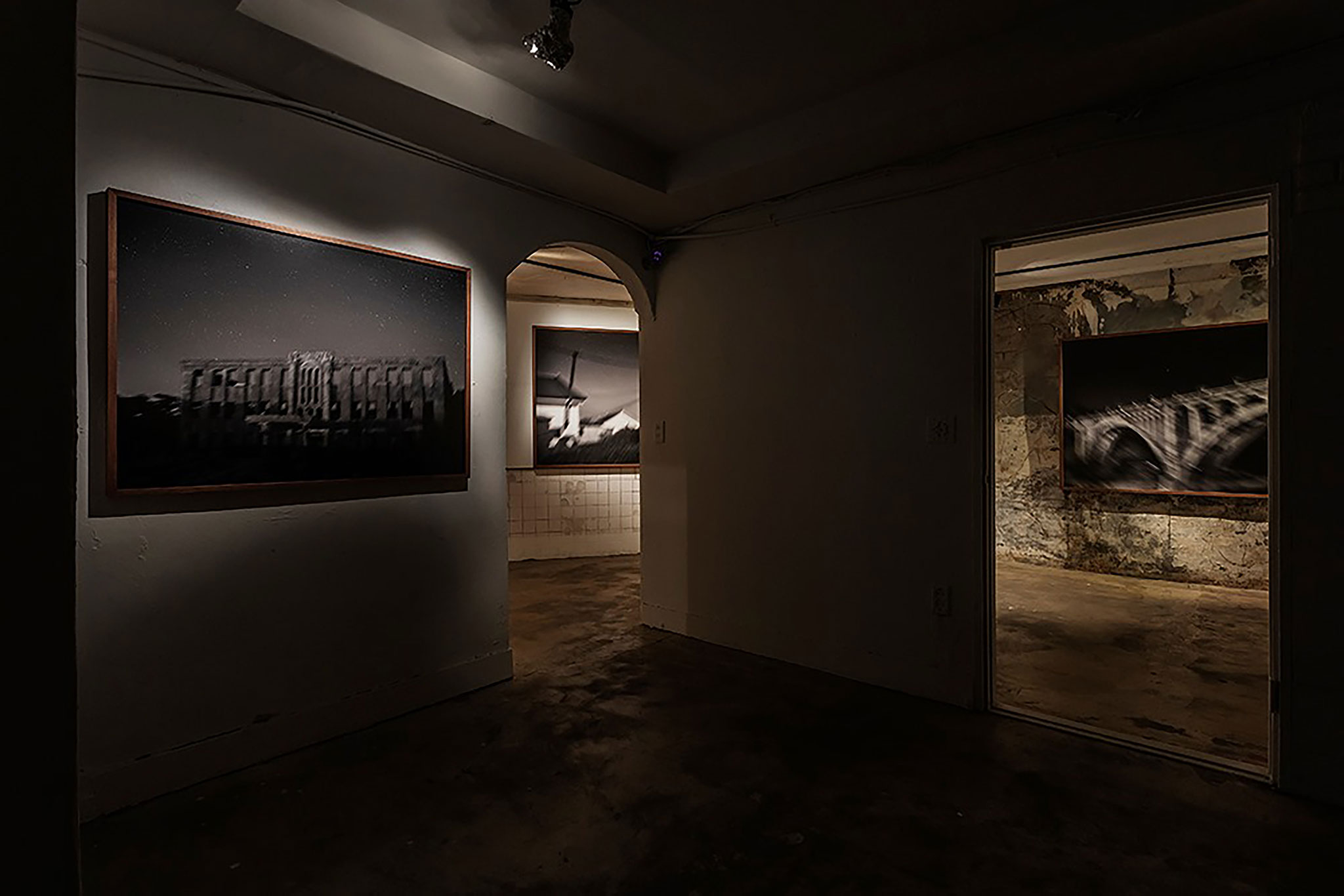
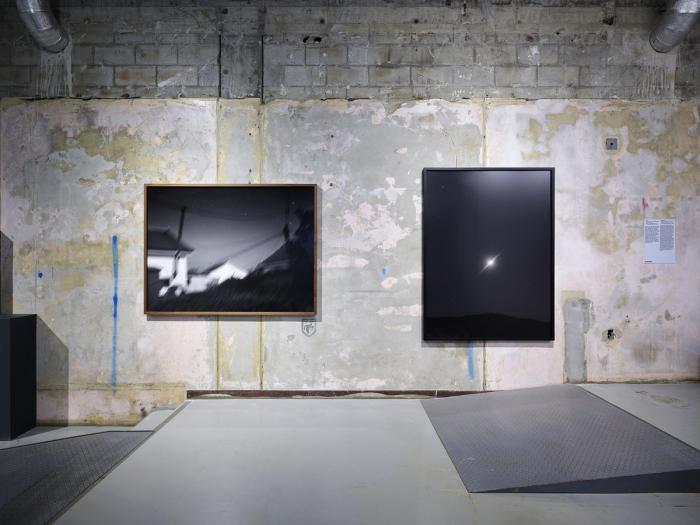
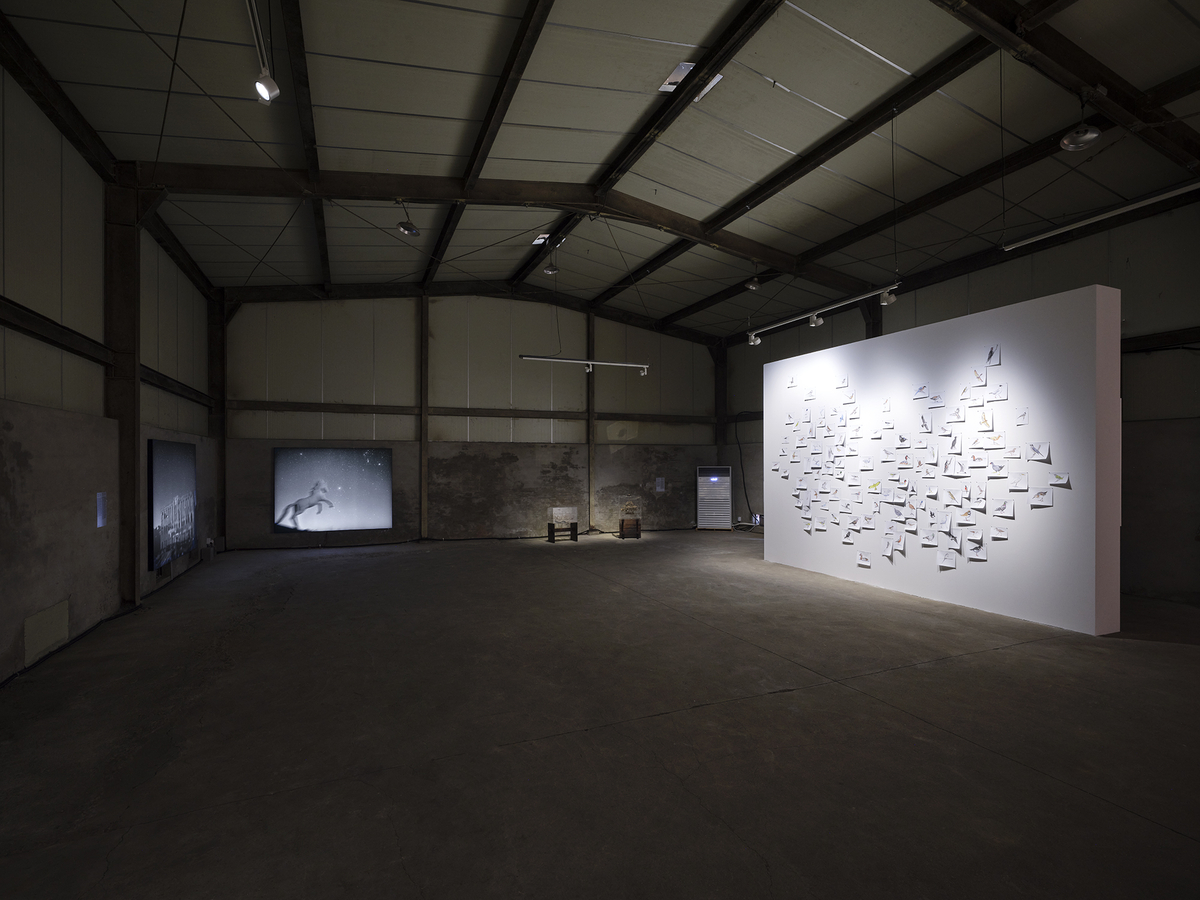
In the ‘Rifling’ (2015~ ) series, which Kim Taedong has worked on as part of the DMZ project, he recorded the lives of people in the Gyeongwonseon area and the scars of the Korean war. Once ‘Rifling’ recorded the unknown daily life after the war, the ‘Planetes’ (2017~ ) series poetically documented the quiet podium of the ruins of the war together with the stars in his work. When a photo is taken in line with a setting that tracks the motion of the celestial body, the stationary object vibrates as much as the moving trajectory of the stars, and the moving star stops. The photograph, in which the eternal universe and the traces of finite human beings are taken together, superimposes the countless times of determination on one screen.
In his photographs, there is always an eerie tension, and a slightly nervous mood as if something is about to happen. The image looks like a ghost that suddenly appears and wanders on a still screen while running away or chasing after something. The distance between the audience and the work is also not easy to narrow. This means that the lives of the people are hidden in the photos, standing far away, which leaves keen-sighted people to their own imagination.