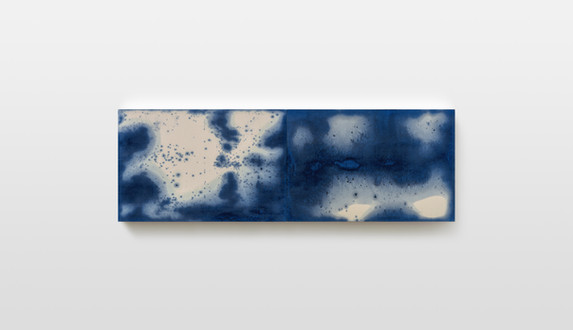
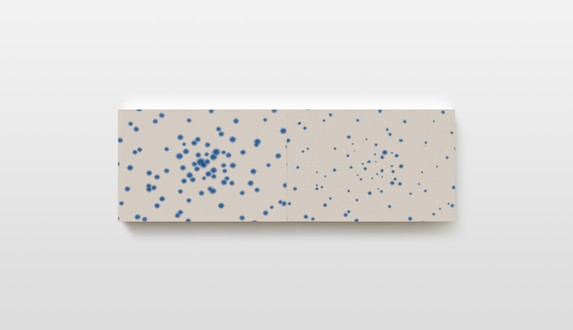
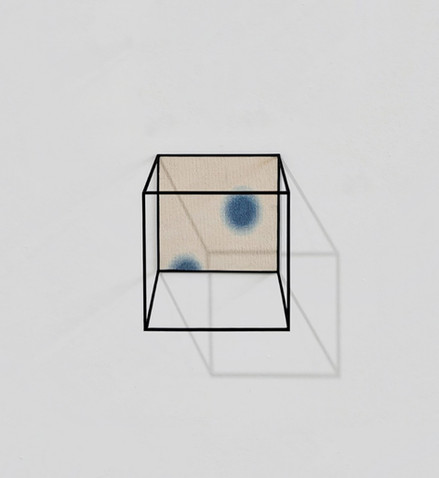
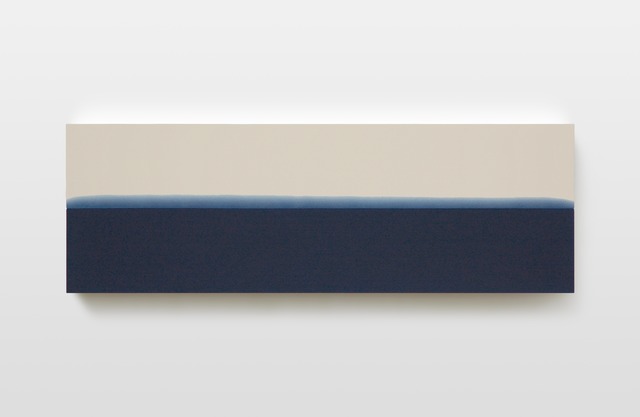
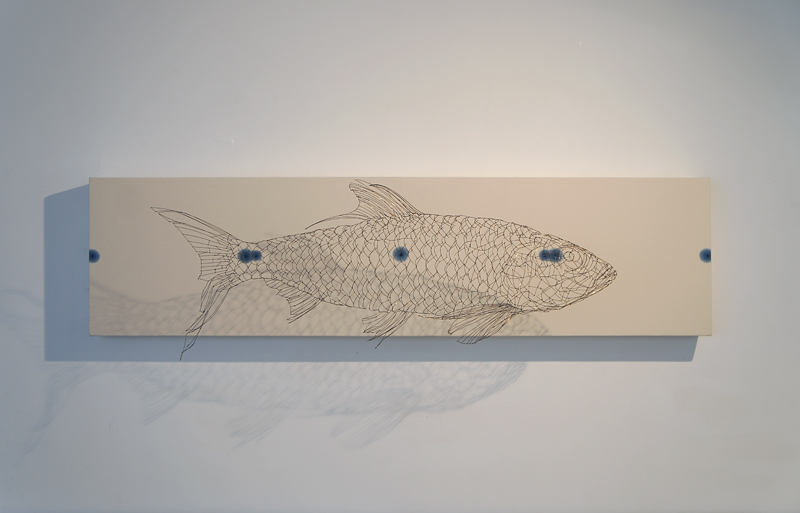
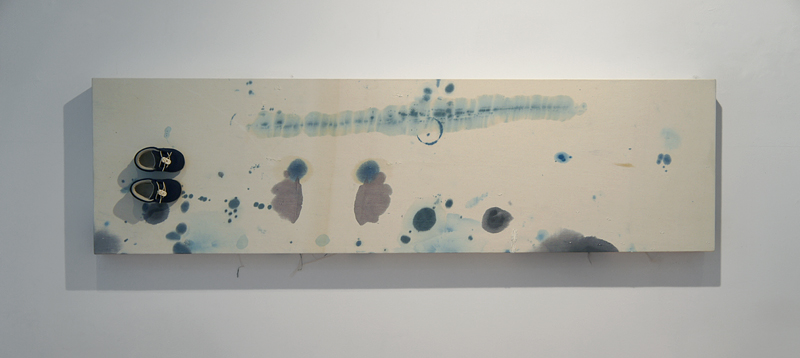
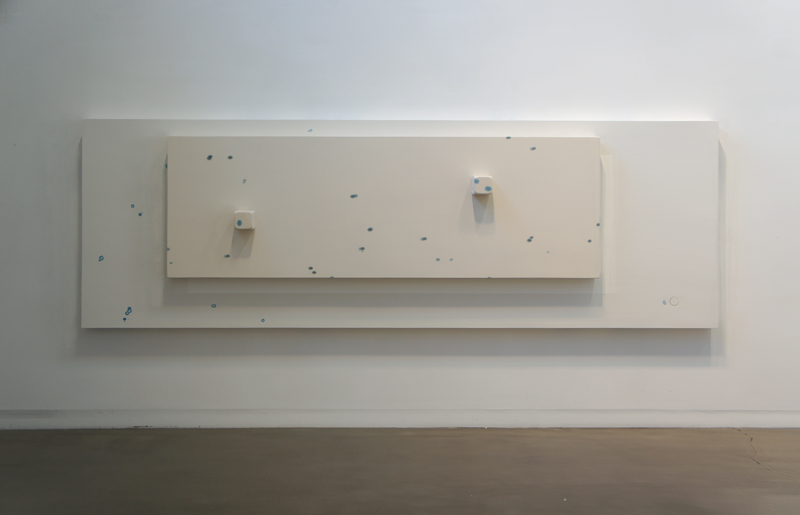
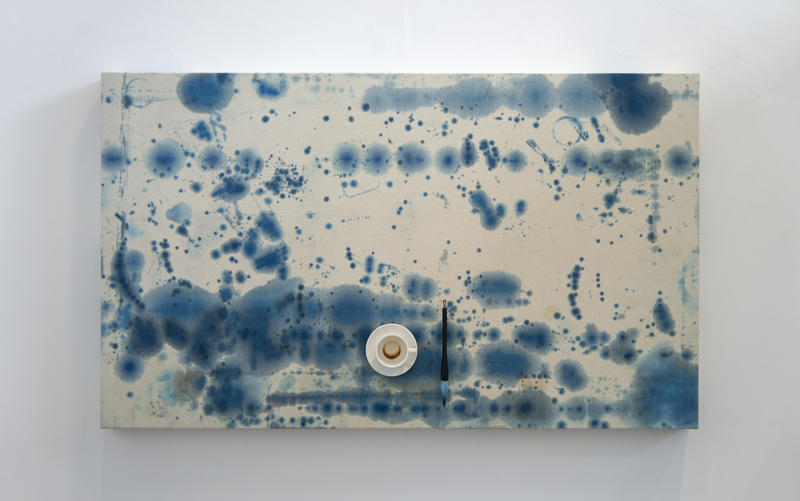
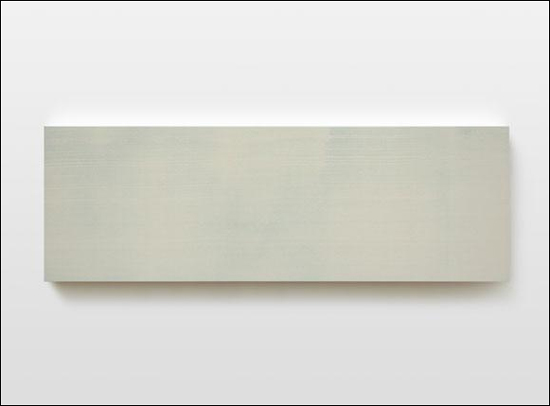
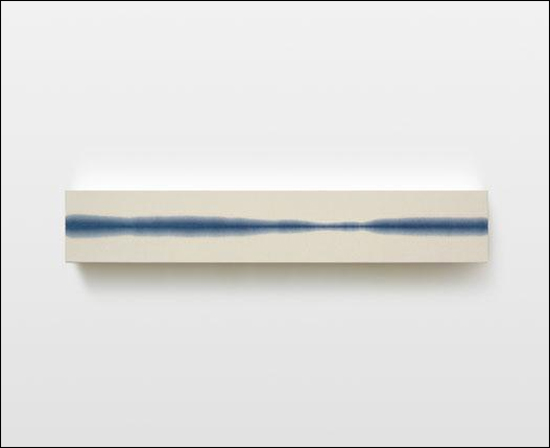
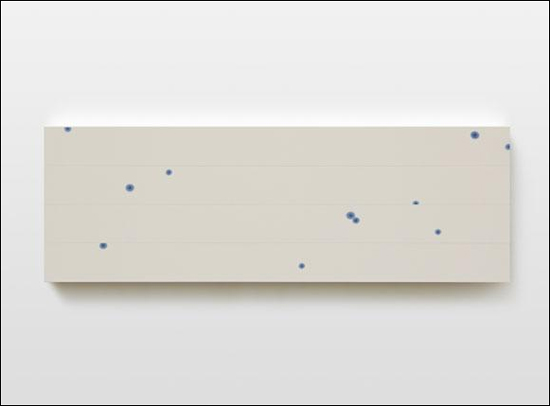
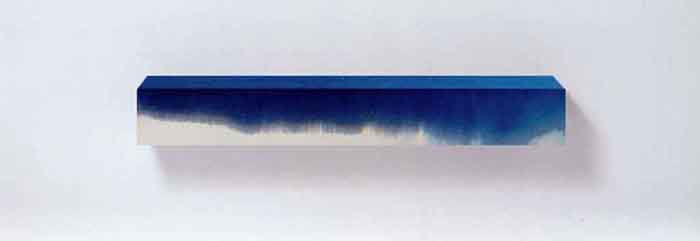
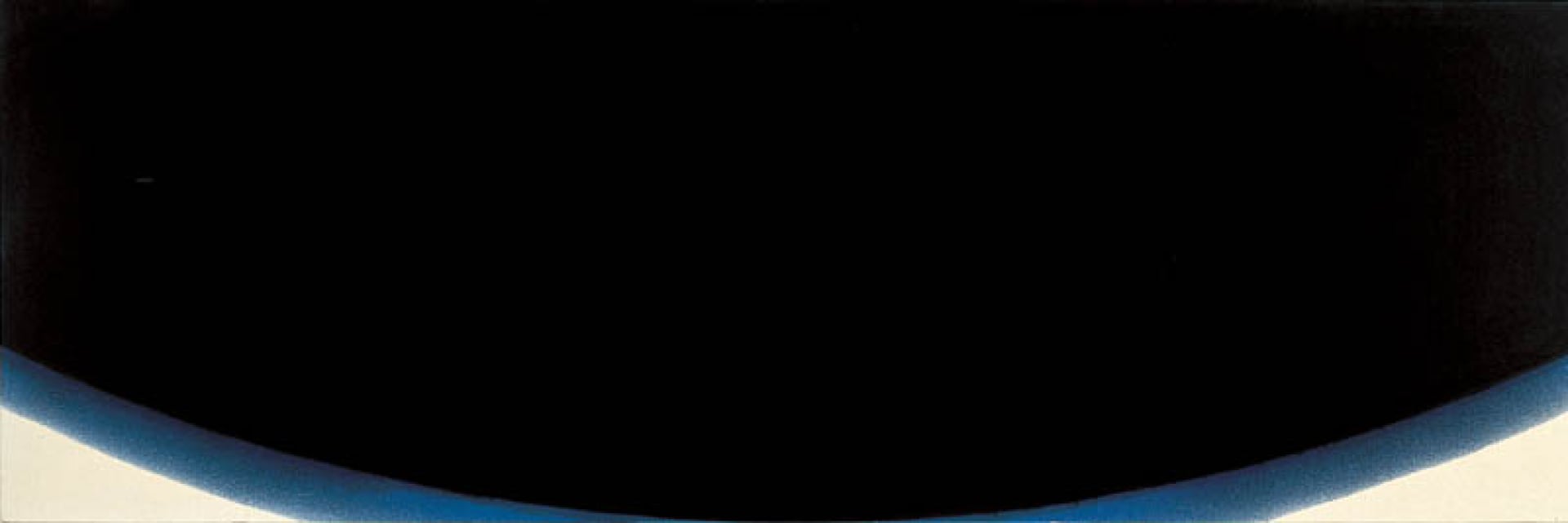
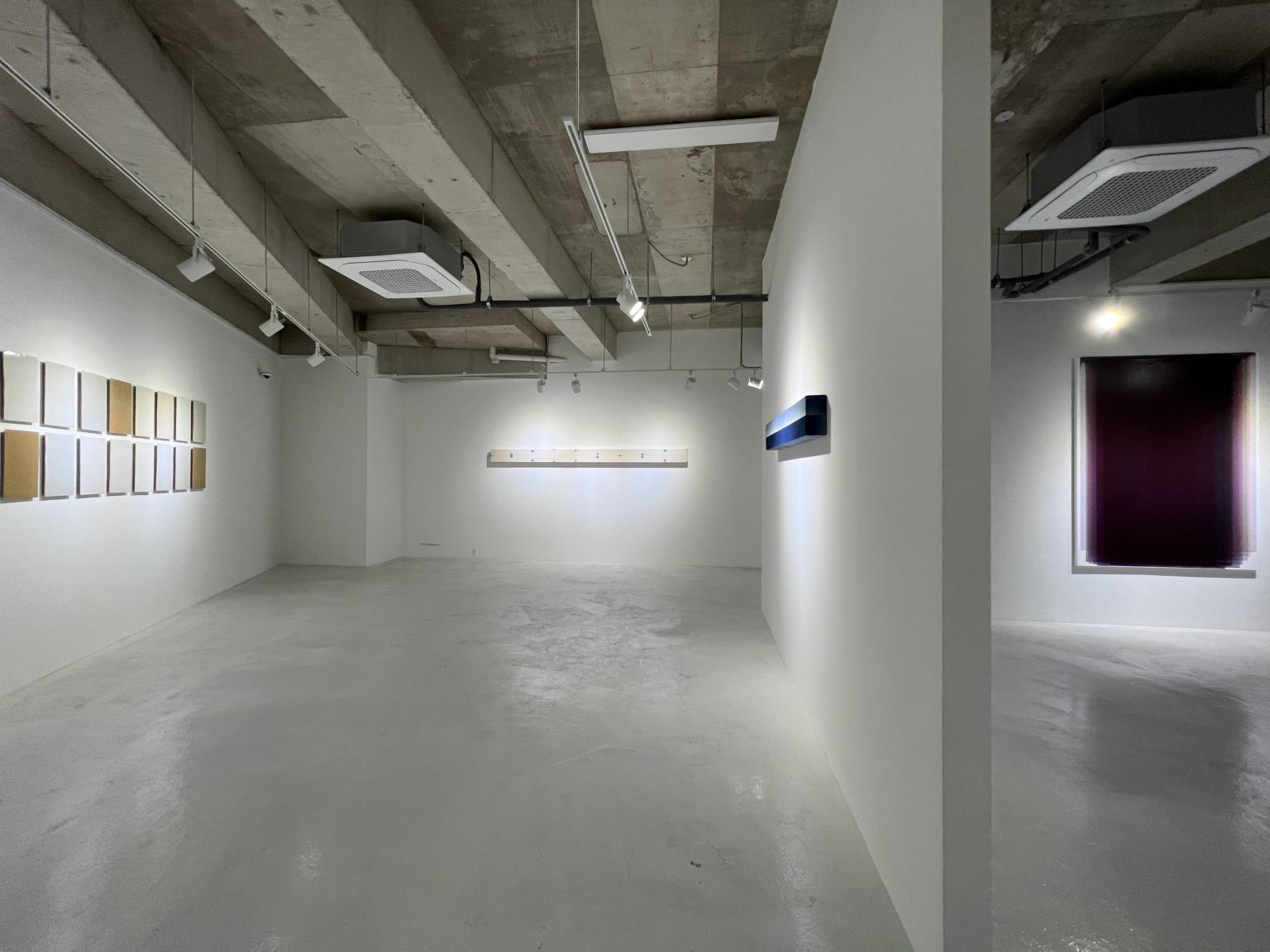
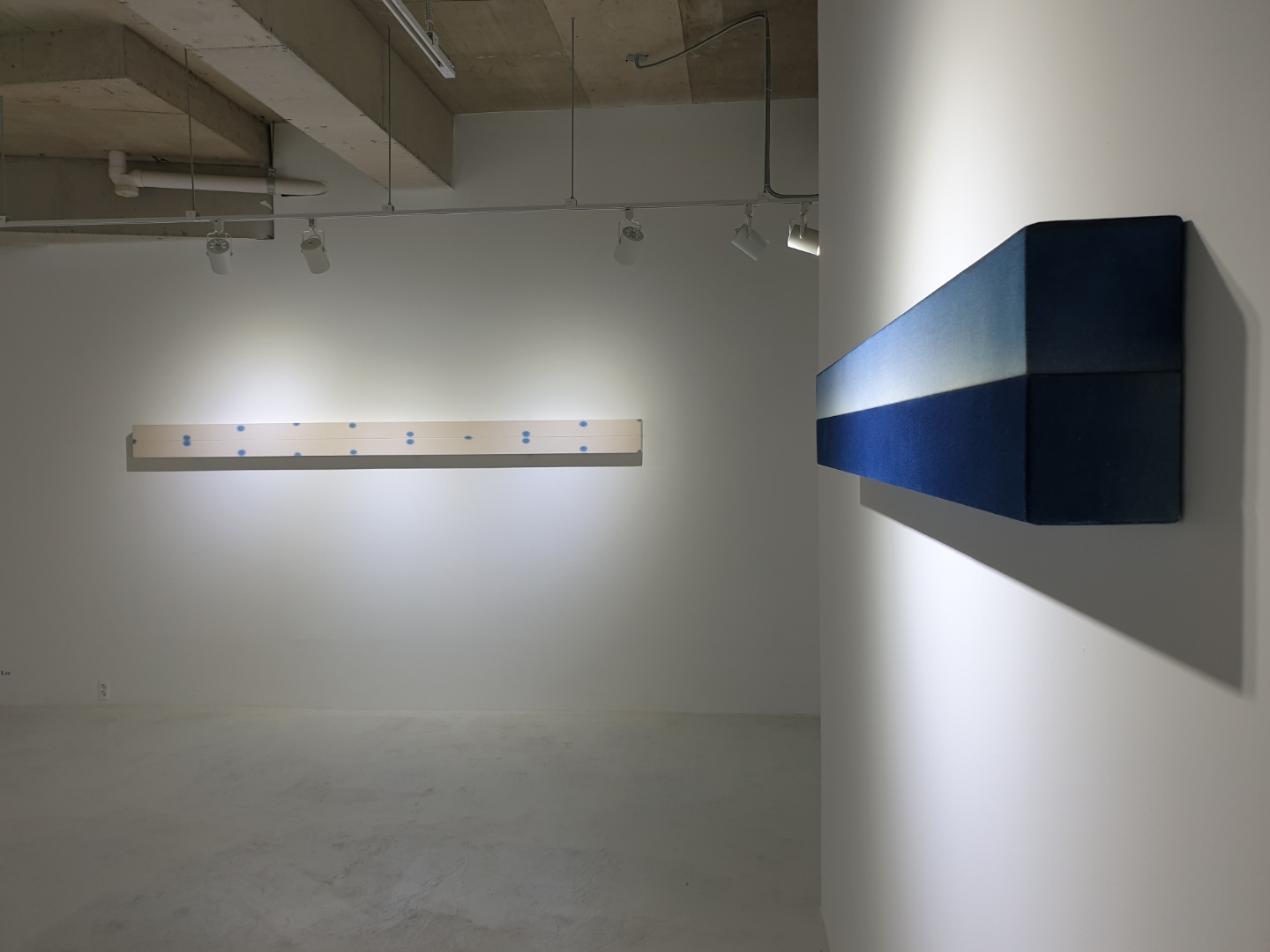
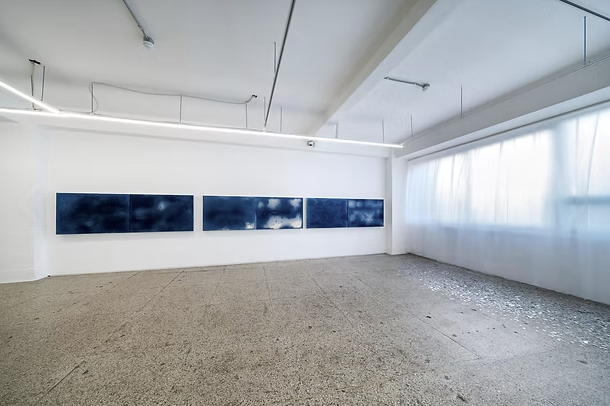
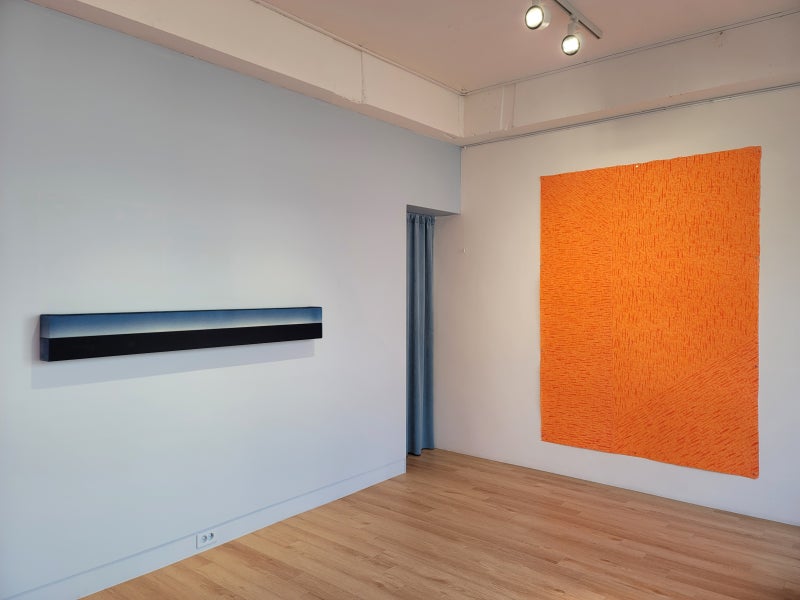
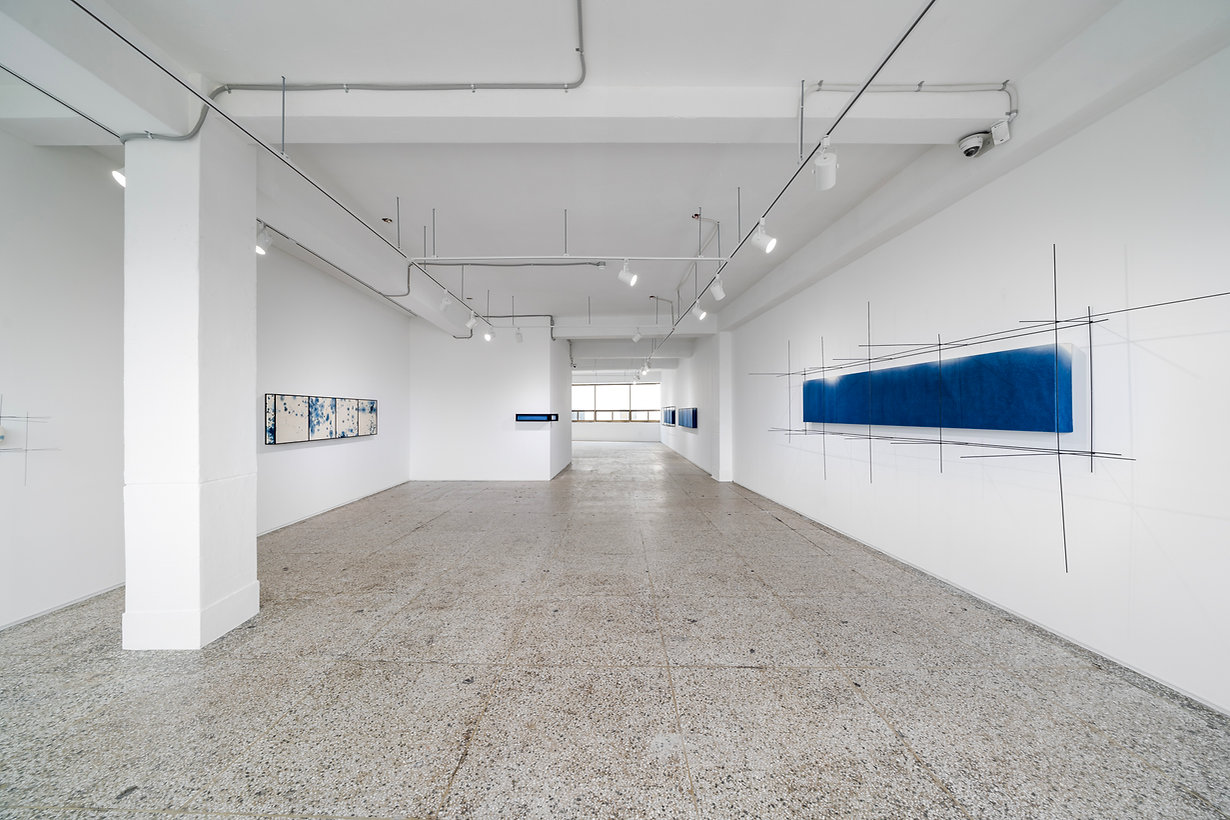
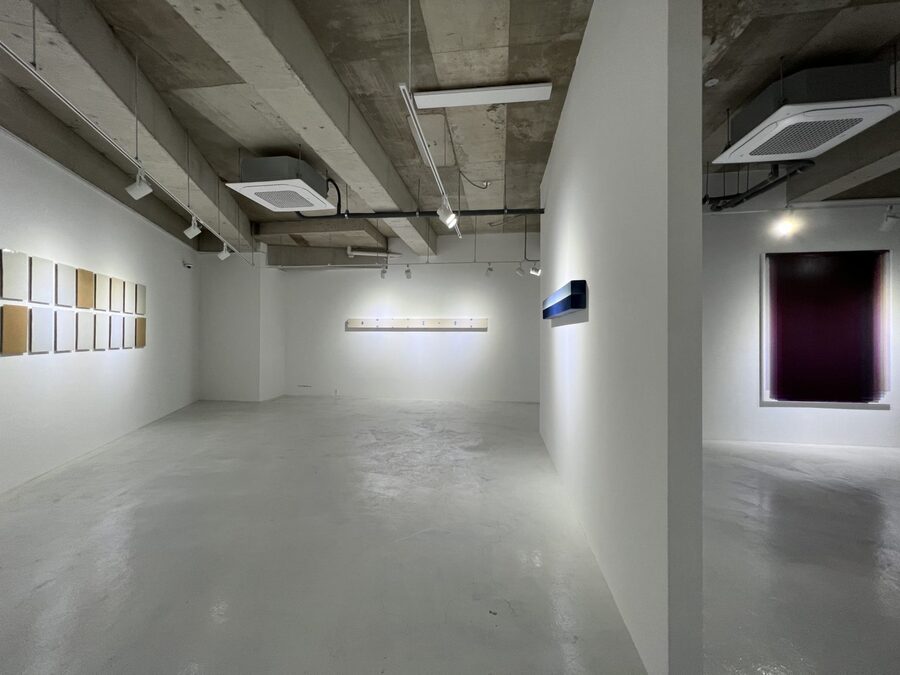
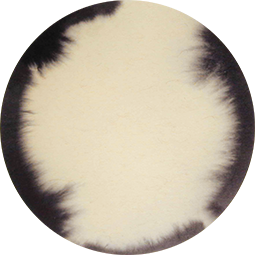
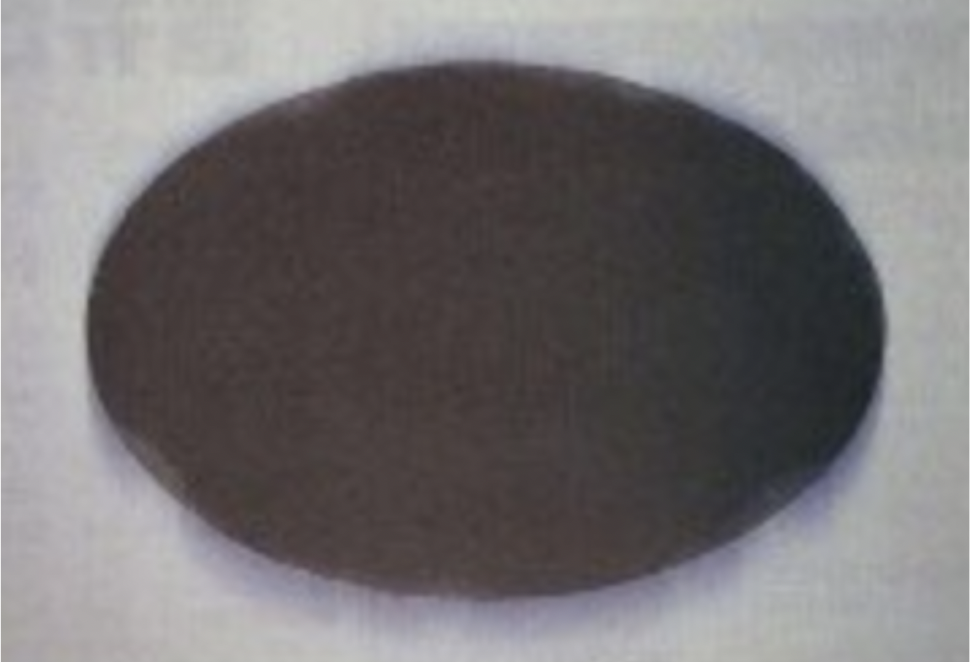
Inhyeon Lee’s ‘L’episteme of Painting’ series, composed of extremely restrained surfaces achieved with monochrome oil paint on untreated canvas, reveals the manner in which pigment permeates and diffuses across the canvas, gradually deepening or fading in tonal gradation. By collectively designating his painterly practice as “L’episteme of Painting,” the artist expresses his intention that his work be read not merely as an object of aesthetic appreciation, but as a sustained inquiry into the fundamental principles that encompass all painting of our time—in other words, an exploration of the “episteme” of contemporary painting.
In transferring paint onto canvas, he refrains from employing the brush, a symbol synonymous with painting itself. For him, the pictorial surface is simply the site where the two materials—canvas and pigment—encounter one another through the labor of the artist, yet remain beyond his complete control. In the finished work, there are no visible brushstrokes, fingerprints, or signatures. Only material and the spontaneous illusion it generates exist.
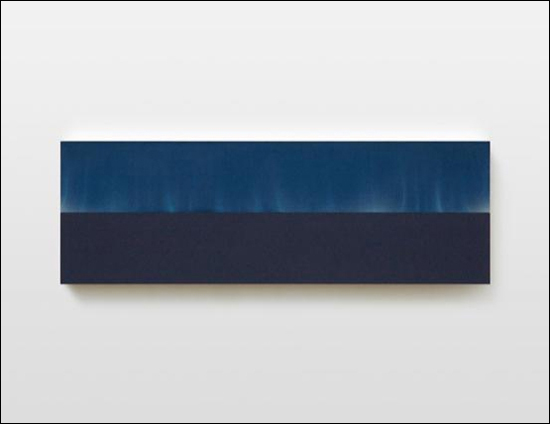
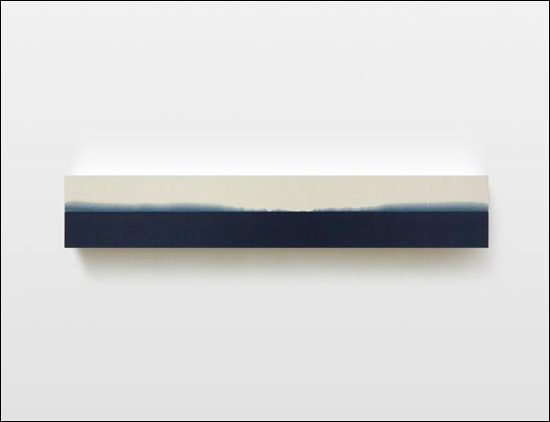
Seungtaik Jang’s practice, which penetrates the essence of painting, occupies a significant position within contemporary discourse through its internal completeness and formal originality. His ‘Layered Painting’ series reveals painterliness through deep, dark planes built from overlapping brushstrokes of differing colors, as well as the subtle residues of paint that remain faintly layered along the edges. Like the faint and incidental traces left behind by the essence of an object—unconsciously displaced to the margins, beyond awareness and gaze—his works vividly manifest the painterly rhetoric that “the essence of painting resides in its residue.”
Using a large brush formed by aligning several flat brushes in a straight row, the artist pulls paint downward in a single stroke to create a semi-transparent membrane. Upon this surface, he repeats the identical gesture in varying colors. The transparent or reflective surfaces constructed through the accumulation of layers, whose depth cannot be readily discerned, are sufficient to provoke debate regarding the essential and structural properties of painting.
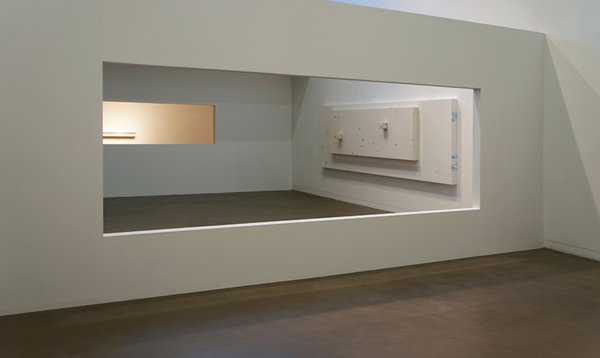
Seung-hee Lee, internationally recognized for dismantling conventional notions of ceramics and offering new interpretations of the medium, has established a new domain of “ceramic painting (planar ceramics)” by traversing genres and media through the material of clay as a tool of thought. In earlier series such as ‘Clayzen’ and ‘TAO’, she presented three-dimensional ceramic forms reconfigured into original planar (relief-like) structures on ceramic panels.
The ‘Synchronicity’ series introduced in this exhibition reflects the specific spatial conditions shaped by natural light that shifts from moment to moment. Rendering subtle differences over time, the works present a rich chromatic spectrum. Through these pieces, we witness how her practice—once devoted to the intrinsic nature of ceramic painting through inventive ideas—expands into the realms of space and time. Executed in an emphatically analogue manner upon flat clay panels measuring only 0.8 cm in thickness, these fields of color in ceramic painting offer a hyper-modern metaphor and a sense of spiritual plenitude that transcend the spatio-temporal logic of the digital.