Exhibitions
《Korean Contemporary Art K-P.O.P.》, 2014.04.19 – 2014.06.15, MOCA Taipei
April 19, 2014
MOCA Taipei
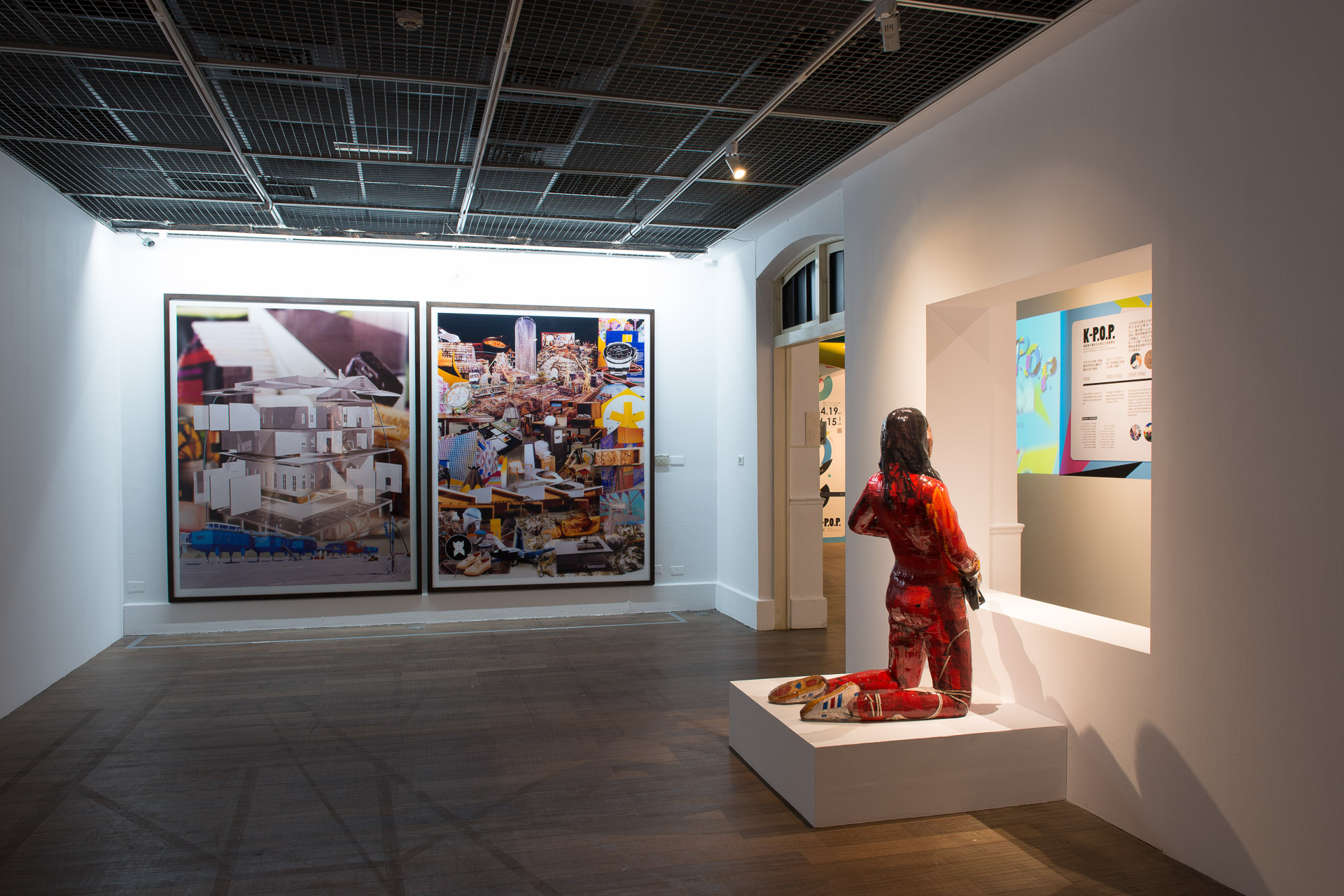
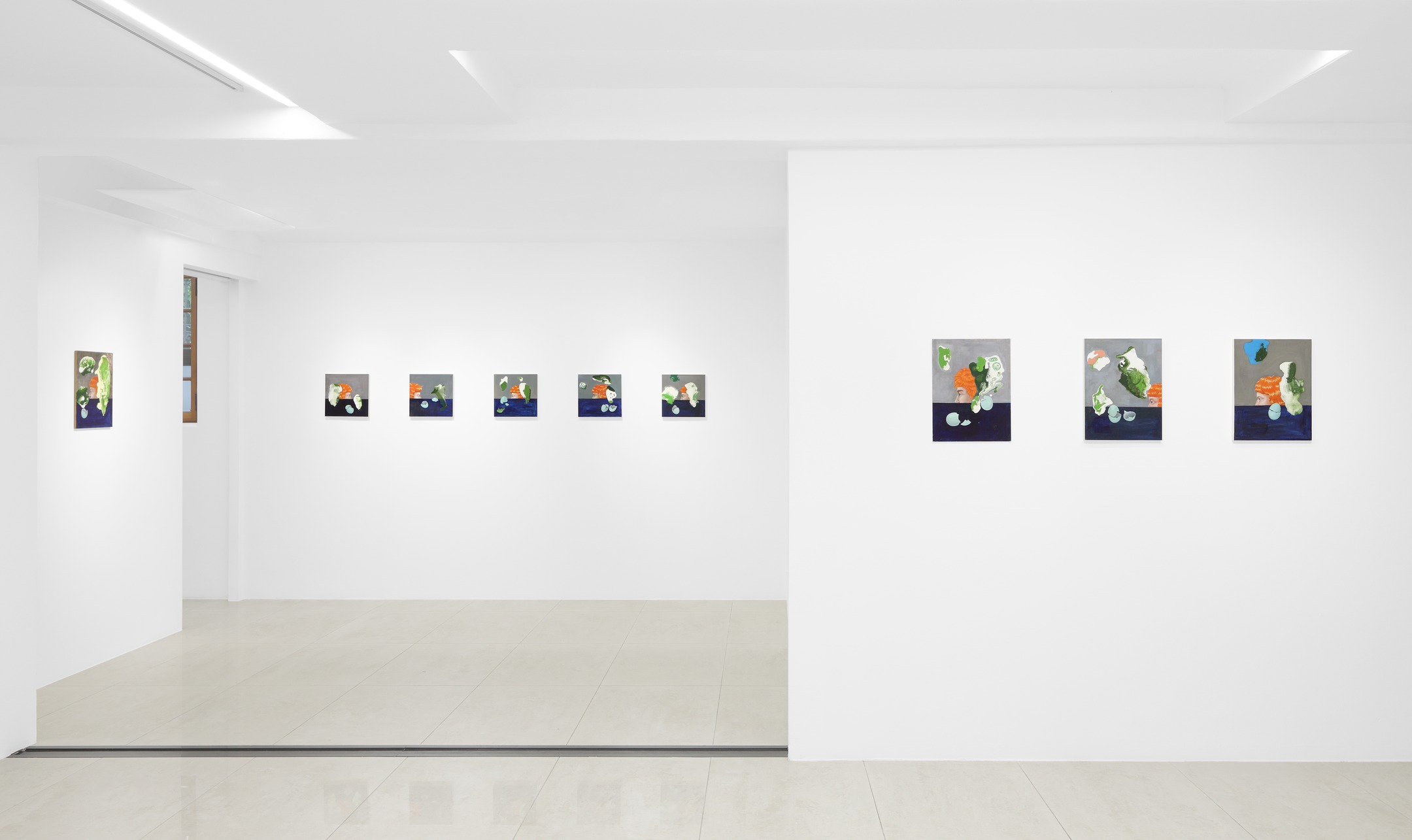
Installation
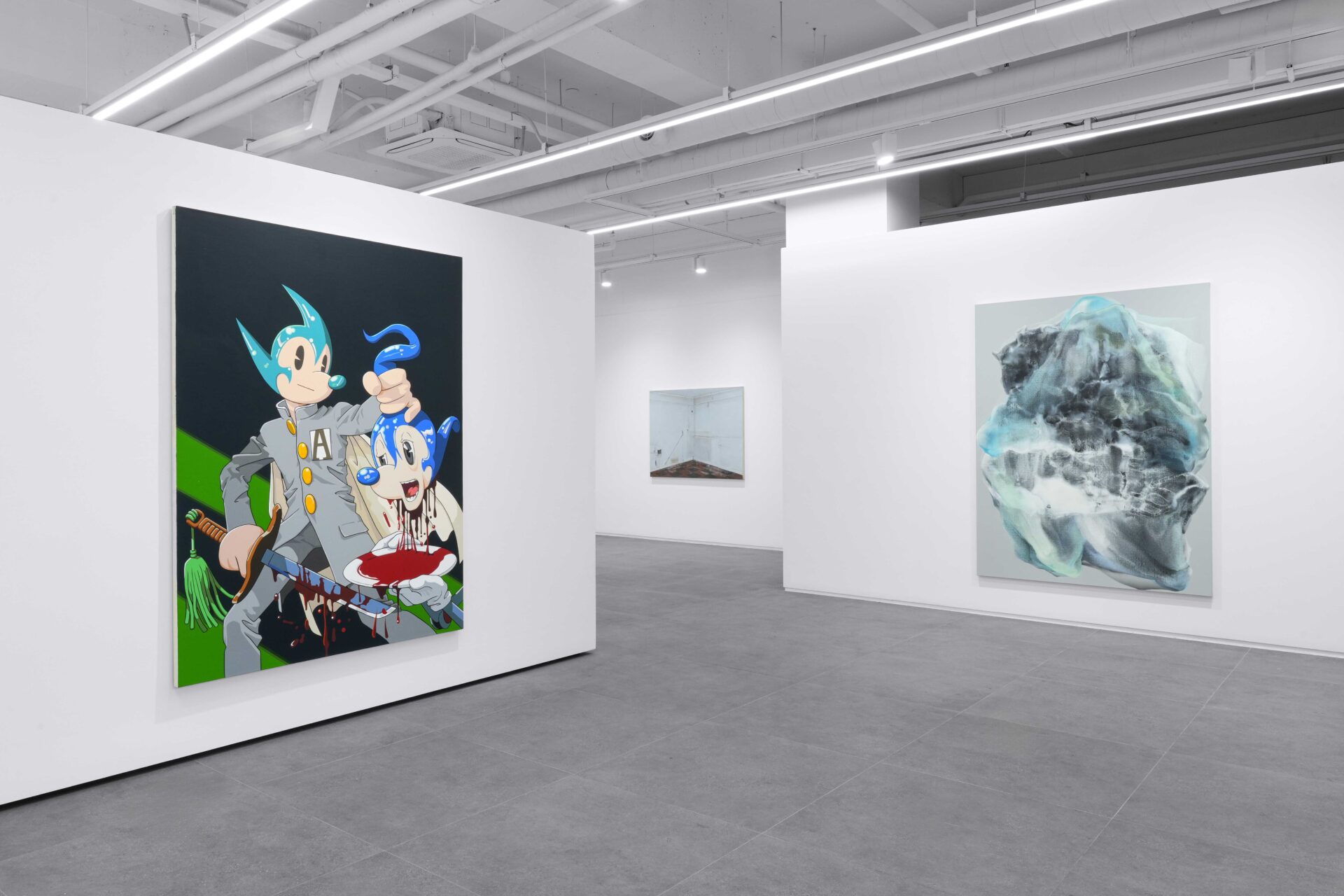
view of 《Korean Contemporary Art K-P.O.P.》 © MOCA Taipei
K-pop is commonly used today to
refer to Korean pop, a popular music genre. Along with the rapid economic
growth of Korea, K-pop has also risen to represent Korean culture as the music
genre finds commercial success in the global market. While the word pop refers
to the common popular culture, it also means an unexpected presence, a quick,
short explosive sound, or the act of opening something suddenly and violently.
As popular culture oftentimes galvanizes visibility and popularity by providing
sensory excitement and mainstream satisfaction, K-pop has inevitably become
associated with labels that can be at fault of over-simplification. Such labels
become hurdles that impede people from truly understanding and realizing the
cultural and social essences of contemporary Korea.
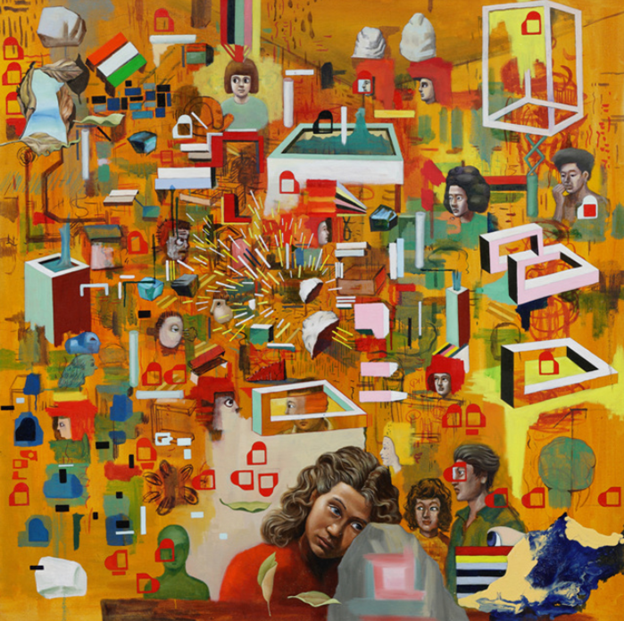
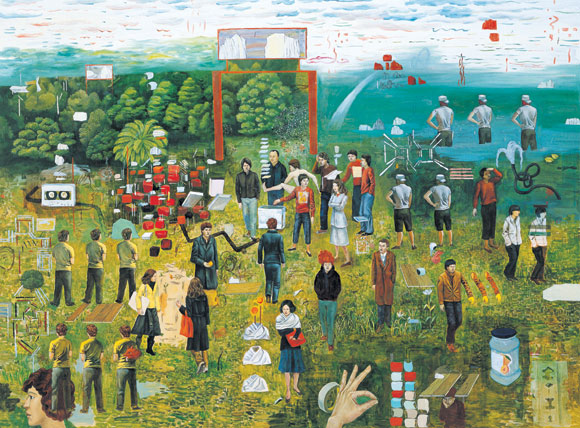
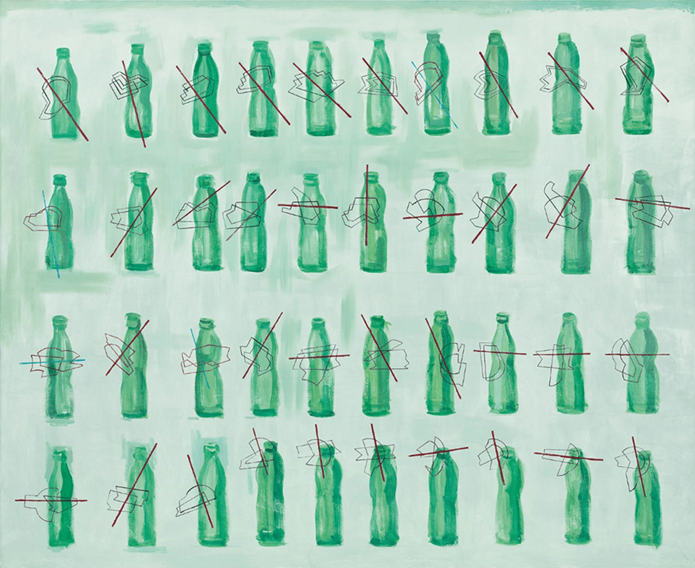
As a response, K-P.O.P.
seeks to reconstruct and reverse the creative connotations of Korean pop. The
exhibition is organized under three themes: Process, Otherness, and Play,
through which the concept of K-pop will be examined.
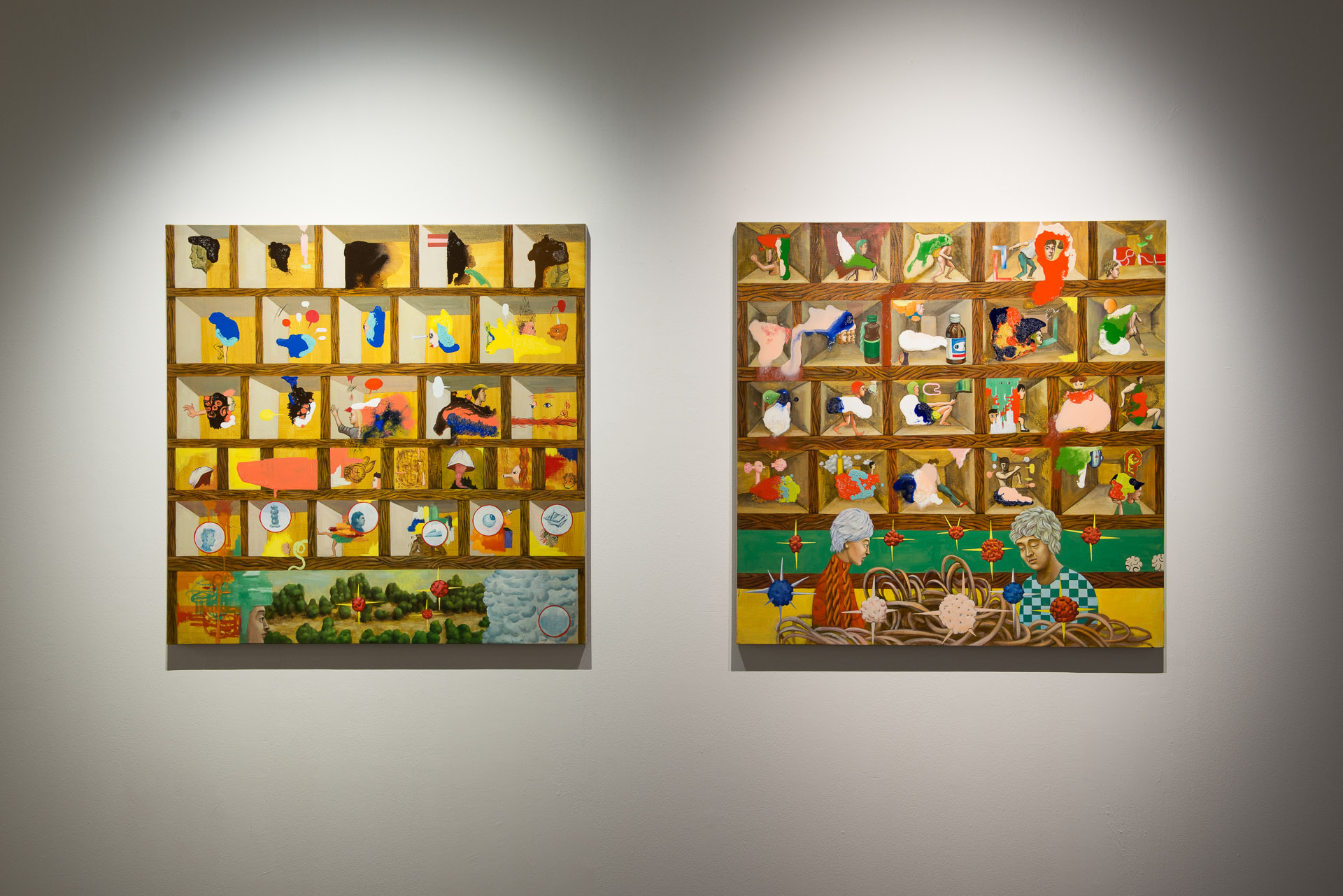
Installation
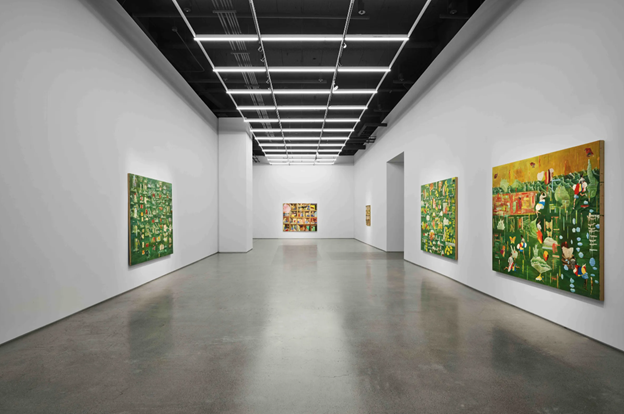
view of 《Korean Contemporary Art K-P.O.P.》 © MOCA Taipei
Process
The section “Process” emphasizes the belief that
the significance and values of an artwork reside in the act of creation and the
course in which it was made rather than being limited to the finished work
alone. Especially for contemporary artists, a combination of methods is
commonly taken for one work, from collecting, organizing, associating, to
verifying, performing, and intending. This exhibition will present a selection
of works by iconic Korean artists whose artistic practices derive from this exact
concept that holds the process of art-making as the integral part of the final
works of art.
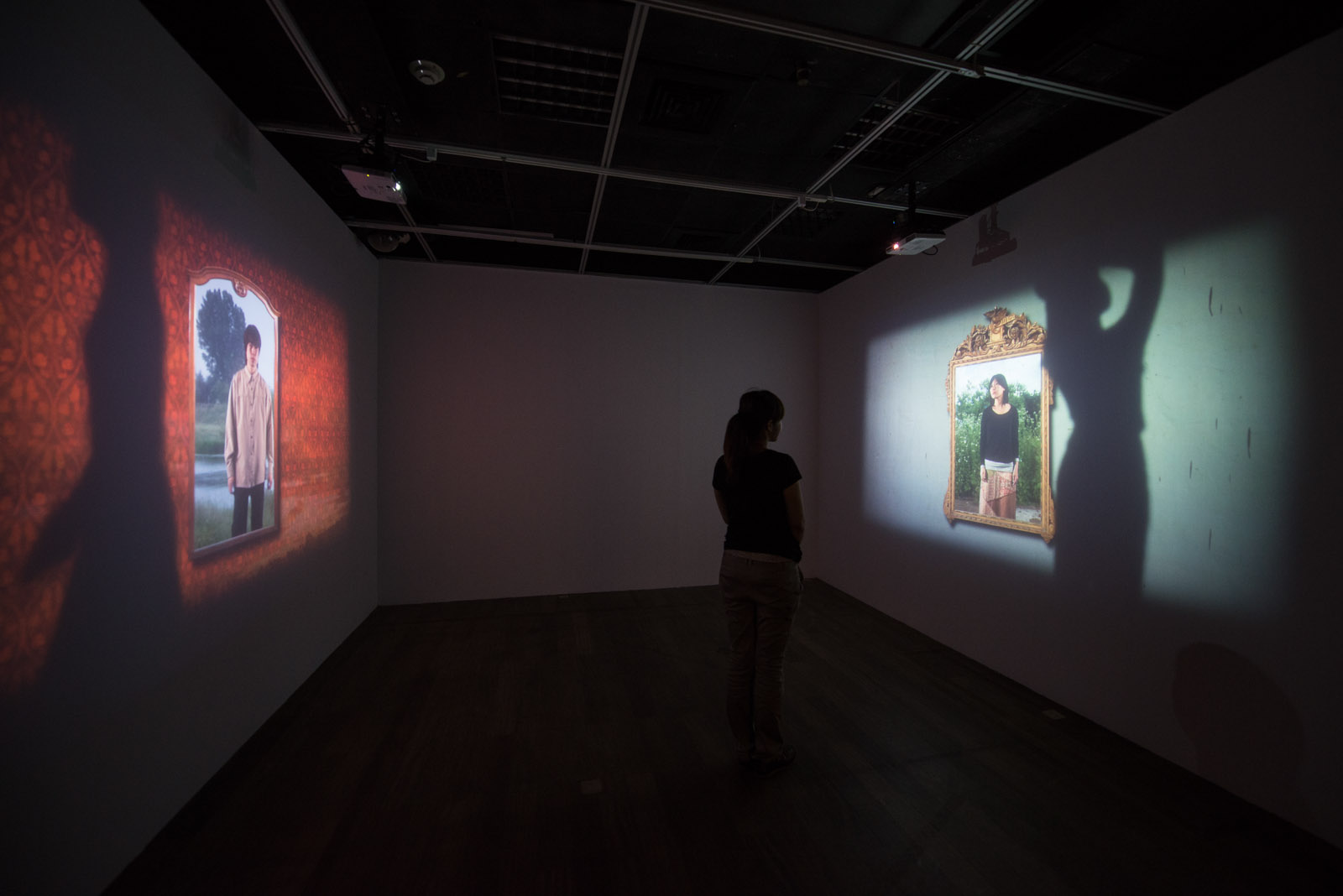
Installation
view of 《Korean Contemporary Art K-P.O.P.》 © MOCA Taipei
Otherness
“Otherness,” which opposes to the self, is a
concept used to distinguish people or groups other than one’s self. In a
Western-centered ideology, the world is viewed from the subjective perspective
of Westerners, and the “others” are judged based on the Western value system.
Those who fail to meet the standards and expectations held by the West are
subsequently labeled as “the other,” which often is as belittling as it
positions the other as the minority.
This section will examine contemporary
Korean artists’ attempts to break through such concept and myth. Many have
chosen to tackle topics such as ethnicity, gender, culture, religion, social
strata, and nationality in their works as a way to understand the relationship
and possible interaction between the other and different social systems.
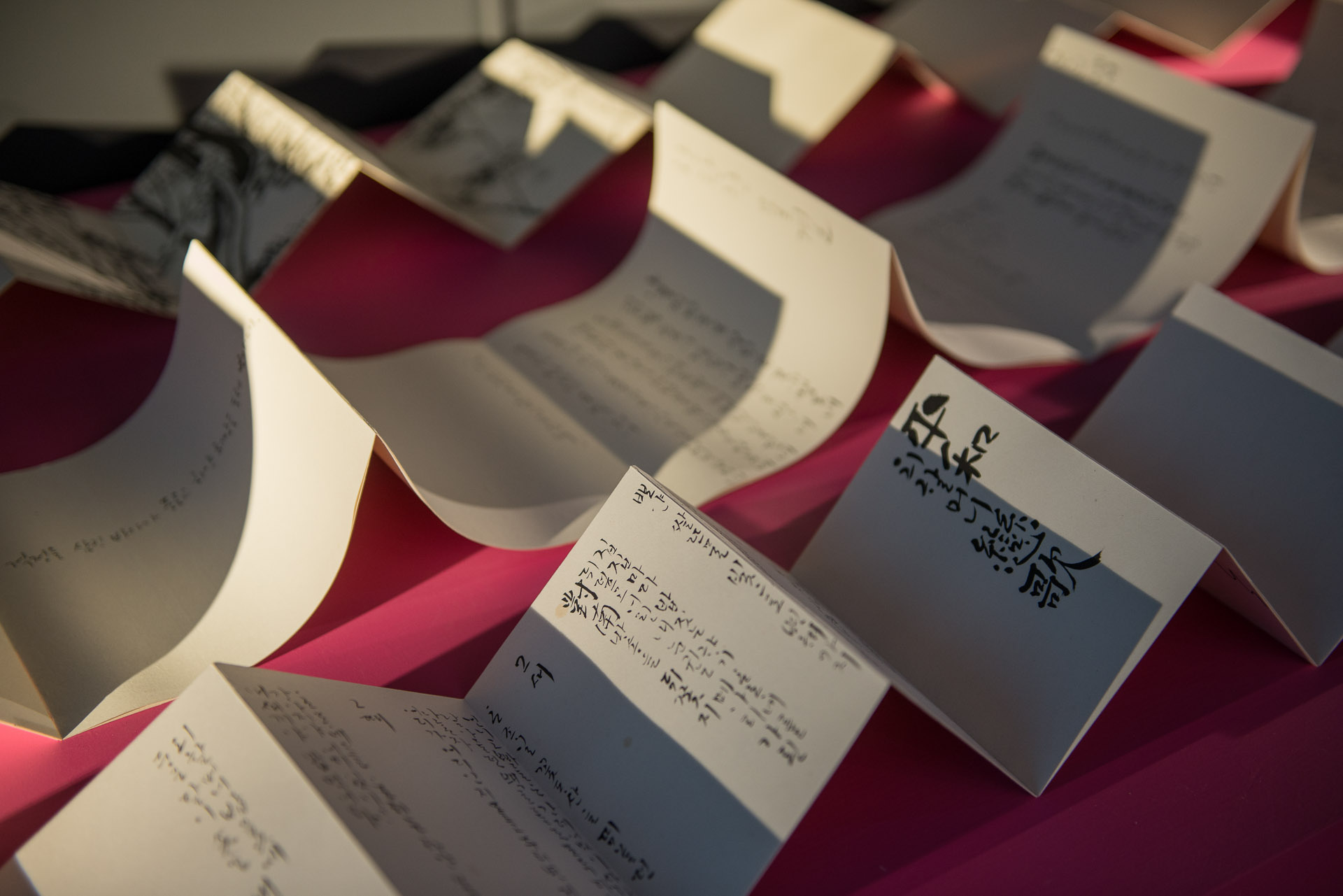
Installation
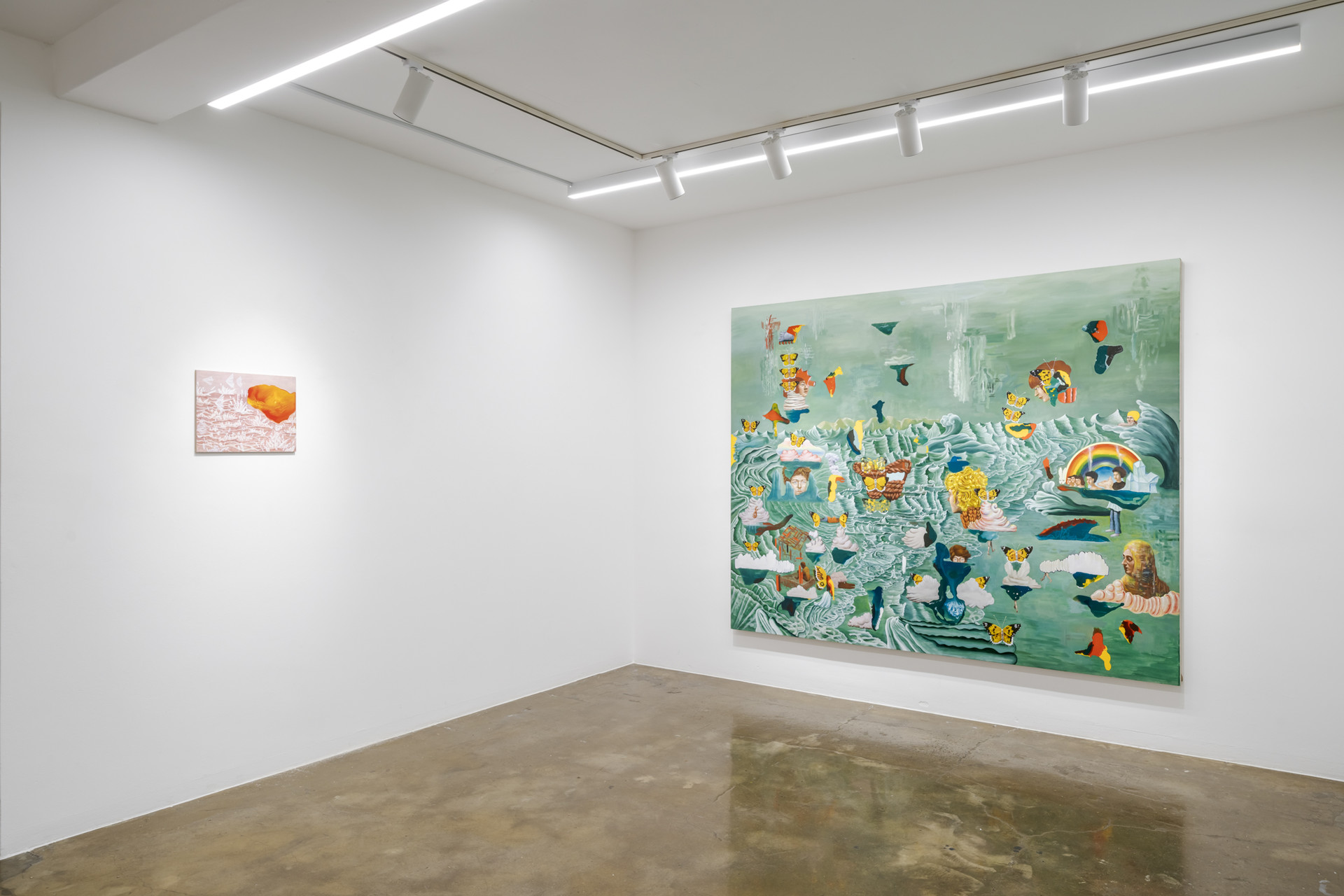
view of 《Korean Contemporary Art K-P.O.P.》 © MOCA Taipei
Play
“Play” focuses on the essential role the Internet
plays today in the daily lives of people and some of the reflections and
responses by contemporary artists to this cultural phenomenon. As is known,
pressure and stresses of reality have forced many to choose to escape to the
cyber world where they set imagination free and have emotions expressed.
Various Internet communities have also been established as a result. In the
virtual world, people find full freedom in role-playing and forging any
identity they wish without limitations and restrictions of the real world.
These role-playing games have in turn become a driving force that stimulates
exploration of virtual lives and expressions of creativity and imagination. The
exhibition will present in this section the observations and dialectics in
which selected contemporary Korean artists have engaged about virtual and real
societies and lives.
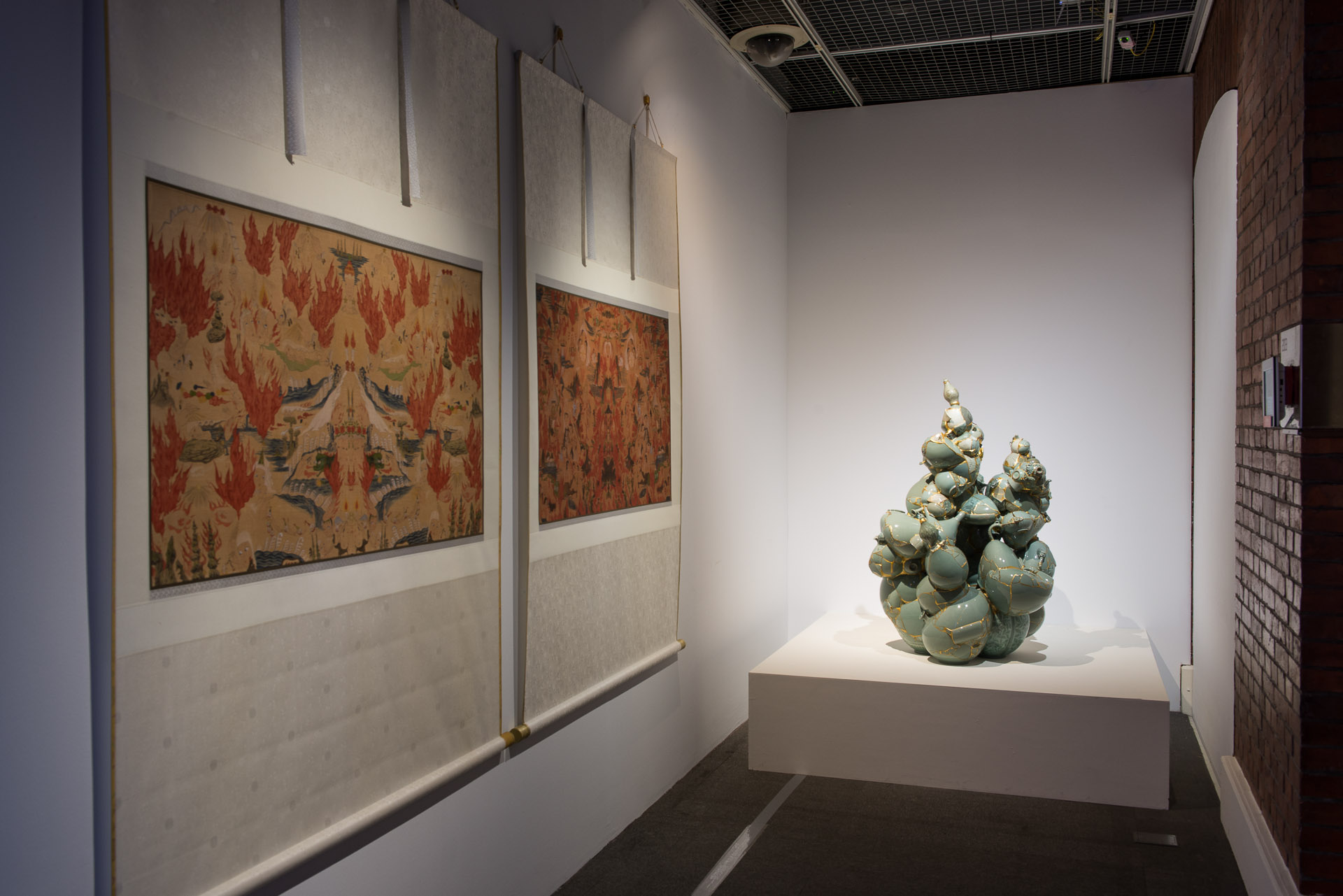
Installation
view of 《Korean Contemporary Art K-P.O.P.》 © MOCA Taipei
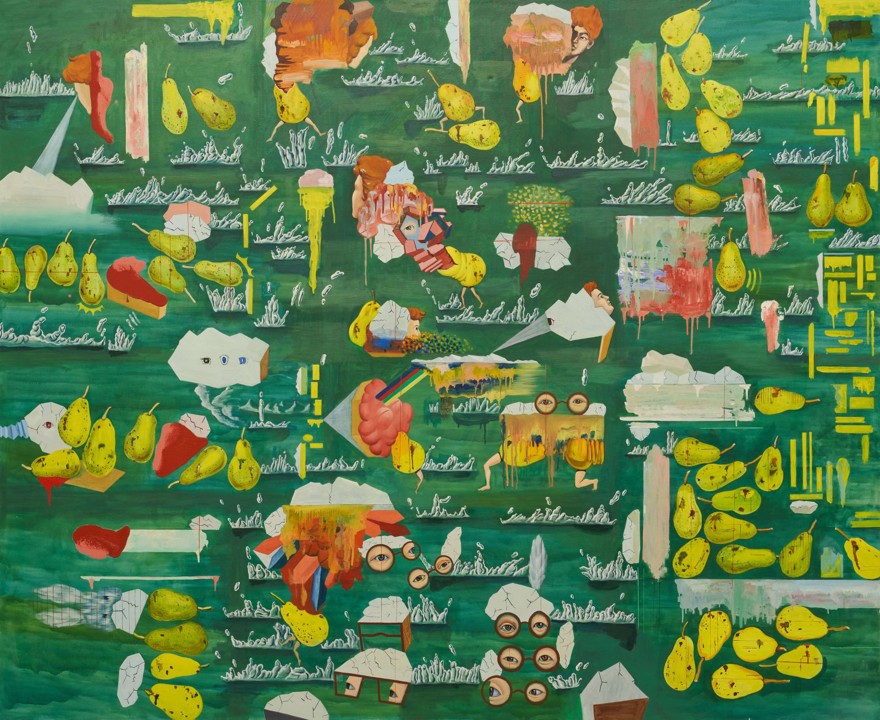
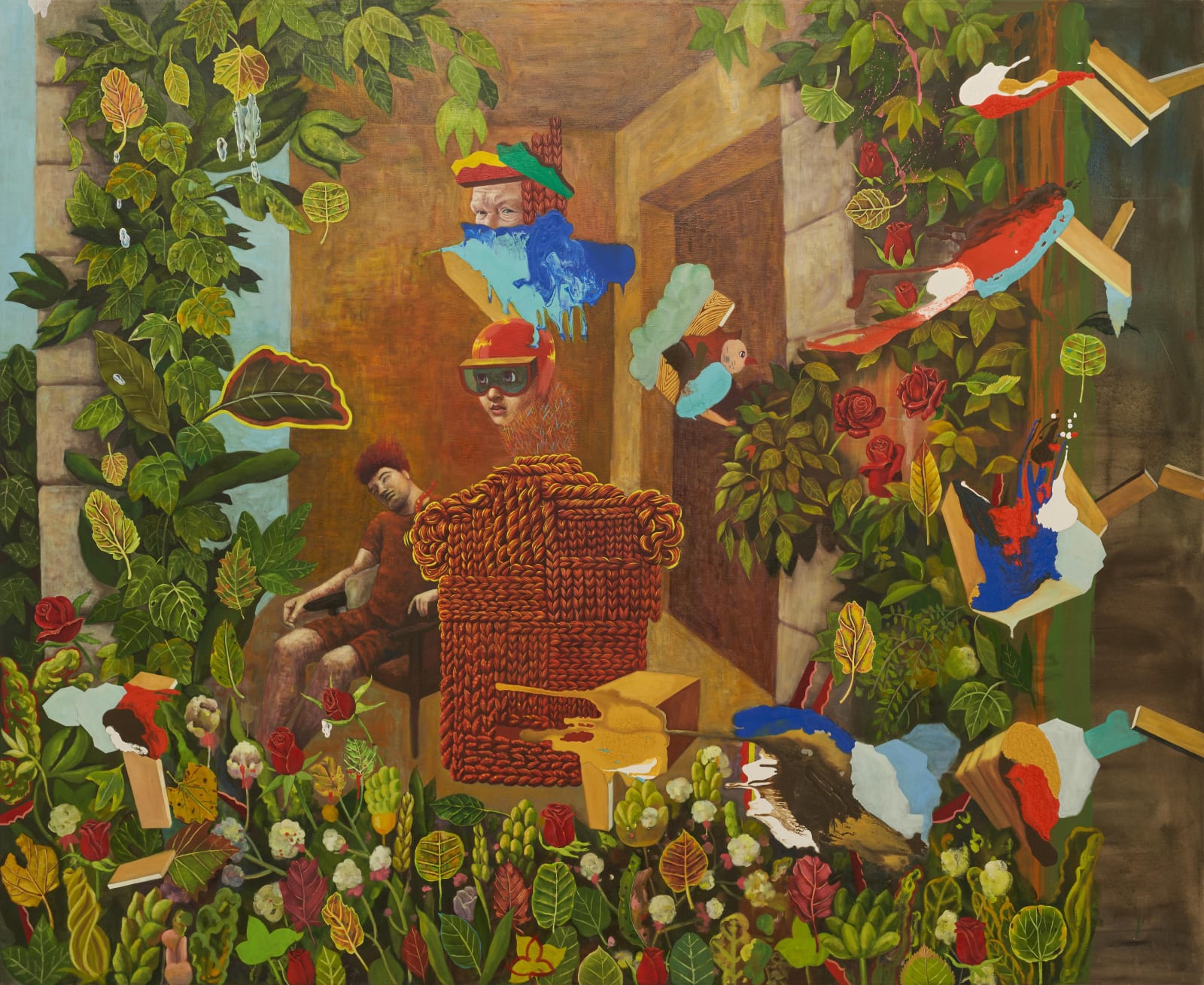
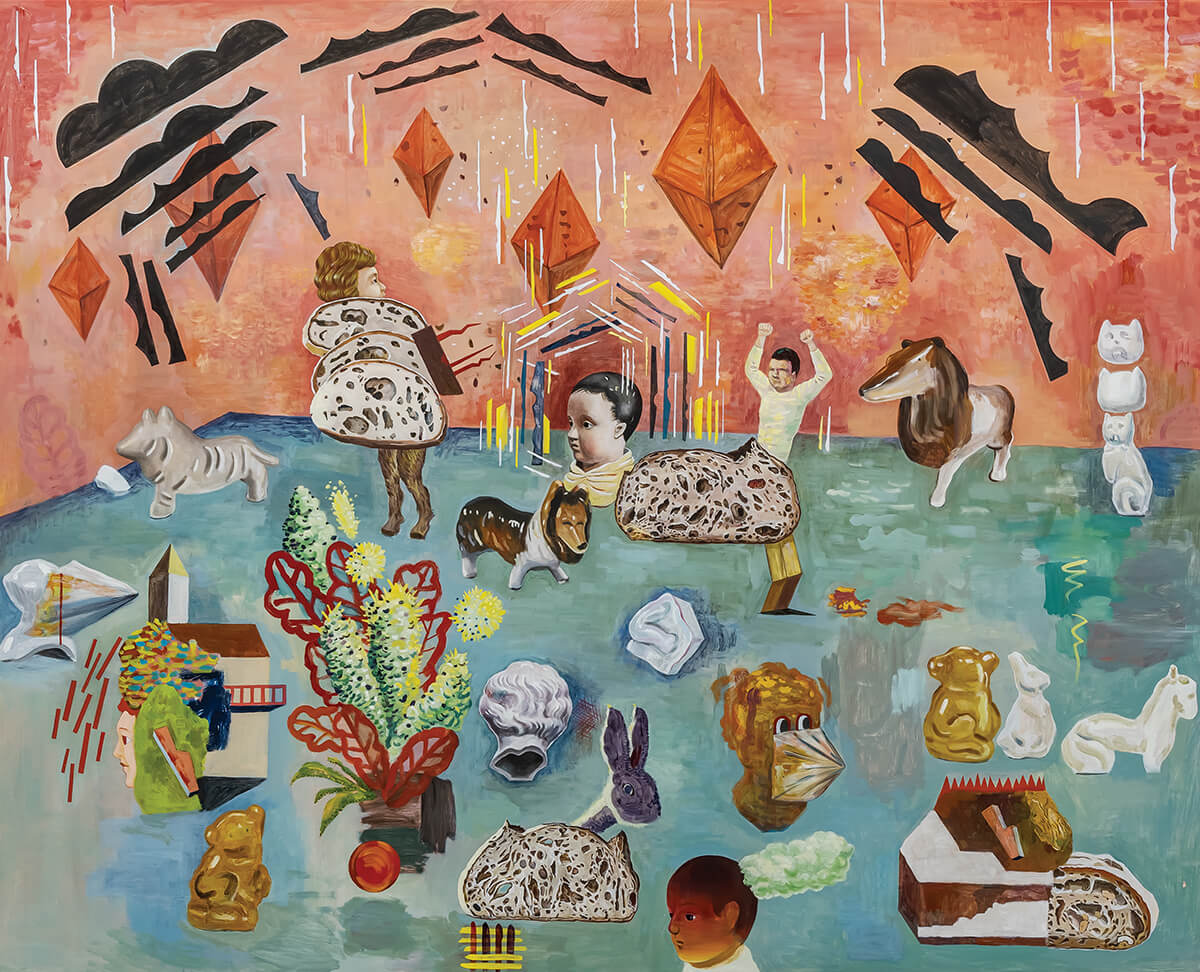
《Korean Contemporary Art K-P.O.P.》 will showcase some of the most celebrated works by 19 renowned
Korean artists. It surveys the practice of contemporary Korean art and Korean
culture as a whole. It also hopes to provide the local audience with the
opportunity to discover and understand the diverse landscapes and unique art
fabric woven together by Korean artists today through their distinctive choices
of cultural subjects and media. Although the exhibition could only represent a
slice of the Korean art world, it still offers us an assessment framework and
possible imagination for its future development and potentials.