

Solo Exhibitions (Brief)
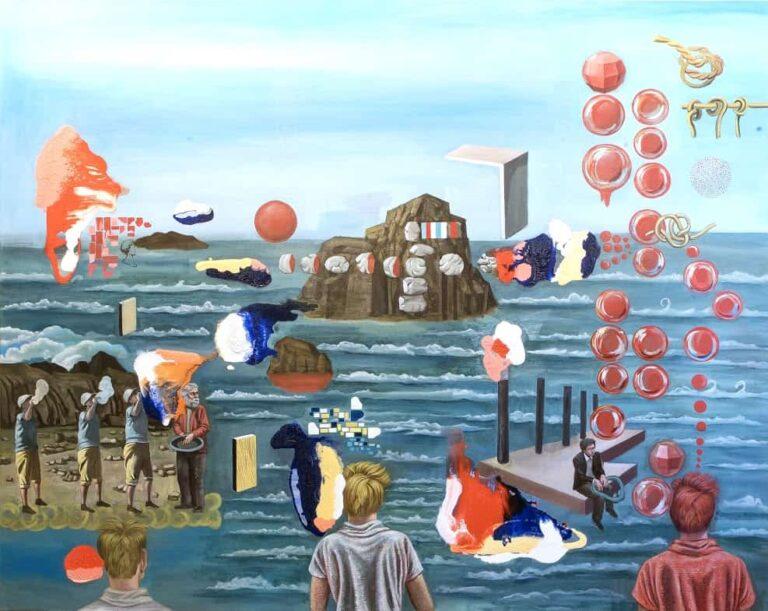
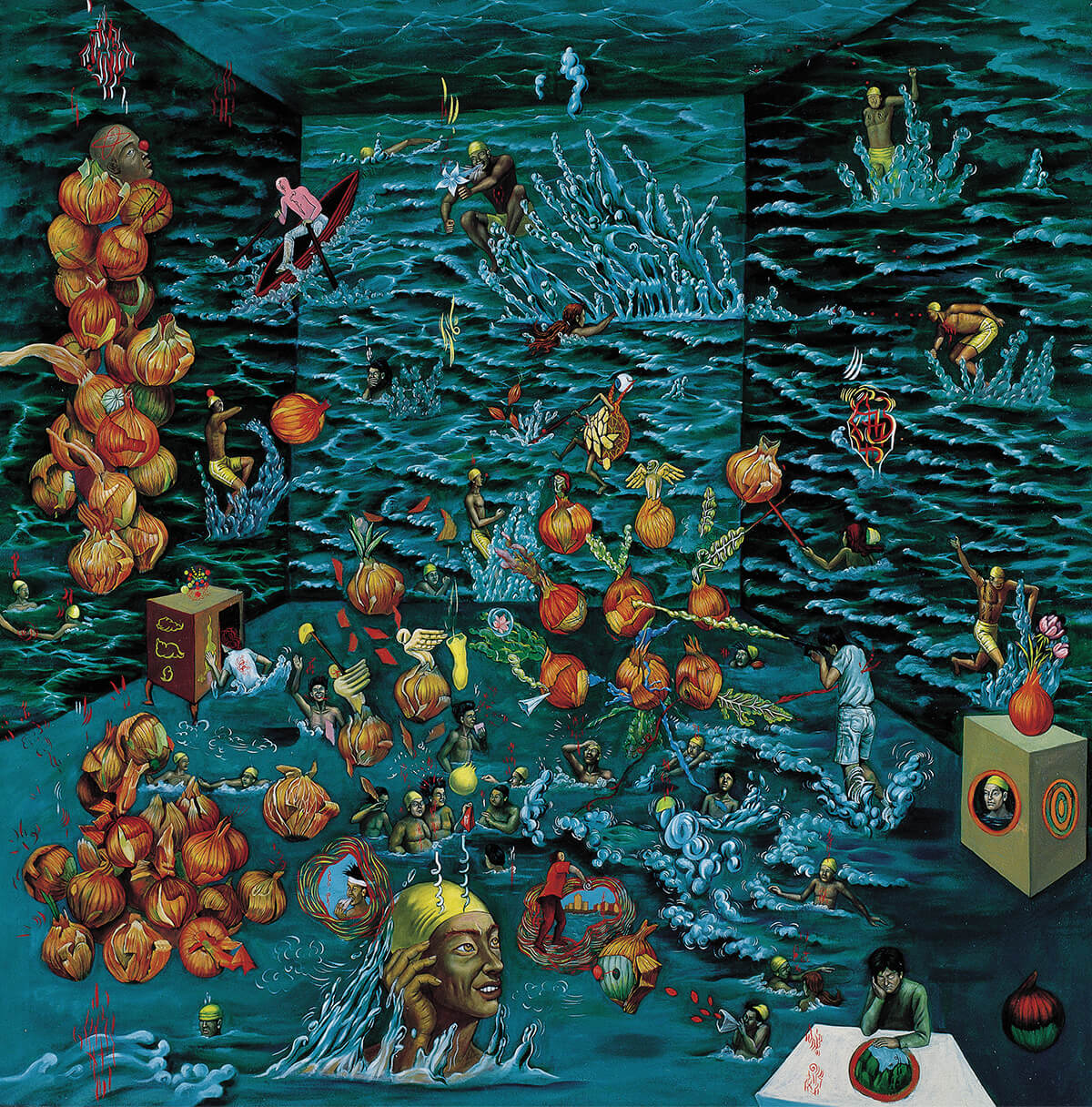
The artist held her first solo exhibition at the Cigong Gallery(Daegu, Korea) in 1999 and left a strong impression on the art scene as an orthodox painter with her solo exhibition 《The Brain Ocean》 at Project Space SARUBIA(Seoul, Korea) in 2000.
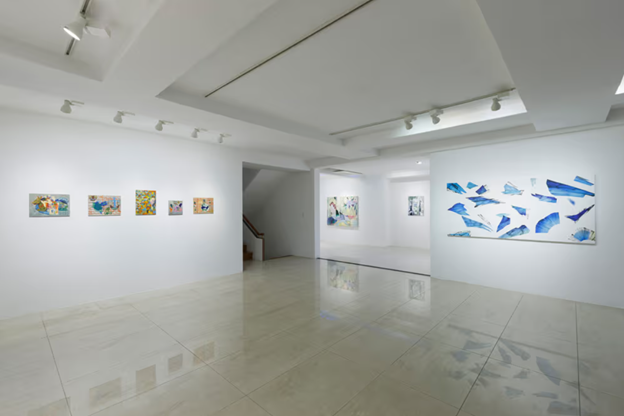
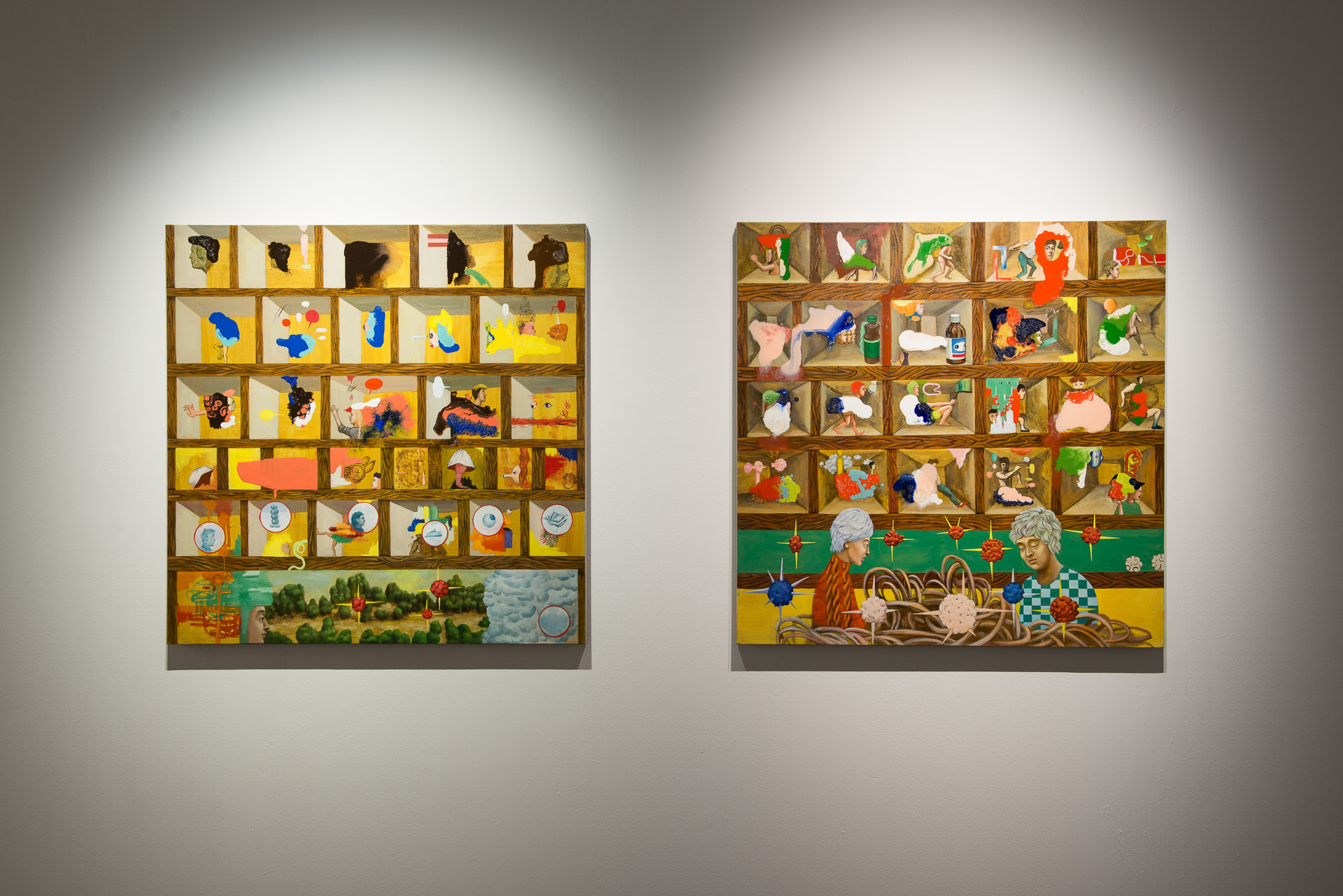
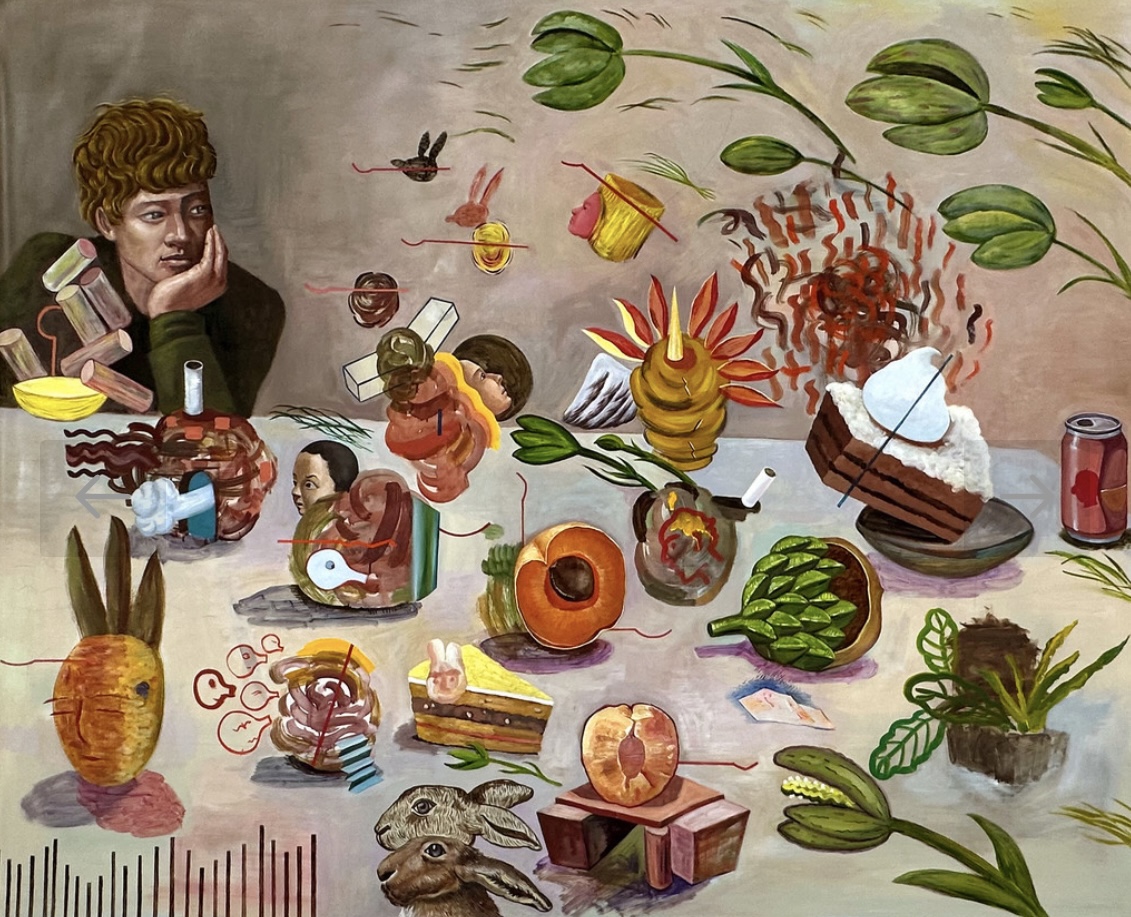
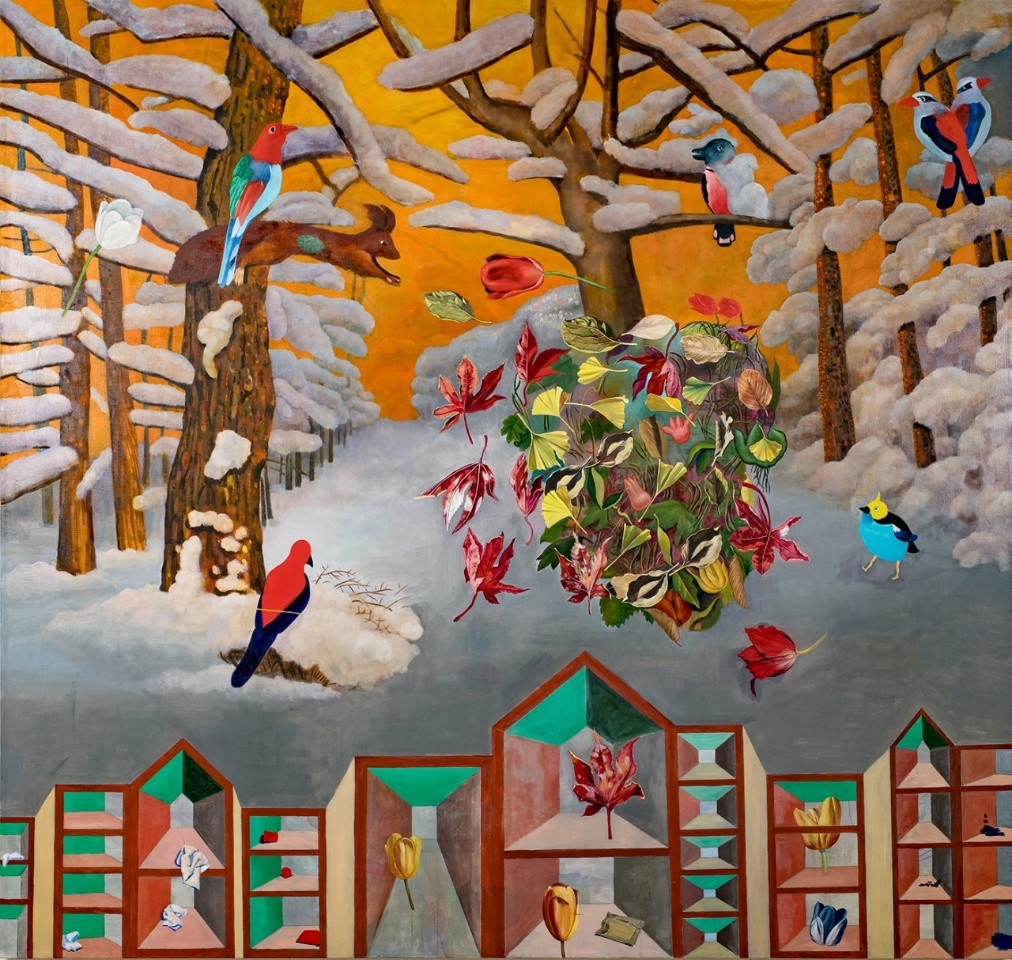
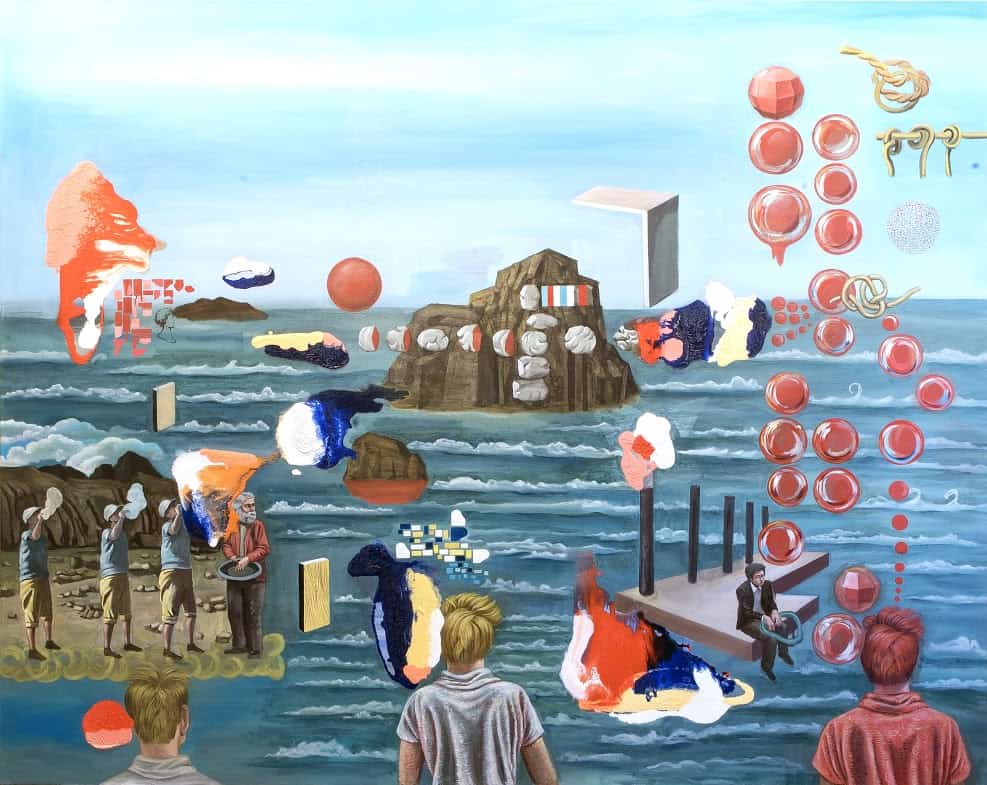
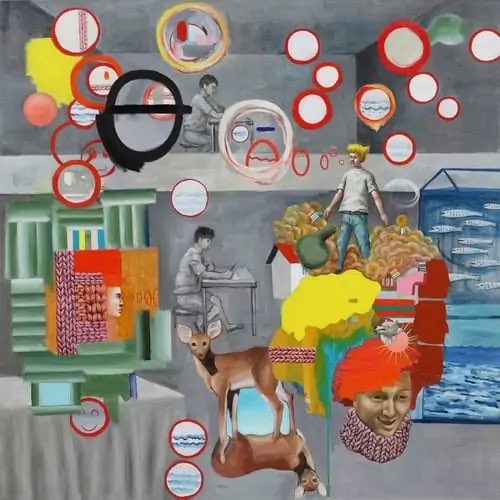
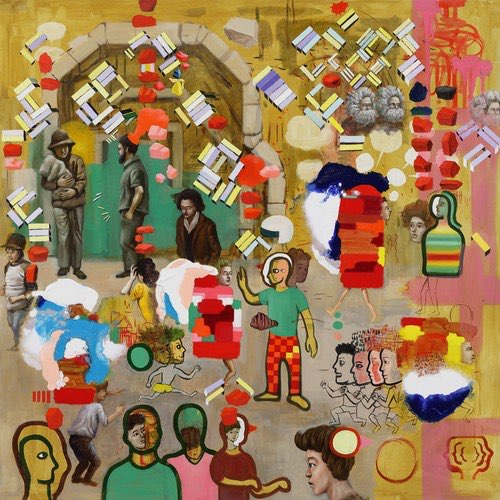
After the opening of Arario Gallery Seoul(2006), the first solo exhibition of a Korean artist was held. Afterward, she opened 《The Advent of Multidimensional Creatures》 (2014, Gallery Skape, Seoul, Korea) and 《The multidimensional creatures and the structure of meaning》(2018, LEE EUGEAN, Seoul, Korea), which introduced the artist’s painting theory along with her works.
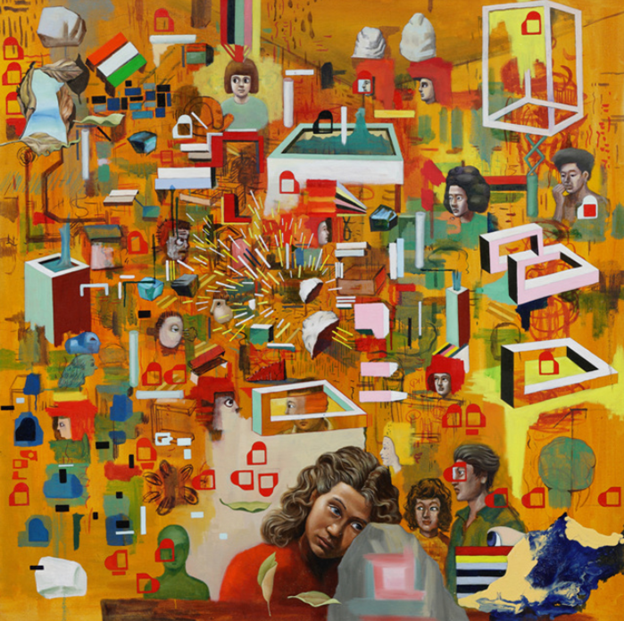
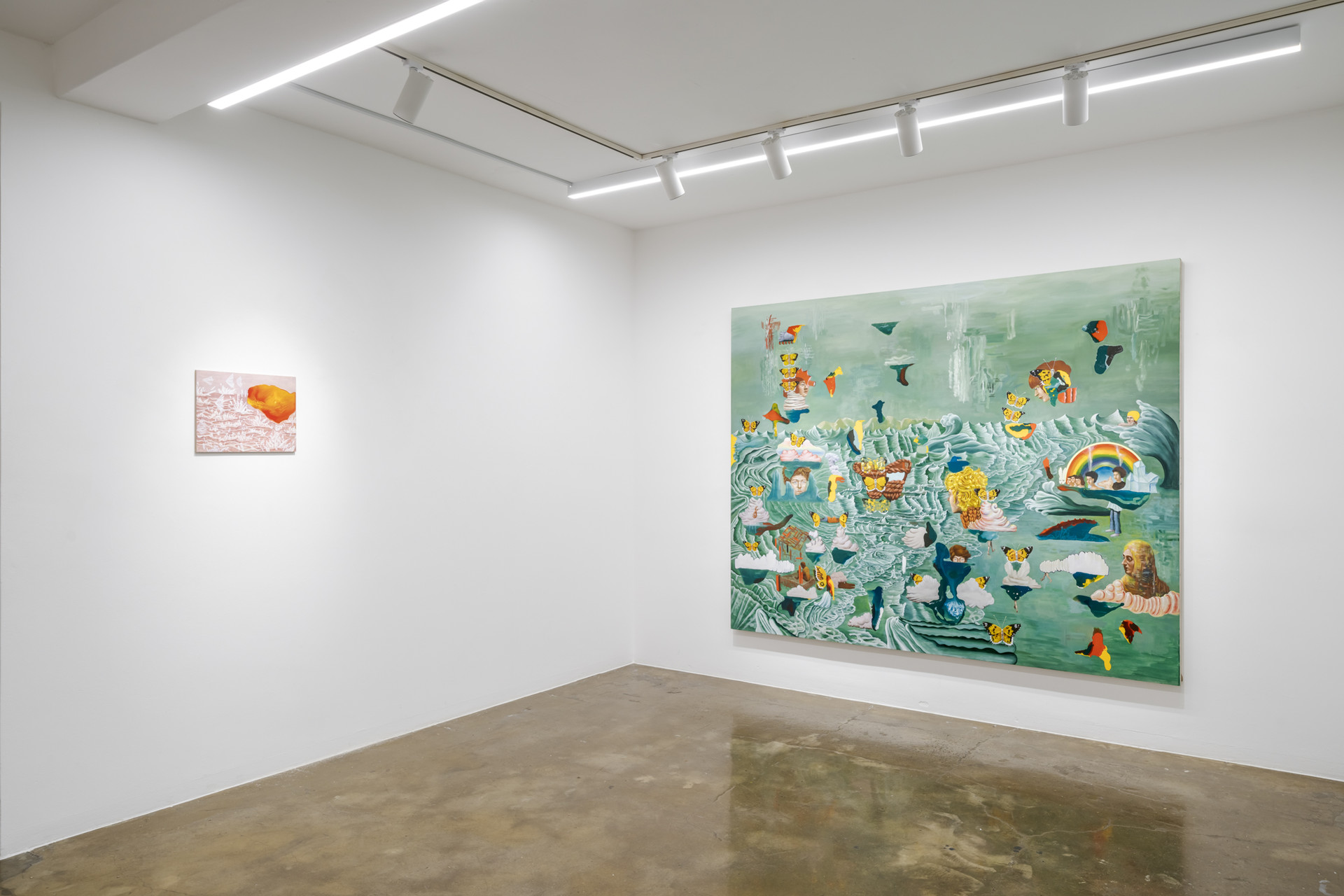
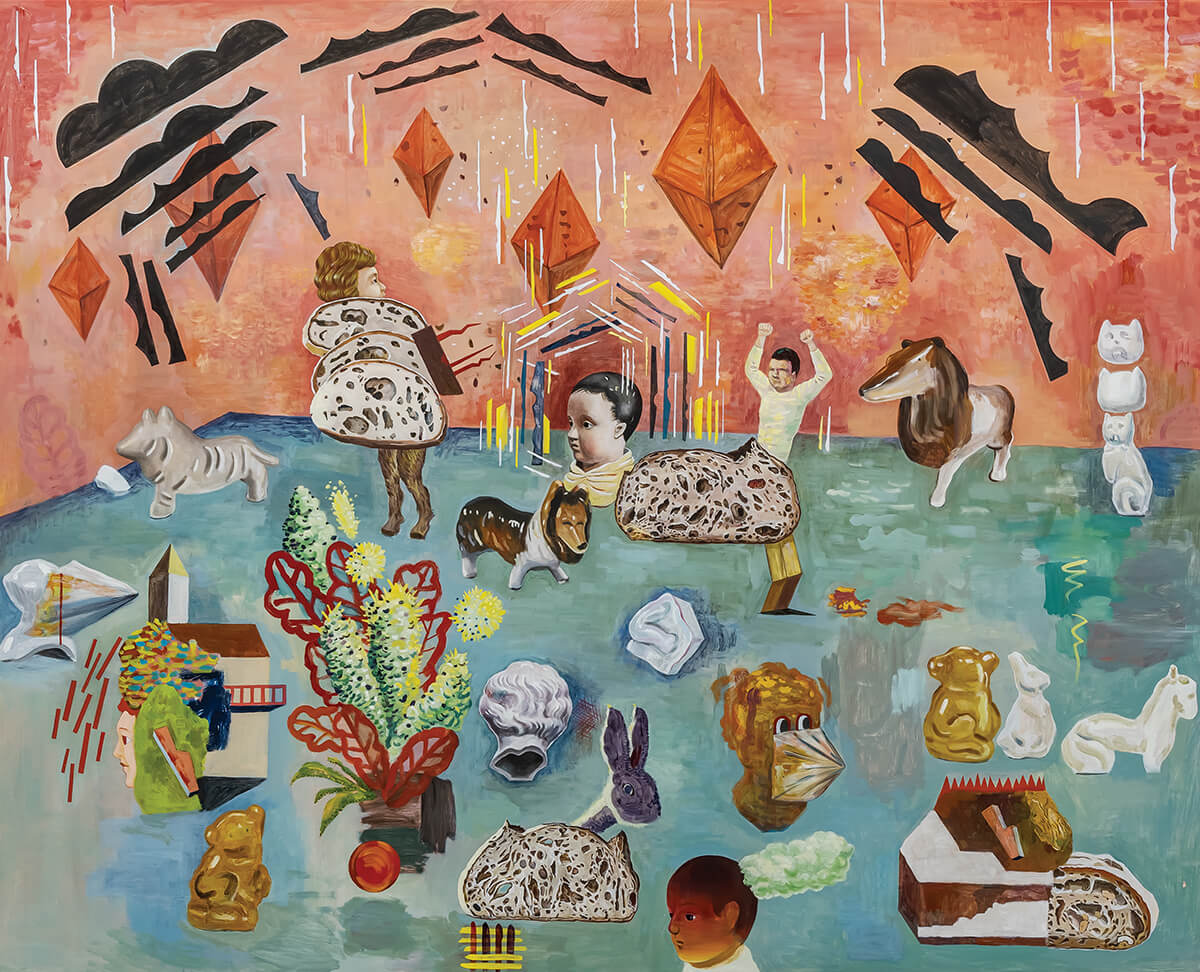
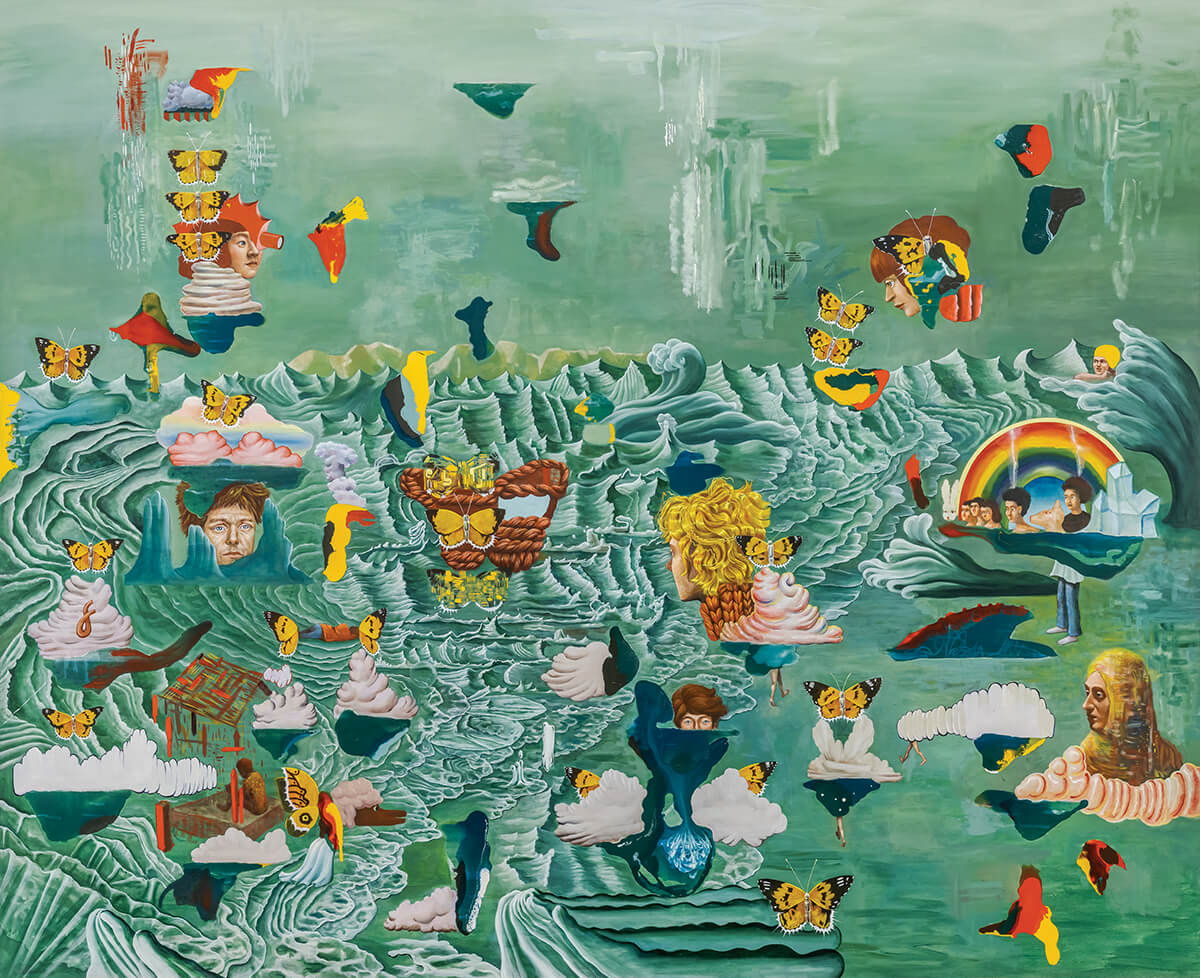
The artist’s paintings that understand and reveal the world of form in which human ideas exist as images were recently presented through 《An Omniscient Artist’s Perspective in the World of Form(2021, LEE EUGEAN Gallery, Seoul, Korea).
Group Exhibitions (Brief)
Participated in group exhibitions held at Korean Cultural Center Gallery(Ottawa, Canada), Daegu Arts Center(Daegu, Korea), Seoul Museum of Art(Seoul, Korea), Space K(Daegu, Korea), Seoul Museum of History(Seoul, Korea), Korean Cultural Center UK(London, UK), Dong-gang Museum of Photography(Yeongwol, Korea).
Collections (Selected)
Her works are in collections of various museums and foundations such as National Museum of Modern and Contemporary Art(Gwacheon, Korea), Arts Council(Korea, Seoul), Doosan Art Center-Yonkang Foundation(Seoul, Korea), Seonhwa Art and Culture Foundation(Seoul, Korea), Long museum(Shanghai, China).