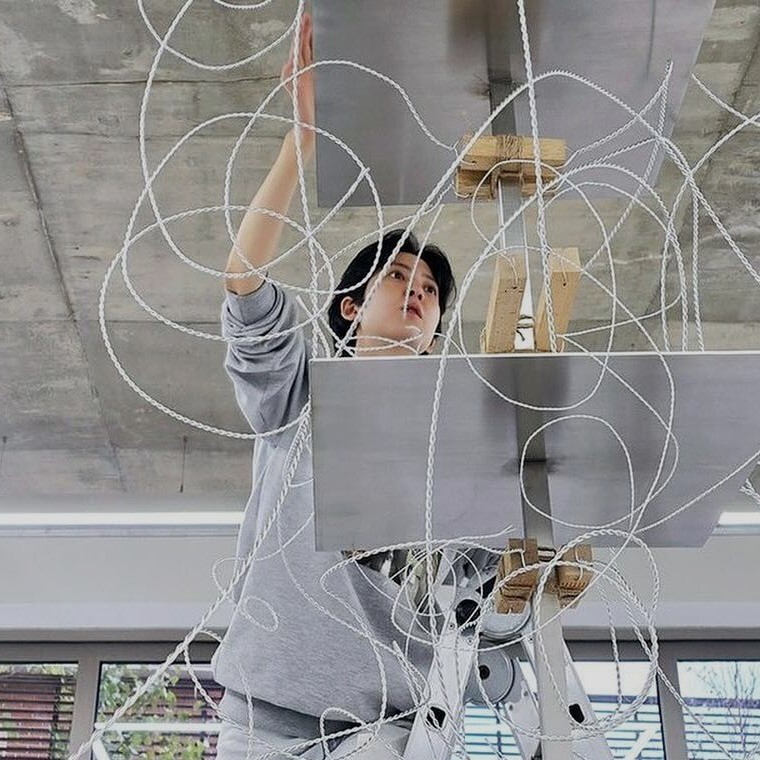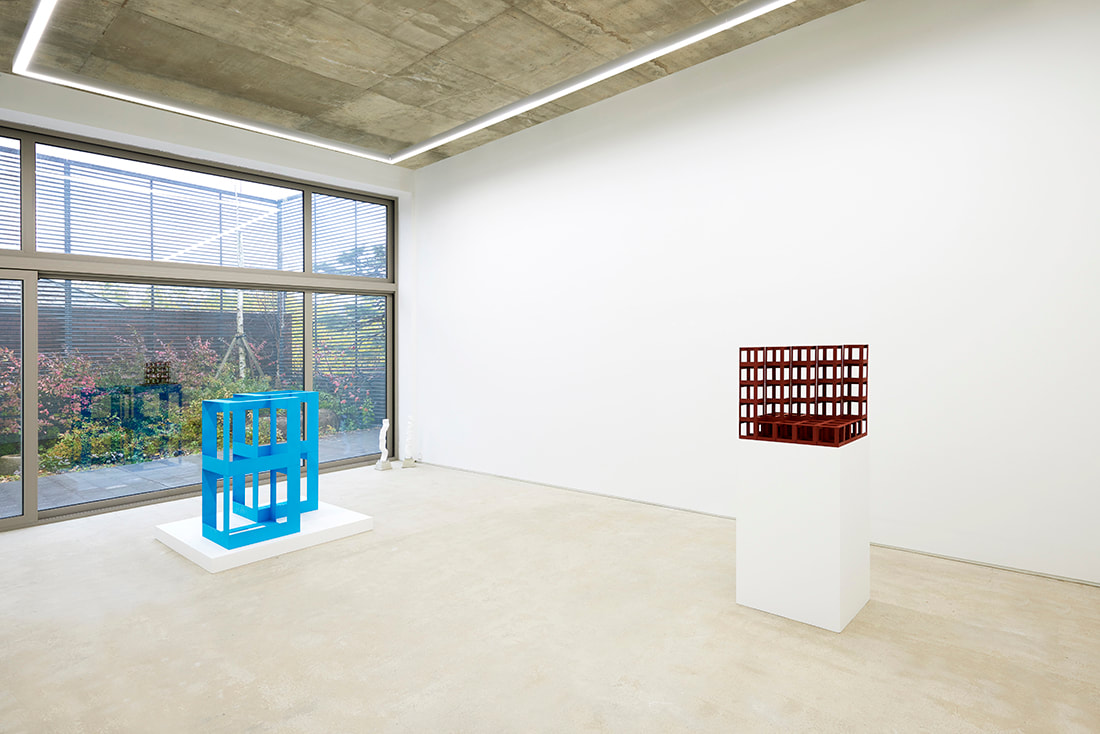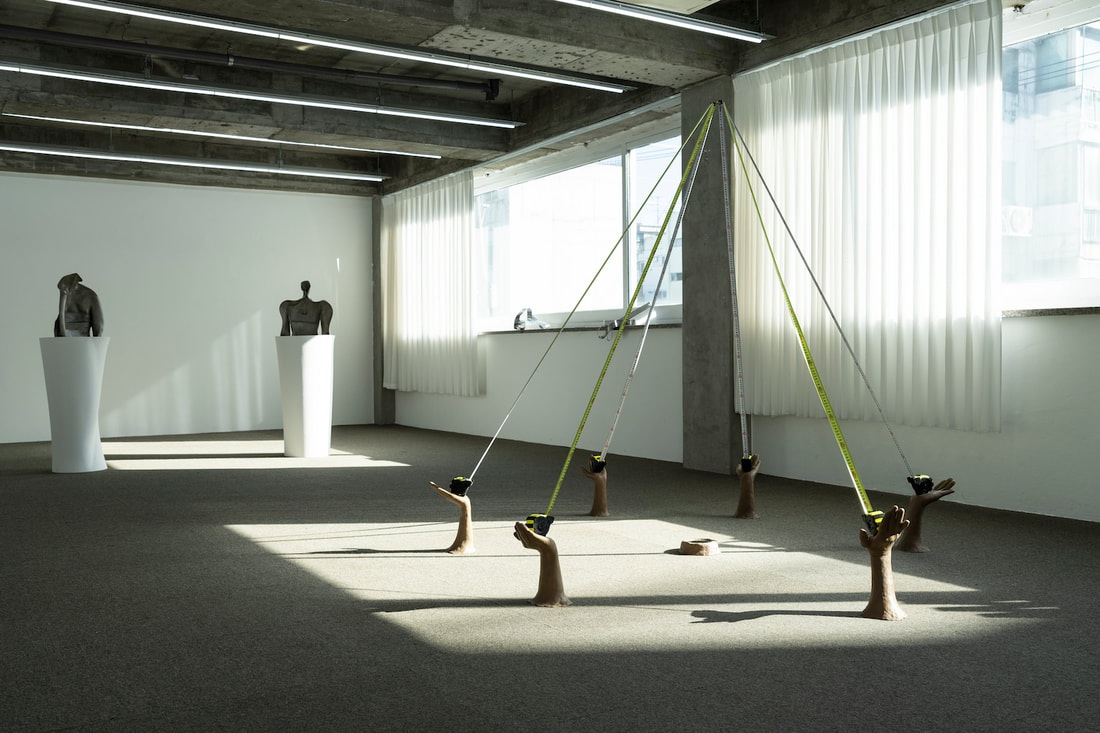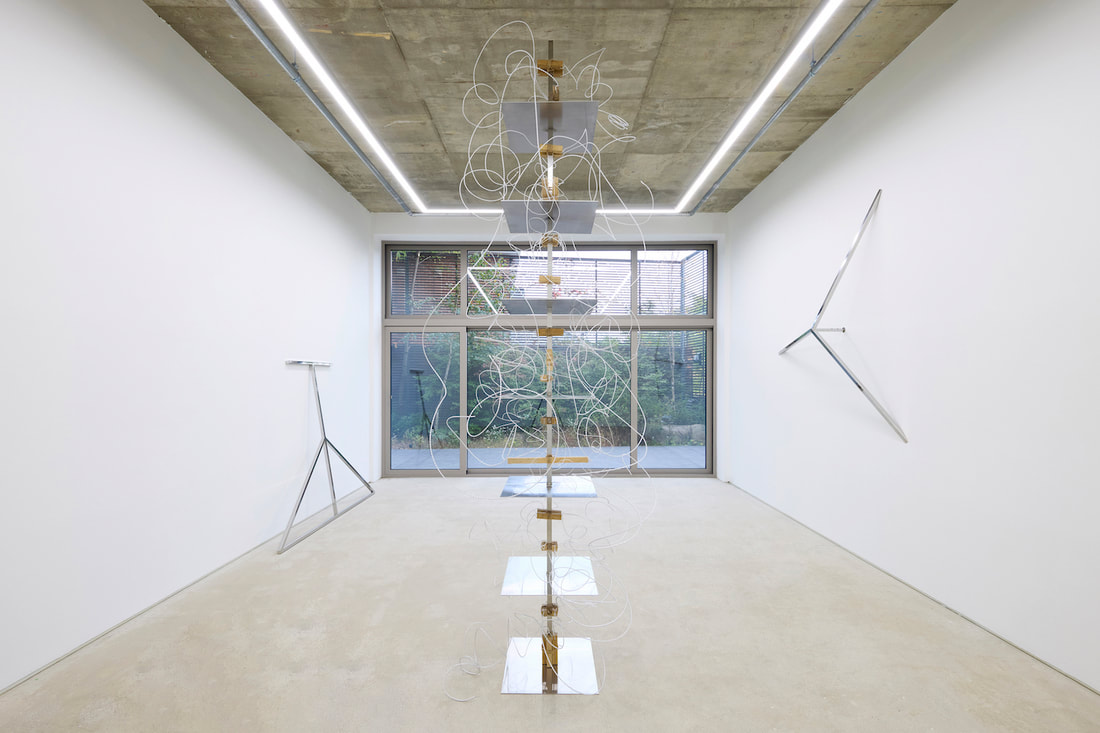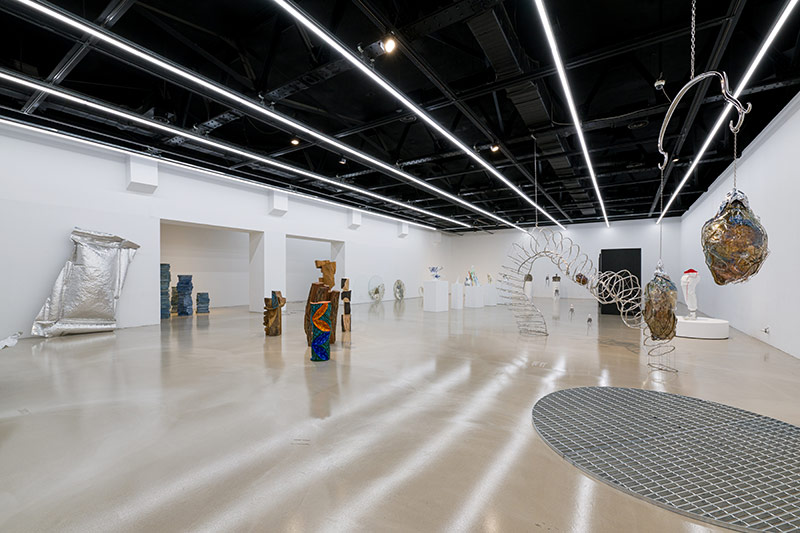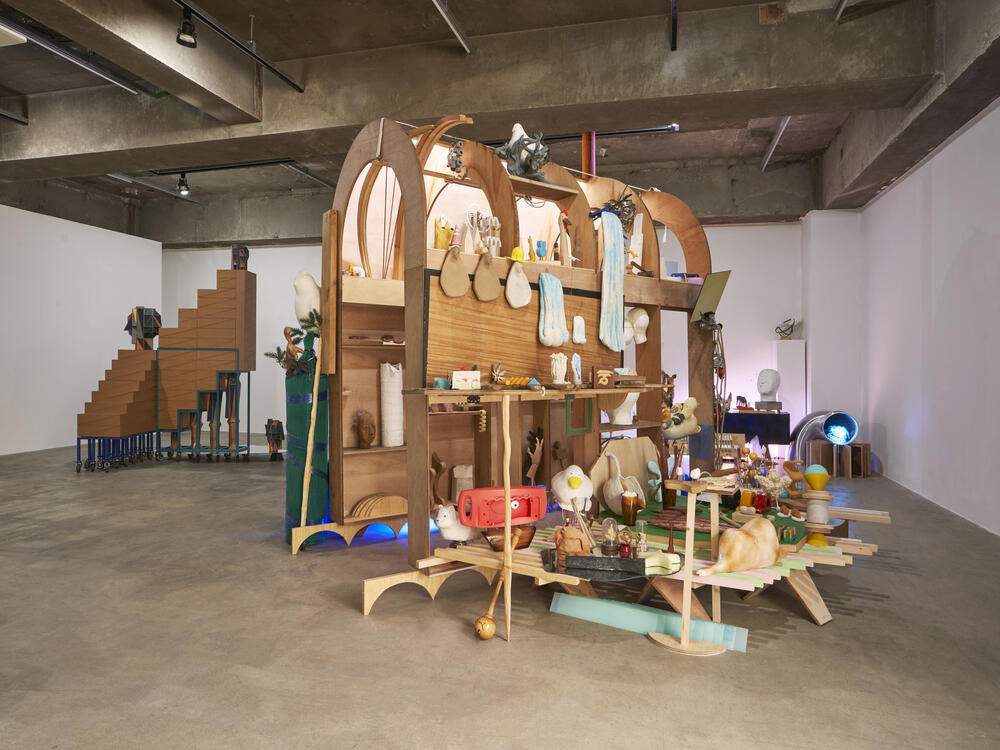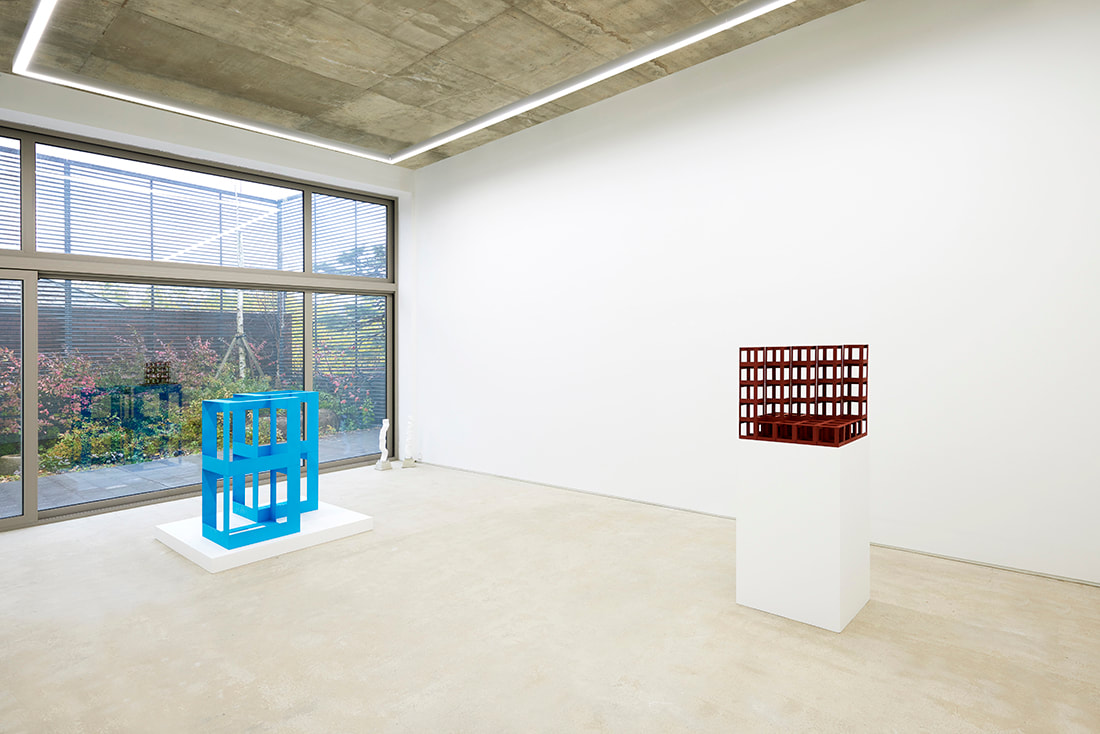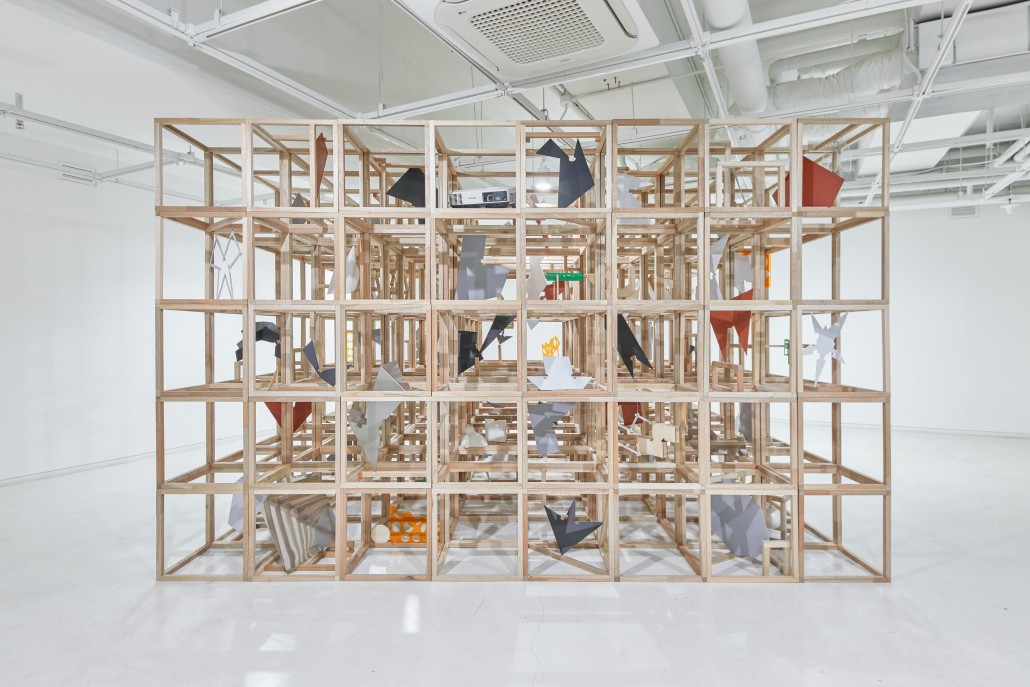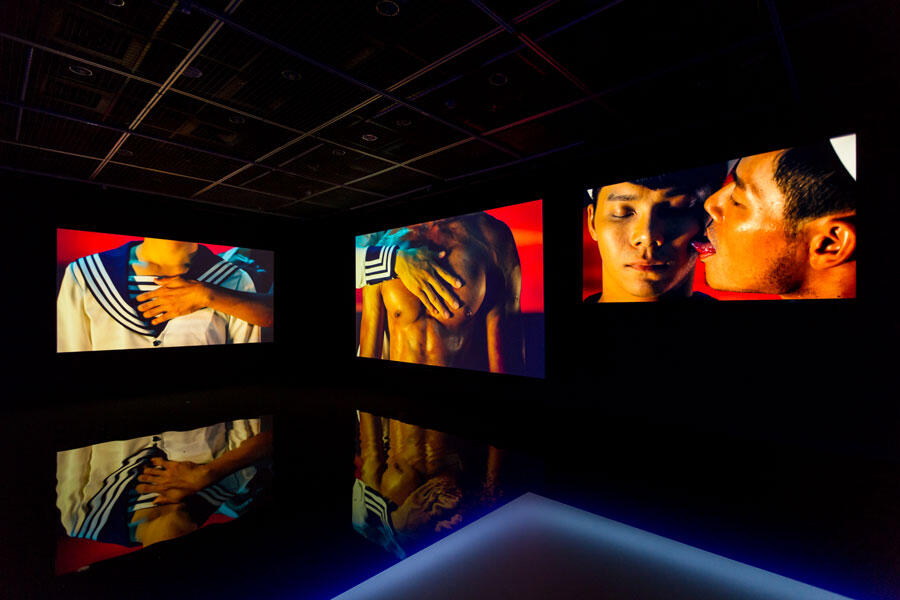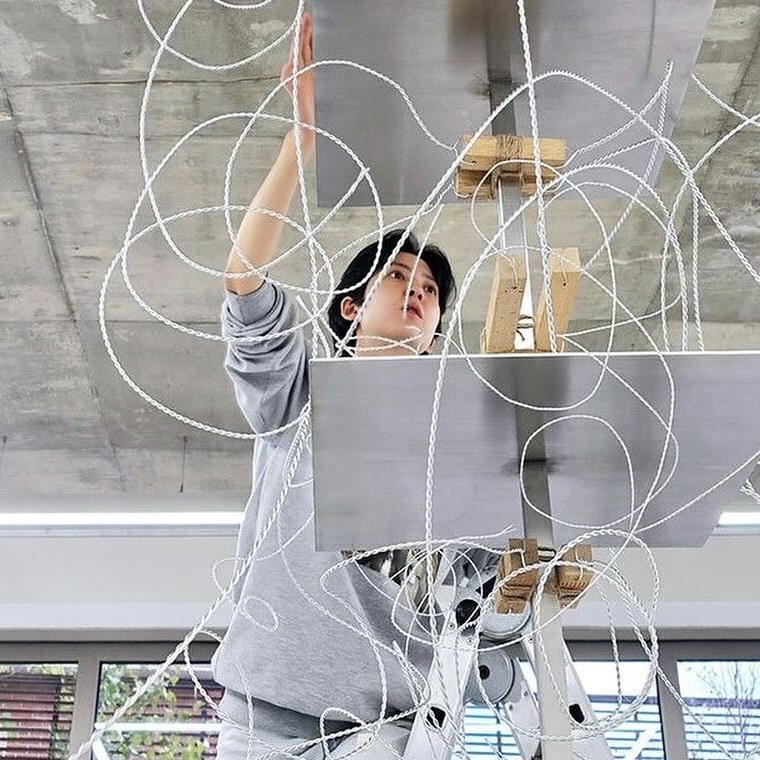


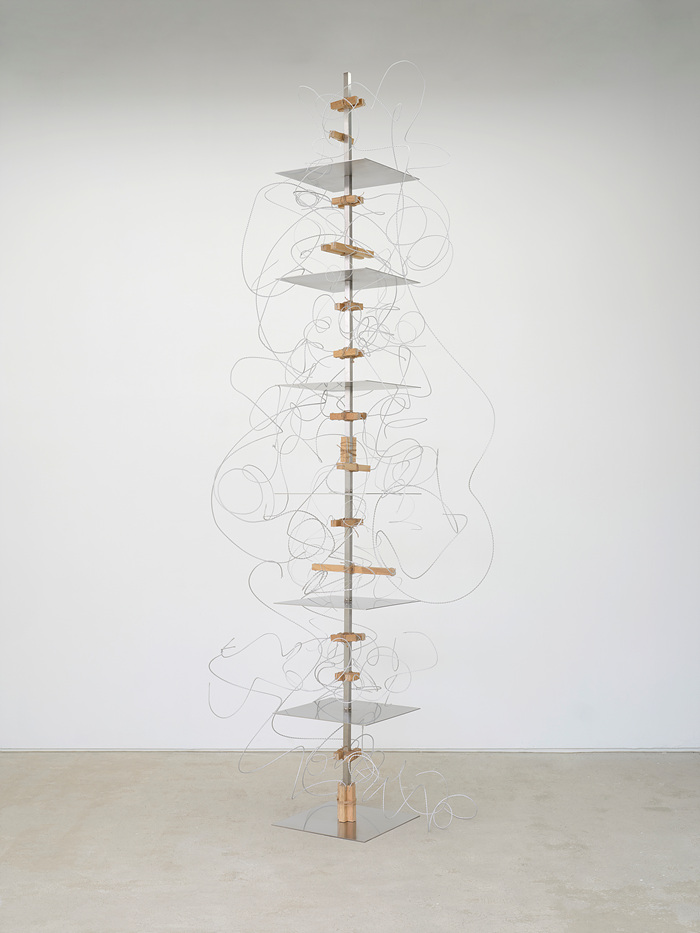
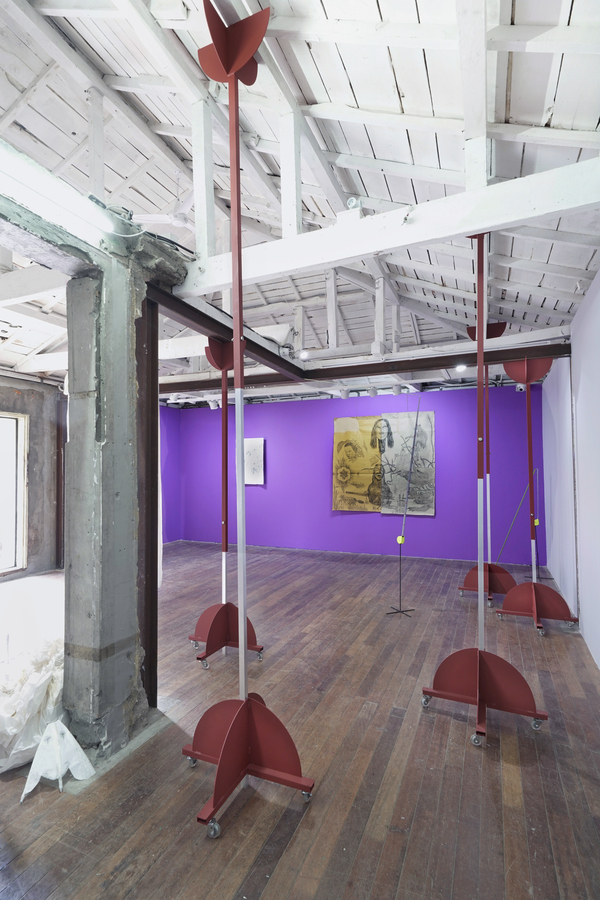
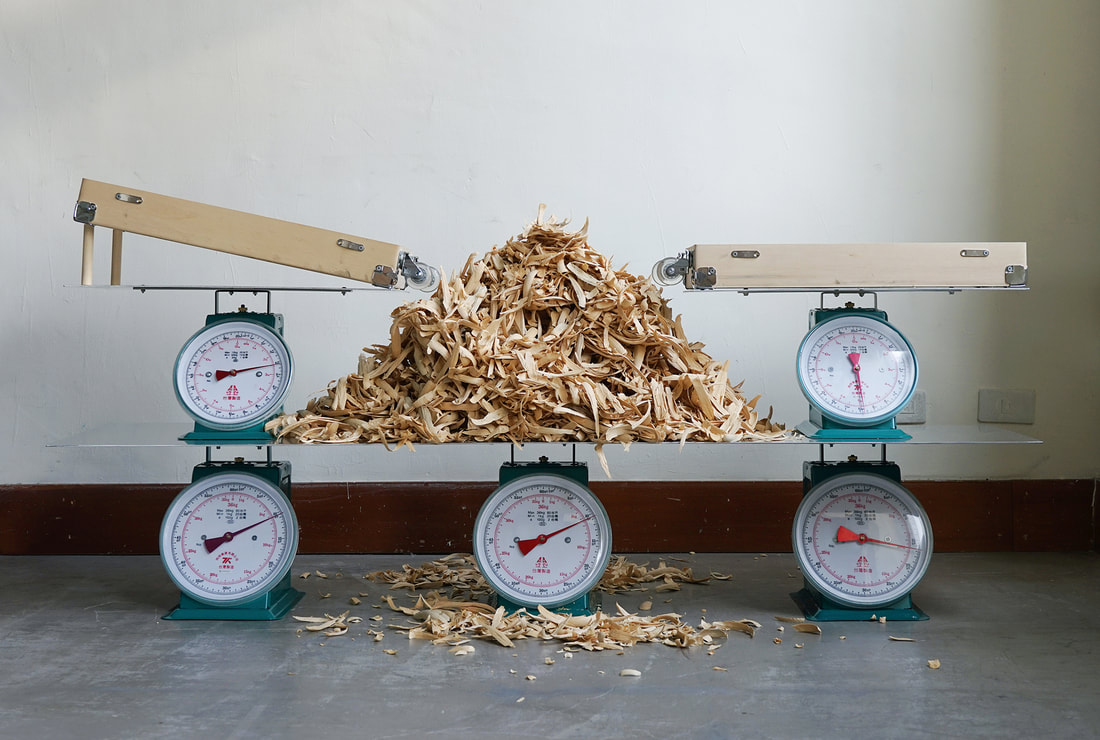
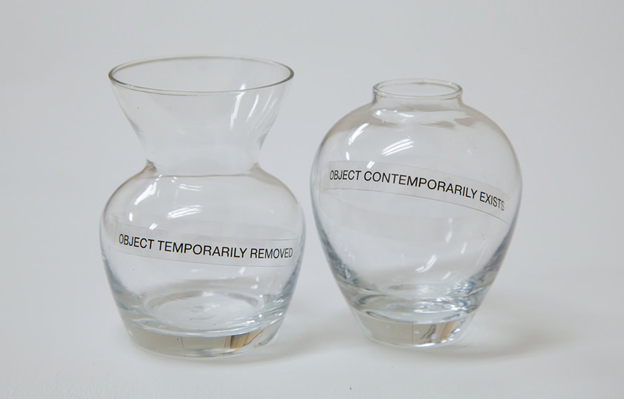
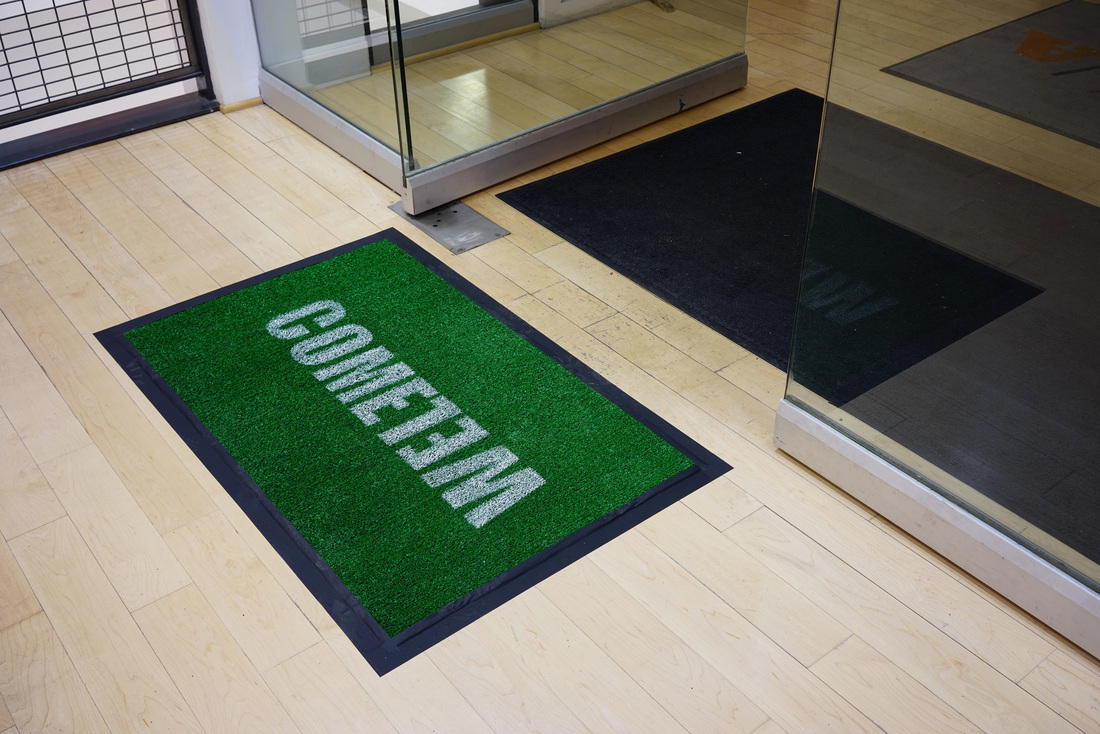
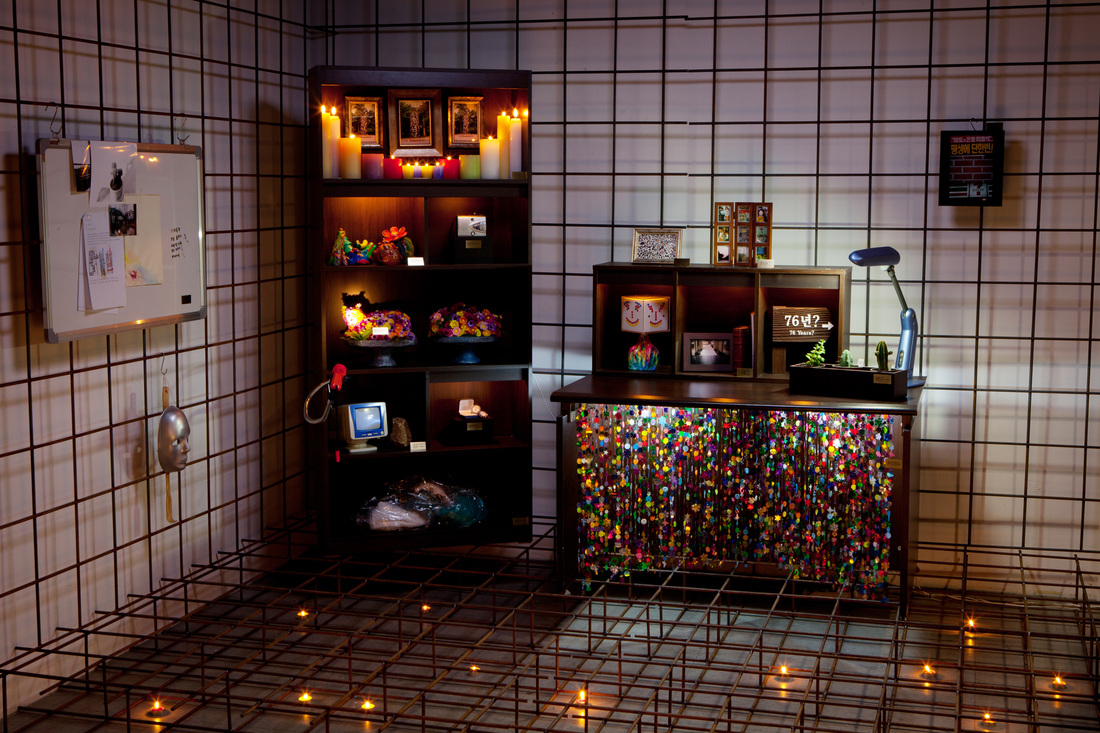
Installation view of 《Nameless Background》 (Gallery2, 2024) ©Taeyeon Kim

《Nameless Background》 explores an intriguing ontological proposition: leave the unnamed pre-reflective; acknowledge the ground simply as ground. The exhibition reveals the foundational without recourse to designation or explicit reference. The very act of naming (命名) establishes a hierarchical distinction between the naming subject and the named object, where the unidirectional nature of this relationship serves to reinforce their boundaries.

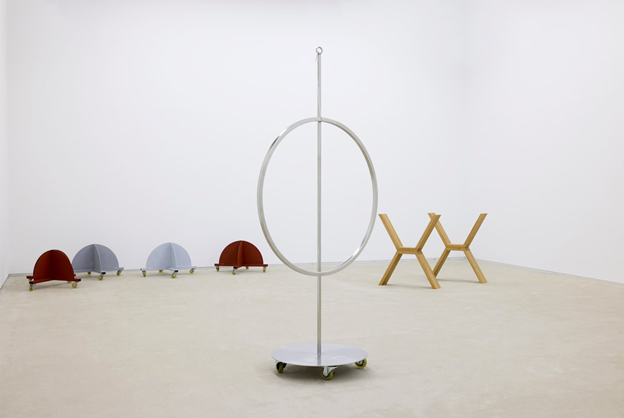
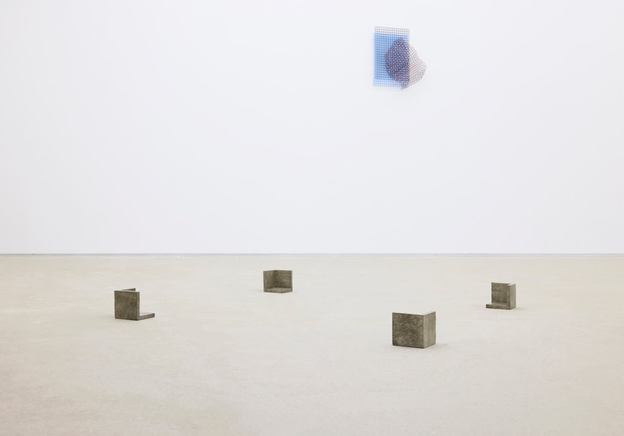
Taeyeon Kim's exhibition presents objects that exist as subsidiary (部) elements in both sculptural and quotidian contexts: pedestals supporting sculptures, armatures bearing sculptural clay, camera tripods, and partition stands. The artist neither elevates these objects to the status of primary (主) elements nor renders them objects of sympathy.

Instead, she transplants them in their original state, seeking to evoke their inherent functions. This approach suggests a methodology for addressing the unnamed that dematerializes rather than reinforces boundaries, rejecting arbitrary categorization.

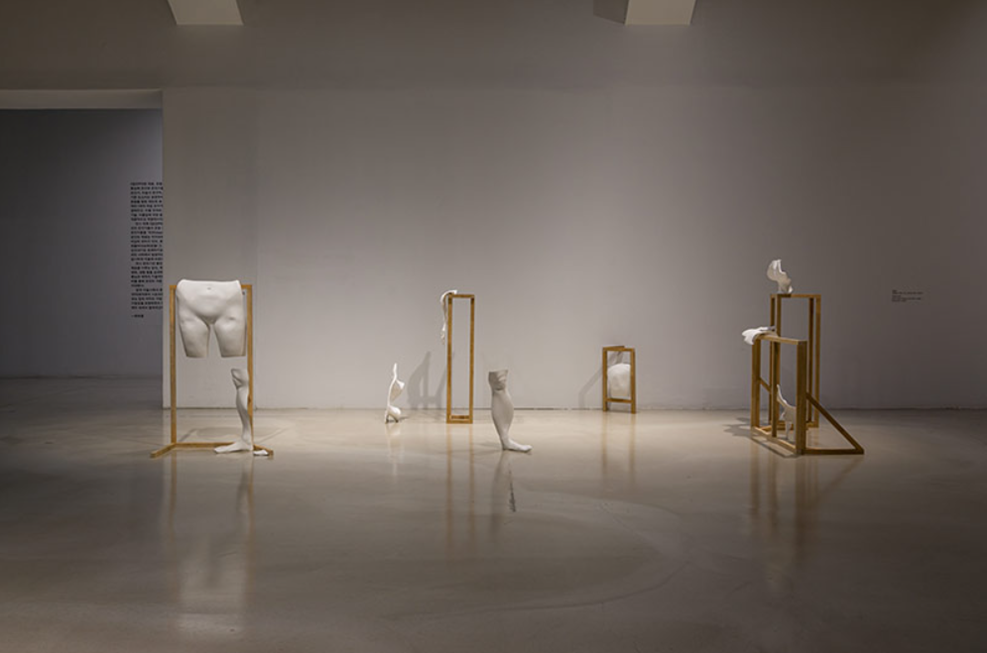
Installation view of 《Nameless Background》 (Gallery2, 2024) ©Taeyeon Kim

In the exhibition context, these subsidiary elements exist as background infrastructure; supports for primary objects. Like load-bearing structures to meaning, they perform the essential labor of supporting the whole. While these supporting elements necessarily indicate a center and are often dismissed as merely peripheral, their absence would mean the collapse of the entire system.

Curiously, the exhibition does not advocate the seeing of the overlooked. Rather, it suggests that their very inconspicuousness as proof of their perfect functionality. As Kim notes, these objects' essence lies in "performing their role in near silence" and "lacking distinguishing features"—understanding this is key to appreciating their worth.

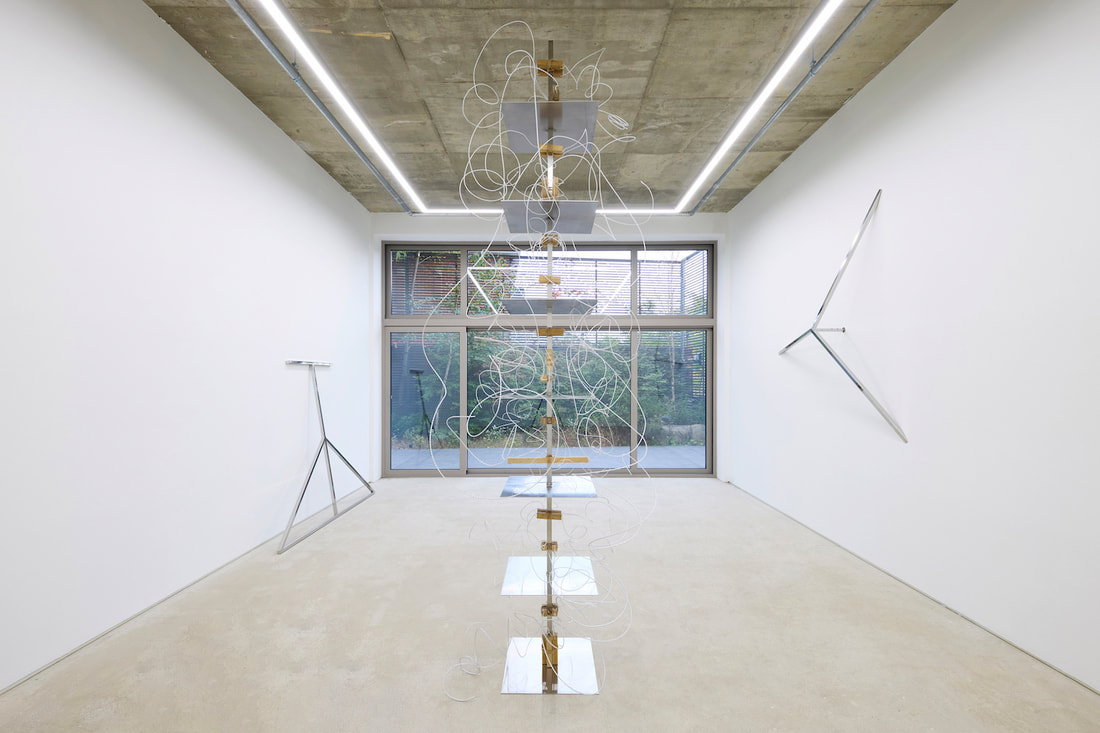
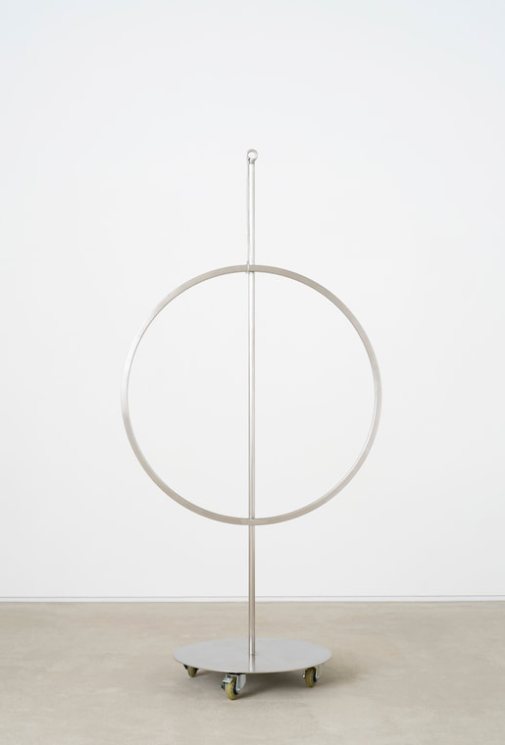
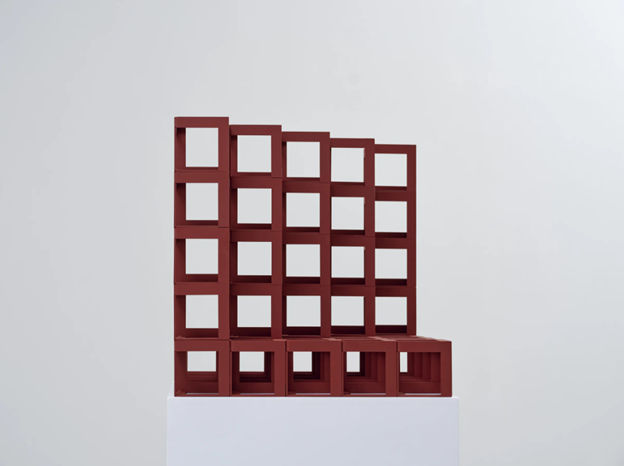
These objects occupy the exhibition space as sculpture-like forms. Stand and Tri-Leg reinterpret gymnastics stand and camera tripod, respectively, maintaining their original forms while altering scale, material, and surface. Exaggerated dimensions emphasize their details, while the transformation from wood and aluminum to reflective stainless steel translates mundane objects into the uncertain realm of sculpture. Their mirror-like surfaces incorporate the viewer's gaze into the work itself.

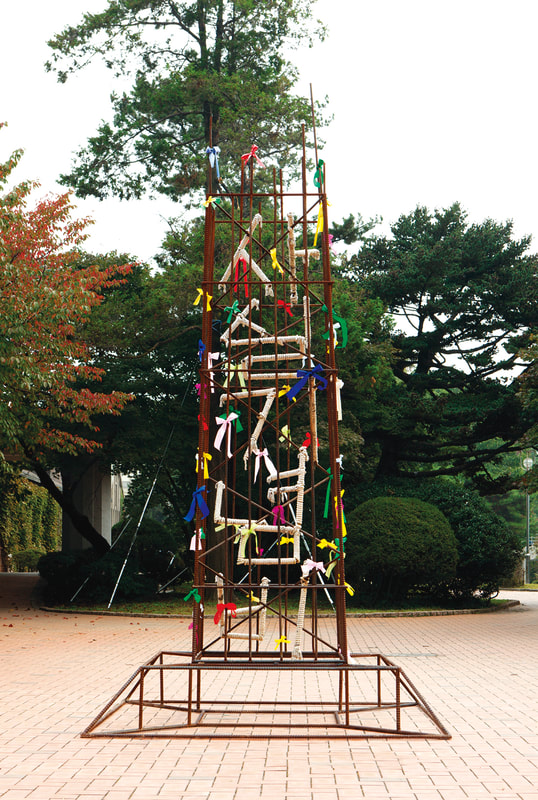
Partition Stand, Pipe Stand, and Outrigger reveal their original functions through their titles while creating new assemblages through repetition and seriality. Armature Tower and Bell demonstrate stronger artistic intervention—unlike previous works that closely followed existing forms, these pieces reconstruct their original functions with additional metonymies to tower and bell.

Give, cast from triangular protective styrene foam, invokes the labor performed by subsidiary elements, expanding into questions about the dynamics of giving and taking, and the relationships and attitudes surrounding objects and sculptures.

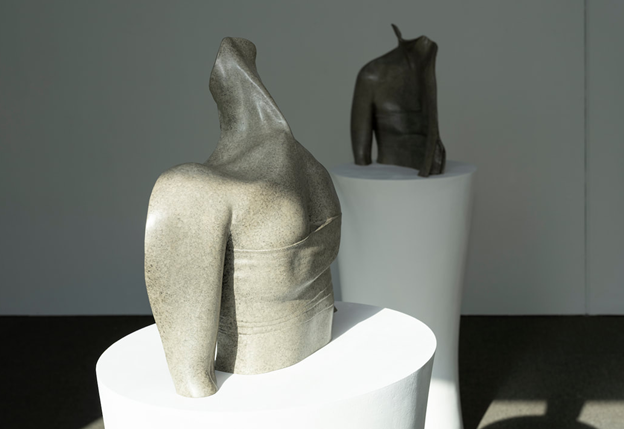
Installation view of 《Nameless Background》 (Gallery2, 2024) ©Taeyeon Kim

While the reinterpretation of mundane, functional objects as sculpture has been a seen many times over in sculpture, Kim borrows from sculpture’s historical context and lays it down as background, addressing her contemporary concerns through this unique methodology. Her focus on subsidiary objects transcends mere ecological consideration of sculpture; these objects quietly occupy a space that reveals their fundamental identity and existential value.

The artist seeks ways to call upon the unnamed as thy are—unnamed, to see the ground as ground. Without the labor of the subsidiary, the primary may not exist. Thus, attention to the subsidiary isn't simply an enumeration of overlooked elements but a revelation of their essential nature through the creation of a balanced totality.

References