





Solo Exhibitions (Brief)
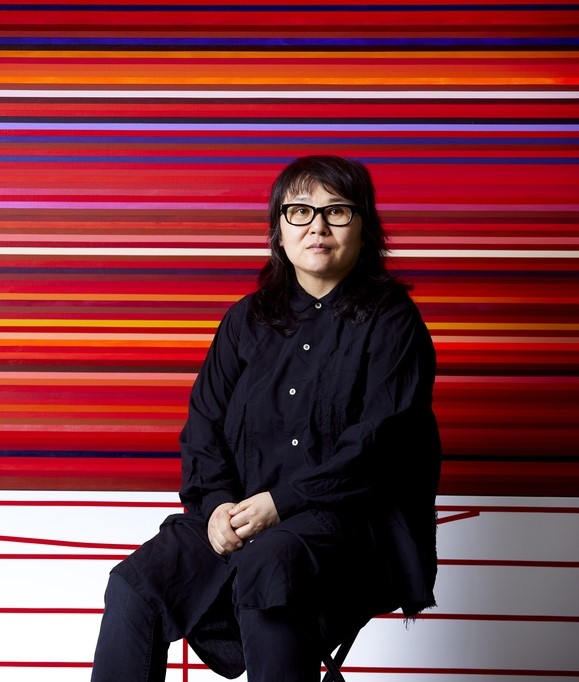
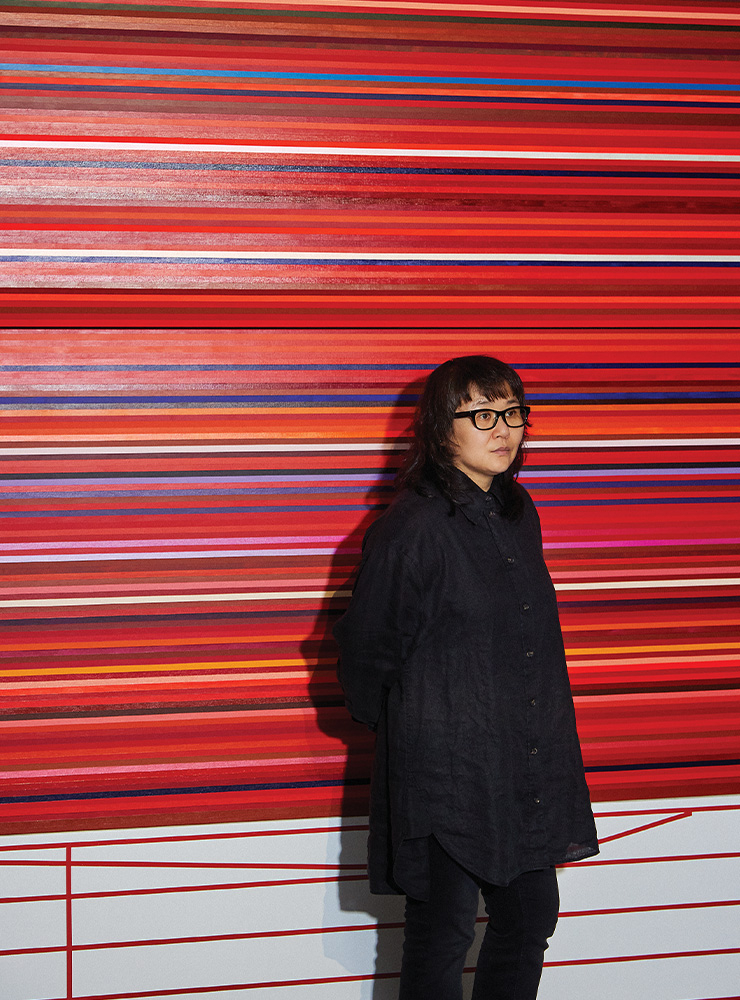
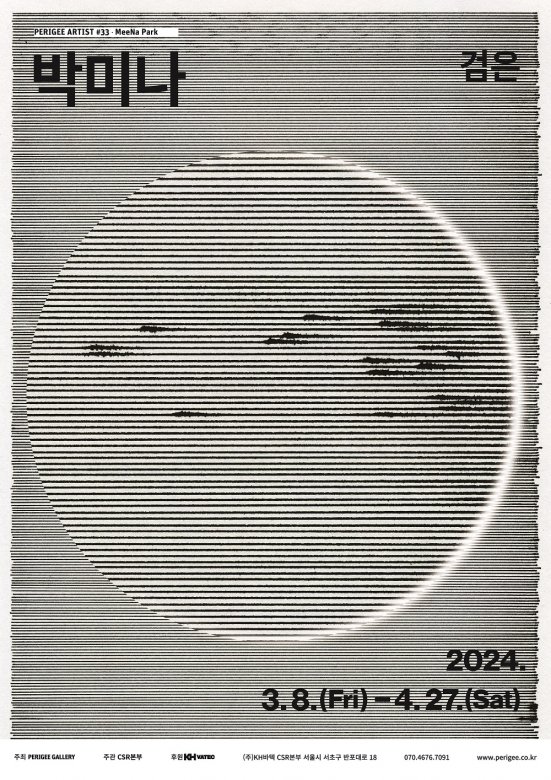
Park Meena had her first solo exhibition at the Banson Hall Gallery (Providence, USA) in 1996 and made her debut in the Korean art world with the group exhibition《Relay Relay》at Insa Art Space (Seoul, Korea) in 2000.
She held her first solo exhibition at Seoul Auction House (Seoul, Korea) in 2002, the year she started making her name as the 4th artist of Ssamzie Space Residency.
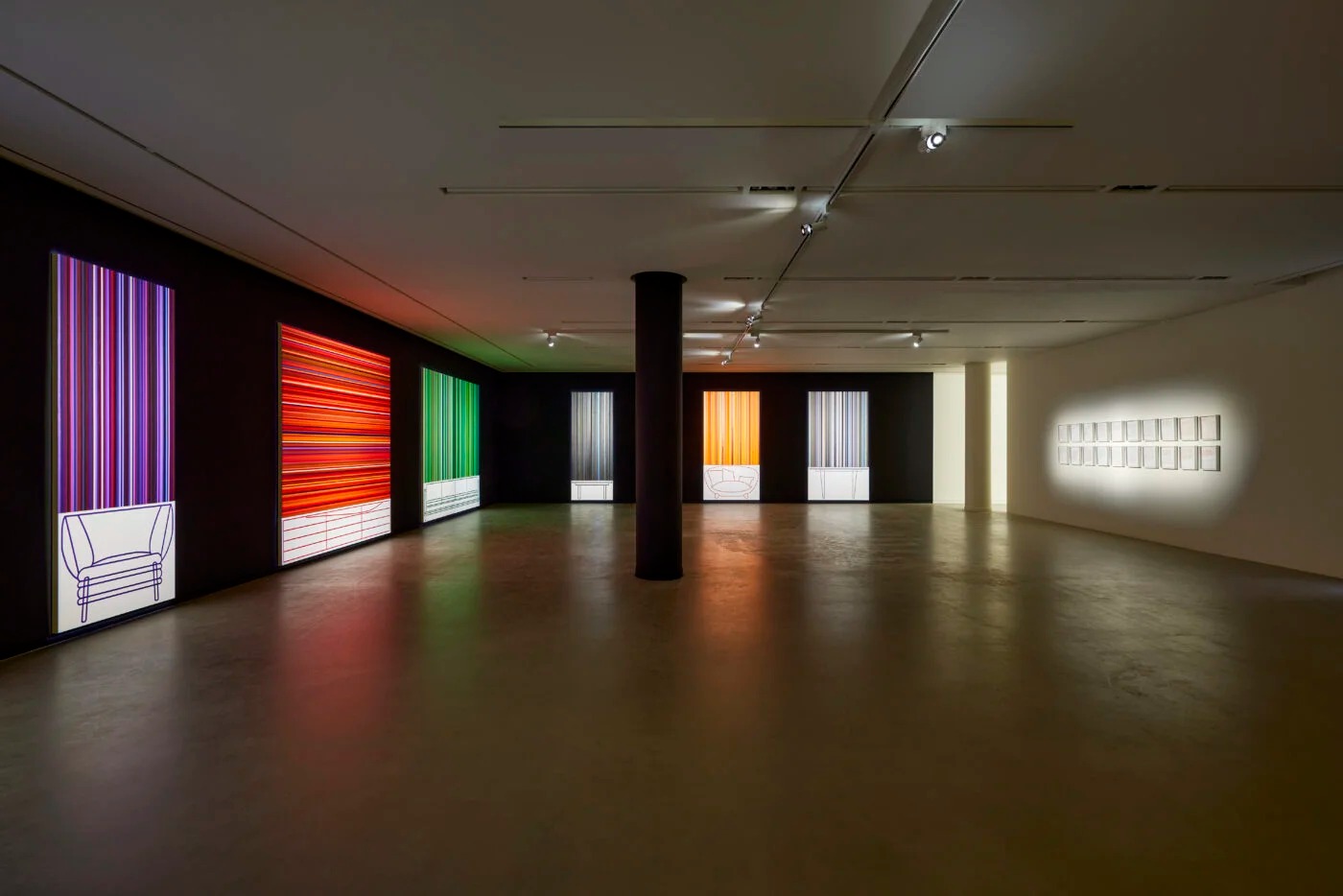
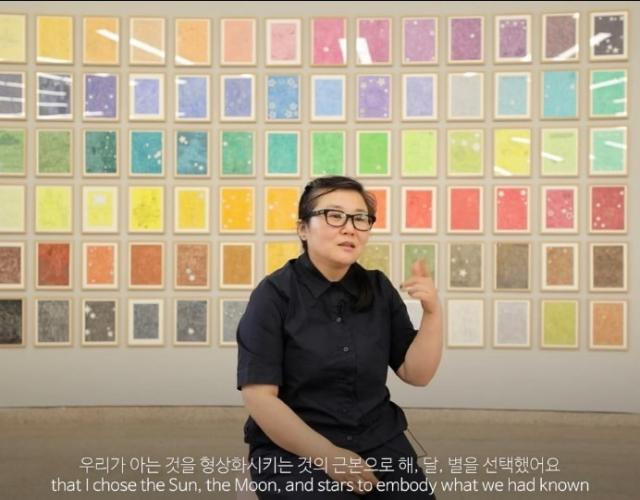
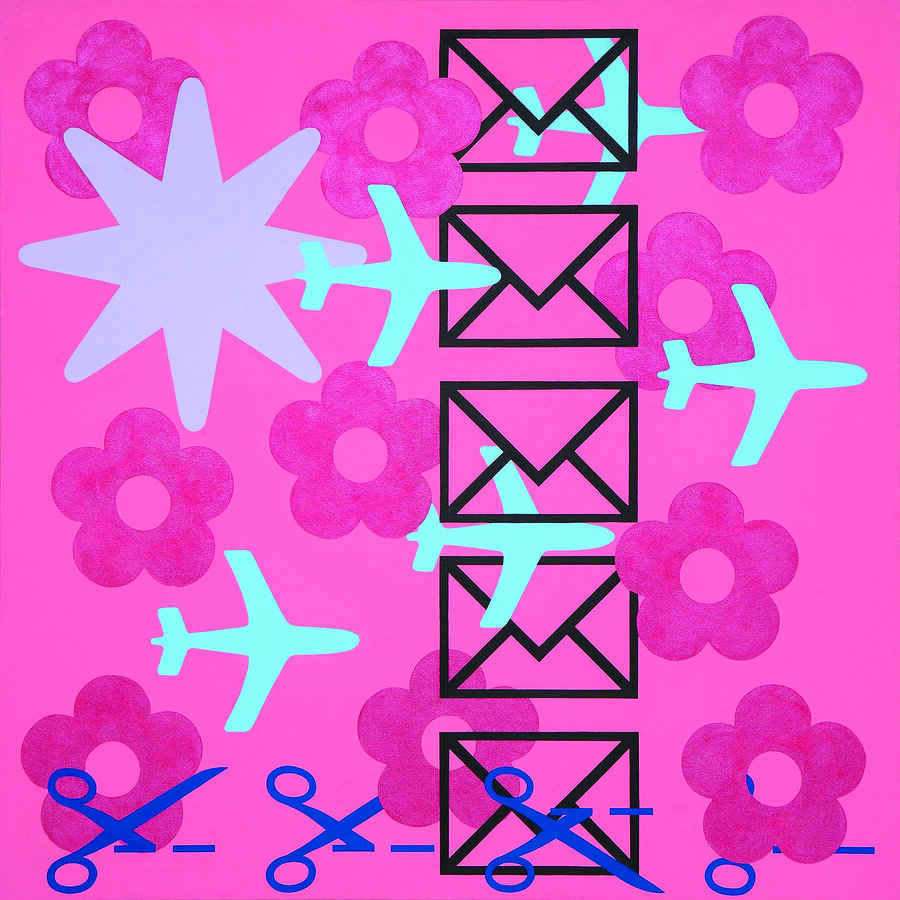
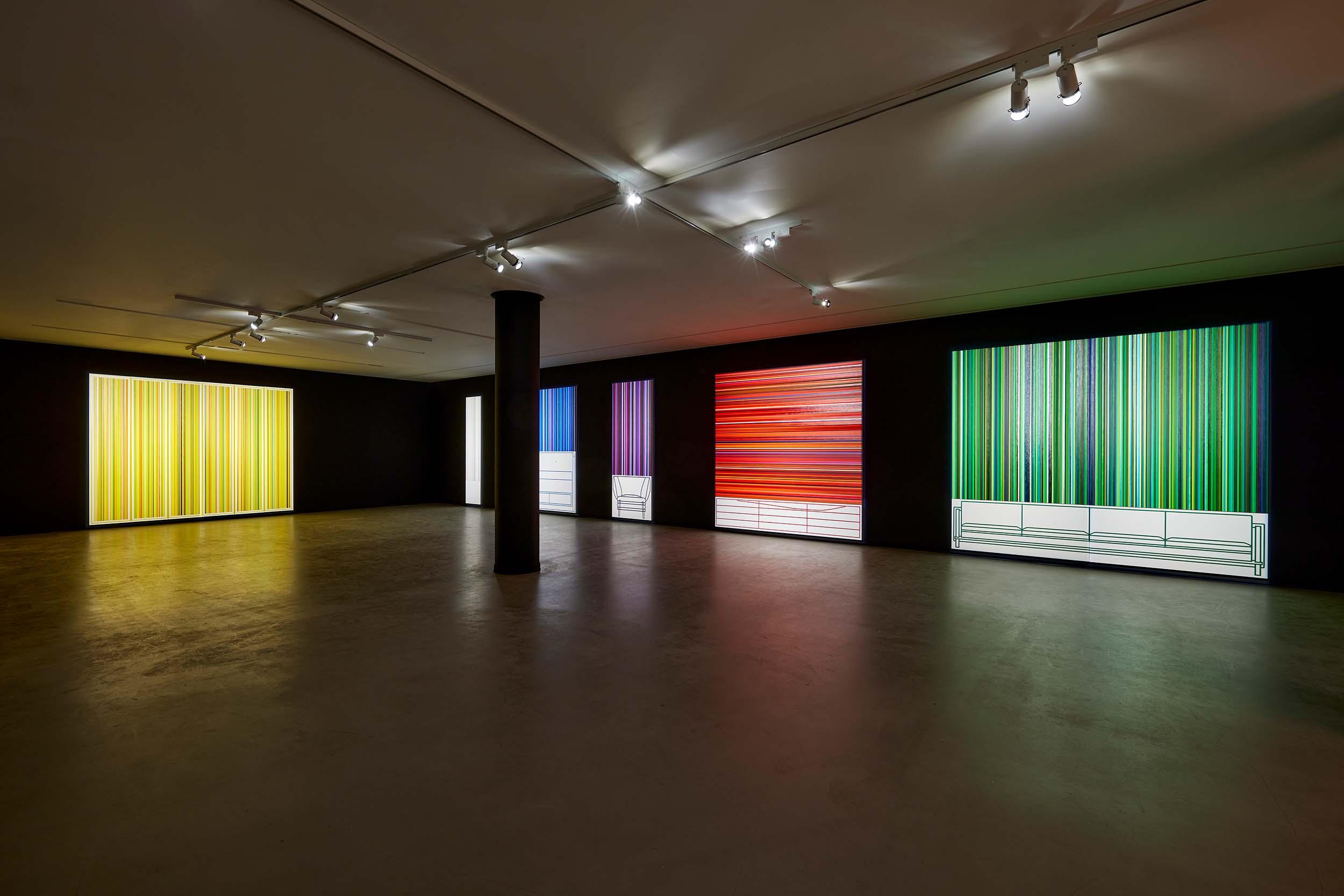
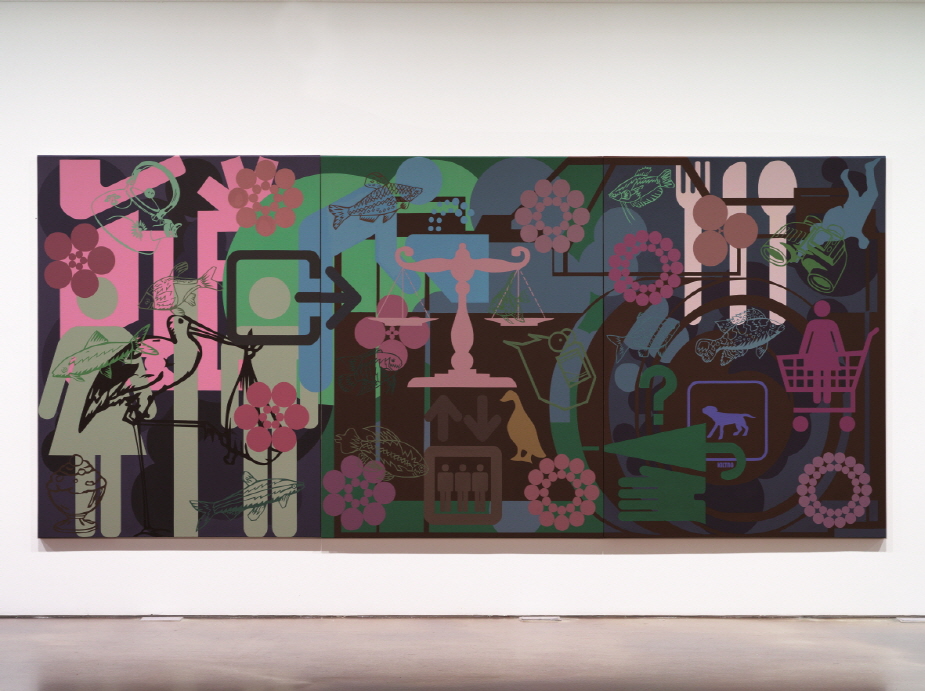
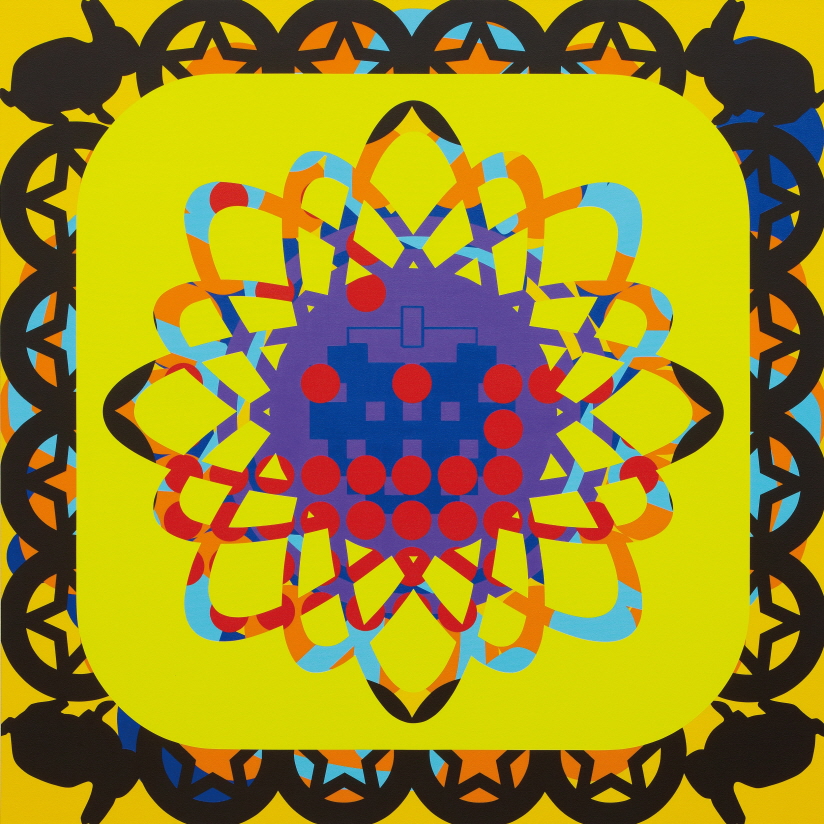
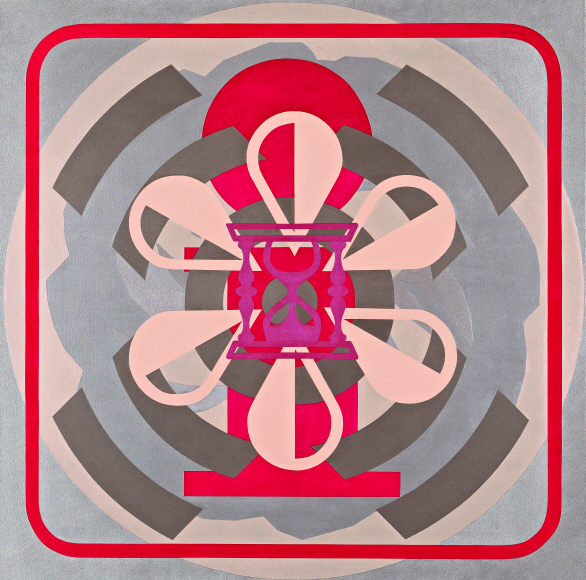
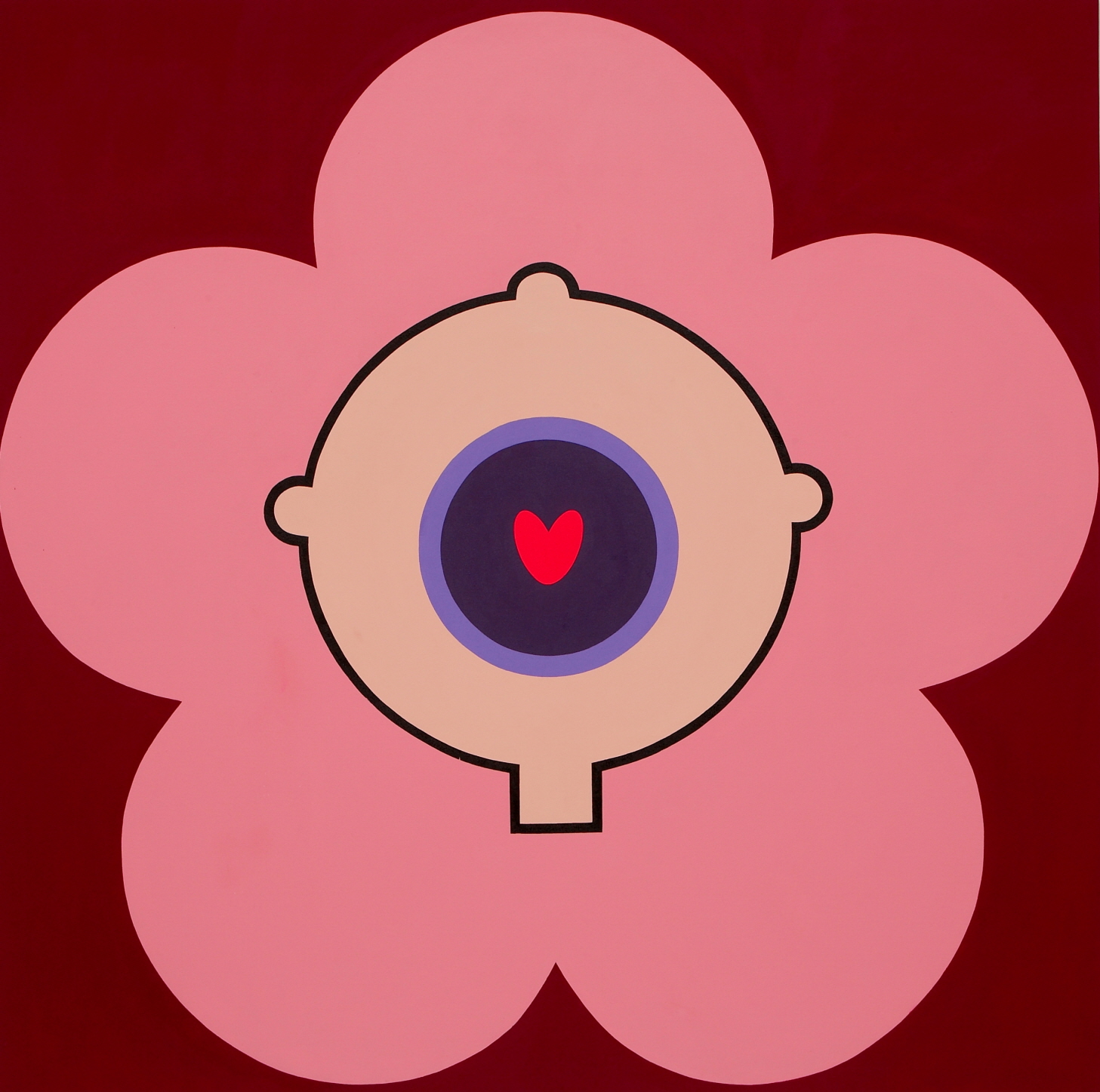
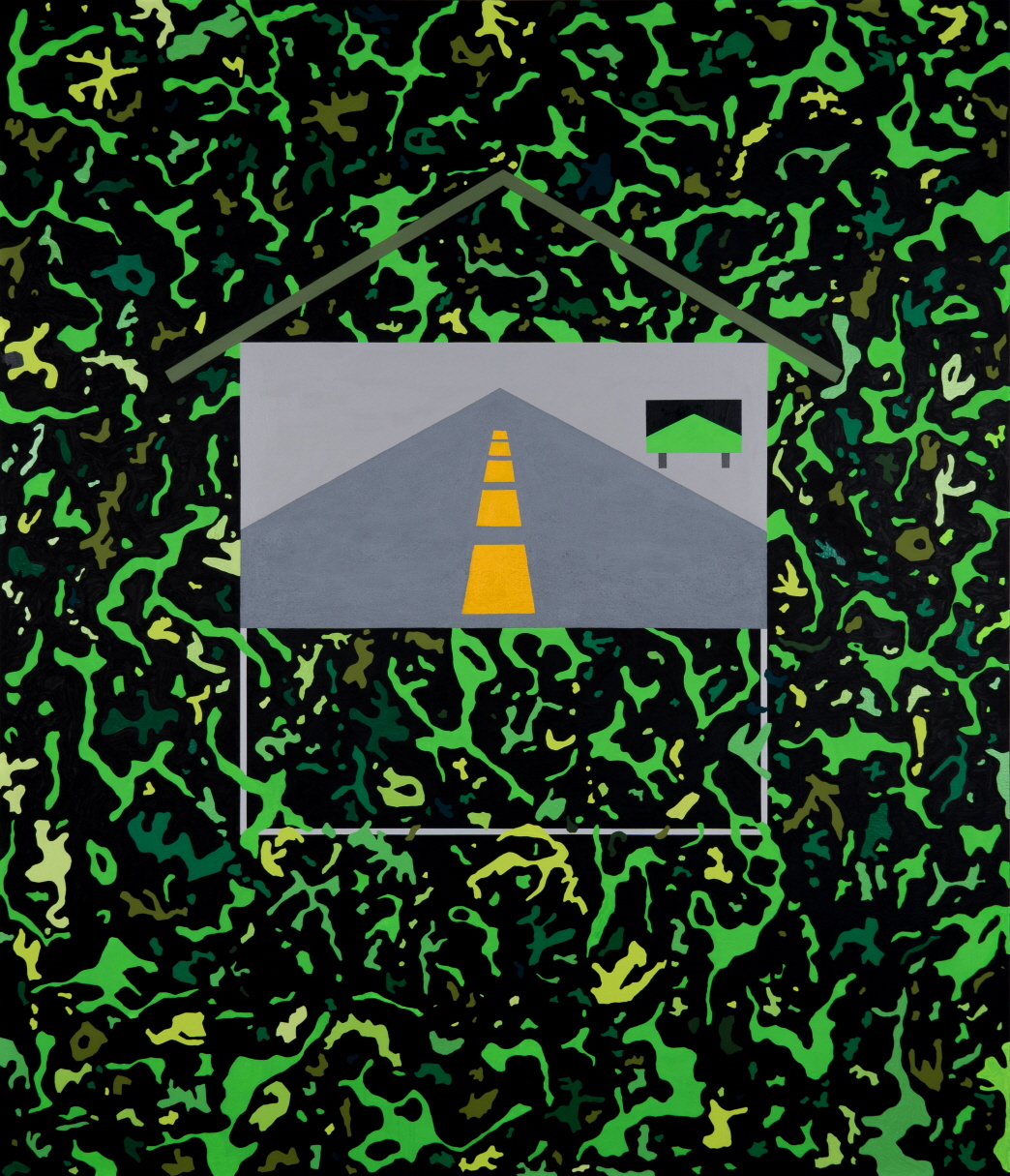
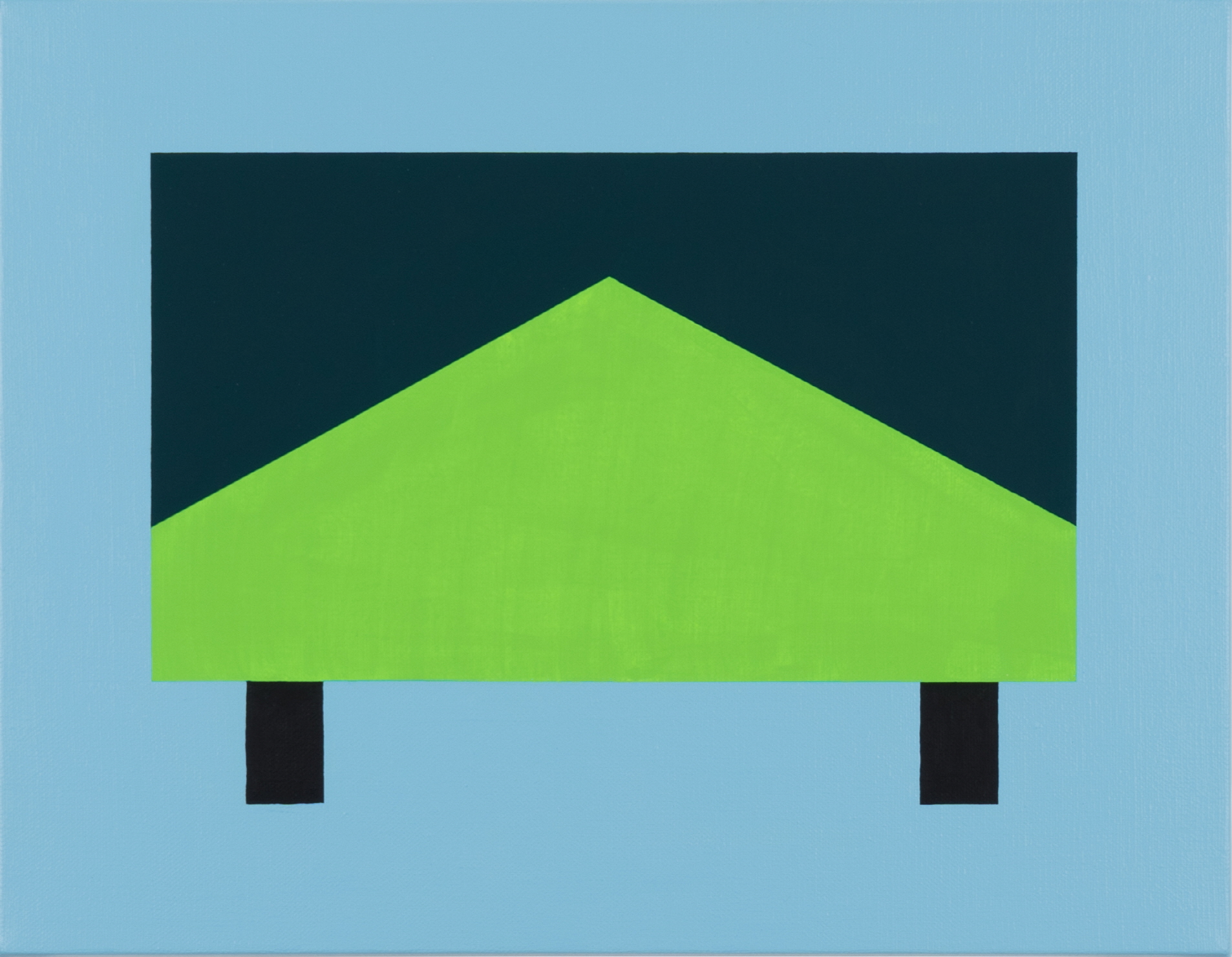
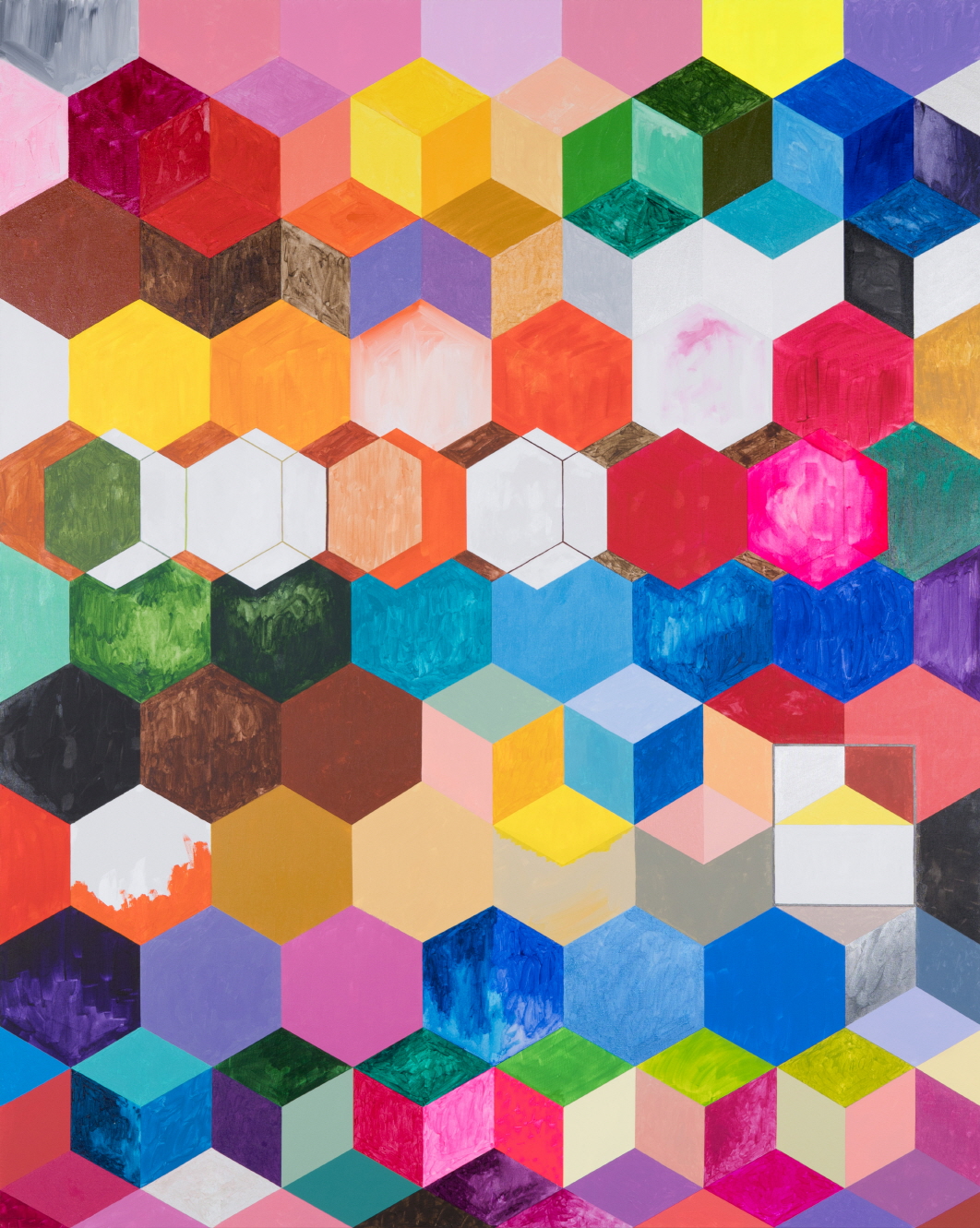
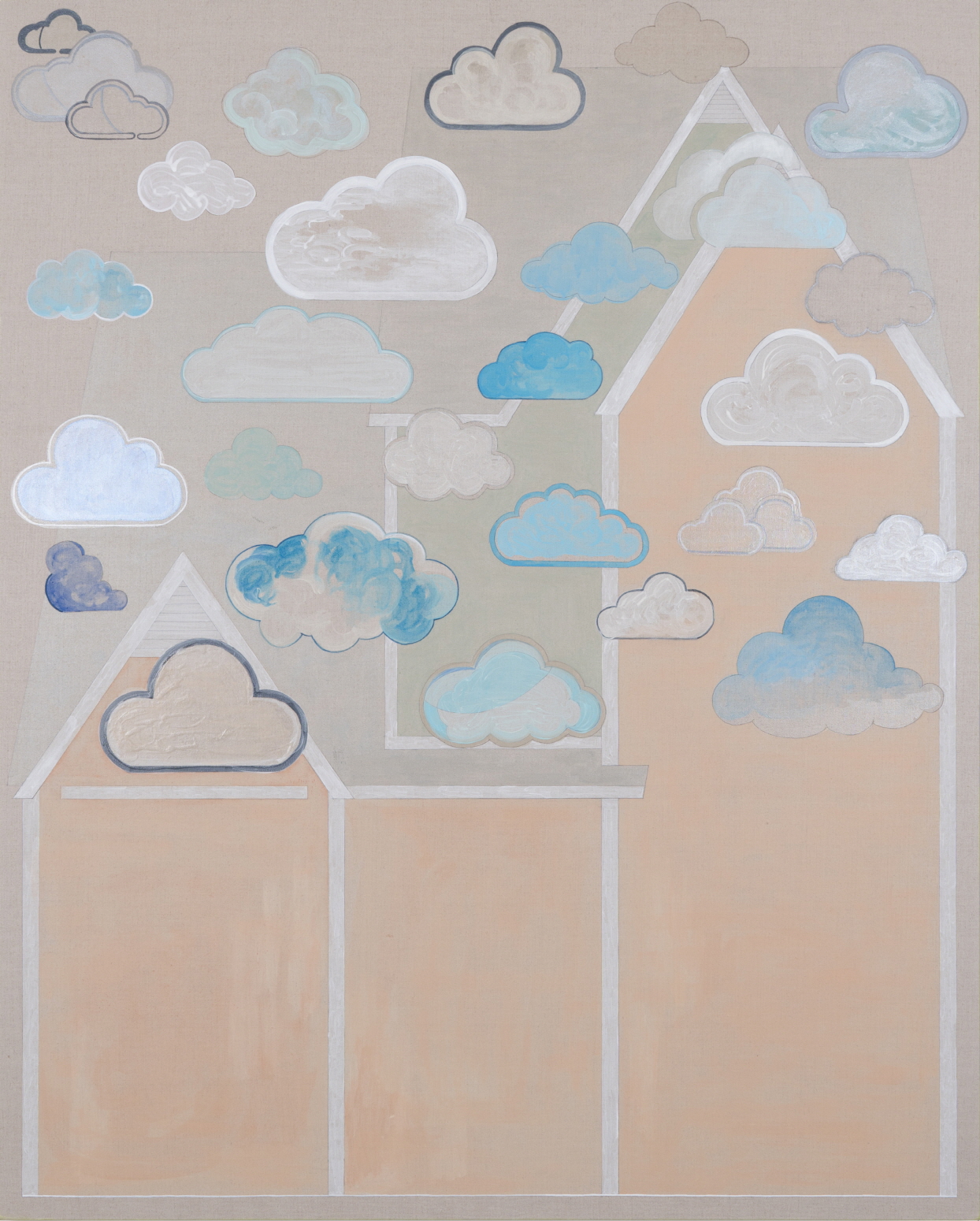
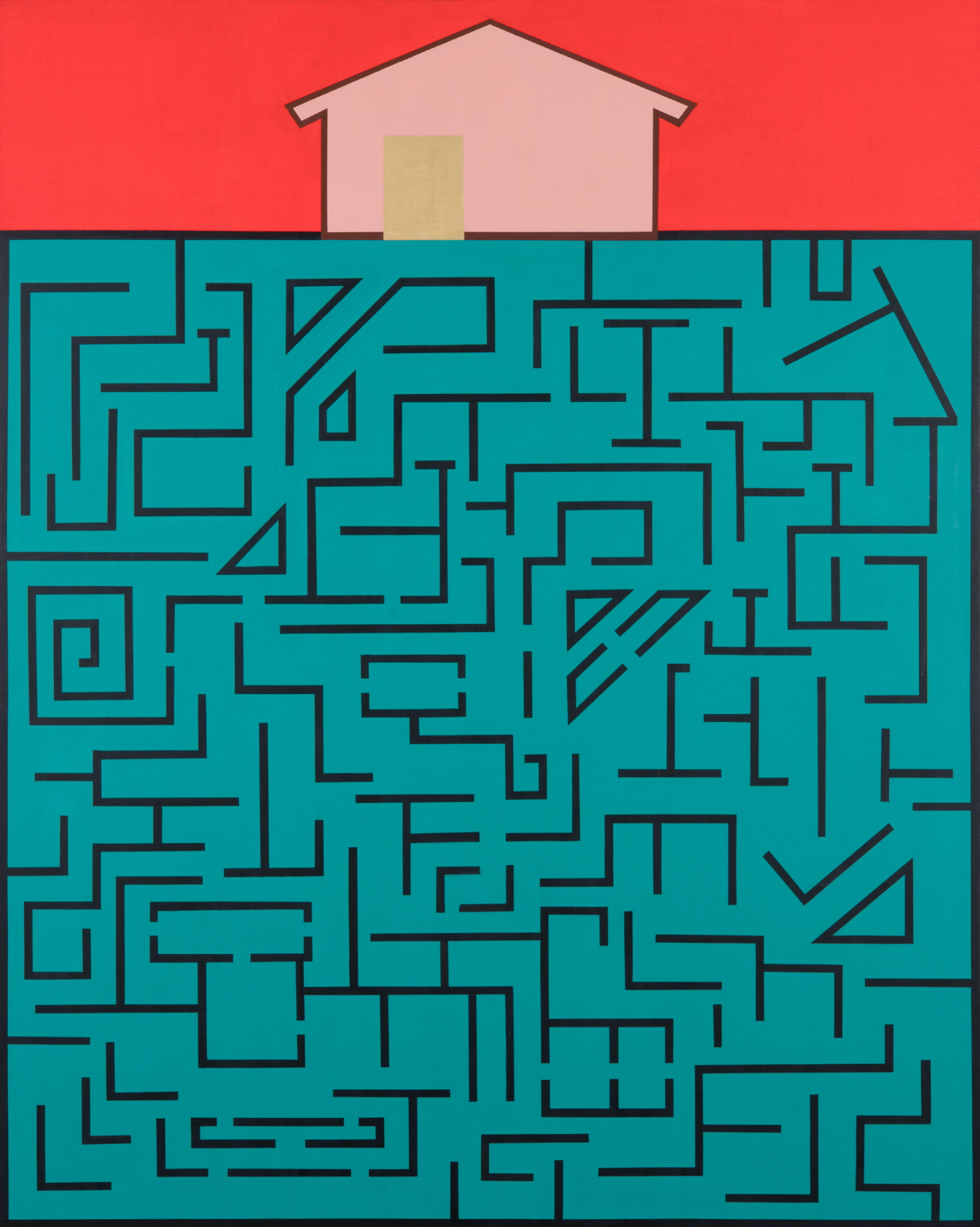
After her first solo exhibition, in her 20 solo exhibitions, she has been showing vigorous activity, focusing on the series Color Collecting, Scream, Dingbat Painting, and House.
Group Exhibitions (Brief)
Yangju Chang Ukjin Museum of Art (Yangju, Korea), Seoul Museum of Art (Seoul, Korea), Kumho Museum of Art (Seoul, Korea), Museum of Modern and Contemporary Art (Seoul, Korea), Ilmin Museum of Art (Seoul, Korea), Samsung Museum of Art Plato (Seoul, Korea) Korea), Gwangju Design Biennale (Gwangju, Korea), Doosan Gallery (New York, USA), International Center for Contemporary Art (Rome, Italy), etc. participated in numerous domestic and international group exhibitions.
Awards (Selected)
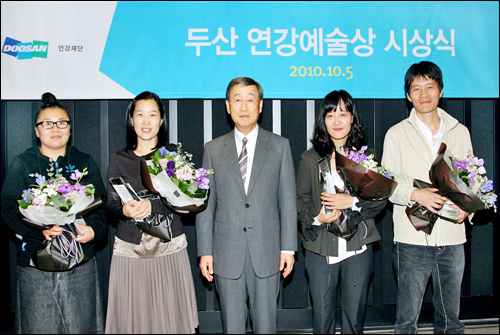
In 2020, she was awarded the Minister of Culture, Sports and Tourism’s citation (Korea Copyright Commission’s “Copyright Education Experience Center” building facade in Jinju Innovation City, Gyeongsangnam-do) and the first Doosan Yonkang Arts Award in 2010.
Collections (Selected)
Her works are in the collections of Museum of Modern and Contemporary Art (Seoul, Korea), Seoul Museum of Art (Seoul, Korea), Leeum Samsung Museum of Art (Seoul, Korea), Ilmin Museum of Art (Seoul, Korea), and Bank of Germany (Hong Kong).