






Solo Exhibitions (Brief)
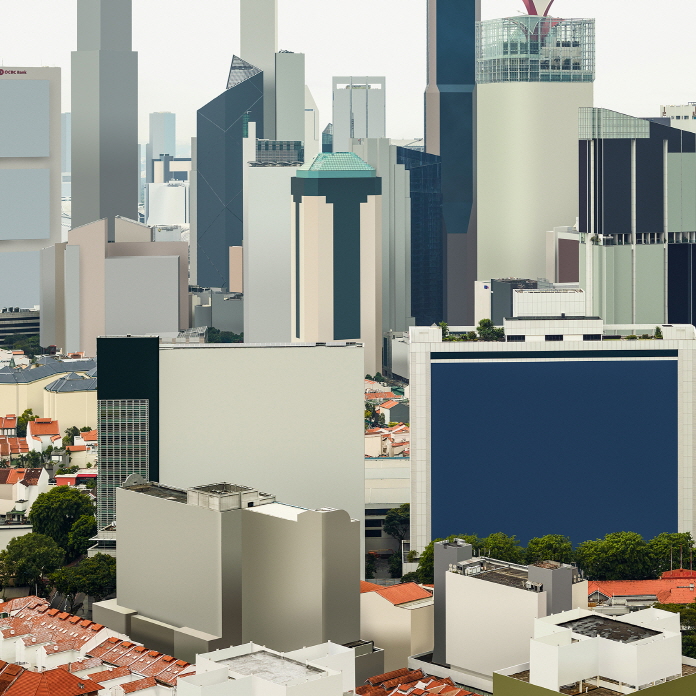
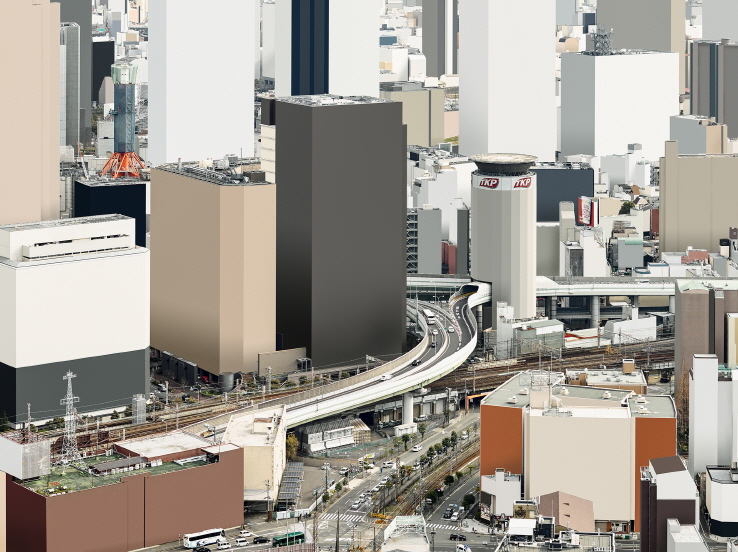
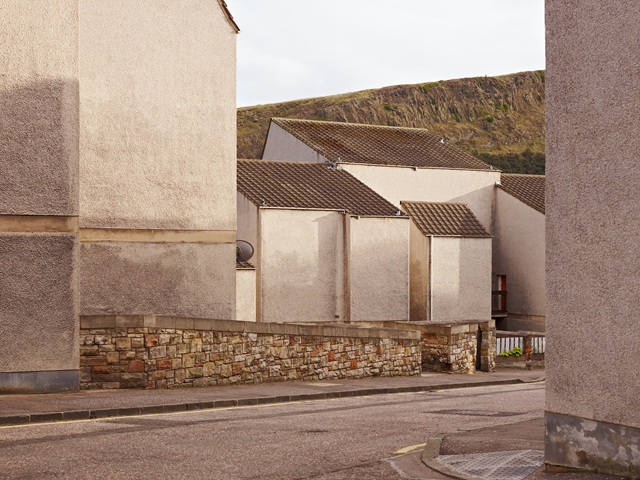
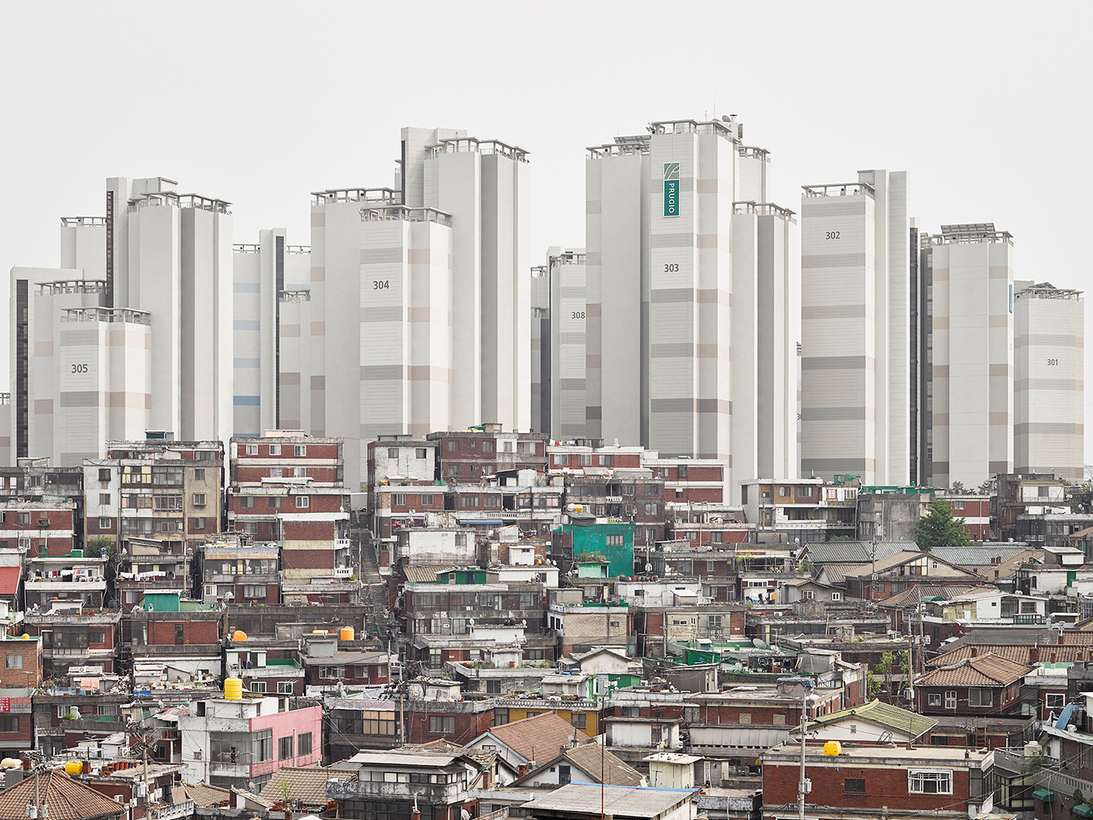
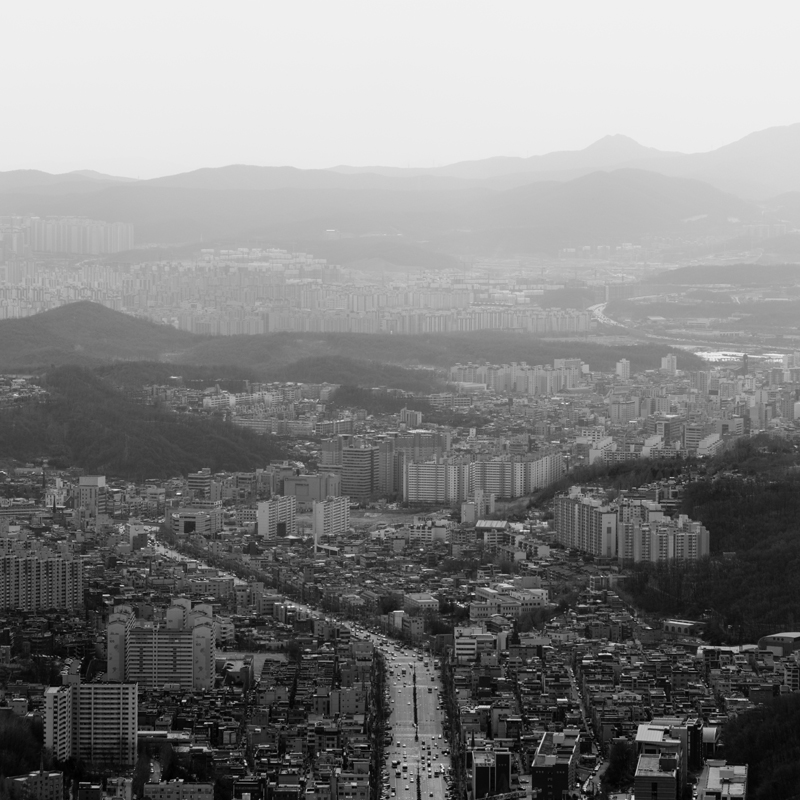
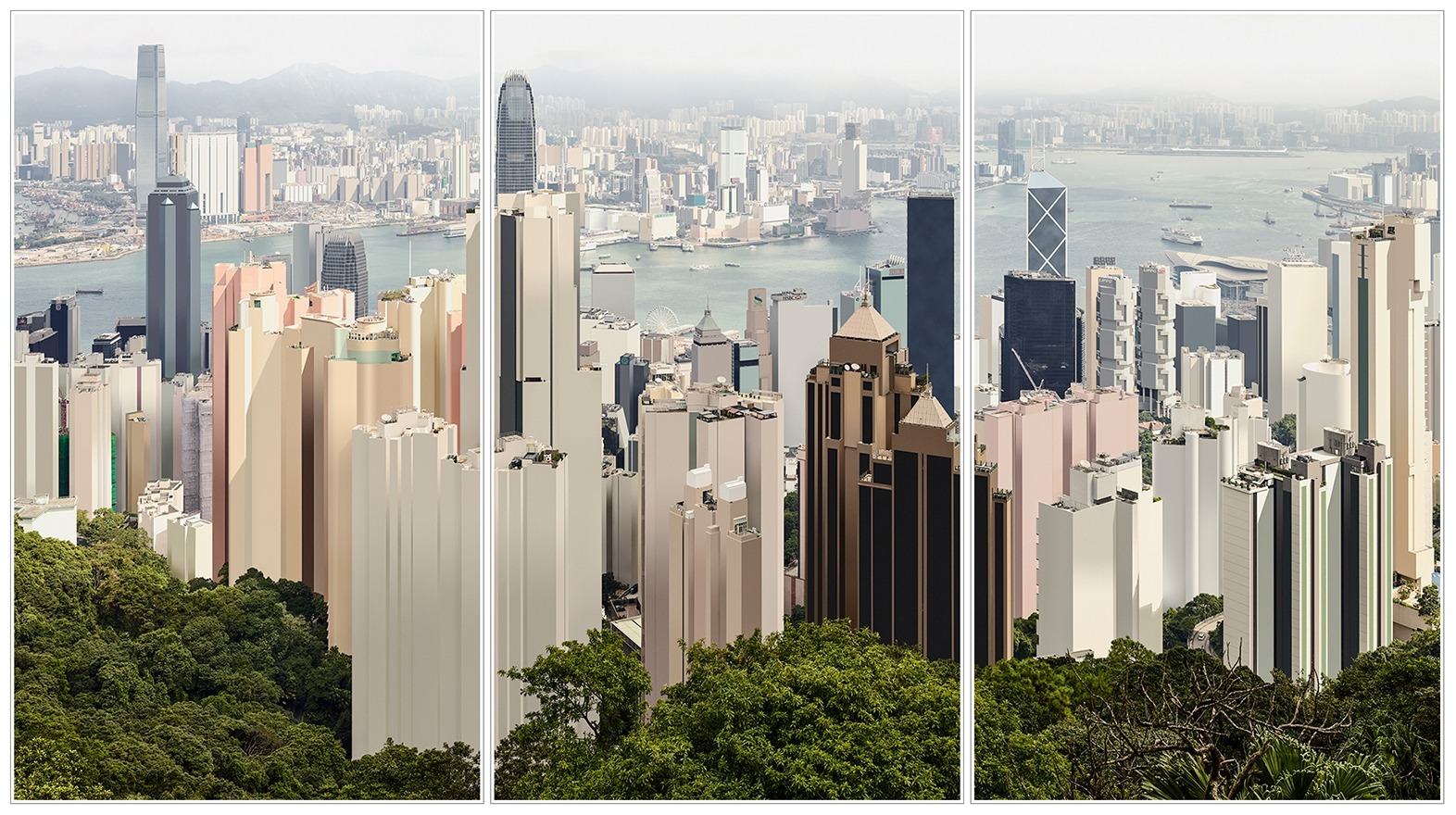
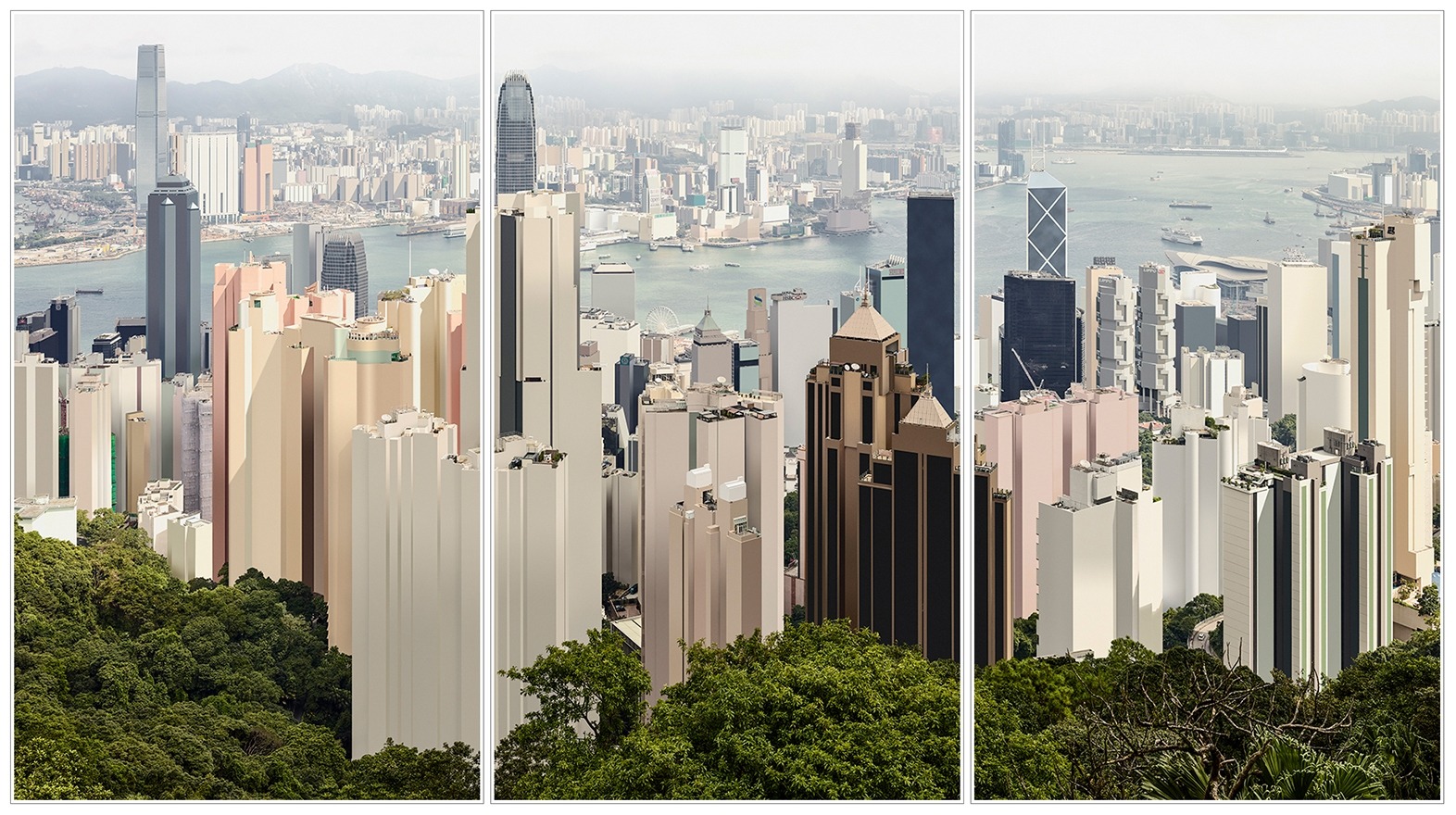
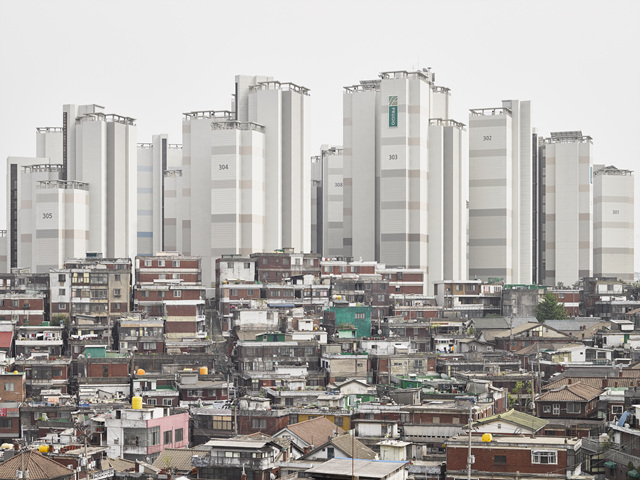
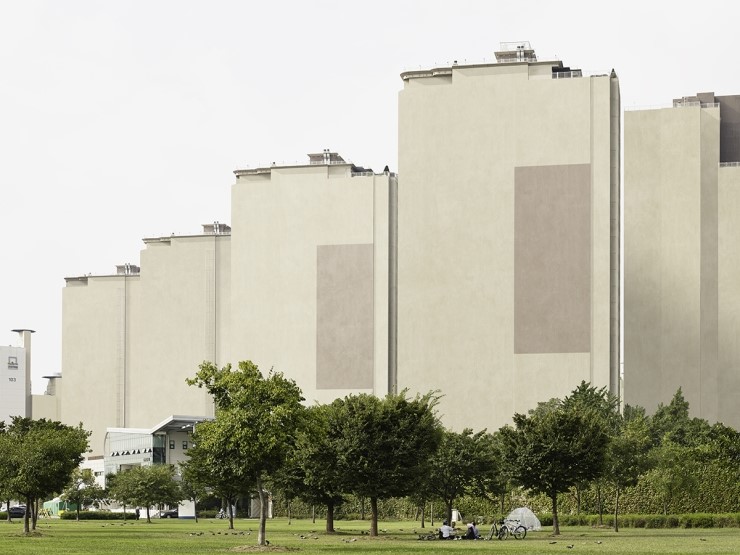
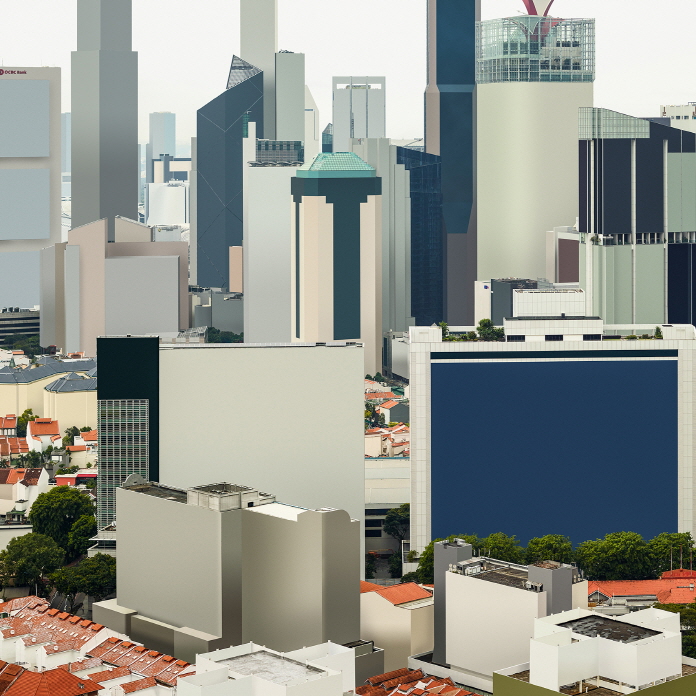
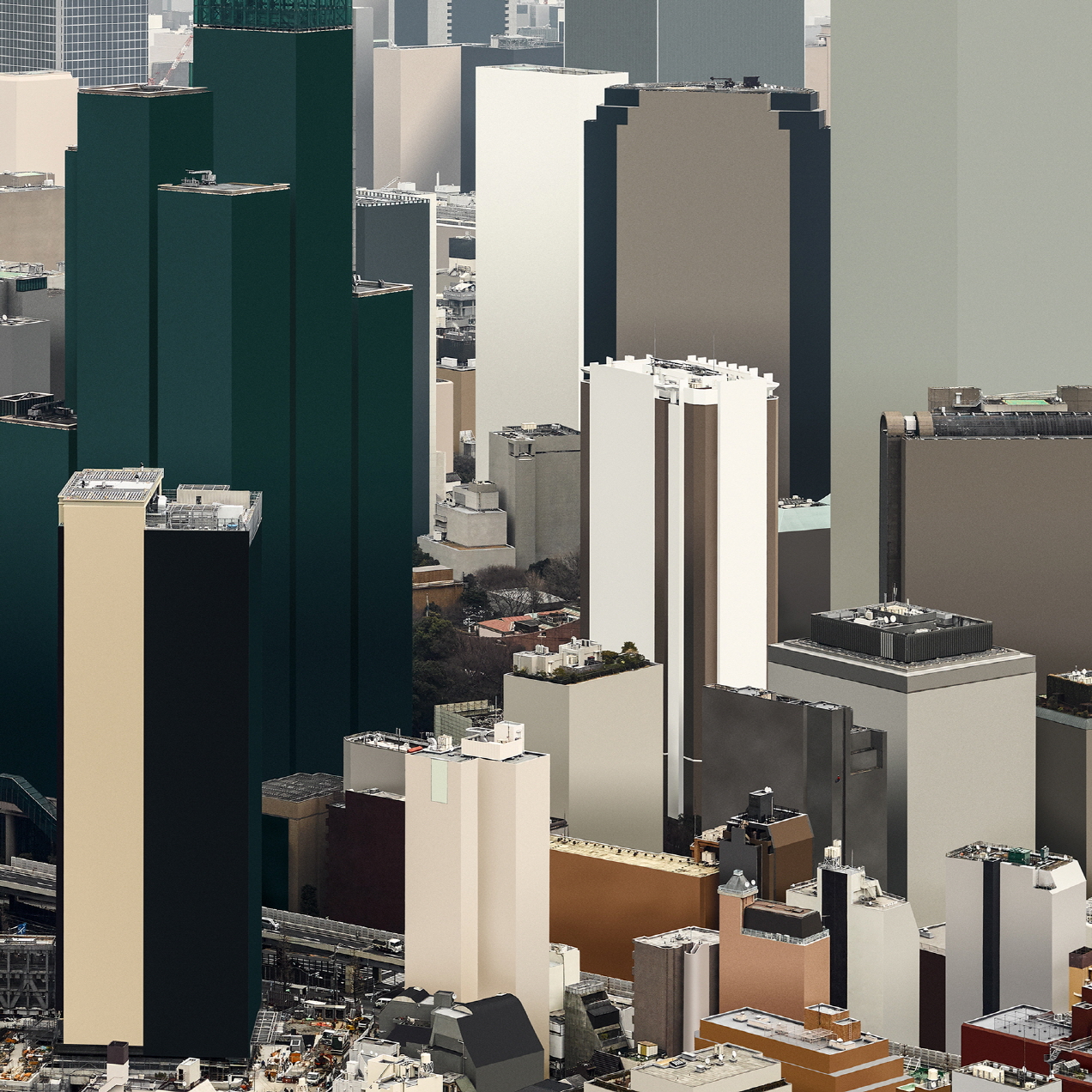
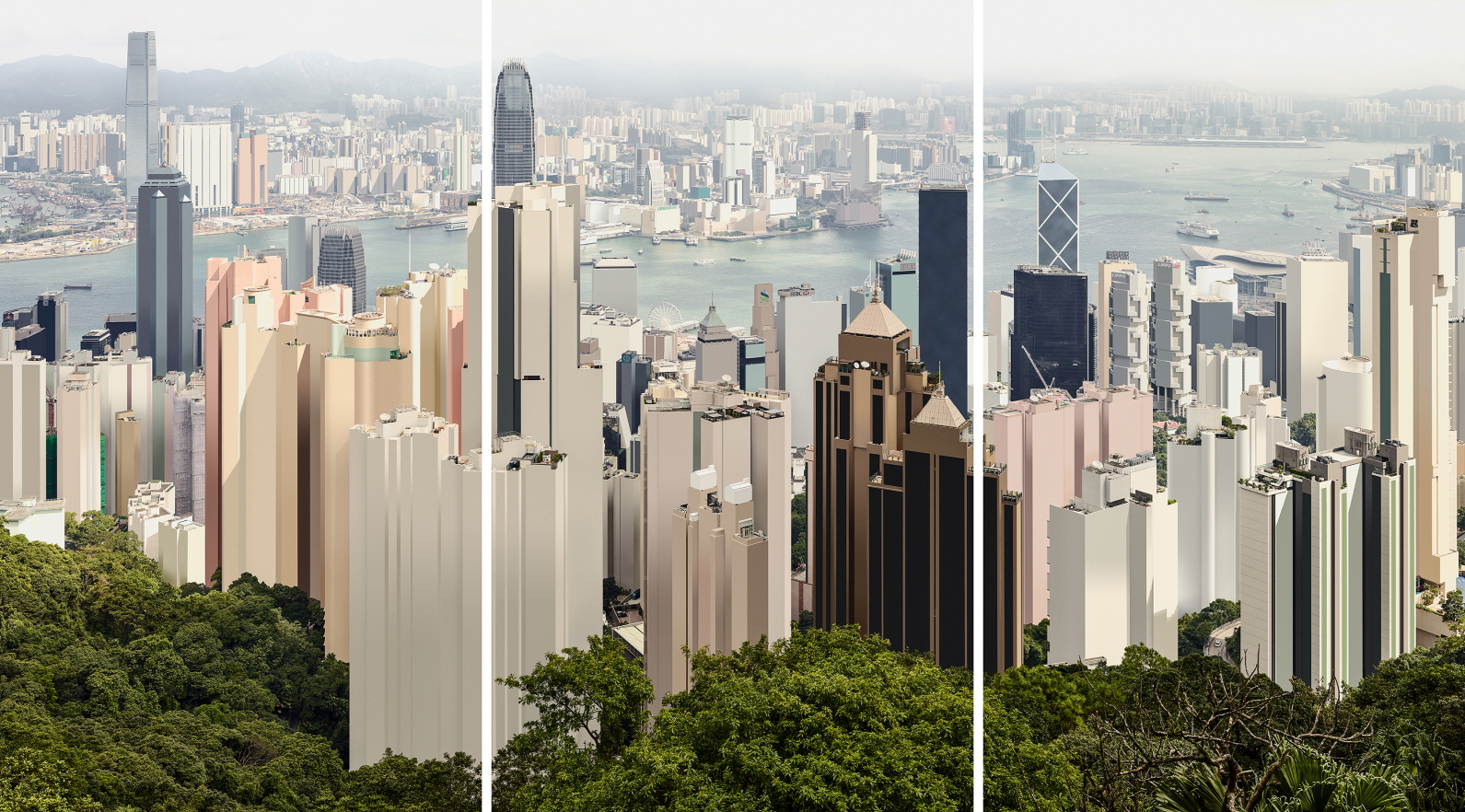
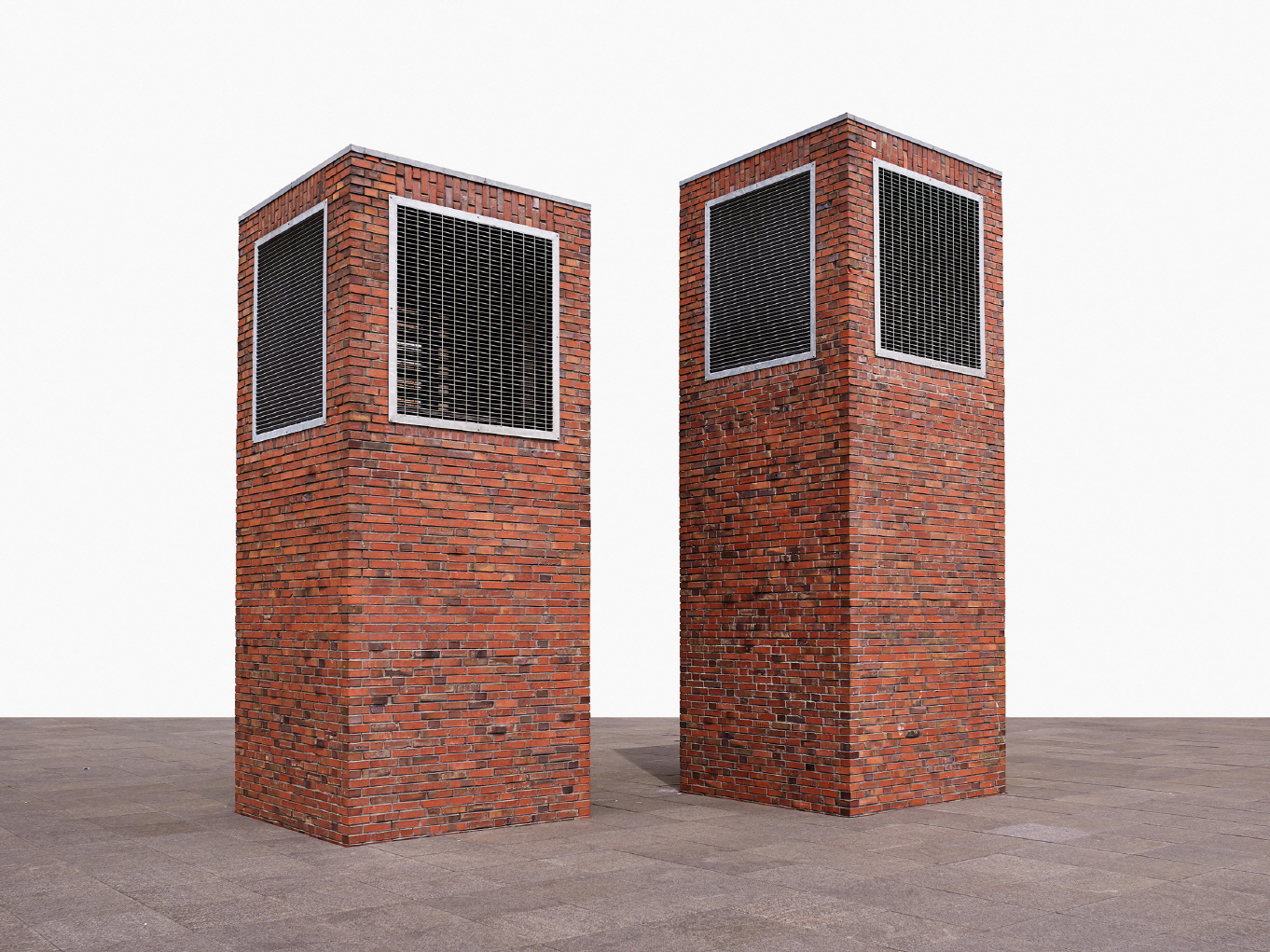
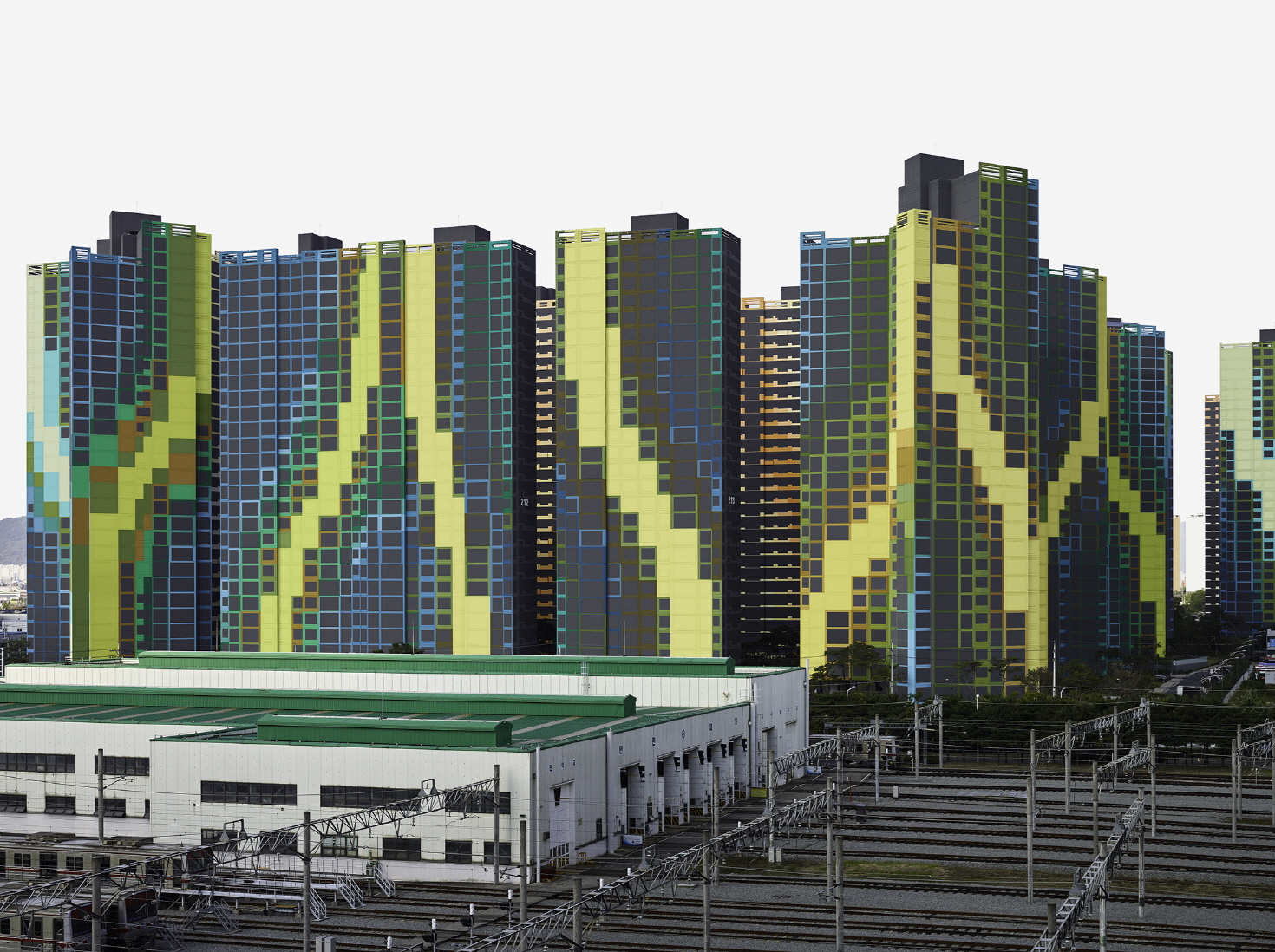
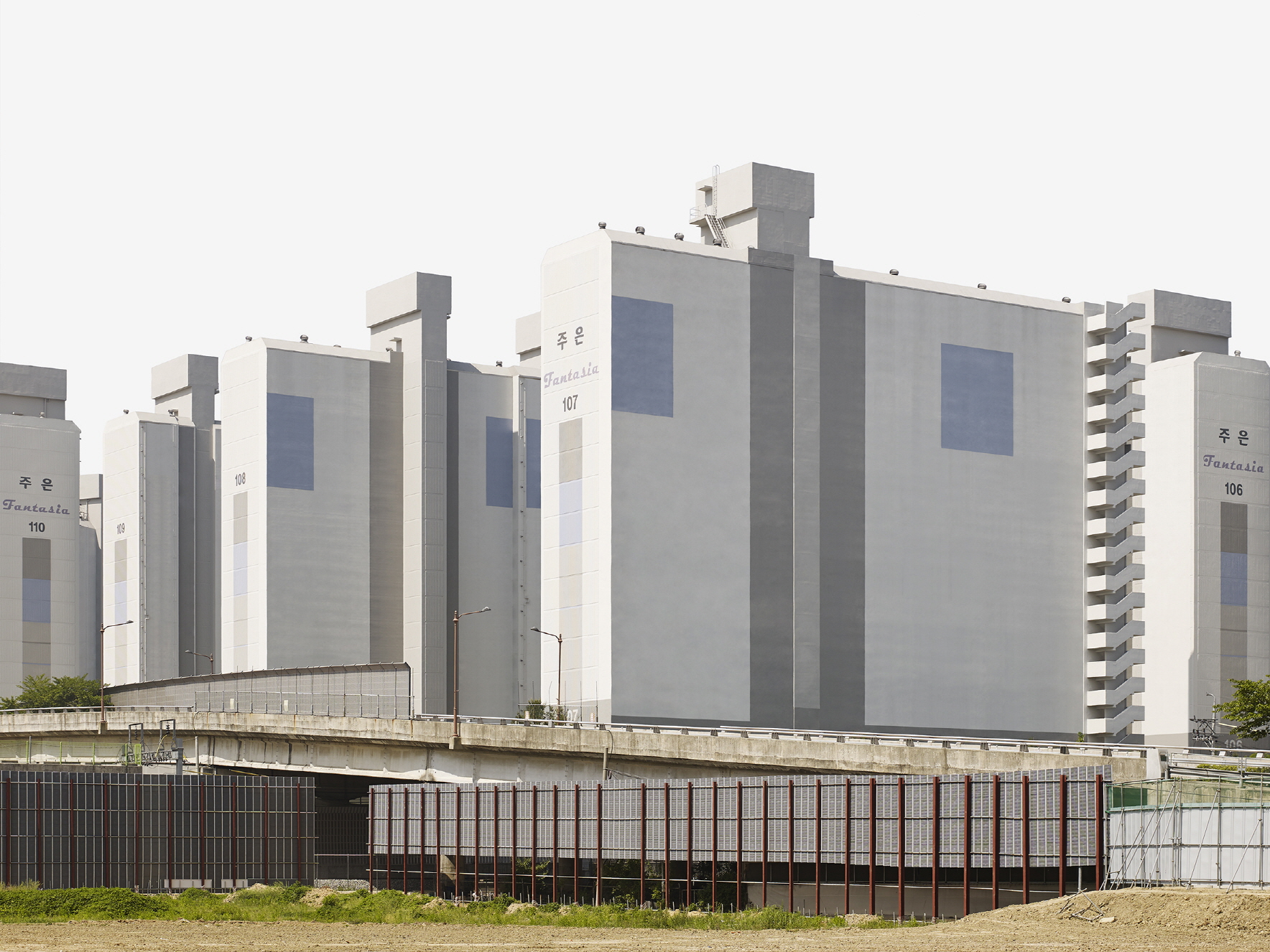
From the beginning of his work to the present, he has been steadily taking photos of urban spaces and living environments. In 2008, Gallery Lux (Seoul, Korea) was selected for a young artist support contest and held his first solo exhibition.
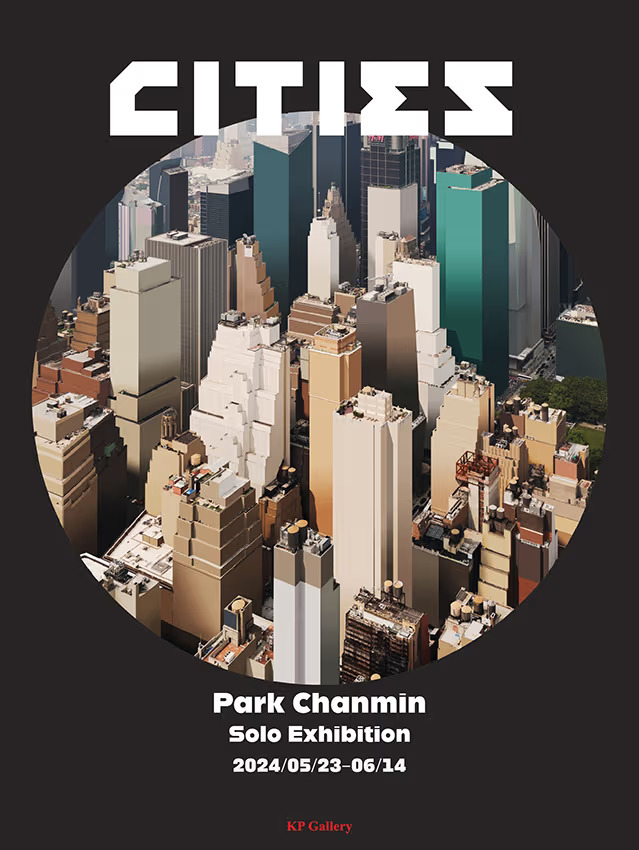
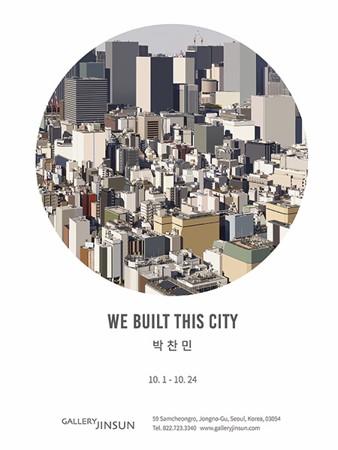
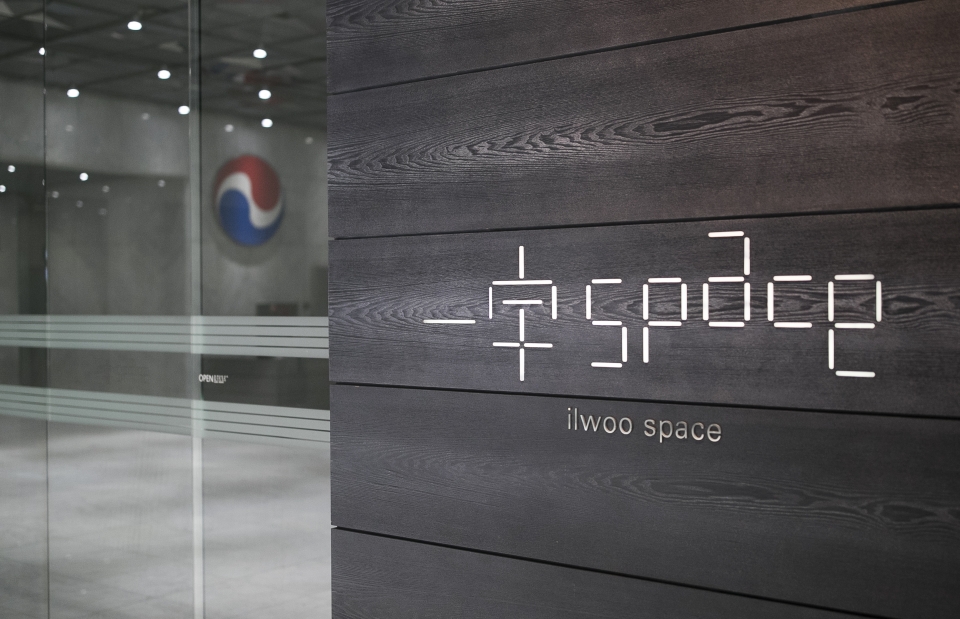
After studying in the UK, he returned to Korea and exhibited at Makeshop Art Space (Paju, Korea) and Gallery On (Seoul, Korea) in 2013, and held an exhibition to commemorate the award of the ILWOO Photography Award at ILWOO Space (Seoul, Korea) in 2015. So far (2022), he has held nine solo exhibitions, and most recently, he presented the exhibition 《We Built This City》 at Gallery Jinun (Seoul, Korea) in 2021.
Group Exhibitions (Brief)
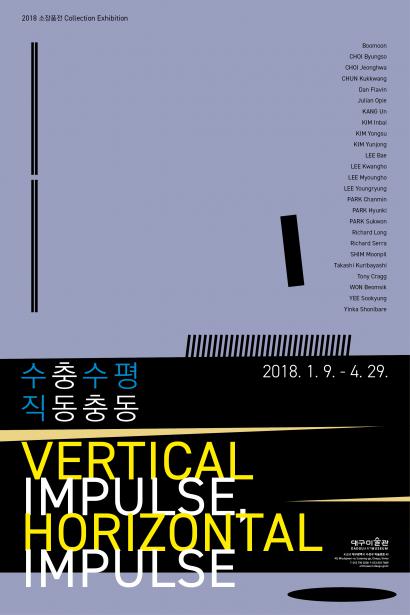
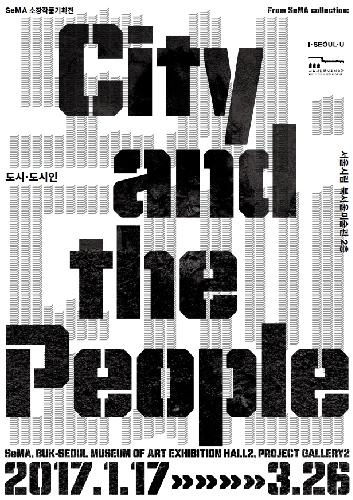
Participated in group exhibitions held at Korean Cultural Center Gallery (Ottawa, Canada), Daegu Arts Center (Daegu, Korea), Seoul Museum of Art (Seoul, Korea), Space K (Daegu, Korea), Seoul Museum of History (Seoul, Korea), Korean Cultural Center UK (London, UK), Dong-gang Museum of Photography (Yeongwol, Korea).
Awards (Selected)
He was selected as the 1st SKOPF (KT&G Sangsangmadang Korean Photographer’s Fellowship, Korea) and won the 6th ILWOO Photography Award exhibition section (ILWOO Foundation, Korea).
Collections (Selected)
His works are in collections of various museums and foundations such as The National Museum of Modern and Contemporary Art(Gwacheon, Korea), ILWOO Foundation, Daegu Museum of Art(Daegu, Korea), Goeun Museum of Photography, (Busan, Korea), Seoul Museum of Art(Seoul, Korea), The Sovereig Art Foundation (Hong Kong).