




Solo Exhibitions (Brief)
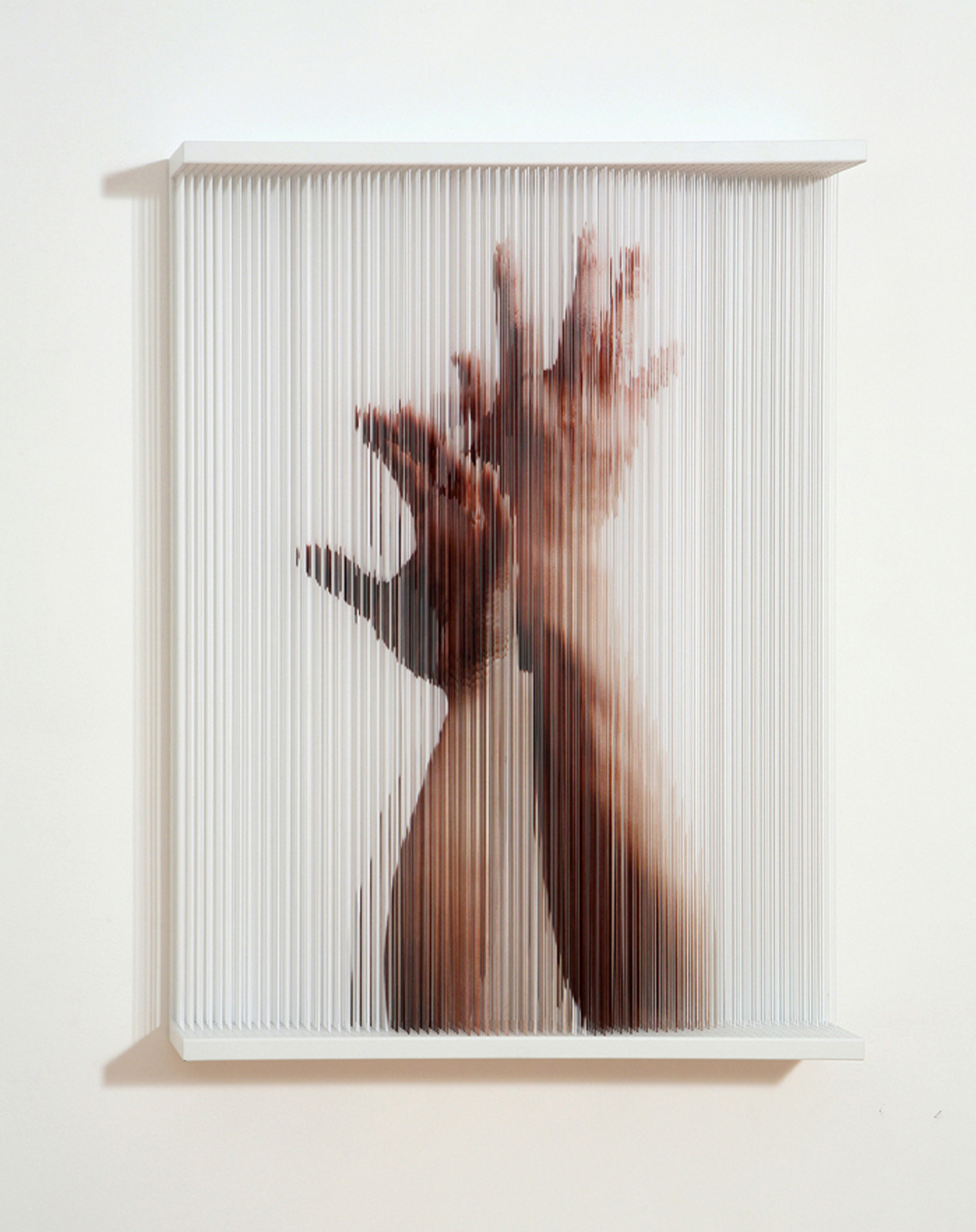
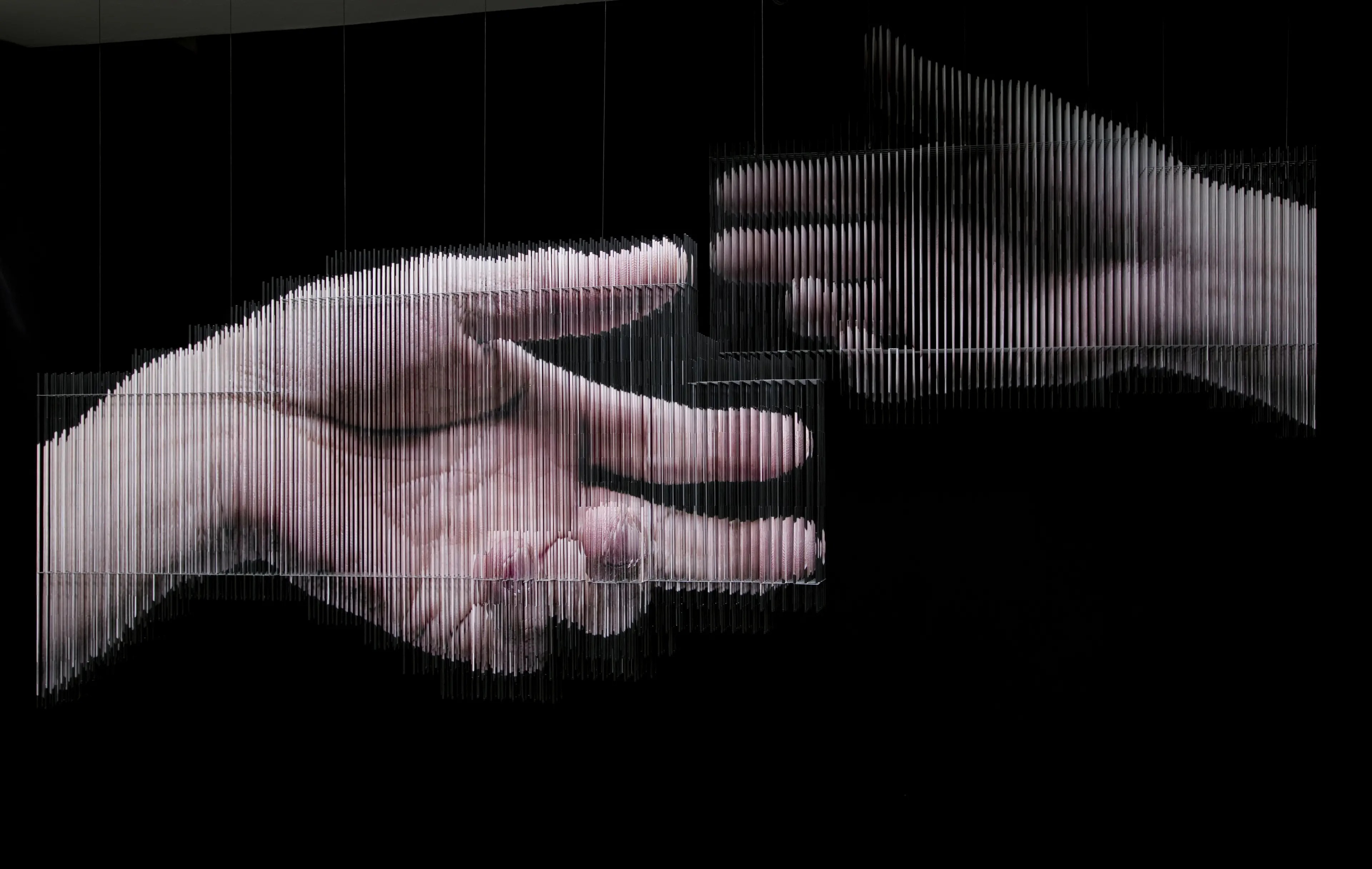
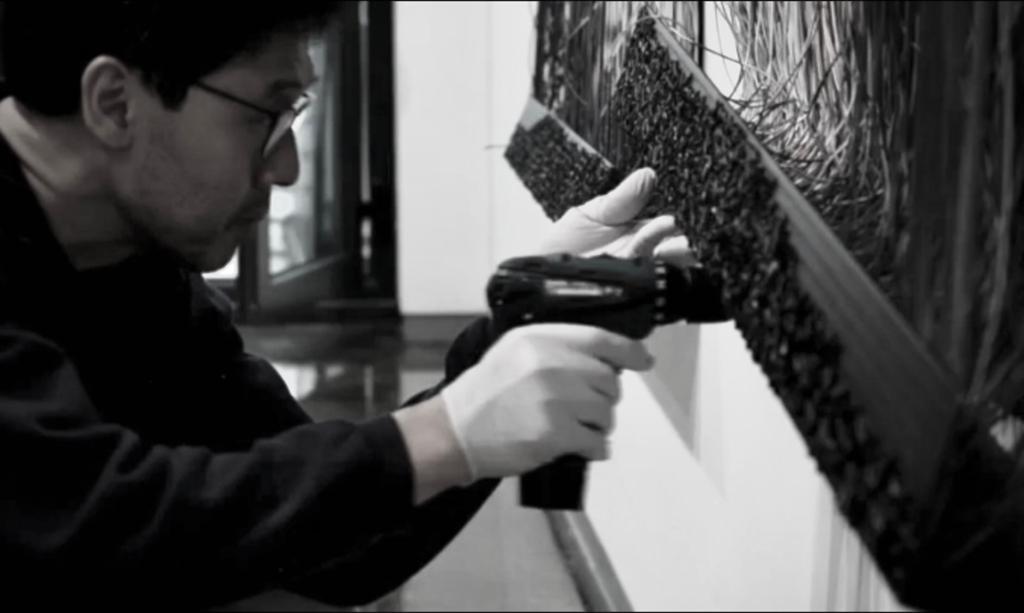
The artist held his first solo exhibition 《White Cube》 at Cal Arts (Los Angeles, USA) in 2000, and presented a work in which thin and light strings laid down from the ceiling to the floor.
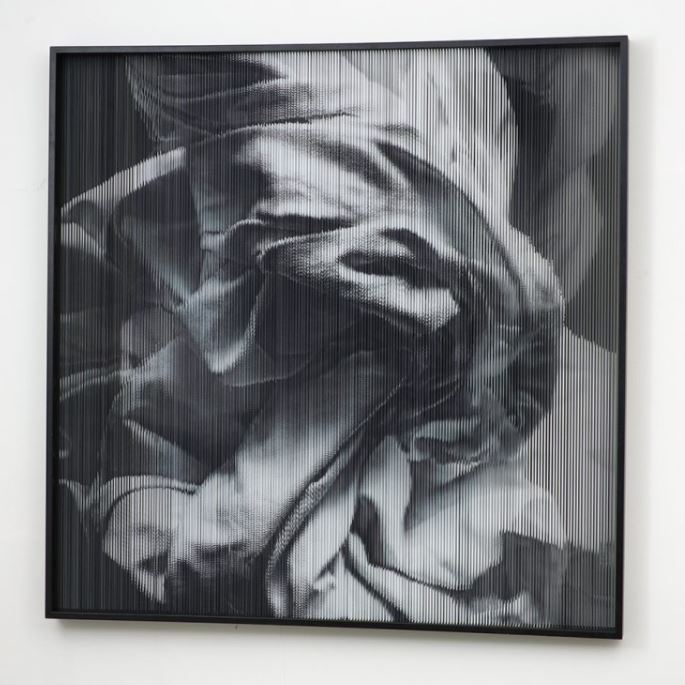
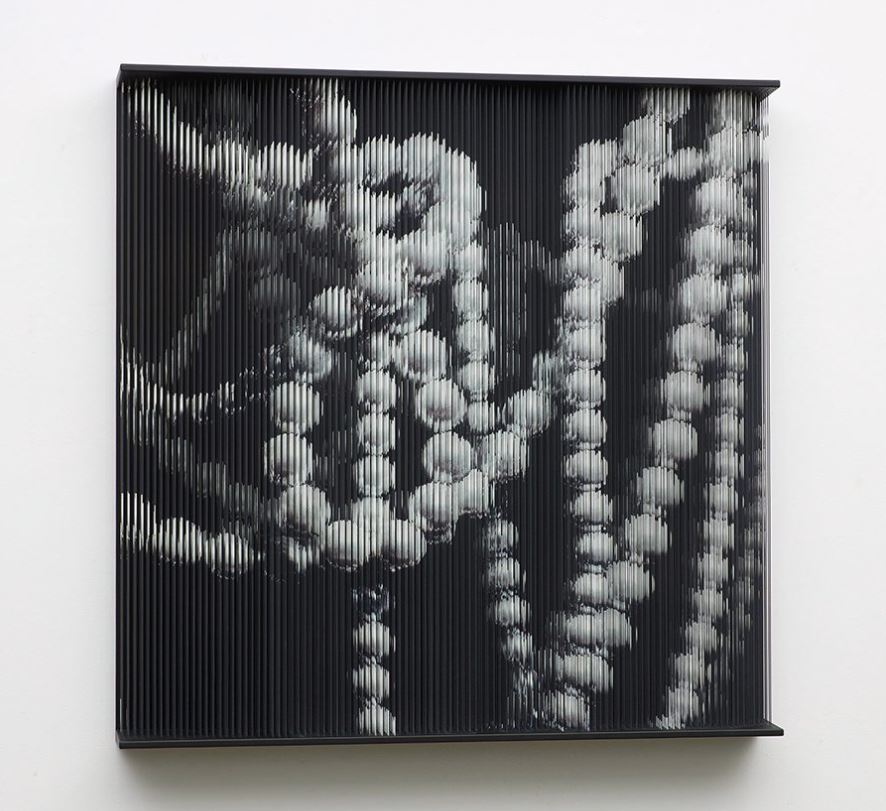
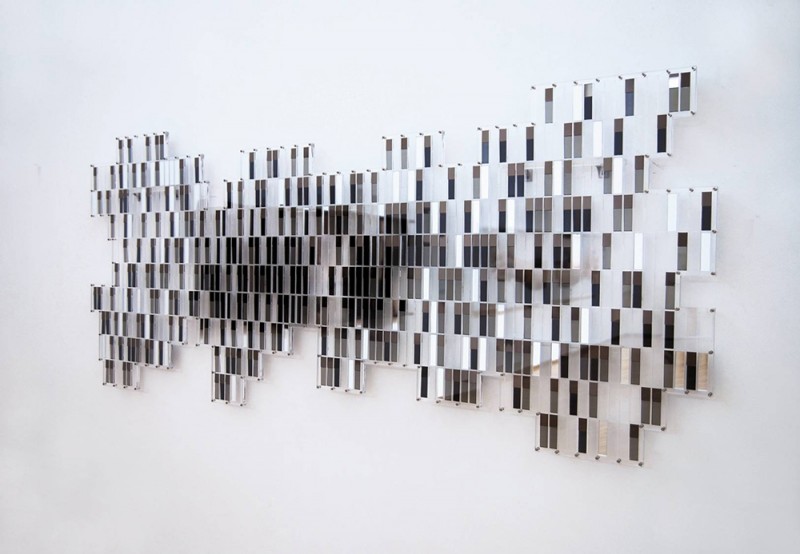
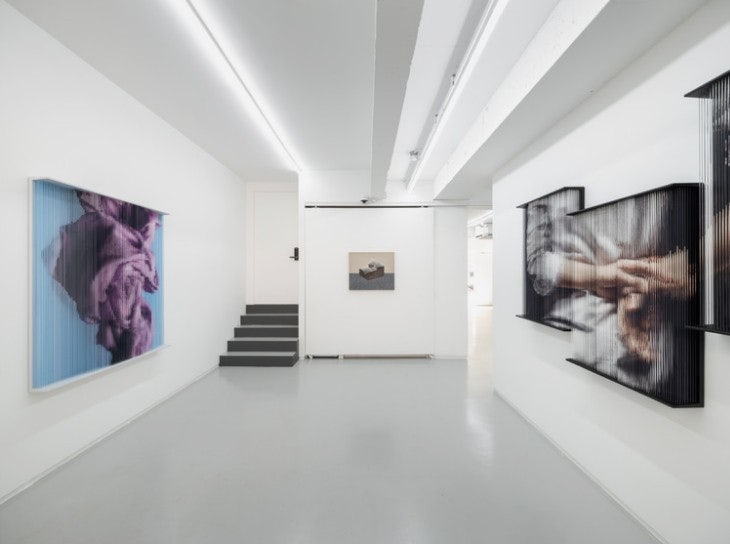
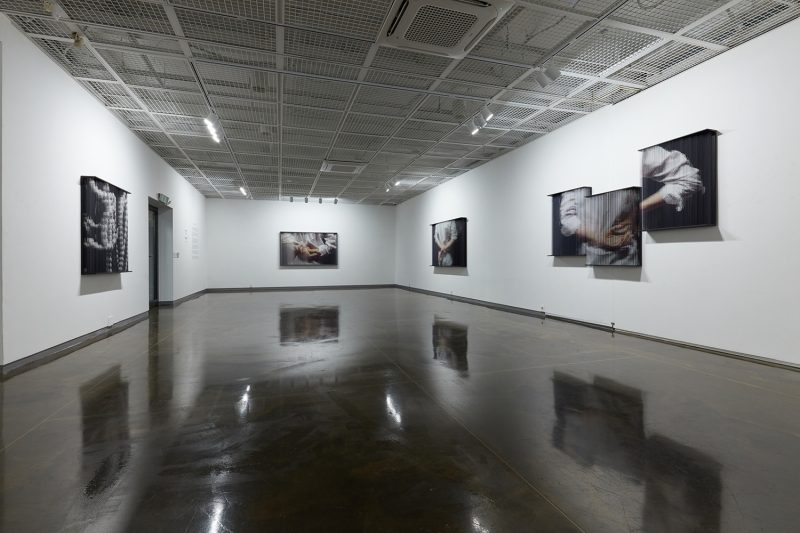
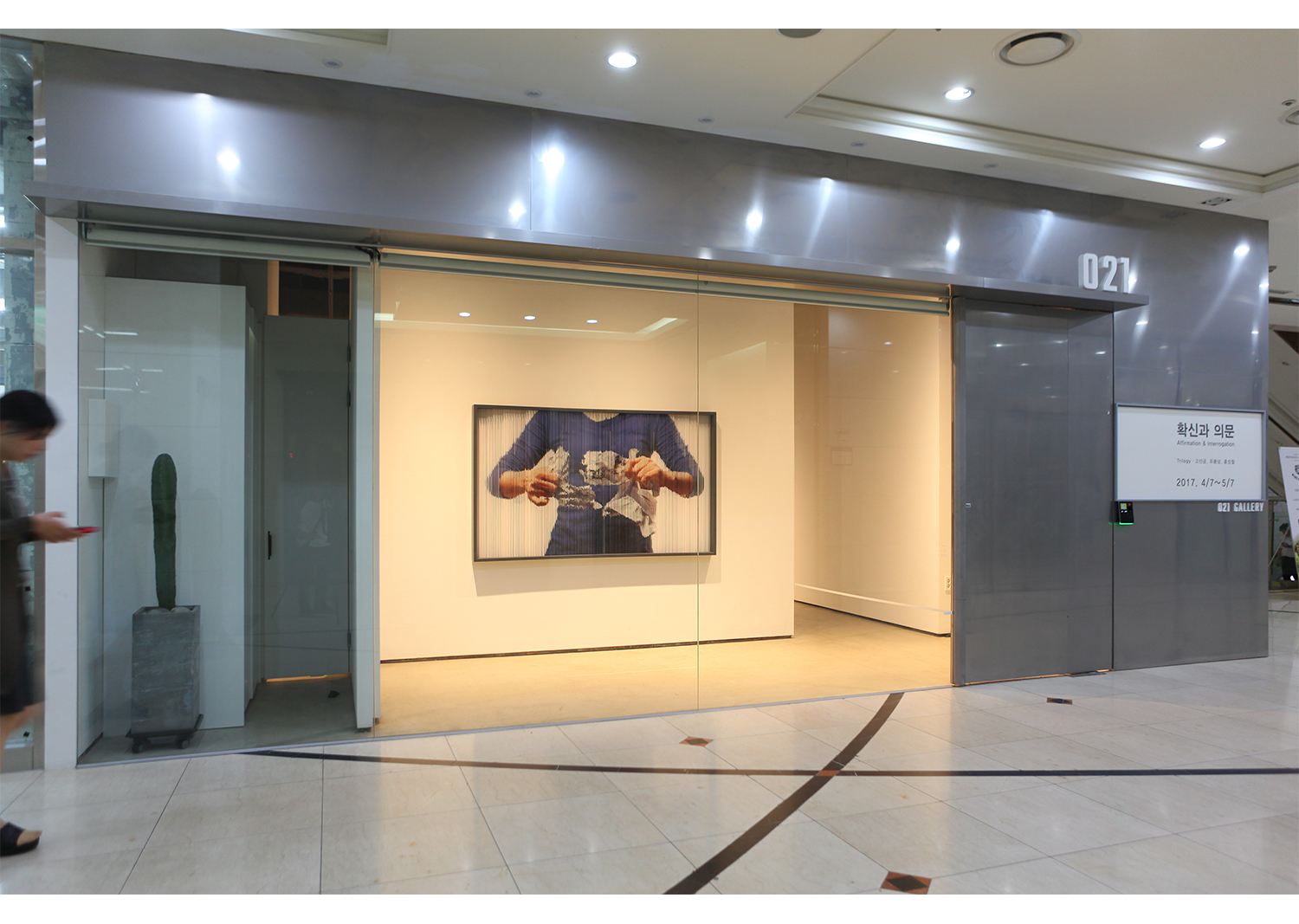
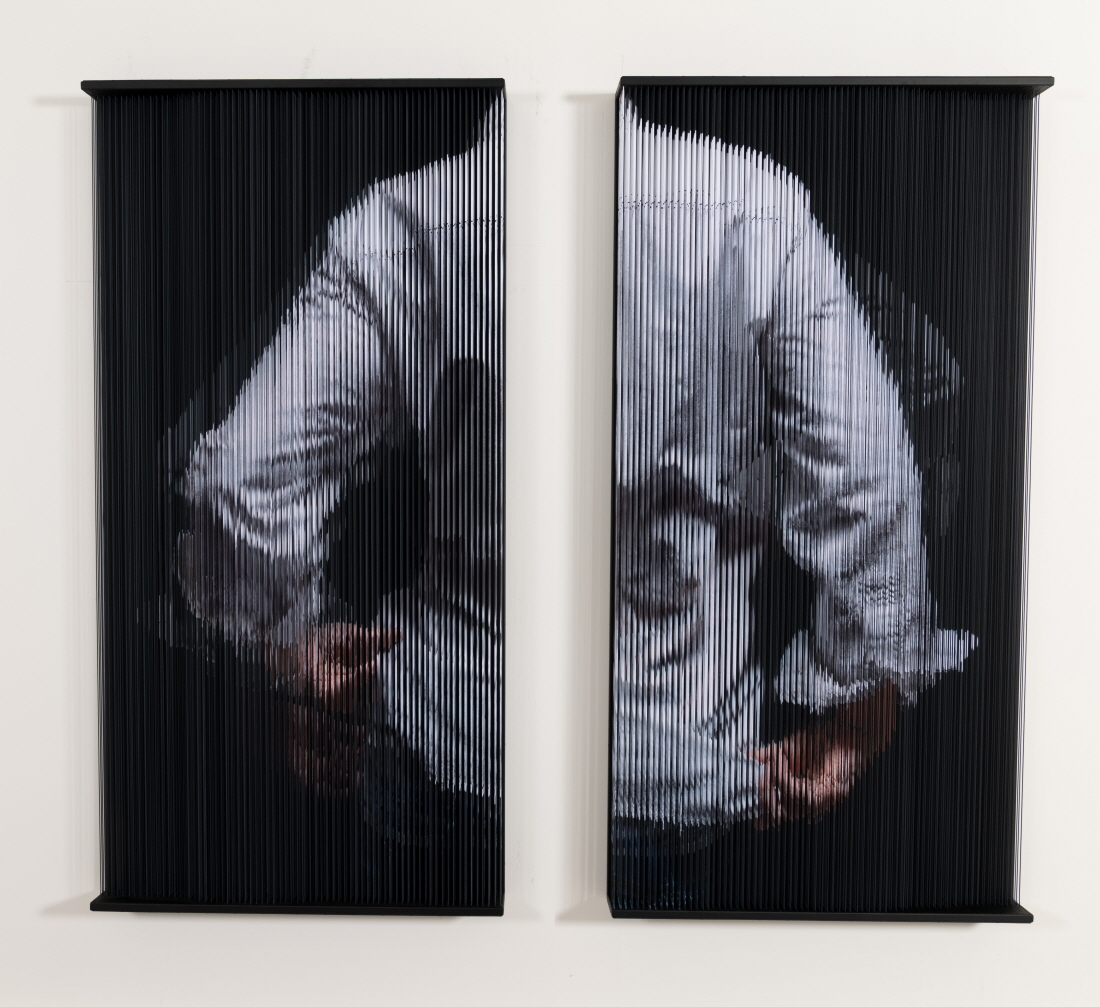
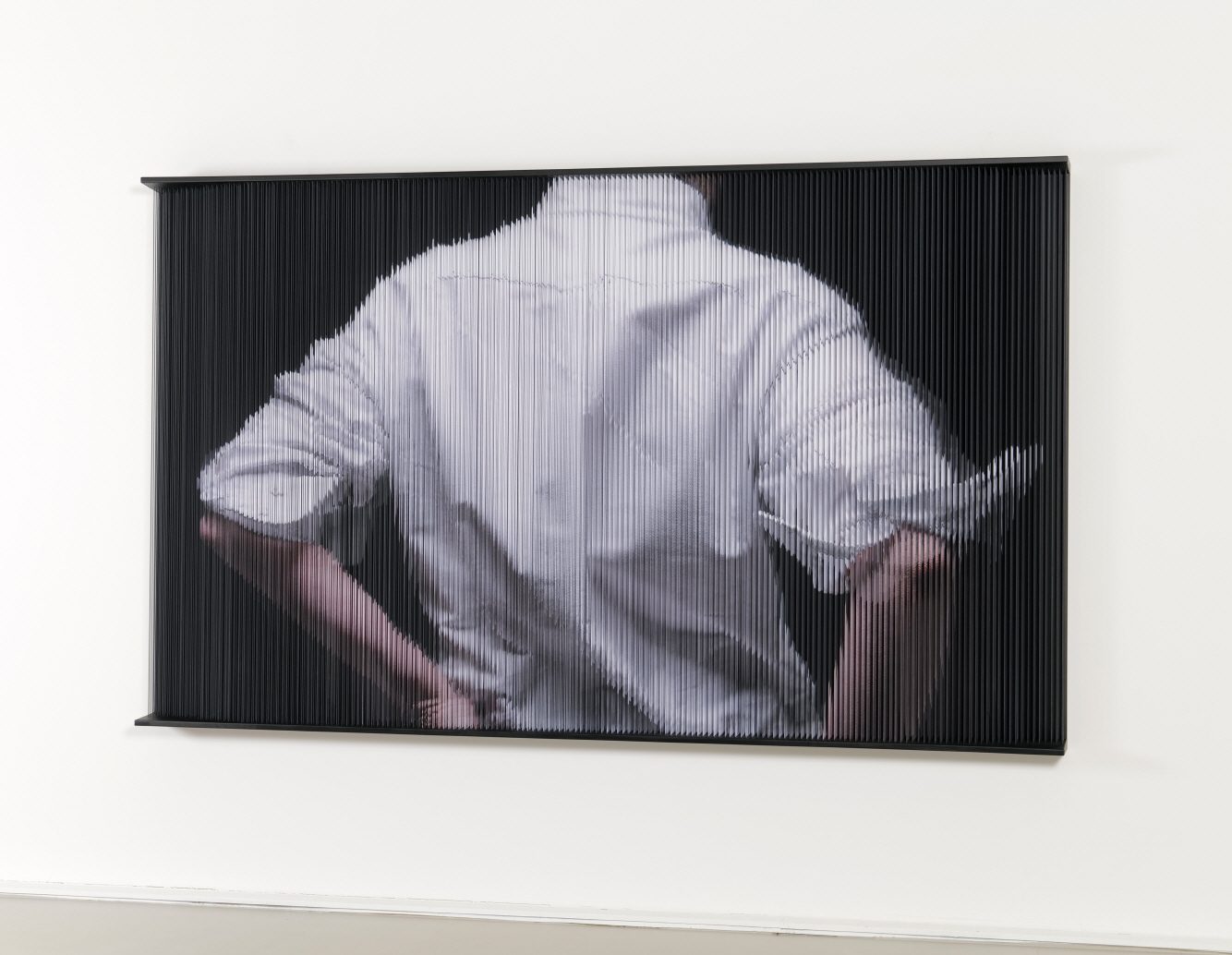
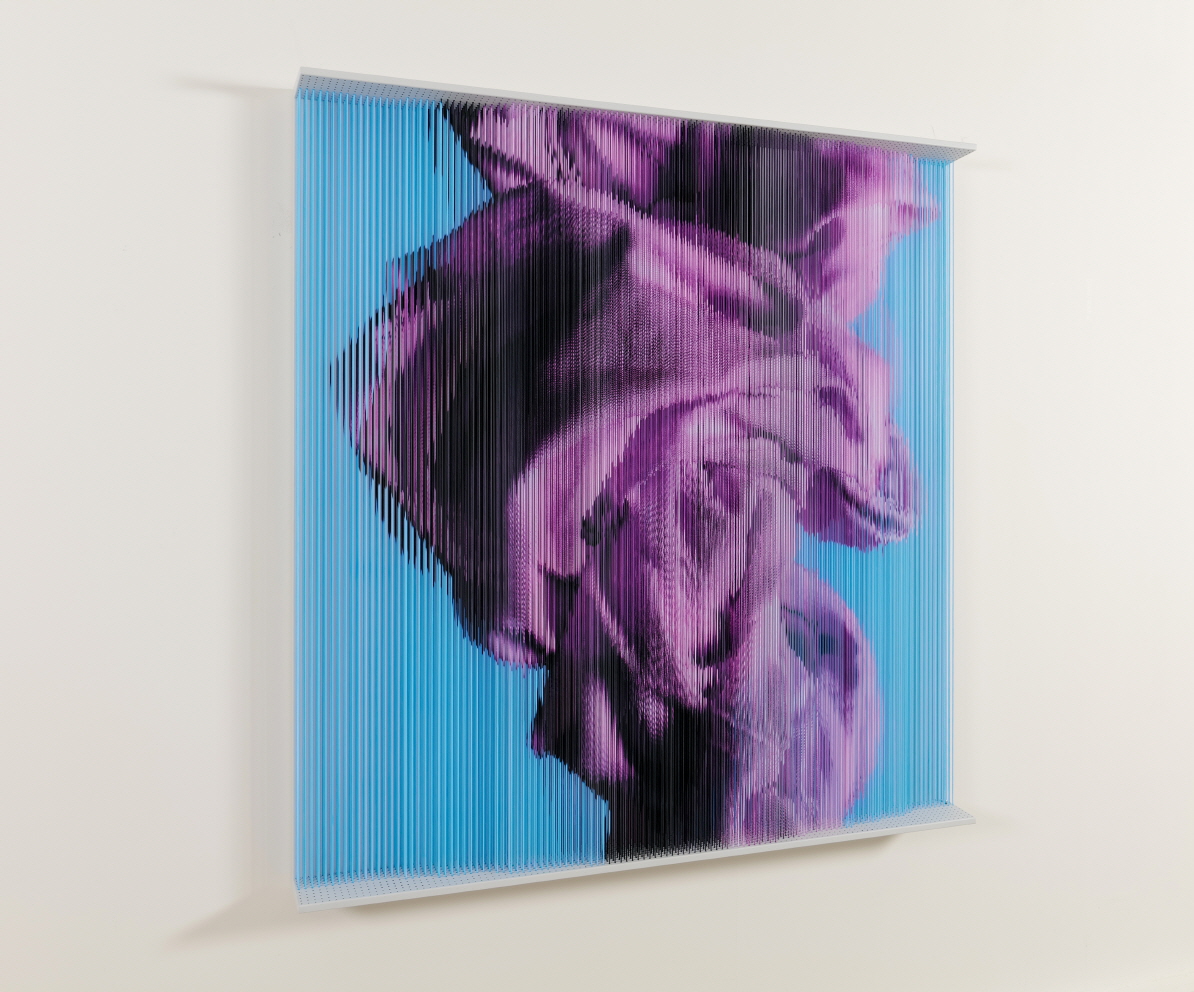
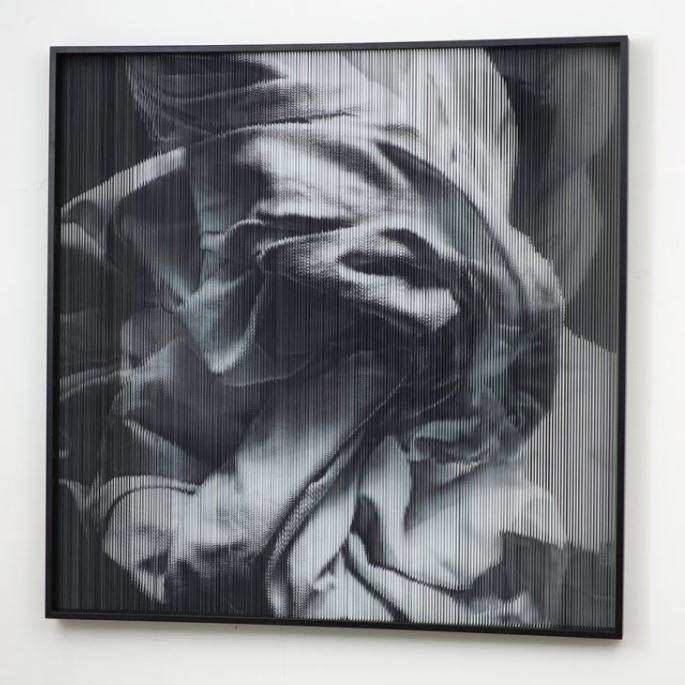
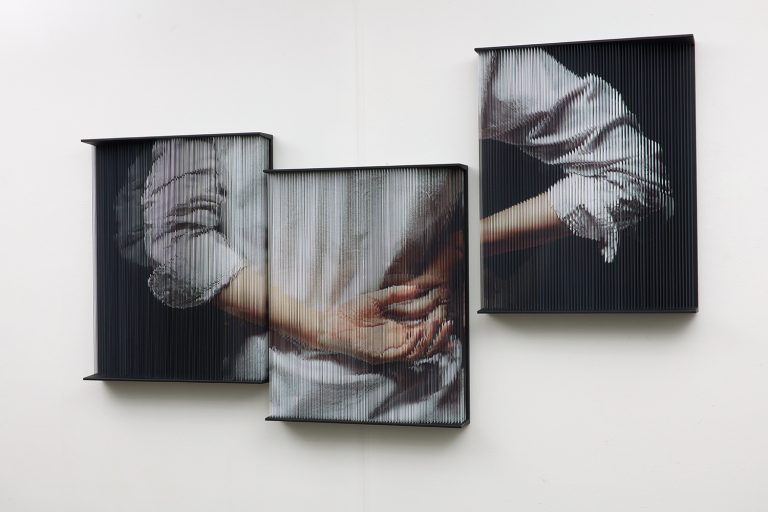
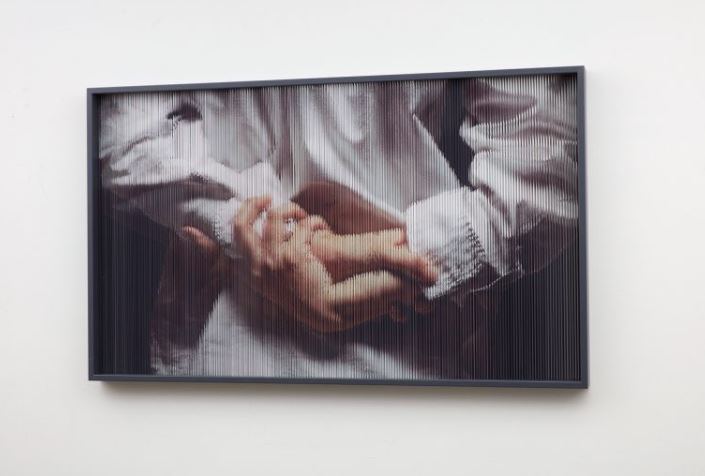
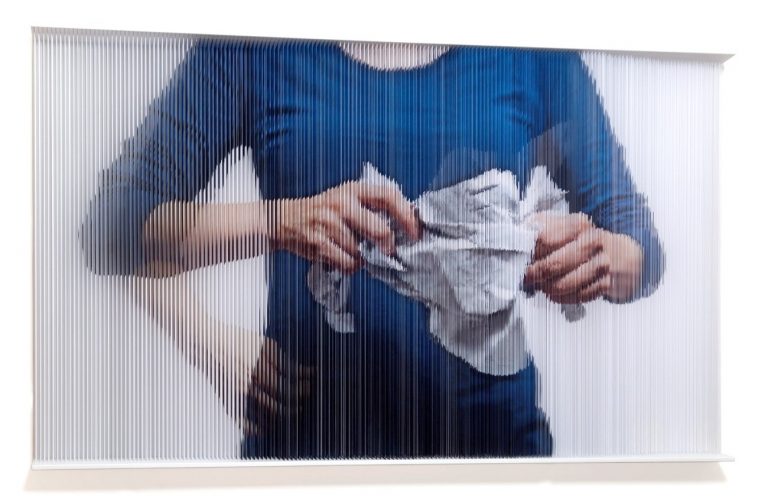
After that, he produced three-dimensional installation works in which images of body parts or objects were printed in earnest using strings.
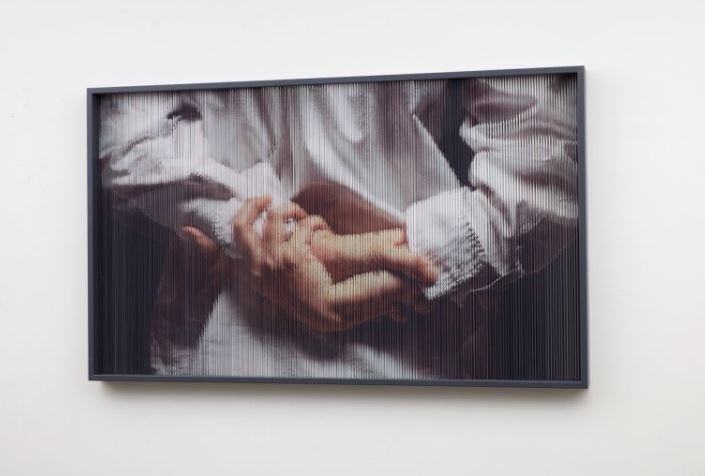
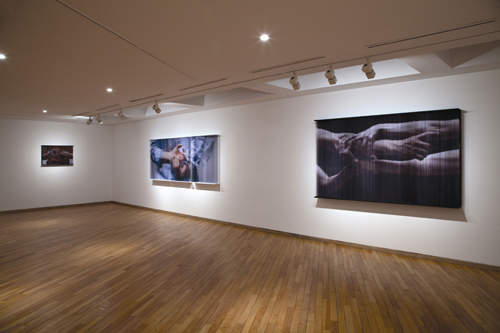
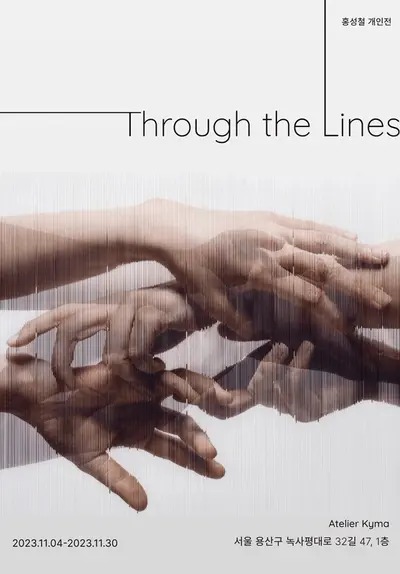
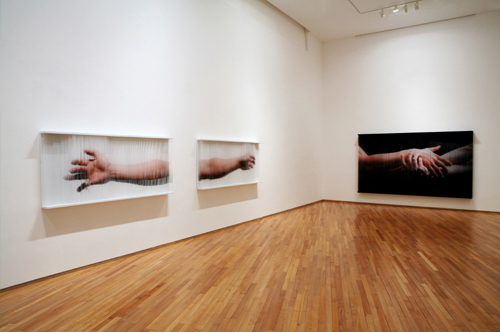
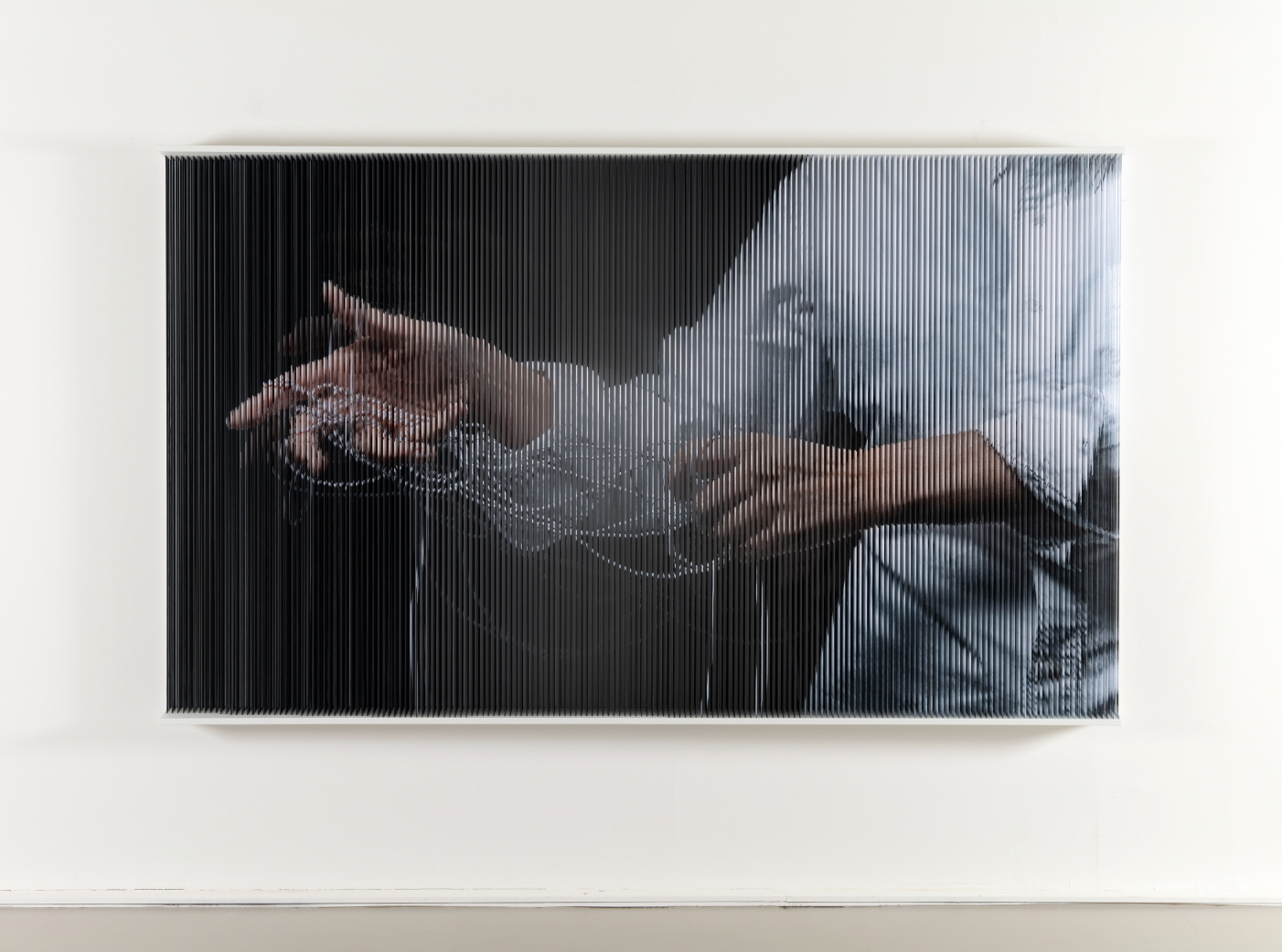
In 2007, he held a solo exhibition 《Young_eun Artist Relay》 by participating in the ‘2006-2008 Youngeun Artist Project’, a creative studio resident support program conducted by Youngeun Museum of Art (Gwangju, Korea). In this exhibition, works that express hands were mainly selected and exhibited.
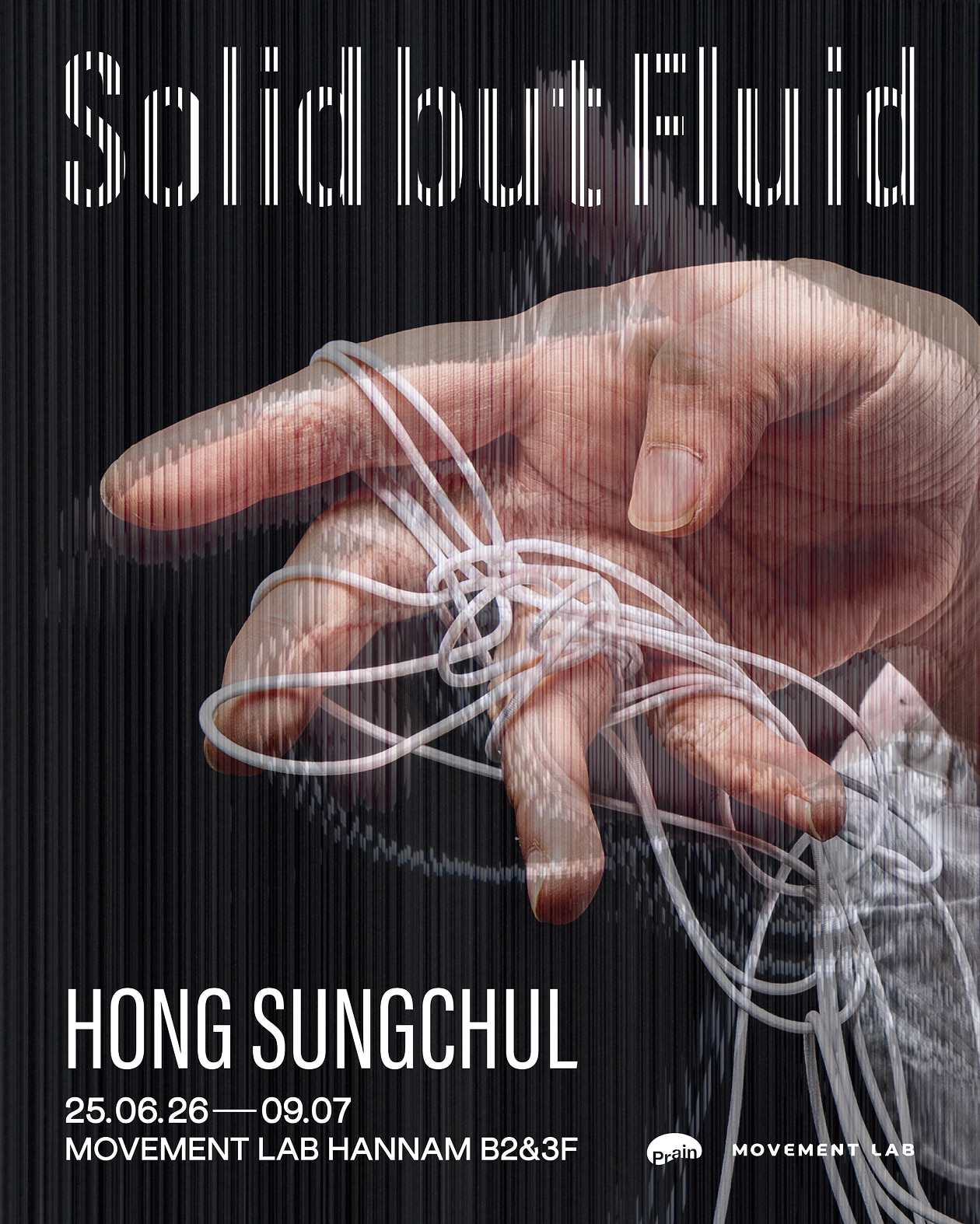
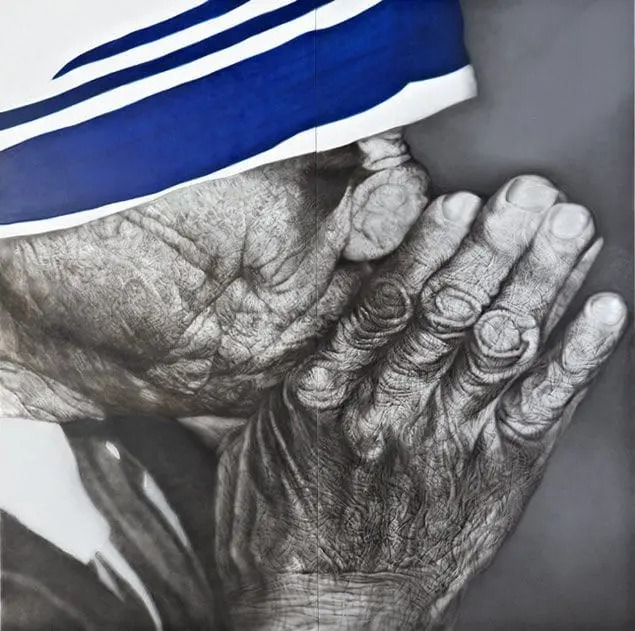
The subject ‘hand’ appears frequently in Hong Sungchul’s works, but the first work that expresses the hands and the object was presented in 2011. In 2012, 《Solid but Fluid》 was held at HADA Contemporary (London, UK) focusing on the new works produced during this time.
In 2018, 《Solid but Fluid》 was held at UARTSPACE (Seoul, Korea), and it was the first solo exhibition held in Korea in 7 years. In this exhibition, works expressing the meaning of communication through the theme of ‘hands’ and recently produced new works were presented.
Group Exhibitions (Brief)
The artist was mainly active in Korea until 2000, but after his first solo exhibition in 2000, his name became known abroad was invited to special exhibitions in numerous domestic and foreign art galleries and galleries.
Hong Sungchul’s work is receiving a lot of attention and attention in Korea, but he is more popular abroad, so he participated in many group exhibitions held abroad than in Korea.
The artist participated in 《Korean Eye 2012》 held in 2012 at Saatchi Gallery (London, UK). About 100 works by 34 artists were exhibited, and it was the largest exhibition of Korean art held in London. Insightful works that give a glimpse into the future of Korean contemporary art were selected, and Hong Sungchul who had been well-received overseas was also selected.
In addition, 《Look&See》 (2007, Kumho Museum of Art, Seoul, Korea), 《Remind》 (2010, Youngeun Museum of Art, Gwangju, Korea), 《Korean Collective Basel 2011》 (2011, hall33, Basel, Switzerland), 《Re-presenting Representation VIII》 (2014, ARNOT ART MUSEUM, New York, USA), 《Portrait Gallery》 (2015, Kallenbach gallery, Amsterdam, Netherlands), 《Beyond The Frame》 (2019, Taksu gallery, Singapore), the National Museum of Modern and Contemporary Art (Seoul, Gwacheon/Korea), Seoul Museum of Art (Seoul, Korea), and Waterfall Mansion gallery (New York, USA) etc, participated in several group exhibitions held at home and abroad.
Collections (Selected)
BOGHOSSIAN Foundation (Brussels, Belgium), National Museum of Contemporary Art (Seoul, Korea), Seoul Museum of Art (Seoul, Korea), Kumho Museum of Art (Seoul, Korea), Byuksan Cultural Foundation (Seoul, Korea), Kolon Group (Gwacheon, Korea) ), BGF Retail (Seoul, Korea), CJ E&M (Seoul, Korea), SK Telecom (Seoul, Korea) and other domestic and foreign collections have been.