Ram Han is known by numerous titles, including cartoonist,
designer, illustrator, digital creator, and digital painter. However, while the
materials and mediums she uses in her image-making vary, Ram Han is a painter
at her core. The distinction between digital painting and traditional painting
is often rooted in the conventional critique of media-based art, where digital
works are perceived to lack substance in reality.
Digital works make it
difficult to trace the direction of the brushstrokes or discern the movement of
the artist’s hand—in other words, to imagine where the painting begins and
ends. As a result, when interpreting digitally created works, the focus often
shifts to informational details, such as which software was used to portray
certain forms and expressions.
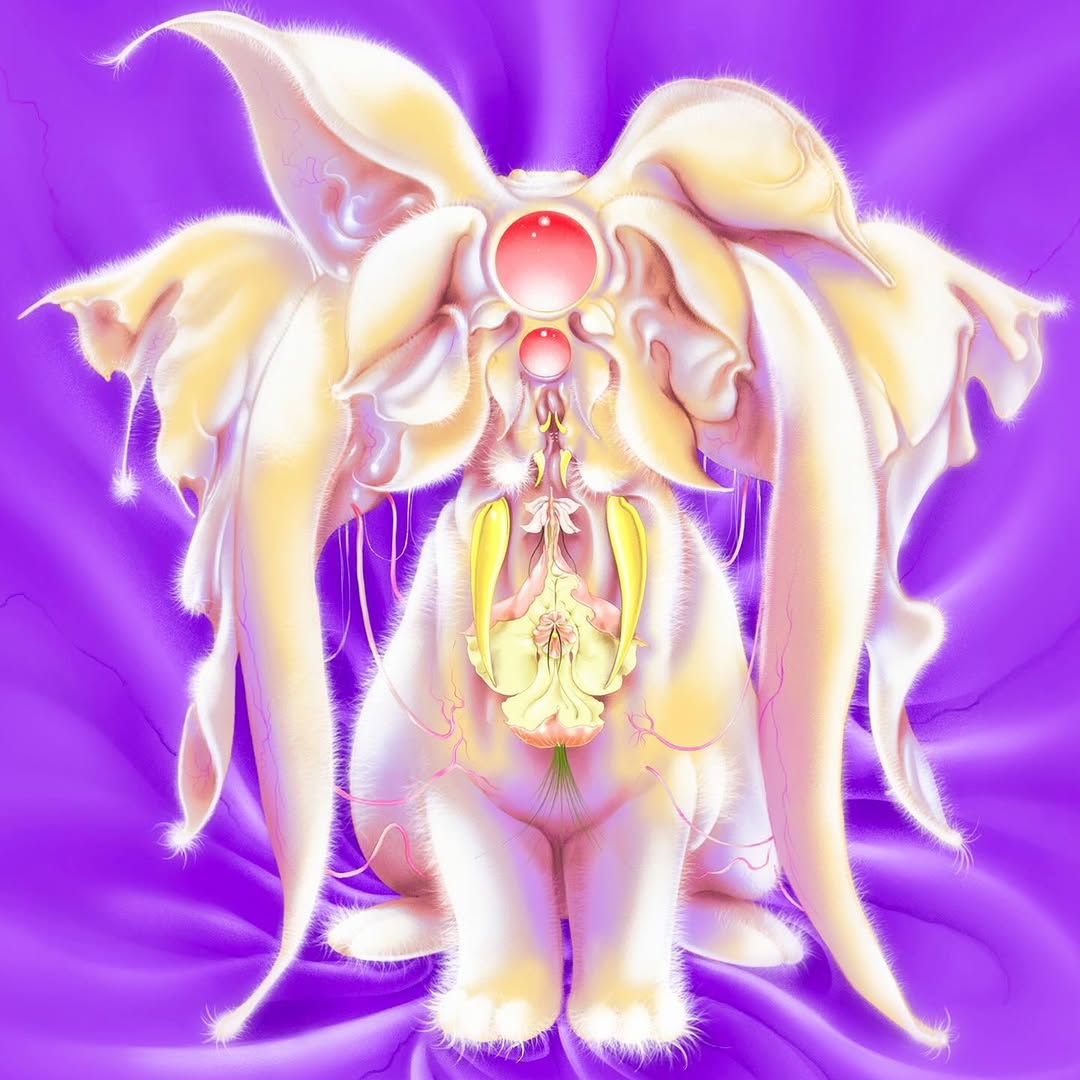
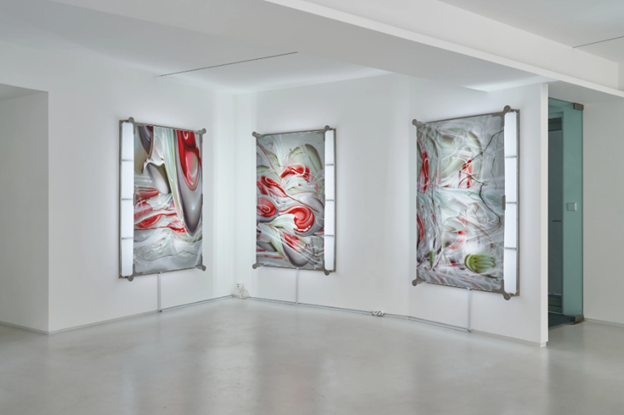
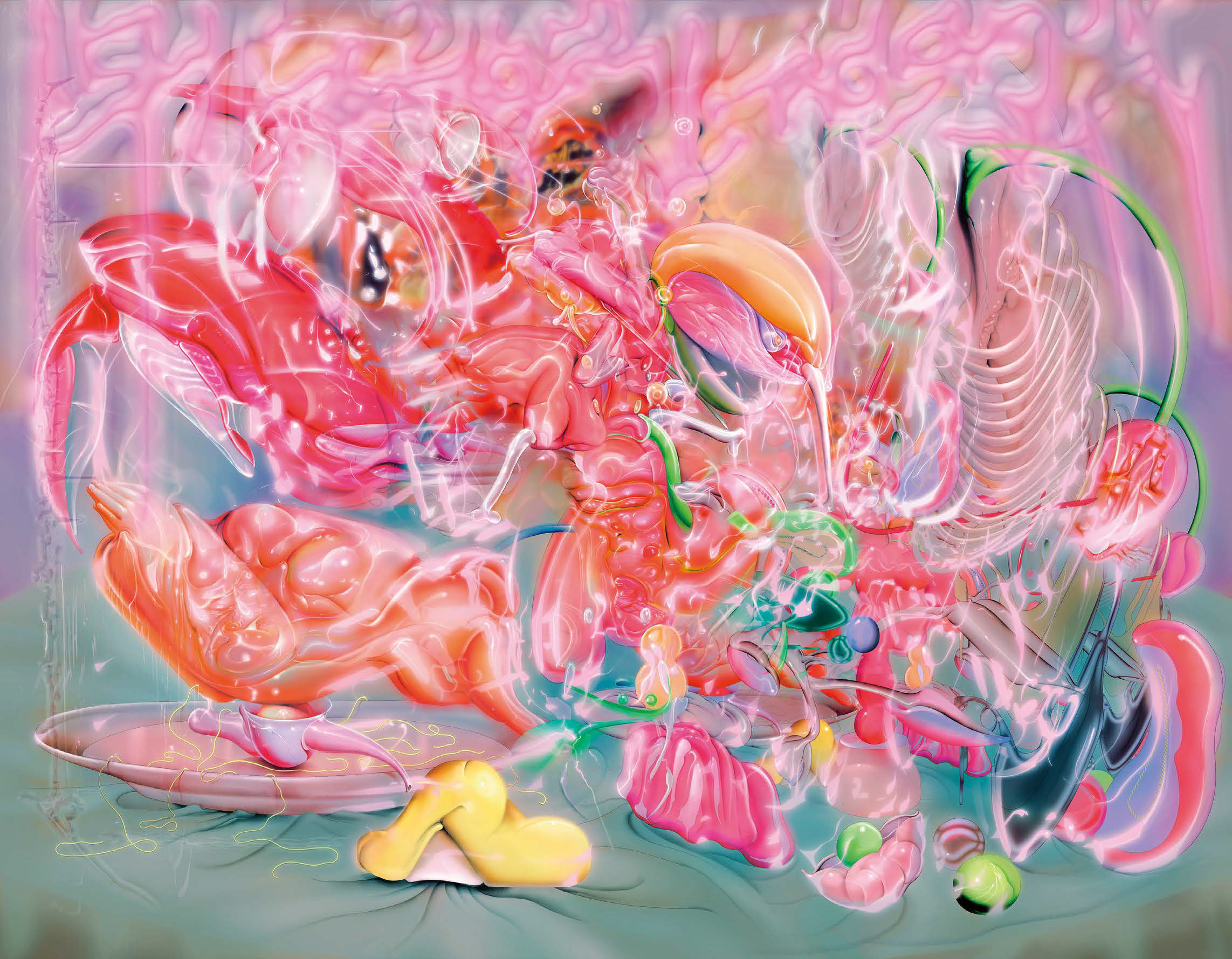
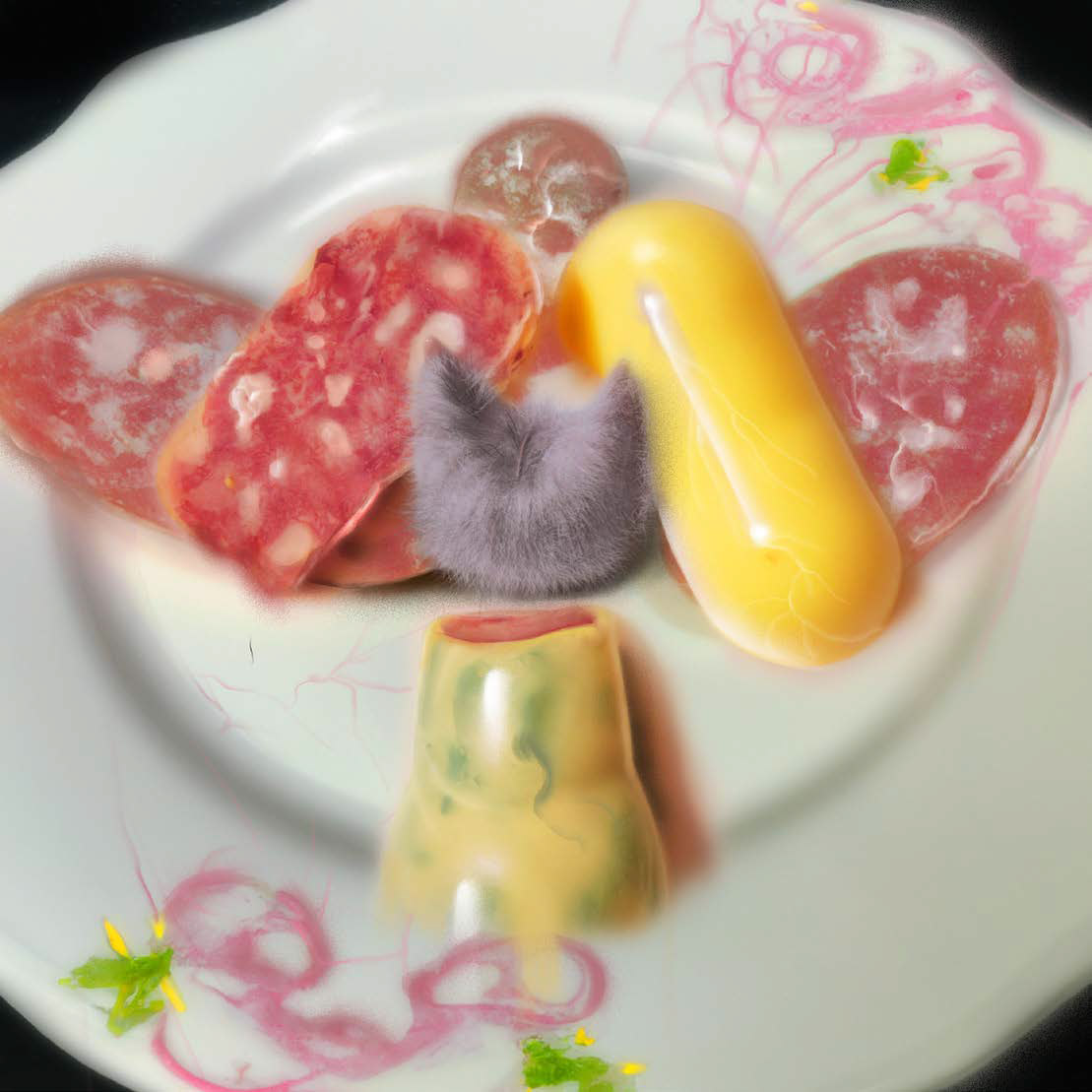
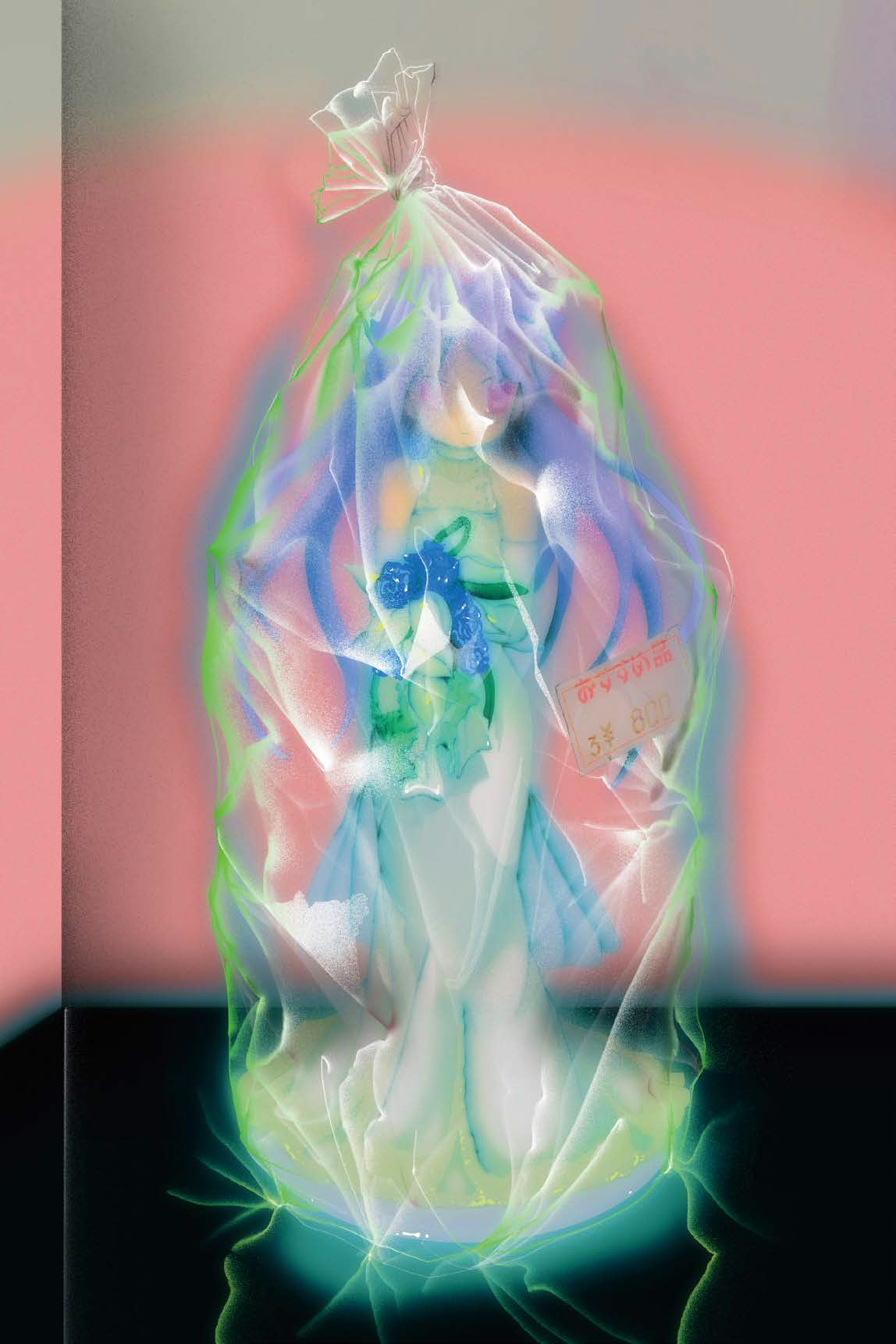
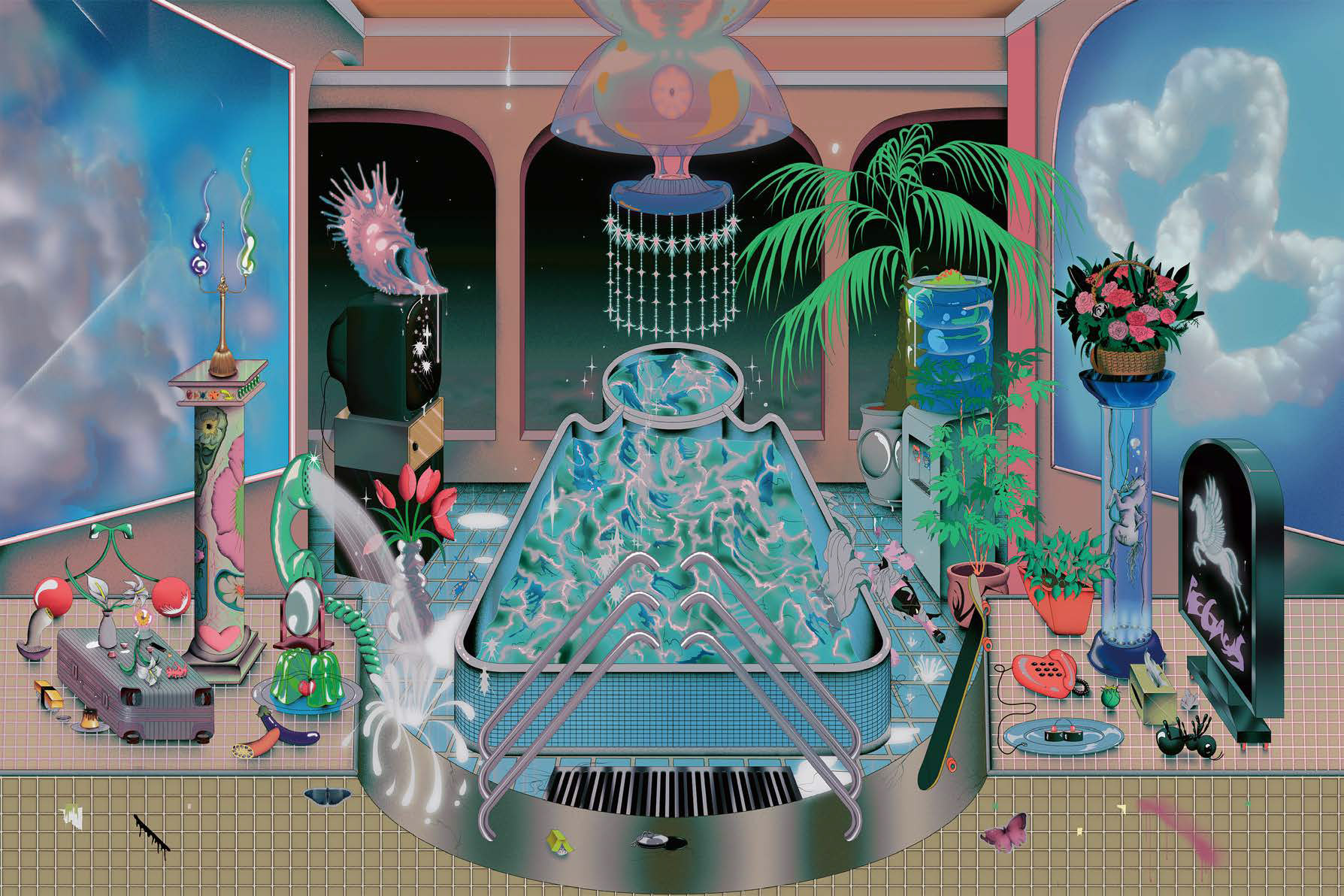
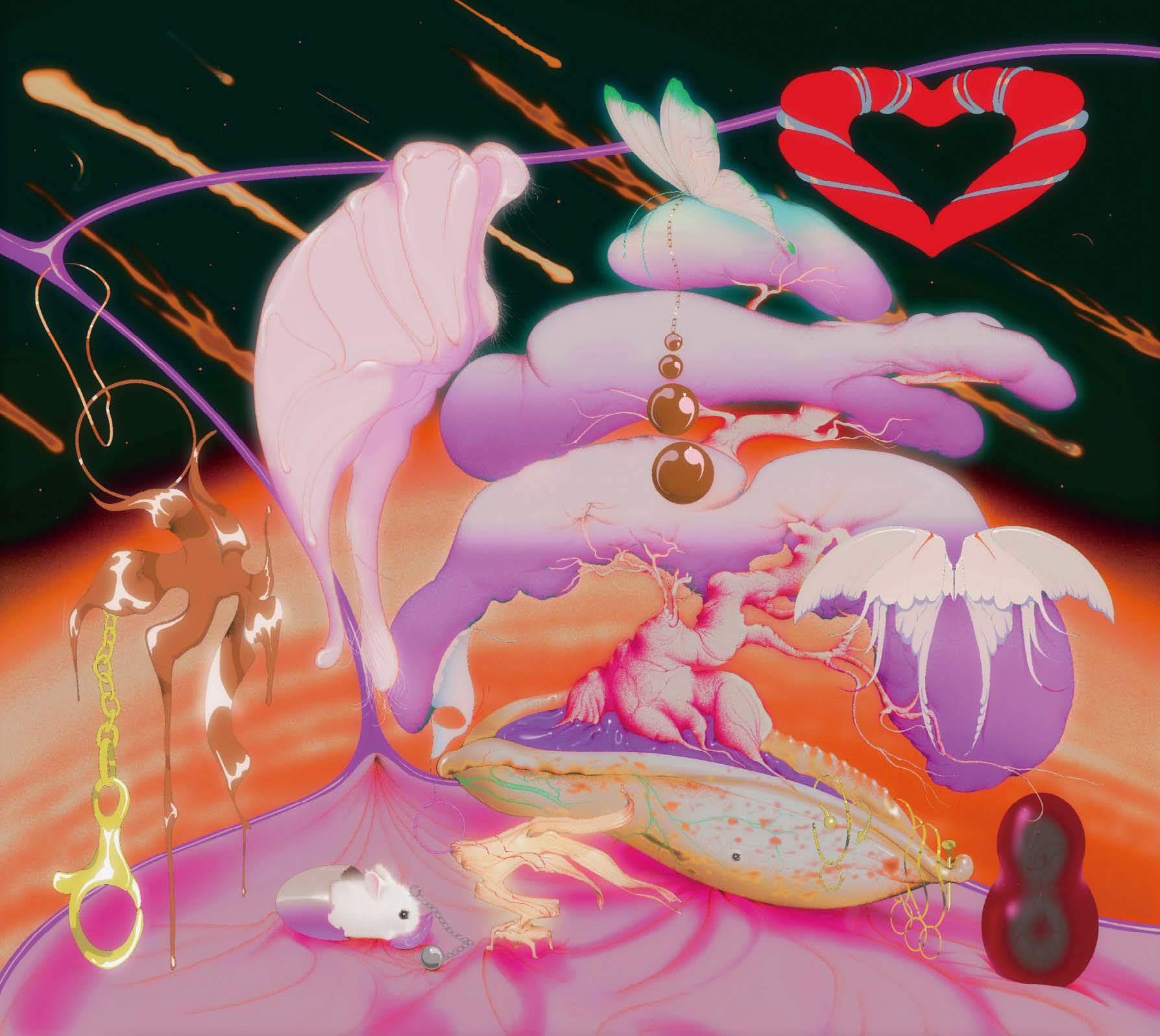
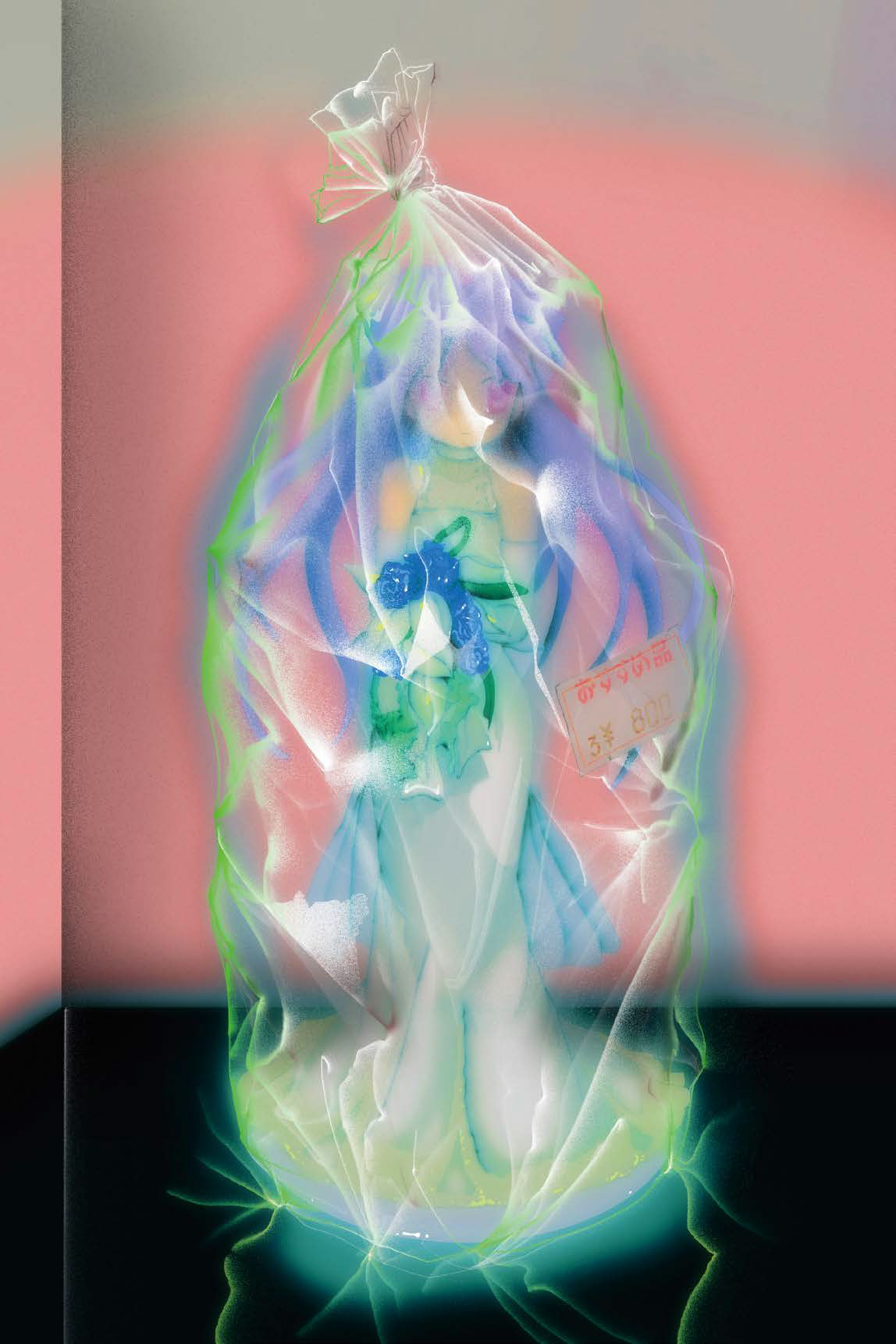
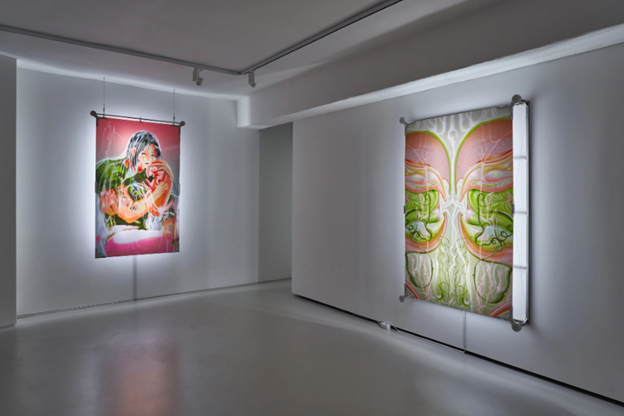
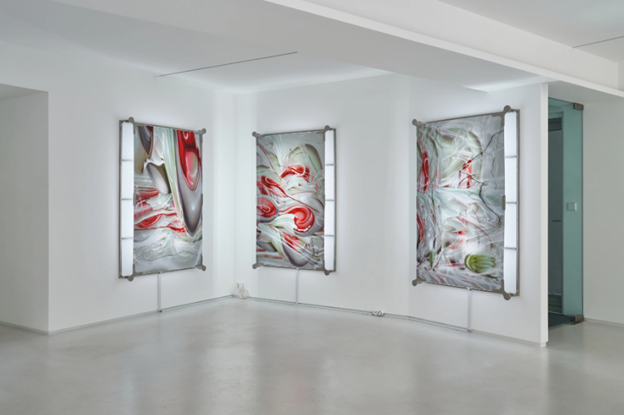
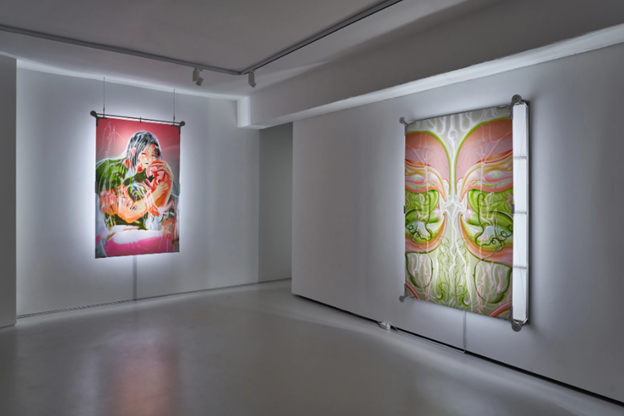
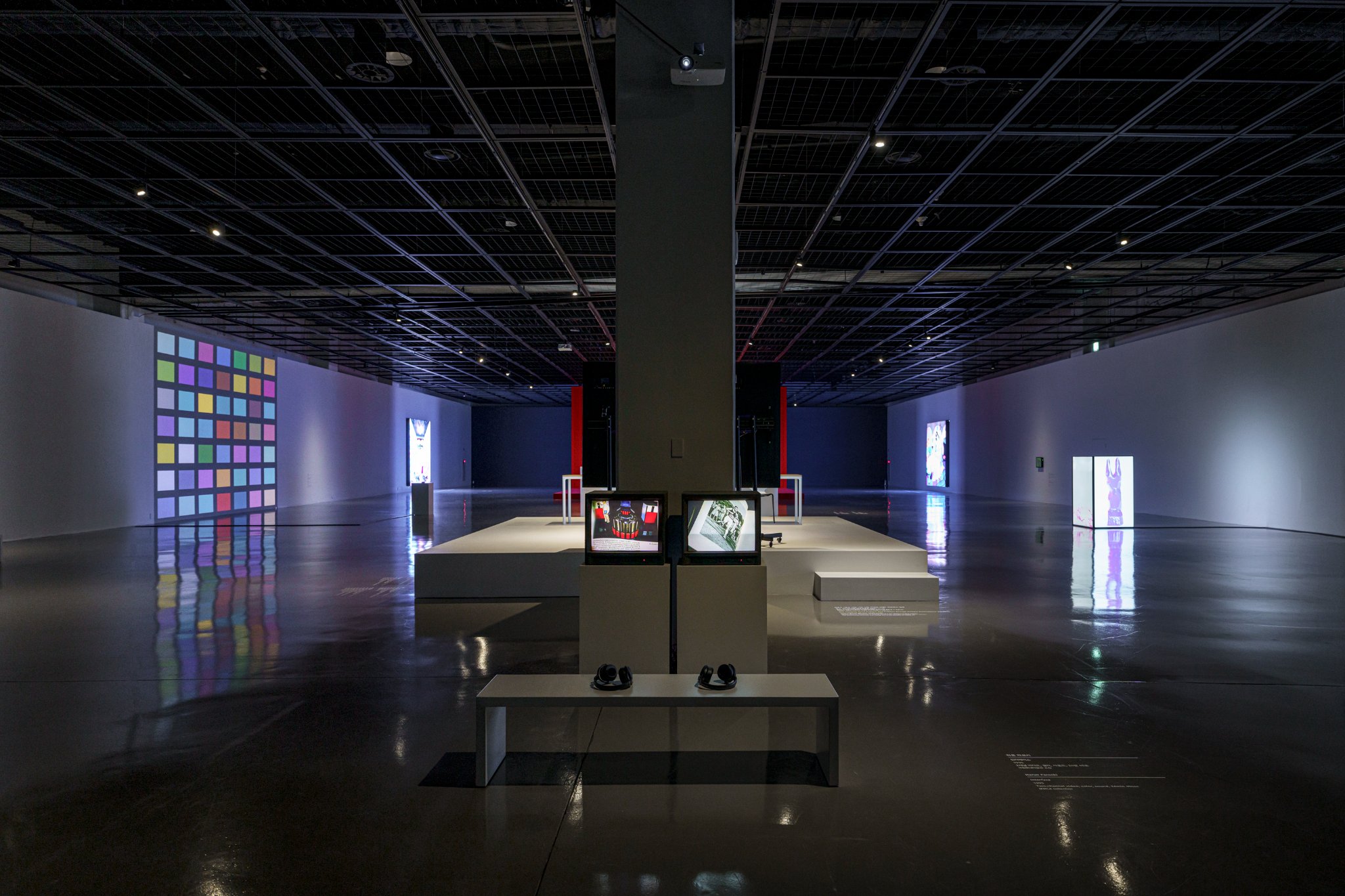
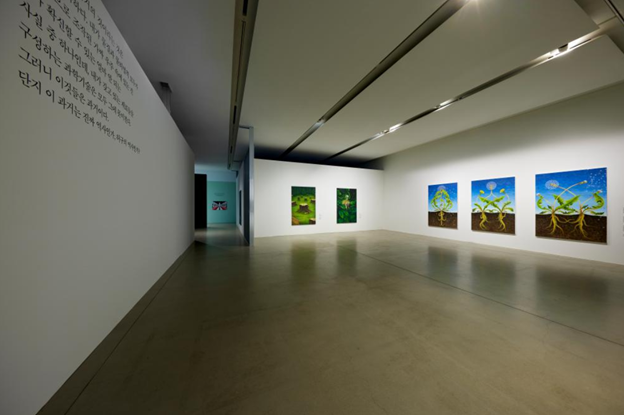
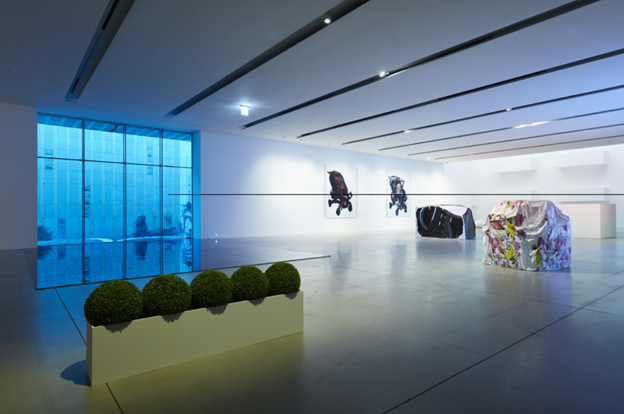
In her exhibition 《Phantom Arm》 (2018), Ram Han presented digital paintings as prints,
extending her work beyond the screen and into a more tangible (and collectible)
form. Since at the time, she was still primarily introduced as an illustrator
rather than an artist, she put exceptional effort into finding the optimal ways
of physically presenting works that were created on the computer.
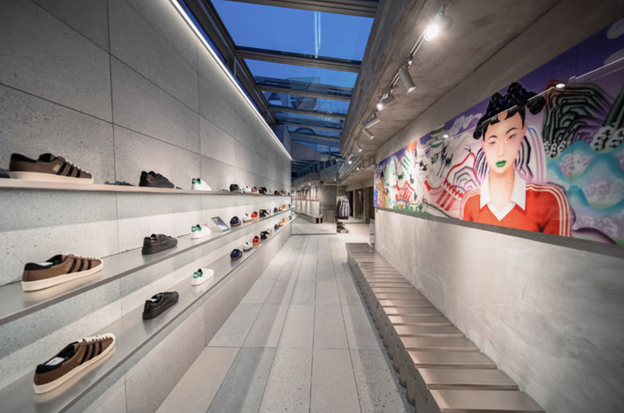
These
decisions marked an important step in building and infinitely expanding the
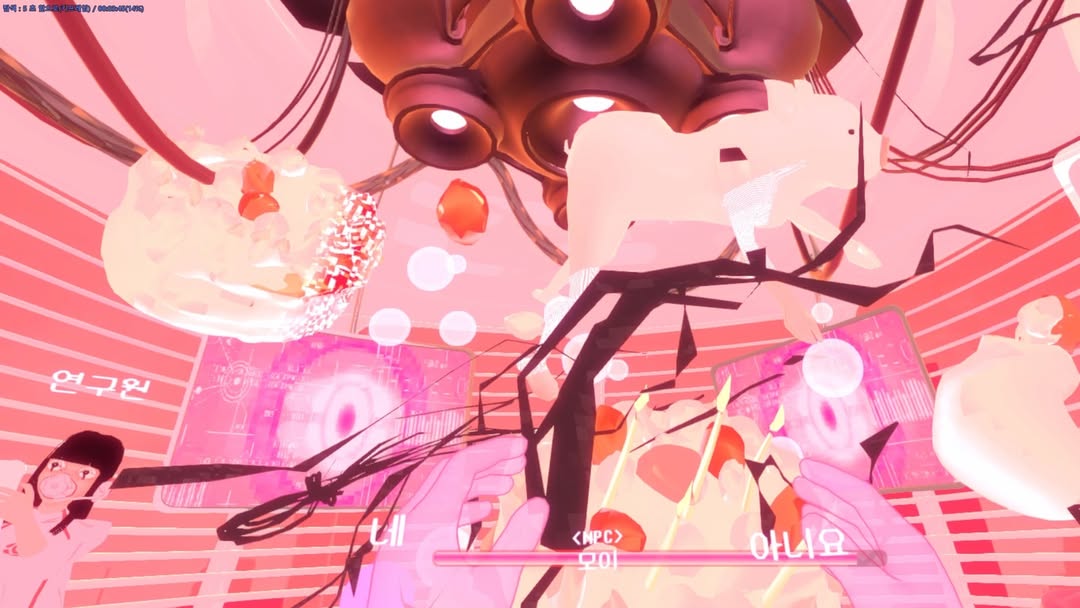
immersive world of her creations while moving fluidly between various mediums–
whether through monitors or screens or in alternative material, formats, and
scales, as well as defining Ram Han’s direction as an artist.
Sun Woo-hoon, the exhibition organizer of Ram Han’s first solo exhibition at
Your Mana in 2017, wrote, “Ram Han is an artist who paints time, capturing
moments that we may have missed. Following her works, one finds faint but vivid
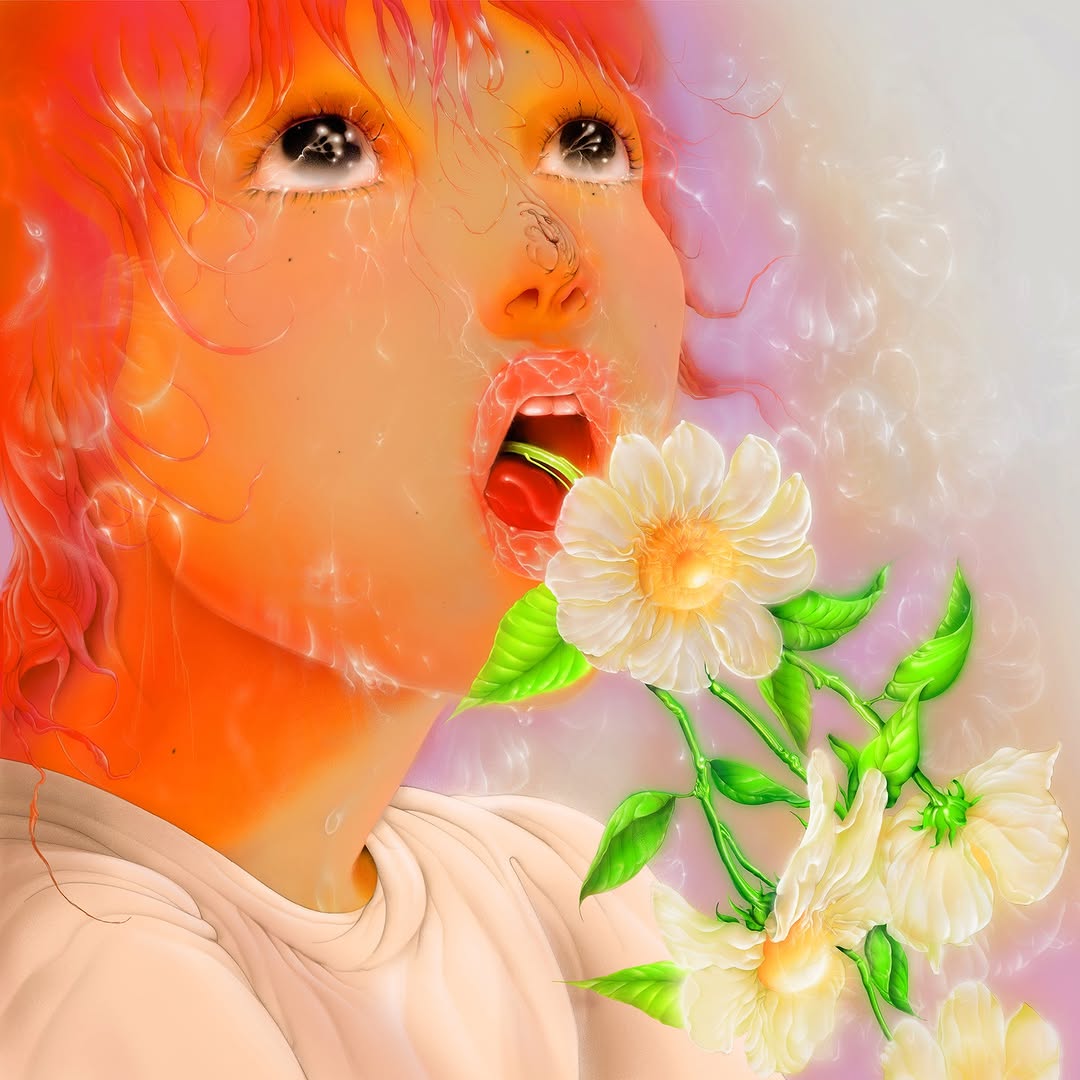
afterimages that remain in memory without much effort.” Her images are intensely
beautiful on their own, but upon closer inspection, one notices that she
neither defines specific subjects within the paintings nor provides clear
references for the origins of their backgrounds or atmospheres.
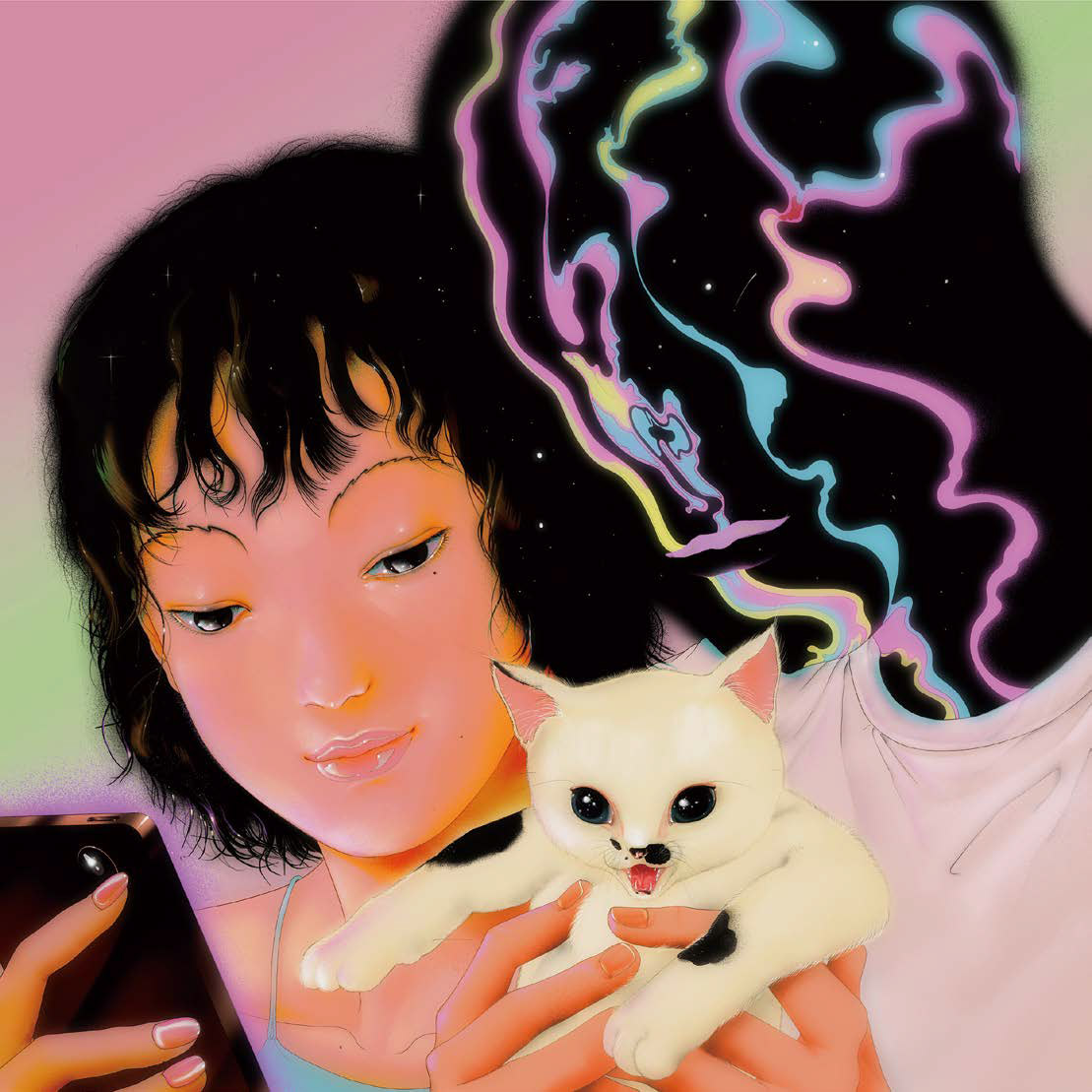
Yet, her
paintings evoke faint memories of our childhood—scenes that are unclear as to
whether they were directly experienced or encountered indirectly through media,
but linger vividly, etched in our senses. Even in the digital realm, memories
and nostalgia continue to accumulate. Some may argue that these are false
memories, but digital nostalgia is a real experience with a materiality to it.
In his book Foreverism, Grafton Tanner discusses society’s desire
to eternalize the past and preserve it within the present.
He asserts that
digital technology plays a central role in this attempt to make everything
eternal.1 Perhaps,
just as an artist accustomed to working late into the night while meeting
deadlines might find nighttime more familiar than day, Ram Han may have come to
embrace the digital world and its memories as more real than anything else,
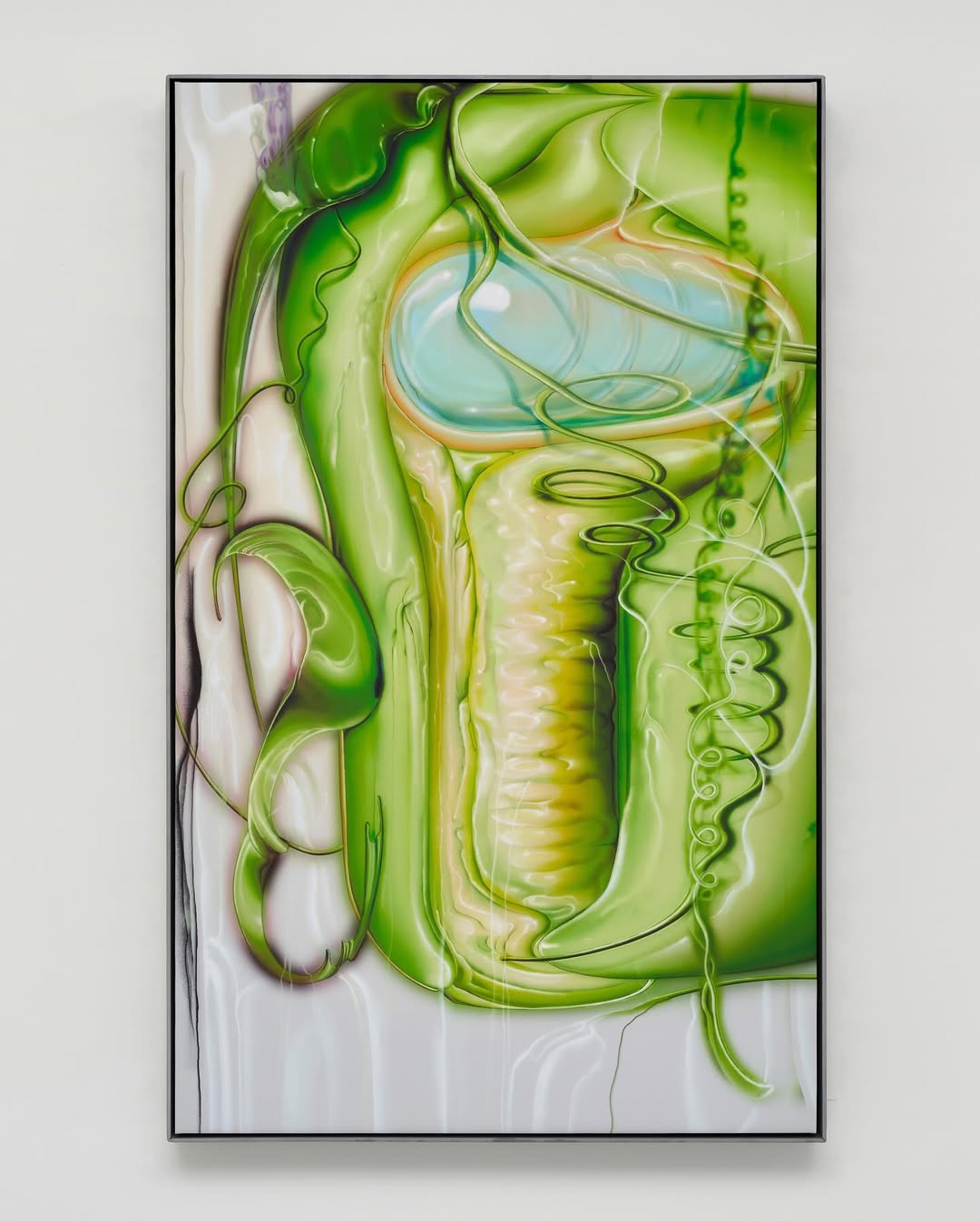
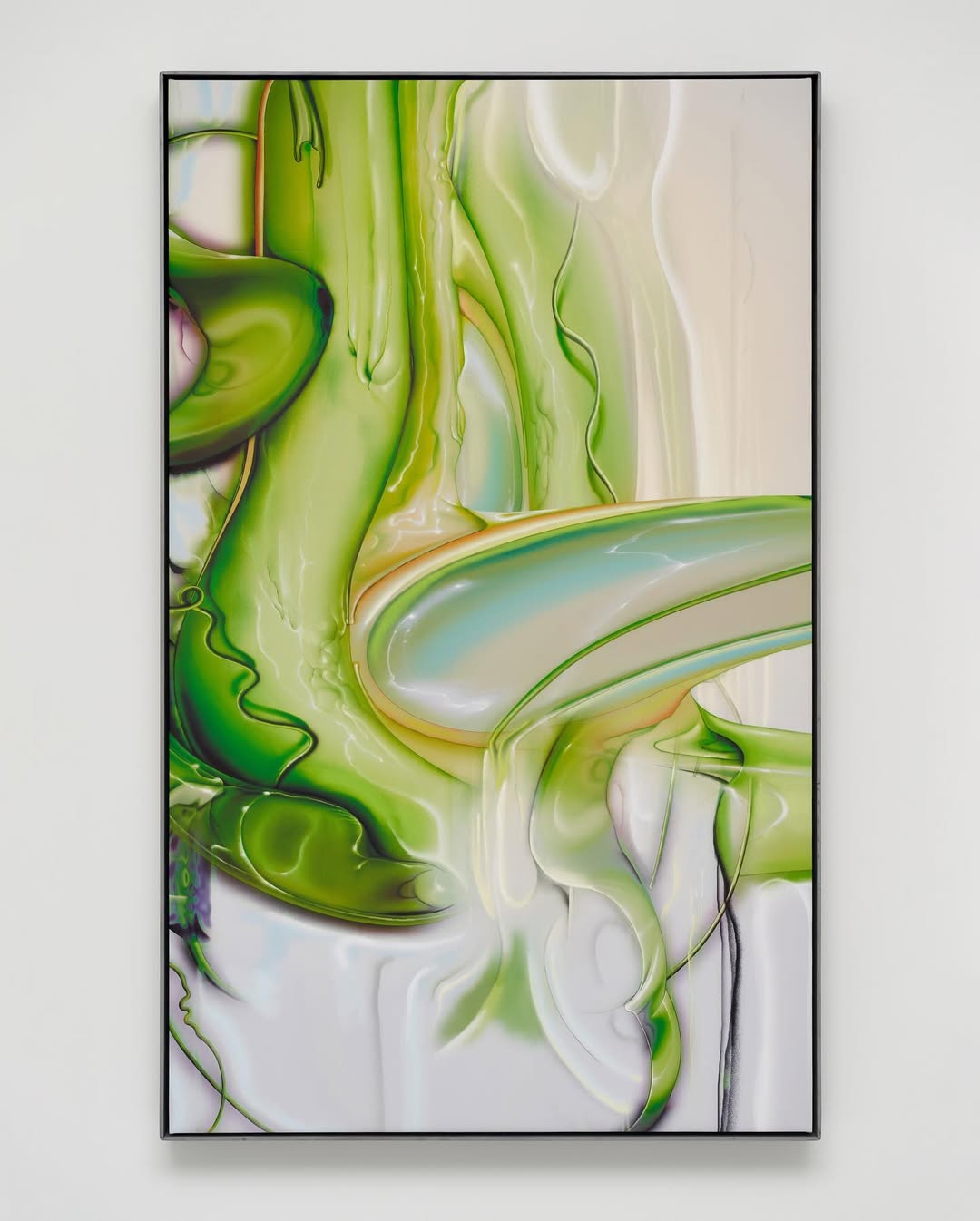
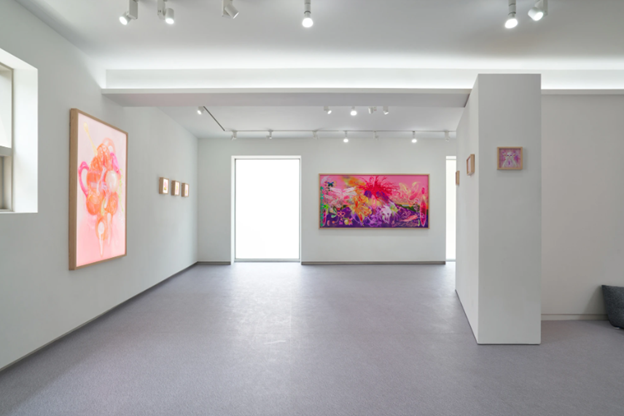
hence the dreamlike nature of her paintings. The glass screens of Ram Han’s
works glows sharply, ethereally, and mysteriously.