The
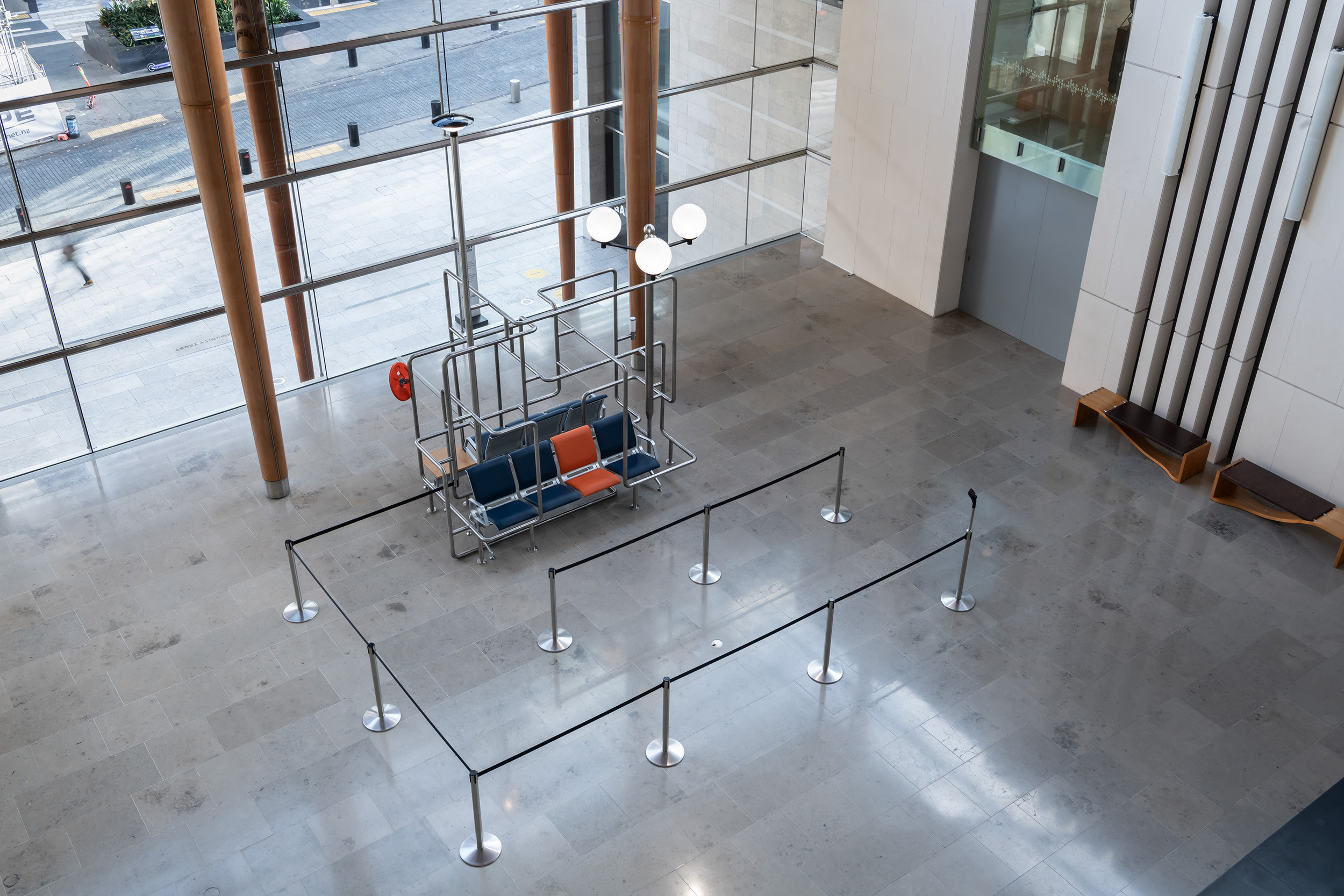
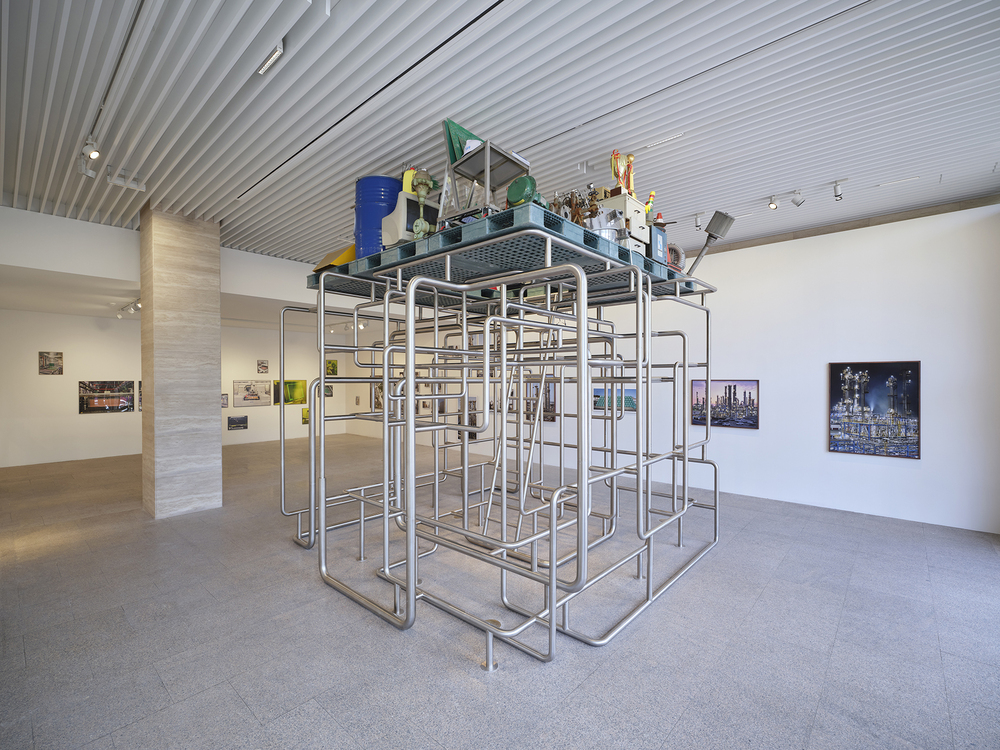
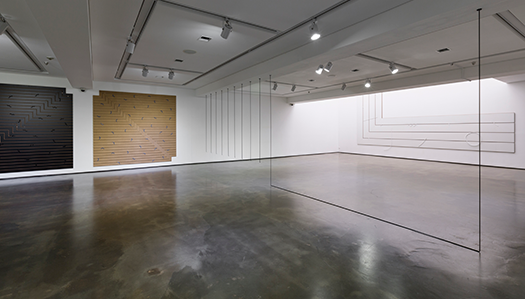
artist’s new piece, In Transit was built based on close research and
measurement of the spatial characteristics of Alternative Space Loop’s
exhibition space. The stainless steel frames, which coincide with the
exhibition space’s concrete in the industrial contexts of mass production and
mass consumption, result from a delicate composition with the overall balance
and harmony; of the gallery floor’s size and form, the complicated structure of
the ceiling, the angles formed by several surfaces, and the points of fixture
both horizontal and vertical, and above and below; in mind.
Rather than being
placed in an absolute position or a position of giving soliloquys, isolated
from the physical qualities and internal context of the given space, the piece
has been arranged to mutually respond with the existing spatial environment in
a conversational relationship. The resulting space flows continuously from the
first floor to the basement, producing a seamless viewing experience for
visitors.
By
inquiring, through this new space, into a place closely bonded to a specific
life that causes boredom by being ordinary and repetitive, the artist is
proposing a space of a new sensorial dimension by deconstructing it and
rearranging it as a strange and peculiar place. This unknown room, which
appears familiar at first but does not exist anywhere, juxtaposes and combines
physical spaces actually experienced and virtual places logically impossible in
reality to cause a truly hybrid world to waft about.
It appears like we are
summoned to a surreal world in which confusion is caused as to what point in
time, or what kind of place, one is in by an elaborate interweaving of fiction
and reality. Yona Lee’s such heterogeneous spaces begin at the differences and
intrusions occurring between places, and the artist makes possible an
experience of another spatial dimension by re-territorializing innumerable
intermittent spaces not subsumed by the prevailing order.
As the
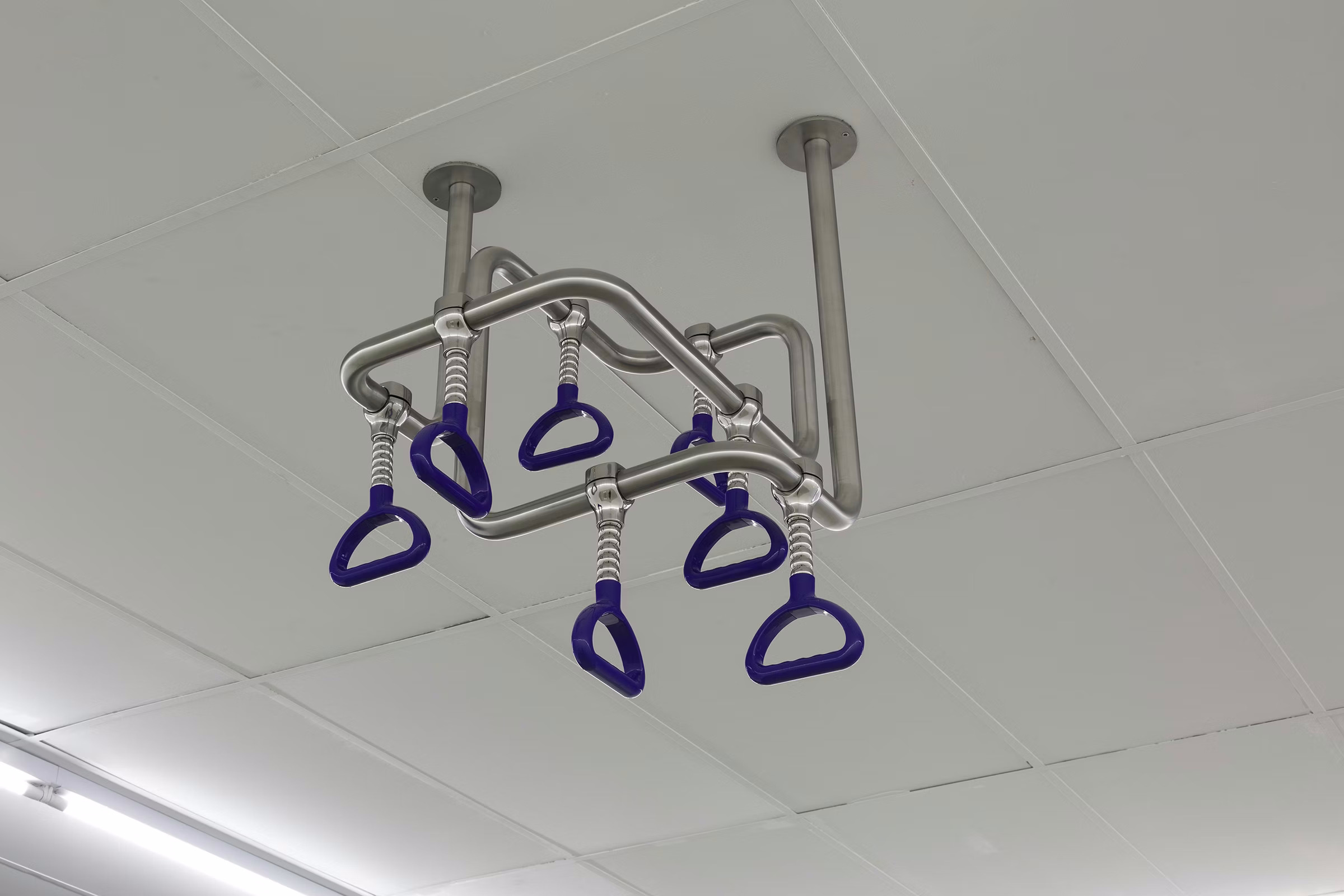
work’s title implies, transportation modes (safety poles and handles of buses
and subway trains are installed) capable of being represented by
mobility/transitional qualities can be considered to be temporary spaces
functioning as a type of passageway in transitions between places. Spaces as
passageways not belonging to any specific place while possessing ambiguous
boundaries of being neither internal nor external are situated on a layer of
significances symbolizing a heterotopia of the everyday in which (the artist or
experiencer’s) current context and past or future experiences, phenomenal daily
life and internal landscapes complexly interact to allow
transitions/separations into alternative dimensions.
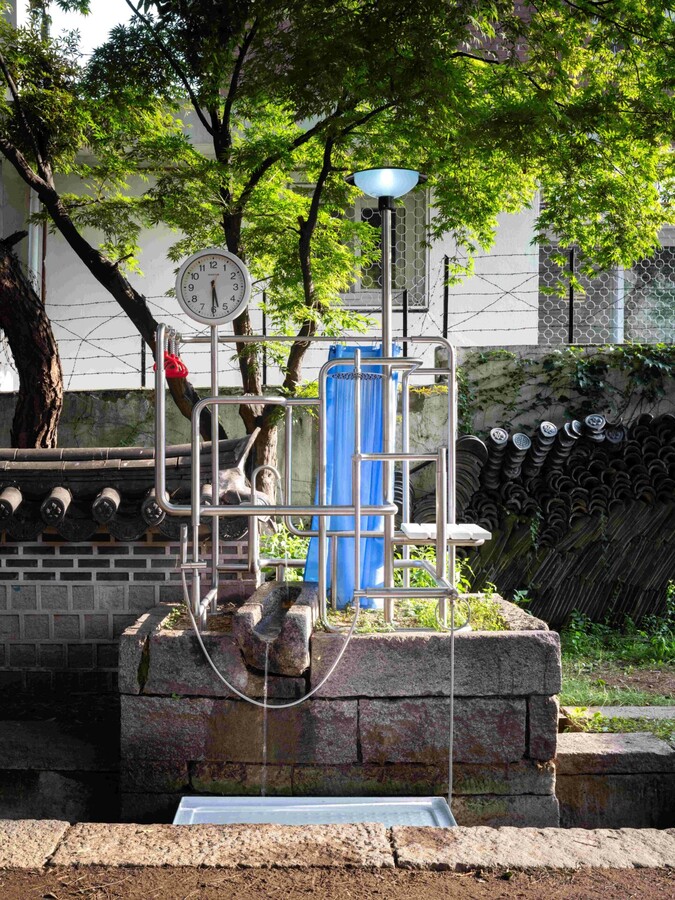
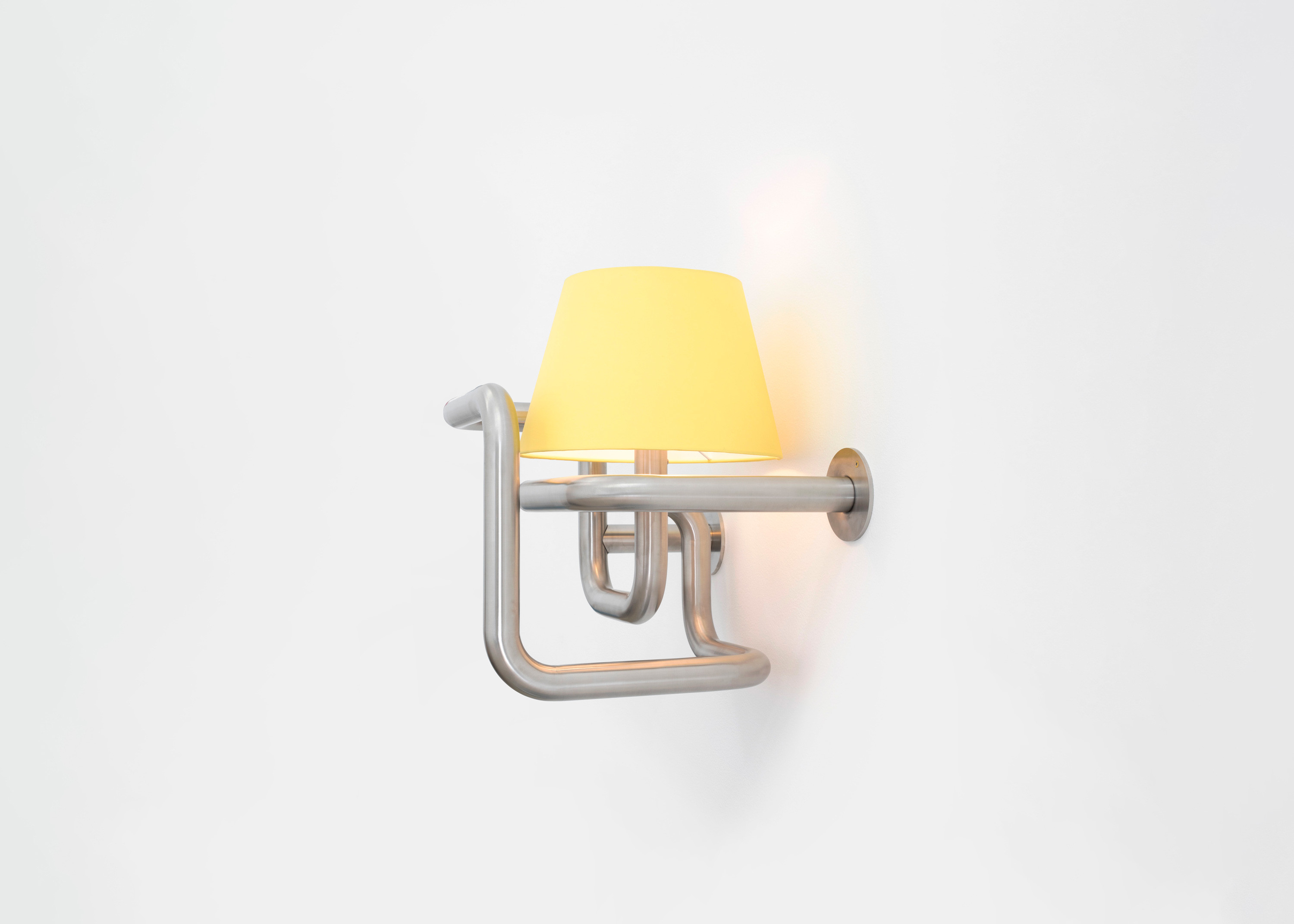
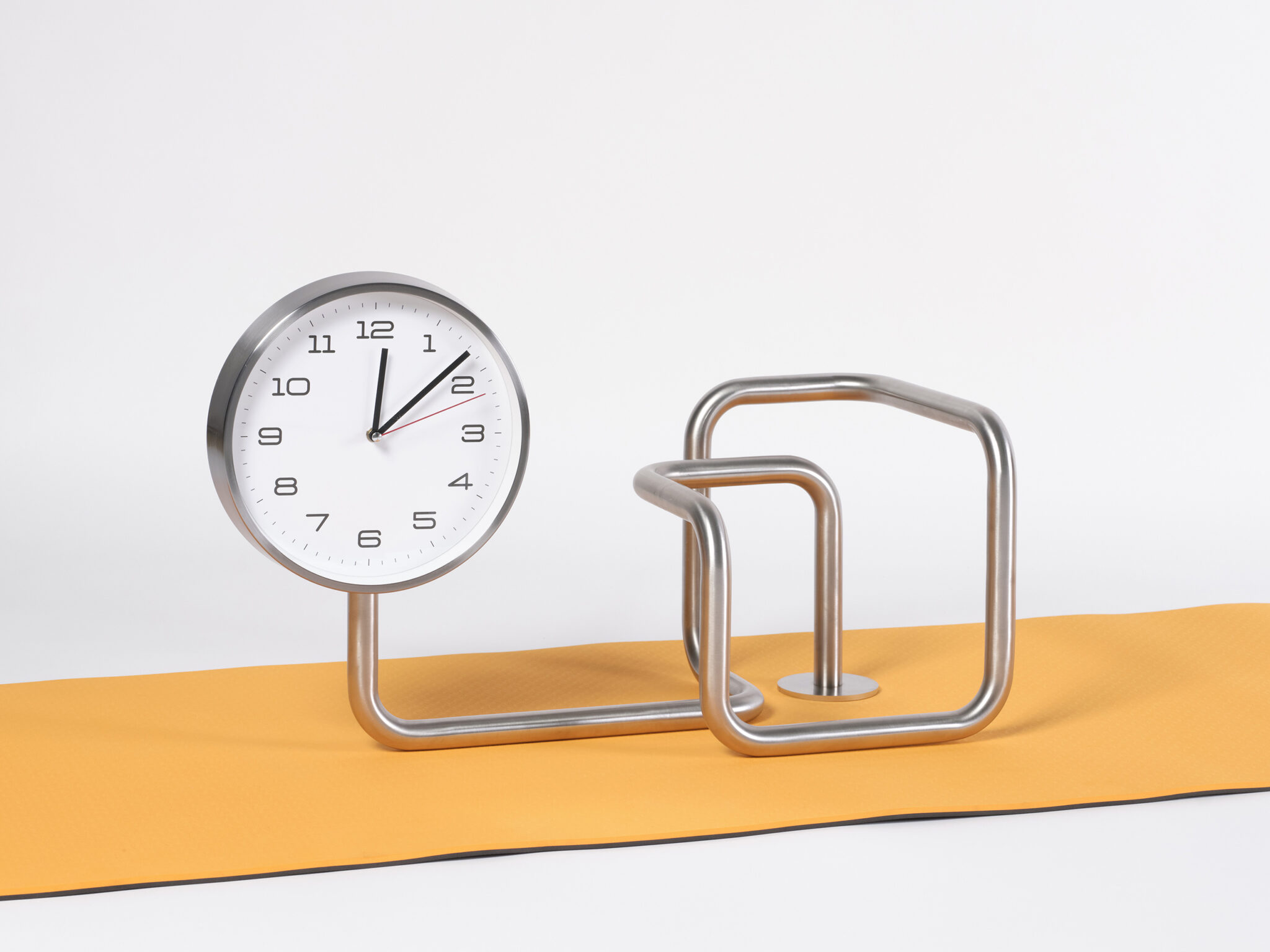
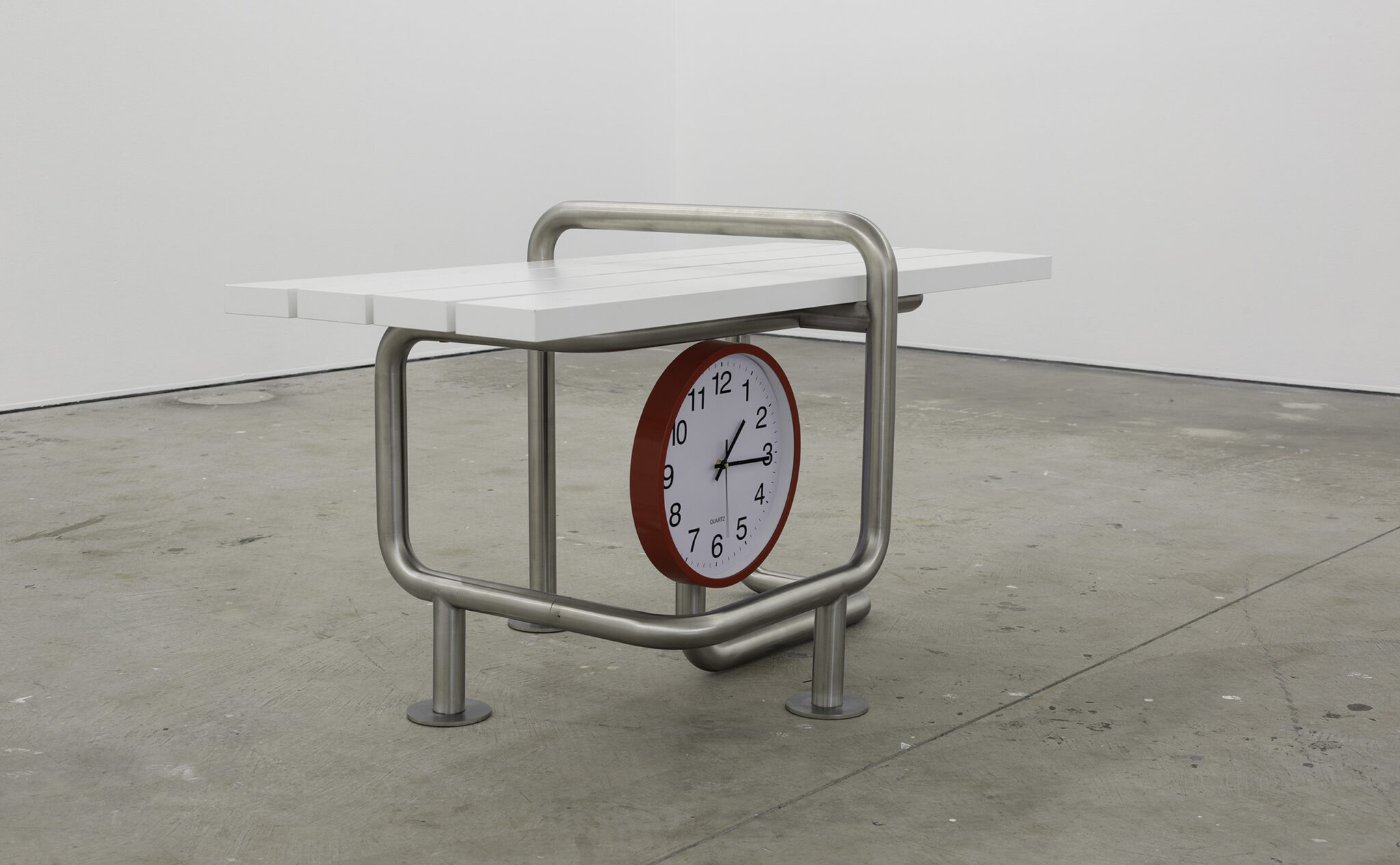
Notably,
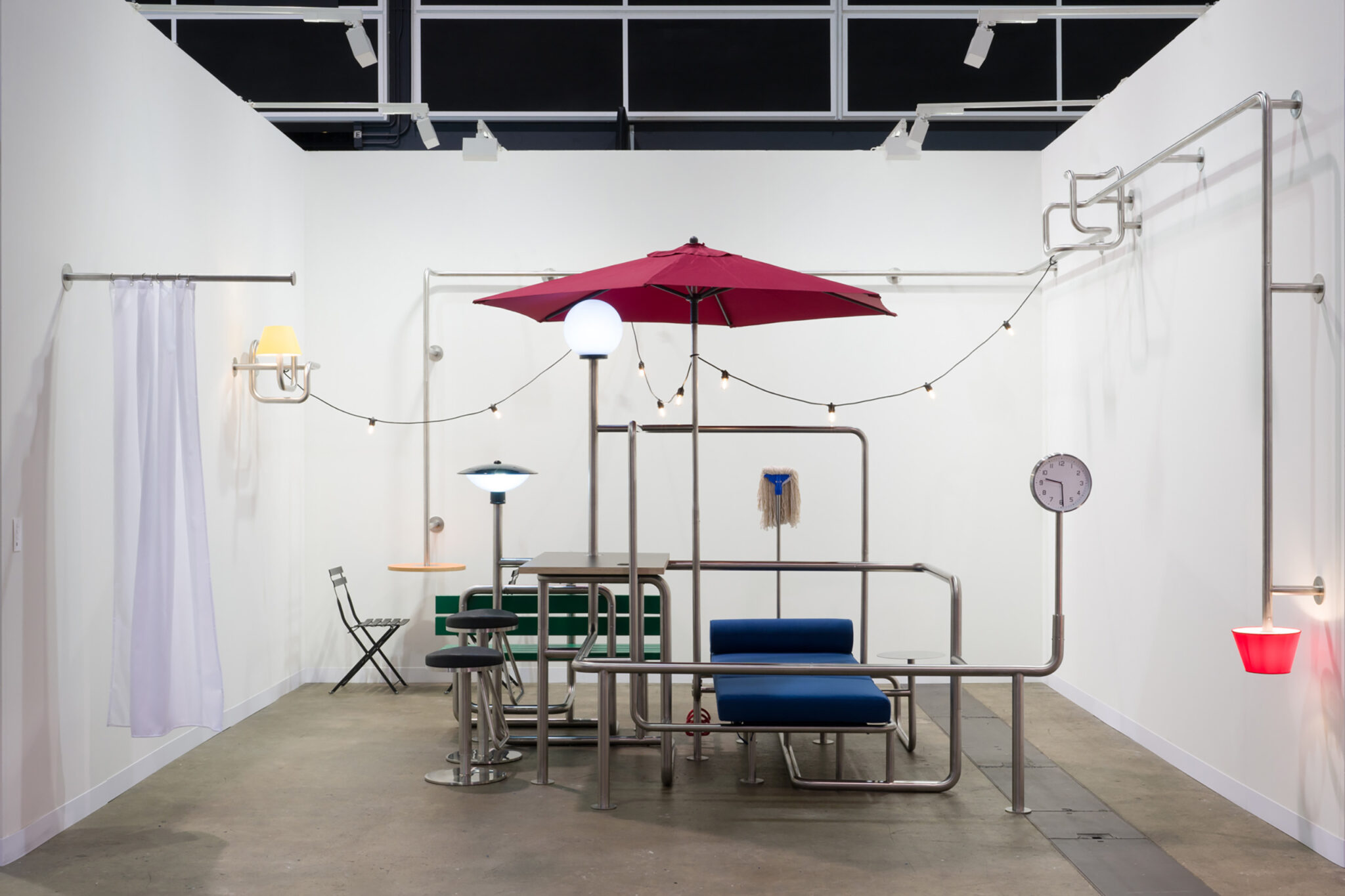
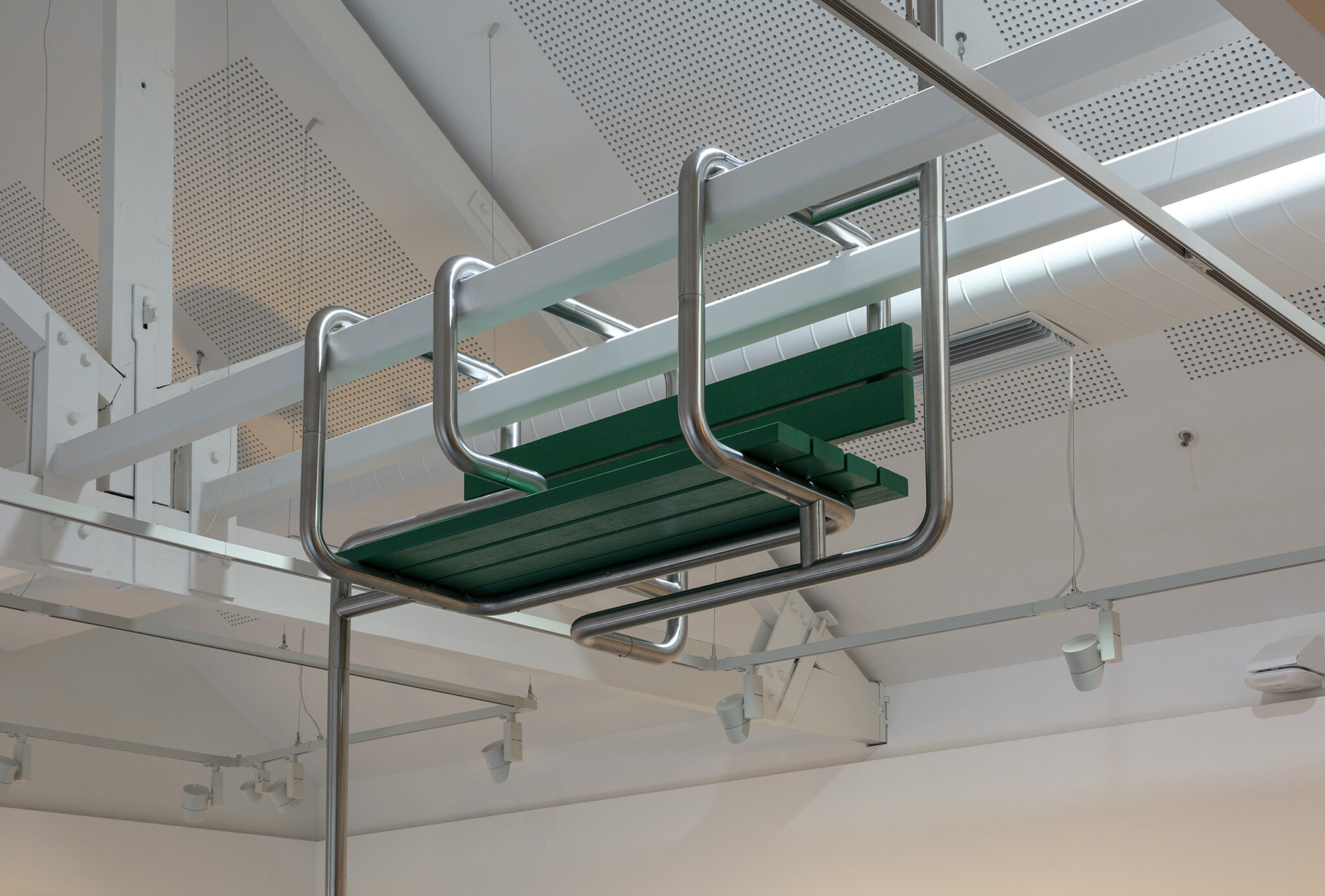
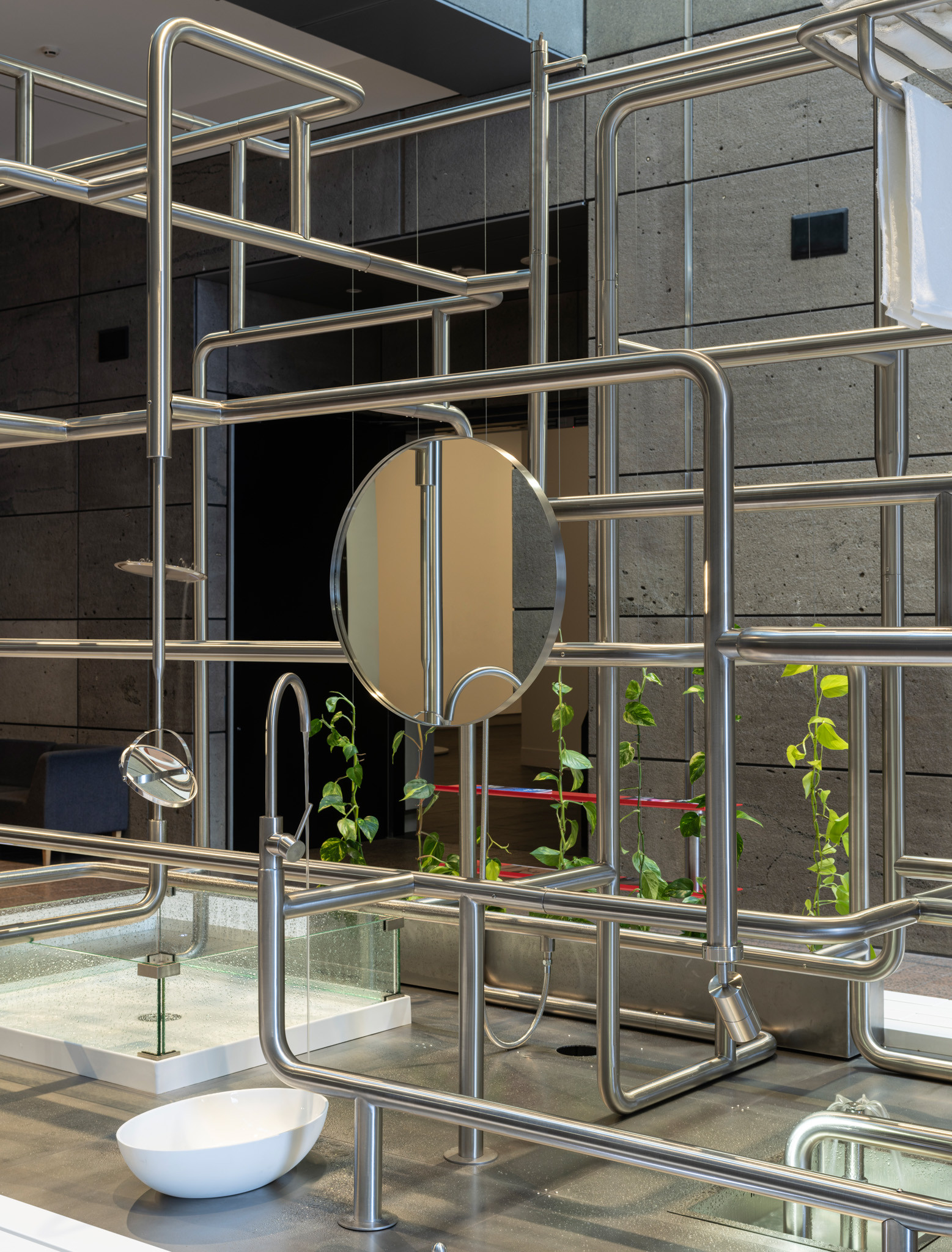
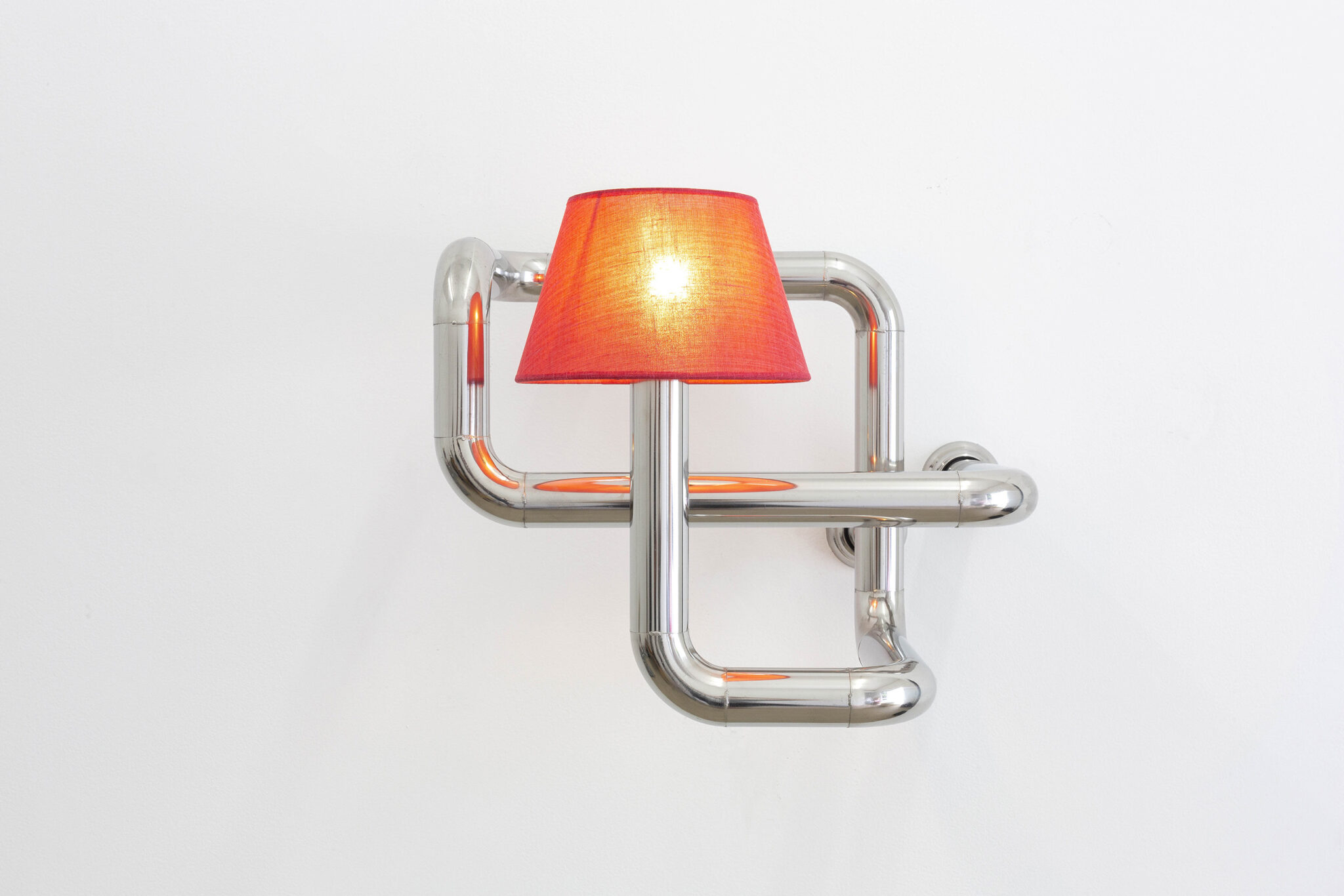
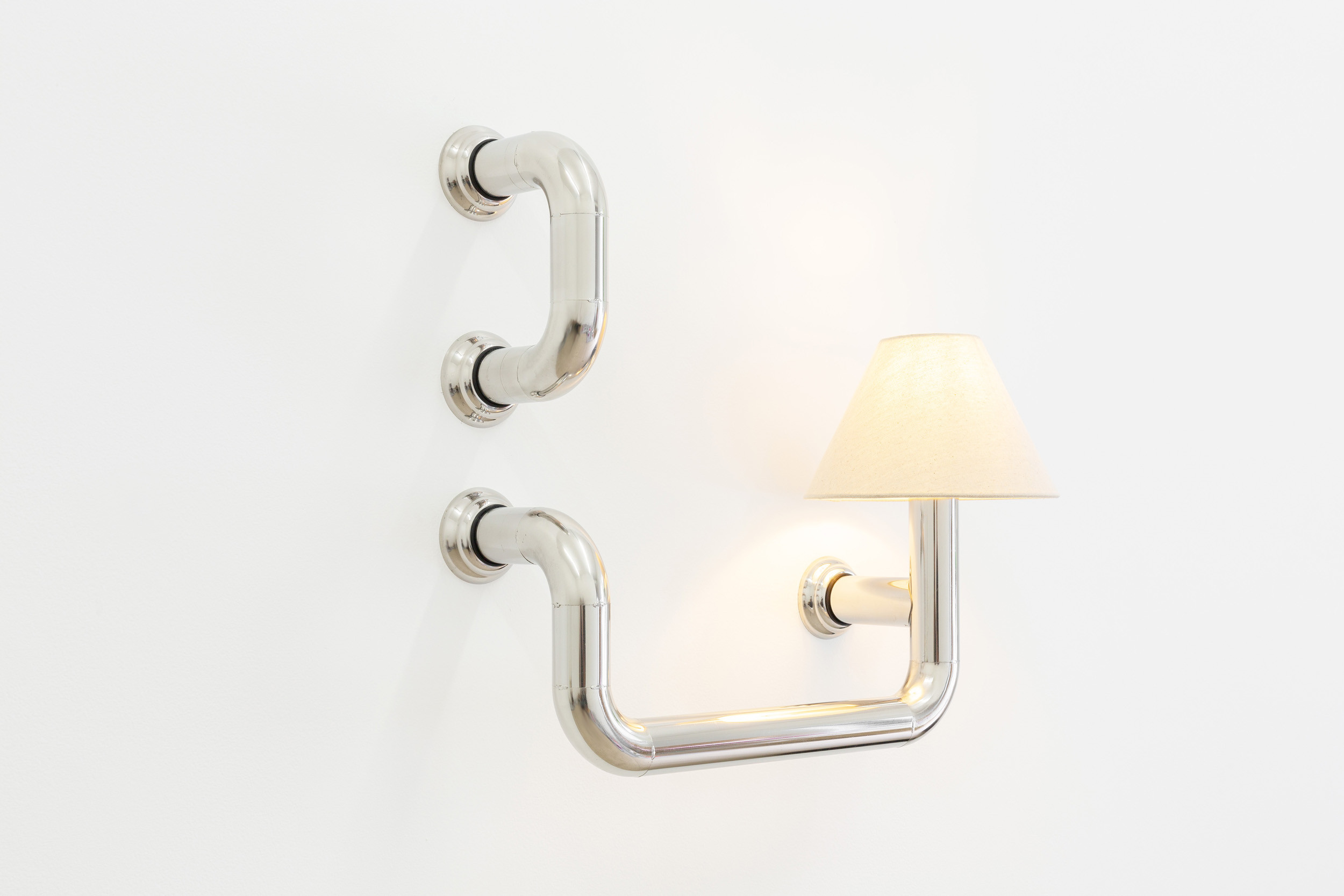
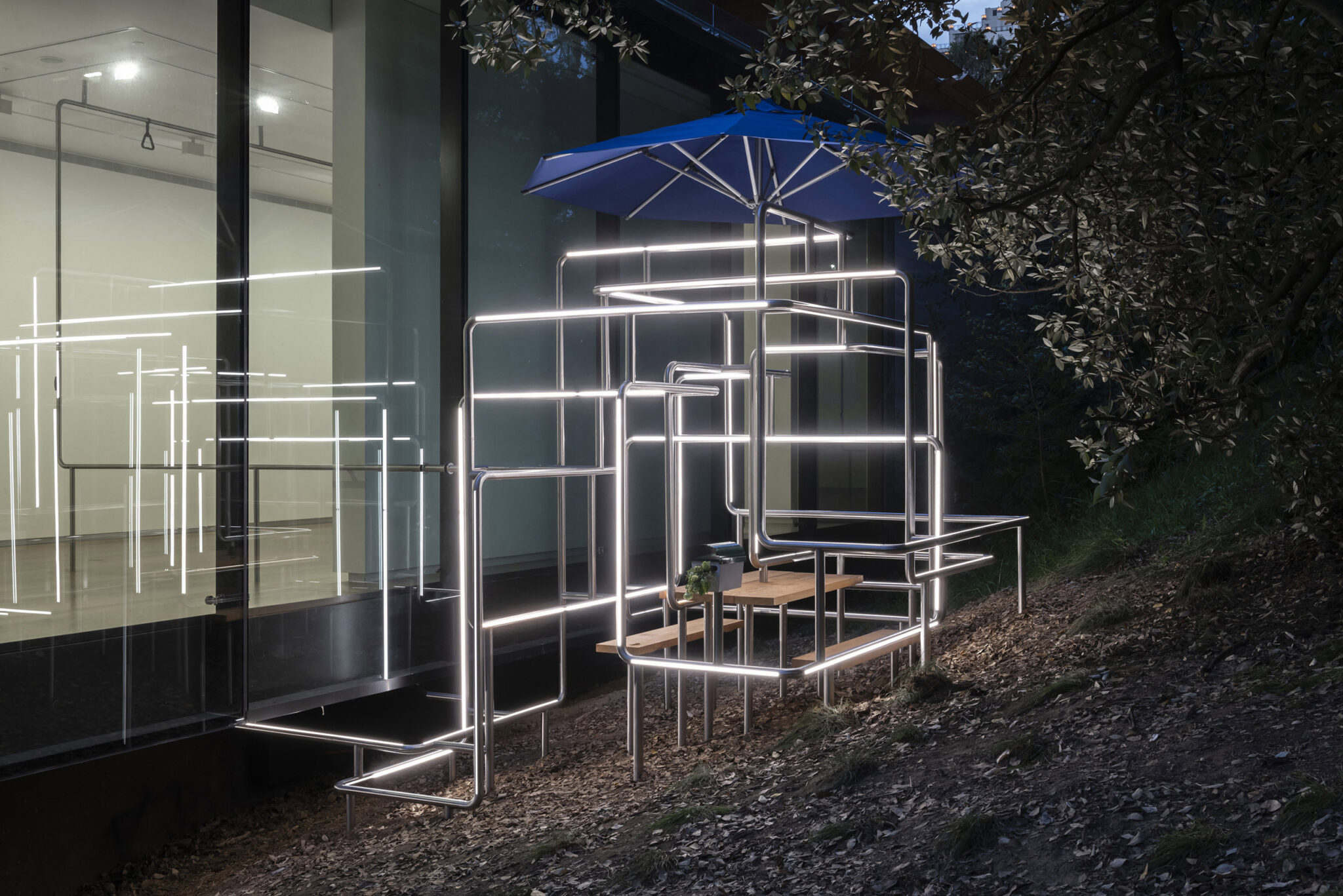
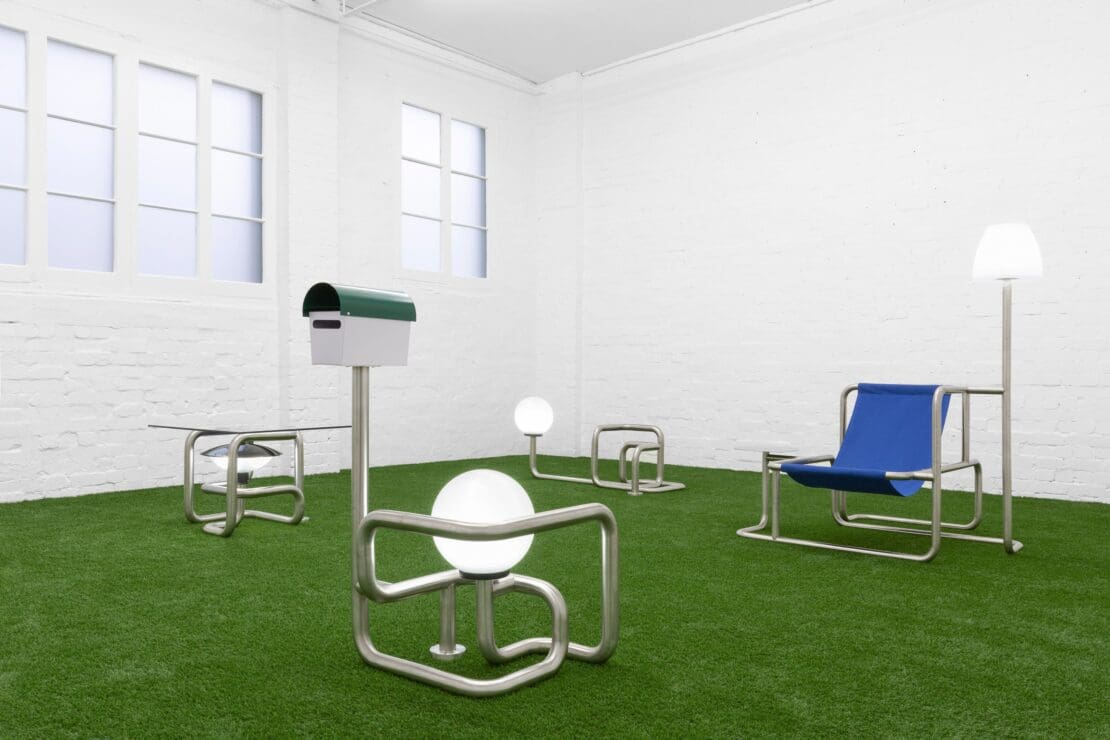
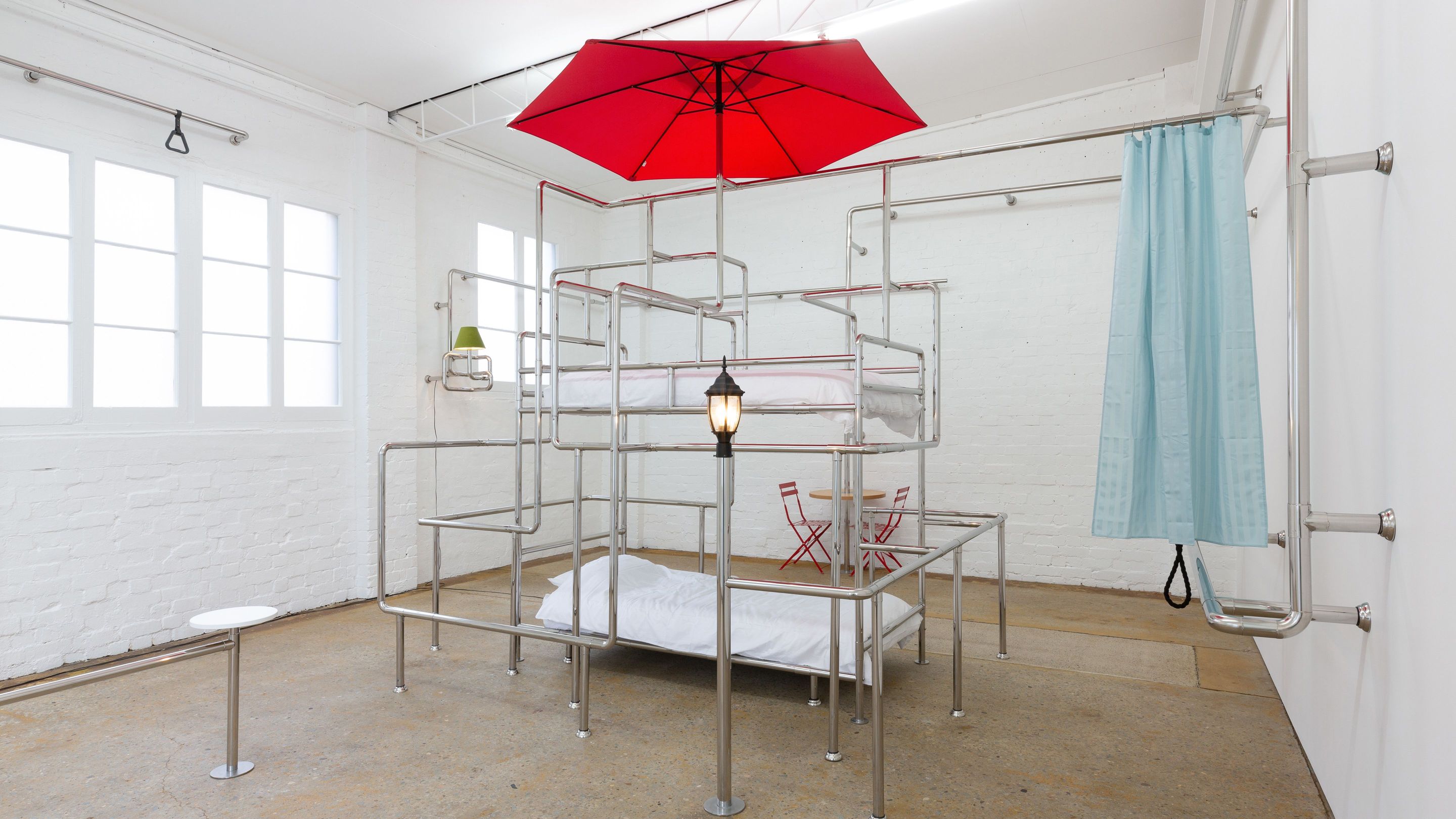
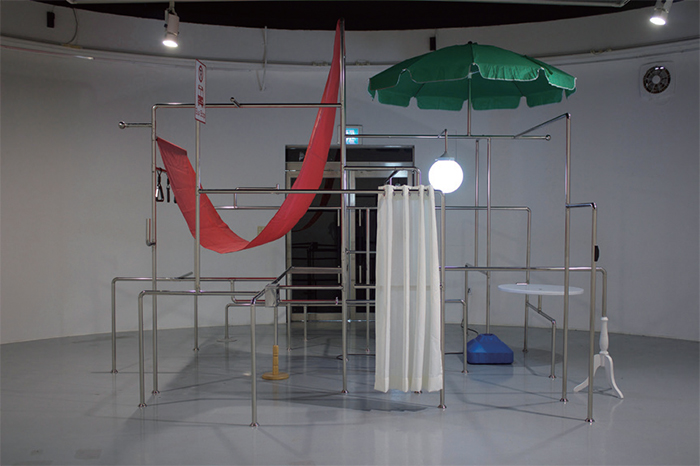
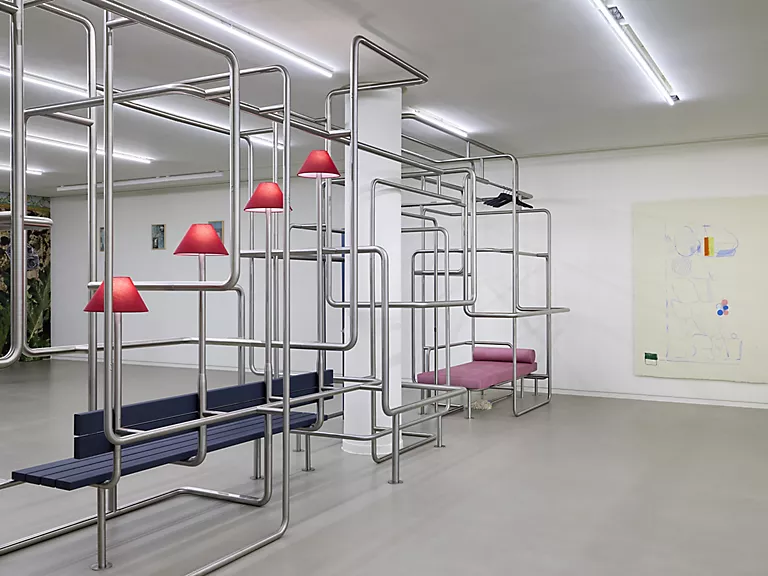
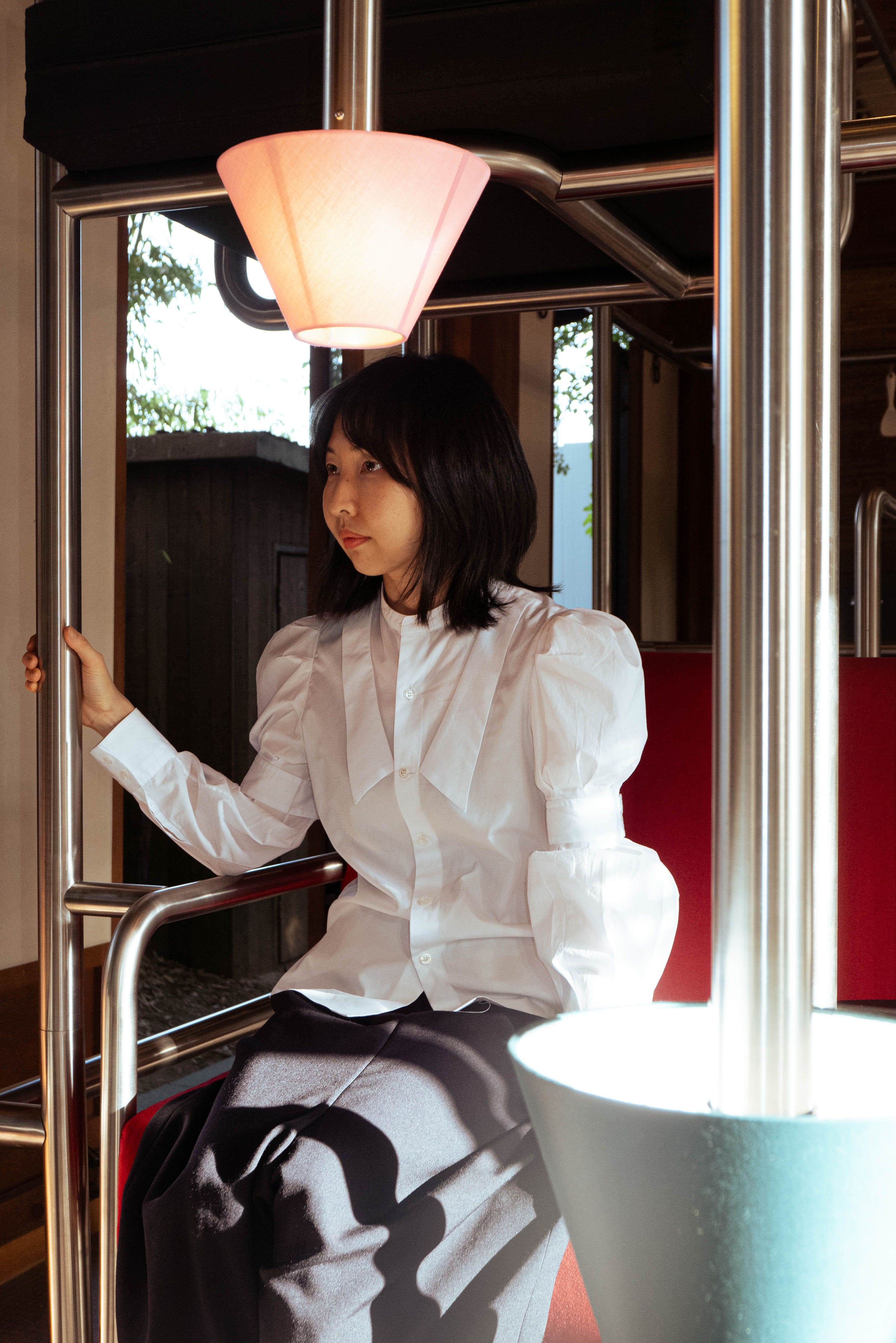
the frames generally supporting the installation piece densely set up in the
exhibition room consist of stainless steel pipes, which are usually used as
guard rails, supports and safety poles in the interiors of public
transportation means or facilities, including buses and subway trains. The
artist says she paid particular attention to how this standardized industrial
pipe, which she was able to see in any of the several cities she has traveled
to worldwide, is a representative object closely involved in the bodily
movements of urbanites in everyday spaces.
This construction can be referred to
as handrails or guardrails, and will serve as a sign leading to a heterotopic
world in the gallery with its semantic ambivalence. As we are aware, this structure
serves to physically support us or as fencing ensuring our safety, but it is
also used as an oppressive obstacle demarcating, blocking, restricting and
forbidding. Handrails/guardrails, which possess opposing and paradoxical
characteristics, are entwined in a mutually differing semantic structure
connoting connection, division and reconnection while sometimes allowing
passage (opening) and at other times blocking the path (closure) and causing
one to turn back, in spaces unfolding like mazes.
A
closer look inside the space will yield a view of complexly composed room in
which neither entrance nor exit, neither starting point nor end are clearly
distinguished. They appear like universal everyday scenery transcending nation
and cultures, and also like typical Korean living spaces as felt in the
material or objects, but the obscure identity of a still-strange room curiously
overlaps with the artist’s ambiguous identity as an immigrant, who is always
departing but yearns to return, and returns to have to leave again.
Rearranging, through the perspective of an Other, landscapes we have become too
familiar with to be paying them much attention is likely related to the
artist’s special circumstances or identity of having immigrated to a foreign
land as a child and working in Korea and abroad as an adult.
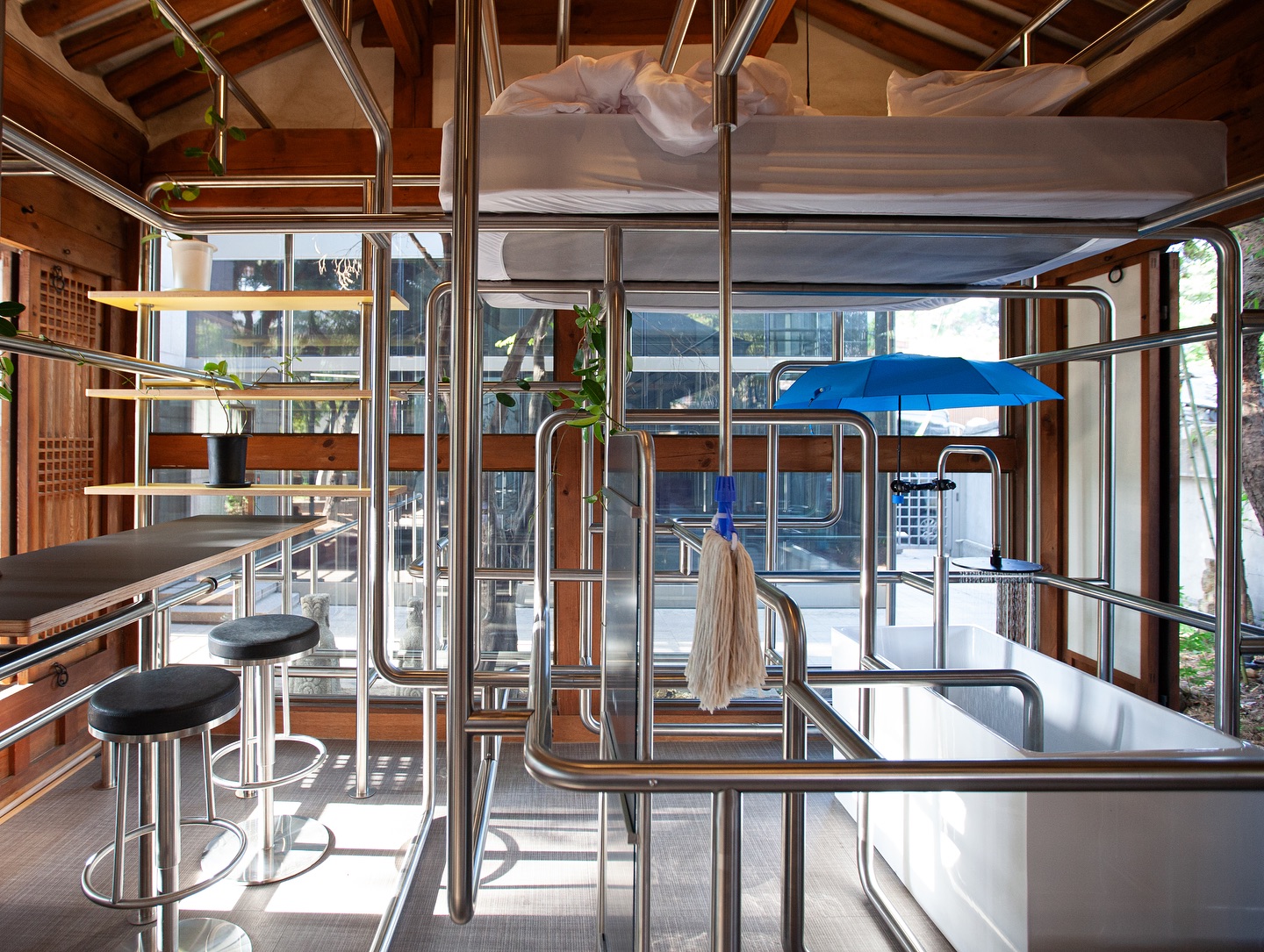
The
exhibition space is filled with various found objects the artist has collected
in Korea while making the observations of a foreigner. Indoor and outdoor
items- a mattress, laundry rack, bathroom objects including a showerhead and
shower curtain, subway train passenger safety handles, lamp post, indoor
lighting, parasol with a table commonly seen at vacation destinations and
convenience stores, motel entrance blinds, mannequins, blue tarp often used at
construction sites, factory zones and traditional marketplaces, etc., bicycle
and travel bag, etc.- are mixed together; and different spaces, including
spaces where individuals take rest or stay, or public places where we encounter
an unspecified number of the general public, etc. chaotically intermingle to
produce room no longer ubiquitous in daily life.
This
place of hybridity is a revelation of a space possessing a truly heterotopic
characteristic, room in which paradoxical elements such as private/public,
family-oriented/society-oriented, practical/impractical, closed/open,
real/virtual, exterior/interior, the public square/behind closed doors,
departure/staying, comfort/tension, brightness/darkness, etc. are suddenly
juxtaposed and overlapped to erode their boundaries.
This place, which clearly
reflects a world of common reality but deviates from reality’s principles and
is thus unrealistic, can be defined as Michel Foucault’s counter-site, which
exists but cannot be considered a place. Like Jorge Luis Borges’ fantastic
realism, which the author achieved in literature, this leaves open
possibilities for multi-level and plural sensibilities, experiences, and
creations of meaning while transcending several demarcations and boundaries in
a place folded in between realities by being positioned as if an absurdly
manufactured space were an actuality, in which a reality we are accustomed to
through actual everyday objects and devices is not completely erased.
In this
room, the uncanniness perceived when familiar objects and places are freed from
their original contexts to assume strange appearances inconsistent with
existing grammar is closer to the kind of curiosity and pleasure experienced in
a place of recreation than to fear. The parasol flipped inside out as if ready
to be taken by the wind at any moment, the table and showerhead taken out of
their contexts, the lighting that could be either indoors or outdoors, either
lighting the dark or idly being buried in the daylight, the cheap tarp which
appears to have been drawn out for some graceful and grand ceremony, the common
clothing store mannequin standing with dignity as if it had become the patron
god of the room, etc. remind one of the fantasy place in Alice of Wonderland.
As in Rosemary Jackson’s analysis, this is, in effect, a stage for fantasy art;
which “breaks the demands for probability,” “structurally and semantically
deconstructs experienced order” and on which dreams and fantasy, abnormal conditions,
strange behavior and words, transformations of the body and absurd situations,
etc. operate as the standards. This enjoys momentary liberation as a subversive
space challenging reality and a place in which deviation occurs, and accords
with medieval carnivals, which were public celebrations marked by playful
festivities.
The festive space in which distinctions of social class dissipate,
and everything escapes from the established order for wondrousness, parodies,
satire, meaningless words and actions, and jokes to reign is; according to
Mikhail Bakhtin; a “second world,” and a “second life” built on “the other side
of the official world,” “an inverted life” and an embodiment of “a transposed
world.” These fantastic landscapes, which are like a play on words or nonsense
sidestepping regulations of all systems of meaning after inherent significances
of our current language are destroyed, border a carnival-like essence escaping
from the restrictions of reliable and normal everyday life, and absurdly violating
the established order and our norms.
In
order to actively induce diversified communication and relational qualities, as
well as movement by spatial experiencers and their resulting physical
perceptions, Yona Lee breaks the stability and readability of her spaces and
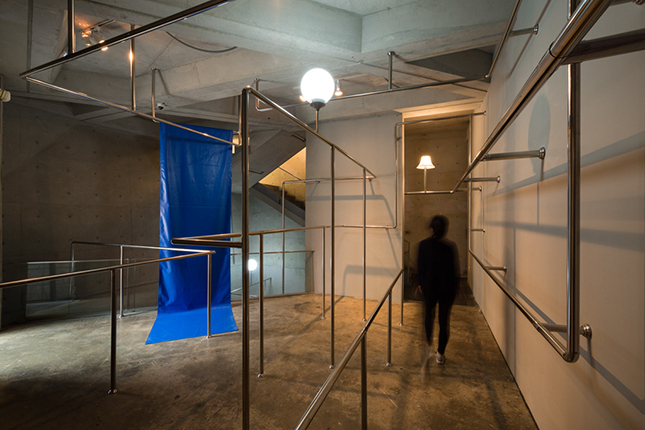
increases the confusion in them. Particularly, the installation spaces in the
basement level exhibition room are planned so that a visitor may selectively
enter demarcated spaces in small units only after taking a rather extensive
detour along the edges, so that the positions of interior/exterior and
inside/outside are constantly interchanging while they walk, resulting in
continual intersections and reversals of looks and gazes.
One is guided in a
certain direction or is controlled toward a limited direction by the forms in
which the guardrails are positioned, and occasionally hits a roadblock to
become restrained. Repeatedly, horizontal and vertical frame lines appear
overlapped and then separated, and curtains or blinds, etc. partially block the
view to then reveal the view; depending on the viewer’s perspective and
position, lighting and relationship to certain objects, etc. Lighting encamped
in several places also contribute to darkness and brightness constantly
becoming reversed.
In this
installation space, where meaning ceaselessly escapes and becomes rearranged
while occupiers of the space experience coincidental perceptions and
situations, as well as unpredictable events, the sense of sight excites all
bodily sensations for a “transition of the senses” to occur at a broad level.
Without any direct presentation through special devices and through only
association of objects; the effects of hotness and coldness of water shooting
from a showerhead, the noise of buses and subway trains, the smells and tastes
of various robustly flavored foods one can experience at tourist destinations
and convenience stores, etc. are induced.
These individual senses transition
and continuously resonate while crossing between several realms and levels.
Such tangible spaces encounter different internal time accumulated in
individuals to become variously recomposed while separated from a certain
position occupying coordinates in physical space. The post-spacing of time that
occurs at this point ceaselessly conspires with heterotopia, which creates
crevices in the smooth and linear homocronia.
That the same individual may feel
differently about a certain place each time they see it, as well as that
different people perceive the same space differently, is because the activated
senses and the moments one intends to capture change depending on the
individual and individual situations. Sensibilities touched off by diverse
stimuli and interactions, and the fragments of a non-continuous mental space
rising from the resulting sensorial experiences, are unremittingly placed in a
new composition to be made a place again within a series of relationships of
the here-and-now.
What the artist seeks to propose is likely an open-ended,
unrestricted space in which sensorial-experiential reality and imagination, the
present and the past, or premonitions of the future, dreams and reality; of a
here-and-now smoothly escaping a stout and inexpungible homotopic world;
irregularly coexist while undergoing perpetual transformation.