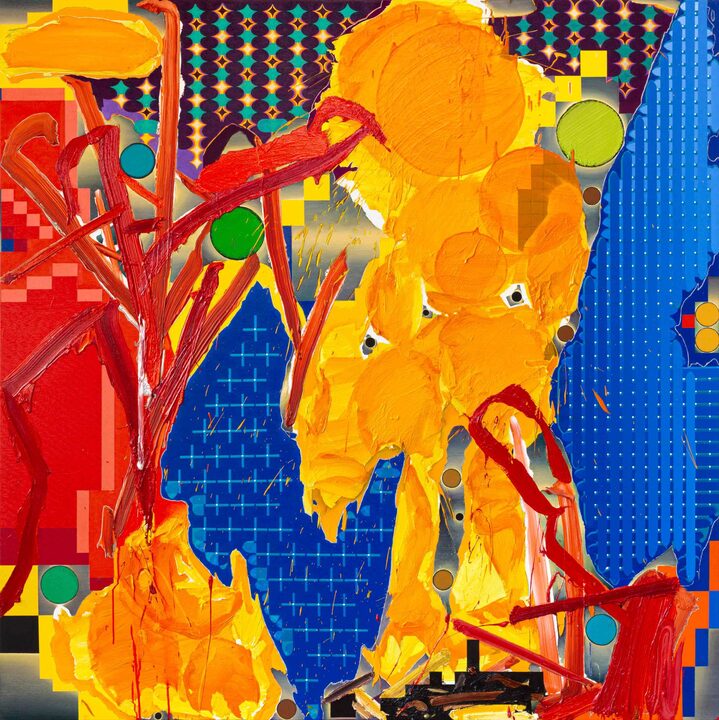
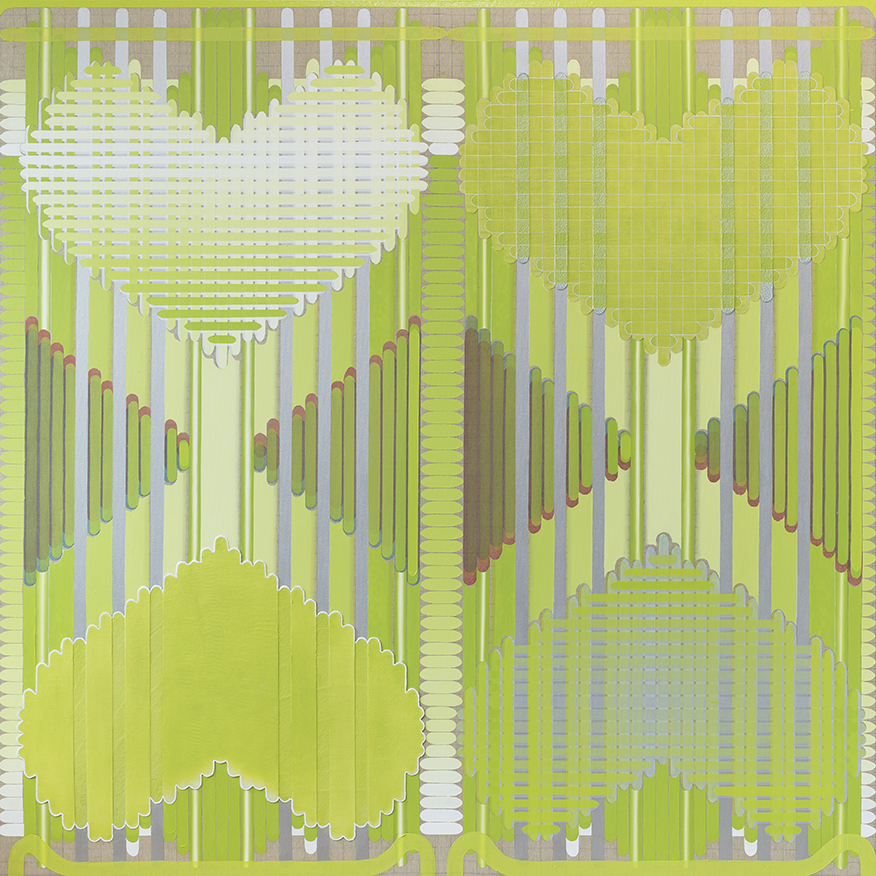
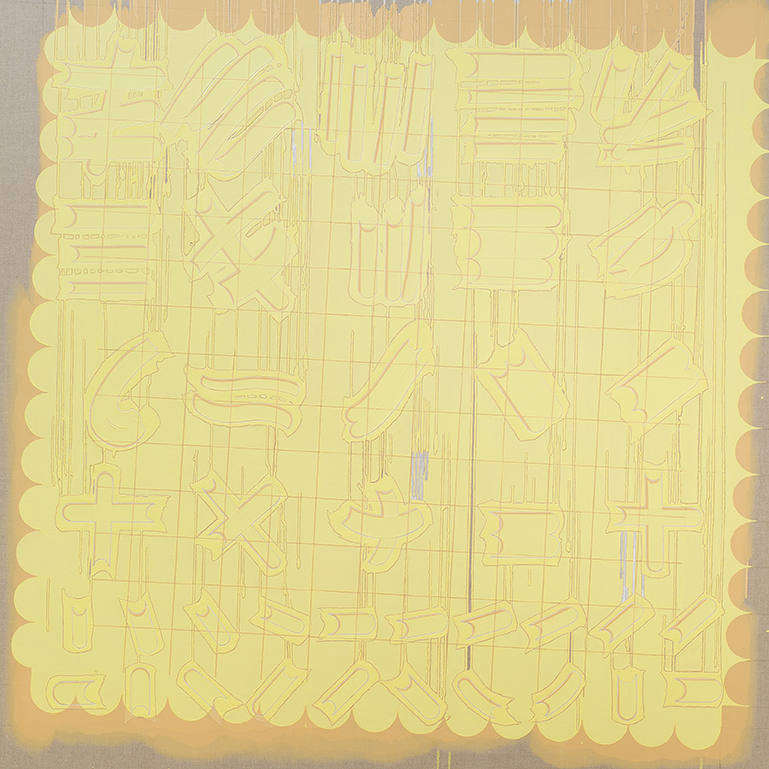
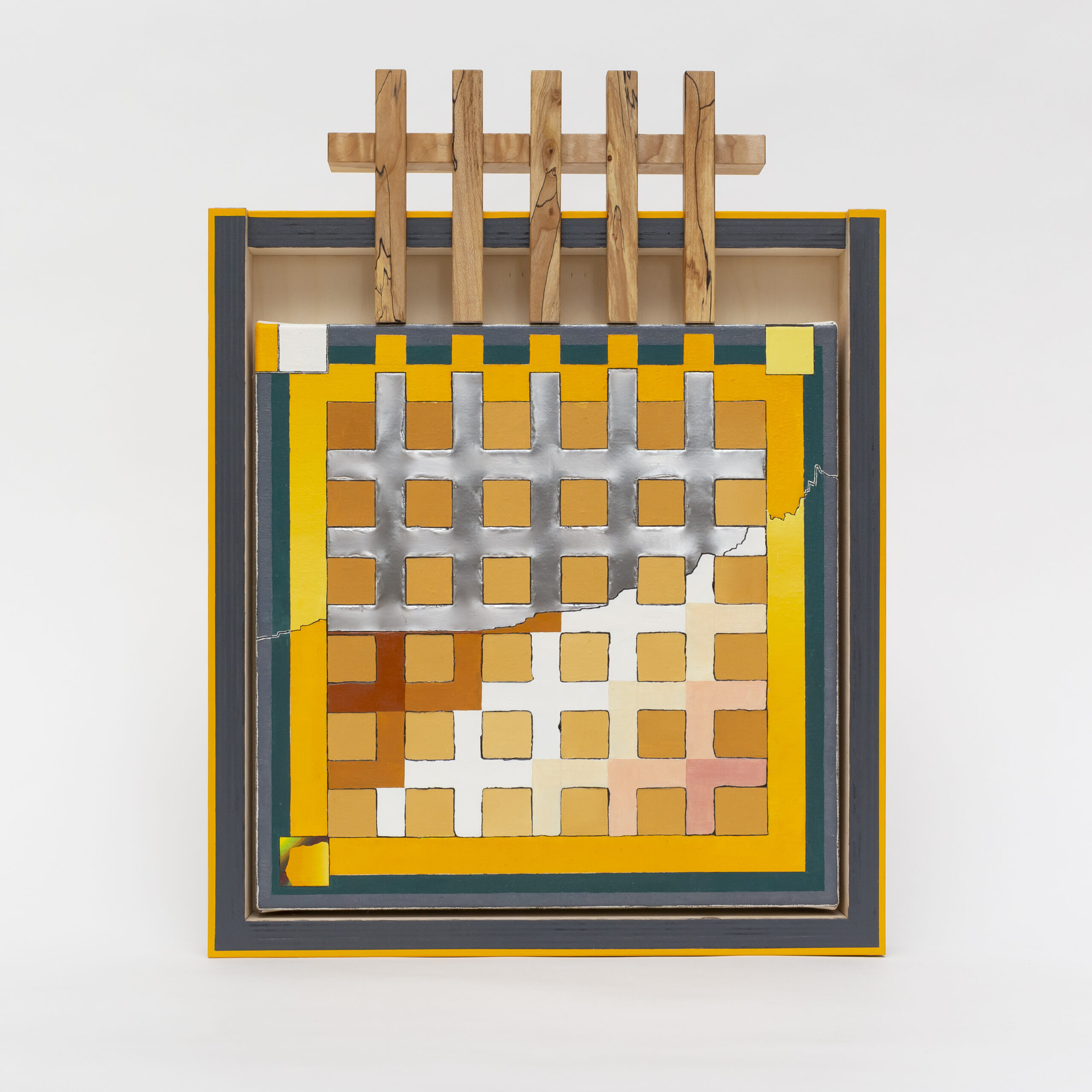
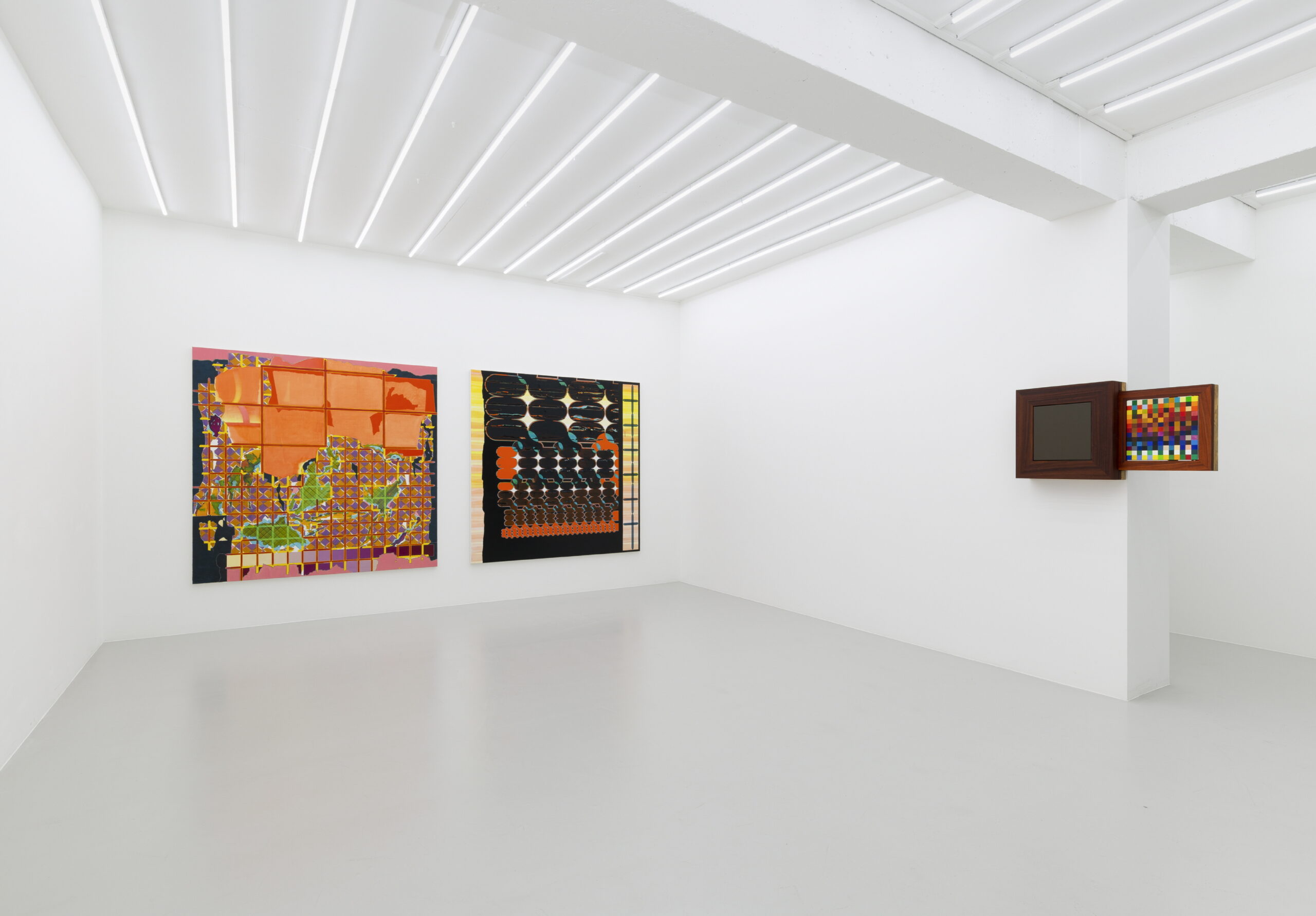
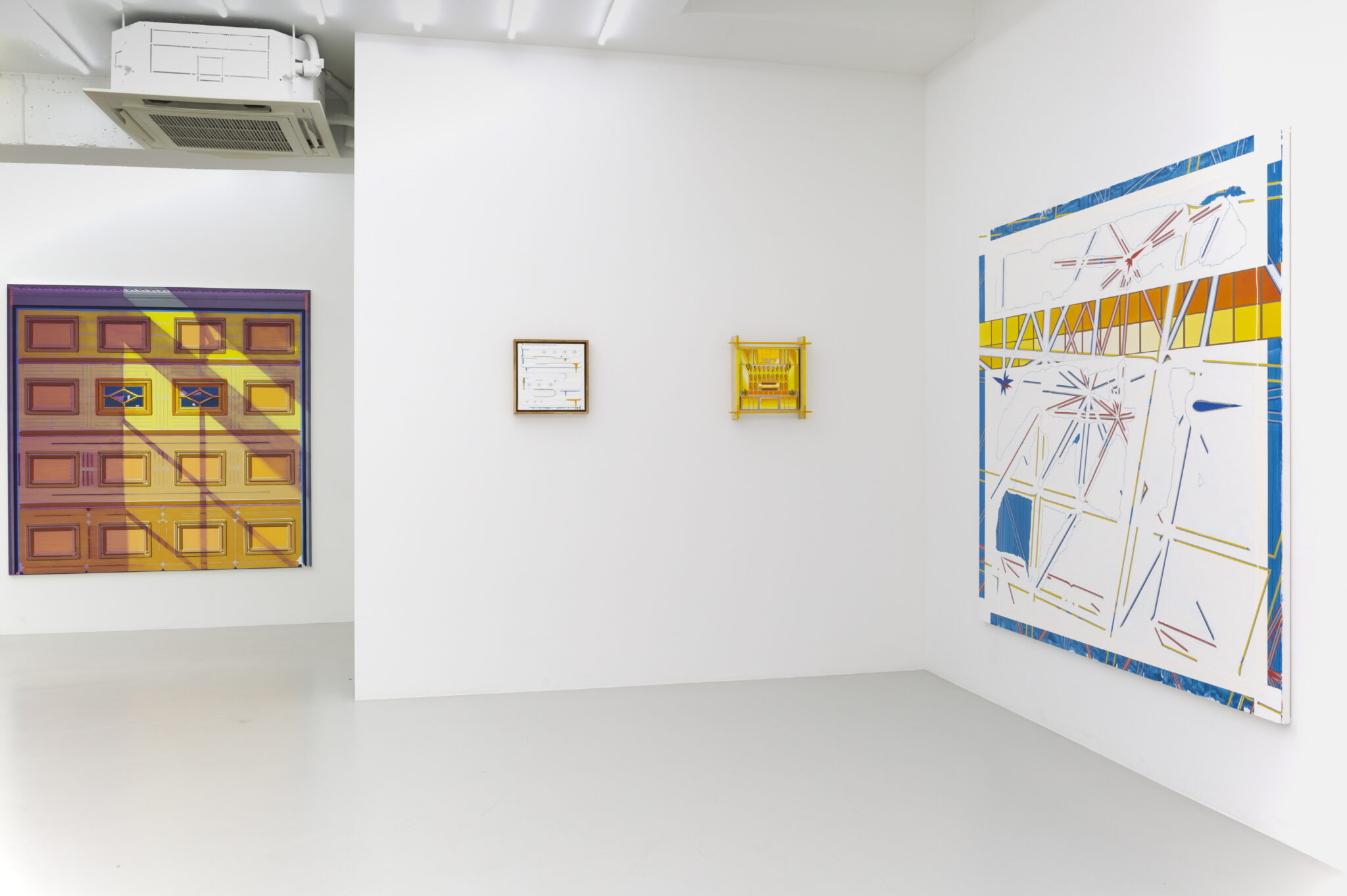
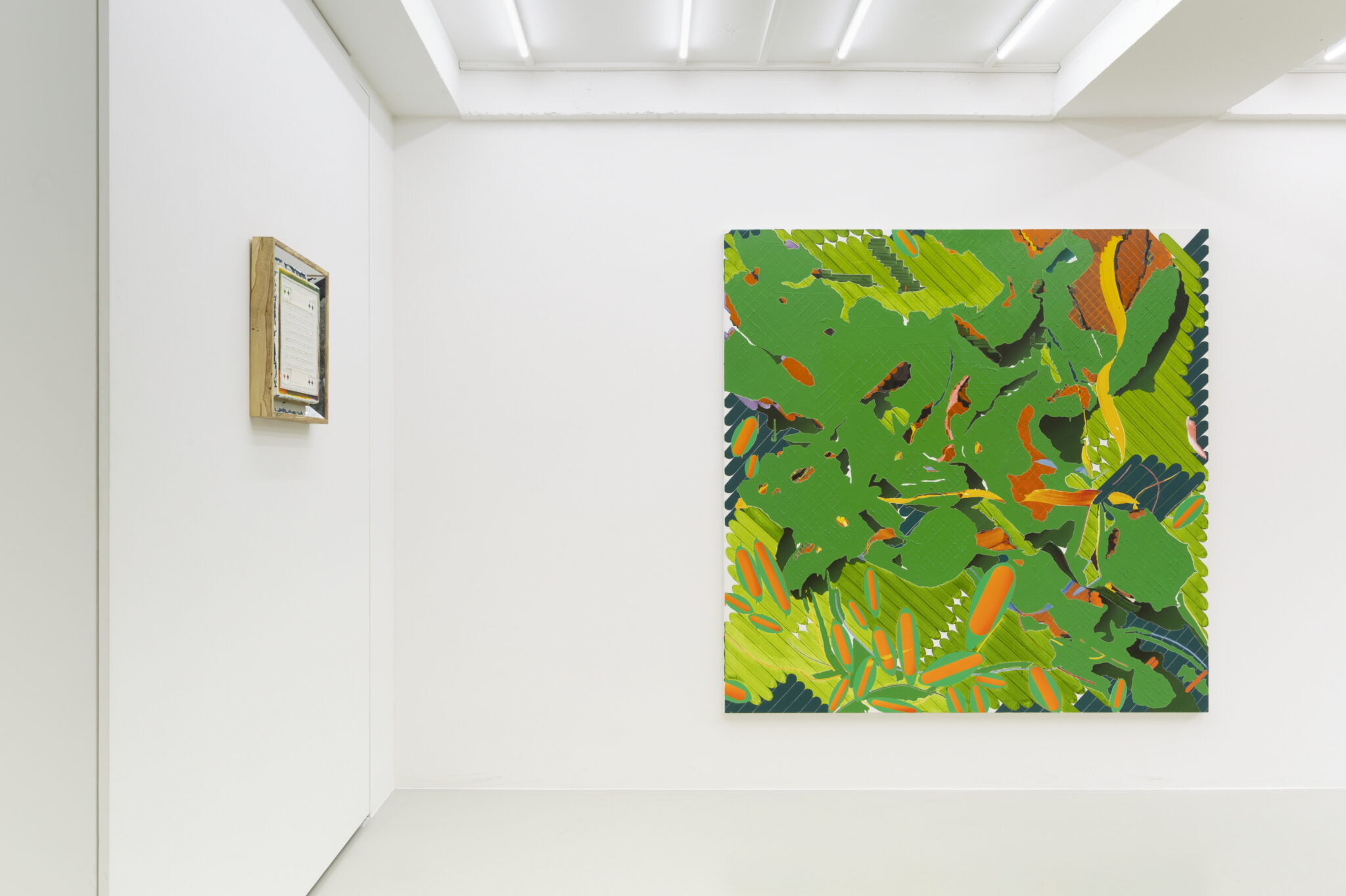
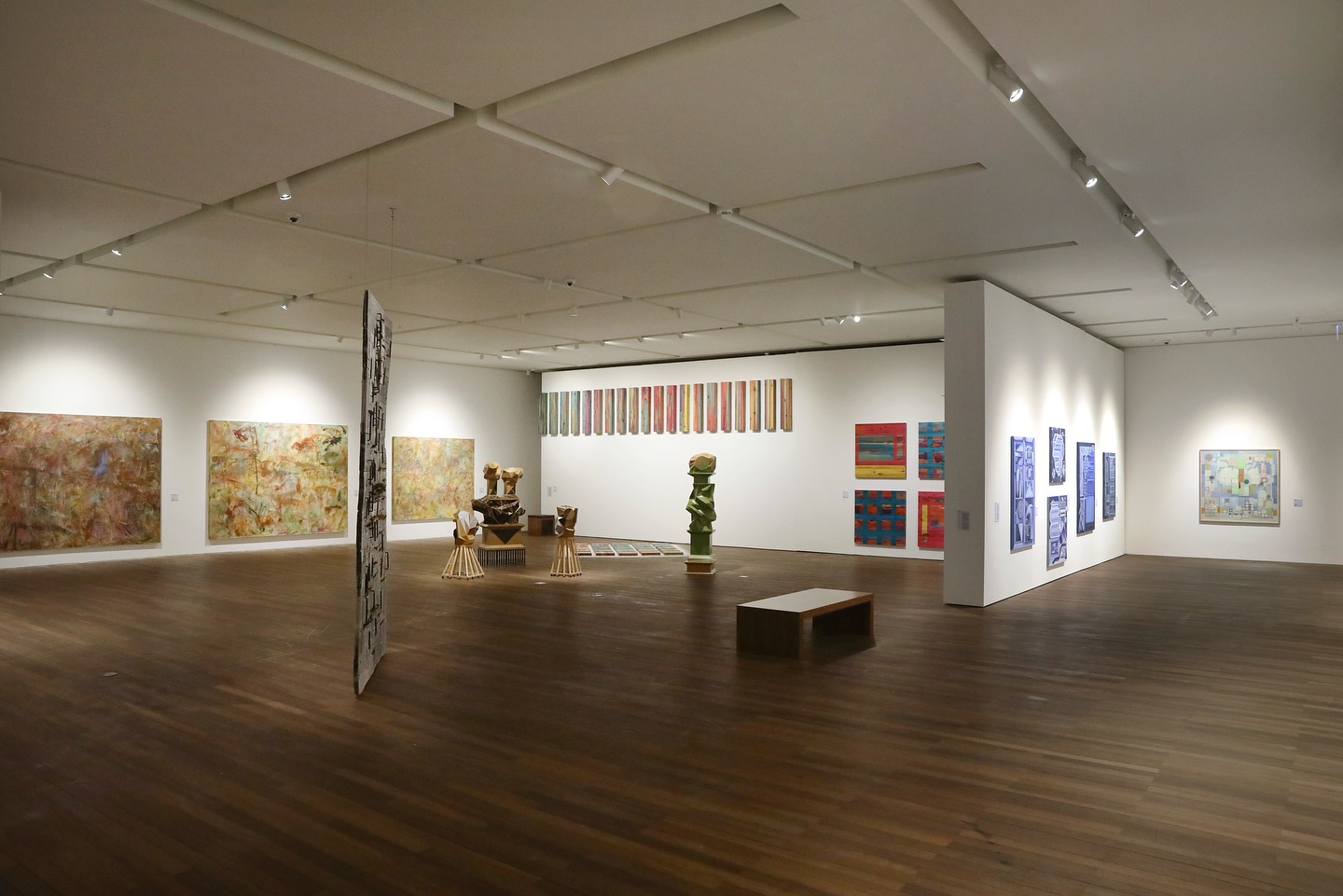
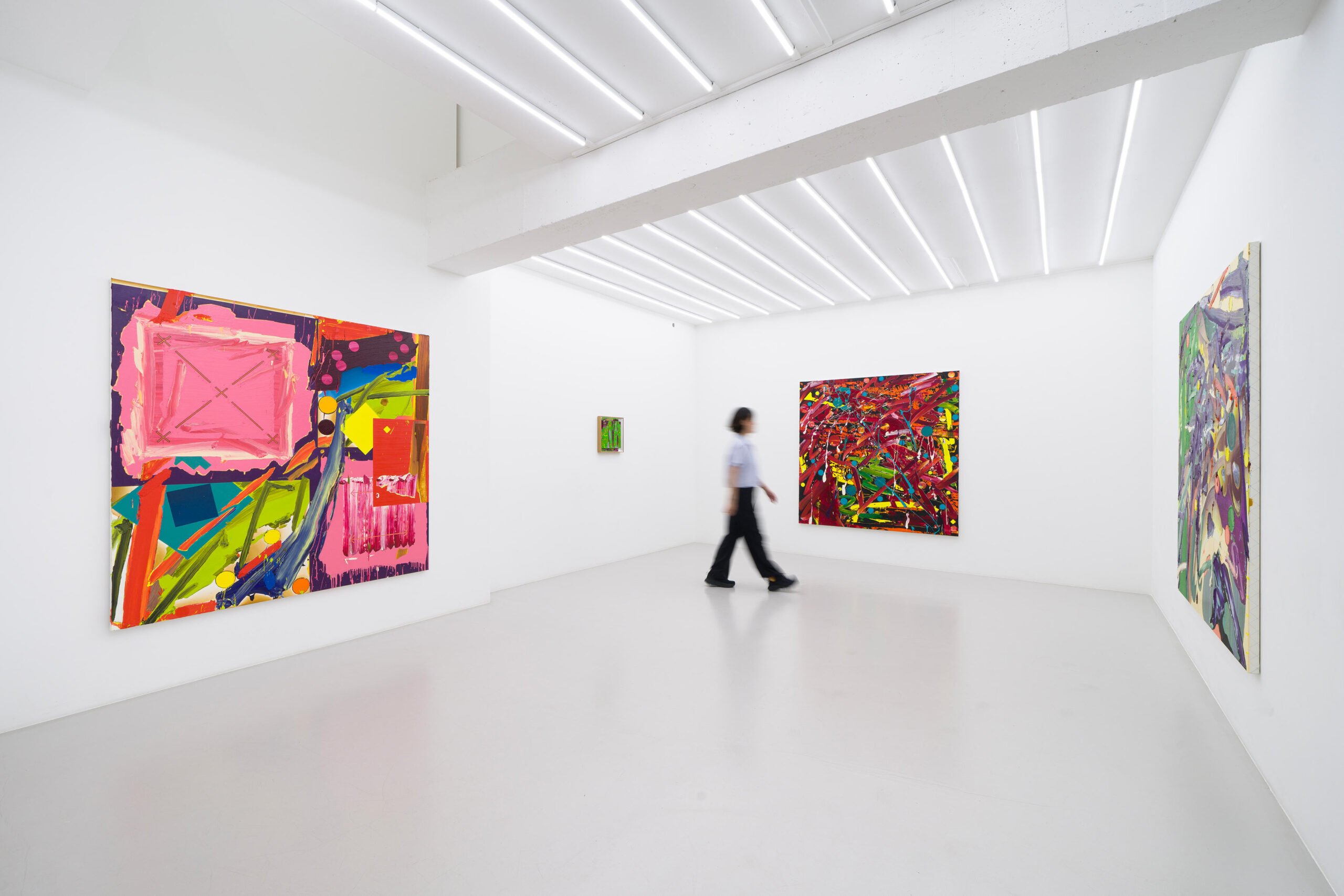
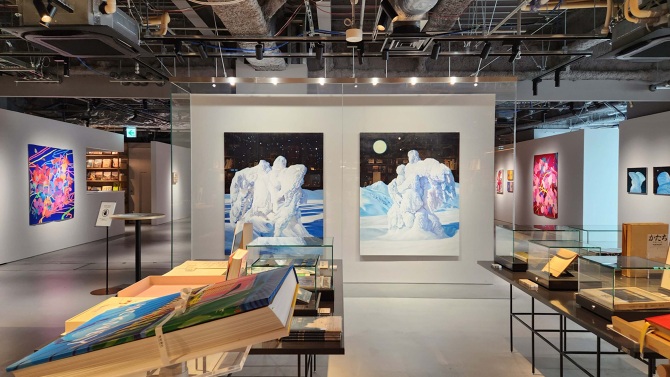
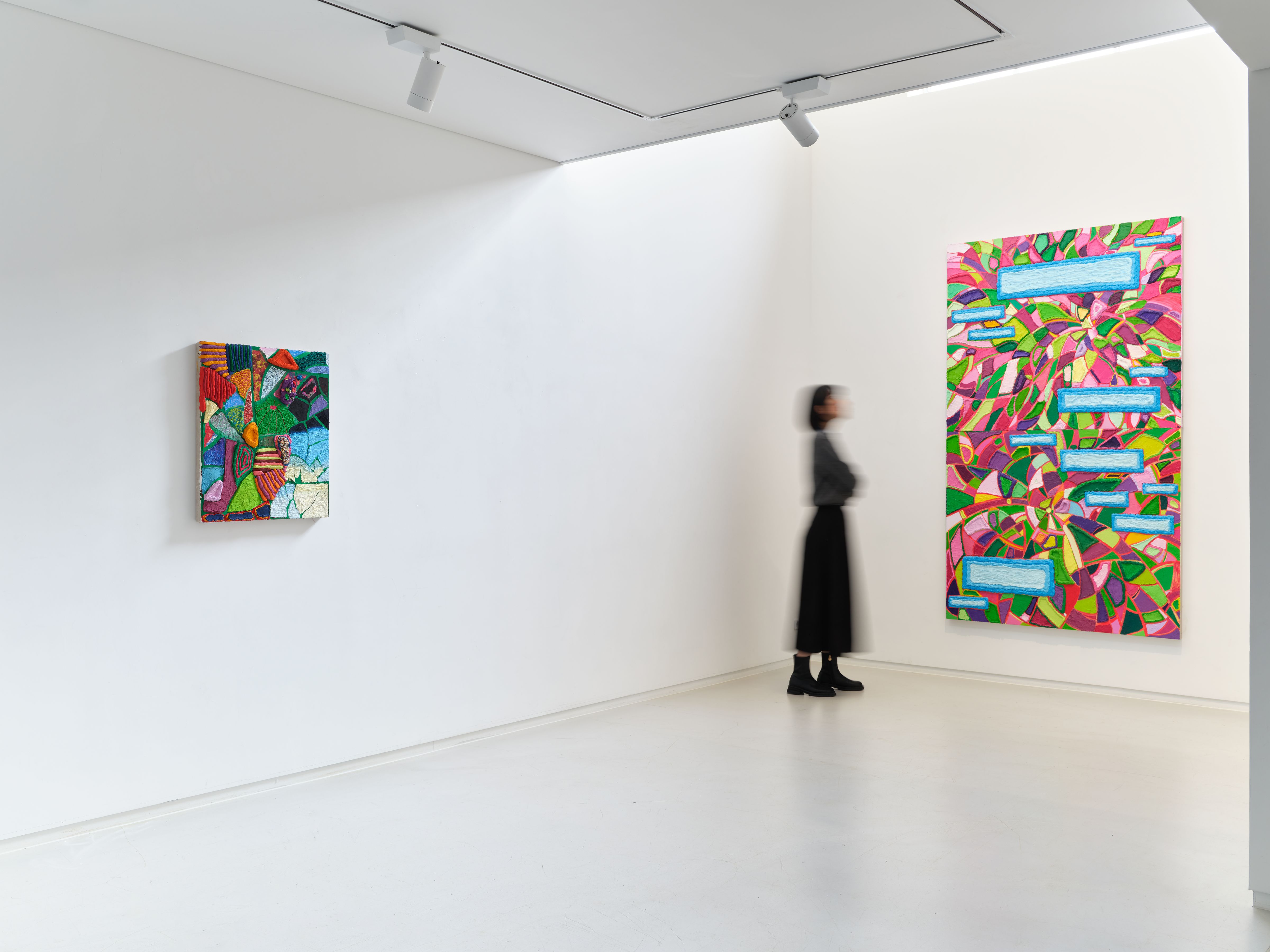
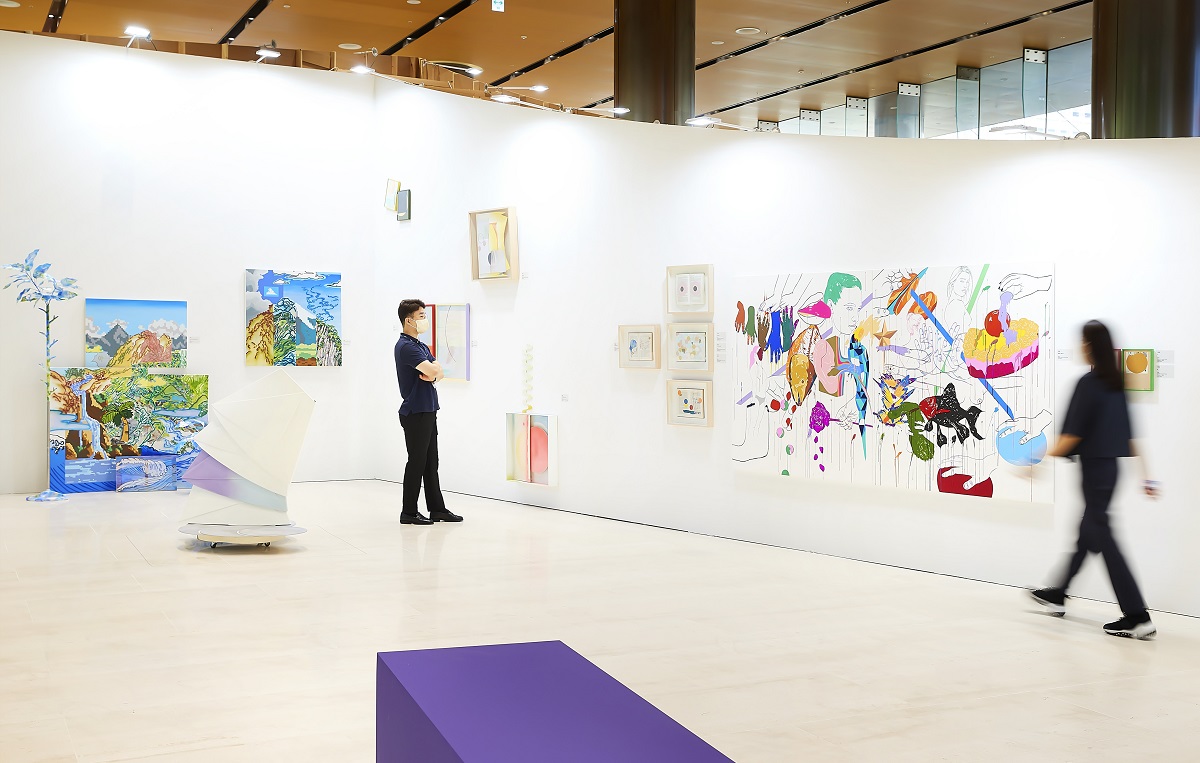
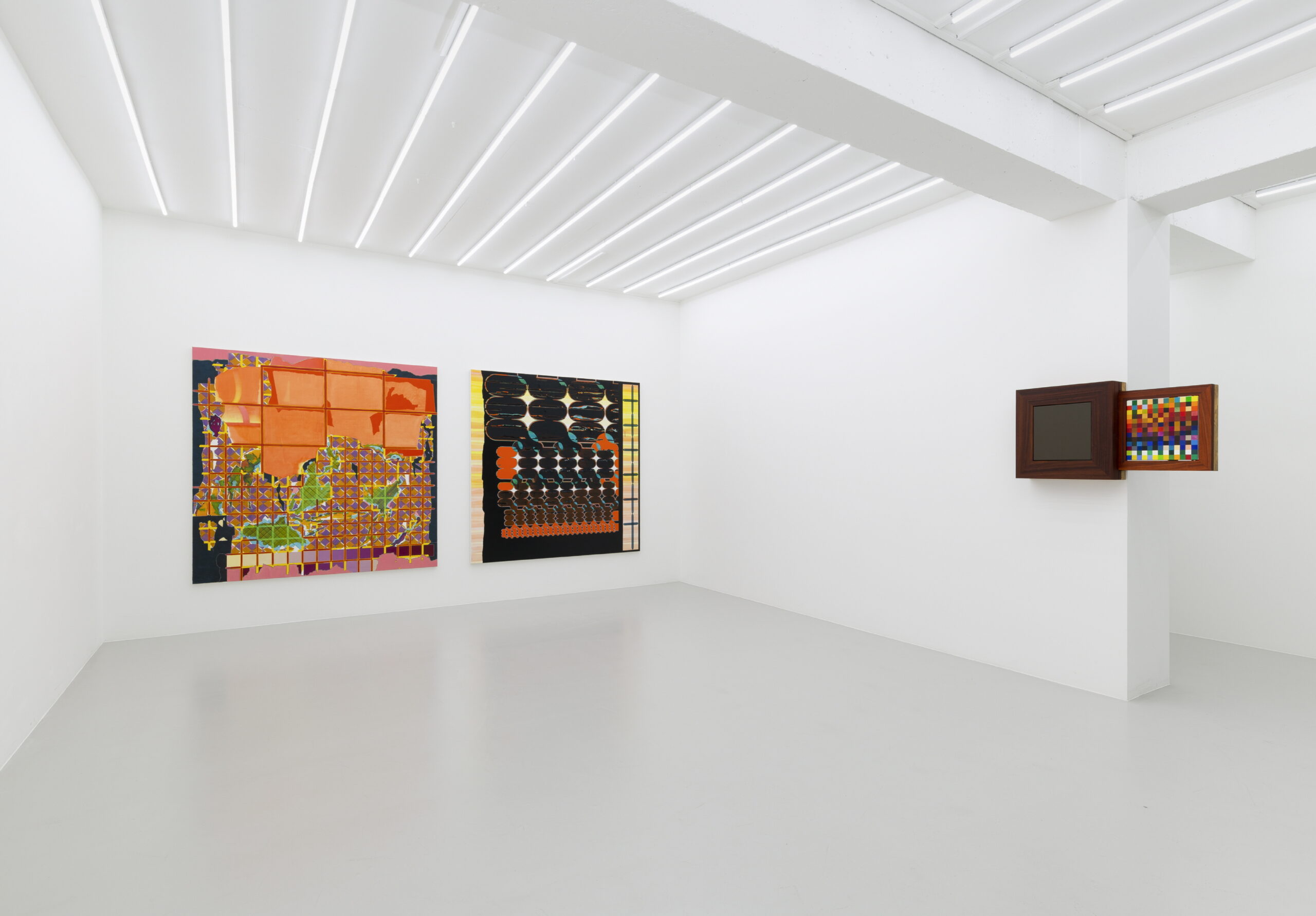
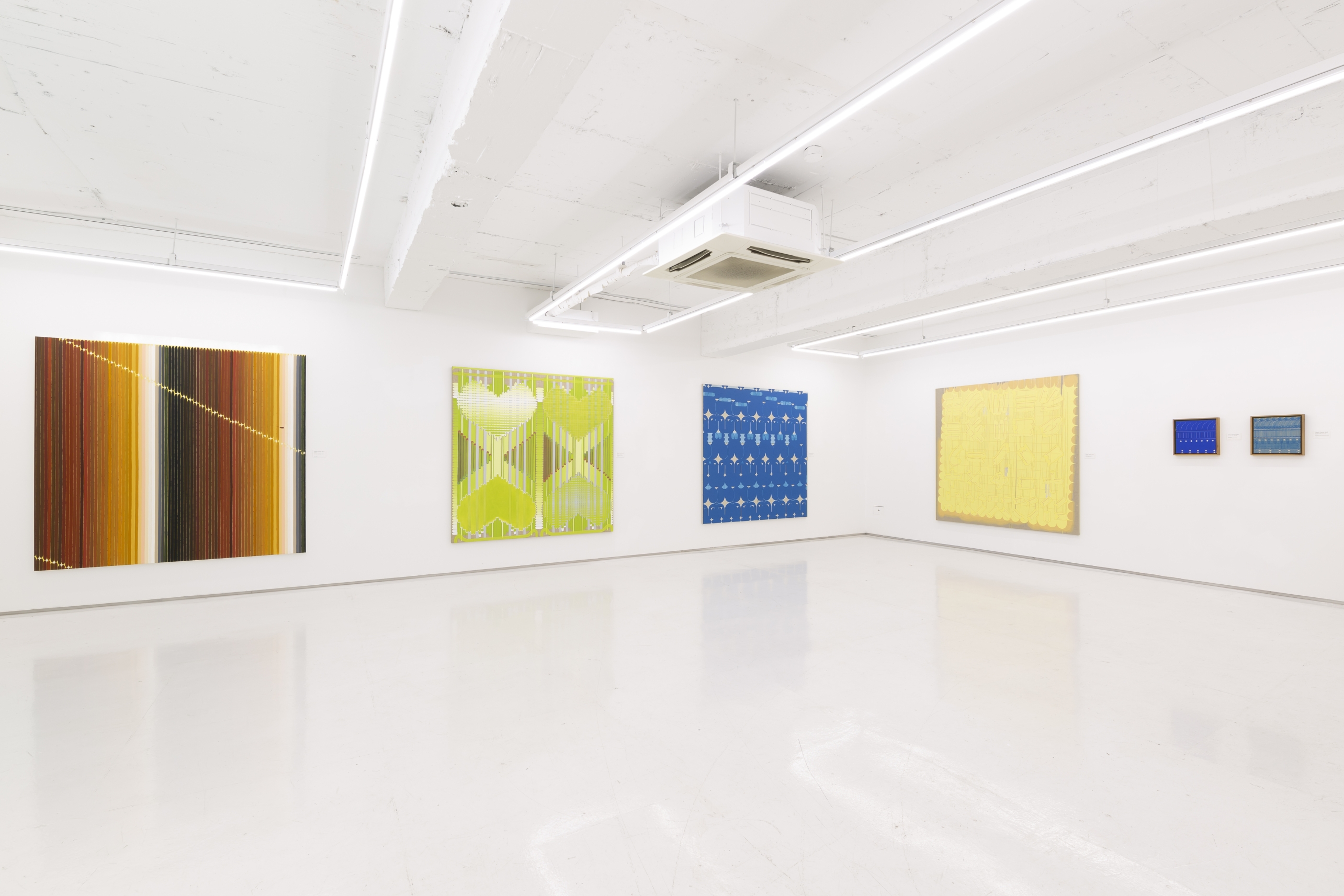
Installation view of 《Sonata for a Beautiful Soul》 (ThisWeekendRoom, 2021) ©ThisWeekendRoom

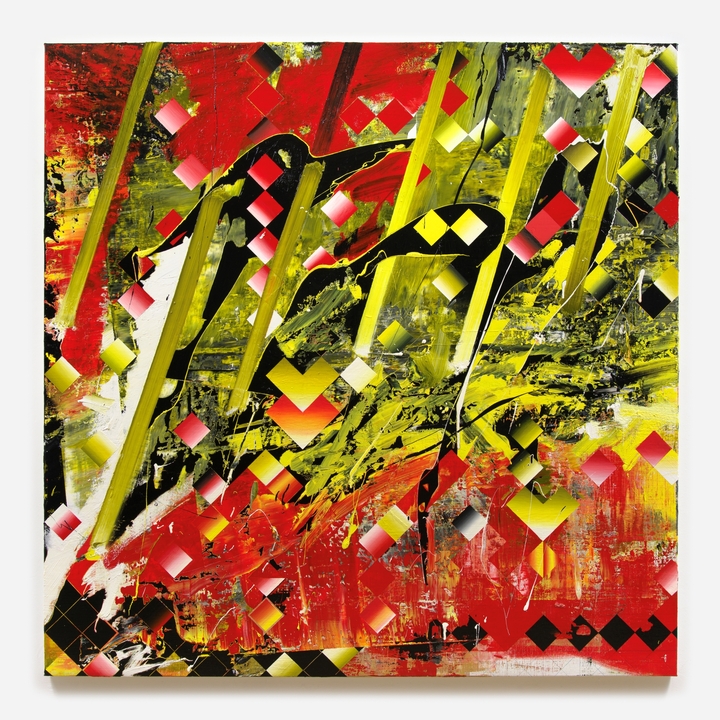
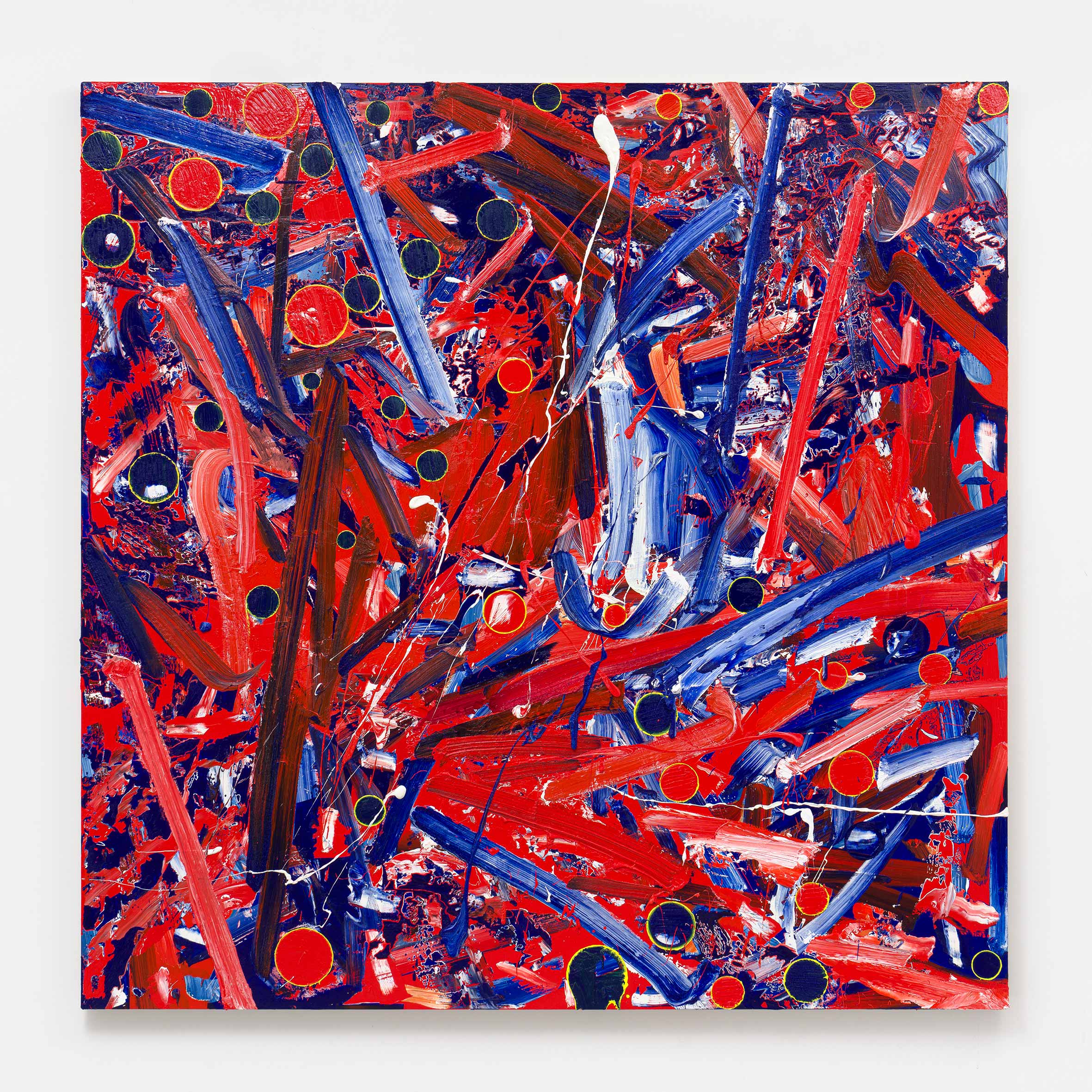
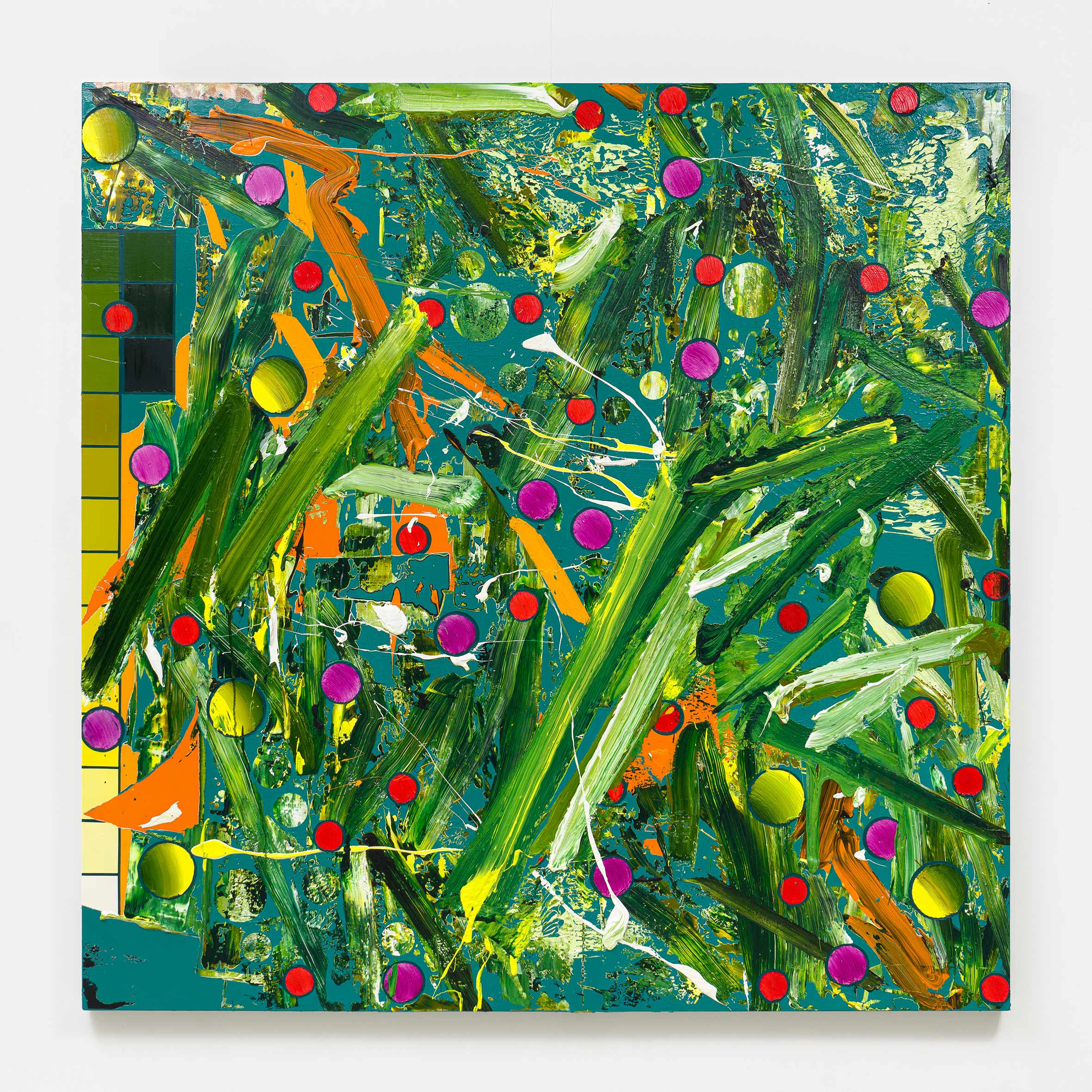
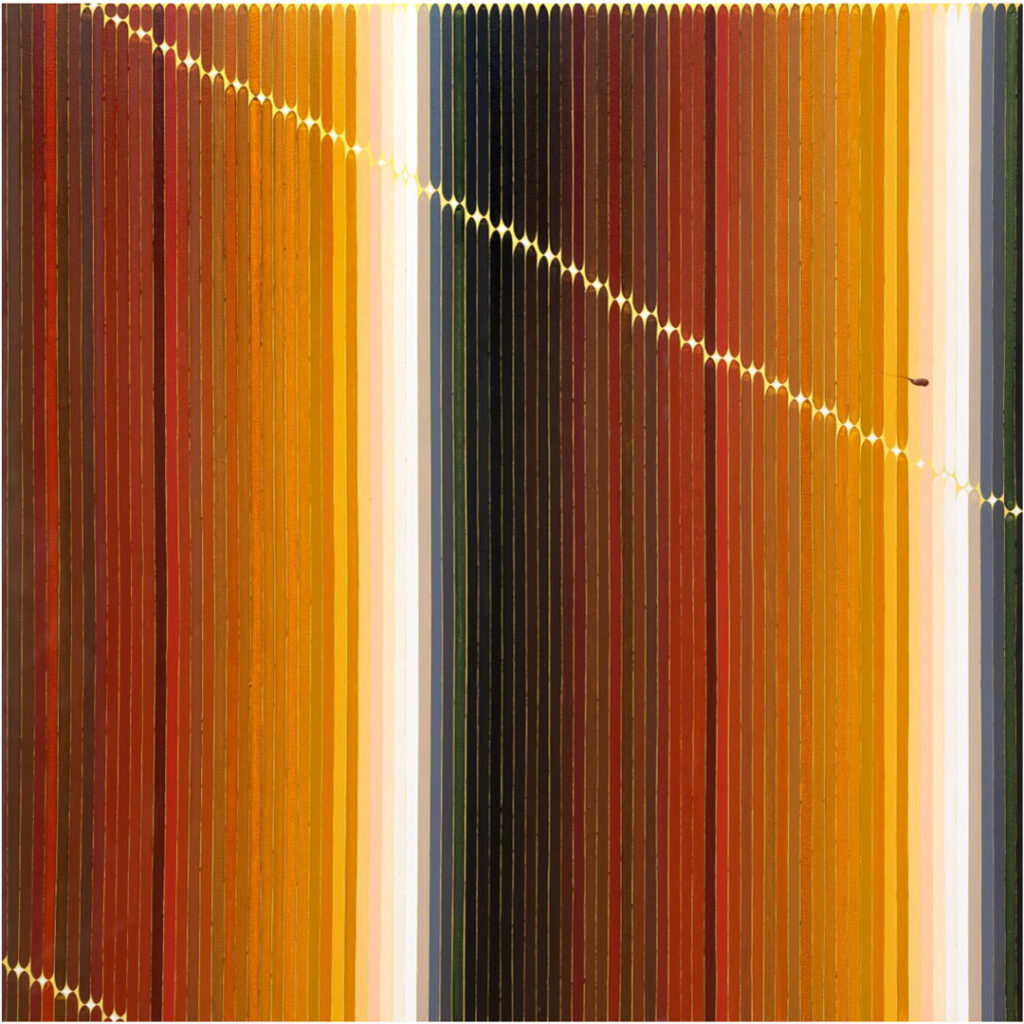
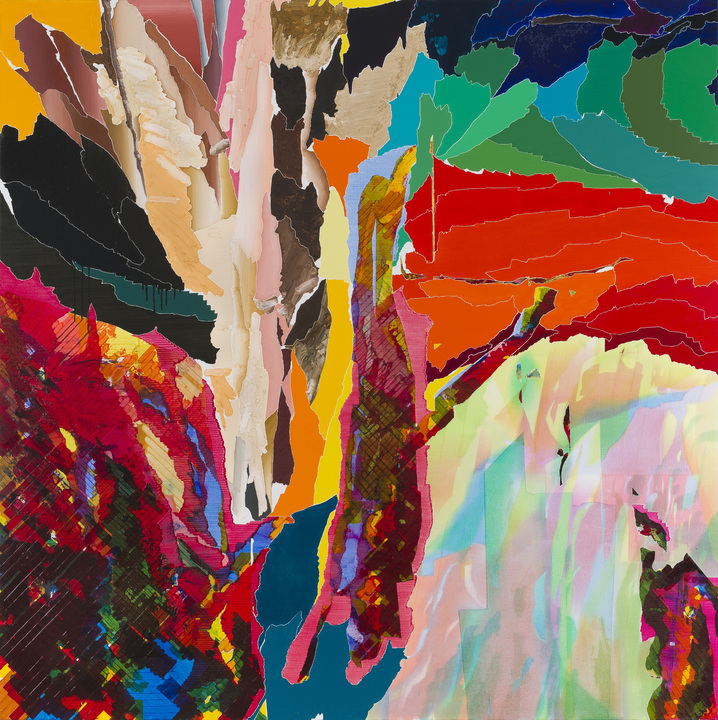
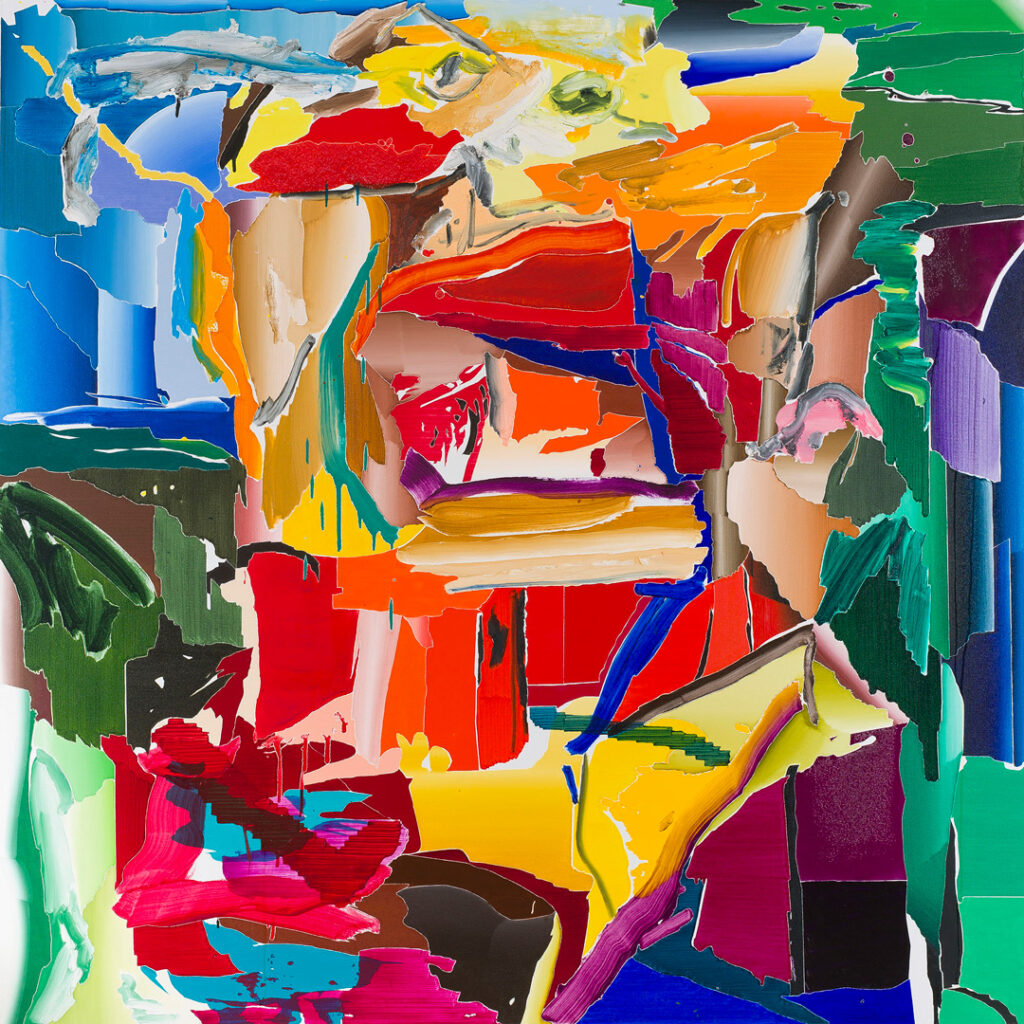
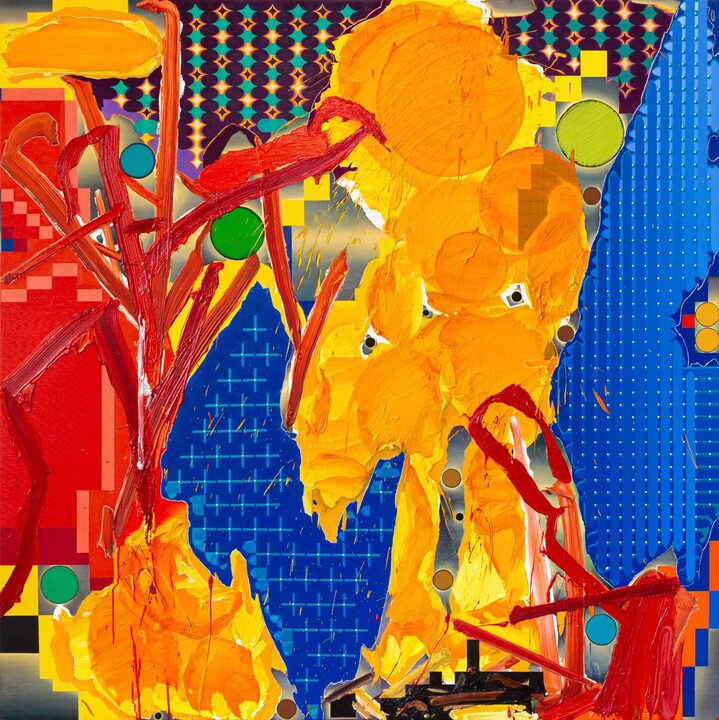
Seoul Kim’s third solo exhibition, 《Sonata for a Beautiful Soul》 (ThisWeekendRoom, December 3, 2021 – January 7, 2022), presents seventeen works from the ‘Filbert Family’ series. This exhibition can be understood as an extension of his previous solo show held earlier that year (Art Delight, April 29 – May 28, 2021), as it features different works from the same series. A series is the result of concentrated inquiry into a single concept, and while each individual work has its own distinct qualities, they share a common conceptual foundation. (The titles consist of the series name followed by a production number.)
 
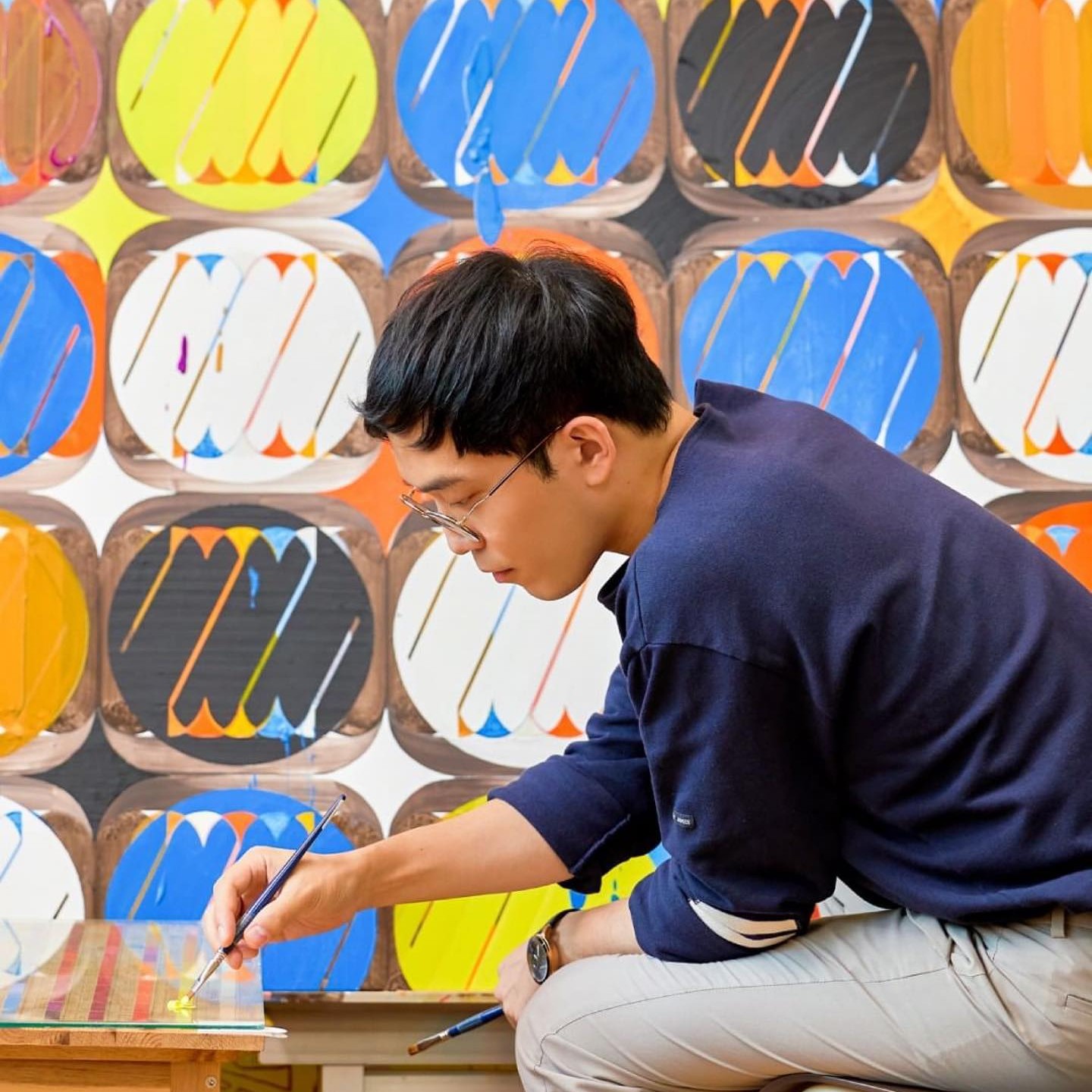
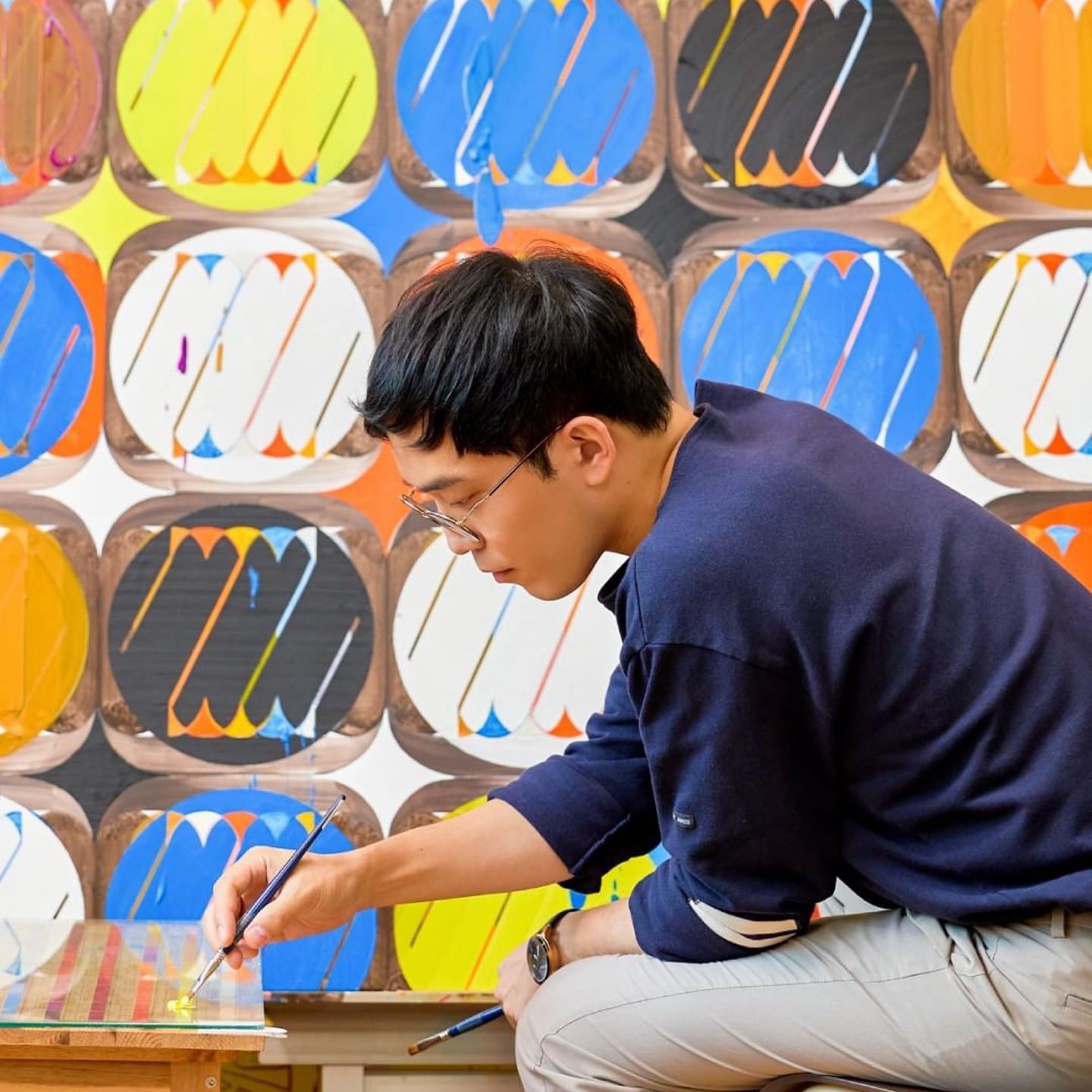
The title ‘Filbert Family’ derives from the filbert brush, a particular type of paintbrush. Oval in shape and resembling a hazelnut, the brush has a flat body and a slightly pointed tip. Combining the characteristics of round and flat brushes, it is a versatile tool capable of spreading paint thinly or thickly, and of drawing both curves and straight lines. Naming the series after a brush suggests its crucial role in the works. As expected, all the exhibited pieces were painted using filbert brushes.

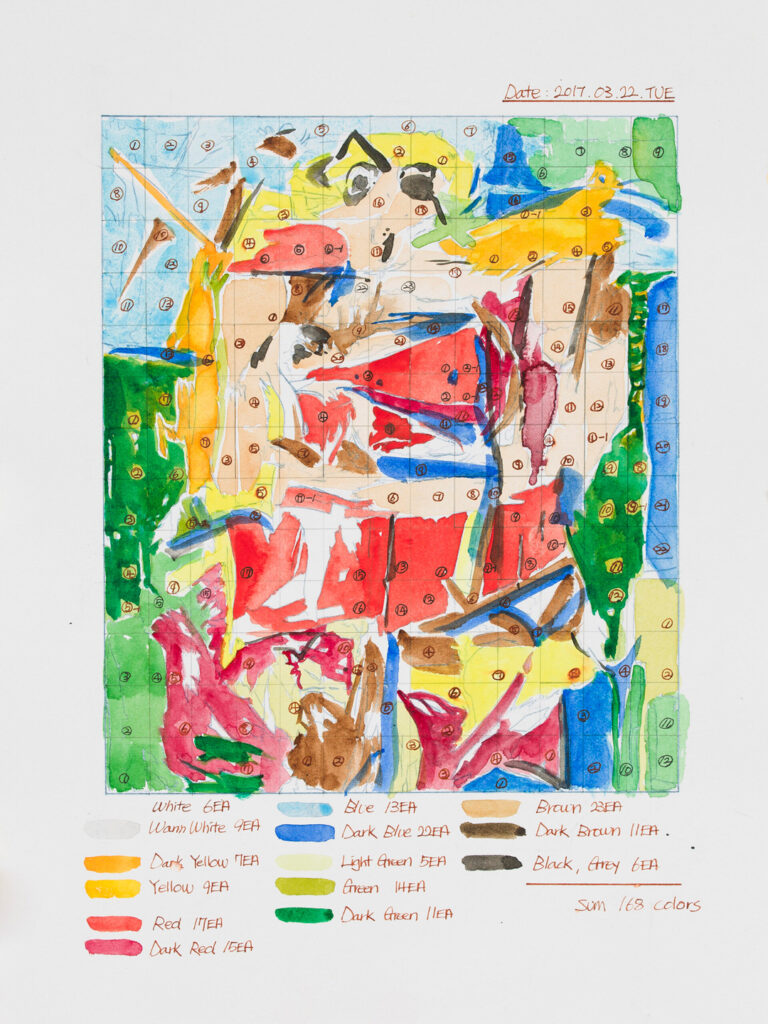
With the dedication of an archaeologist, Kim purchased twenty-five different filbert brushes from a single manufacturer to experiment with them. He regarded the filbert shape as a module and extracted dozens of simple yet varied forms and patterns—diamonds, ovals, hearts, grid motifs, and more—that could be generated from it. Rather than selecting a brush according to a predetermined form, he allows the forms that the brush can produce to appear on the canvas. This approach reveals that for him, how and why he paints matter more than what he paints.
 
Most artists hope that viewers will spend a long time carefully observing their works. However, unlike video or performance, painting does not require physical time for its unfolding. Many viewers quickly pass by paintings, or briefly photograph those they like before moving on. Those who have created paintings themselves might infer the process and materials behind a work simply by looking at the result, but most viewers cannot. There are many ways to approach a painting.

Typically, viewers first think they do not know what it is, and then try to relate certain images to personal emotions or experiences. Yet as mentioned above, in Kim’s work, the depicted subject is not of primary importance (though iconographic details may offer secondary interest). Instead, one might slowly trace the sequence in which the work was made and how it was constructed. Kim’s paintings are built up through multiple layers of paint over extended periods of time, and he leaves various clues that allow viewers to follow the process of their making.

Installation view of 《Sonata for a Beautiful Soul》 (ThisWeekendRoom, 2021) ©ThisWeekendRoom

This may sound like a digression, but consider food for a moment. Today many people dine out or order delivery, and regulations require that the origins of ingredients be clearly labeled. Consumers have learned that delicious dishes are built upon fresh, high-quality ingredients, and they willingly pay more for food made with good materials, mindful of health and environment. Returning to painting: just as raw ingredients are processed to create something new, making a painting can be understood as a form of manufacturing.

In other words, the choice and use of materials significantly affect the result. Kim seriously considers and researches not only brushes but every component of painting: canvas fabric, stretcher bars, paint, brushes, and frames. Rather than uncritically using readily available materials, he invests substantial time and money in researching the finest materials possible.
 
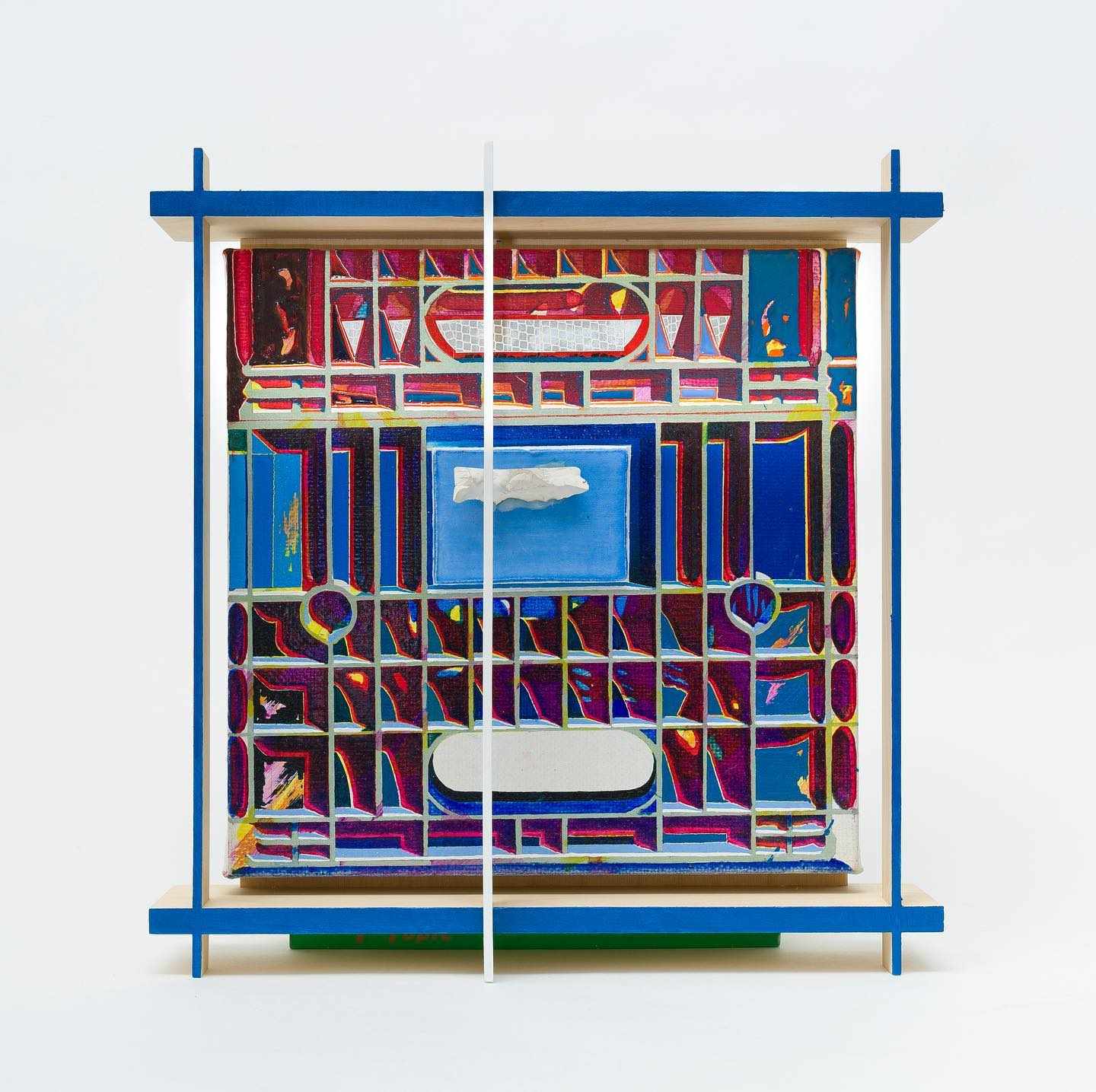
For this exhibition, he also produced frames for several relatively small works, each with an unconventional appearance. Typically, frames are understood in functional terms—as devices to protect the artwork from damage. Kim, however, conceives the frame not merely as a protective border but as a structural element that functions together with the painting, actively extending its formal language. After completing a painting, he creates a frame that further develops the work’s internal formal vocabulary.

The frame transforms the painting into something akin to furniture, incorporating various types of wood, forms, and reflective materials to expand the grammar of painting. In some works (Filbert Family No.10 and No.11, small versions), mirrors are installed inside the frame so that all four sides of the work can be viewed at once. In others (Filbert Family No.19, small version), the module present in the painting is repeated and expanded in the shape of the frame itself. These examples demonstrate his experimental use of framing.
 
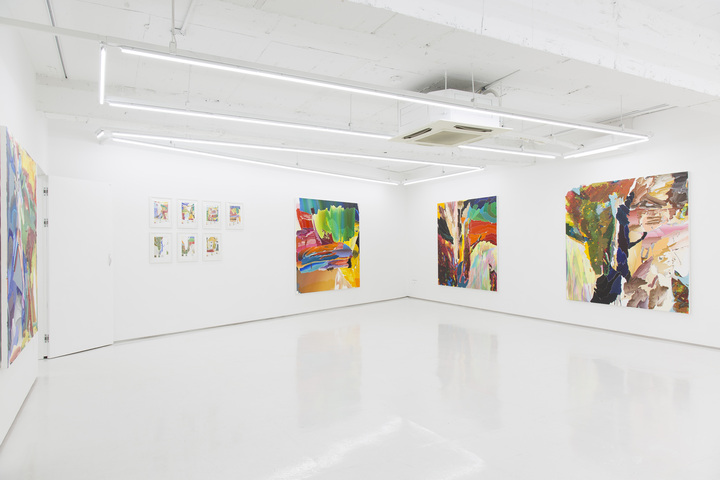
Filbert Family No.13 stands out among the works. Its form resembles the exterior of a building cast in shadow, giving a somewhat different impression from the artist’s previous works, which have generally avoided illusionistic painting. Using a filbert brush, Kim wove and layered architectural elements one by one, as if constructing a building. The lower portion conveys a denser, heavier materiality, while the upper portion grows more saturated and lighter. He used molding paste, cold wax, colored pencil, and oil paint. In discussing this work, Kim compared painting to architecture, emphasizing the harmonious layering of diverse materials required in its making.

Installation view of 《Sonata for a Beautiful Soul》 (ThisWeekendRoom, 2021) ©ThisWeekendRoom

In May 2015, literary critic Shin Hyeong-cheol described writing in Cine21 as follows:
 
“I am not well-versed in architecture, yet I believe writing resembles building a house.
… First, produce recognition. I hope a building is constructed that deserves to be there, and needs to be there. Recognition is what grants a piece of writing its qualification.

… Second, find the precise sentence. A craftsman may travel the country to find the desired material. I believe there is only one sentence capable of accurately carrying a particular recognition, and with effort, it can be found.

… Third, arrange architecturally. If a house requires fourteen pillars or bricks, then one creates that number of paragraphs. Stack them with equal length. Nothing excessive, nothing lacking. Add or remove a single paragraph and the structure collapses.”
 
Architecture, writing, and painting all require finding appropriate materials, arranging them harmoniously, and above all embedding the creator’s own distinctive recognition. Only then can a work assert its value in a world where everything overflows. The exhibition title ‘Sonata for a Beautiful Soul’ references the score left by a blacklisted dissident mentor to his student in the film ‘The Lives of Others’.

The student, Georg, performs the requiem for his teacher, and Wiesler, who is surveilling him, is moved to tears upon hearing the music. Artistic empathy brings about profound change, compelling Wiesler to risk himself for another’s life. It may sound old-fashioned, but art possesses a power unlike anything else. Through this exhibition, one can witness Seoul Kim’s earnest belief in that power.
 

Text by Choi Jeongyoon (Independent Curator)

References