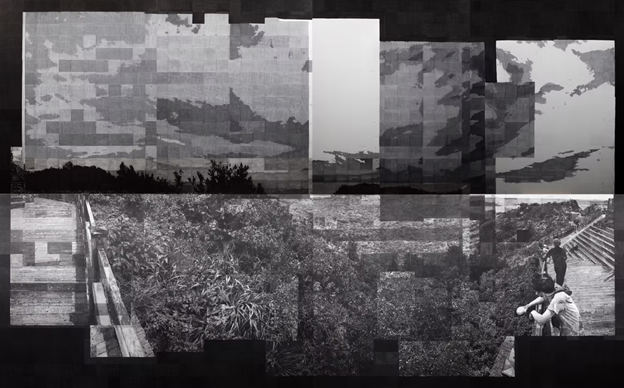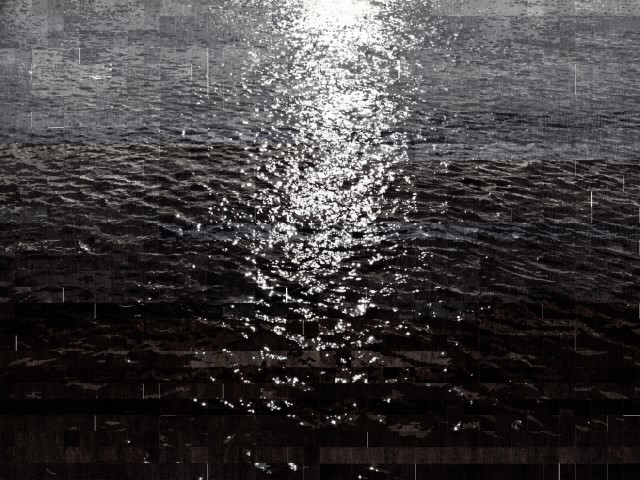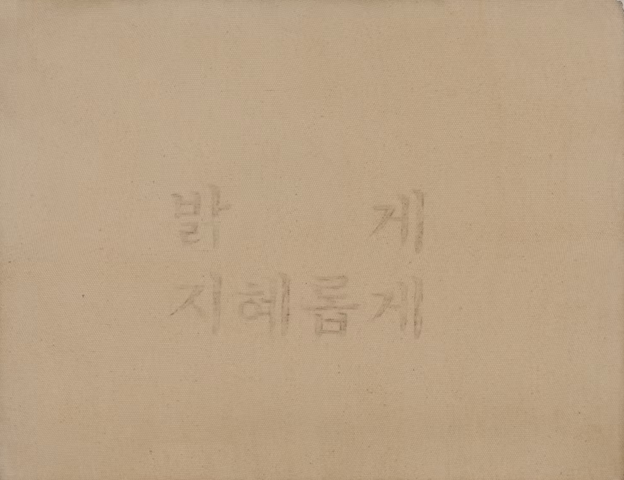


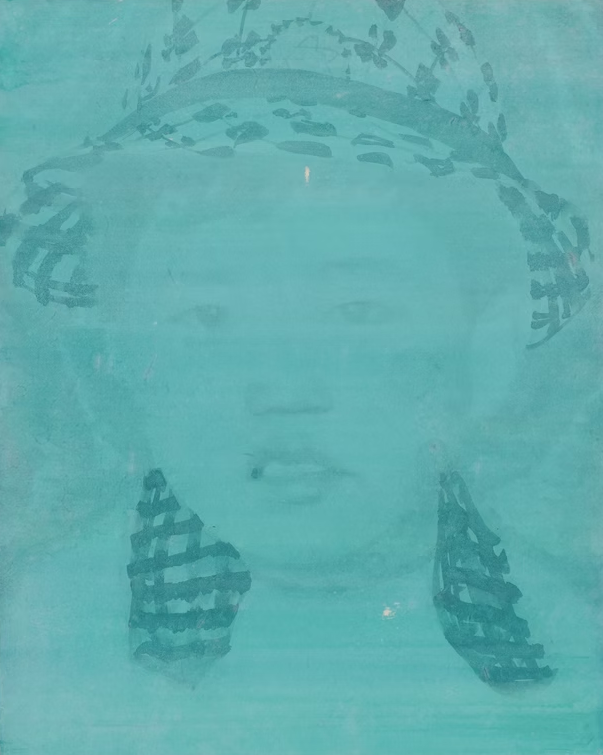
Sejin Kwon (b. 1988) captures landscapes encountered in everyday life through photographic images, which he then reconstructs in painting. Through the processes of deconstructing and recombining photographs, the artist visually reveals traces of temporal flow and transformation. His repeated brushstrokes create layered strata of time, returning yesterday’s landscape to that of the day before.


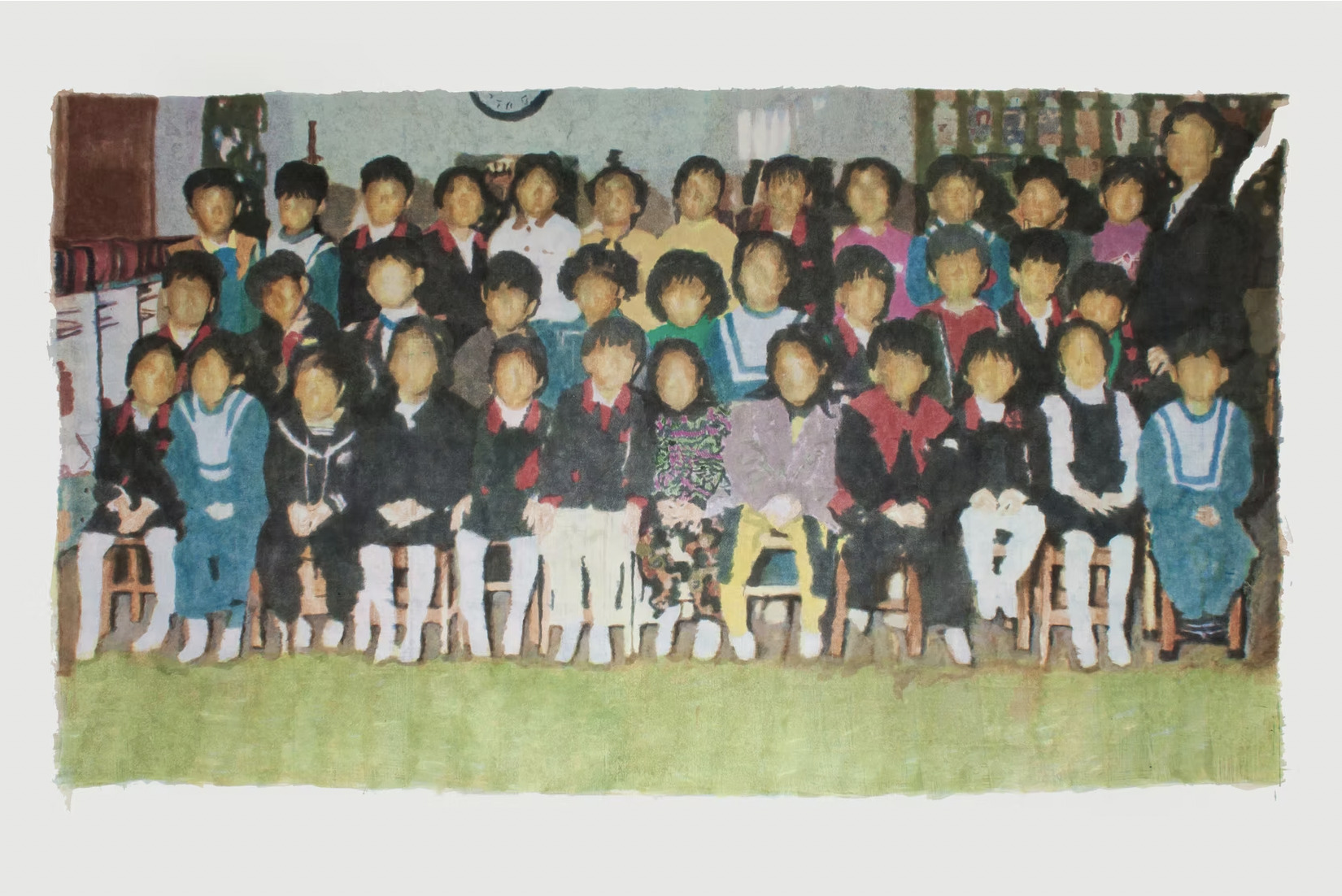
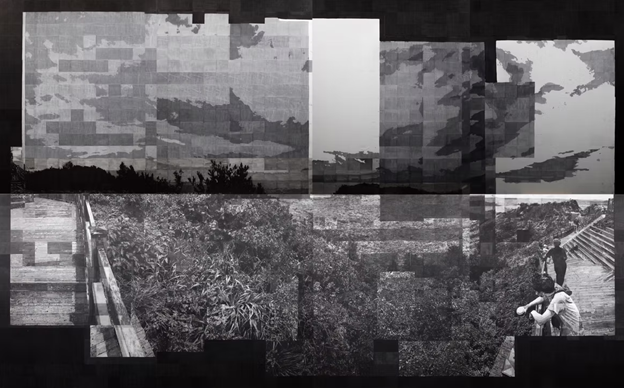
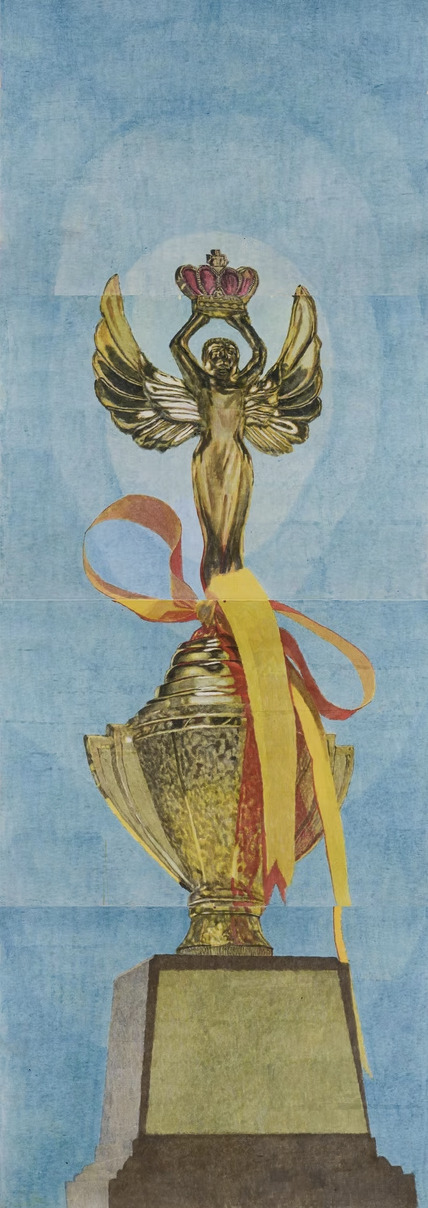
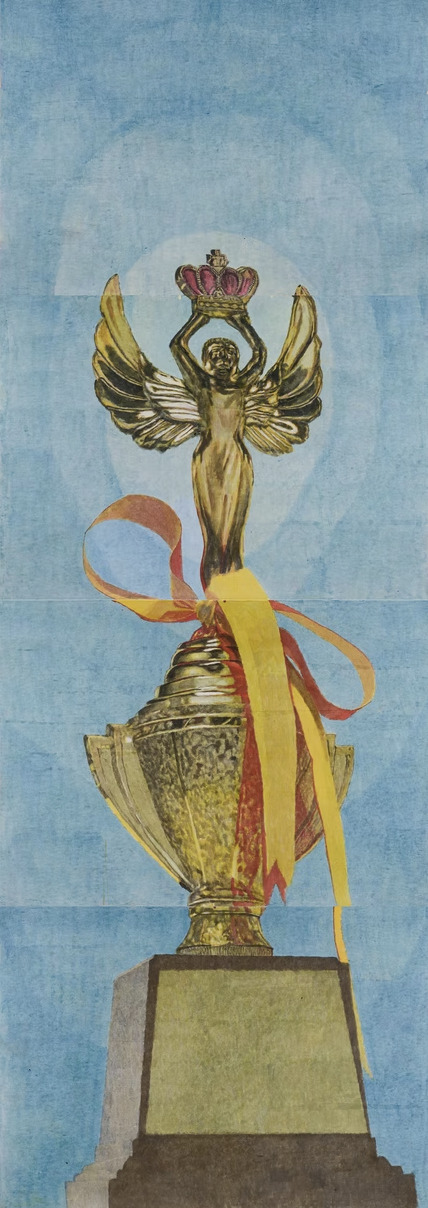
Sejin Kwon, Trophy, 2014, Color on paper, 591.6x211cm ©Sejin Kwon

Sejin Kwon works with traditional materials such as hanji (Korean paper) and ink alongside contemporary digital images to capture present-day landscapes. By reinterpreting traditional materials through a contemporary lens, his practice reveals the expanded possibilities of painterly expression.
 
Using paper—a thin and delicate support—rather than canvas, he takes advantage of the way ink spreads when a brush saturated with ink touches the surface. This process introduces elements of unpredictability that extend beyond the artist’s direct control, while the gradual absorption of pigment into the paper generates a sense of depth and spatial resonance.


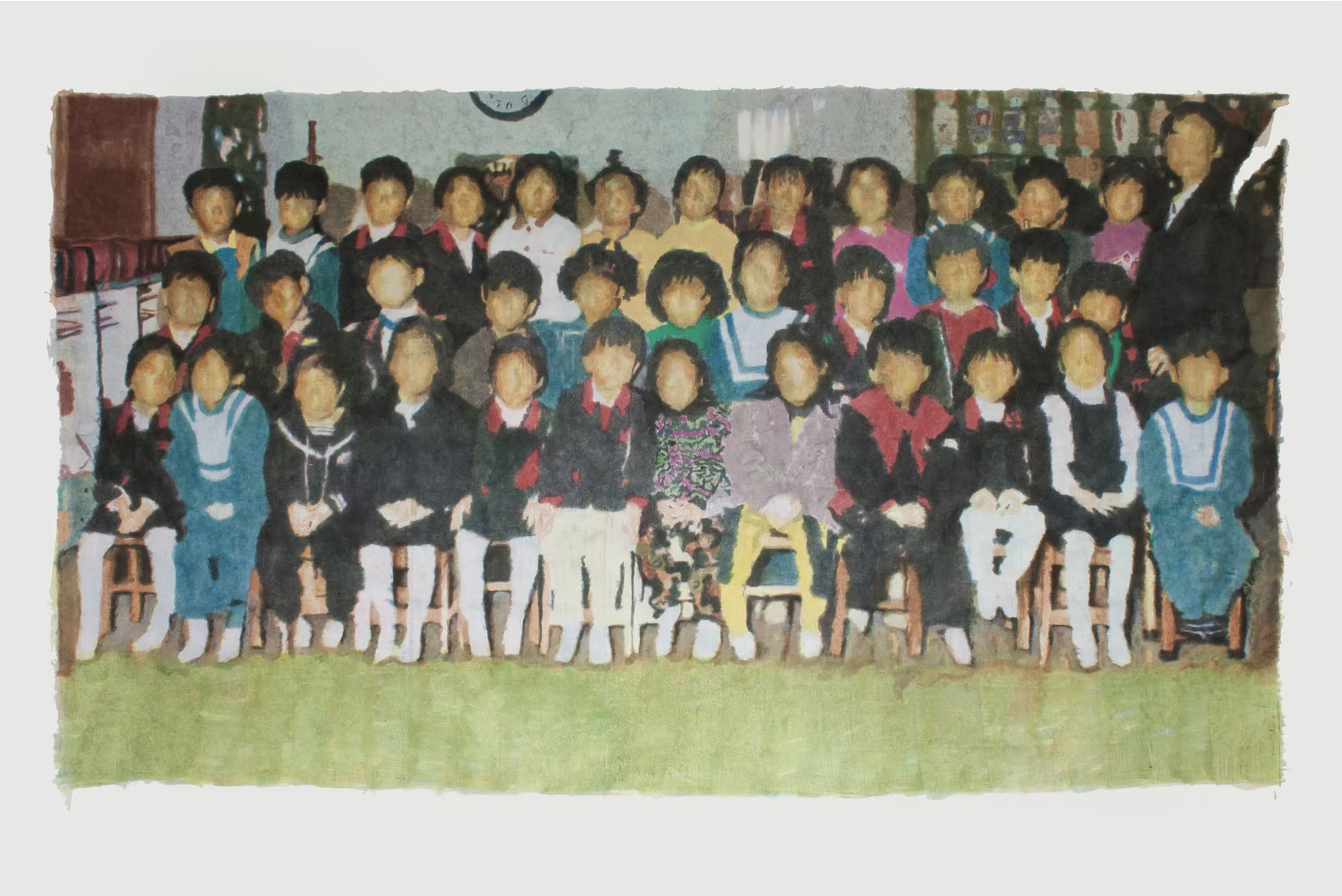
Sejin Kwon, Graduate, 2015, Color on paper, 148x211cm ©Sejin Kwon

Sejin Kwon’s practice began with a question: how can the subjects traditionally depicted in East Asian painting be rendered from a contemporary perspective? Rather than reproducing conventional motifs, he turned his attention to the everyday landscapes that surround him.
 
In traditional East Asian painting, artists observe their subjects closely, studying their appearance and characteristics in order to express them in a distilled and essential form. However, Kwon notes that contemporary subjects cannot be easily captured through traditional brush methods. While conventional brushwork and texture strokes are well suited to classical landscape painting, he found them to feel incongruous when applied to modern imagery.
 
For this reason, he began working with photography as a source material—an image form grounded in visual purity. By combining the factual and temporal qualities of photography with the materiality and techniques of East Asian painting, he continues to explore new modes of representation.


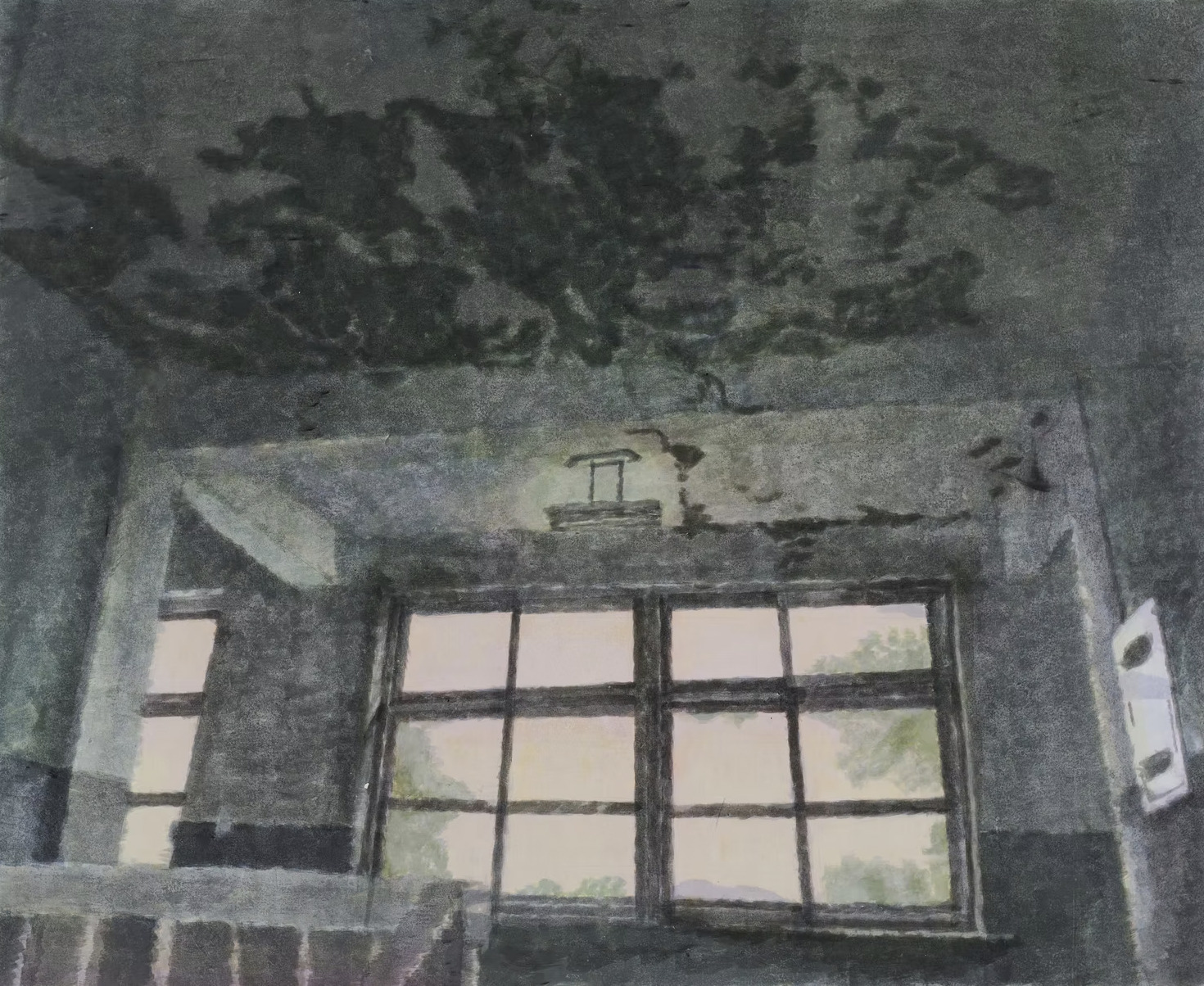
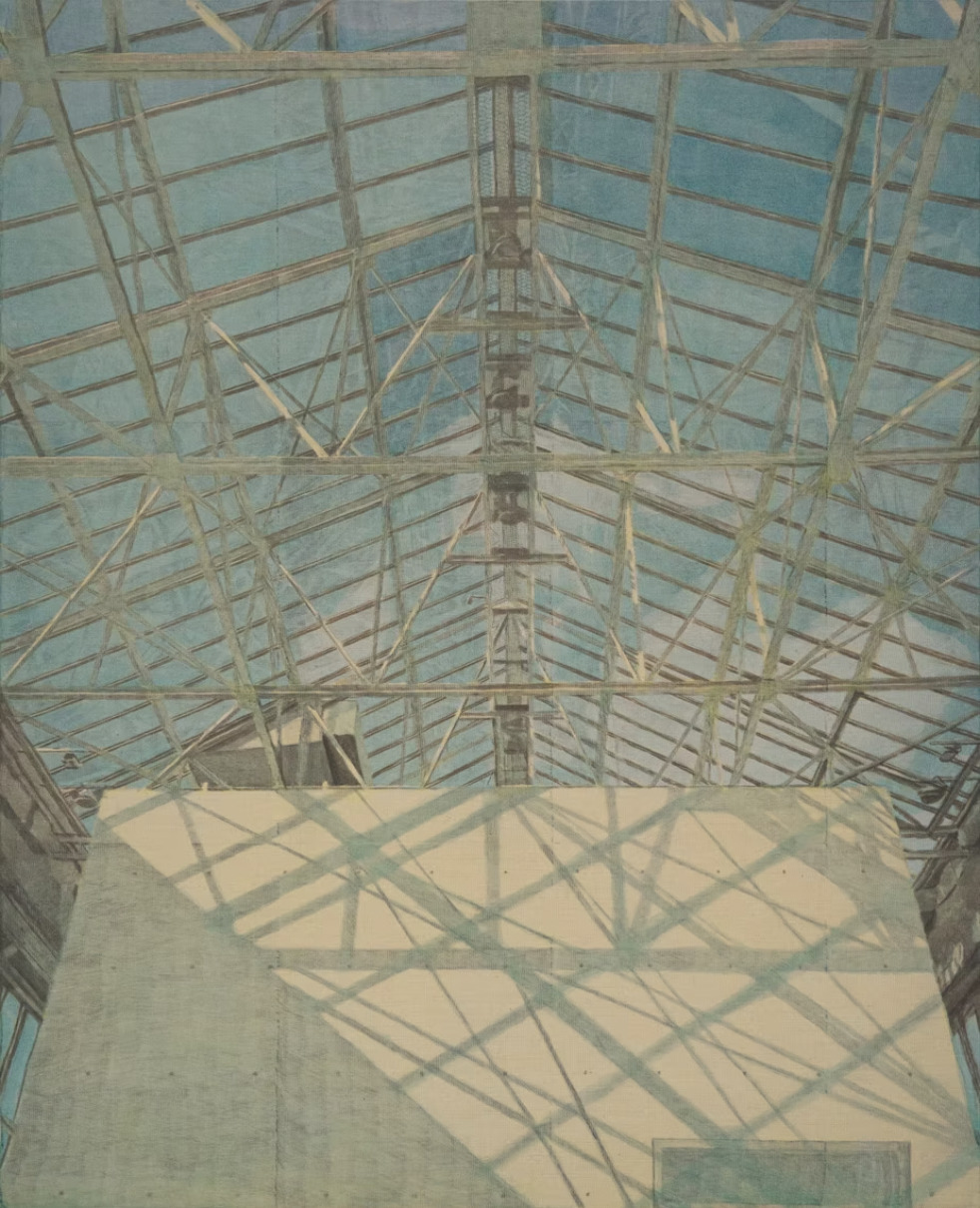
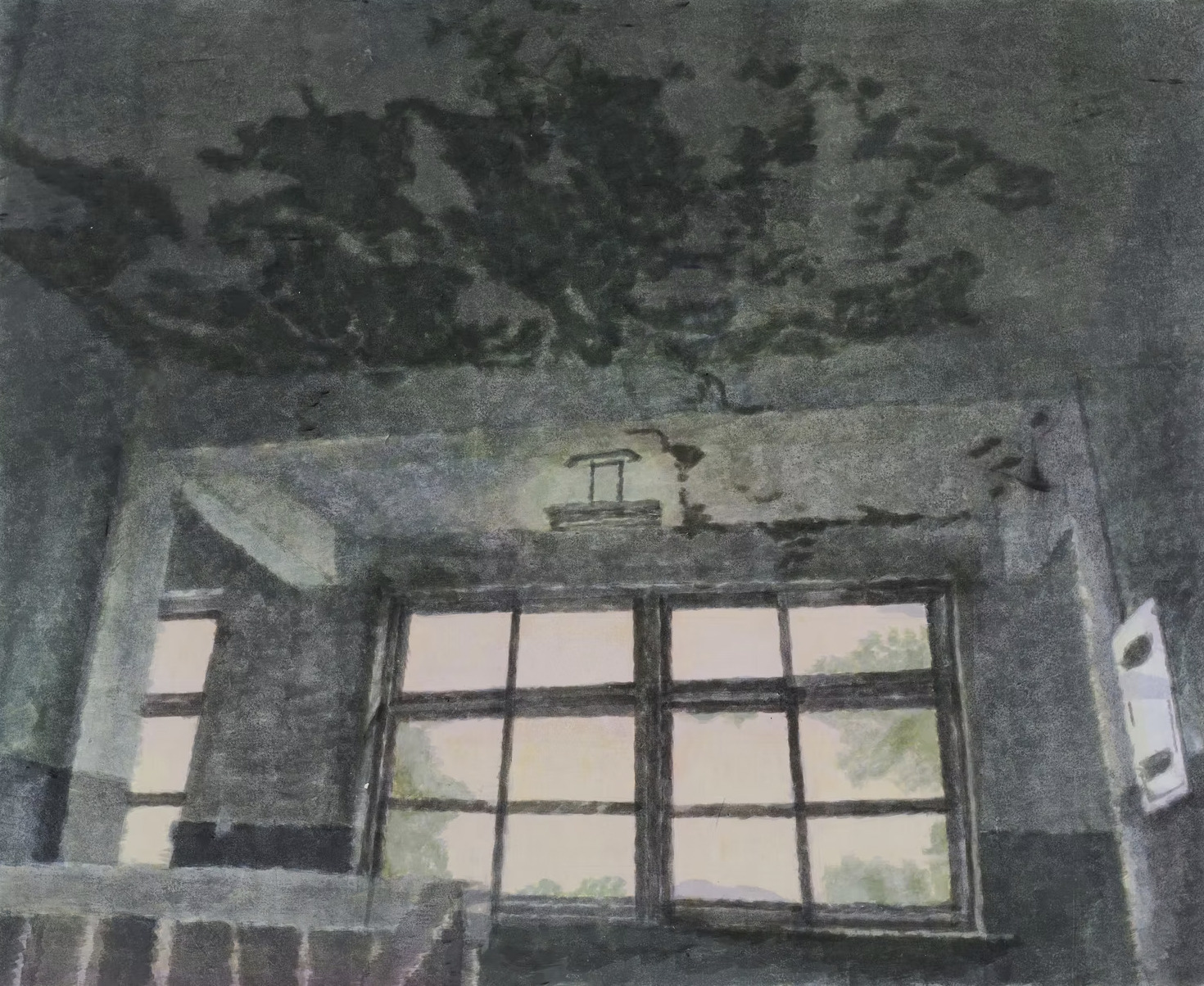
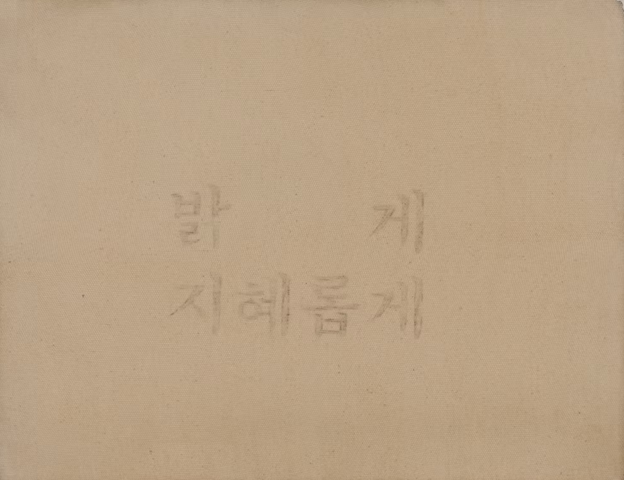
Sejin Kwon, Ceiling, 2014, Color on paper, 137.6x168.3cm ©Sejin Kwon

In his early works, Sejin Kwon visually expressed the blurred memories of childhood and a sense of loss associated with place. In the ‘Blurred Landscape’ (2014) series, for instance, he sought to restore places from his childhood that had since disappeared through the act of painting, attempting in turn to recover the sense of loss tied to them.
 
The artist revisited the elementary school he once attended after it had been closed, documenting its deteriorated condition and altered surroundings, and contrasting them with his memories of the past. By using both past and present views of a single site as his subject, these works convey different temporalities as if they were floating afterimages, suspended between memory and reality.


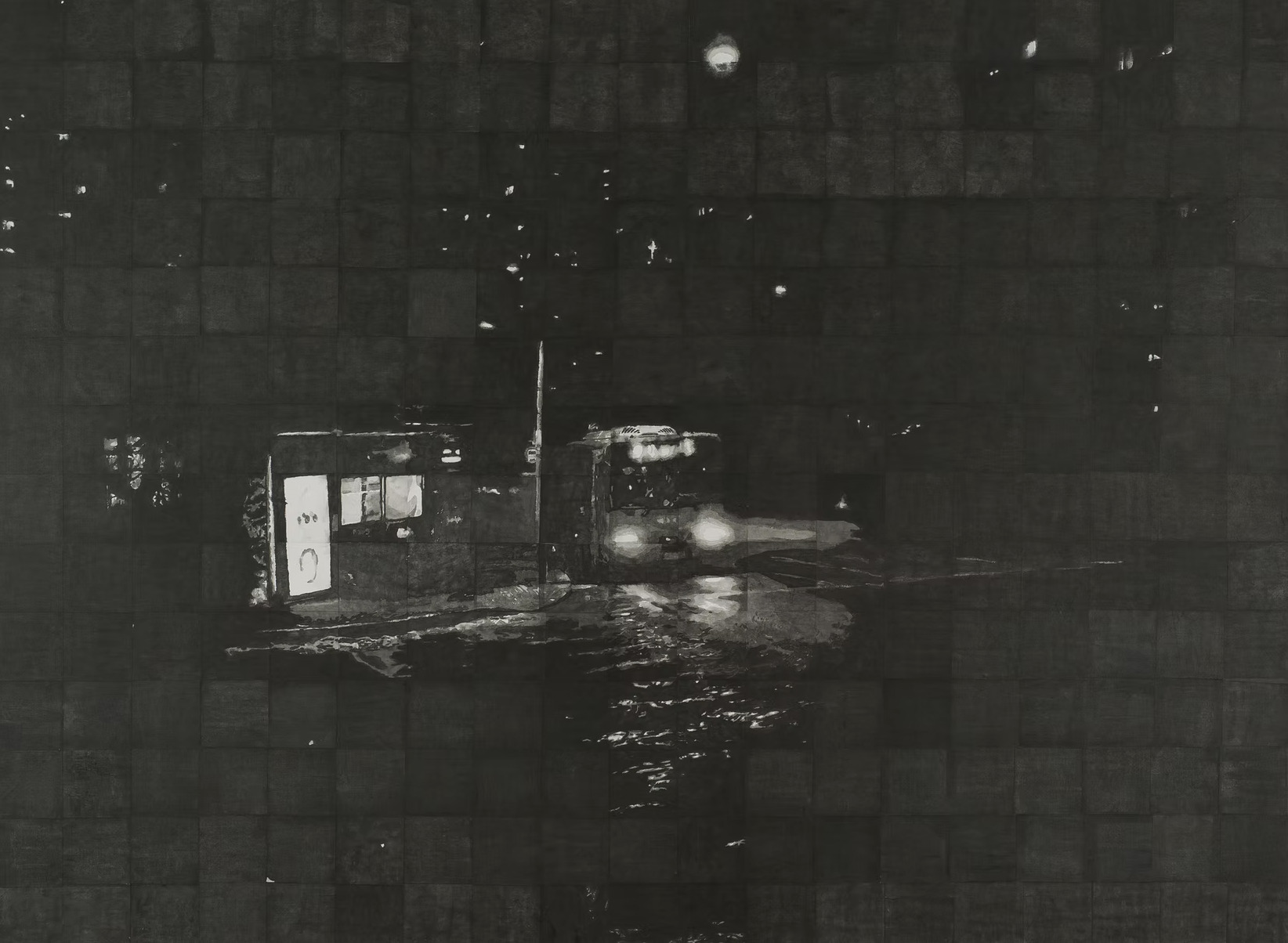
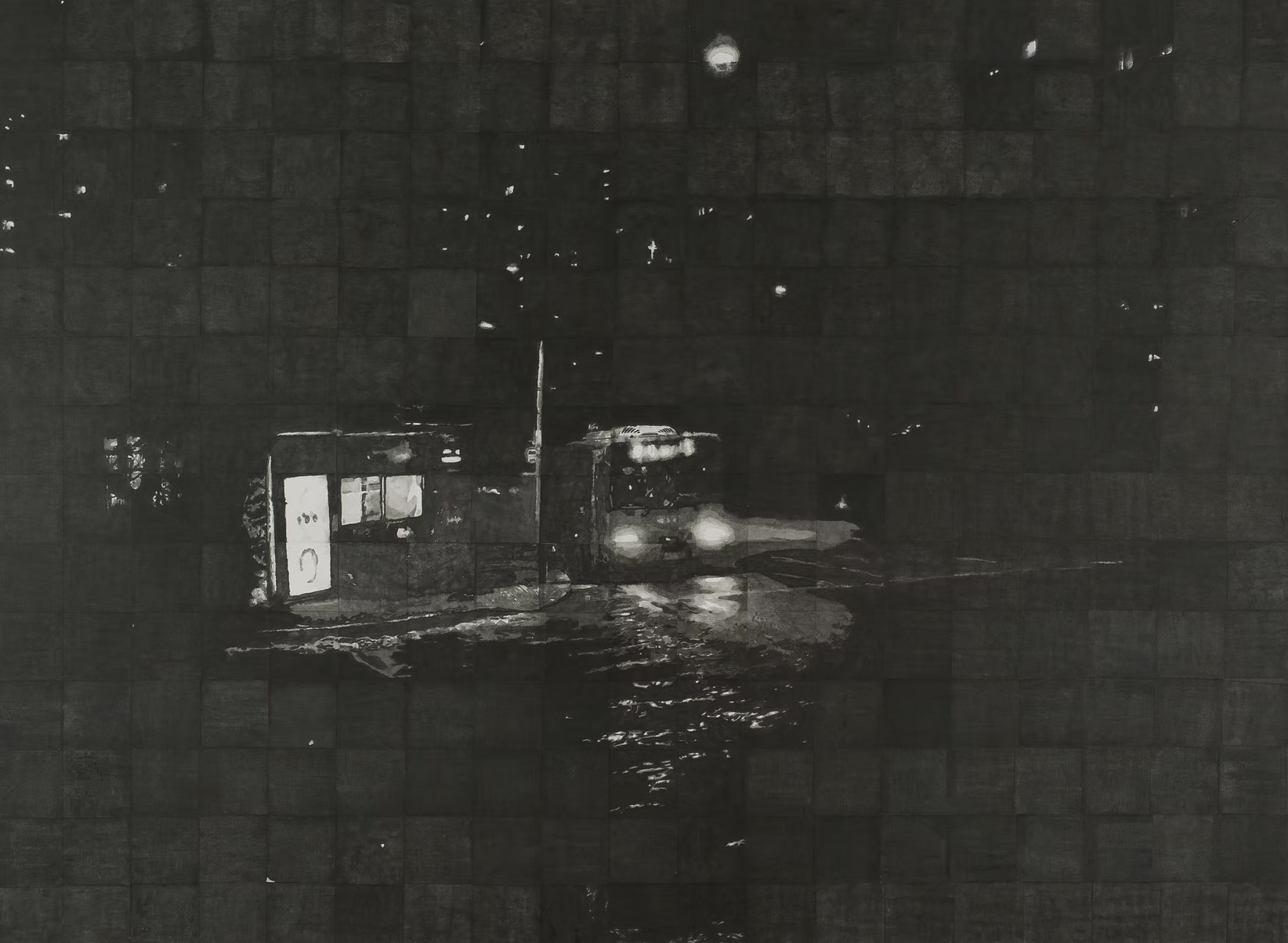
Sejin Kwon, Deep night, 2018, Ink on paper, collage on canvas, 130x193cm ©Sejin Kwon

Building on his early works that explored themes of the past and memory, Sejin Kwon began, from 2017 onward, to shift his focus toward the present and the landscapes of everyday life.
 
For example, the ‘Return’ (2017–2018) series emerged from the psychological changes he experienced after moving from Daegu to Seoul, where he found himself confronting feelings of unfamiliarity and estrangement. This body of work reflects his attempt to project such emotions onto the scenes he encountered.
 
Each night, after finishing his work late, he photographed the scenes he came across on his way home and later translated them into paintings. For the artist, the nighttime landscape felt more sensitive and immediate than that of the daytime. The night, filled with the emotions and thoughts accumulated throughout the day, became a temporal space in which his inner state could be projected onto the landscape.
 
According to the artist, the objects of his gaze and contemplation gradually became extensions of himself. By becoming one with the subject, the depicted image transcends its status as a mere form and comes to embody a deeper resonance and meaning.


Sejin Kwon, Night Temperature, 2018, Ink on paper, collage on canvas, 181x223cm ©Sejin Kwon

In the course of his working process, Sejin Kwon began to fill the infinitely expanding space of night with ink on paper, gradually perceiving ink not merely as a traditional medium but as a form of color in itself. He has noted that this shift opened up new possibilities for constructing abstract spatial dimensions within the pictorial field.
 
As a result, beginning with Night Temperature (2018), his works started to move away from depicting specific, identifiable locations and instead embraced subjects that are concrete in form yet spatially ambiguous and abstract in their sense of place.
 
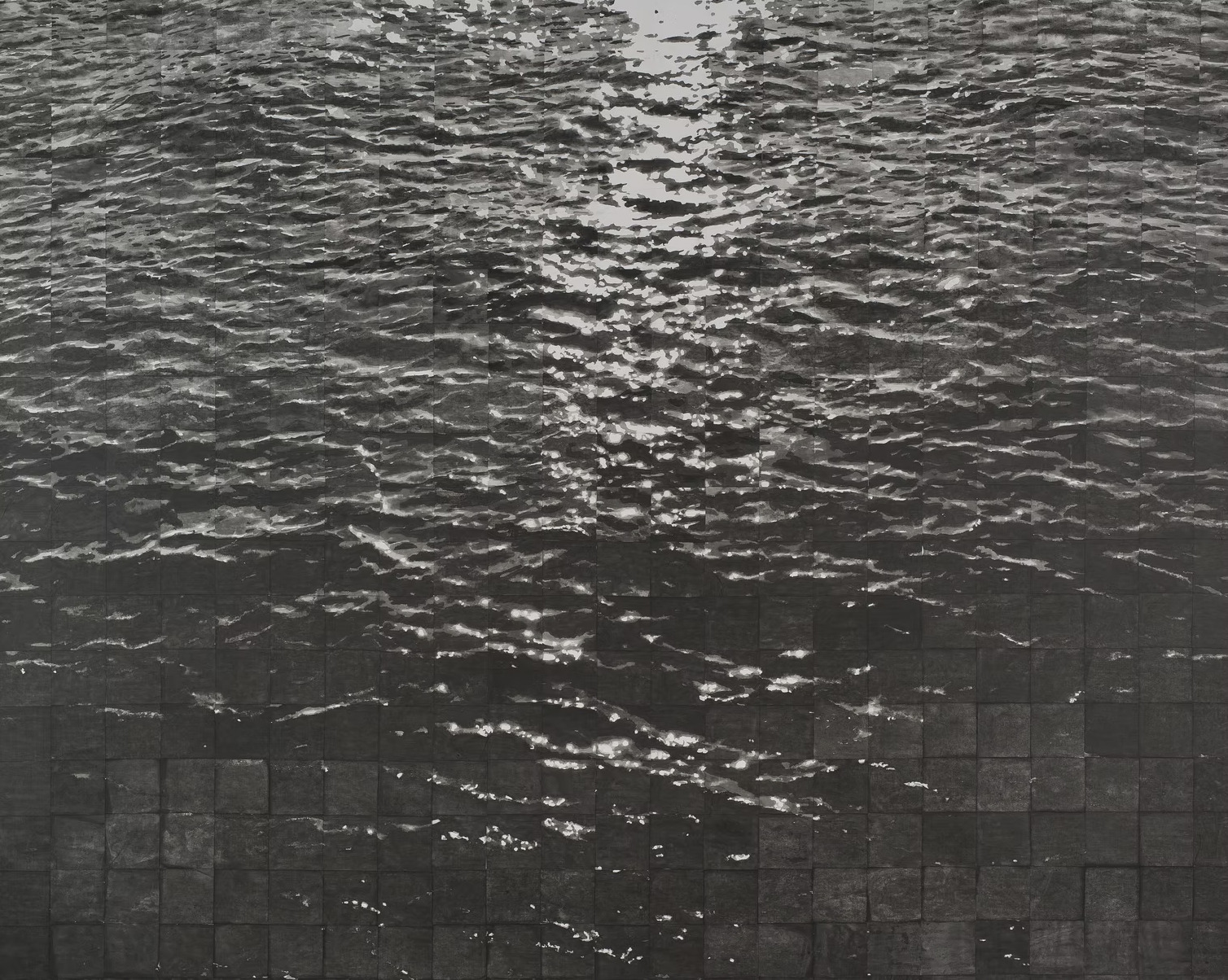
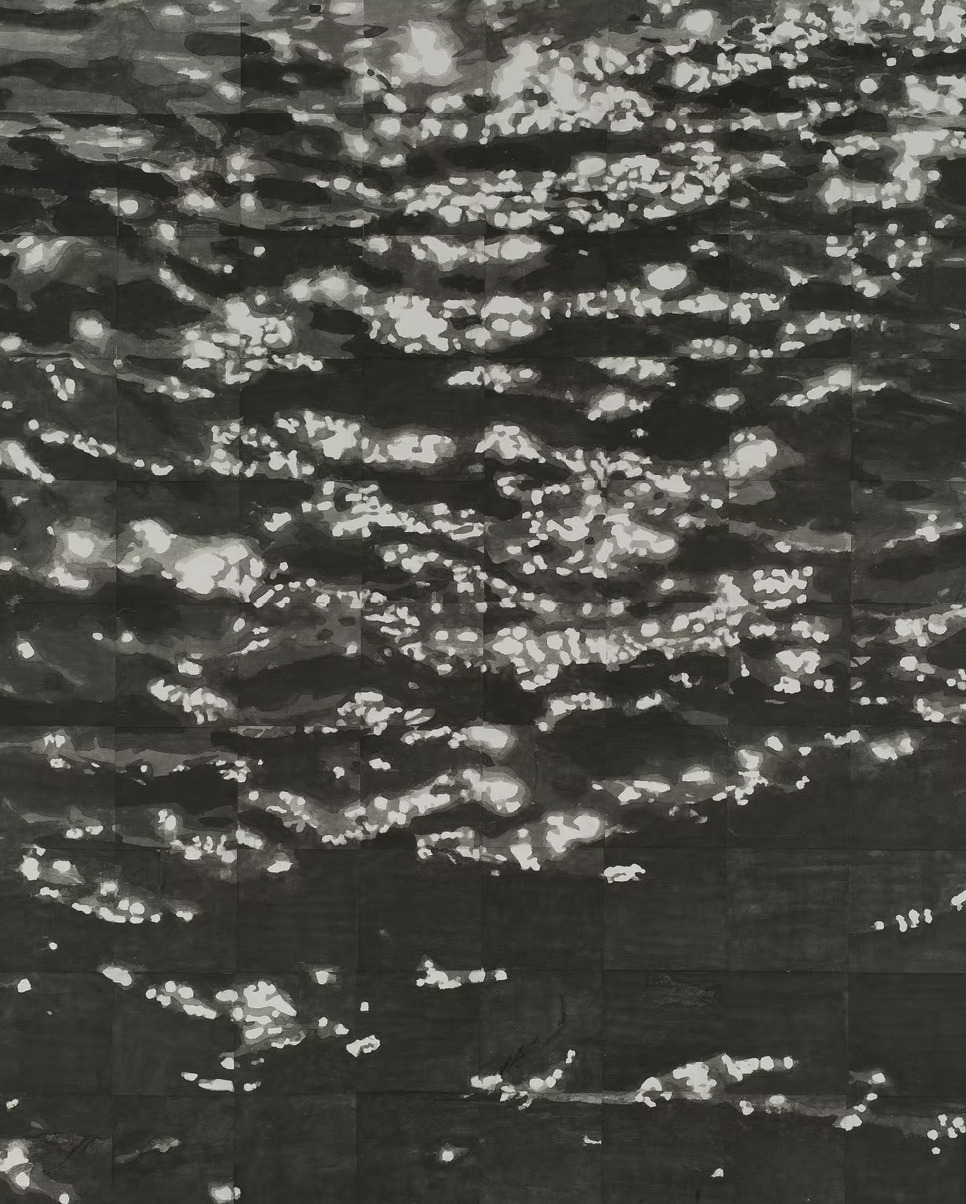
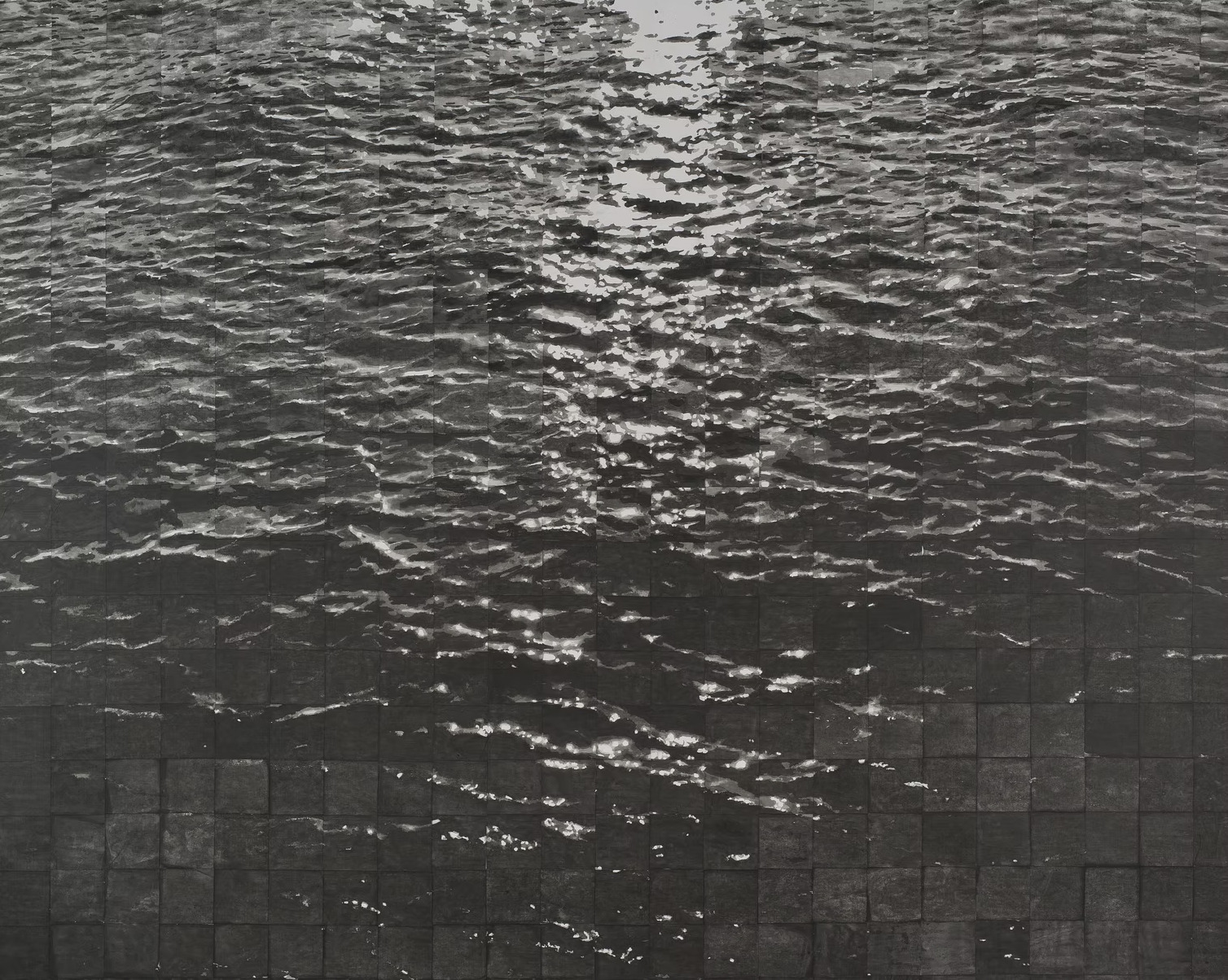
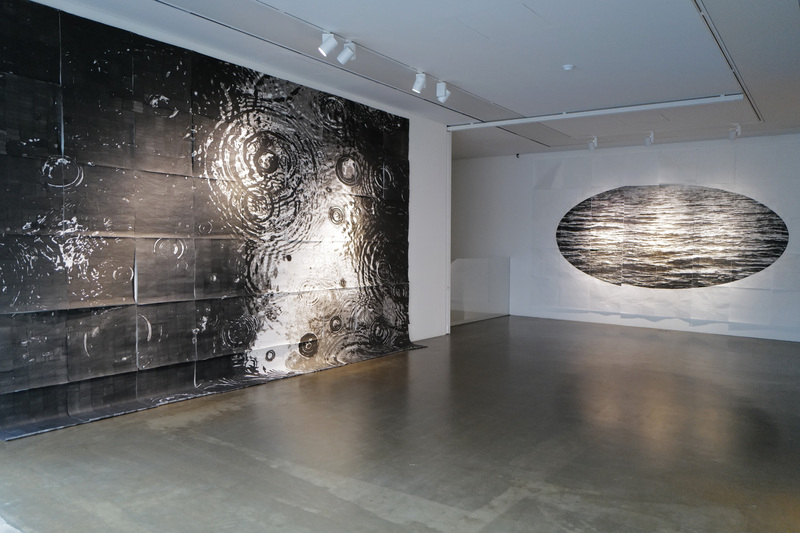
In particular, Kwon developed a strong interest in the subject of the water’s surface. He recognized that the ambiguous spatial qualities of natural elements such as the sea dissolve preconceived notions associated with fixed locations, allowing viewers to engage with the image in a more open and expansive way.


Sejin Kwon, Wave, 2018, Ink on paper, collage on canvas, 100x80cm ©Sejin Kwon

Continuing his ‘Surface of the water’ series, Sejin Kwon began to reconsider the materials central to his practice—hanji and ink. Rather than focusing on depicting a specific image, he became increasingly attentive to the act of applying and layering ink itself, developing a deeper interest in its material properties.
 
He subsequently collected various types of ink and experimented with them individually, discovering subtle differences in their diffusion, tonal depth, and the way each reflected light. Through this material investigation, the ‘Surface of the water’ series became not only a means of representing the sea, but also a site for experimenting with the expressive potential of ink.
 
At the same time, he sought to visually emphasize the translucent quality inherent to hanji. After completing the works, he installed them directly onto the exhibition wall without mounting them onto an additional backing layer. This allowed the thin sheets of paper to respond subtly to air currents and the movement of viewers passing by, introducing a quiet sense of physical interaction between the work, the space, and the audience.
 
In addition, he experimented with adapting baechae, a traditional technique in which color is applied to the reverse side of the support. By applying color to the back of the paper mounted on canvas, he created a soft, diffused chromatic effect that gently emerges through the surface, further expanding his exploration of materiality and spatial depth.


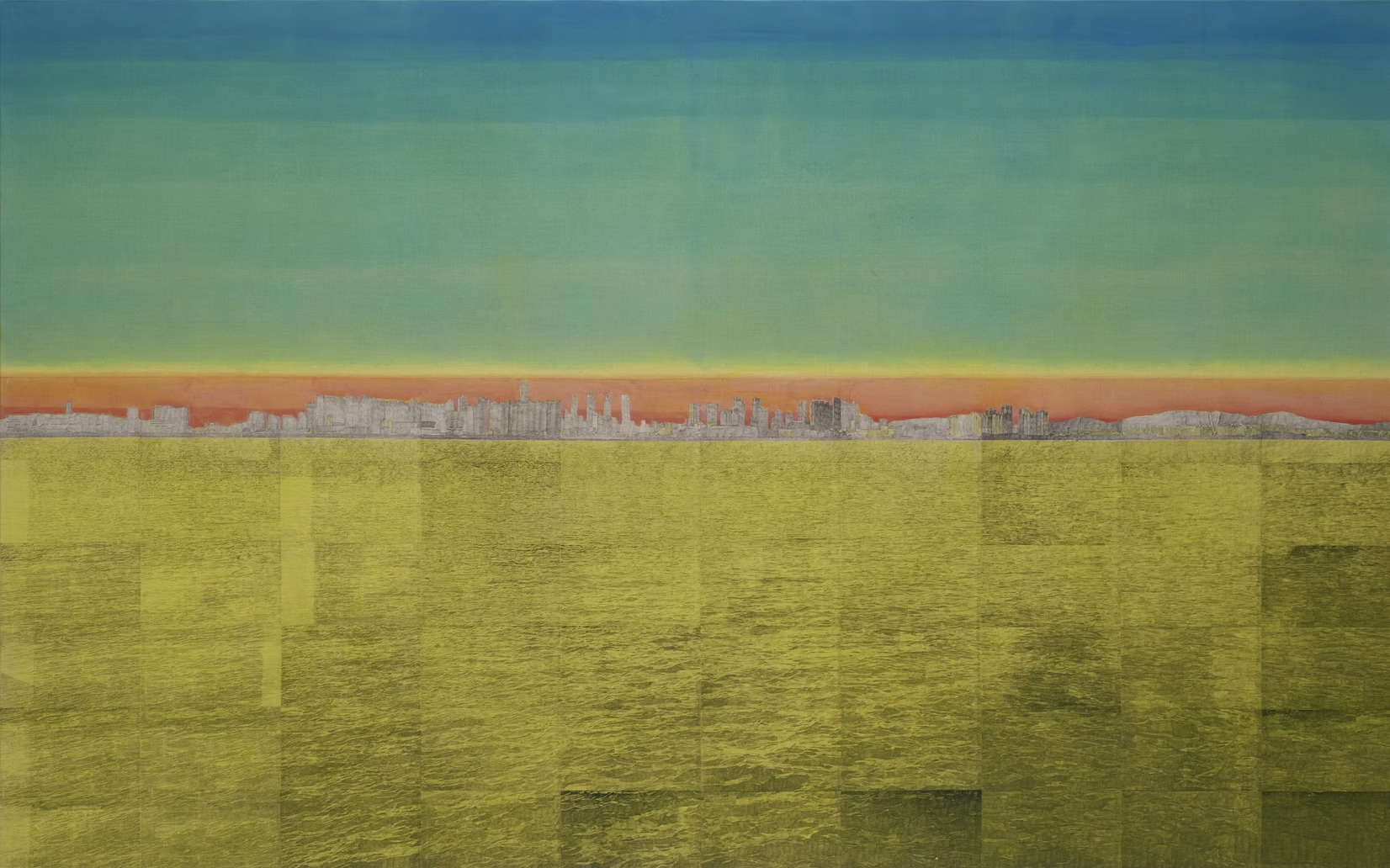
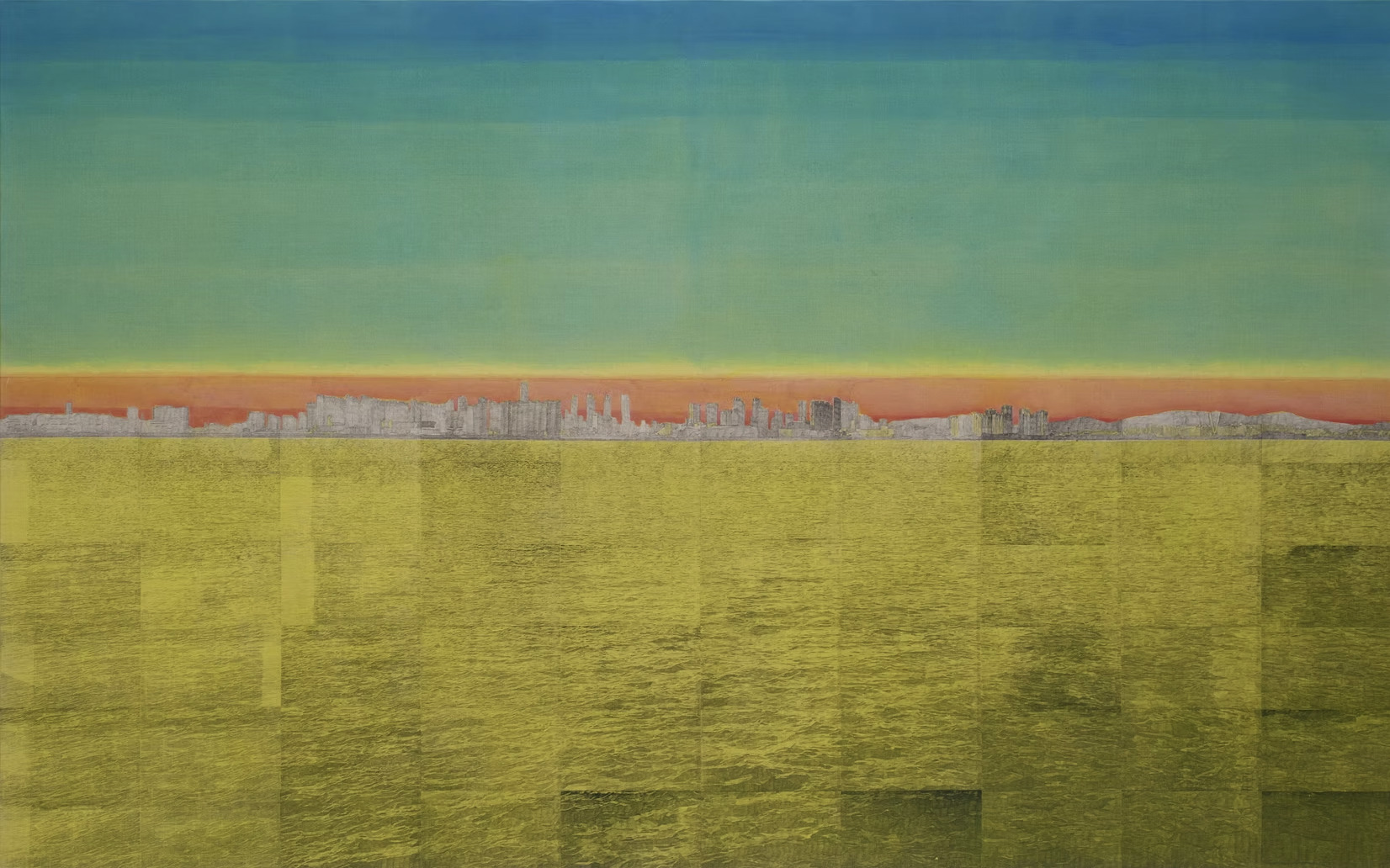
Sejin Kwon, Yellow Line, 2021, Graphite and acrylic on canvas, 180x290cm ©Sejin Kwon

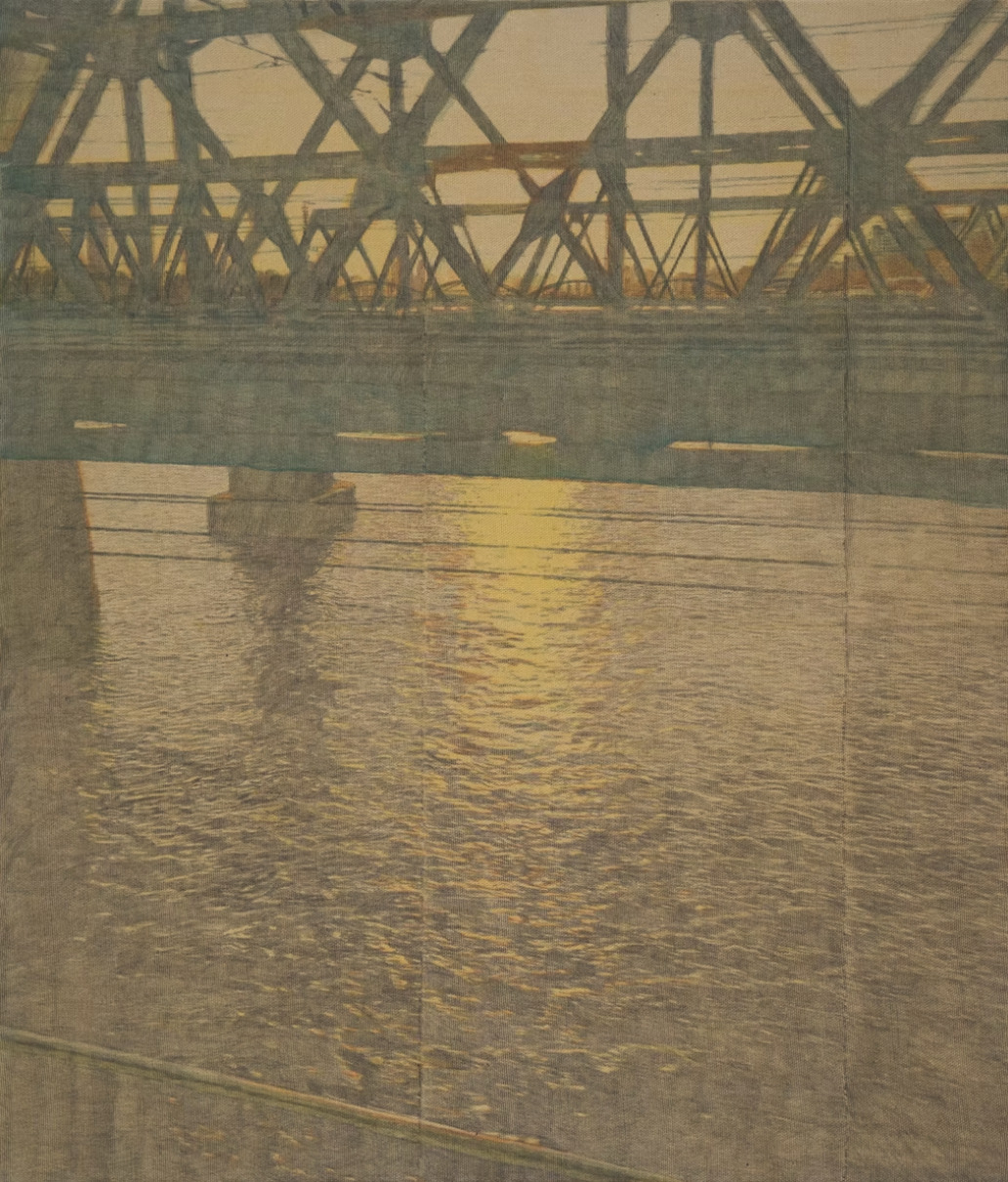
Meanwhile, beginning in 2021, Sejin Kwon initiated the ‘CMYK’ series, in which he adopts the East Asian technique of takbon (rubbing) to produce landscape images. Traditionally, rubbing has been used to preserve and document inscriptions carved into stone steles or woodblocks. In his practice, however, the process is recontextualized and carried out for personal and intimate reasons.
 
Much like recording meaningful moments through photography, Kwon inscribes onto paper the scenes and subjects he encounters in everyday life that he finds visually compelling. To begin, he places carbon paper on top of a canvas and overlays it with a printed photograph of a landscape. He then “marks” the tonal variations and contours of the image using a Monami ballpoint pen or a BIC pen, carefully tracing its shadows and forms.


Sejin Kwon, Window, 2021, Graphite and acrylic on canvas, 80.3x65cm ©Sejin Kwon

Once this process is complete, Sejin Kwon moves on to the coloring stage. At this point, rather than mixing pigments, he uses only the CMYK color model employed in inkjet printing: Cyan, Magenta, Yellow, and Key Plate (black). Here, the “K” corresponds to the carbon transfer itself, meaning that in practice he uses only the three colors—Cyan, Magenta, and Yellow—for coloration. He begins by carefully painting the finer details, and in the final stage, he sweeps a flat brush across the entire surface, allowing the colors to settle evenly over the image.


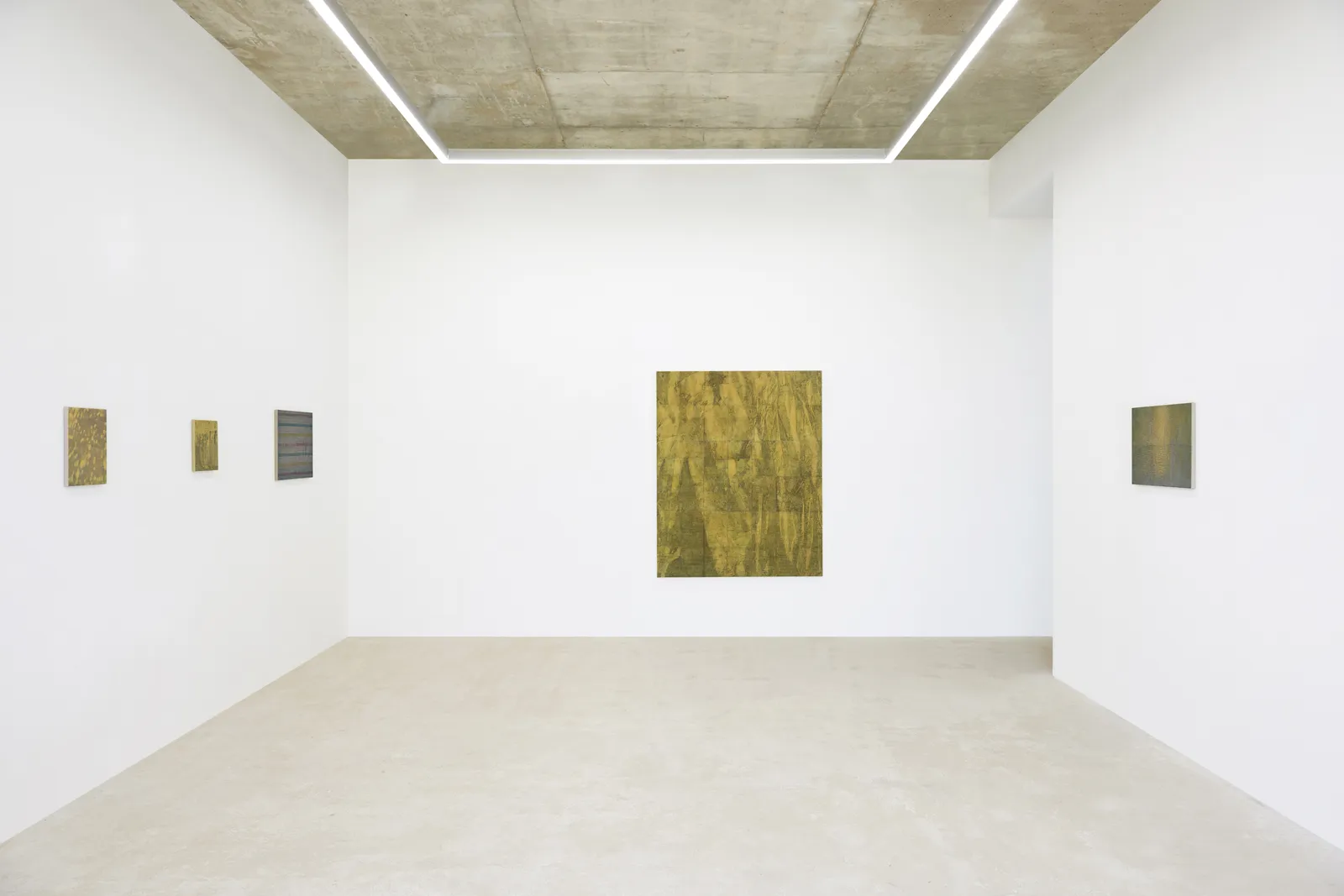
Installation view of 《CMYK》 (Gallery2, 2021) ©Gallery2

The works presented in the solo exhibition 《CMYK》 (Gallery2, 2021), which shares its title with the series, are based on landscape photographs that Sejin Kwon took himself over the course of one to two years. Here, rather than editing or manipulating the images, he transferred the photographs directly into painting as they were originally captured.
 
However, this approach does not aim to reveal the specific spatial characteristics of a given location. Instead, it originates from the artist’s intention to reproduce the photographic image itself—an image produced by a medium that effectively preserves and fixes time.
 
Although the works in the exhibition 《CMYK》 begin with digitally captured photographs, Kwon explains that during the process of transferring the image, subtle adjustments in tone and color occur. As a result, the paintings evoke the accumulated temporality and faded quality often associated with aged images, recreating a sense of temporal distance and gradual transformation.


Sejin Kwon, Sunrise, 2021, Graphite and acrylic on canvas, 53x45.5cm ©Sejin Kwon

As repeated brushstrokes and the natural diffusion of ink gradually obscure what was once a clear image, the scene becomes indistinct and blurred. In this process, an ordinary landscape of everyday life is ultimately transformed into an image of the “past,” imbued with a sense of nostalgia.
 
In this way, his paintings—created by recording landscapes onto canvas using carbon paper—recall the traditional practice of rubbing (takbon), through which ancestors sought to preserve the beautiful inscriptions on stone monuments that would eventually erode through weathering. However, rather than documenting relics of a distant past, Sejin Kwon quietly observes and records the present, capturing the subtle traces of contemporary life.


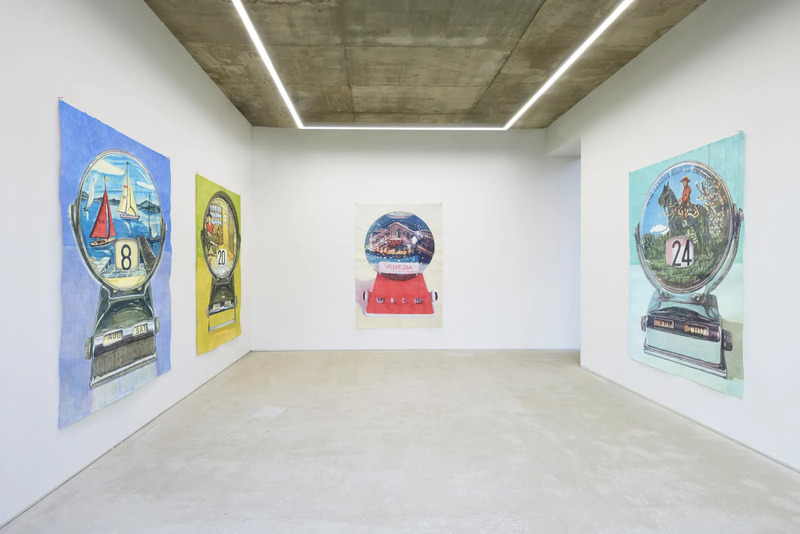
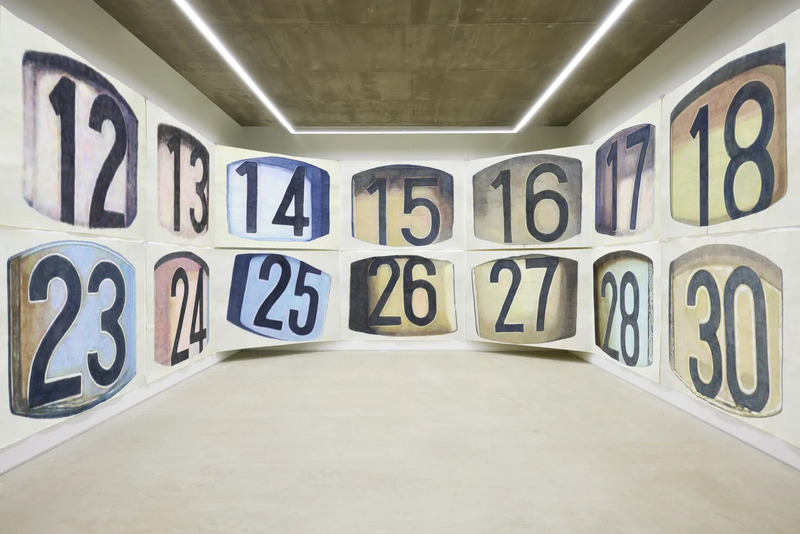
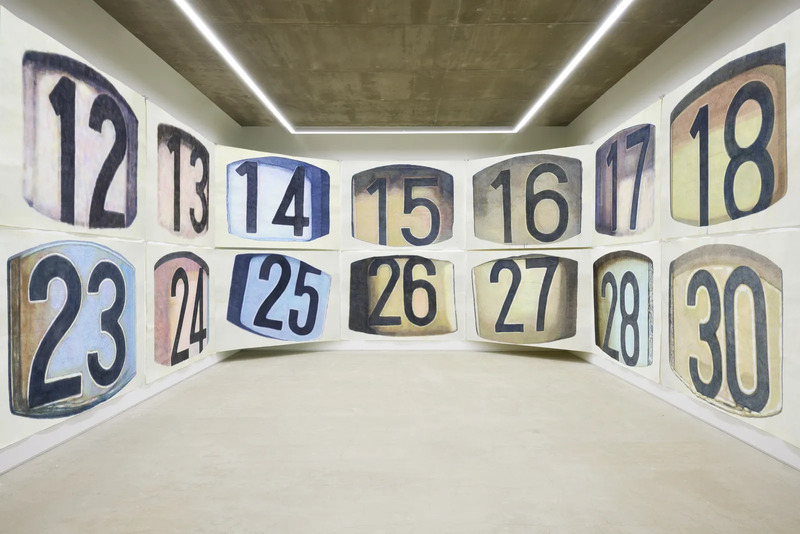
Installation view of 《Perpetual》 (Gallery2, 2023) ©Gallery2

Meanwhile, in his solo exhibition 《Perpetual》 (Gallery2, 2023), Sejin Kwon sought to minimize or neutralize the everyday landscape imagery that had previously served as the primary subject of his work, shifting his focus toward evoking memory and emotion.
 
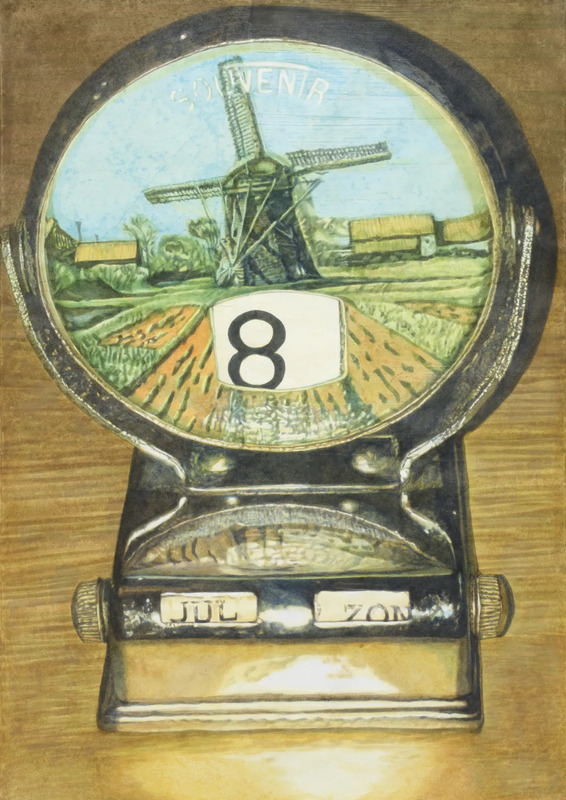
The exhibition title refers to the perpetual calendar, a small desktop calendar in which the month and day of the week can be manually adjusted by turning a dial. Encountering this object, the artist became fascinated by the idea that time could be manipulated, as well as by the exotic landscapes depicted on the surface of the calendar.


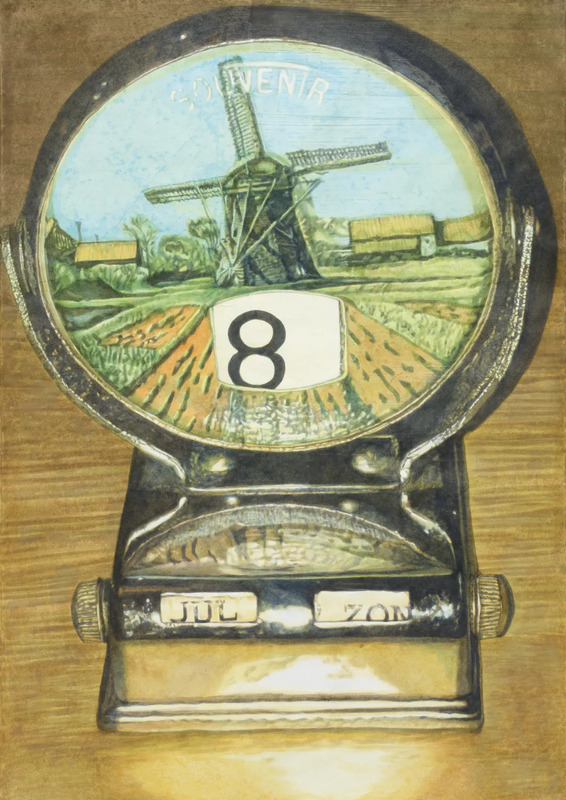
Sejin Kwon, July 2, 2023, Graphite, acrylic, and glue on paper, 210x150cm ©Sejin Kwon

Afterward, Sejin Kwon began painting perpetual calendars, which function not only as devices that indicate the present date but also as monuments that enable the recollection and remembrance of past time. However, rather than observing and painting the physical object itself, he chose to work from images he found on overseas secondhand marketplace websites. These images faithfully captured the accumulated traces of time, such as scratches, signs of wear, and faded surfaces.
 
In the case of older listings, the photographs were often taken with low-specification phones or cameras, resulting in lower image quality. The lighting conditions, background environments, and color tones of each photograph also preserved the specific time and place in which they were taken. As such, these images contain two overlapping temporal layers: the past embedded in the object itself and the past embedded in the photograph.
 
In this way, the ‘Perpetual Calendar’ series moves beyond the artist’s personal memories, instead summoning a more universal and collective past. It evokes the long passage of time experienced by an unknown other—the person who first encountered, used, and kept the object.


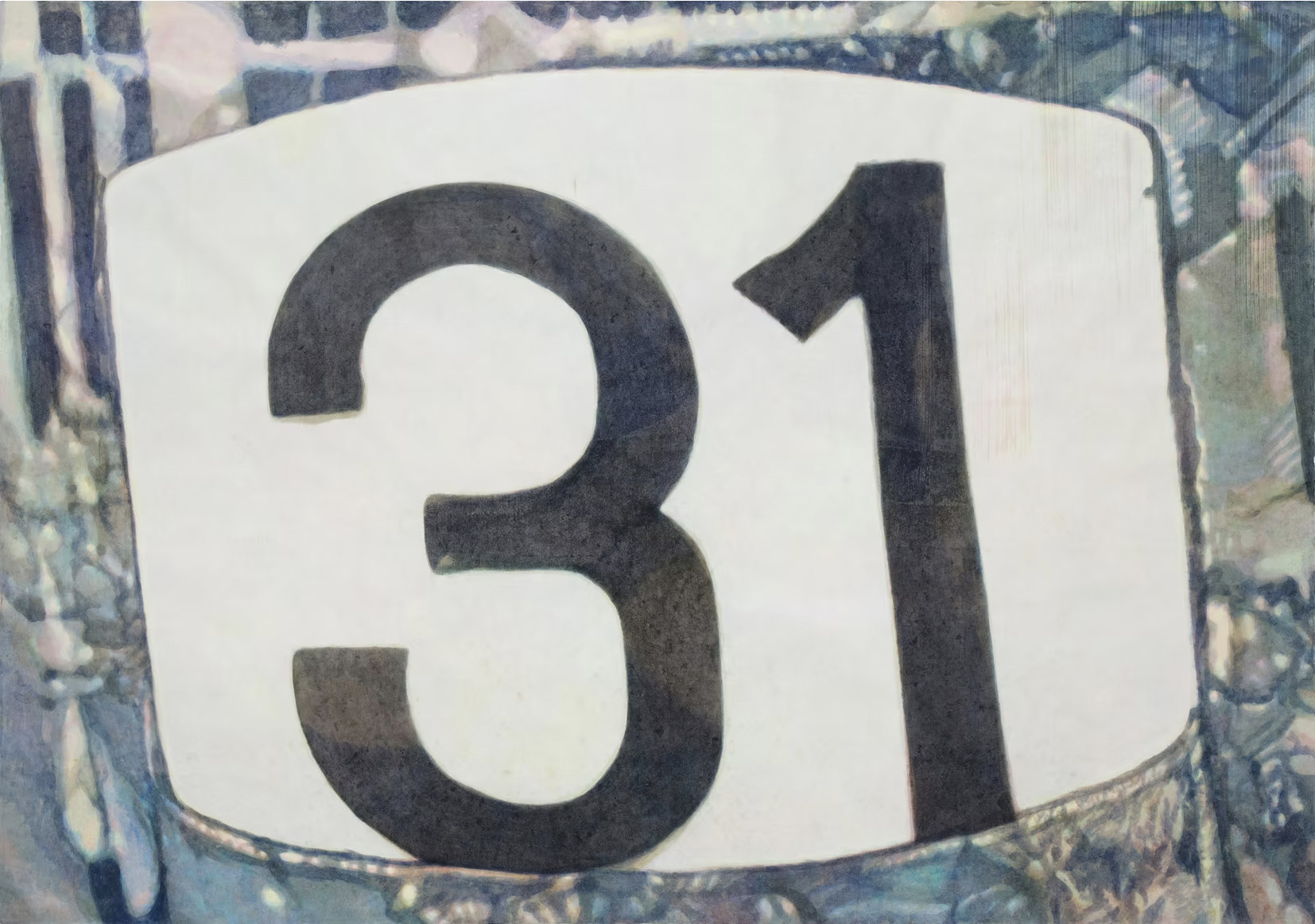
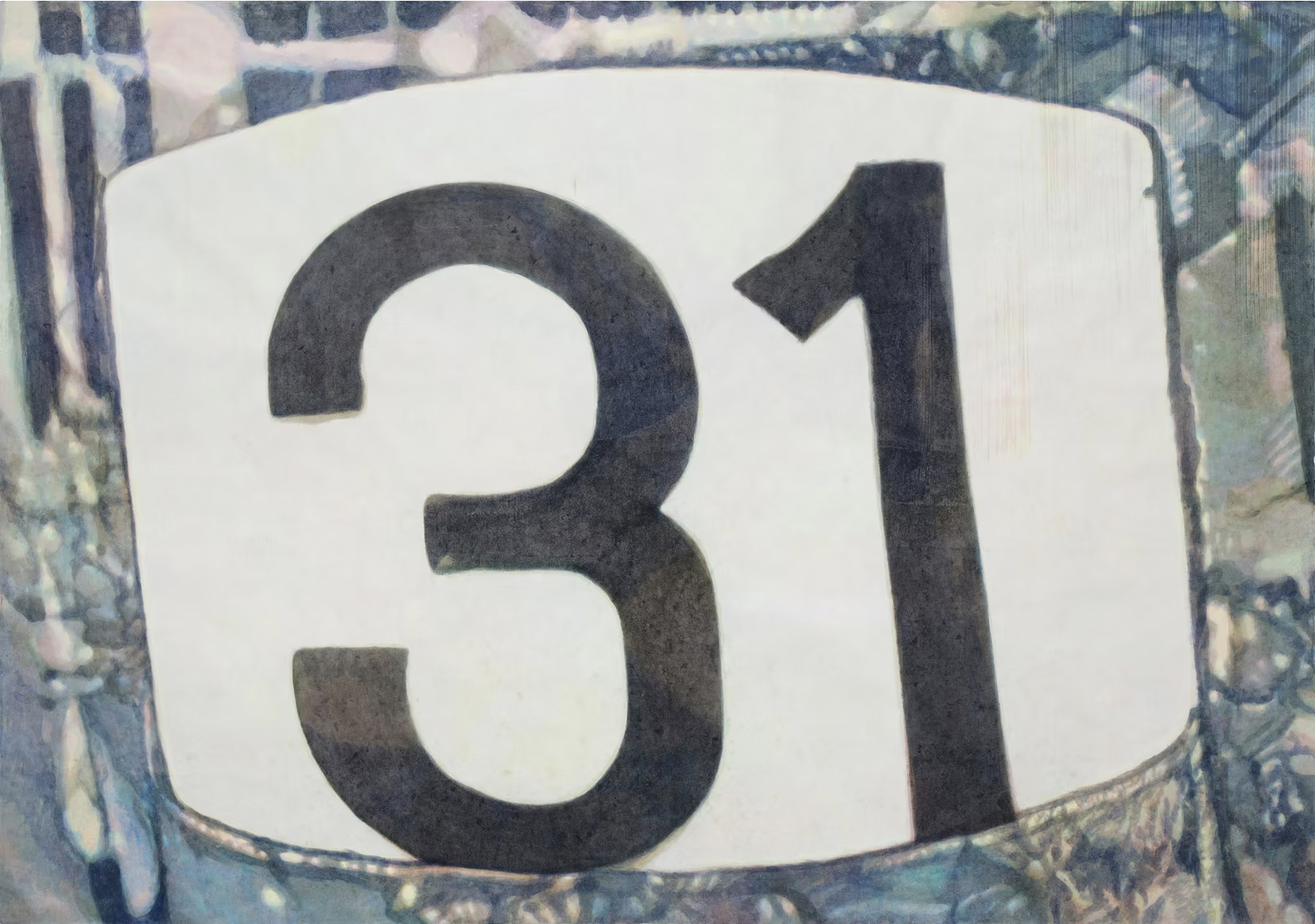
Sejin Kwon, Today 31, 2023, Graphite, acrylic, and glue on paper, 150x210cm ©Sejin Kwon

While continuing this body of work, Kwon became drawn to the numbers within the calendar. He began to consider whether numbers alone—without borrowing the form of the perpetual calendar—could evoke the “activation of memory and emotion.” This led to the development of the ‘Today’ series.
 
In this series, the artist eliminated the physical structure of the perpetual calendar entirely, enlarging and depicting only the section where the numbers appear. In doing so, he rendered not only the numbers themselves but also the shadows within each compartment, the subtle shifts in color caused by external light, and the slightly off-center positioning of the numerals.


Installation view of 《Perpetual》 (Gallery2, 2023) ©Gallery2

He noted that the image of numbers, light, and shadow contained within a square frame felt like a kind of formal structure. These concise symbols and subtle variations of light offered an answer—or at least a clue—to the question that had long preoccupied him: “Is it possible to evoke the memories and emotions of others without relying on concrete imagery?”
 
In the ‘Today’ series, each painting is completed solely through uniform brushstrokes and carefully modulated color. Freed from the demands of descriptive realism, he became newly aware of the nuances within each color and experienced a sense of freedom in brushwork no longer bound to precise depiction. Although the series still reproduces an existing subject, the inherent flatness of the object and the simplicity of its symbolic system render the paintings both representational and abstract at once.


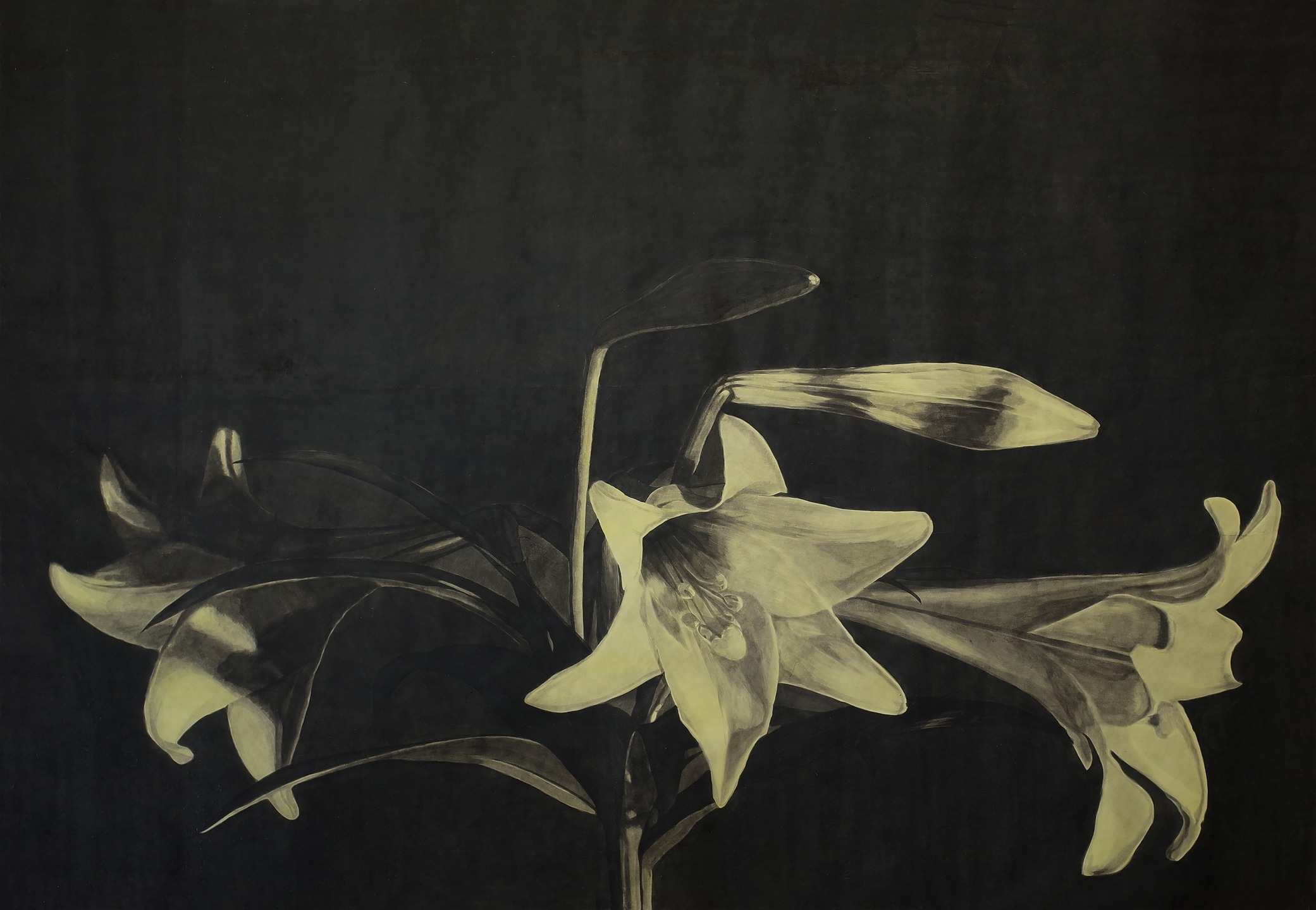
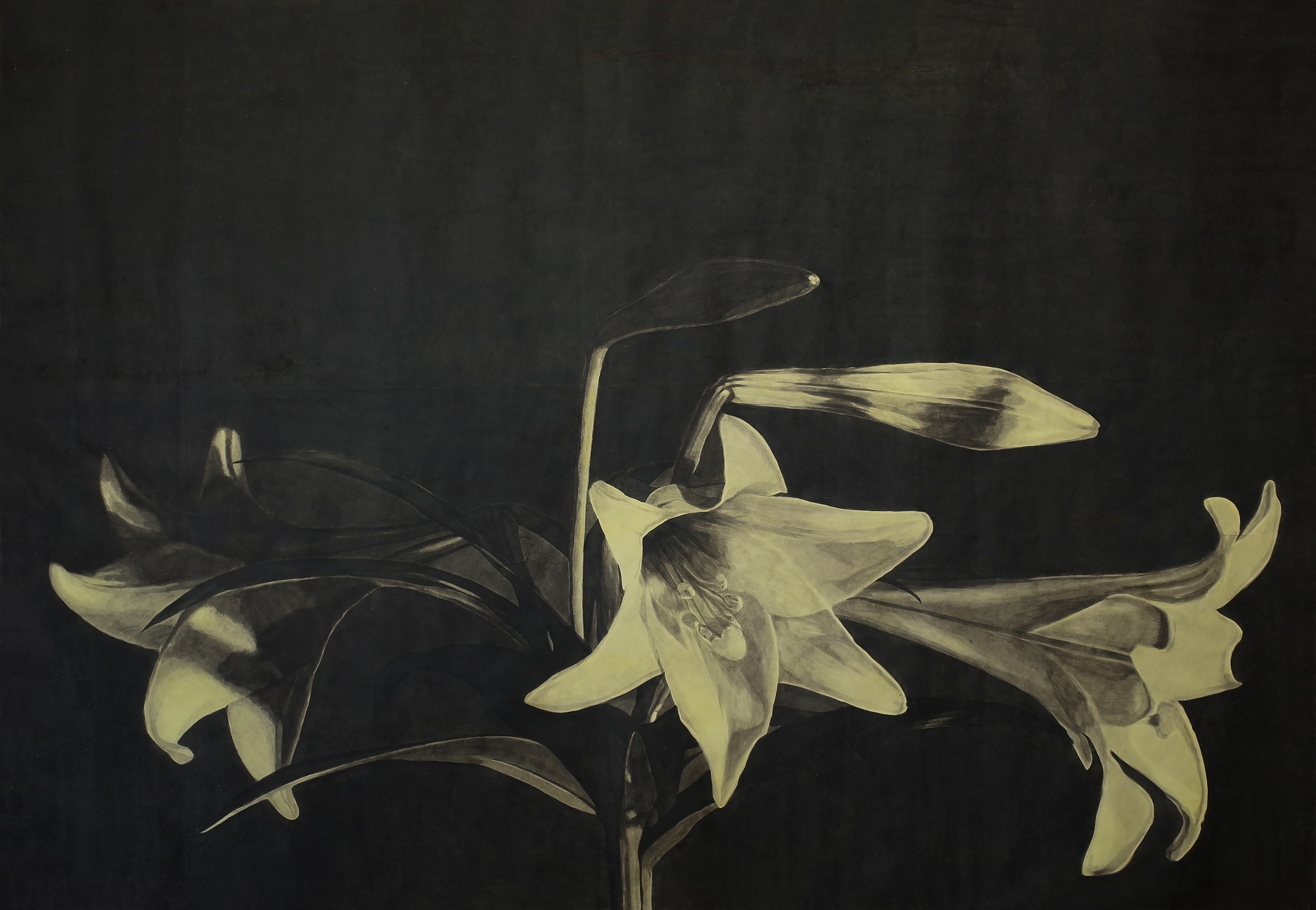
Sejin Kwon, Quite Time_Lily, 2026, Color on paper, 130x190cm ©Sejin Kwon

In this way, Sejin Kwon’s paintings are created through a process of introspection prompted by the subjects and landscapes he observes. The landscapes he depicts therefore extend beyond visible scenes, revealing sensations prior to perception, discarded emotions, and unchosen layers of time. His works offer viewers a quiet moment of immersion into the landscapes of memory and emotion that lie deep within their own inner worlds.

 “Through painting as a medium, I seek to retrieve forgotten memories or to experience recollection by returning to past moments in time—much like when we look at a photograph and recall the time and memories it contains. The images that become subjects of my paintings are sometimes photographs I take myself, and at other times photographs that already exist. The reason I work with photographs is that they are the only images that record their subjects purely, without stylization.”   (Sejin Kwon, Artist’s Note)


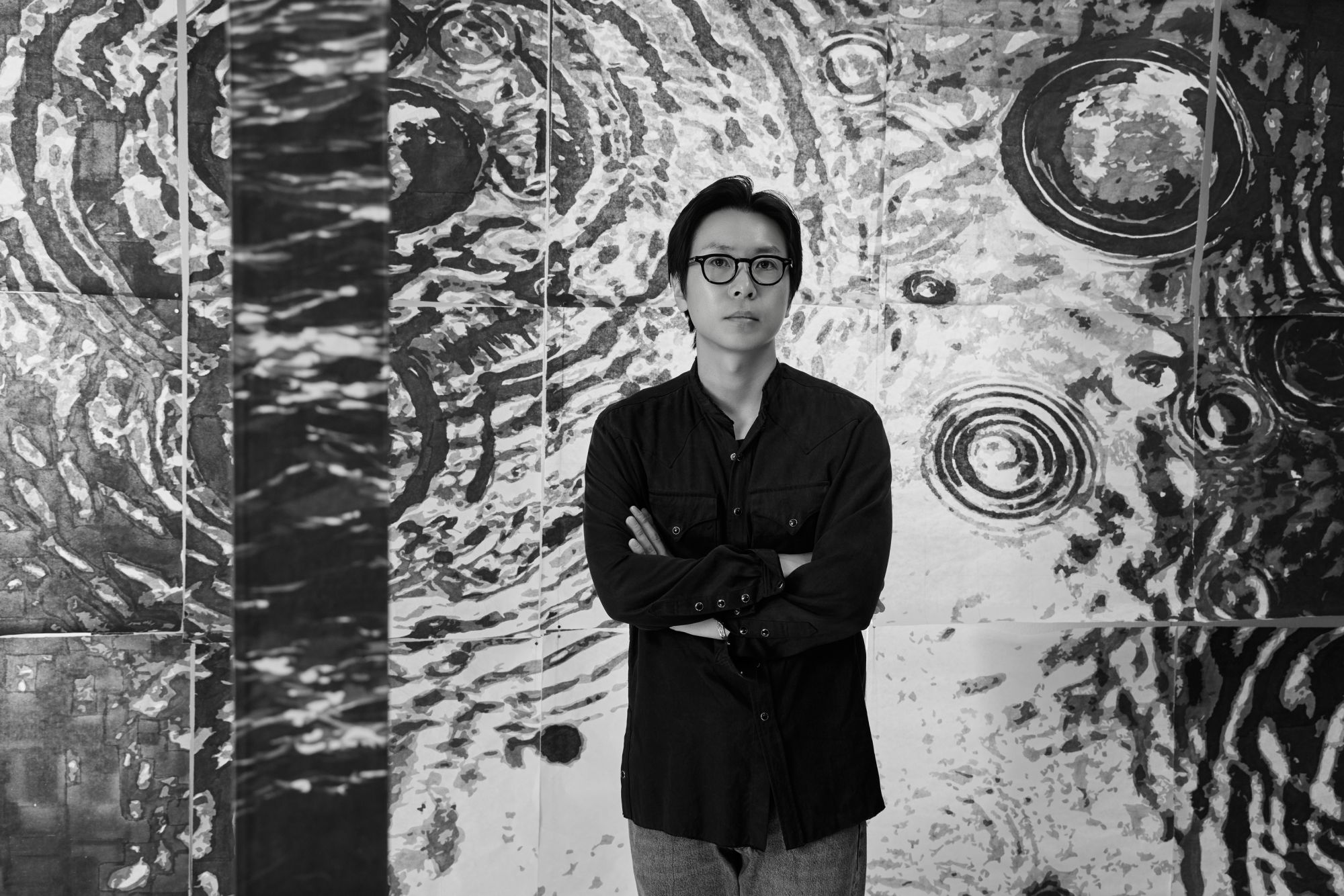
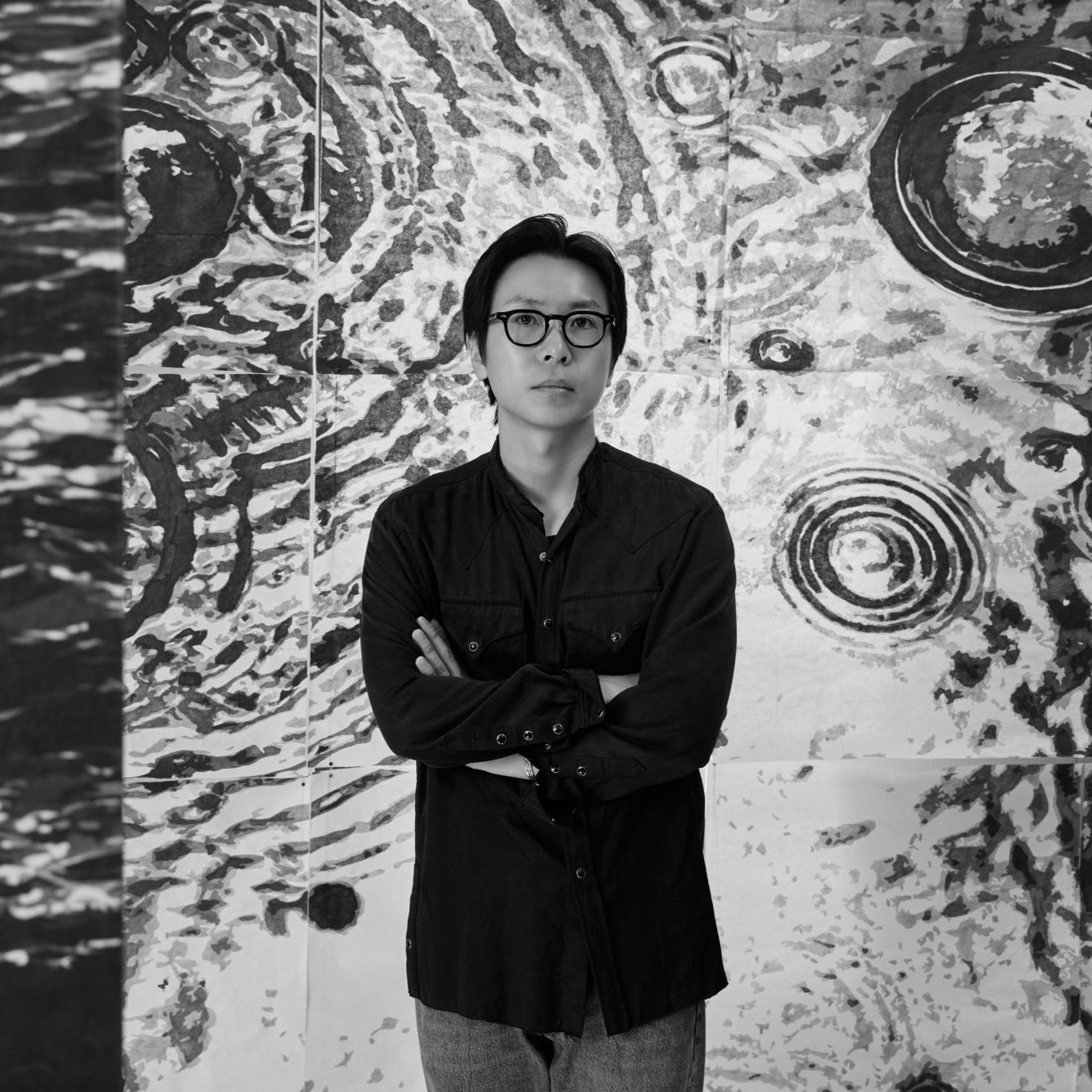
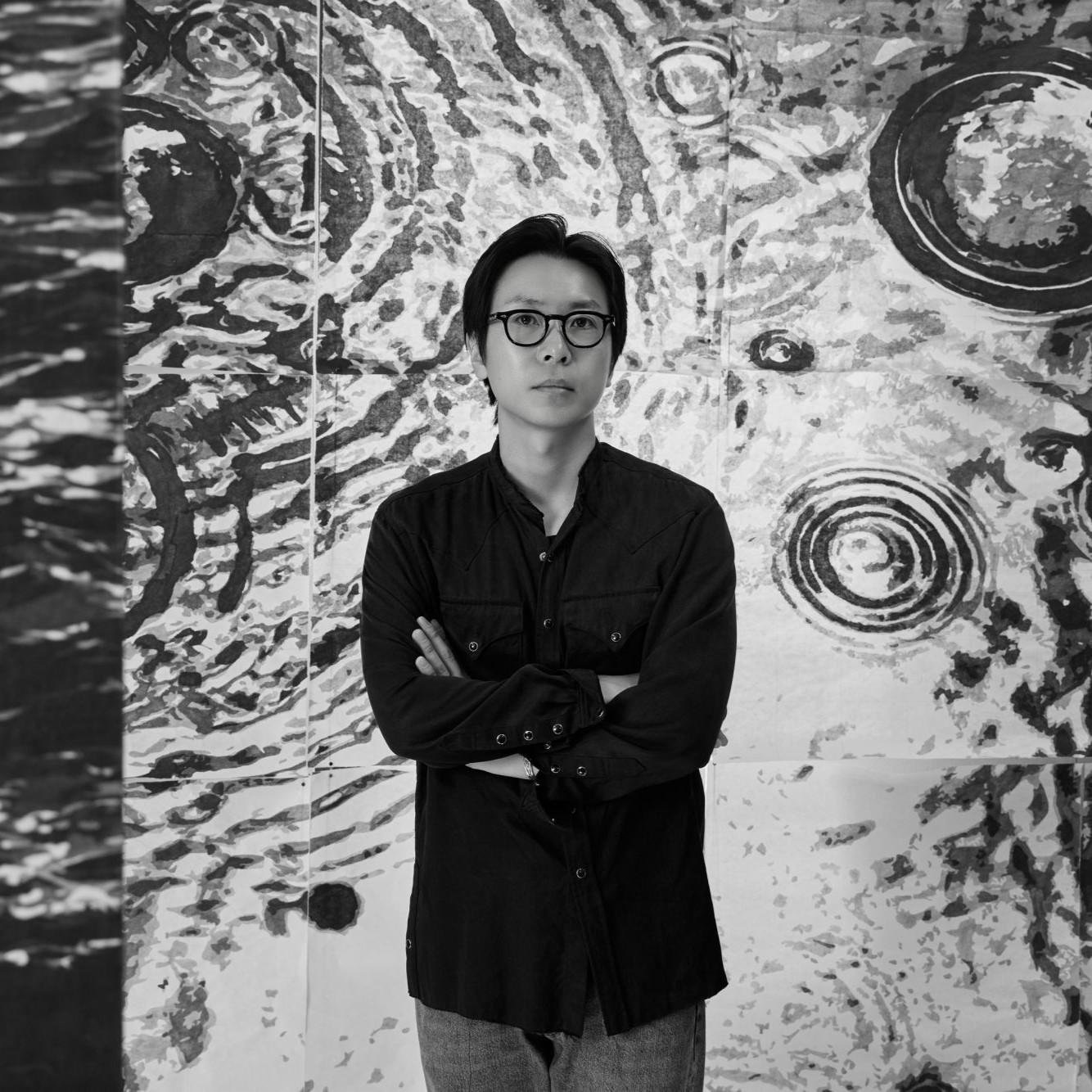
Artist Sejin Kwon ©Incheon Art Platform

Sejin Kwon majored in Korean painting at Kyungpook National University, where he also received his master’s degree, and later earned his doctorate in Oriental Painting from the Graduate School of Hongik University. His solo exhibitions include 《Quite Time》 (Artside Gallery, Seoul, 2026), 《Perpetual》 (Gallery2, Seoul, 2023), 《Distance》 (Gallery2 Joongsun Nongwon, Jeju, 2023), and 《CMYK》 (Gallery2, Seoul, 2021).
 
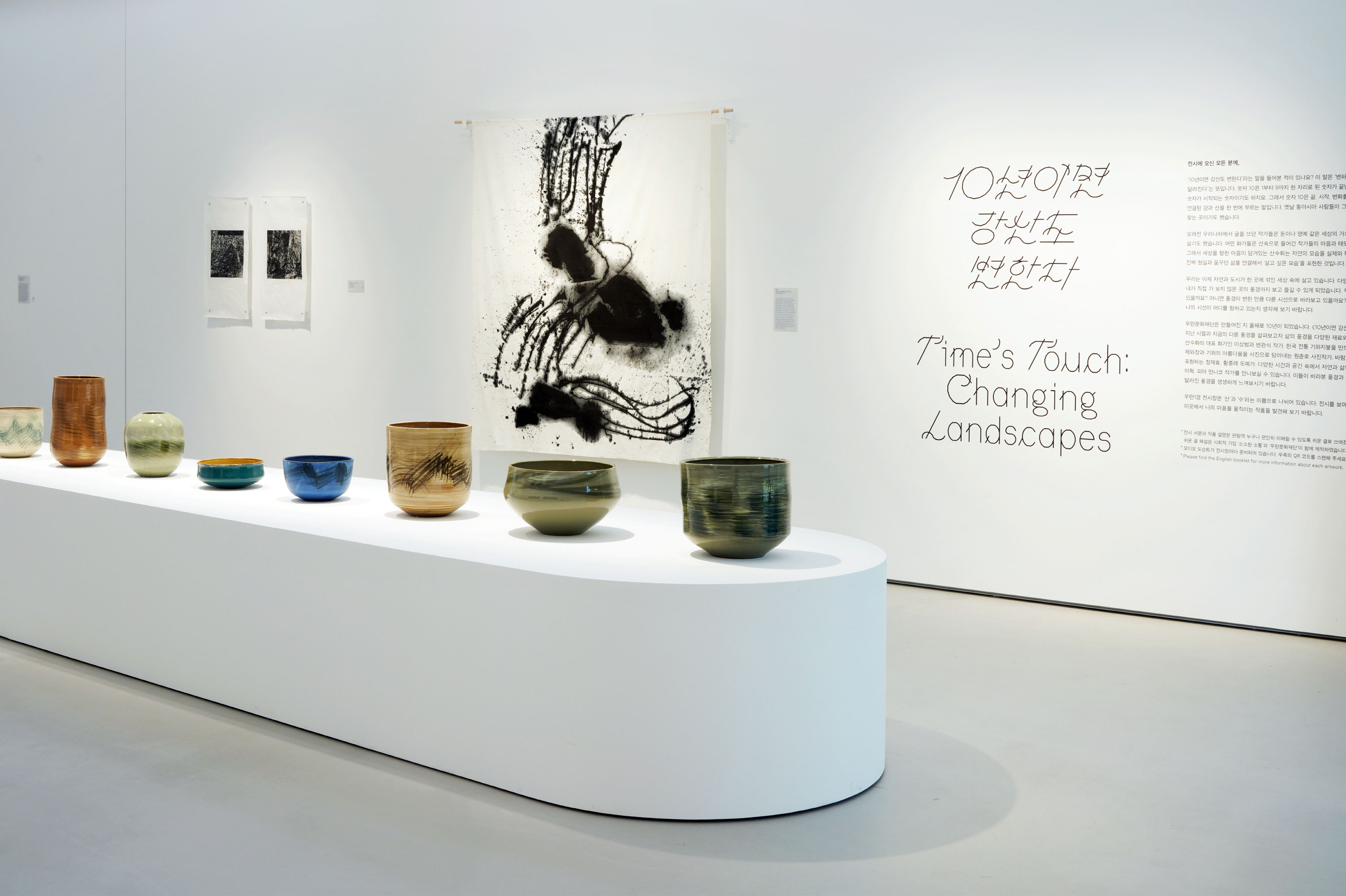
He has also participated in numerous group exhibitions, including 《Still Life: Objects of Our Time》 (Esther Schipper Seoul, Seoul, 2026), 《2025 Platform Artists: 11 Words》 (Incheon Art Platform, Incheon, 2025), 《Time Touch: Changing Landscapes》 (Wooran Foundation, Seoul, 2024), the Jeonnam International Sumuk Biennale 《Flour Mountain, Suspended Water》 (Mokpo Art Center, Mokpo, 2023), 《Monumental》 (Museumhead, Seoul, 2023), 《Unboxing Project》 (New Spring Project, Seoul, 2022), and 《Succession and Segmentation》 (Seoul National University Museum of Art, Seoul, 2022), among others.
 
In 2025, Kwon was an artist-in-residence at Incheon Art Platform. His works are held in the collections of several institutions, including the Wooran Foundation, Pohang Museum of Steel Art, Seoul Museum of Art, and Jeonnam Museum of Art.
References