Exhibitions
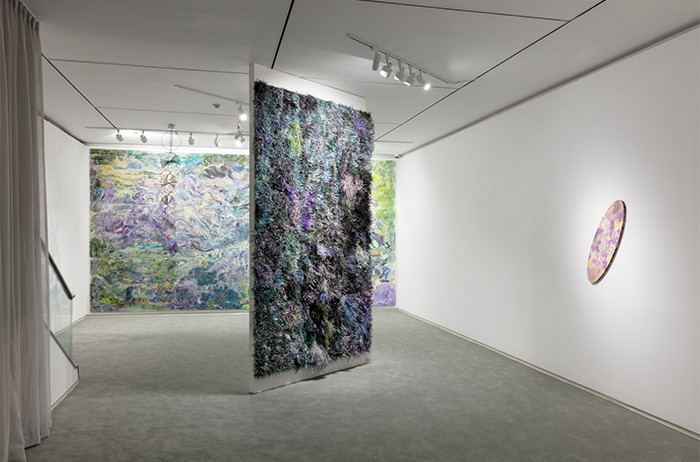
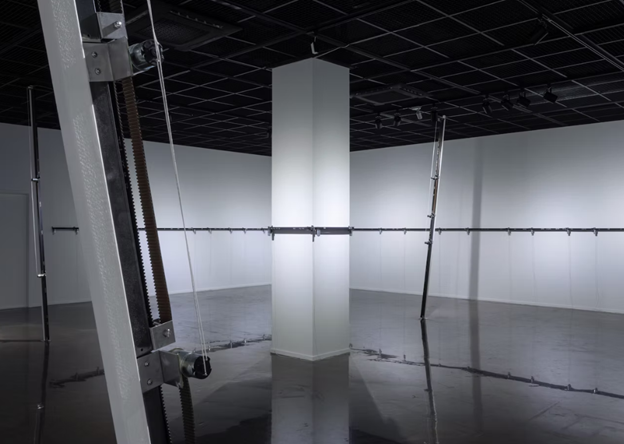
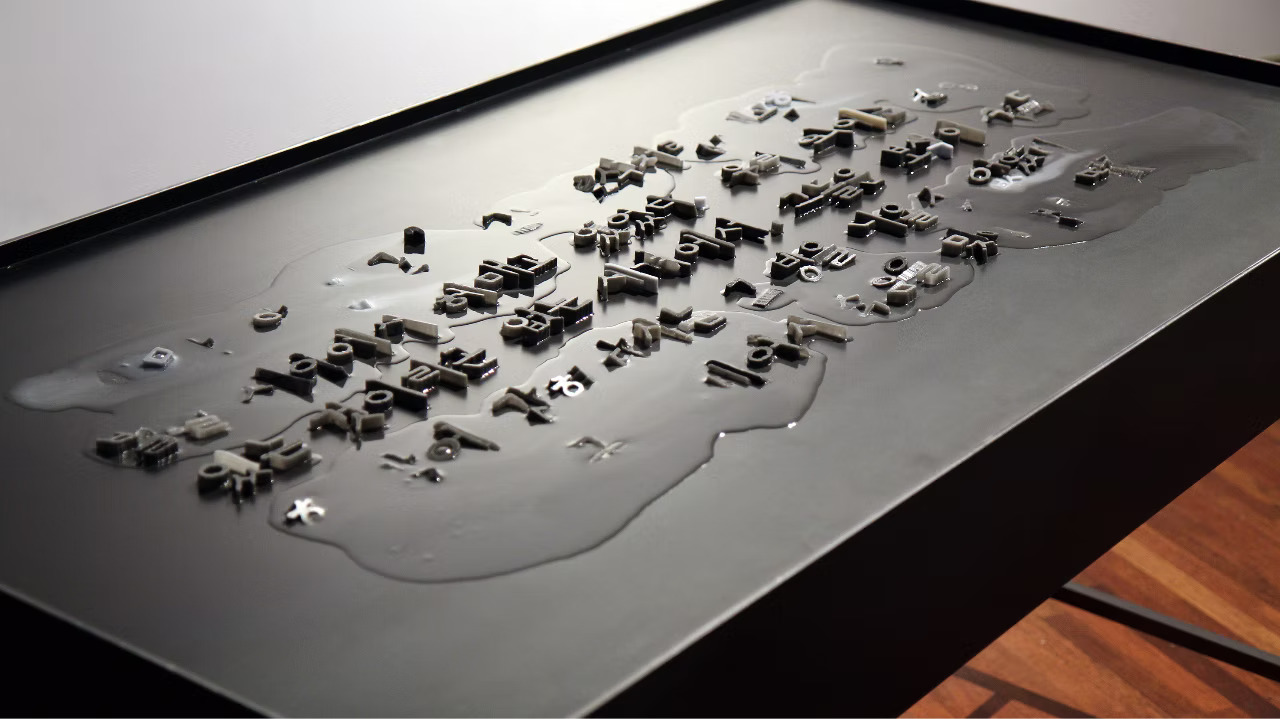
《A Vestigial Trace Study》, 2024.11.08 – 2024.12.01, Artspace Boan
November 07, 2024
Artspace Boan
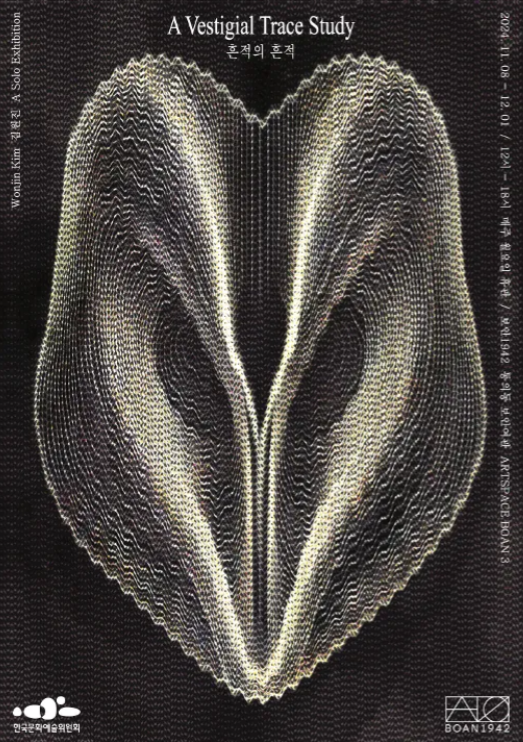 Exhibition
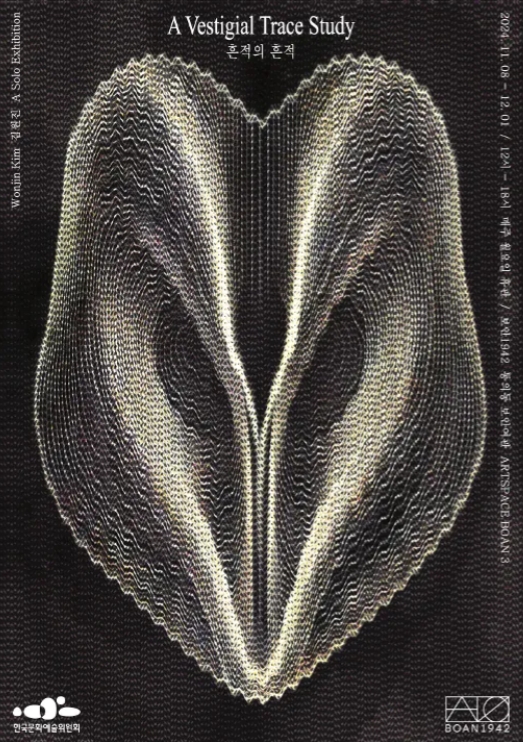
poster of 《A Vestigial Trace Study》 © Artspace Boan
Exhibition
poster of 《A Vestigial Trace Study》 © Artspace Boan
《A Vestigial Trace Study》
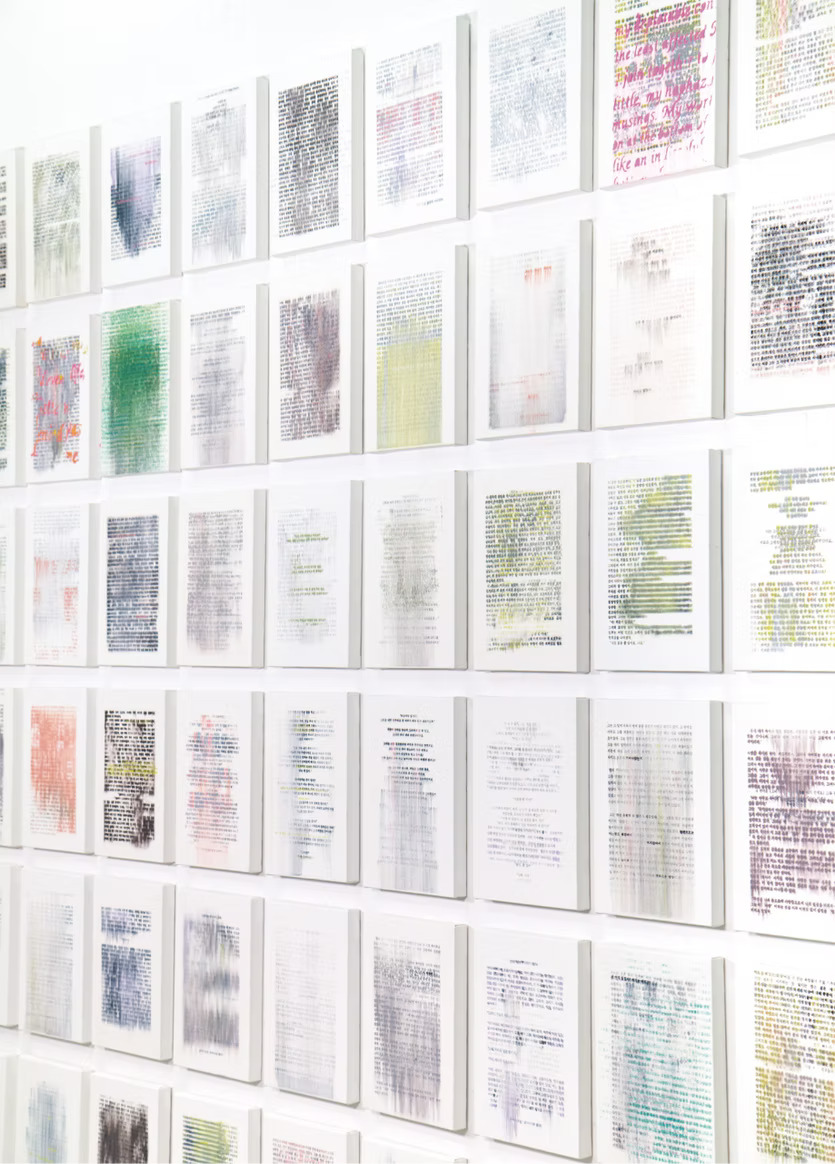
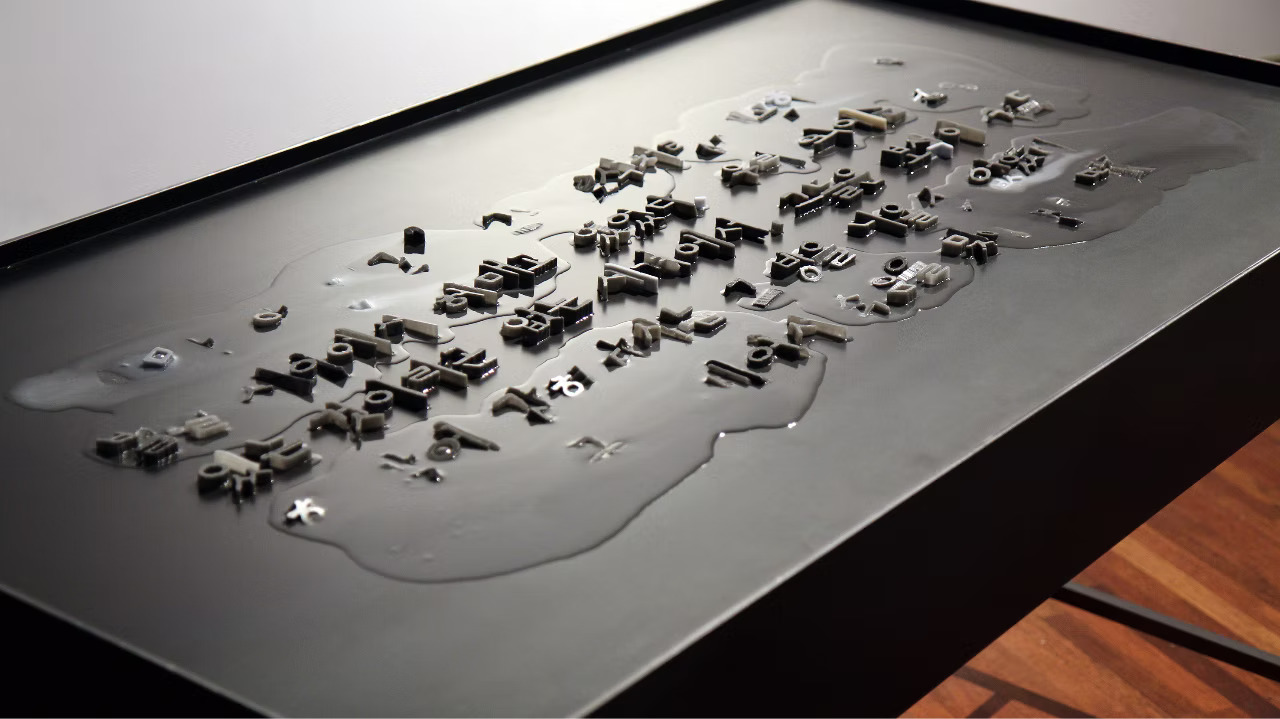
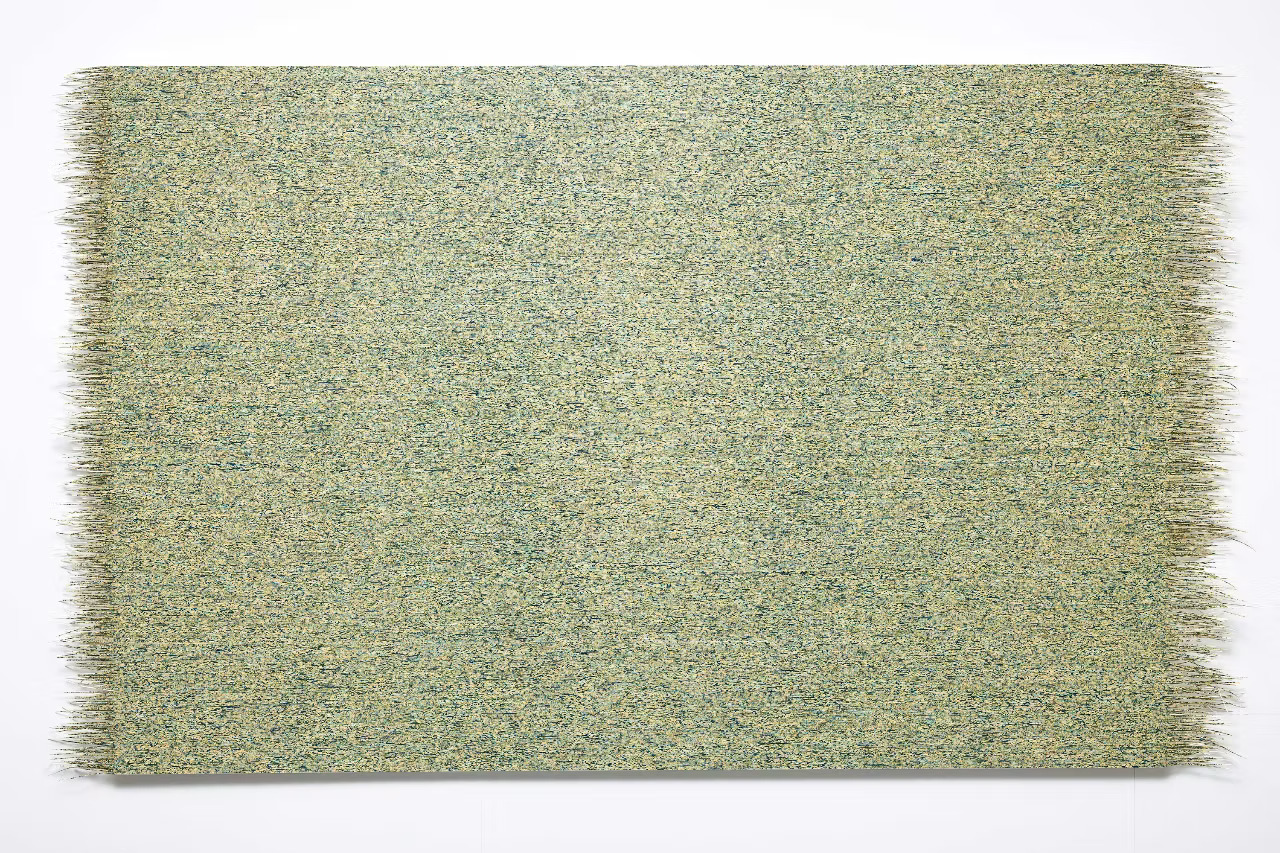
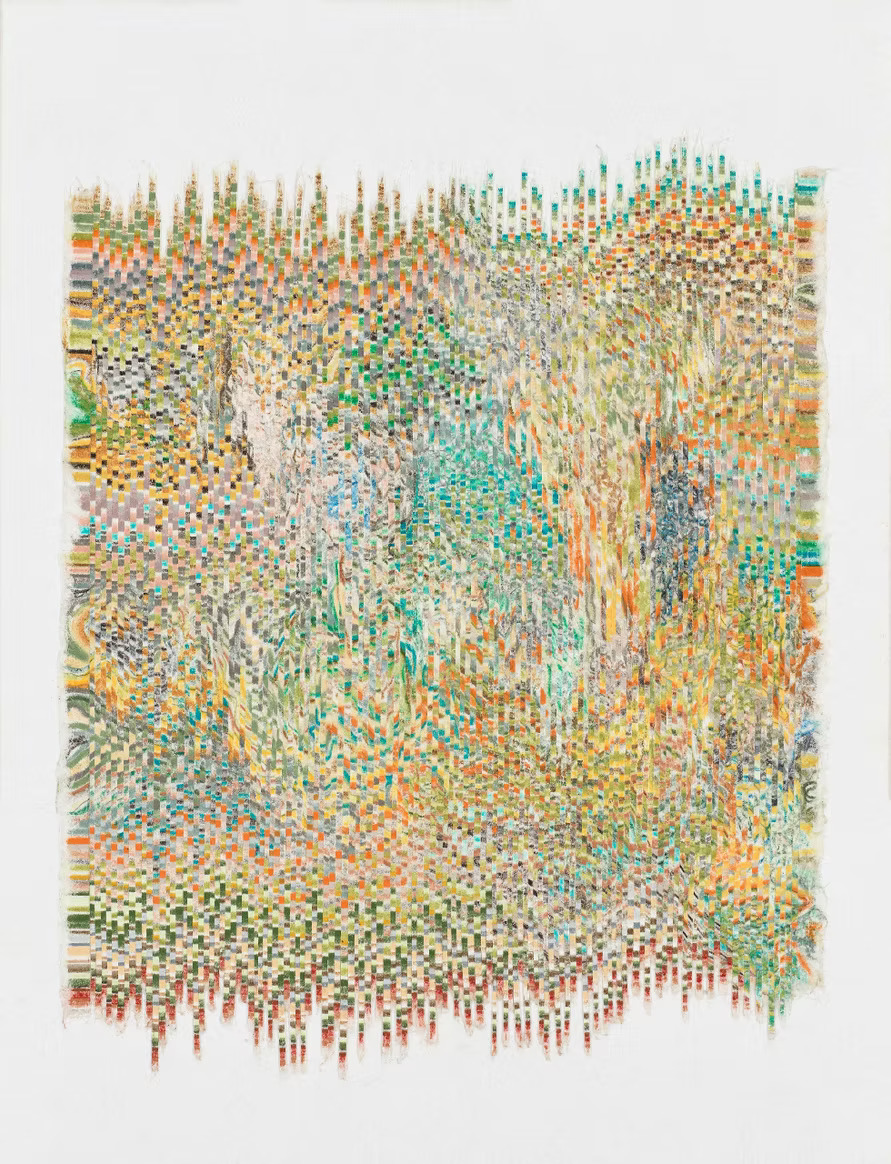
is a record that visually explores spoken language and the bodily mechanisms
that produce it, particularly the functioning of articulatory muscles and the
diversity of modes of utterance. Different languages are formed and transformed
according to the physical structure that produces them, the subtle movements of
articulatory organs, and the ways they are stimulated and used. These vary by
cultural and regional differences, resulting in distinct pronunciation systems
and phonetic characteristics. The uvula regulates airflow and adjusts
vocalization, and research suggests that humans are the only species to have
developed the uvula to enable fine control of pronunciation.
Interestingly, other studies indicate that the absence of the
uvula does not significantly impair linguistic activity. This suggests that
complex language production depends not solely on physical structure but also
on how articulatory muscles are stimulated and used, and on more complex neural
mechanisms such as brain networks. The coexistence of these contradictory
findings reflects the complexity of language generation. Alongside encountering
diverse languages and contemplating pronunciation structures over a long
period, the bodily sensation of stimulating different muscular points in the
mouth due to variations in pitch became the starting point of this work.
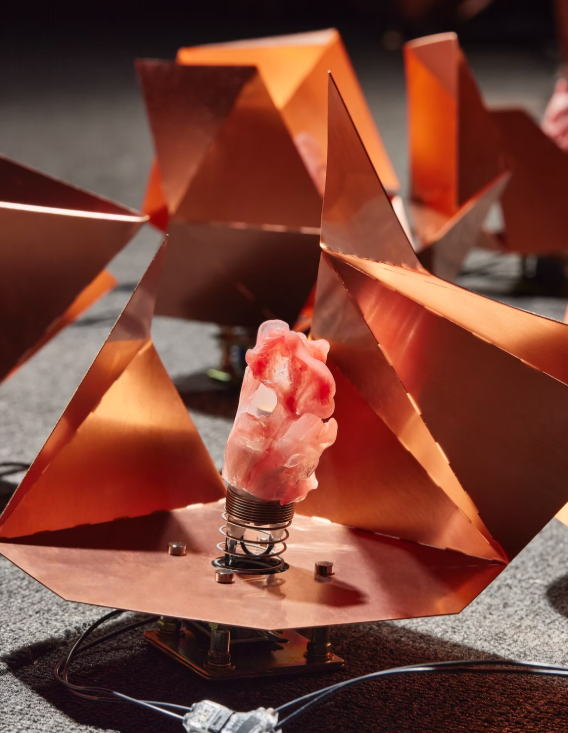
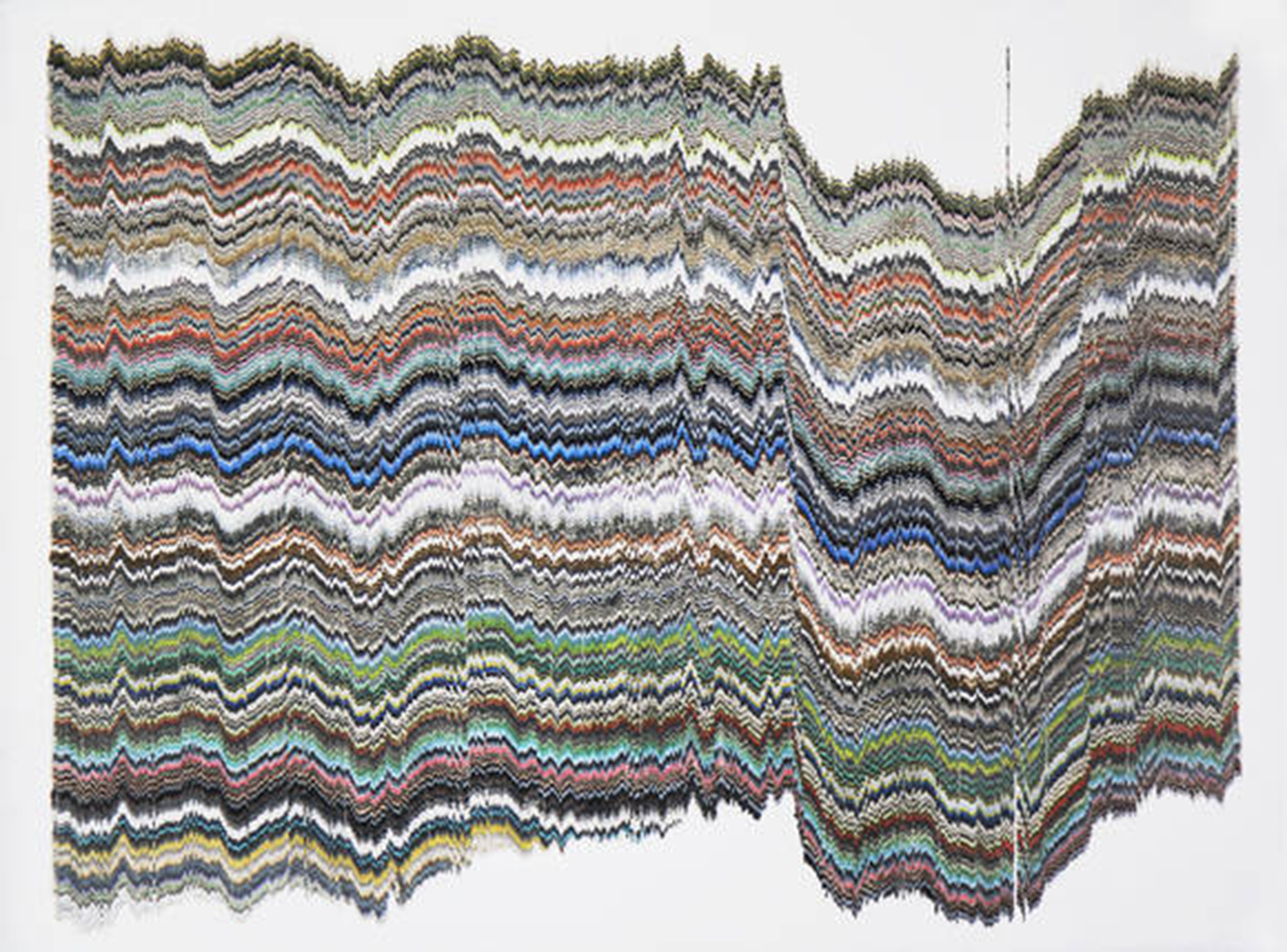
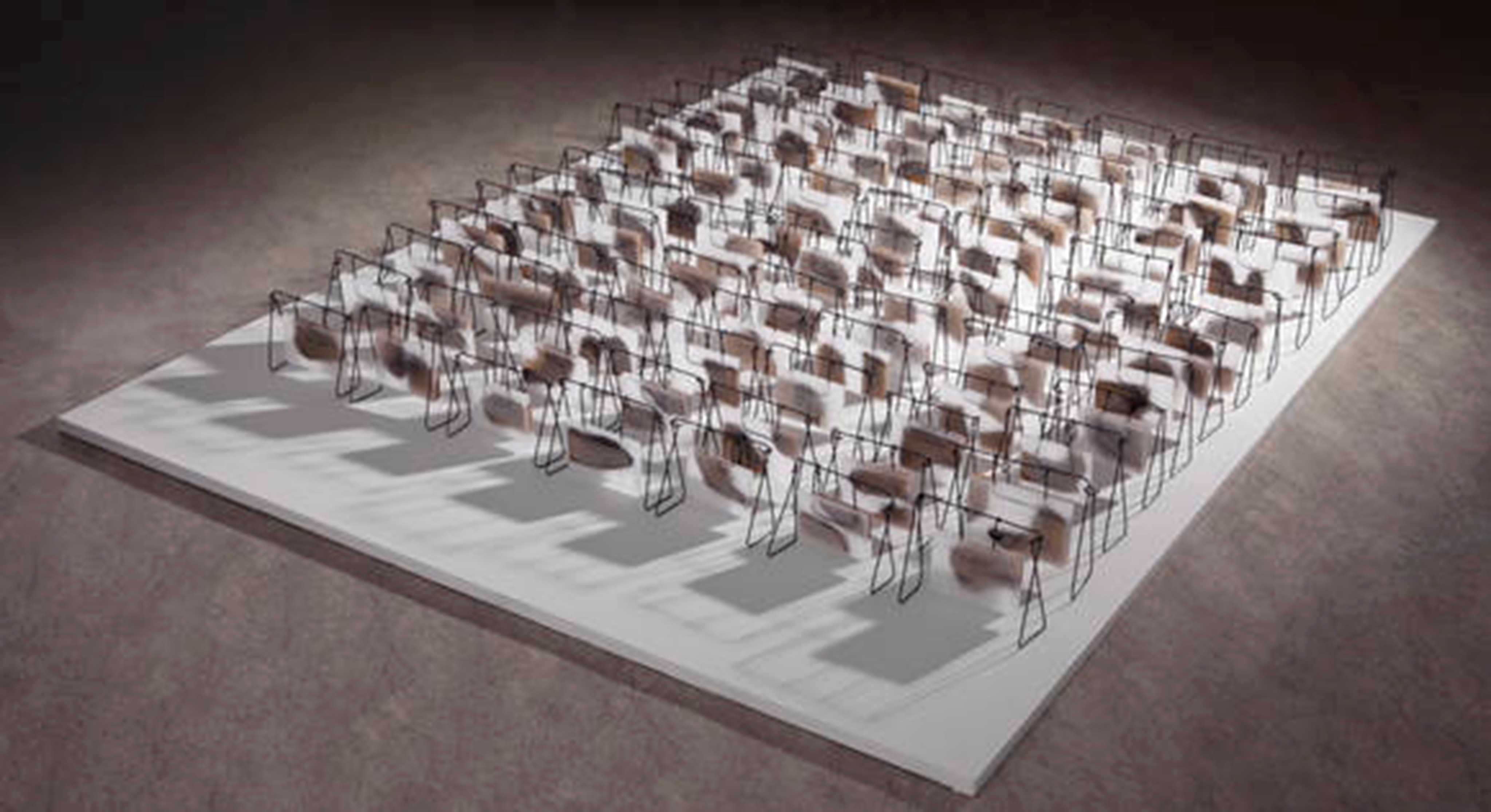
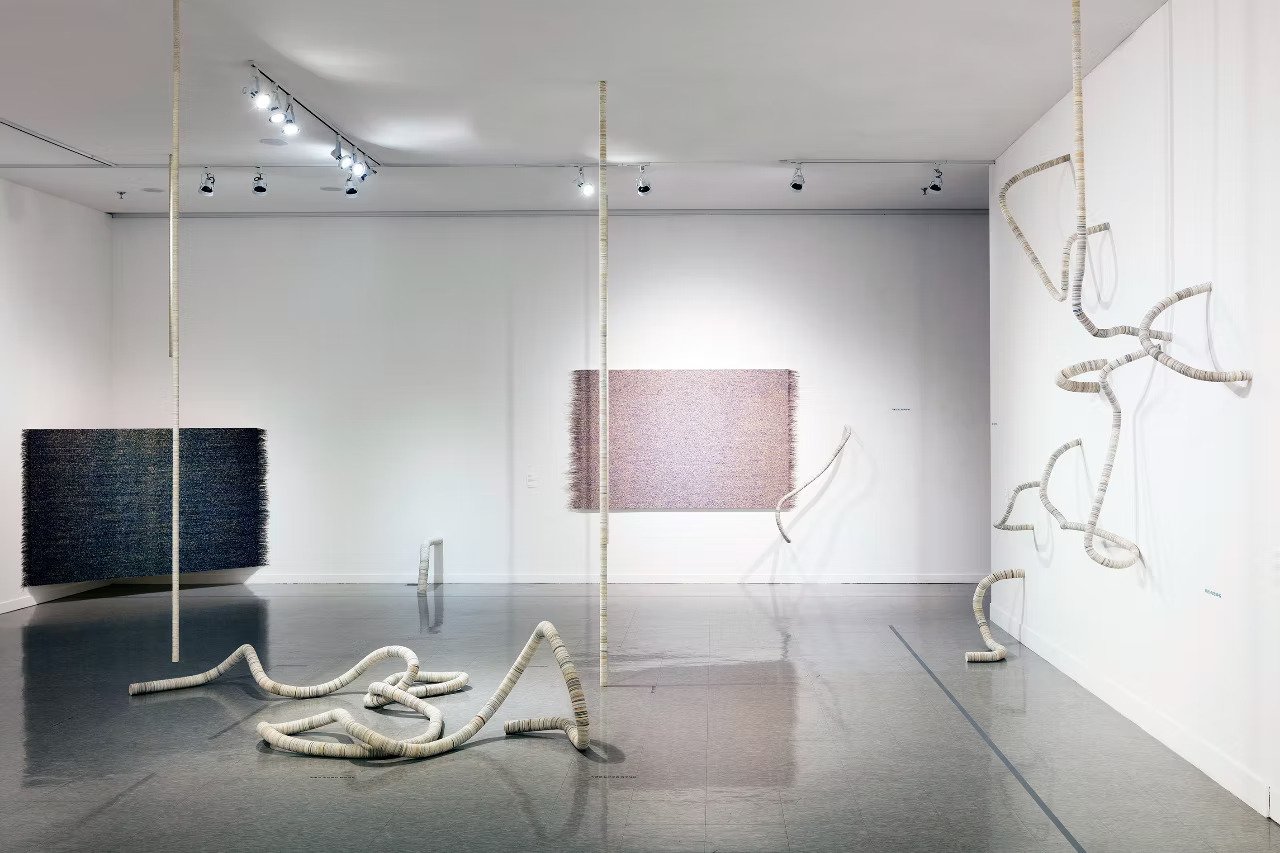
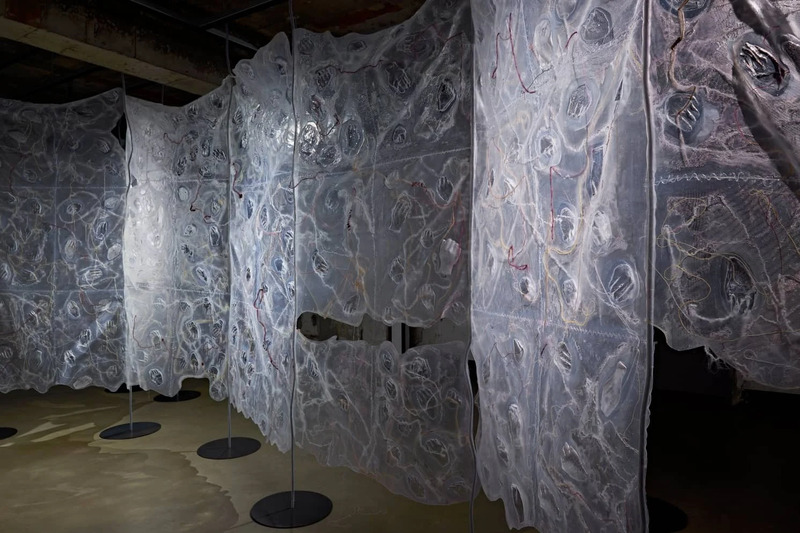
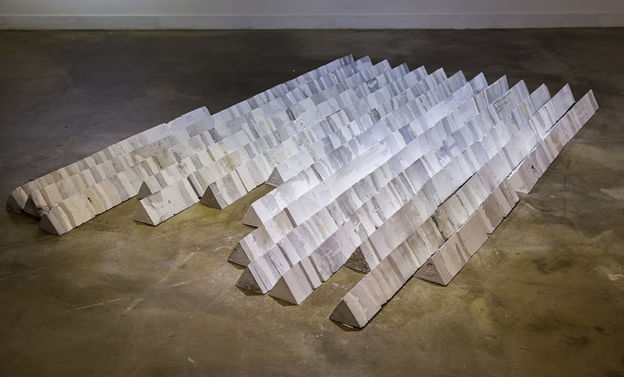
Echoes of Reason consists of approximately
80 three-dimensional forms and around 160 unfolded diagrams that become the
drawings of the work. Each unfolded diagram metaphorically represents the
structure of language and the process of thinking it. Copper (Cu), known for
its conductivity and durability, reveals the transmission of voice and
continuity of bodily movement. Copper’s surface transforms through oxidation,
symbolizing how language is transformed and reconstituted over time within one
individual and culture.
The unfolded copper diagrams are placed in space not
fully folded, indicating that language is not a fixed system but constantly
changing according to utterance and context. Language thinking is not a simple
rule-based structure but generates new meaning through variation and
combination. The folding and unfolding of the forms—and how even the same
structure changes depending on the chosen unfolding point—express that language
is not a closed system but one open to interpretive multiplicity.
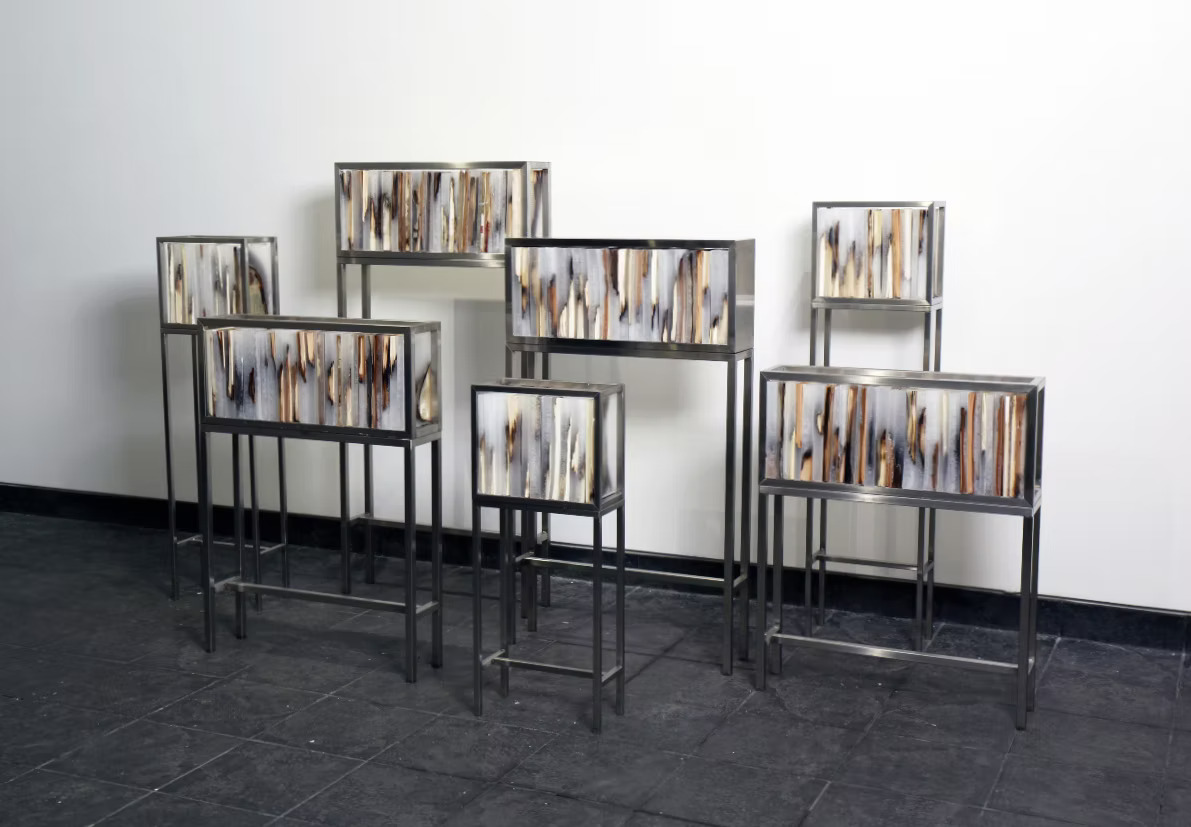
Vibration is central to spoken language. Utterance depends on
subtle vibrations in articulatory organs, producing and modulating sound that
travels through air and returns as vibration to our eardrums. At the center of
each unfolded form is a vibration motor connected to a spring, covered in
silicone skin that trembles subtly. Differences in vibration pattern,
amplitude, and weight express variations in modes of utterance. The silicone
mass symbolically represents the uvula, showing the relationship between
pronunciation, vibration, language, and bodily mechanism.
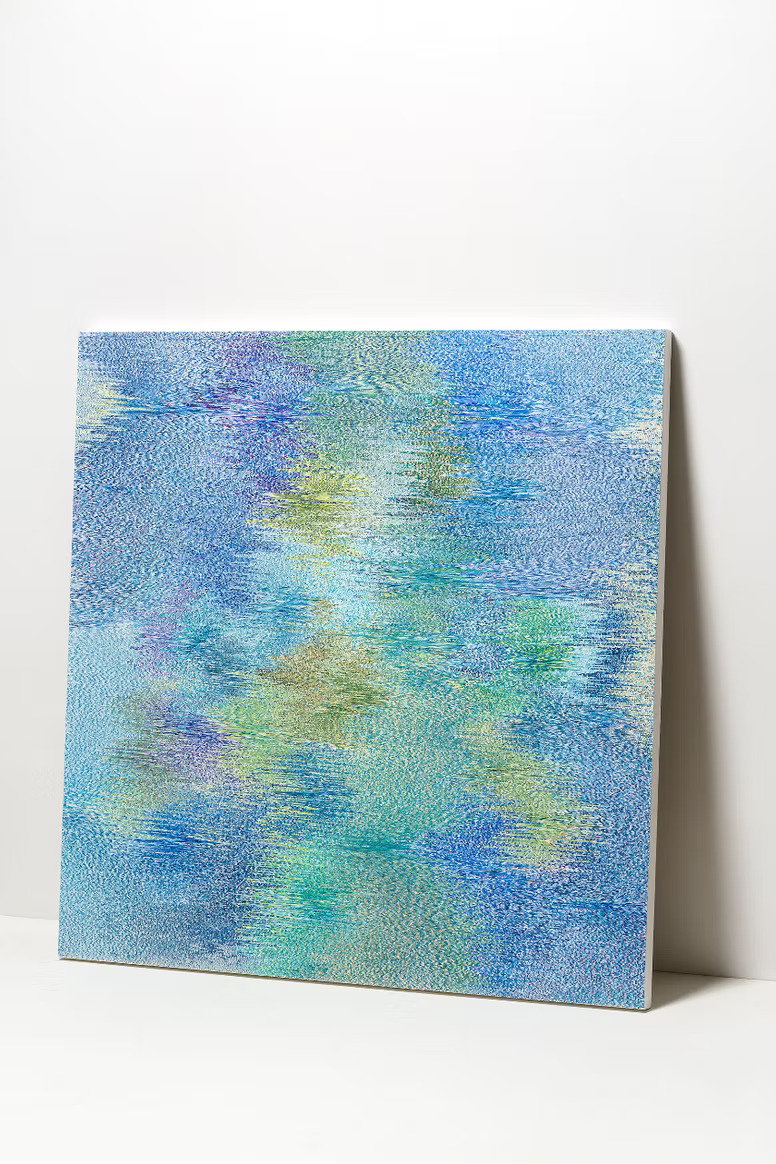
《A Vestigial Trace Study》
explores the complex interaction between language and body, addressing both the
uvula’s evolutionary significance and findings that it may not be essential.
Language is fluid; subtle differences and errors in utterance create peculiar
landscapes of momentary events. The unfolded forms, vibration motors, and
silicone masses serve as devices to visually examine this interaction. Through
this, Wonjin Kim records in space the moment in which differences and errors
become read as beauty.