Exhibitions
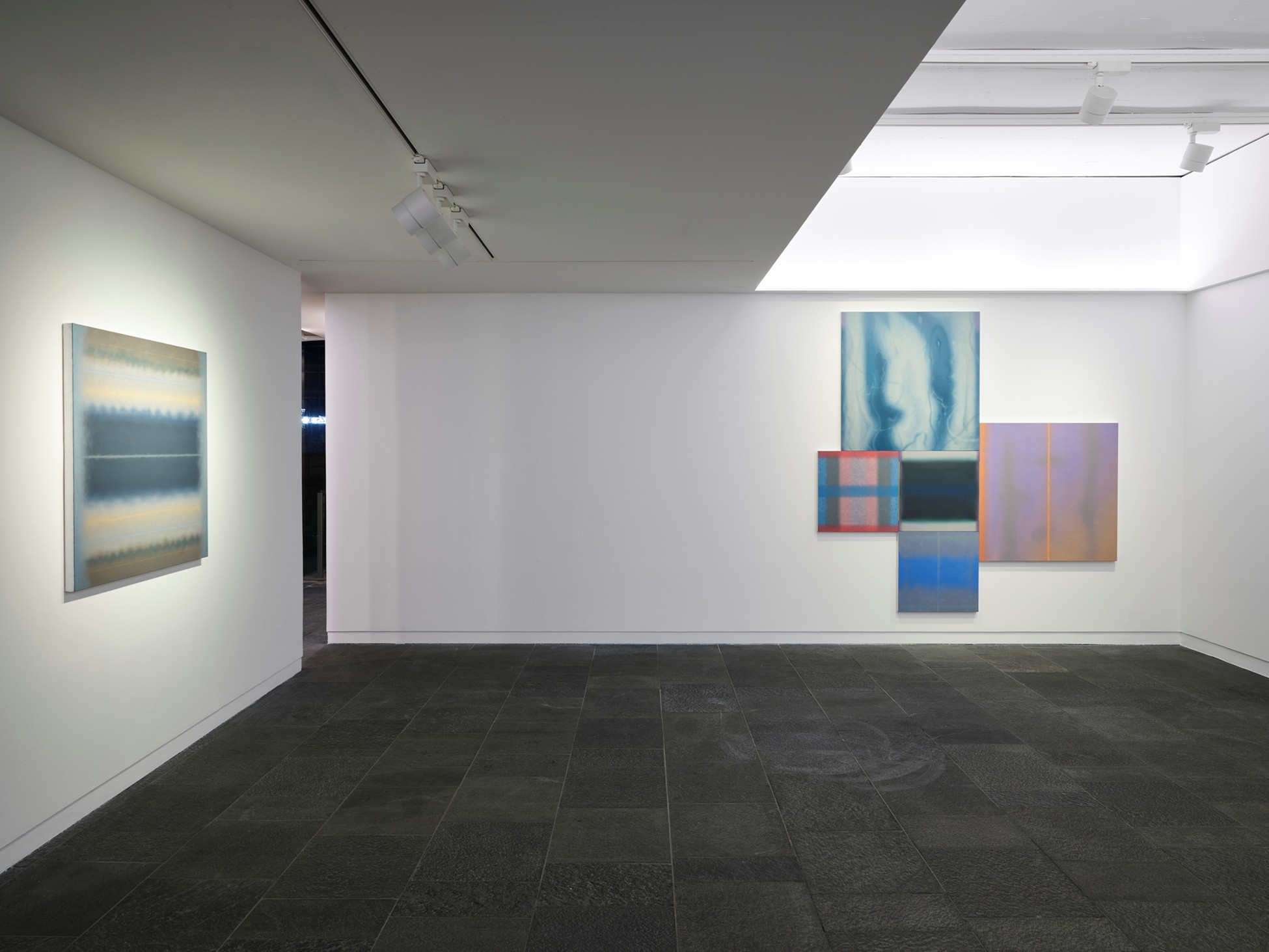
《Transurfing》, 2025.01.15 – 2025.02.19, Noblesse Collection
January 15, 2025
Noblesse Collection
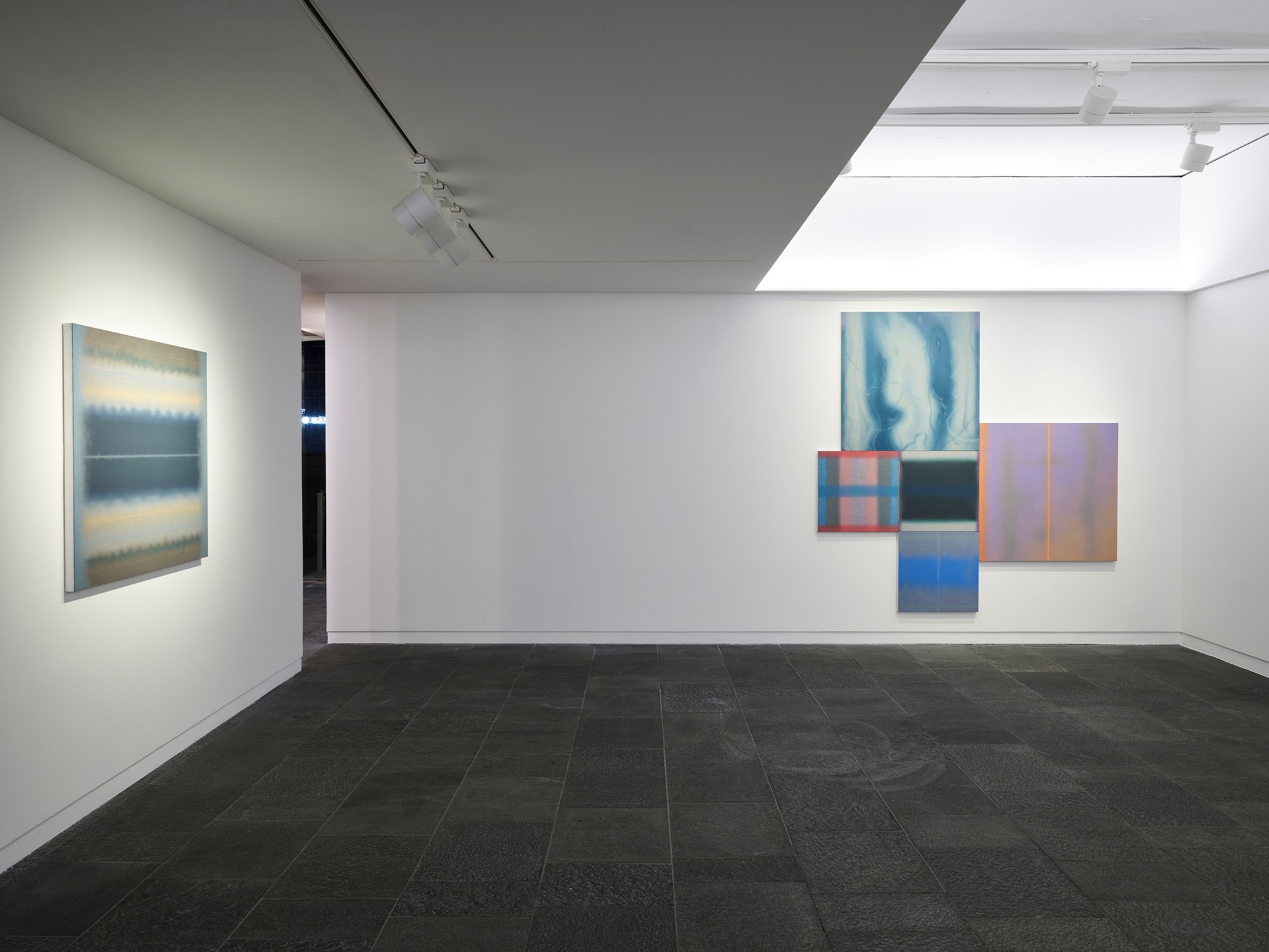 Installation
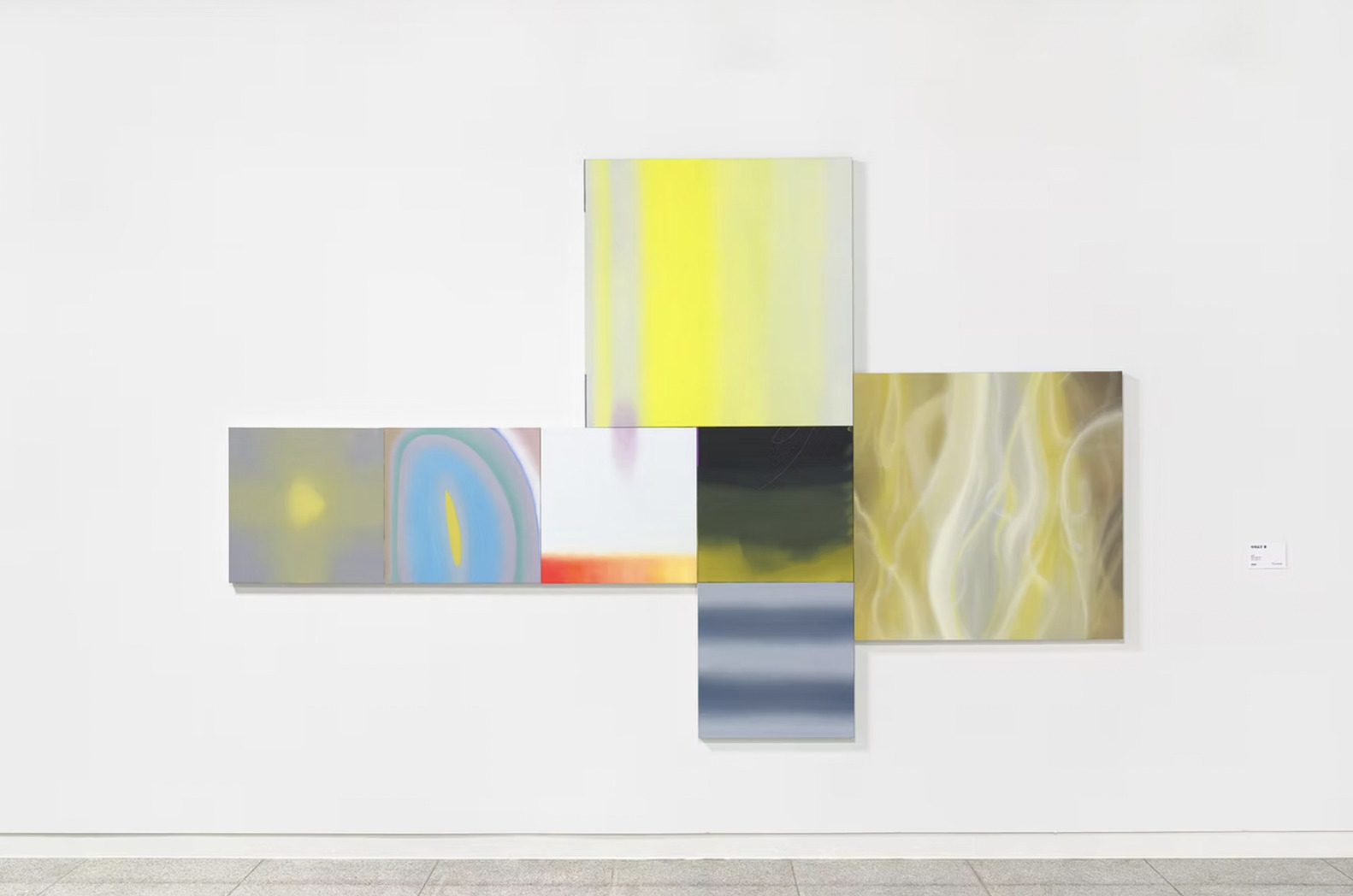
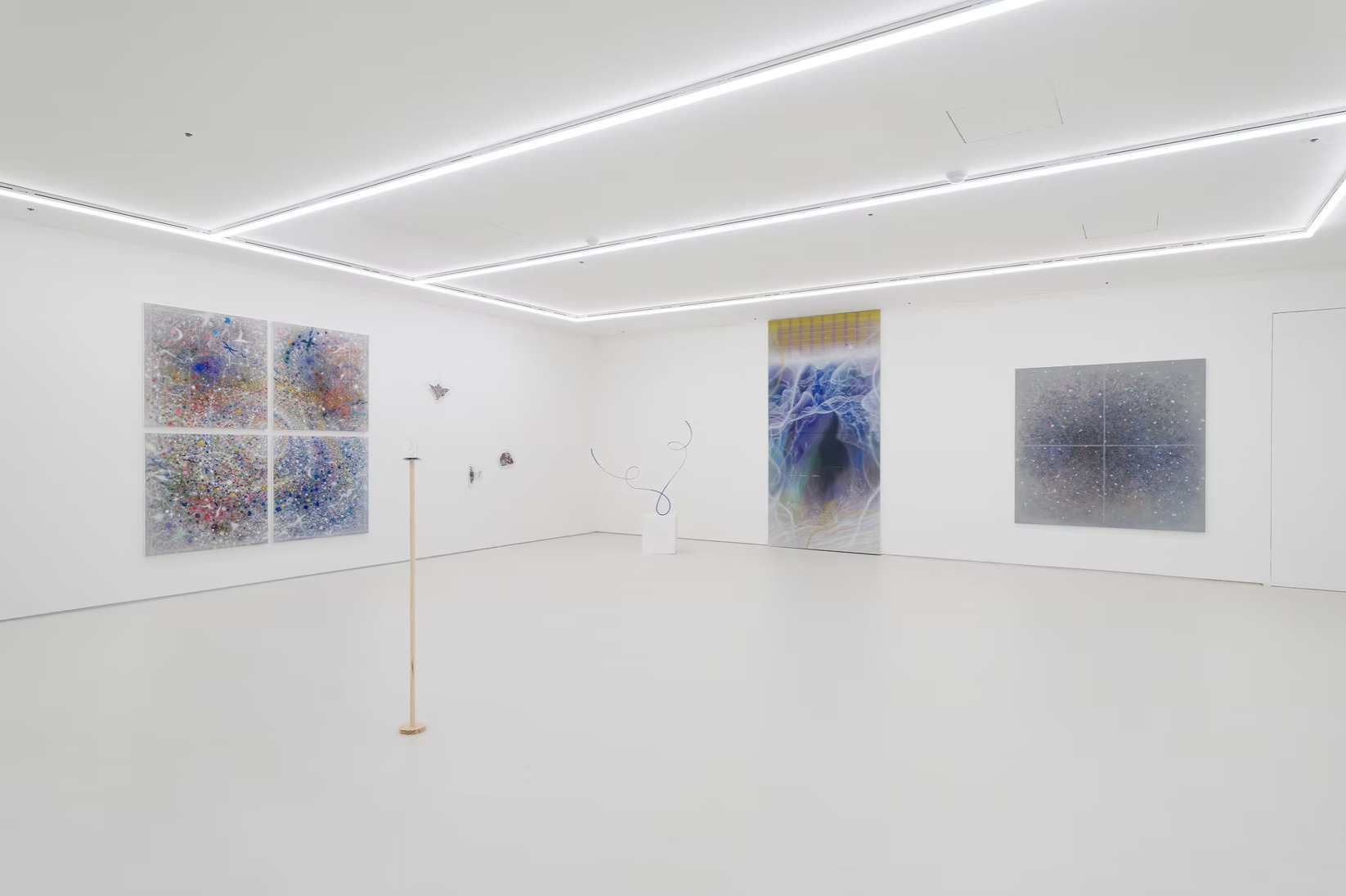
view of 《Transurfing》 © Noblesse
Collection
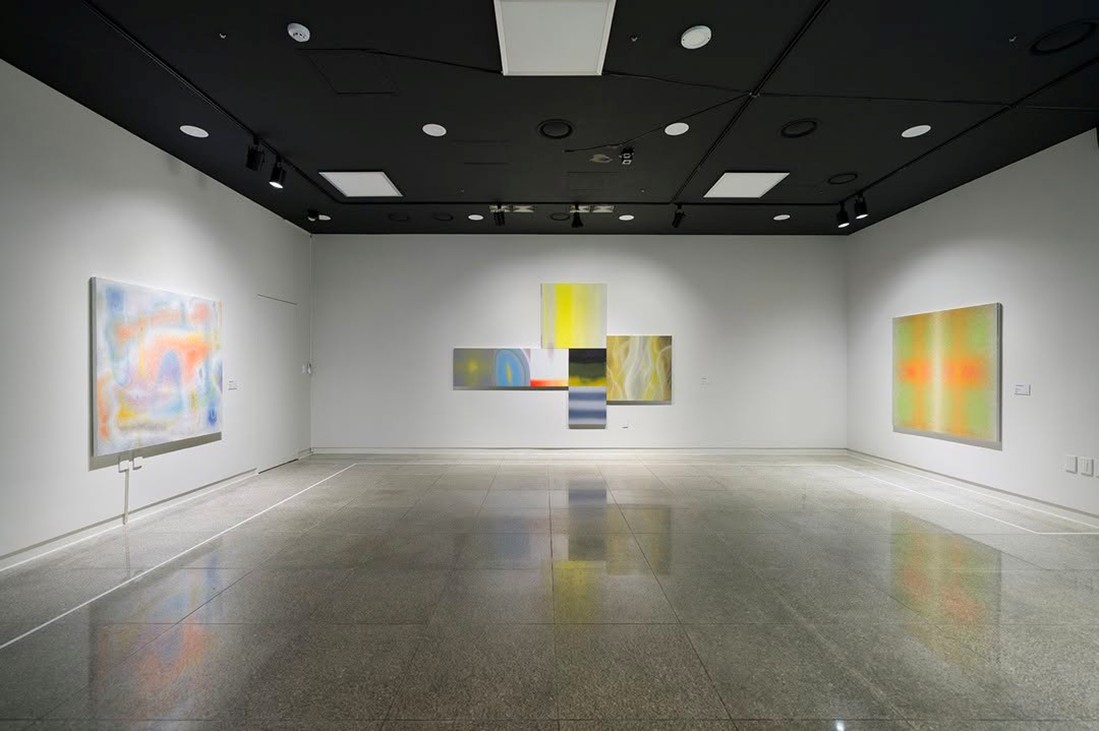
Installation
view of 《Transurfing》 © Noblesse
Collection
Noblesse Collection presents the
three-person painting exhibition 《Transurfing》, featuring Kwon Hye Kyoung, Hyunmo
Yang, and Choi Kayoung. Focusing on the everyday tensions between reason and
emotion, good and evil, the individual and society, this exhibition explores
the multifaceted ways in which balance or its absence manifests in our daily
lives. Each artist reflects on contemporary social issues and personal
experiences through a distinct visual lens, ultimately revealing how they
navigate and strive for balance. Visitors are invited to contemplate the
different modes and meanings of balance that emerge in each artist’s work, providing
an opportunity for deeper engagement with one’s own search for equilibrium.
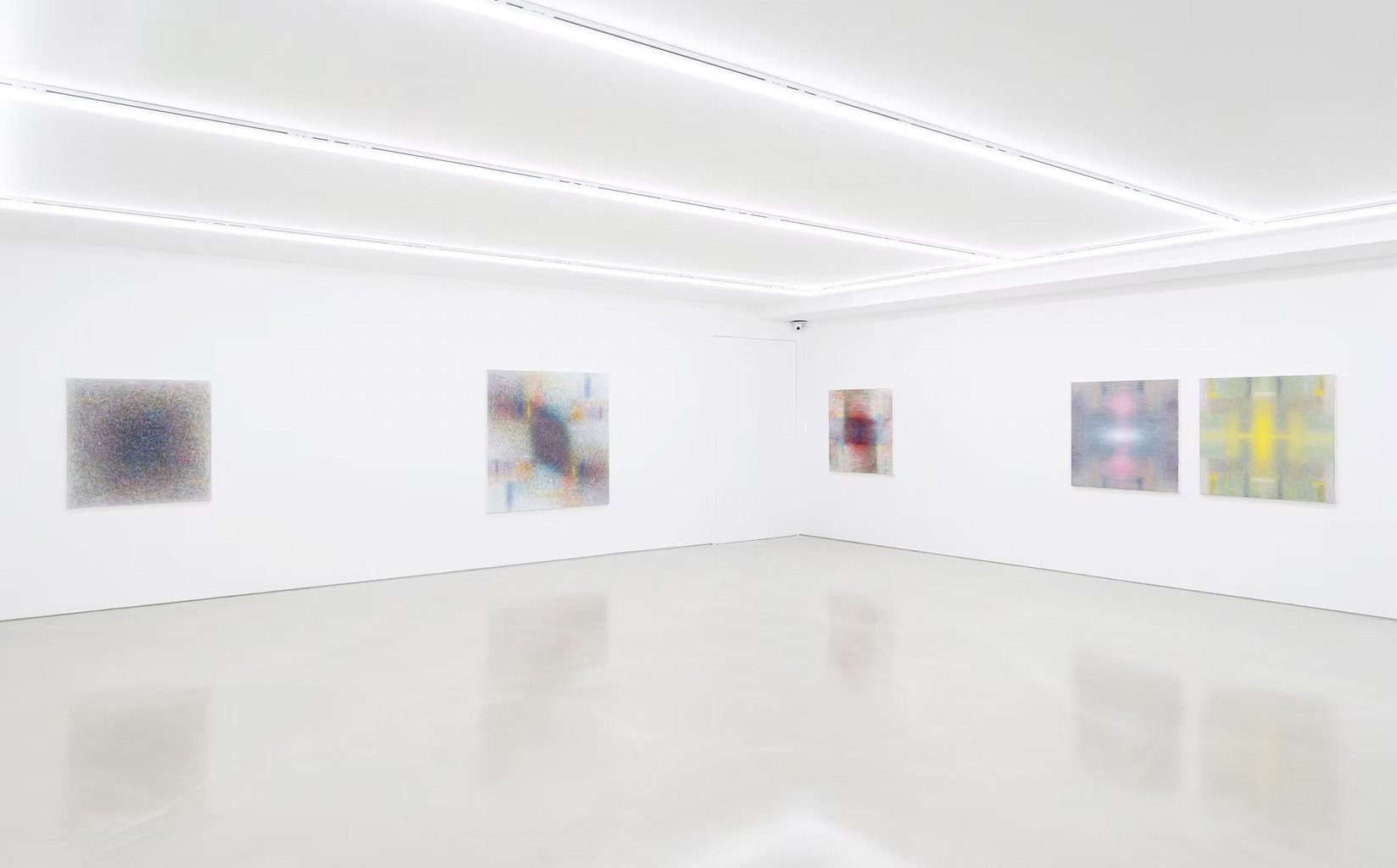
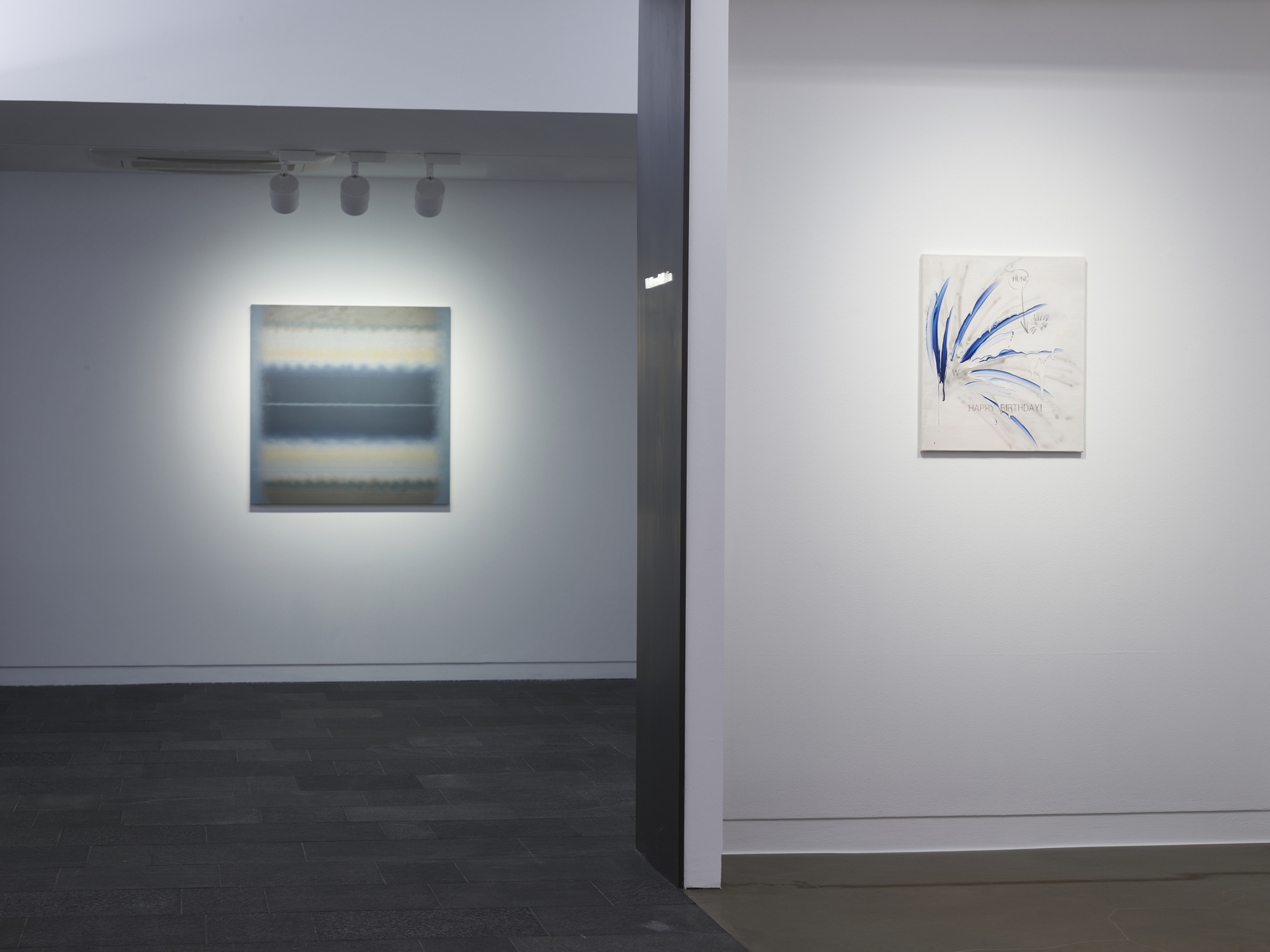 Installation
view of 《Transurfing》 © Noblesse
Collection
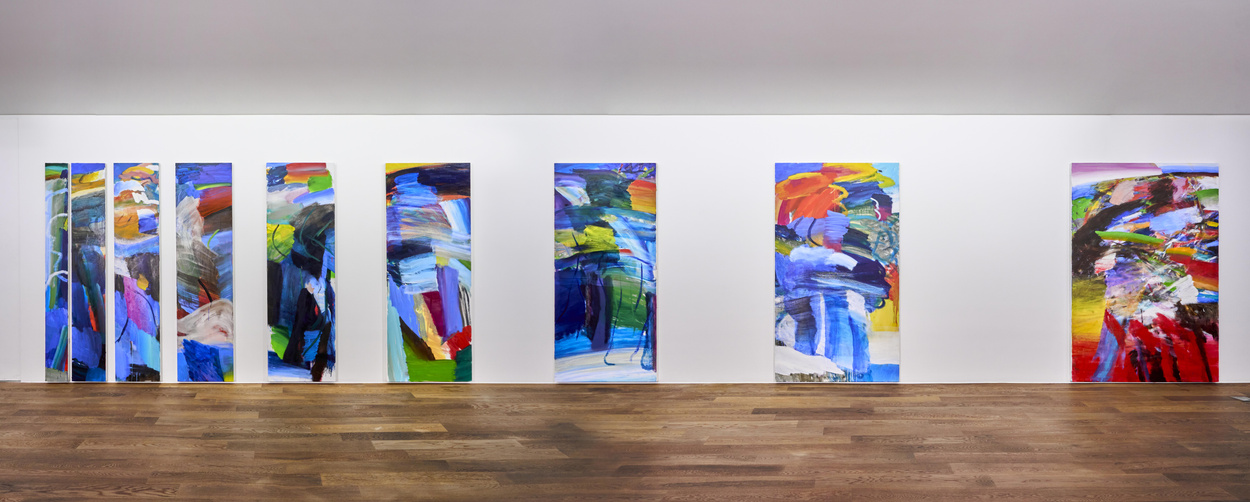
Installation
view of 《Transurfing》 © Noblesse
Collection
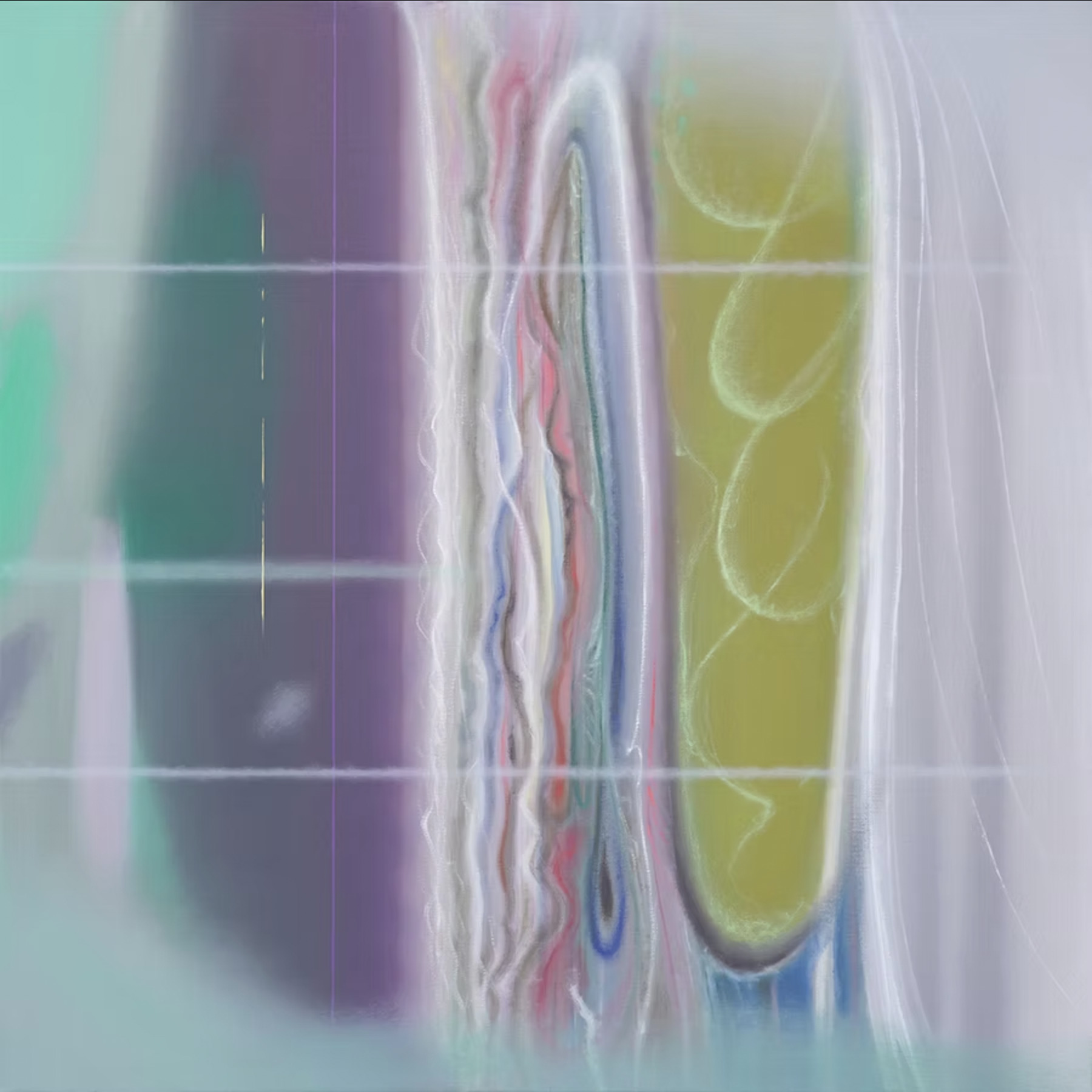
Kwon Hye Kyoung
Hye Kyoung Kwon employs painting
to convey individual narratives and collective sentiments. The symbolic
elements in her works are not merely decorative; rather, they serve as pivotal
devices infused with her memories and emotions, which she uses to communicate
her inner world and social context. Over time, her practice has evolved into a
more complex interplay of personal experiences and social concerns ranging from
her sense of displacement as an expatriate and her readjustment upon returning
to Korea, to the Hong Kong democracy movement.
Most recently, she
initiated ‘MOTHER ZONE’, a project centered on pregnancy,
childbirth, and motherhood, drawing attention to the wide-ranging experiences
of women who give birth and raise children. Kwon addresses challenges such as
reconciling self-realization with child-rearing and the specter of career
breaks, thereby engaging viewers in broader social dialogues and encouraging
them to reflect on these issues more deeply.
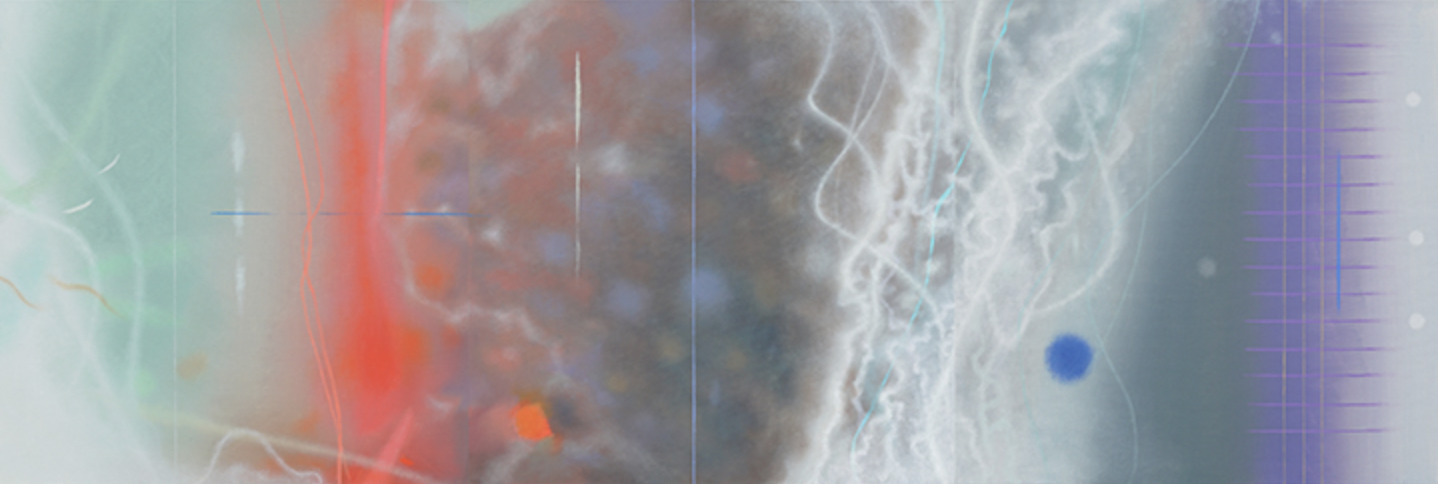
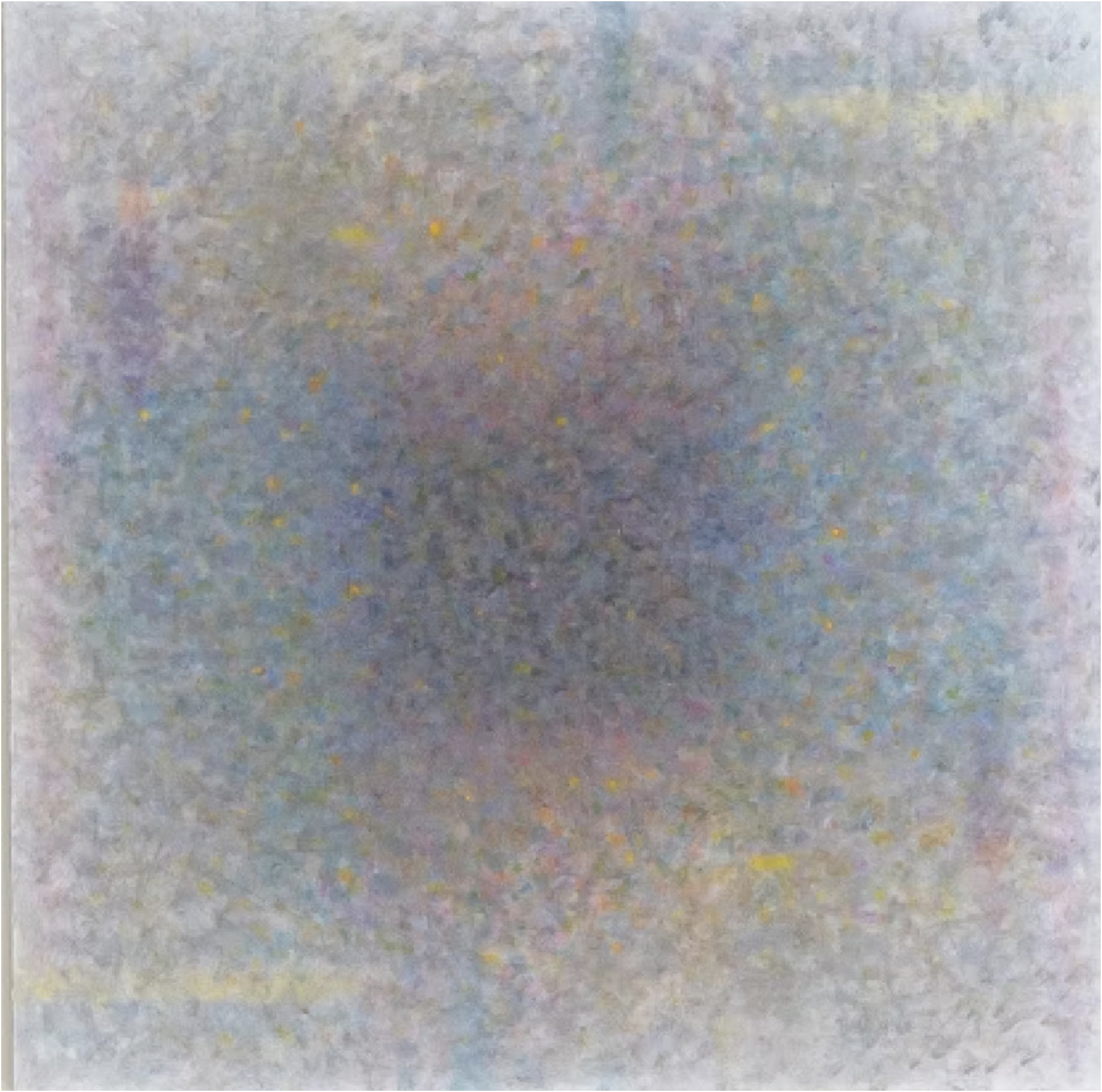
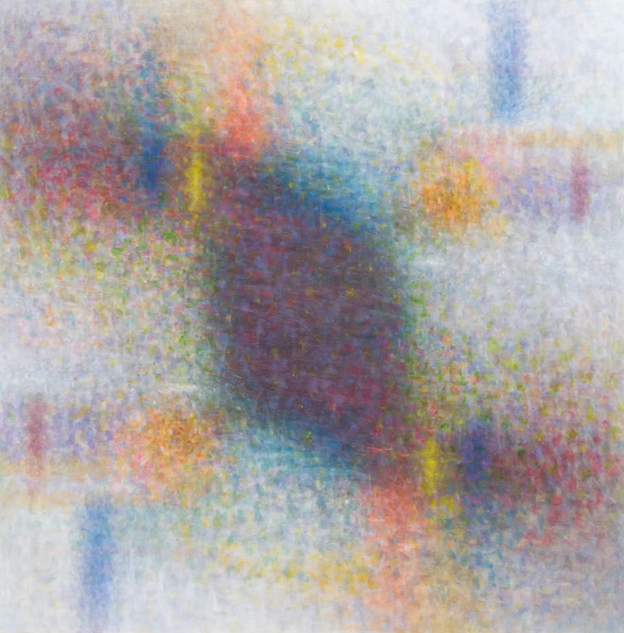
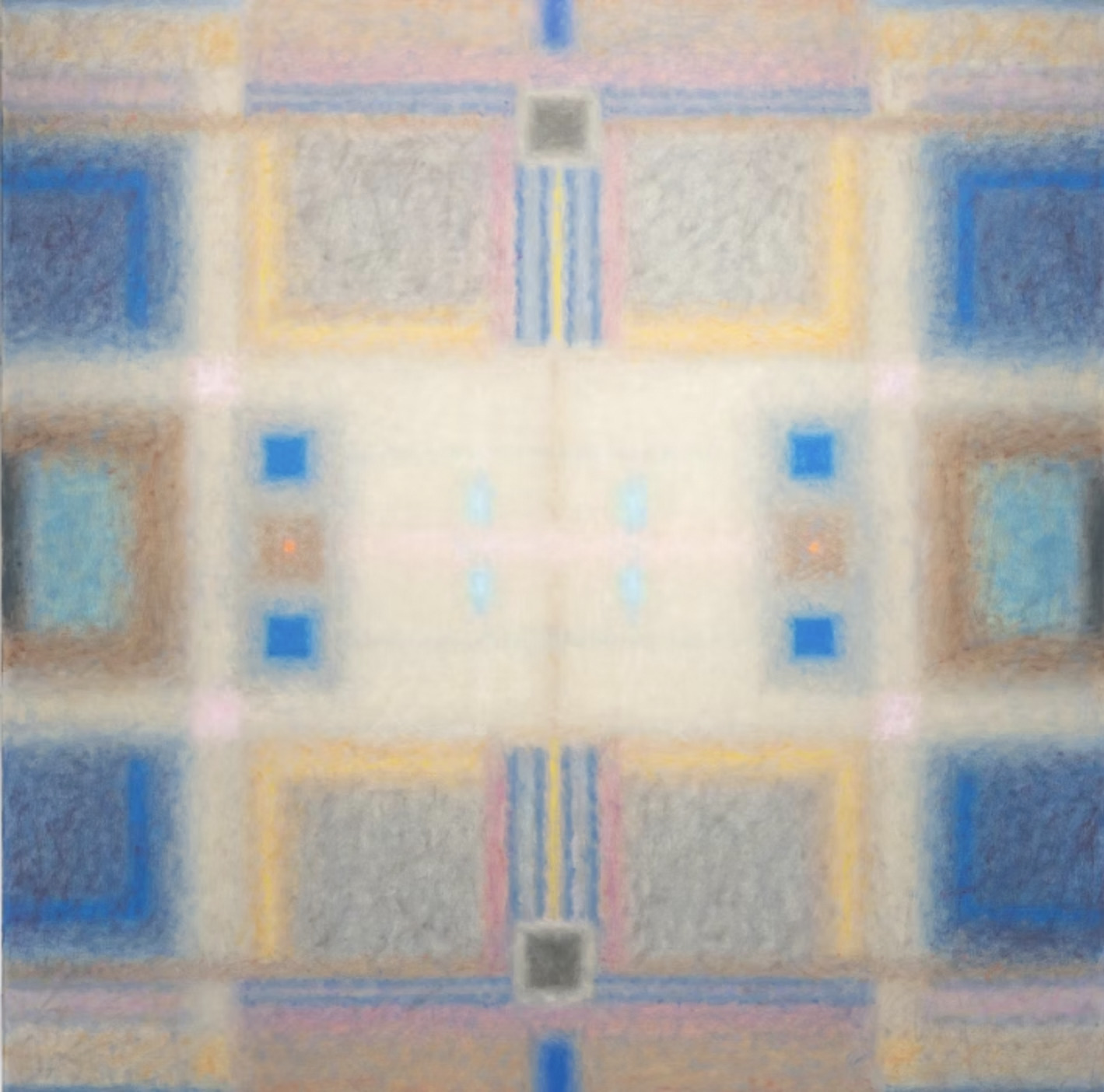
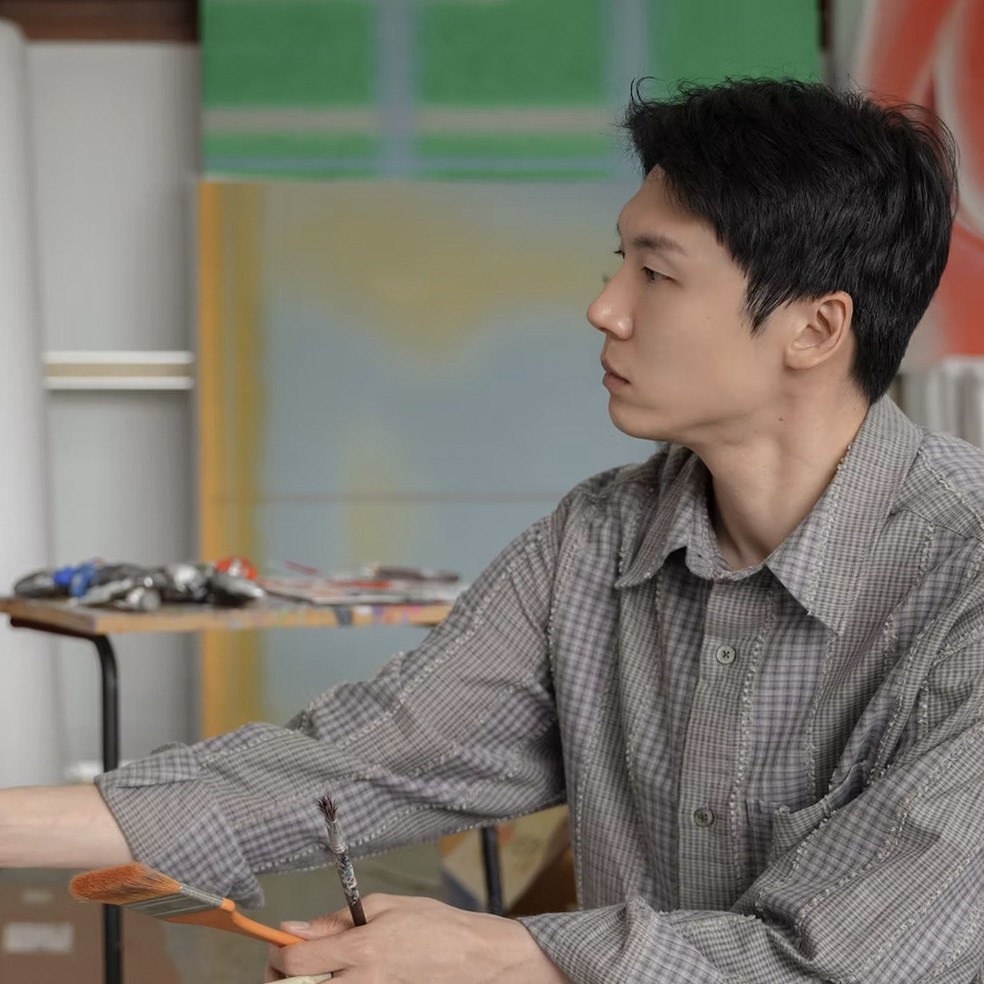
Hyunmo Yang
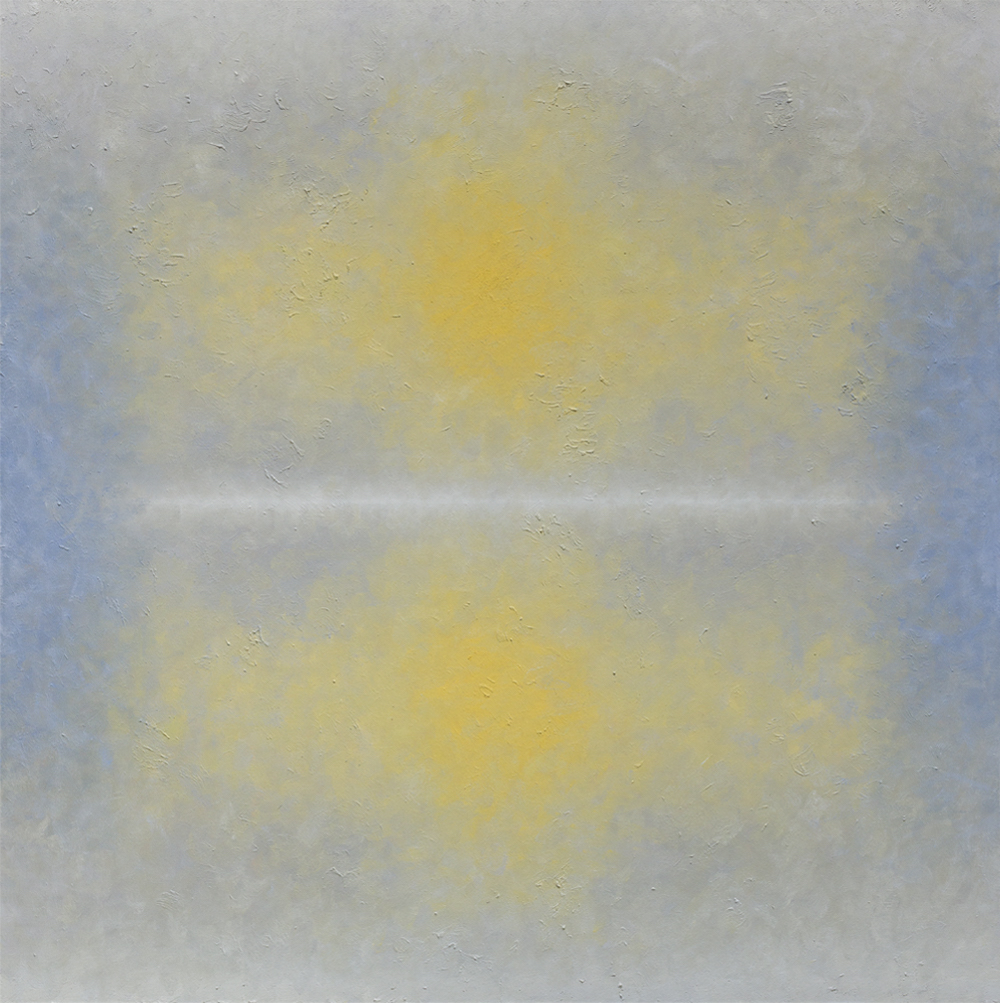
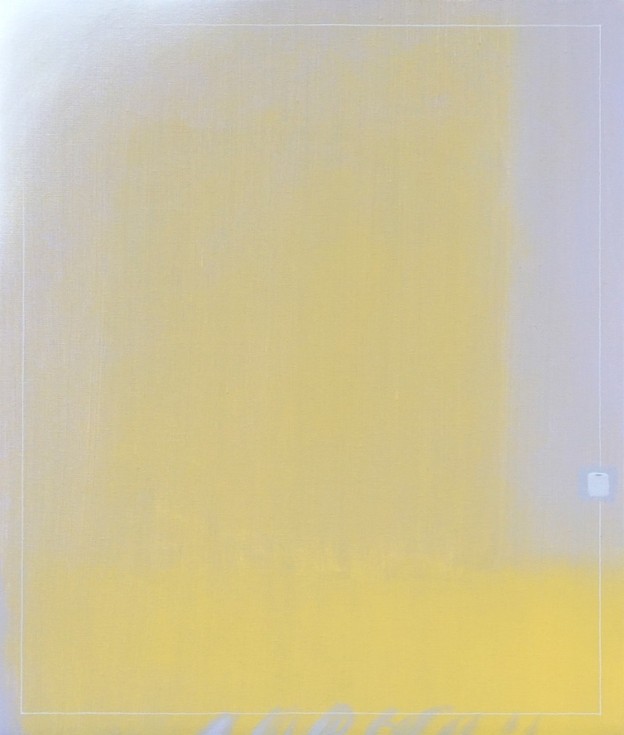
Hyunmo Yang examines the
intricate nature of human inner life and explores the fluidity of abstraction
against the backdrop of a turbulent society. By using symmetry as a
foundational element, he expresses his own pursuit of balance through soft,
hazy forms that represent his interior states. In his ongoing ‘Wavering
Drawing’ project, he visually captures day-to-day emotional shifts
using straight and curved lines, oscillating between symmetry and asymmetry.
For Yang, symmetry evokes a rigid world of unfeeling order, while asymmetry
symbolizes the layered complexity of the human psyche. By documenting these
nuanced changes over time, he converts emotional oscillations into a kind of
graph or index. This record stands at the intersection of personal vulnerability
and urban structure, illustrating one’s effort to safeguard the self and find
stability in society.
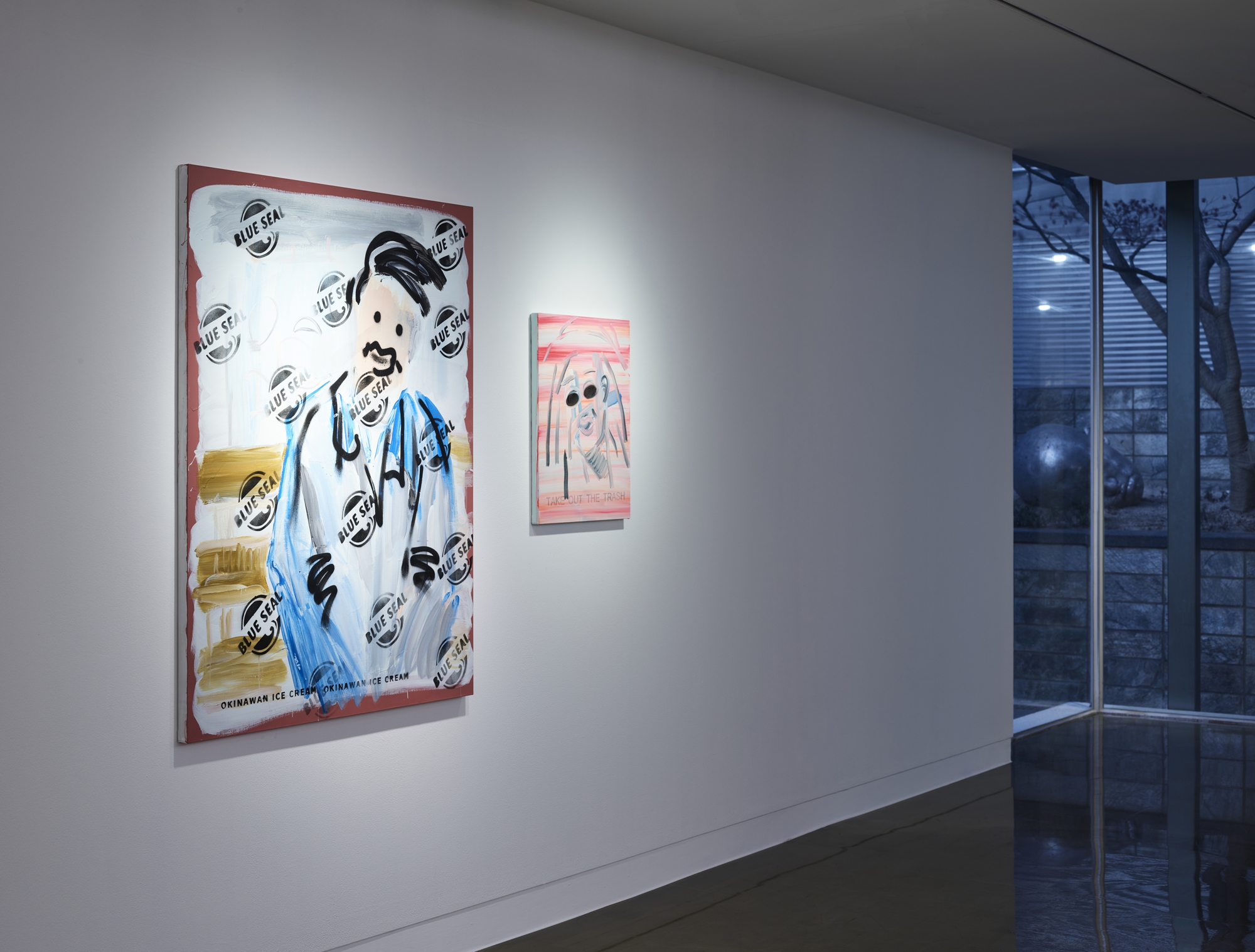 Installation
view of 《Transurfing》 © Noblesse
Collection
Installation
view of 《Transurfing》 © Noblesse
Collection
Choi Kayoung
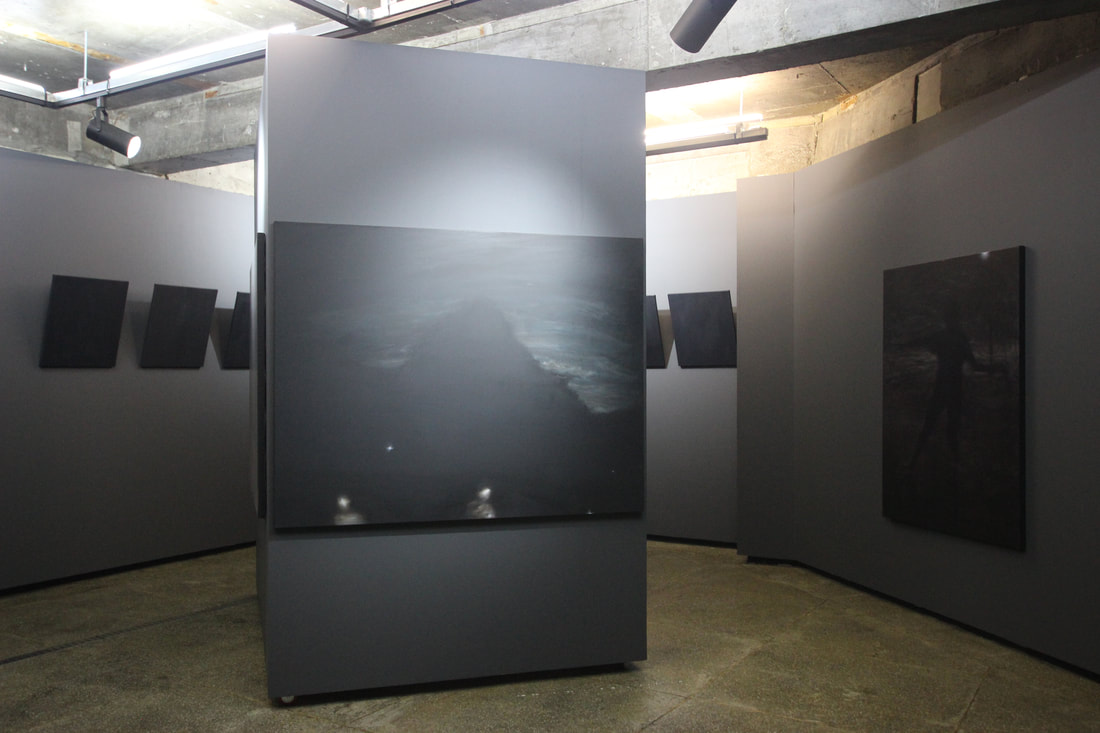
Choi Kayoung delves into the
liminal space between reality and the imaginary, experience and cognition. She
crafts imaginative narratives around unvisited locations or previously unseen
objects, building convincing illusions that appear real, yet remain orchestrated
scenes. Her sources of inspiration are remarkably diverse: for instance, one
work constructs a fictitious environment from imagery of a vanishing quarry in
Serbia a set of photographs received from a fellow artist while another
reassembles an imaginative story out of strangers’ memories tied to the
now-defunct Bugok Hawaii Theme Park.
In recent projects, she has focused on
palm trees and tropical fruits, which have been transplanted to convey or
indulge in a tropical mood. By envisioning nonexistent places and rendering
them visually, Choi observes how mundane realities can be transformed in
surreal ways, and how individuals consume such experiences in the interstice
between imagination and the real world. Her works encourage viewers to step beyond
ordinary reality and partake in these fabricated yet immersive spaces,
prompting thoughtful consideration of our experiential boundaries and the
broader significance of painting.