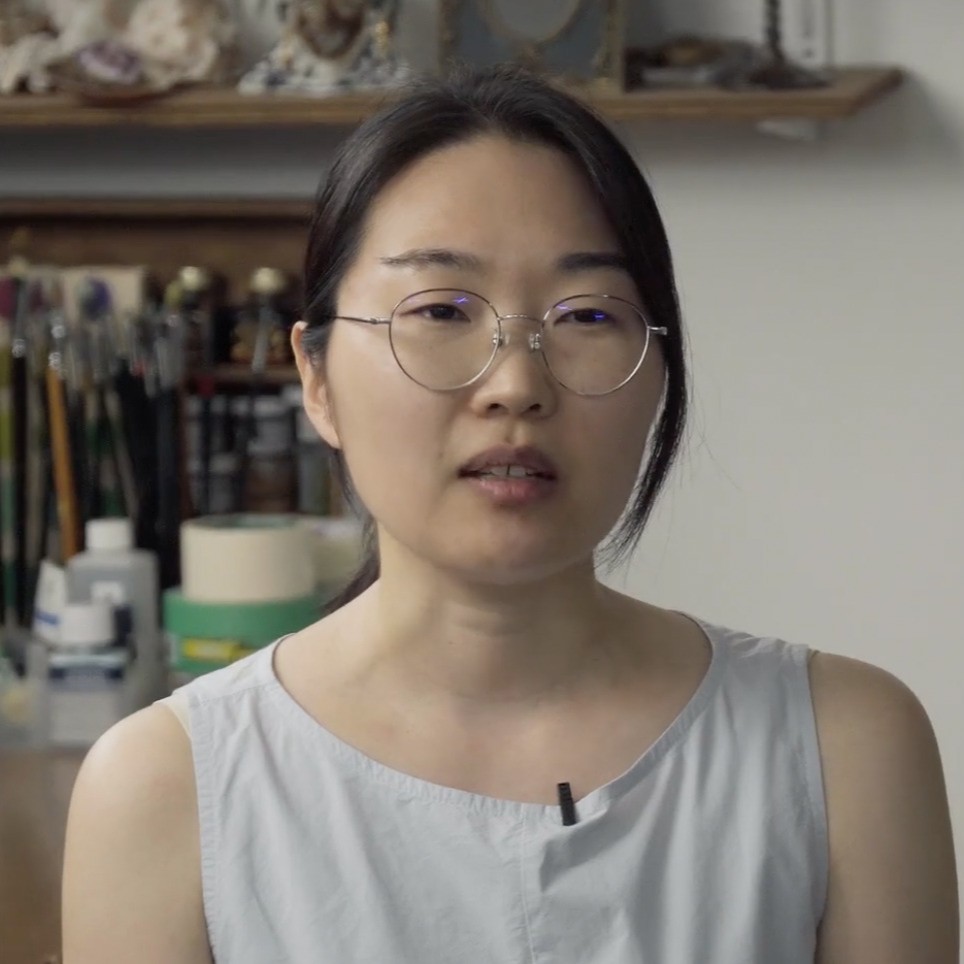


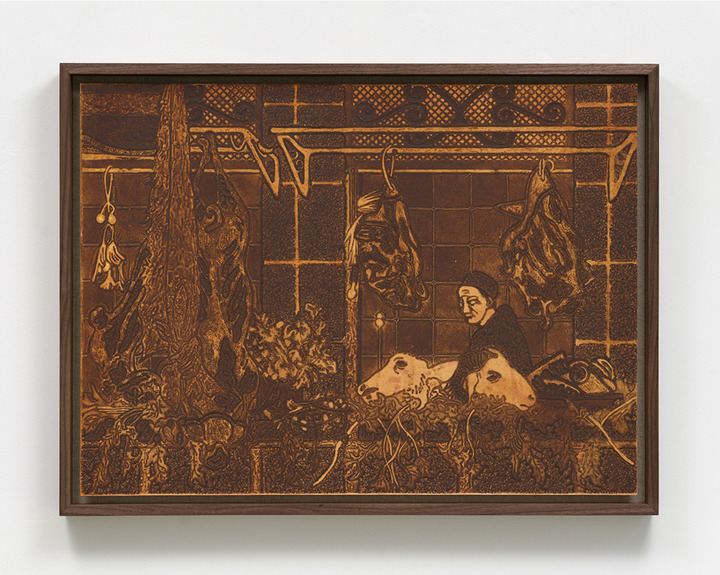
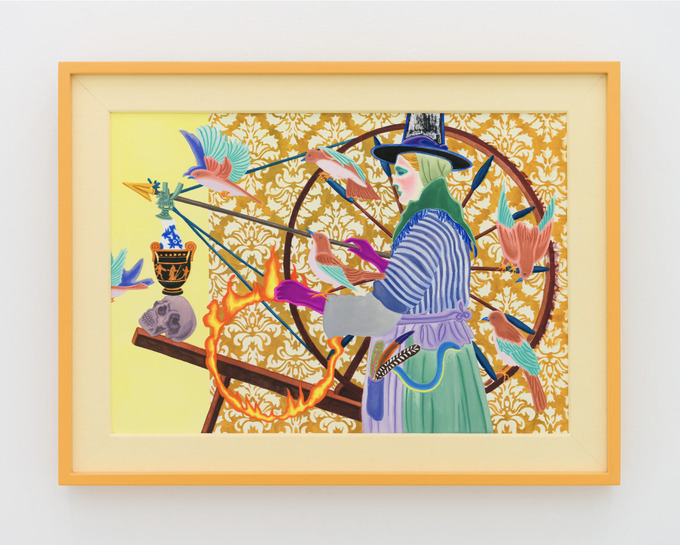
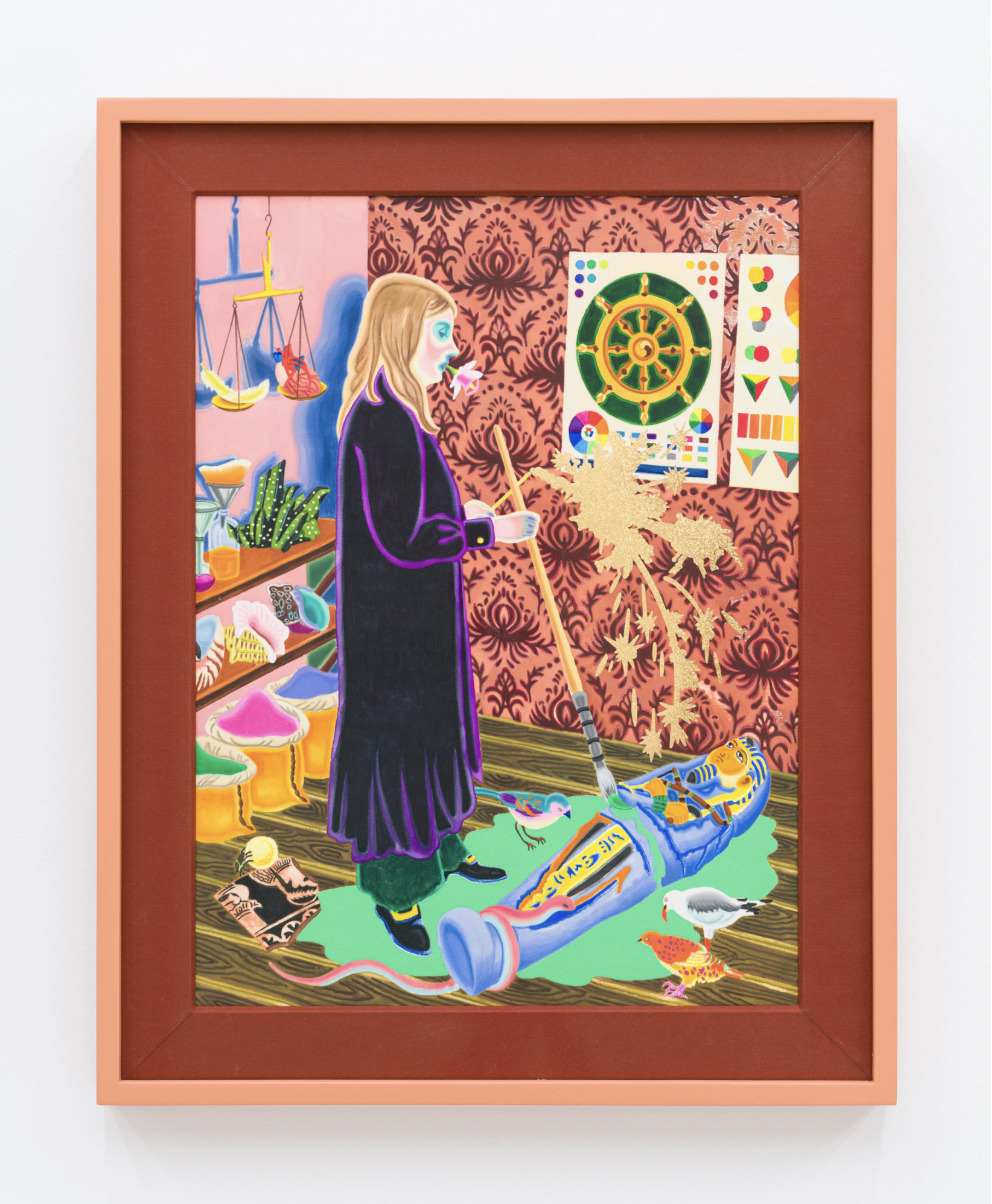
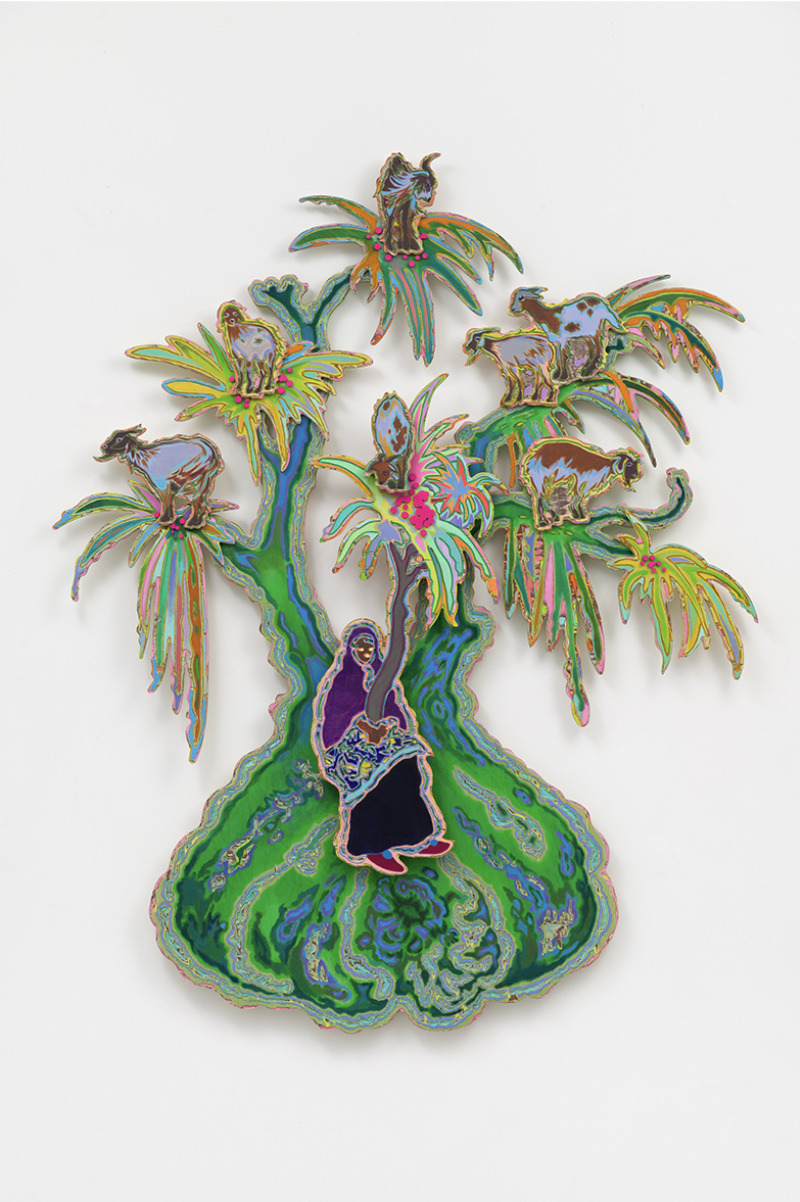
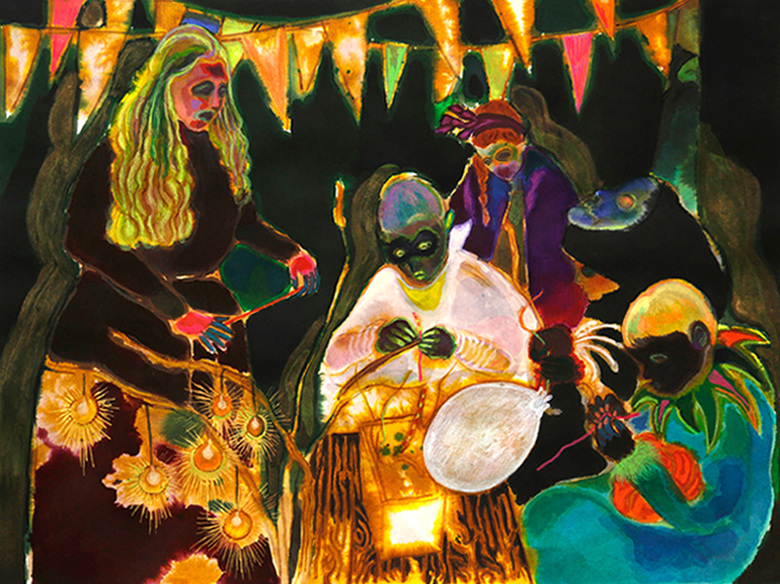
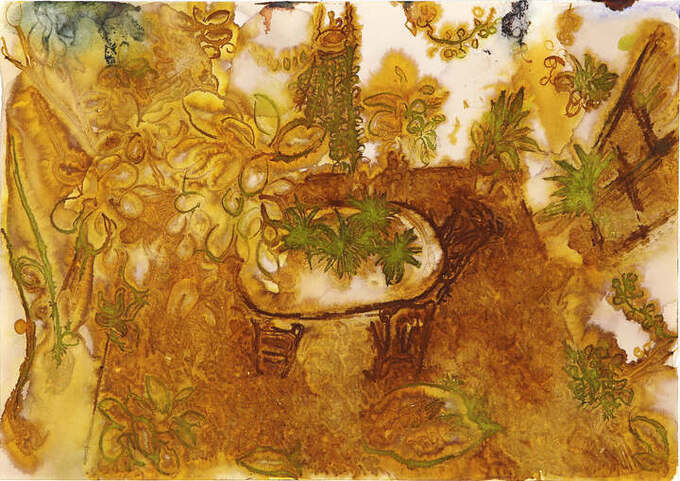
Shinyoung Park earned both her BFA and MFA in Painting from Seoul National University, and received an MA in Printmaking from the Royal College of Art, London. She is currently represented by ThisWeekendRoom and is based in Seoul.
Installation
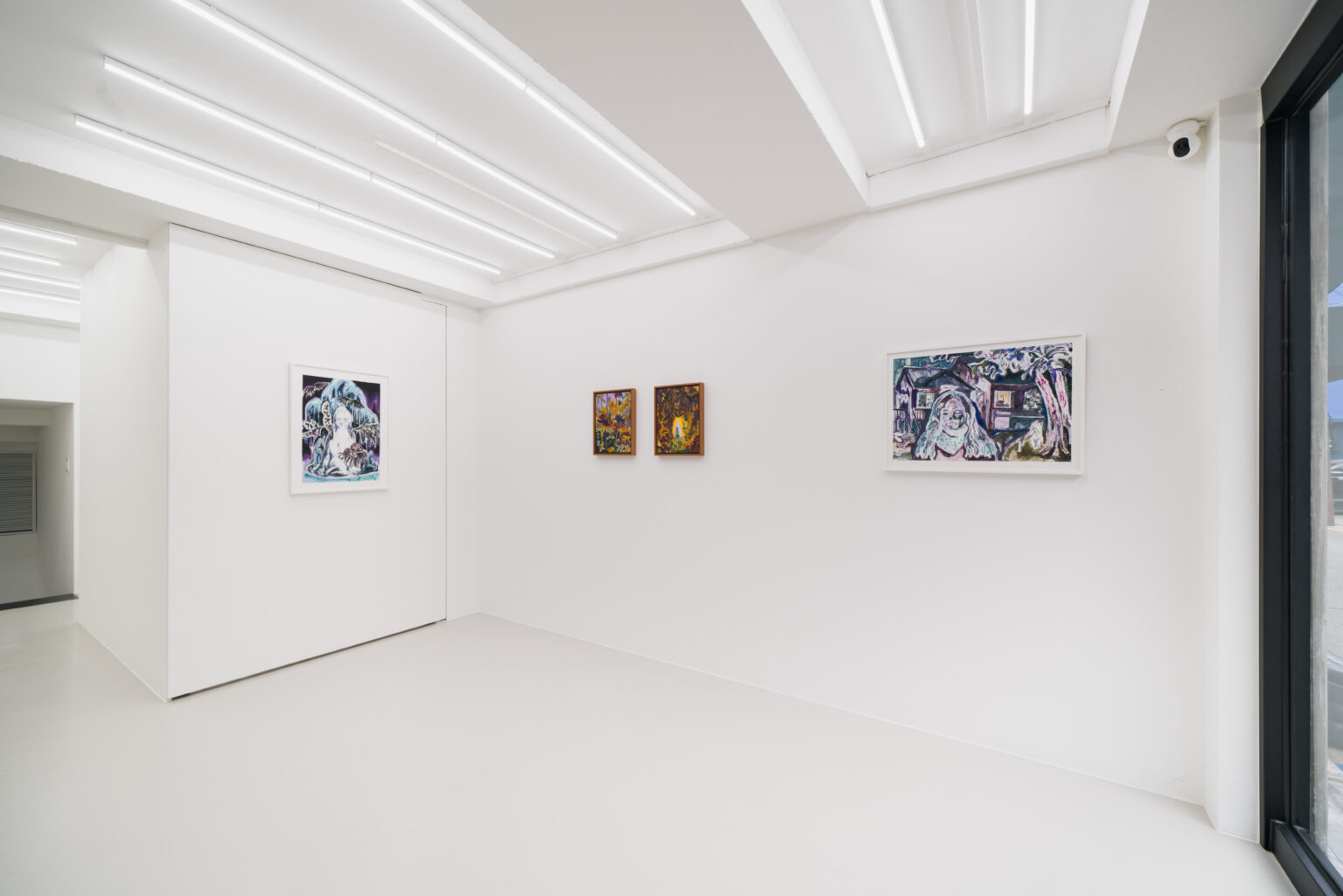
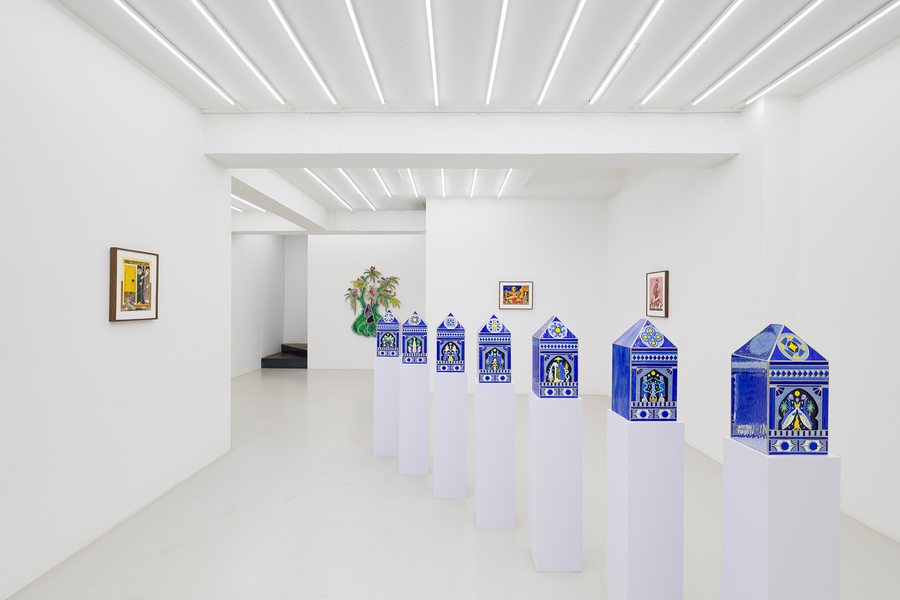
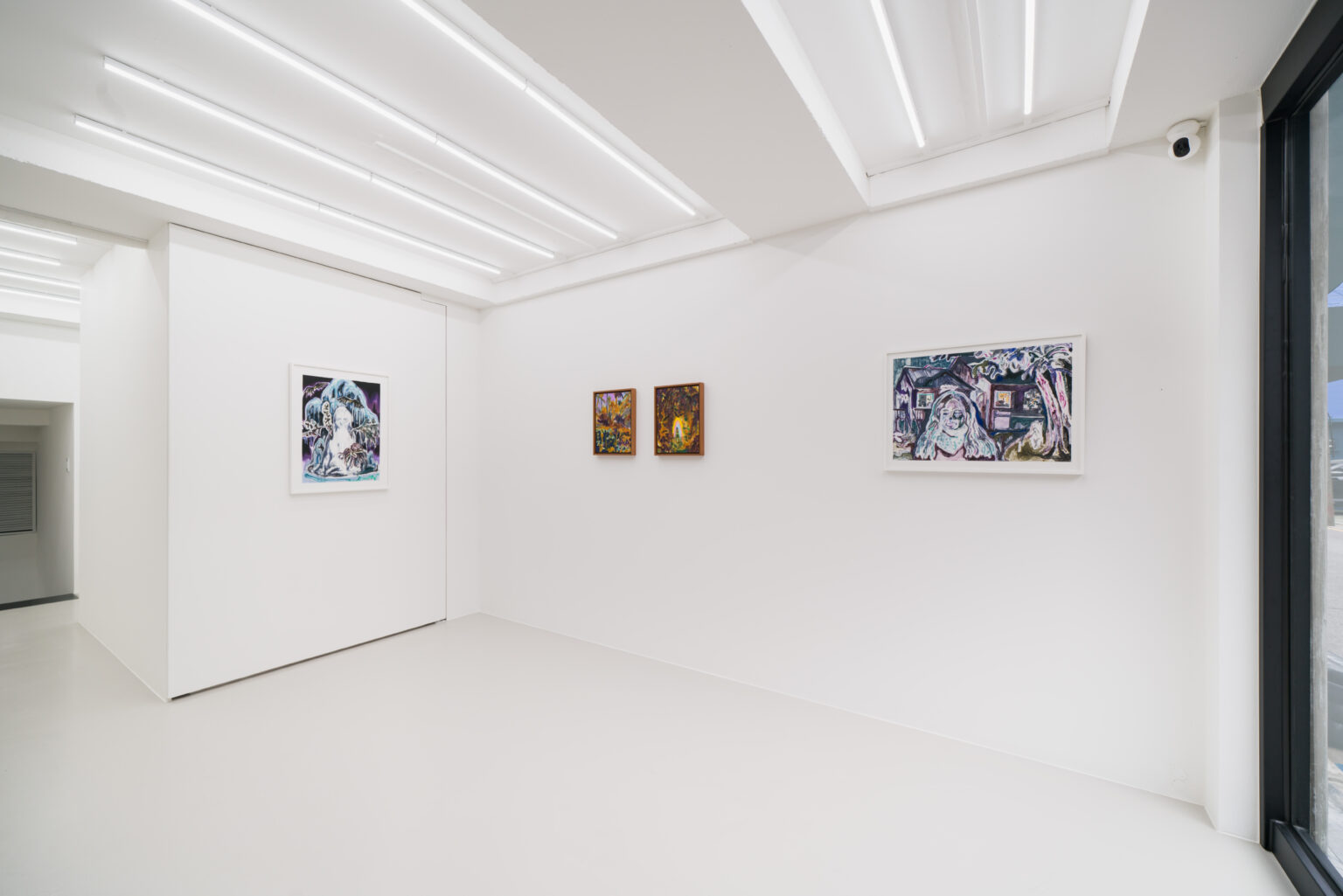
view of 《Far in My Mirror》 ©
ThisWeekendRoom
In
response to the question, “How many mirrors are there in your home?”, many
people would likely begin counting in a practical way—“the bathroom mirror, the
mirror by the entrance,” and so on. However, those with an imagination and
insight beyond the ordinary might attempt a broader kind of reckoning. One
might ask oneself, “Wait—do I have a mirror in my study as well?” and then
answer, “Come to think of it, one of my most cherished books is a collection of
Emily Dickinson’s poems. Each time I read Dickinson, I find myself gazing
inward at myself—could this not also be considered a mirror?” From there, one
might begin to recount the other mirrors lining the bookshelves of the study.
In this
sense, we do not regard as mirrors only objects that physically reflect visible
light. Rather, those facets of self-identity that cannot be seen through such
objects often demand more particular mirrors for their observation and
understanding. What is intriguing is that, in many cases, we do not even
realize that these objects are mirrors until we have seen or experienced them.
A Mark Rothko exhibition, a performance by Sumi Jo, a film by Agnès Varda—do we
not rediscover ourselves while wiping away tears as we leave the exhibition
hall, concert venue, or cinema, rather than when we enter, unaware of any need
for a handkerchief? Those who use water-based cosmetics may find themselves
fixing their makeup in the powder room mirror after such an experience. Some
mirrors ruin one’s makeup; others restore it. Some mirrors show our
expressions; others create them.
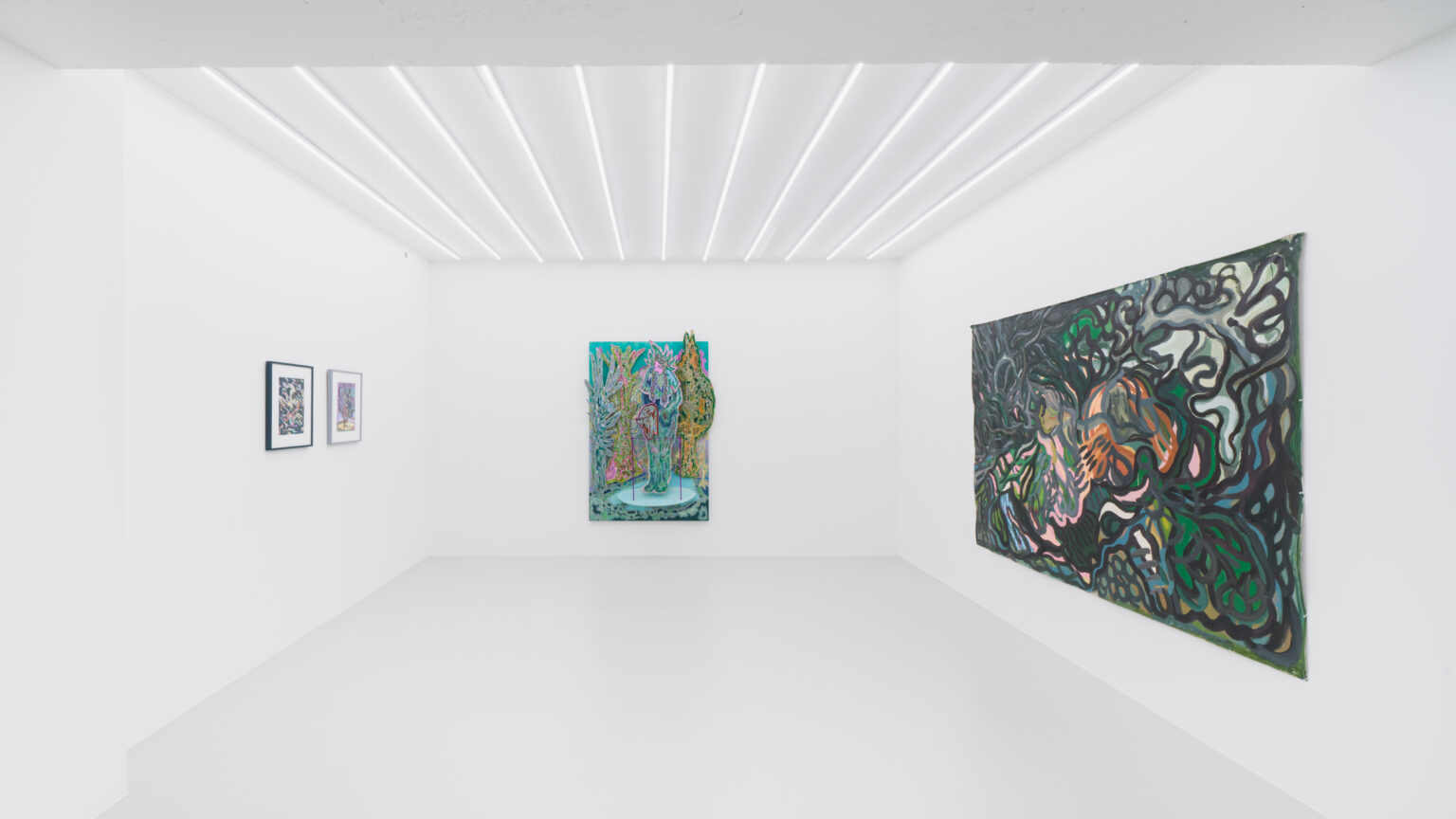
Installation
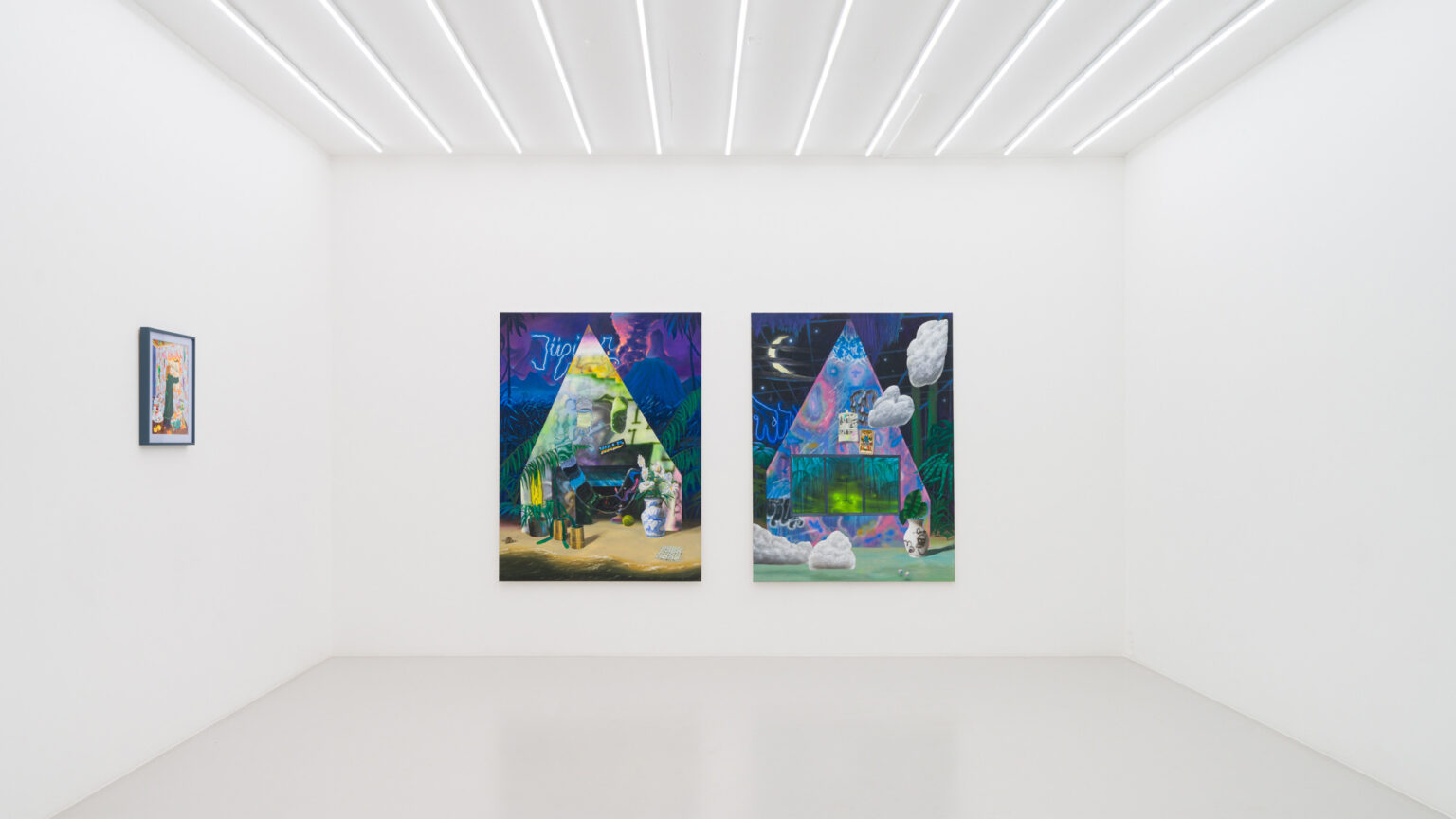
view of 《Far in My Mirror》 ©
ThisWeekendRoom
If it is
possible to acknowledge, in this way, the existence of a “mirror function”
among the many roles of art, then might artworks centered on self-reflection or
offering special inspiration toward it—such as those by Sangwon Kwak and
Shinyoung Park—be said to function like concave mirrors? Just as a concave
mirror is needed when one wishes to see part of one’s face more closely because
it produces a magnified image through distortion, there may be moments when a
similarly magnifying distortion of self-reflection is required in order to
observe a part of oneself more closely or anew—not with the eyes on one’s face,
but with another kind of eye.
Viewers
who discern a shared denominator of “the self in an unfamiliar environment”
while engaging with the works of Kwak and Park may find themselves experiencing
an expansion and distortion of their own identity. In unfamiliar surroundings,
the self—undergoing unfamiliar experiences—comes into contrast not with the
environment itself, but with the people or other familiar presences within it.
Through this contrast, one’s sense of identity may feel enlarged and distorted,
enabling a more detailed and renewed perception of oneself.
More
concretely, the works of both artists reveal how their artistic selves are
conceived within environments far removed from their everyday lives—lives
shaped by the geographical conditions of the city and the cultural
characteristics of South Korea. A difference emerges, however, in the degree of
directness with which the self appears: in formal terms, Park’s self does not
surface explicitly in her works, whereas Kwak’s self may be perceived as more
directly present across several of his pieces.
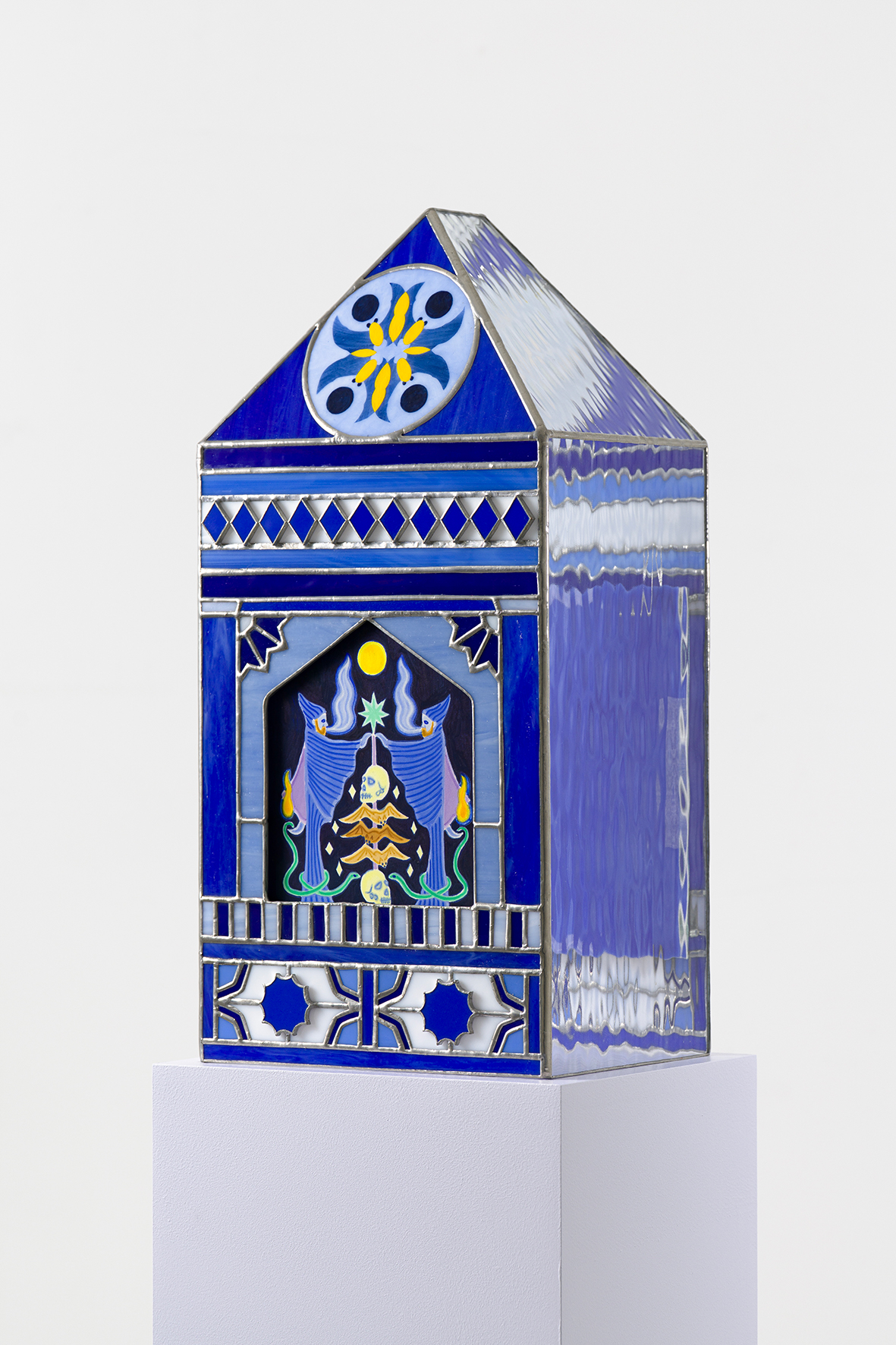
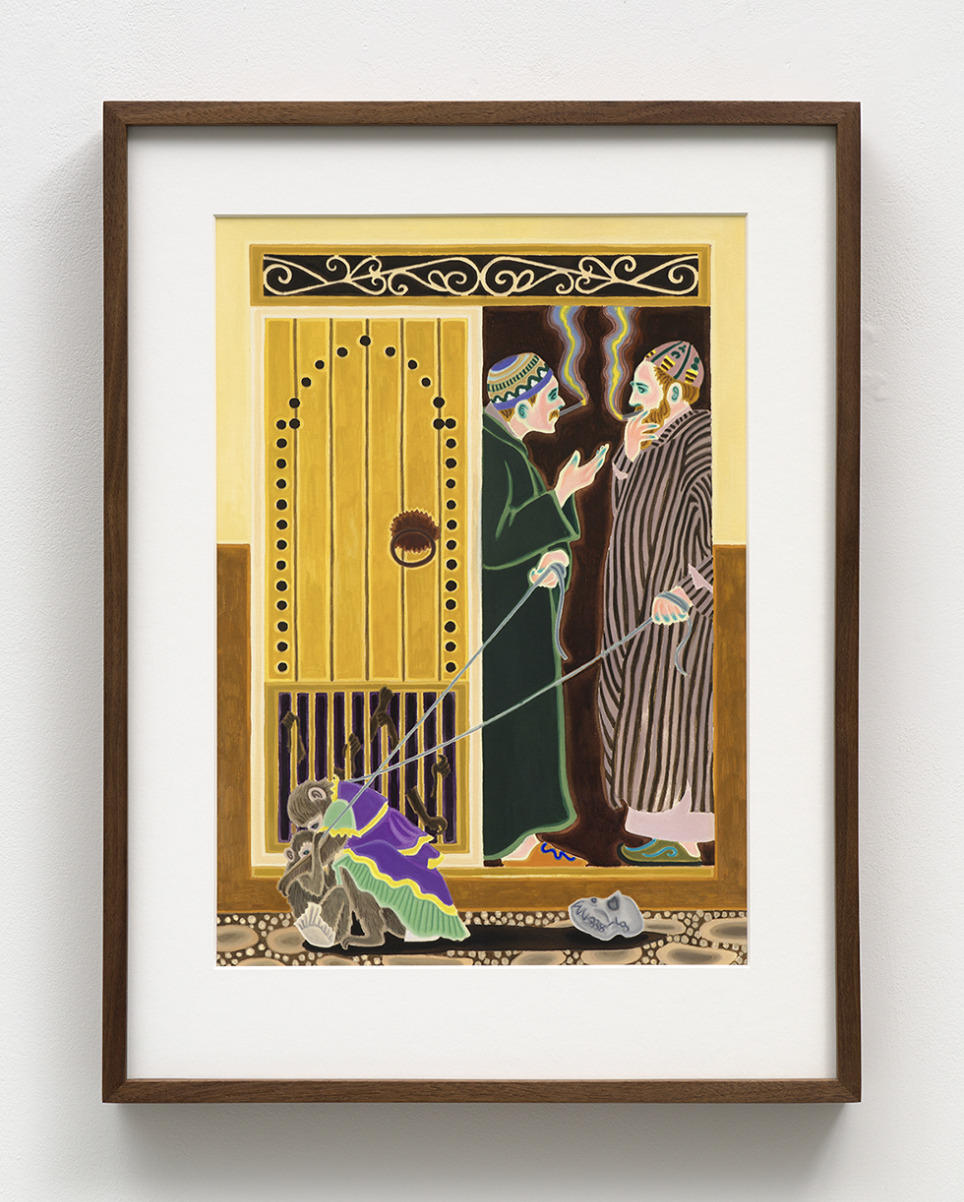
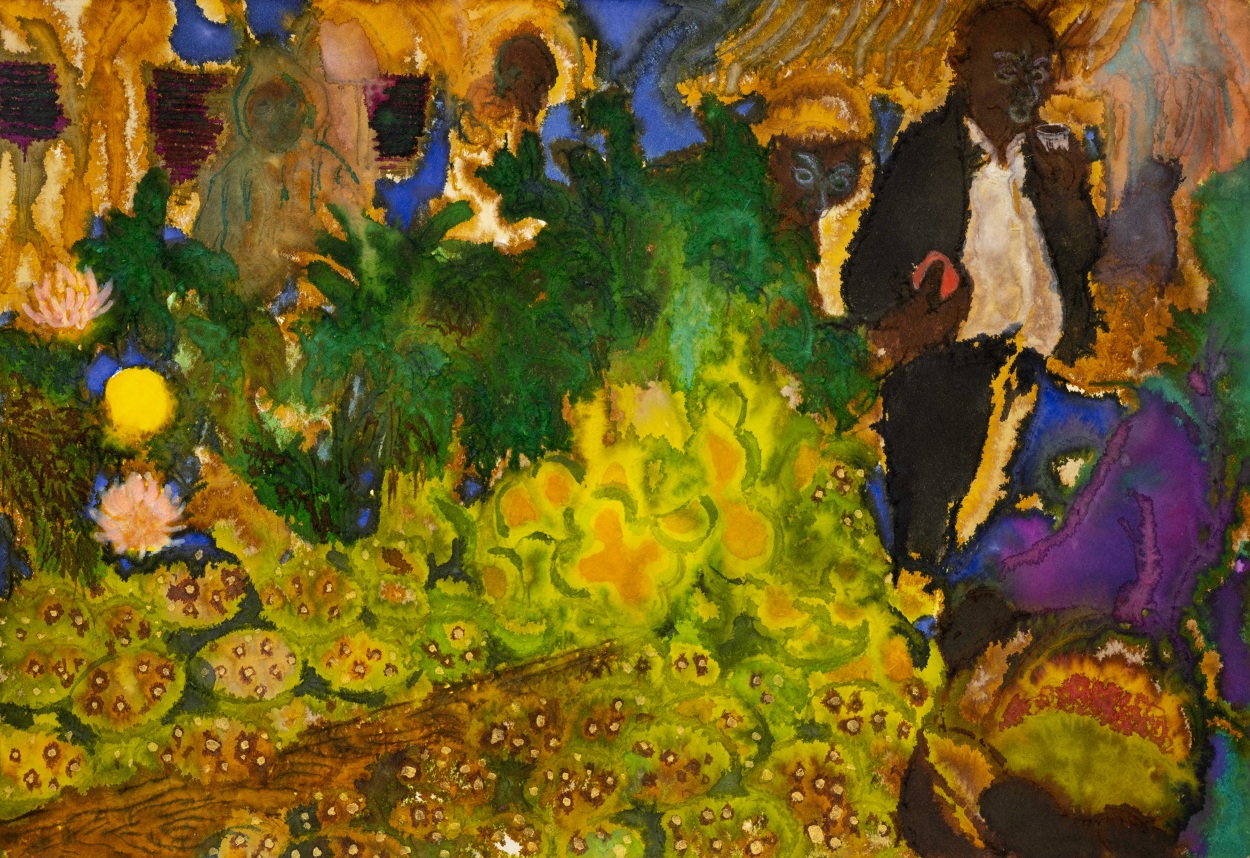
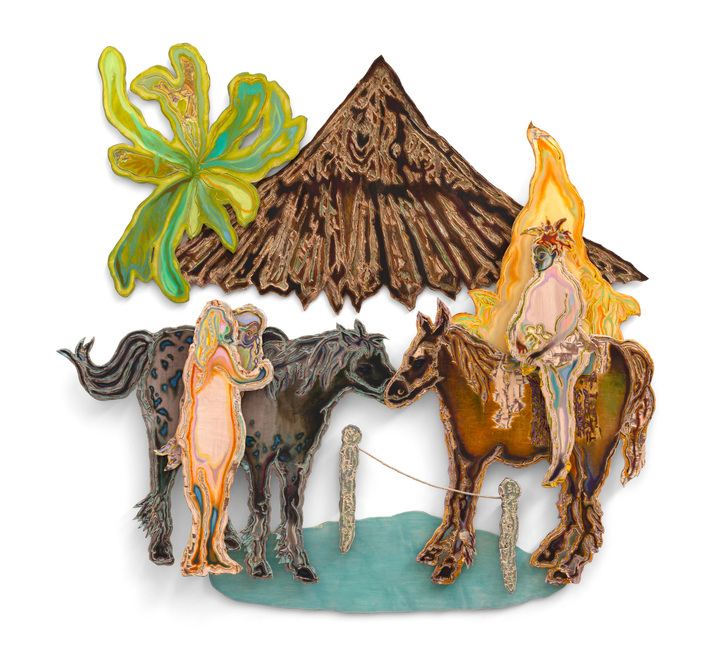
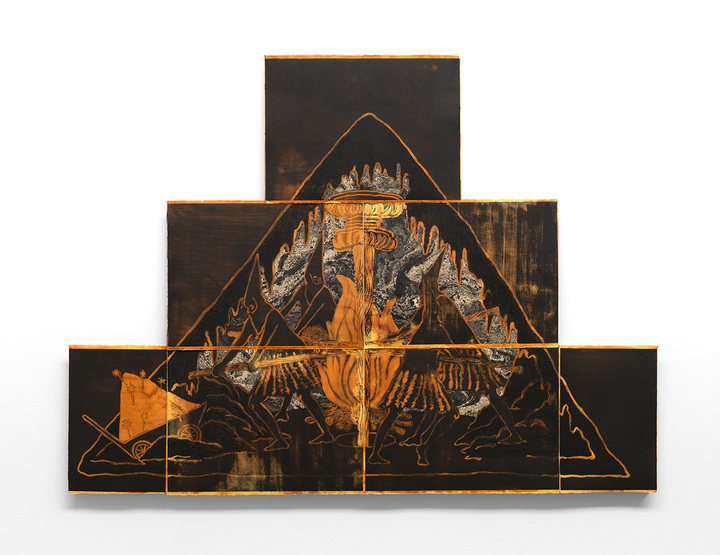
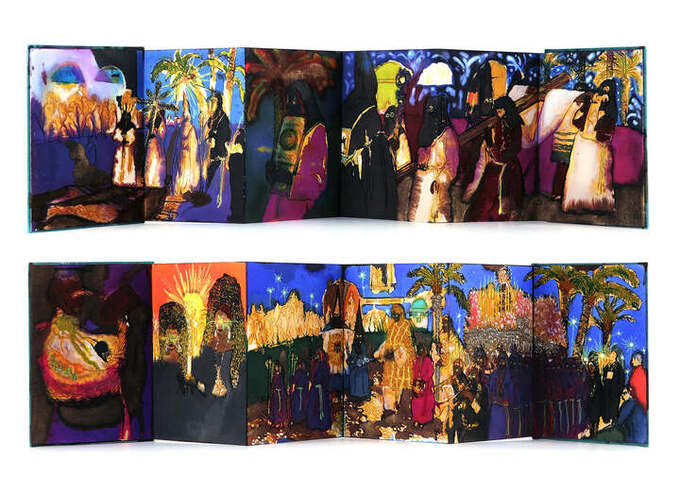
Yet Park’s
works convey an impression akin to the appearance of a figure encountered in a
dream—one formed by the collision and fusion of unfamiliar experiences in
unfamiliar environments with the unfamiliar emotions they generate. This
dialectic of experience and feeling suggests a journey toward a renewed
understanding of the self before and after such encounters. Kwak’s works
likewise offer the possibility of rediscovering oneself through the expression
of a self conceived within unfamiliar environments.
Even if it is difficult to
fully know ourselves, we remain more familiar to ourselves than anything else;
when we encounter an entirely unfamiliar environment, this contrast intensifies
our sense of familiarity with ourselves, allowing us both to reaffirm our
identity and to discover new versions of ourselves through interaction with new
environments. In this sense, both artists may be seen as practicing, in their
respective ways, a journey toward a more complete understanding of the self.
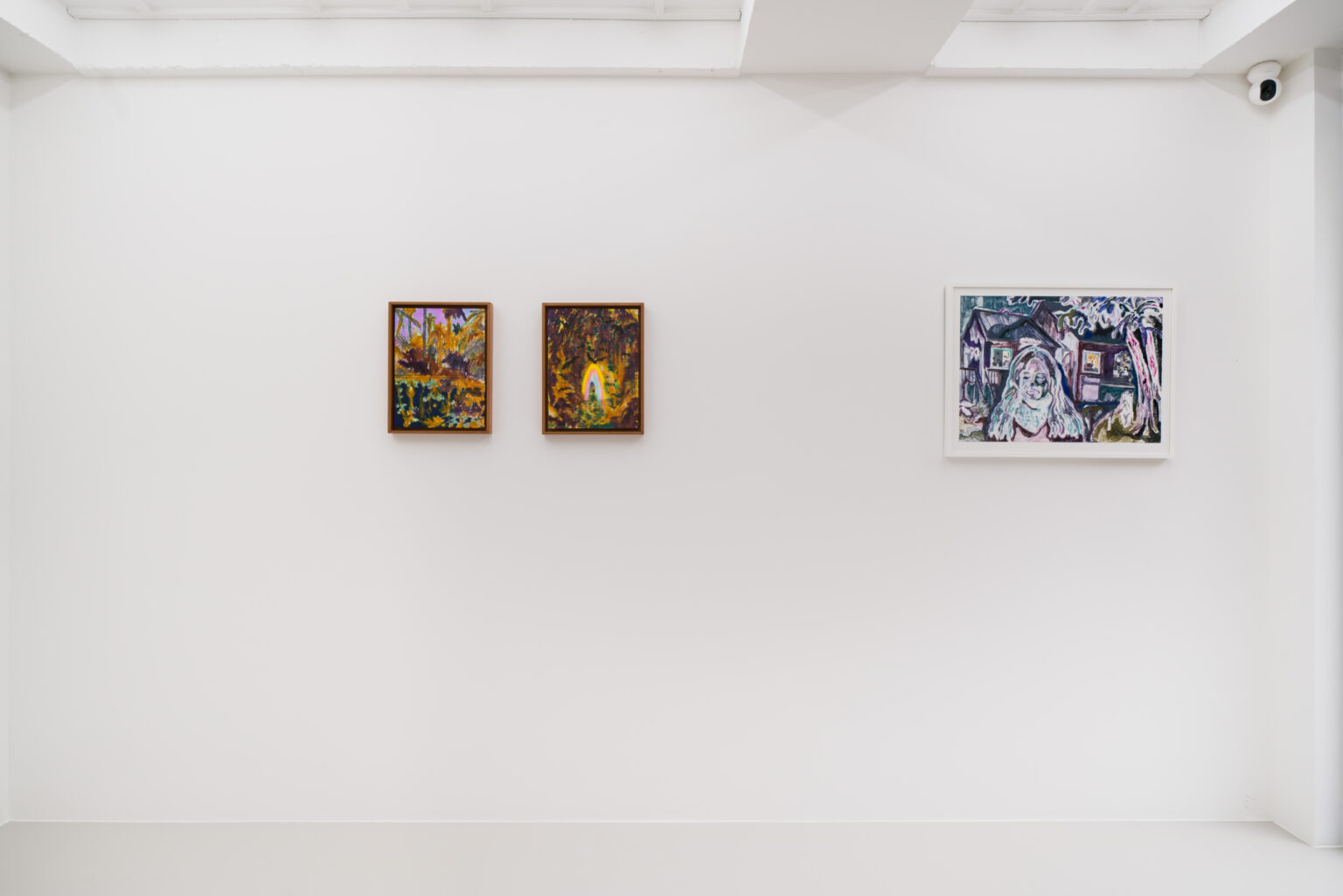
Installation
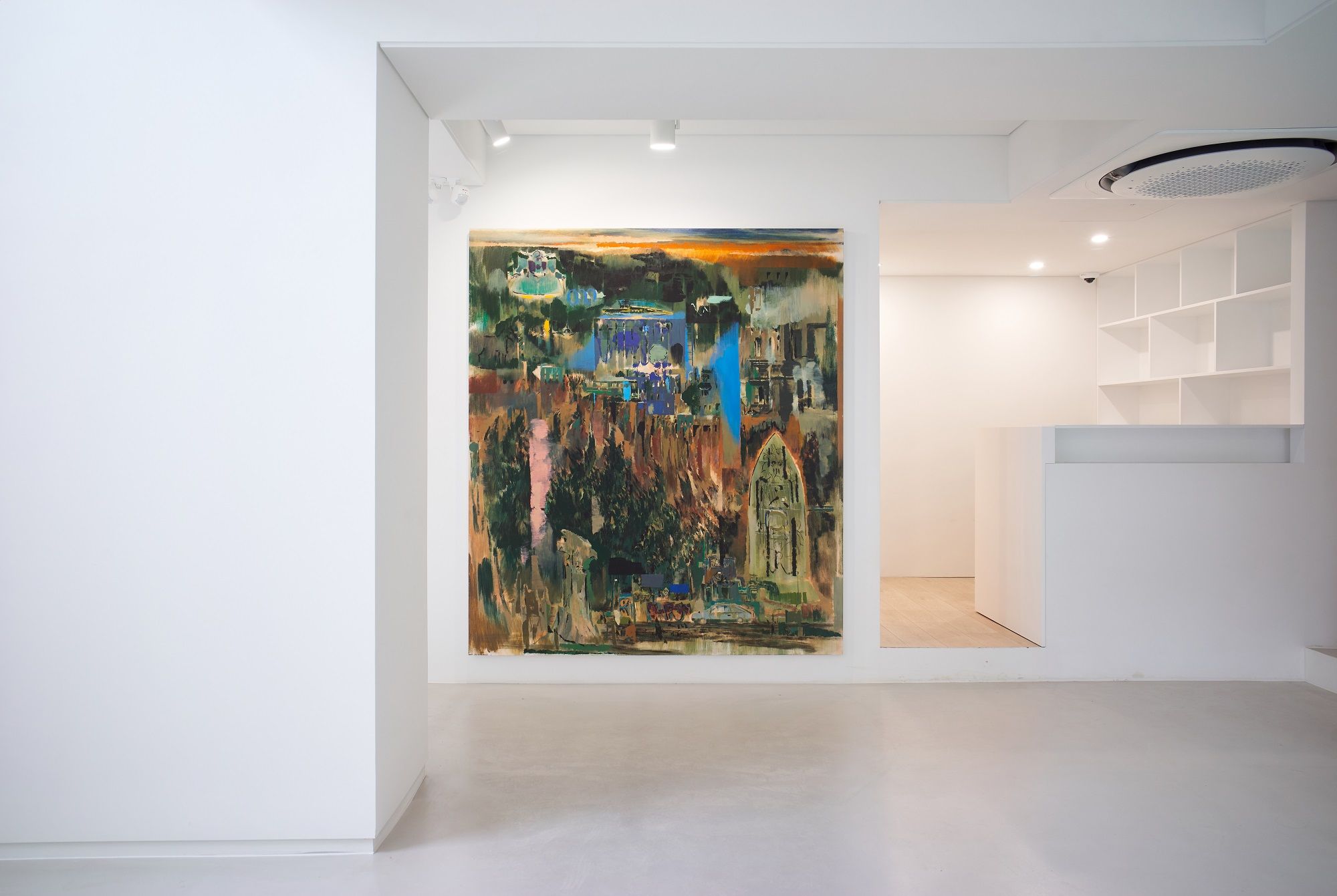
view of 《Far in My Mirror》 ©
ThisWeekendRoom
Going further, could it be said
that the artistic trajectories of these two artists intersect in the shared
human conditions that everyone dreams, that anyone placed in an unfamiliar
environment may unconsciously realize that the most familiar presence available
is oneself, and that through such realization one may affirm one’s own
existence? Might we, through their works, identify a common ground shared by
all of us and engage in collective reflection?
Beginning with the labor of
affirming one’s personal identity and extending toward the confirmation and
ideal development of a universal identity, the act of viewing the works of
these two artists—though perhaps more unfamiliar than looking into a physical
mirror—may nonetheless become an experience through which we honestly reflect
upon our present and aspire toward a tomorrow that can shine as brilliantly as
great art.
Text by Jaewoo Ahn (Independent
Curator)