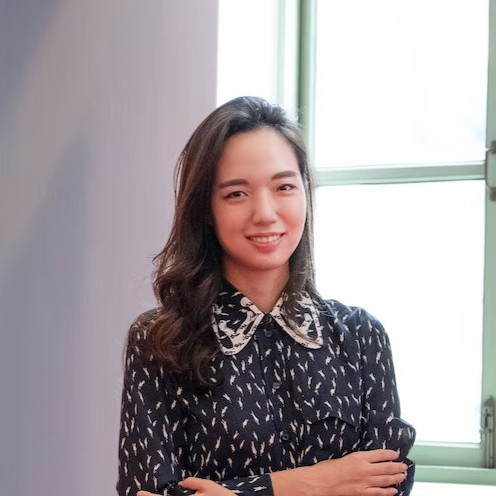
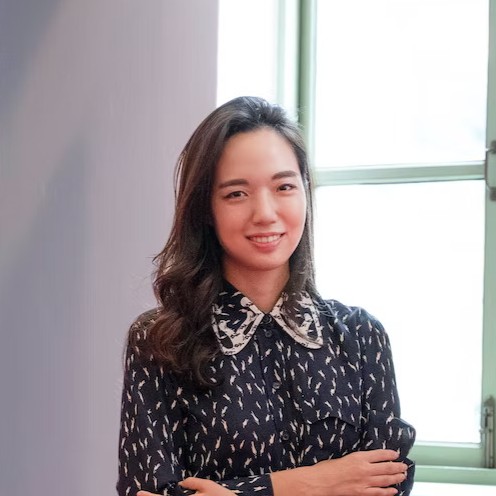
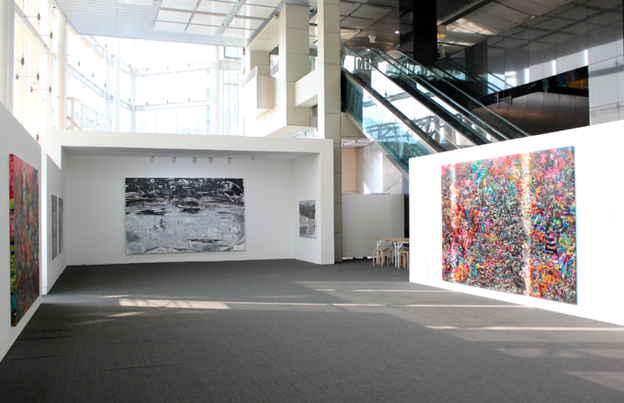
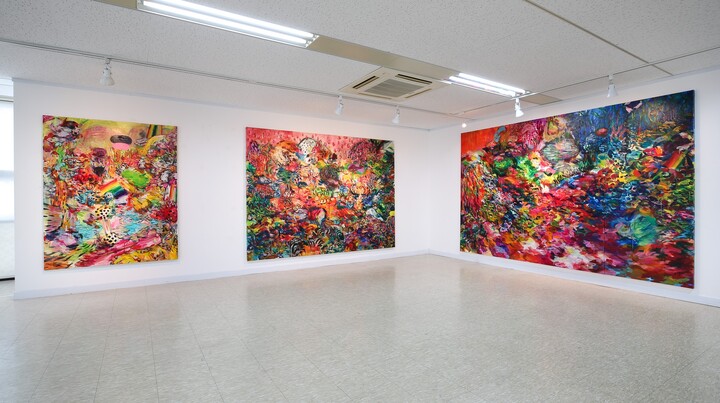
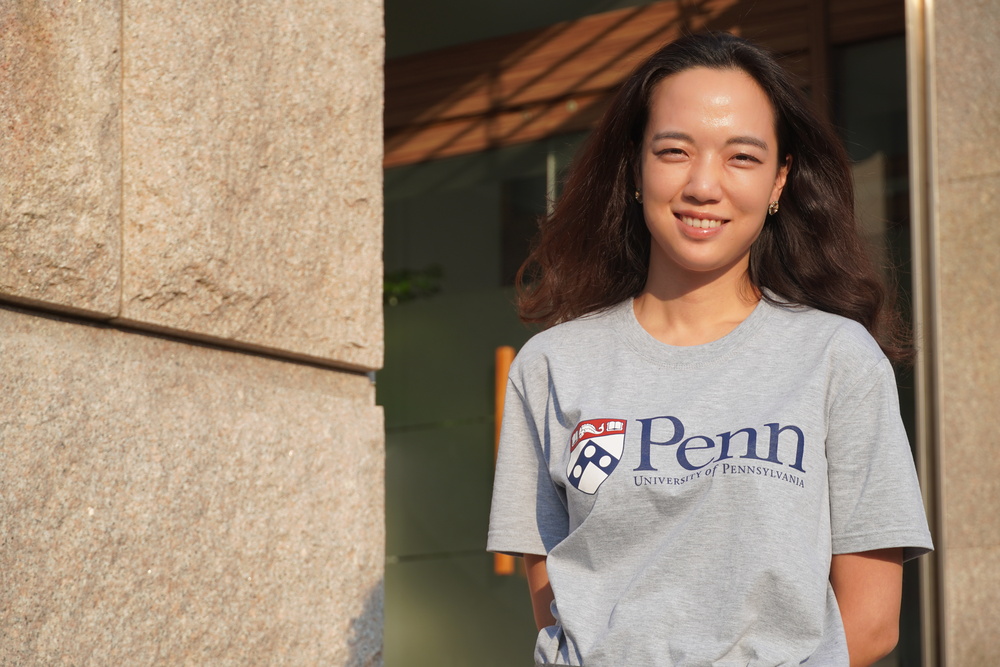
Woohyun Shim studied Painting and Drawing at the School of the Art Institute of Chicago, completed a graduate program in Fine Arts at the University of Pennsylvania, and earned a PhD from the Department of Western Painting at Ewha Womans University. She currently lives and works in Seoul.
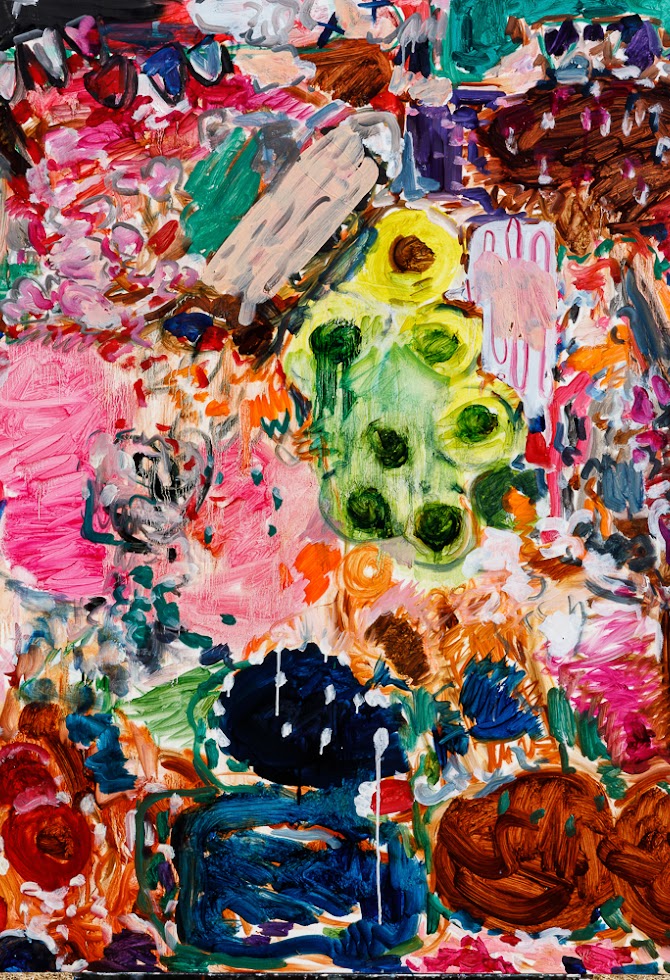
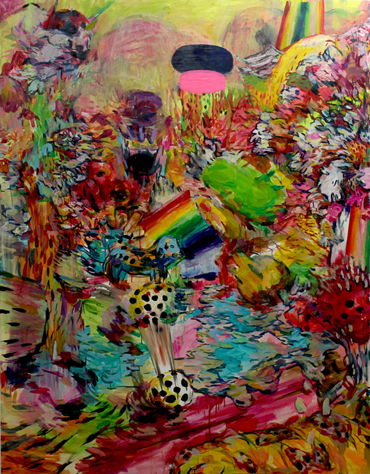
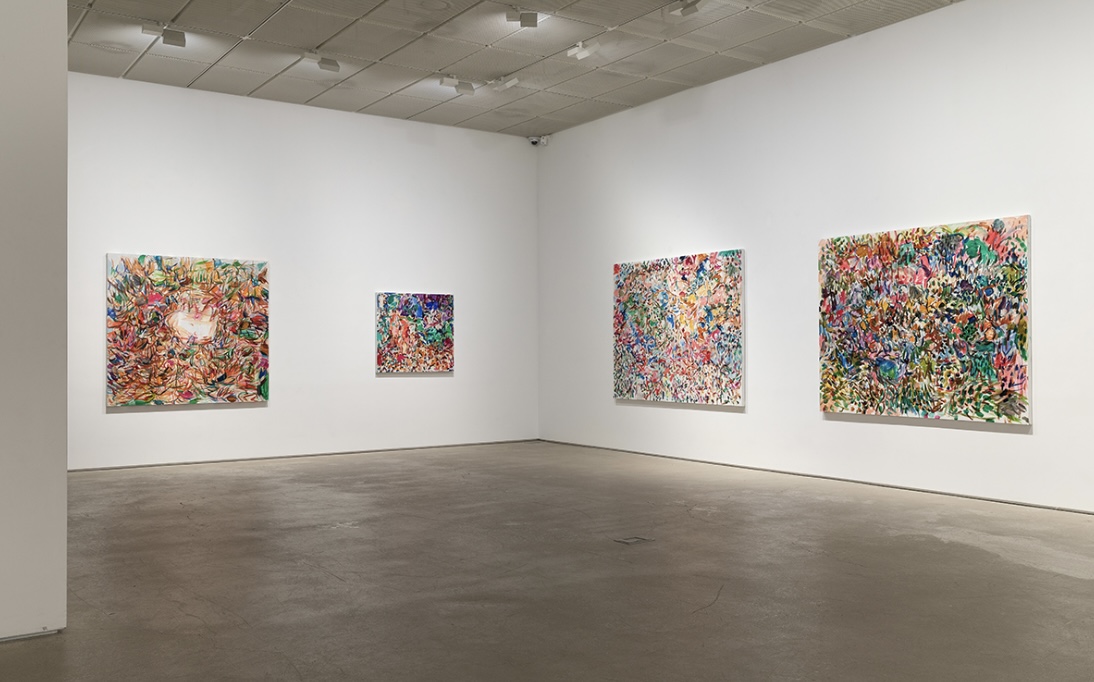
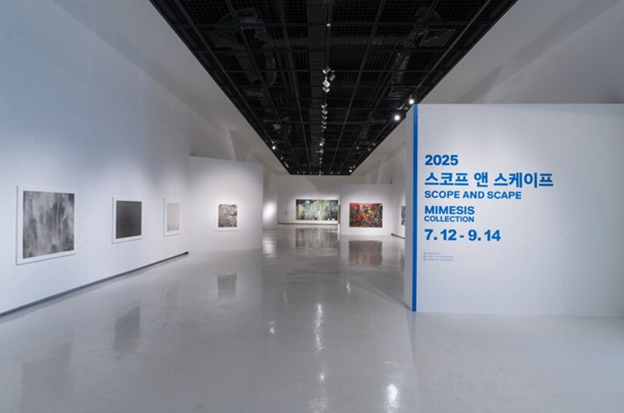
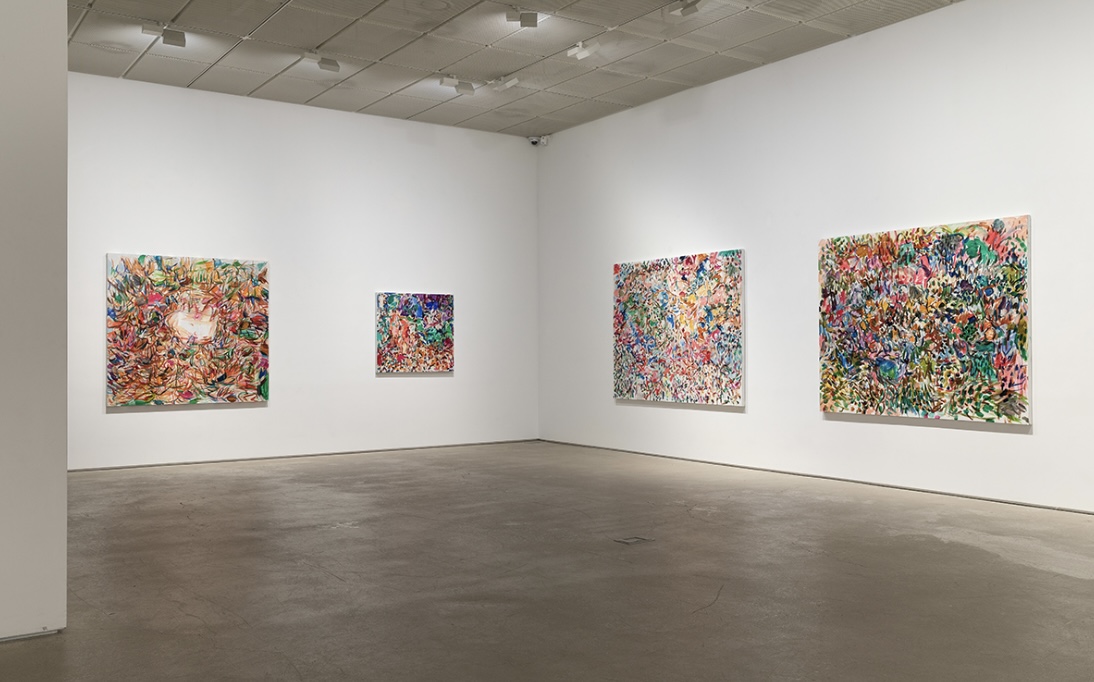
Installation view of 《Enchanting Forest》 (Leeahn Gallery, 2018) ©Leeahn Gallery
After
enduring the severe heat of summer and now confronting urban landscapes filled
with hazy fine dust, the longing for clear nature feels more urgent than ever.
Leeahn Gallery Seoul has planned a series of solo exhibitions by two young
artists whose paintings focus on nature—particularly the “forest.” As the first
of this series, 《Enchanting Forest》 presents
primarily new works by Woohyun Shim from 2018, an artist noted for her vibrant,
intense colors and dynamic brushwork, and welcomes audiences from November 1 to
24, 2018.
From
ancestral burial grounds in Paju that she frequently visited during childhood
to the hills behind her home that she enjoys visiting as an adult, the forest
has been a source of artistic inspiration for the artist. The forest is a place
that induces sensory experiences stimulating all five senses—colors, forms, and
textures of plants, minerals, and animals; fresh scents; and various sounds
lingering around the ears—while also drawing one into an ecstatic state through
private emotional communion. There, she discovered the primordial vitality, an
eros-driven impulse latent in untouched, primitive nature. This biological
impulse transitions into a Romantic pathos, expanding into a cultural impulse
through the creation of painting.
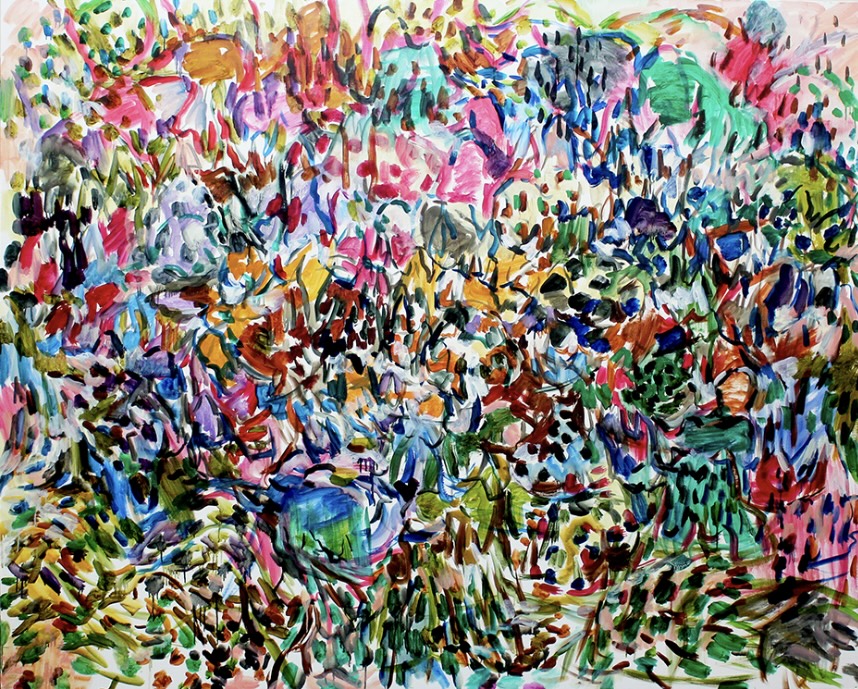
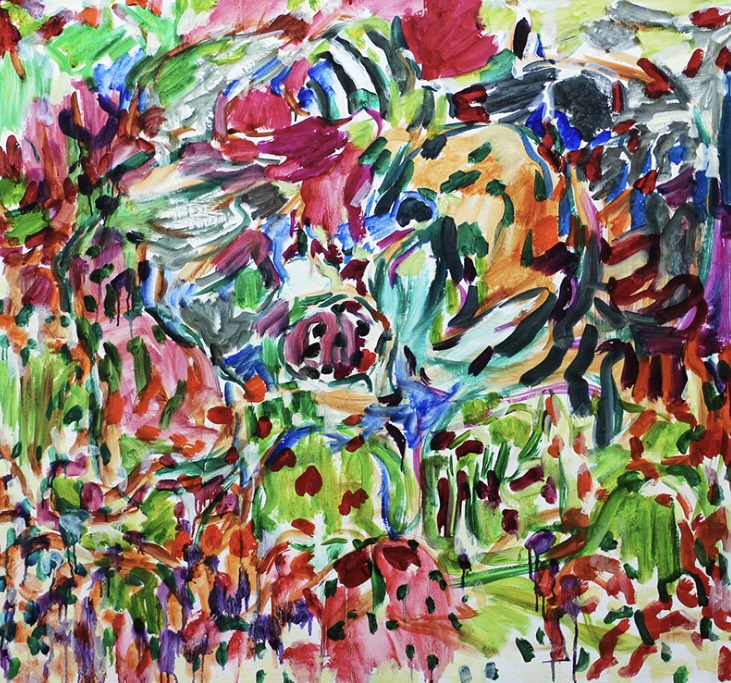
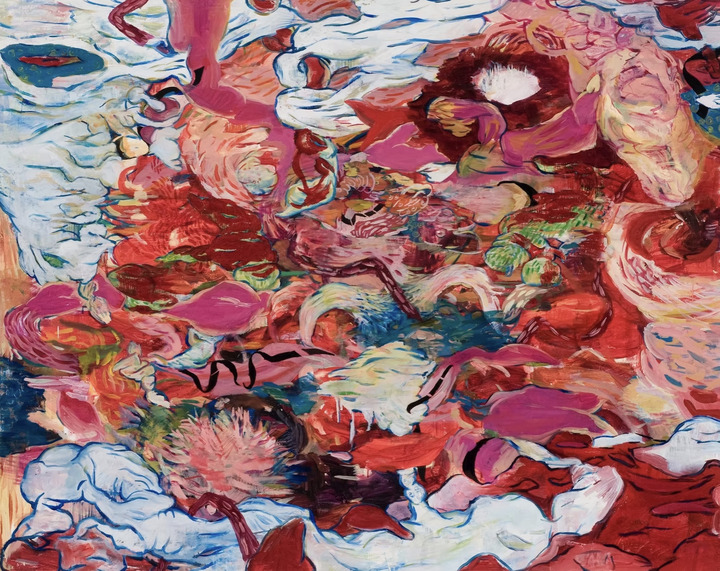
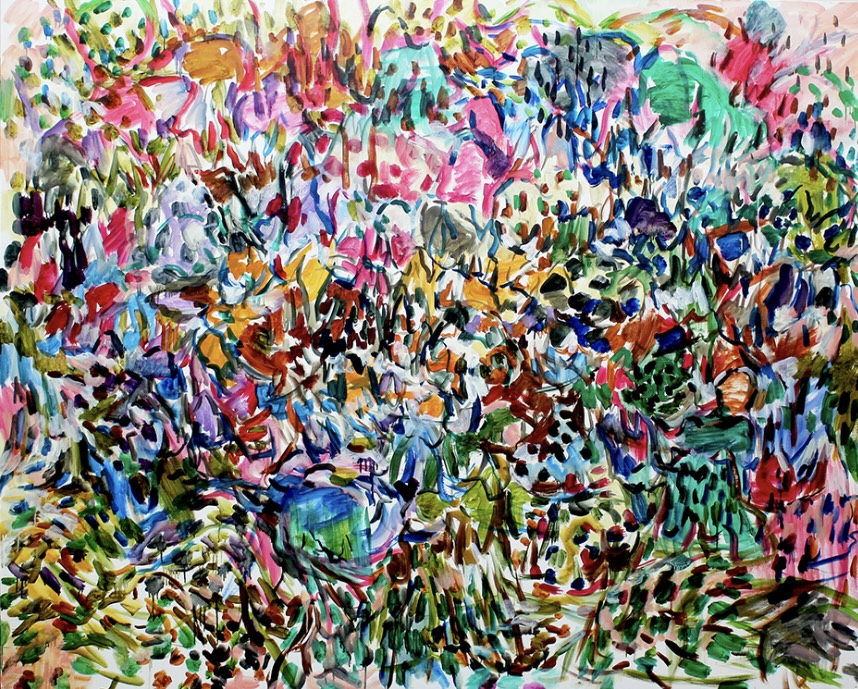
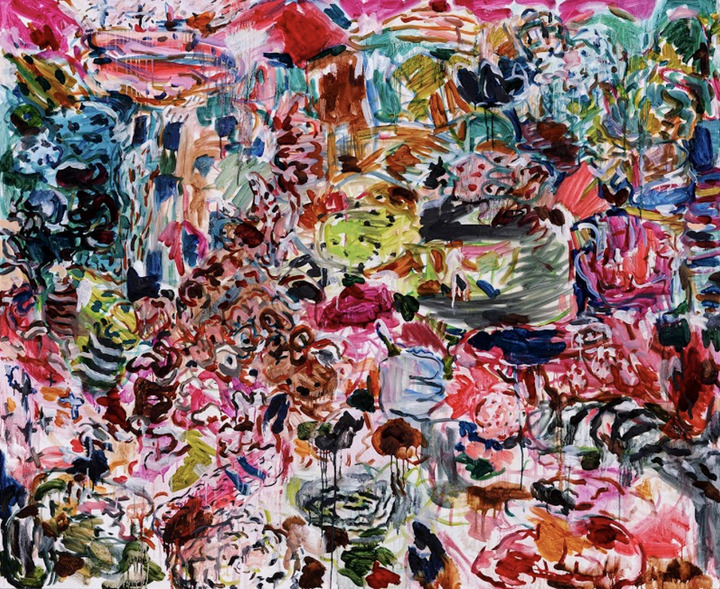
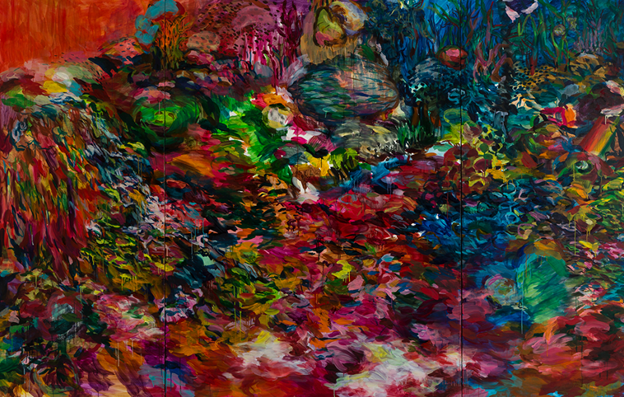
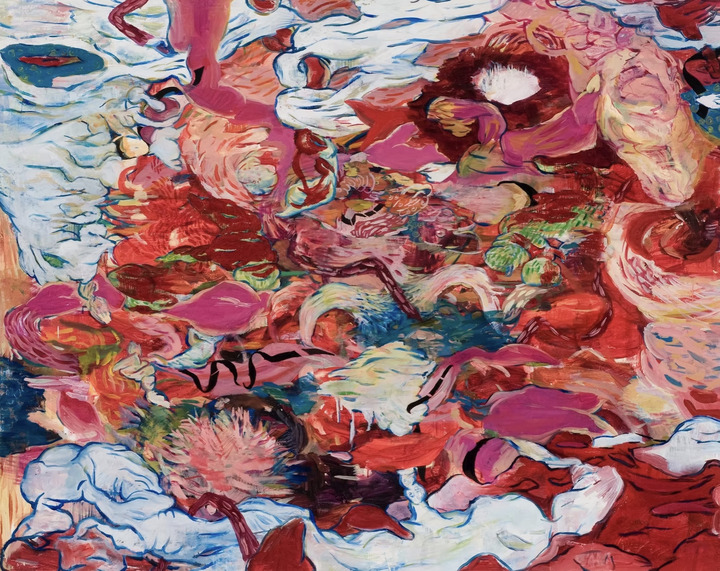
Woohyun Shim, Blind
Love, 2018, Oil on linen, 153x190cm ©Leeahn Gallery
In
other words, the act of layering paint onto the surface of the canvas is a
process through which the vitality of various elements discovered in the forest
passes through the artist’s psychological and emotional filters, becoming
incarnated as another form of life and externalized as tangible entities
resembling living, breathing particles. At this moment, the white space of the
canvas itself becomes identified as a forest space, and the artist pivots
swiftly in multiple directions with short, rapid brushstrokes, layering vivid
colors to create a dense, stratified natural space. The canvas fills with
manifestations of a lush forest accumulated from fragments that remain from, or
have been filtered out of, the artist’s memories of sensory experiences in actual
forests, becoming the site where her own secretive and enchanting forest is
born.
At
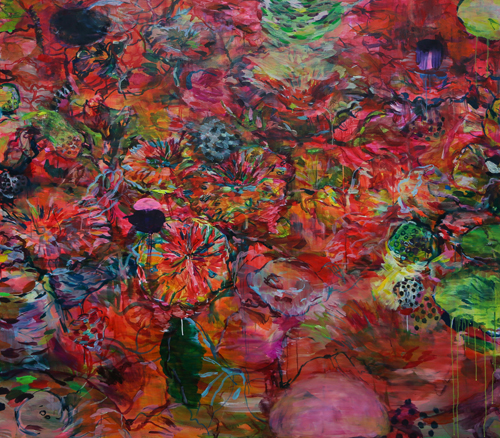
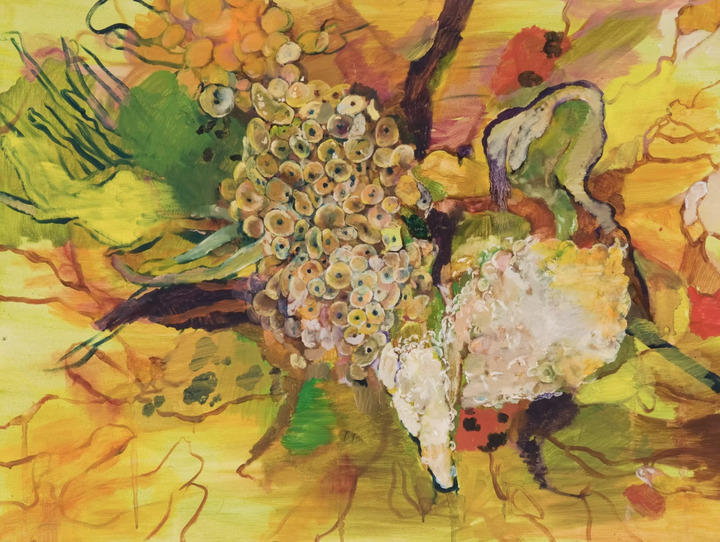
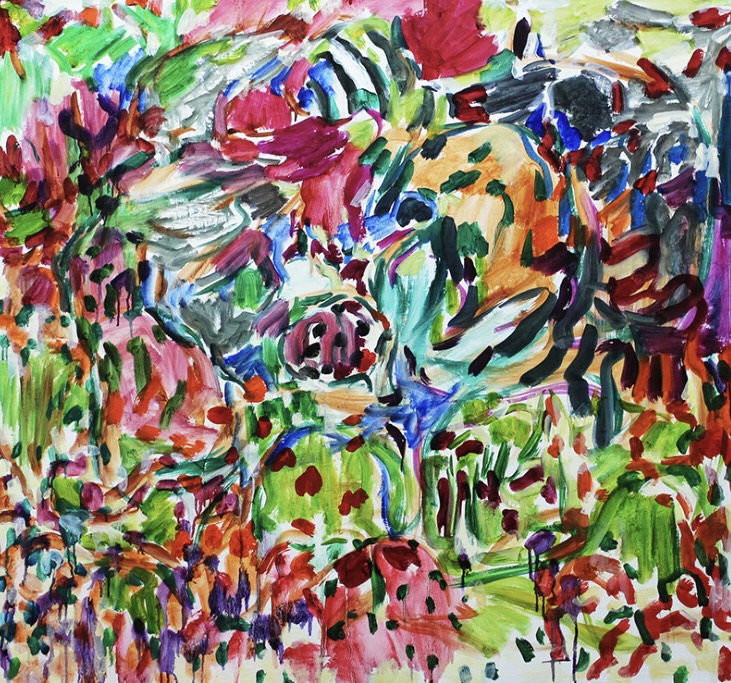
times, Shim’s pictorial space appears to realistically depict nameless
undergrowth, blooming clusters of flowers, branches, soft soil, rough stone
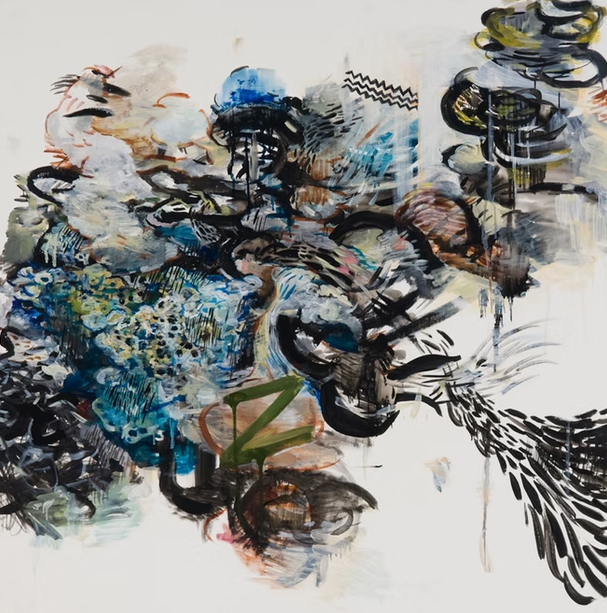
surfaces, insects, or amphibians found in forests. At other times, it reveals
ambiguity, as if transforming forest imagery she experienced into illusory
abstraction. As the artist herself defines it, this pictorial space represents
the realm of the “outside (le dehors).” This outside refers to the
visualization of deep mental states erupting from the unconscious, the
subconscious, and intuition—beyond our conscious awareness—where life and
death, chance, and chaos reside.
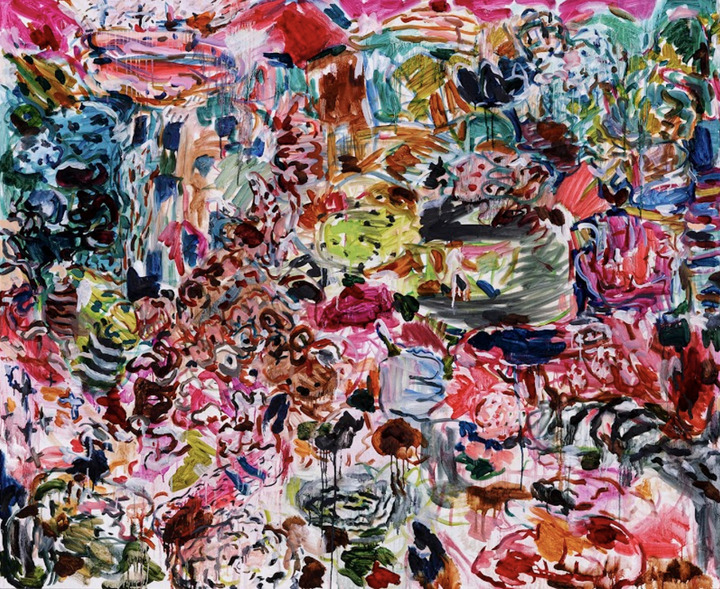
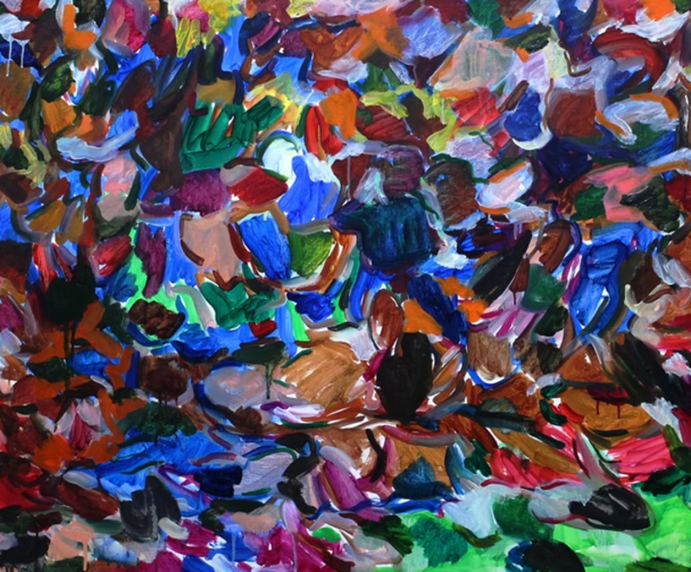
Woohyun Shim, Fiction
#5, 2018, Oil on linen, 98x105cm ©Leeahn Gallery
In
this sense, the pictorial space created by the artist is not a specific forest
but a neutral, potential space possessing the quality of non-place (non-lieu).
A non-place does not signify the negation of place, but rather a space of
overlapping trajectories—spaces capable of mutual substitution and
compatibility (Marc Augé). Fragments of visual, tactile, and auditory
experiences accumulated from various forests throughout the artist’s life burst
forth from the depths of her unconscious with energetic force, entering and
juxtaposing themselves impulsively across a single canvas. As the artist
states, “I traverse the pictorial space as if walking through a forest,”
explaining that the act of painting is a process of assigning a new, unique
order to each canvas.
This
non-placeness is accompanied by atemporality. Fragments of different temporal
memories from various forests, unconsciously layered within the artist’s
emotional and speculative flow, manifest as nonlinear temporality. The flow of
time experienced in actual forests in the past and recent past becomes
simultaneously interwoven within her pictorial space. It exists as a state of
emptiness and infinity that is neither past nor present, or both at once—beyond
measurement by the standards of real time. As viewers immerse themselves in
this space, the temporality of the real world also disappears or is suspended.
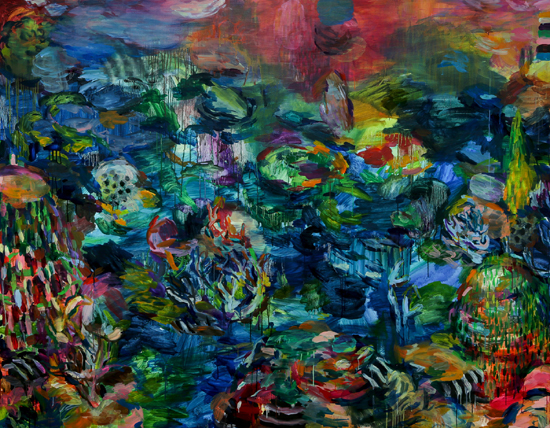
The
artist has stated that she wished to further emphasize her cheerful and lively
personal sensibility in these new works. While her earlier works were densely
filled with thick paint and deep tones, these new paintings employ lighter,
more buoyant colors reminiscent of watercolor, allowing for spatial pauses and
transparency. The atemporal pictorial space of non-place that she creates may
be described as a transparent veil with a certain reflective quality. In other
words, the artist’s sensory and psychological experiences of being captivated
by the forest are projected onto the pictorial space and reflected back,
functioning like a magical medium that entices the viewer. Are you prepared to
be captivated by the aesthetic mystery of the transcendent forest space created
by Woohyun Shim?
Sung
Shinyoung