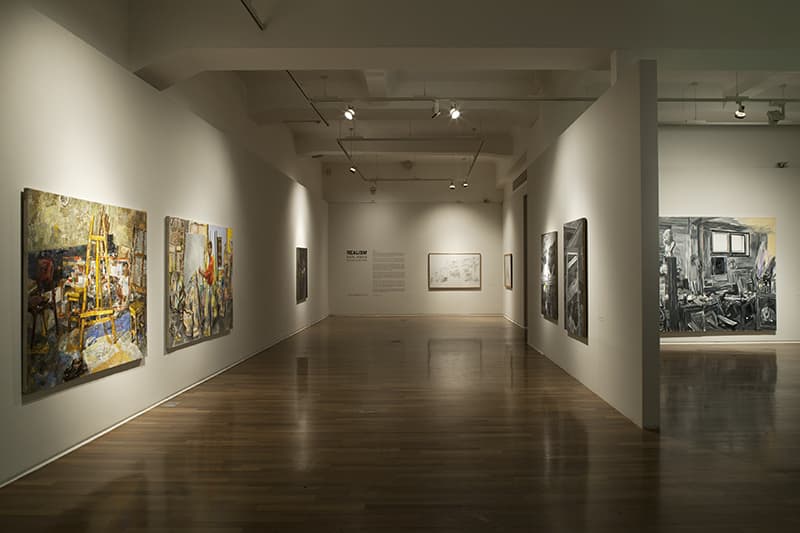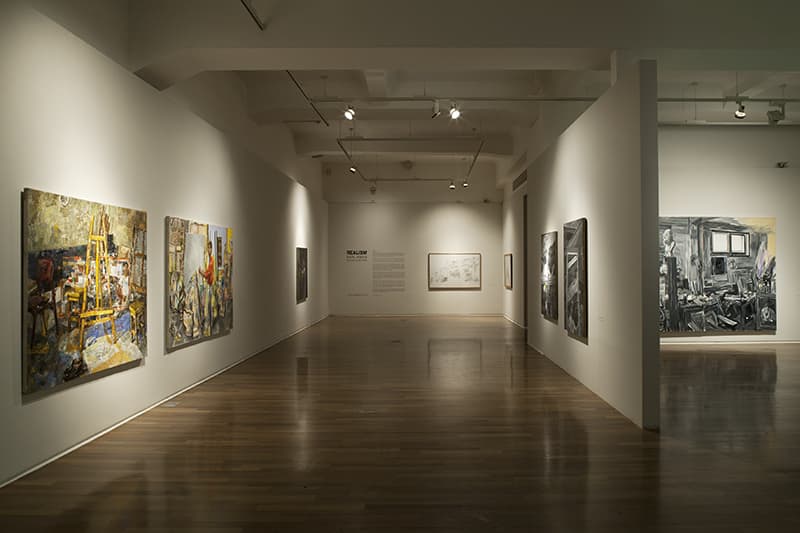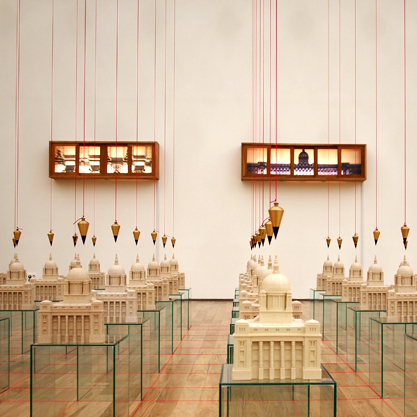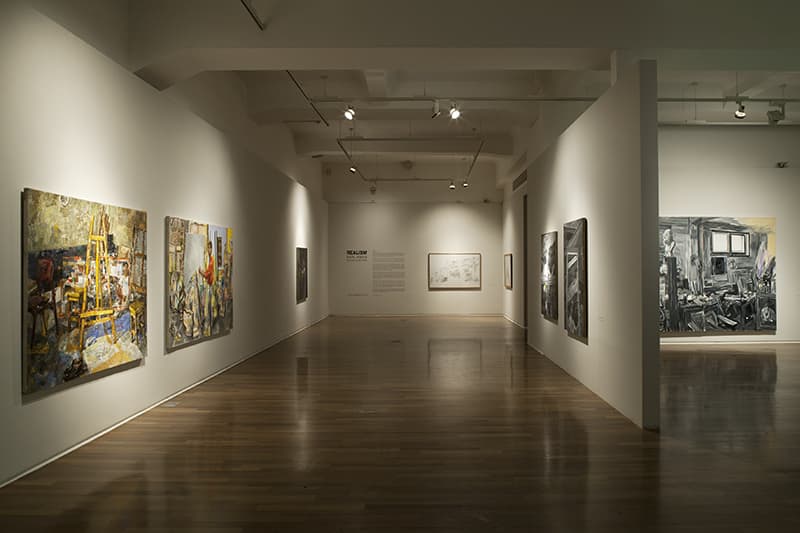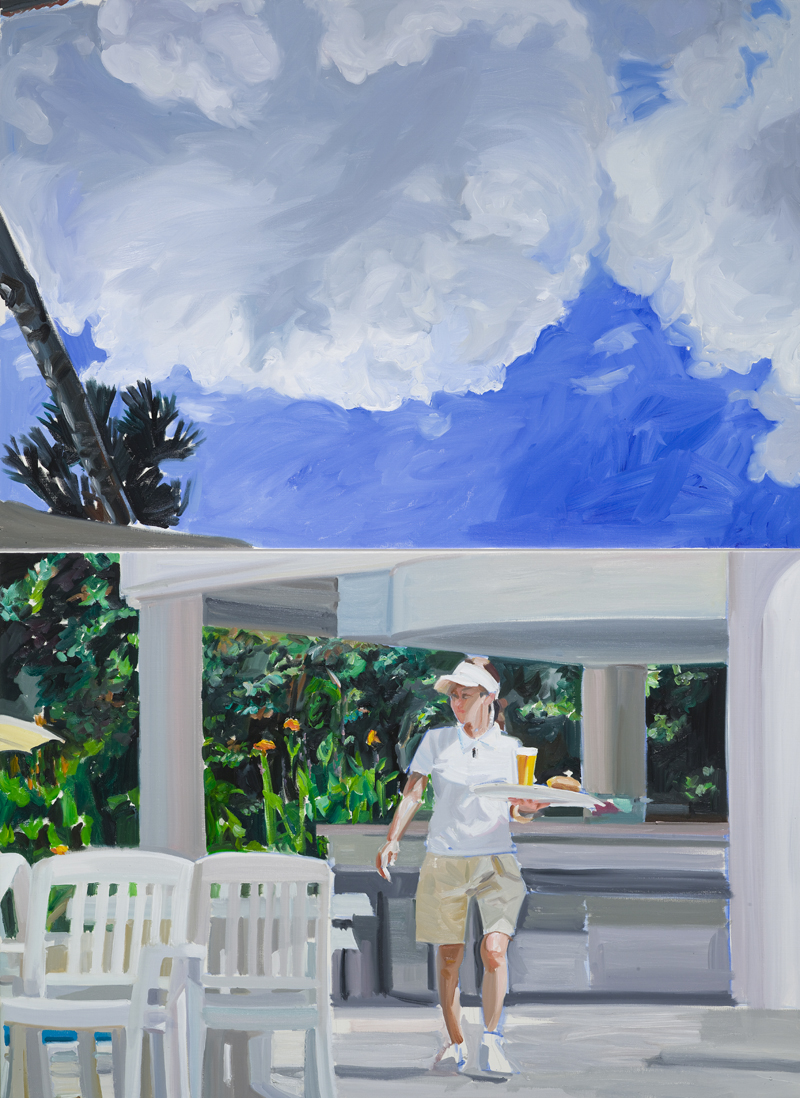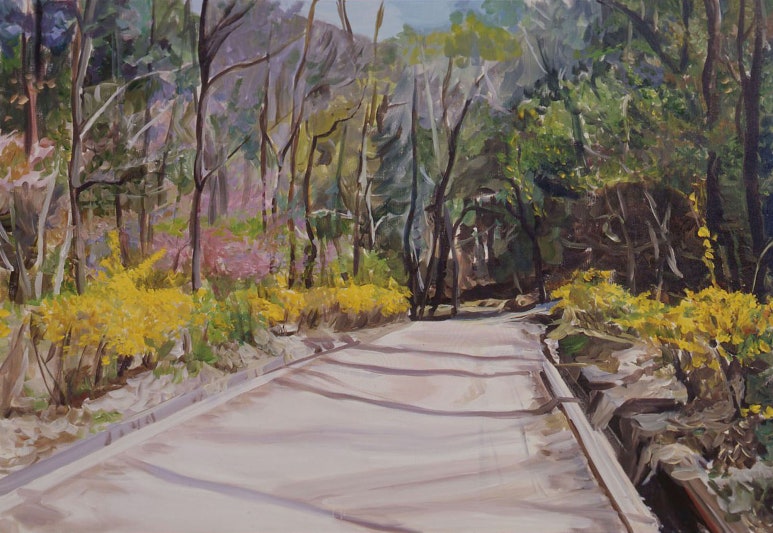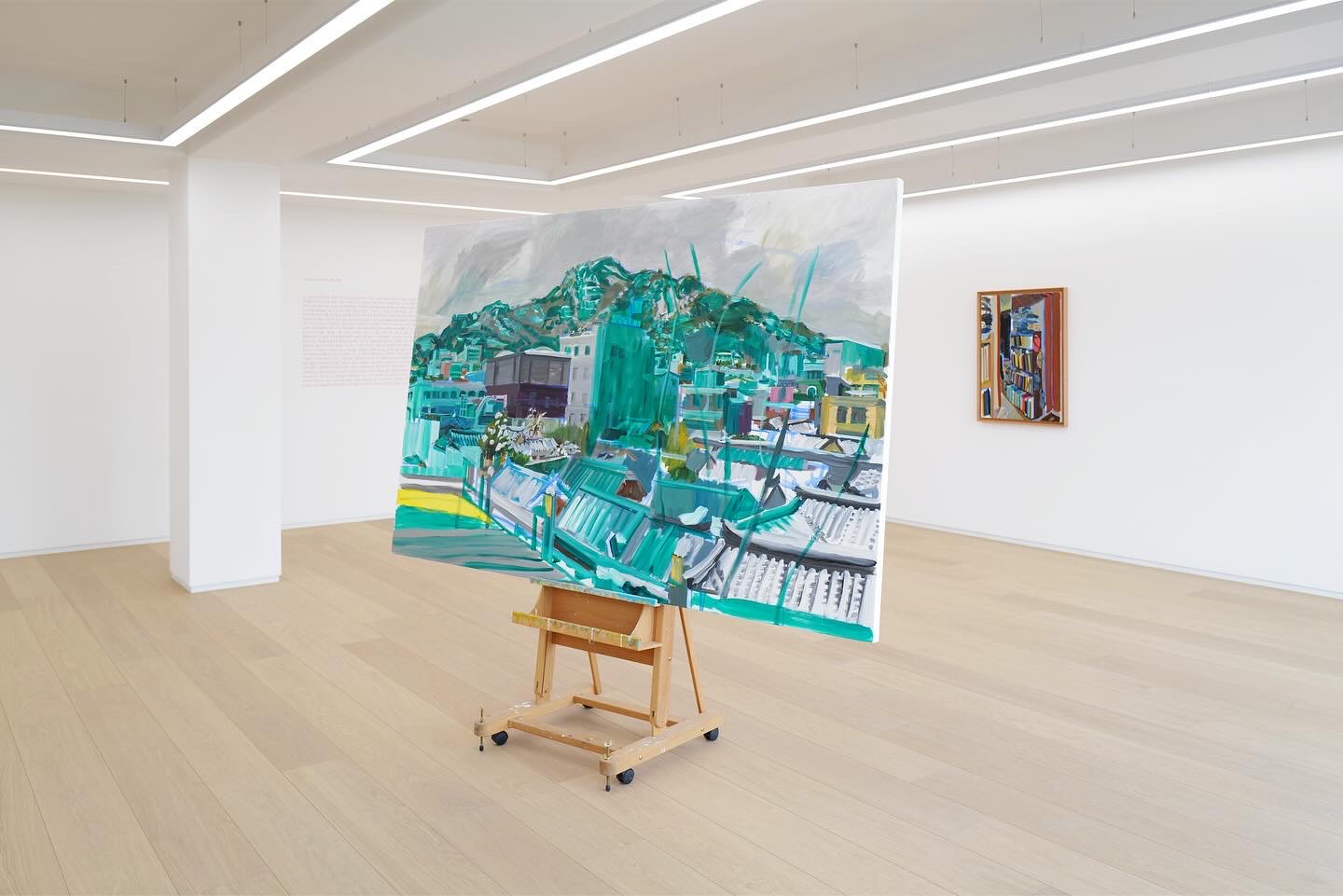



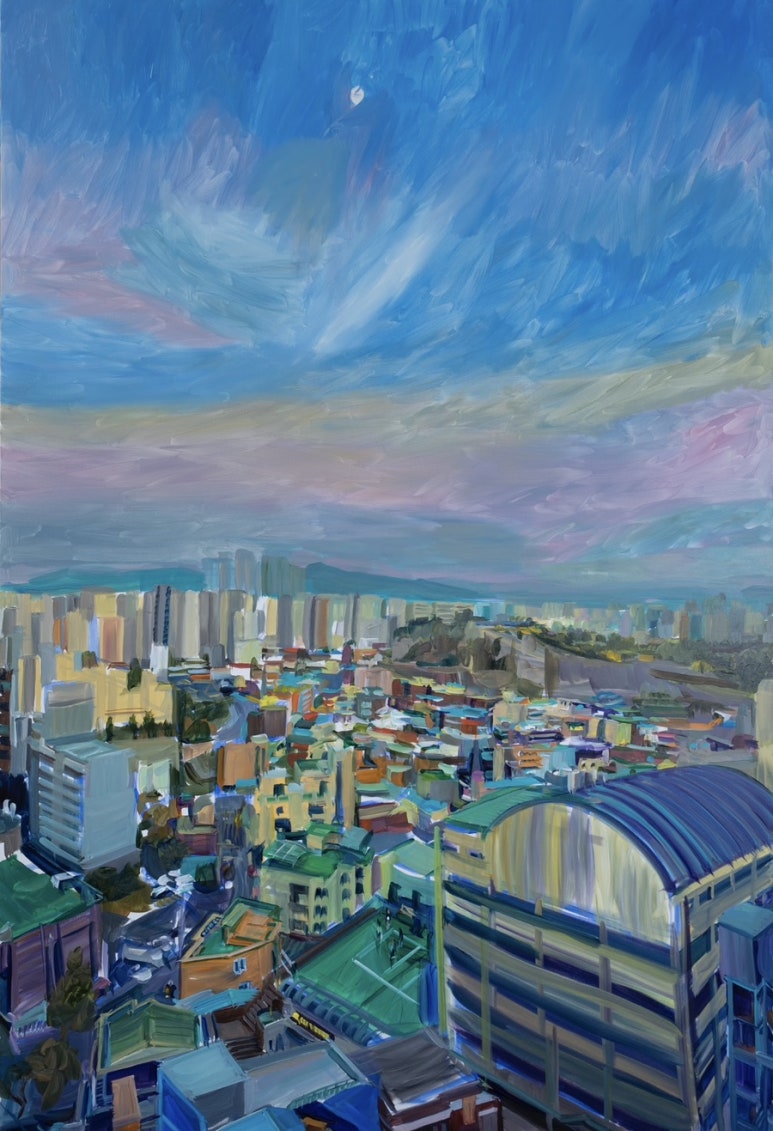
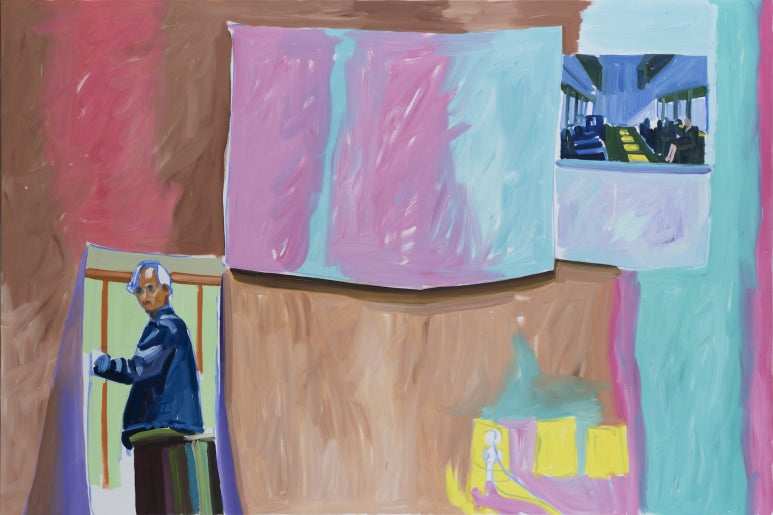
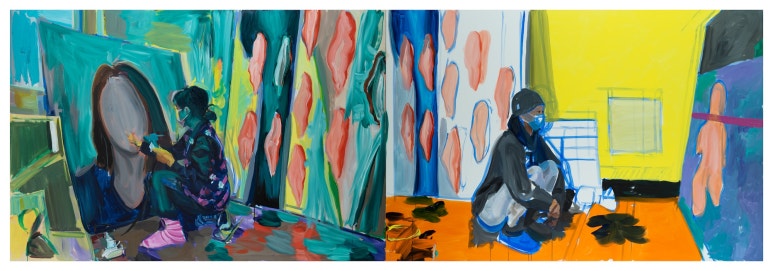
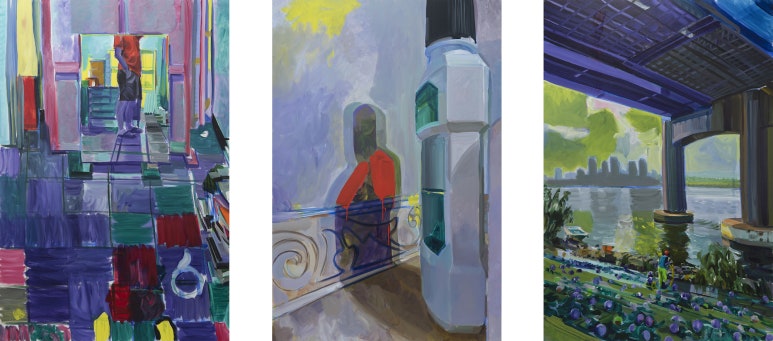
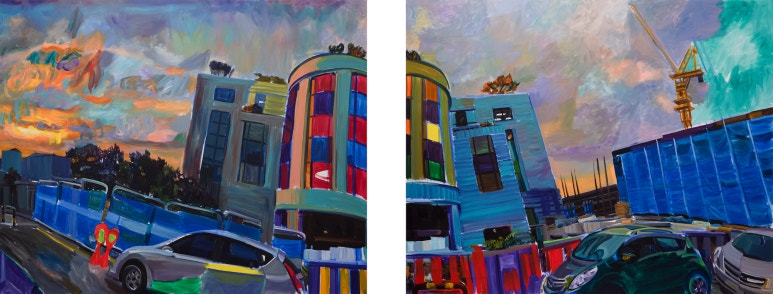
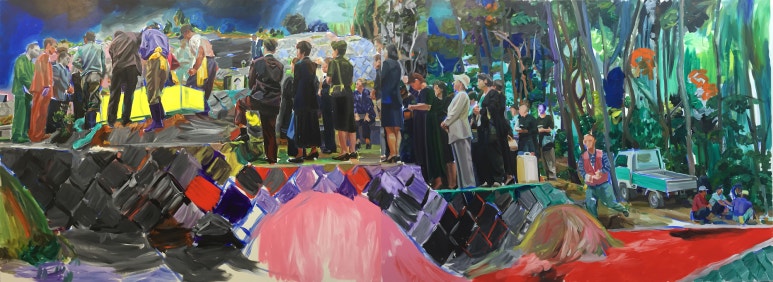

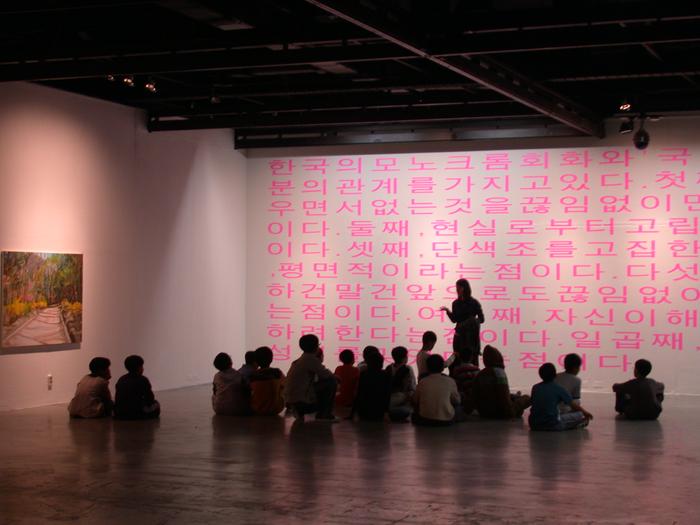
Installation view of 《Choi Gene-uk, REALISM》 © Ilmin Museum of Art

An “independent course” is a term most frequently used in political discourse. It refers to actions in which an individual emphasizes and acts upon their own convictions through a personal mode of operation, rather than functioning as a member of an established collective. Depending on the degree of public support, such an independent course may occupy a position of absolute leadership, or end as a mere episode. A crucial process in undertaking an independent course is the prior screening of whether the agent’s assertions, declarations, and actions are valid and appropriate.
 
For artists, an independent course is both a basic condition and a fundamental disposition. Yet, as in other fields, loosely formed collectives inevitably exist. Artists may at times act as members of a group, and at other times pursue their aims independently. Within the art world, such groupings have often been simplistically divided into categories such as Minjung Art and modernism, or figuration and abstraction—classifications that have largely lost their significance today. In the contemporary context, it is painting itself that must attract attention precisely by taking an independent course.
 
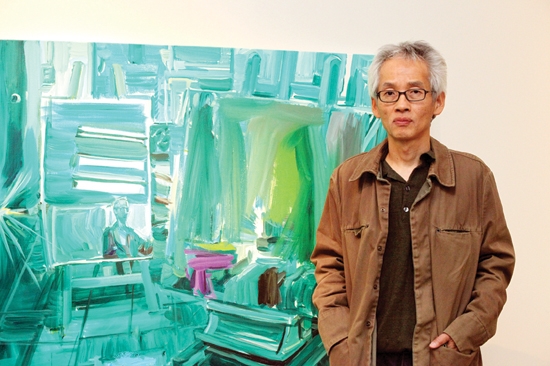
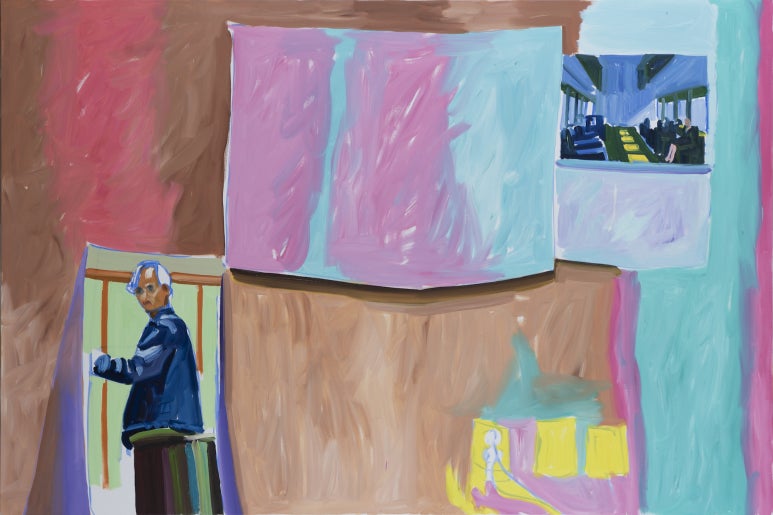
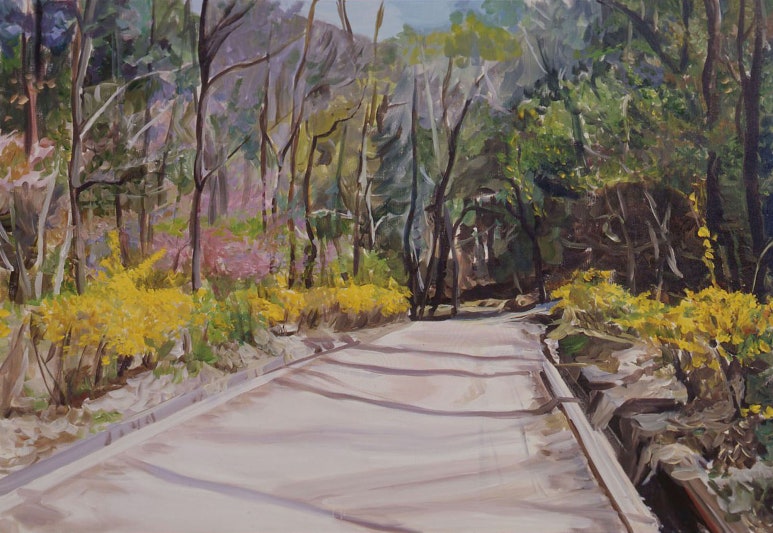
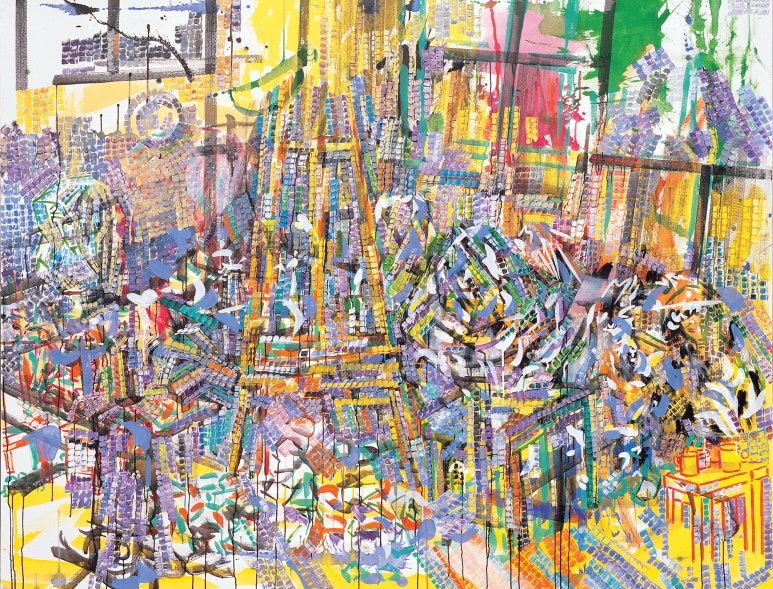
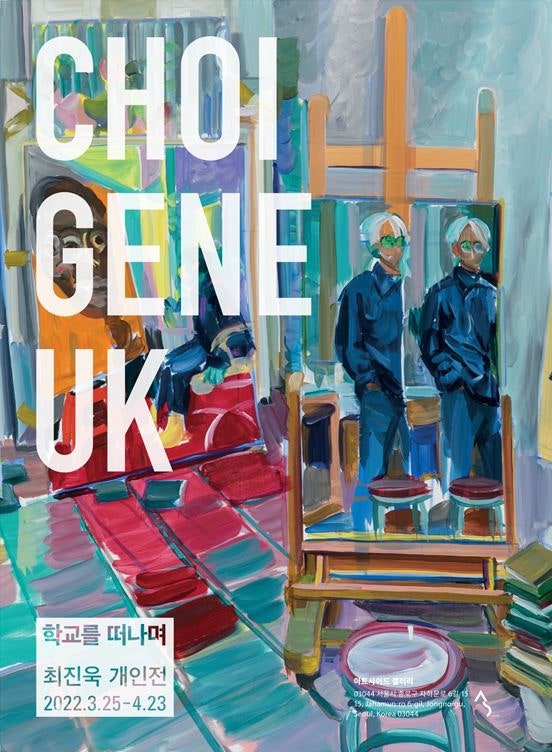
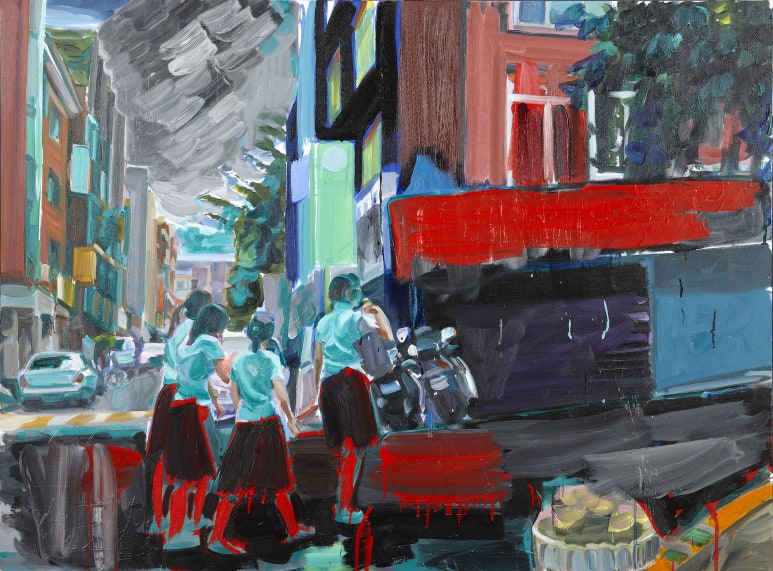
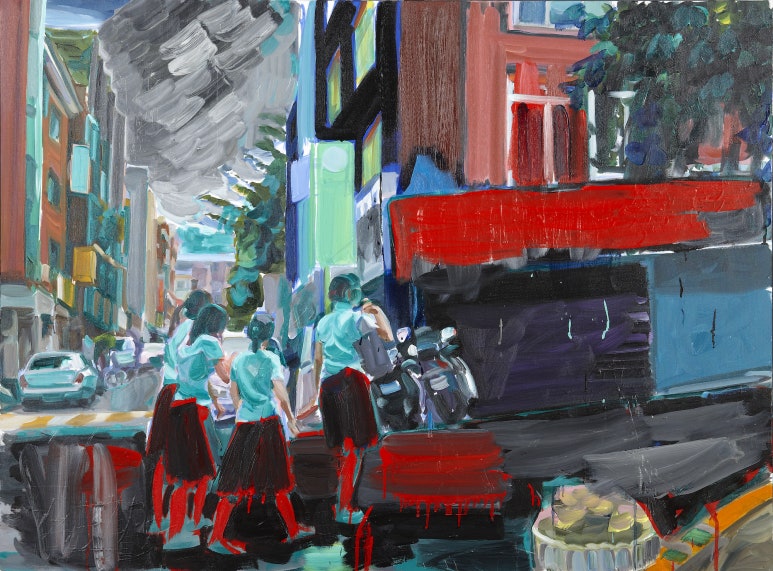
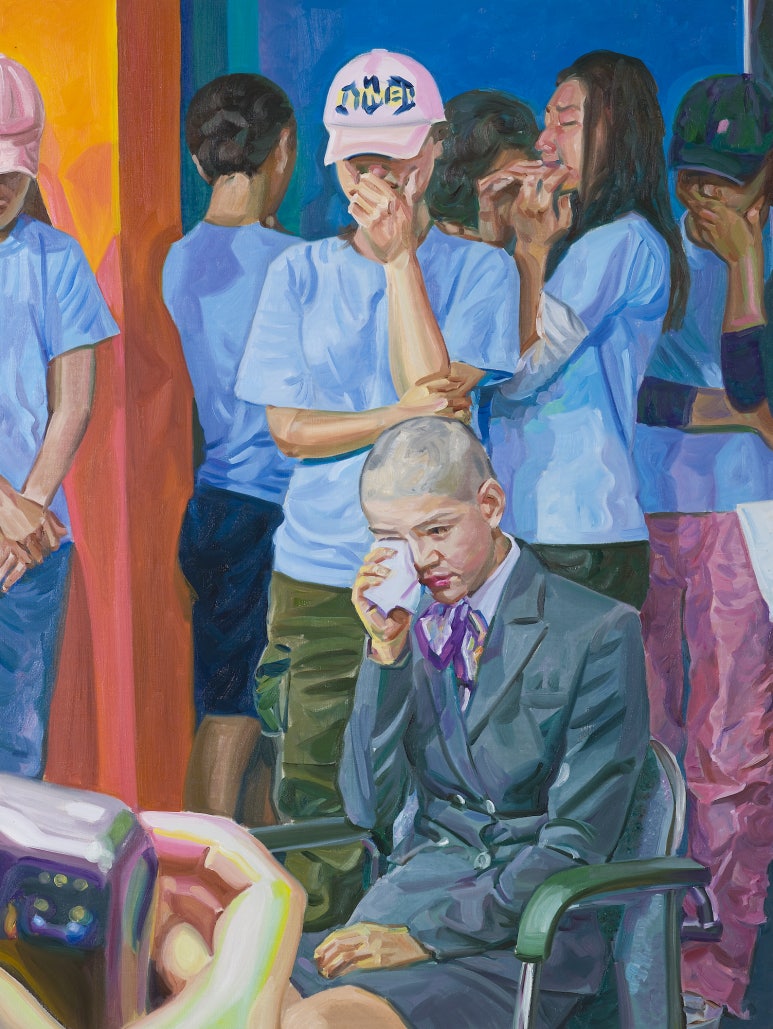
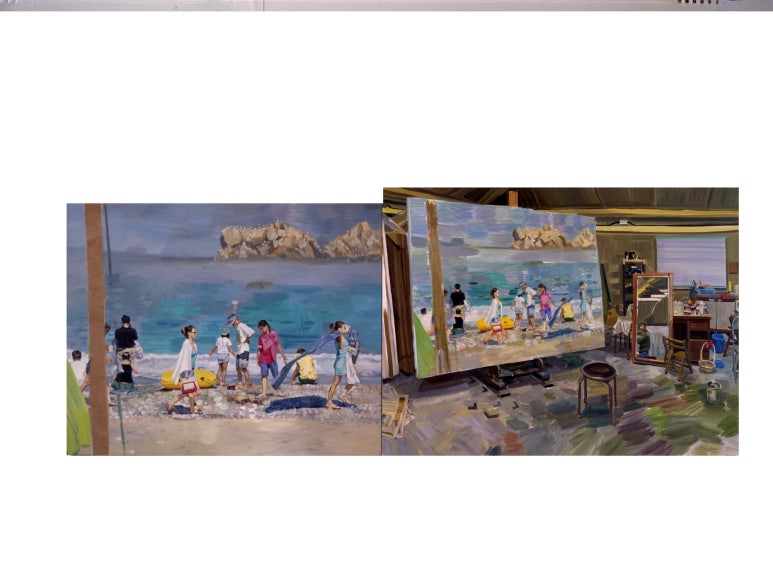
Choi Gene Uk belongs neither to the Minjung Art camp nor to modernism; neither side readily claims him, and the artist himself has chosen isolation. He speaks of modernism through realism and pursues sensibility through modernism. This makes his independent course inevitable. Choi’s paintings, which depict scenes assembled from photographic sources, do not initially appear difficult. Beginning with the motif of the bicycle, he has painted self-portraits, studio interiors, classroom scenes, neighborhood views, Gyeongbokgung Palace, Bulguksa Temple, and scenes of the Provisional Government of the Republic of Korea in Shanghai.

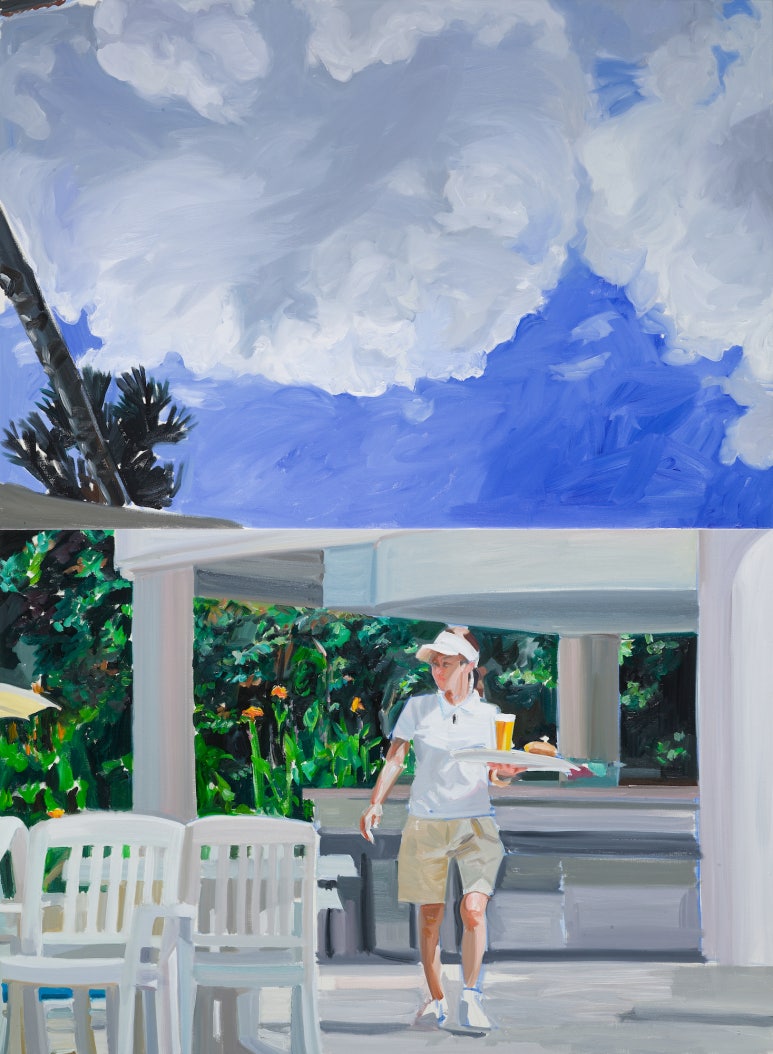
These are, in effect, realist landscapes derived from close observation of his surroundings—yet they are not “well-painted” landscapes by conventional standards. The lines are rough, the touch lacks polish, and scenes that seem utterly incompatible coexist within a single frame. There must be a reason for this. At this point, the question becomes complicated: is this painting signaling the end of painting, the recovery of painting, or something altogether different—neither representational painting nor its negation?


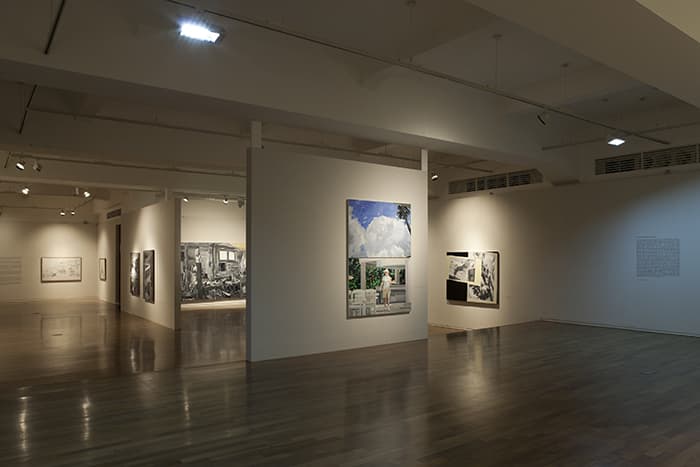
Installation view of 《Choi Gene-uk, REALISM》 © Ilmin Museum of Art

An artist is one who poses questions to oneself and expresses the world through a distinctive mode. Artists compel the public to reconsider habitual value systems and awaken from complacency. Through painting, Choi Gene Uk seeks to loosen rigid frameworks of thought—not only the flexibility inherent to painting itself, but also the flexibility of society at large.

According to critic Shim Kwang-hyun, Choi repeatedly moves in a zigzag pattern between art and society, art and politics, abstraction and figuration, ecological consciousness and social engagement. Through repetition that appears identical yet is never the same, dialectical transformation occurs, forming Choi Gene Uk’s distinctive realism. The relationship between Choi and Shim may itself be understood as one such dialectical pair, and as part of the screening process that serves the objectives of painting.
 
In the current exhibition at Ilmin Museum of Art, earlier works are shown alongside recent pieces. Rather than focusing on representative works or those that brought the artist public recognition—in other words, works in which ideological concepts are explicit, such as Words from Grandfather (1991), Morning Dew (1993), Culture of North East Asia- Identity (1997), or North Korea A (2000)—the exhibition instead selects comparatively “unselfconscious” works. These include Yonheedong Study (1991), Hongeundong Study (1993), West of Seoul (1994), Jebu Island (1996), and My Life (2004).

In addition, self-portrait works are presented chronologically in order to trace changes in descriptive technique. The aim is to move beyond rigid assessments of Choi Gene Uk—to reveal traces of his efforts to escape the confines of political painting in which he himself had been enclosed, and to recover the flexibility intrinsic to painting and to thought itself. Accordingly, this exhibition should be understood not as a completed statement, but as an ongoing process in the formation of Choi Gene Uk.
 
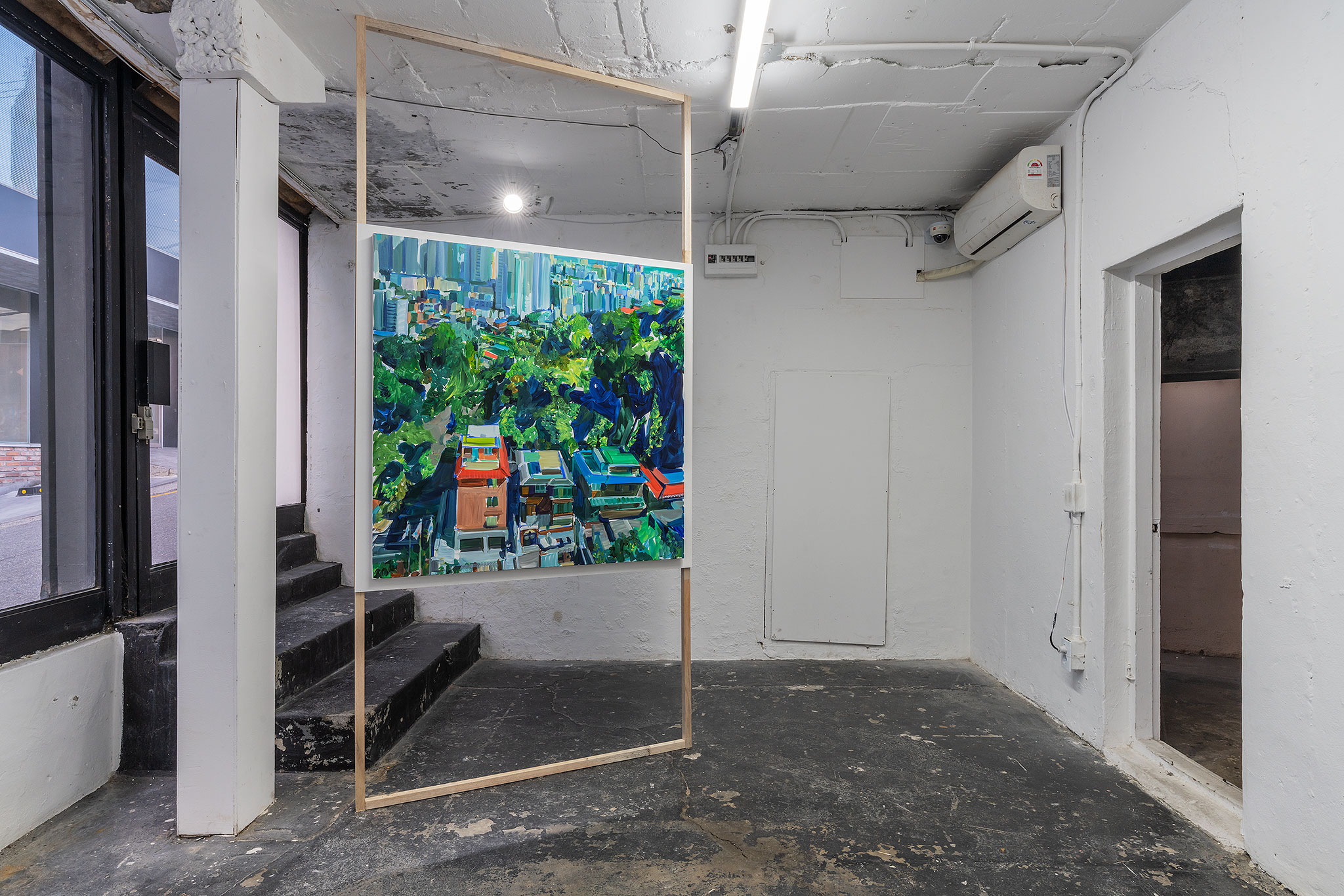
Even in seemingly indifferent landscapes, Choi Gene Uk’s work remains a record of reality, within which social realism lies latent. Extending from this trajectory are recent works depicting the Provisional Government in Shanghai, Bukahyeon-dong (the neighborhood in which the artist’s university is located), and culminating in North Korea C / High-Line Park (2011). These works constitute an aesthetic manifestation of the artist’s deeply held aspirations. One may look forward to their future development.

References