
Solo Exhibitions (Brief)
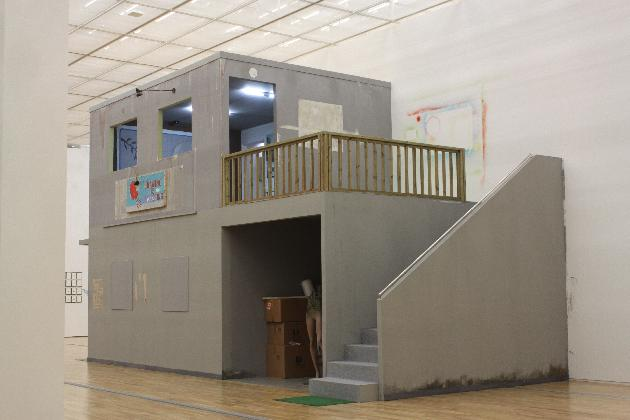
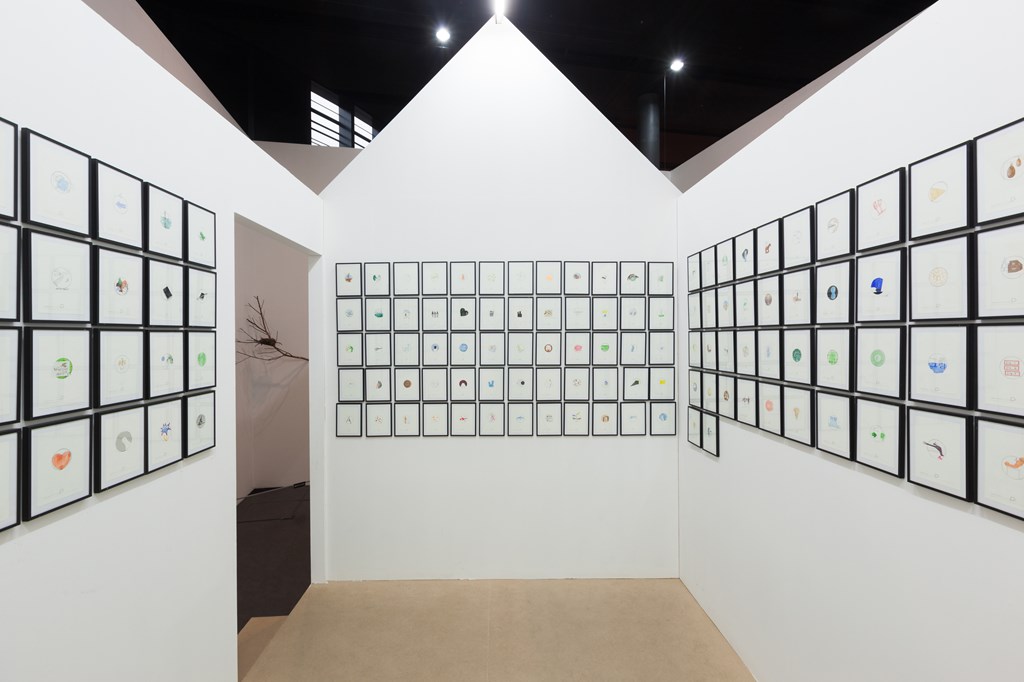
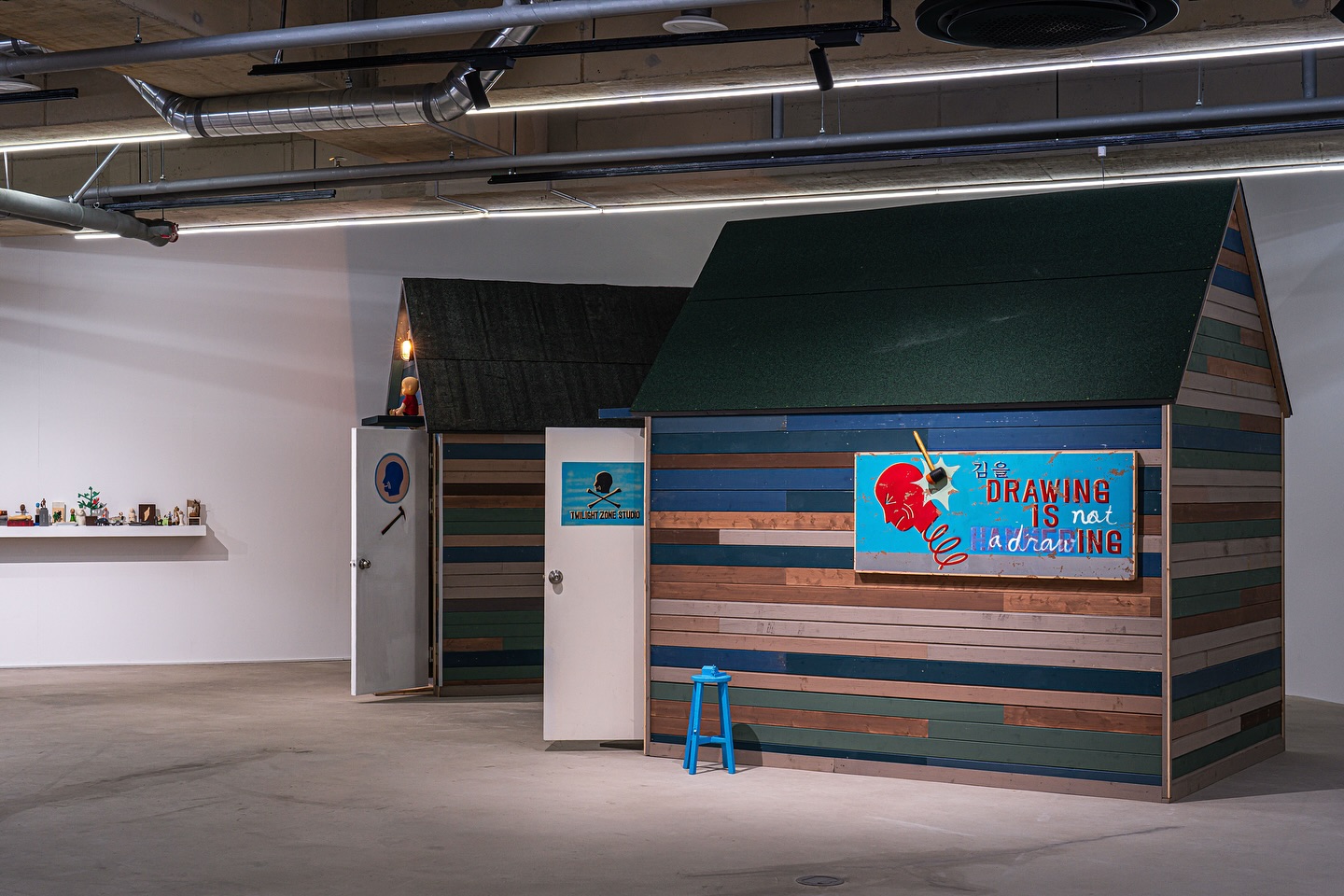
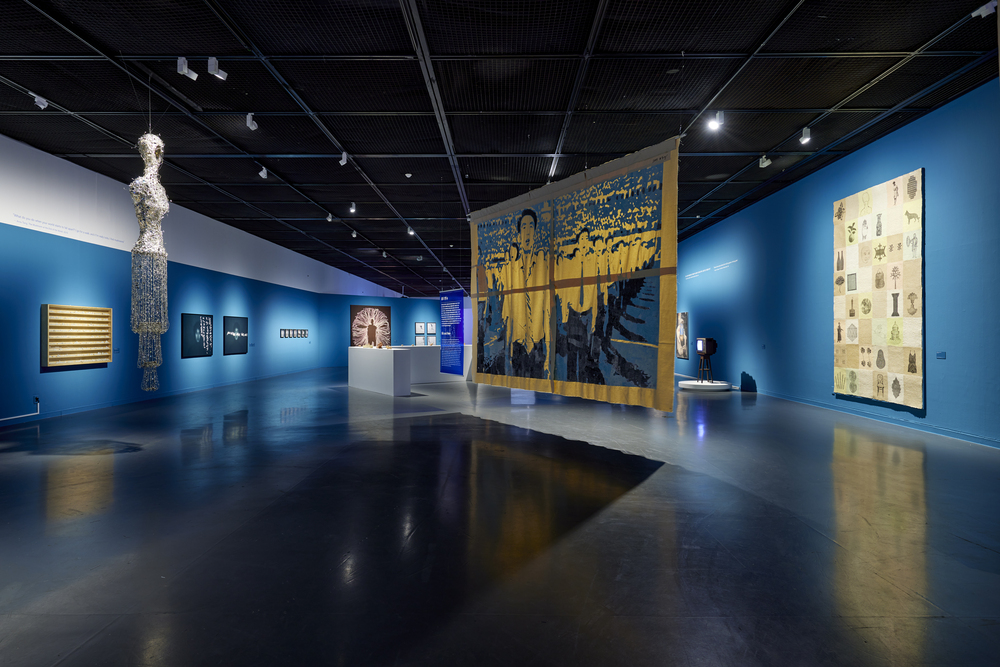
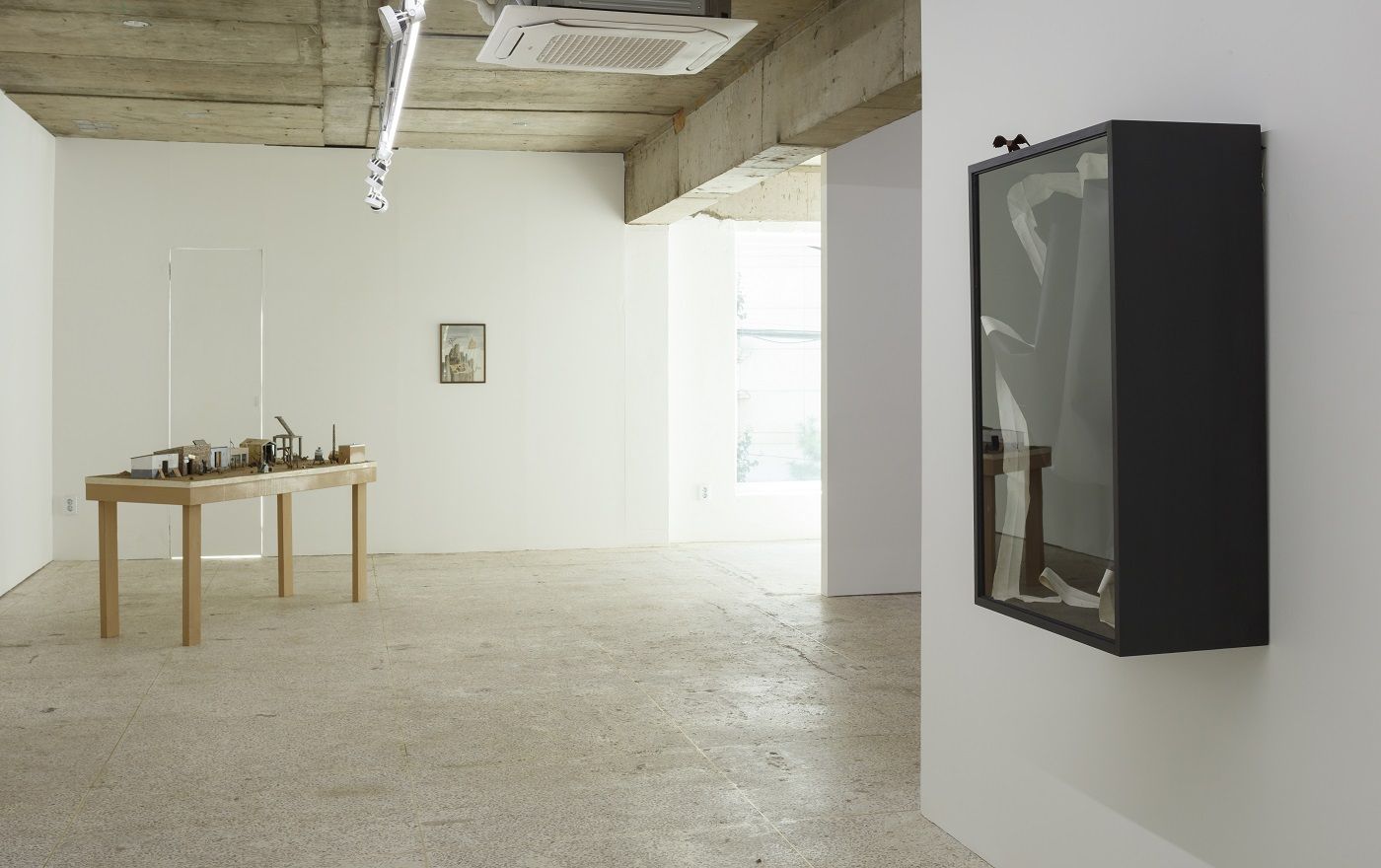
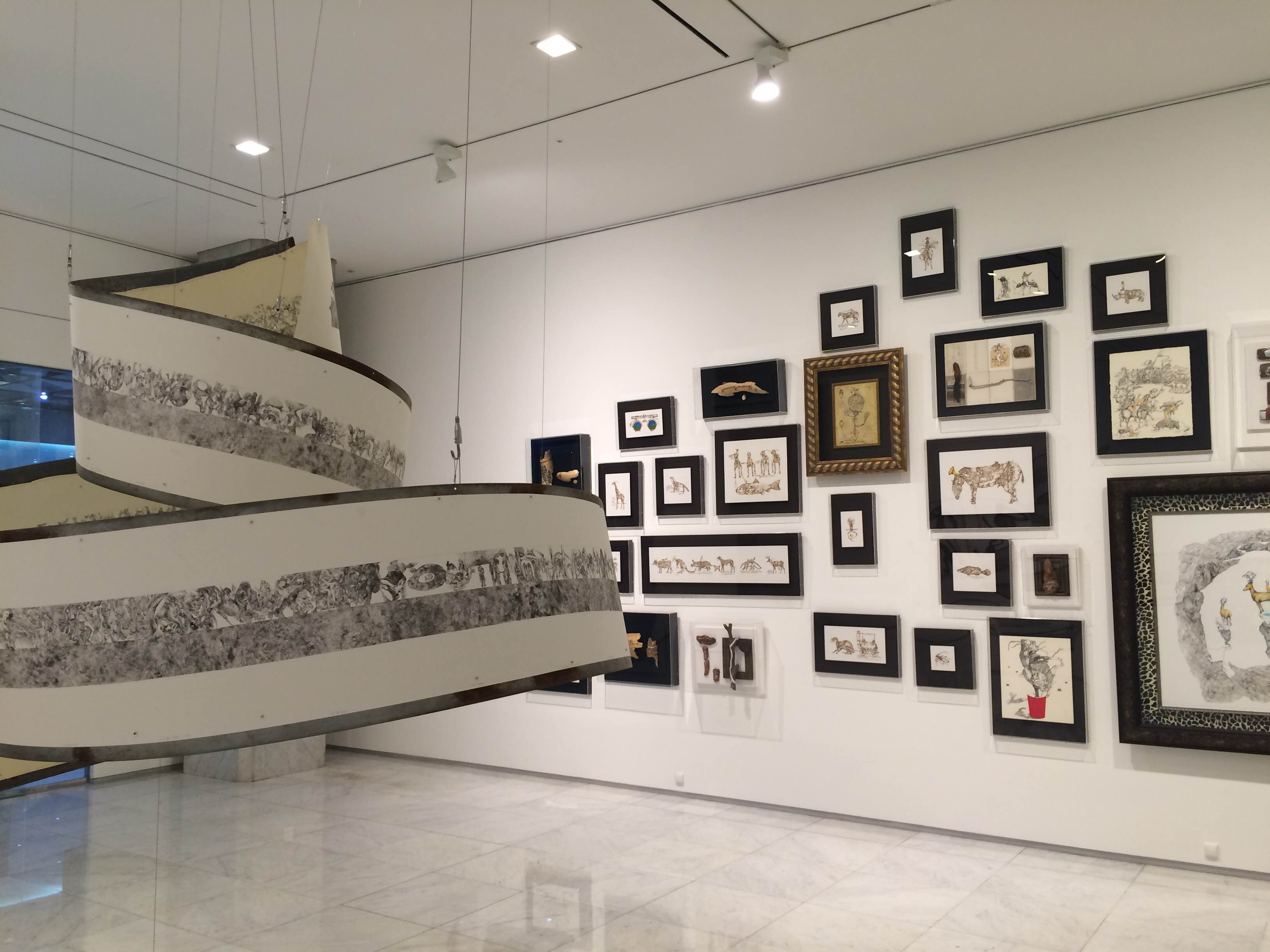
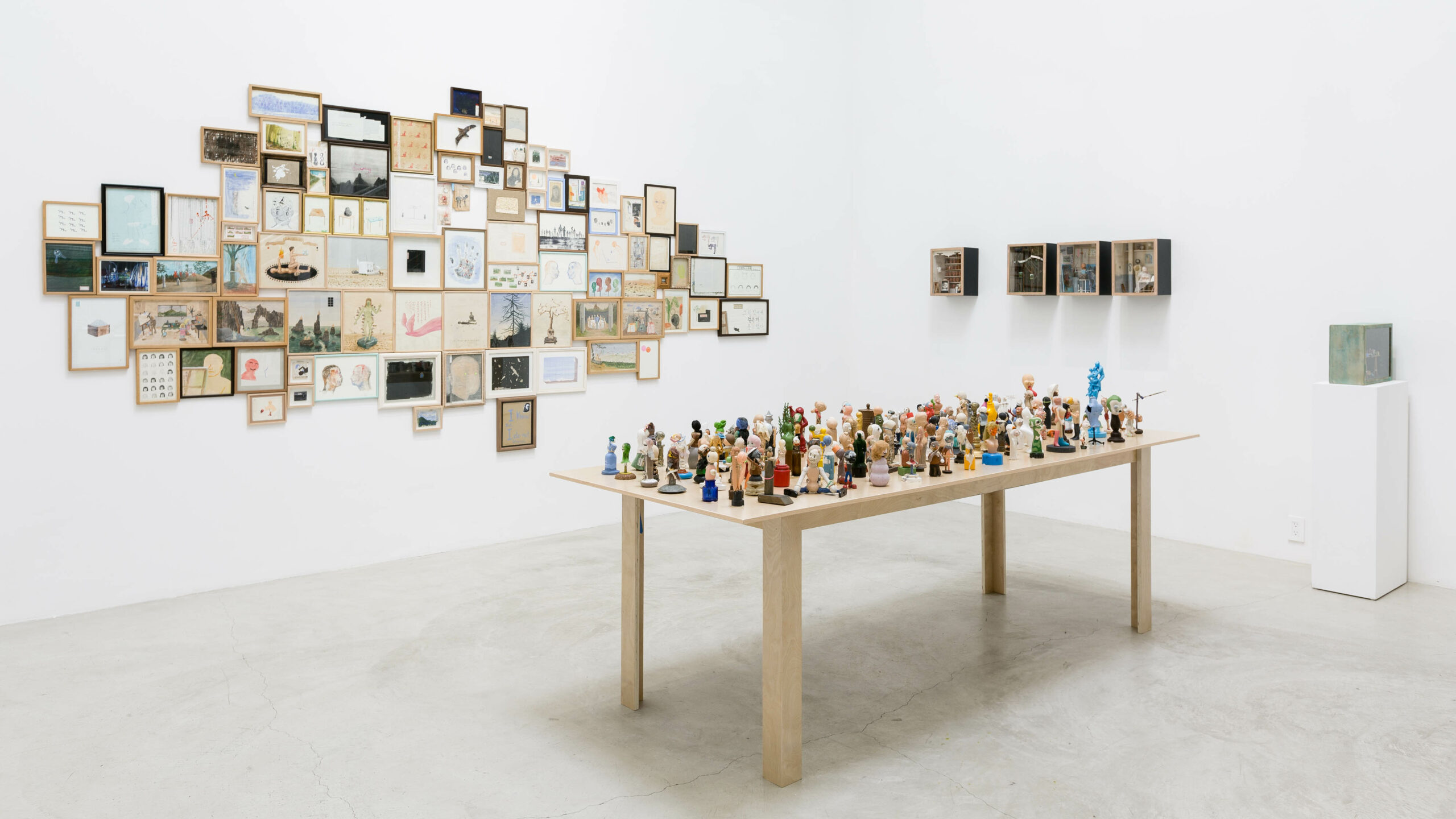
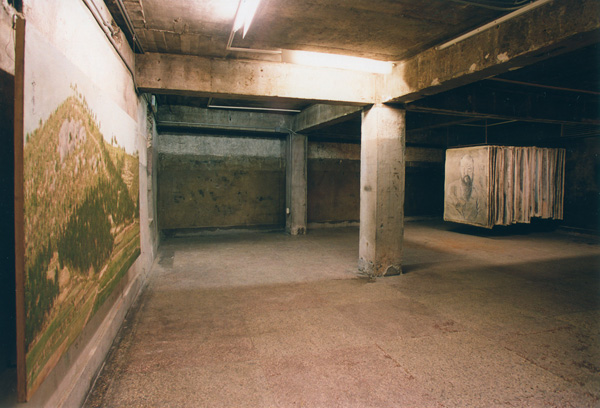
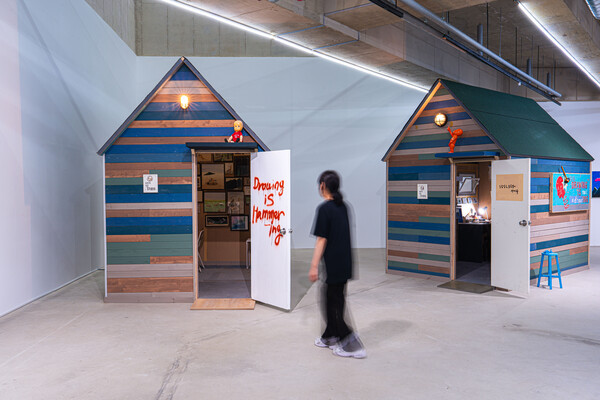
Since his solo exhibition at Kumho Museum of Art in 1994, Kim Eull has
held numerous solo exhibitions at major institutions in Korea—including the
Chosun Ilbo Art Gallery(2018), where his Lee Jung-seob Art Award exhibition was
presented, as well as SAVINA Museum(2025) and Project Space SARUBIA(2002)—and
at international galleries such as Kunsträume
Michael Horbach(Cologne, 2018), and BAIK ART (LA, 2015), through which
he has continuously explored visual thought, narrative, and the boundaries of
images, with a particular focus on drawing.
Group Exhibitions (Brief)
He has participated in numerous major group exhibitions at institutions
such as the National Museum of Modern and Contemporary Art(2016, 2011, 2006),
Ilwoo Space(2016), Seongnam Arts Center(2015), Nam June Paik Art Center(2013),
OCI Museum of Art(2012), ARKO Art Center(2009), and Gyeonggi Museum of Modern
Art(2007).
Awards (Selected)
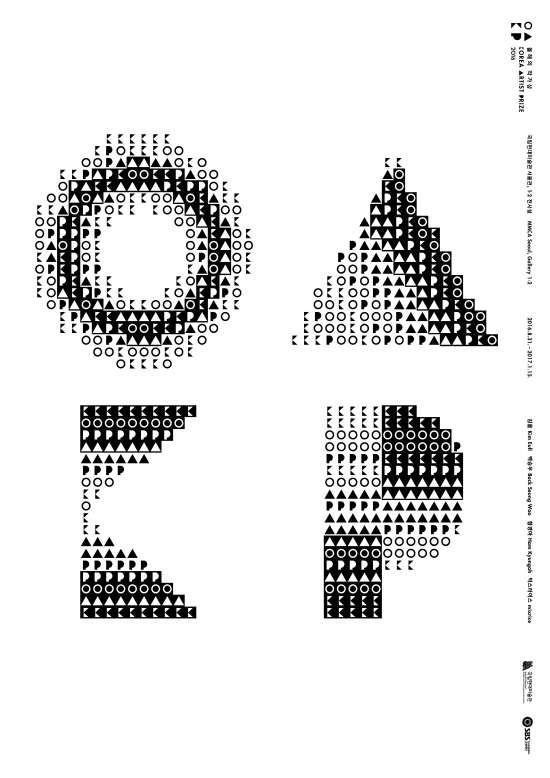
He received the 30th Lee Jung-seob Art Award in 2018 and was shortlisted
as a finalist for the 《2016 Korea
Artist Prize》 at the
National Museum of Modern and Contemporary Art in 2016.
Residencies (Selected)
He was selected to participate in PSB (CAN Foundation Artist Residency,
Project Space in Beijing) in China, Gyeonggi Creation Center in Ansan, Korea,
and the Gyeongju International Residency Art Festa in Korea.
Collections (Selected)
His works are held in the collections of major public institutions
including the National Museum of Modern and Contemporary Art, Seoul Museum of
Art, Gyeonggi Museum of Modern Art, Busan Museum of Art, Gwangju Museum of Art,
Osan Museum of Art, ARKO Art Center, and Kumho Museum of Art, as well as
international institutions such as BAIK ART (USA), KUNSTRAUME Cologne
(Germany), and Dulwich College Seoul (UK).