The
Wooyang Museum of Contemporary Art has consistently hosted its Wooyang Artist
Series as a means of empowering established artist in the Korean art community
to further advance (and, at times, completely change) their work. The 2018
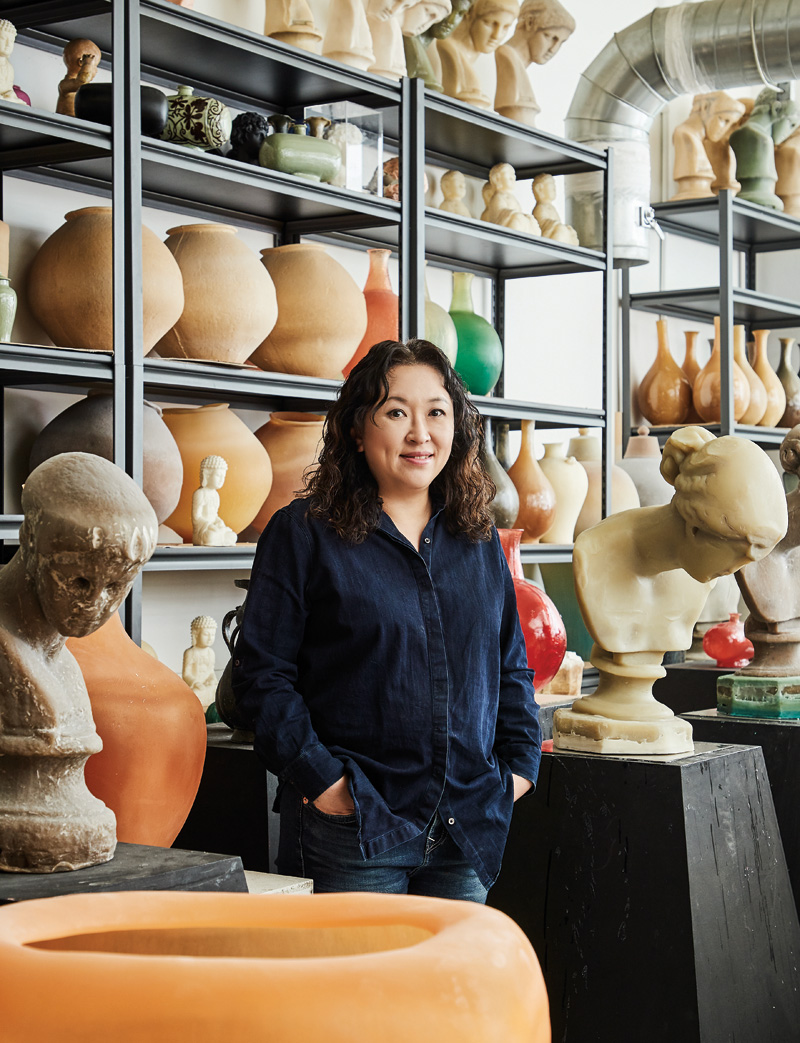
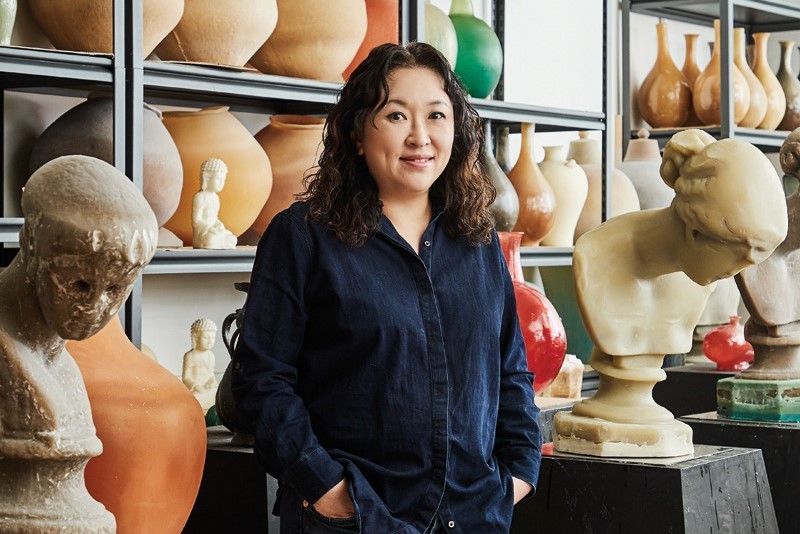
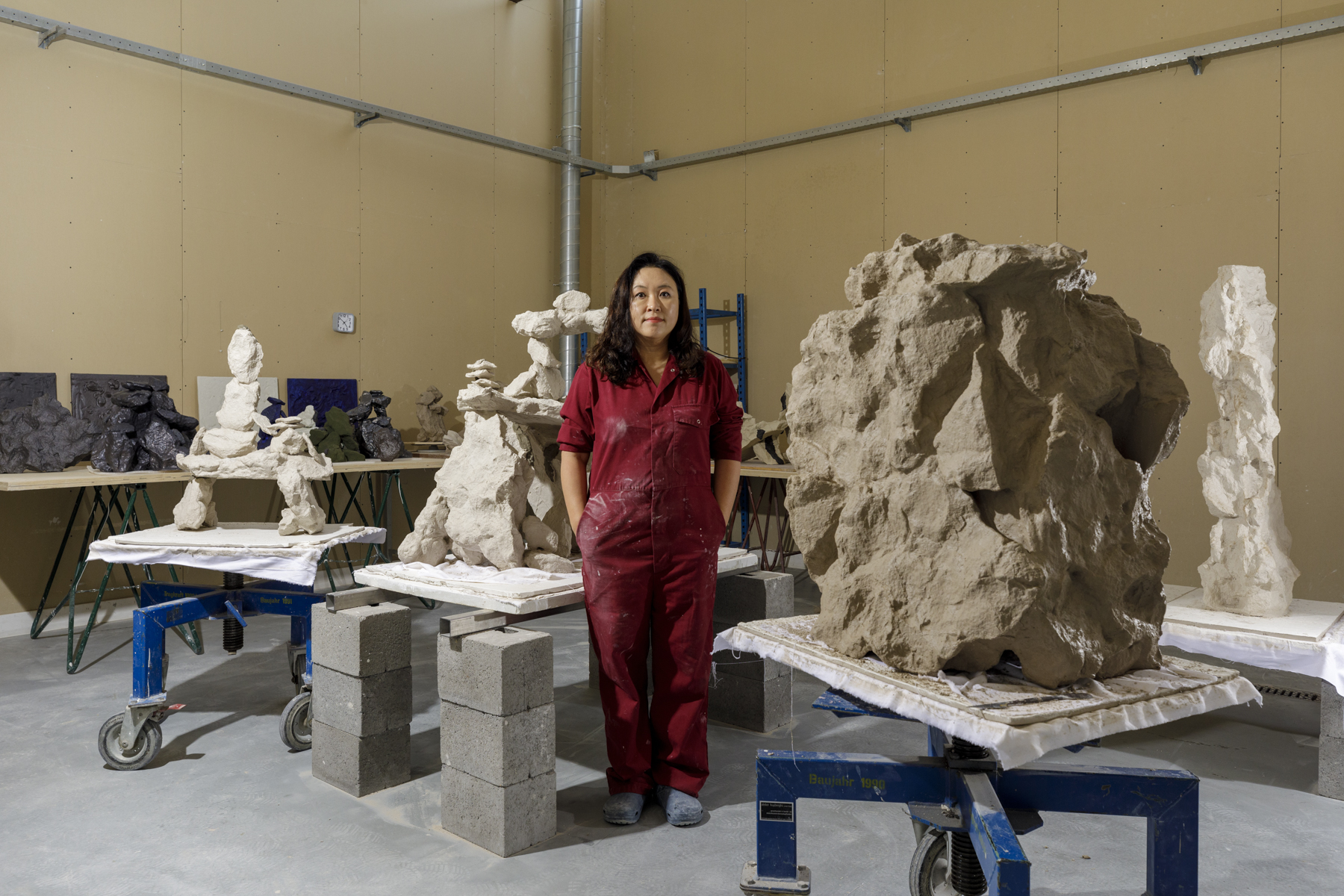
Wooyang Artist Series features Meekyoun Shin, who has created an artistic world
based on a soap motif.
Having engaged in creative activity for over 25 years
while moving back and forth between London and Seoul, Shin is taking the
opportunity this exhibition provides to highlight her past work, feature 62 new
creations and artworks not yet unveiled in Korea, and introduce an
architectural project that was originally featured at 《The Abyss of Time: Meekyoung Shin》 (solo
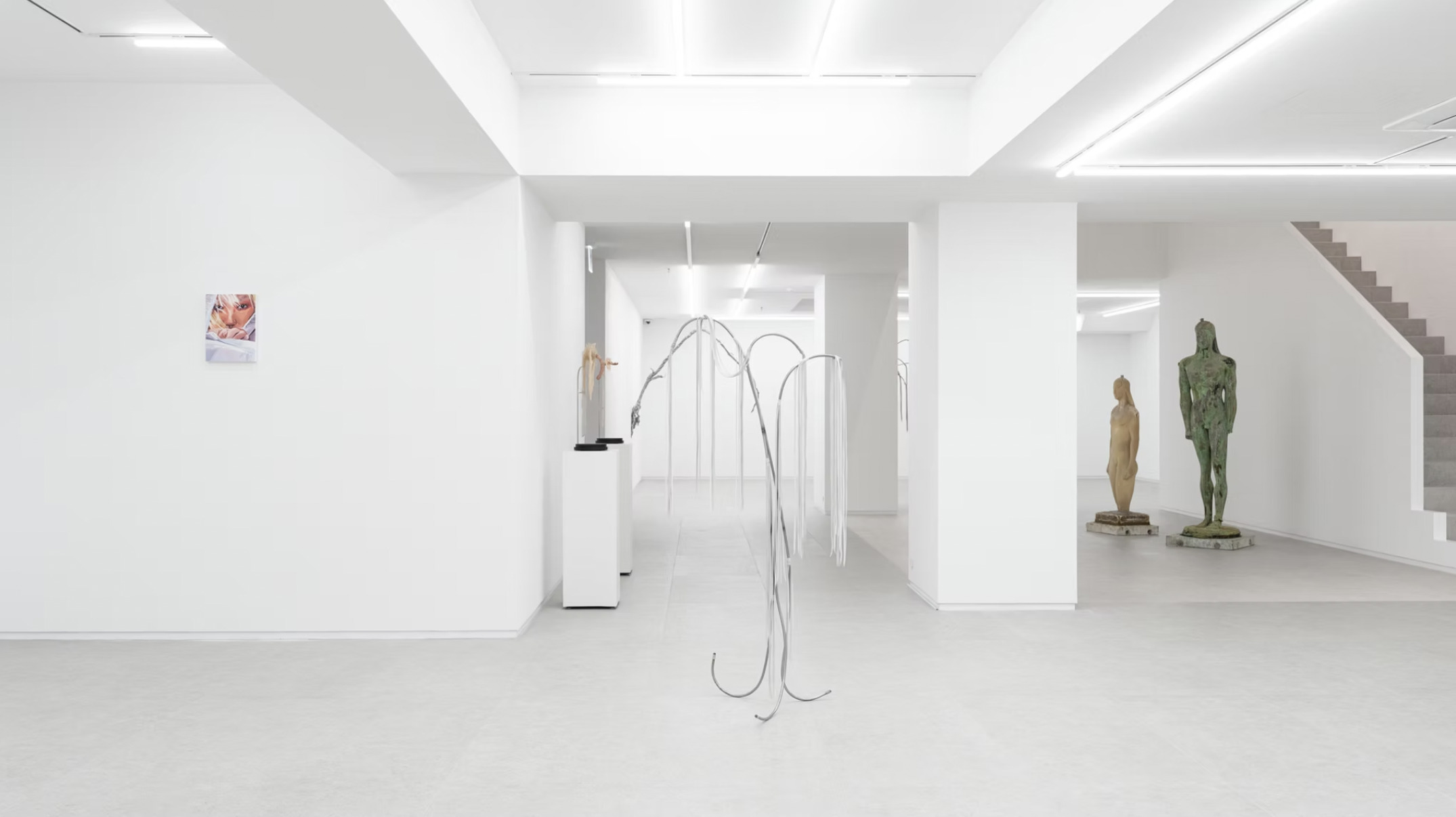
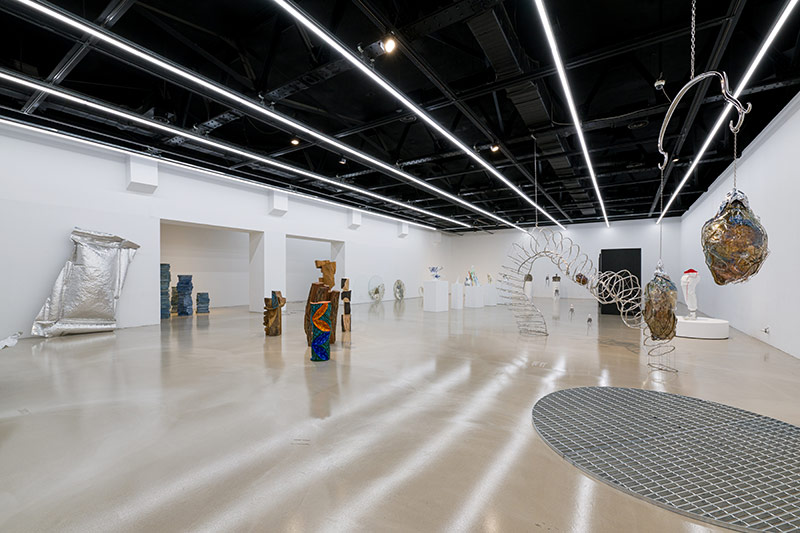
exhibition at Arko Art Center). This large-scale exhibition of 230 artworks by
Shin is featured especially for the residents of Gyeongju.
The
subtitle of the exhibition (《Meekyoung Shin
– Ancient Future》) was borrowed from an essay of the
same title by linguist Helena Norberg-Hodge. Also, the exhibition was inspired
by Shin’s unique perspective on identifying contemporaneity between the current
era and the distant past by dismantling the standardized perceptions of ancient
civilizations and cultures. This exhibition aims to reassert this
inter-temporal continuity for today’s viewers.
Shin
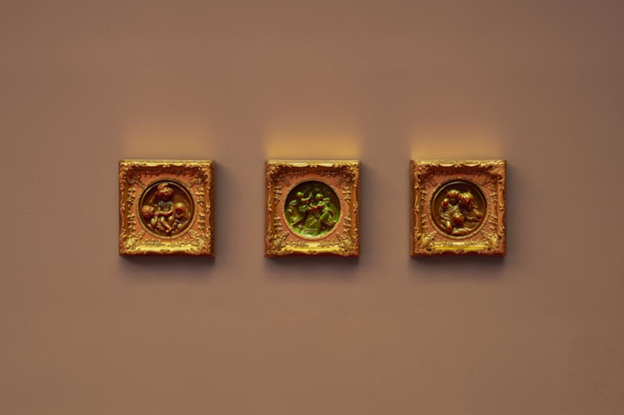
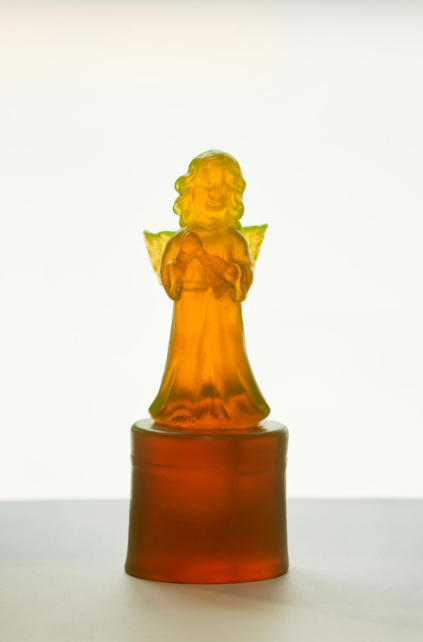
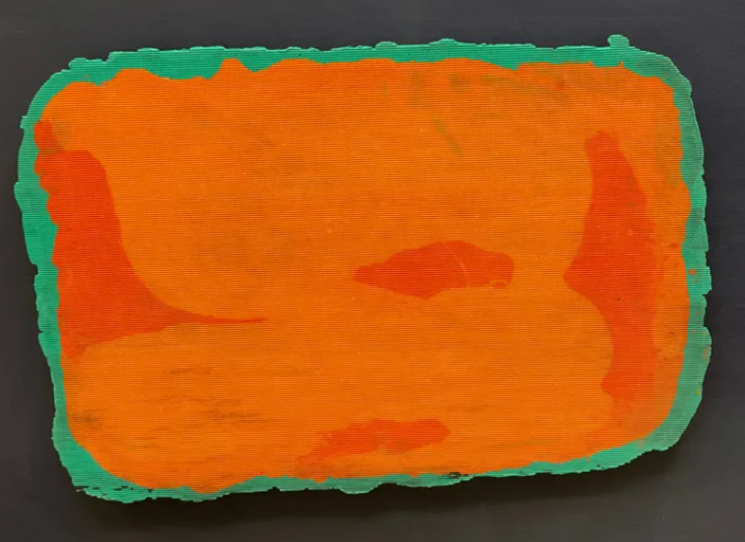
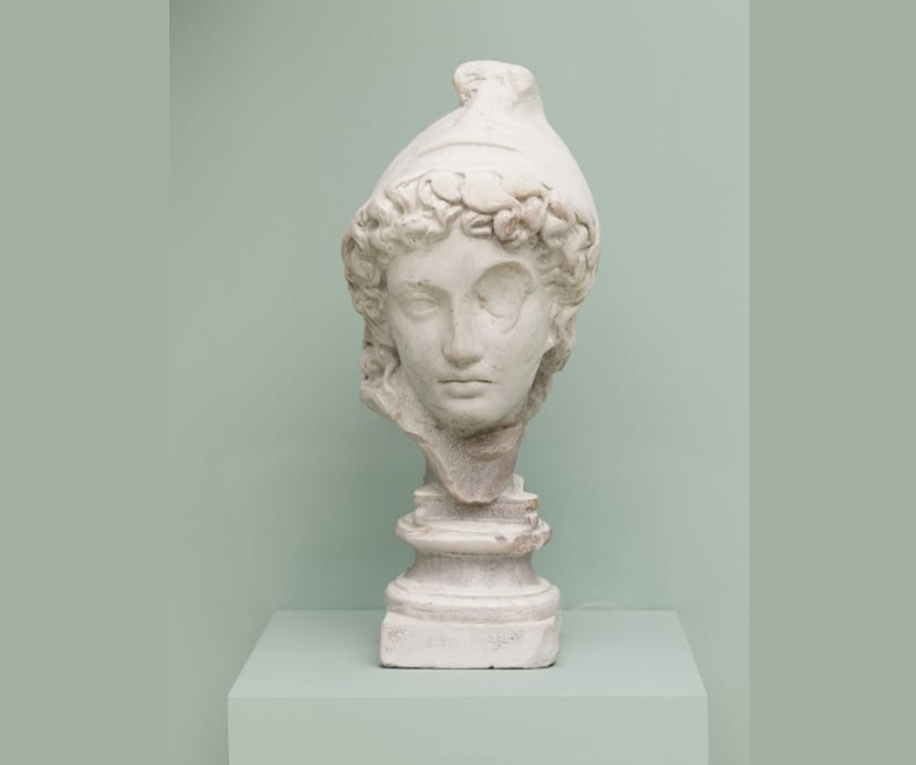
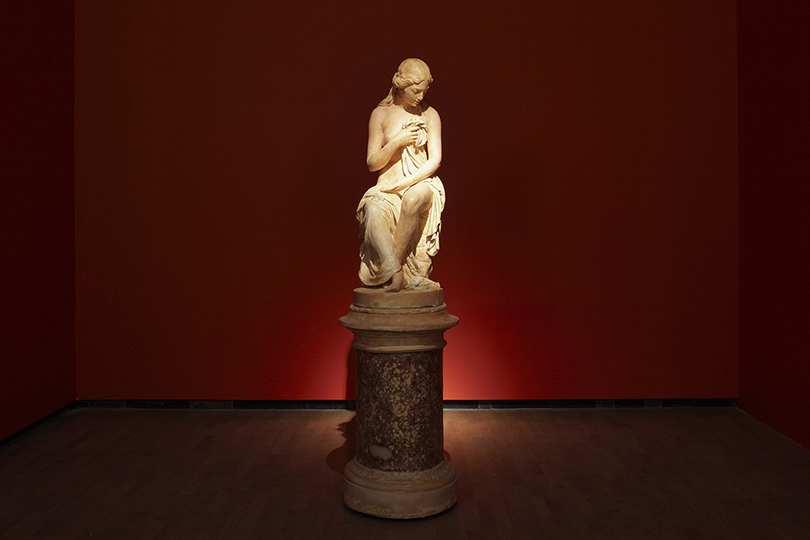
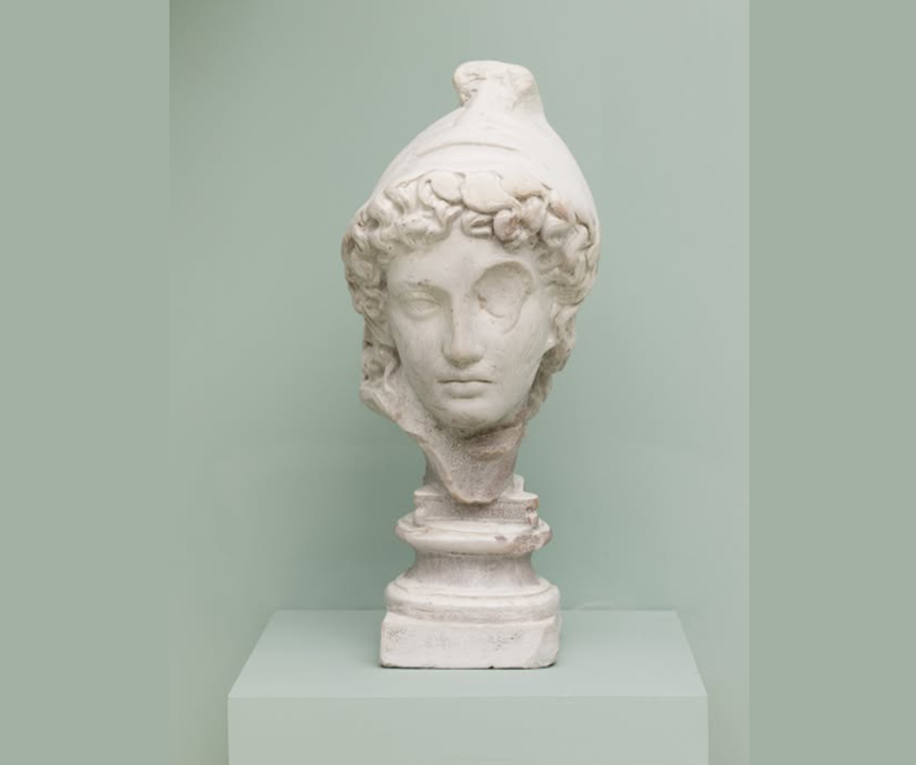
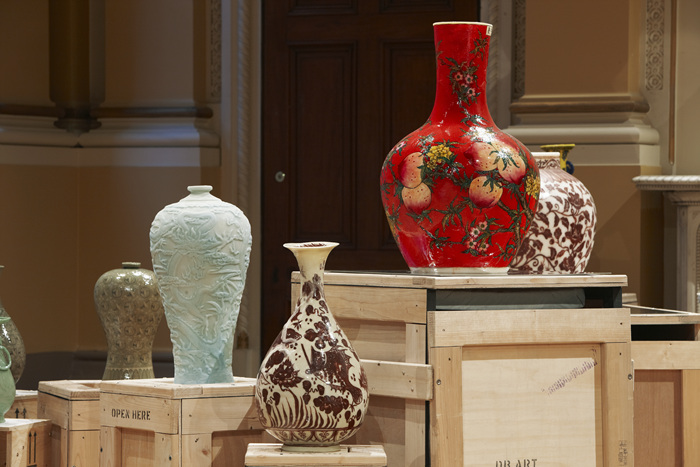
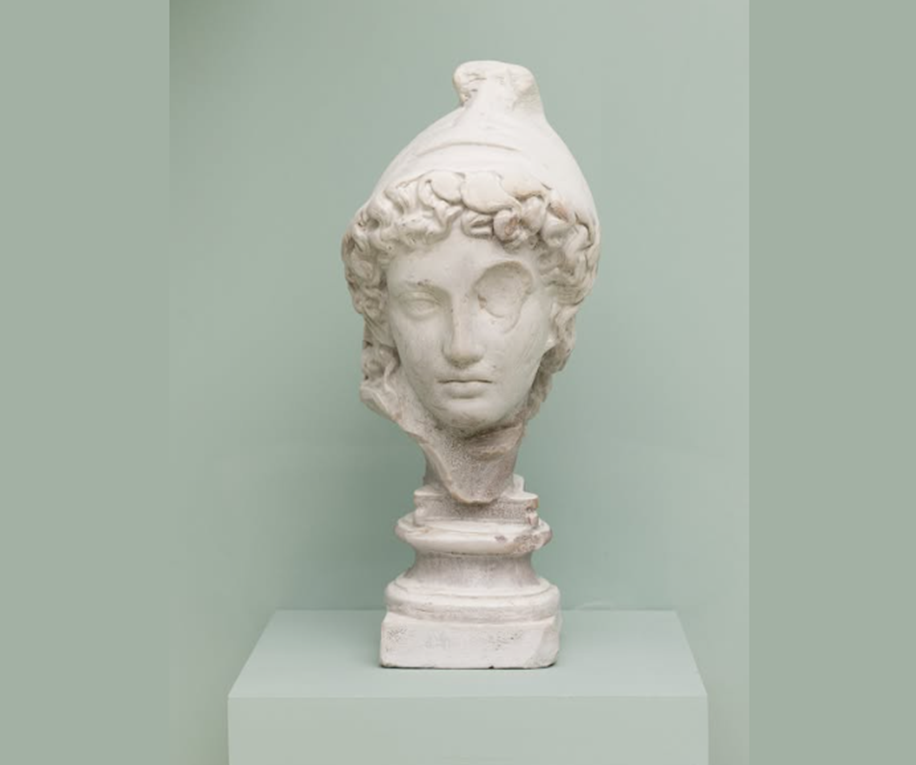
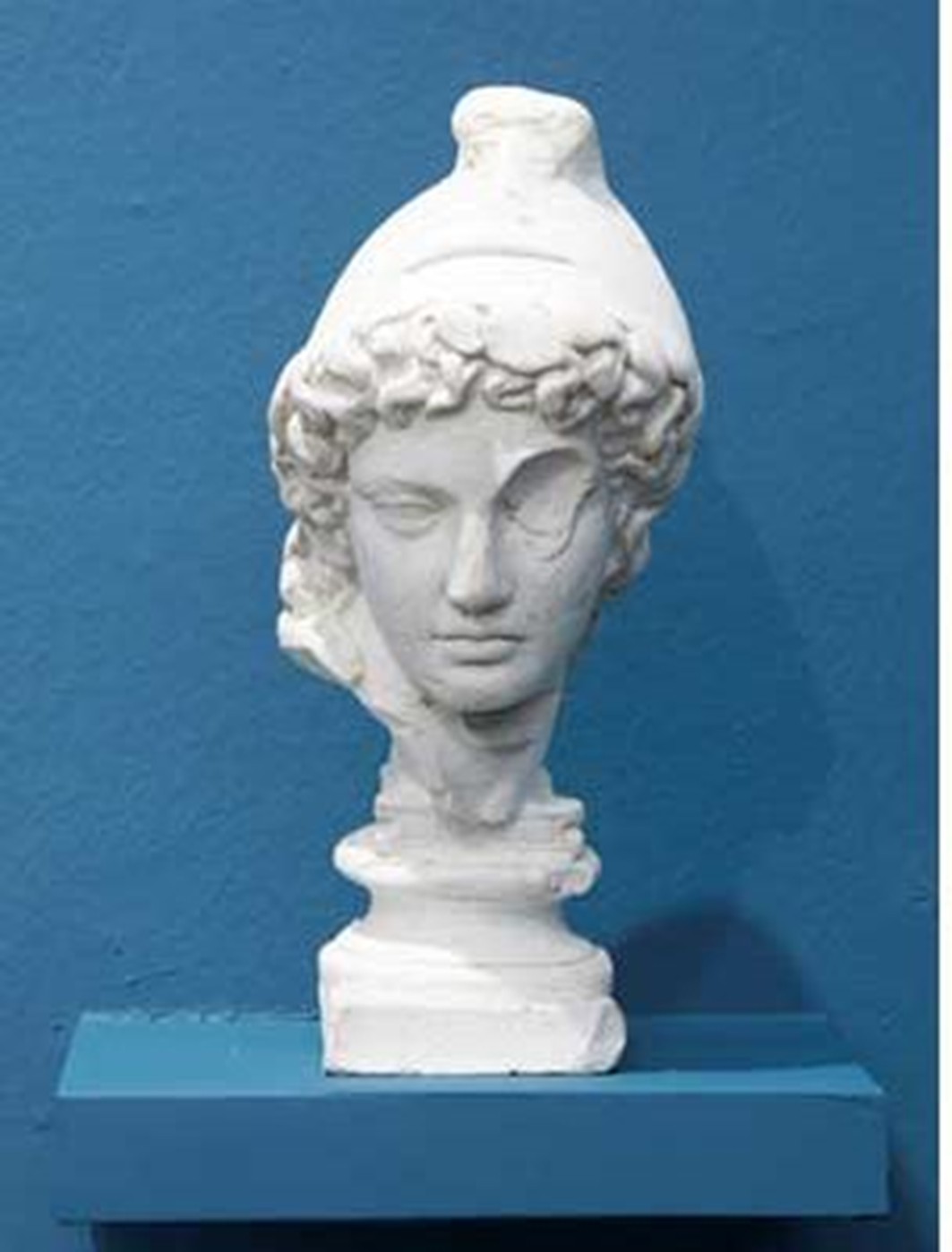
uses soap, a common everyday item, to create Western sculptures and “painting,”
Buddha statues and Asian-inspired ceramic ware, and other objects that are
representative of certain cultures, such as the ruins of famous buildings.
These works are not merely re-creations of actual things, but represent the
intentional de-contextualization of an object’s external identity as well as
the birth of a new entity through the transference of the subject’s original
context to a different “original copy.”
They are visualization of concepts that
can only be portrayed through the physical weakness of soap (questioning of
firmly established authority and hierarchies based on an awareness of
modernization’s Western bias, inevitable distortion of traditional and interpretation
caused by different cultural backgrounds, contemplation of the validity/establishment
of artwork or artifacts, irony of time being increasingly well visualized
through the deterioration and disappearance or remains, etc.).
This
exhibition focuses on the phenomenon of Shin’s artworks being interpreted
differently depending on the venue in which they are exhibited and cultural
backgrounds of the viewers as part of the artwork. This feature of Shin’s work
will heavily overlap with the spatial characteristics of Gyeongju, which is
known as an “outdoor museum” for its high concentration of historical artifacts
and relics, accentuating the chaos and confusion between the original and the
replica. The exhibition makes it easy for visitors to see the ruminations on
fundamental questions on human existence that lie behind the elaborate façade
of well-known works of art.
When visitors encounter Shin’s artworks at the art
museum, after having already seen many famous artifacts excavated from Korean
royal tombs, including the Gilt-bronze Seated Amitabha Buddha of Bulguksa
Temple, Bonjonbul (principal Buddha statue) of Seokguram Grotto, Gameunsa
Temple Site, and Hwangnyongsa Temple Site, they can interpret the artworks on
an entirely new level by discovering yet another identity. Such creation of new
identities is achieved by taking on a museum- style format as “exhibits”
(painting, building, Buddha statue, pottery, Greek sculpture, etc.) of an
official “exhibition.”
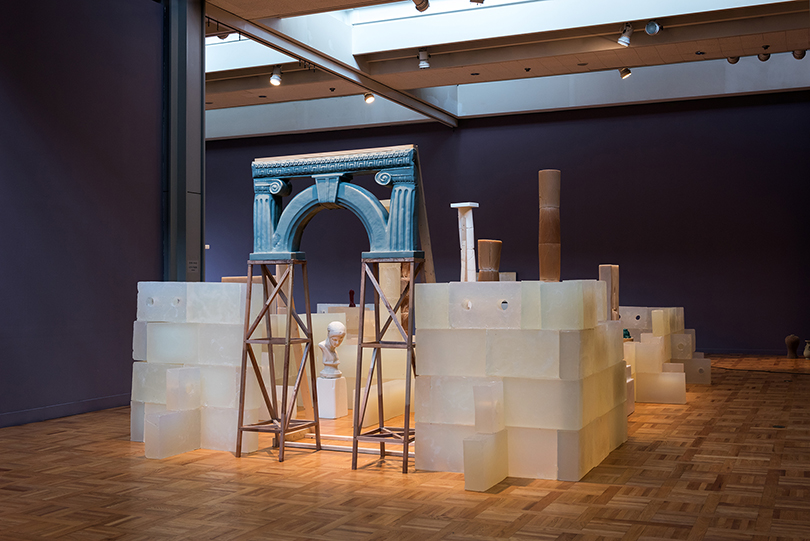
The
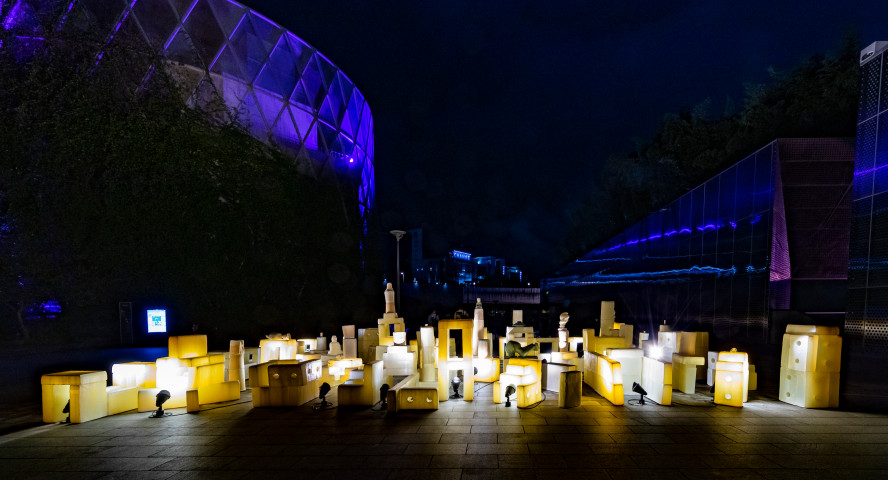
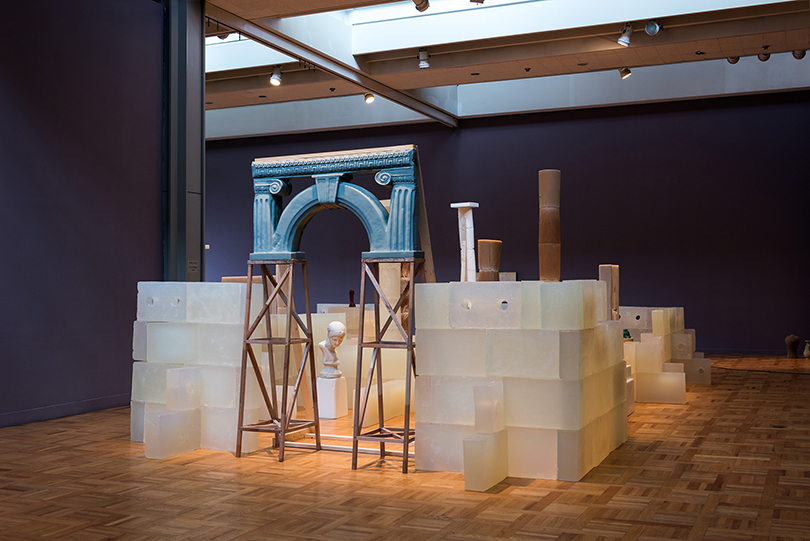
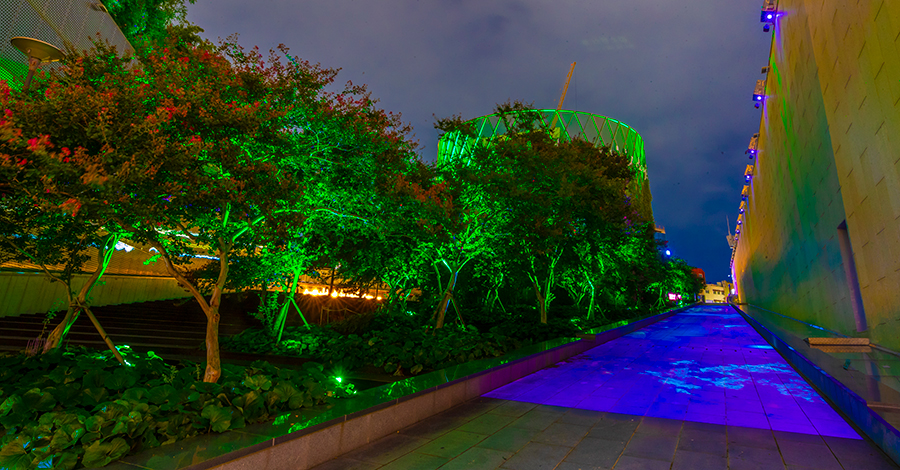
large-scale architecture project Ruinscape, which is set up
inside the exhibit hall, adds two tons of soap to existing items to create a
scene of sublime beauty. The ruins have the same effect as a screen,1 in that
they depict human mortality. The past glints past vanished remnants (like a
time lapse), while the view of aged and broken remains has the effect of
creating an overwhelming nostalgia, reminding us of the temporality of
existence. The ruins visualize something that has already disappeared.
Ironically, however, such visualization simultaneously emphasizes the eternity
of its reinterpretation/rebirth. An observatory-style stairway allows visitors
to have an aerial view of the ruins.
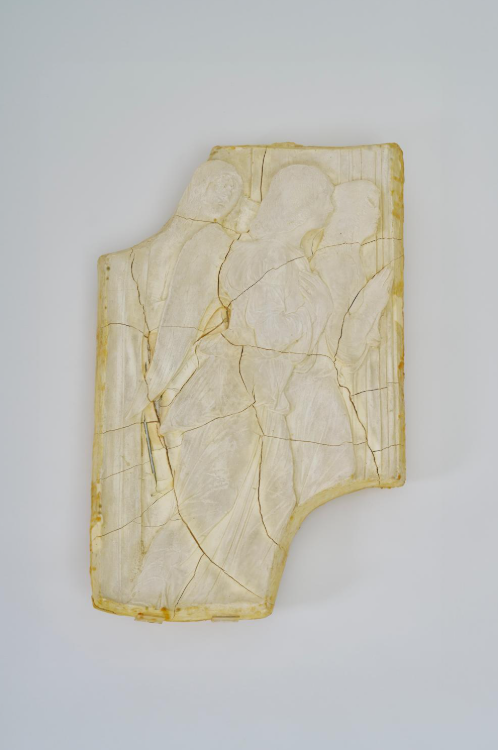
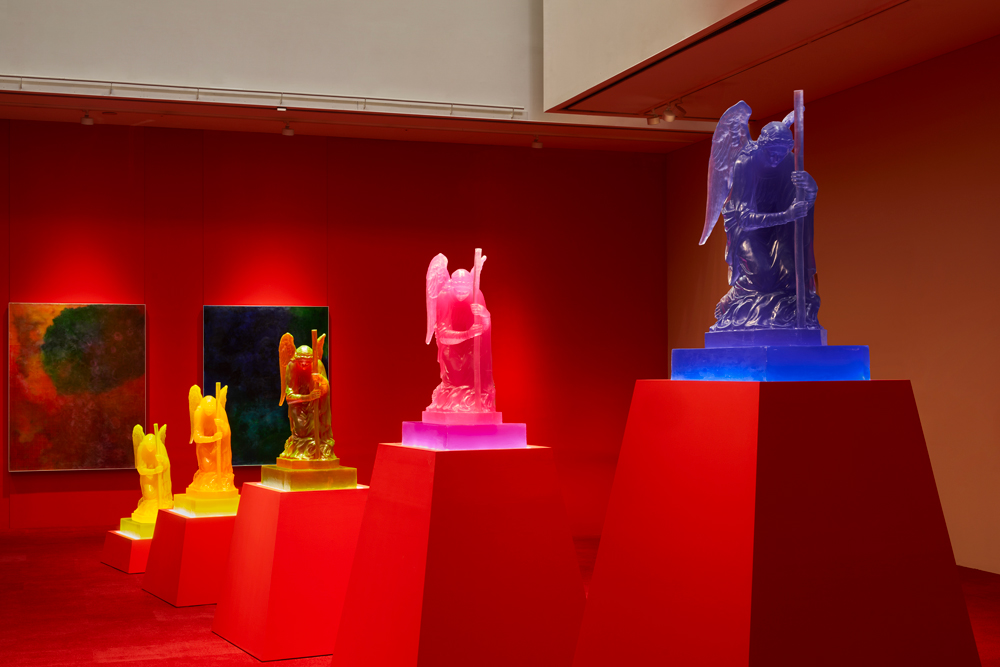
Positioned
separately from the section displaying Shin’s series artworks is a large
pedestal in the format of a triptych (picture/relief carving done on three
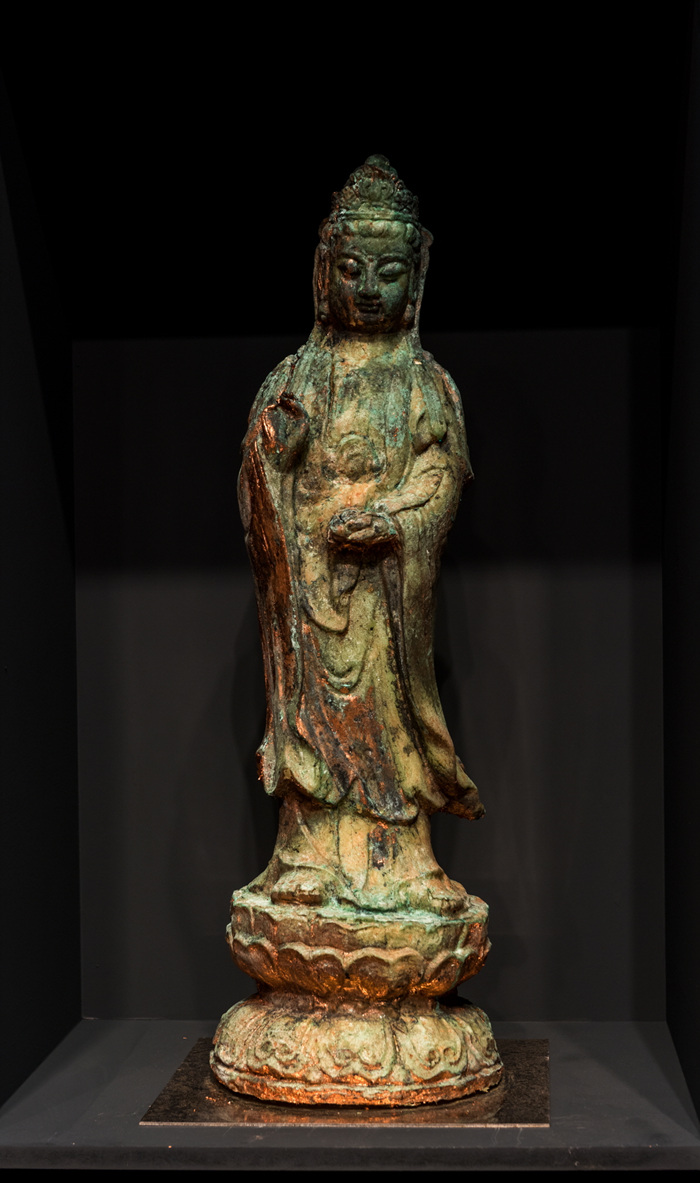
panels) from the Middle ages, on top of which are over 30 Buddha statues made
from soap from various projects. The grouping together of identical formats
serves to highlight the content of Shin’s works.
This
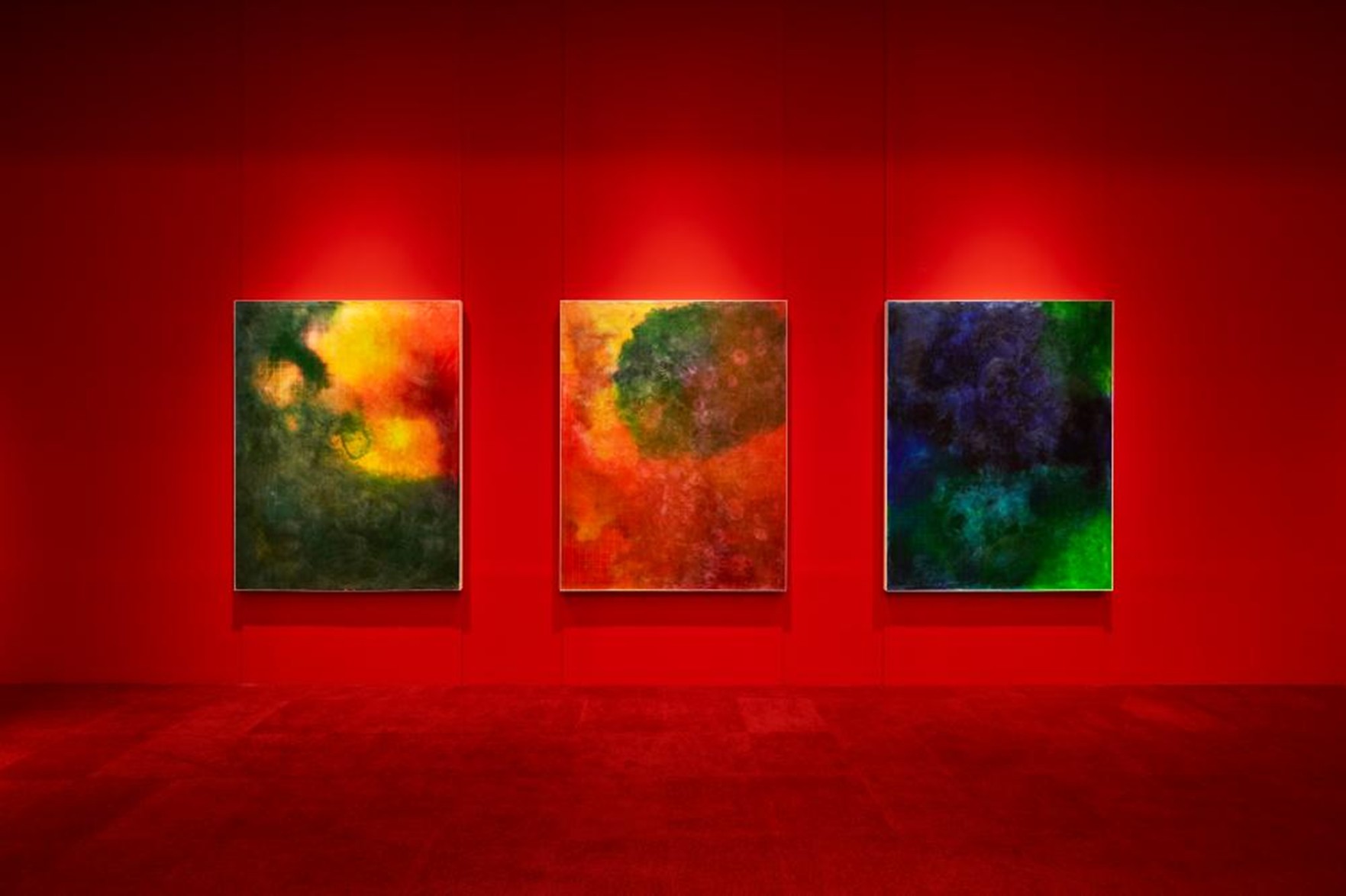
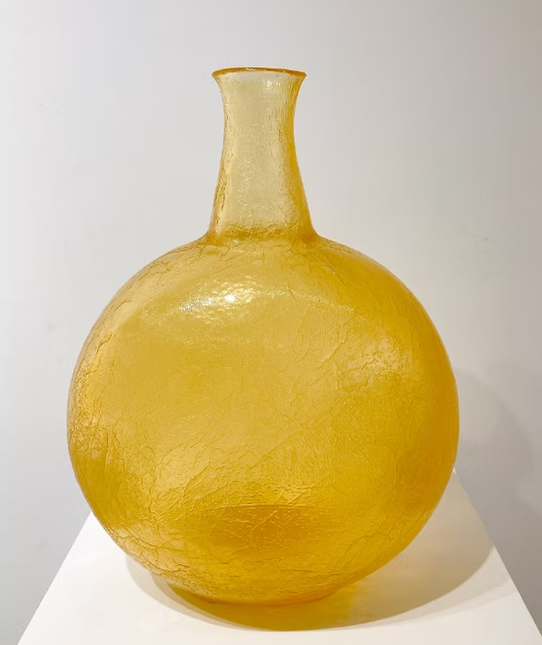
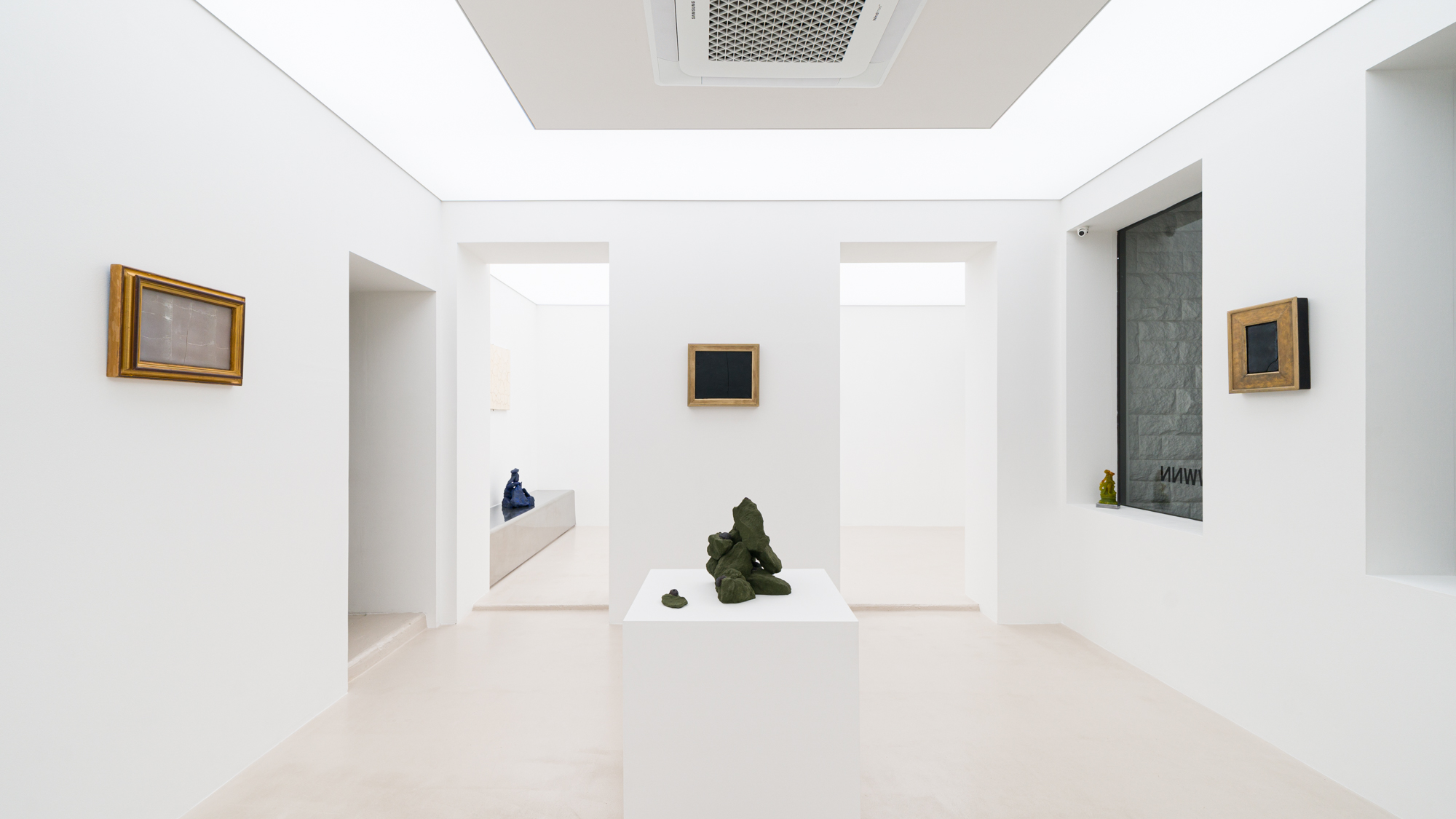
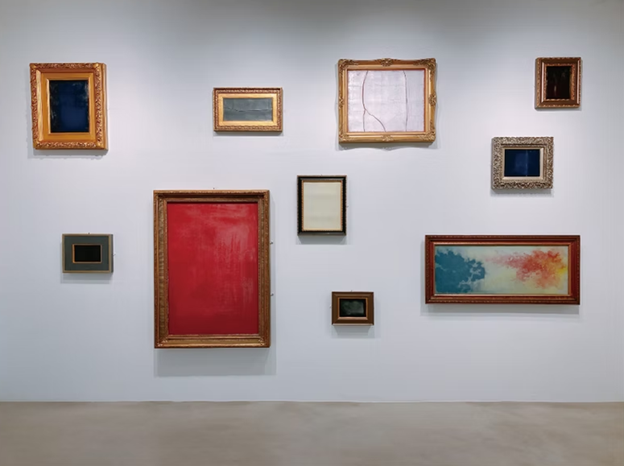
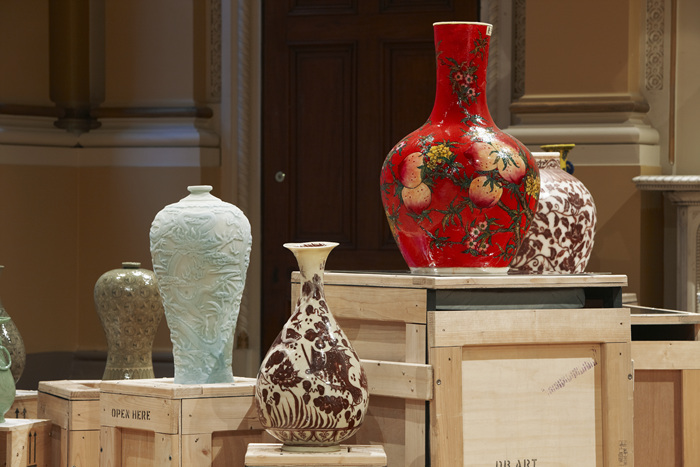
exhibition will also feature the ‘Painting’ series, which deconstructs the
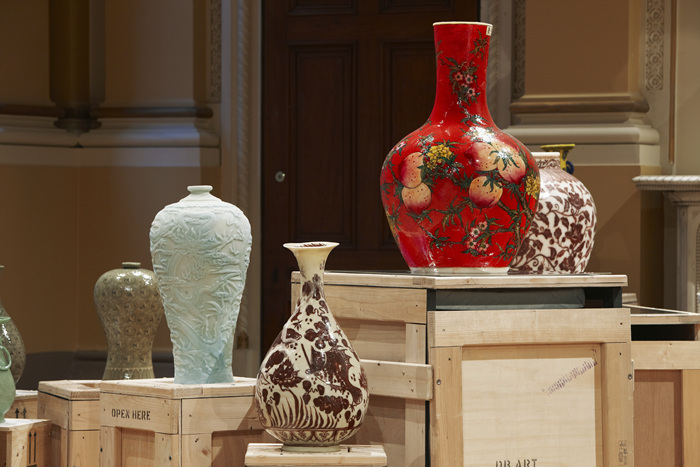
meaning of the painting; the ‘Translation: White porcelain’ series, which is
comprised of new is comprised of new artworks and works that have not yet been
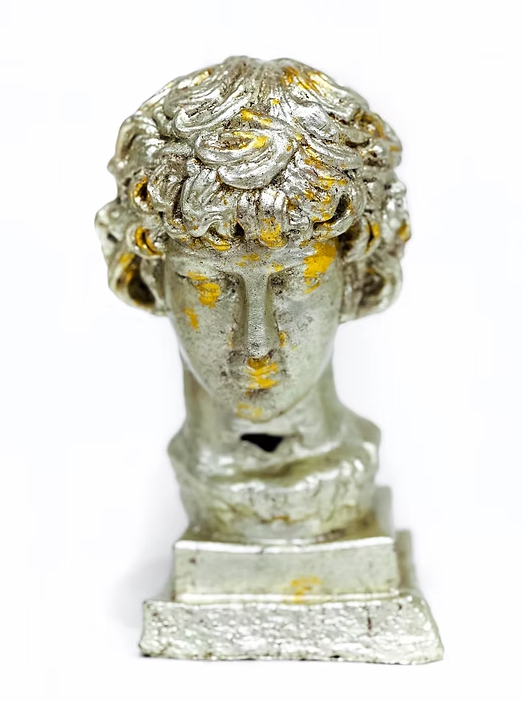
presented in Korea; a large standing Greek statue that is part of the
Weathering Project; a Buddha statue from the Toilet Project; and the ‘A Petrified
Time’ series, which condense and corrodes the ceramicware featured in the
Translation series in order to show the passage of time.
In
addition, the act of “weathering” the statues displayed for the Weathering
Project outside the Arko Art Center by placing them at the entrance
and on the rooftop of the center enables visitors to witness the “overlapping”
of the passage of time as they from one space to another while viewing the
exhibition. The Toilet Project, which offers everyday
experiences of artwork, will be installed inside the museum’s restrooms,
thereby adding another dimension to the museum’s indoor and outdoor exhibition
spaces. Both projects question the practice of turning objects into works of
art through hierarchical separation dome with white cubes, presenting the
effects of the passage time on the artwork’s external features as the work of a
“second artist” or the viewer’s actions rather than focusing on the artwork
itself as a complete entity.
Meekyoung
Shin’s future creations are expected to be even broader in scope in terms of
both their internal and external aspects (East-West, sculpture-architecture,
extinction-eternity, etc.).
1
Jookis Min, “Aesthetic Experience of Ruins: Memory of the Place without Story,”
The Korean Journal of Aesthetics, Vol.81, No.1, March 2015, pp. 197.